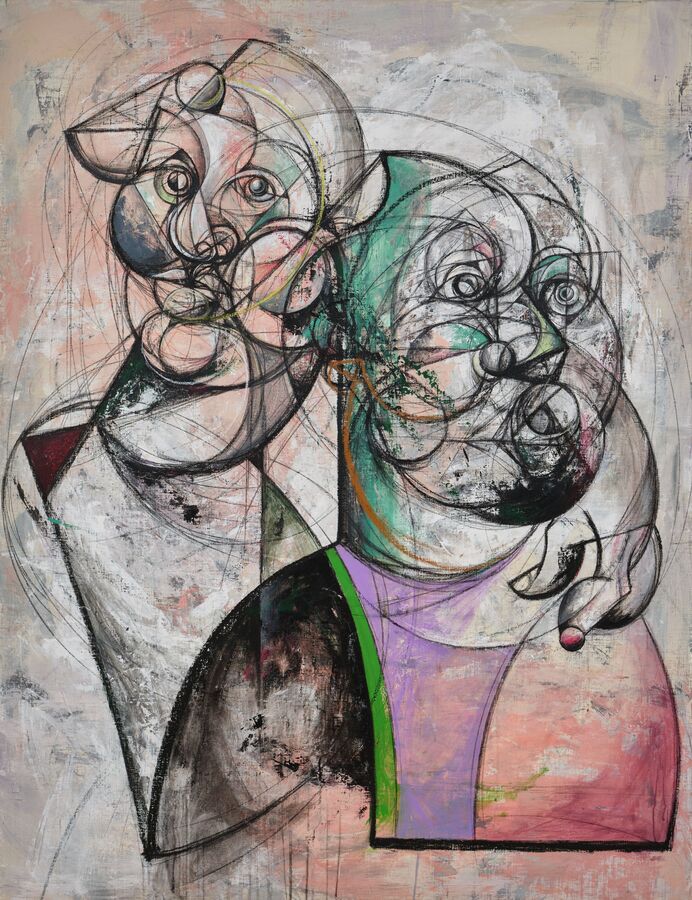
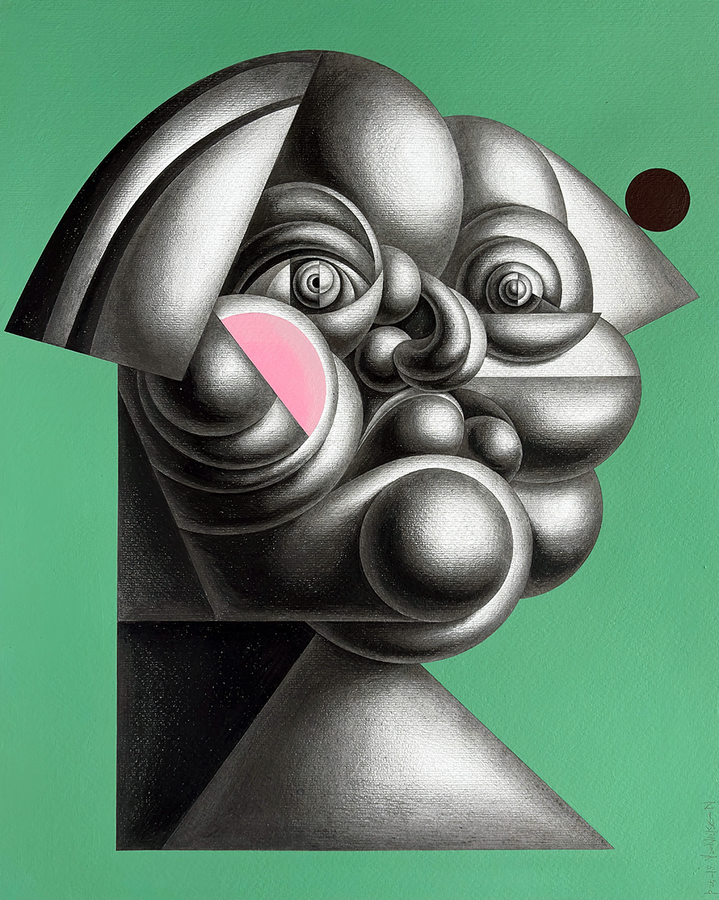
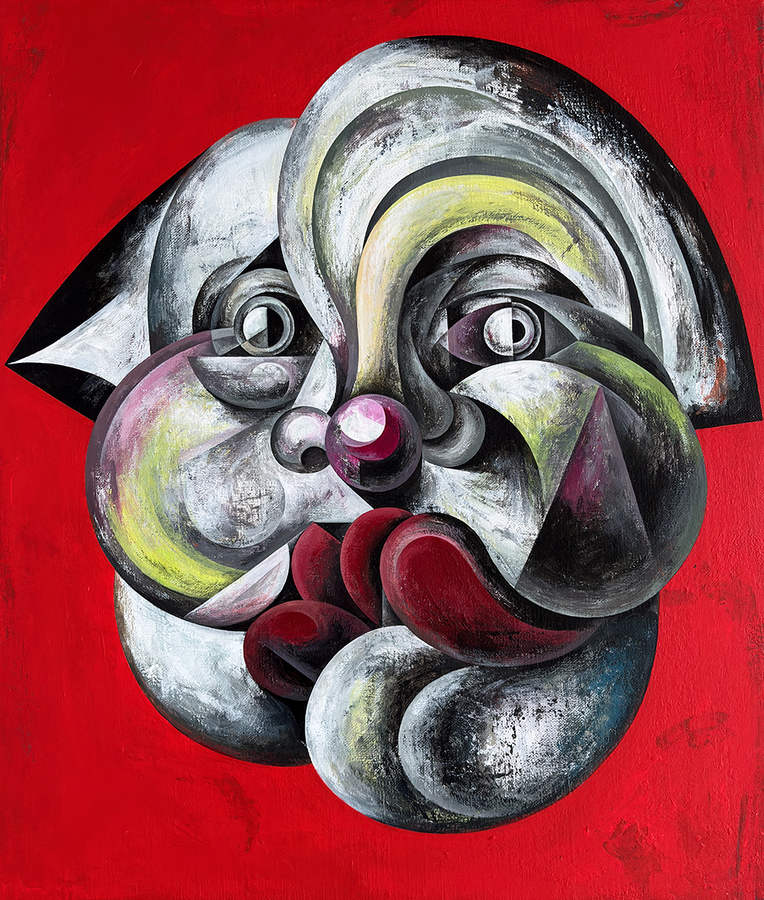
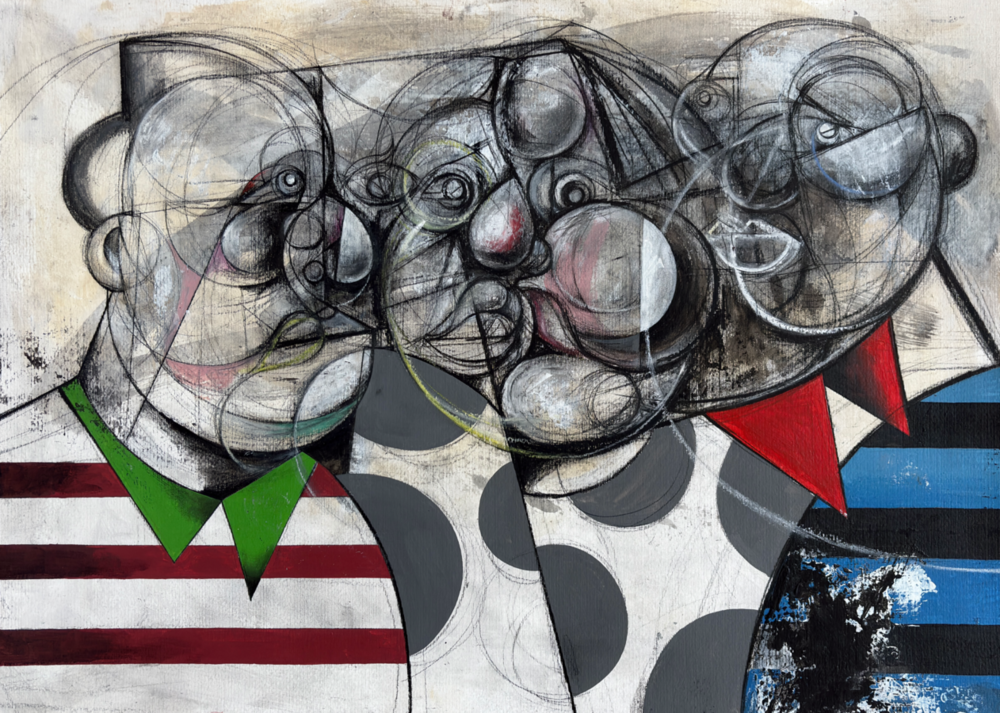
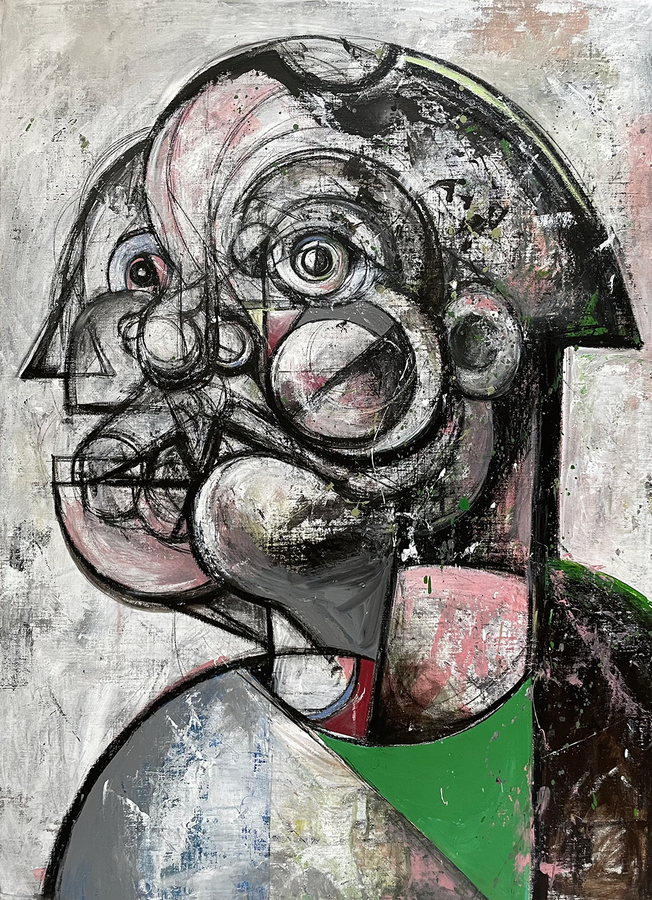
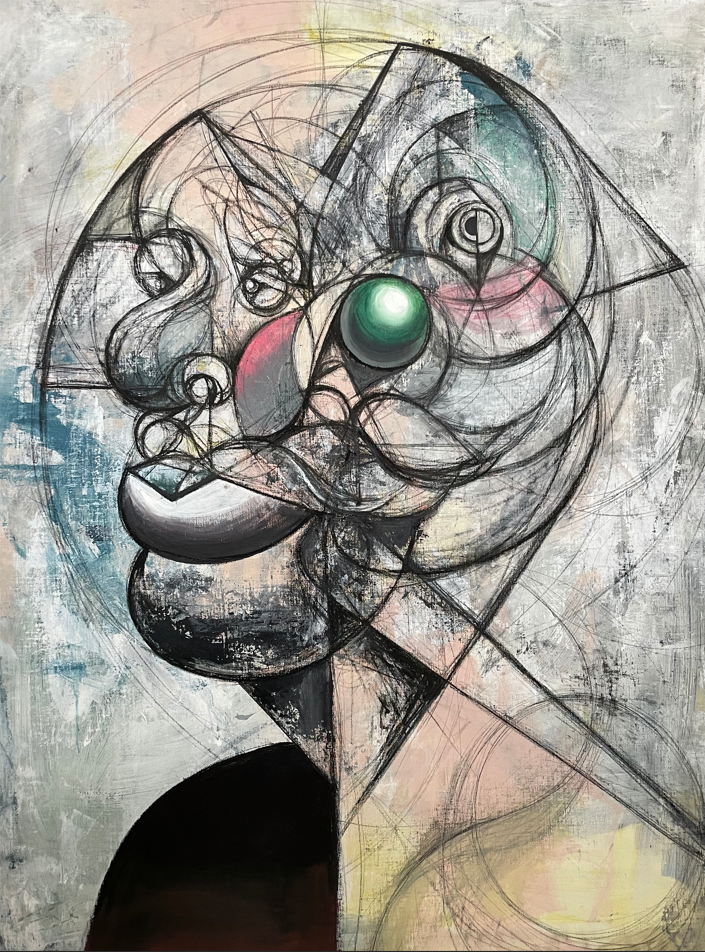
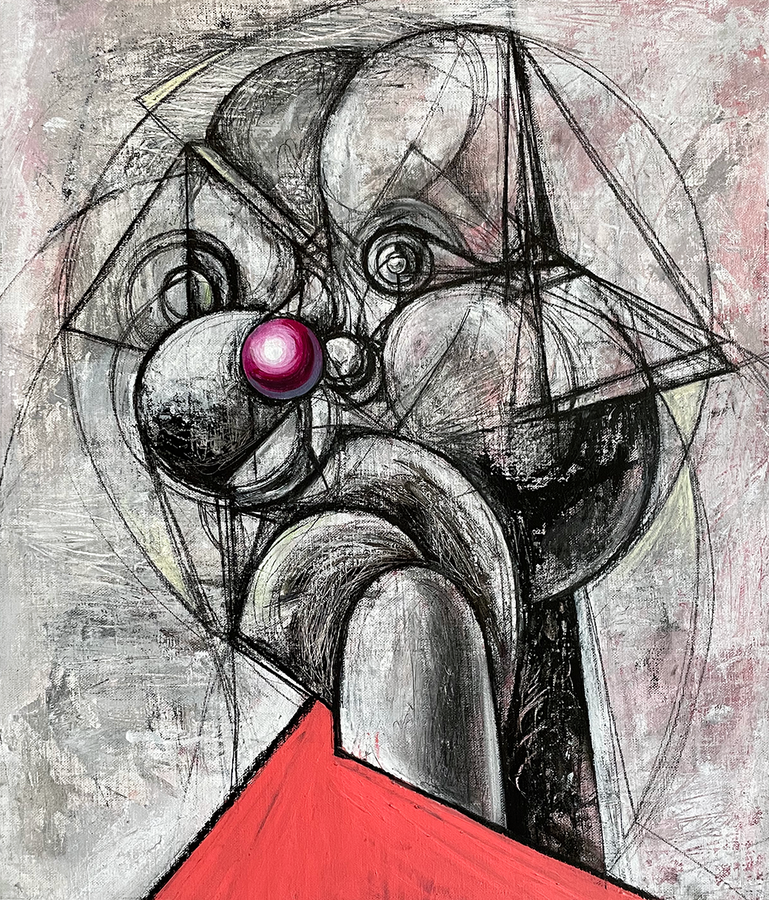
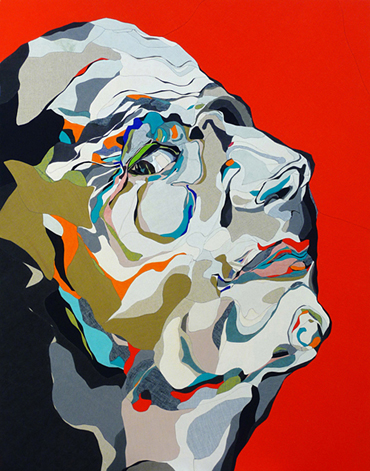
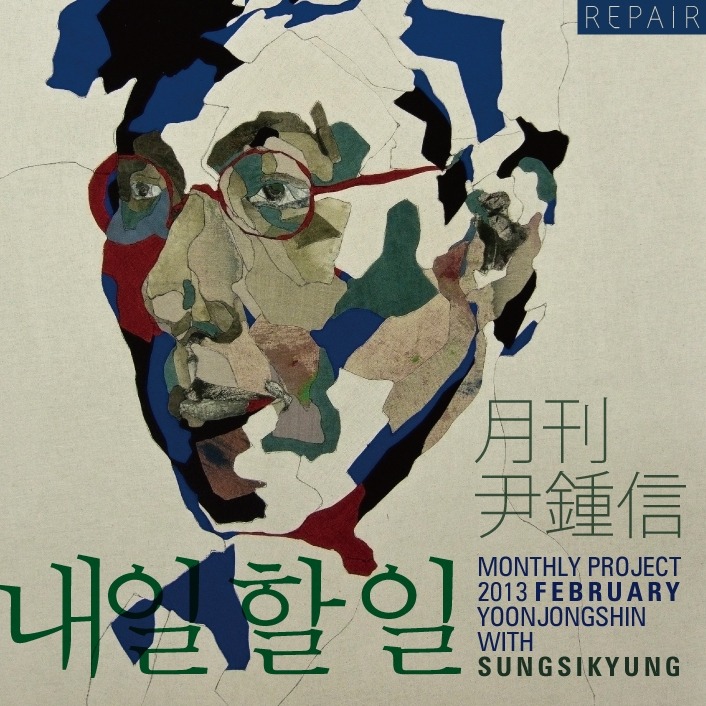
Miseon Yoon has expressed the countless emotions and sensations she has experienced in life through self-portraits created with patchwork techniques, healing inner wounds by dyeing, repeatedly cutting, and piecing together fabric. Her self-portraits, created through empathy with the many emotions others may have felt, serve as records of shared scars deeply inscribed within each individual.

Ahead of her exhibition at Noblesse Collection, we asked the artist about the background behind the creation of her works and her working methods. Noblesse Collection, located in Nature Poem in Cheongdam-dong, Seoul, will present 17 of her paintings and drawings from December 23 through January 21, 2017.


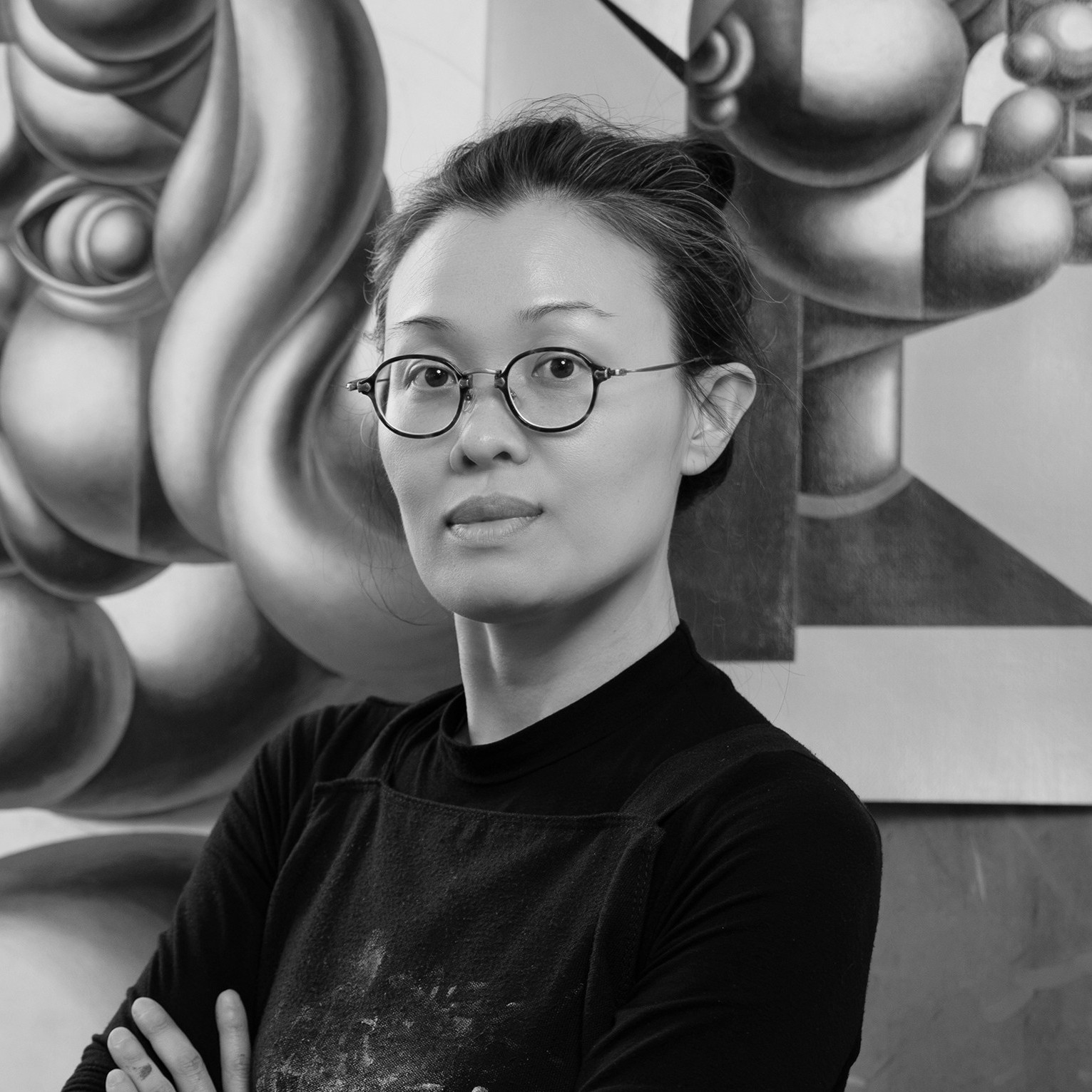
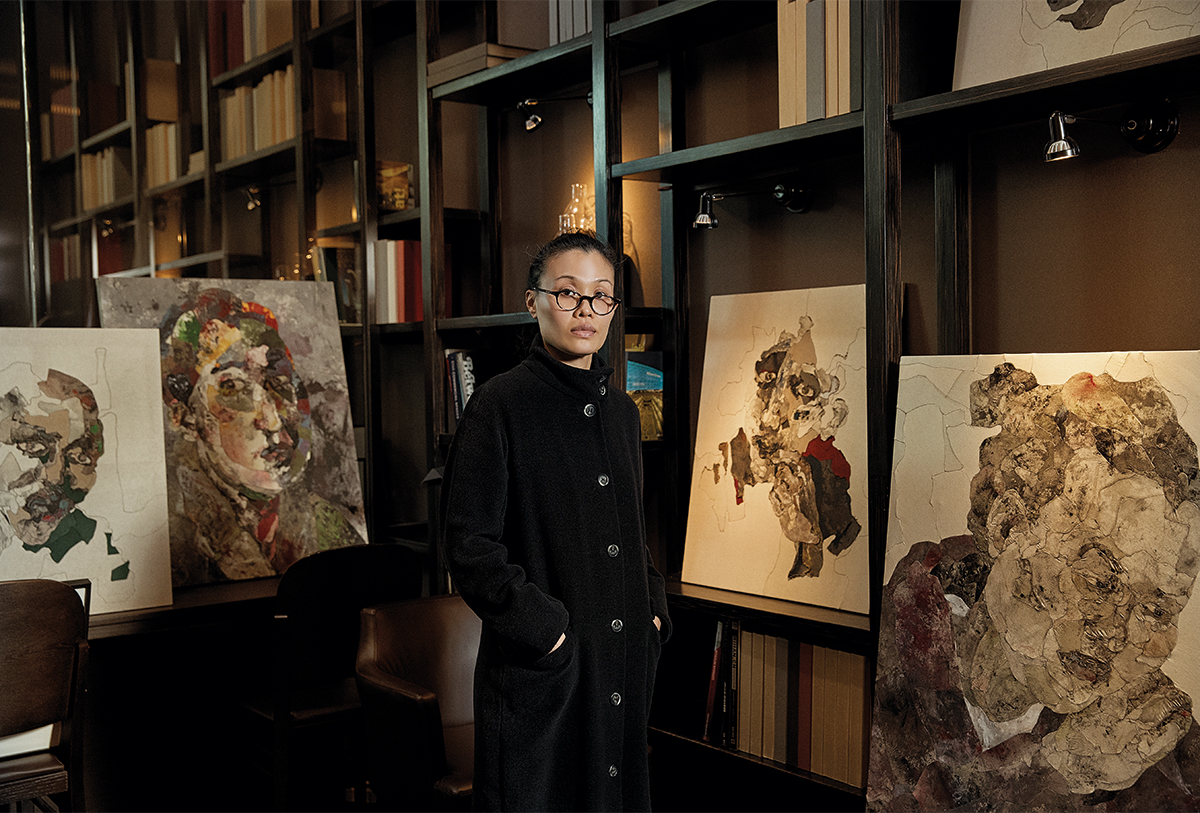
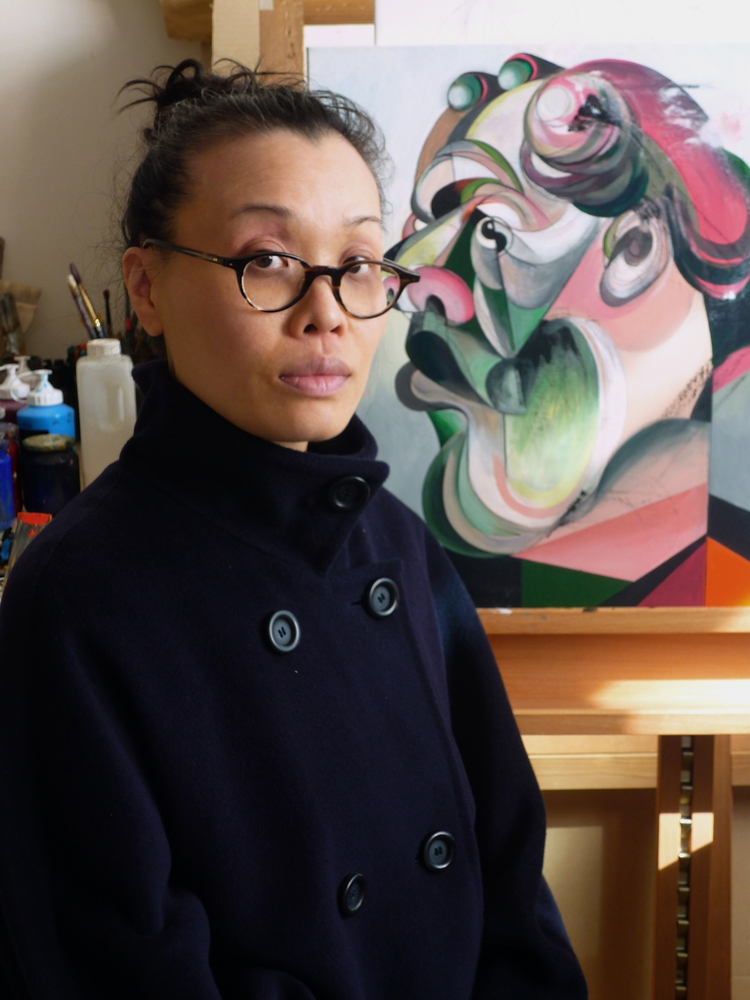
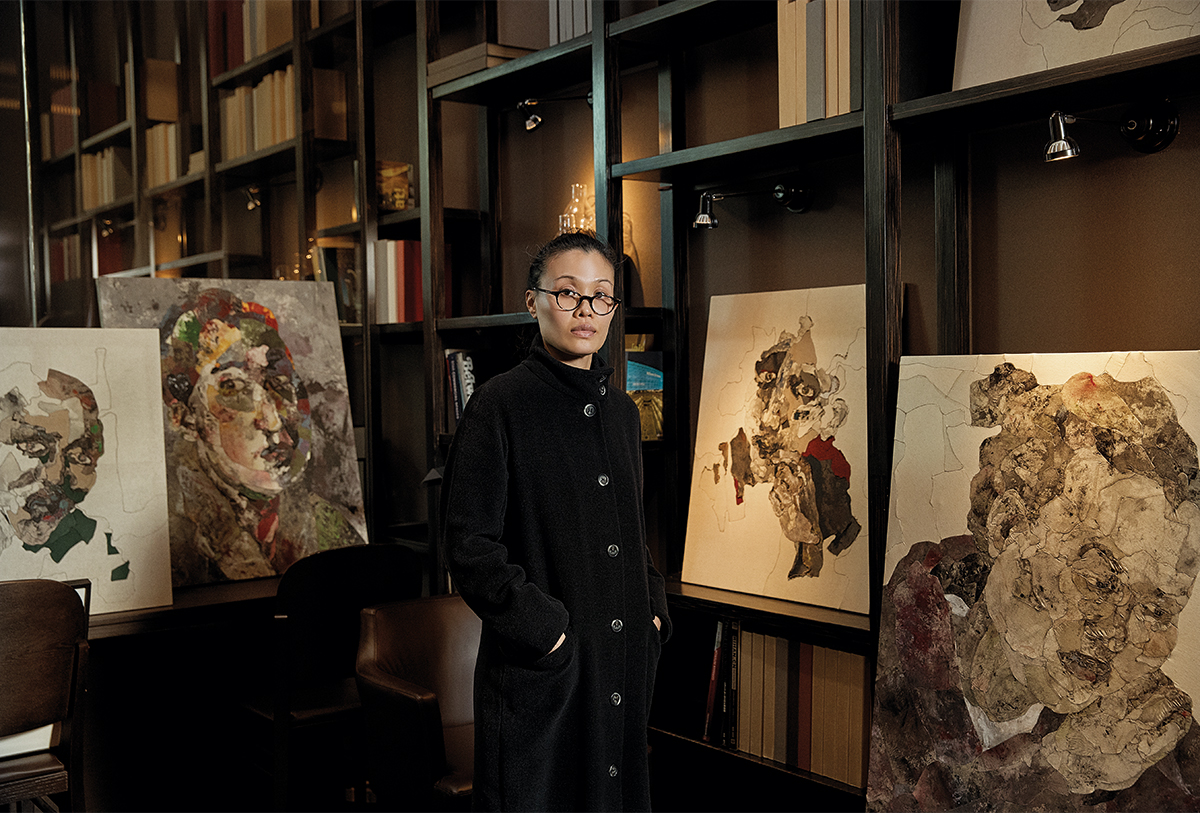
The Artist © Miseon Yoon

You have been creating self-portraits using the human face as your subject. Is there a particular reason for this?

Expressing the countless emotions that appear on the face gives me a great sense of satisfaction and liberation, so it became a natural choice for me.


I was struck by the phrase “self-portraits borrowed through the skin of others” in the press release for this exhibition. Why do you feel the need to borrow someone else’s appearance rather than portray yourself directly?

Although other people have lived lives different from mine, it was not difficult to find emotions in their faces that were similar to my own. Our outward appearances may differ, but feelings such as anxiety and fear are often embedded within us in similar ways, so I consider these works another form of self-portraiture.


I understand that in your early work, you focused not on ordinary situations but on victims of extreme circumstances such as war. Could you explain this in more detail?

At first, I focused on victims who had been thrown into uncontrollable situations such as war, protests, and natural disasters. I did not experience those events myself, but the fact that I remained deeply absorbed in them for such a long time makes me think that I must have empathized with the pain and fear they felt.

As I continued working by paying attention to the emotions of many different people, I naturally began to wonder whether I might be looking at them from too narrow a perspective. People who are not placed in extreme situations can also carry inner anxiety and fear that do not appear on the surface. Now, I want to move beyond specific individuals and portray the diverse self-images of those of us living in this era.


I heard that your self-portrait work is based on experiences from your past. What kinds of experiences have you focused on?

Rather than respecting me as I was, my family often tried to force me into the image of the daughter and older sister they wanted me to be. Verbal abuse and other forms of pressure when I failed to fit that mold made me feel increasingly constrained.

For example, from the time I was growing up, they compared me with others and belittled me in areas such as academic performance and appearance, while also monitoring my every move in secret. Those violent behaviors within my family remained with me as deep inner wounds. The self-loathing and anxiety I felt because I had been unable to protect myself at the time became the starting point for my self-portrait work.


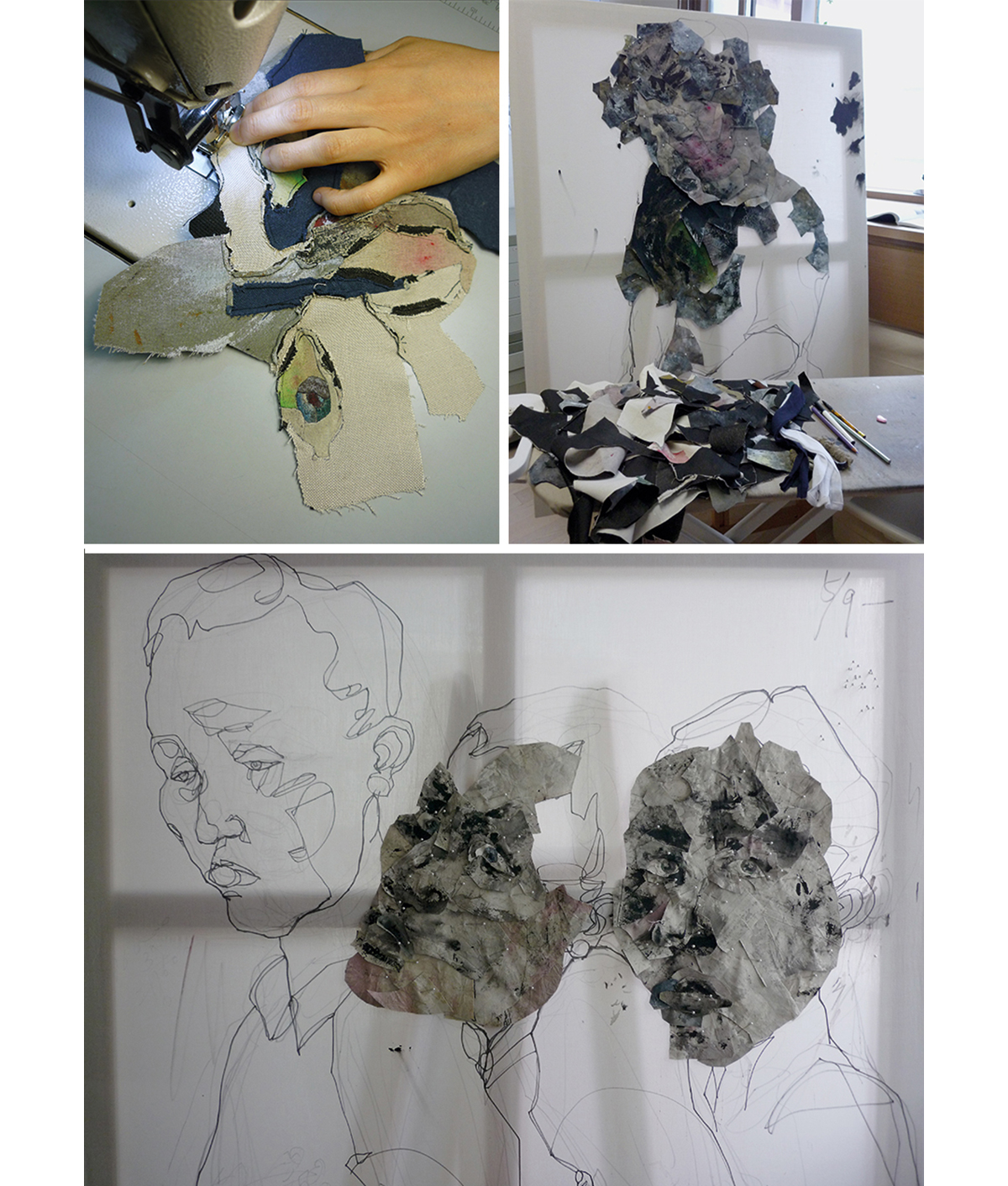
Miseon Yoon’s self-portrait work, created through the repeated process of dyeing, cutting, and piecing together fabric © Miseon Yoon

Creating paintings through textile patchwork is relatively uncommon in Korea. How did you develop your current working method?

I worked extensively with thread and fabric while studying Textile Art at Hongik University, but it took time for my practice to develop into its current form. After graduating in 2005, I went through a process of trial and error, including piecing fabric together in ways similar to traditional patchwork, before arriving at my current working method around 2010. For me, fabric is both paint and canvas—a material through which I can express myself most freely, while also offering color, variety, and a sense of dimensionality.


You have been drawing since childhood. Why have you continued to pursue painting through fabric?

I had been drawing consistently since around the age of five, but fragments of unresolved pain always remained inside me. Then, through the process of creating self-portraits using the materiality of fabric, I realized that I experienced a kind of exhilaration. The process itself became a time of healing for me, and the sense of satisfaction I felt upon completing a work became the driving force that kept me moving on to the next piece.
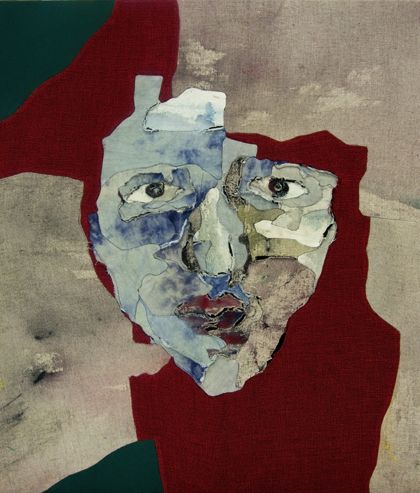

From a distance, your works look like conventional paintings, but up close they resemble craft works painstakingly pieced together stitch by stitch. How are they made?

I think of the process as combining methods from painting and fashion. First, I make a rough sketch of the subject I want to depict. Then I dye and cut the fabric according to the character of the figure, repeatedly piecing it together through machine sewing and hand stitching. Rather than calculating the colors and forms precisely in advance, I tend to leave room for chance to emerge during the working process.
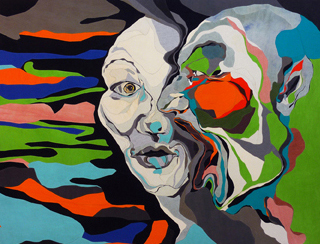

At the Noblesse Collection exhibition, you are presenting two types of work: pencil drawings and paintings made through patchwork. Is there a particular basis for dividing your practice between the two?

The drawings and the patchwork paintings are complementary to one another. Fabric works, which require many materials and a long production process, can sometimes feel restrictive. By contrast, drawing with a single pencil allows me to complete works in a short period of time. It is an excellent tool for learning interesting ways of dividing planes, and because it enables me to quickly render the images in my mind, it gives me a sense of psychological freedom.


How do you think your work has changed from your first solo exhibition 《uneasy…》 in 2012, through 《uneasy…#2》 in 2015, to the Noblesse Collection exhibition?

The colors and overall atmosphere have changed gradually, but my attempt to express a wide range of human emotions through self-portraiture has remained the same. I do not think that will change in the future either. In this exhibition, however, as the title suggests, I hope viewers will encounter the works face to face and have a range of emotions stirred within them. They do not need to feel the same emotions as the figures I have portrayed. I think it would also be meaningful if a sorrowful self-portrait could become a medium through which someone recalls a joyful memory.

References