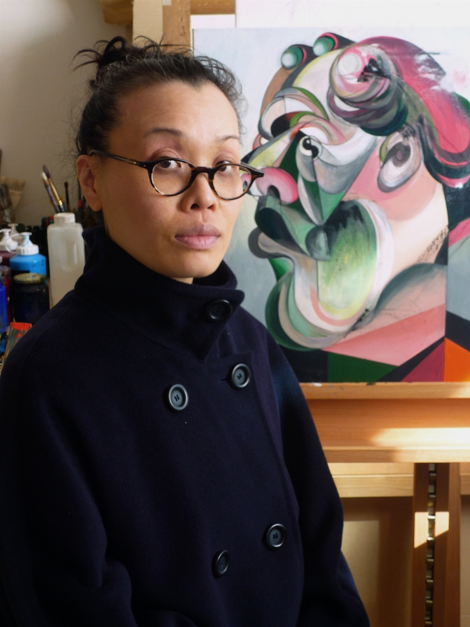
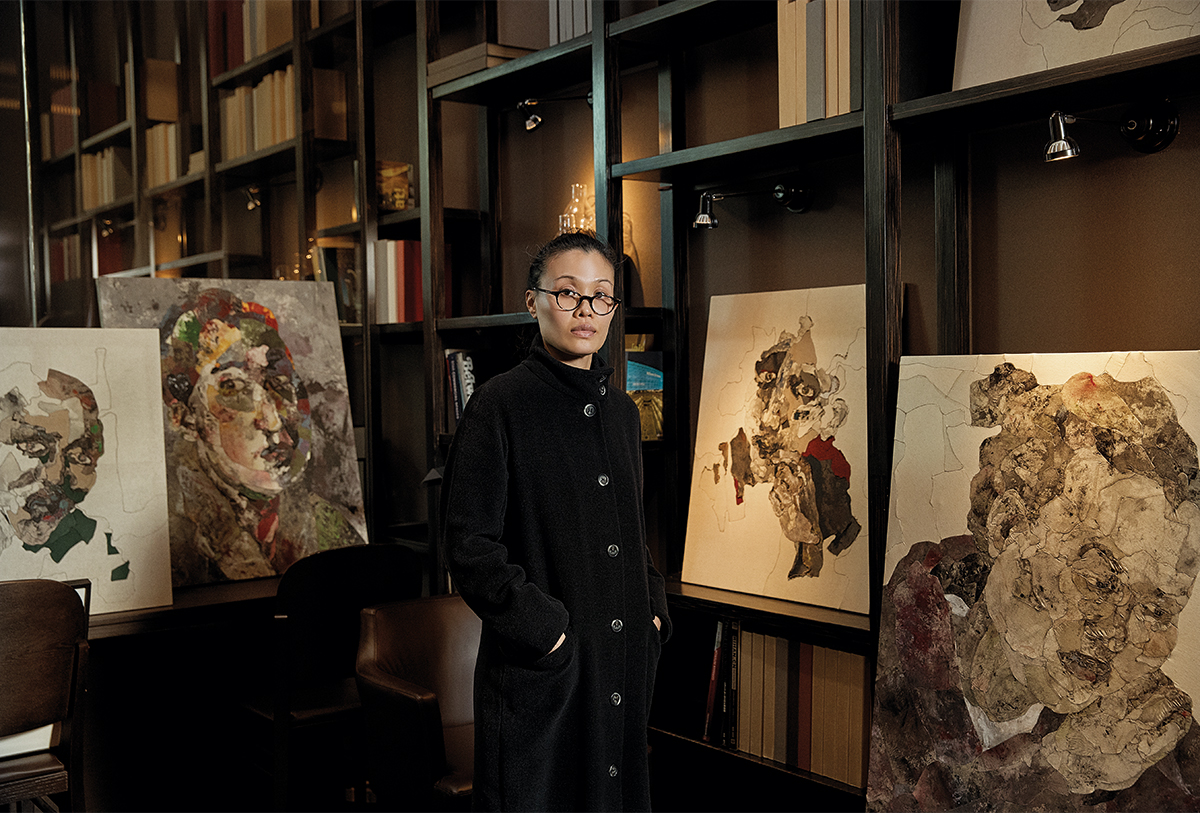
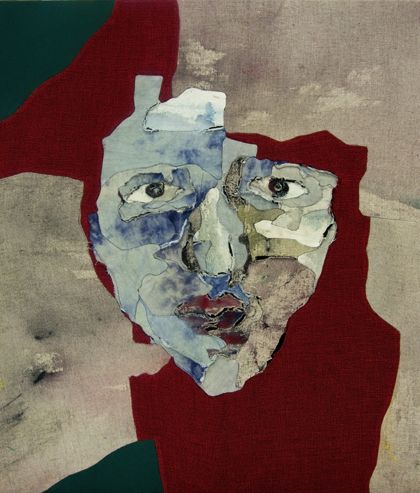
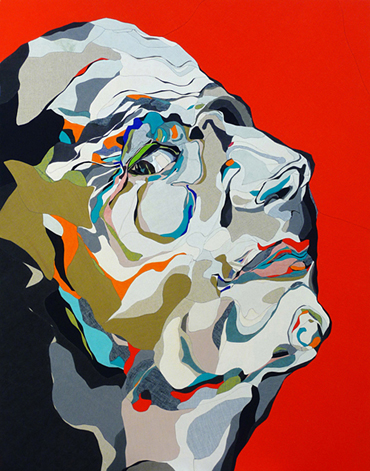
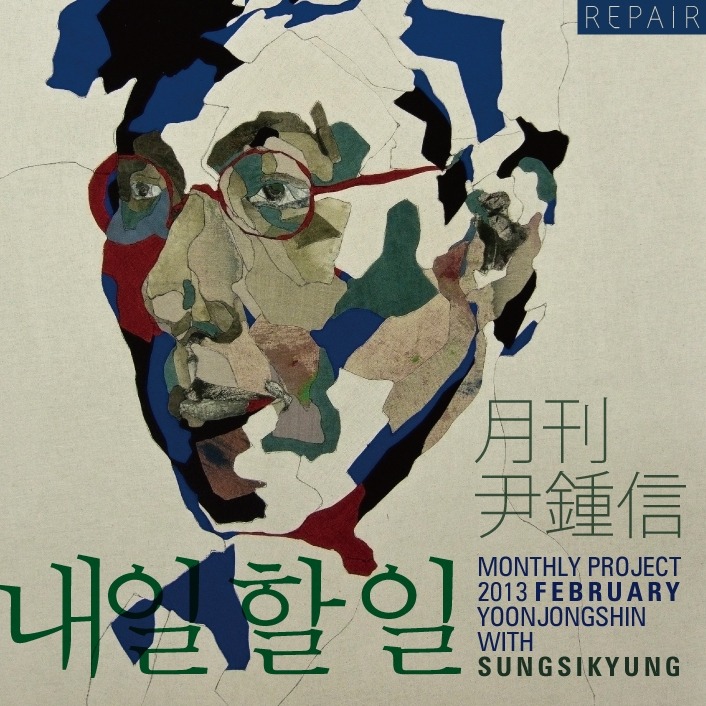
Miseon Yoon’s early practice began with patchwork portraits that treated fabric as a painterly material. After roughly sketching a figure, she dyed and irregularly cut pieces of fabric, repeatedly joining them through machine sewing and hand stitching, while at times applying heat and ironing the surface taut.
As Yoon described fabric as both “paint and canvas,” color, form, texture, and volume operated simultaneously, while chance arising during the working process was embraced rather than eliminated through predetermined composition. The fragmented faces and bodies thus retain traces of cutting and joining, bringing emotional expression and the artist’s physical labor together within the structure of the image.
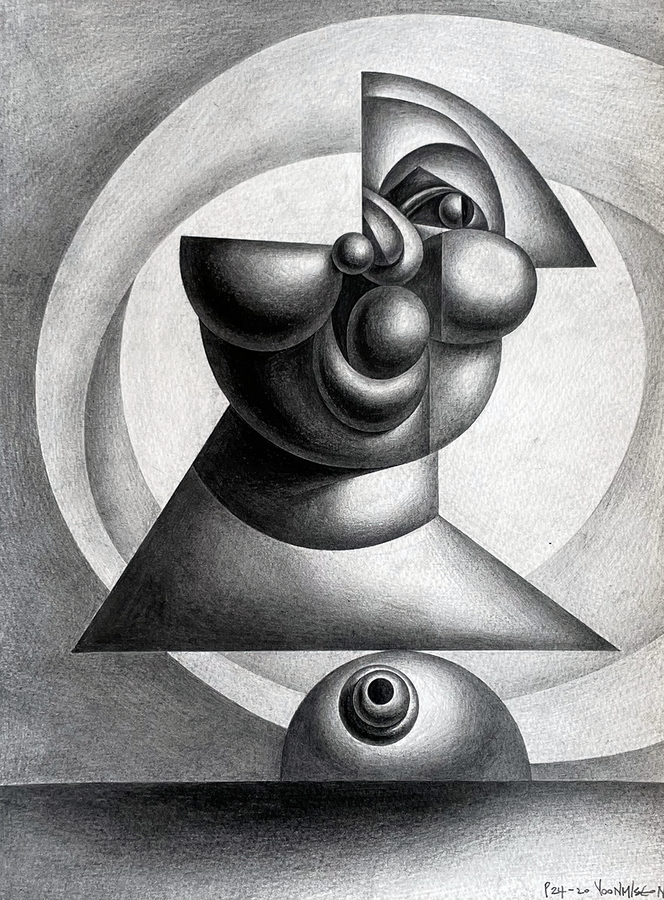
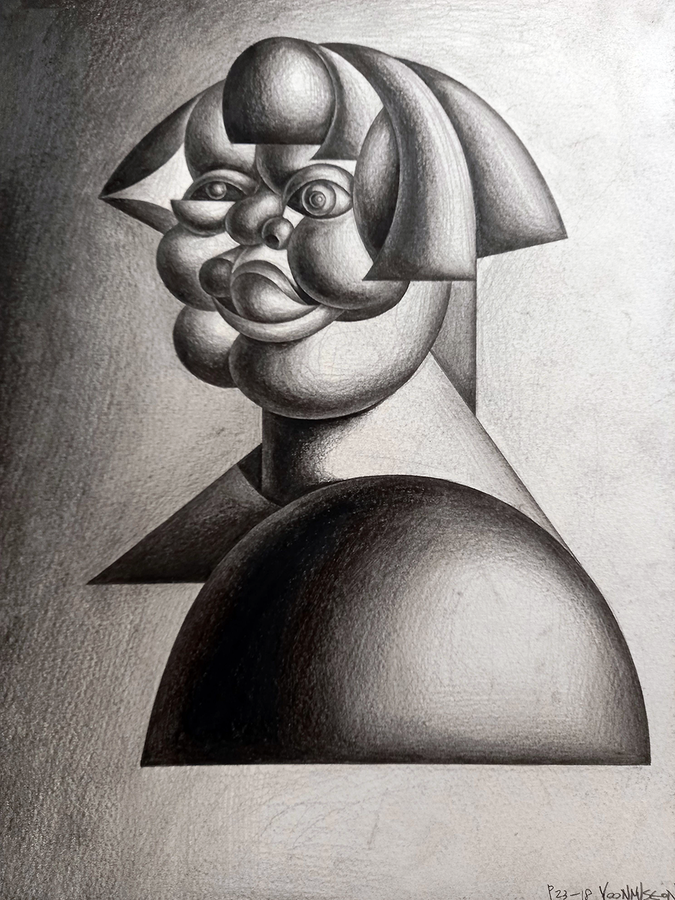
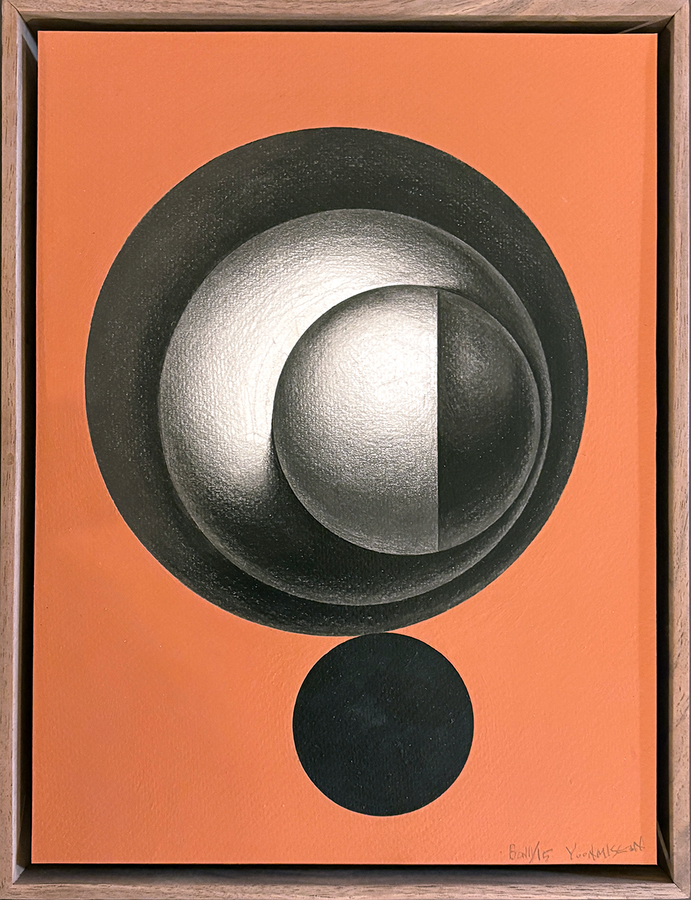
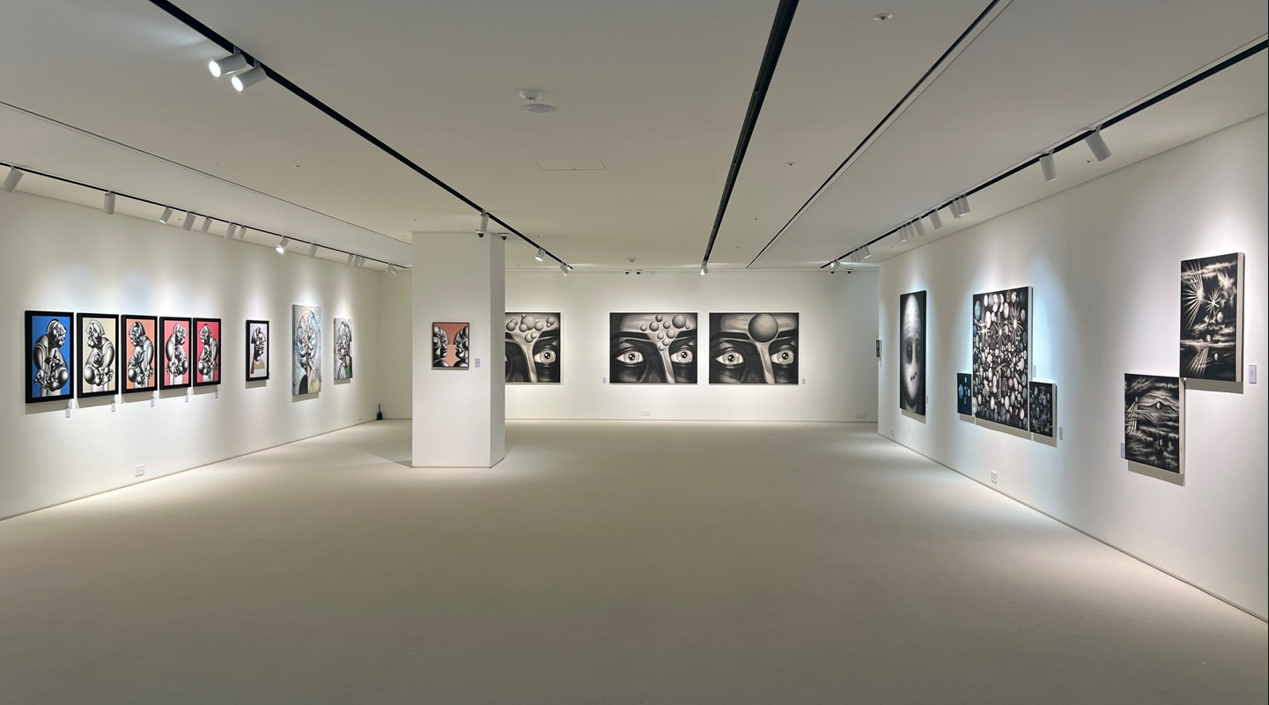
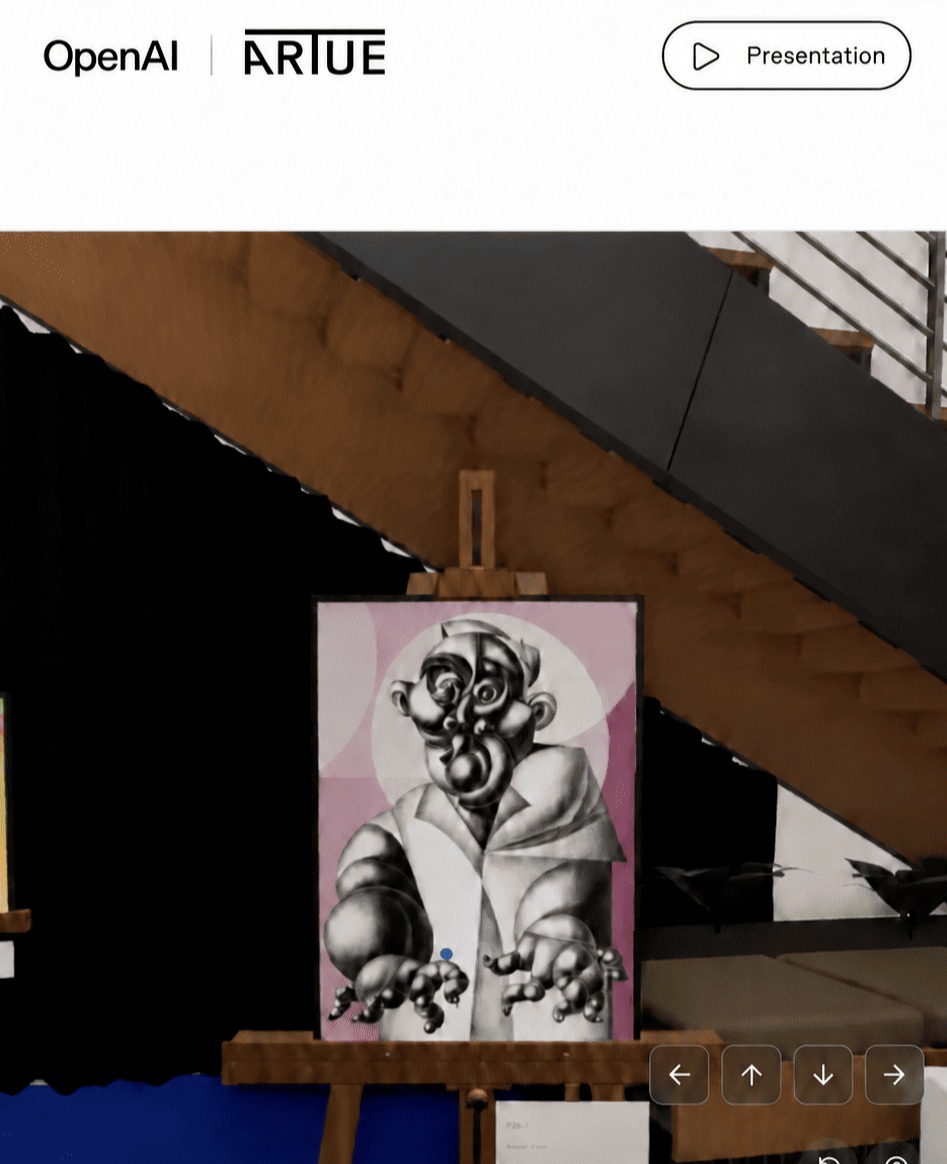
Around 2017, as the primary medium shifted from fabric to pencil drawing, the construction of the image also changed. Replacing the industrial sewing machine and iron with a pencil, Yoon began dismantling and reconstructing faces through fluid graphite lines.
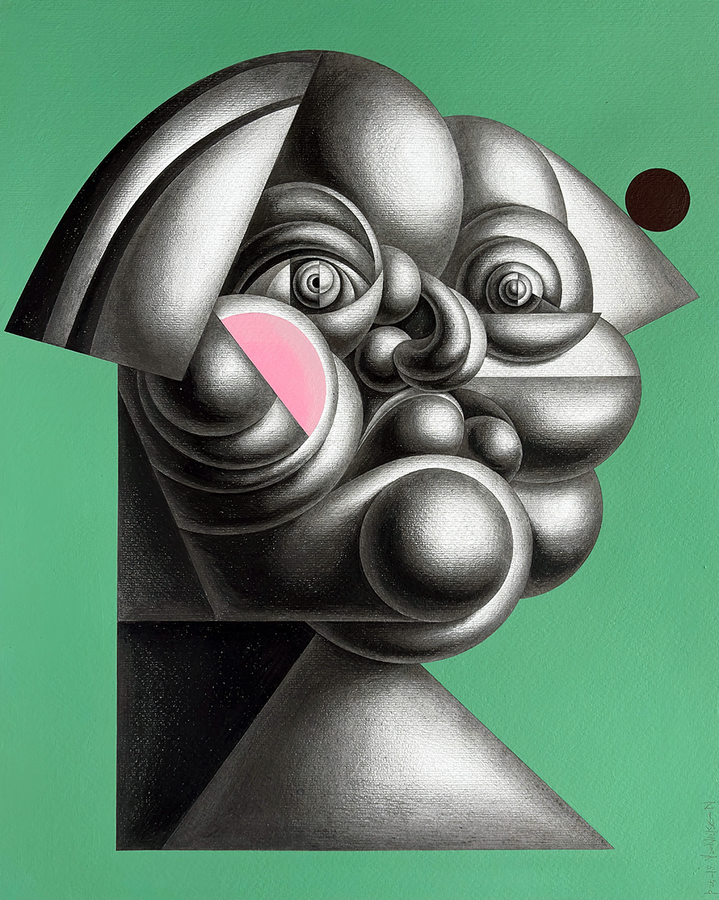
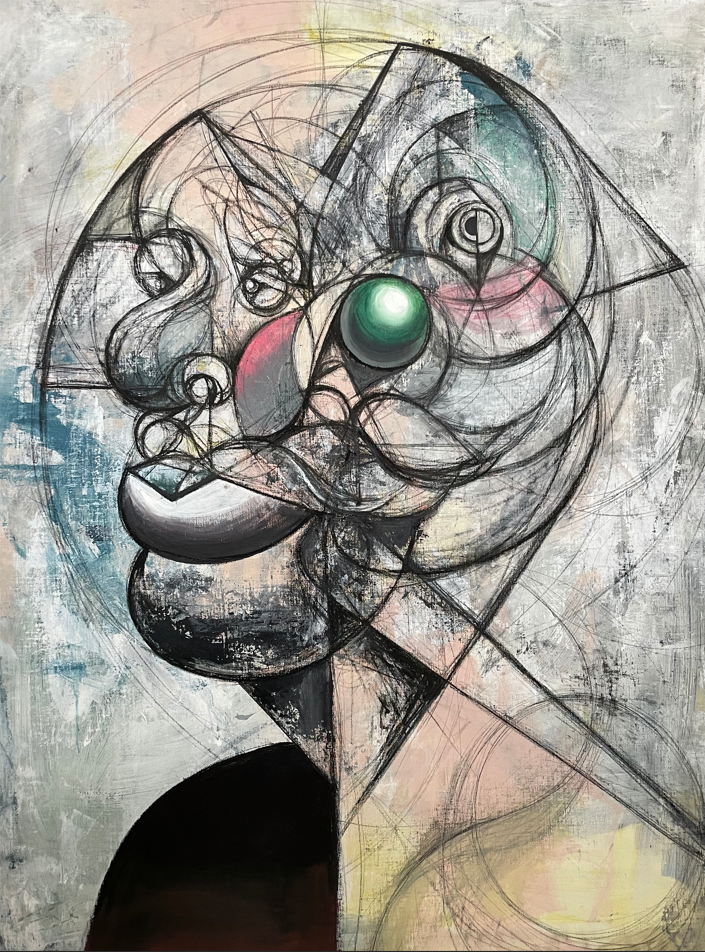
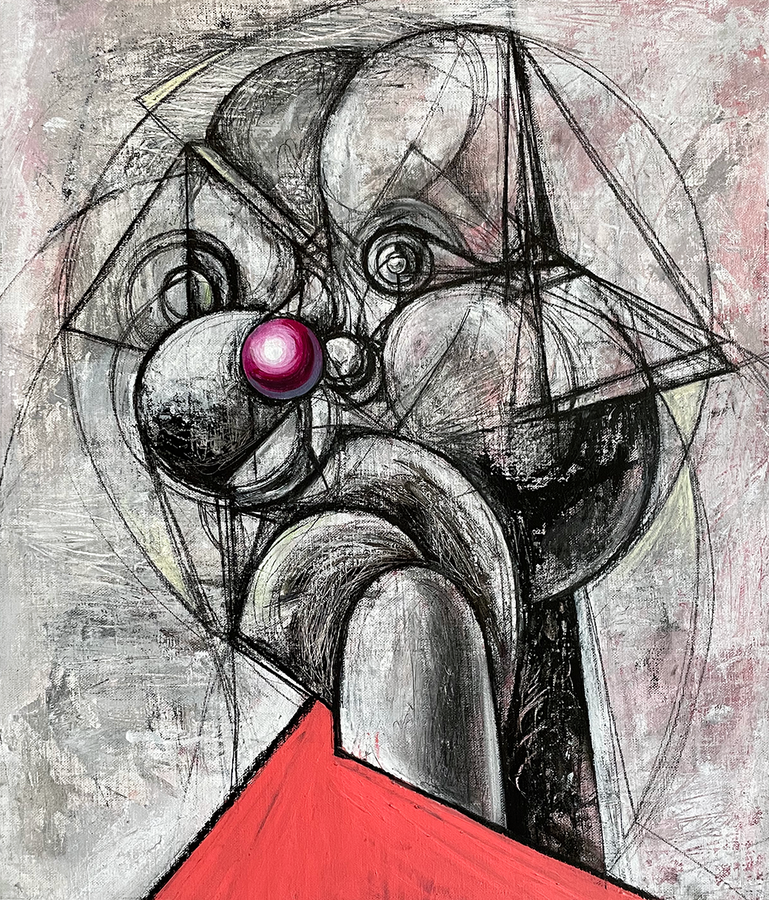
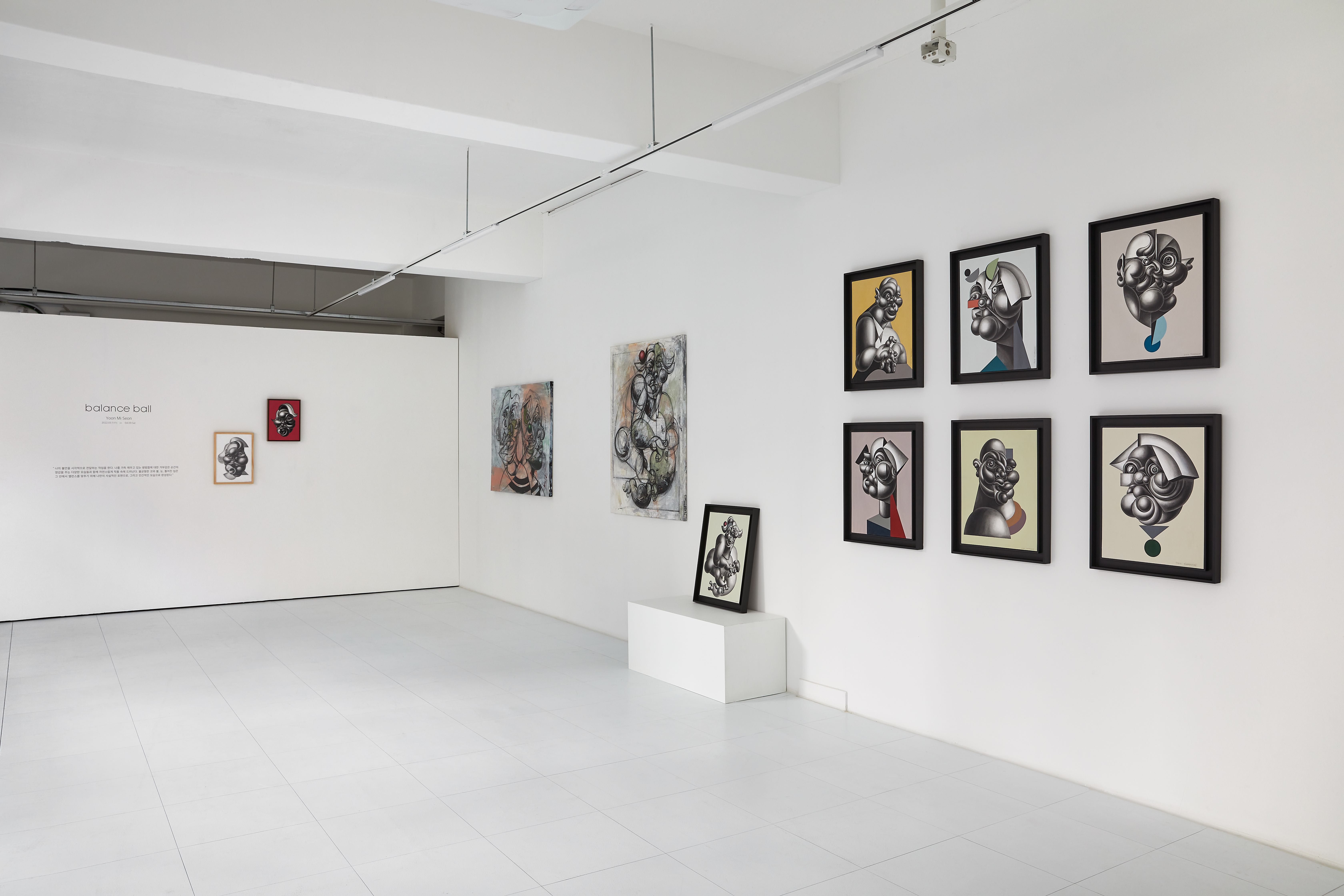
Simplified geometric forms—triangles, cones, circles, and spheres—came to define the head and facial features, while the earlier principle of assembling pieces of fabric continued through the connection of lines and planes. Although the medium changed substantially, the underlying method of building a figure from fragments remained continuous throughout her practice.
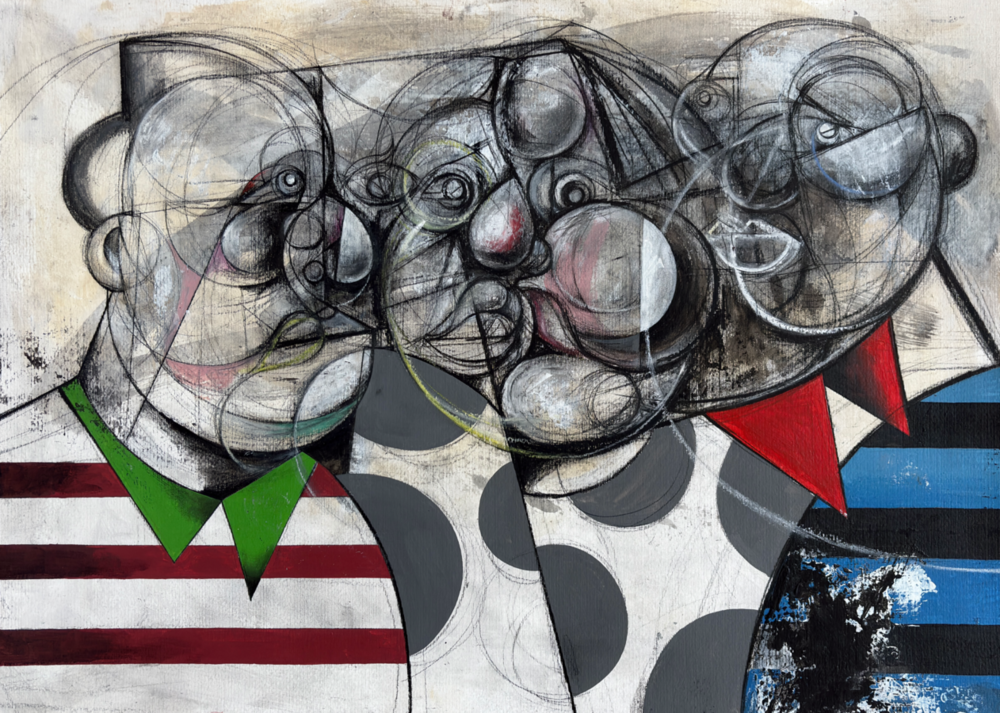
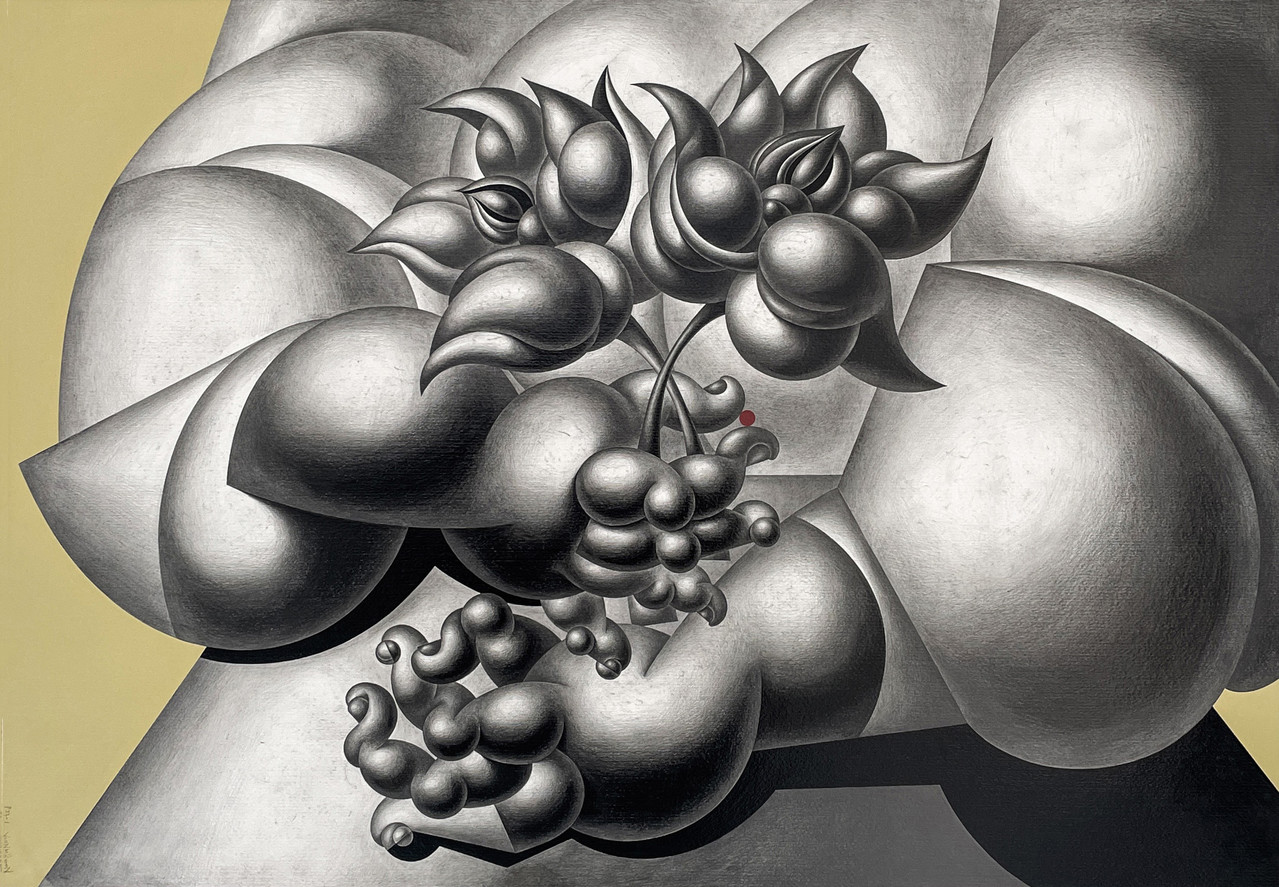
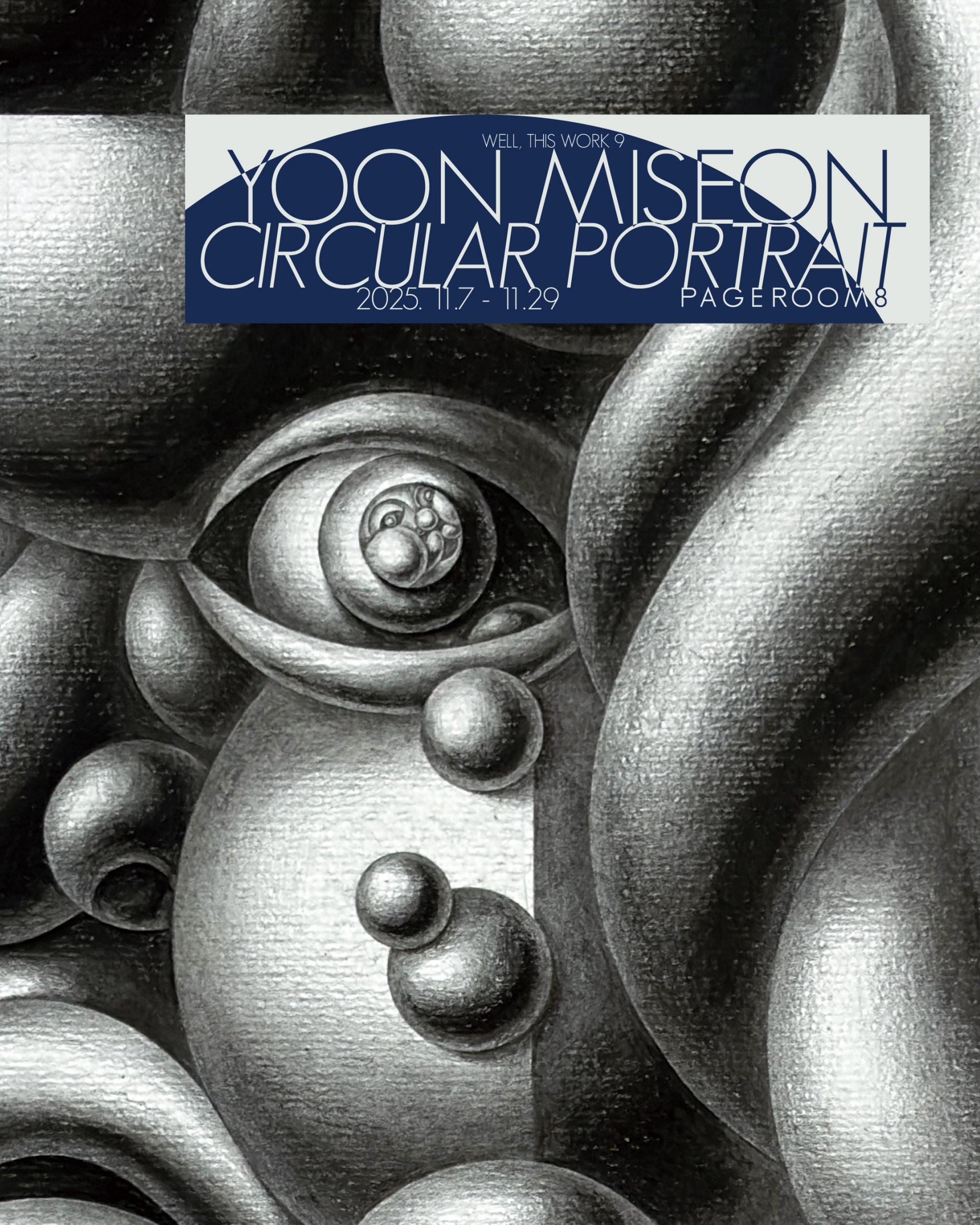
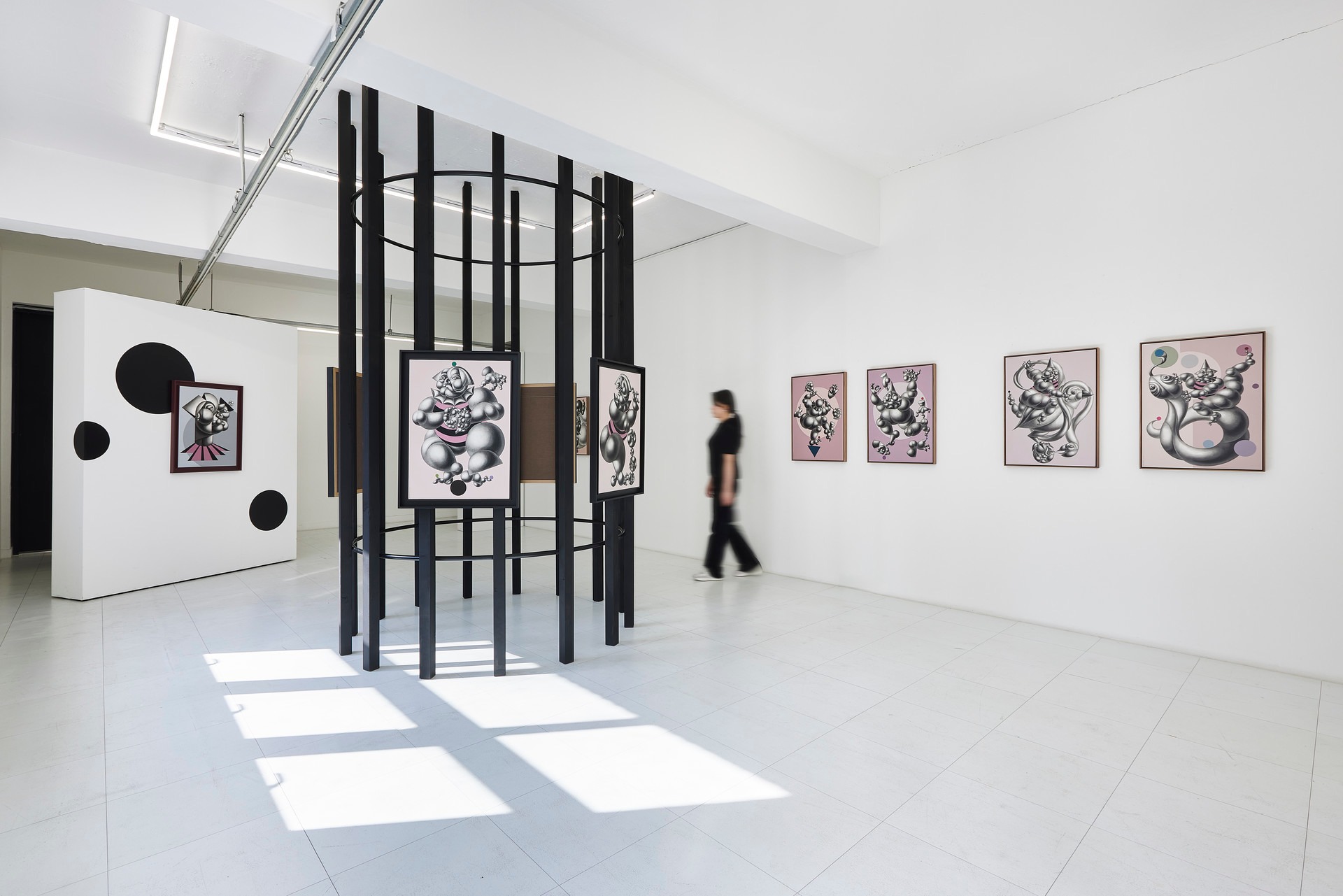
Circles and spheres subsequently became the most distinctive structural units of Yoon’s portraiture. Circular forms of varying sizes connect like joints to construct faces and bodies, while repeated layers of graphite create tonal differences that produce illusions of protrusion and recession on a flat surface.
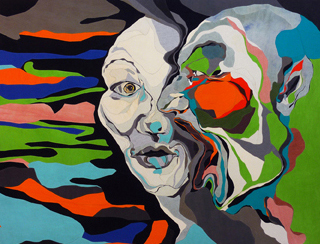
Detailed gradations of black and gray are juxtaposed with restricted areas of color and monochromatic backgrounds, emphasizing both volume and flatness. Reversal, repetition, and transformation also become central compositional strategies, as seen in mirrored figures and double portraits in which two faces overlap.
These formal devices allow recurring figures such as “Bob” to continually alter their expressions and gazes while extending the practice from self-portraiture and double portraits to group figures and still lifes.
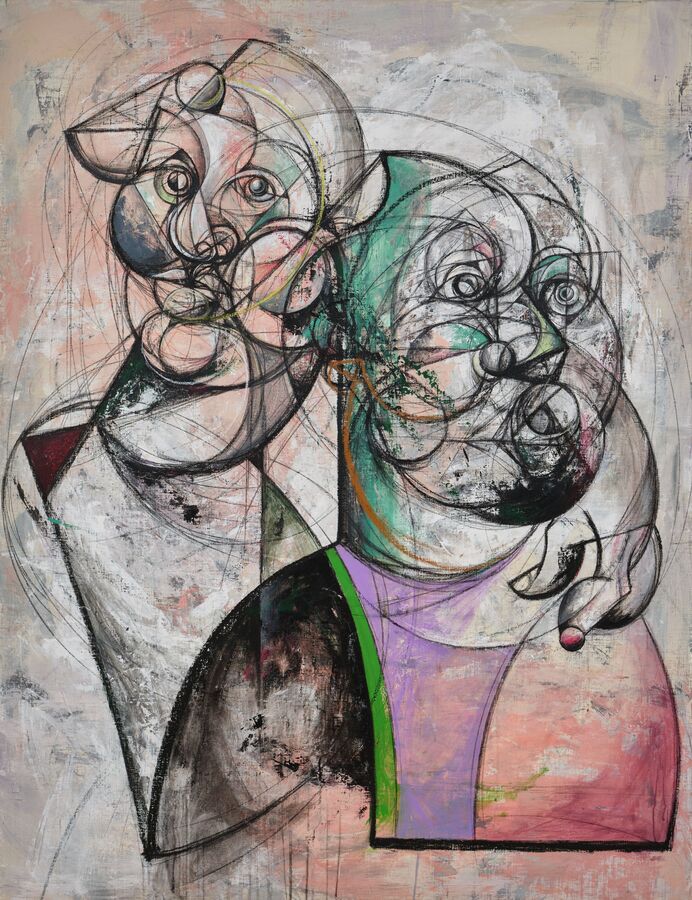
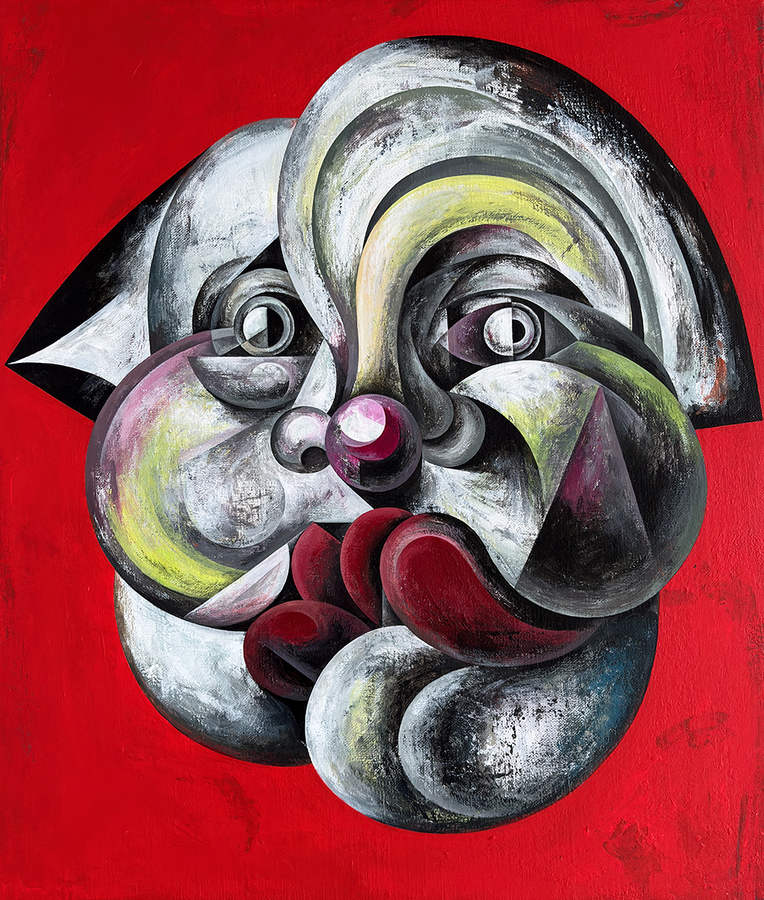
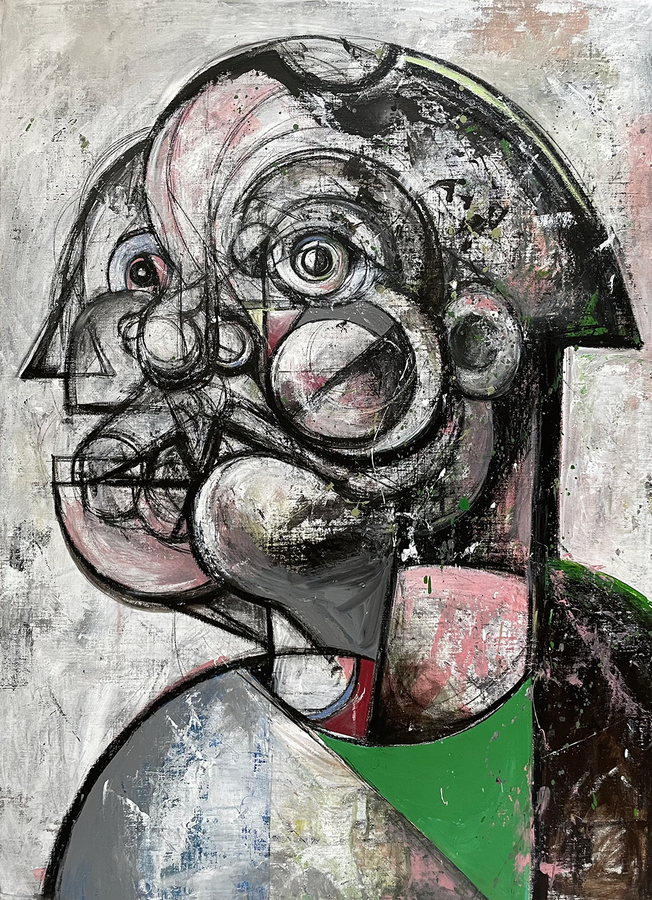
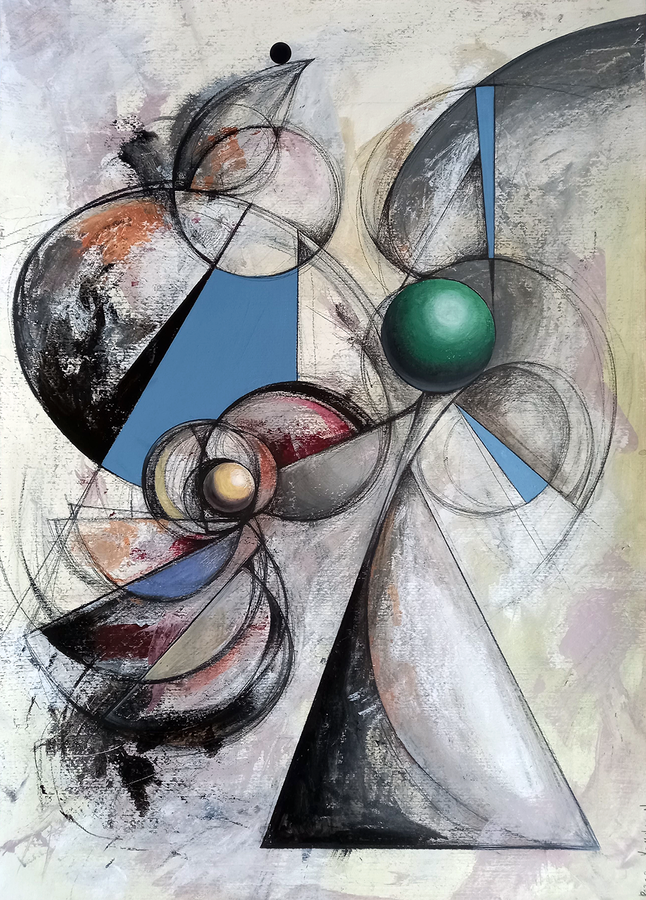
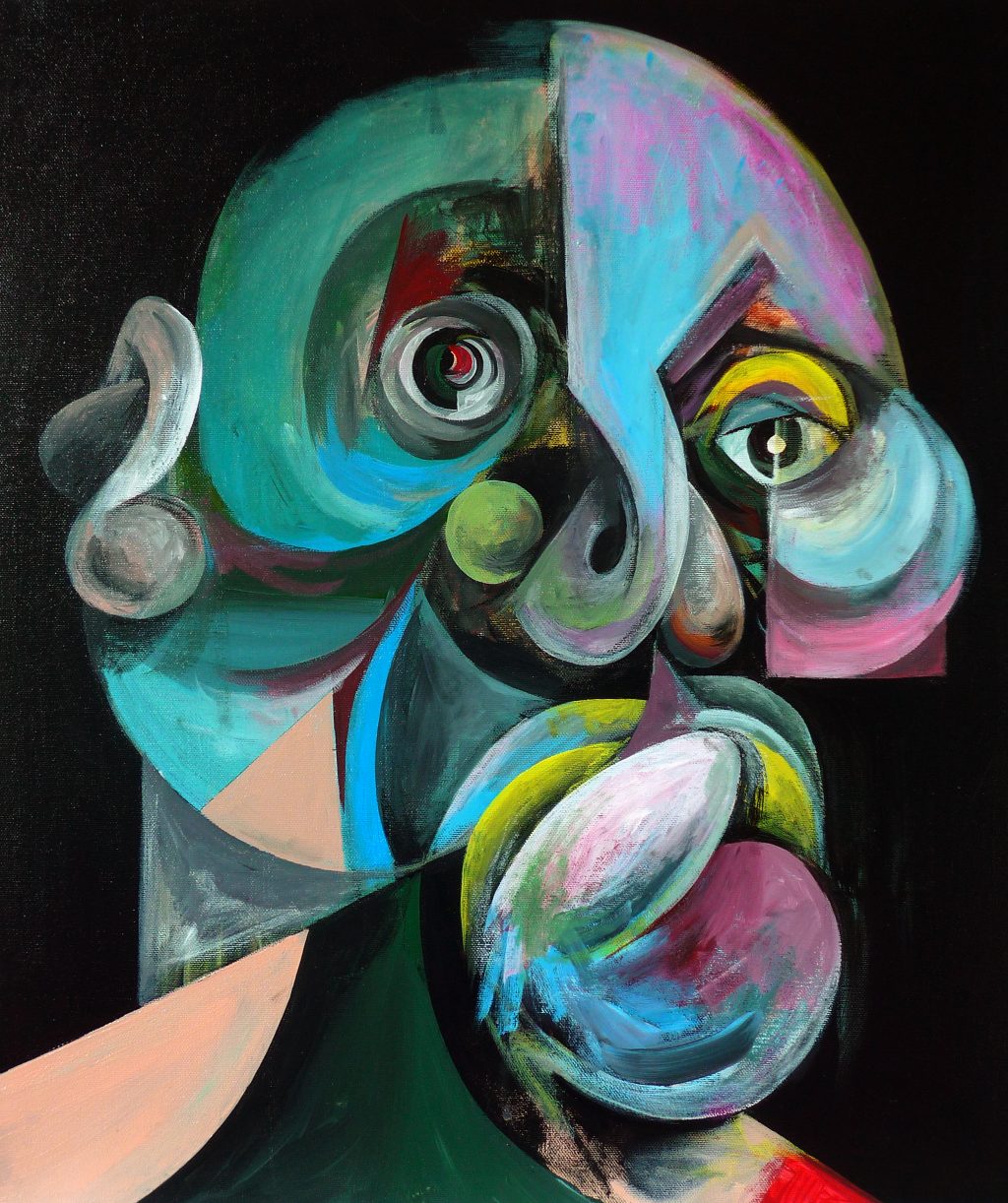
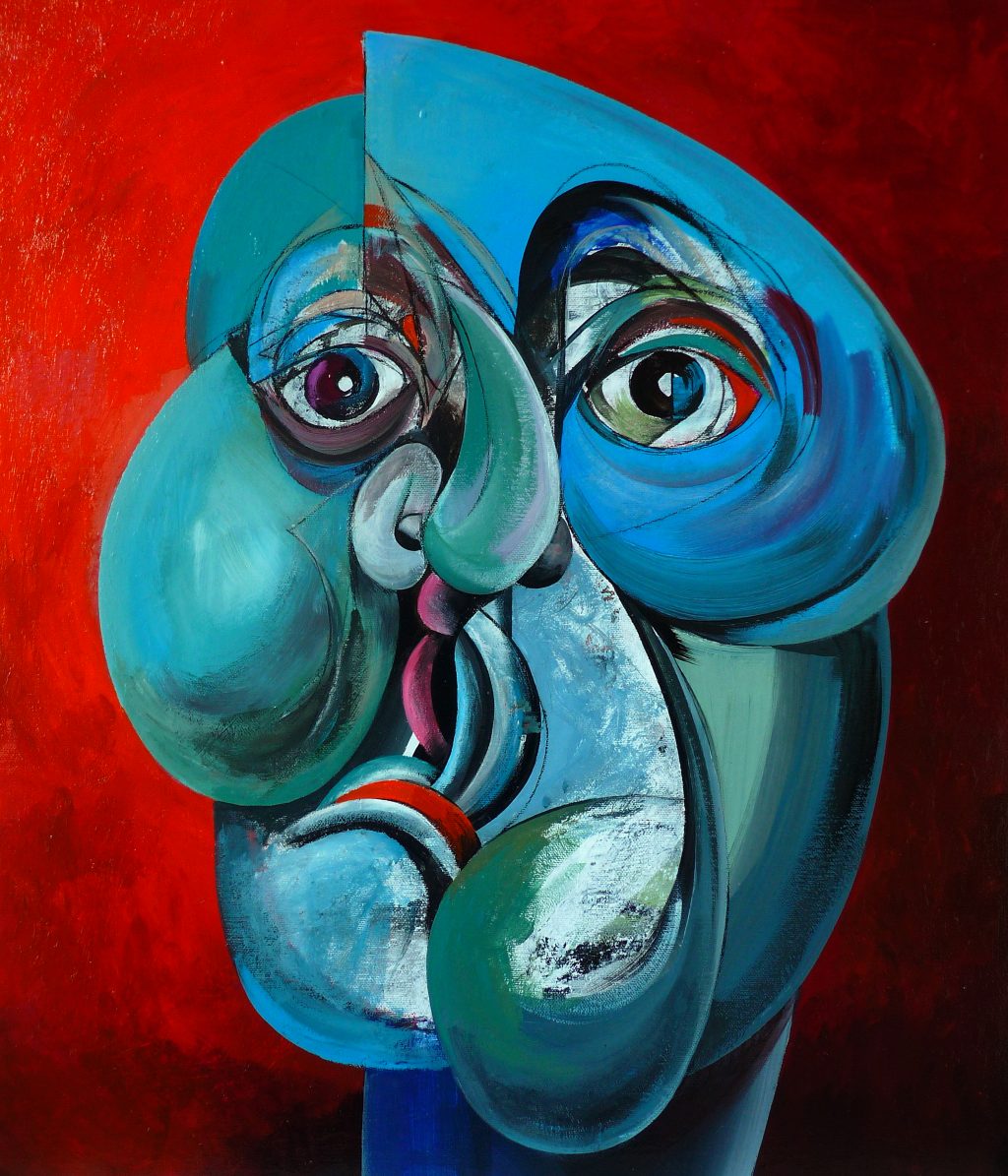
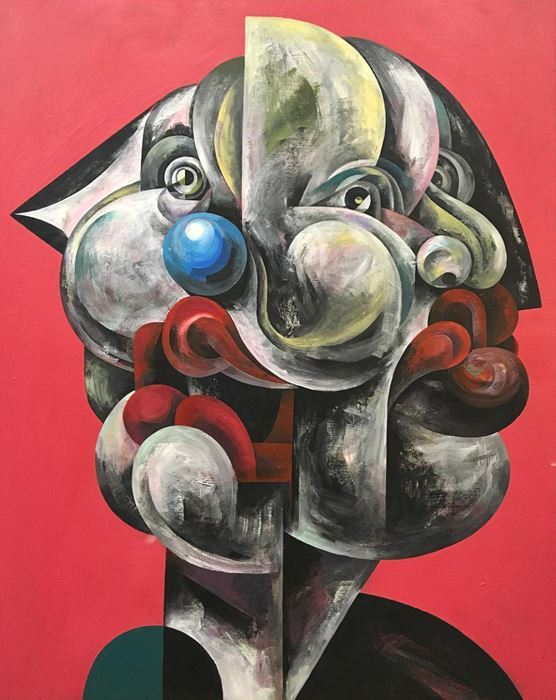
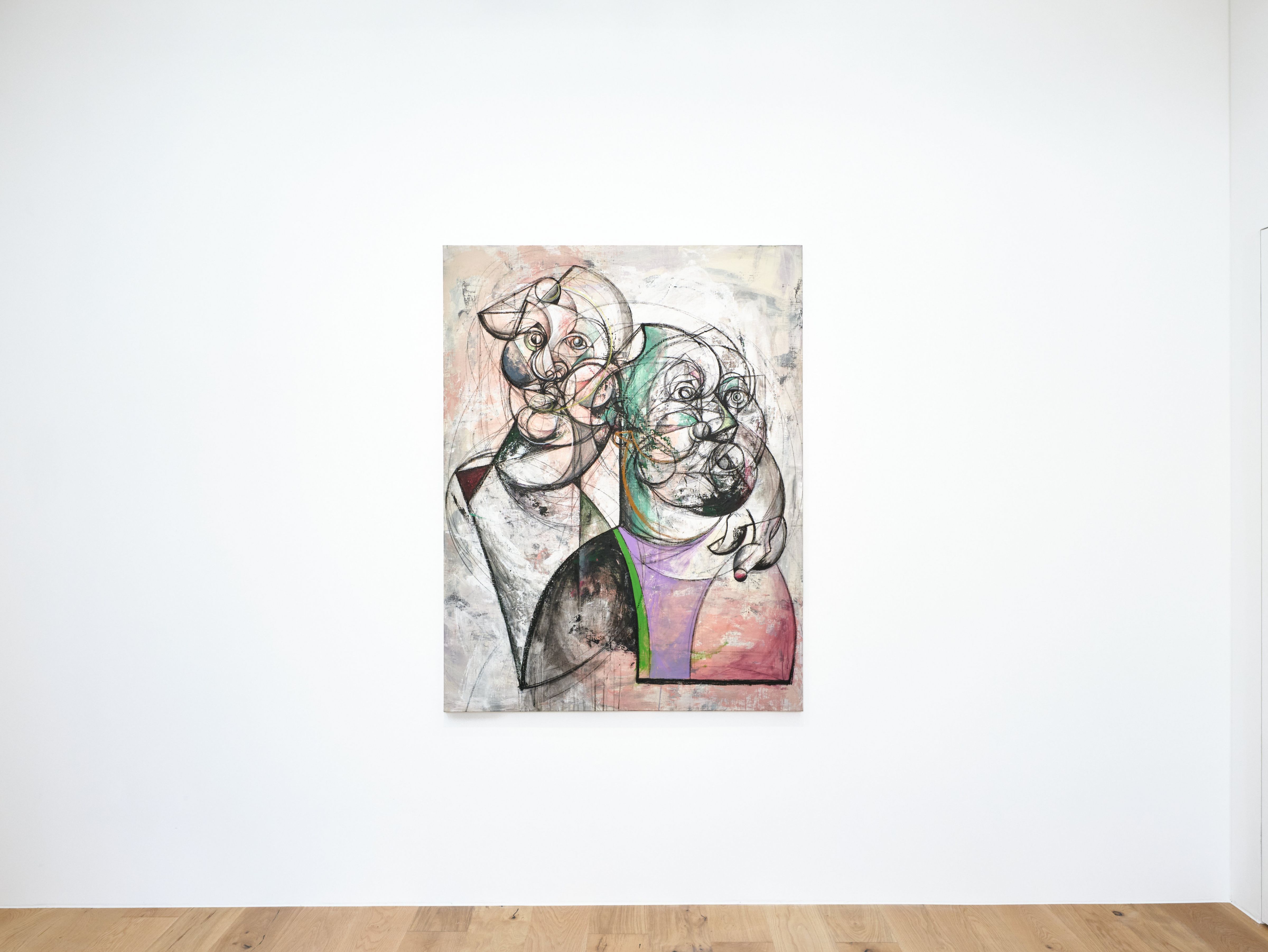
In her recent paintings, these formal principles have expanded toward a stronger emphasis on materiality. Working on canvas with acrylic, pencil, charcoal, oil stick, and oil pastel, Yoon transforms the “ball” from a line-defined geometric unit into a material form built through brushwork, texture, and accumulated marks.
Faces and complex expressions of strangers glimpsed through car windows, on the street, or in mediated images are transferred onto the surface through bodily movements that roll, scatter, and disrupt the lines. Processes such as staining, together with “water mold” that physically appeared during the mixing of water-based acrylics, have also entered her visual vocabulary.
The dyeing and stitching of the early fabric works, the repetitive lines of her graphite drawings, and the spreading and layering of her recent paintings thus remain connected by a shared method of accumulation, joining, and responsiveness to unexpected material transformation.