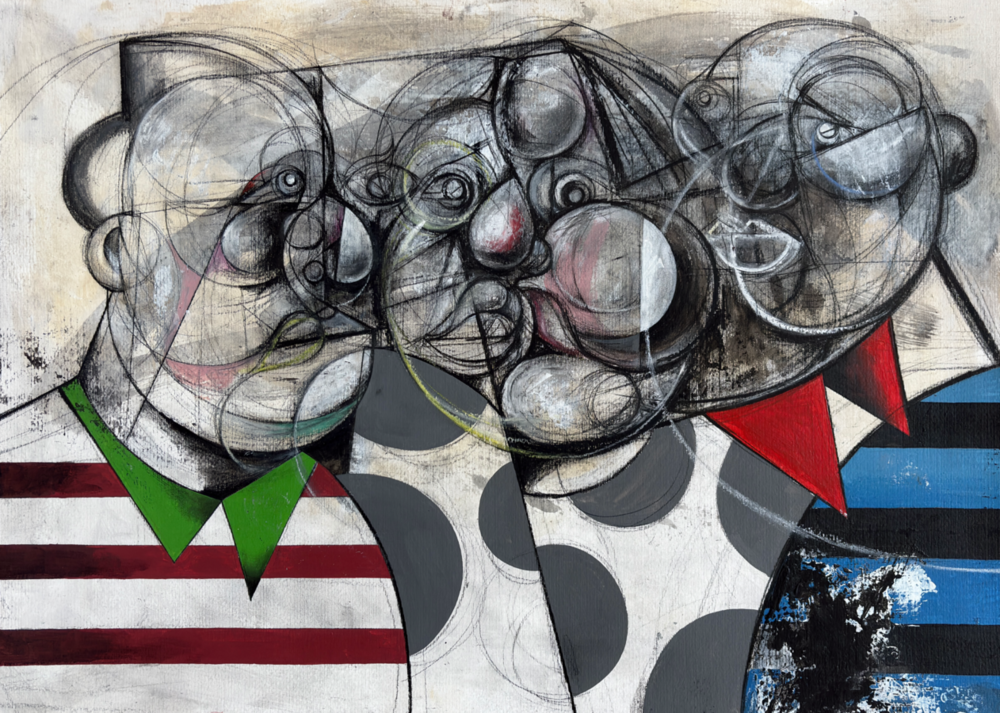
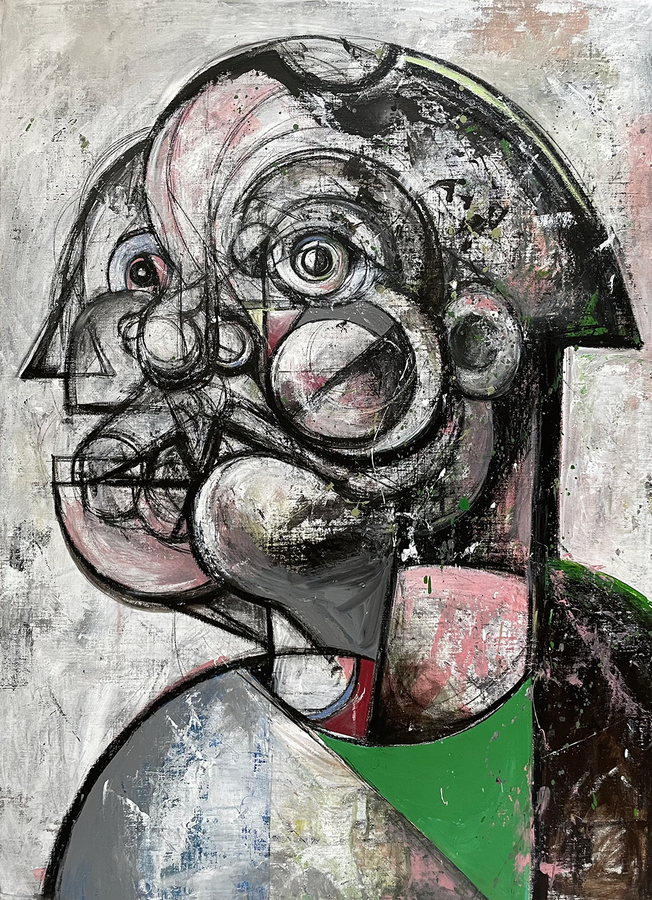
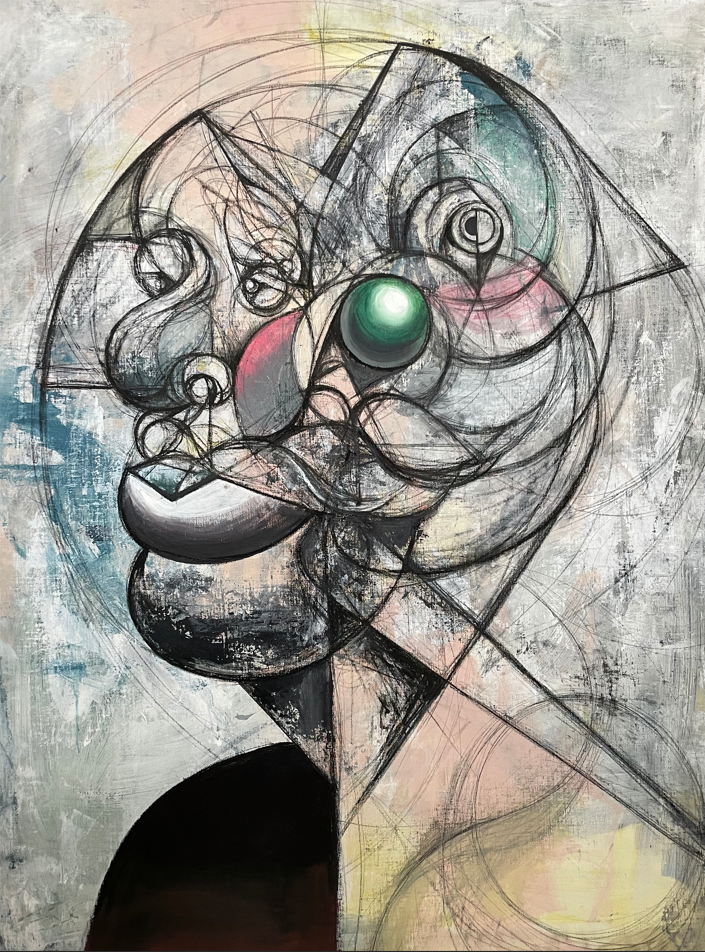
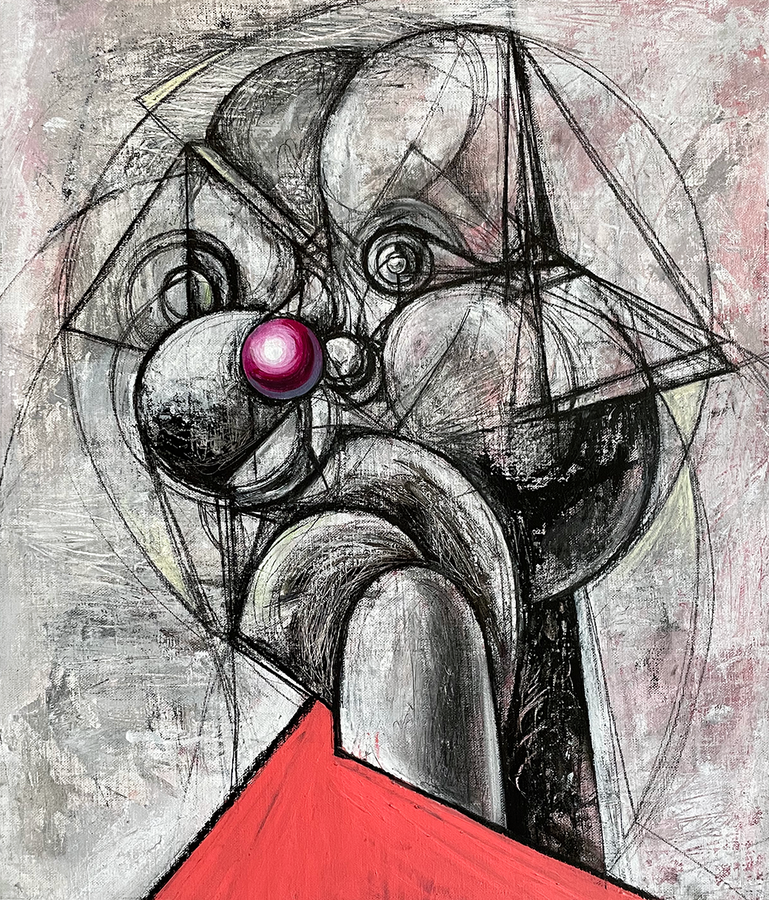
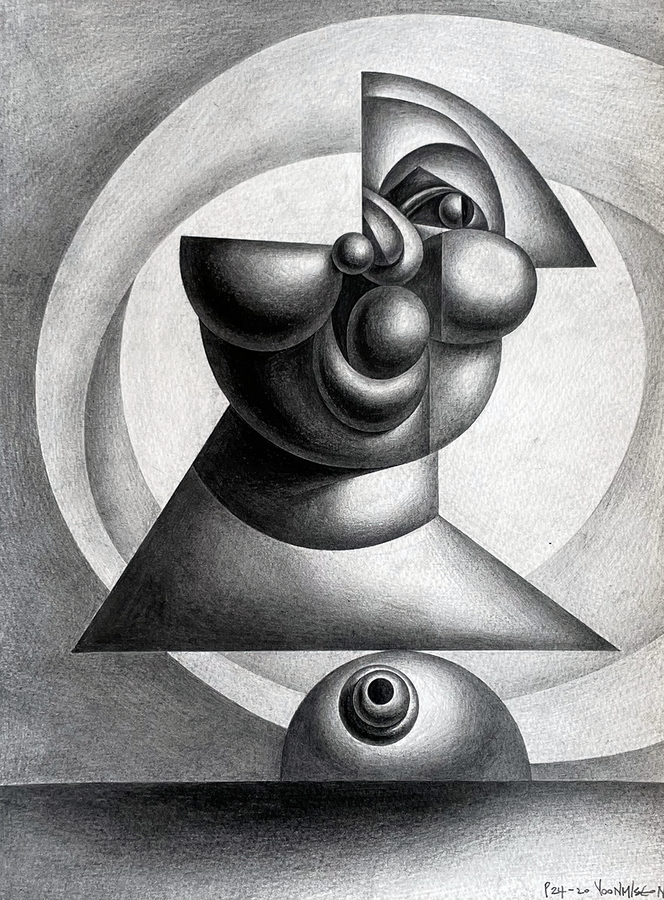
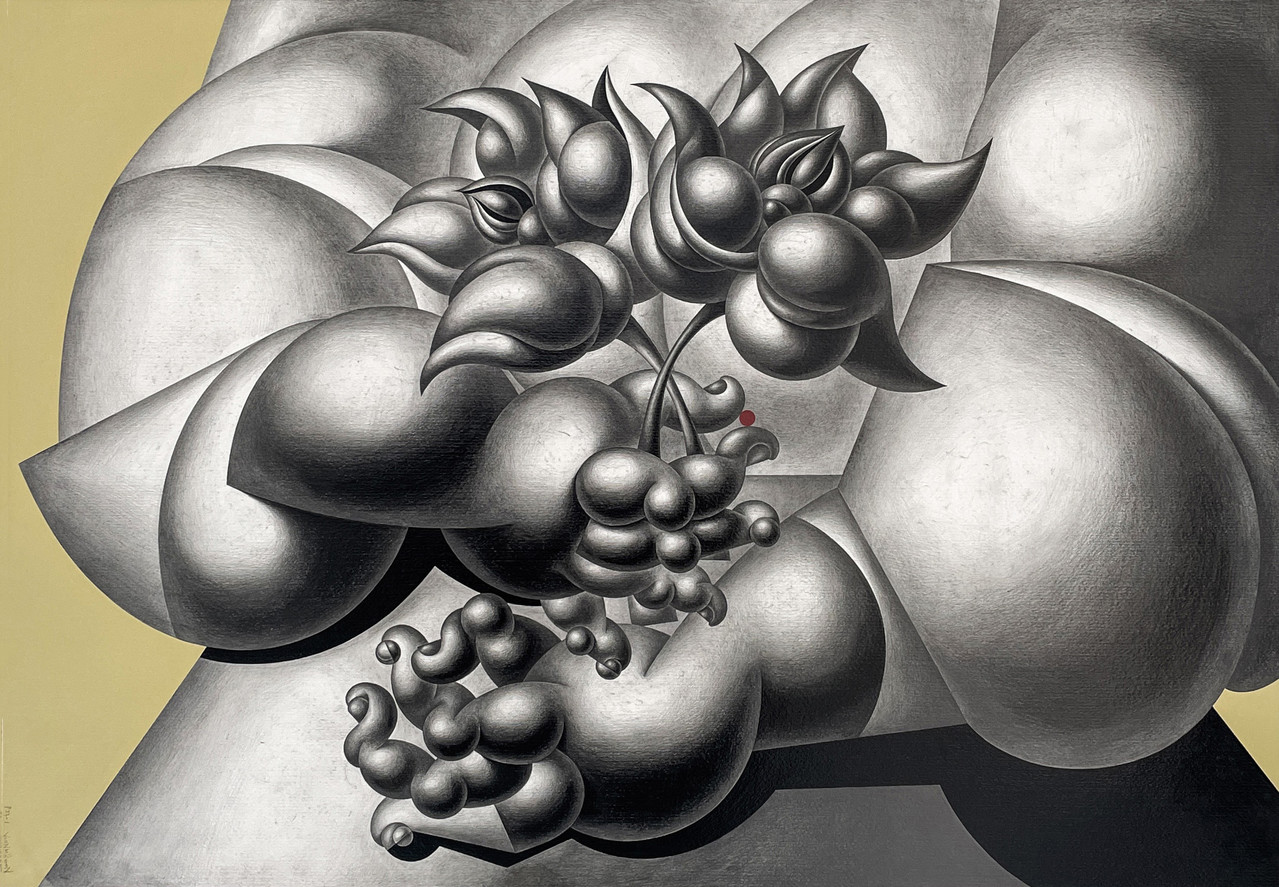
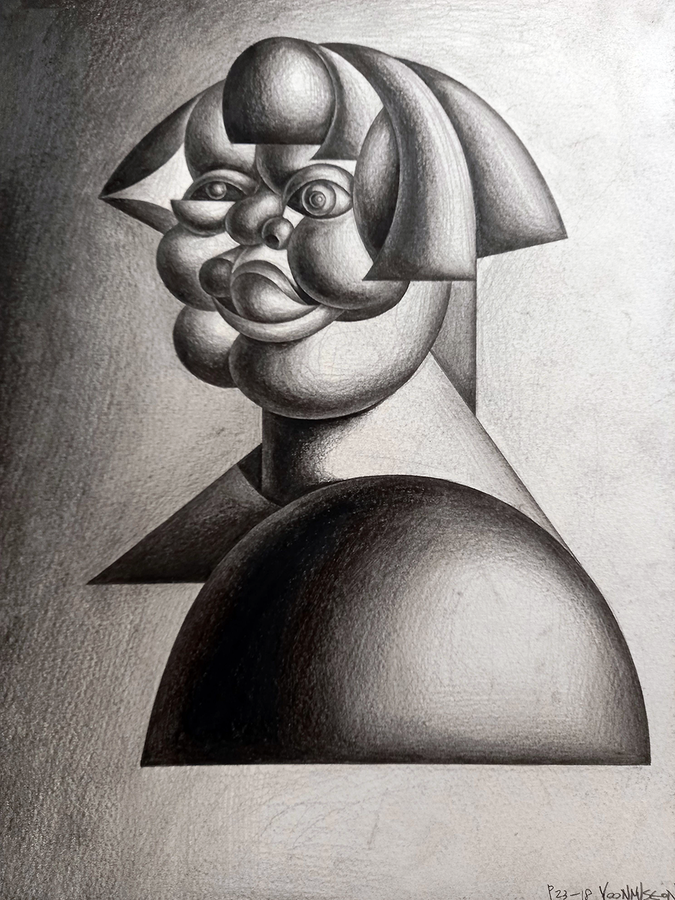
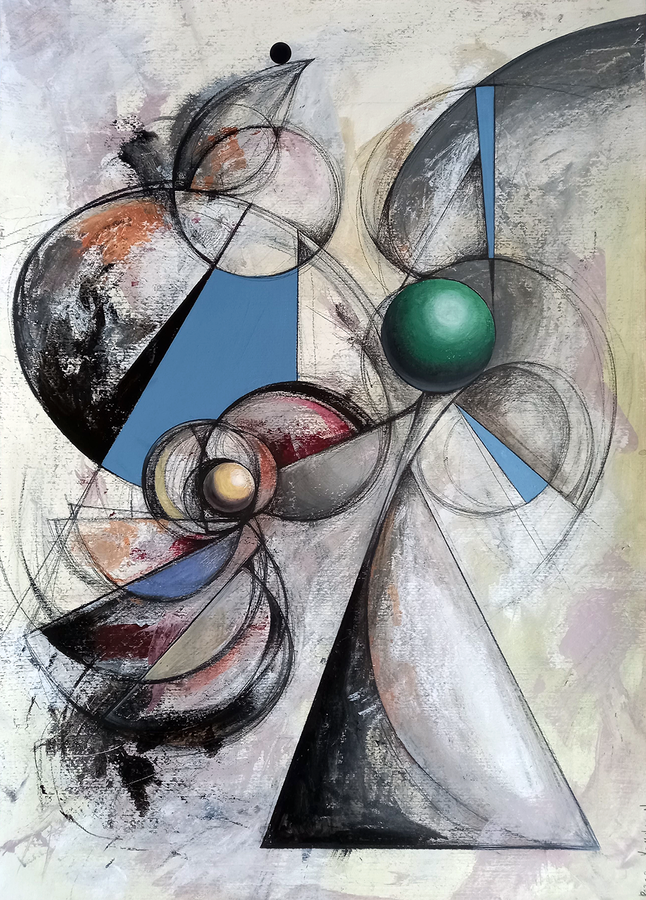
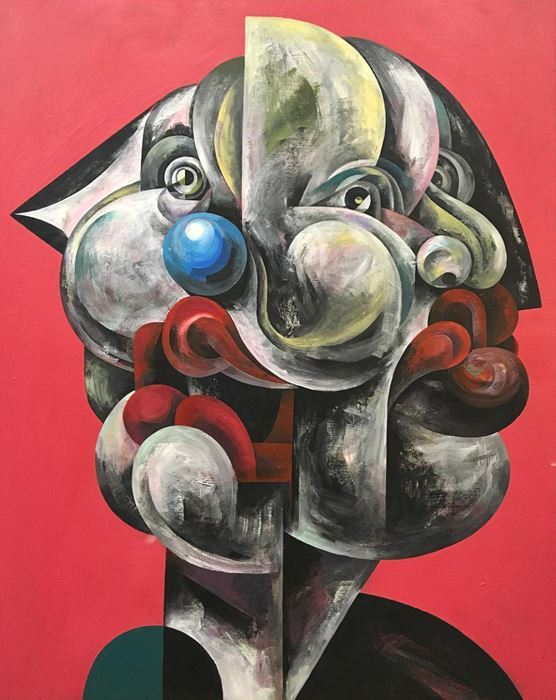
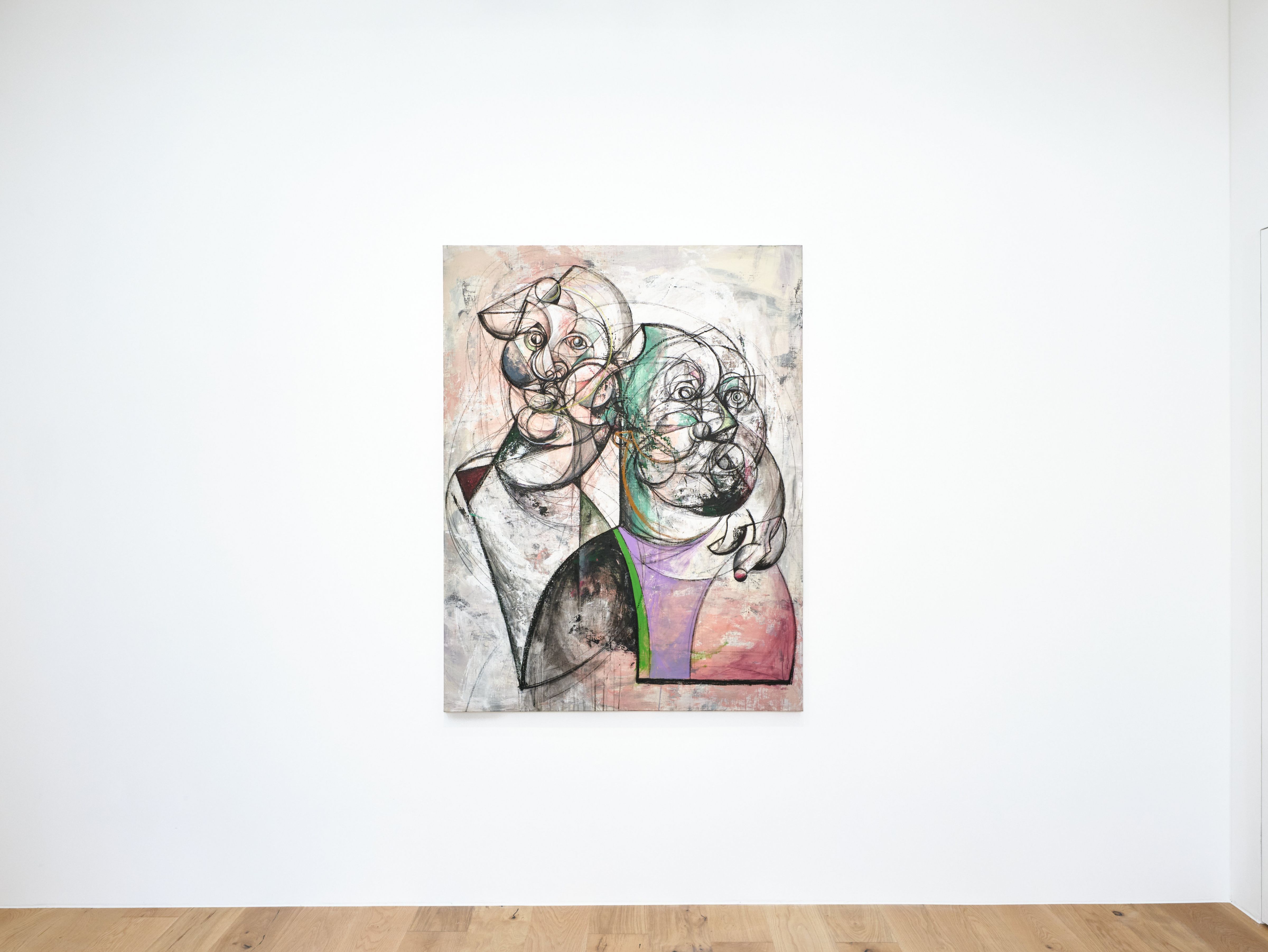
This Work, p24-14
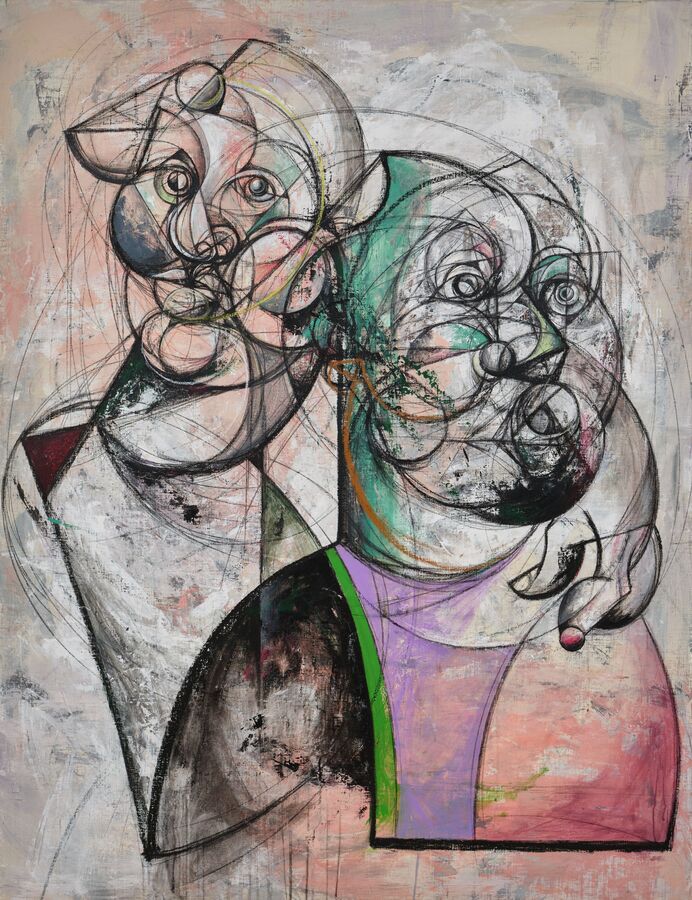
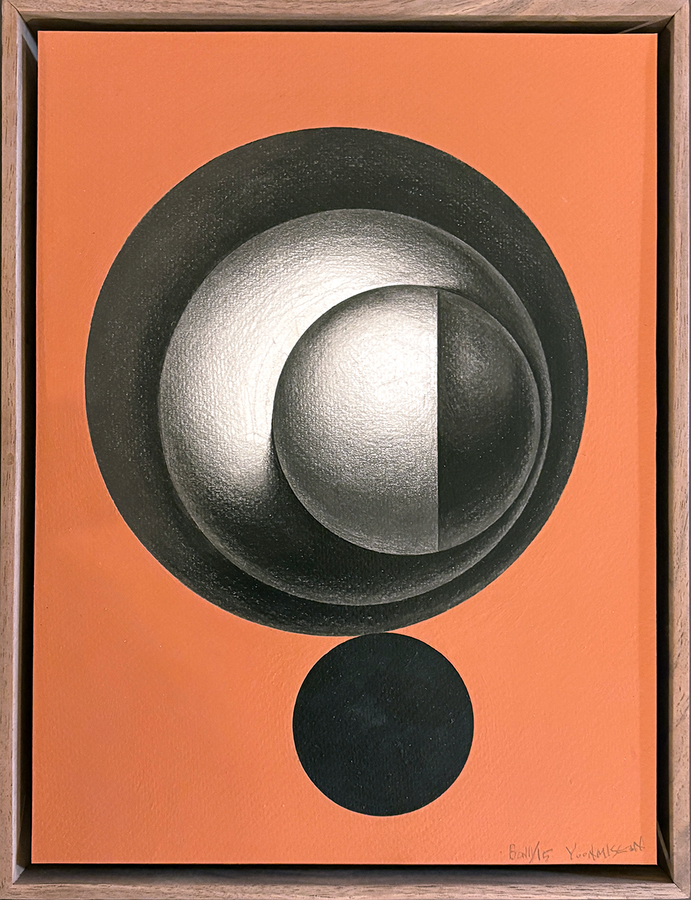
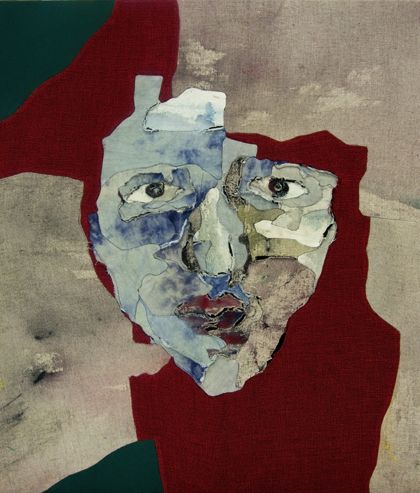
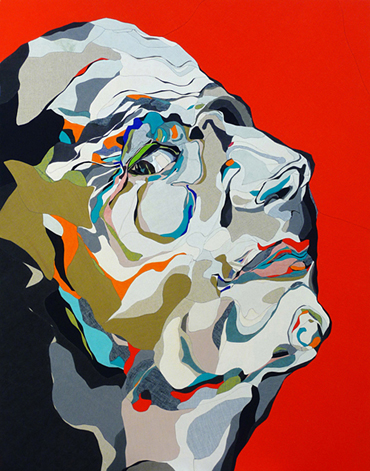
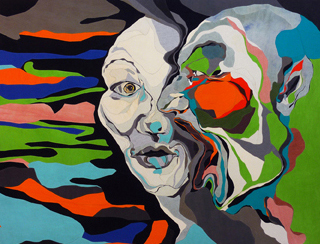
In 2018, the “double portrait,” in which two faces overlap and coexist within a single form, began to appear. p18-4 can be seen as a precursor to the 2024 double portrait p24-14, as well as the starting point of a self-portrait practice encompassing multiple emotions. In place of the mechanical devices once used to join fragmented pieces of fabric, the artist’s hand, now holding a pencil and brush, took over, marking a major shift toward the direct intervention of bodily action in her practice.
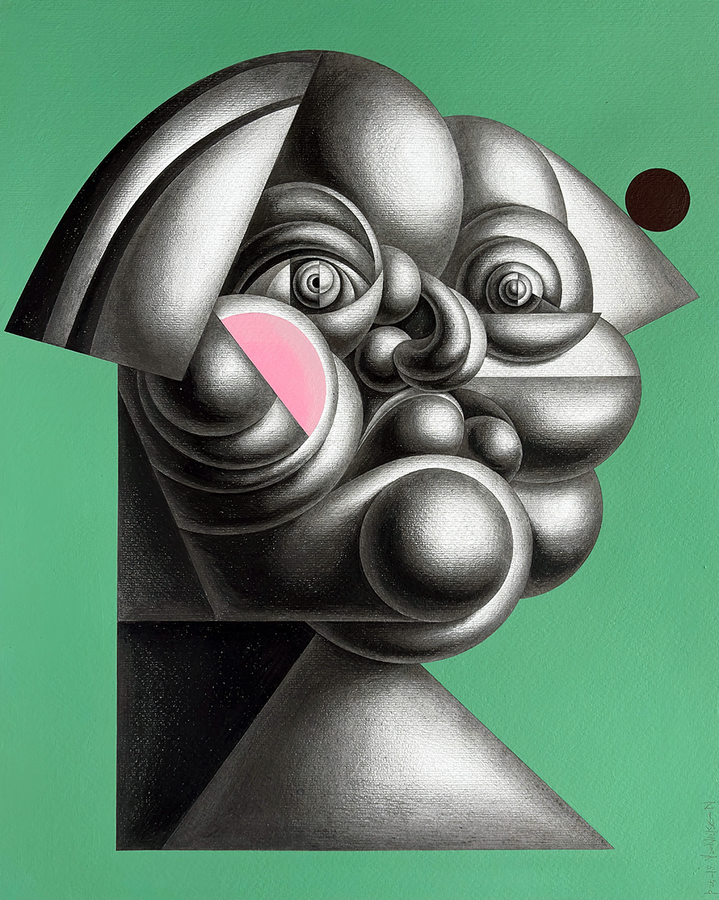
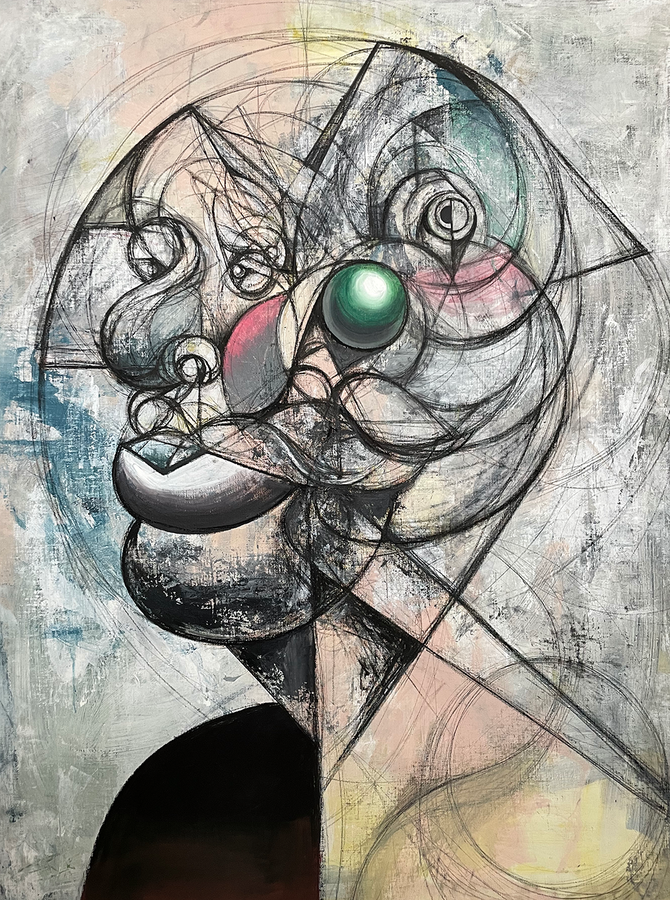
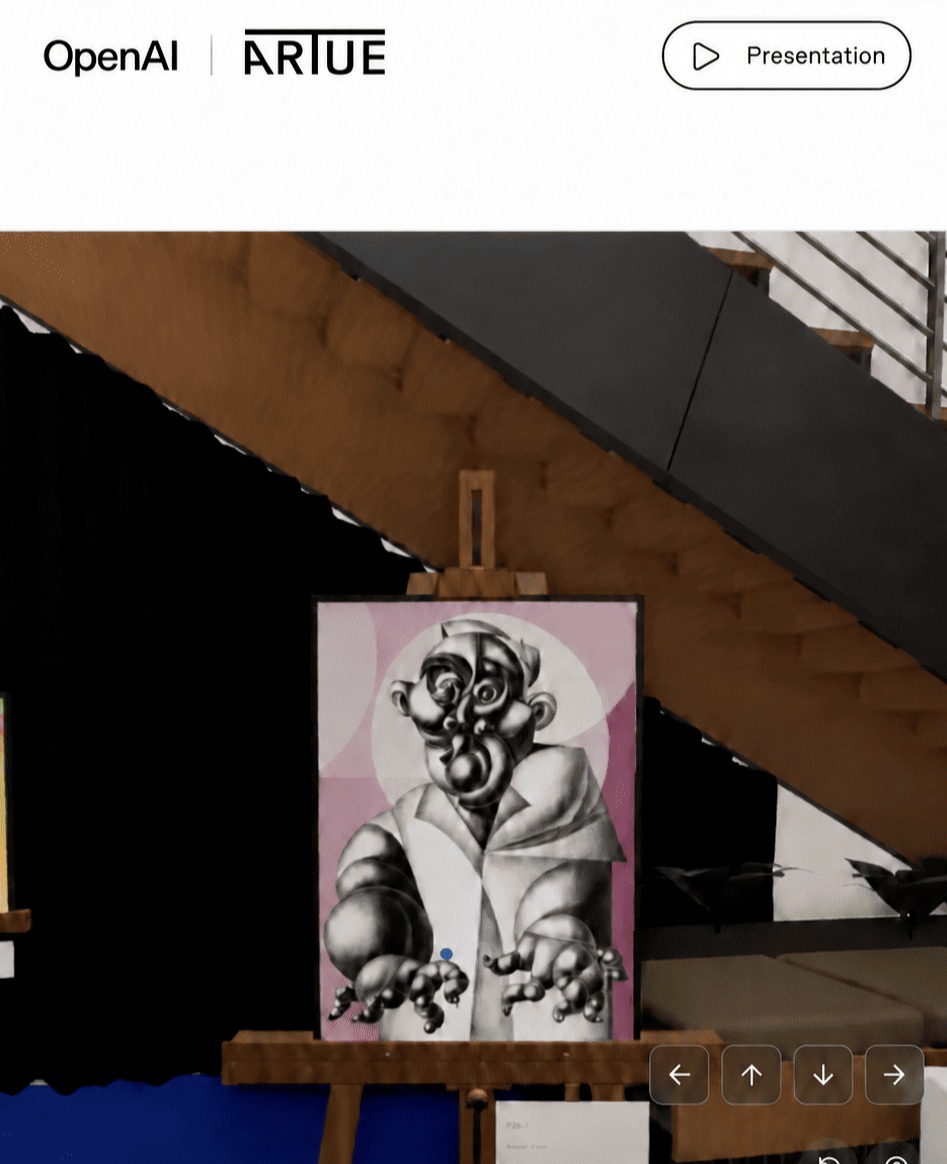
From around 2018 onward, drawing became both the foundation and the primary method of her portrait practice, providing a more immediate means of artistic expression than before. At the same time, however, portraits constructed from basic geometric forms such as circles and spheres paradoxically appear to conceal emotion and artistic intention.
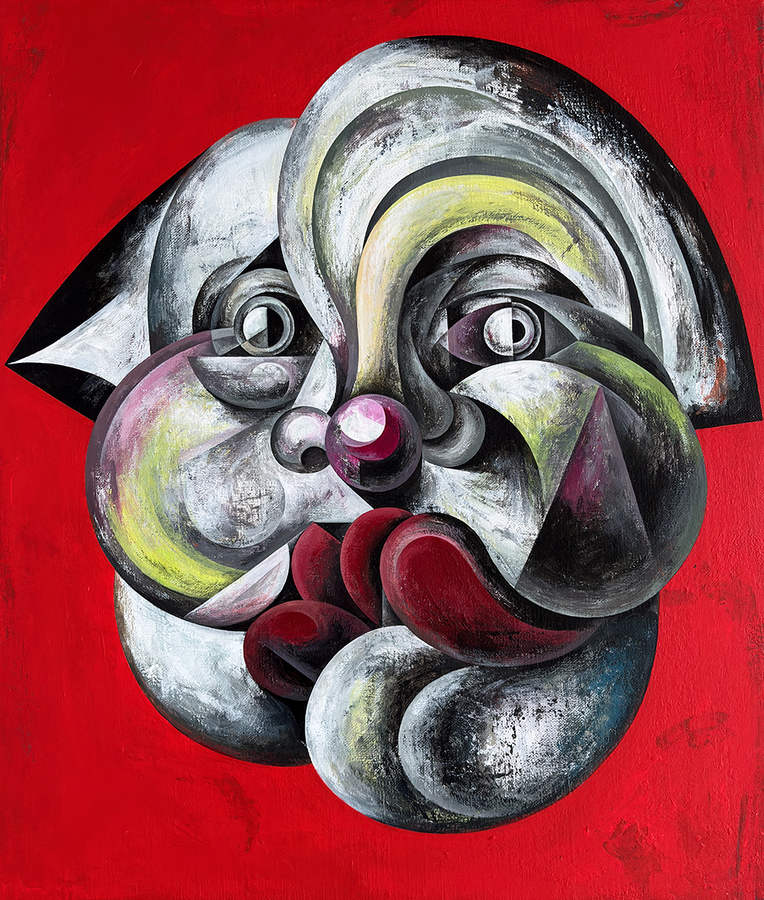
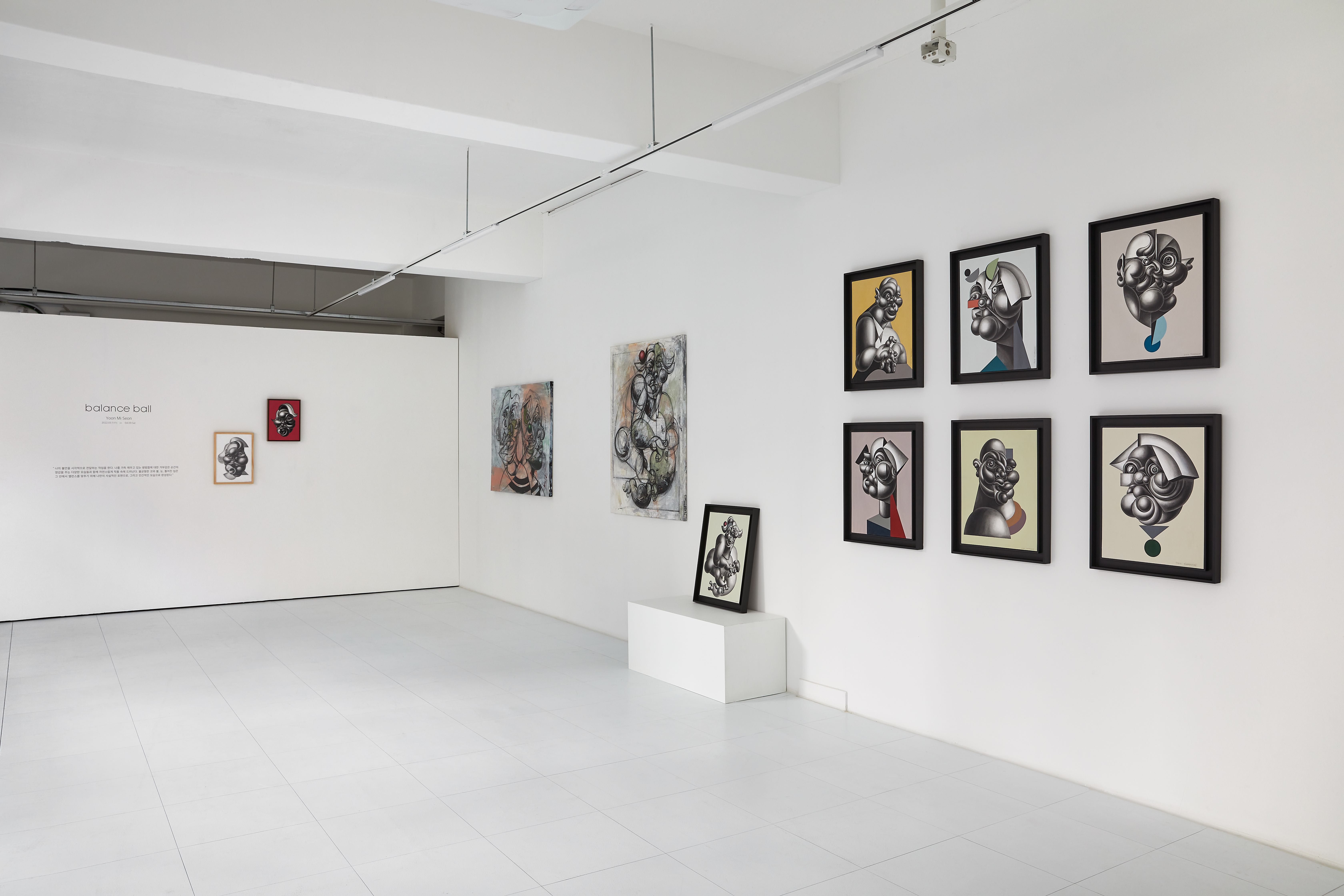
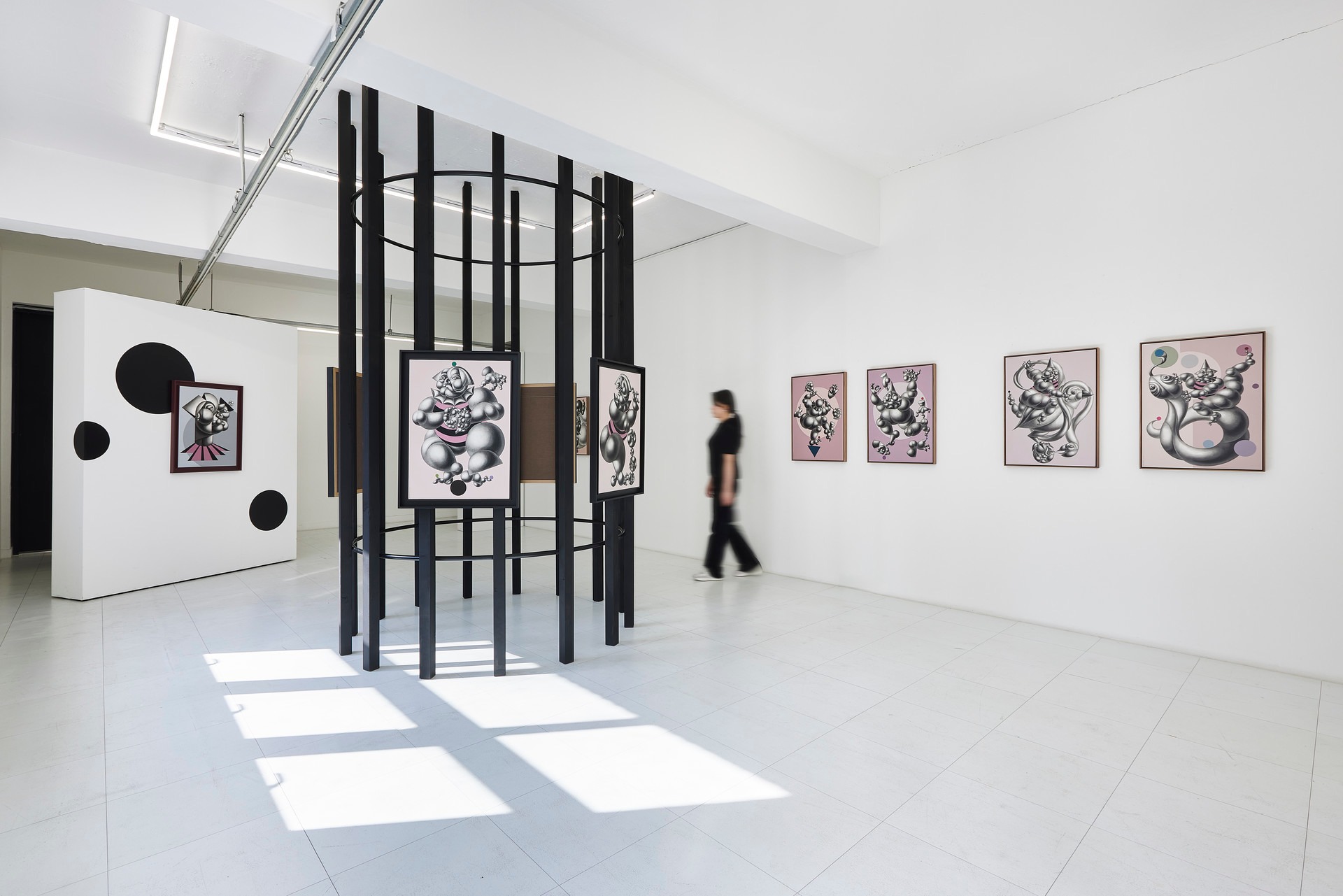
Soon, however, the artist began projecting herself onto a bob-haired figure, which emerged as an indispensable presence in both her exhibitions and her practice, gradually forming its own chronology. Composed of circles and curves of varying sizes, the figures in these works already exist as complete presences within the drawing process itself, as the artist’s hand continuously rolls and extends lines in a circular motion without interruption.
In p24-14, the two faces, suggestive of the figure’s dual nature, coexist in an intermingled form, while the multitude of lines carrying the potential to move in any direction evokes processes of transformation and replication.
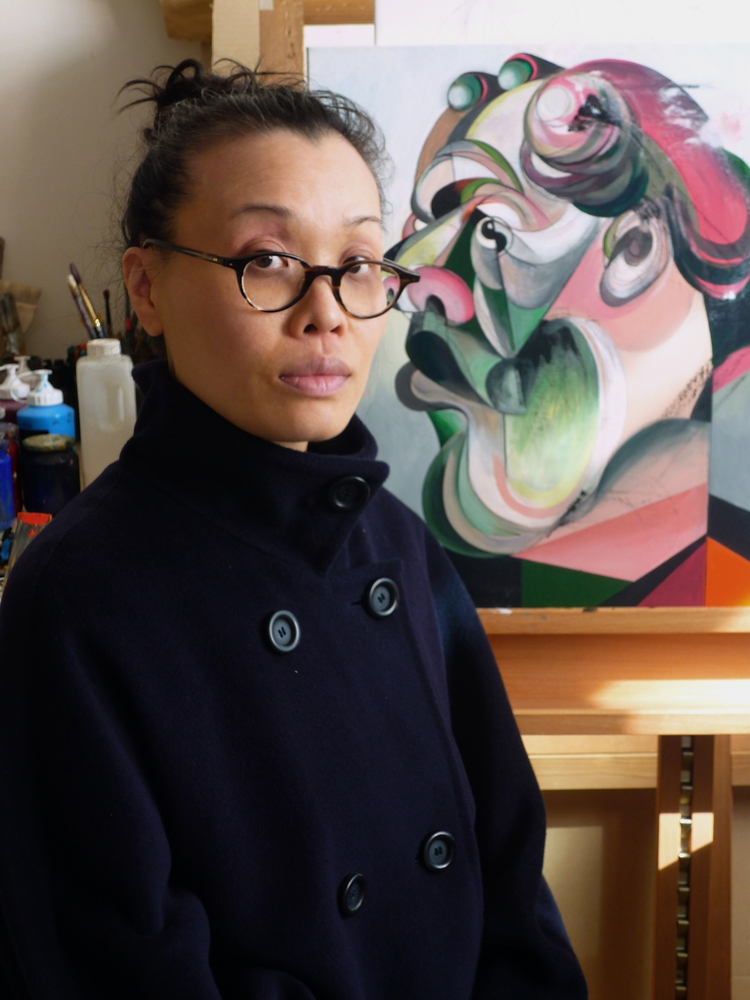
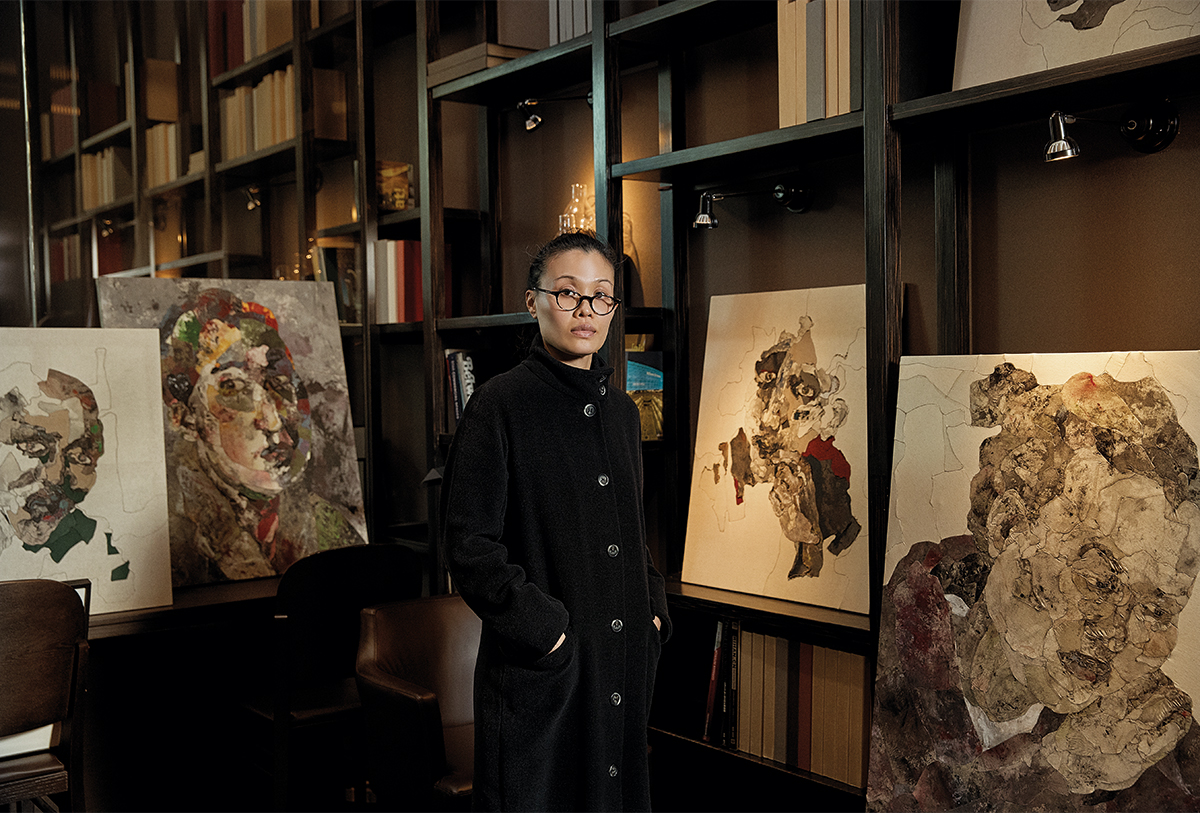
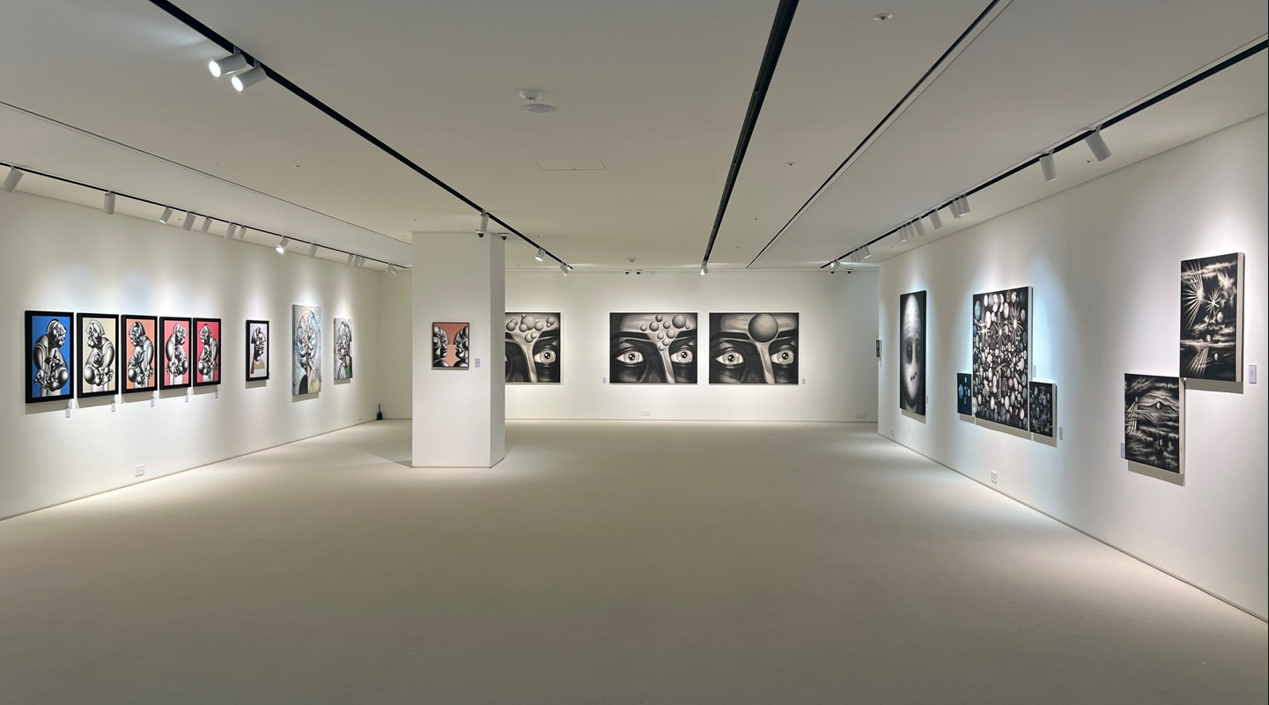
Miseon Yoon’s work may call to mind early twentieth-century Cubism. Yet it is difficult to interpret her practice simply by applying the framework of a particular art-historical movement, because the circumstances through which her mode of expression became established are deeply autobiographical.
In order to relieve herself of the physical and psychological weight inherent in the materials, methods, and processes of working with fabric, she chose to let go of that approach despite its having been one of her strongest methods and talents. The small puzzle-like fragments of cloth were simplified into circular forms, while the patchwork that had once joined them evolved into distinctive figures in which circles connect like joints.
In particular, as seen in the background colors determined only after the subject has been drawn, the mirror-like figures facing one another in left-right reversal, and the gazes and expressions that gradually emerge through the accumulation of graphite within circles and the self-proliferation of spherical forms, the changes visible throughout the chronology of the bob-haired figures reveal the addition of a more playful dimension to the artist’s process.
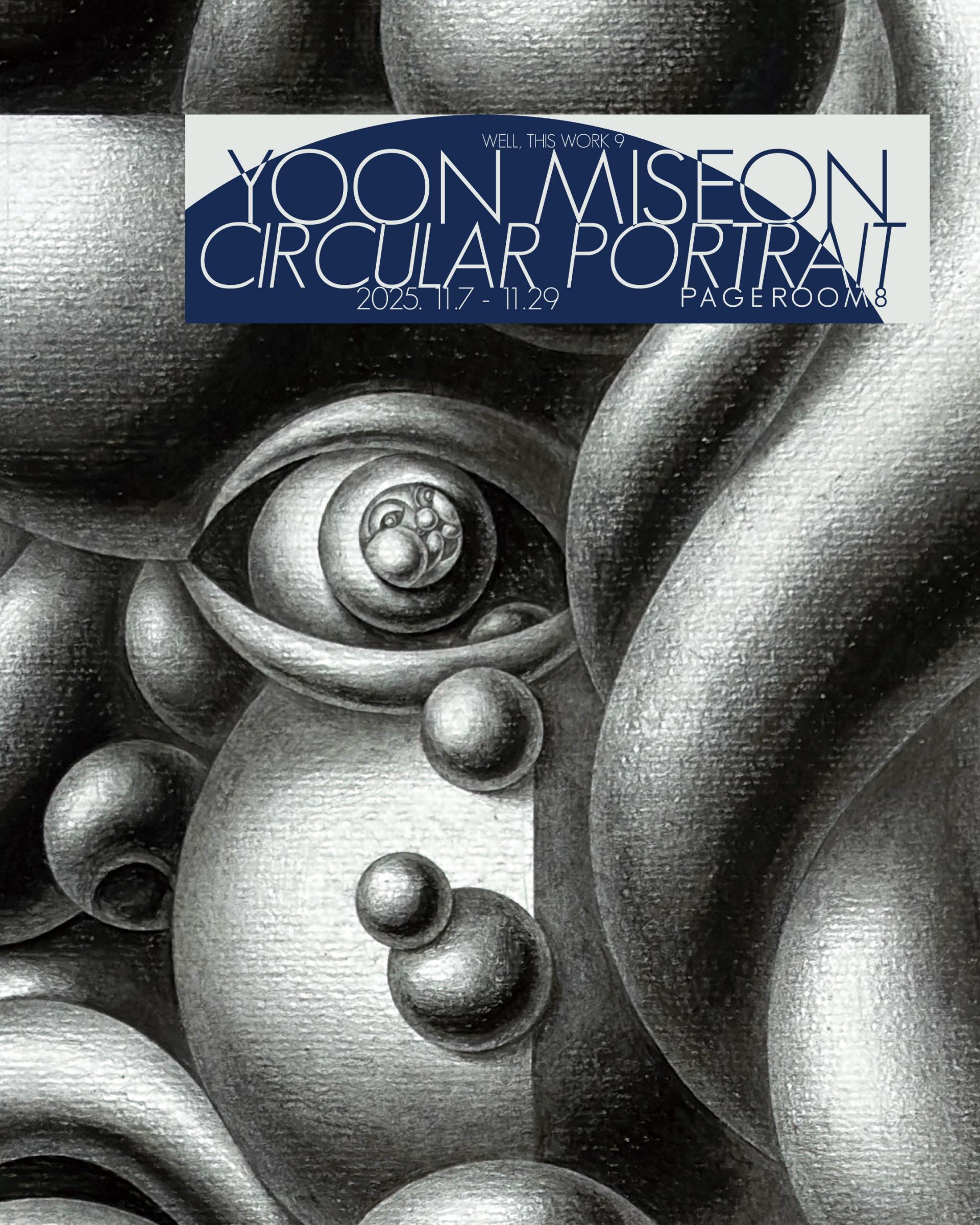
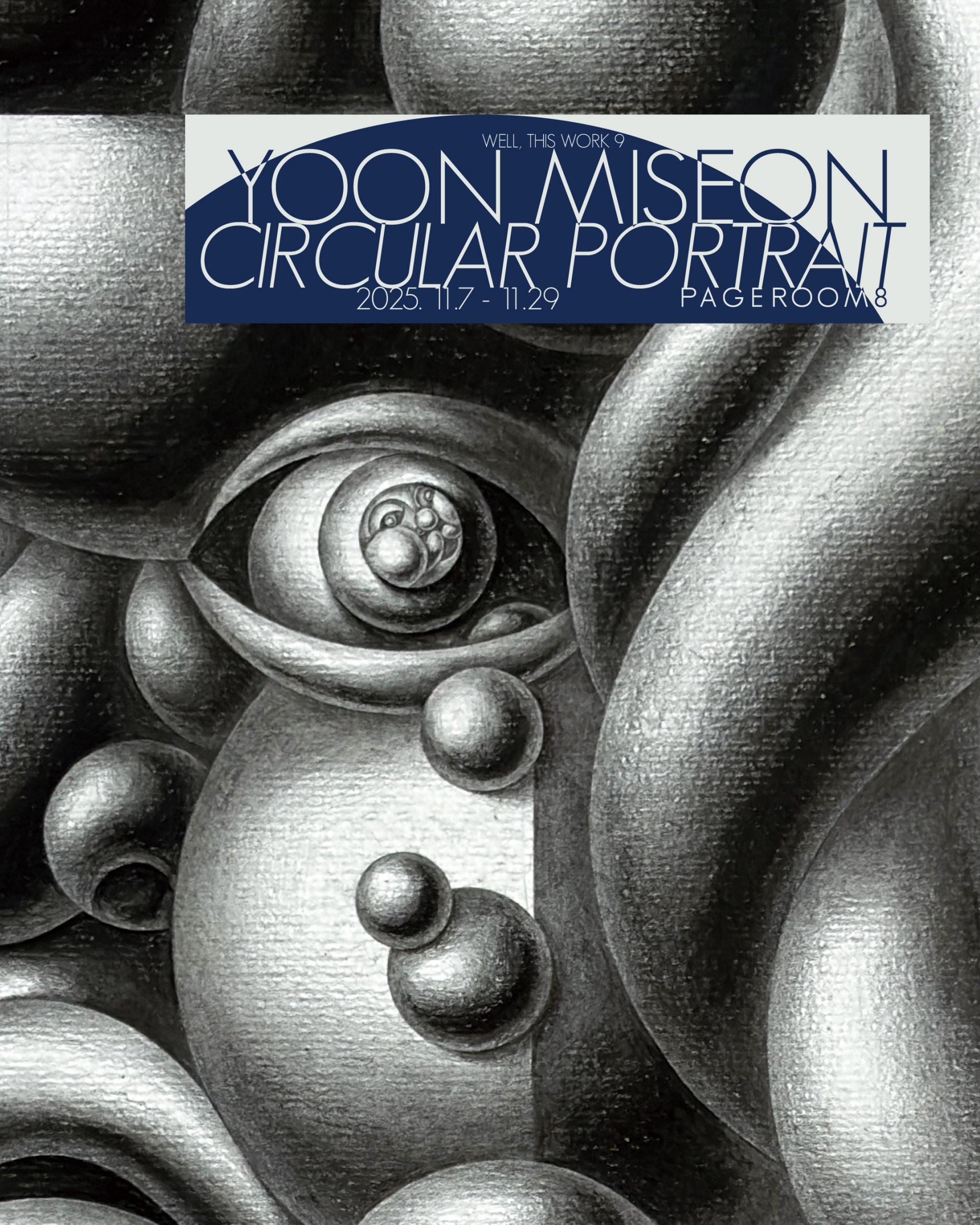
In her most recently completed work, p25-35, tears seem to confess that the circular portrait is no longer a fixed image preserved in the past. The dramatically falling teardrops, themselves circular forms within the circular portrait, anticipate a further exploration of intimate psychological states and emotional trajectories.
One can also imagine that the chronology of the bob-haired figure, identified with Miseon Yoon’s self-portrait, will not merely continue through variations of the same image, but may undergo bold transformations through still lifes, groups of figures, and other forms of portraiture. This will not culminate in a single definitive form of the circular portrait; rather, it will ultimately become a record of countless portraits and another pathway through which self-consciousness unfolds.