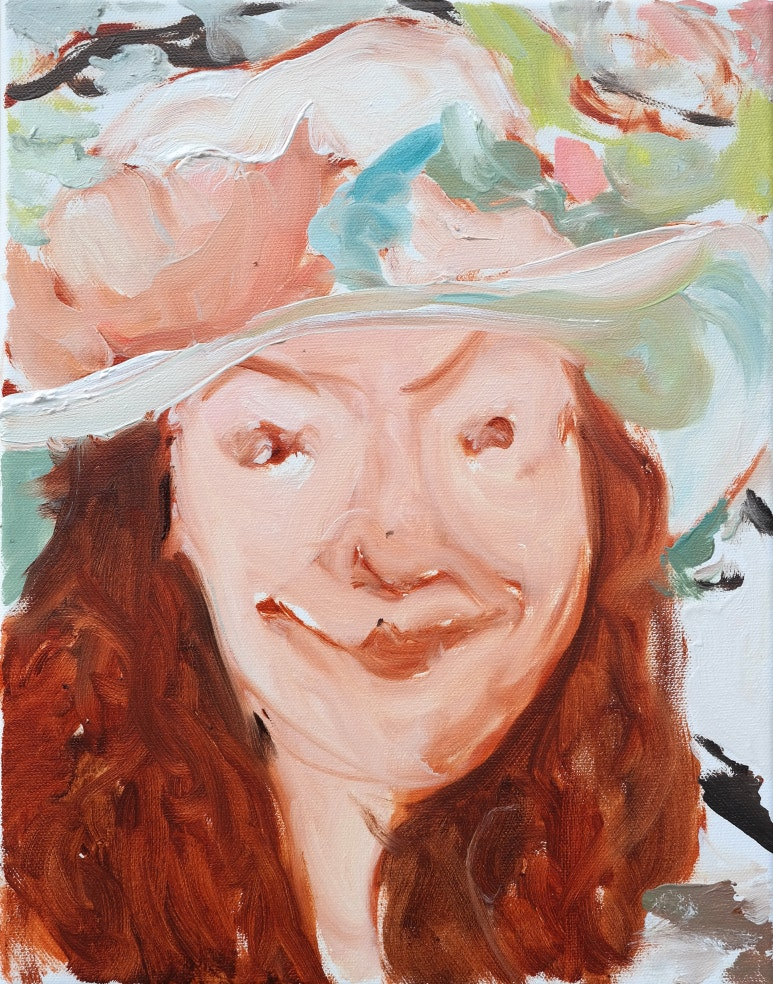
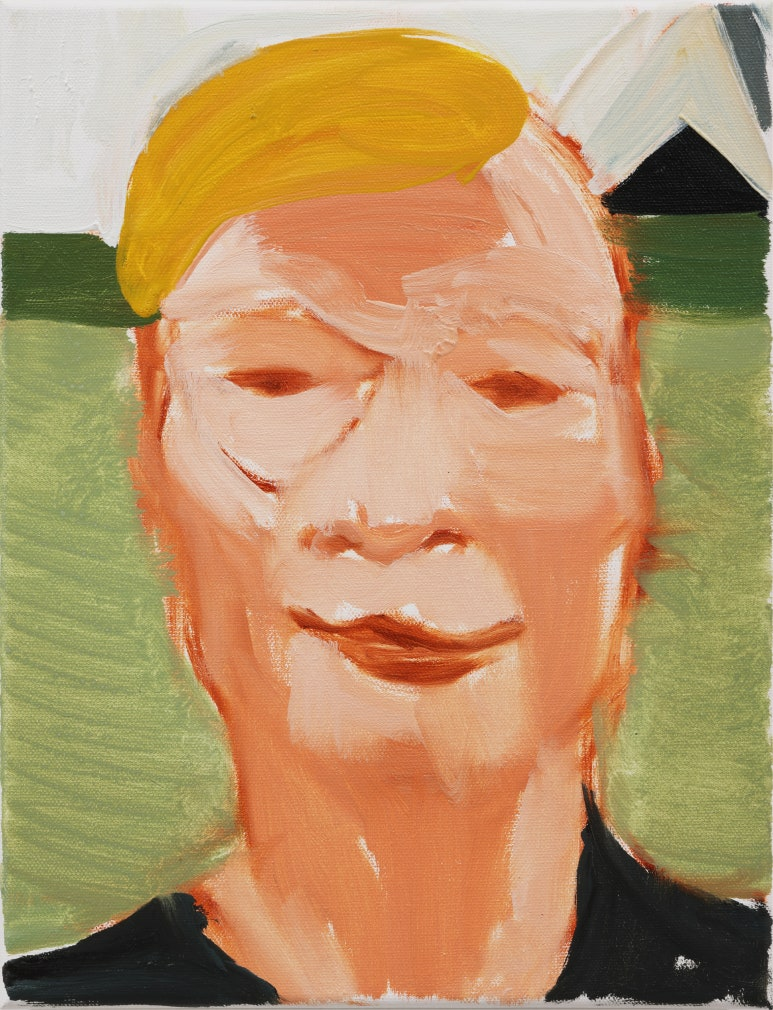
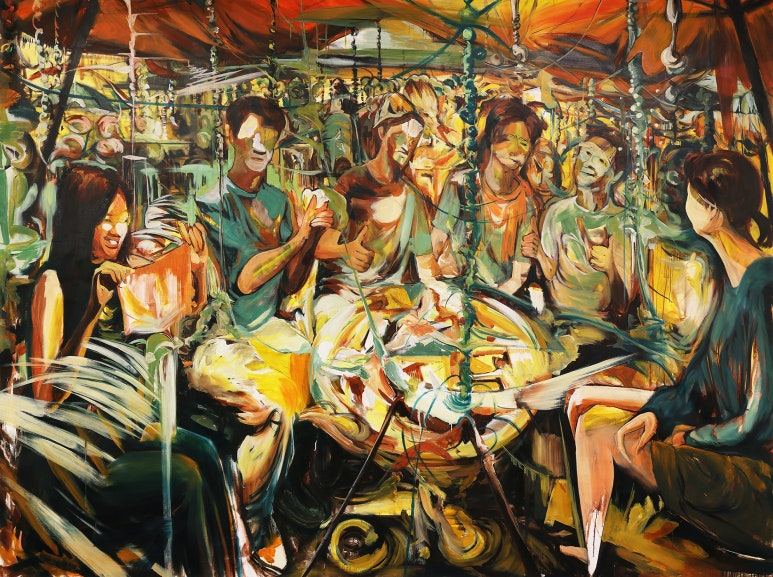
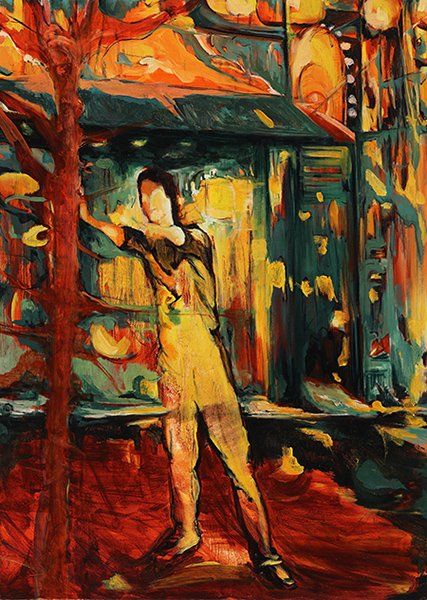
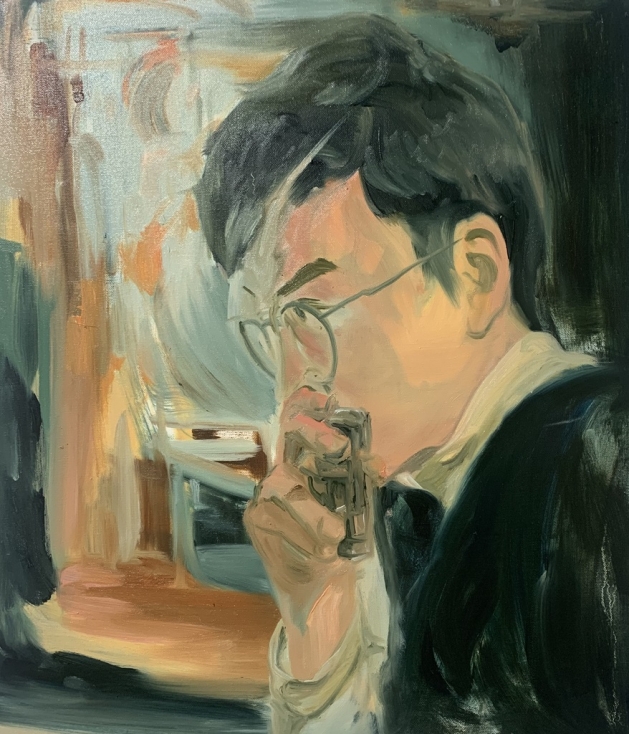
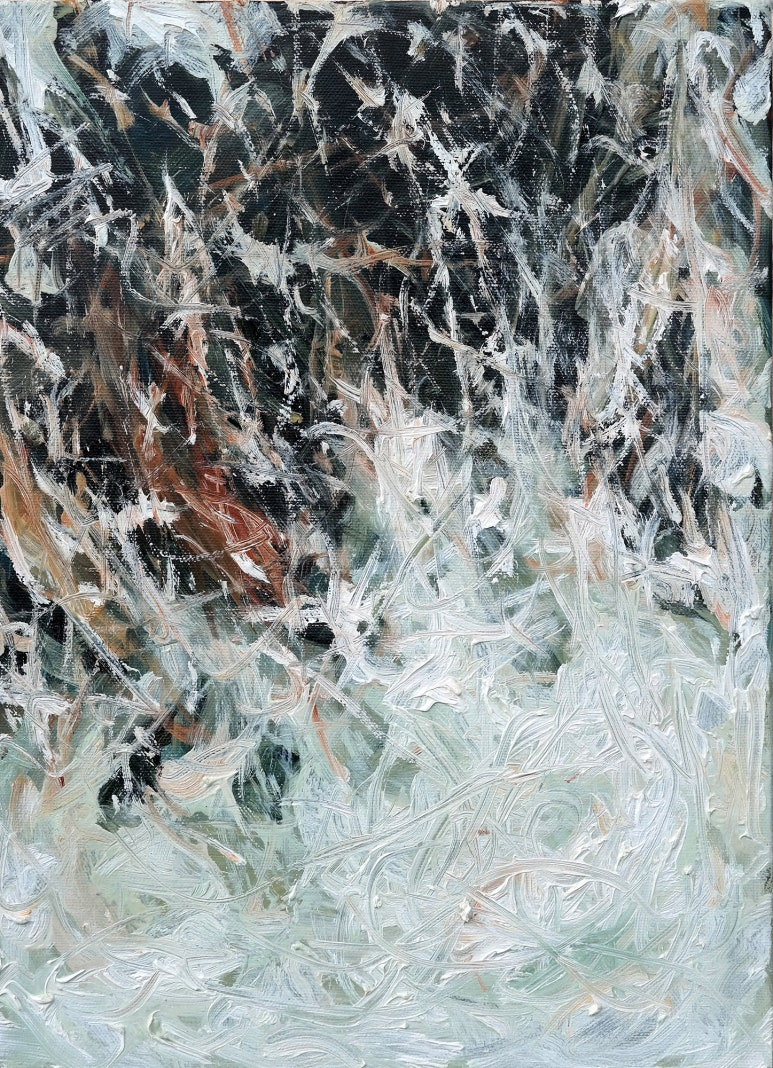
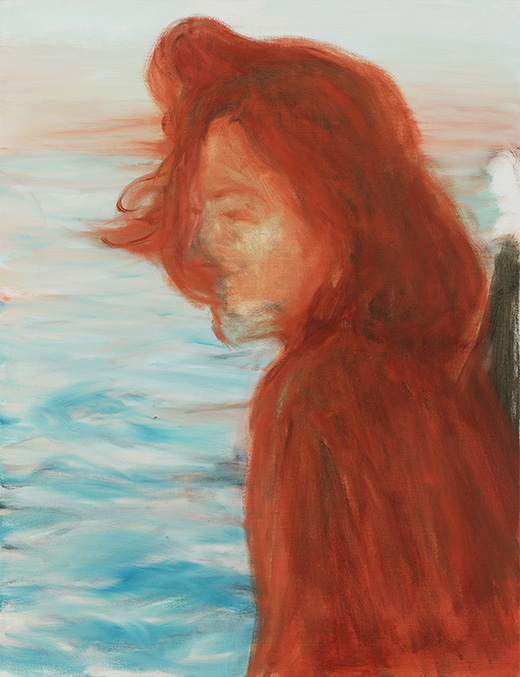
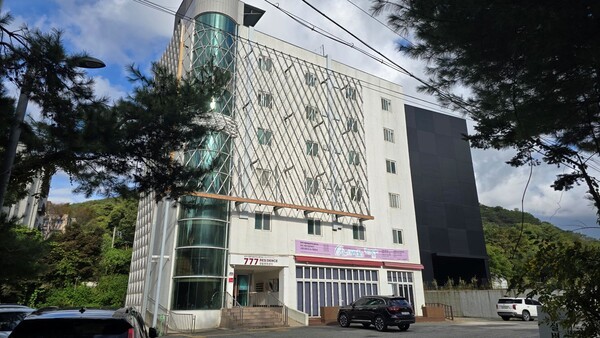
Poster image of 《2016 Cre8tive Report》 © OCI Museum of Art

Site + Perspiration = Optimal Creation!

There are three factors of production: land, labor, and capital. Artistic creation and the production of artworks or achievements in the humanities can also be thought of as parallel to industrial production, considering how it is also an activity of production if seen from a broad perspective. People who get hooked on dancing can enjoy performing on the stage they step on.

Similarly, an artist can also display his creative impulses and artistic inspiration only when he has a place to exercise it. The OCI Museum of Art Residency has been pleased to embrace the creative impulses and souls of its resident artists by going beyond merely providing a space to work. We often say you can reap what you sow as the earth and your efforts are candid.

I feel extremely pleased for yet again being able to reap a good harvest this time around for the fifth time. The more we share this satisfaction the greater it becomes. The 《2016 OCI Cre8tive Report》 will serve as an opportunity to share these benefits with others to the fullest.


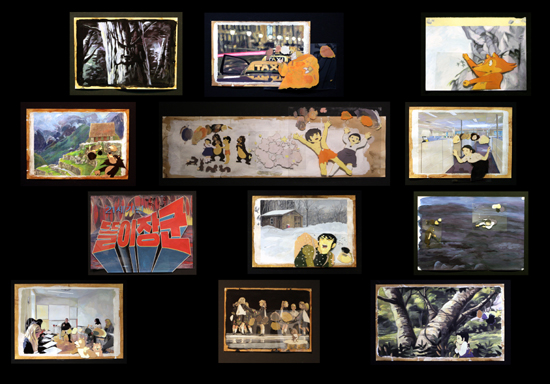
Kang Sangwoo, General Ttoli: 21st Century Edition, 2014, Paper and poster color on vinyl, Approx. 39 x 27 cm x (30) © Kang Sangwoo

A cow chews cud while we humans ruminate on our past memories. Kang Sang-woo brews his past memories and drinks them, gauging the reaction of his audience. If one were to push an object by hand in a weightless state, it would leave for good in the opposite direction. The direction of one’s present thinking is influenced by the mental inertia that has been retained since childhood.

Just as a tree is known by its fruit, to him his childhood is his meaningful past. However it is important to remember that the past is not kept intact. Meat is remembered by its taste, in particular the taste of its gravy. However aromatic the gravy is, it is not the taste of the meat itself. As such, this sauce is not the past itself but rather just an impression, a clue, or a mark that has been processed and denatured.

He has mixed three huge robot boxes, shoddy characters, the excessive exquisiteness of a robot, a small village store’s brilliant name that represents the utopia from his childhood, and an old address that he still remembers. He relishes the current flavors and tastes that are left in his mind rather than invoking the past.

He seeks some emotional connection and reaction, be it nostalgia, a sense of loss, anguish, or horror. An absurdly shoddy robot toy in an overly flashy box with its disingenuous aspects and gaps that appear out of hand may be a reflection of our reality.


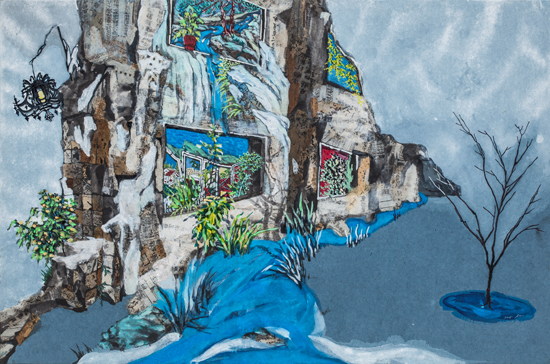
Kwon Inkyung, My Lost, 2015, Collage of antique books, Korean ink and acrylic on hanji, 92.5 x 61 cm © Kwon Inkyung

A person resembles his or her space and vice versa. Even though there are countless apartments that share the same floor plan, there is no room quite like that of my daughter’s. Kwon In-kyung displays the process in which her experiences, thoughts, and stories have spread and dissolved into the urban space around her and how they grew up to resemble her.

Realistic space is never separated and disconnected from mental space. As long as we are conscious, it is impossible to perceive physical space without making any adjustments. This means that one’s subjectivity is involved in the process of perceiving the space. Each individual lives in his or her own world and communicates with others through some point of contact.

There are as many worlds as the number of those living in them. They are overlapped and tangled with one another. Each individual has his or her own village and the place where a city coexists with a landscape is Kwon’s. The density of each space is not uniform. The space under the steps where she used to hide when playing hide-and-seek and the space near the wooden bench where she used to wait for her mother may seem more dense.

The density of each post also varies. The house where she lived with her grandmother might be located in an old doorbell. A room can be located in a forest and a city can spread over the window. Scenes with different times and directions are collaged to form her landscapes.

Canvases jumbled with the discontinuity and ink of a collage and the continuity and spaces of a color painting are specially summoned while personal connections surge, moving beyond a fixed dimension. In this dimension lies the point at which she desires to communicate with others through a ventilated opening in such a space.


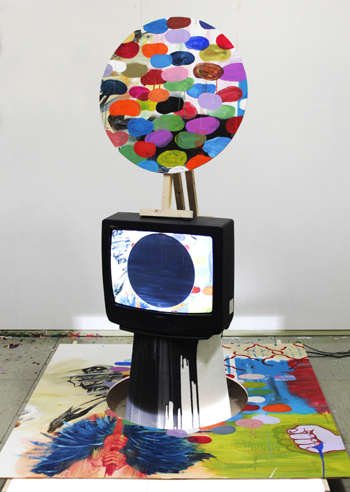
Shawn Park, Transceiver, 2015, Animation, TV, acrylic on wood, 123 x 123 x 163 cm © Shawn Park

The existence of all things is mediated by space and time. So is not only matter but also memory, value, and thought. Space and time is not a preceding condition for existence but another word for existence. Shawn Park represents a “Space-time Drifter” in the unique form of a “moving painting.”

The reason he did not refer to it as animation is because its final form is animation, but it more approximates a form of pictorial expansion underlining temporality and a defiant experiment with the potential of painting. When thinking of animation, the first things that come to mind are its cutting-edge techniques and digital images. Park, however fully exploits the color and form of material as it is, including paint and actual objects.

Space and time, figuration and abstraction, color and form, seeing and being seen, personality and personality, and scene and scene are amalgamated. His expression, content, and development are all a mass of the analog, the quintessence of this latest version of painting. A figure is not always a protagonist in his work. This means some “gaze,” “position,” or “chance to see” can be the main character of his work.

An uncanny character is employed to signify this or the first person viewpoint. This viewpoint performs the role of a violent personality or the self in agony. This explores aspects and values of the times, crossing borders and flying through time. It is able to explore indescribable bizarre narratives, mental states, and absurd circumstances without reservation as it is unrestricted.

It is too weird and whimsical to be described with words. Park’s work is evidence of how we are free to travel if we escape the frame of words or the power of painting in its expression.


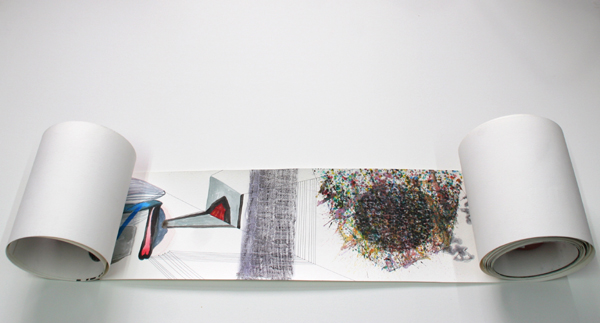
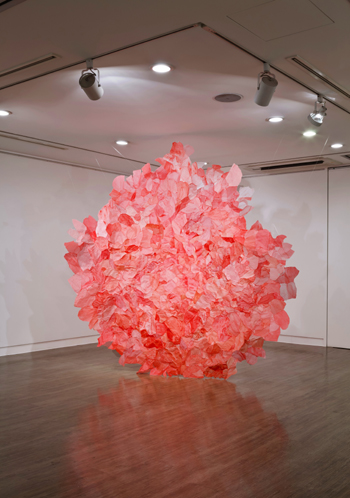
Ban Juyoung, Life, 2004–2014, Acrylic on tracing paper, thread, 230 x 240 cm © Ban Juyoung

If a trailer is a spoiler, what’s the joy of watching a movie? Is riding a bicycle on an endless road amusing? Ban Ju-young explores how our lives can be beautiful even though they are often uneasy, precarious, and tough. The Chinese character “生” is a hieroglyph imitating the growth of a bud. Its first stroke shatters this character’s bilateral symmetry and simultaneously condenses change and vivacity, engendering the unknown and infinite possibilities.

Her work is thus not fixed to any frame and sways whenever the wind of possibility blows. Yellow tracing paper is dimly stained with the uncertainty of abstruse life. A tint of thrills is found in cuts on its feeble, delicate surface. Scattered dots maintain their relations with precarious lines on the border between sufficiency and deficiency and embrace each other’s flaws and defects, exchanging their energy.

Tiny images are piled up like a pyramid and their relations grow like creatures. Such relations and possibilities are expanded to form an enormous field, weaving a world full of some energy. Red lines or physical frictional forces play the role of putting each individual together and forming relations but psychological frictional forces actually play such a role.


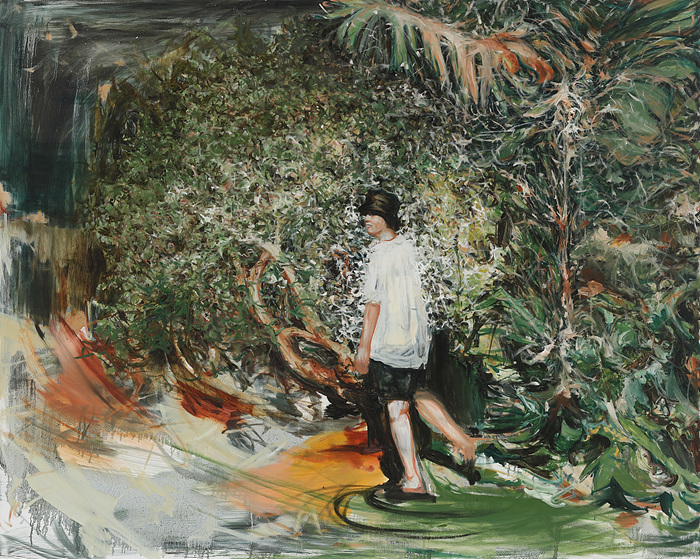
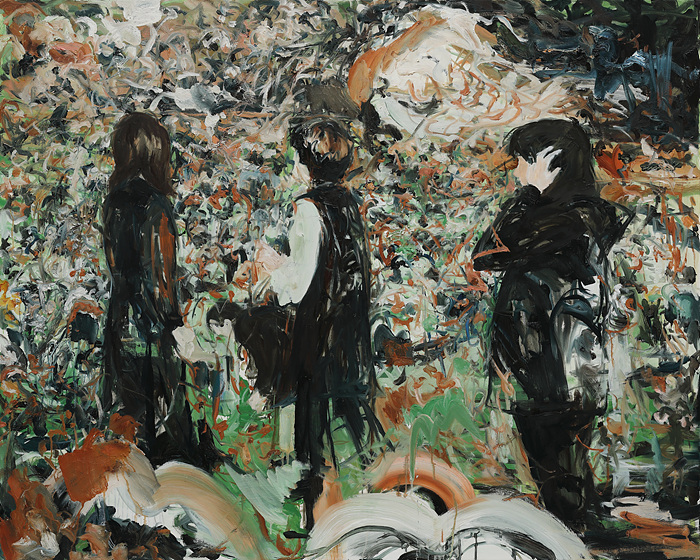
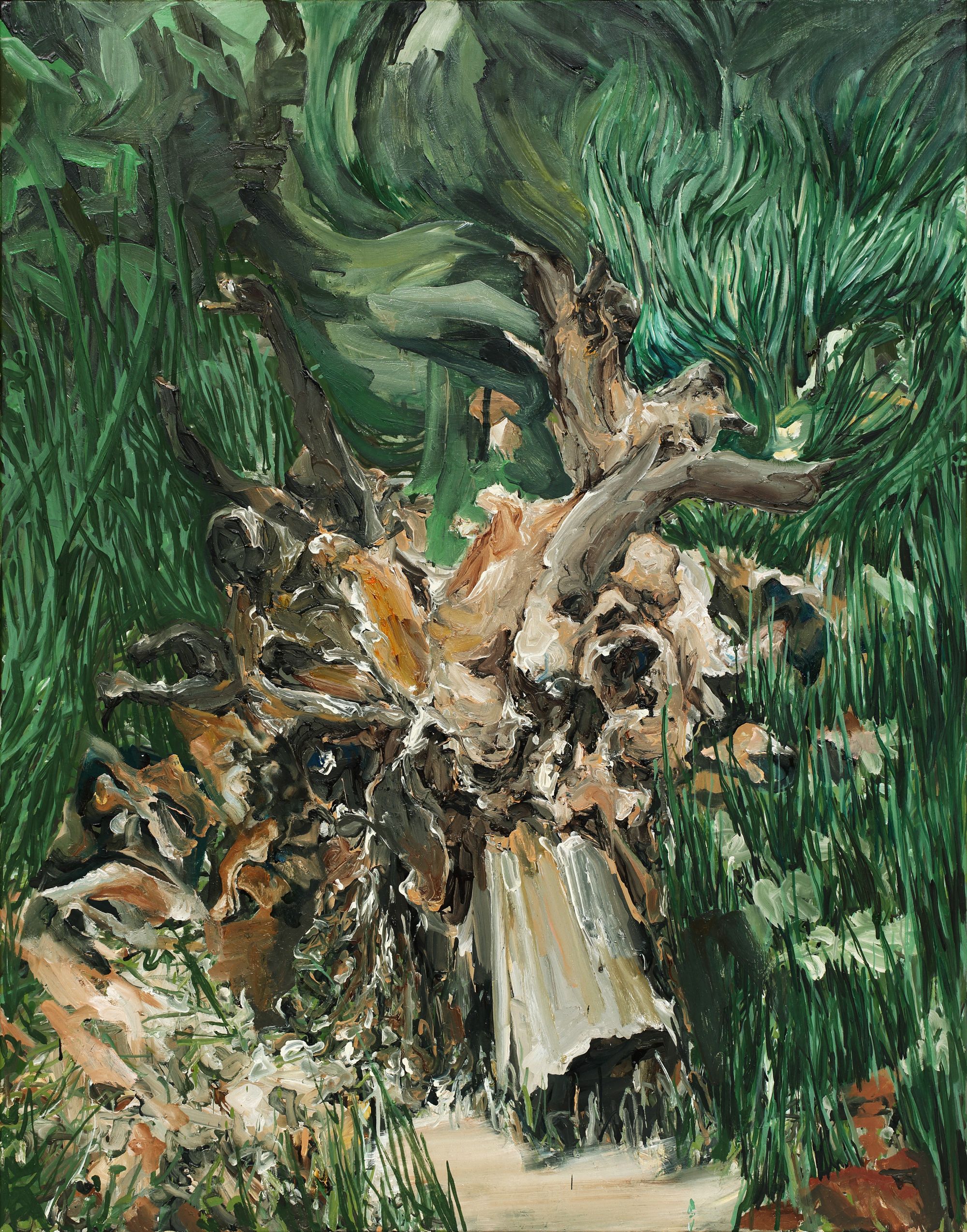
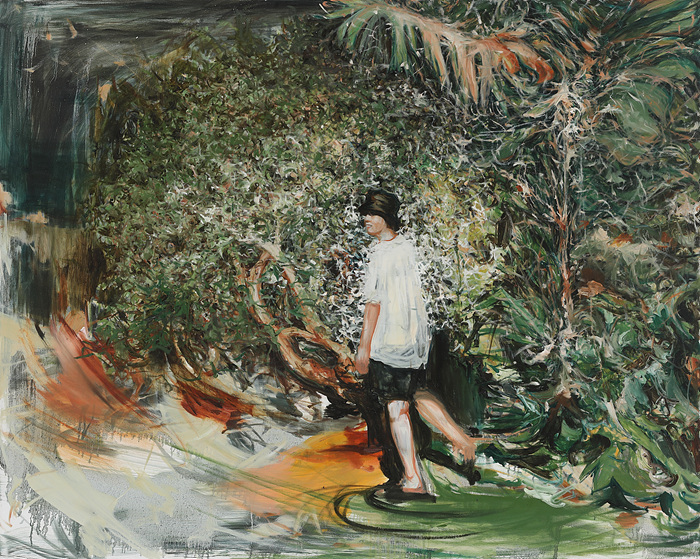
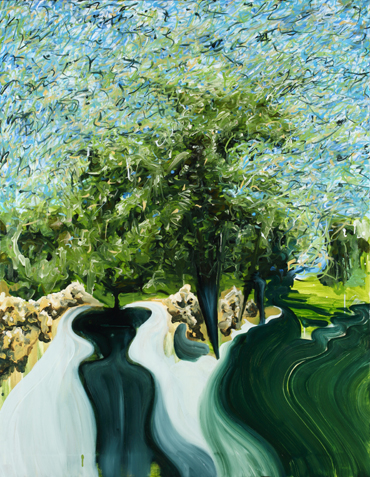
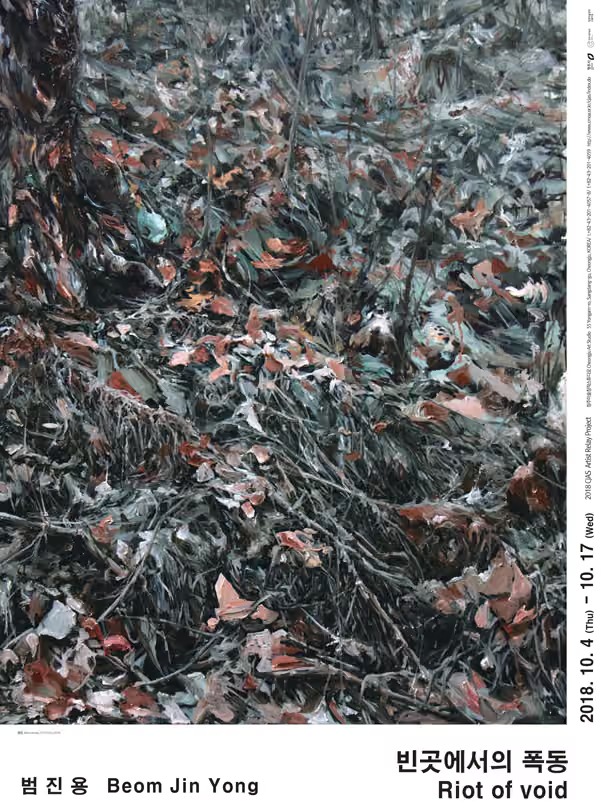
Beom Jinyong, Beyond the Lights, 2015, Oil on canvas, 91 x 117 cm © Beom Jinyong

Beom Jin-yong executes sketches or sasaeng (寫生). As already mentioned above, ‘生’ is a hieroglyph modeling after a growing bud from a tree or a plant. Sasaeng is drawing as one sees. Beom sketches his dreams growing from his brain like grass, obtaining nourishment from his spirit. He looks for a place onto which he can project his condensed psychological energy.

He sketches flamelike life force and energy found in freshly tangled weeds on a trail. The surface of his painting overflows or surges depending on his heartbeats. He overlaps the layers of reality with the layers of dreams. The vividness of the landscape filled with plants is in concert with those singing in a dream. Something – be it a dream or a weed – sprouts beyond one’s will and control.

Dreams and realities are mixed without hesitation as soon as they arrive on a canvas. His painting seems to capture the moment that some force – be it psychological energy or the life force of plants – flows and expands along grooves. The term “floating” – moving beyond boundaries that are neither in dreams nor realities – exactly fits his work.


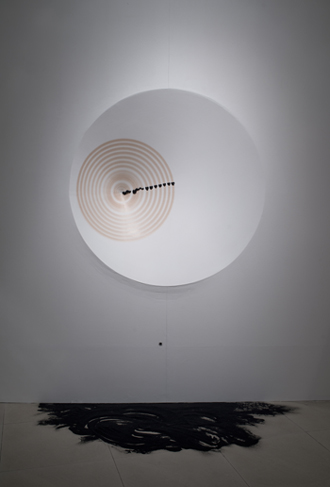
Yun Sungfeel, Looking at The Real World from within The Real World 09, 2012, Aluminium, steel powder, motor, action sensor, magnet, 123 x 123 x 35 cm © Yun Sungfeel

“All the same, the earth moves around the sun.” Even if there is controversy about if Galileo Galilei made this statement, someone probably repeated this tens of thousands of times in their mind. Although Galilei was treated like he was crazy, he is frequently talked today. Yun Sung-feel reveals that the universe is filled with something invisible that circulates.

This circulation is one of the key elements in his work alongside layered and overlapping metal rings as well as trajectories on cones or discs. Circulation is the fundamental principle of all interactions and beings from circulation in an electromagnetic field, heat exchanged by a convection currents, the revolution of celestial bodies, the circulation of energy and blood in the human body, the cycles of life and death, and even cause and effect.

No life can exist if the Big Freeze takes place. As no circulation or interaction will occur, no change and occupation is brought up and any concept of space and time become meaningless. After all, circulation can be said to be a synonym of existence. The work title Energy, referring to some physical operation, intimates some existence while massive metal rings with a potent physical property allude to existence as well.

If the hands of a clock make one revolution, they seem to return to the same position but are all the time different. During this time, all affairs are accumulated and repeated in an invisible circulation. A multitude of invisible stories hidden under appearances that return to their initial position overlap and influence one another.
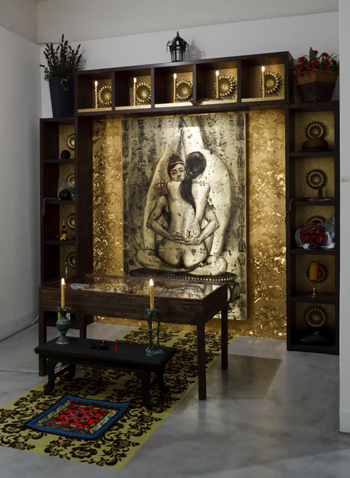

Cho Hyunik, Temple, 2014, Mixed media on brass plate, wooden panel, collected objects, 275 x 300 x 300 cm © Cho Hyunik

All wives were goddesses before marriage and all restaurants were culinary hot spots before food was eaten in them. If vulgarity derives from intimacy, sacredness presupposes a feeling of endless distance. We tend to consider dead things than living things, things far away from us than things adjacent to us, infinite than finite, and things uncatchable than things catchable are closer to sanctuary.

This sanctuary has been framed with taboo, order, and regulation. Cho Hyun-ik occupies himself with experimentation to draw new lines. Is the sacred precious to me? The precious to me is really the sacred, isn’t it? The boundary between the sacred and the profane is often blurred and redefined. The more vivid a stuffed animal is, the more frightening it looks. Taxidermy is to fetter the extinct or the disappeared.
Facing a stuffed animal means seeing it across space and time. Cho stuffs a woman falling into rapture using a steel plate. He engraves and confines her to the steel plate. He fixes her with bolts and even covers her by applying transparent resins such as epoxy. A ballpoint pen with a cap on which a Jesus image is printed and a vinyl bag are found at a corner of the altar of his private temple, emitting holiness when lit up by candlelight.

At this moment we make sure that the serious profane is nothing short of the sacred. Taxidermy can be the second best if one cannot keep all their precious things and meet all their desires. He addresses the boundary between the sacred and the profane in his own way by engraving it on a steel plate, covering it, and keeping it in his private temple.


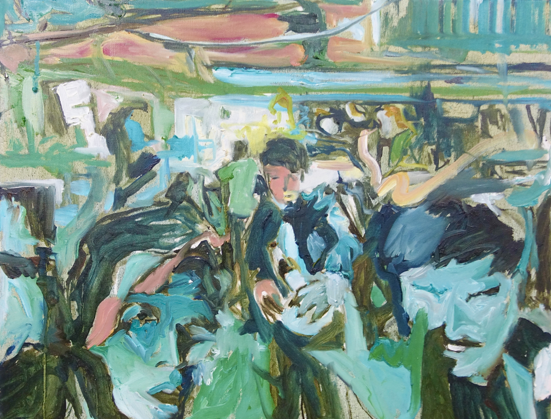
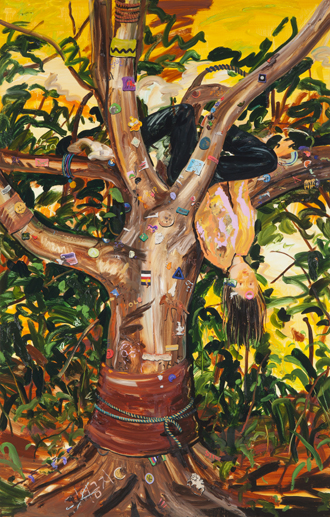
Choi Sujin, The Posture of a Question, 2015, Oil on canvas, 145.5 x 227.3 cm © Choi Sujin

An electrocardiograph machine shows the electrical activity of the heart, and Choi Su-jin’s work is the best machine to display the vibration of her mind. Her work originating from a photograph loaded with her experience and memory presents adapted situations with her own characters. Paints are applied, rubbed, and blurred depending on the vibrations of psychology, sense, and association.
They soon bring about waves in the mind. Her canvas is clean-cut but its surface is uneven. The word “uneven” is written on memo paper and this memo can be depicted in painting. One day an idea came to her but she had no memo paper. She wrote down the word “uneven” on the memo paper in this painting. In her paintings there are factors whose dimensions and layers are exchanged without restriction.
For instance, orange fruit and orange breath appear together with just orange. This place is a contact point between the material and non-material, and other floating matter. There is no hesitation in expressing color, but her expression is delicate. She employs grave dark colors, vibrant primary hues, fluorescent colors, and others. There is also no hesitation in her touches and depictions while always keeping some painterly regulation.
Someone doing something has an excuse for doing it. This year, resident artists were often harassed for their hectic schedules and trifling affairs. I express my respect to those artists who come to be here after cooperating with one another and overcoming such difficulties. As they have struck a rich lode, their perspiration will reward them when they have the time to miss and look back on bygone days.
I am pleased with this because this is evidence of their growth and progress in their work. I would be honored if they consider their growth owed much to their staying and working at the OCI Museum of Art Residency. The museum will further contribute to their growth through more active interactions with and support for artists.

References