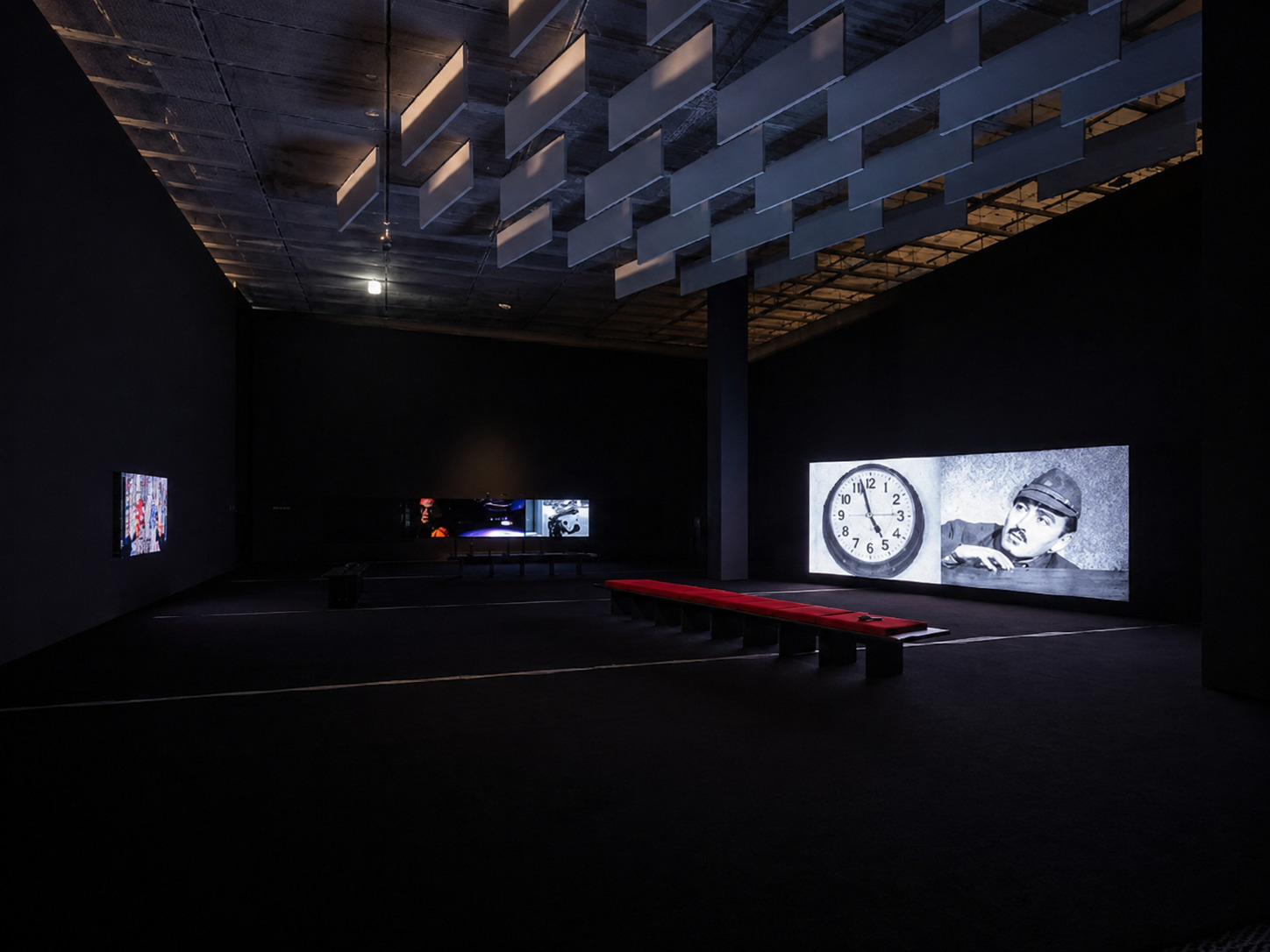
Political events today no longer exist only
at the site where they take place. They are photographed on smartphones and
circulated through news media and social platforms, becoming reconstructed
through countless images.
The question posed by photography has
therefore expanded beyond “Is this image true?” It now includes who produces an
image, which scenes are selected, what is repeatedly made visible, and what
remains unseen.
MoMA’s 《New
Photography 2025: Lines of Belonging》 similarly
approached photography as more than a documentary medium. The exhibition
brought together practices that connect personal stories with broader political
histories, reconsider archives, and examine intergenerational memory,
community, and belonging. (The Museum of Modern Art)
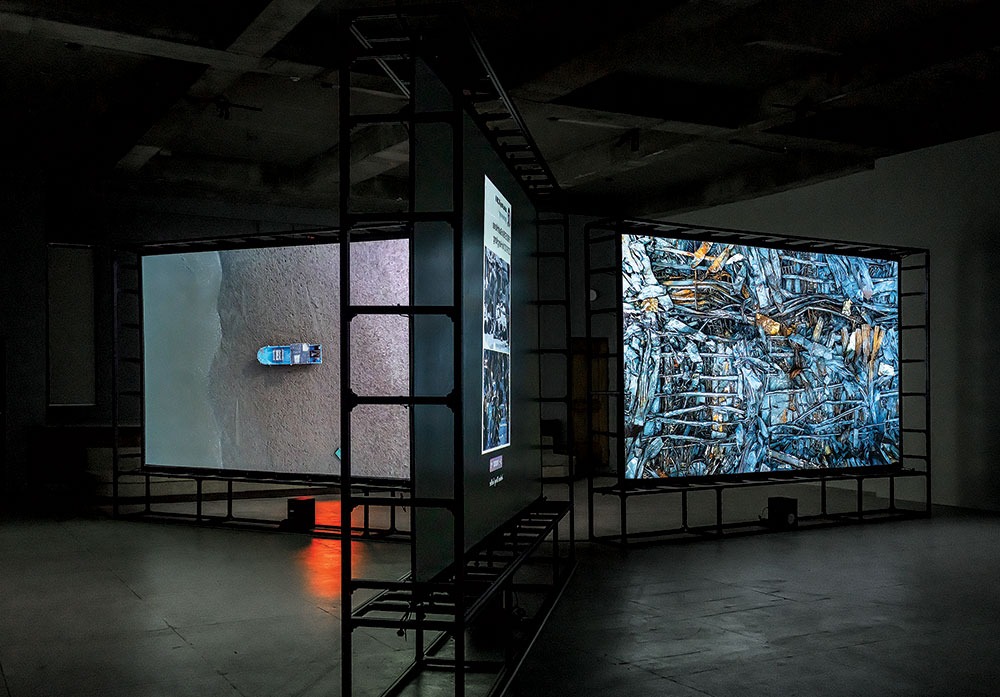
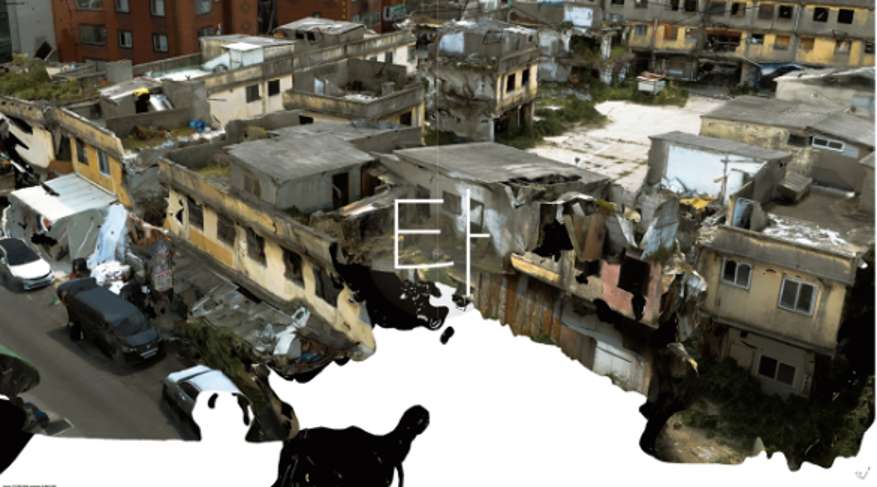
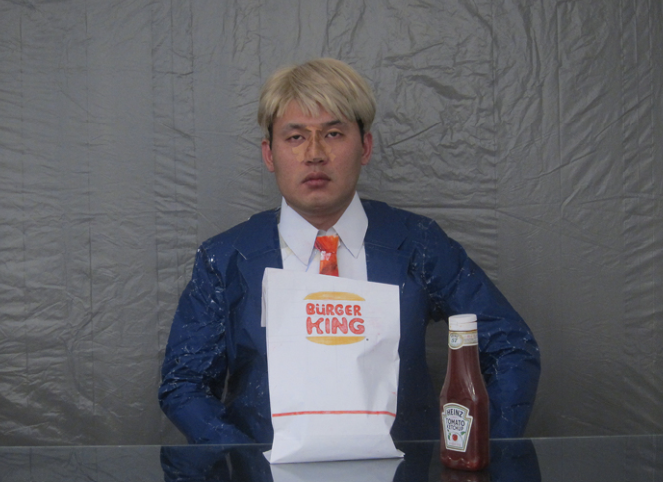
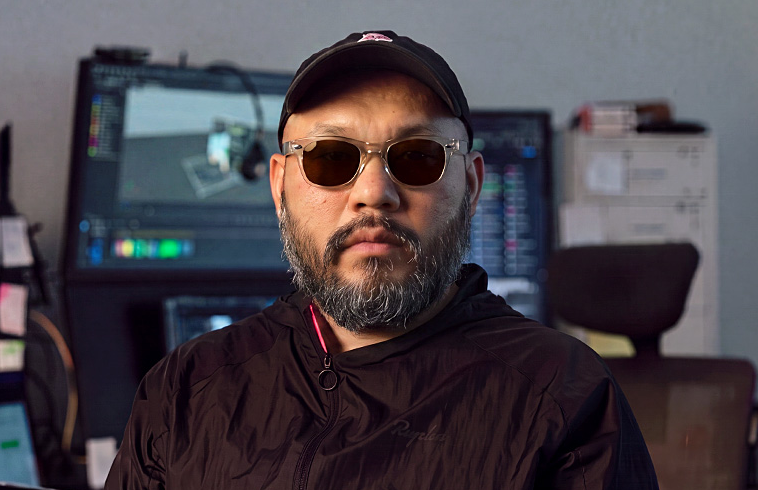
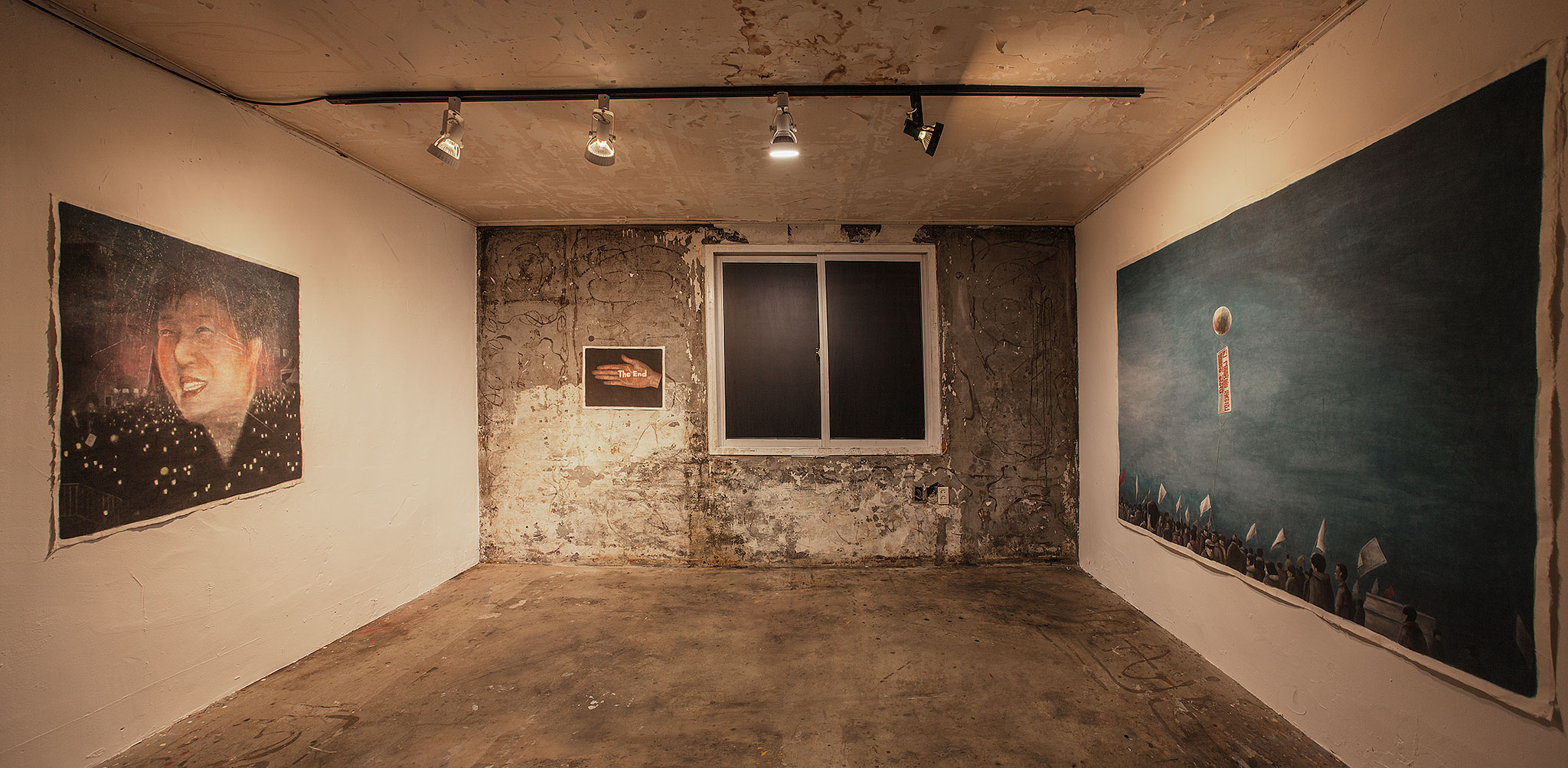
Hong’s work begins with the specific
realities of protest culture and political landscapes in Korea. Yet its
questions are not confined to an account of Korean political history. The
idea that images do not merely record reality but actively participate in
constructing it has become relevant wherever social media and
digital platforms shape everyday experience.
From Korean Realities to Global
Questions
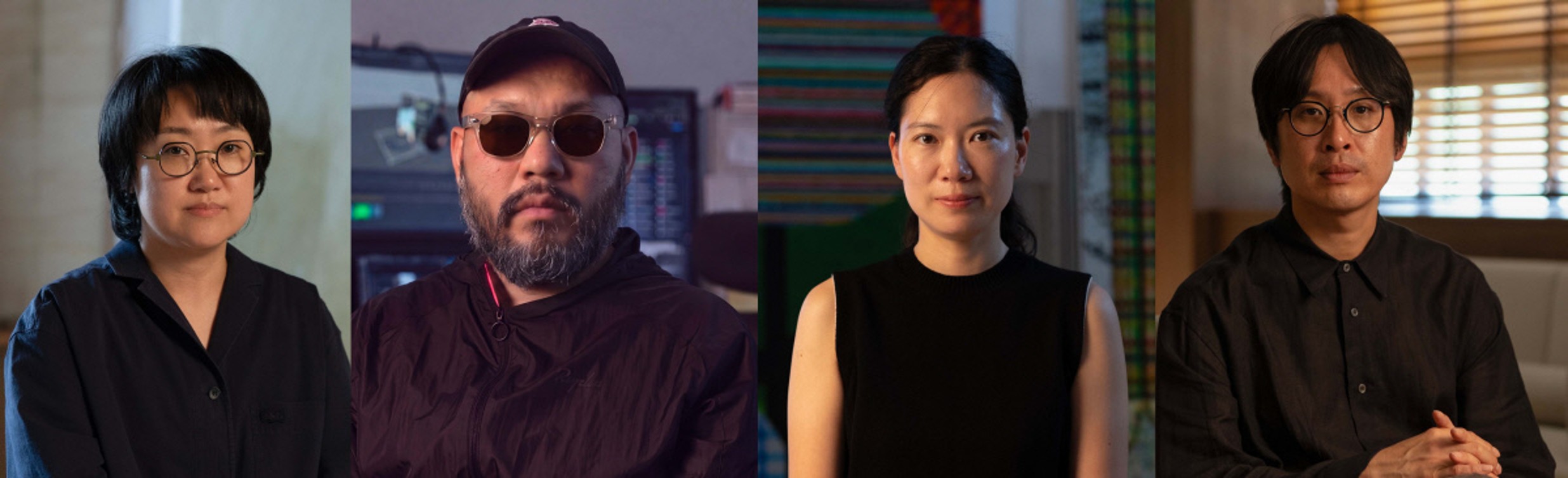
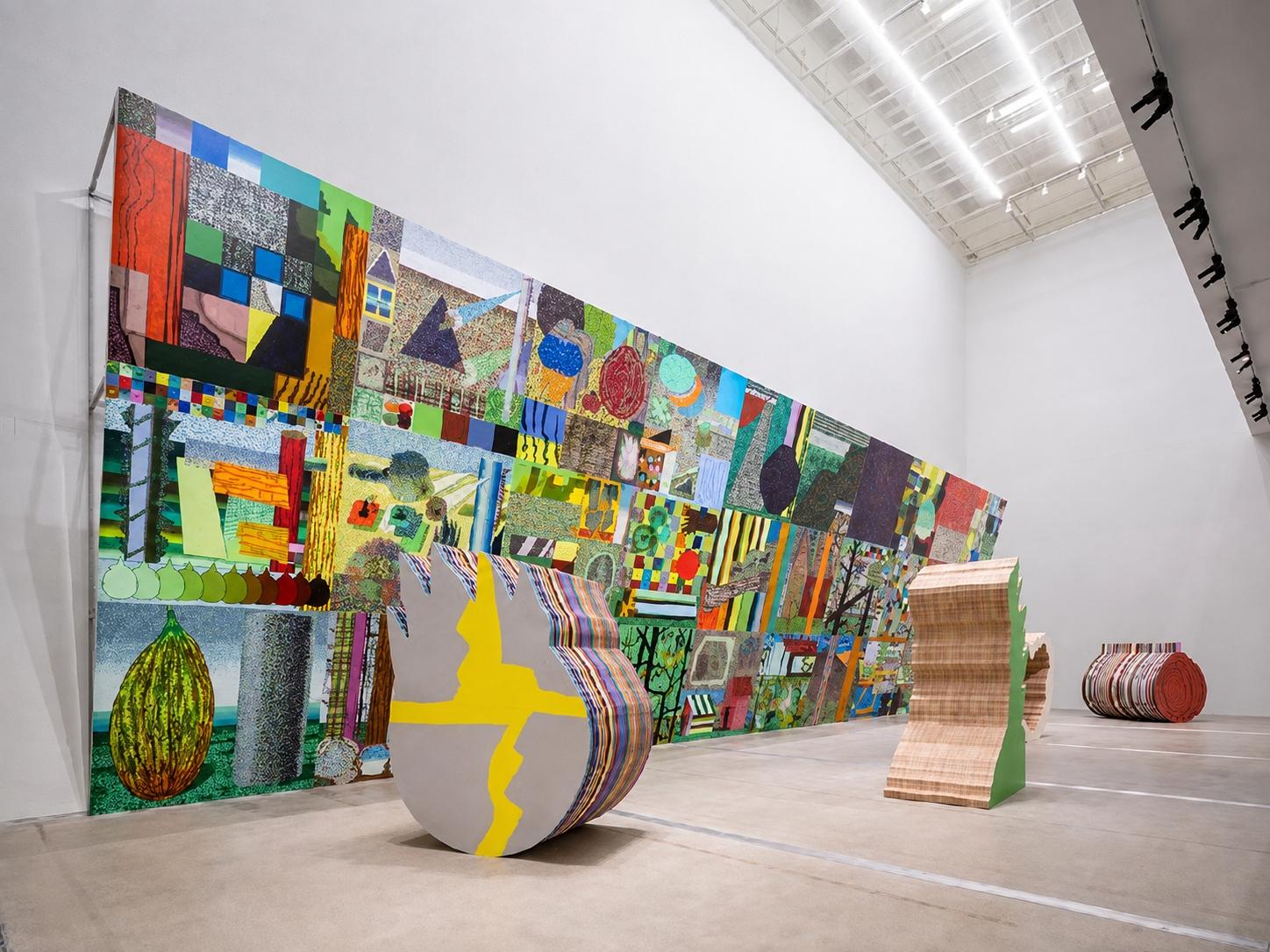
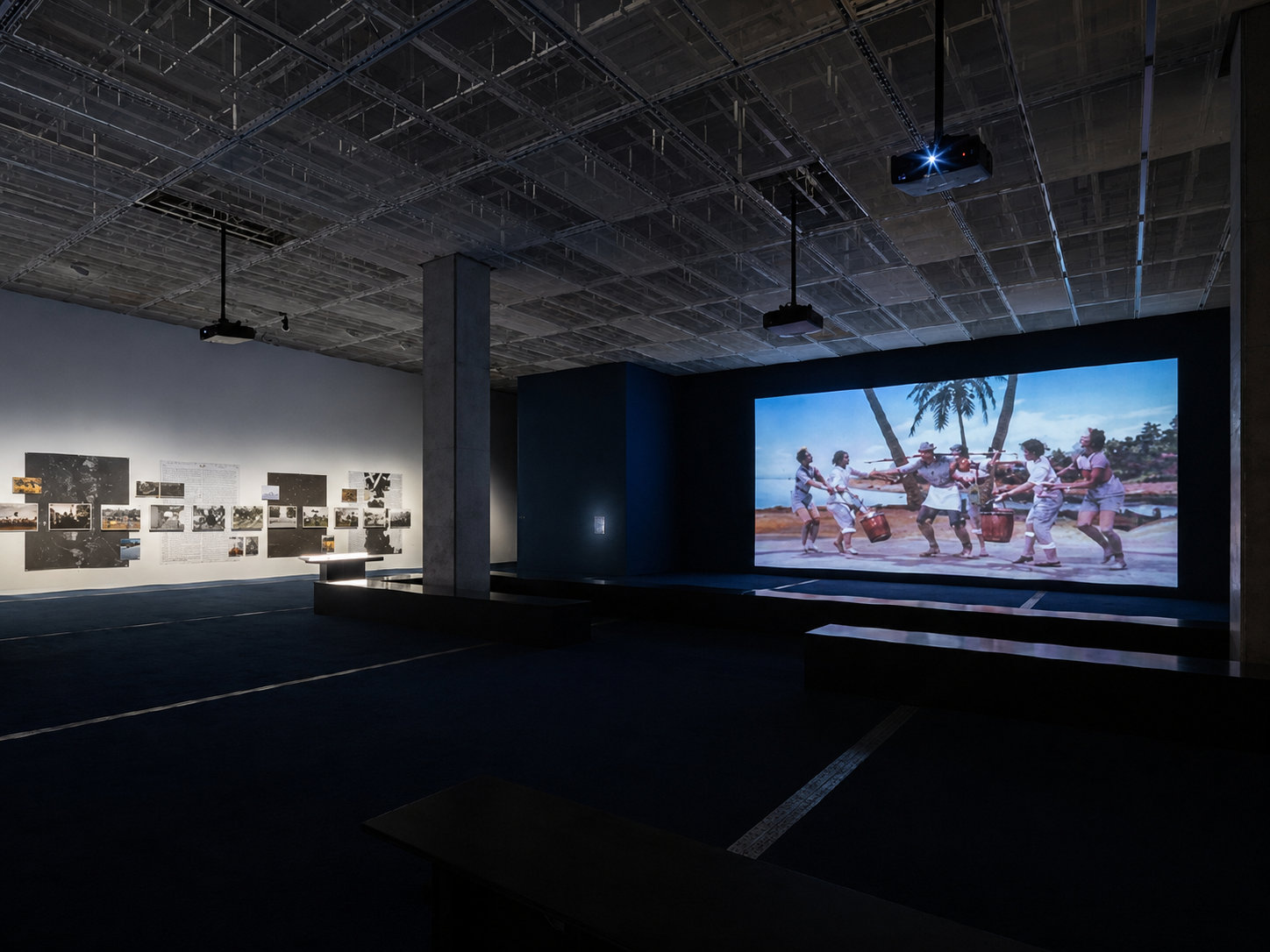
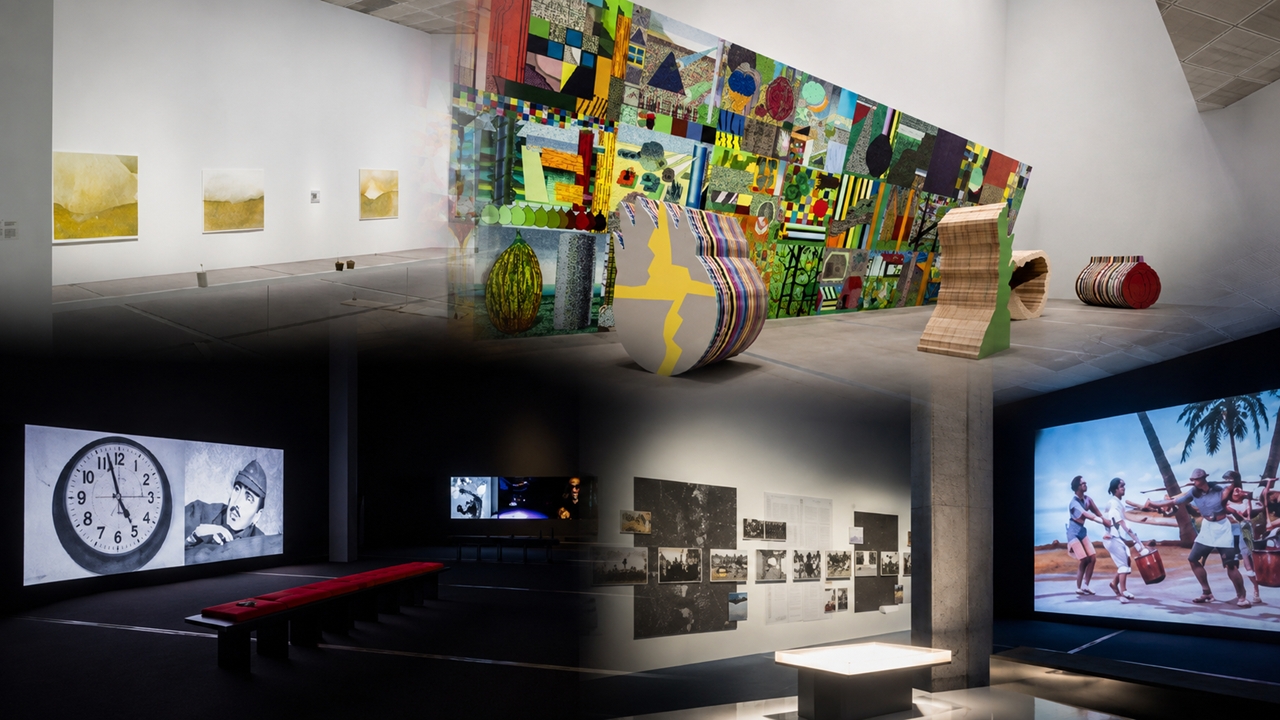
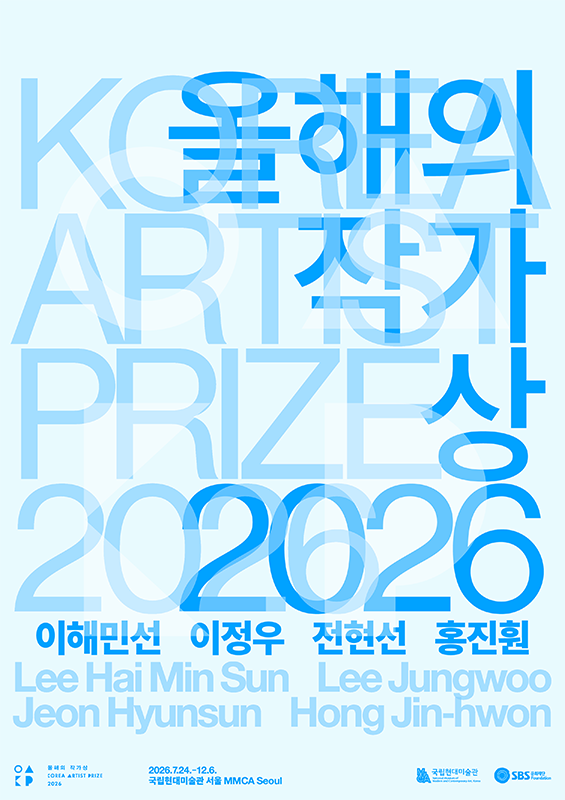
The four artists selected for 《Korea Artist Prize 2026》 work with
different media and subjects, yet they share a fundamental concern: rather than
simply representing reality, they ask how reality itself is constructed and
perceived.
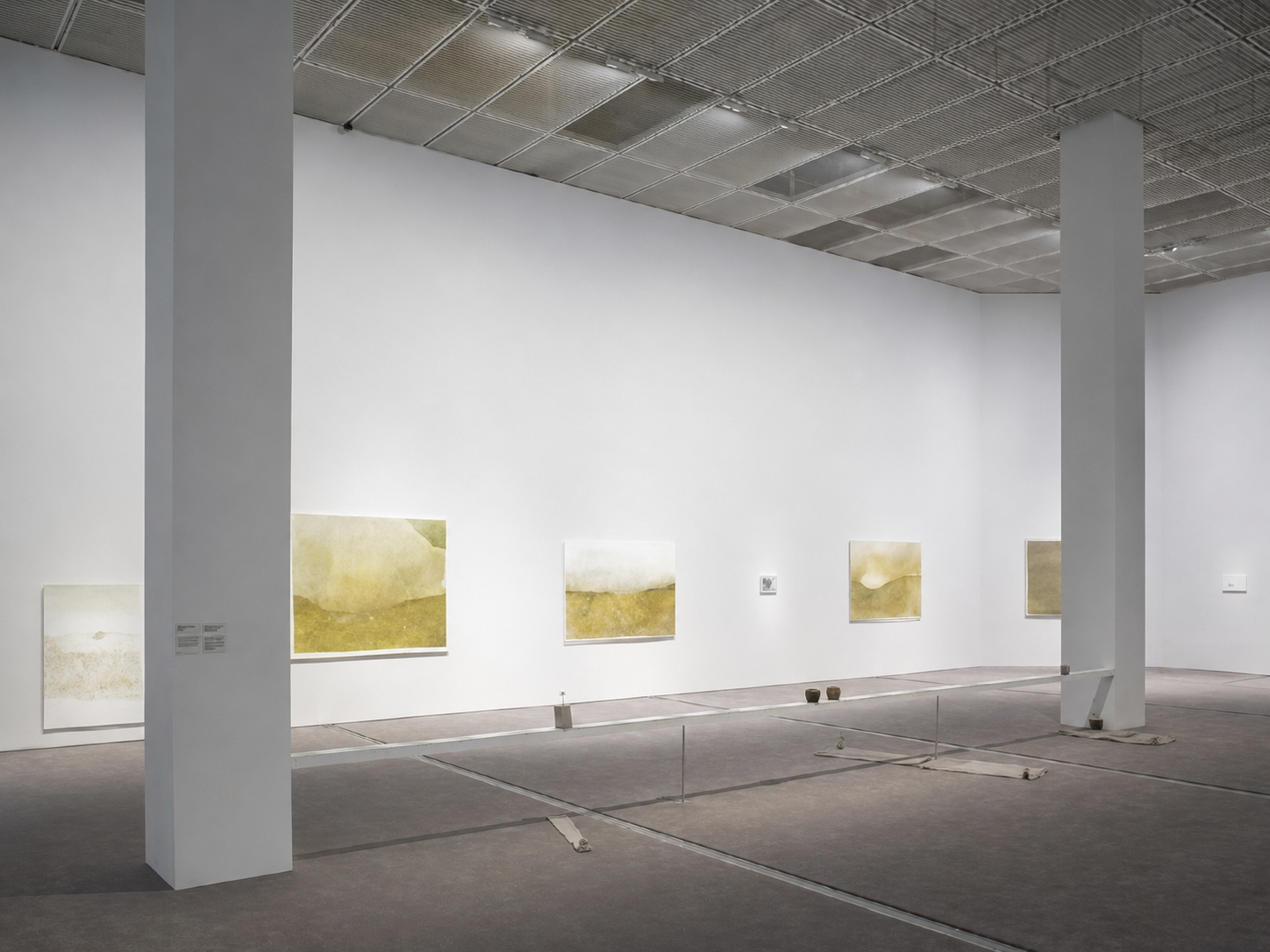
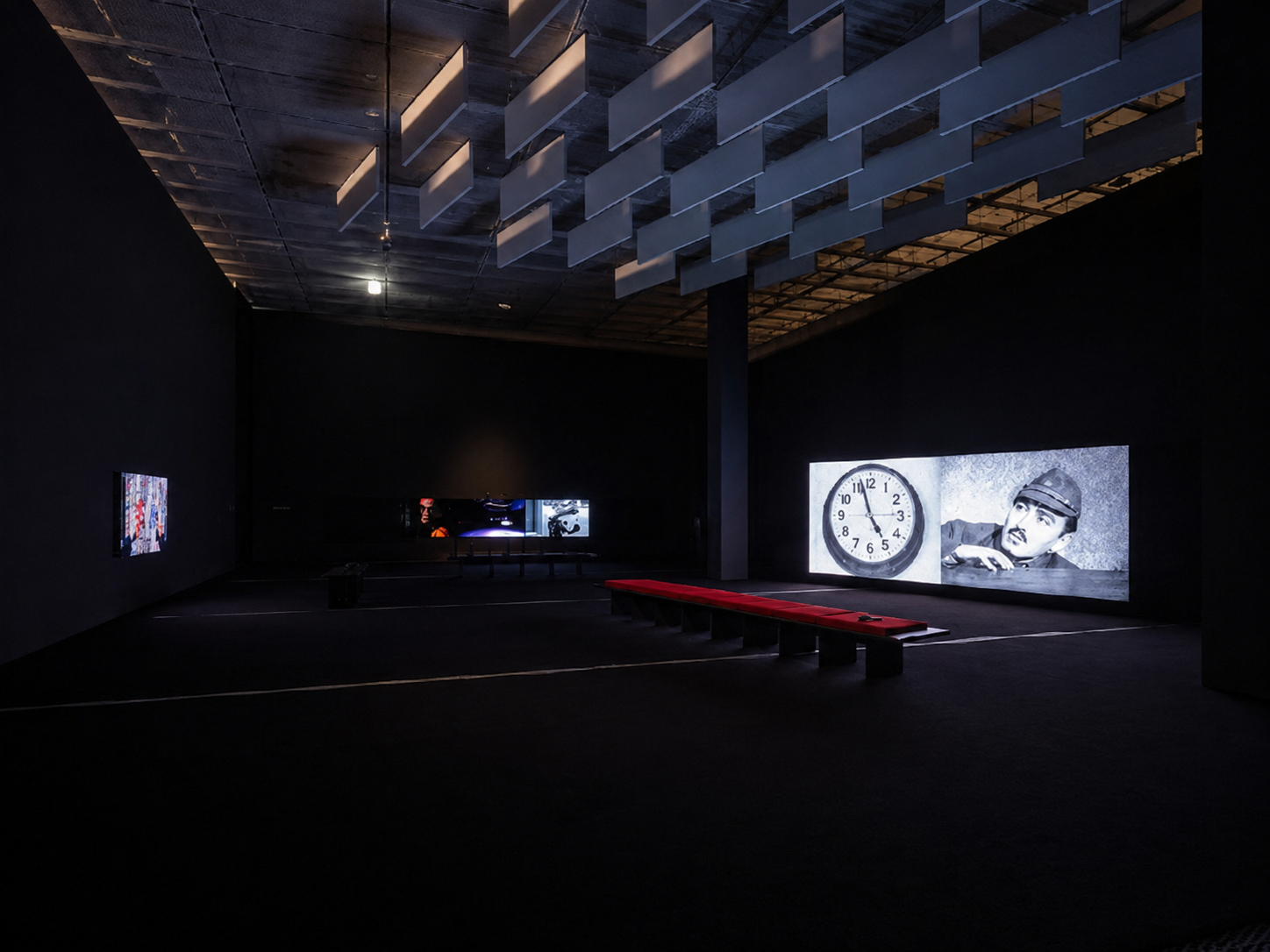
Technology and data, images and politics,
painting and space, materiality and ecology are all central issues in
contemporary art internationally. The significance of this selection therefore
does not lie in demonstrating that Korean art is following global trends. More
importantly, it lies in asking how globally shared questions can be
reconsidered through Korea’s specific histories, societies, places, and
experiences, and transformed through each artist’s own visual language.
Local experience is not something that must
be erased in the name of international relevance. On the contrary, it acquires
distinctive meaning when questions rooted in specific realities introduce new
perspectives into existing global art discourses.
In this sense, 《Korea
Artist Prize 2026》 does not propose a single answer
to what Korean contemporary art is. Rather, it provides an
important point of reference for understanding where Korean art currently
intersects with the broader contemporary art world, and in what directions it
may continue to develop.
Exhibition Information
Exhibition: 《Korea Artist Prize 2026》
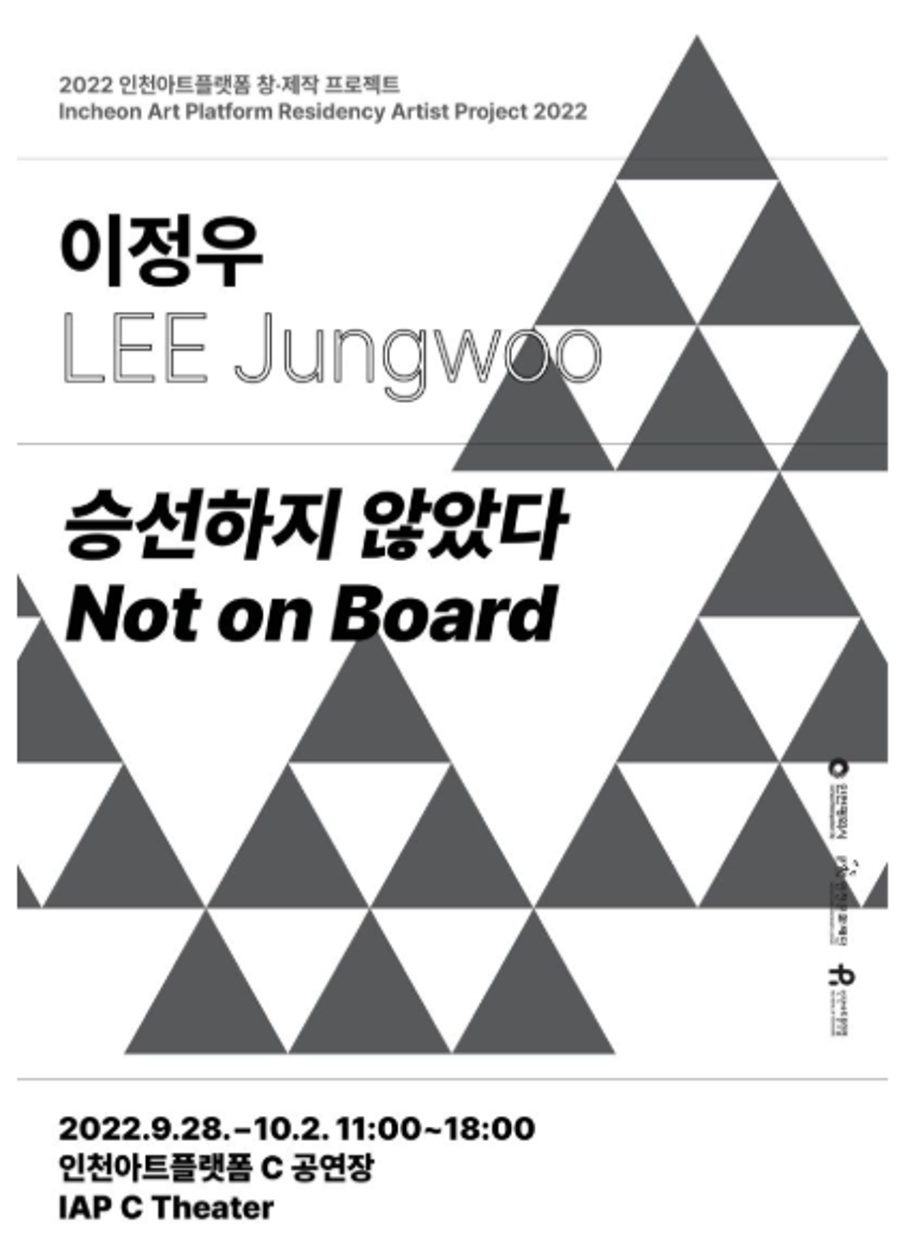
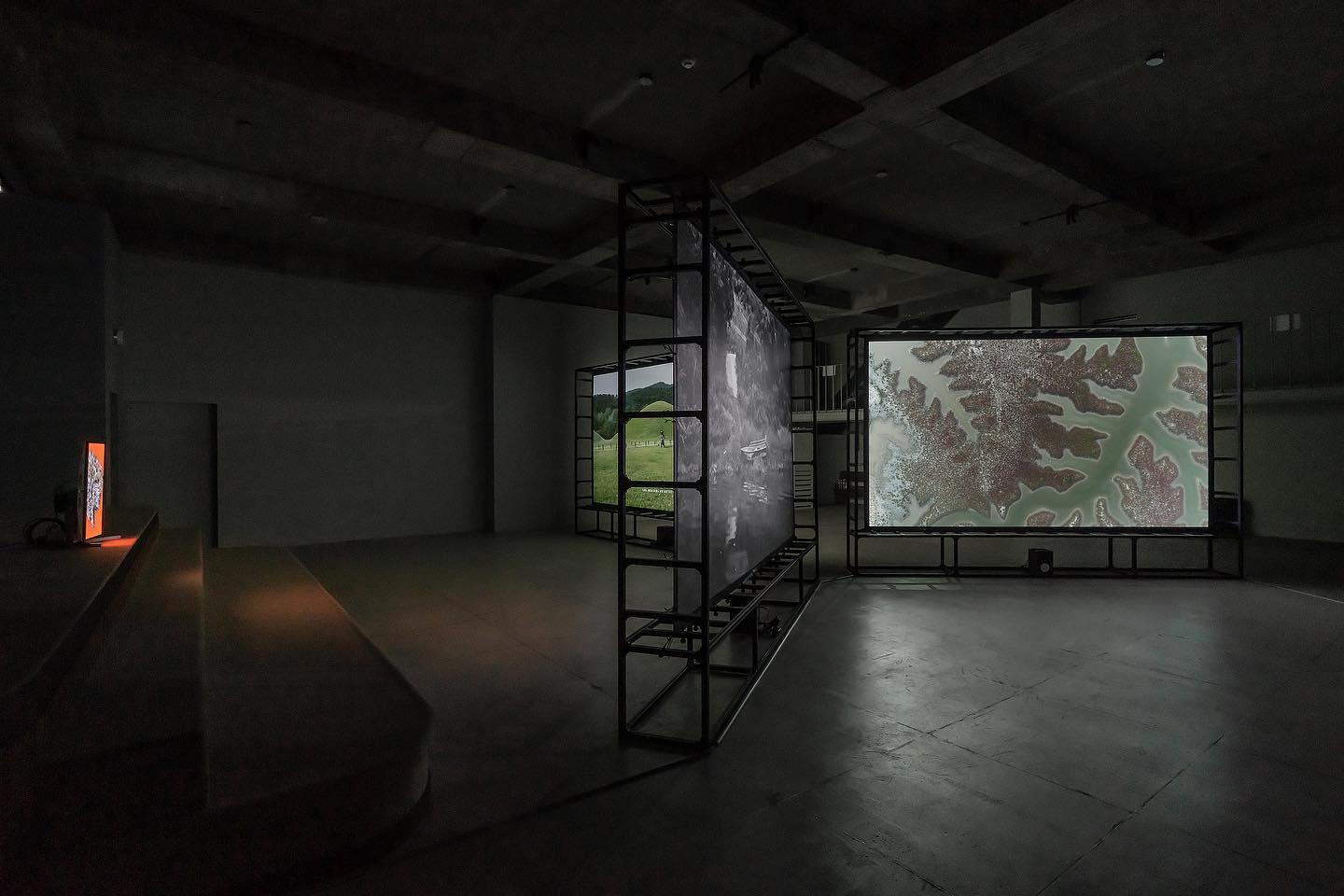
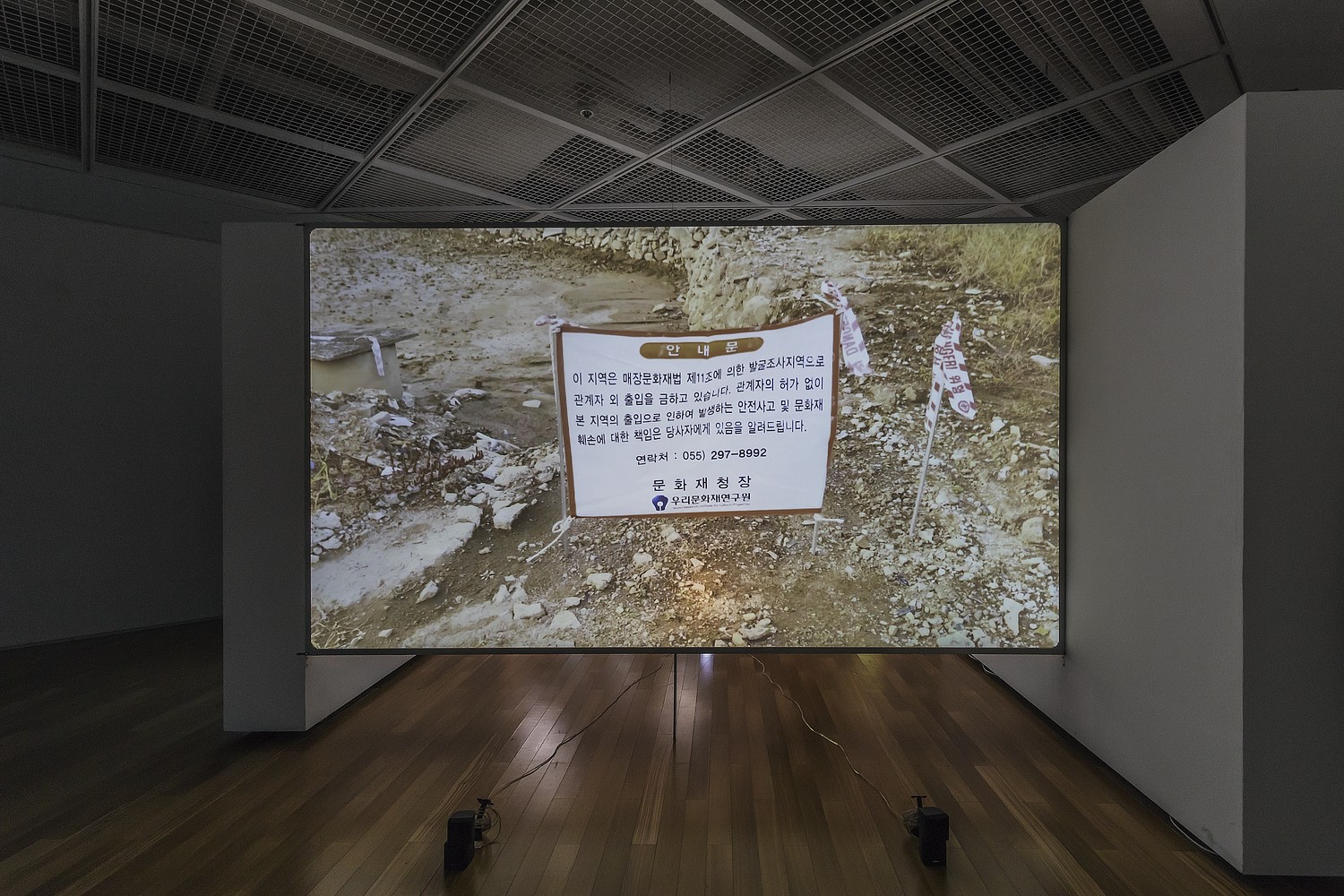
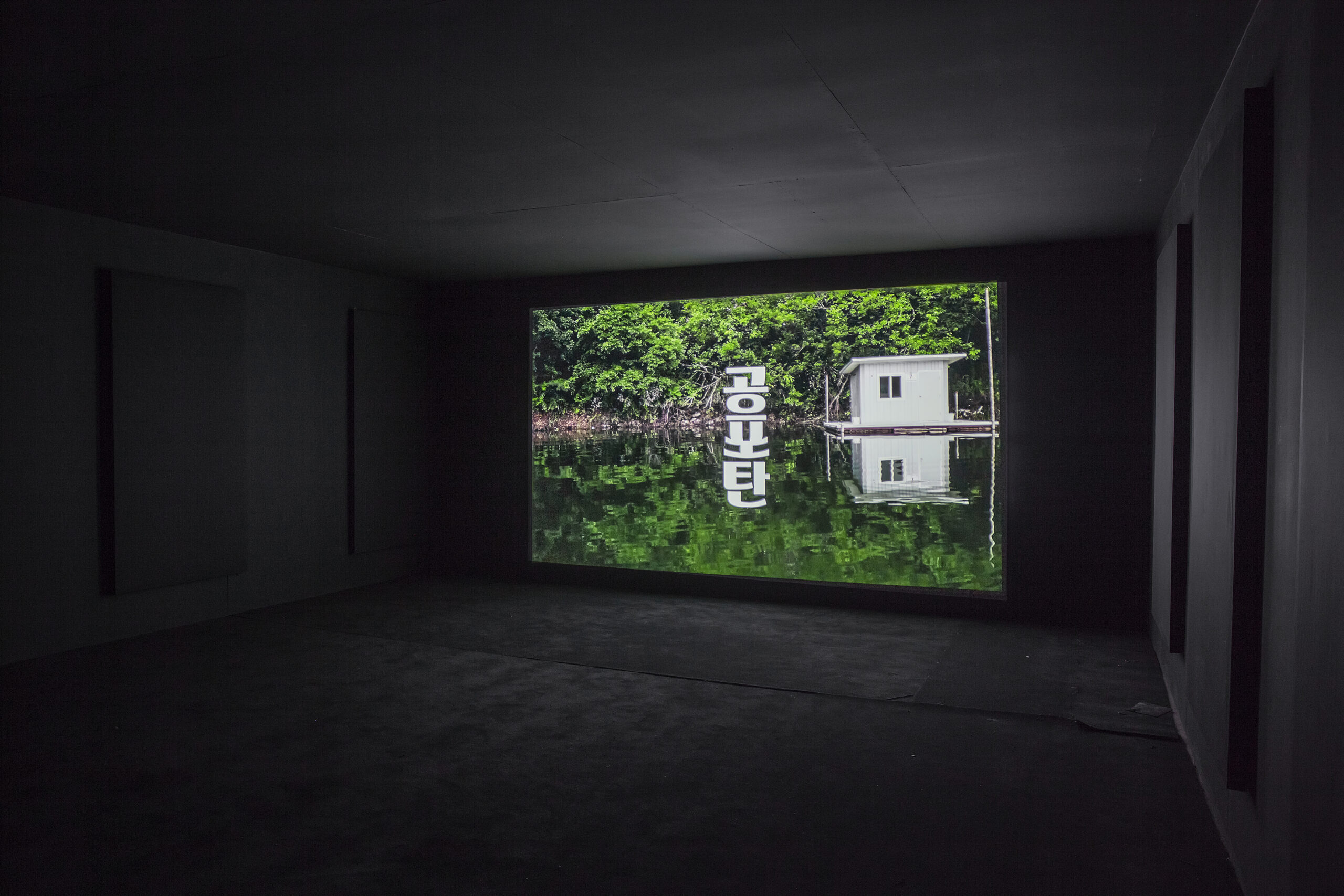
Participating Artists: Lee Hai Min Sun, Lee Jungwoo, Jeon Hyunsun, Hong
Jin-hwon
Dates: July 24–December 6, 2026
Venue: Galleries 1 and 2, MMCA Seoul
Co-organized by: National Museum of Modern and Contemporary Art, Korea
(MMCA) and SBS Foundation (Korea Artist Prize)
References
National Museum of Modern and
Contemporary Art, Korea (MMCA), 《Korea Artist Prize
2026》
Official exhibition information and institutional overview of the four selected
artists and the exhibition’s broader focus. (Korea Artist Prize)
Korea Artist Prize, 《Korea Artist Prize 2026》
Official English-language platform for the 2026 exhibition, including artist
names, curatorial framing, and artist materials. (Korea Artist Prize)
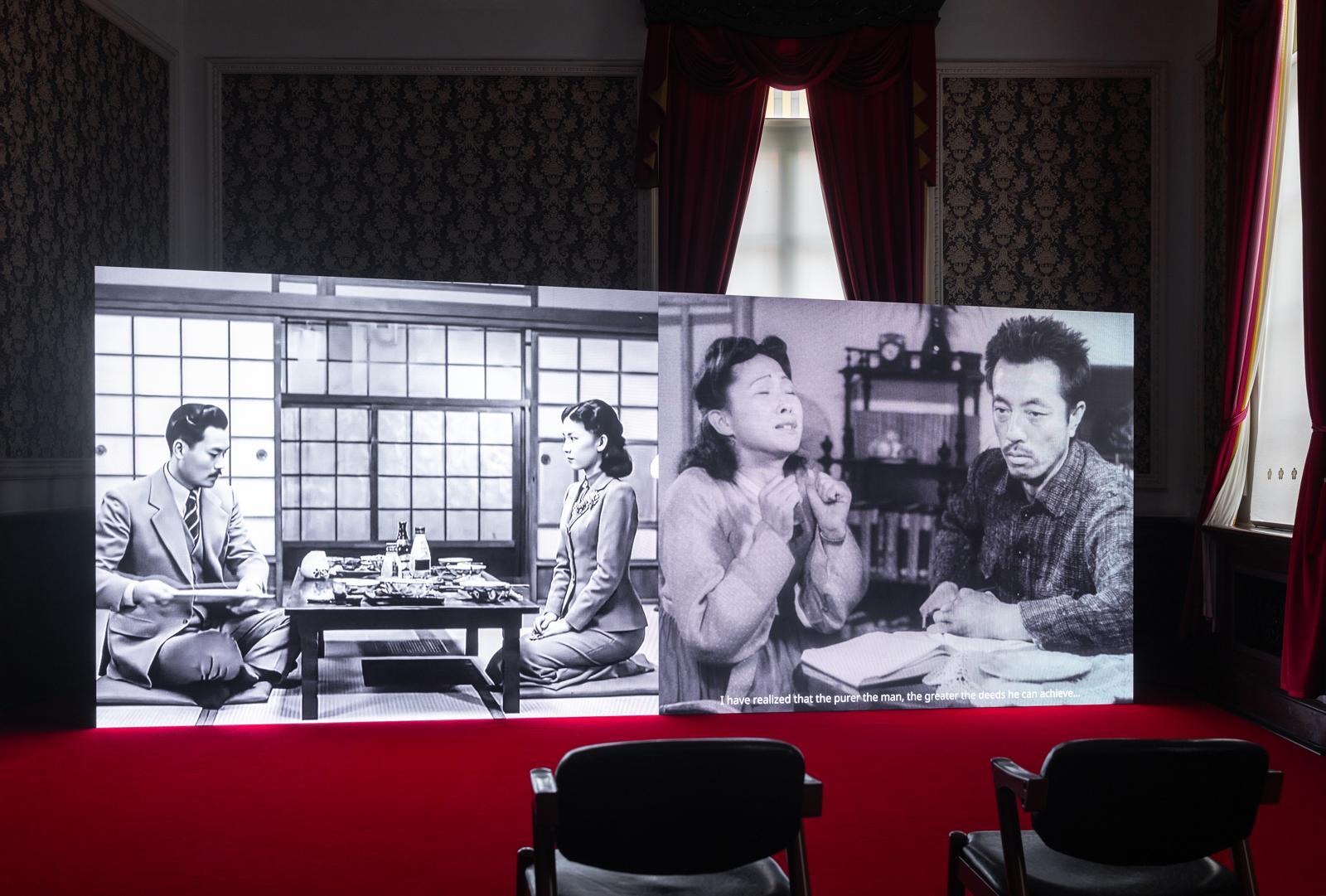
Korea Artist Prize, Lee Jungwoo
Official artist page and interview addressing generative AI, historical
absence, algorithmic bias, and In Writing “Hurrah for Freedom”: Cinema and
History. (Korea Artist Prize)
Korea Artist Prize, Jeon Hyunsun
Official artist page on Jeon’s practice and Even Rabbits Dig a Second Burrow.
(Korea Artist Prize)
Tate, “Electronic Life: AI
Communities and the Collection”
A research and public program examining AI through contemporary art, digital
tools, community, identity, access, and representation. (Tate)
Serpentine, 《The
Shape of a Circle in the Mind of a Fish: The Understory of the Understory》
Part of Serpentine’s long-term General Ecology research, exploring ecological
systems, interspecies relations, fungi, plants, soil, and more-than-human forms
of existence. (Serpentine
Galleries)
The Museum of Modern Art, 《New Photography 2025: Lines of Belonging》
An exhibition examining relationships among photography, political histories,
archives, memory, community, and belonging. (The Museum of Modern Art)
Esther Schipper, Jeon Hyunsun
Official gallery material on Jeon Hyunsun’s pictorial language and
international exhibition practice. (Esther Schipper)
Thaddaeus Ropac, 《Nostalgics on realities》
Exhibition material situating Lee Hai Min Sun among six artists making diverse
contributions to Korea’s contemporary art scene and examining relationships
among reality, time, natural and constructed environments. (Thaddaeus
Ropac)
Hong Jin-hwon, Official Website
Primary source for the artist’s own English description of his practice,
exhibition history, and work across photography, film, and web programming. (Hong
Jin-hwon)