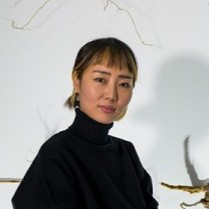
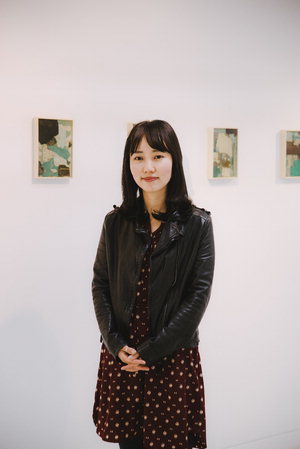
Artist Jazoo Yang (b.1979) is a relatively unfamiliar figure within the Korean art scene. This is partly because she did not begin her artistic career within the institutional art system, and because much of her practice has centered on public projects far removed from commercial concerns, with a significant proportion of her exhibitions taking place abroad.
I first encountered Yang’s work in 2012, when I purchased a teacup bearing one of her drawings at an alternative art space in Mapo, Seoul. At the time, she was painting on materials salvaged from abandoned houses—such as wallpaper, roof tiles, and timber—or using these materials to construct new sculptural forms.
I was particularly struck by a figure she had painted on a roof tile from an abandoned house; it evoked shamanistic household deities such as Seongju, the guardian deity of the home, or Jowangsin, the kitchen deity, as though they still inhabited the deserted space. Over the course of subsequent exhibitions, her work began to reveal an extraordinarily broad spectrum.
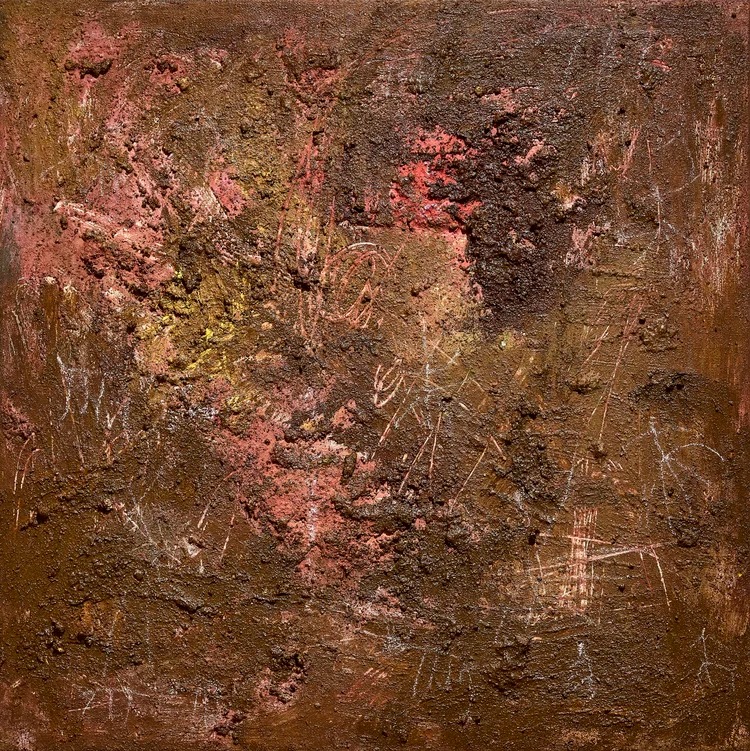
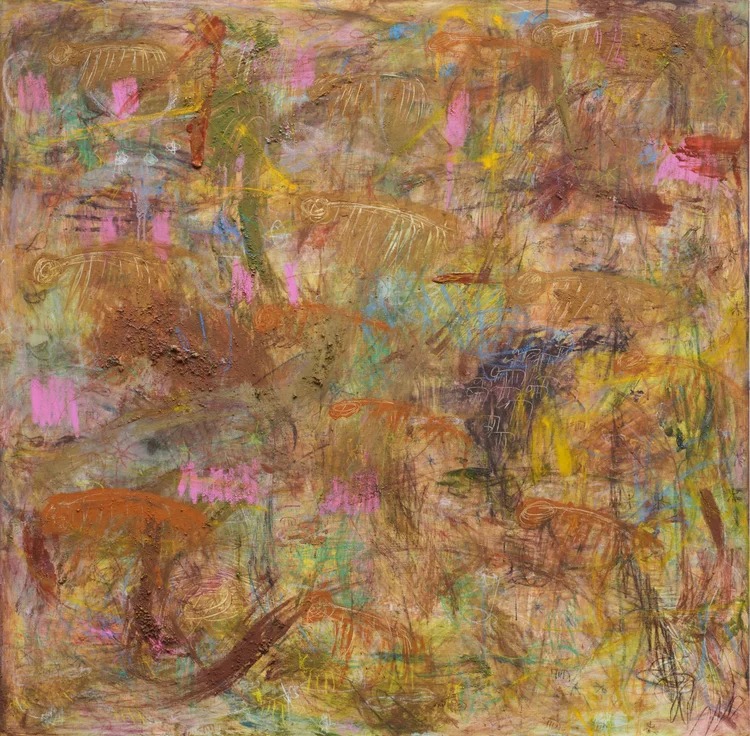
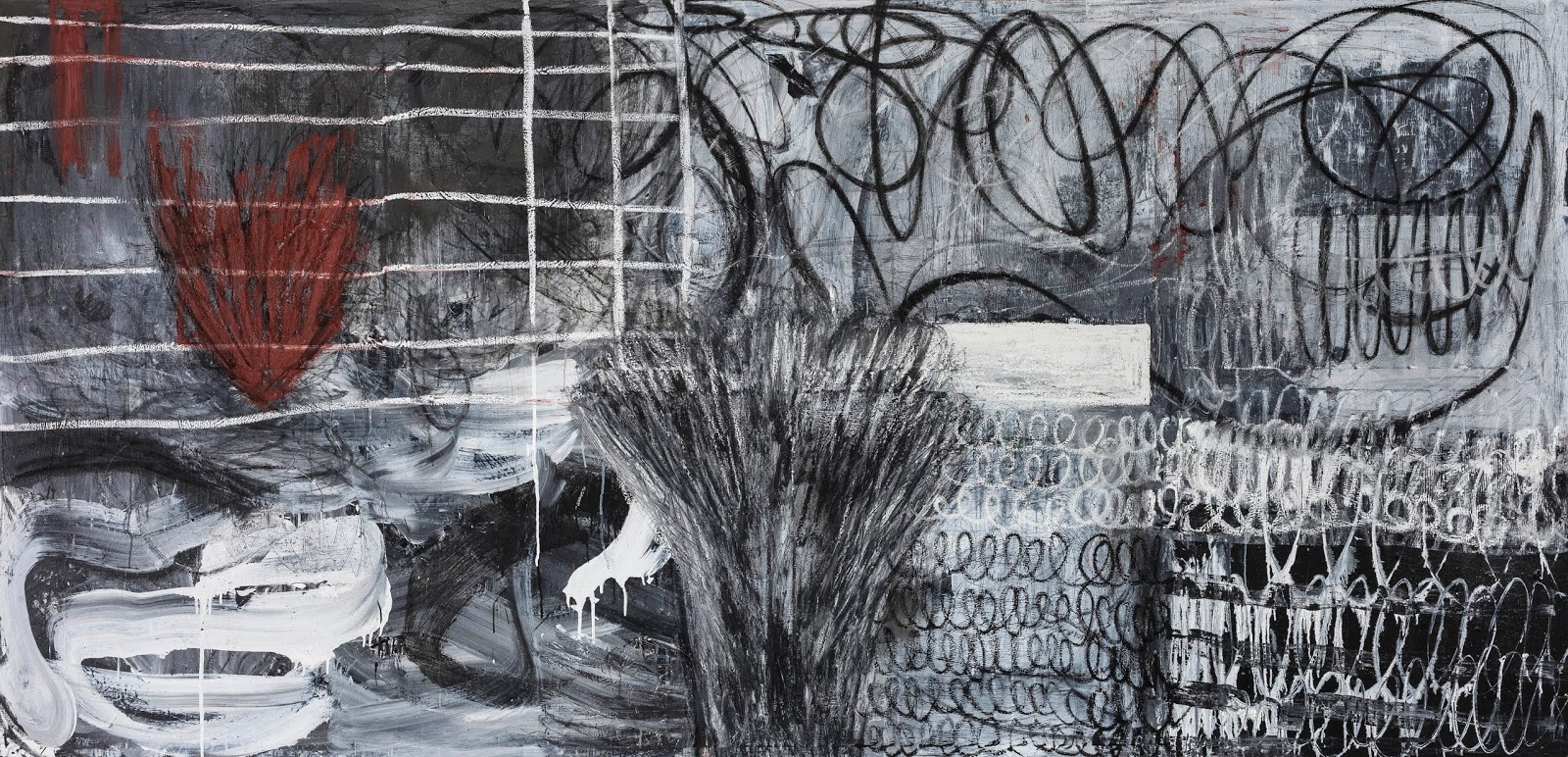
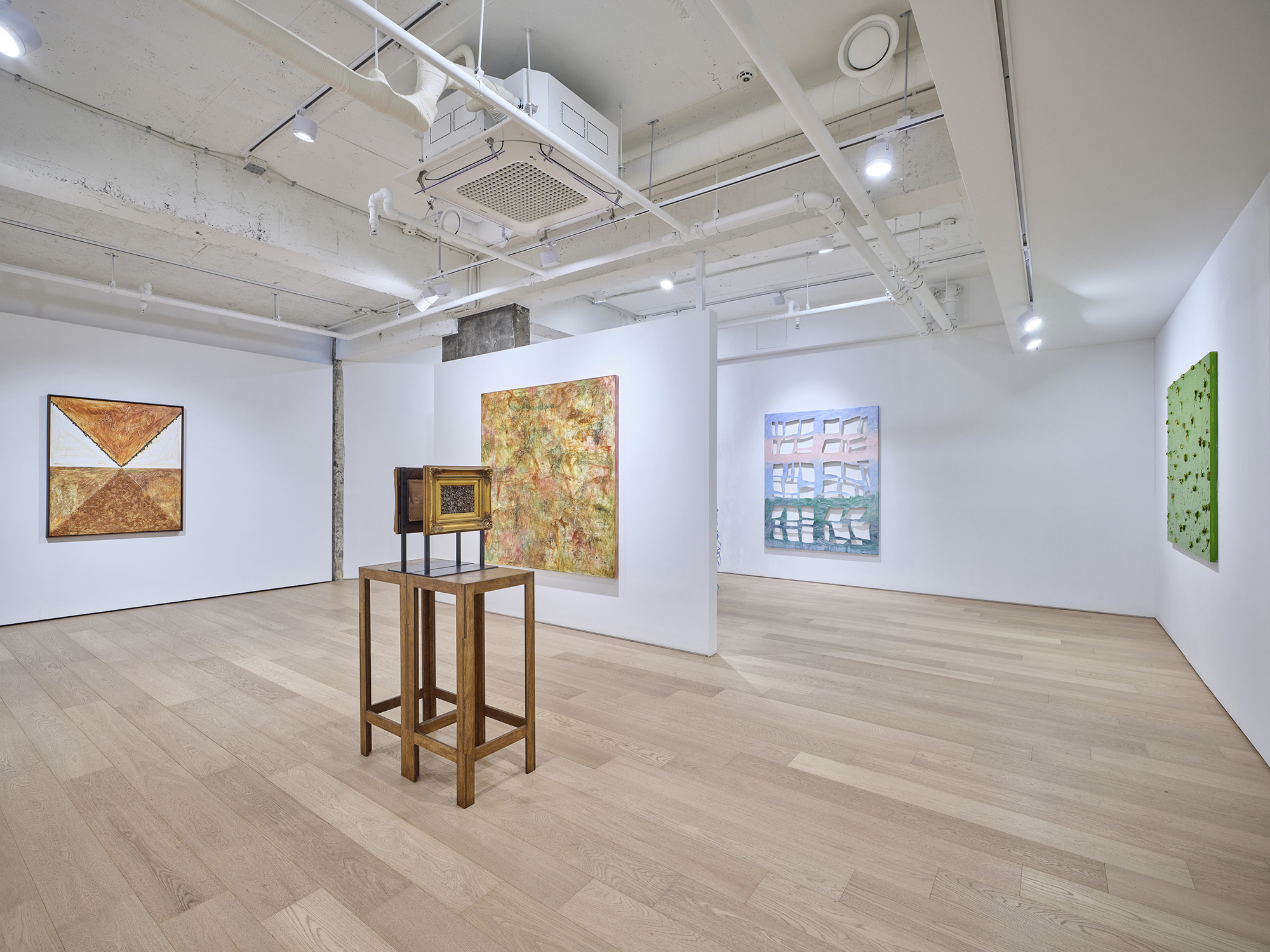
Her bold incorporation of industrial materials and cement onto canvas, as well as her carefully structured spatial installations, reminded me of the work of several established masters. At the time, I assumed that she had closely studied the work of major figures in contemporary art, but during an interview I learned that she had never even seen their works and had received no formal art education.
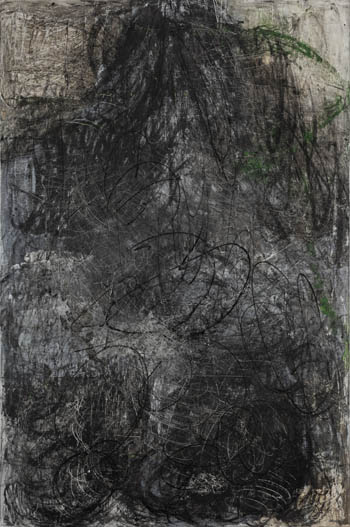
As someone who had loved drawing since childhood, Yang worked at comics and game companies before choosing a nomadic life in an effort to escape the inertia she experienced in the workplace. Her artistic practice began with animation and video before developing into painting. Her early painting series, 'Monster Series' (2011), focused on human alienation produced by social systems and on the resulting loneliness and mental distress of contemporary life.
The figures appearing in these paintings are rough, angry, and seemingly filled with a desire to erupt. The series can also be read as a self-portrait of Yang herself, who had left the life of an office worker to become an artist. With creative energy that had long been suppressed by working life, she pursued her practice with remarkable intensity. Beyond her daring use of materials, she combined music and visual art and incorporated media and performance into her work.
A life in which her artistic practice took absolute priority inevitably pushed her toward the precarious existence of an artist making ends meet. To sustain herself from day to day, she actively promoted her work to curators and institutions in Korea and abroad, entered open calls, and applied for grants. This persistence led to residencies and exhibitions in Beijing, Busan, and numerous other cities overseas.
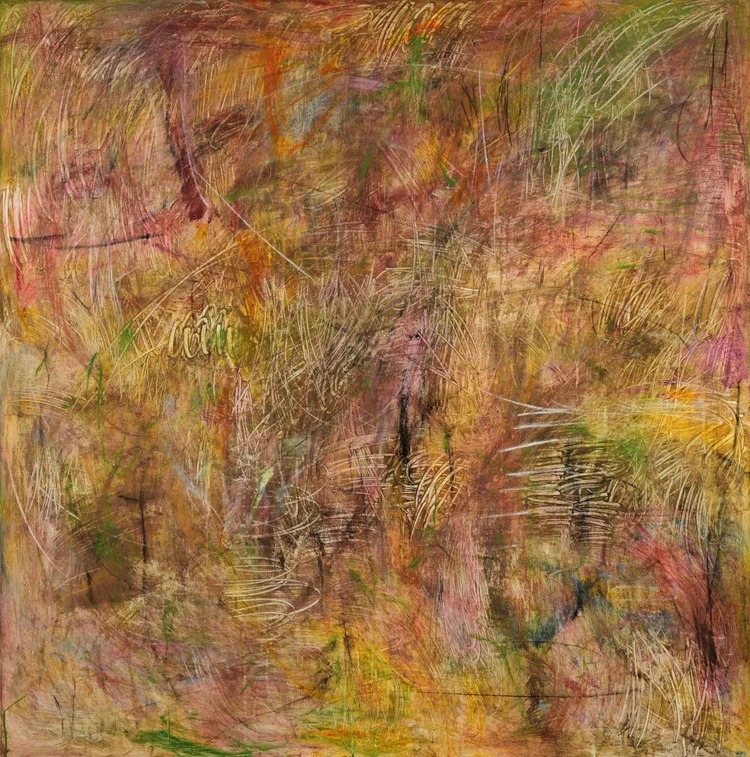
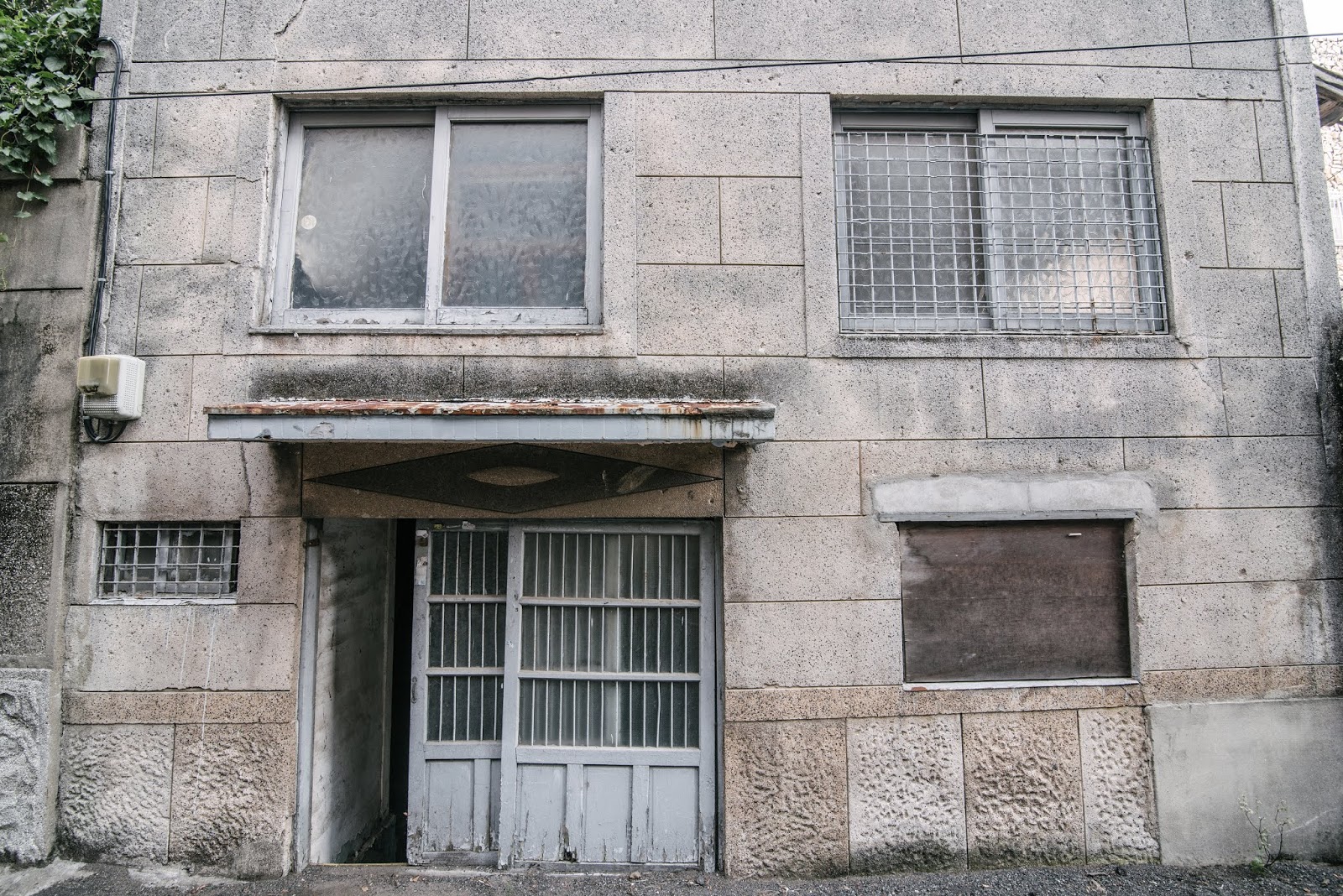
In 2014, Yang was selected for a residency in Beijing’s 798 Art District and spent time in China. While staying in a place that seemed as though time itself had been preserved, she became fascinated by the temporality embedded in architecture. From then on, she was drawn to reproducing in painting the visual impressions she received from old walls, weathered sheet-metal gates, and similar surfaces.
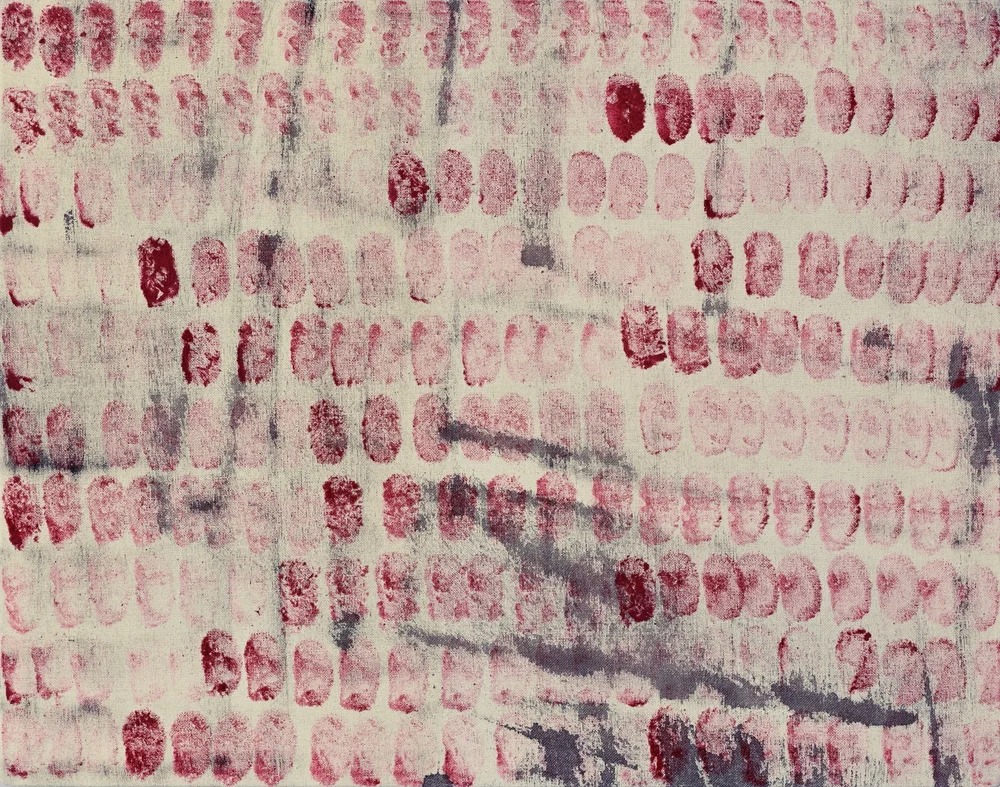
Her interest in aging streets naturally developed into painting and spatial drawing projects in urban redevelopment zones. Working on the street generated countless forms of communication. Encounters with local residents, tourists, merchants, and office workers further enriched her practice. She painted and installed works throughout neighborhoods scheduled for demolition, and together with residents covered the exterior walls of disappearing buildings with red dots by pressing inked fingerprints onto their surfaces.
This project was later invited to the Street Art Museum (SAM) in Russia in 2016. There, on an old wall in an industrial district of St. Petersburg, Yang carried out the fingerprint project together with migrant workers employed in the area. Artist and workers densely covered the wall with their red fingerprints, as though leaving proof that they had once been there.
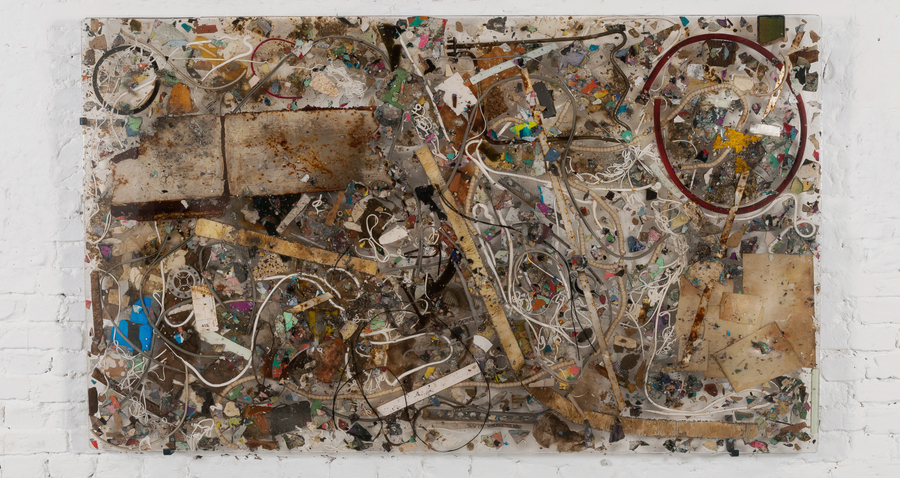
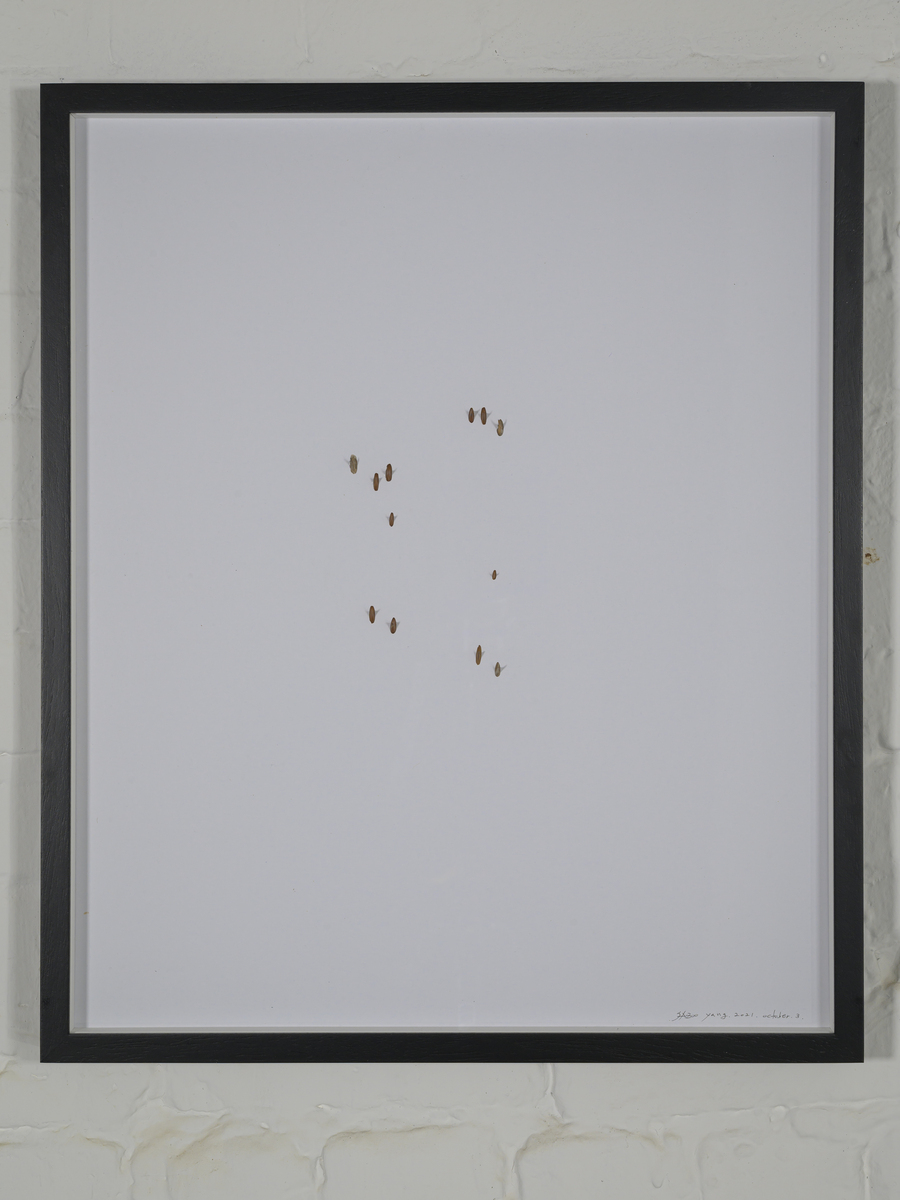
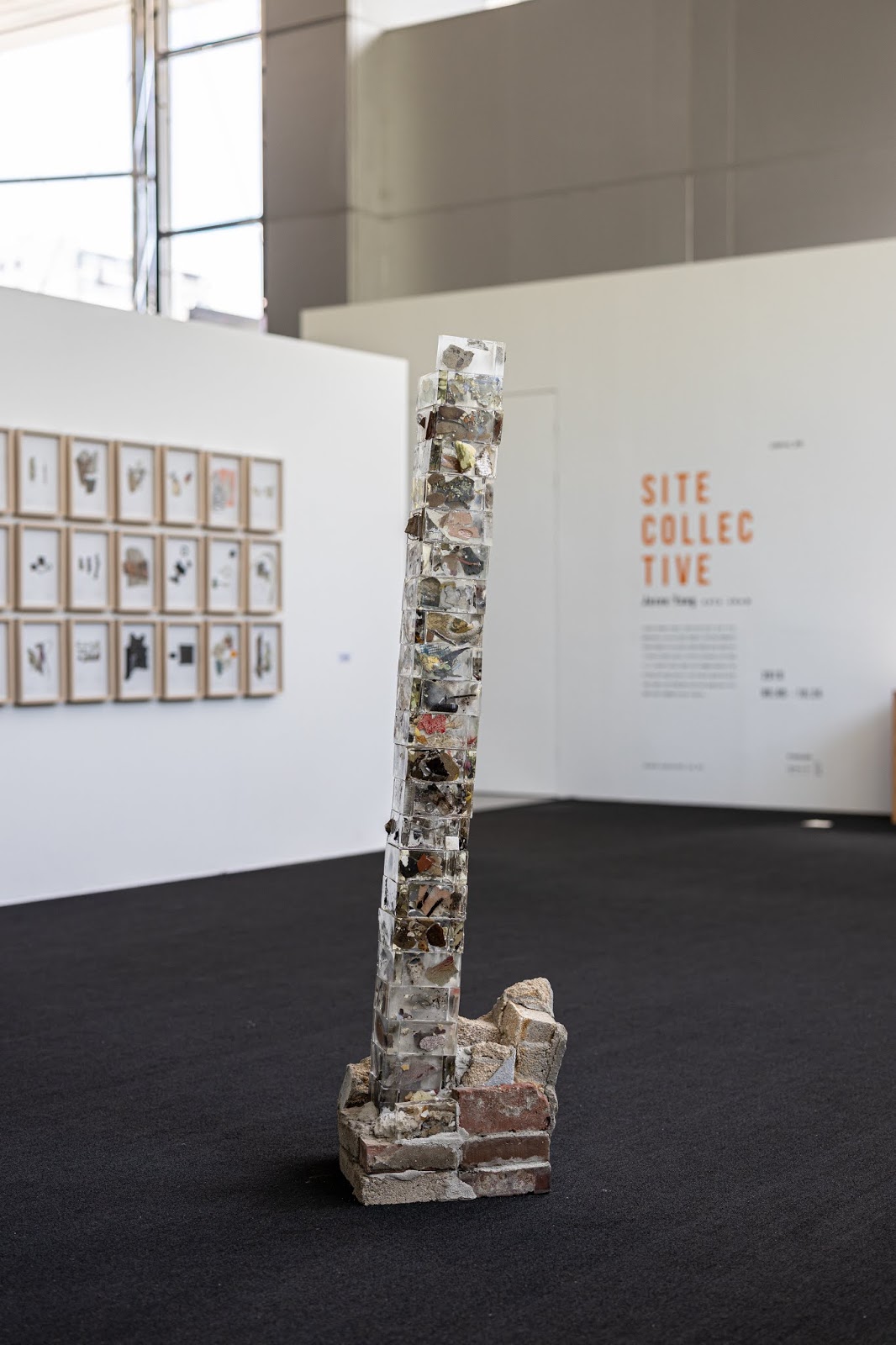
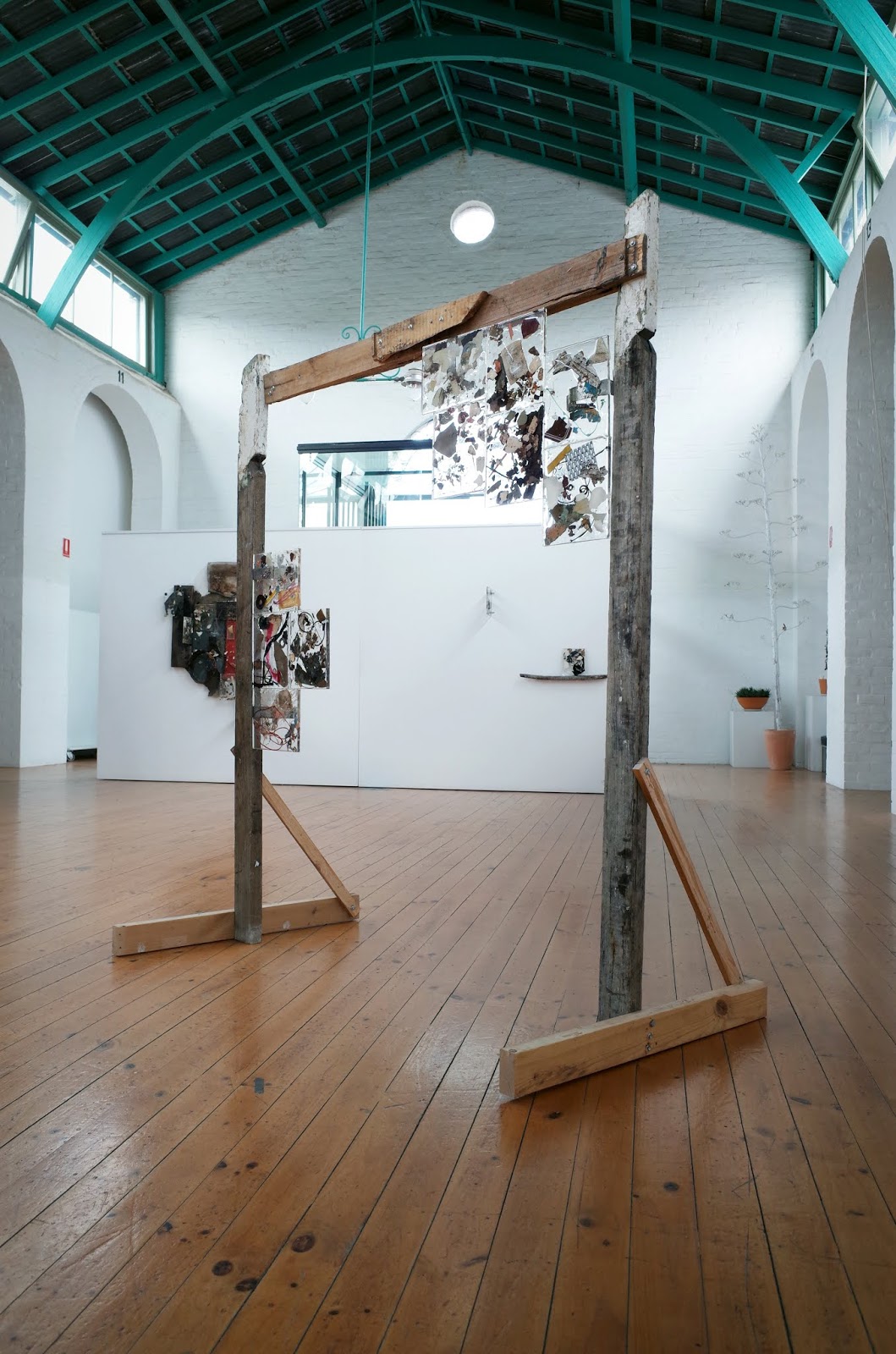
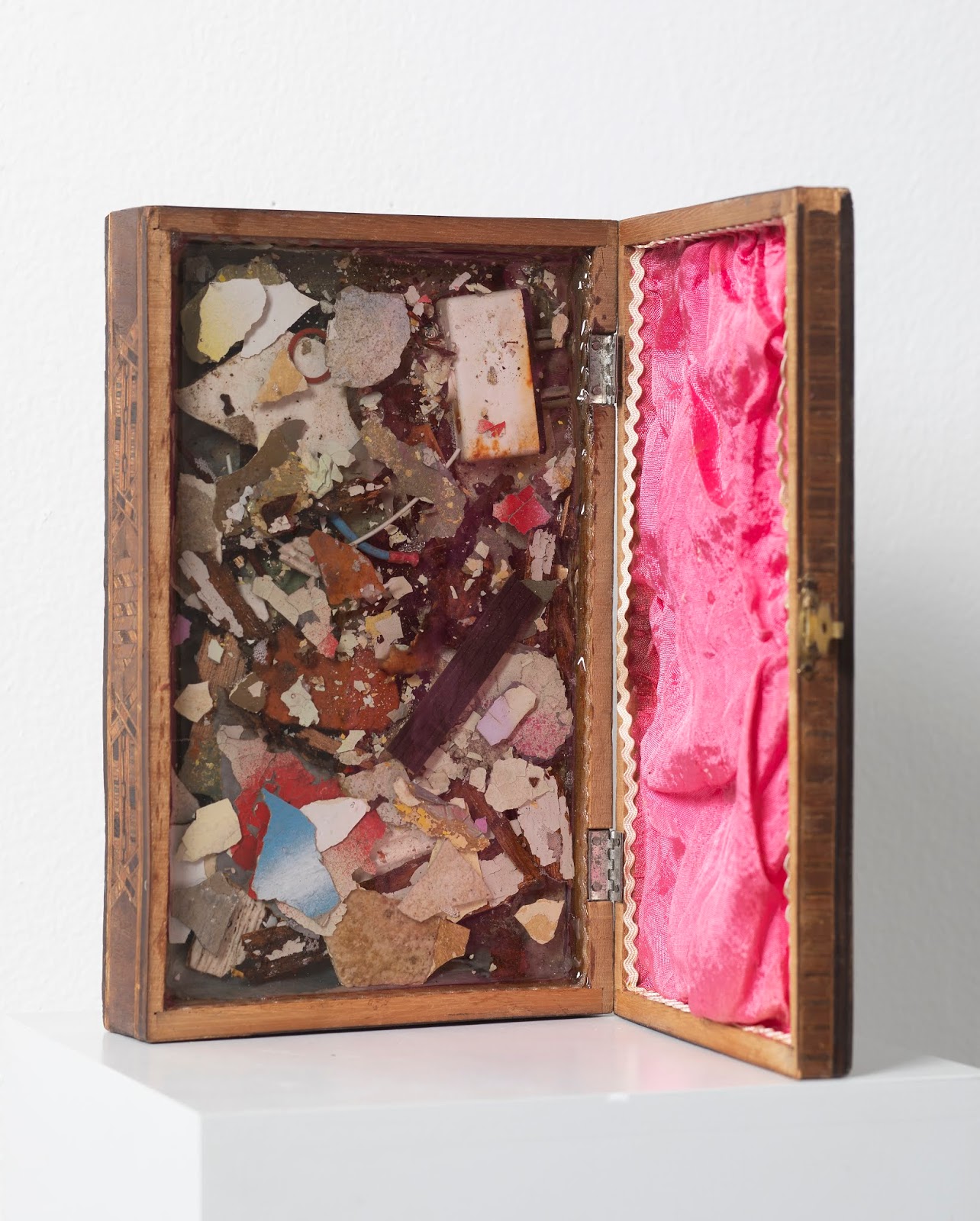
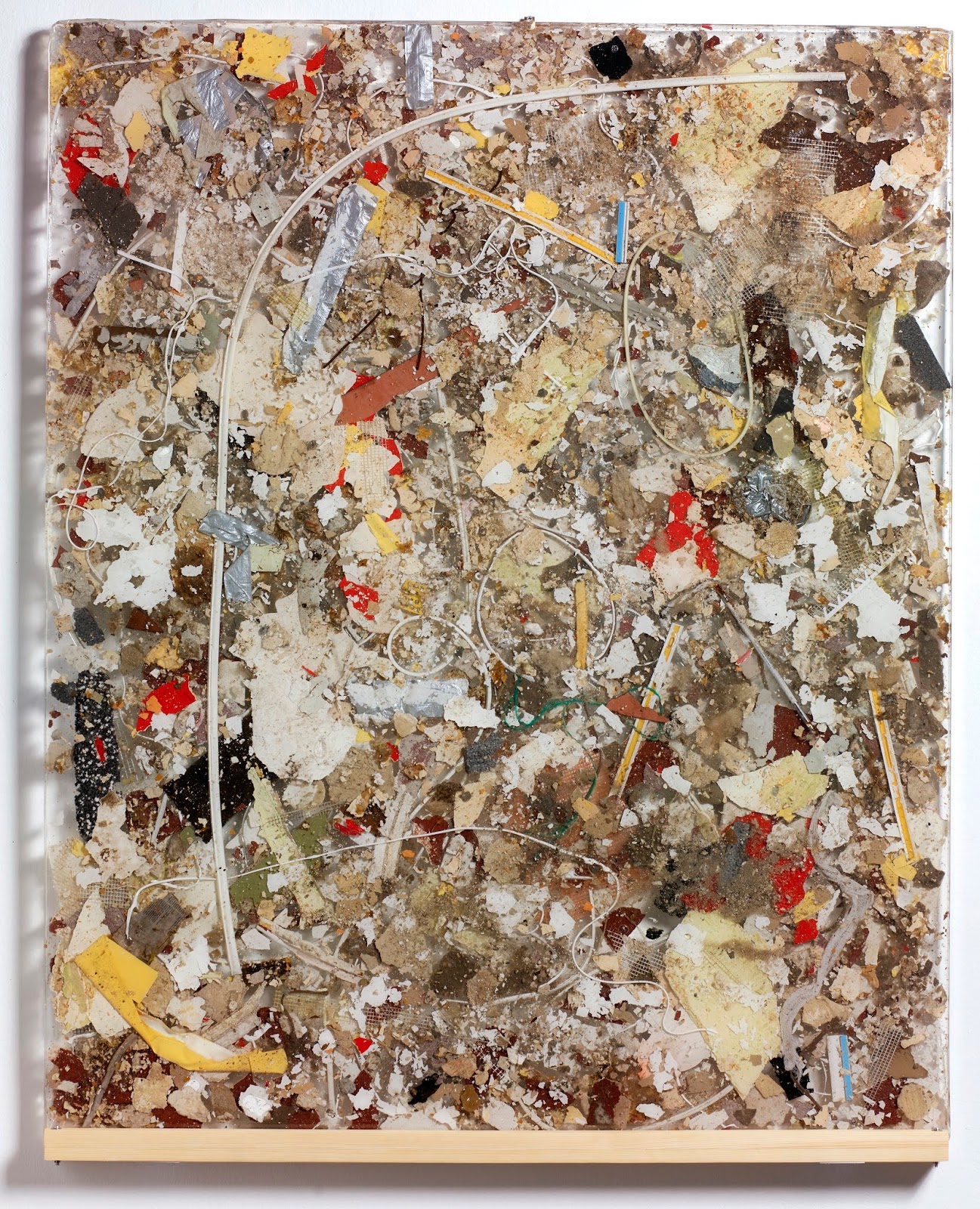
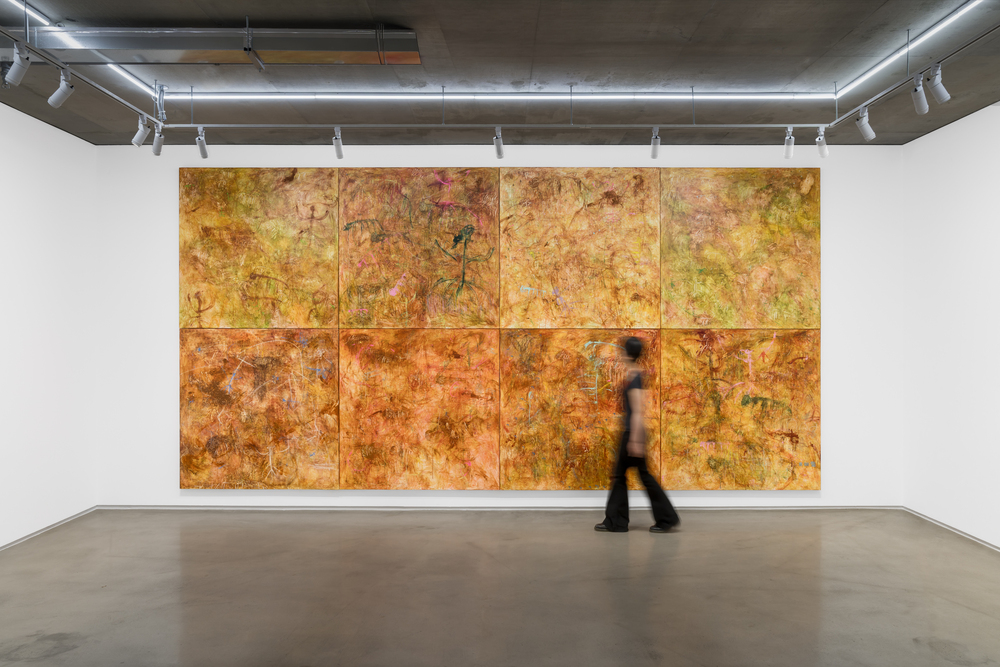
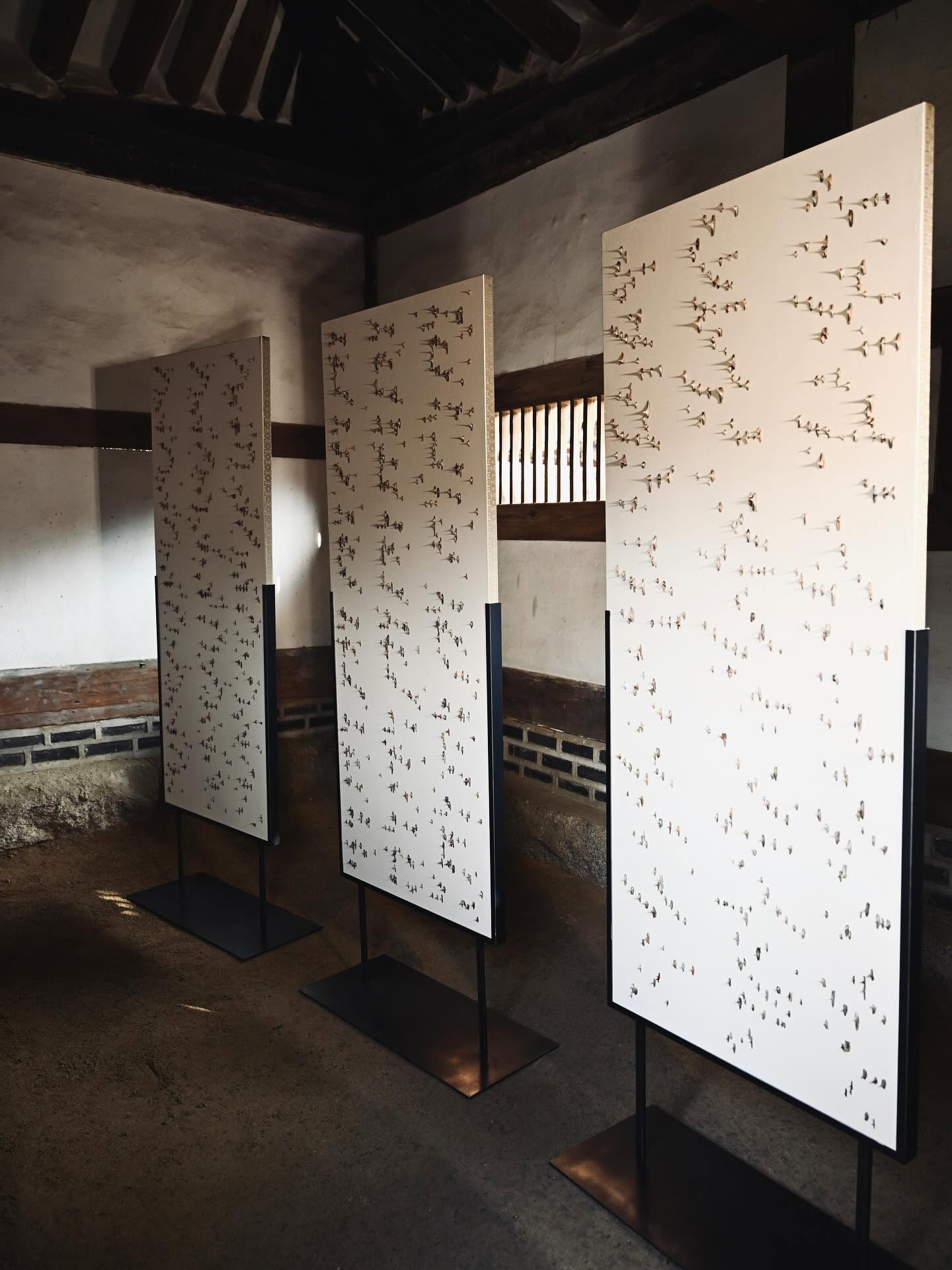
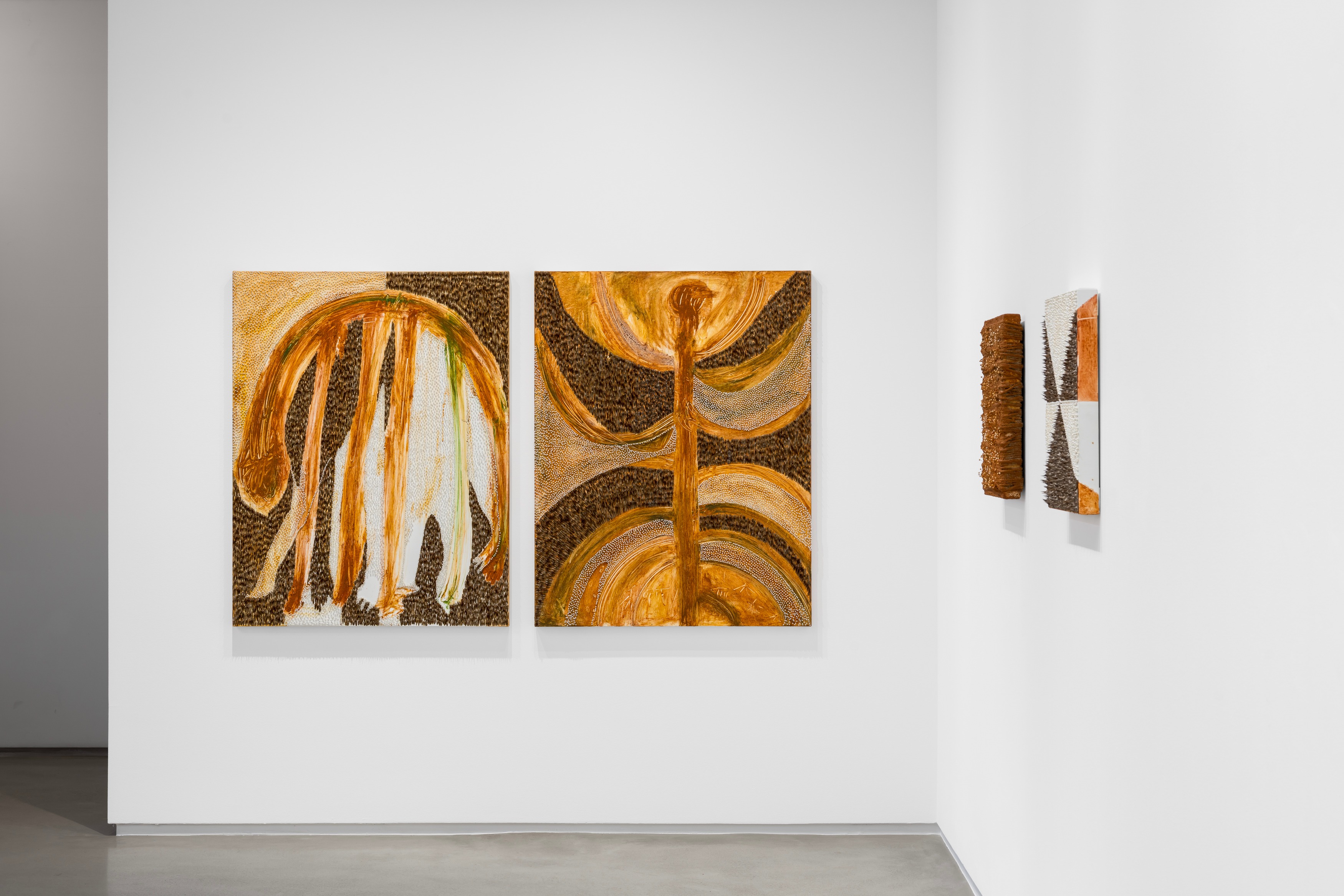
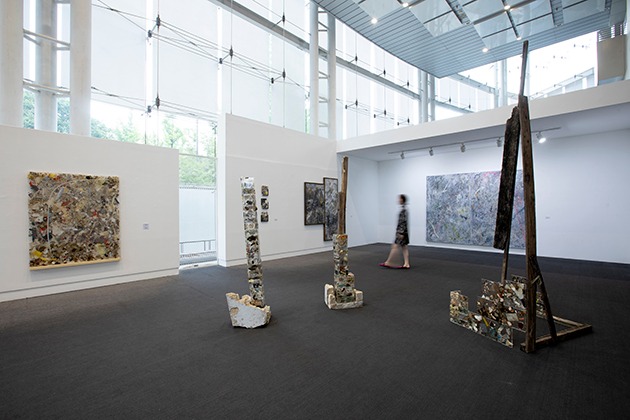
Having previously concentrated on recreating temporality through canvas painting, Yang eventually stopped the laborious process of “scraping, repainting, and sanding it down again and again” and instead began picking up traces of time from the street. She collected samples from streets in cities around the world and gathered discarded materials from old buildings or structures scheduled for redevelopment.
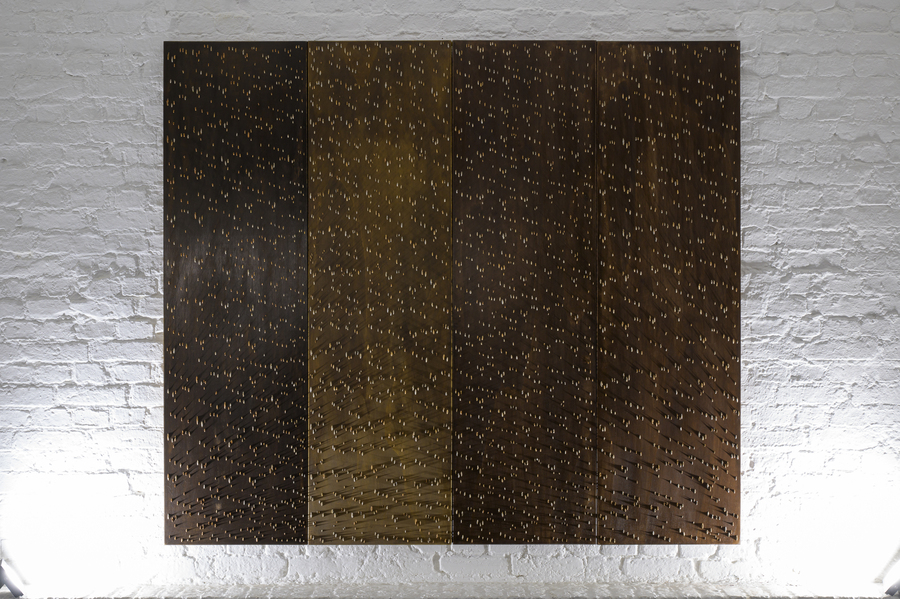
Some of these fragments were preserved in frames, while others were taped onto postcards and mailed to acquaintances scattered across the globe. Now, instead of paint, she paints with the fragments she collects. Sometimes she works exclusively with fragments from a single city; at other times, she combines traces gathered from two cities or from more than a dozen different places.
After moving to Germany in the autumn of 2017, she worked and exhibited in cities across Germany, the United Kingdom, France, Norway, and Australia. Yang creates her works using materials found locally. The varied materials gathered from different cities, weathered and gradually crumbling under the wounds of time, resemble the texture of our own everyday lives.
To go out onto the street in order to make art, to find materials there, and to create works from them: underlying this entire process is a profound respect for everything that is disappearing. Today accumulates into the past, and the accumulation of the past becomes a lifetime. To live is to resist surrendering the present to futile dreams and to avoid becoming buried in an irreversible past.
This is why Yang places greater value on the communication that takes place with people during the process of making art, and on the artistic act itself, than on the aesthetic perfection of the finished work. Even today, she continues to pick up paint from the street.