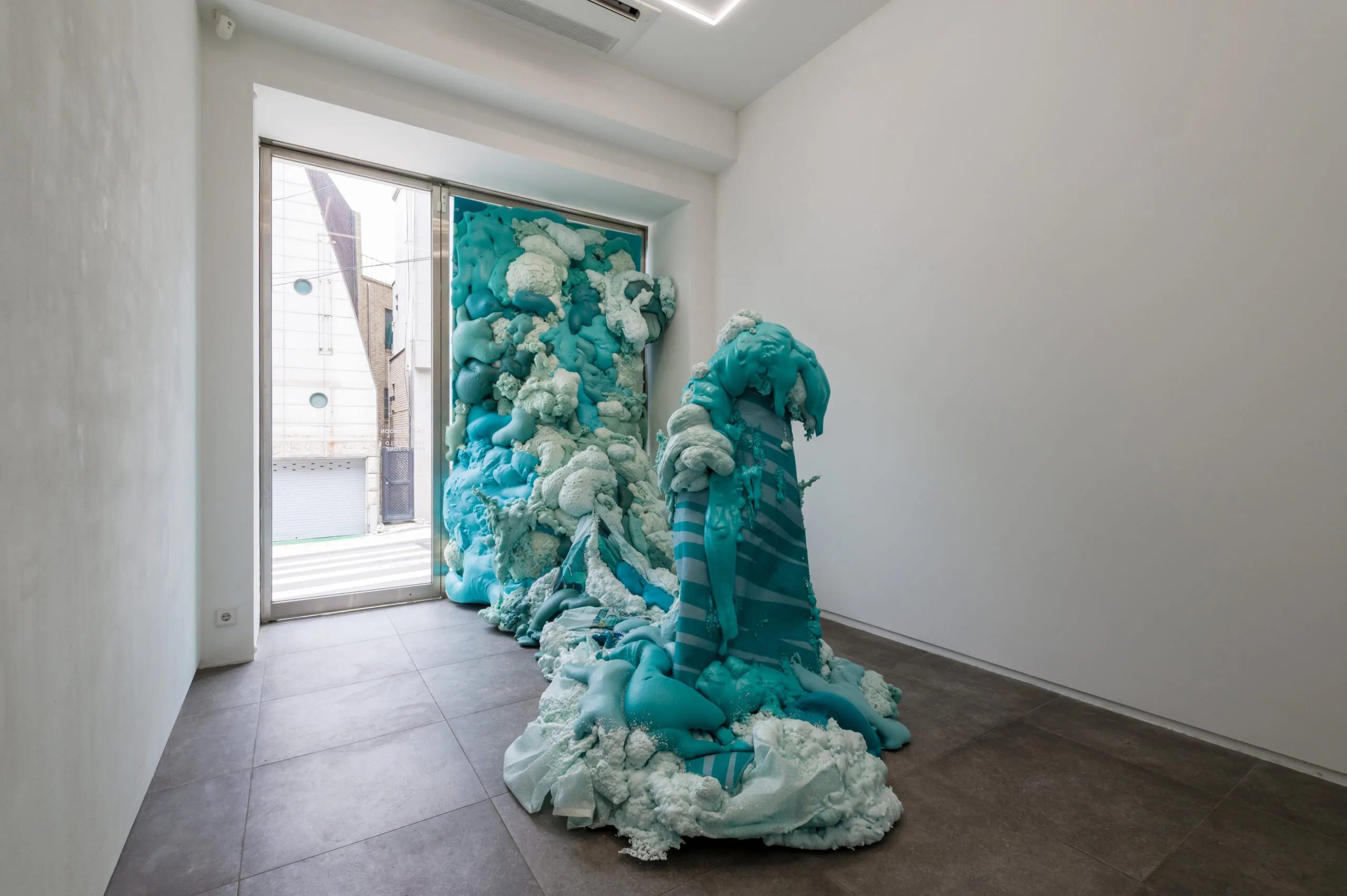
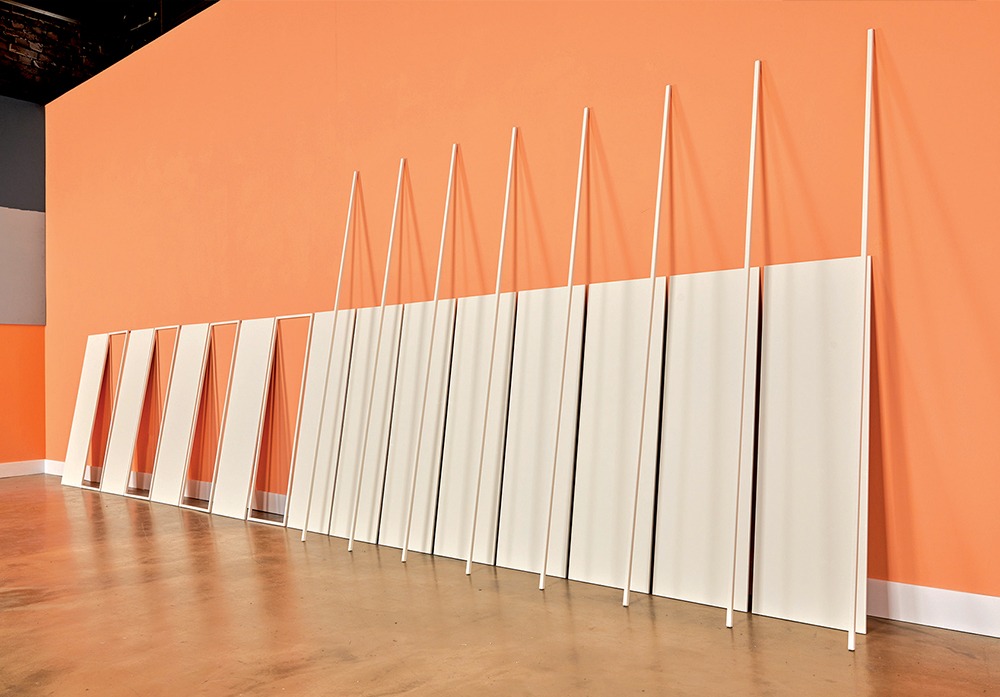
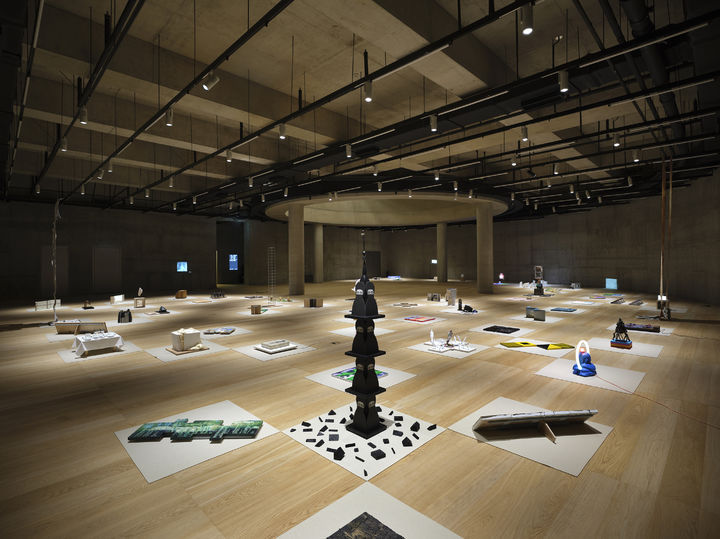
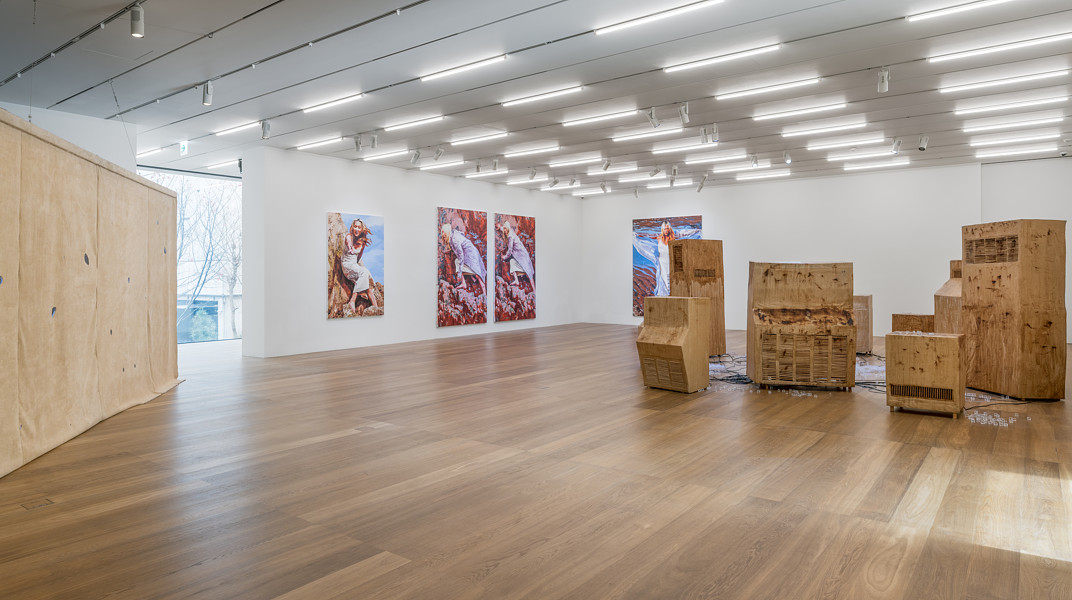
Our perception of an object takes place by separating it from its surroundings—that is, by clearly delineating the boundaries of its existence. This process of separation, which limits and fixes an object within several concepts, can conversely be understood as an attempt to clarify the object’s ontological essence and open up its relationship with the world.
Even when perceived as an independent entity, an object-thing can never be entirely separated from present-day life across time and space, society and culture; rather, it is understood as something capable of taking on diverse functions and concepts through its relationship with a broader world. Nevertheless, perceiving an object through separation remains restrictive insofar as it fails to recognize the potential of an existence that cannot be tied down to particular functions and concepts, languages and systems of thought.
From this perspective, the argument becomes persuasive that our perception of objects must perform a reverse movement: acknowledging existing models and conventions while simultaneously reconstructing them. Perhaps we must continually re/invent concepts of things absent from conventional perception, imagining that a butterfly’s wings need not necessarily exist for flight, or that a chair may not have been made for sitting—even though the objects themselves remain unchanged.
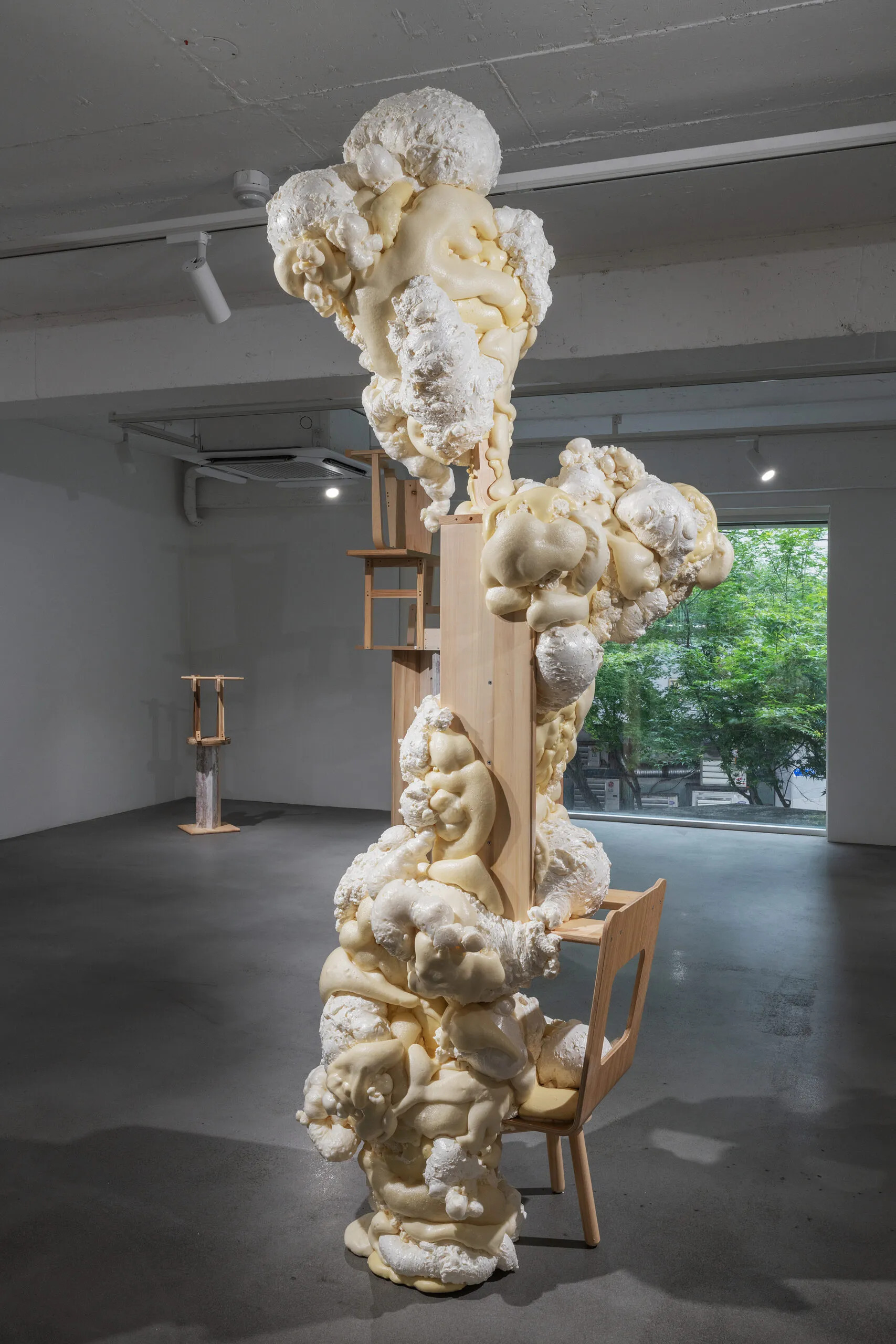
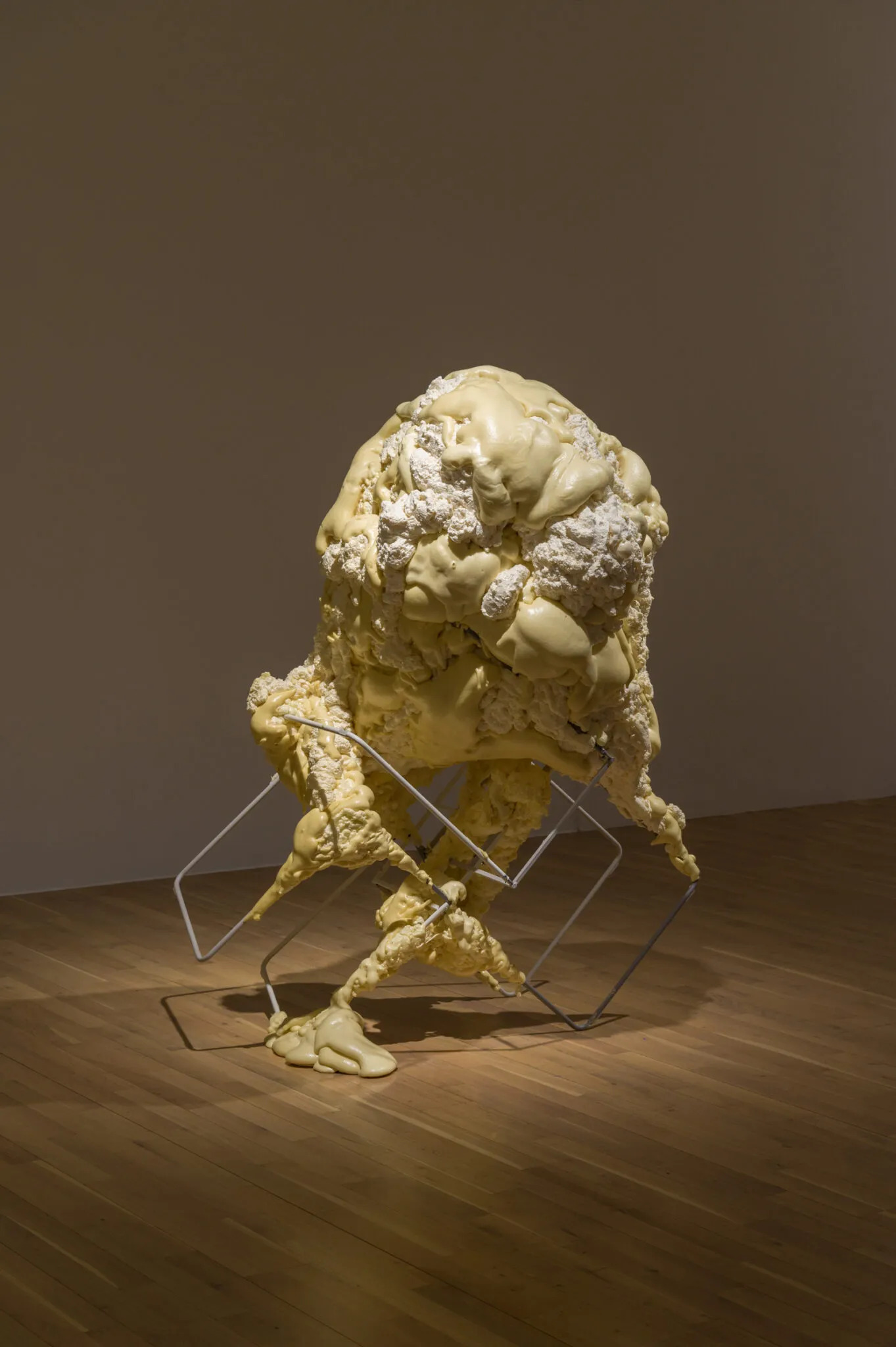
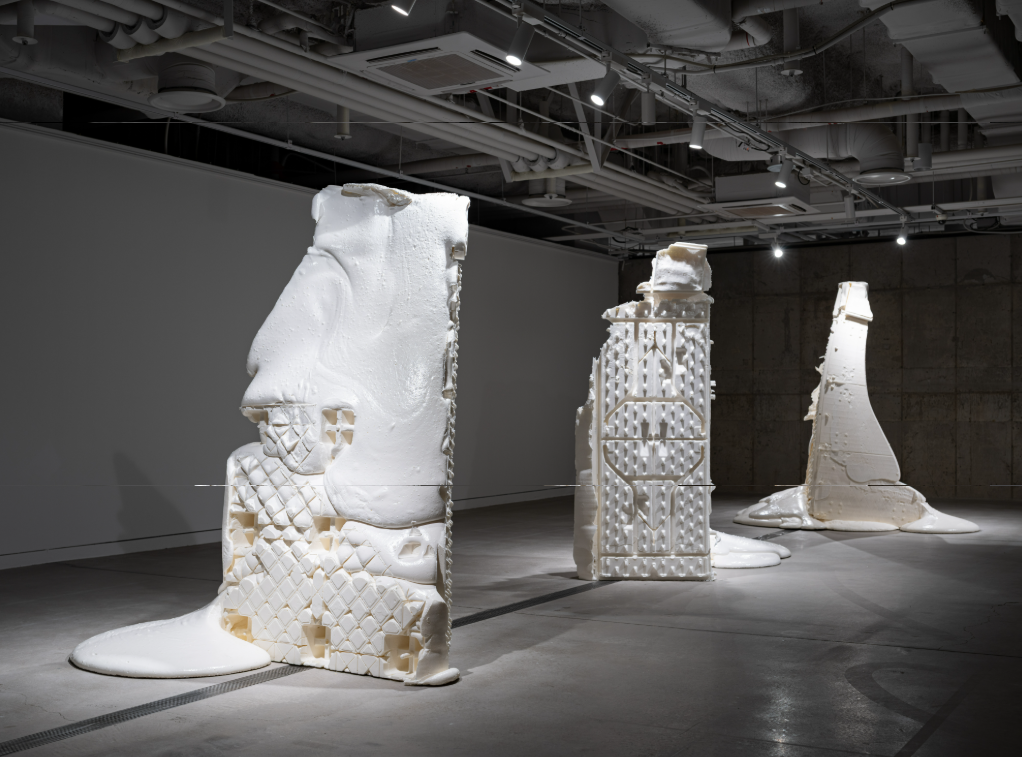
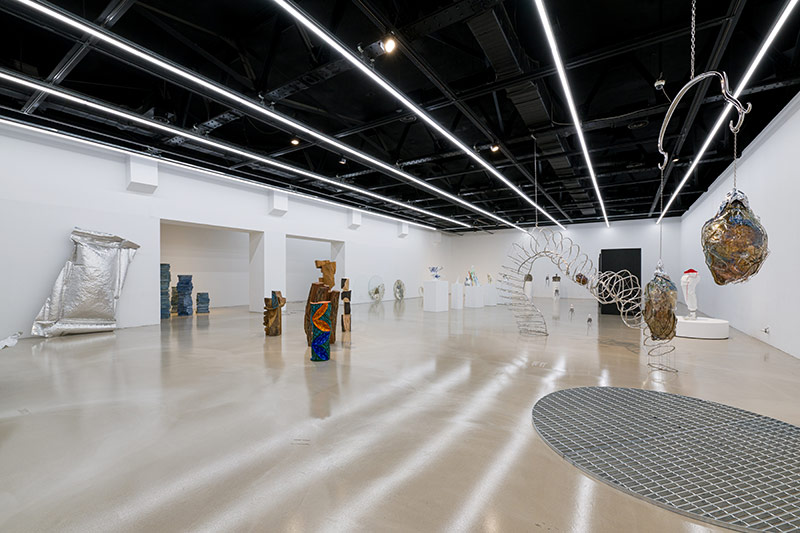
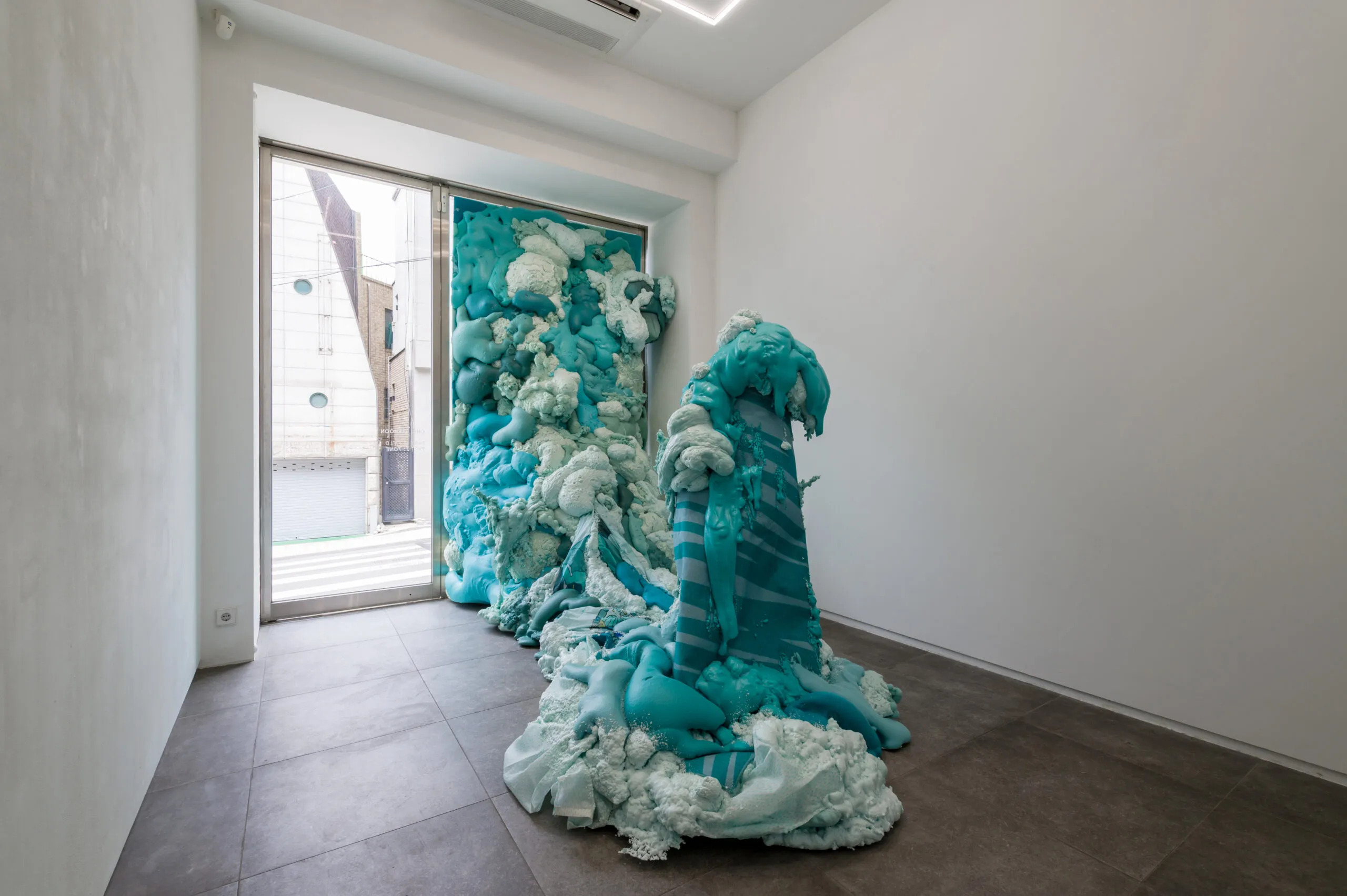
Choi Taehoon’s practice is situated between the two worlds described above: perceiving surrounding objects through a grammar of separation and management, and detaching them from their original contexts to treat them as malleable entities. The incompletely functional cleaning tools, arbitrarily reconfigured units of DIY furniture, and masterpieces appropriated like pages in a coloring book that appear in his work reveal opposing perceptions of objects simultaneously, like a coin tossed into the air whose front and back briefly flash before us.
Choi considers the present condition of objects and edits their related contexts into sculptures that appear similar but are entirely different—or are deliberately made to seem so—producing art-sculpture that feels, in the artist’s own words, “as though I have seen it somewhere, yet am seeing it for the first time.” Through his practice, Choi proposes a mobility that circulates within gaps in perception, sharing stories of individuals, society, and art that remain difficult to see within standardized concepts of things.
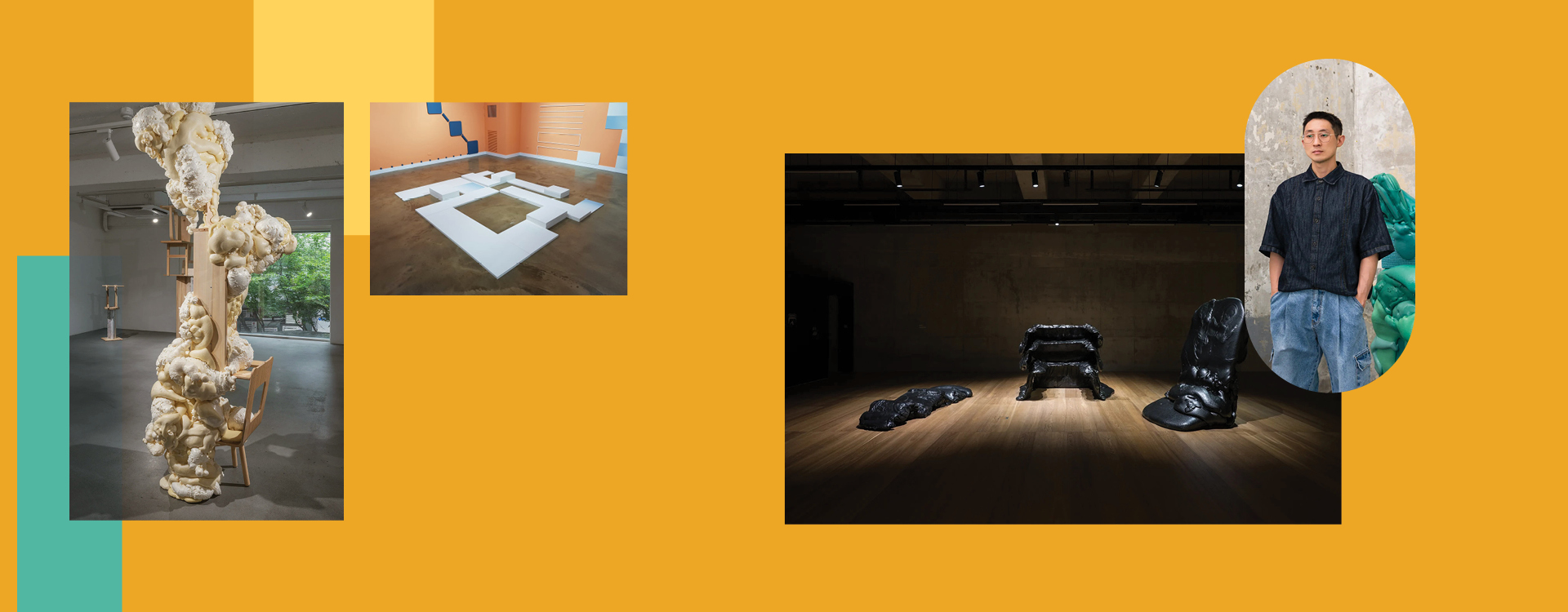
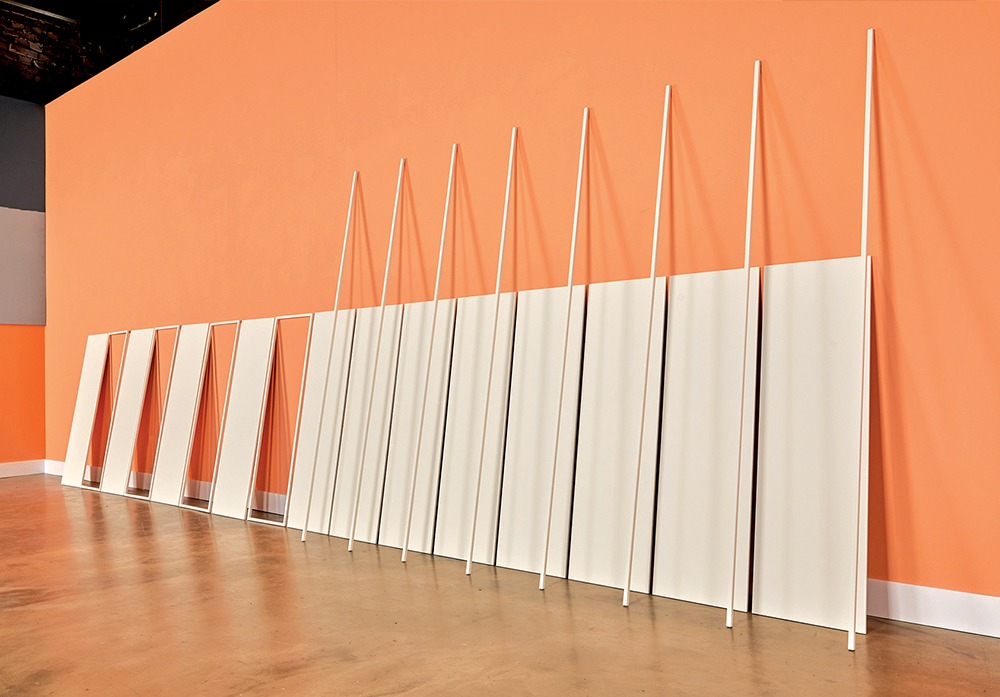
His two recent solo exhibitions, 《Form Follows Form》(2018) and 《South Korean Ensemble》(2019), can first be understood as attempts to examine the relationship between products and artworks, everyday life and art, as well as our habits of separating them, through objects that proliferate like data in the contemporary environment.
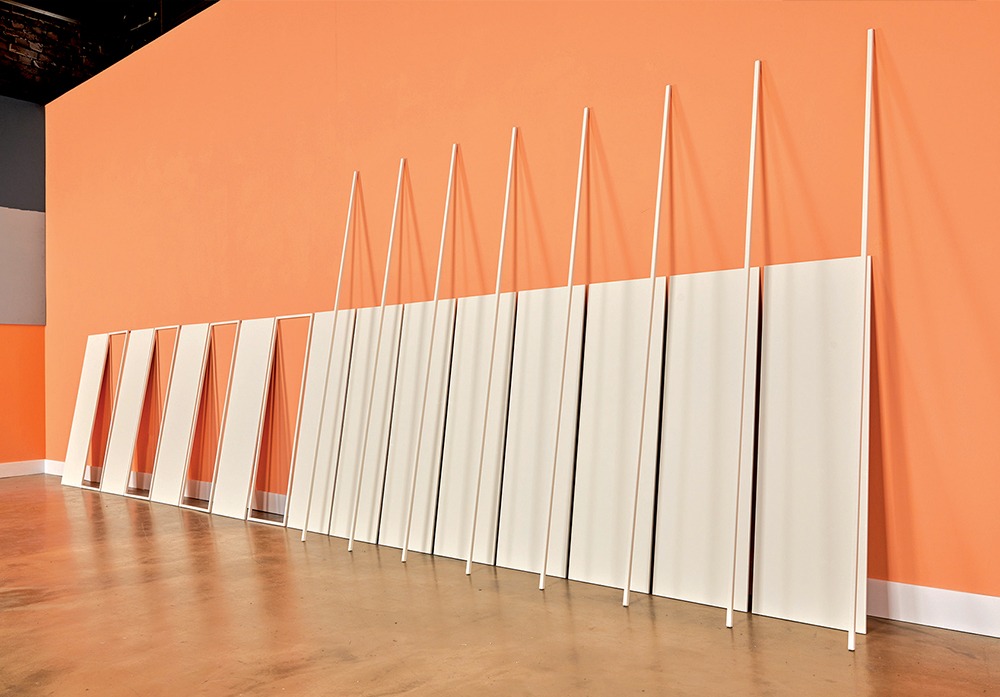
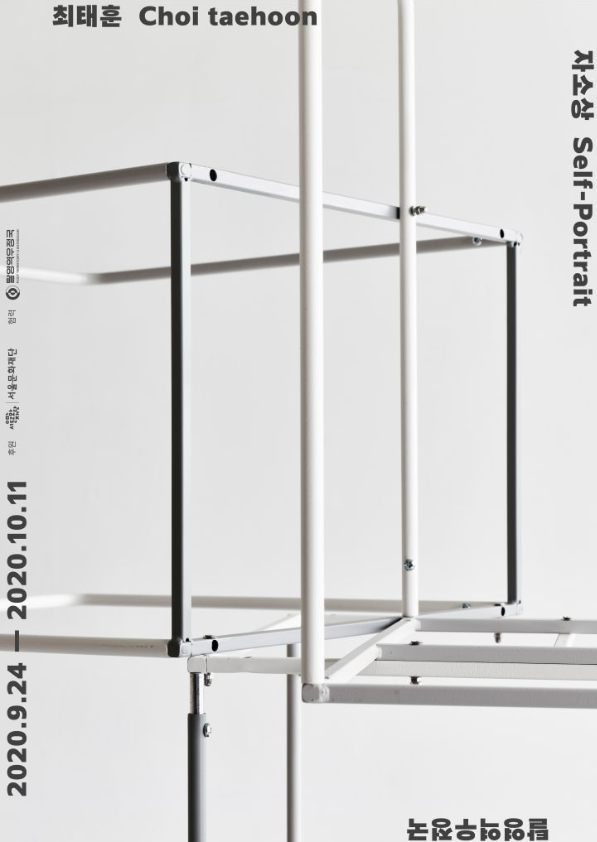
As suggested by the title 《Form Follows Form》, a variation on Louis Sullivan’s famous modernist architectural dictum “Form follows function,” the exhibition sought to perceive individual units of commonly encountered DIY furniture solely in terms of their form rather than their function. With the somewhat absurd proposition that outward appearance alone is where the essence of an object can be found, Choi treats the forms of these units as aesthetic objects and assembles them according to his own methods.
Every resulting work includes the word ‘Composition’ in its title, naturally recalling Mondrian’s ‘compositions,’ which sought to devise a universal, unified, and immutable methodology. Ultimately, Choi brings together earlier artistic attempts to proclaim new structures according to individual methods with the DIY concept of “make it however you want,” presenting sculptures that are neither new creations nor references, neither complete products nor complete artworks, but rather universal and monotonous constructions.
Most of the constructions included in the exhibition are also familiar objects that cannot be perceived solely through their formal value, prompting viewers to engage in a kind of game in which they reverse-engineer the artist’s methods and processes based on their own experiences. The works thus deliberately slip away from every context they appear to indicate—or pretend to indicate—and exist as assemblages or constructions of forms that have lost their original place.
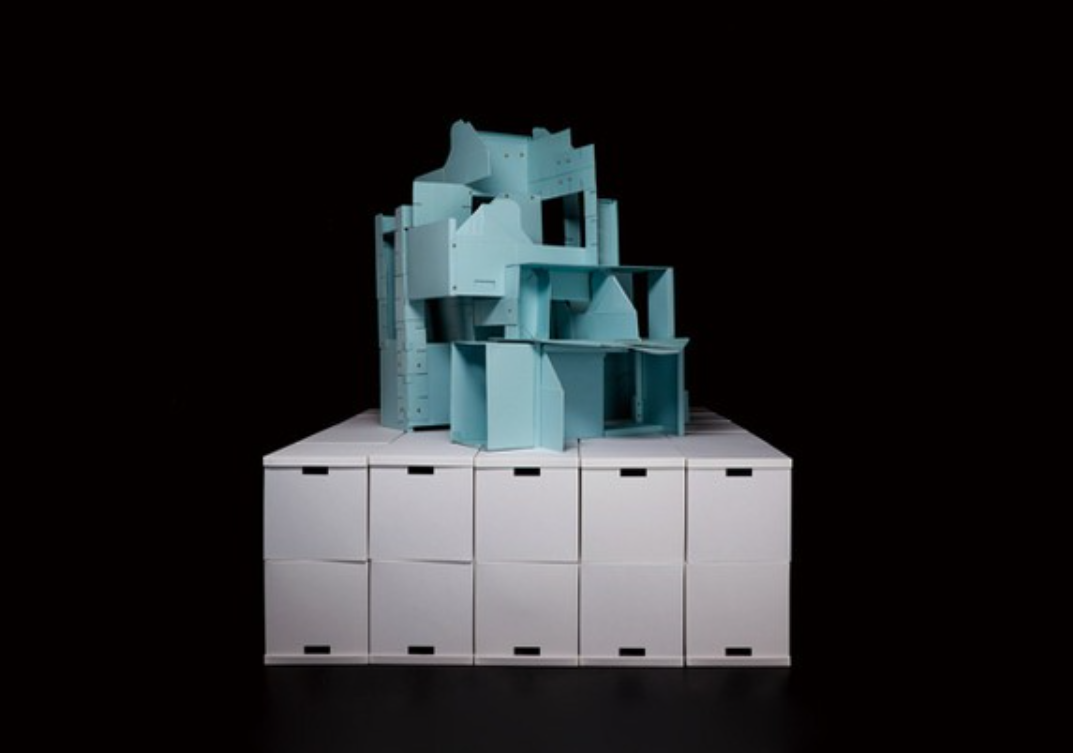
Where 《Form Follows Form》 reframes the status of contemporary objects through the relationship between DIY furniture and art, 《South Korean Ensemble》 addresses, within the context of an exhibition, how the illusion of that status is experienced. The exhibition brings the (non-)experience of the smartphone application IKEA Place—which allows users to virtually position furniture within simulated spaces—into the physical world. Choi creates his own showroom through the app and moves various pieces of furniture into it.
Using only the information provided online, he then produces replicas of the furniture in the virtual showroom and displays them as contemporary art. Copies of non-present objects are neatly installed within the three-dimensional real world of the exhibition space. Before the exhibition, he even produces a miniature version of the show that remains unseen by viewers, thereby turning the actual exhibition and artworks into copies of copies.
At first glance, the exhibition seems to refer to the Minimalist sculptures of Carl Andre and Robert Morris or to Abstract Expressionist painting. It may also evoke the illusion of functionalism that Claes Oldenburg exposed in Bedroom Ensemble, as well as sociopolitical issues surrounding North and South Korea.
Ultimately, however, the works exist neither as sculpture, painting, nor furniture, but as false sculptures that have slipped out of augmented reality—a substitute for reality—and as momentary replicas of false experiences. Like 《Form Follows Form》, 《South Korean Ensemble》 intentionally sidesteps easily inferred relationships between objects, incorporating the very mode through which objects are experienced into the exhibition and creating a scene that reflects contemporary transformations in perception.
Choi’s earlier works likewise readily reveal attempts to appropriate the properties of contemporary objects and overlay them with social phenomena. Endless Morning(2015-2016) presents a residential environment designed according to instructions in self-help books promoting the ‘morning person’ lifestyle, along with the morning of an individual who experiences it.
The video shows a bed that mercilessly folds itself up at 6 a.m. and an alarm clock ringing loudly. Forced out of bed, the protagonist fires a toy gun at the alarm clock’s target and turns over a framed photograph of a favorite idol, placing it face down on the bed like a bed of nails. In an environment where lying down again is impossible, he drinks a prescribed amount of water at the designated time, brushes his teeth, and stretches according to an approved routine.
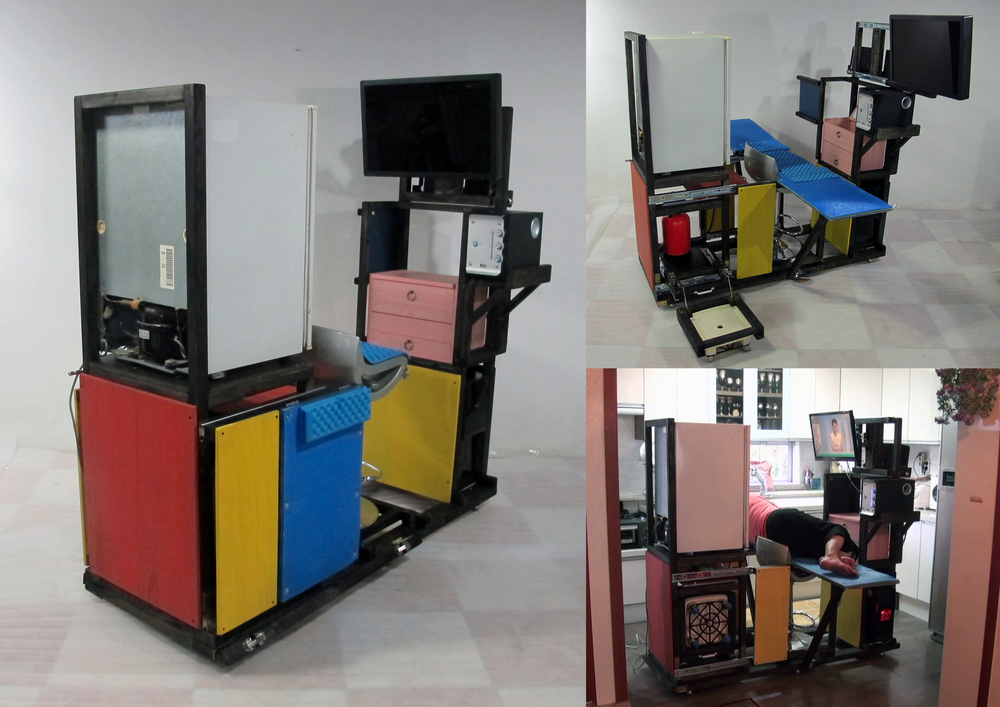
The forced ‘morning person’ and the surrounding system of devices are played out within a single scene, juxtaposing the contrived and contradictory functions of those devices with the instructions found in self-help literature. Multitasking Device(2013-2014) can be understood within the same context. A multitasking apparatus of color and structure—seemingly a form applicable to architecture, craft, design, and other fields, and again recalling Mondrian’s ‘Composition’ series—is placed in the living room.
Choi’s father watches television and listens to LP records there while exercising with the multitasking device and reading the newspaper. He continues with further forms of inefficient, pseudo-multitasking, such as working and using a computer. Passing through multiple tasks—references to art, the functionality of design, and sculpture’s non/monumentality—the work ultimately stages failure by choosing not to support any of them effectively.
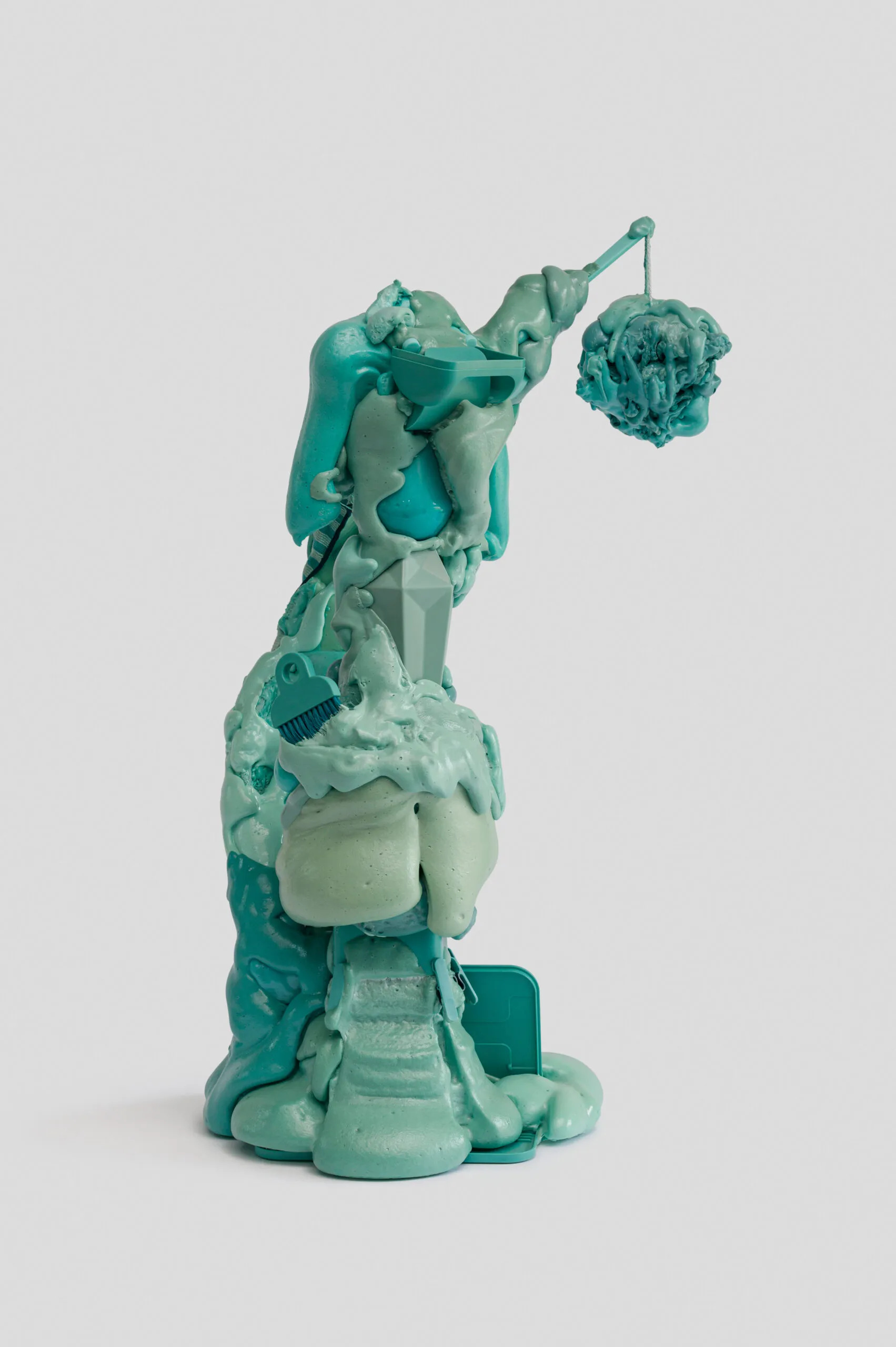
Other works include All in One–Indoor Cleaners(2012), made from various cleaning tools and reminiscent of Tatlin’s Monument to the Third International, and Easy Painting(2016), which appropriates Andy Warhol’s Do It Yourself to sketch the relationship between art that has become myth and art that has become everyday life. Throughout his practice, Choi has critically examined the contexts and conditions of objects by moving between everyday life and art, artwork and product, art and device, formalism and functionality, and individual desire and social demand.
Objects contain multiple facts. Just as language tells us quite naturally that a week has seven days, that Tuesday follows Monday, and that the sky is above while the ground is below, the objects around us seem to indicate parts of the present that appear beyond dispute. Choi Taehoon mixes such generalized concepts of things with artistic forms and social phenomena, turning them into playful logics that deviate from their original trajectories.
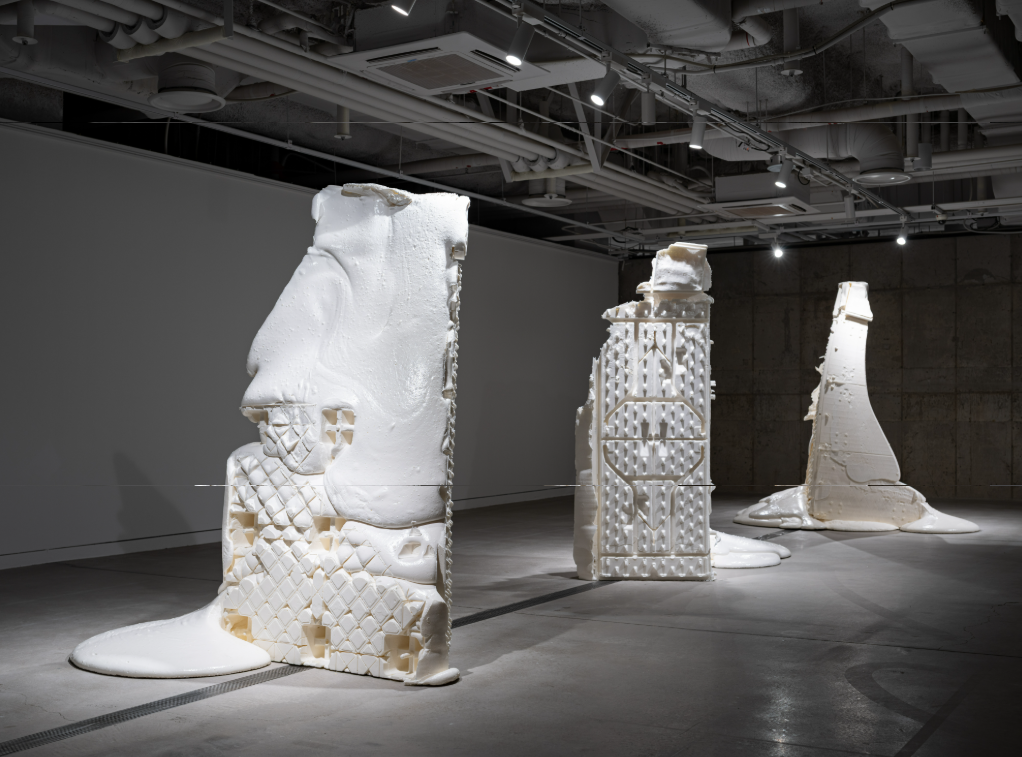
In the process, the function of an object may be replaced by a concept of visuality, while art itself can become a device for indicating an object’s non-functionality. Variations on these object-facts may, in turn, quietly expose truths about the phenomena associated with them. By structuring attempts to damage the contexts of objects, Choi allows us to sense different facets of the individuals, society, and art connected to those objects.
Much as the irreconcilable relationship between the two sides of a coin completes what a coin is, Choi’s practice performs the paradox of revealing opposing forms of perception within existing systems of objects and then reconstructing them. To identify the generalized compulsions imposed upon objects, and to move between the limits and possibilities of those compulsions, between acceptance and denial, settlement and escape—perhaps this is the kind of art the artist describes as something that looks familiar yet is encountered for the first time, something not new yet newly experienced.