Japan’s writer Shiono Nanami introduced an interesting analysis. She hypothesizes that there is a self-sufficient society and another that is not; the former tries to expand and sustain its progress, whereas the latter attempts development through the exchange of goods. The former is a territory-based, and the latter is a hub-based society; the Roman Empire and the Yuan Empire are examples of the former, and the Venetian Republic the latter.
Our contemporary society is a radically amplified version of the Venetian Republic; progress can only be possible through the process of endless movement based on the hubs. The properties of globalism, which cannot be easily defined, can be found in its tendency to destine mankind to endless movements. Meanwhile, these movements necessarily entail exchange. Exchanging one’s own possessions with another’s has become the norm, and the concentration and importance of exchange has exponentially increased.
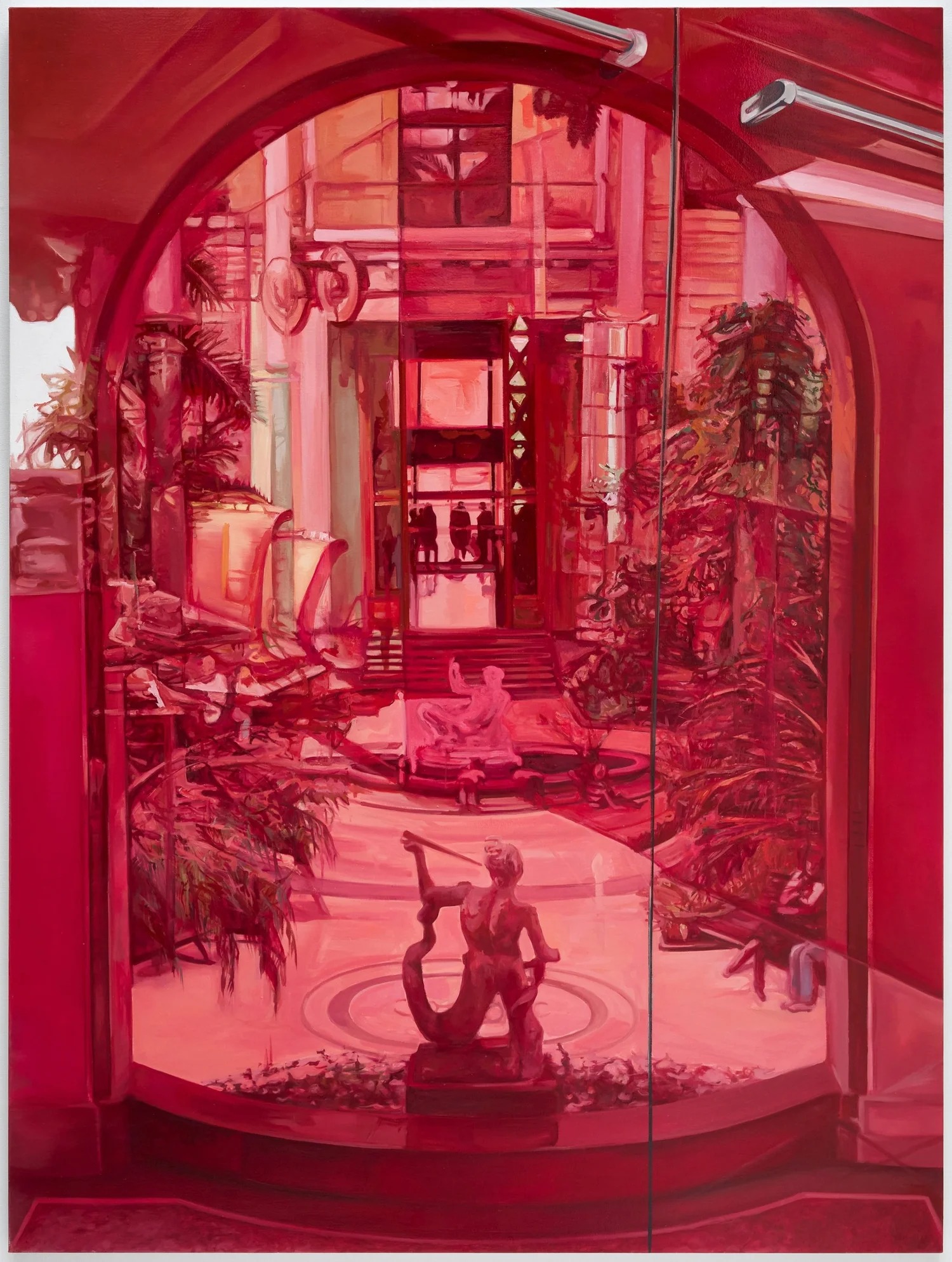
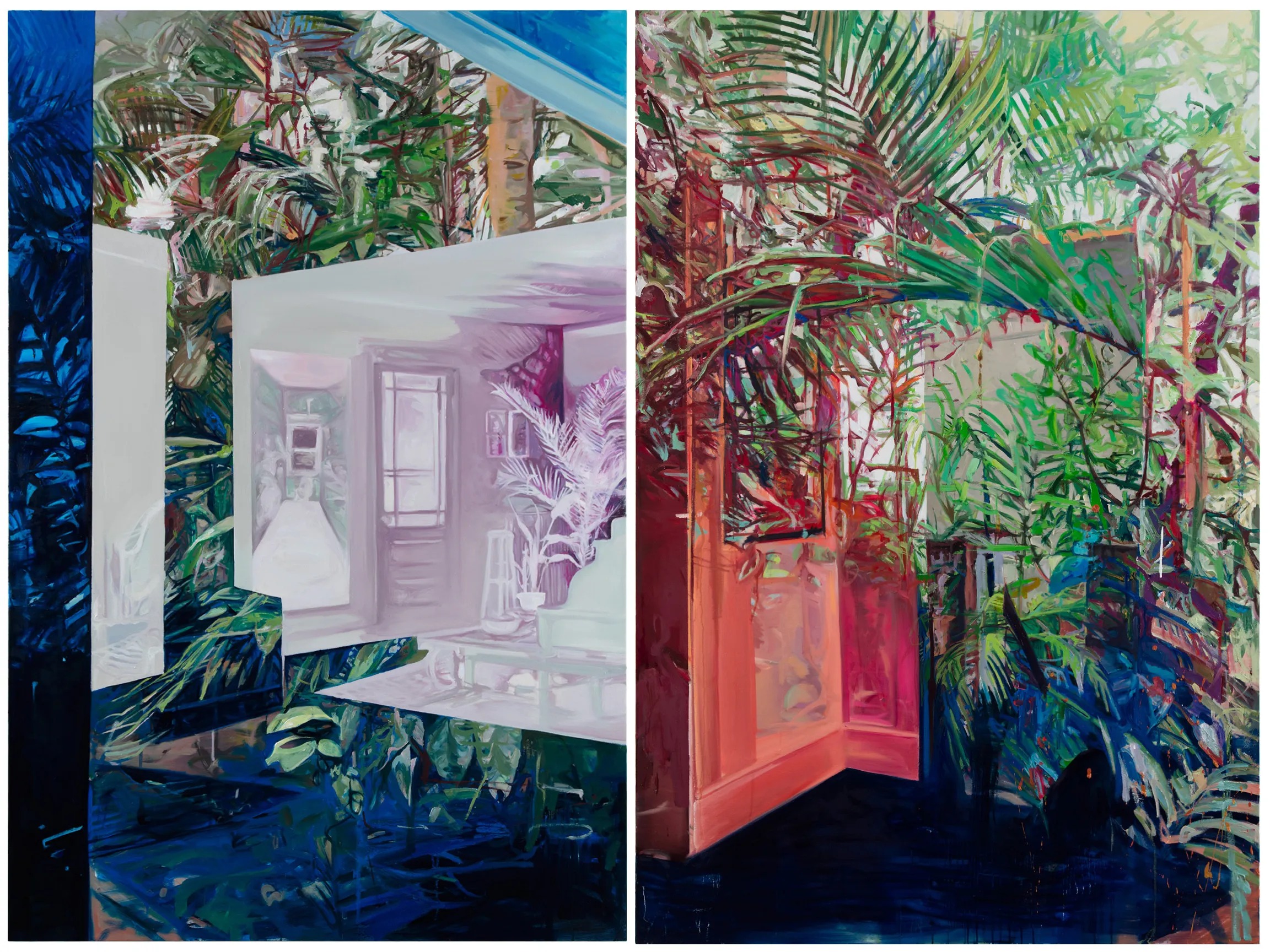
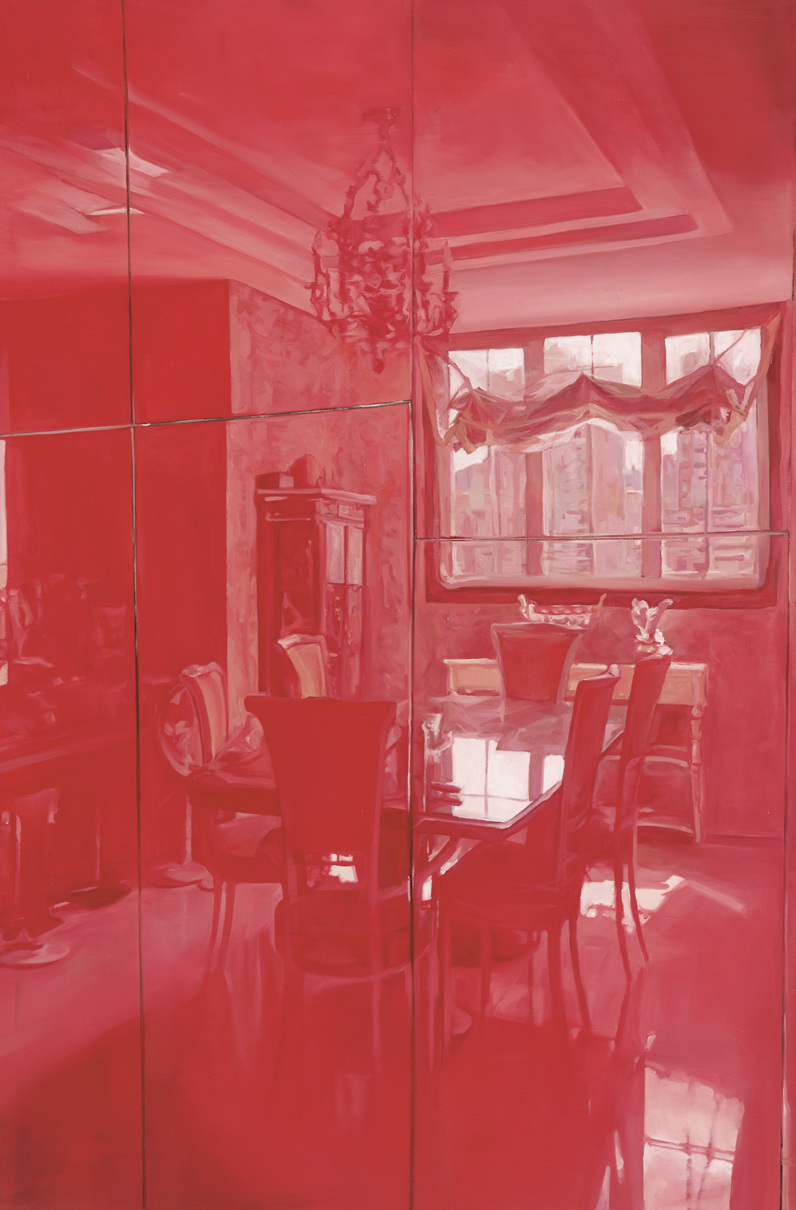
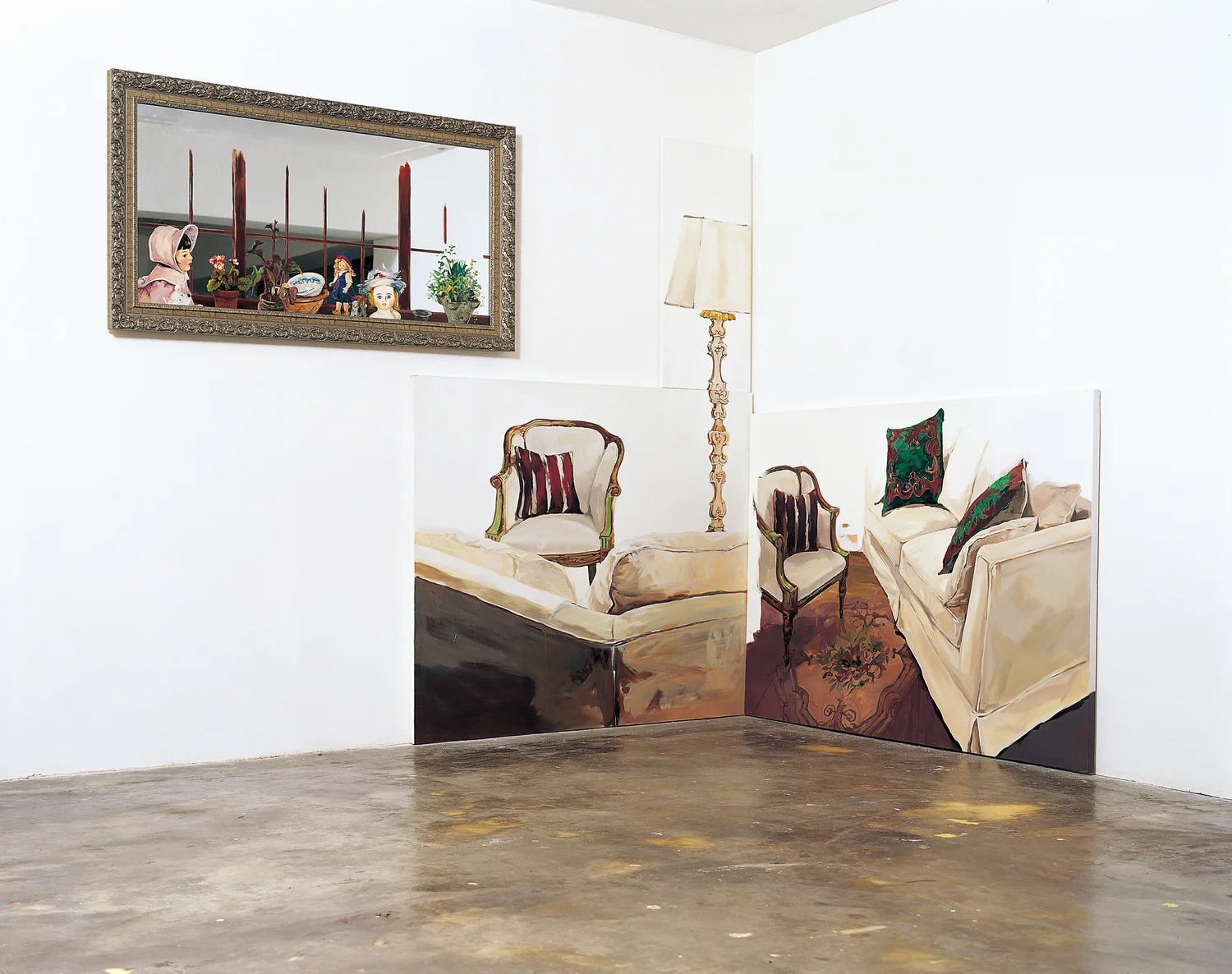
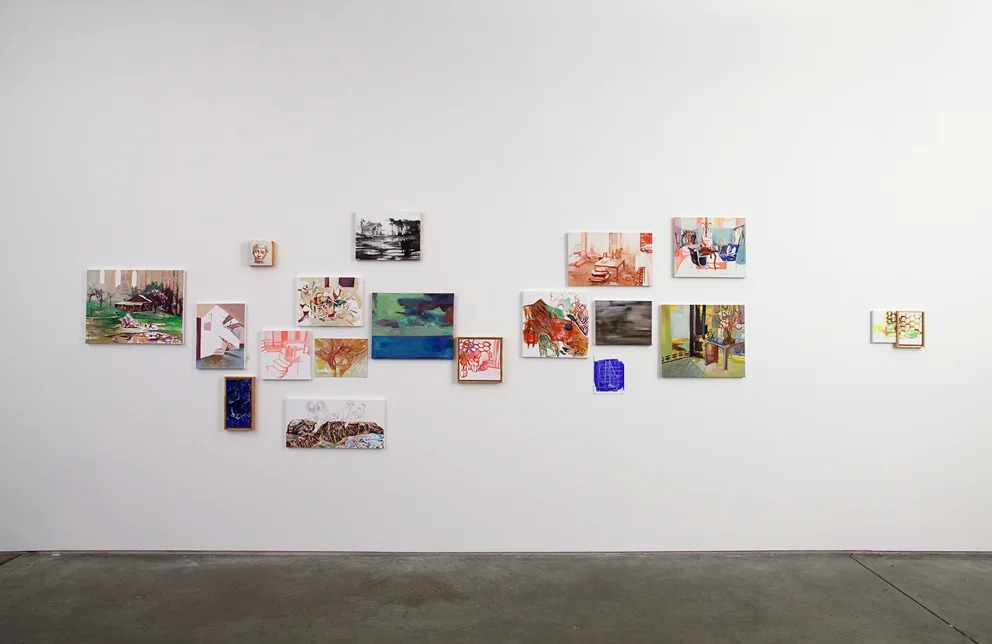
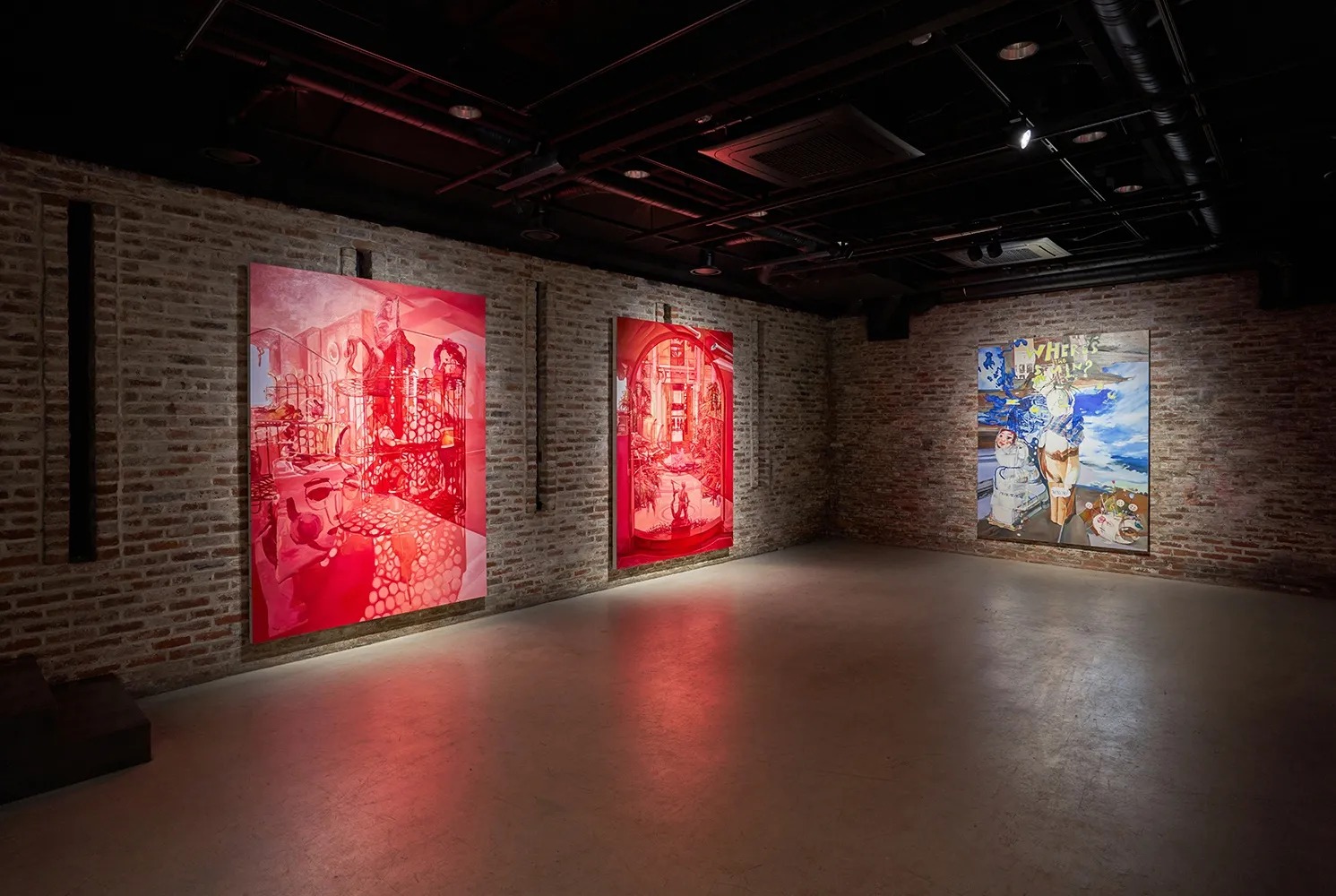
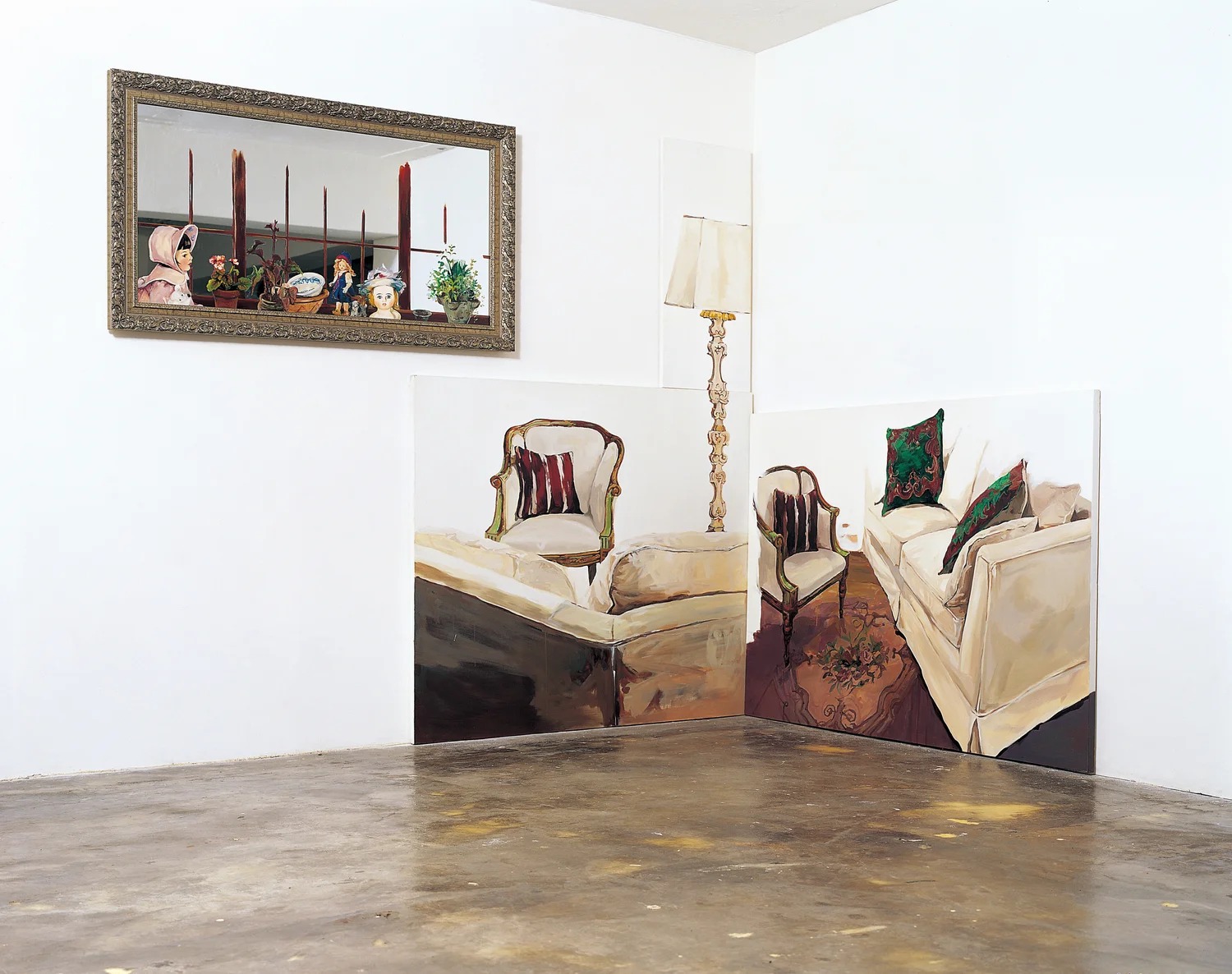
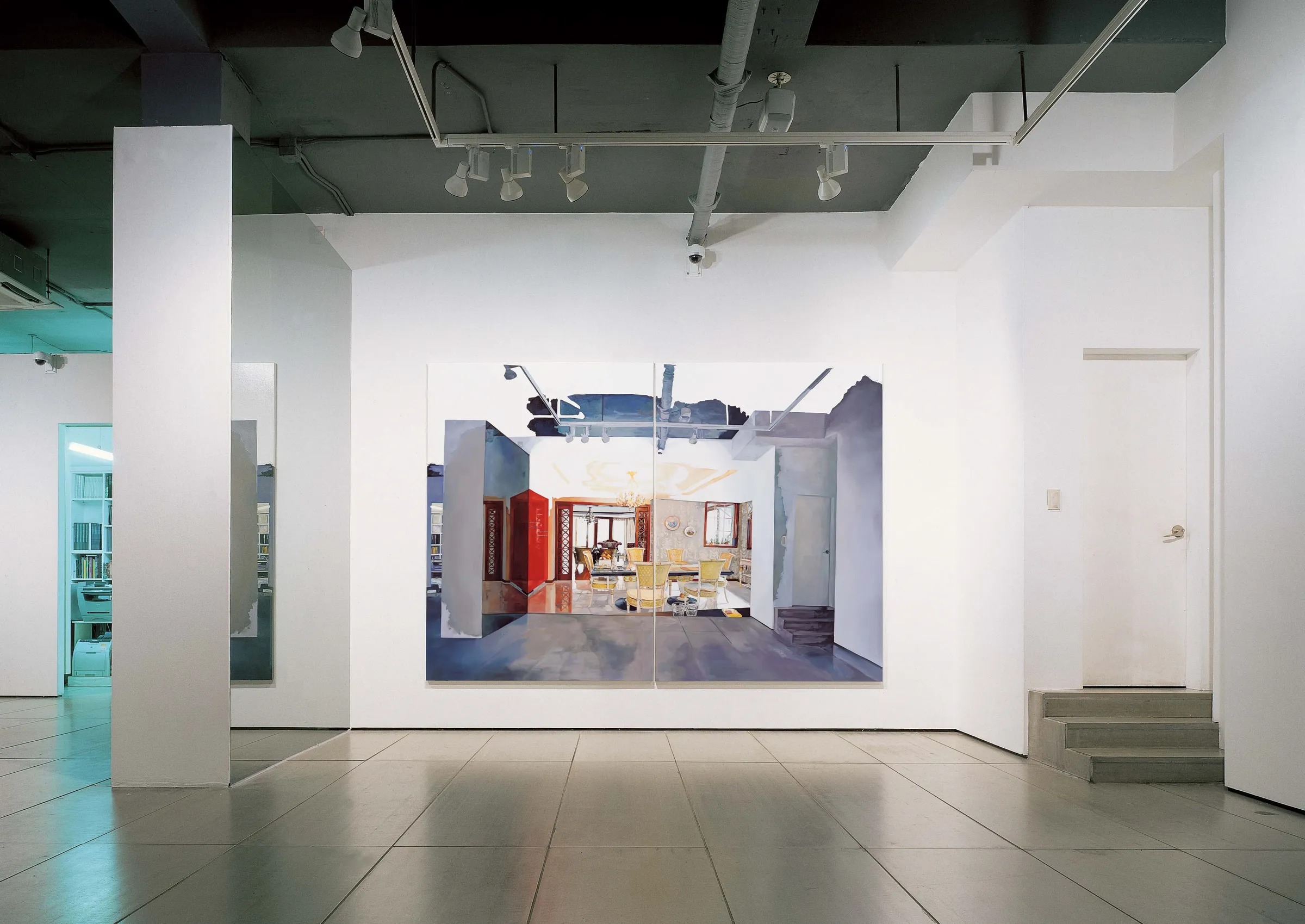
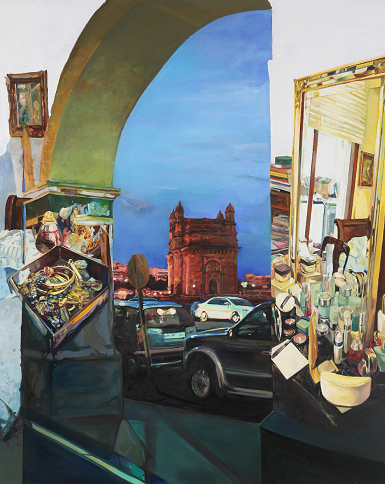
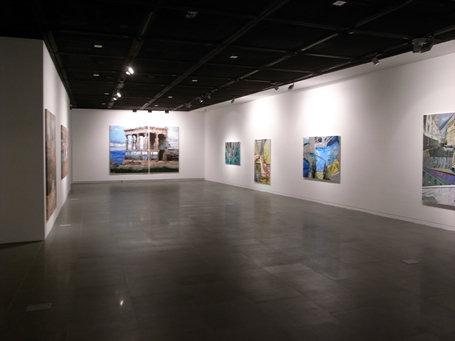
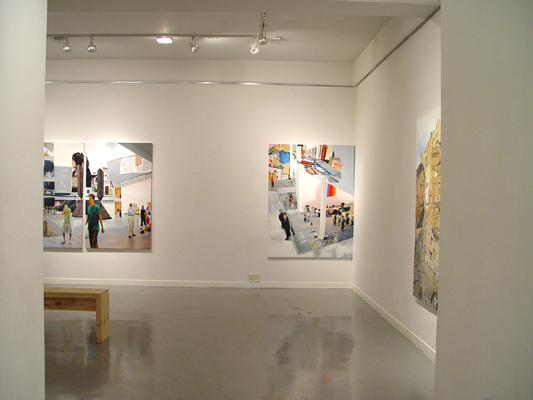
Therefore, the striking contrast between the space of what Lee tries to describe and the public space formulates a superb caricature of our own times. This is how I viewed her works leading up to 2008. Her vibrant debut solo exhibition in 2003, the exhibition at Gallery Hyundai in 2005, which was notable for its sensational diffusion, and Arario Gallery exhibition in 2008, which incorporates an epic story, are still fondly remembered by many.
Lee’s technique, sense of color and style have been unquestionably polished and honed in Korea. Art and aesthetics are based on the assumption that there exists an aesthetic mechanism that can be universally applied across the boundaries of race, nationality, class and gender. However, how we view Ando Hiroshige will differ from how the Japanese view him, and the assessment of Sajung Shim, who was a painter from the Joseon Dynasty period, in our eyes will not coincide with the assessment of Nigerians.
The infinite intersections of different sensations and world perspectives must be understood as the very momentum of contemporary art. The artist currently lives and works in New York. While many artists who boast of natural-born sense and acquired taste flock to this city from all around the world, Lee attempts a new move in the final destination of art consumption that is New York. We can see an even stronger attachment to personalized style in her works.
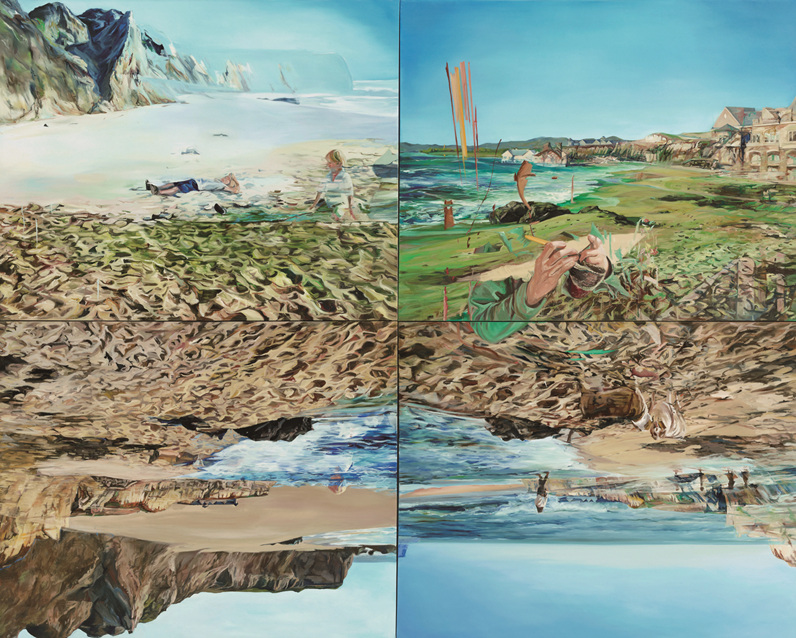
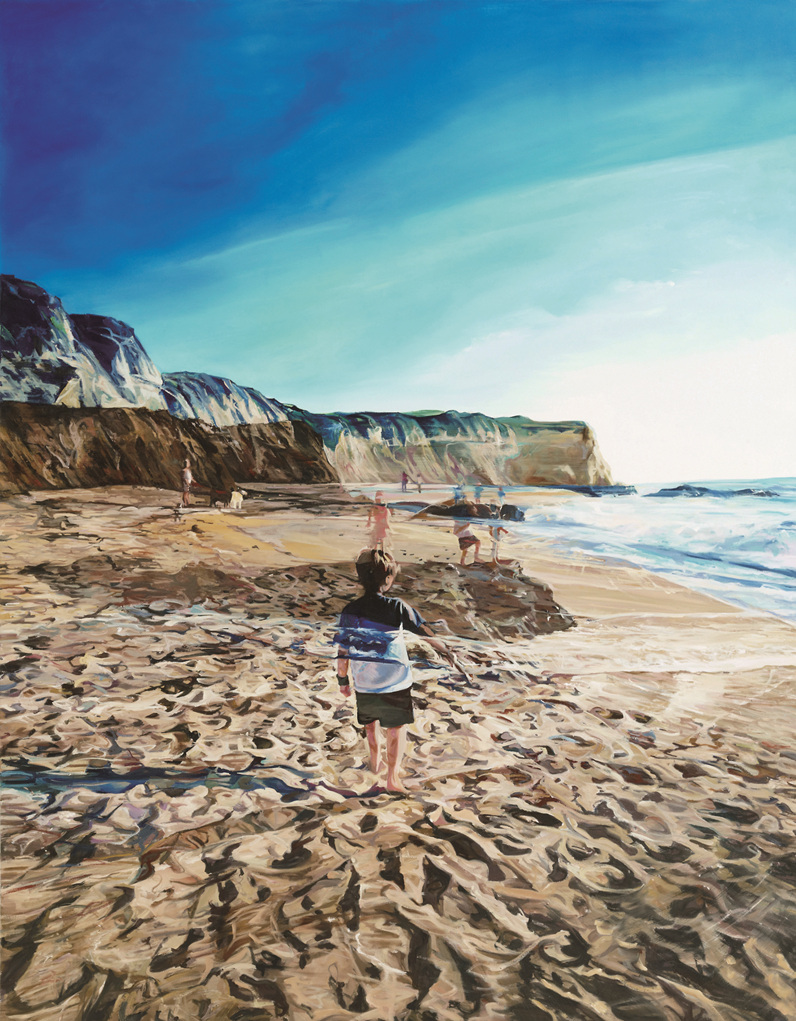
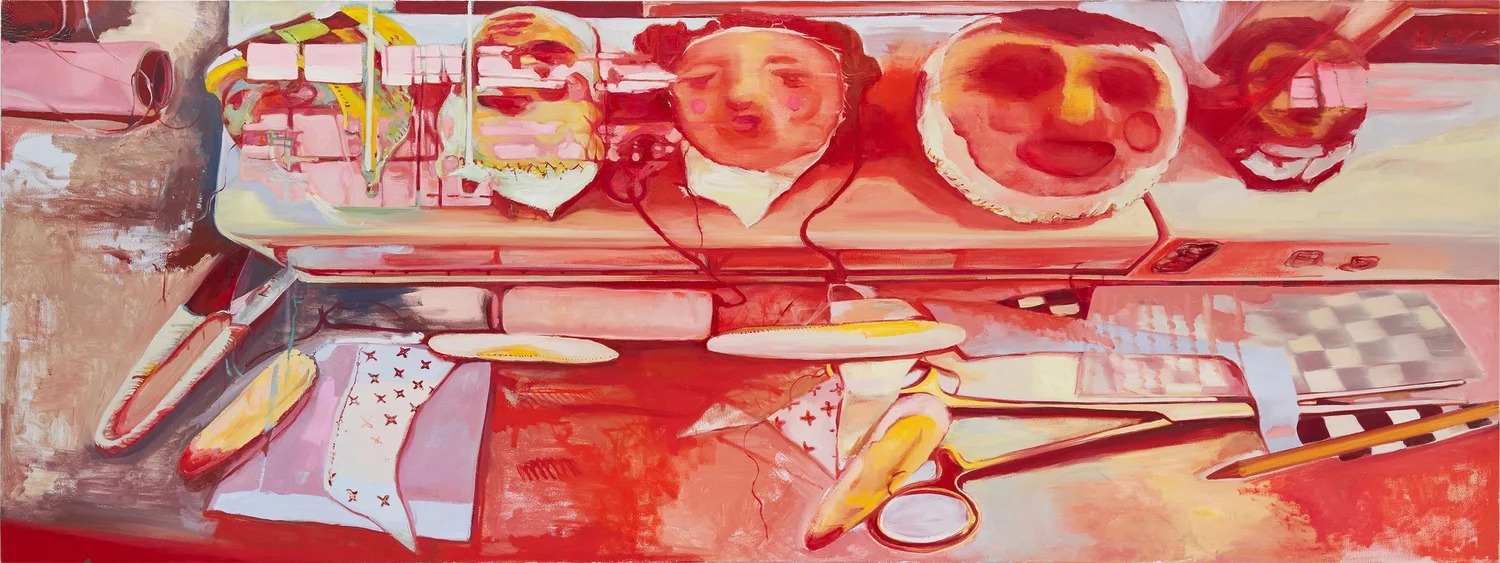
Whereas her earlier paintings were attempts arising out of power, that which tries to expand one’s sensation infinitely outwards, her current works display her intention to condense everything into her internal self. Why would this be? And unlike Jihye Hue’s past, in which she built a firm structure by overlaying layers of paint, Lee gradually restrains the quantitative emission of paint and the playful strokes of the brush, anticipating the complete product.
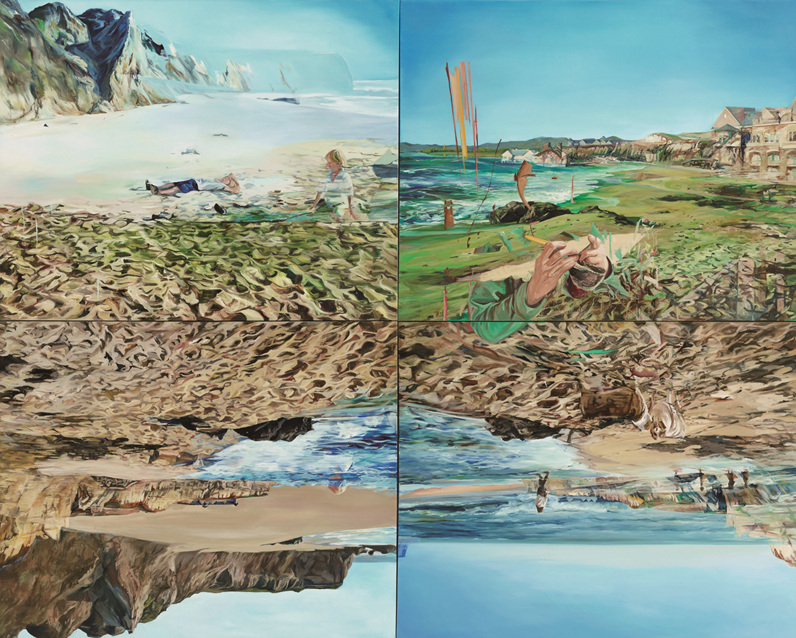
In contrast to her past works, which were variations of reality and its distortion, her new works appear to be keeping the essence of the object within, and then projecting them on to the canvas all at once. Why is this? Lee must have engaged in countless discussions and conversations with Western curators, artists and patrons in New York. She seems to be developing greater knowledge of the world with the progression of time. We see a calm, gradual movement replacing energetic passion.
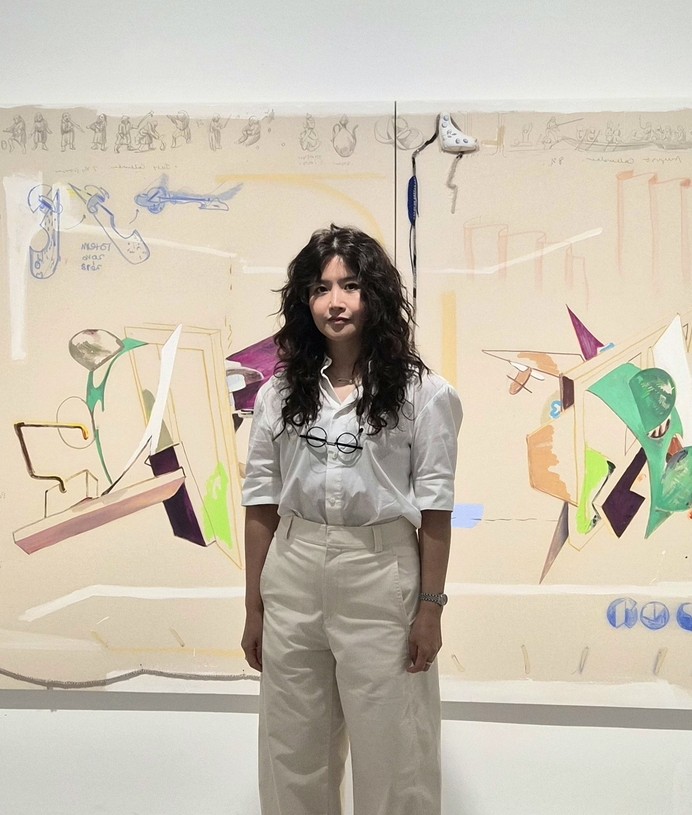
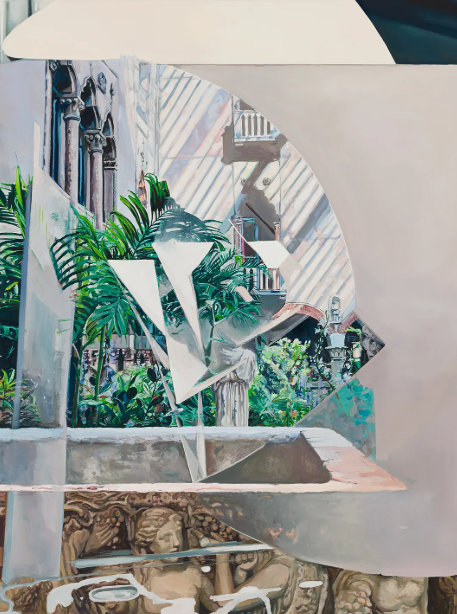
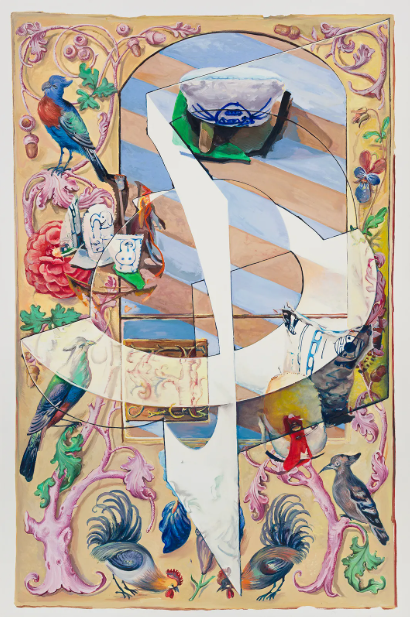
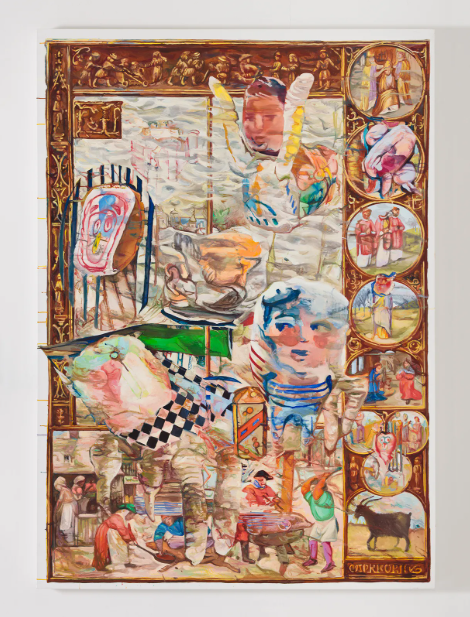
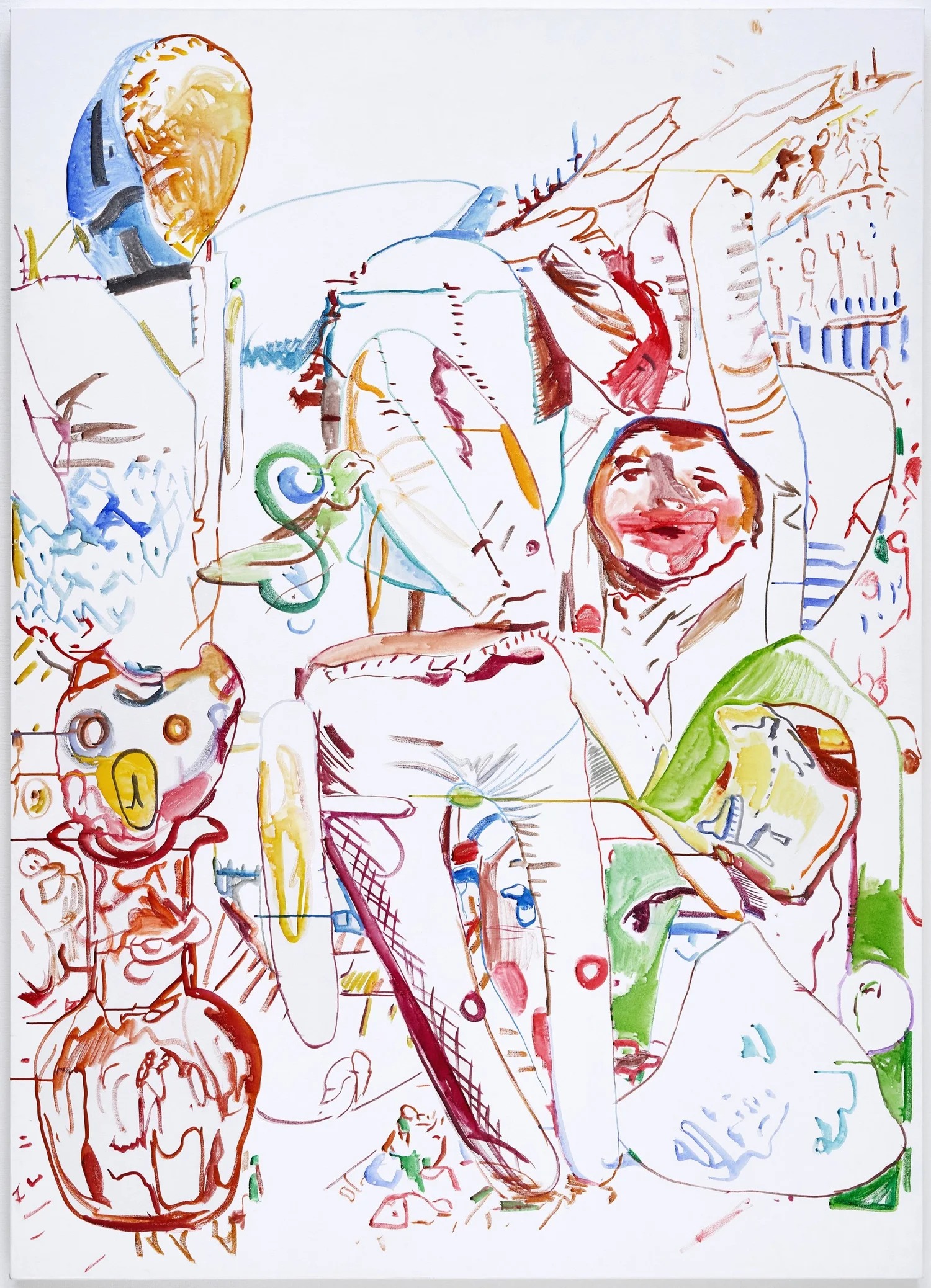
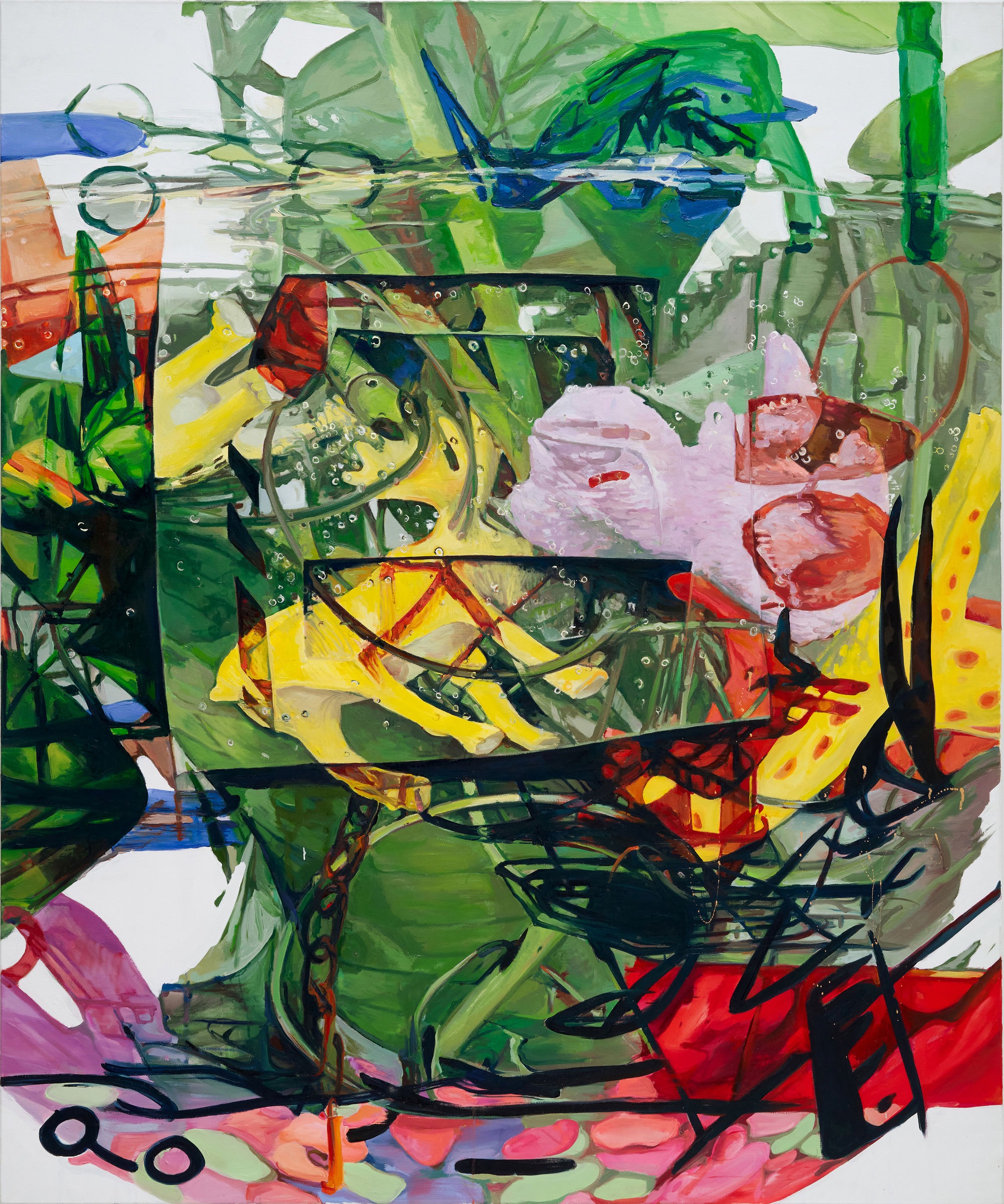
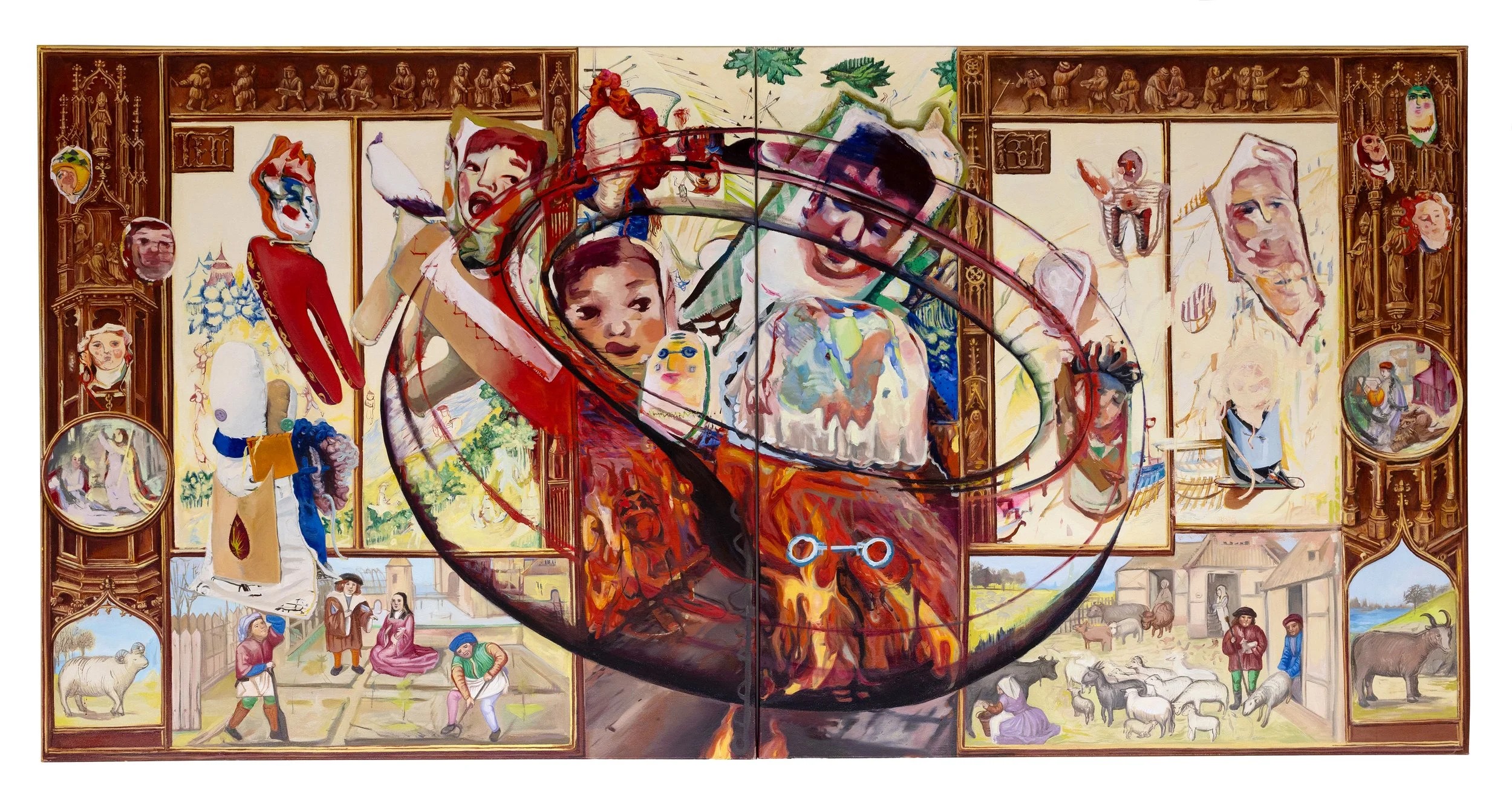
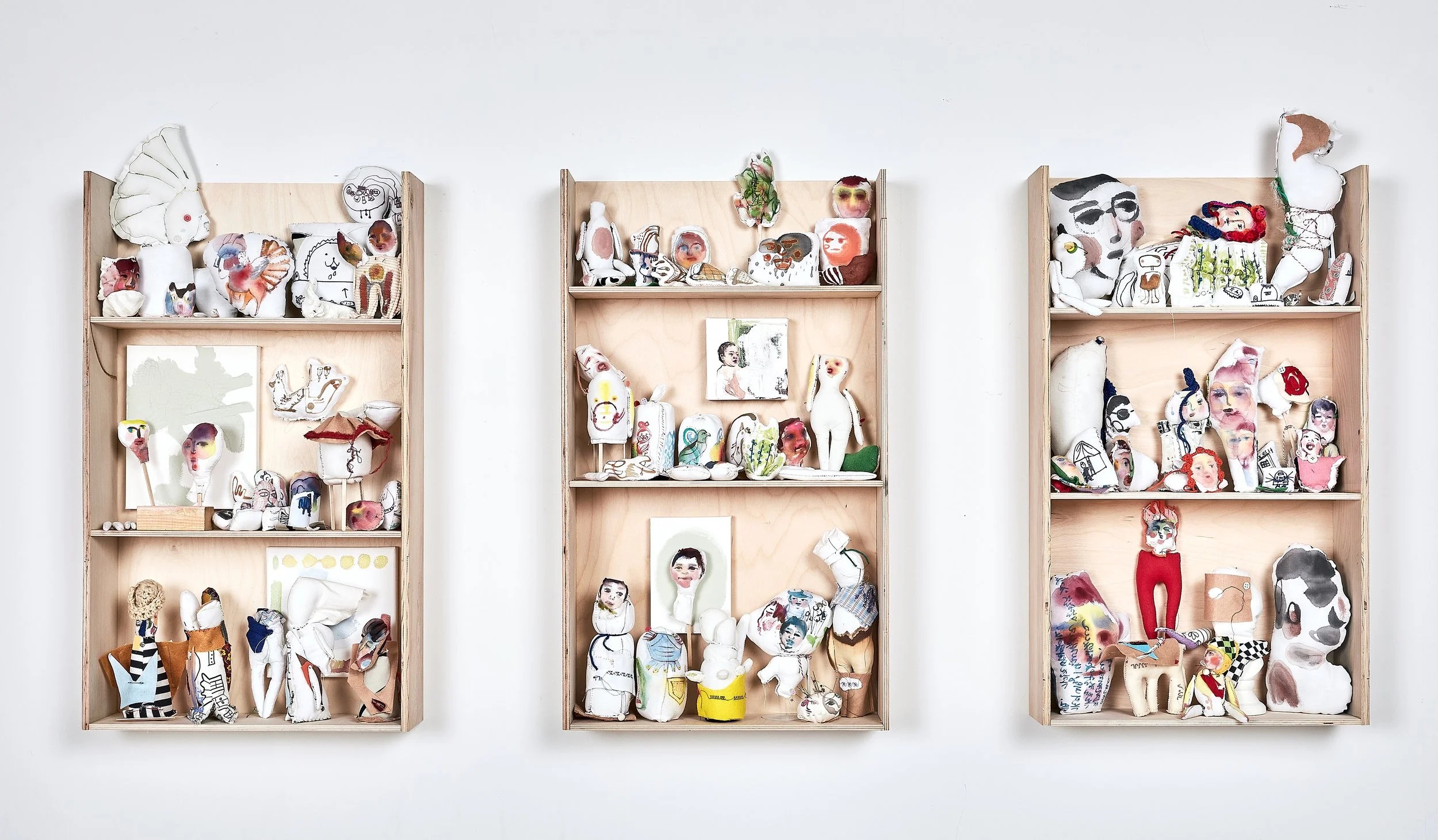
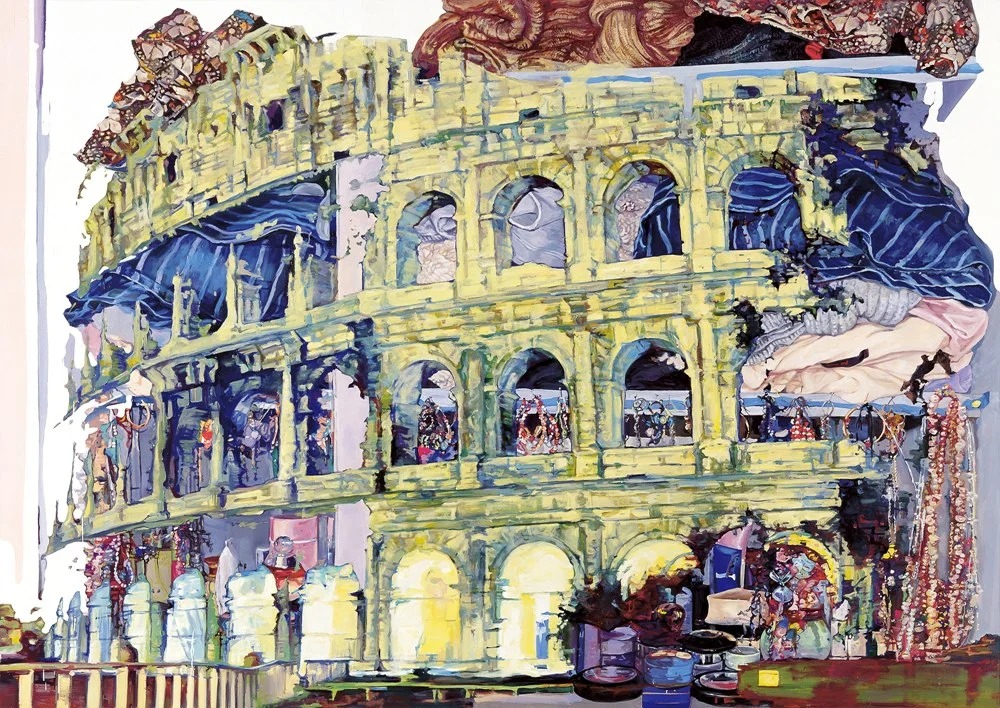
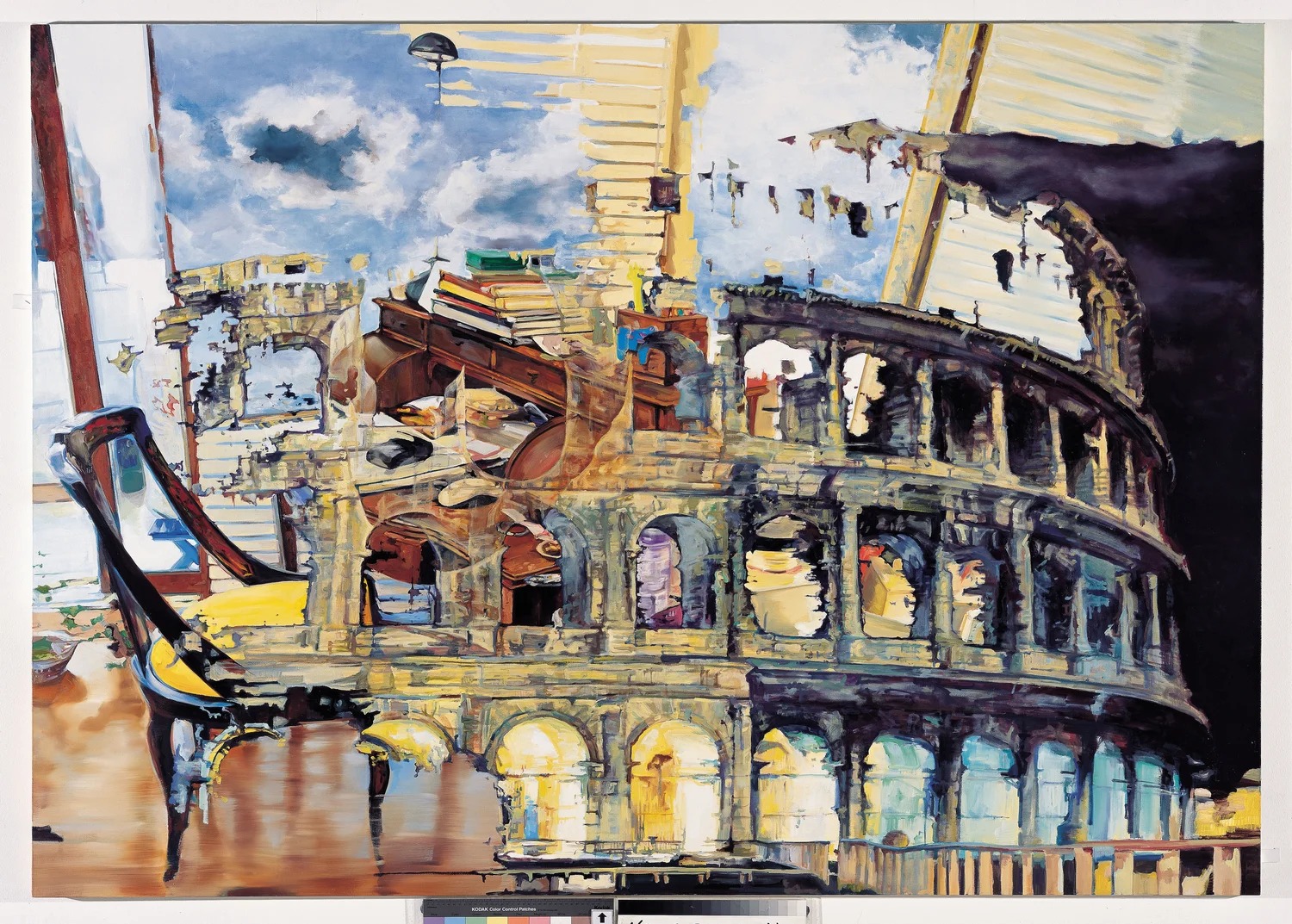
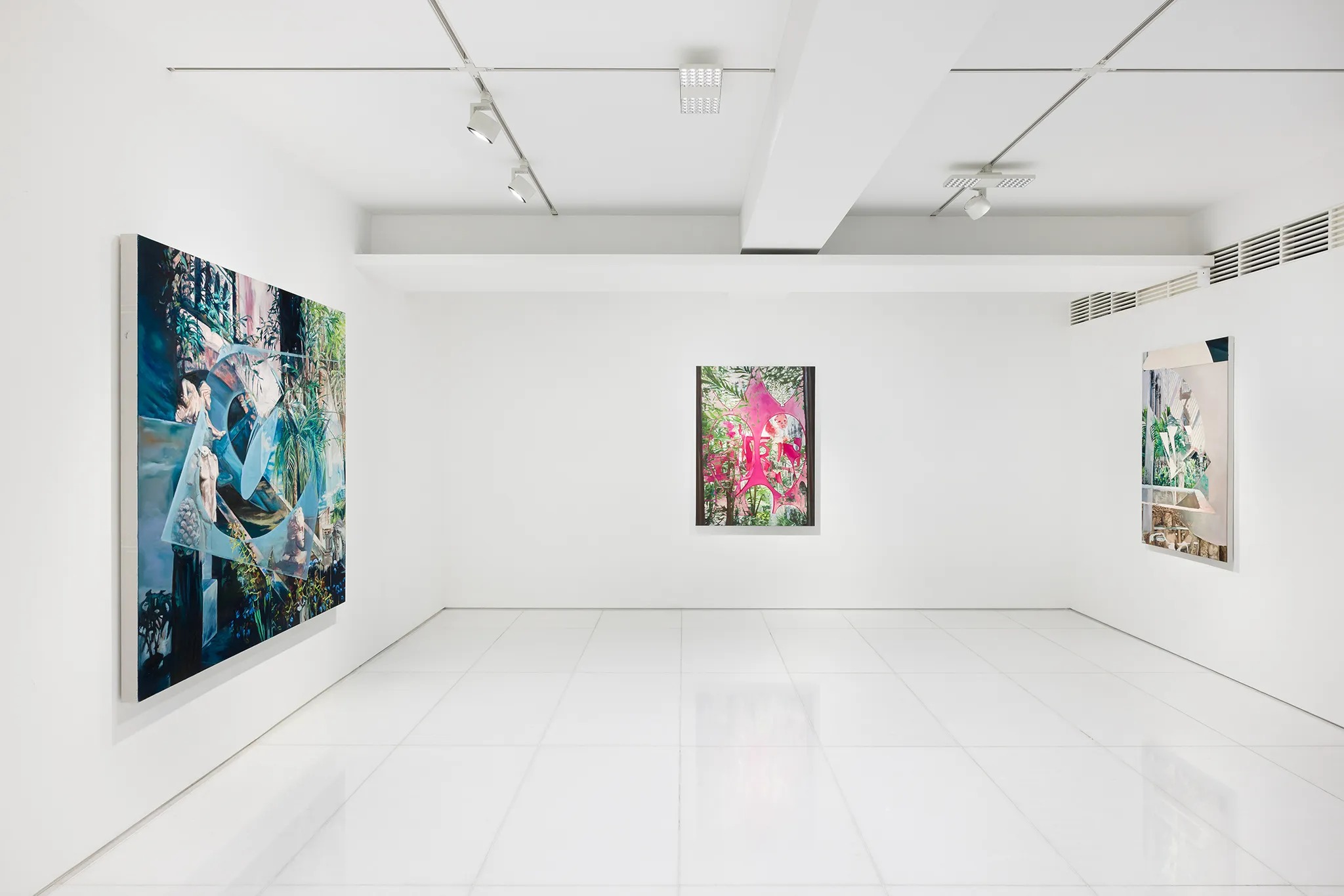
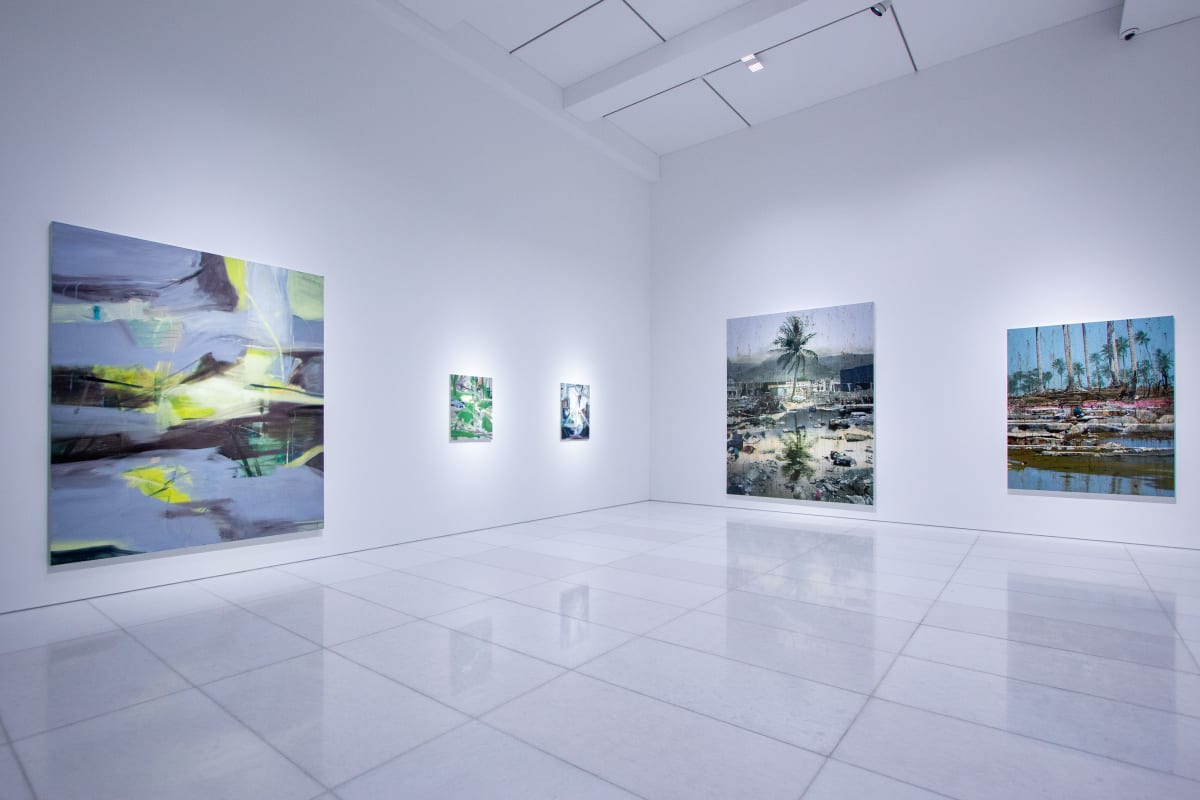
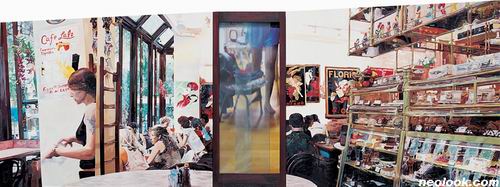
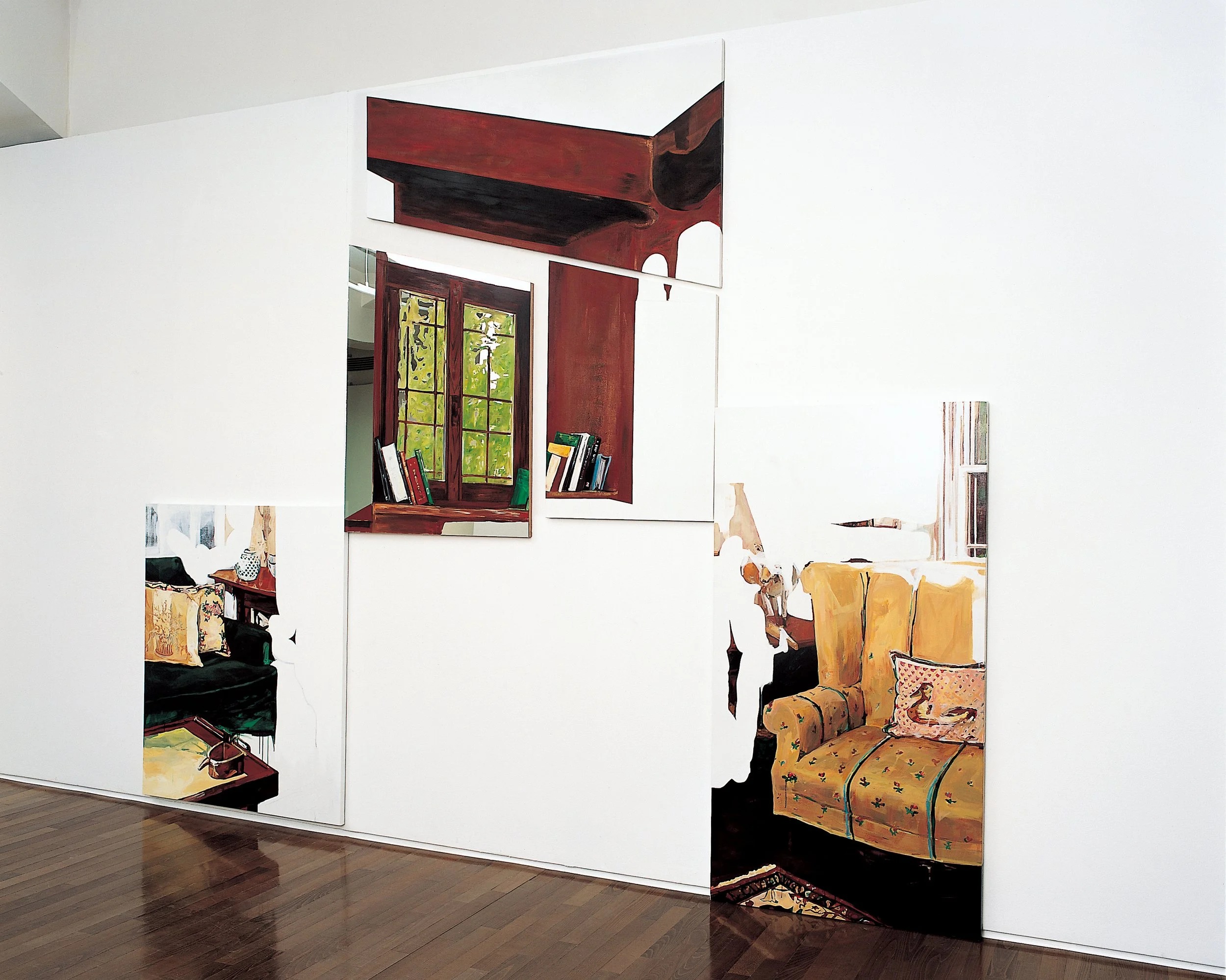
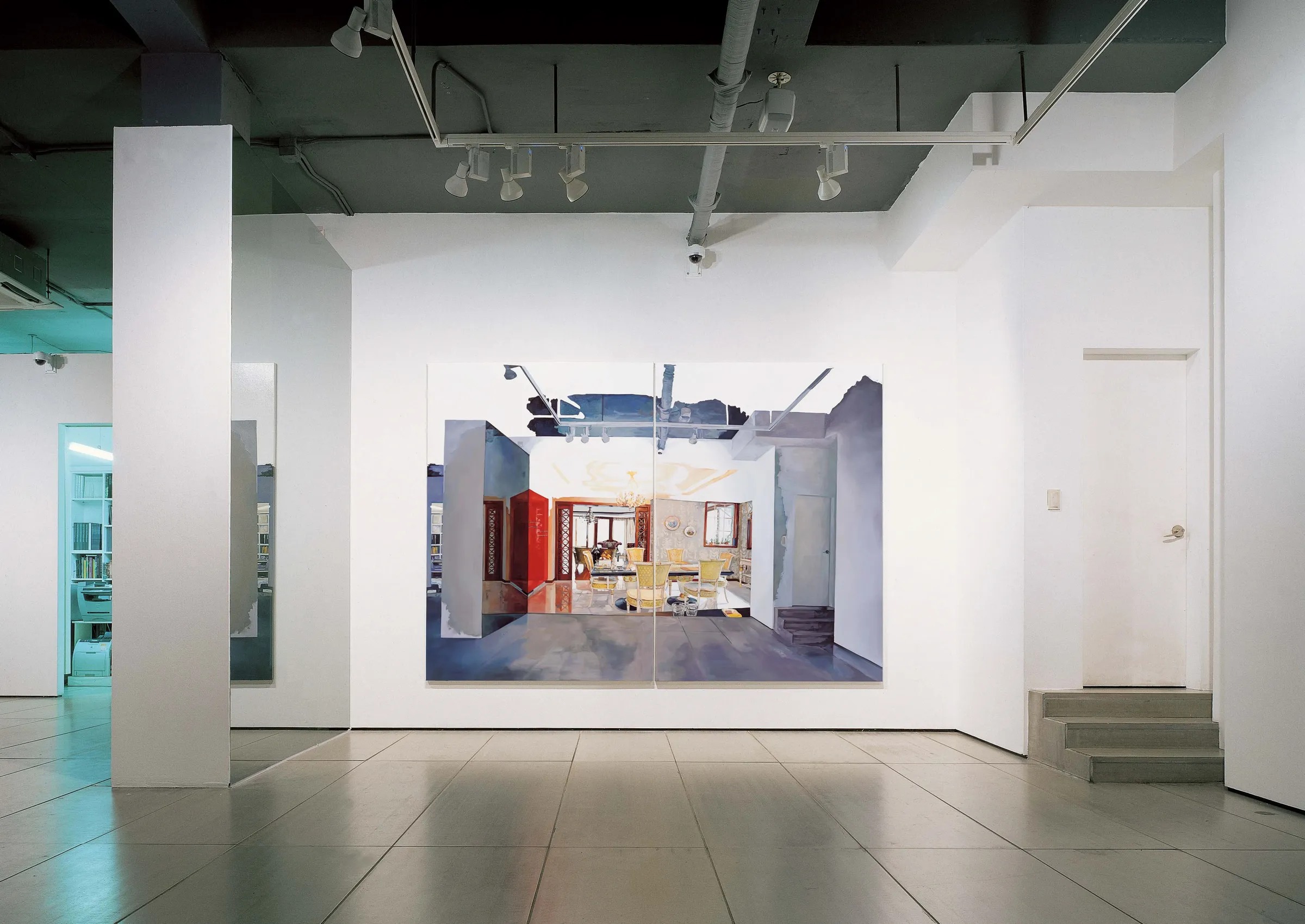
In light of the above observation, let us take a closer look at Lee’s new series ‘Fantasma’, which she has been working on since 2012. ‘Fantasma’ means ghosts, specters, the illusory or nonexistent in Spanish. The title must be the product of Lee’s meticulous preparation and consideration, as the term is most adequate as a reference to the indefinable or liminal.
This series gives the impression that she is candidly and liberally expressing her feelings arising from daily life experiences. Indeed, the works are neither oil paintings nor drawings. Lee mixes techniques from her earlier days and the strengths of her later perspective series; we must question the meaning of her choice. First, we must take note of the reality of the artist, who is continuously on the move.
The feelings and sentiments she experiences in the process of shuttling between two cultures would naturally be subtle and acute, unlike that of those who lack such mobility. In short, Lee is living in an “in-between,” unfixed state. Life in-between must be appreciated as a dual-experience between different cultures. Secondly, she goes through countless vibrations of experience between her mother’s and her own lives.
Thirdly, she undergoes the liminality between herself as an established artist in Korea, and a novice in the art space of New York. Fourthly, going a step further into her world, we can understand this series as the result of a self-induced calling to transcend her previous capacity as a painter in her own, pre-established world.
Therefore, we may conjecture that she has immersed herself in deconstructing her self-form by blending her initial drawings with completed painting style format. Here, there is the additional joy of seeing a new work of hers. There is a position called the “inbetweener” in the field of animation, which refers to those who insert several connecting cuts in between others in order to make the original drawings appear as if they are moving.
I believe that Lee is an artist who connects invisible differences between two cultures and creates vibrancy. Moreover, I see her as an artist who fills in the deep chasm between the real and the virtual through the form of the ‘Fantasma’. Lee must have launched this project because she had perceived how becoming exceeds being in its importance.