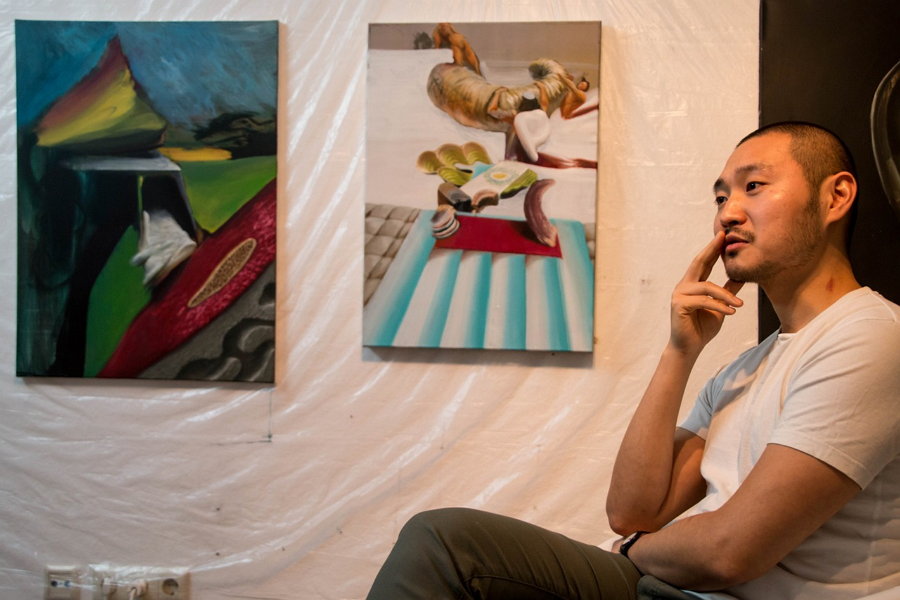
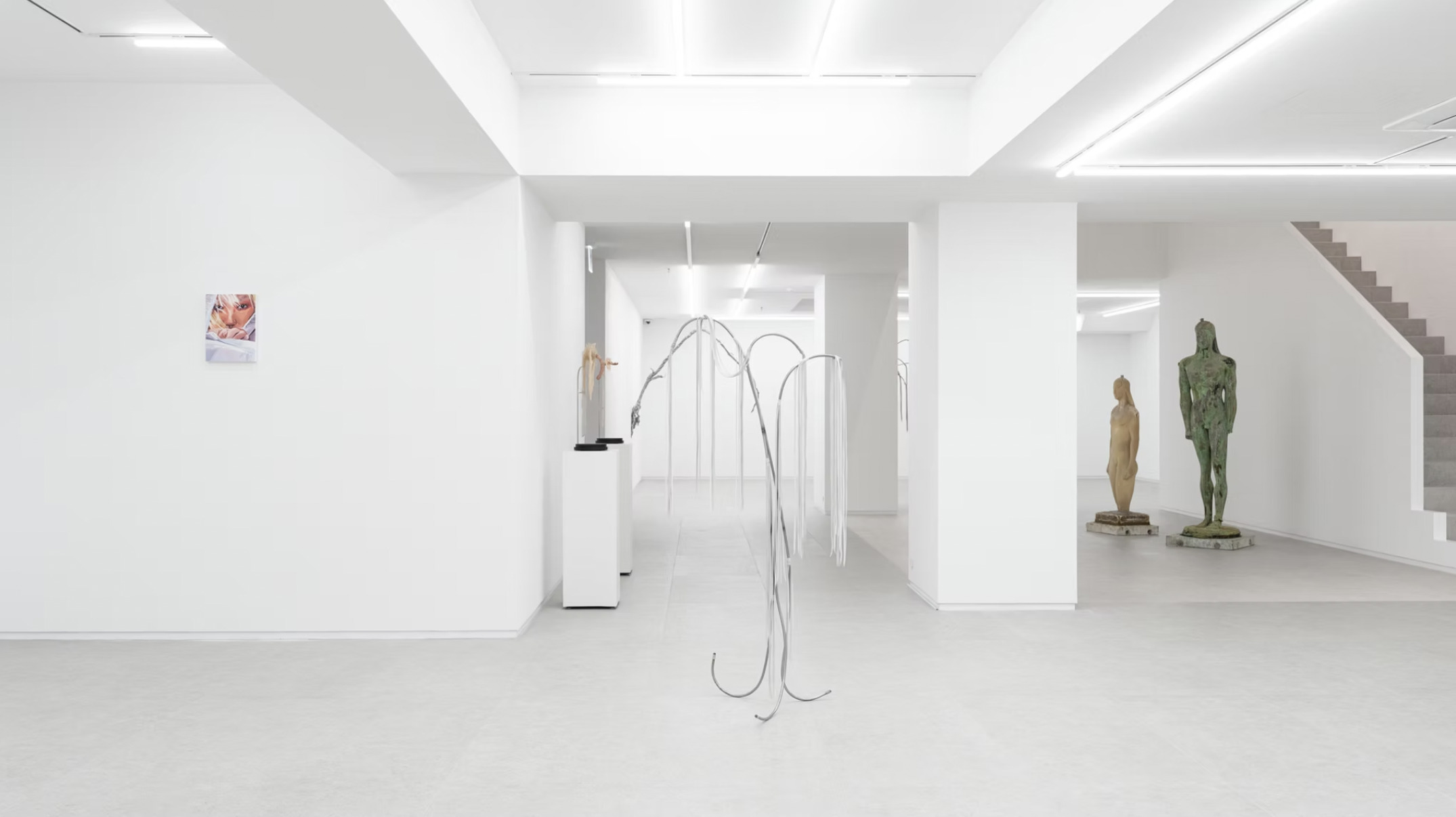
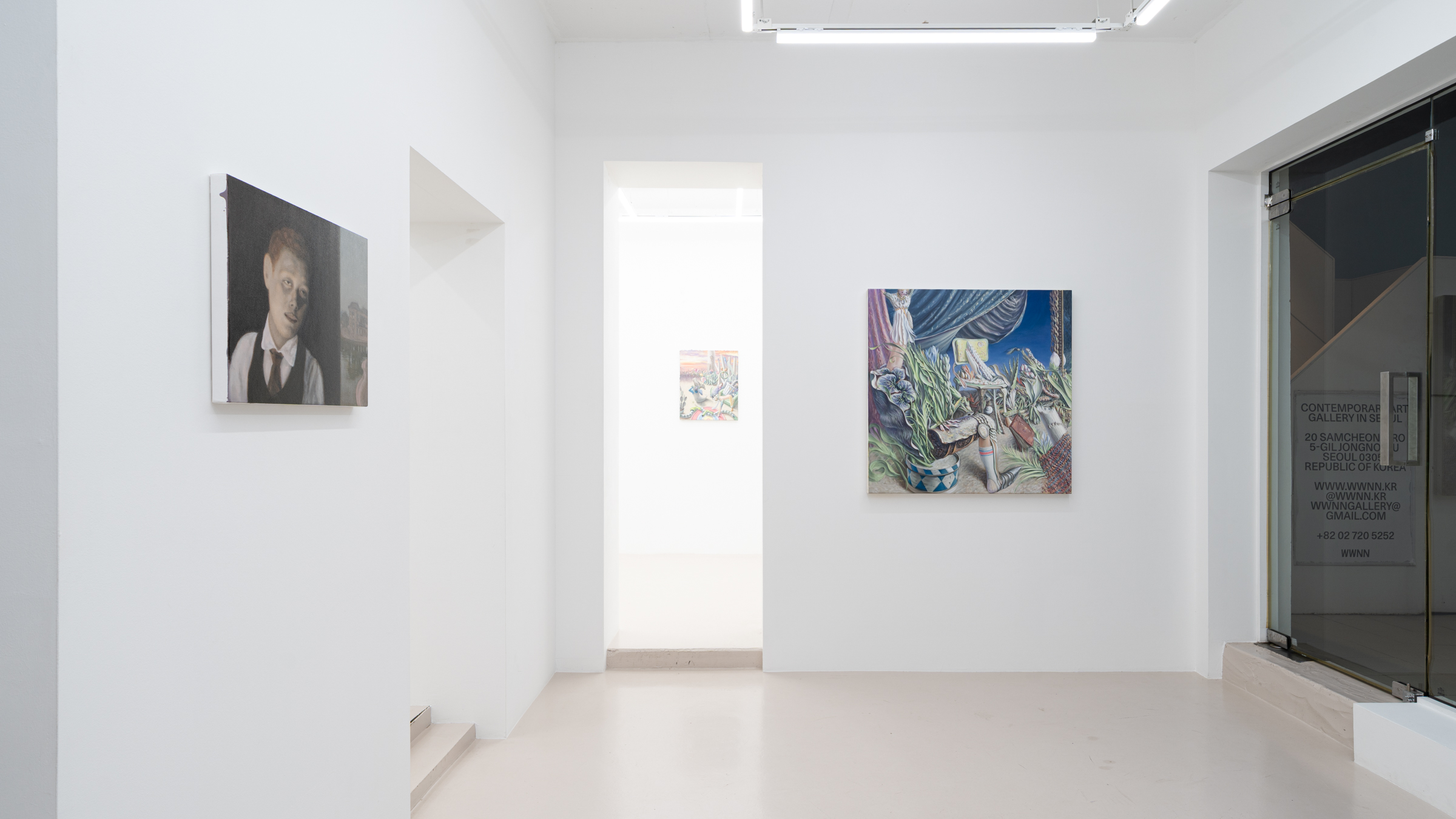
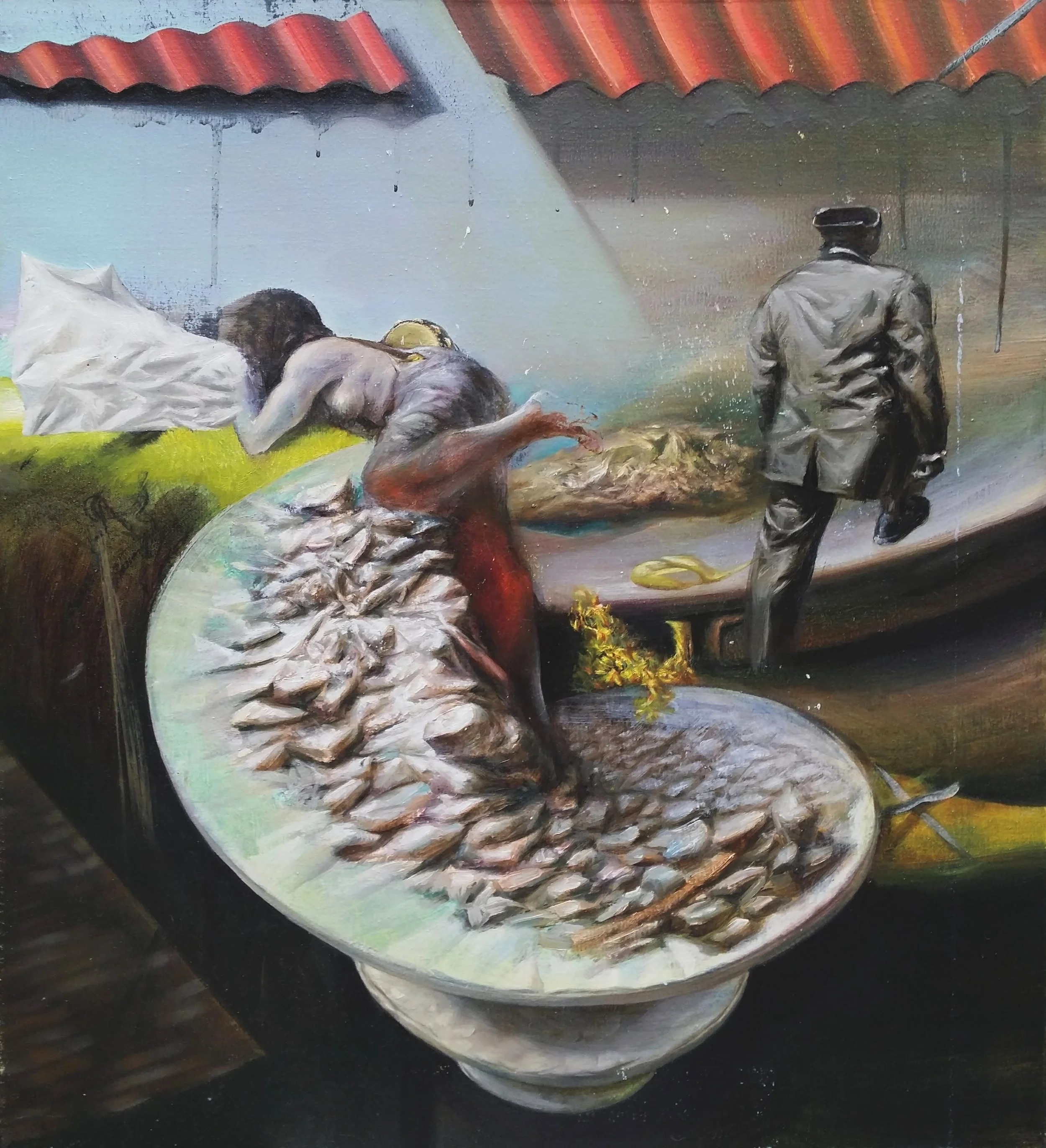
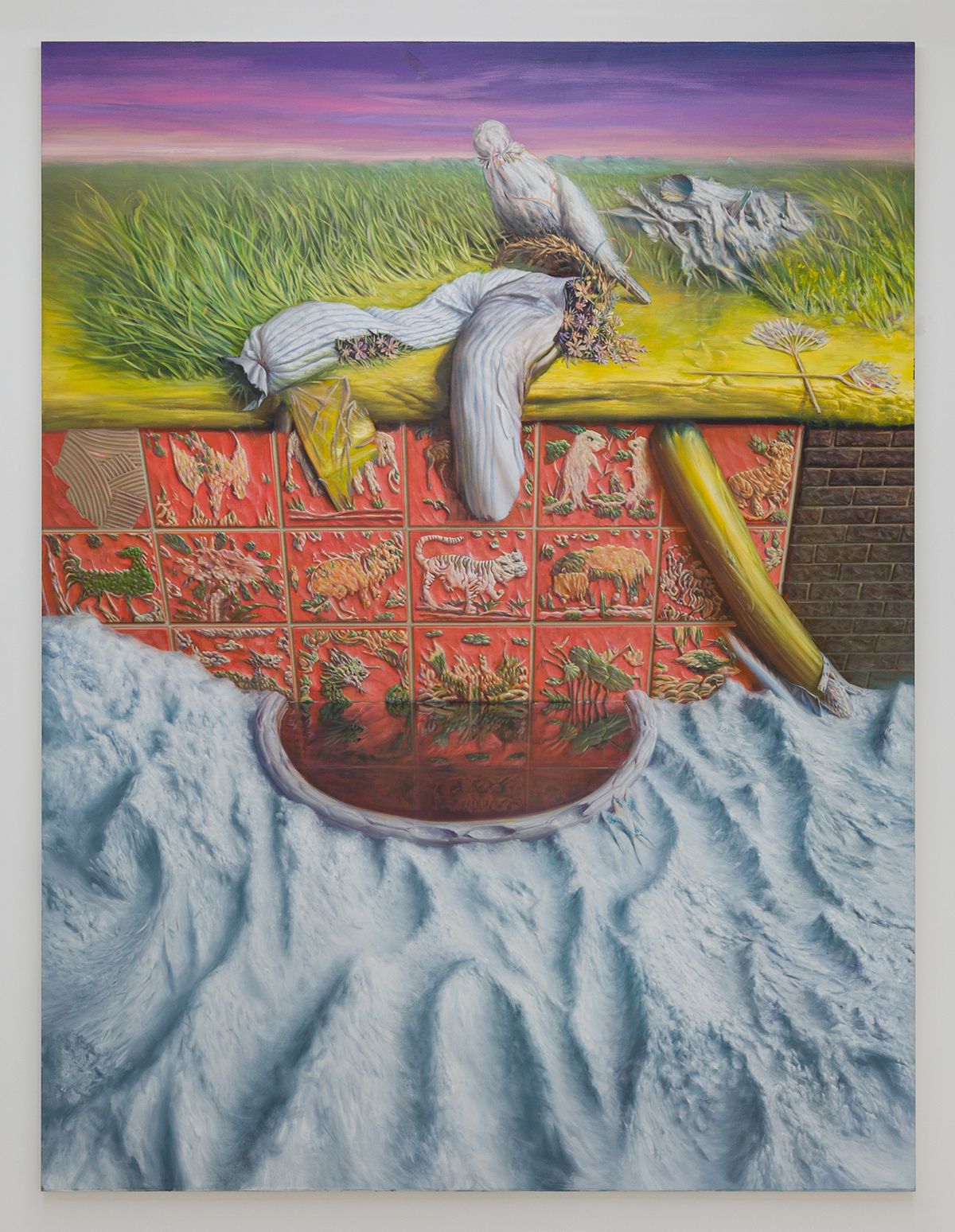
-First of all, among the many cities in Europe, I’m curious about what led you to stay and work in Berlin, the capital of Germany.
I did not come to Germany with Berlin specifically in mind. I initially came to Germany to participate in a residency program in Leipzig, a city about two hours by car from Berlin. I arrived in Germany about three months before the residency was scheduled to begin, so I had the chance to get a brief taste of life in Berlin beforehand.
-Since you were doing a residency program in Leipzig, did you come to Berlin first simply because of your flight arrangements and stay there briefly?
No, it was quite intentional. I anticipated that by the time my residency in Leipzig came to an end, I would have two or three options ahead of me. I would have to decide whether to remain in Germany and continue working with either Leipzig or Berlin as my base, or return directly to North America.
I thought that, however brief, having some experience of living and working in Berlin beforehand would help me make that decision later with less wasted time and fewer regrets.
-Was there any particular reason you chose Berlin?
I think a long-standing concern I had about my working process can answer that question. Perhaps the most common way for artists to work is to establish one central theme and produce several coherent series of works around it. By contrast, I found it difficult to fully understand the practice of “distributing” a particular subject across more than one work.
Whatever the subject might be, I tended to try to contain it completely within a single work. Once that particular work was finished, I would feel as though I had emptied everything out without any lingering attachment, and afterward I would no longer want to repeat anything—the same or similar subject, composition, saturation, or anything else.
In the end, for the sake of preserving the individuality of each work, I consciously sacrificed the kind of unity and consistency that works within a series commonly possess.
I continued working in this way until around 2010, when I happened to have an opportunity to sit down alone and calmly look through all of my works from the previous six or seven years in chronological order, one by one. I am still not entirely sure whether I had unconsciously been denying it until I could no longer do so, or whether I genuinely had not recognized it before.
What is certain, however, is that at that moment I simultaneously became aware of and acknowledged the themes and emotional undercurrents of separation or isolation that had been embedded in almost every one of my works without exception.
At the time, I had been searching for such a theme. I longed for a subject that was already intimate enough that I would not have to deceive myself while working, yet one that also possessed a resonance capable of expanding freely into the broader social realm. Once I began to see it, I became restless. I started wondering what kind of environment might be even slightly more ideal for delving more deeply into these themes.
I thought that a place currently experiencing social division, or one where the history or remnants of separation, isolation, and opposition had been preserved, could provide a meaningful psychological backdrop for my work. I considered a number of countries and regions that met these conditions, including Korea and Germany.
As I considered Korea, I realized that although the country had clearly been experiencing a nationwide state of confrontation for roughly seventy years, discussions and differing views on division tended not to circulate freely within society, but instead were often reduced to particular ideological positions.
Germany, on the other hand, was commemorating approximately twenty years since reunification in 2010 and was actively revisiting the gap between its history of division and its present reunified society. A wide range of views on division and reunification circulated in ways that were relatively fluid and took on interesting forms rather than becoming rigid.
This led me to conclude that Germany would offer an ideal environment for my work. And within Germany, I eventually came to Berlin, one of the cities most emblematic of the experience of division.
-So you came to Germany, and specifically Berlin, in order to further develop the themes of your work. After the residency program, you returned to Berlin. Did Leipzig not have much of an influence on your practice?
Leipzig had a significant influence on my work. Personally, both Leipzig and Berlin offer extremely compelling environments for me as a painter. One of the main reasons I came to Germany with Leipzig in mind in the first place was the appeal of the city’s own distinct history of separation and isolation, which differs from that of Berlin.
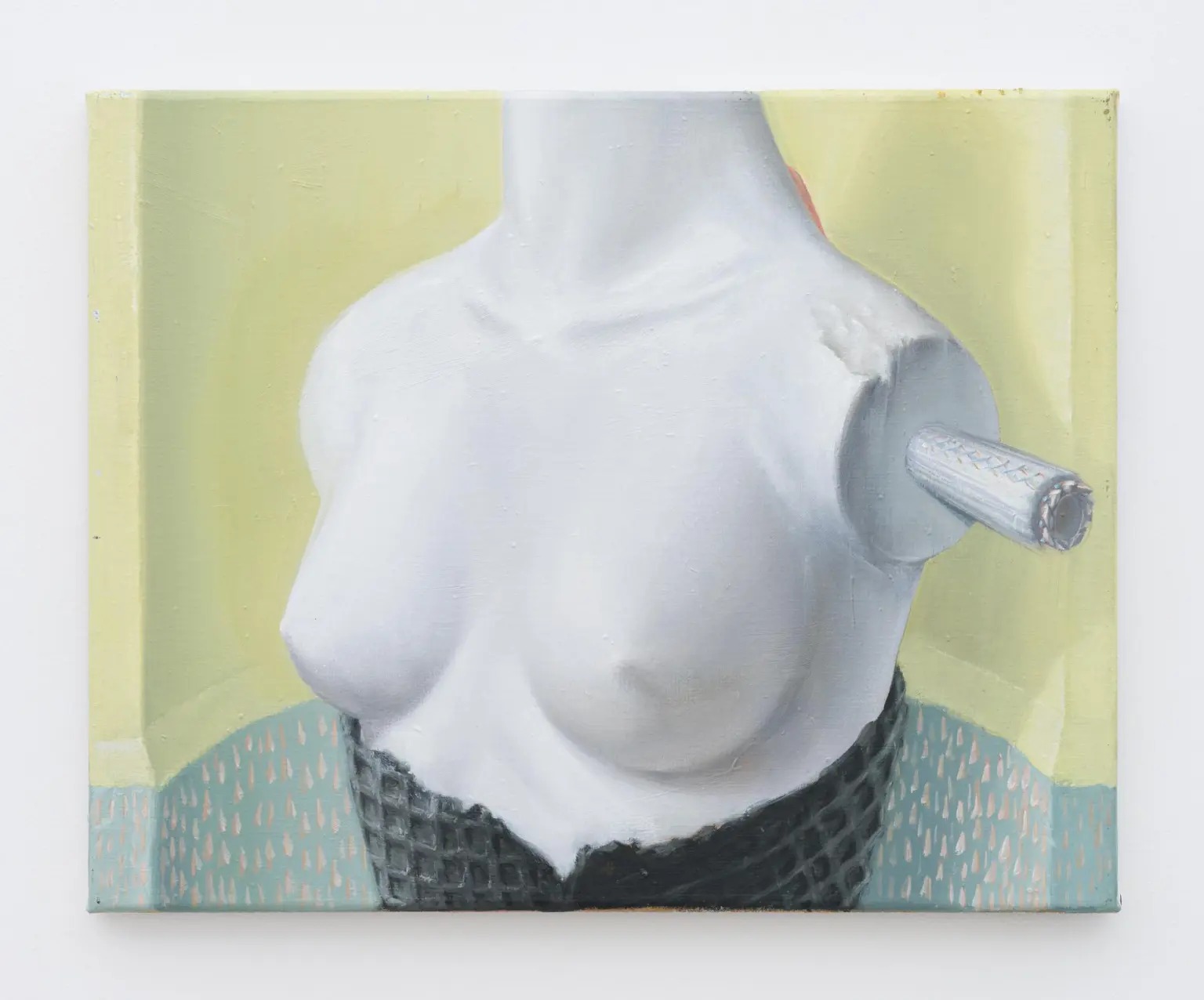
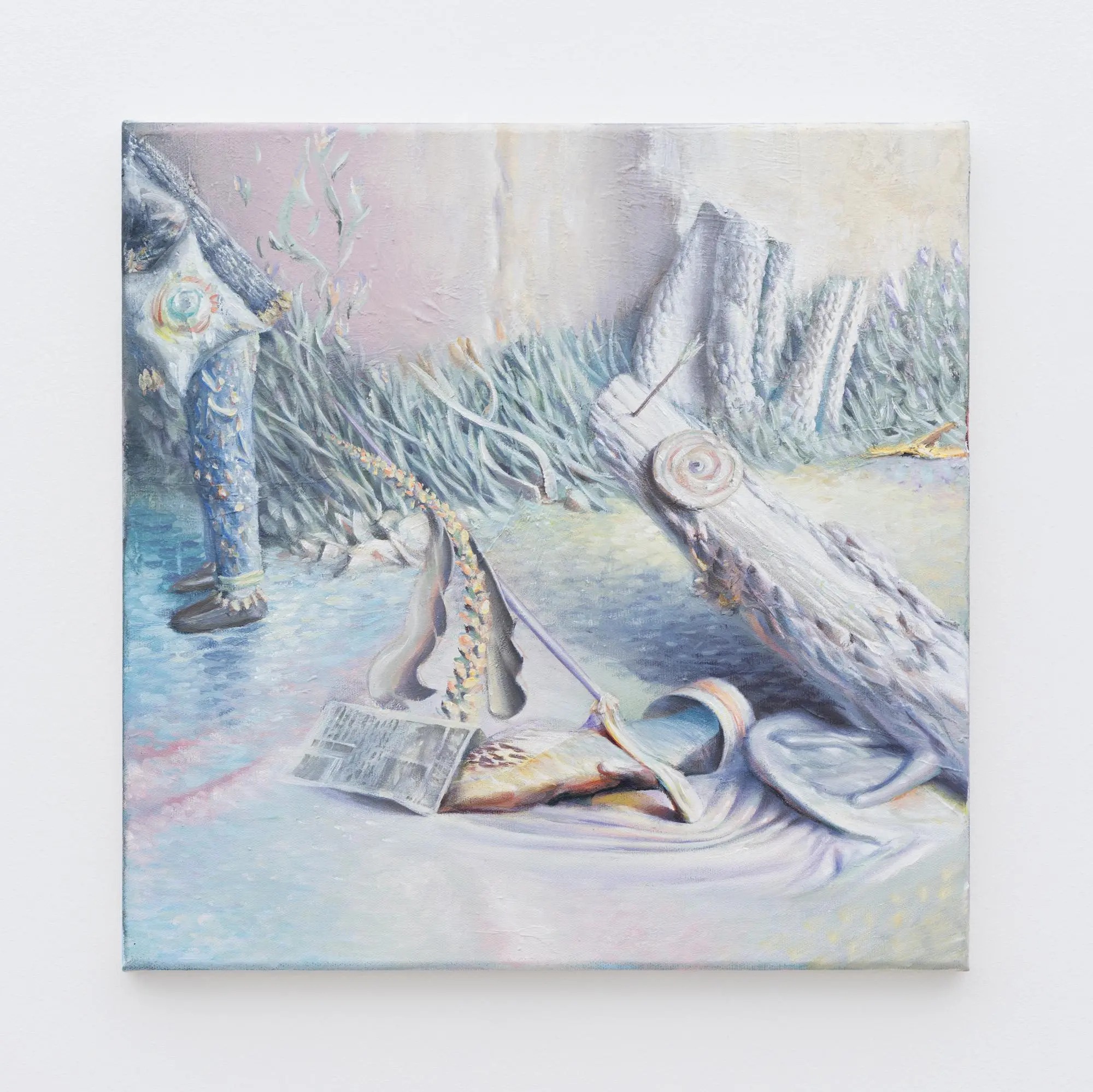
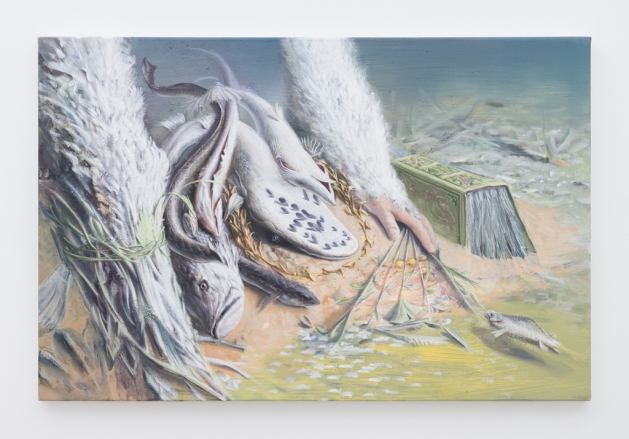
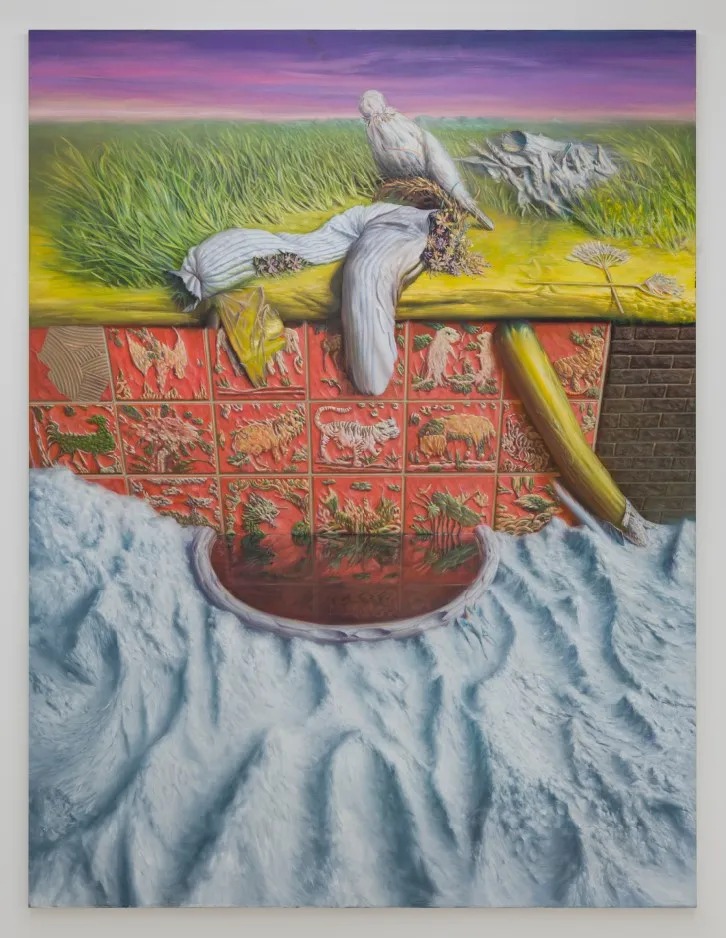
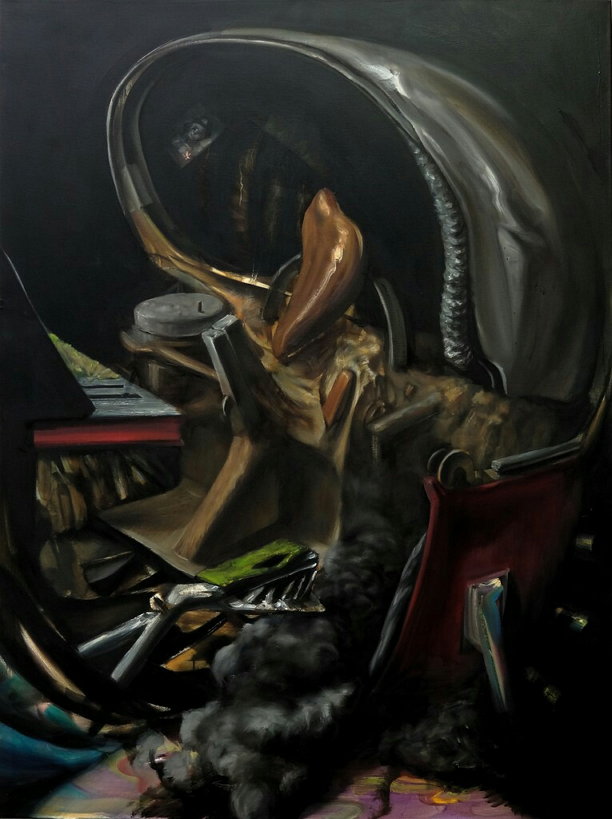
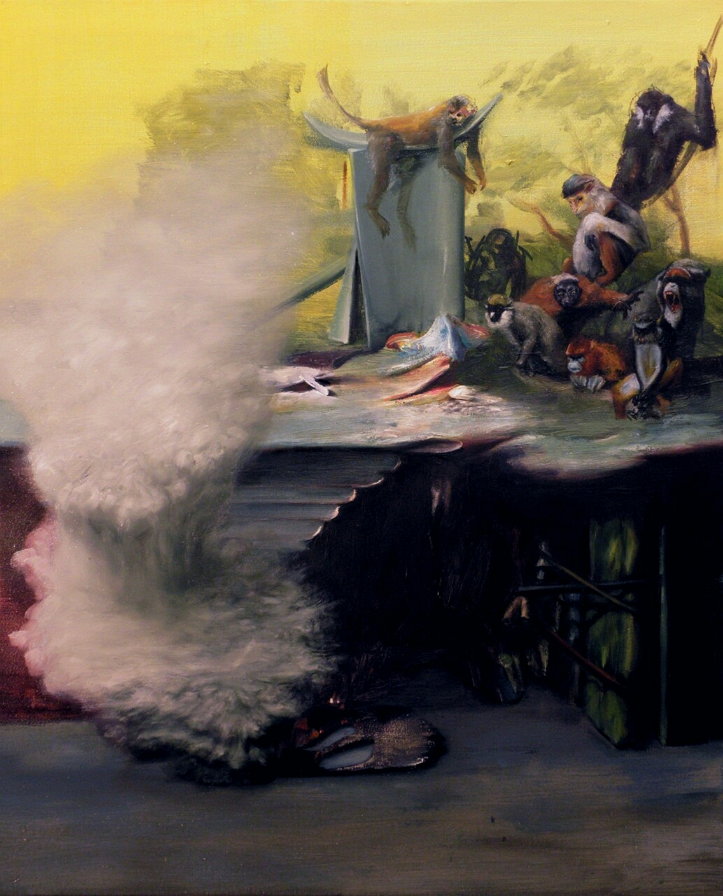
Having worked within the boundaries of portraiture and figurative painting for more than ten years, Leipzig was the first place that suggested to me—and gave me the opportunity to consider for myself—that “perhaps it is possible to move within and coexist with the currents of contemporary art without deliberately rejecting the figurative elements in my work.”
-You continued working at the residency in Leipzig before moving to Berlin. Did you relocate to Berlin immediately after completing the residency program?
No, I did not move to Berlin immediately after finishing the residency. Leipzig was the place that enabled me to change the approach and style of the working process I had been pursuing since my time in North America, so it was not easy to leave. There was also something compelling about the “timeless” community of artists there, where figurative painting still remained dominant—as if it might suddenly disappear the moment I looked away.
It had a subtle appeal that made me feel I needed to keep watching it closely. Hoping that the changes taking place in my work there would continue to develop and become firmly established, I stayed in Leipzig for another nine months after completing the nine-month residency program.
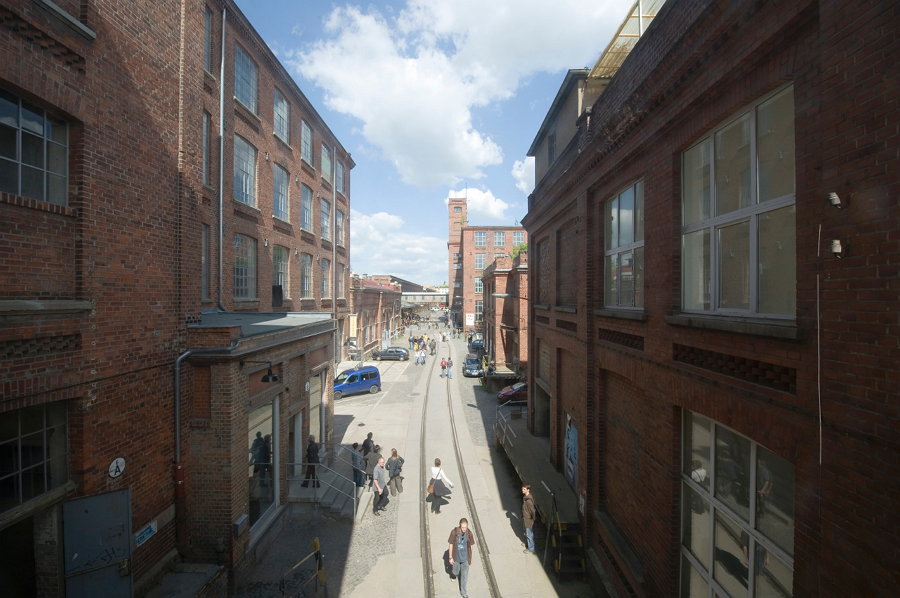
I was able to continue working in another studio within the same Spinnerei complex, provided through the residency. In the end, I spent about a year and a half living and working in Leipzig.