Kim’s
forms emerge through the process of measuring, decomposing, and rearranging
space. She treats conditions such as the floor, walls, corners, ceiling,
shelves, and light of an exhibition space not as external surroundings, but as
information that constitutes the work.
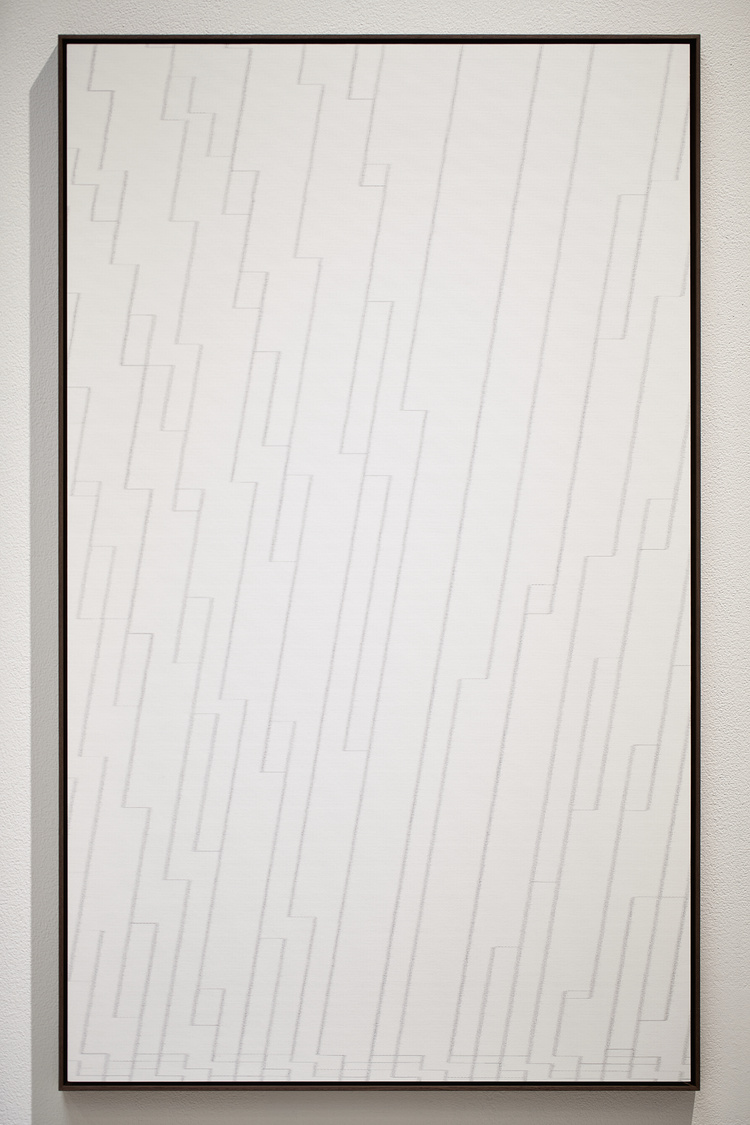
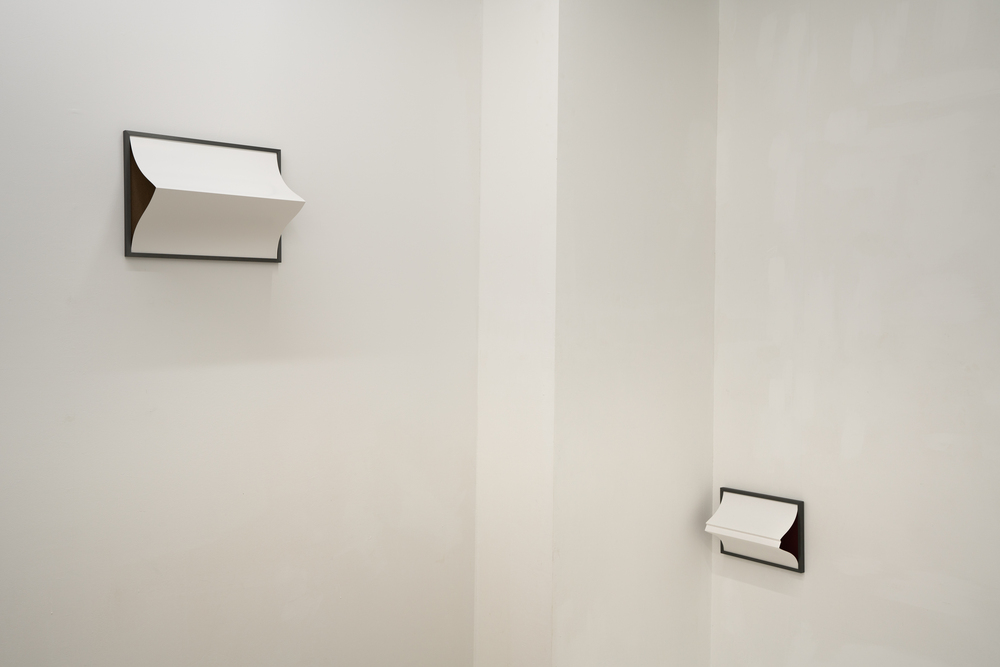
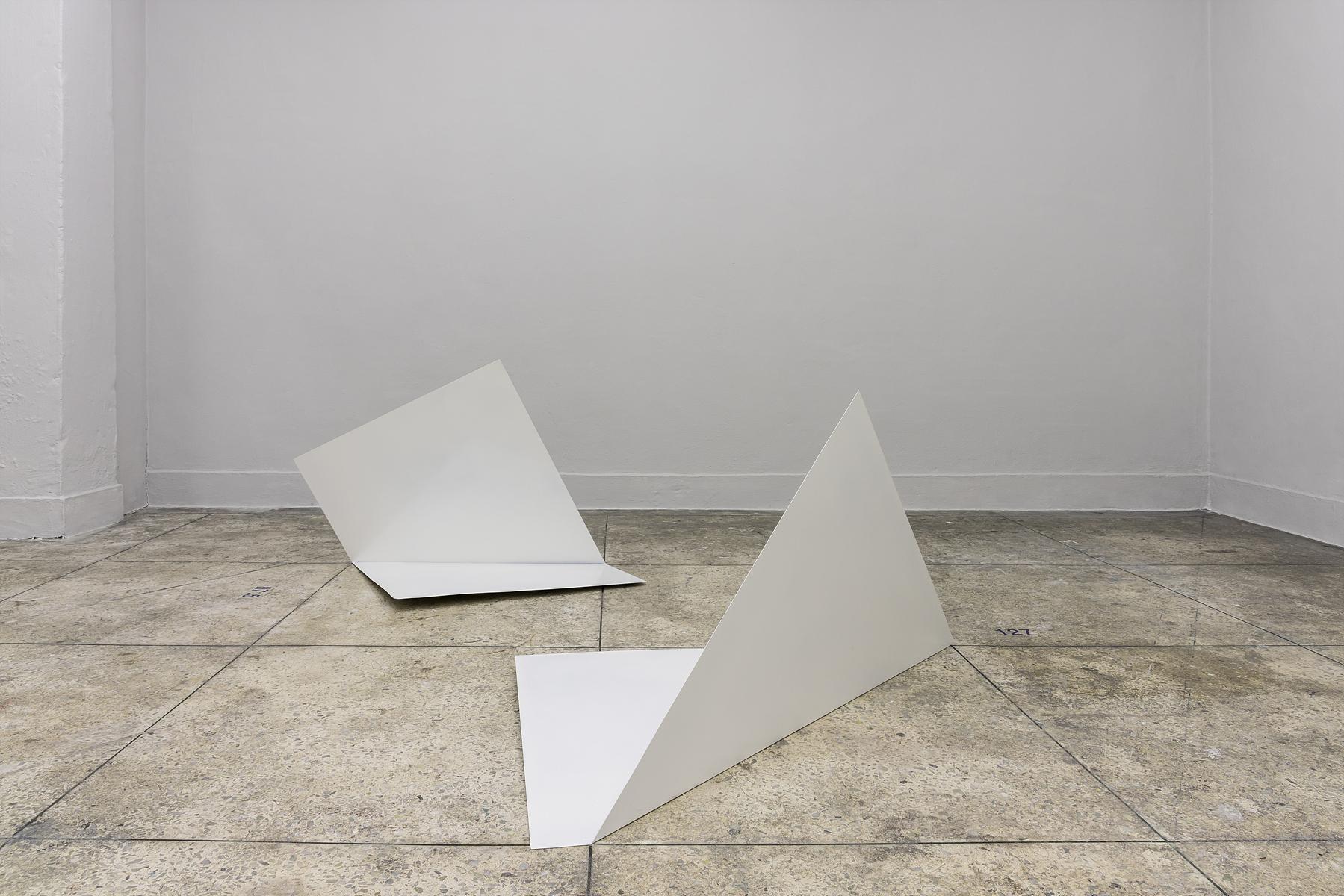
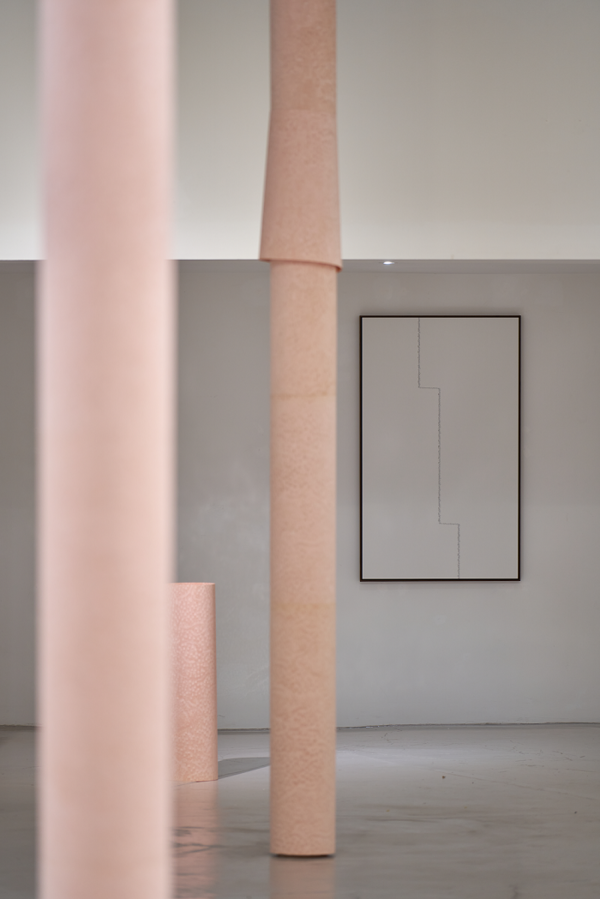
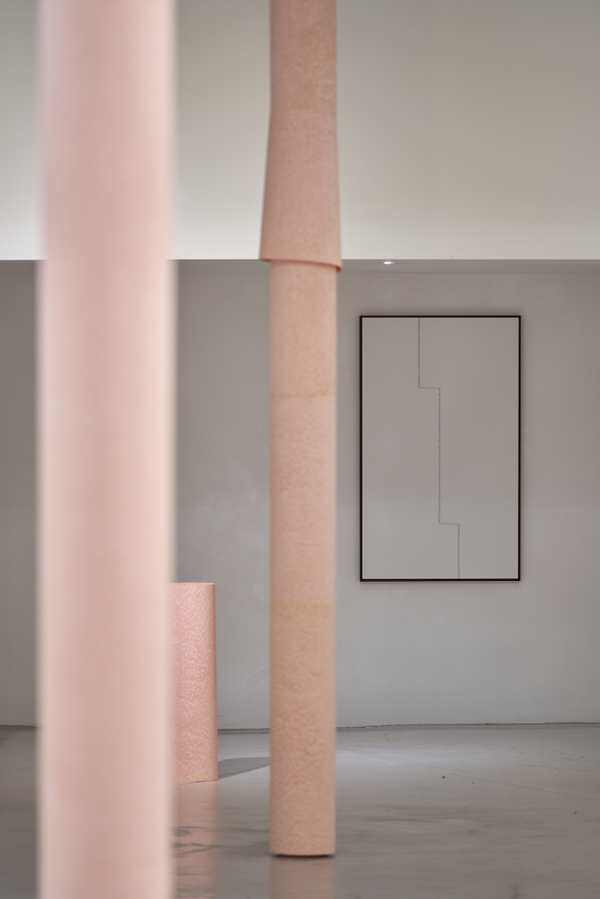
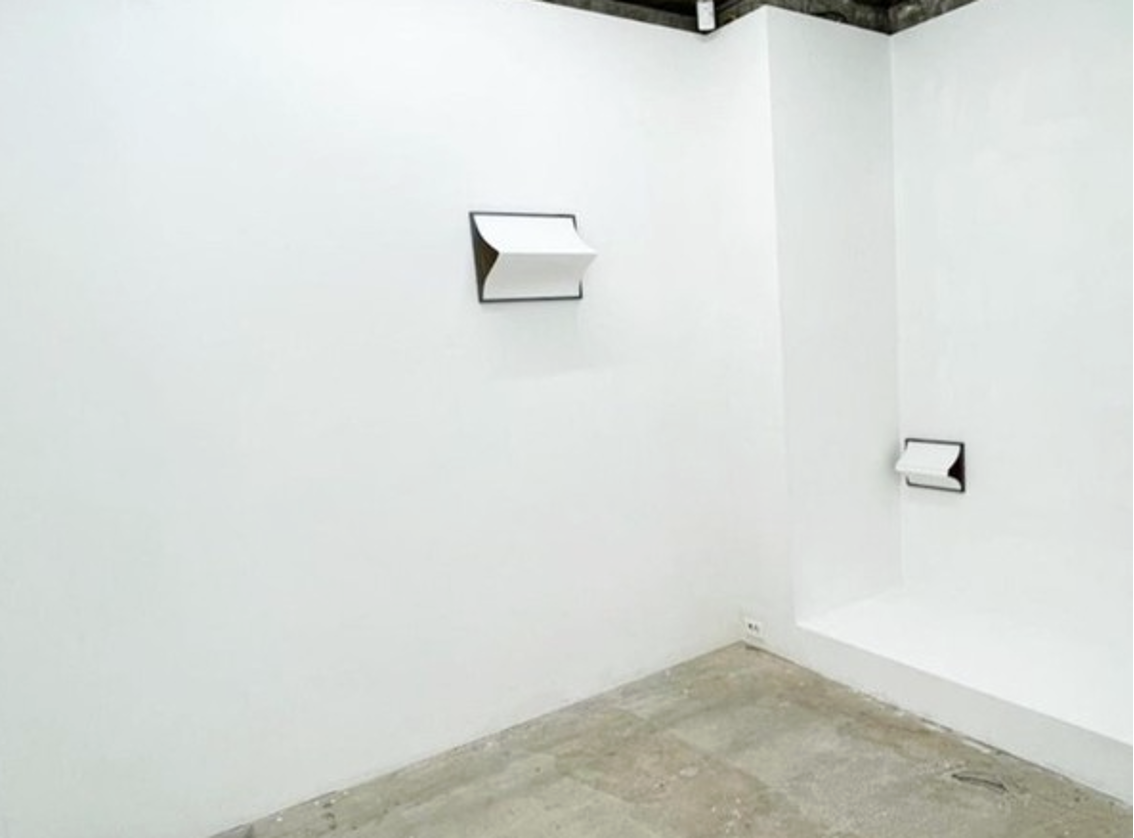
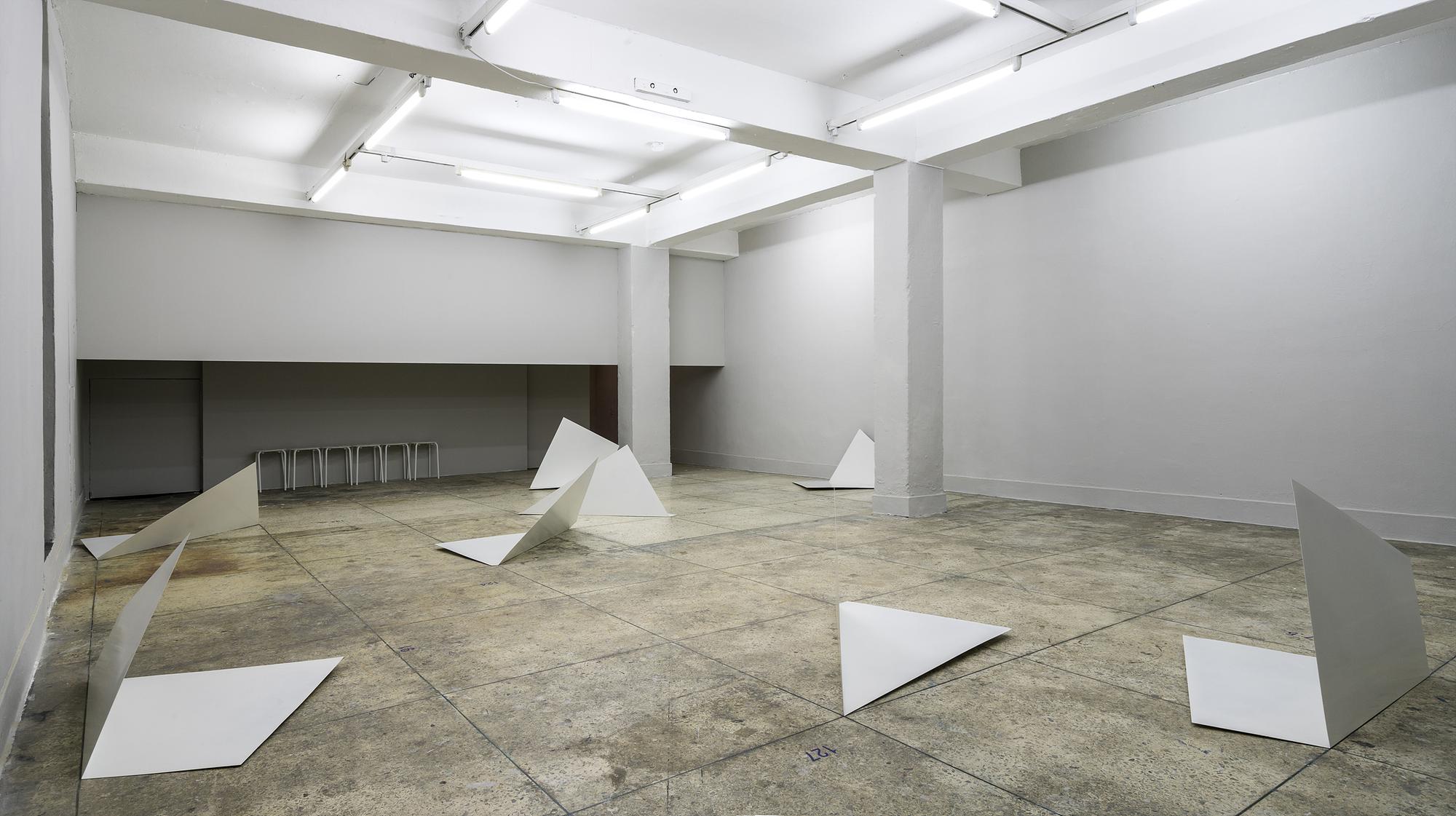
In 《Upsidesidedown》, folded aluminum boards and
jangji encounter the grid of the floor, becoming both drawing and sculpture,
while opening up different dimensions of space depending on the viewer’s
position. At this point, the work is closer to a scene that occurs where the
structure of space and the viewer’s gaze meet than to an independent object.
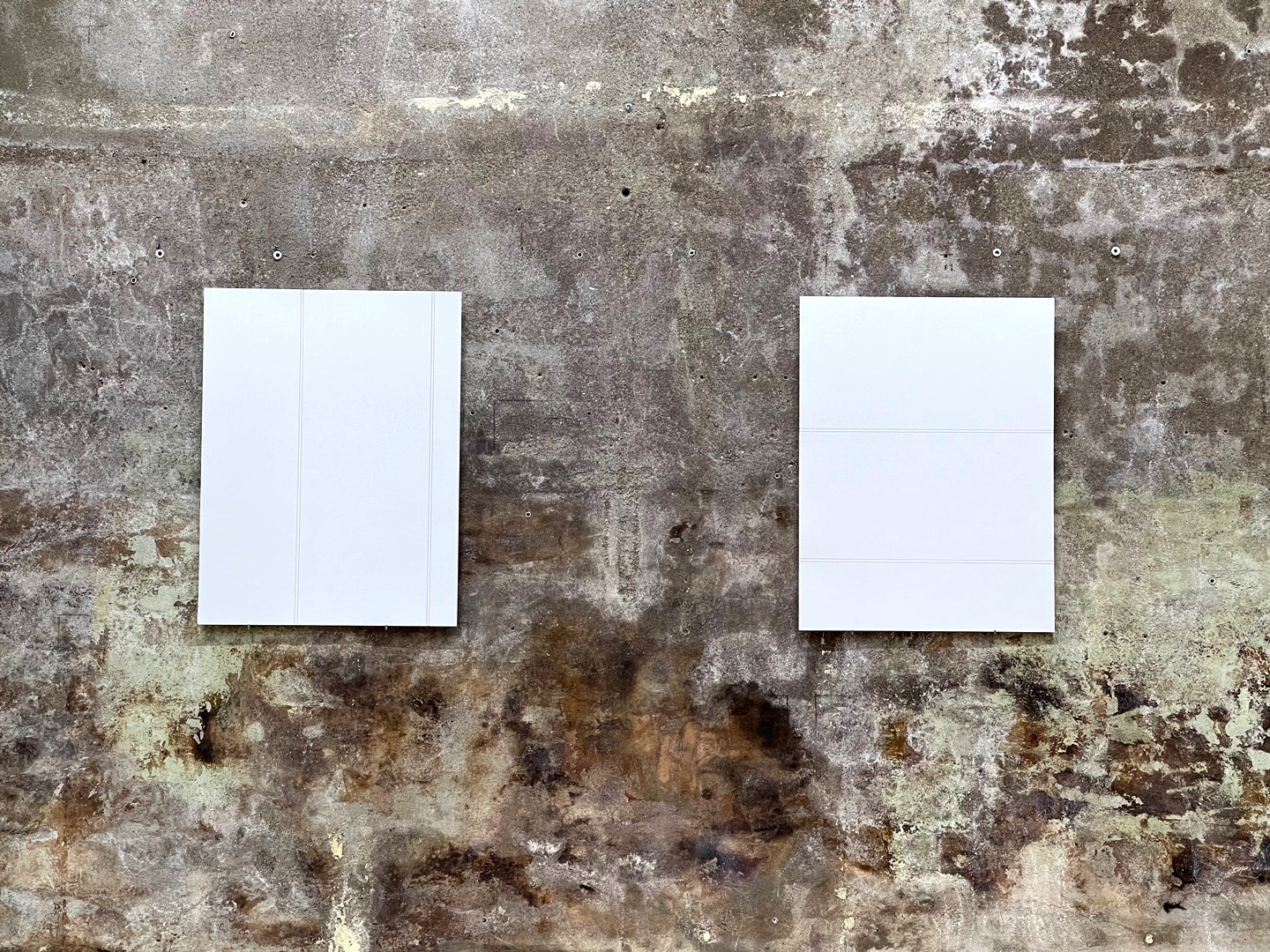
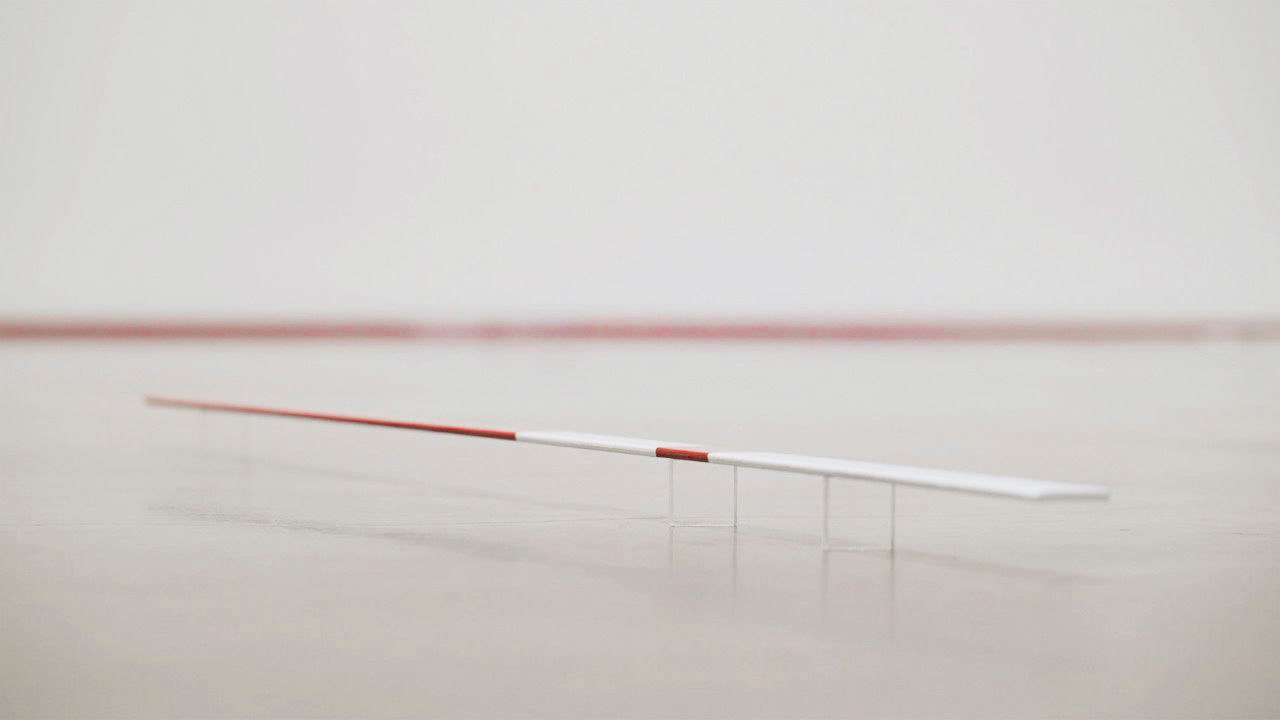
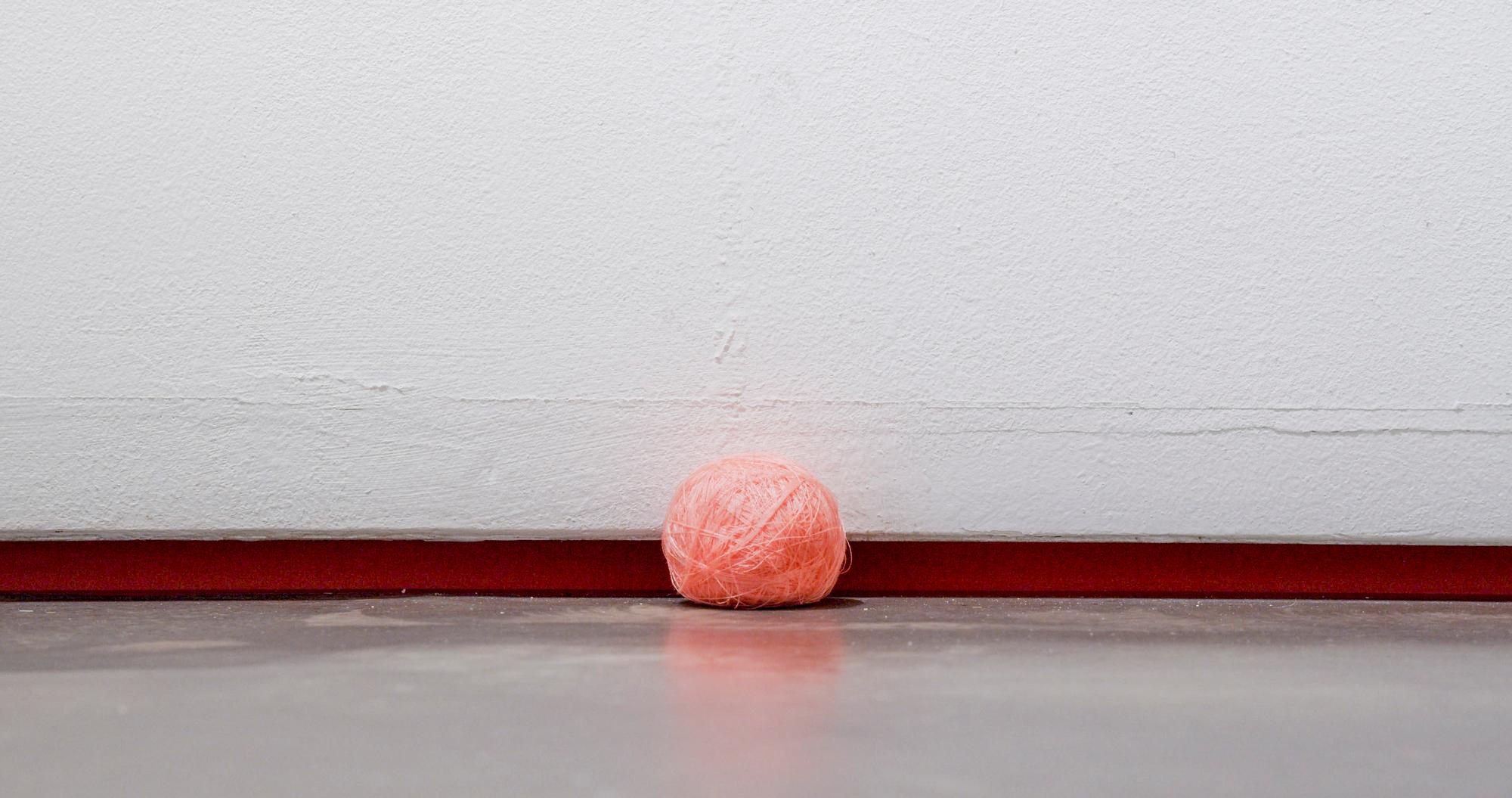
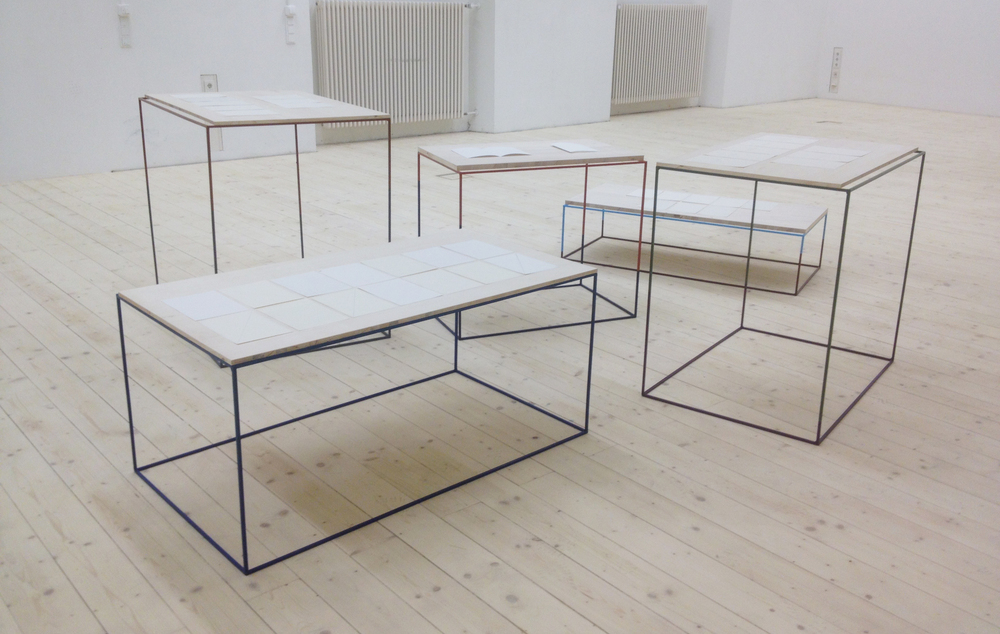
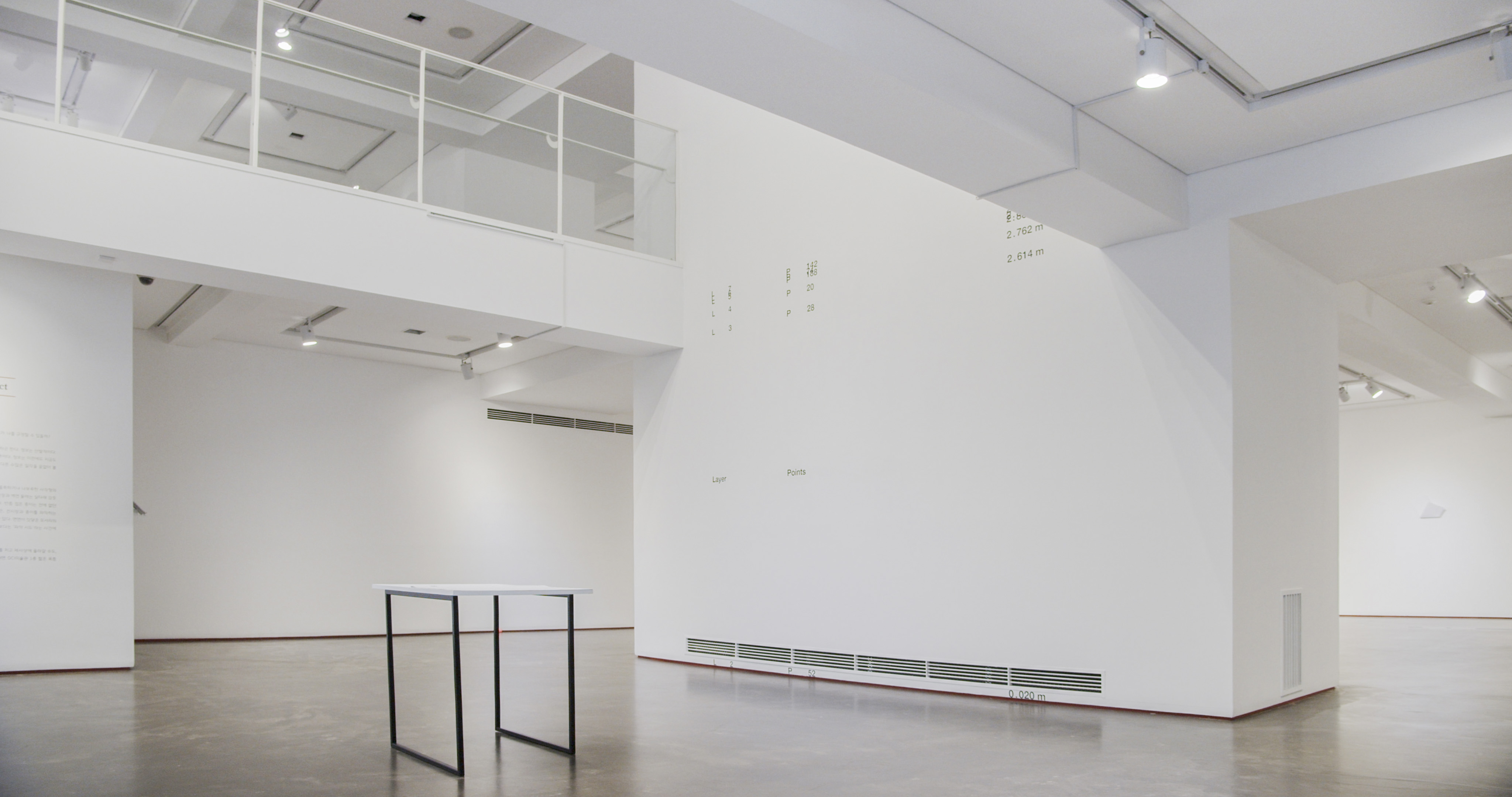
In 《Not Just Tiny But Abstract》, invisible
information such as numerical values, coordinates, angles, and lengths is
transformed into stainless steel lines, thread, artist’s books, and color
values. The artist measures information as precisely as possible, yet she makes
central to the work the fact that these results can never fully define the
entire space.
The way viewers turn and crease the pages of a large artist’s
book and experience information through sight, touch, and sound shows that
information does not remain abstract data, but can be embodied as physical
experience. For Kim, form is not a matter of making something resemble an
object, but a way of transferring information into another form and revealing
the differences that arise in that process of transformation.
Since the
2020s, digital modeling and rendering, screen-like planarity, and digital
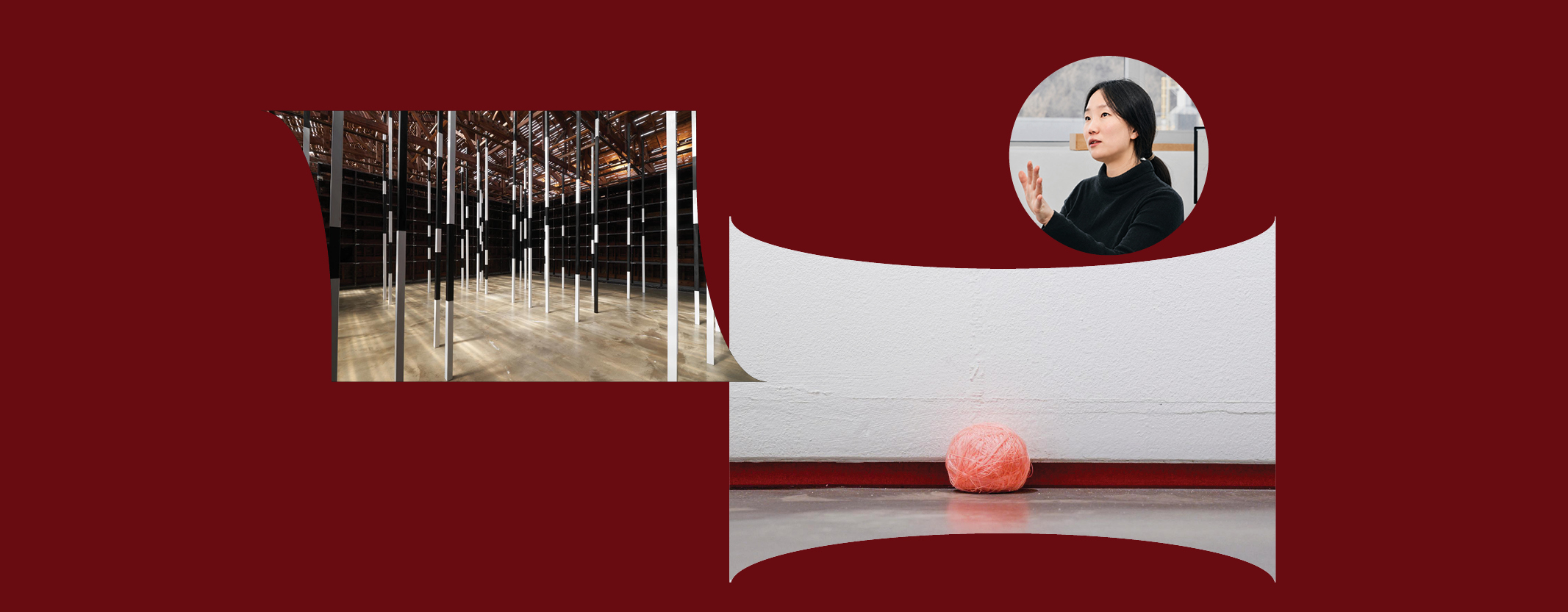
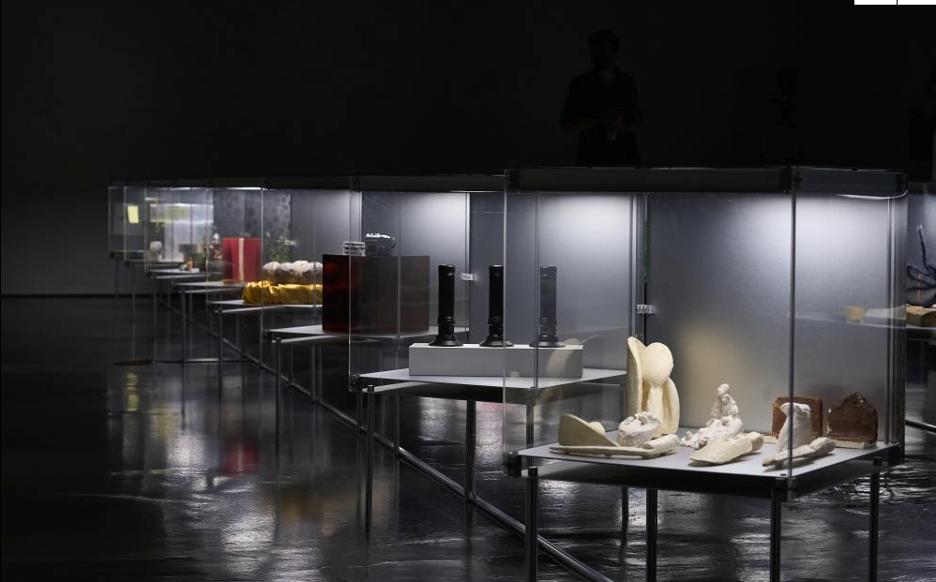
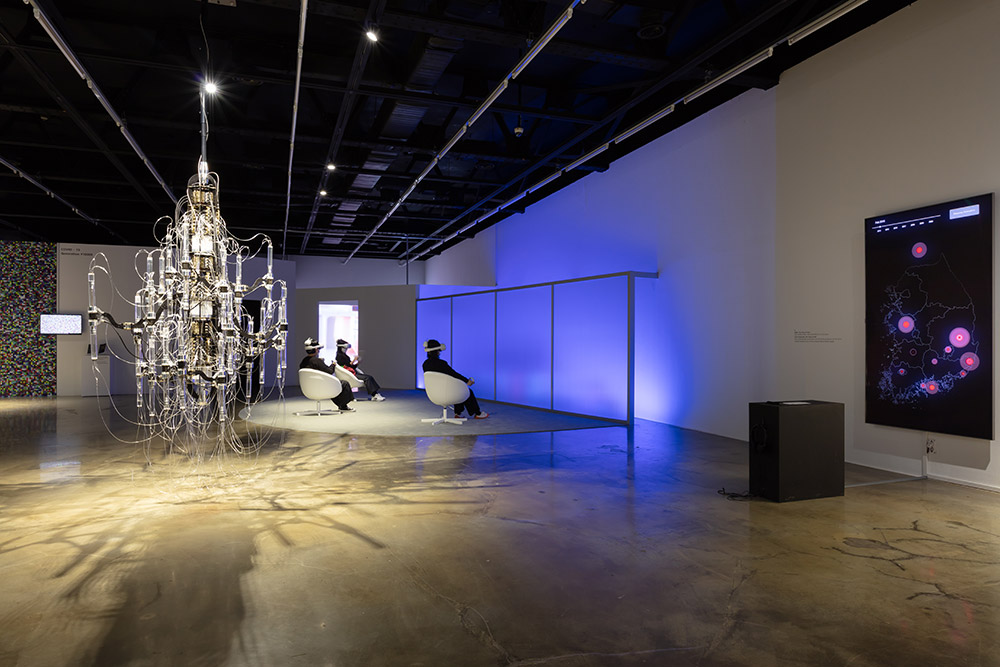
material have appeared as key formal elements in her work. 《Romantic Storage》(SeMA Storage, Seoul, 2022)
interprets a former reagent warehouse as a temporary storage site for
fragmented information, installing information translated into binary code as
structures that move the viewer’s gaze.
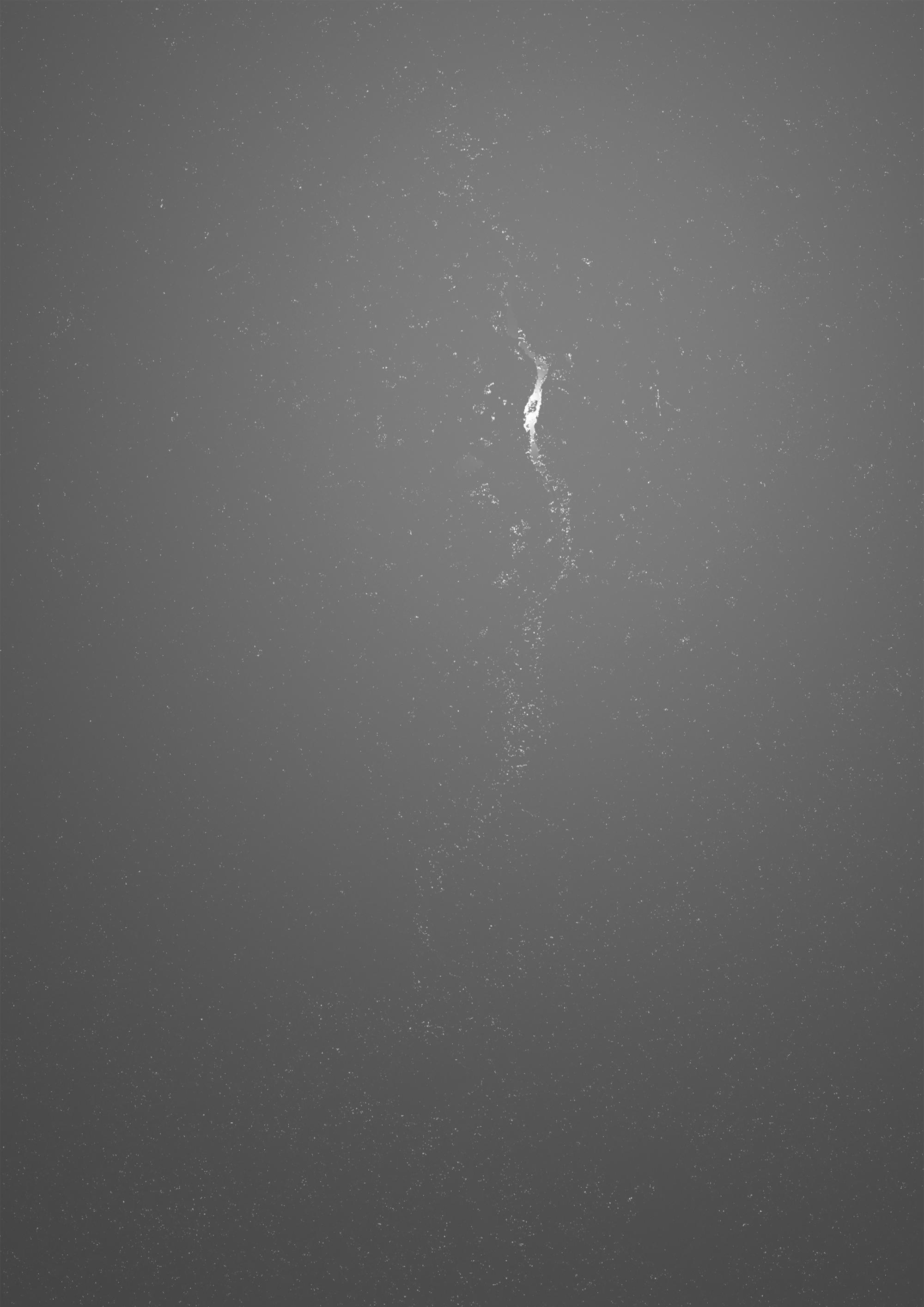
The 3D-rendered works in 《Slicing Space》 detach physical space into
digital planes and bring them back into the exhibition space, showing the
relationship between space and image, surface and layer. In this process, the
artist does not display the digital as a technological effect, but treats it as
another material condition through which space can be sensed and understood.
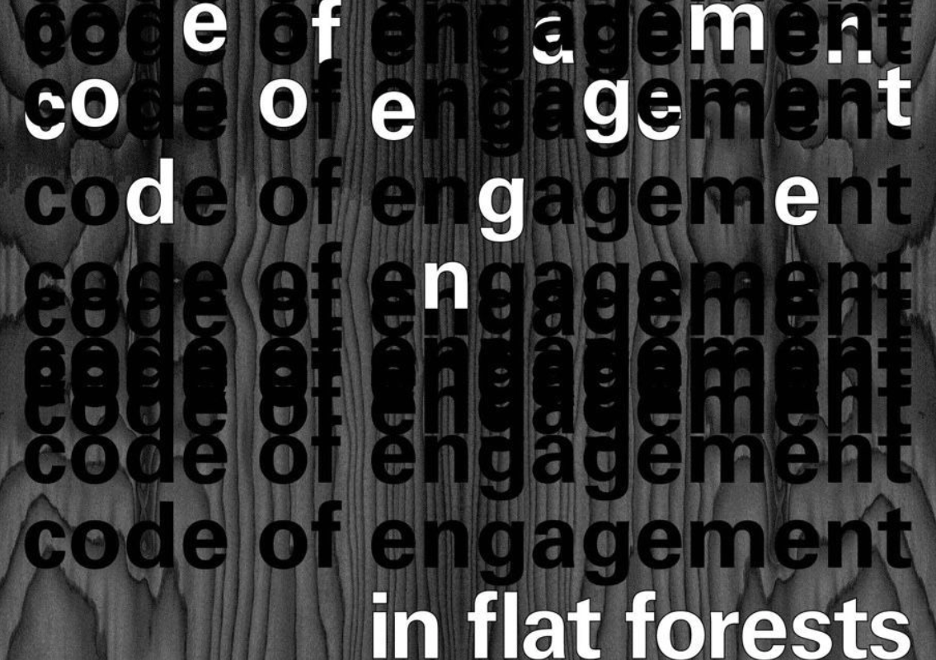
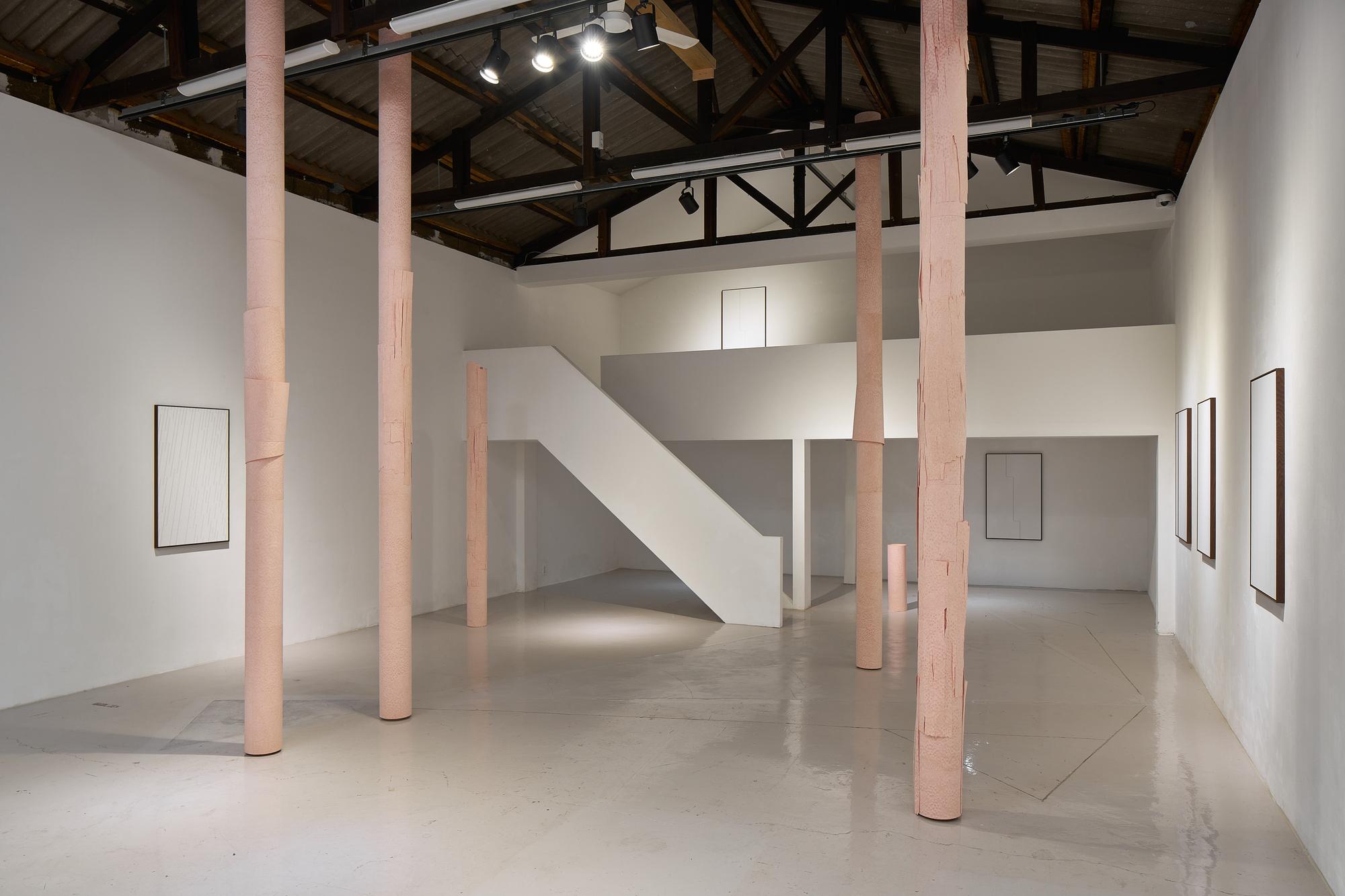
《Configuration-Event》 and 《code of engagrment in flat forest》(Hošek
Contemporary, Berlin, 2025) clearly show Kim’s recent direction of connecting
digital structures with natural patterns. In 《Configuration-Event》, wood veneer functions as the surface of biological and
environmental information accumulated by the tree, while digital structure
operates as a layer of information that lacks tactility but clearly reveals the
meaning and structure of the image.
In 《code of
engagrment in flat forest》, Kim combines the complexity
of natural forests with the organic patterns of digital space through #
FlatForest, creating a field where physical space and digital sensation meet
through sound, movement, and structures of elastic lines. In this way, her work
continues to expand as drawing, installation, digital images, natural
materials, and the viewer’s movement enter into relationships and generate new
forms.