Jorge Luis Borges spoke of the point in which space and time exist in the same place and space where the universe’s expanse is held without contracting, “the aleph,” with a certain specialness about places.
Eun Chun’s first documentary photograph collection, in which attachment to qualities of time and place were powerfully placed in the early 2000s, penetrates the place and time Borges speaks of that is an “aleph,” which is the first Hebrew alphabet letter meaning “the beginning.”
The objects holding exotic sentiments, the old antiques that were collected since a long time ago, and objects that are not used as anything and have functions that could start and end anywhere, and Eun Chun’s objects that should be called my assets can be called the time that was with Chun to date and a cross-section and roots of a private history.
The objects that have continued from someplace she did not know have moved through several dimensions with events that unfolded in an unnamed place and someone’s traces. The artist, who started collecting objects fragmentarily holding traces of time, began observing places to capture moments in which subjects could temporarily exist.
After filling her backpack with objects she collected, Eun Chun suddenly embarks on a domestic trip one day in 2000. It was to assign special places and time to individual objects holding stories she collected in layered time and venues. Chun may not have managed to finalize a systematic way to categorize places, but she moves through several locations as she begins categorizing based on each site’s geographic location.
Records of places arranging and positioning in detail objects at the beach, a mountain ridge, rock, protruding terrain, a junction, a river, and an entrance to silver grass were likely of another dimension describing places of memory through objects and recalling memories.
The landscape in which objects are lined up and placed in different places is established as coordinates of a landscape viewed through the eyes of objects, and thus the photographer’s attitude borrowing the subject’s gaze in the most basic way is glimpsed. Her gaze leading through general methods to record places here leads to neutral depictions, and photography then clearly reveals successive and realistic qualities.
Chun’s early photographs have displayed successiveness toward the subject as the artist clearly captured places and time while traveling between different sites. Traces of having agonized over gazes exchanged as if being conscious of observers from outside the photographs are roughly revealed in the early photographs.
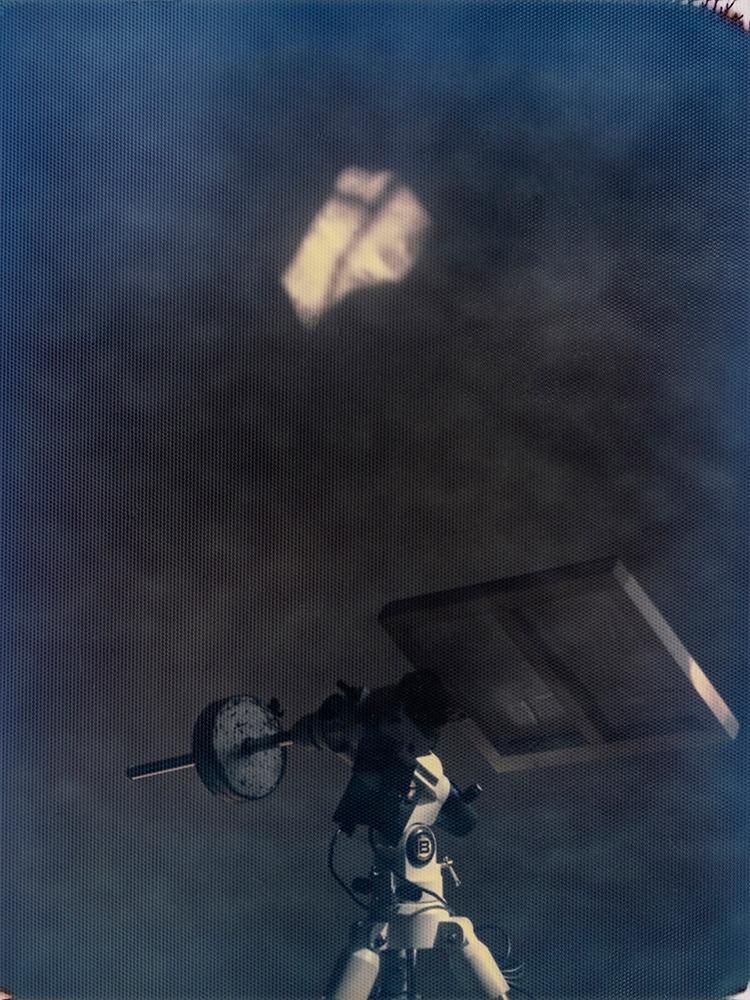
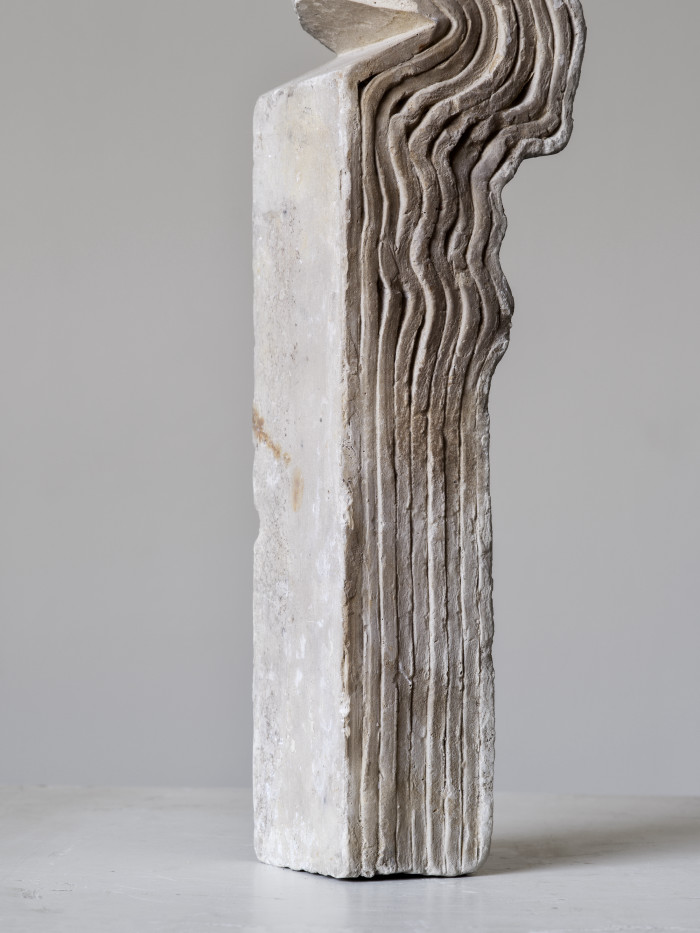
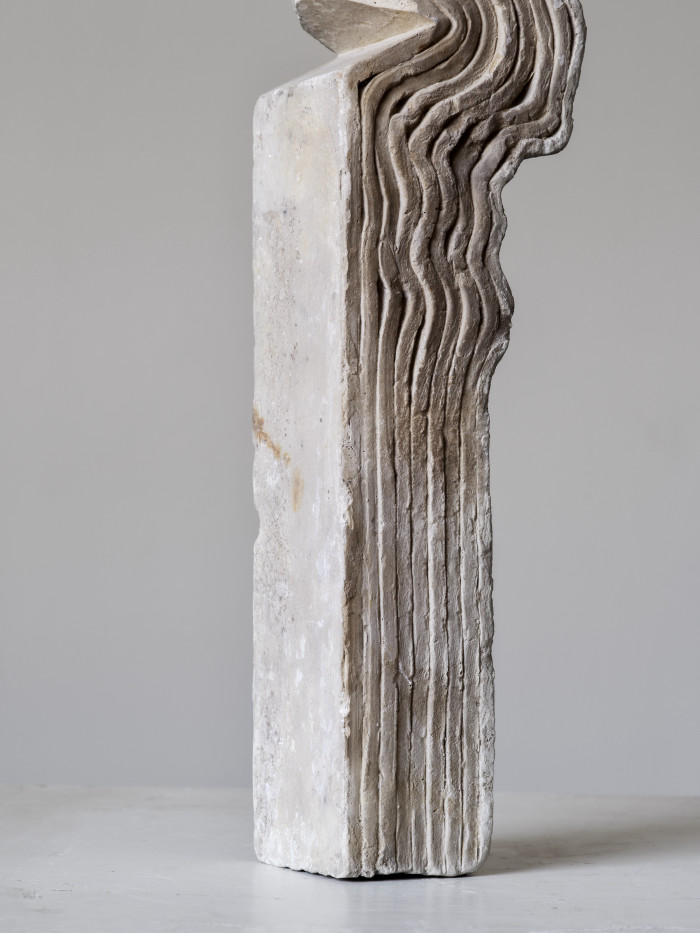
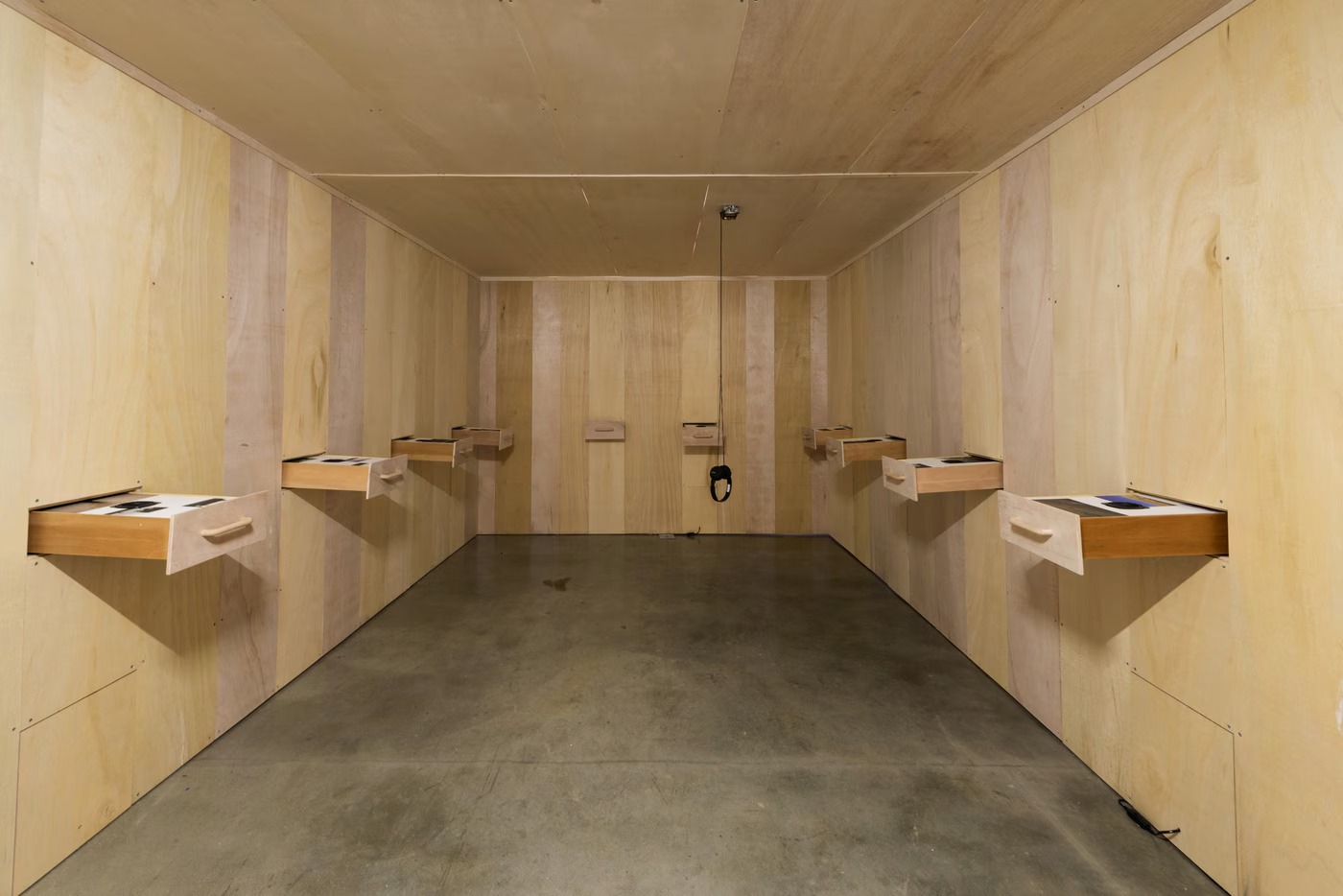
In contrast, The Photography Is the Retina of Scholars: Song Jaewon, Gibbous Moon (2012), a picture of an object viewed through an astronomer’s telescope, Geum-gok, the Memories, a record of the artist’s 2016 interview with blind senior citizens in the form of brail, text, and imagery, and ‘Le repos incomplet’ (2017), which was for understanding the gaze of Chun’s sculptor father, are an echo of gazes fabricated more delicately belonging to Chun, who sought to reach other peoples’ actions and thoughts.
Going back in time again, the artist’s early series, in which she traveled with a bunch of her objects unlike in her sensitive recent work, kept the focus on her attitude toward herself while simultaneously treating the gaze as the other by borrowing the subject at the site-specific choices she demonstrated.
The artist’s gaze, which moves through the camera lens, and the scenery that passes through the lens according to the direction and angles at which objects are placed can be performed as the gaze of a nomadic object that travels to various places. The repetitive act of a traveling artist unpacking and repacking her backpack results in the relationship of the artist’s identity and placeness regarding the temporary reversion of nomadism and settlement.
Regarding the physical aspects of places and the coexistence of nomadism and settlement, the geographer Tim Cresswell refers to a place as a certain location to which meaning and attachment are assigned, i.e., a meaningful site where a sense of location, scene, and position are combined. As such, Chun Eun has been presenting the sensibilities of a gaze exploring the relationship between space and time by discovering places to belong to through the medium of objects as she moves, and by treating objects and places in a nostalgic way through affection for her subjects.
Such sensibilities were perhaps about the artist wanting to capture the flow of a place’s absolute space and time accumulating and moving, separately from her occupying one site after another.
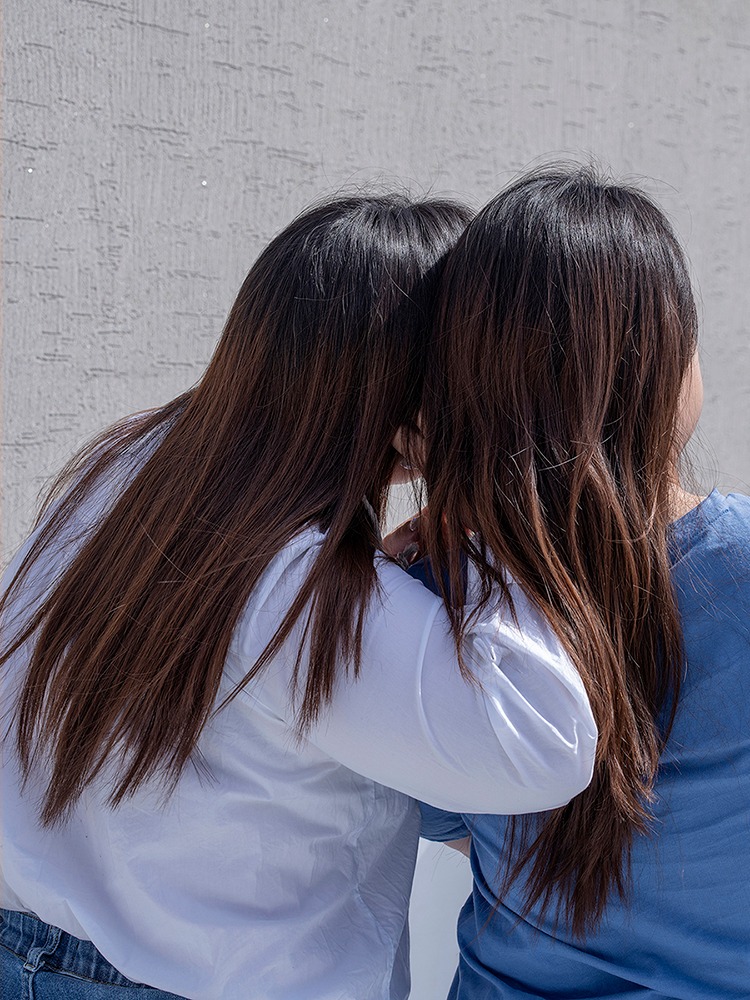
Chun once spoke of sensibilities about “respect for subjects” and “the gaze of another world” in an interview. If she had expressed other people’s sensibilities and attitudes regarding a world that was unknown to her in the Le repos incomplet series, which settled as the surfaces and mass of the intense physical qualities of objects the sculptor’s fingertips have passed through, she includes time through a body part regarding blind people’s gazes, which she cannot see or sense, in The Child, Reading a Different Poem #2 (2015).
The difference between these two is caused by the ambivalent attitude of the body that has been exposed for the hidden body and gestures directed at an object regarding the sculptor and the blind people’s perspectives. It is visible that the difference held by the weight of the gaze of the other world Chun captured is scrupulously revealed.
Returning now to Borges, the way he imagined the ideas and images of novels likely represents alternative writing that cannot be recorded through the poetry book El Hacedor(1960), which he wrote while losing his eyesight, sensibilities that are similar to those of pursuing the writer’s attitude of having to understand the world differently and accept it through the monolog.
The sensibilities of the gaze Chun sought to include are perhaps like sharing a different world’s emotions regarding the fear of the reality one could stand on and touch having grown distant from seeing, like in Borges’s poetry line “an impenetrable mirror on which images’ exclusive spaces are exhausted and begin.”
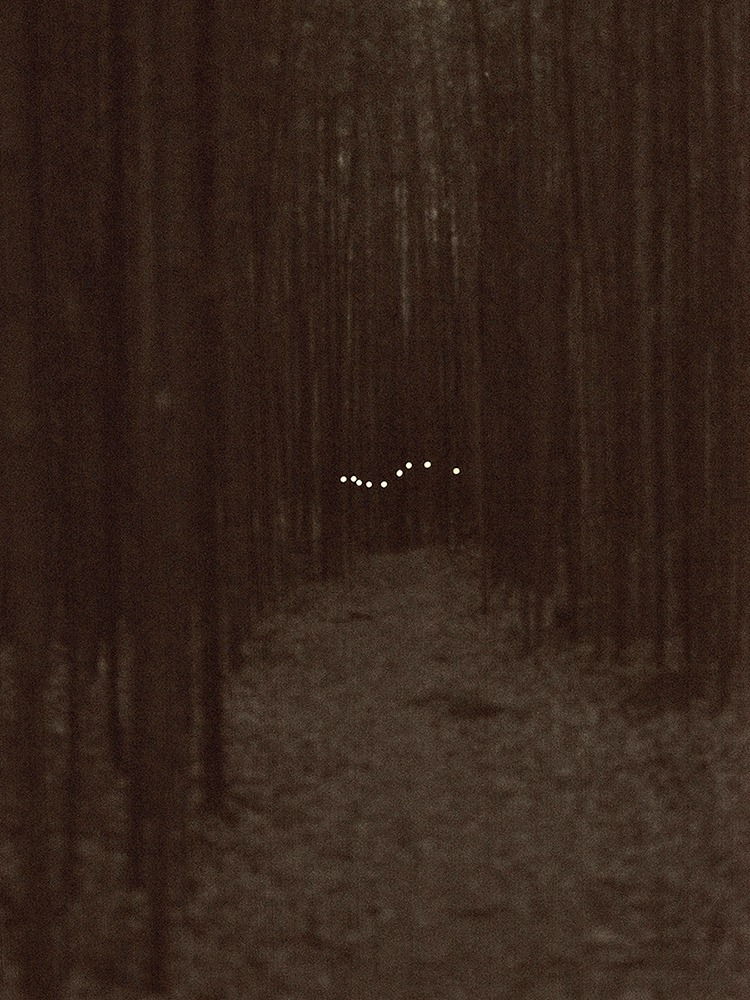
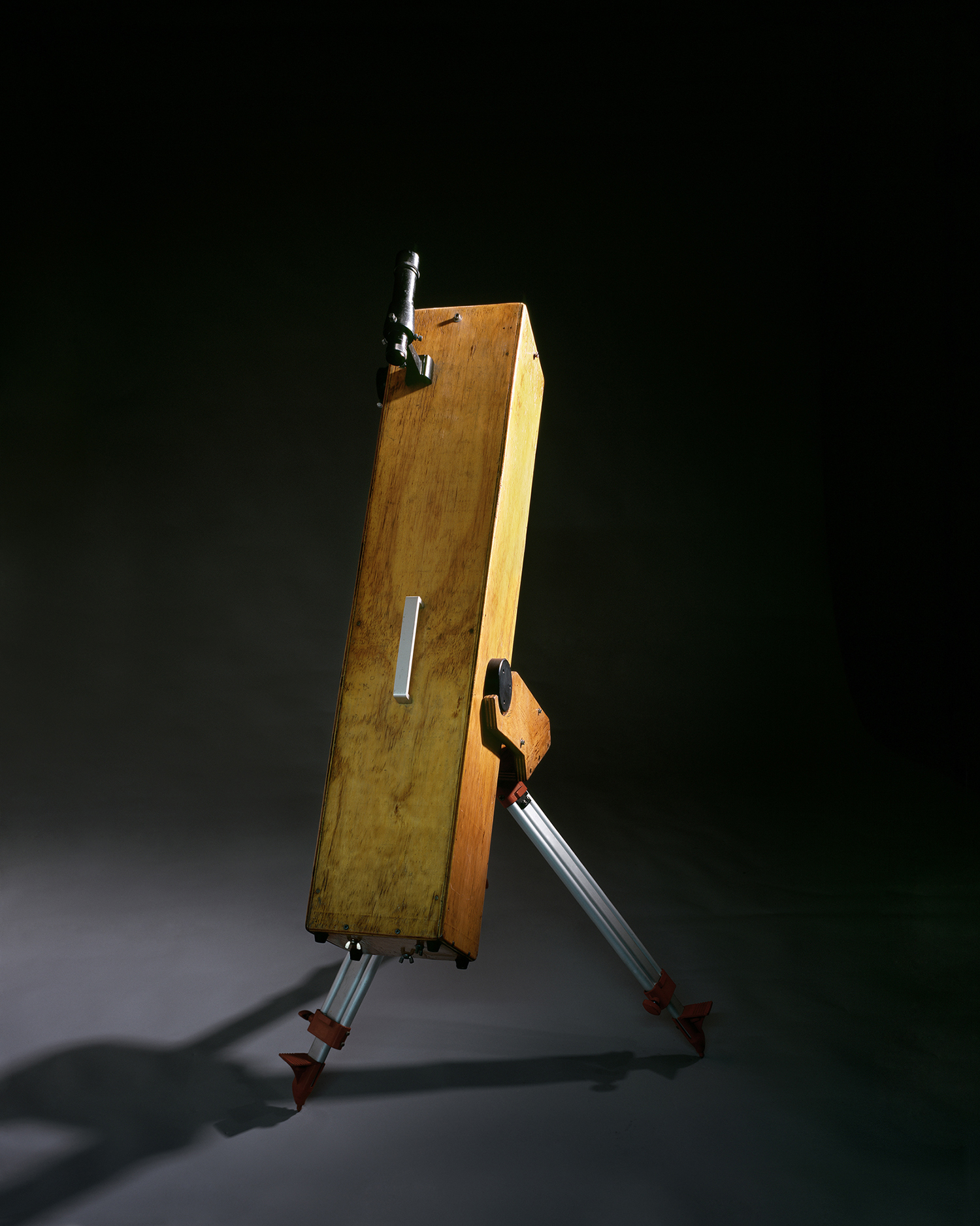
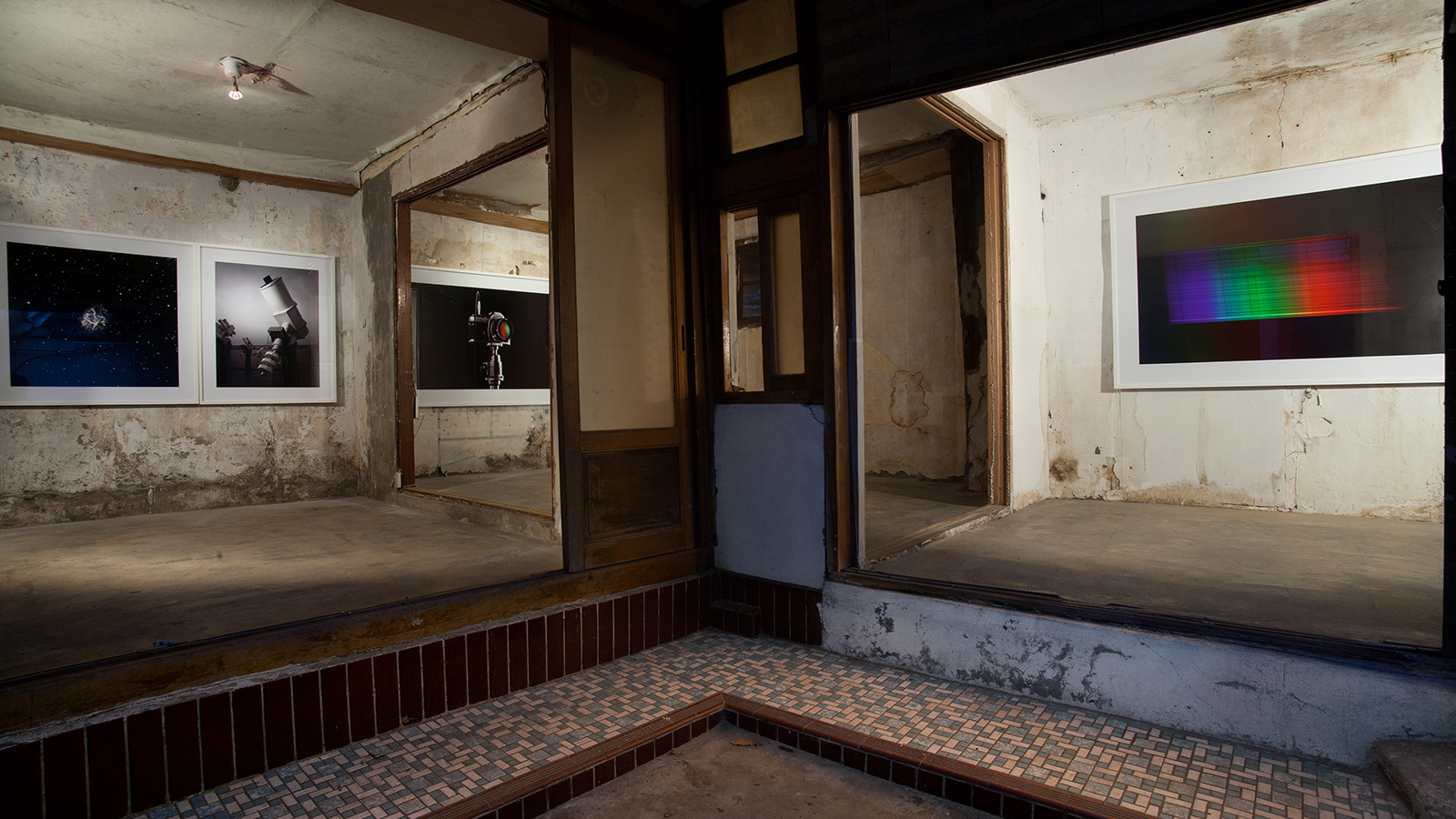
Then metaphors for time that continues in addition to the alternative gaze she invades are expanded through the series ‘The Photography Is the Retina of Scholars’ (2012), ‘The Guide’ (2017) and ‘Glider’ (2019). The time of darkness sent by seven astronomers Chun has conversed with also reveals, at the front, objects in the form of the observation tool of the telescope while simultaneously expanding into a universal time-space called the moon’s photographed surface, as a 14-inch Dobsonian reflection telescope lens and the astronomer’s retina intervene as a direct physical gaze.
The telescope within darkness Chun photographed appears to project the voice of matter itself like a materialist record as it assumes a dynamic form as an object in itself, but the roughly one-third of the moon surface visible in the dark is very poetic. One can understand through the contrasting photographic images of these two that the artist’s object-ization and metaphors regarding the subject she views focus on the subject’s forms, i.e., lines.
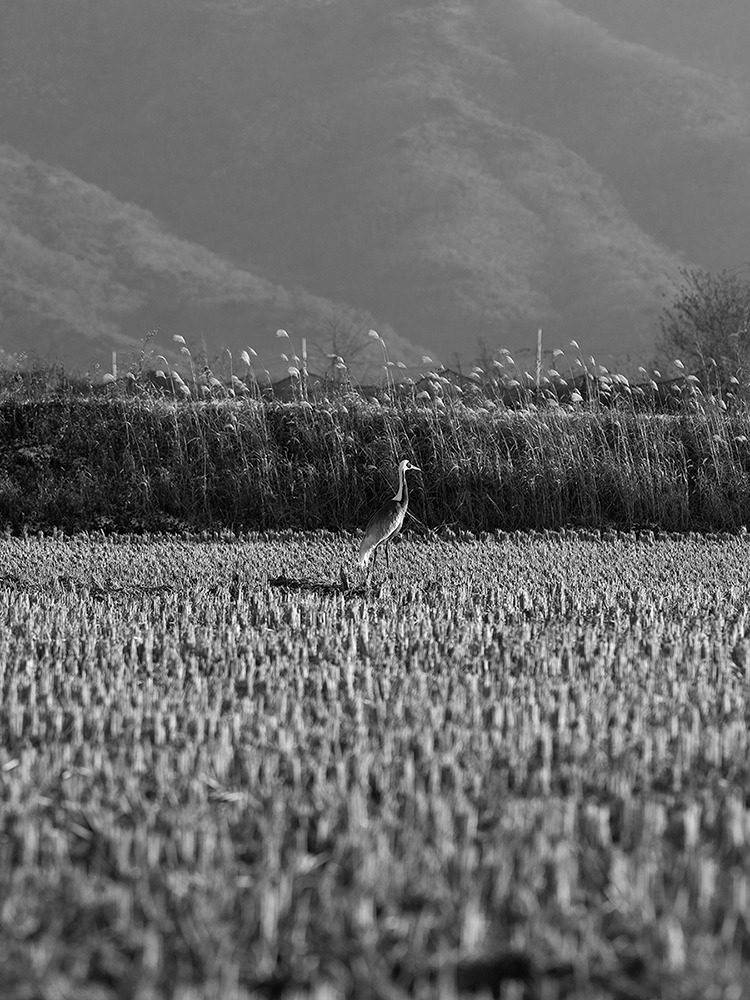
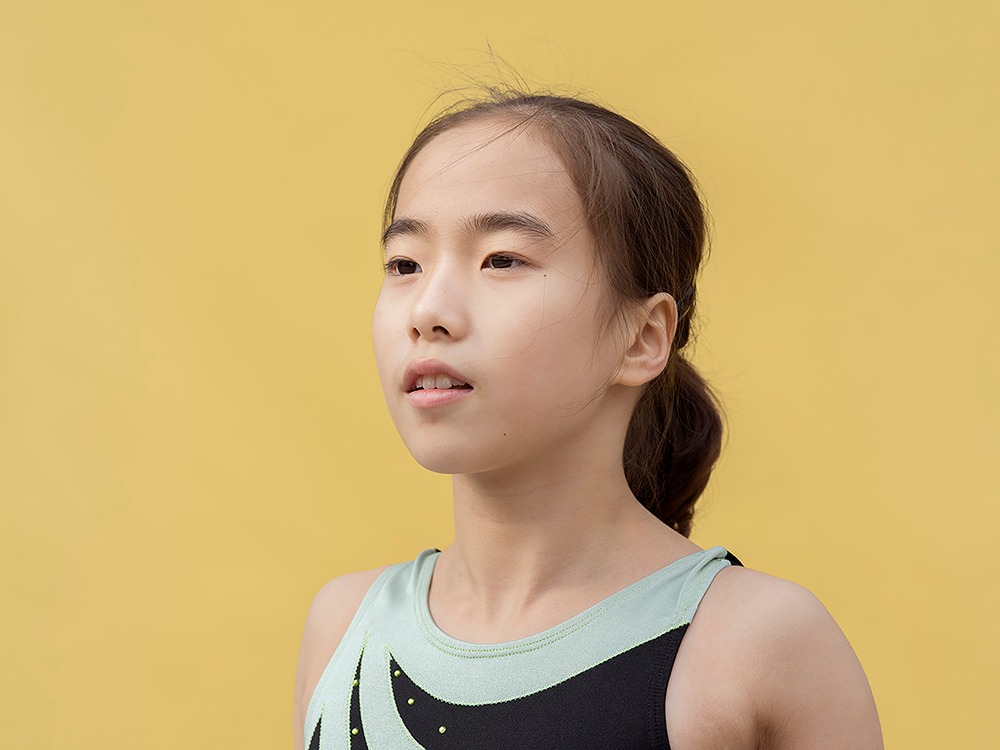
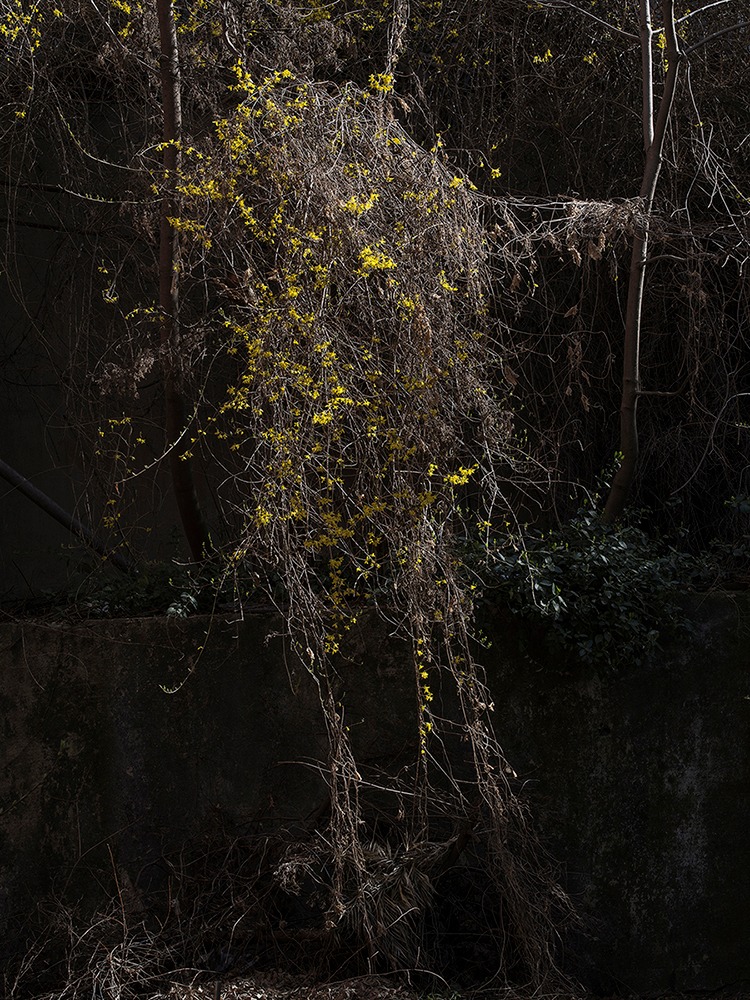
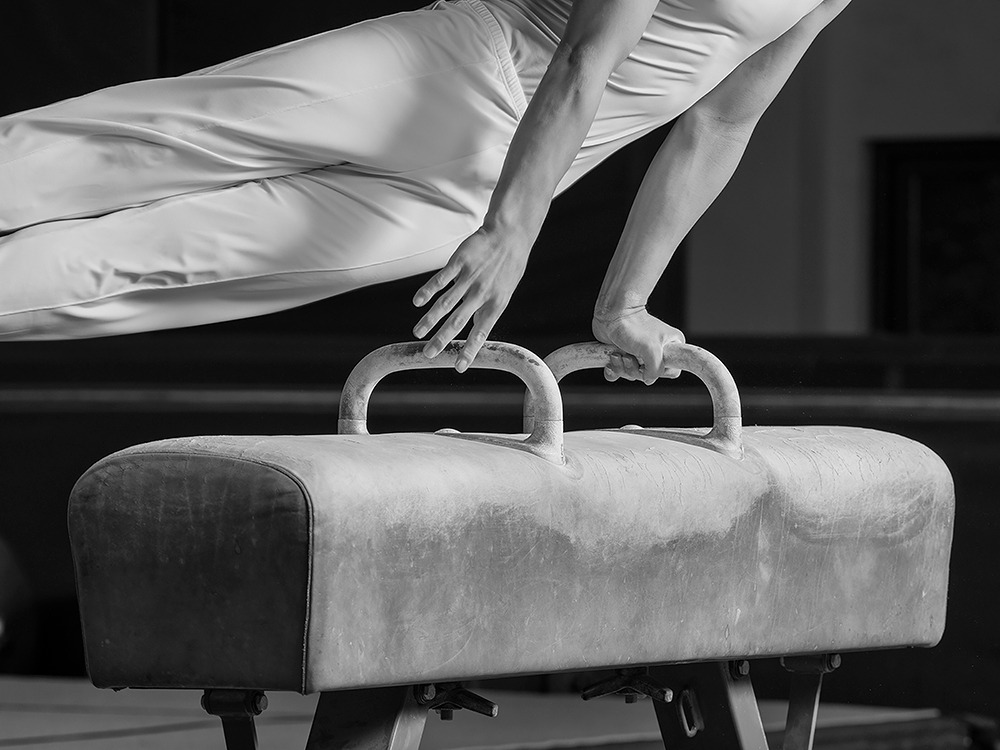
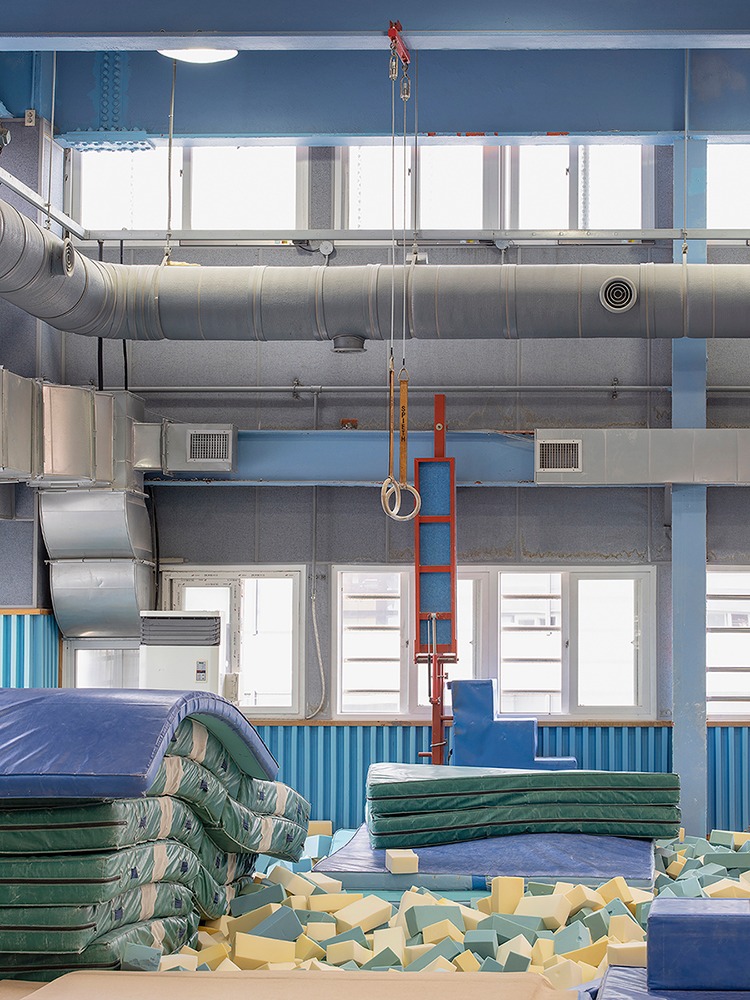
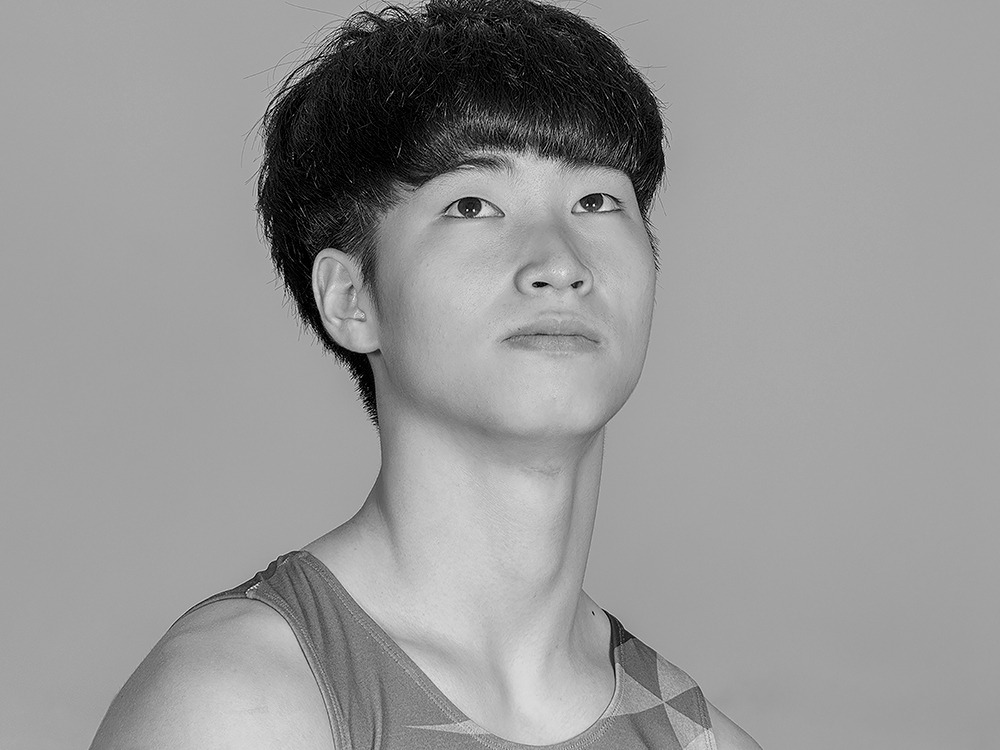
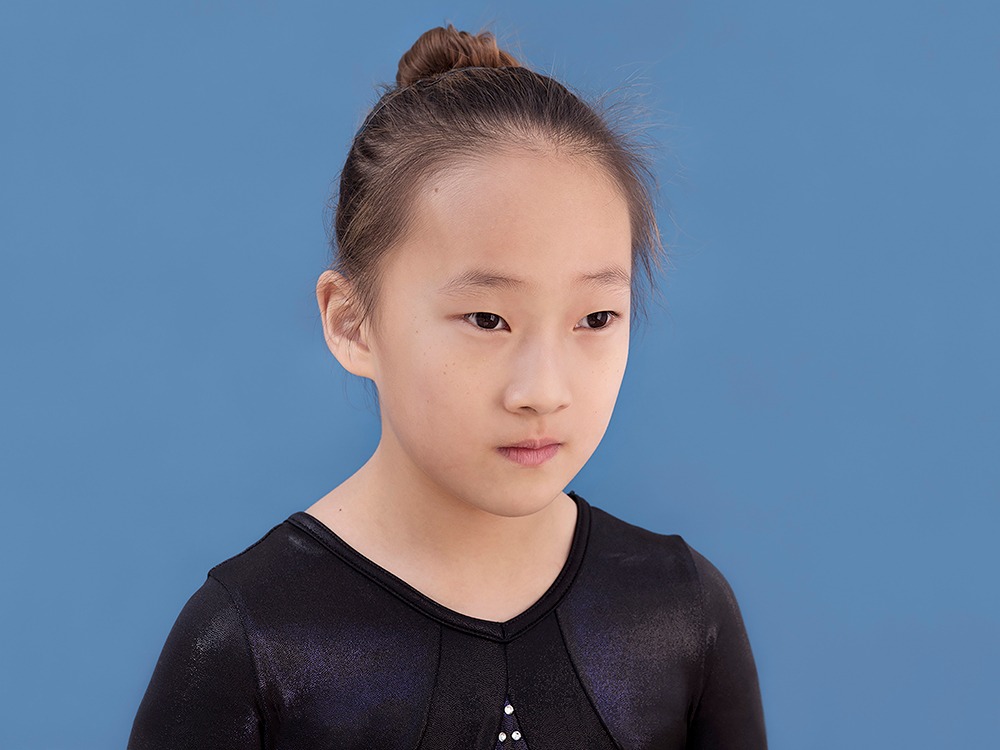
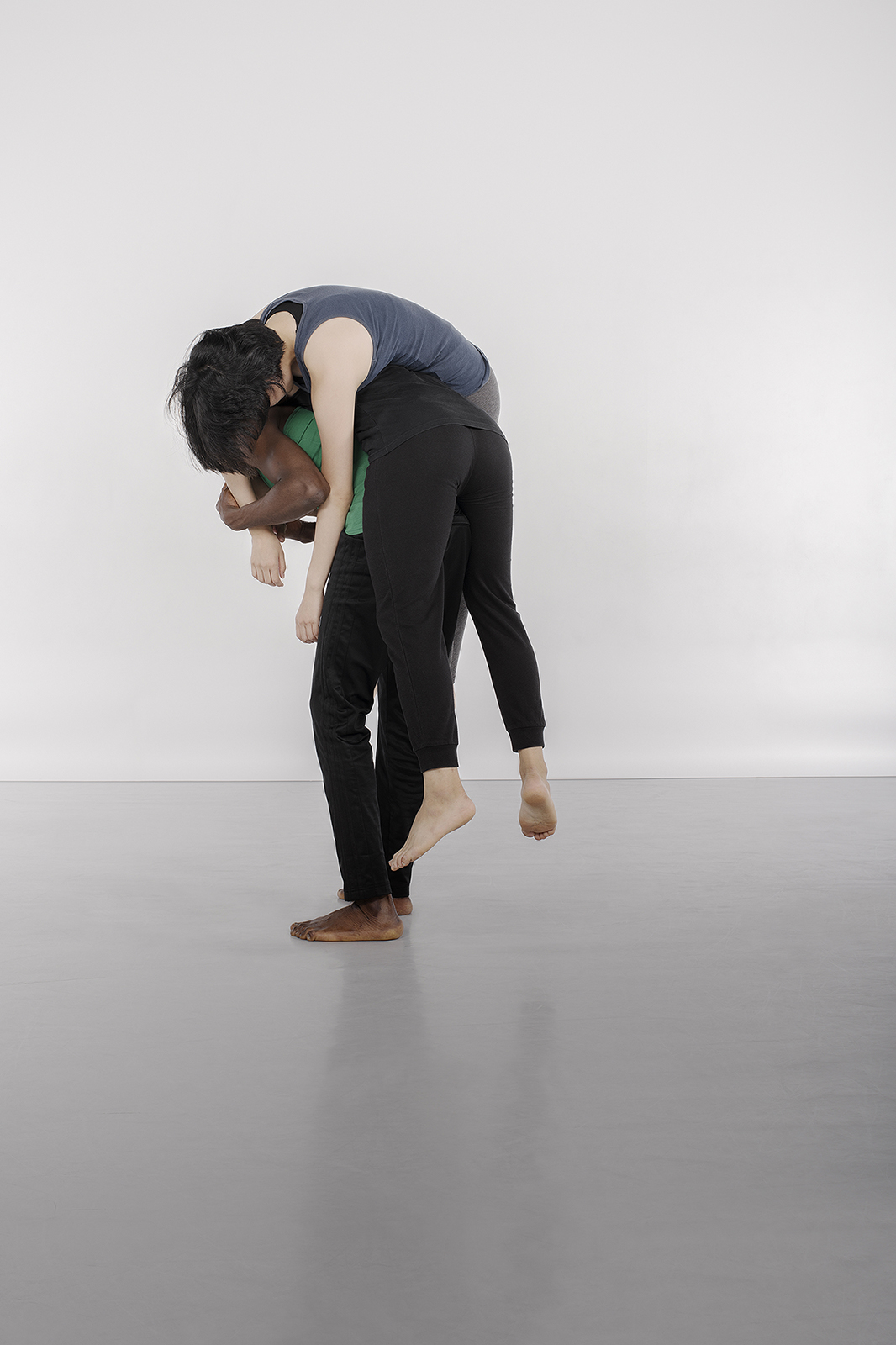
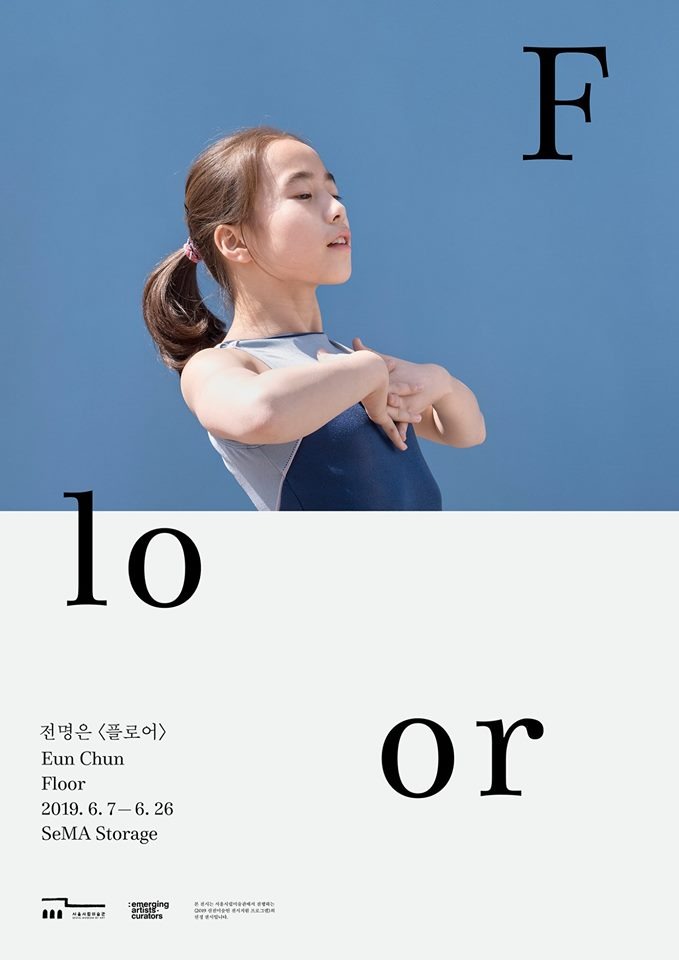
The sensitivity of this is revealed in the series ‘The Guide’, in which thorns of pointy tree branches resembling a bird of strong contrast are affixed, and in the shape of a gymnast’s heavy hand holding several rings (Glider-Rings VII, 2019).
If Chun’s observation of the tactile sensibilities, direction of force, sense of movement, and forms captured in the subject’s natural material attributes through the contrast between black and white were viewing of the near and far through someone else’s gaze thus far, the recently begun work in progress will perhaps be a journey in search of fragments of small narratives the individual is clutching as that gaze returns to herself.
I look forward to seeing what points records of objects infused with sullied time will focus on as they capture the artist’s subjects, like how she photographs objects she collected early in her career. This makes me curious about the objects’ next phase, how Chun will hide or reveal the gaze toward an individual’s history she made entirely by herself; and not through the perspective of an astronomer, blind person, sculptor, or gymnast; and what she dreamed of through the beloved objects of the past she collected and existed in.
I imagine that perhaps objects of extremely private time in which reality and dreams endlessly intersected share the same sensibilities with an astronomy photograph in which the universe’s space-time is condensed. Even if this is a fiction.