Eun Chun works primarily with photography, yet does not allow the information contained within an individual image to fully determine the work. She constructs series from multiple photographs, juxtaposes different subjects, and incorporates the processes and stories surrounding the making of each image to reveal the time that exists before and after the photograph itself.
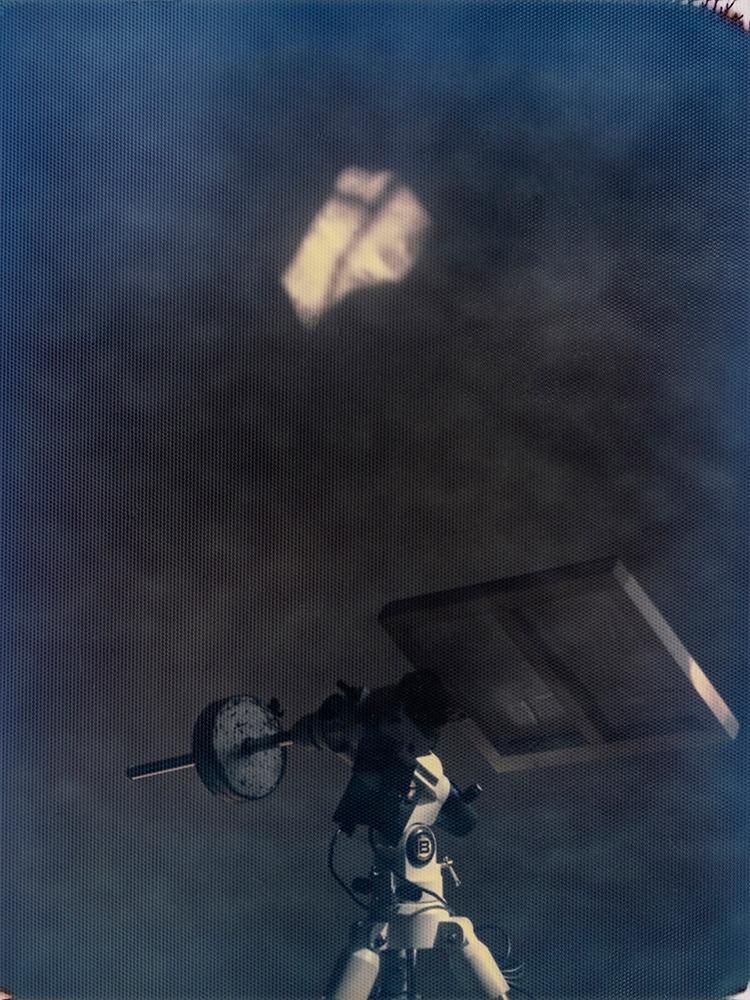
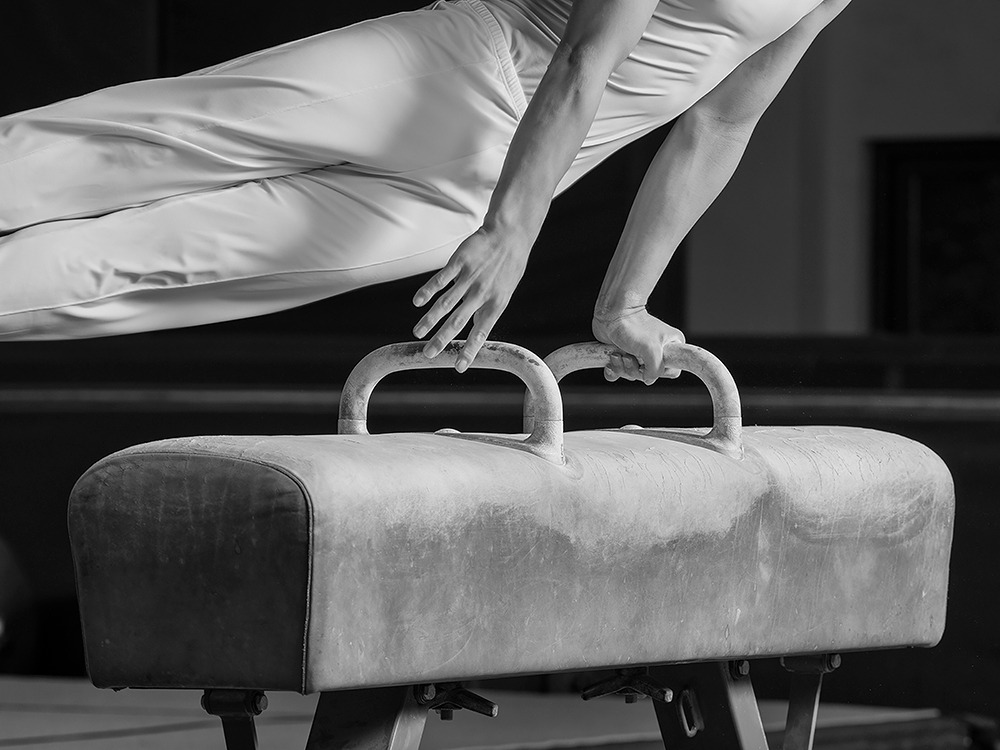
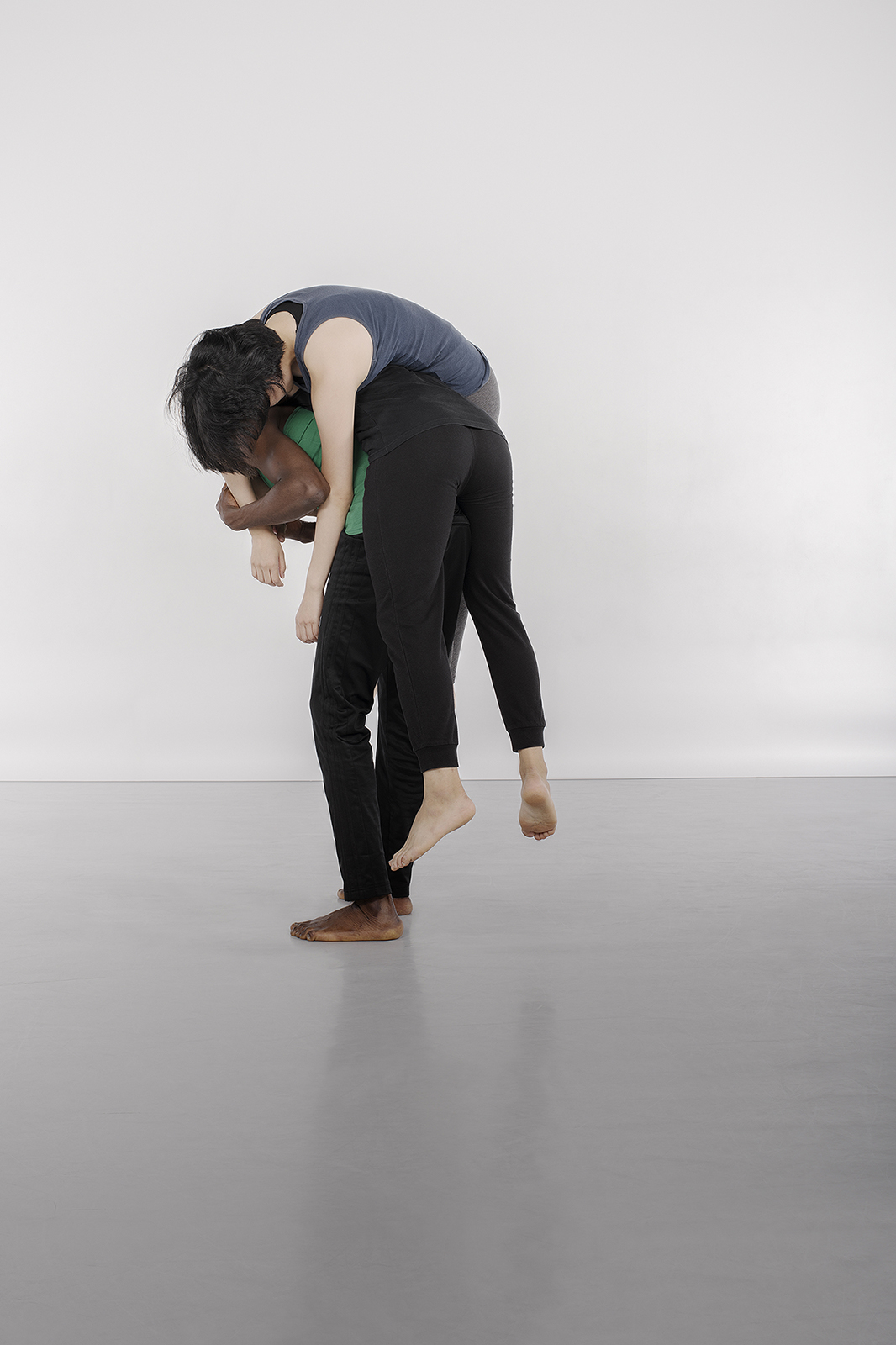
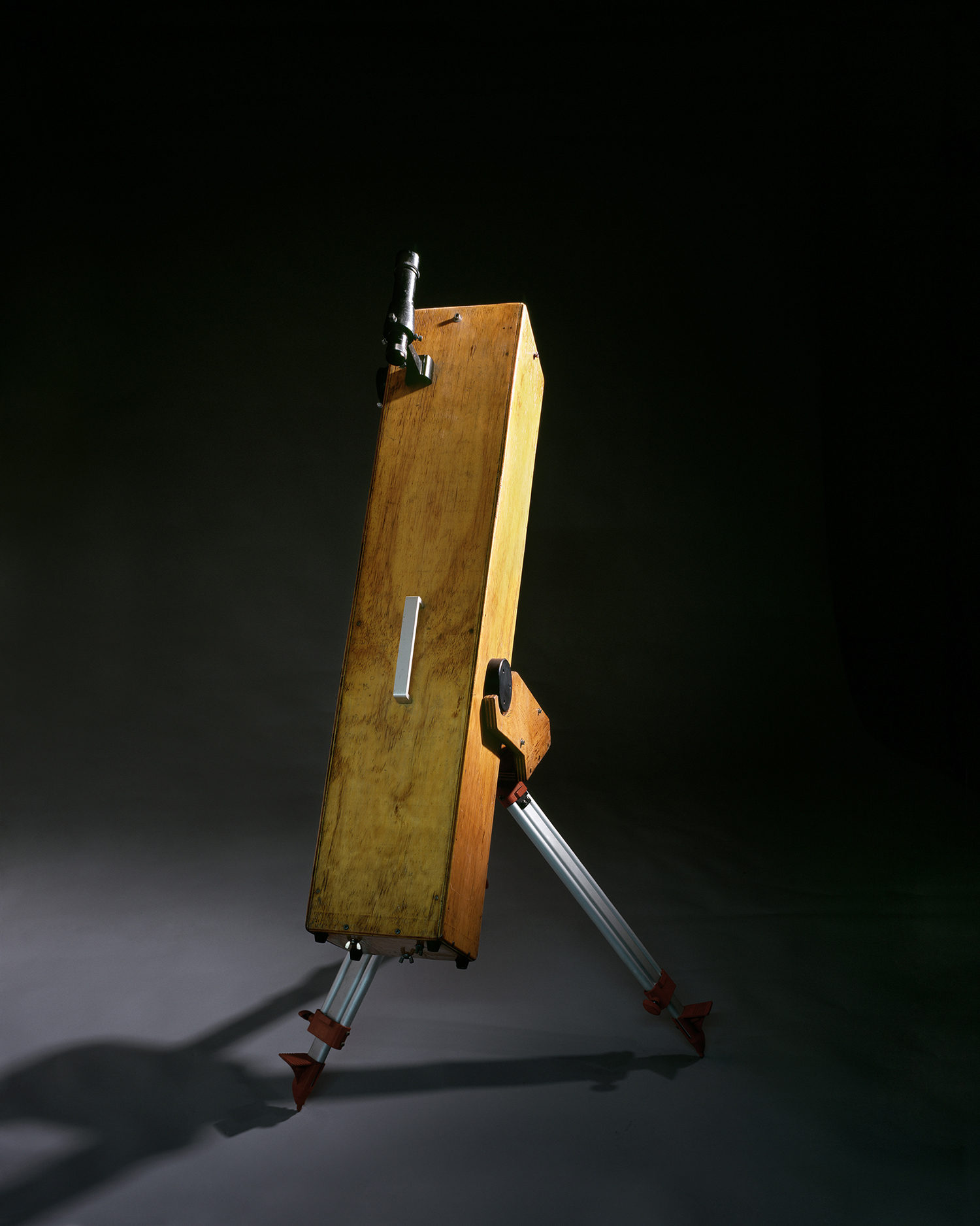
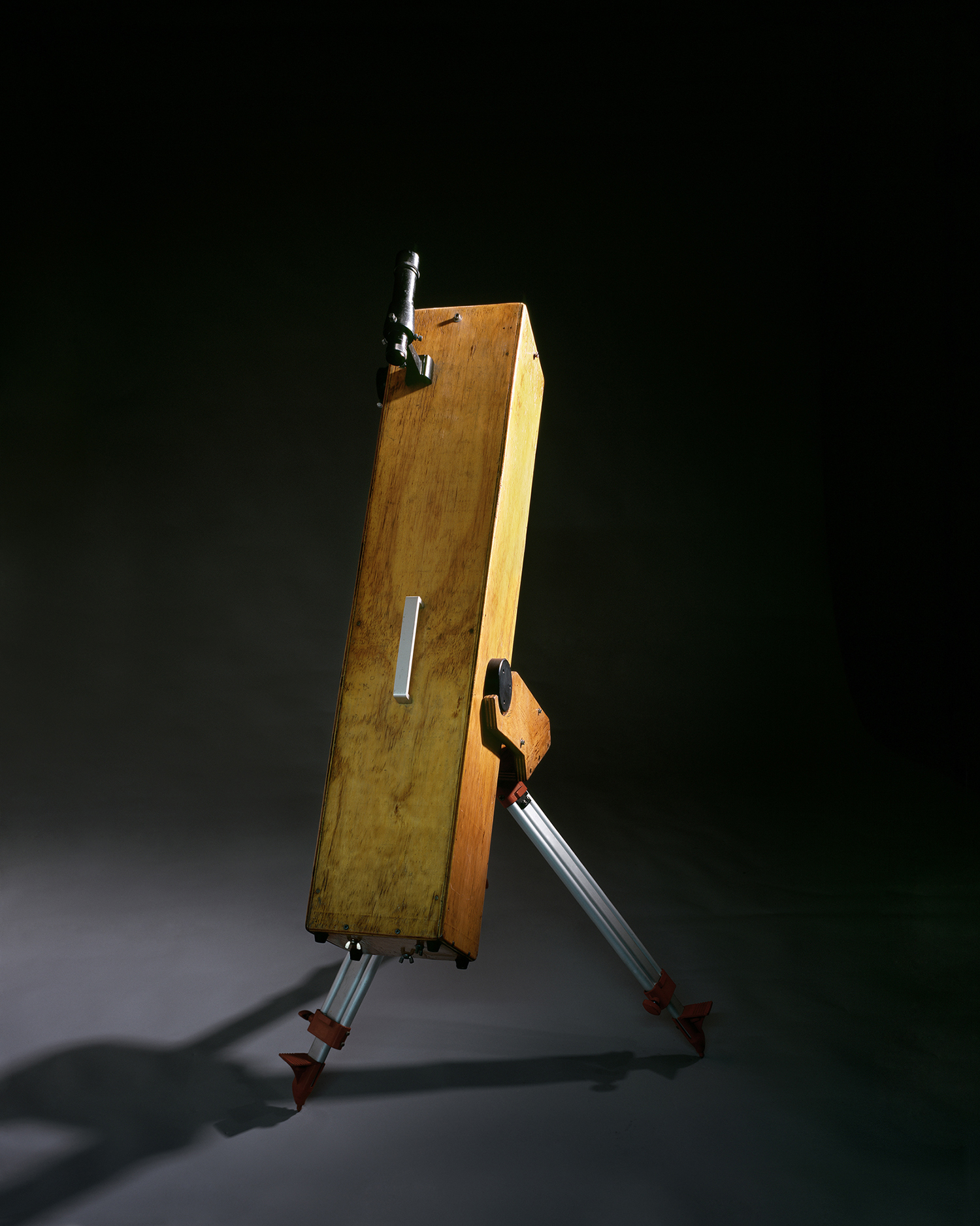
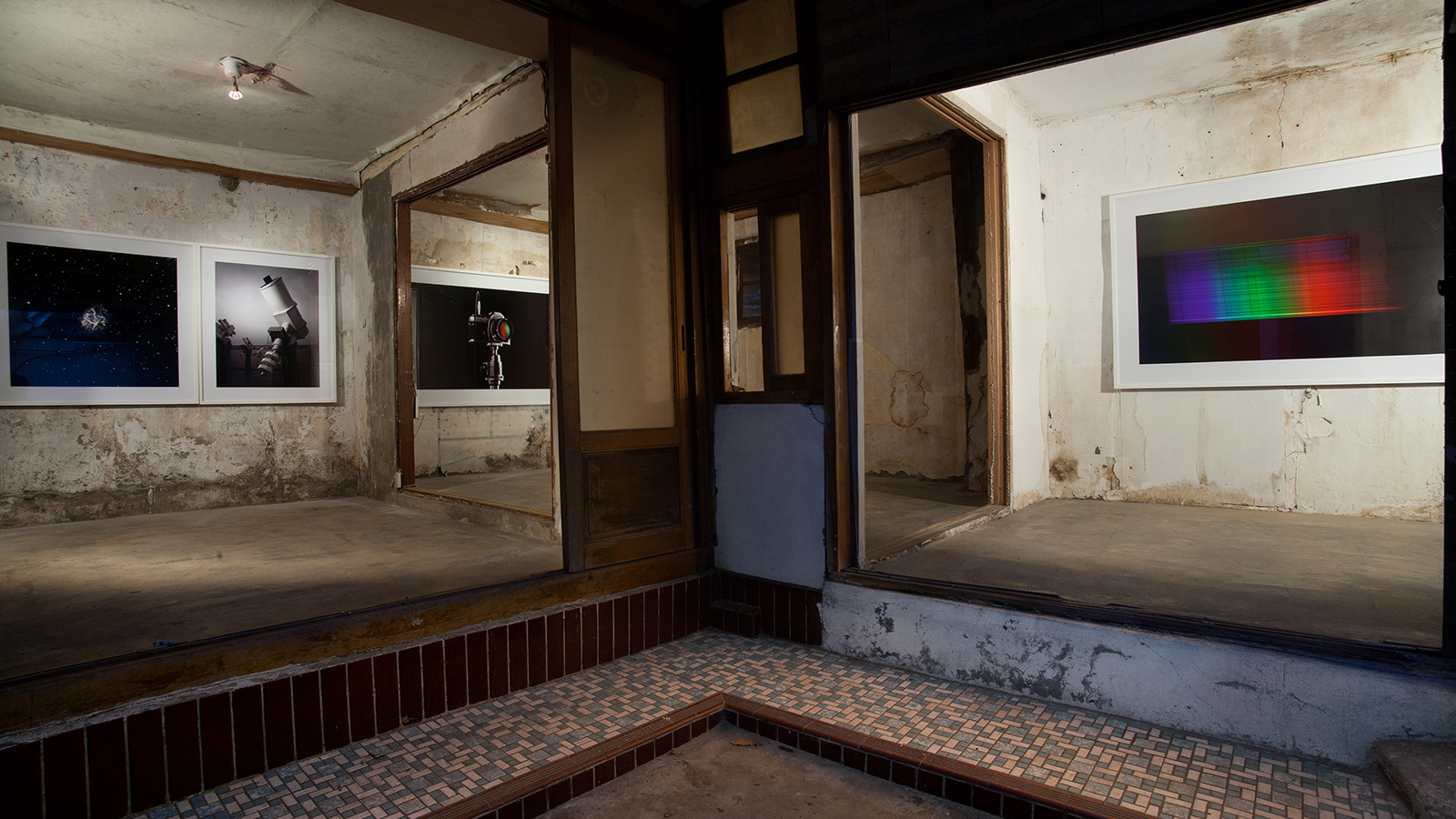
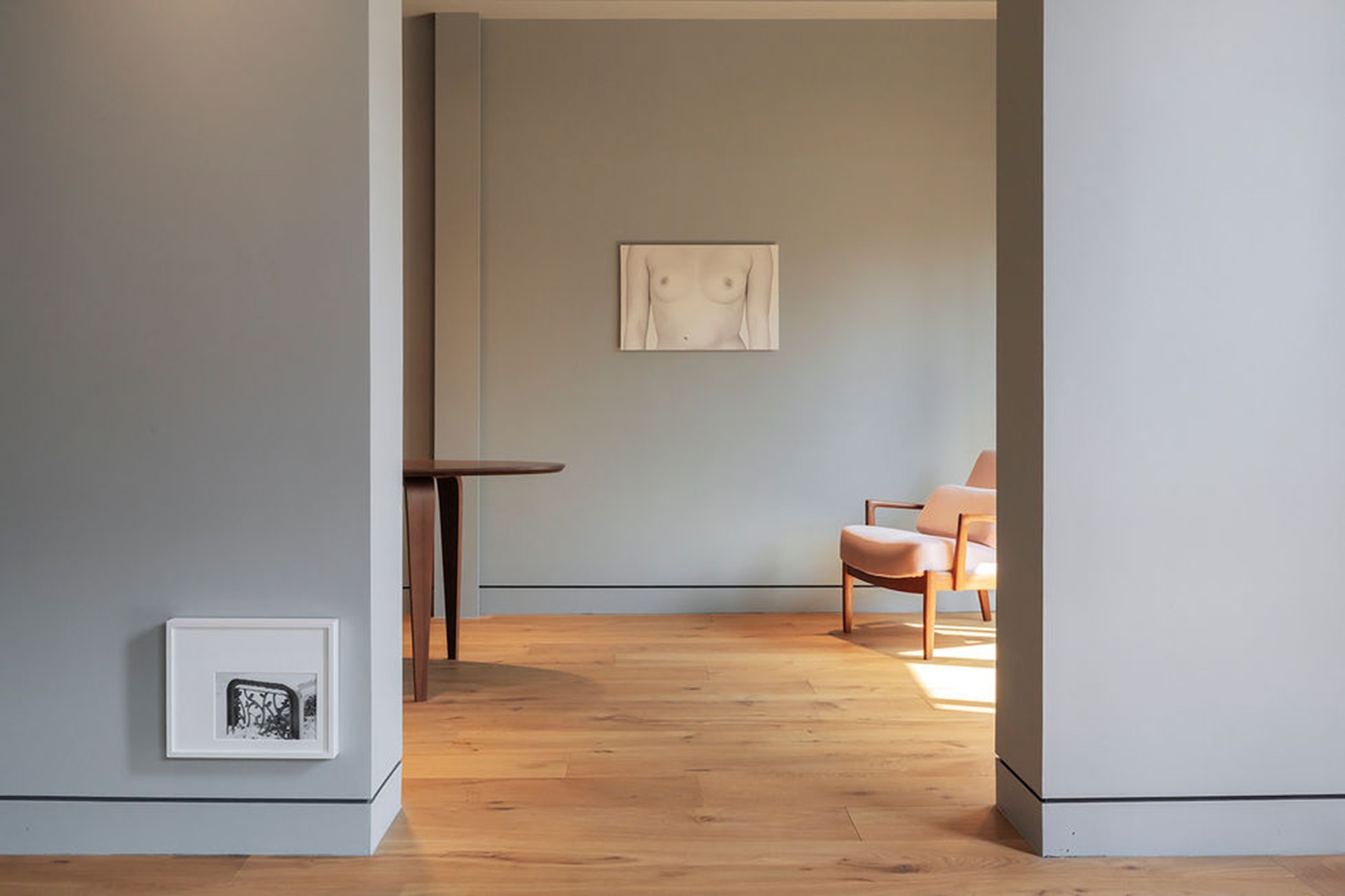
In 'The Photography Is the Retina of Scholars', she connects telescopes handmade by amateur astronomers with astronomical images produced through those instruments, while in 'The Guide' and 'Glider', she closely observes fragments of bodies and objects such as branches, hands, arms, and shoulders. Strong contrasts of light and dark, clearly defined contours, and tactile textures emphasize the material qualities of her subjects and the direction of physical forces, allowing even a still photograph to suggest movement yet to unfold.
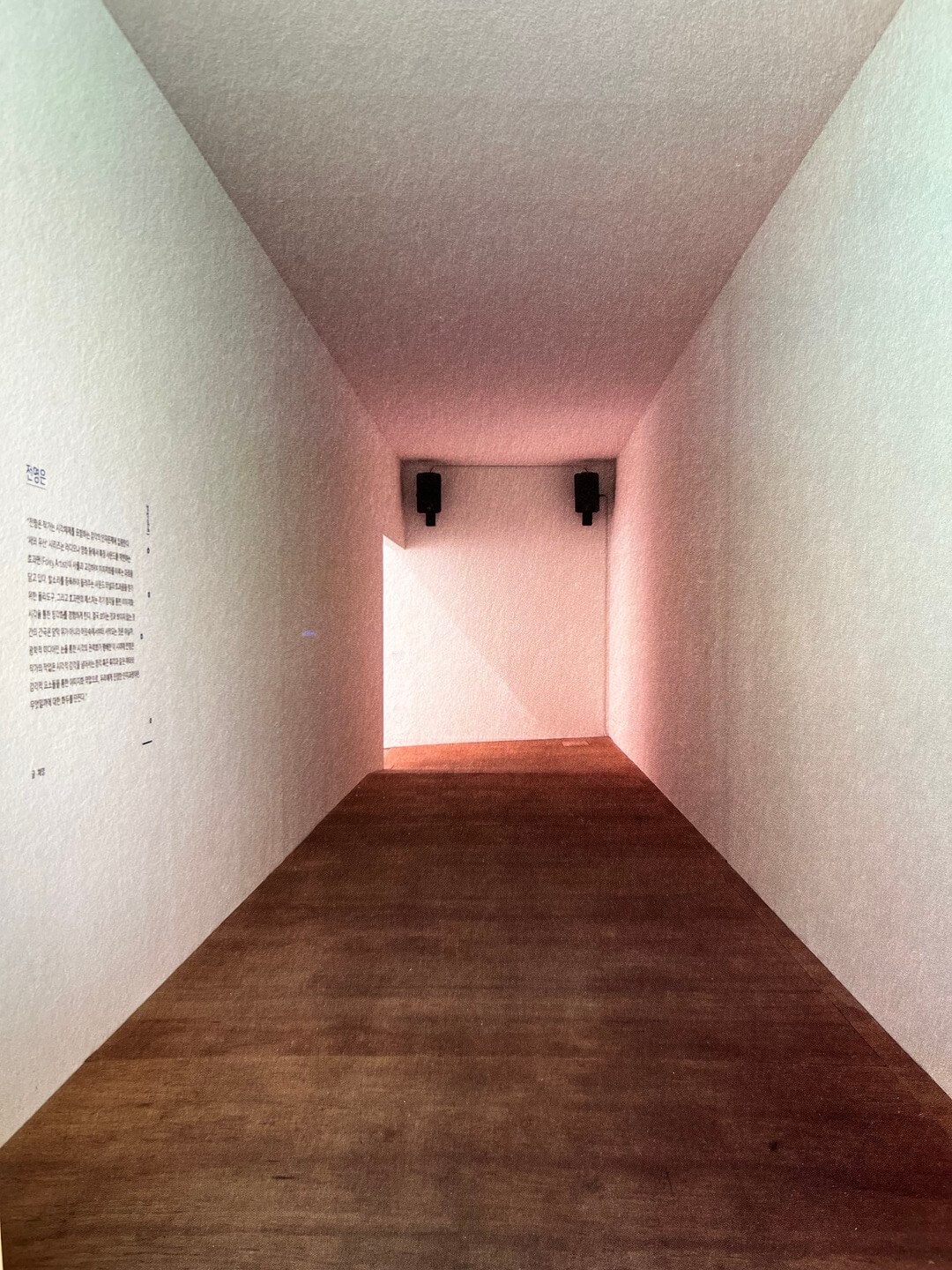
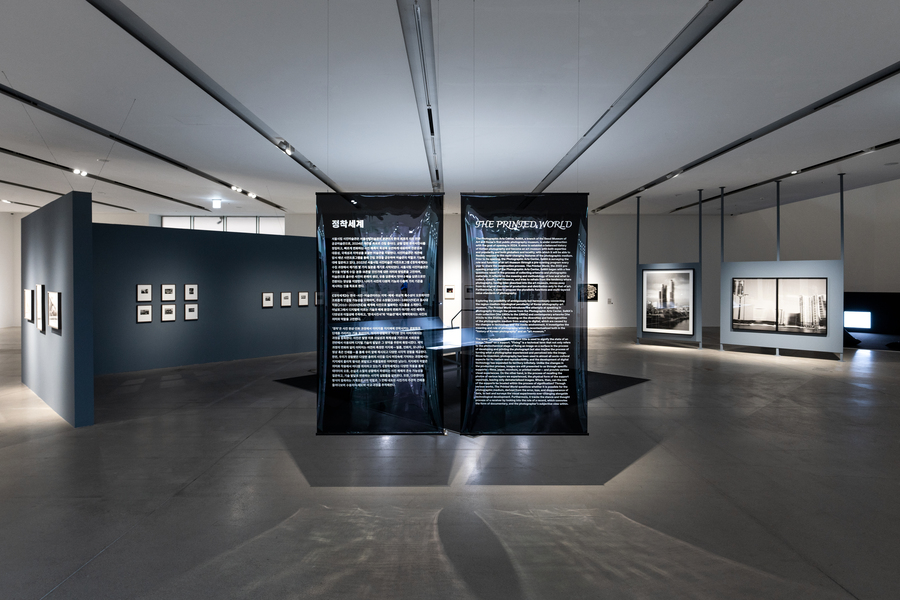
Photography also expands into encounters with sound, objects, and the viewer’s movement through exhibition space. In 'Bird and Umbrella', Chun combines photographs of Foley props with physical objects and sound effects, arranging the installation so that viewers pass through a passage where their footsteps are amplified before encountering the works.
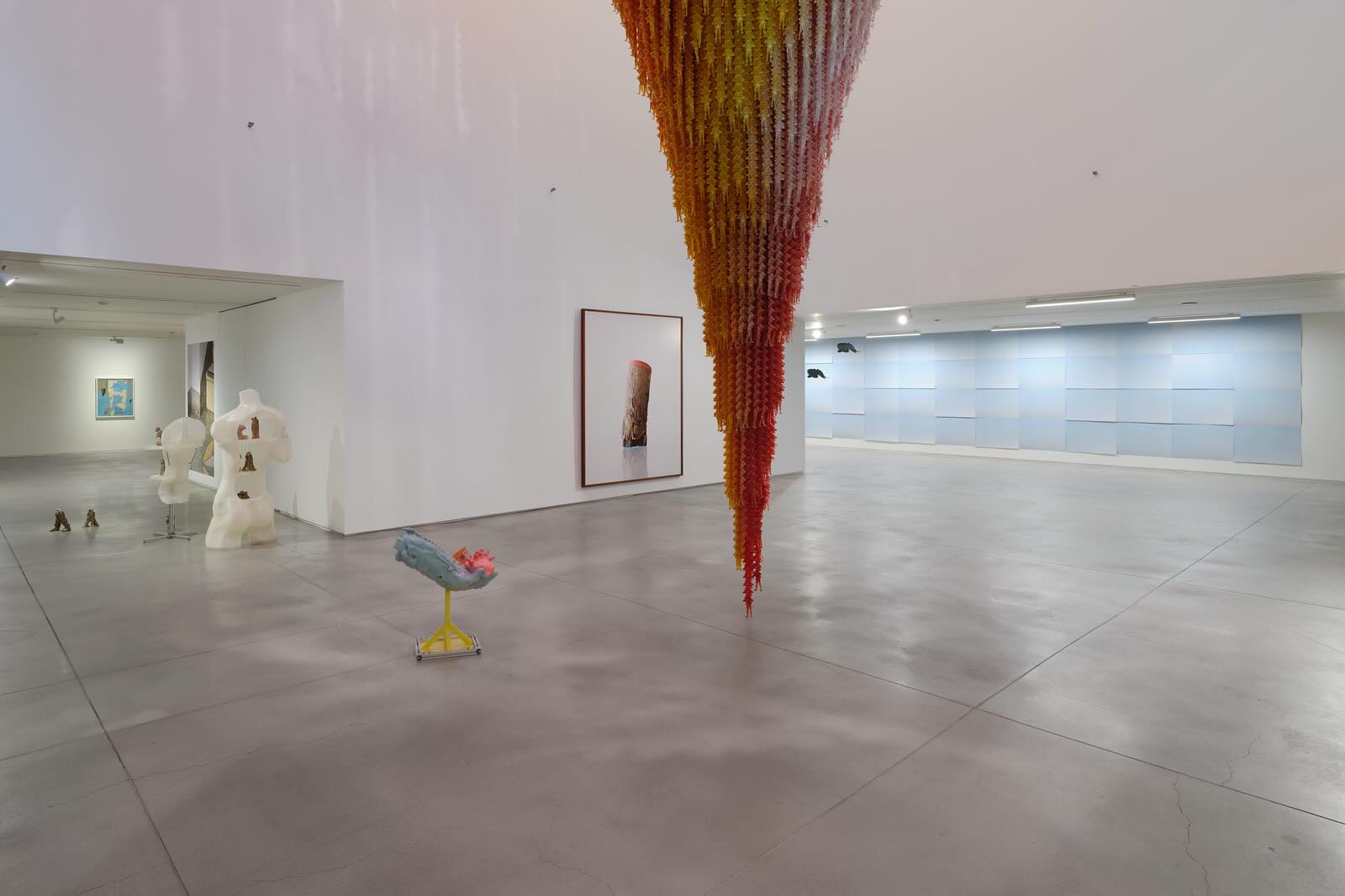
The forms seen by the eye and the sounds heard by the ear evoke different objects, unsettling the assumed correspondence between vision and hearing. In Searching for the Photograph, a black-and-white photograph of her father is projected onto both a wall and a sheet of glass rotating in midair, transforming a fixed photograph into a moving image within space. Chun thus retains photography’s planar character while incorporating its placement, surrounding objects and sounds, and the viewer’s mode of encounter into the structure of the work.
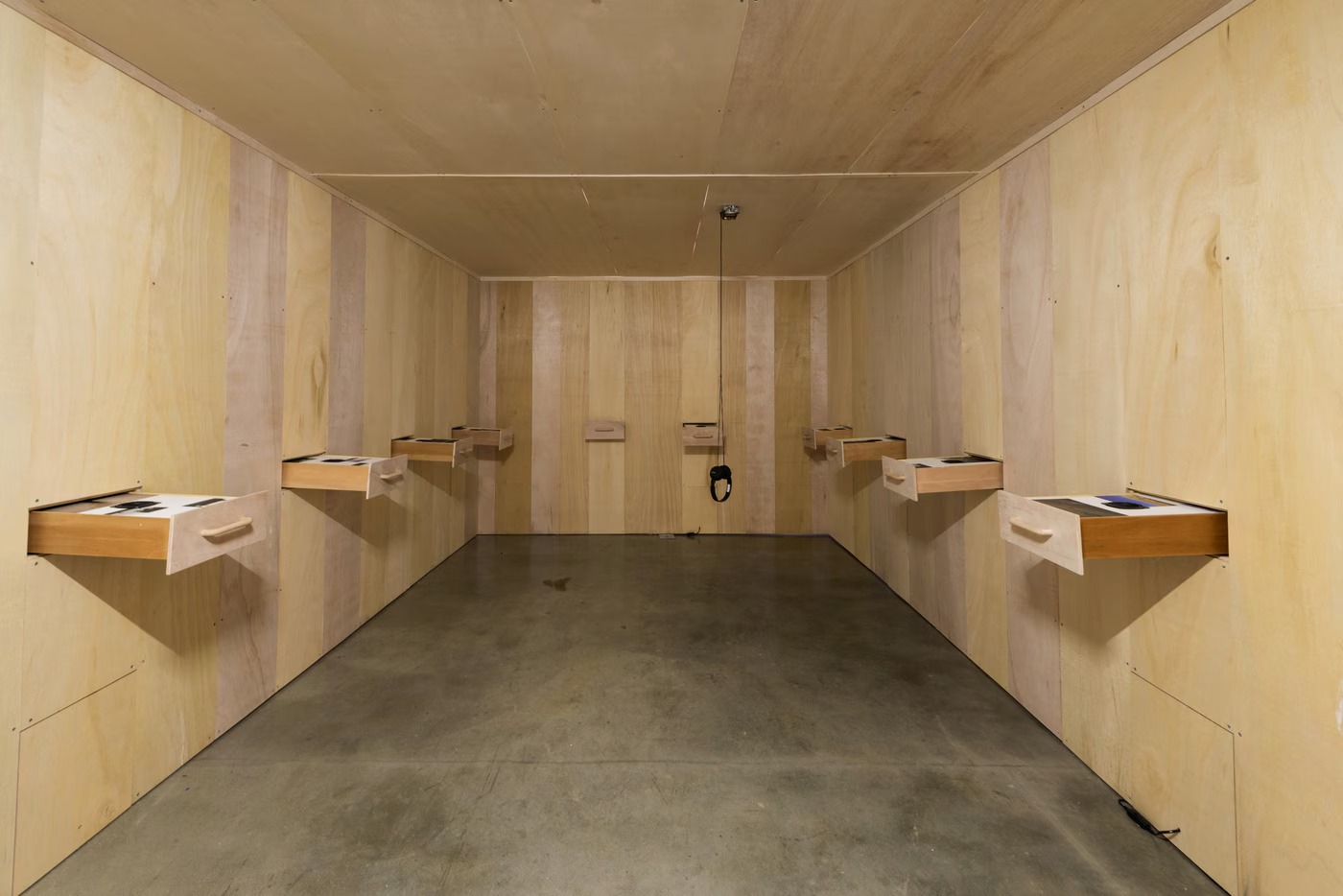
Writing is similarly intertwined with photography throughout Chun’s practice. In A Certain Photograph, written descriptions of a photograph were conveyed to visually impaired participants, whose subsequent letters became part of the project, while in Geum-gok, the memorious, the recollections of people who had lost their sight later in life were transcribed in both printed text and Braille and presented alongside photography.
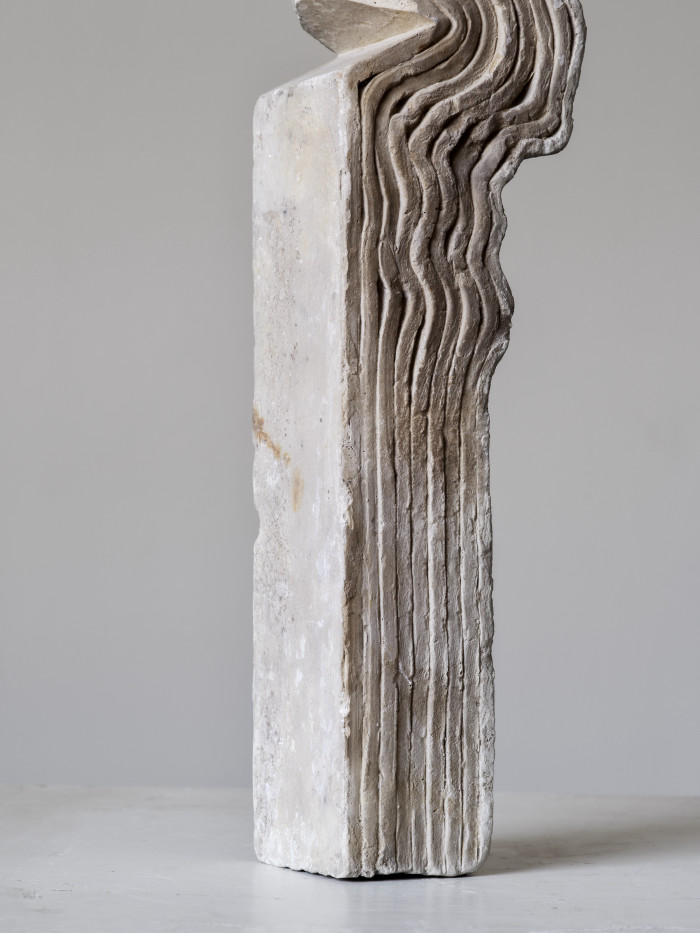
In 'Le repos incomplet (Sculptor’s Time Lies Still)', Chun photographed a sculptor’s studio and the plaster forms left behind while writing about an absent person, the arrested instant of a photograph, and the continuation of lived time.
Text in these works does not function simply as an explanation that fixes the meaning of an image; instead, it recalls events and memories that remain outside the photographic frame. Chun has consistently produced books and printed matter alongside exhibitions, moving between image and writing to extend the temporal and relational narratives that a single photograph cannot contain.
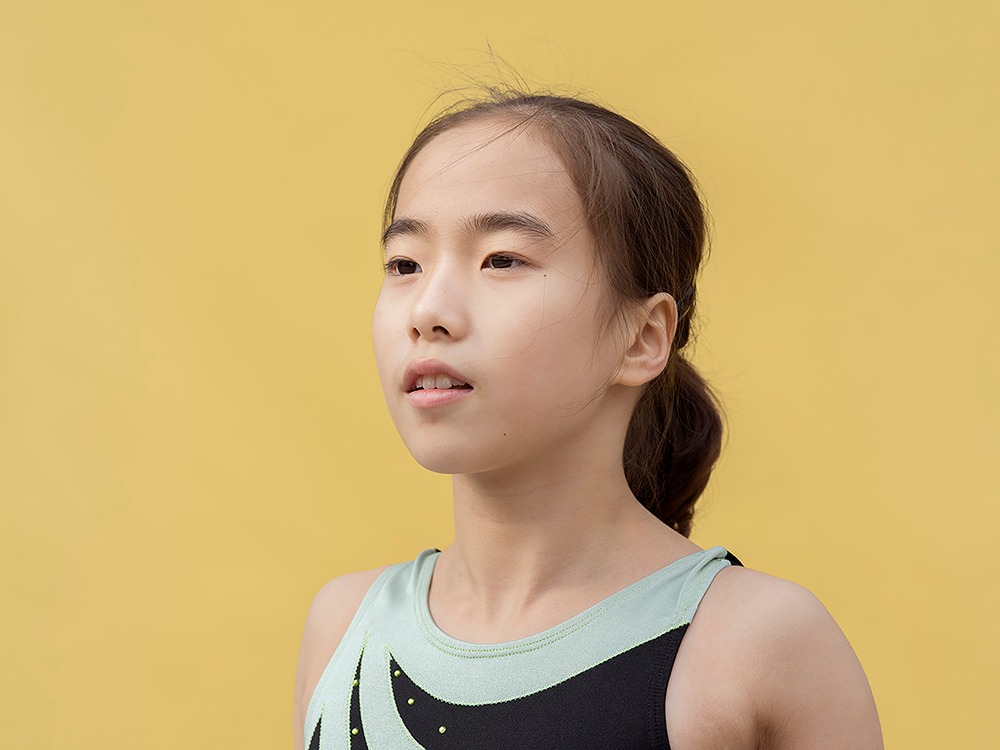
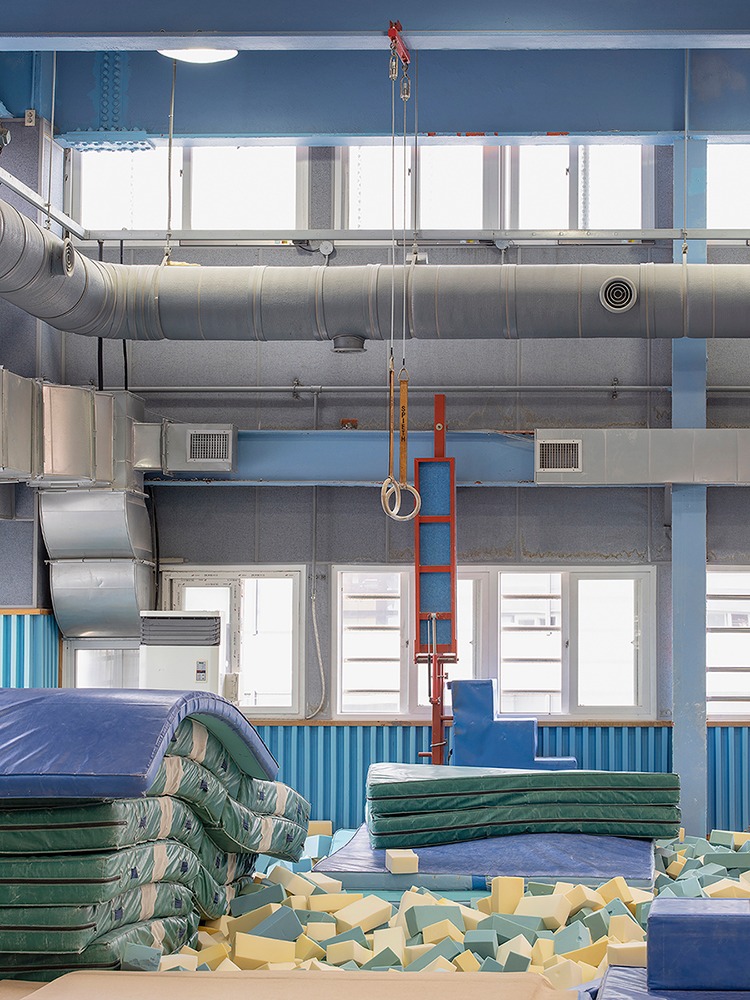
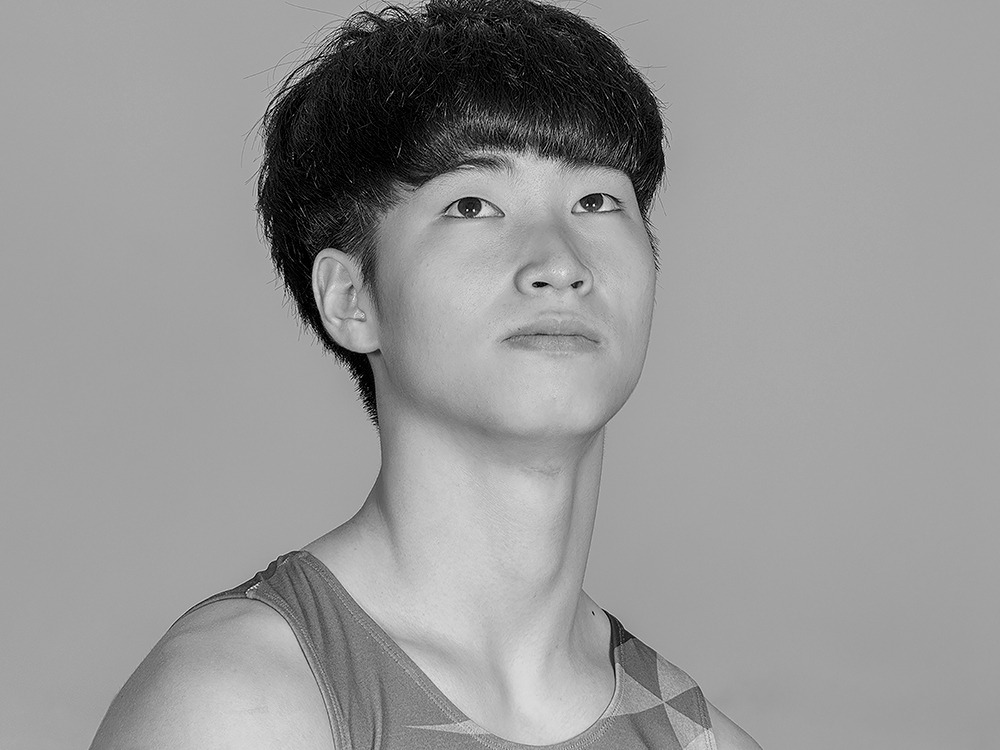
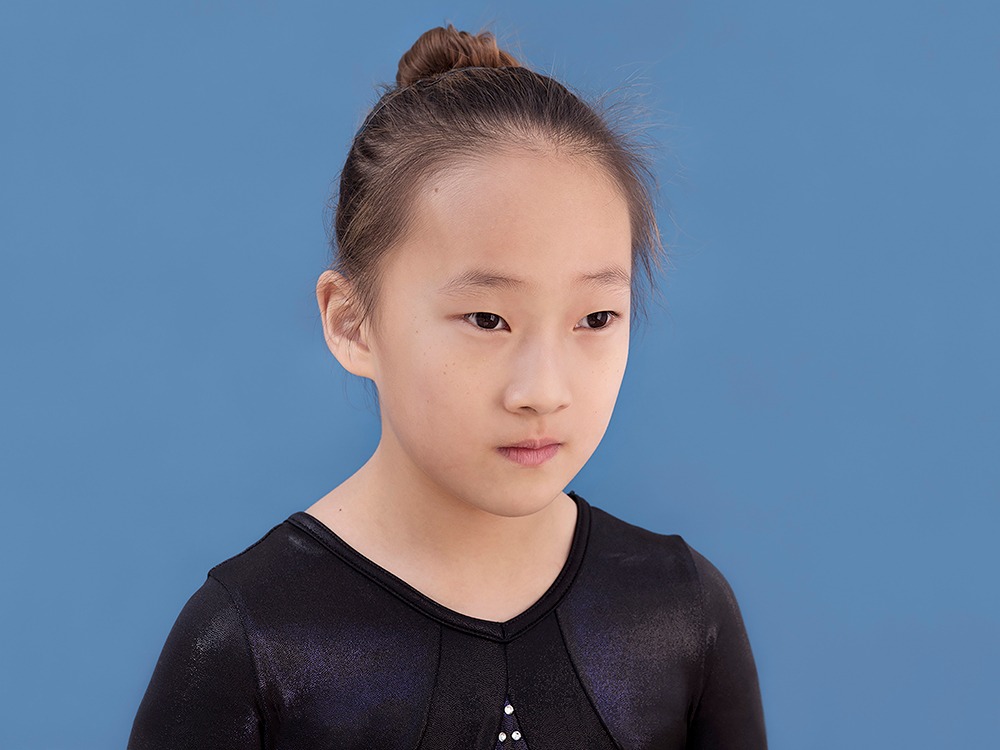
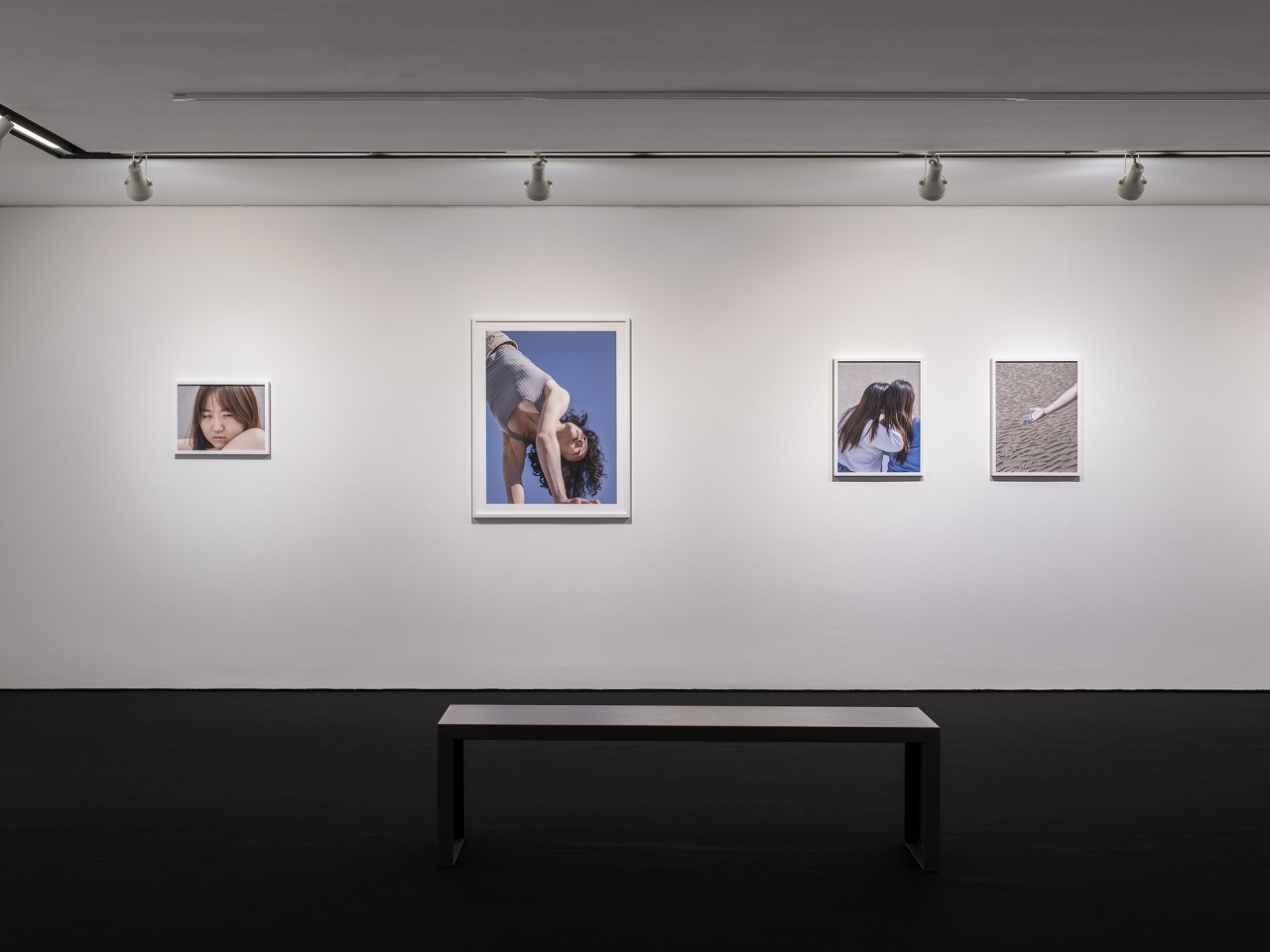
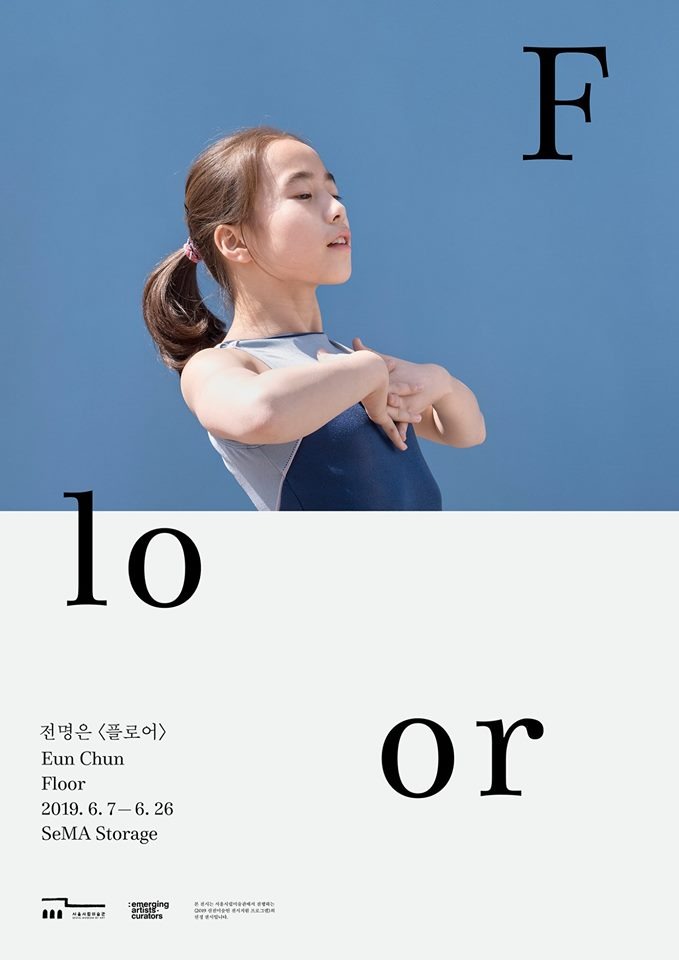
In her more recent photography, this carefully structured approach has increasingly been accompanied by an emphasis on the pleasure of looking at the image itself. In 《Glider》, Chun reduced elements such as text and objects that had frequently accompanied her earlier exhibitions, directing attention toward the forms created by gymnasts’ bodies and postures within the photographs.
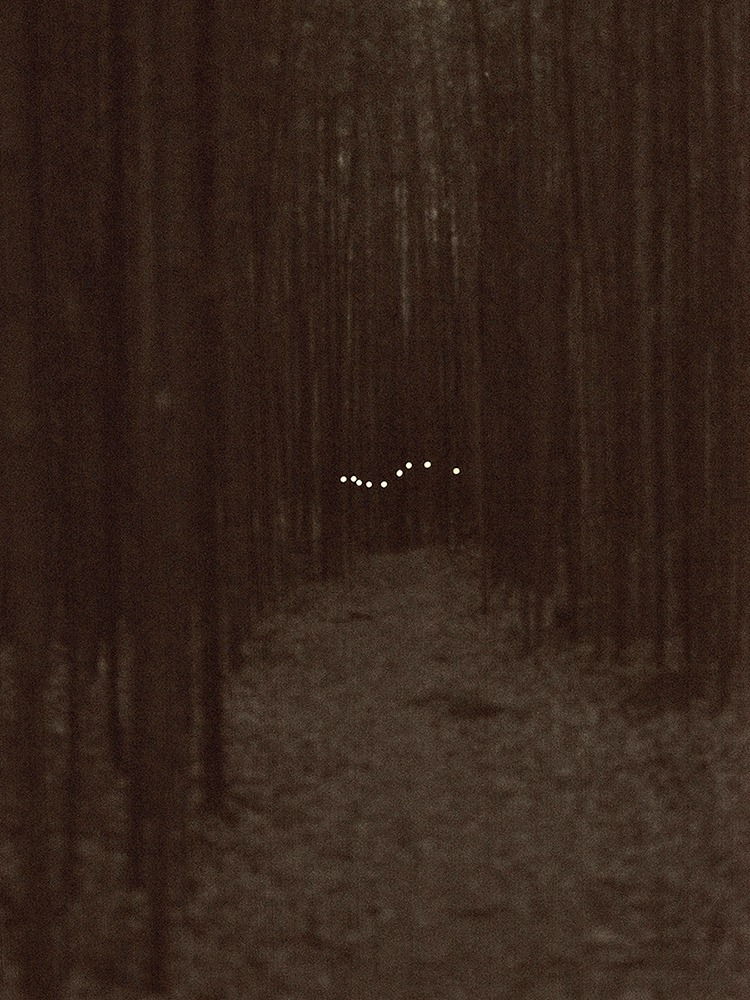
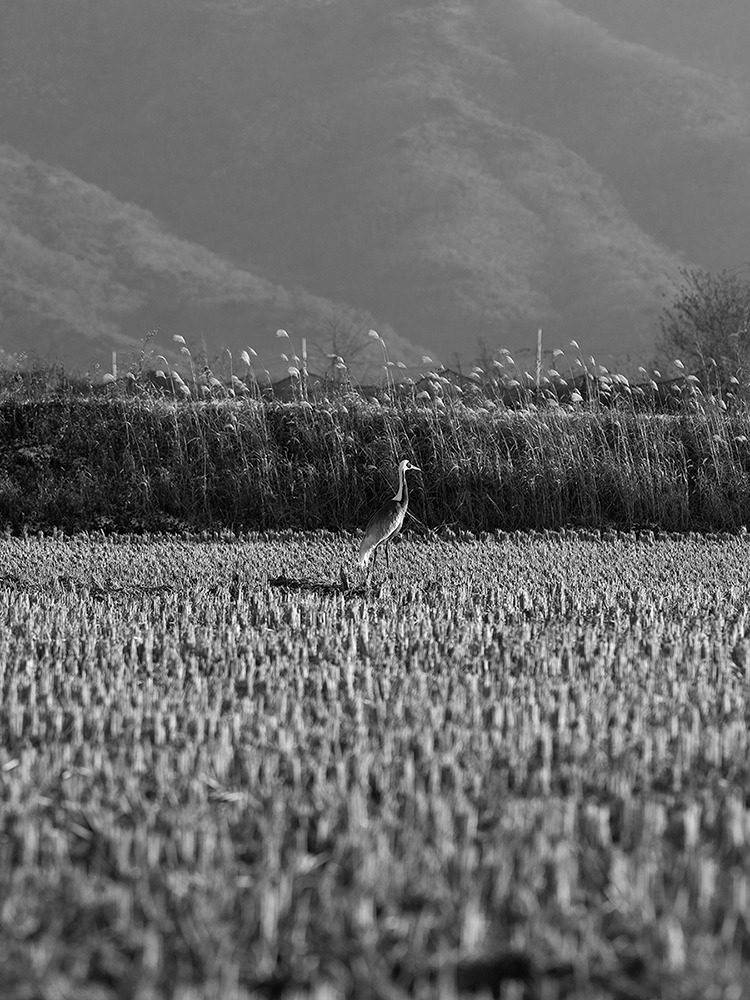
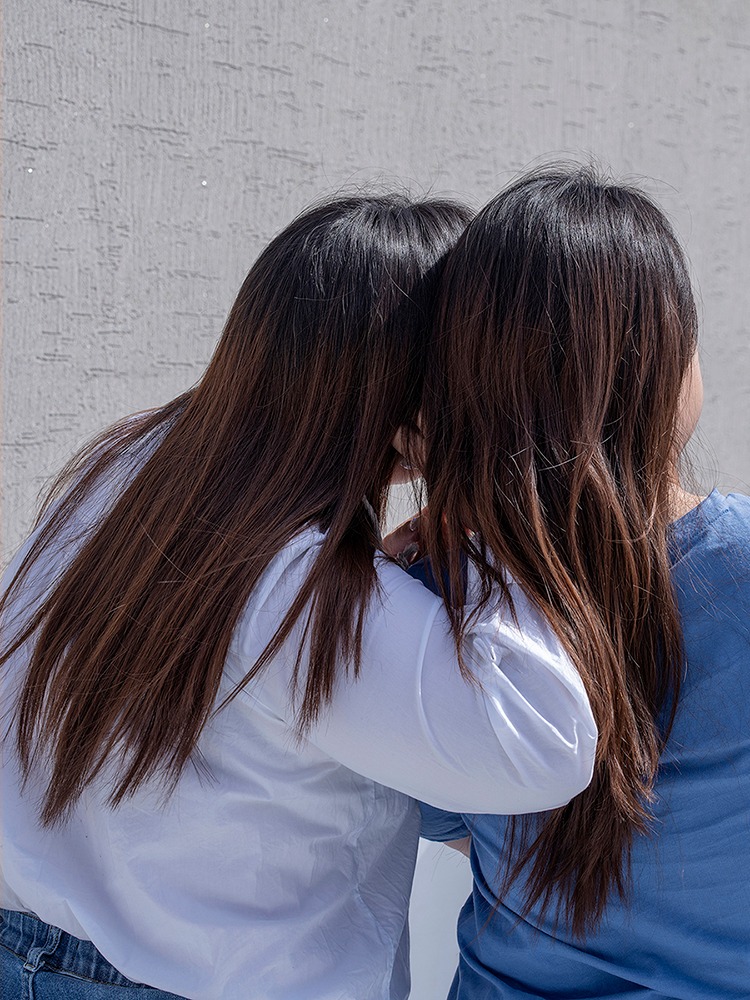
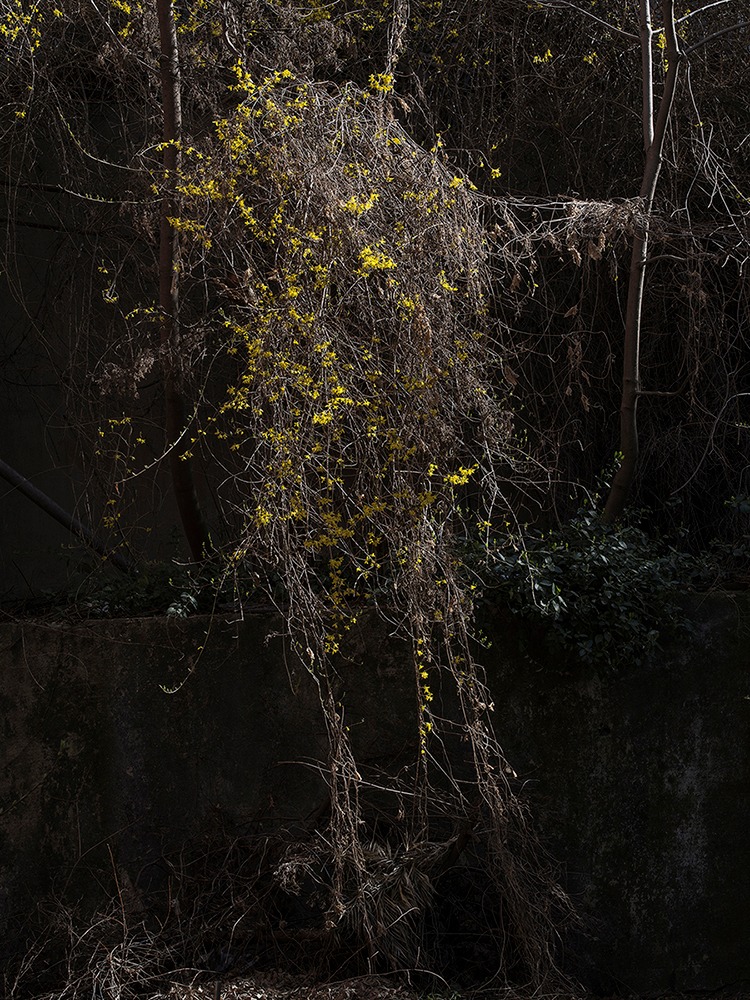
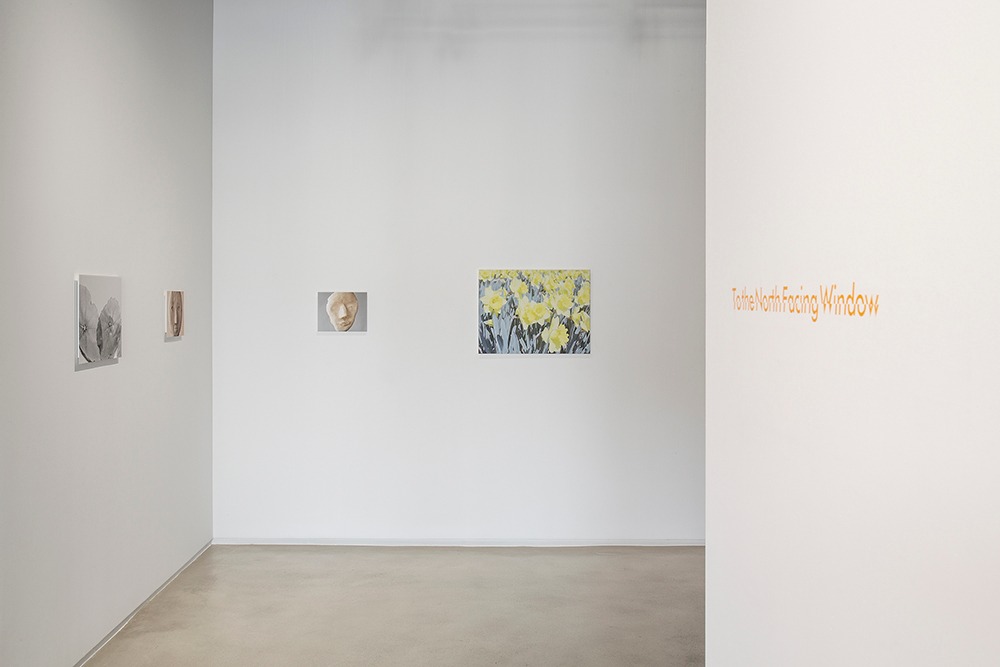
In 《To the North Facing Window》, she embraced greater contingency and spontaneity by hanging photographic prints without frames and shooting some scenes on film, while delicately capturing the colors and textures of subjects that flicker, glow, or move, including fireflies, butterflies, jellyfish, and plants.
Her practice of waiting for brief appearances of light and subtle movement brings photography’s stillness into tension with her enduring interest in motion, allowing the time spent encountering, waiting for, and observing a subject to permeate the photographic form itself.