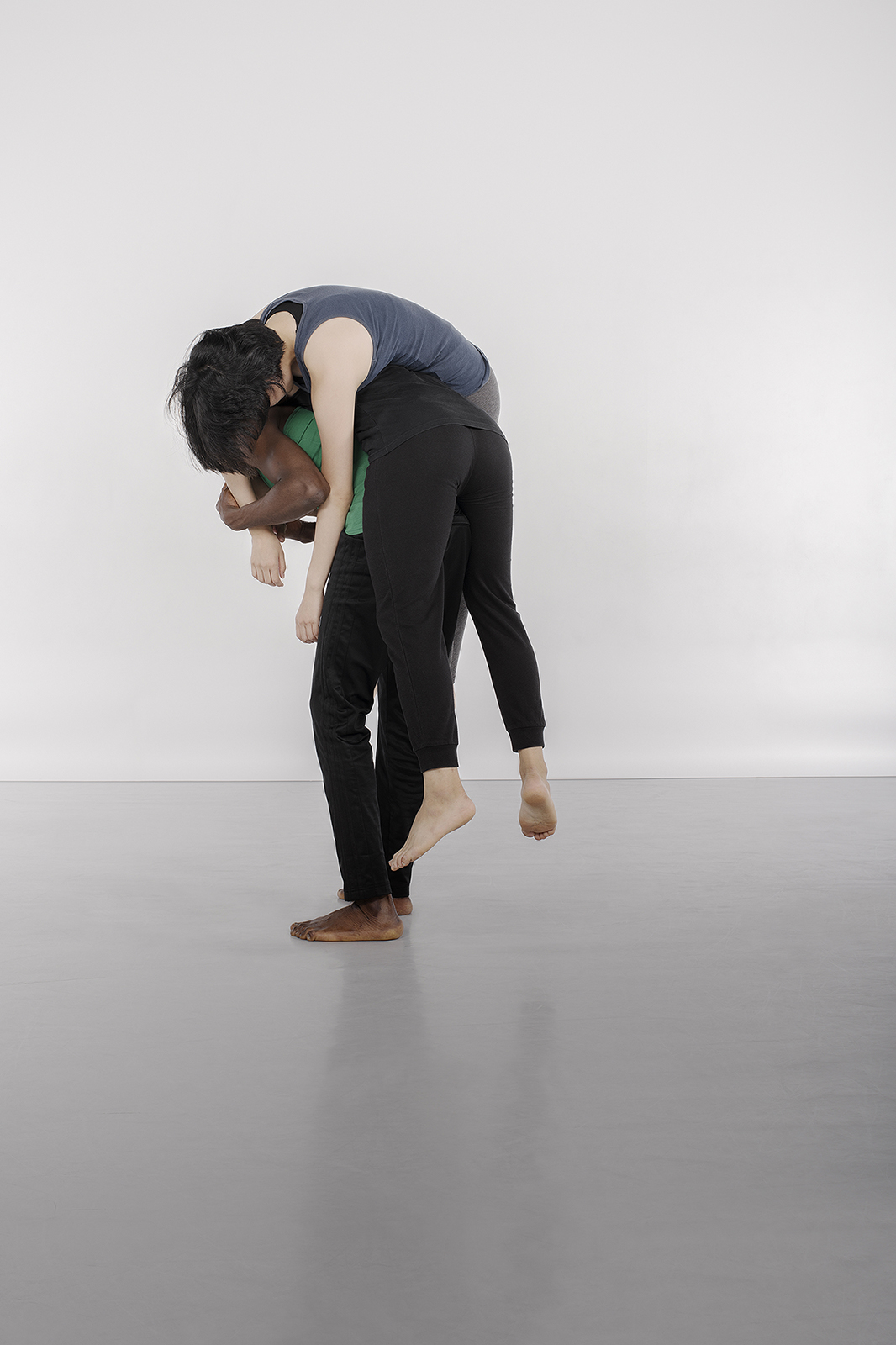
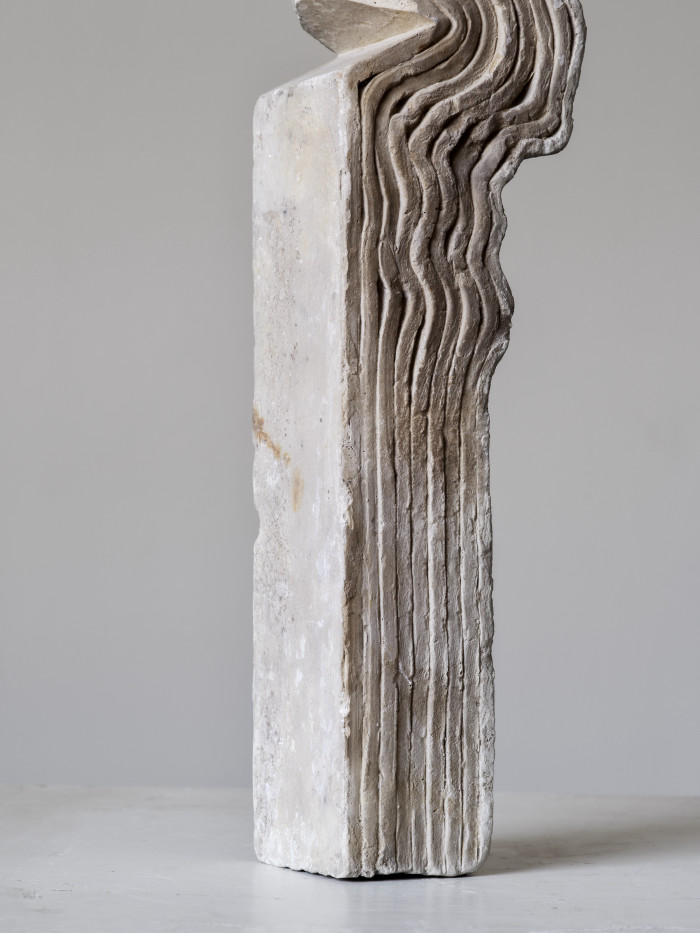
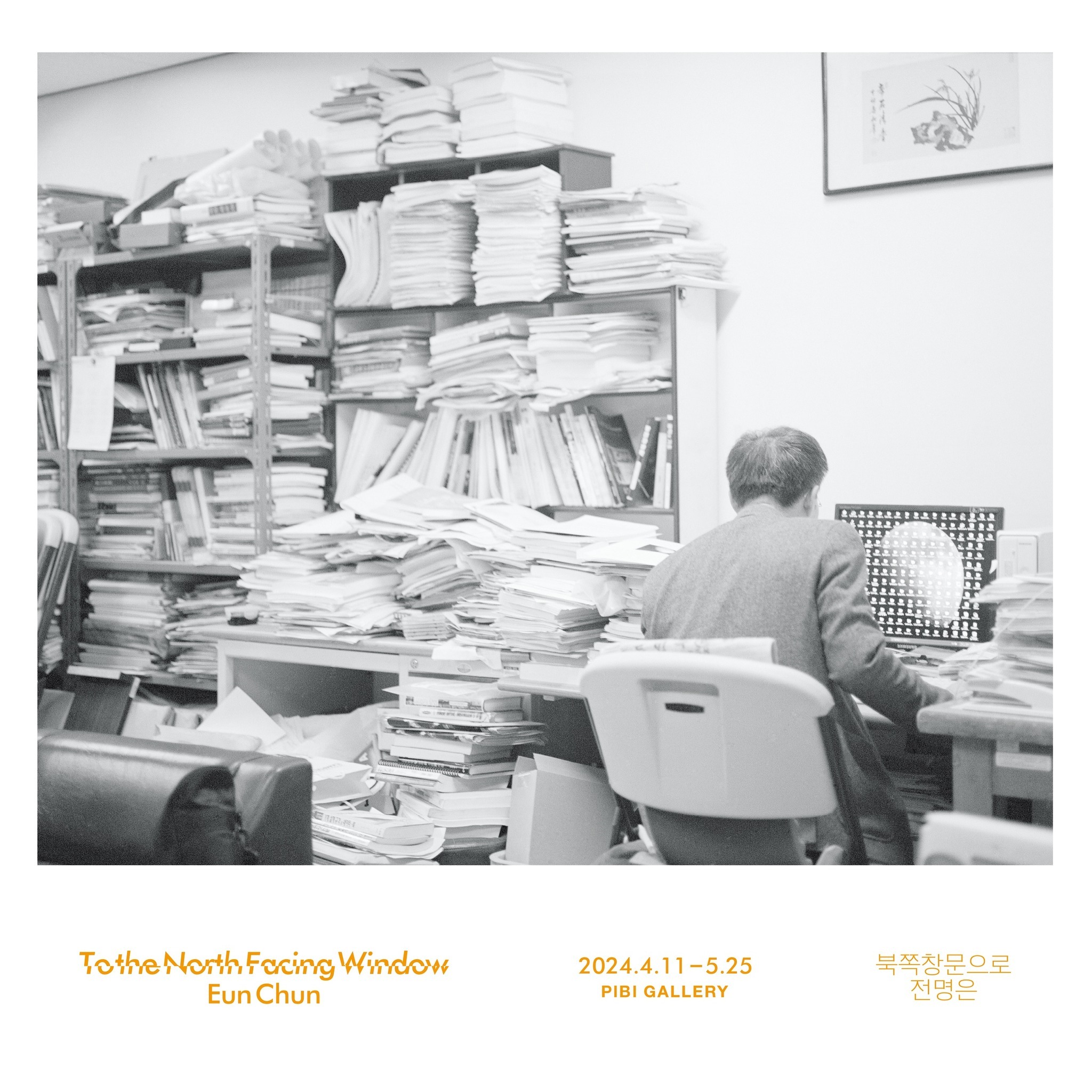
Poster image of 《To the North Facing Window》 © PIBI Gallery

Flickering Things

Nestled in the house's most sun-drenched, breezy corner is an aged display case. Made of dark wood, it holds a variety of things - each distinct in shape and size, age and eras, texture and pattern - resting quietly in their respective places. It is unknown when or where they were born, what they were originally used for, or how they came to be here.
And yet, they've often been handled with much care and love that they seem imbued with vitality, evidenced by their shimmering, polished luster. Eun Chun's photographs radiate a soft, yet deep shimmer that has been polished over time, much like the collections in the showcase.

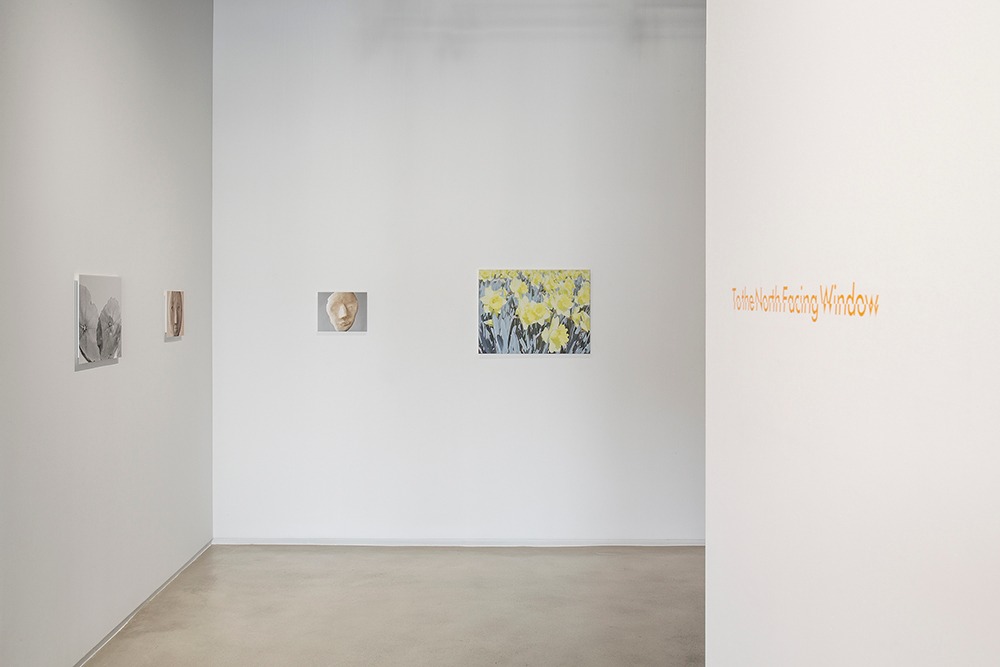
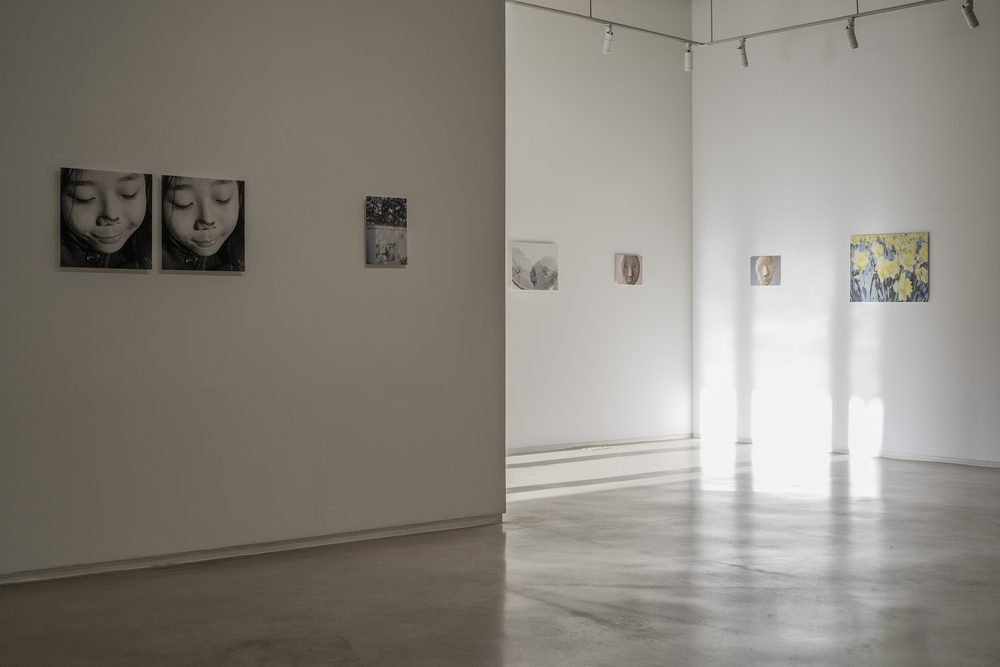
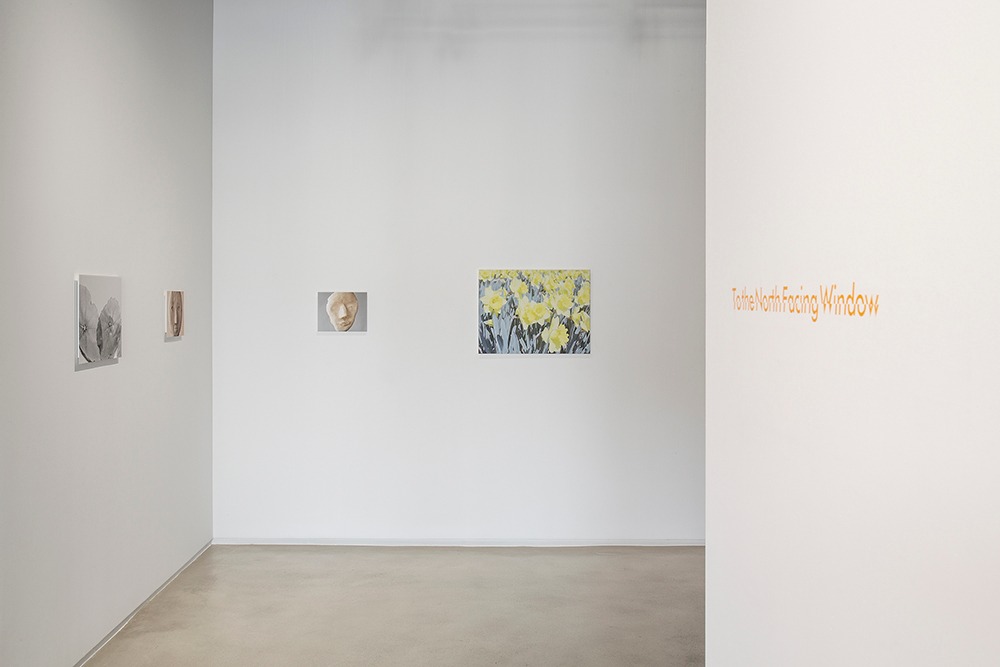
Presented in her solo exhibition at PIBI Gallery, 《To the North Facing Window》, Chun’s photographs traverse diverse timelines, from the newly photographed daffodils of this March to a glimpse into a scientist's lab from 12 years back, all converging into this one exhibition. 

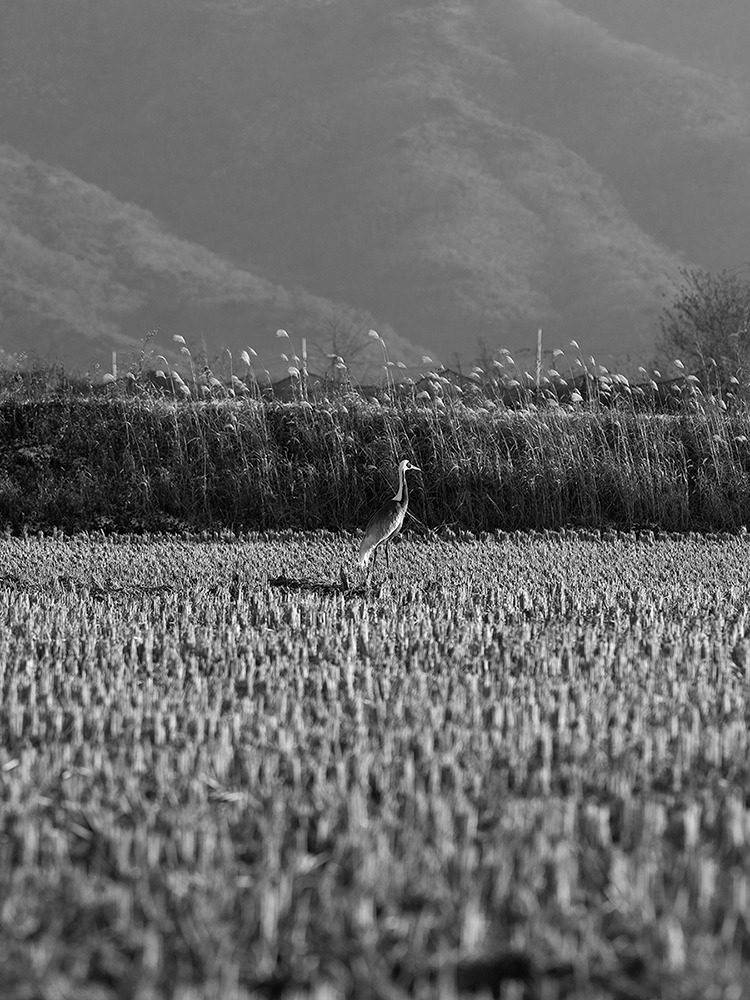
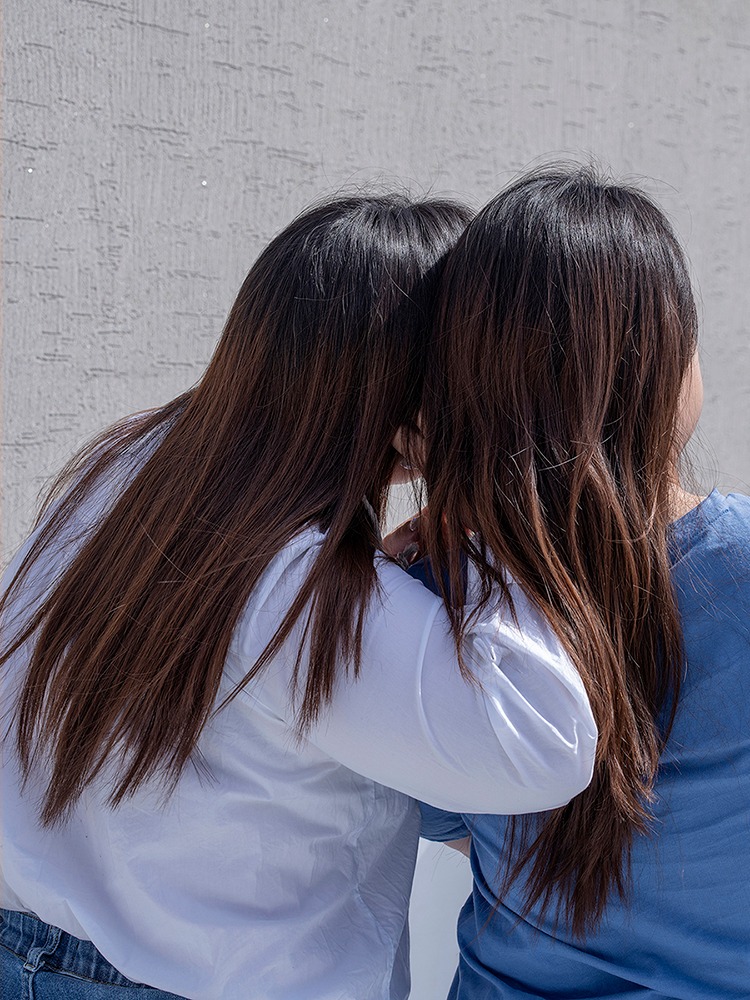
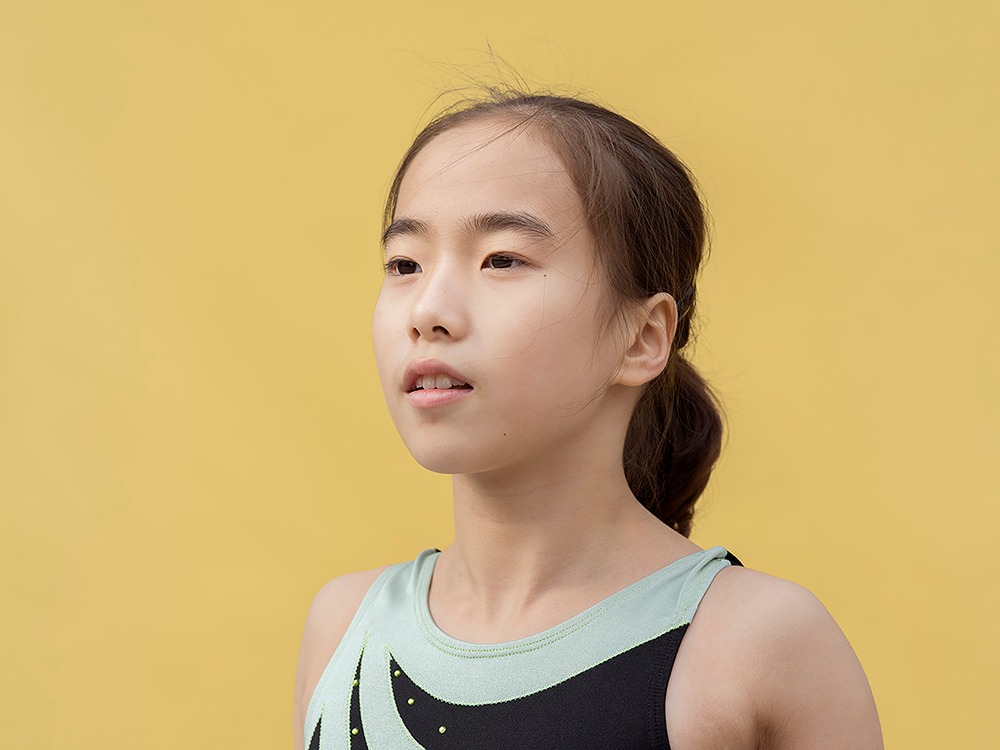
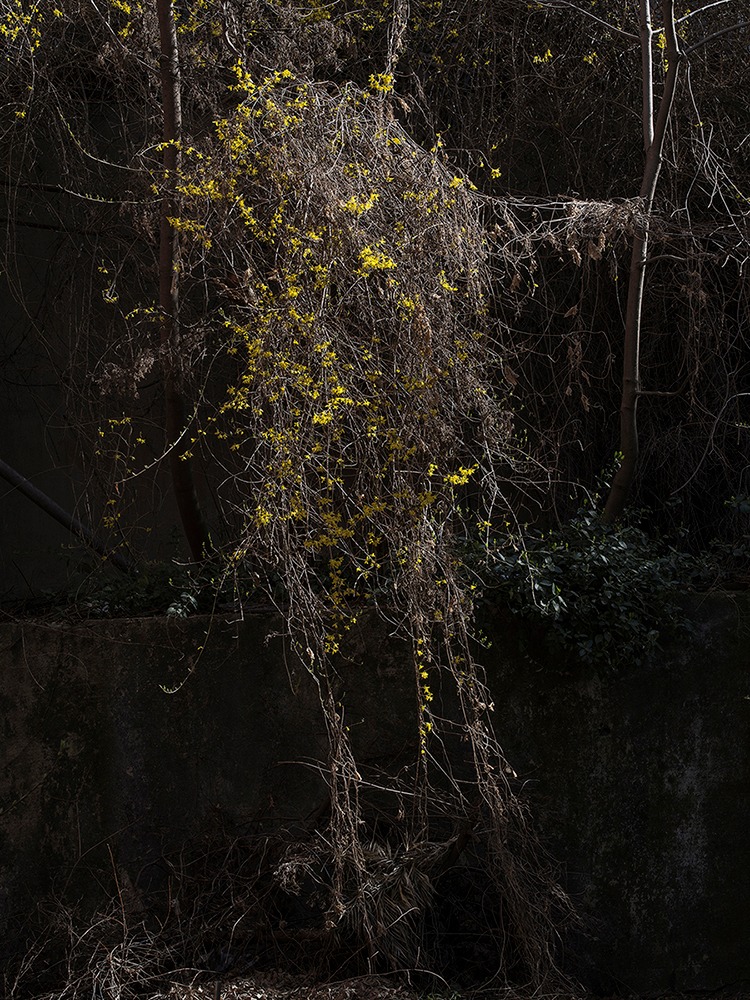
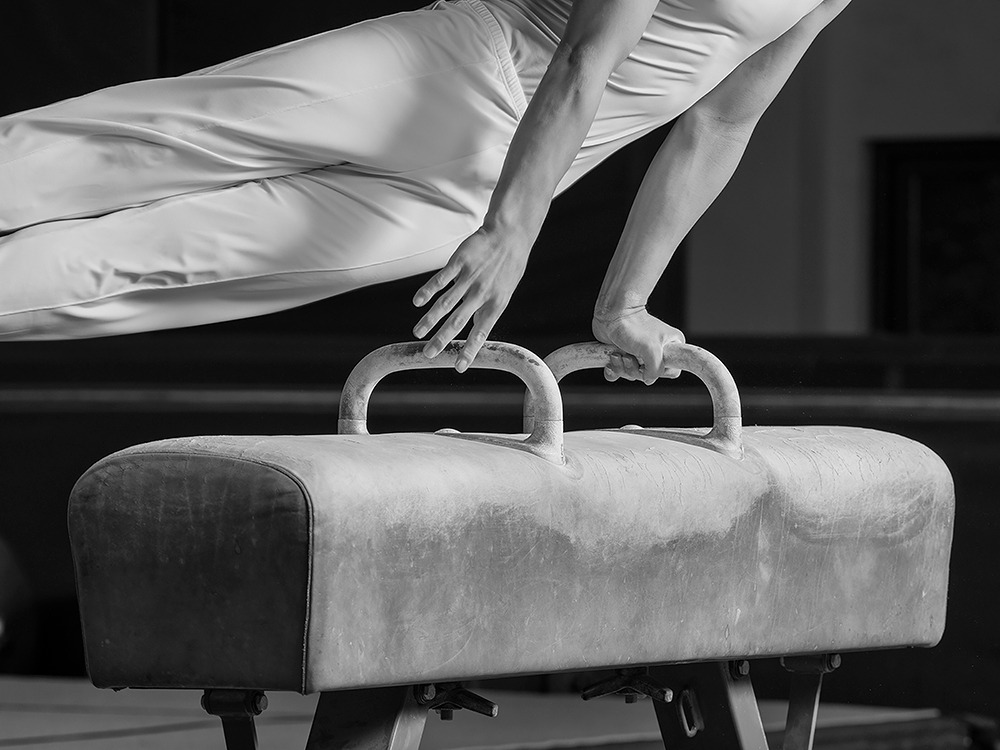
When it comes to Chun’s works, it seems impossible or impractical to describe them in simple sentences or words. The daffodil, the earliest flower to bloom in spring; a deer-shaped candlestick that happened to catch her eye in the studio; fireflies emitting light to find their mates; and facial sculptures made of clay by visually impaired children...

When listing the subjects of the artist's photographs in words, it is often difficult to find a specific connection among them, or they seem rather unrelated. Furthermore, the way in which interests cascade from one subject to another, the personal history behind each scene, how the narrative of the shooting process brings the work closer to the viewer, and the overwhelming delicacy of the seemingly serene images when encountered in print are hallmarks of Eun Chun's photography that render logical explanations challenging.


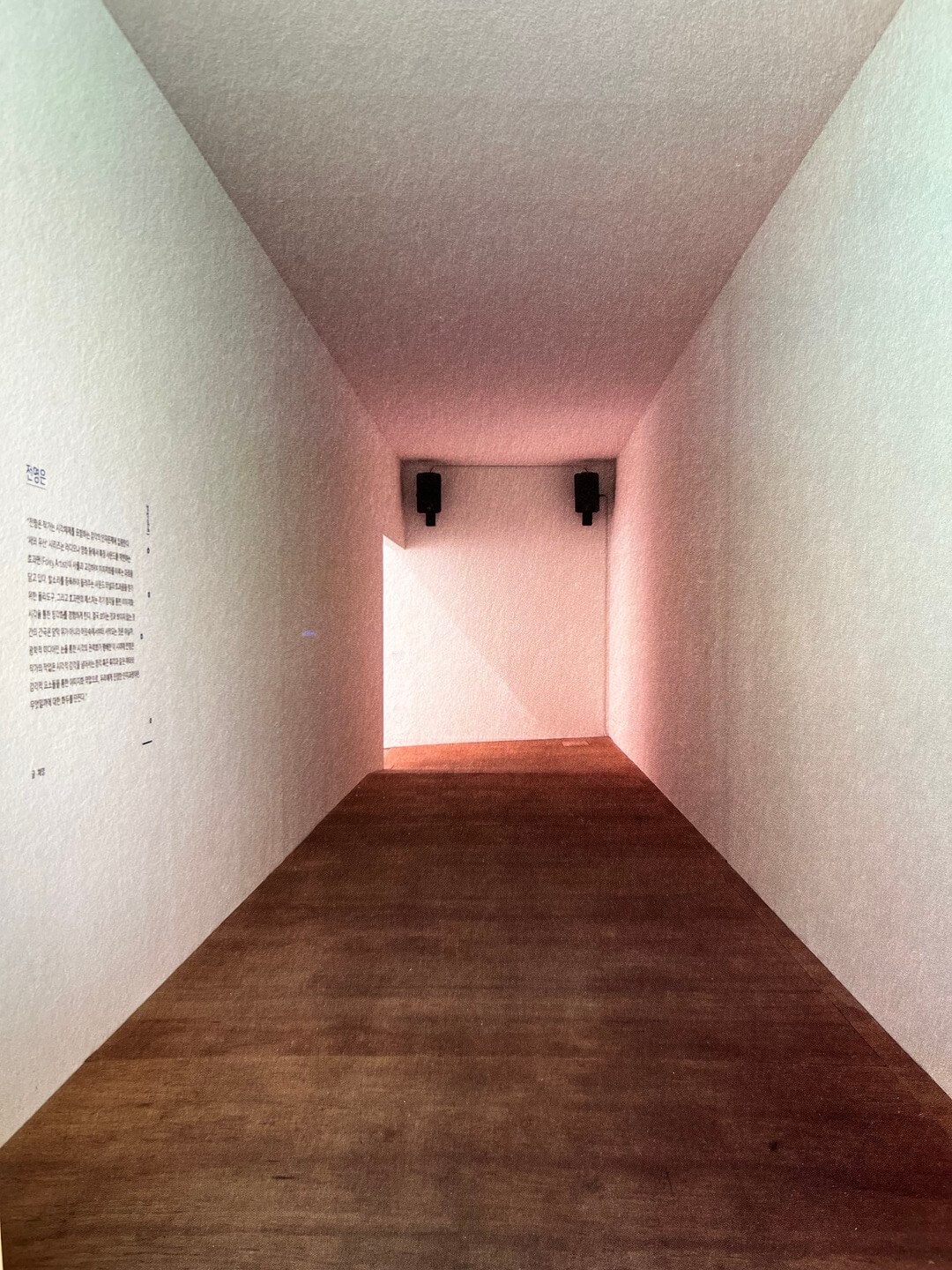
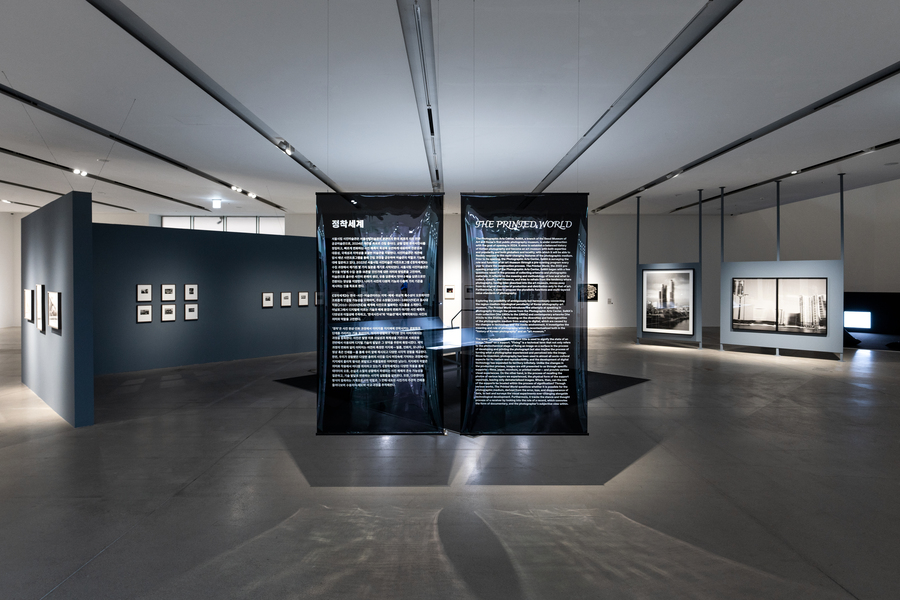
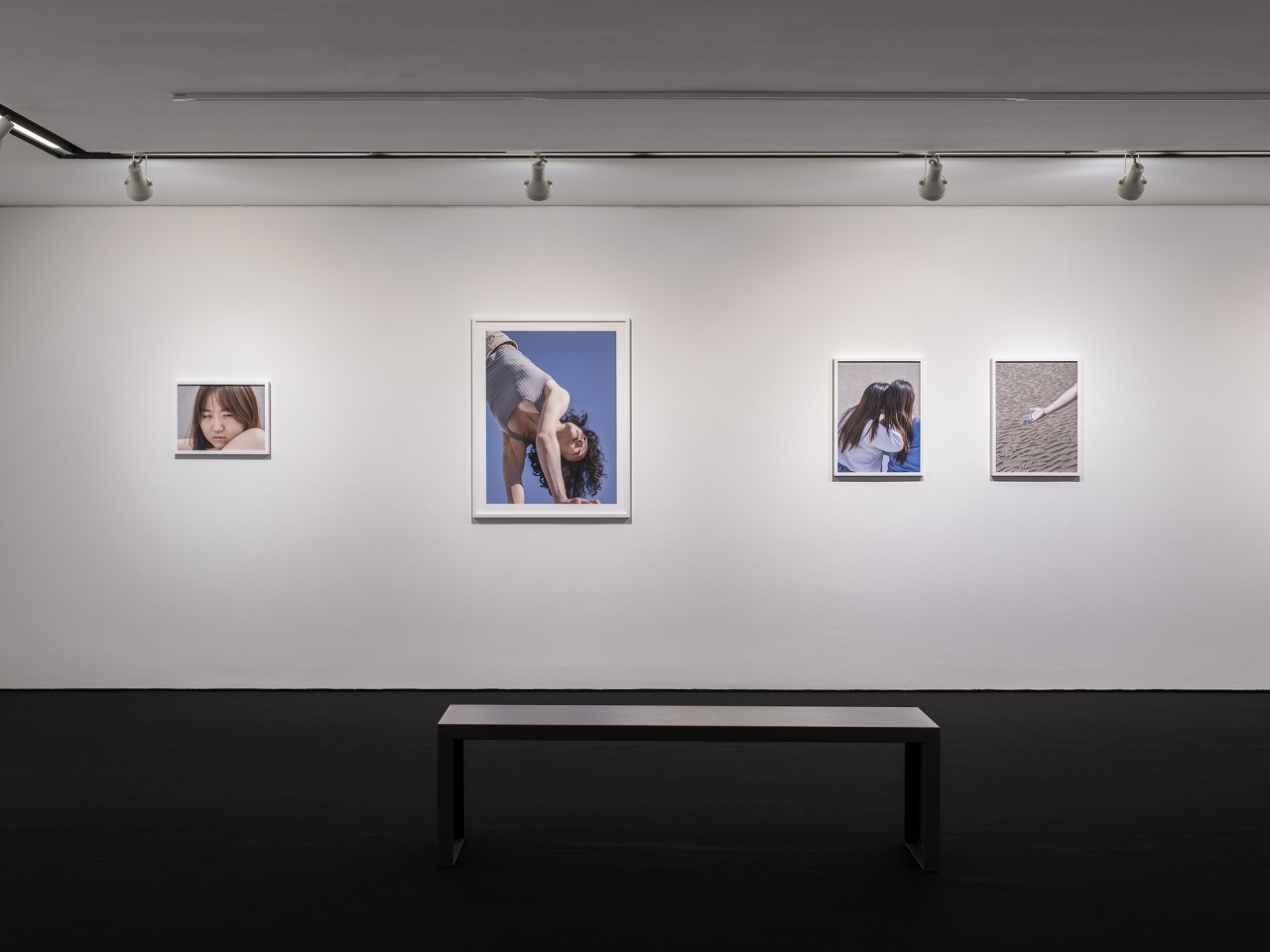
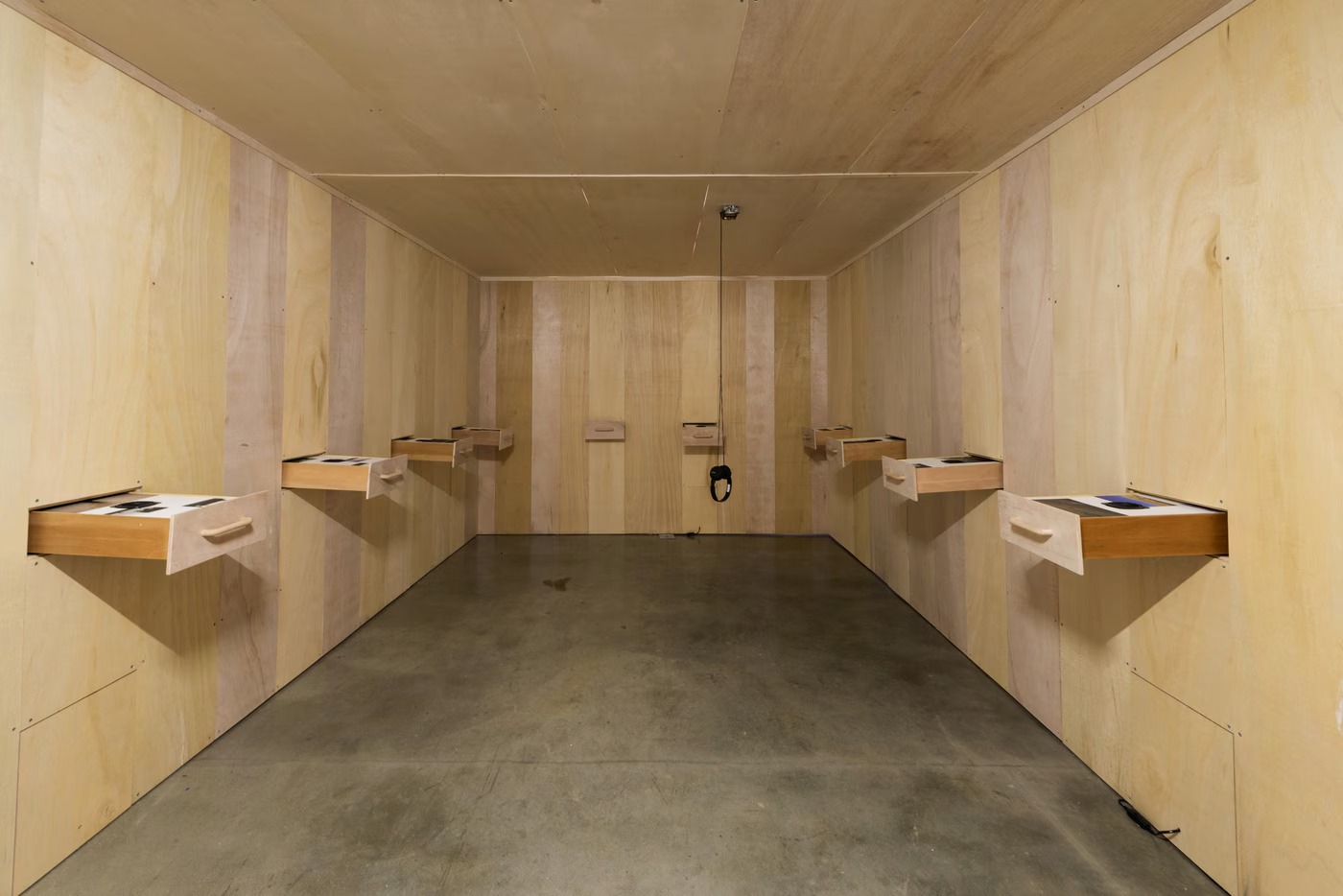
Installation view of 《To the North Facing Window》 © PIBI Gallery

This text has two goals: first, to talk about the tenderness of photography, which is a very prominent theme in this exhibition, and second, to explain the light that the artist constantly speaks about through various motifs. First of all, the tenderness of photography does not refer to the fact that it formally deals with tender subjects such as flowers, children, plants, birds, and cats, or to the softness of the overall colors and textures.

It is the tenderness of the gaze that searches and looks, believing that small and fragile entities are equally intense and powerful, much like the vitality of a midsummer’s day. Throughout her work, the artist has been fascinated by objects that are inherently faint or tapered, revealing their textured forms and imperfect vivacity of life.

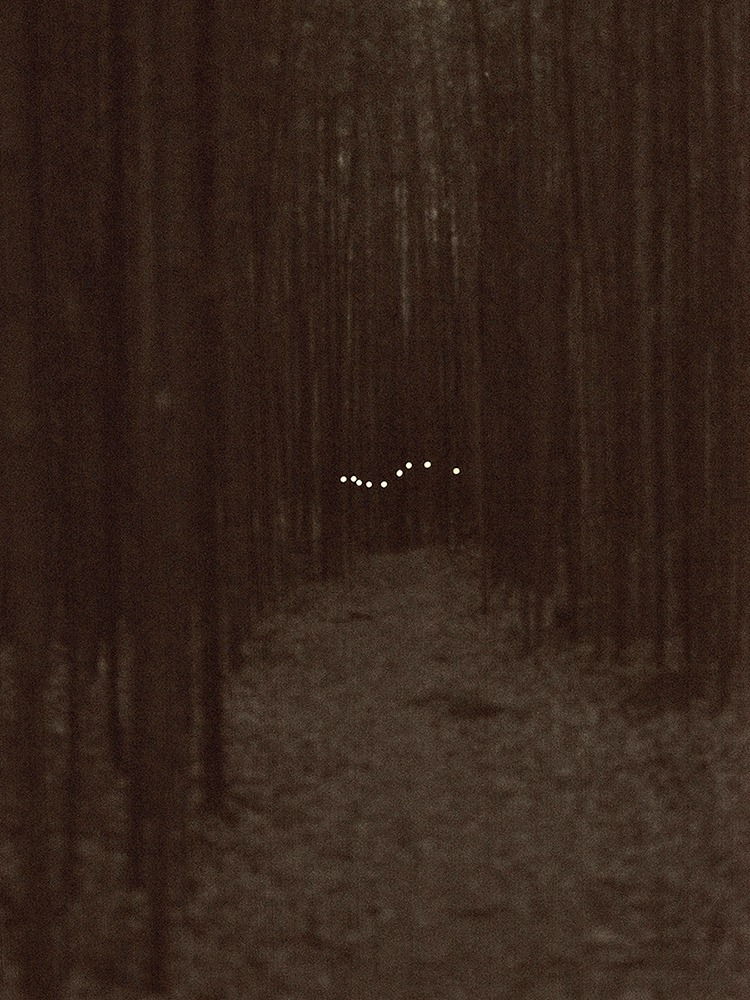
Every flicker of a firefly, flutter of a butterfly's wings, scattering of jellyfish and snowflakes, and even a simple hand of an antiquated clock designed to point in the direction of light have become objects of tender gaze for the artist.

In the same vein, the word ‘North’ in 《To the North Facing Window》, which captures the overall theme, refers to the direction and place where there is less sunlight and lower temperatures, and the state of waiting for warmth that has not yet arrived.

In this way, the tenderness of Chun's photographs is associated with remaining solitary, waiting for the sunlight to emerge slowly instead of a shadow casting the dark. And in Chun’s photographs, the light-bathed entities are sending flickering signals evidencing their vitality, outside of the frame. 


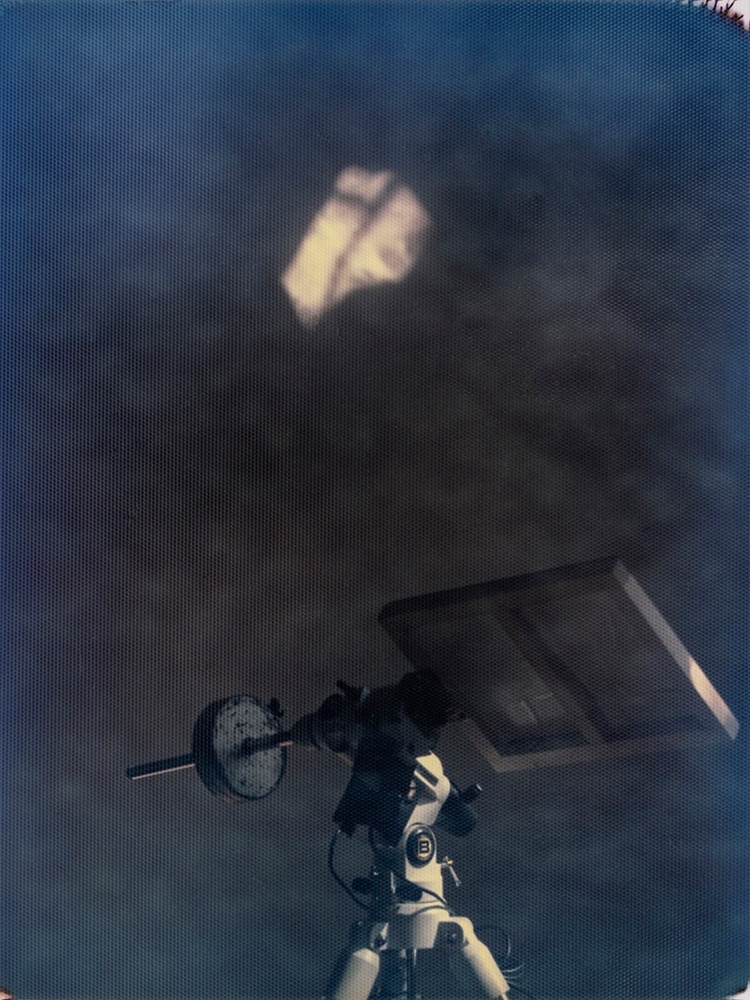
Eun Chun, To the North Facing Window #1, 2024, Archival pigment print, 20 x 15 cm, In collaboration with Song Jaewon © Eun Chun

From the Light of the South

In fact, the tenderness is intertwined with light. Because it is light that points to the way Chun depicts or addresses these living things, things endowed with their specialness. Large and small luminous objects, spaces bathed in projection, and the essence of light struggling to emerge from confinement become more apparently visible in Chun's photographs.

Importantly, the light she captures spills onto things that might otherwise go unnoticed, dismissed as inconsequential or ordinary. From candlelight illuminating a dark room in a circle, to the color temperature of living things detected by an infrared camera, to the beams of light imprinted on film... Chun brings out the most radiant aspects of what we might think of when we hear the word ‘light’.

On the premise of condensing a great deal, we can categorize the light featuring in Chun's works as scientific light, literary light, and visual light. First and foremost, scientific light is when the artist centers on light in its physical context, i.e., with light being at the fore, as a type of electromagnetic wave emitted by the sun or hot materials.

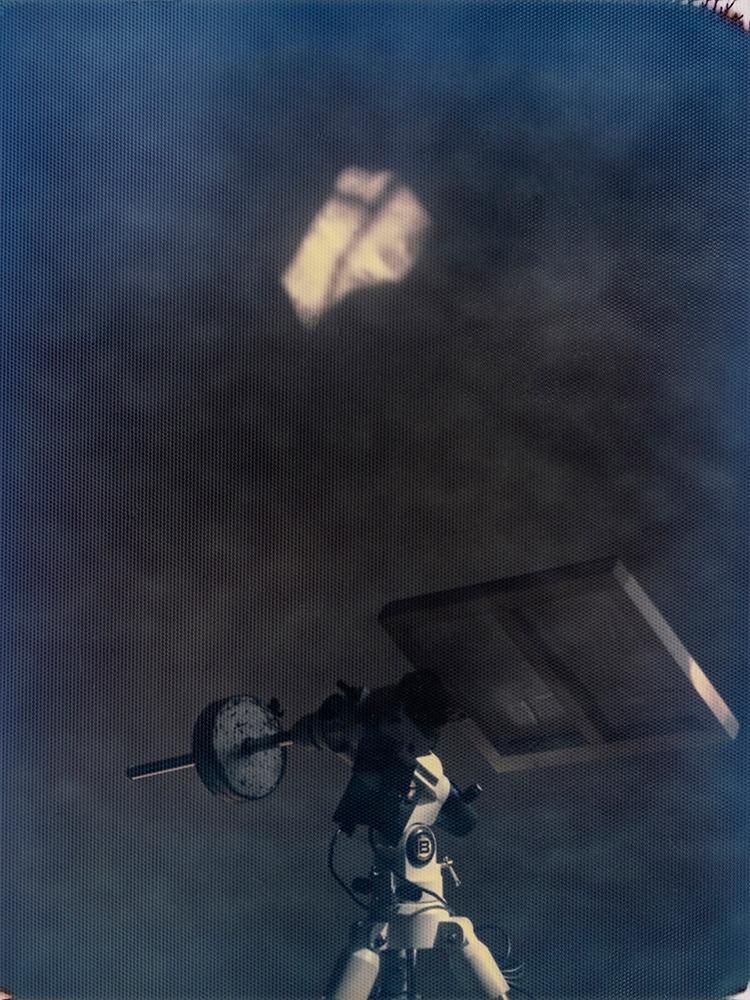
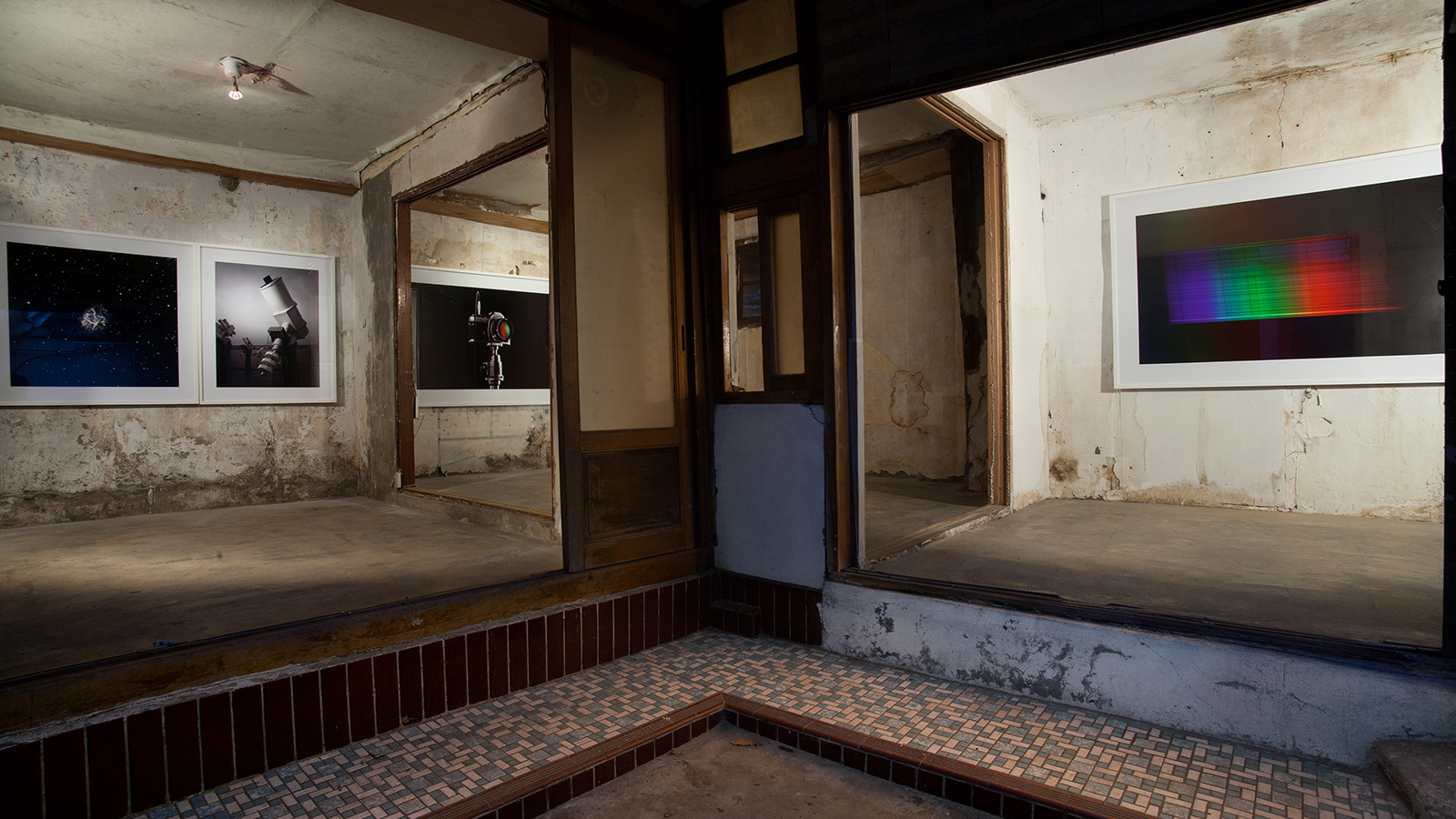
In her previous series, ‘The Photography Is the Retina of Scholars’ (2011-2012), the artist met with amateur astronomers, referencing their astronomical photographs and photographing their instruments. Transits of Venus, 6 June 2012 (2012) was shot during a similar time period to the above series, and captures the eponymous phenomenon, which occurs once every 105 years when the Earth, Venus, and the Sun line up and Venus is visible above the solar plane.

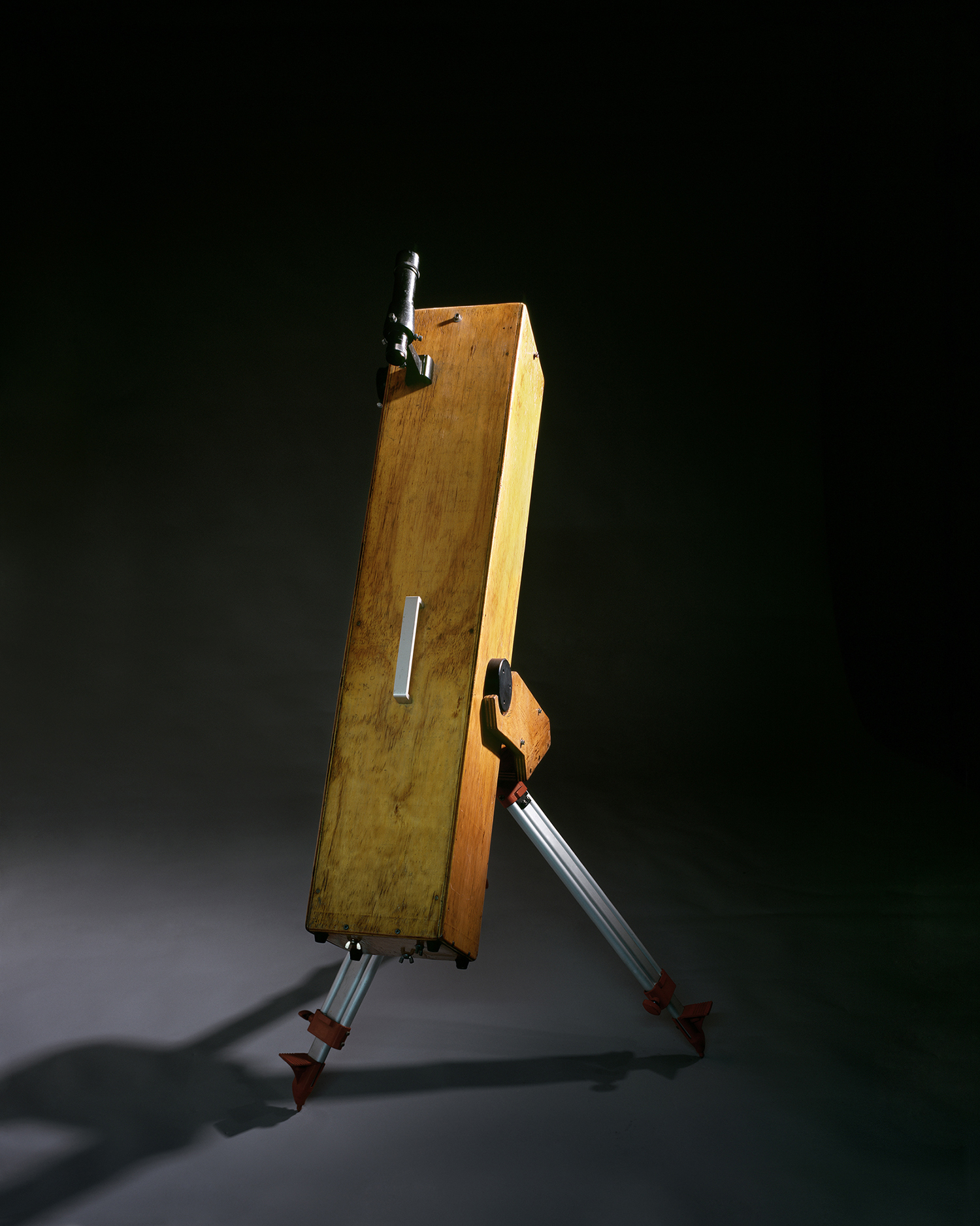
For Chun, scientific light is a cosmic light that arrives from an invisible and distant place, a concept that includes the minds of those who observe and wait for it seriously. Meanwhile, the machine in To the North Facing Window (2024) is the invention of electronics engineer Song Jaewon. Chun and Song, who have bonded through their past work, happened to have a conversation about a machine that transmits light from the south window to the north window, and that sparked the creation of the work.  

For Chun, light is also the state or existence of being alive, the vital energy of nature and things. In the petite camellia blossoms and red berries, the sunlit leaves of begonia conchifolia, the face of a child, the back of a painter, and a night landscape, Chun sees the radiance emanating from living things.

It is for this reason that we can somehow read the shape of the familiar snow crystals in The distant landscapes utter no sound (Winter) (2023) and the image of light that she would have pursued in the jellyfish's swimming in Untitled (Ephyra #2) (2024). Not only that, the artist senses vitality in the objects imbued with human affection, but also in the afterimage of a ship passing over a field of daffodils in Geojedo.

In this way, Chun's photographs are in touch with the fundamental life that changes with the seasons and the weather, that appears from nowhere and then disappears, that seems to be taken for granted but whose death is inevitable. And this tendency of implied and symbolic life is what I would like to call literary light.


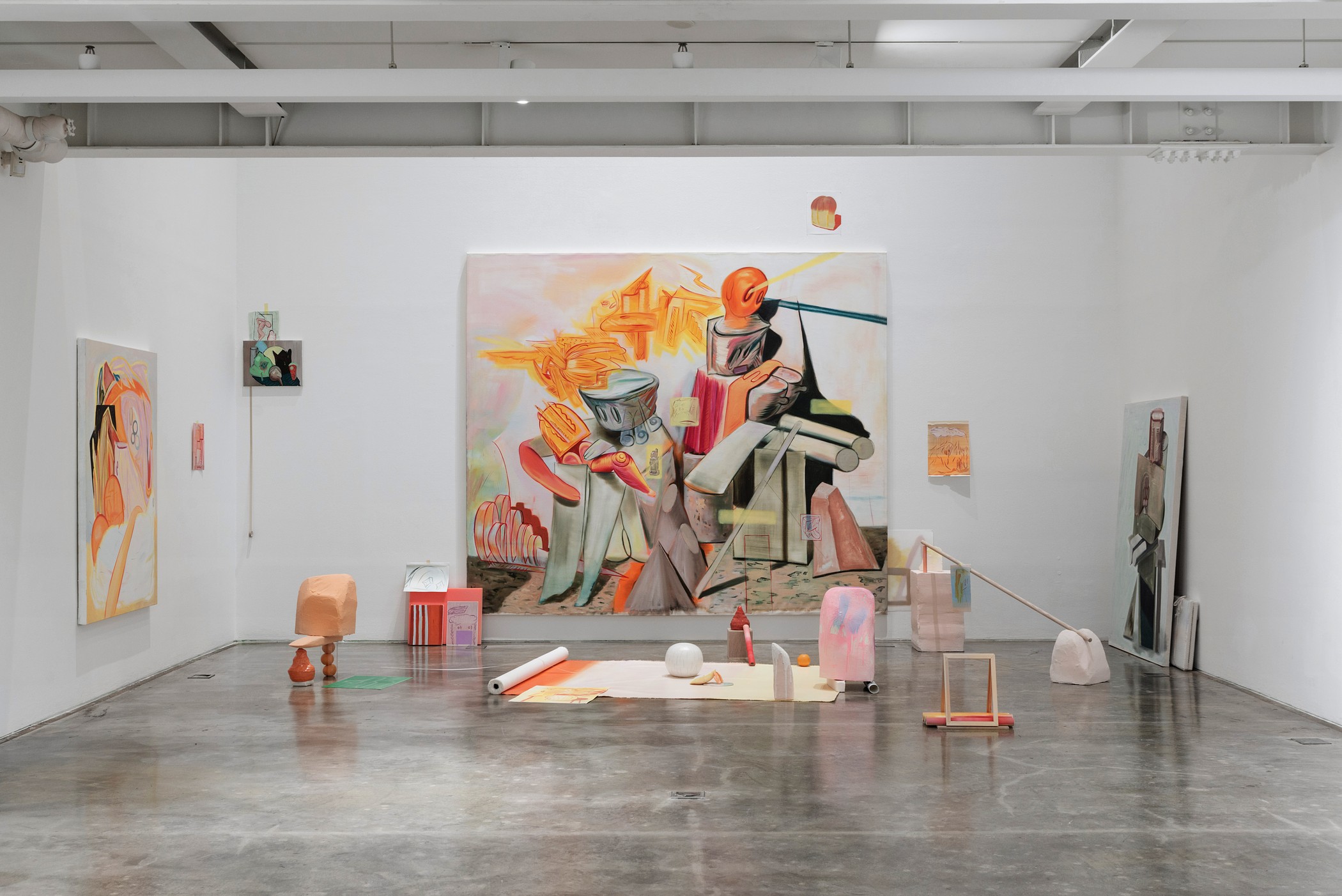
Installation view of 《To the North Facing Window》 © PIBI Gallery

Finally, Chun explores visual light through photography. Here, I am referring to the direct or indirect presence of visually impaired people in her work.  Since around 2012, the artist has been constantly working on projects with the blind, meeting students at schools for the visually impaired, and observing people living in a different sensory world.

In various works since then, she has used the faces and bodies of blind people, guide dogs and the blind, pets and the blind, etc. as part of her work. What I would like to emphasize is that in these works dealing with the visually impaired, Chun is not focused on "disability" per se but is interested in juxtaposing the visual system of photography with other ways of seeing the world that are less obvious and more subtle.

In the series ‘Questioners’ (2024), featuring photographs of clay sculptures made by students at the Seoul National School for the Blind, Chun superimposes her gaze in close-up over faces that the children have never seen or only glimpsed and their eyes, nose and mouth created by sensation and imagination. In dealing with visual light, Chun's light is predicated on darkness. And in this mutually inevitable relationship between light and darkness, she finds beauty that paradoxically becomes more intense and solid.

For Chun, photography is about printing off the screen to make the moment of the camera shutter last as long as possible. The process of finding the source material, the time leading up to the shot, and the subsequent story that surrounds the image are key to understanding Chun's work. In this exhibition, Chun seems to be more relaxed on the technical side.

The photographs in the exhibition are hung without frames, and some of the images are taken with film cameras, where the results of the shot are not immediately available, to incorporate spontaneity and serendipity into the images. The artist seems to have focused on the intrinsic joy of photography, which is to capture the scene she wants to capture, to go where the subject is, to wait for and encounter a special moment, and to share it with others.

Through the works in 《To the North Facing Window》, where the sunlight outside the window seems to be condensing on the wall, I hope to embrace the warmth that Chun brings without hesitation and direct it to every cold part of your being.

References