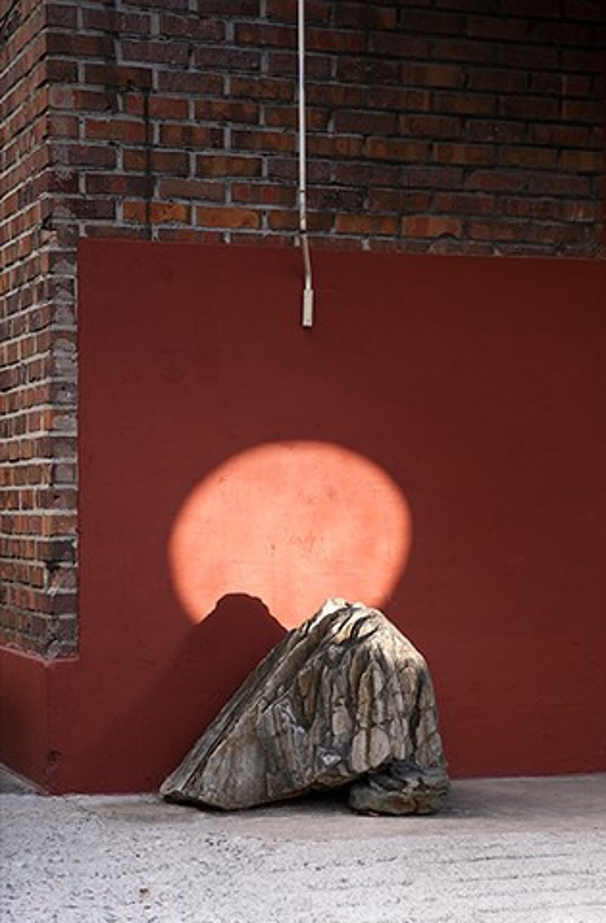
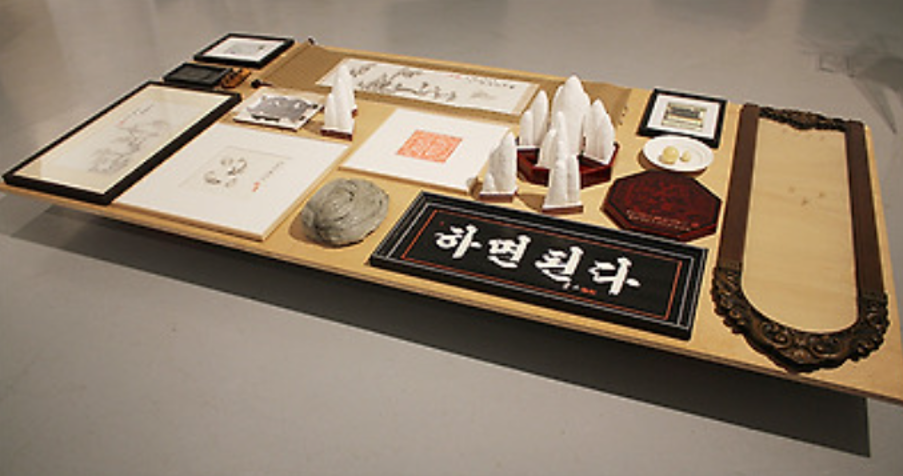
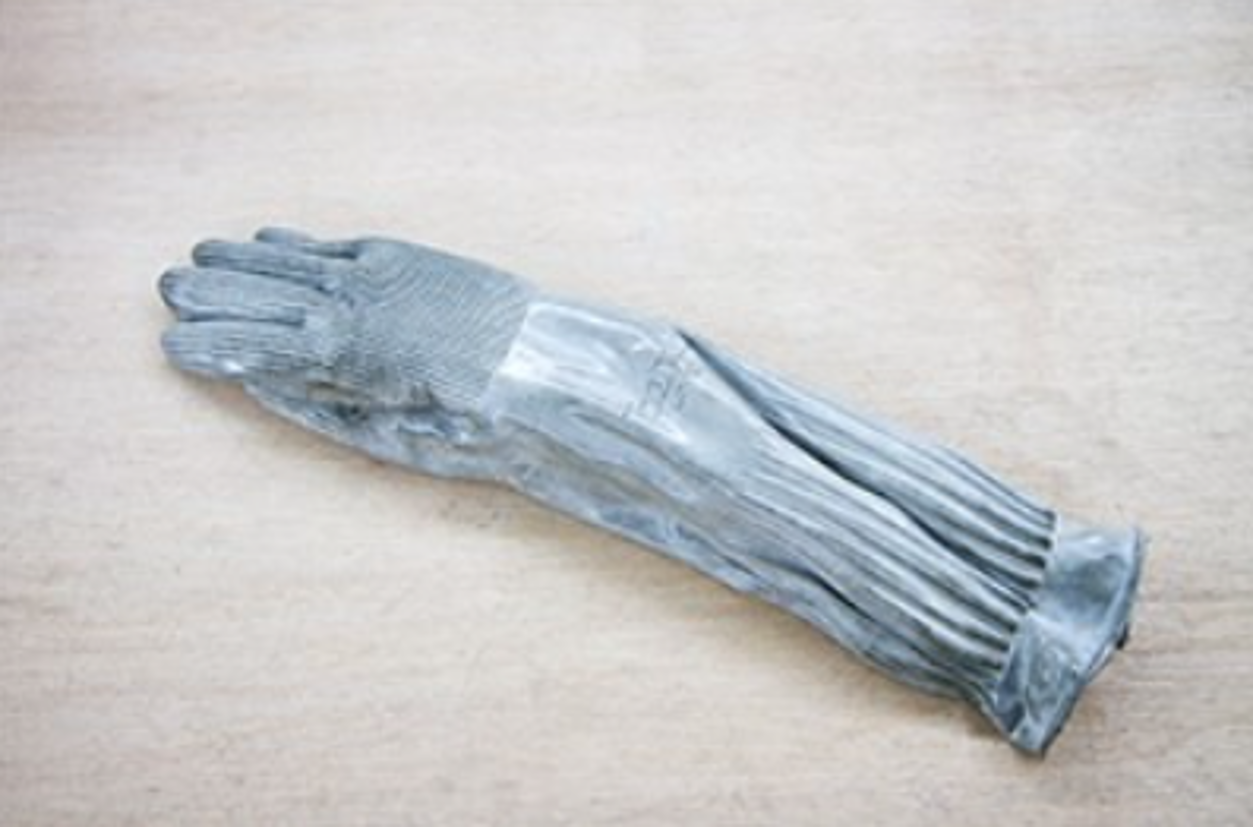
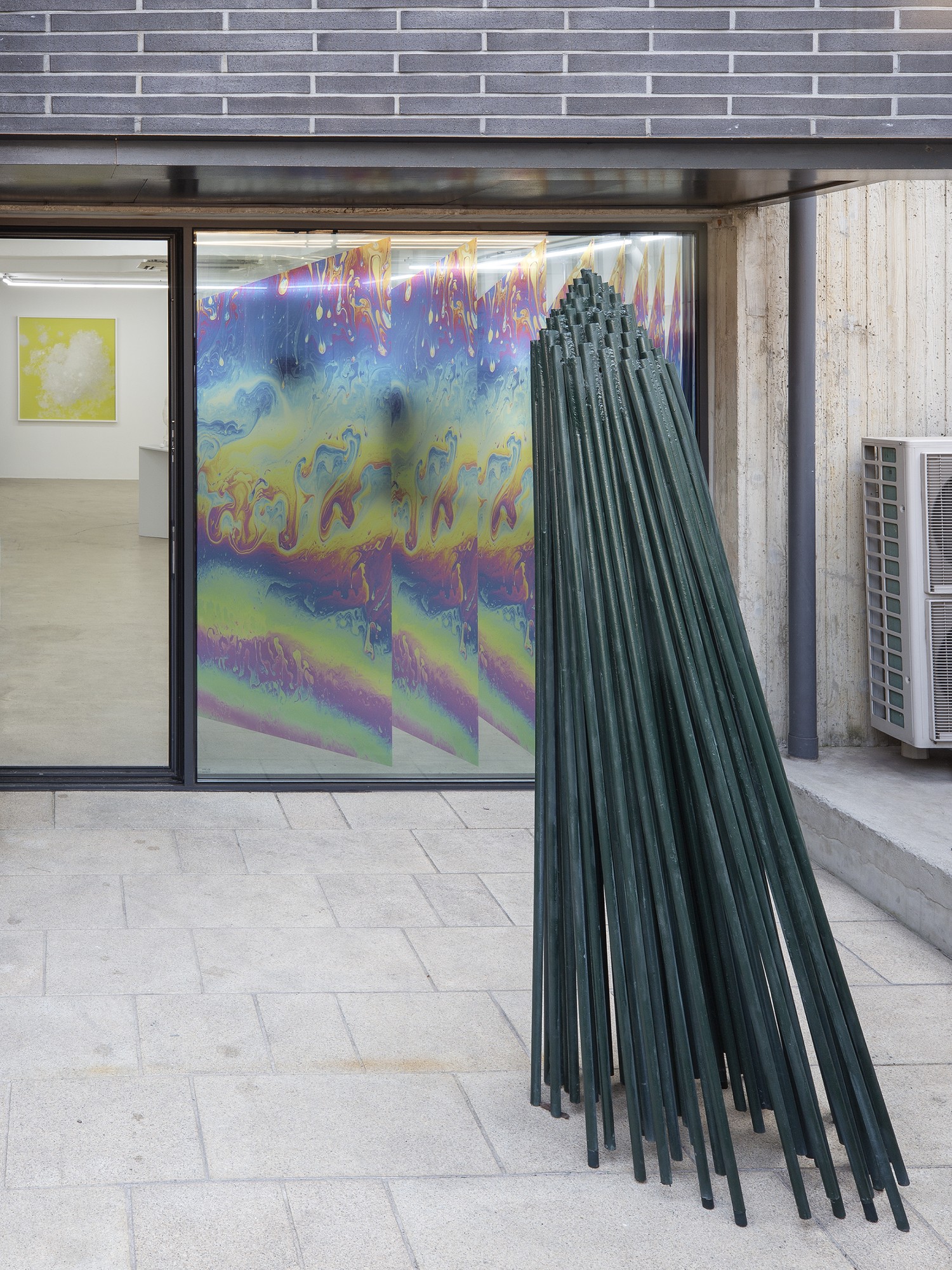
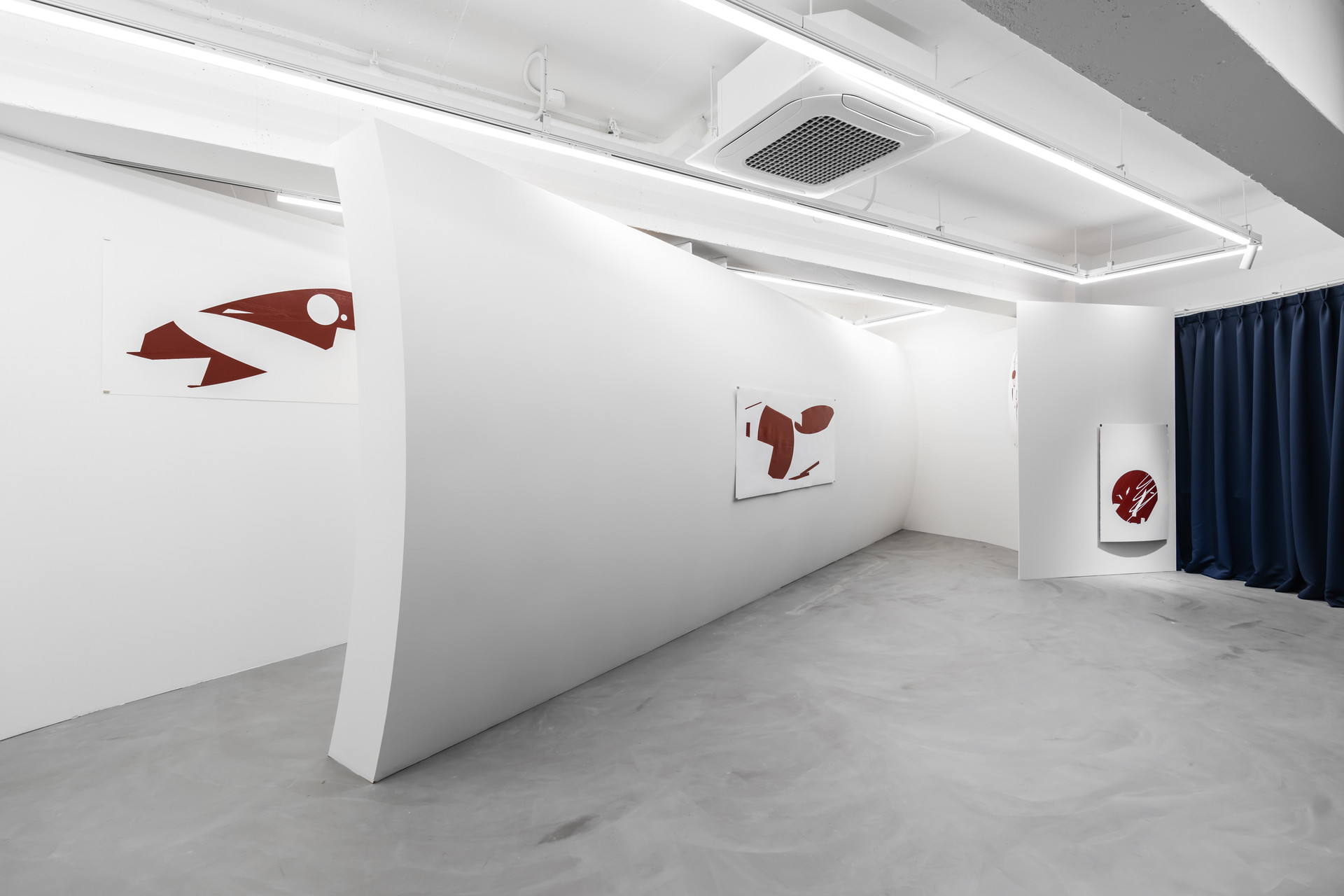
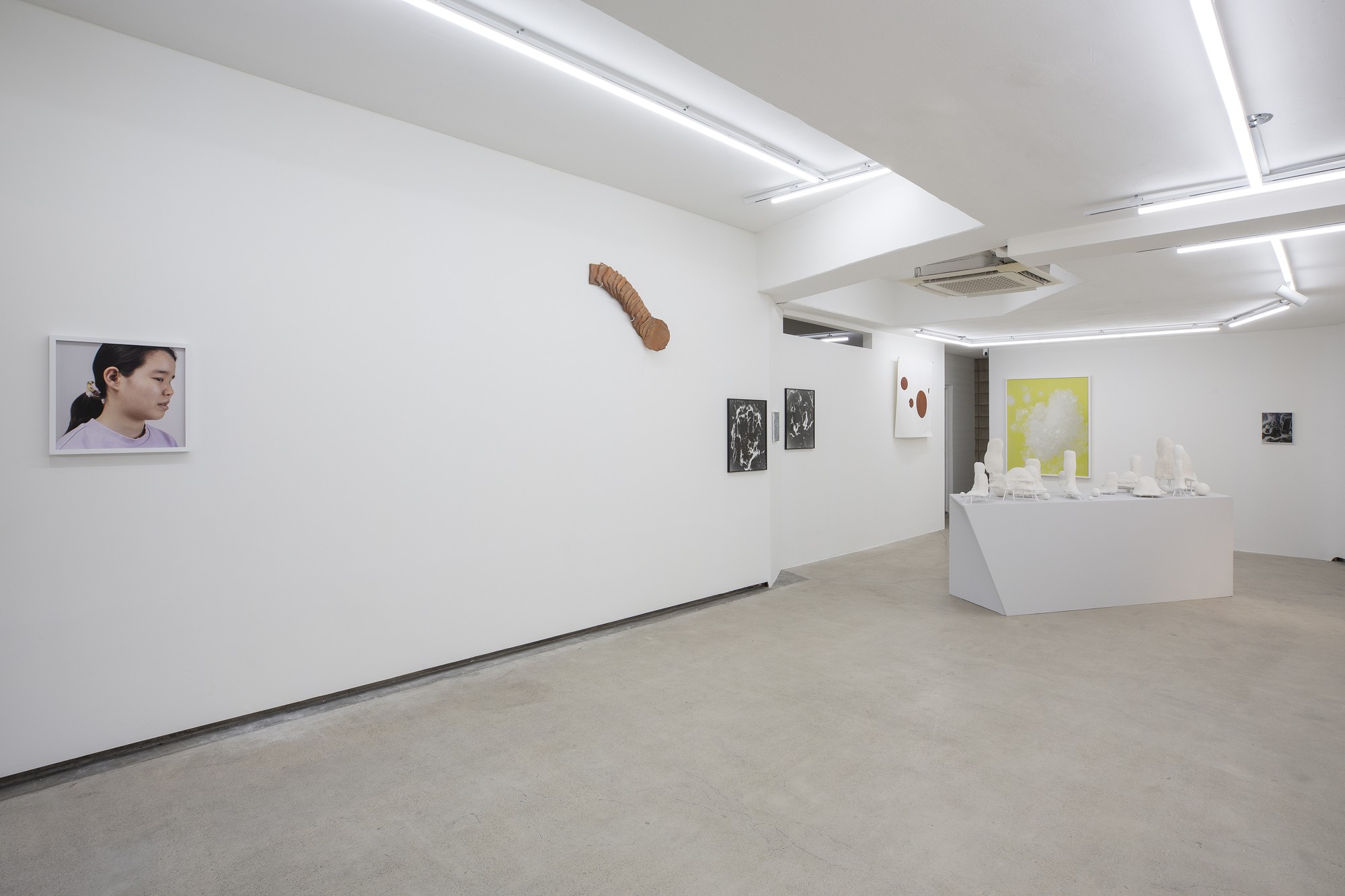
From the perspective of sculpture, meanwhile, Byun Sanghwan’s works are narrative in character and contain temporality and movement. For the artist, forms such as inverted icicles created when water dripping from outdoor air-conditioning units in winter freezes upward from the ground become intriguing subjects and materials discovered in everyday life.
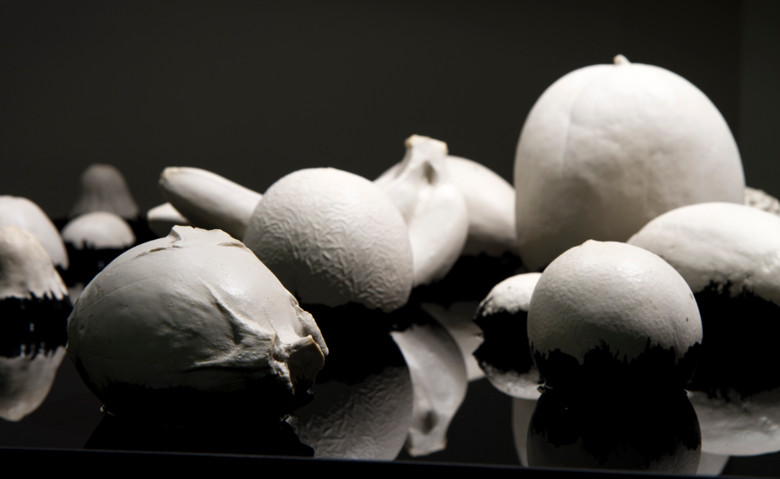
In Equivalent Exchange_Isolated and Helpless, he takes a mold of such an inverted icicle in order to cast a sculptural mass, then mixes plaster with the water produced when the ice melts and casts the form. During this process, impurities remaining within the icicle are fully incorporated into the sculpture, allowing the narrative of everyday life to settle deep within the surface of the form. At the same time, plaster appears both to preserve the narrative of daily life in sculptural form and, through its white surface, to allow for the possibility of projecting another narrative onto the everyday.
The artist then adds legs. Yet the legs embedded into the upper mass appear quite different from the symbolism of traditional sculpture. Thin and fragile in relation to the upper body, they depart from the monumental values traditionally achieved through ideal proportion and dynamic movement and instead evoke an organism with an unusual posture.
The precarious balance of a body that seems to struggle beneath disproportionate weight extends the gaze from line—the legs—to plane—one surface of the mass—and further toward a movement that attempts to advance into, or construct, a certain space-time.
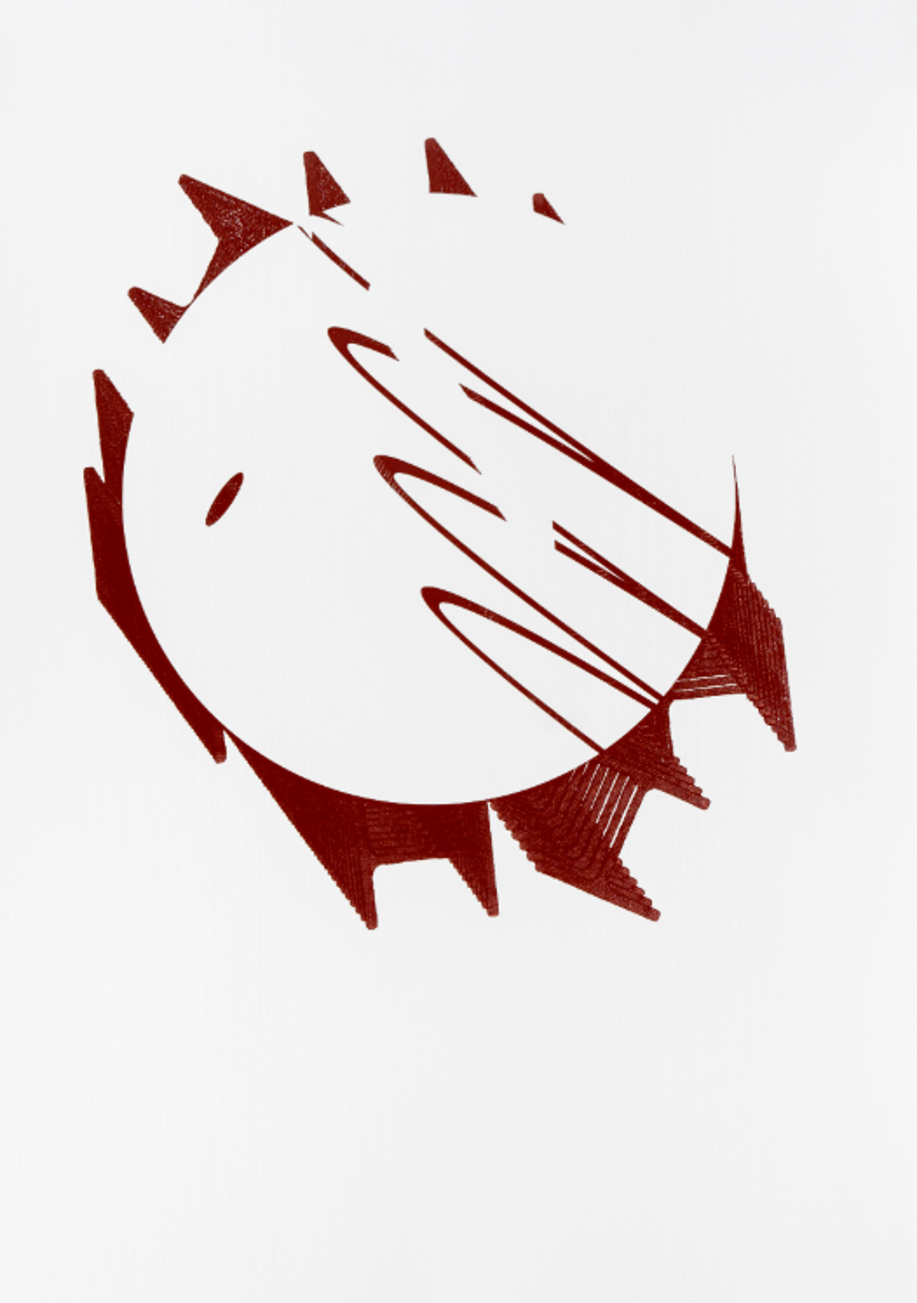
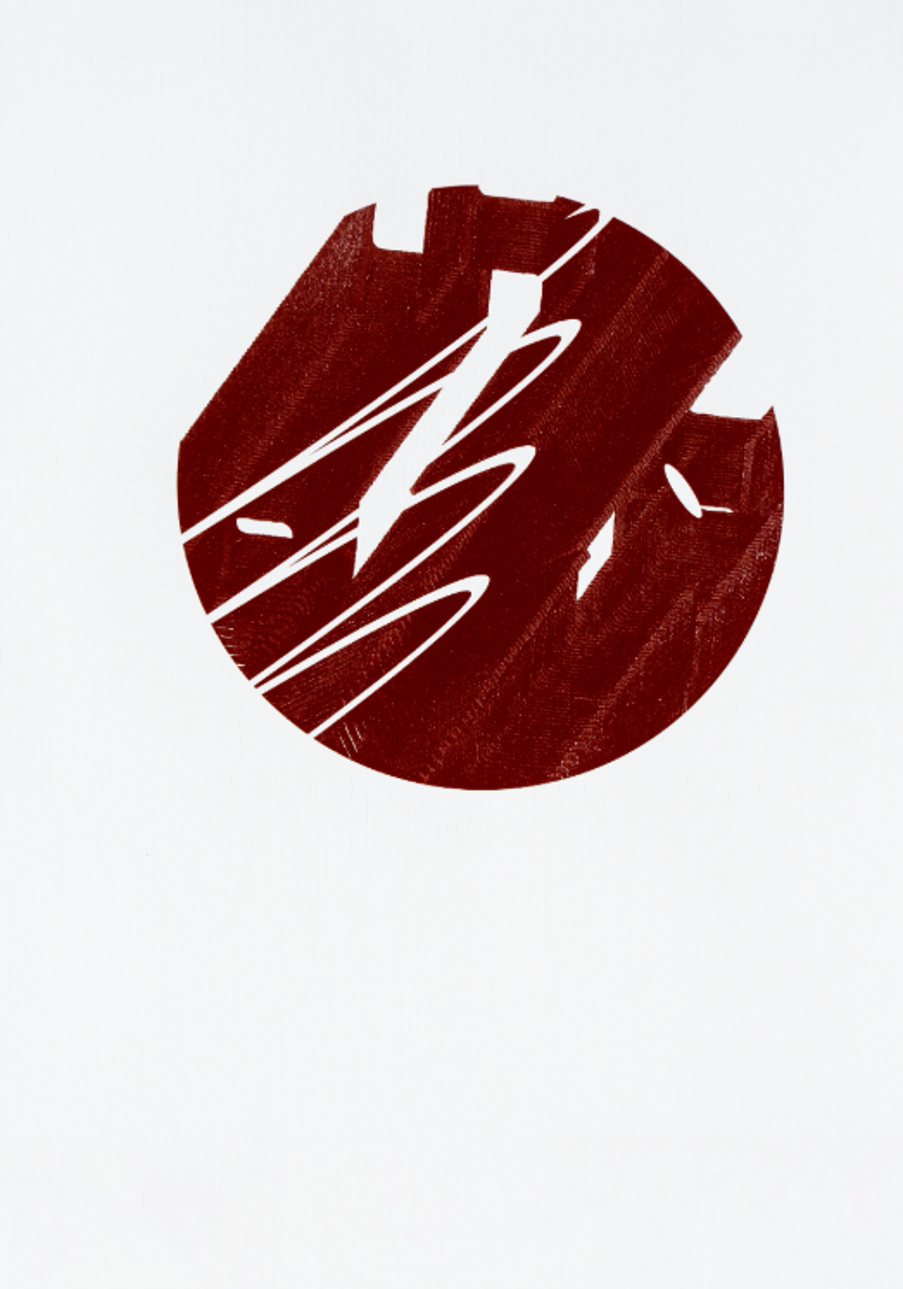
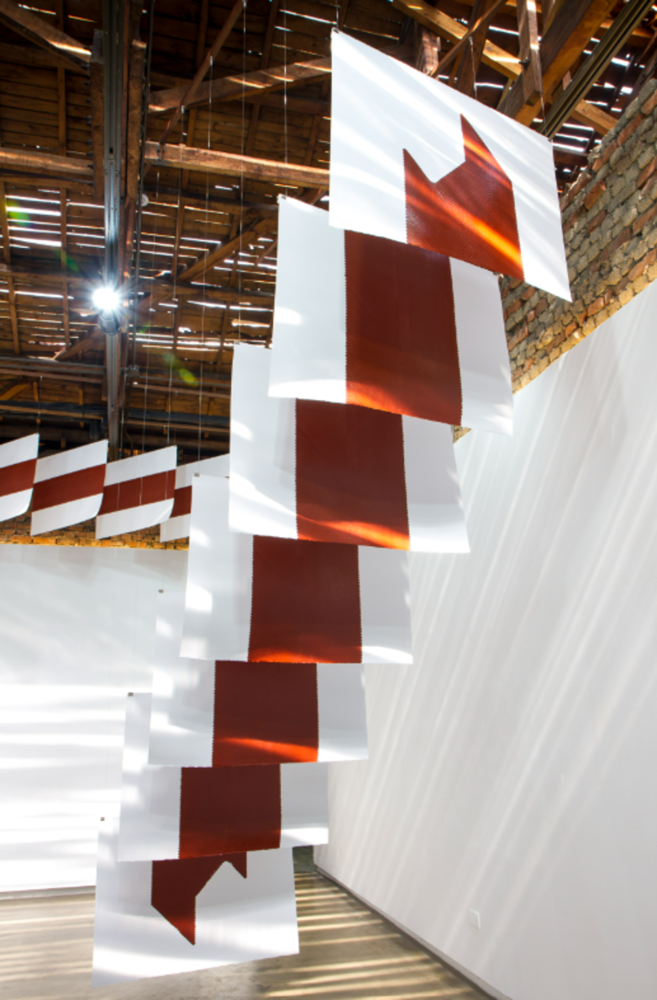
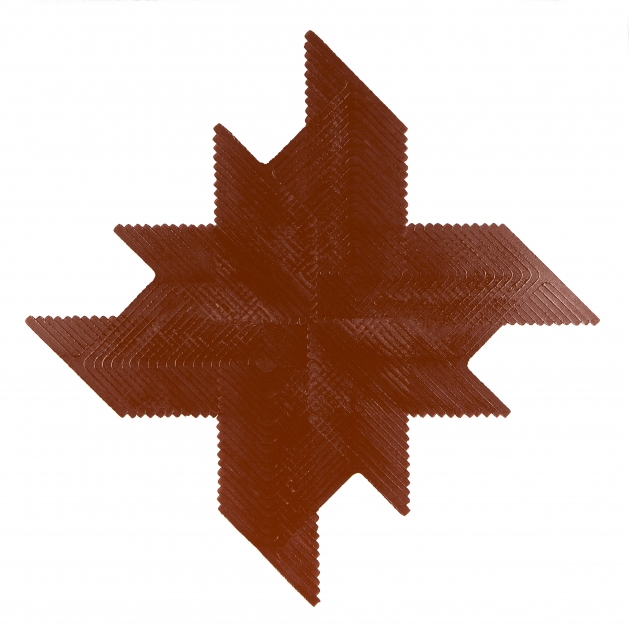
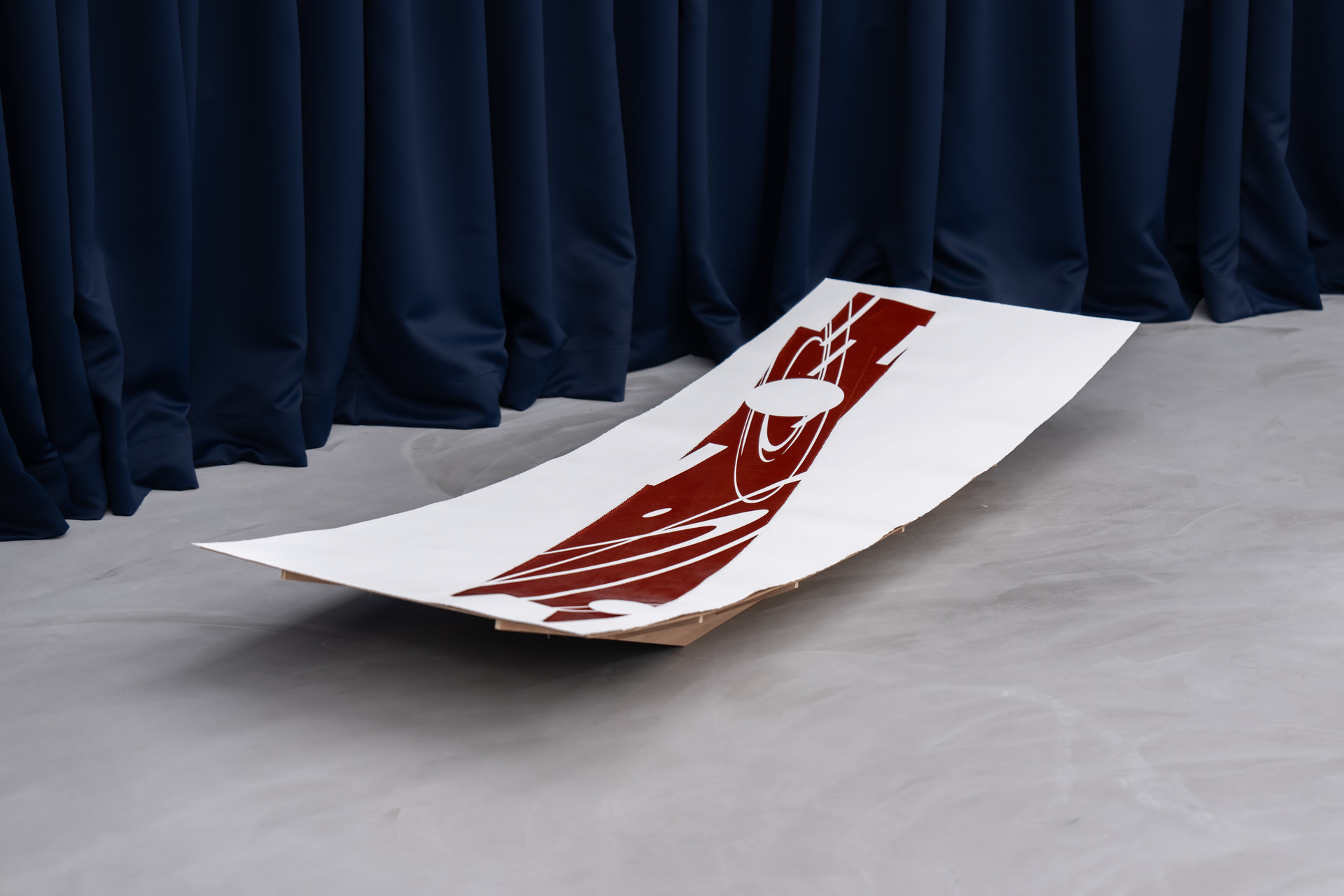
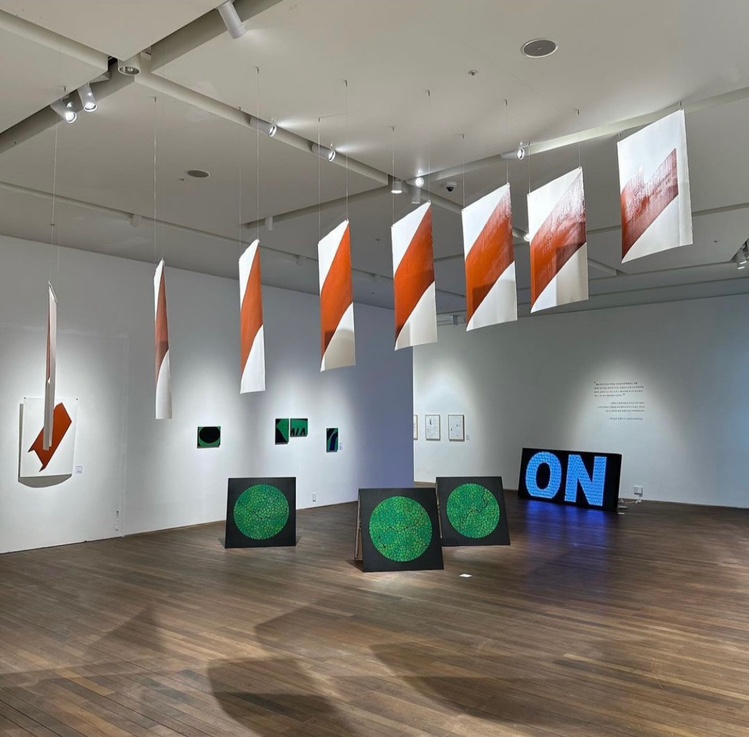
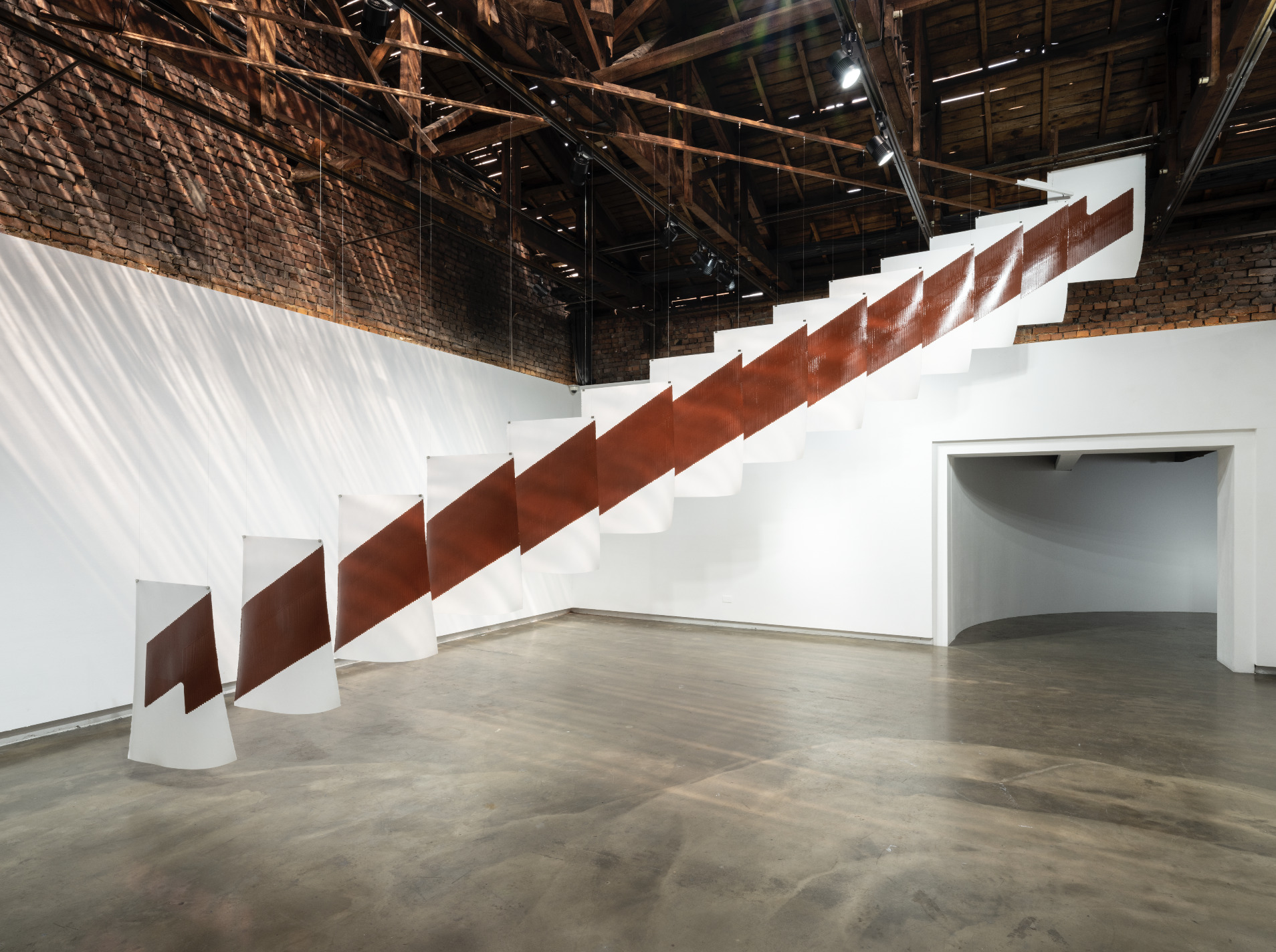
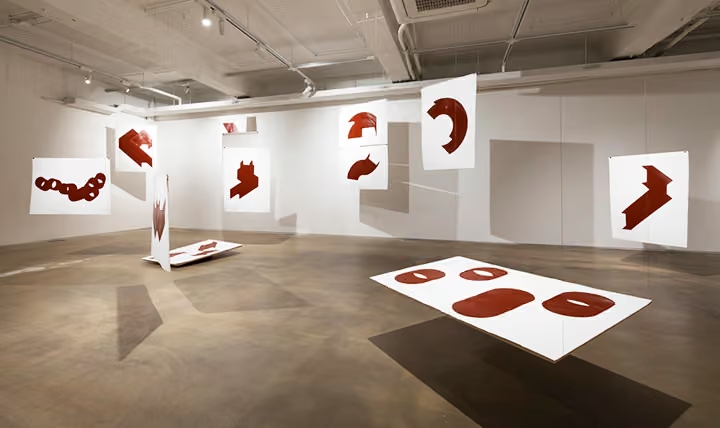
Another work, Live Rust_Odyssey 23001 (α) (β), fully contains the sculptor’s body. In this work, Byun applies anti-rust paint to one surface of a structural steel beam and prints it onto a plane. Through this process, the material’s inherent properties are translated through the color of the paint, while its volume, mass, depth, and spatiality are converted into the artist’s gestures and the duration of repetitive labor, ultimately recorded as geometric abstract patterns.
By composing the work as a pair, α and β, separated from the same form, he physically prolongs and expands the temporality and spatiality of images generated within a single trajectory. A similar attitude can be observed in Sari of Sculpture, which seeks variations and chains of meaning through formal possibilities discovered in the process of controlling and adjusting matter.
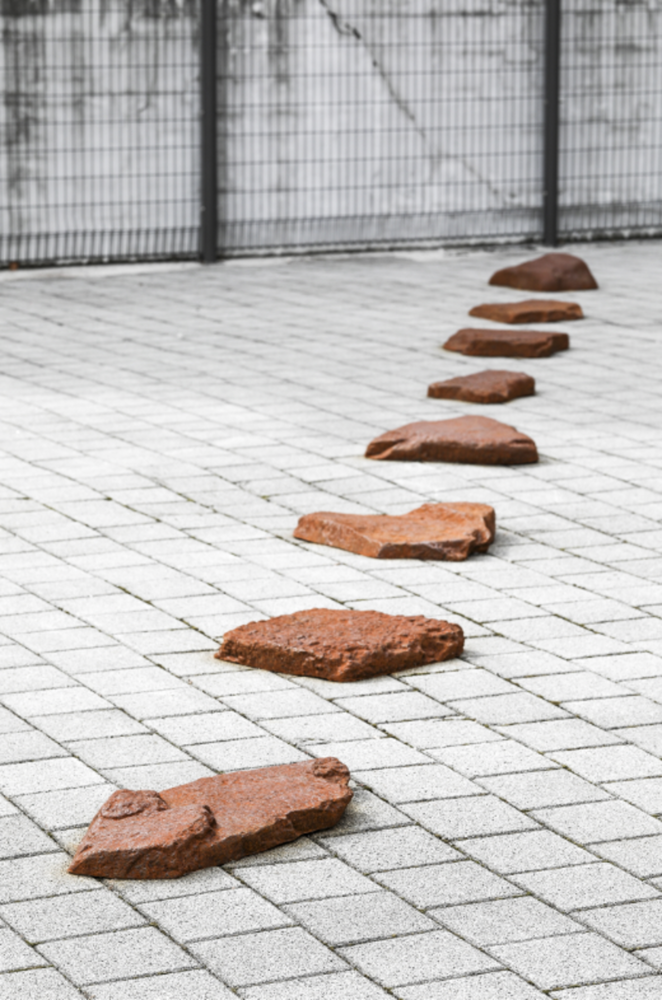
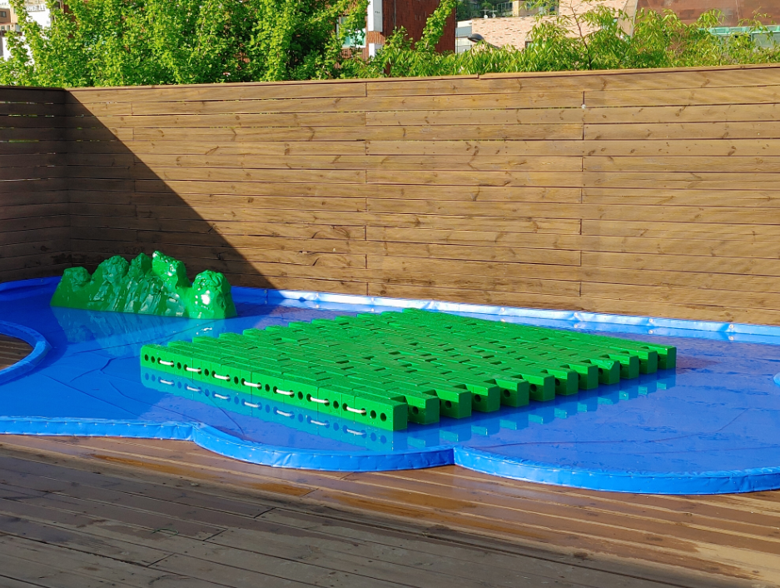
Finally, the fundamental characteristic of Jeon Kukkwang’s sculpture lies in its “structurality” before its formal appearance. This structure becomes visible through the repeated application of variation and transformation to individual units as they are stacked and layered, causing the properties inherent in the materials to emerge formally.
Nature can be understood as a motif in his work, but he does not imitate its appearance. Instead, his practice constructs the structures that constitute nature in solid form. Beginning with the early central concept of “accumulation,” this approach converges into the sculptural form of mass possessing volume, movement, and texture.
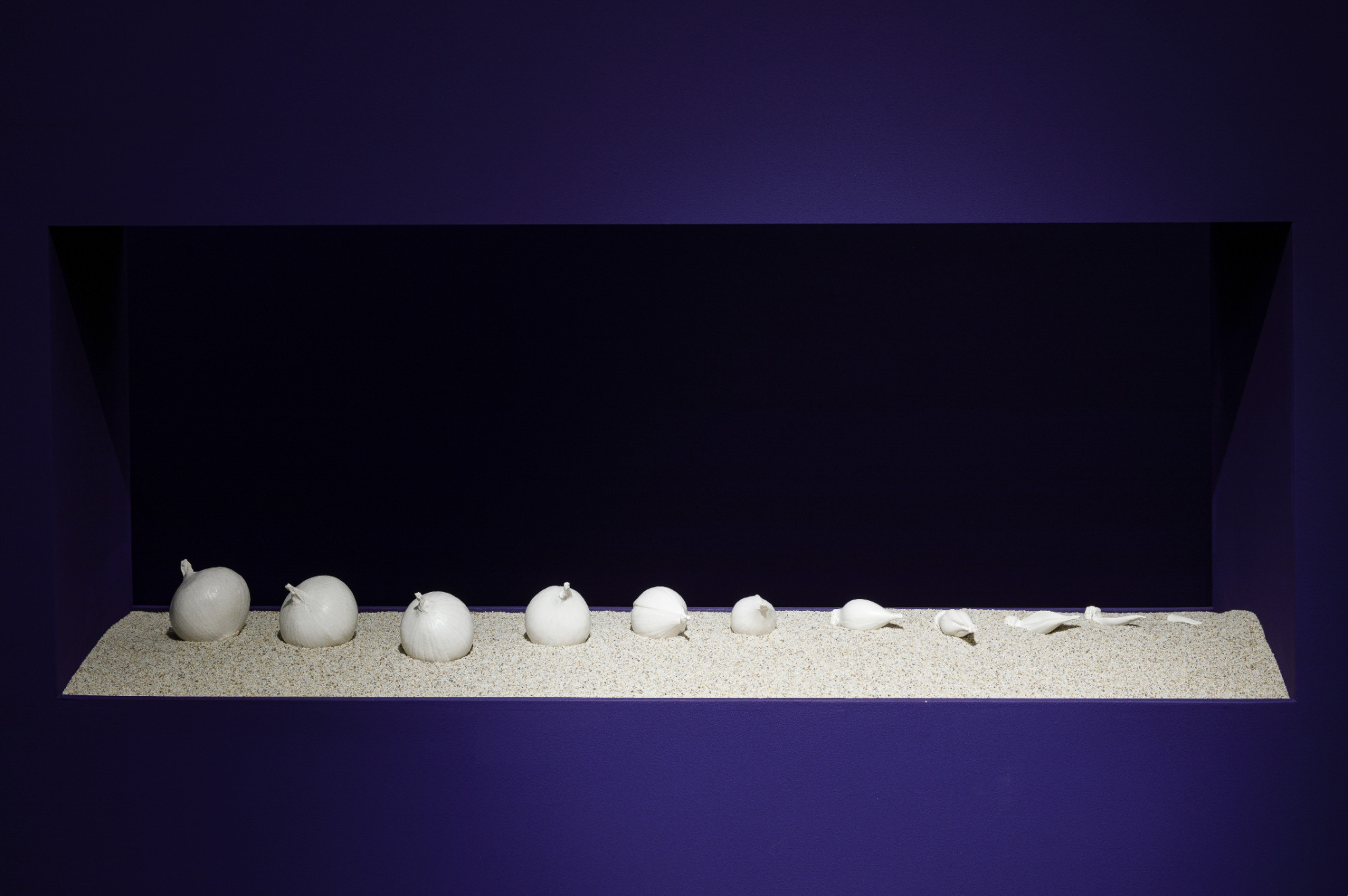
Lump, from the earlier period of his practice, clearly demonstrates the artist’s particular methodology: “a process in which materials of identical dimensions are transformed under arbitrary conditions.” What should be emphasized here is that his attention falls less on the image produced by the form than on the process of material transformation grounded in the volume of the mass itself.
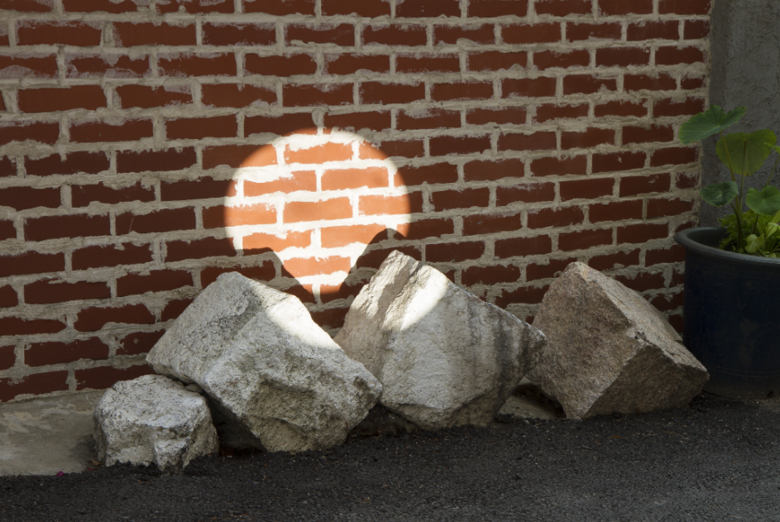
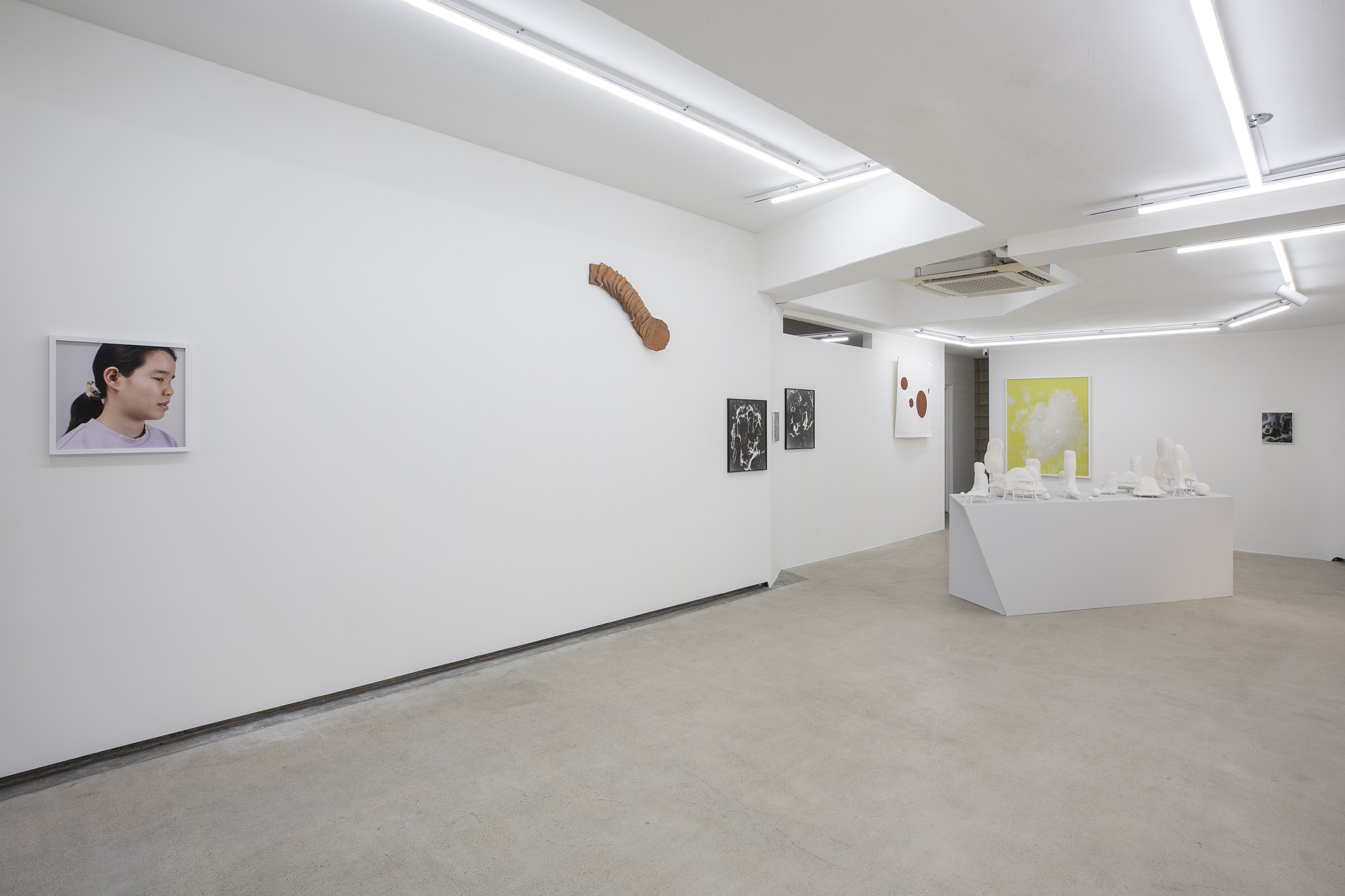
As his practice moved into the period of Interior of Mass, his attention shifted toward simultaneously revealing occupied and empty space and the inside—structure—and outside—form—of an object. In Continuous Reaction, for example, he stacks multiple rectangular slabs of clay and applies force in a single direction, transforming the rectangle into a non-rectangular form and exposing its interior through torn fissures in the exterior.
In doing so, he redirects attention from a form that simply offers aesthetic experience toward its internal structure—the “interior of mass.” Forms constructed from accumulations of long pipes, as well as performances involving tearing wood, stone, and corrugated cardboard, likewise raise questions about void and solid space under the theme of Interior of Mass by simultaneously revealing space and spatiality, weight and the sensation of weight, and seeing and being seen.
When examining the interpretations and origins through which the images constructed by these artists can be approached, it becomes clear that although the exhibition takes two ostensibly polar genres—three-dimensional sculpture and planar photography—as its central axes, the two are never truly opposed. Instead, artists belonging to the same genre actively intersect with the other genre on the basis of different attitudes, while at times repeatedly reconnecting within the categories of their own media and genres.
For example, Jeon Kukkwang’s sculptures, which reveal properties inherent in matter through processes of leaning and stacking, intersect with Oh Yeonjin’s photographs, which position photographic process itself at the center of meaning. Meanwhile, Jeon Myungeun’s photographs, which contain temporality while directing the viewer’s gaze beyond the frame, intersect with Byun Sanghwan’s Live Rust_Odyssey 23001 (α) (β), which fully bears the bodily presence of the sculptor while moving from sculpture to a plane and then generating another plane.
In addition, Byun’s use of the bleached white surface of plaster to create the possibility of adding further narratives establishes certain points of contact with the works of Jeon Myungeun and Oh Yeonjin. By contrast, Jeon Myungeun’s photography, grounded in recording externally existing subjects, may appear markedly different from Oh Yeonjin’s photographic methodology, which converges inward upon its own process.
Ultimately, the exhibition does not place medium at its center in order to divide the boundaries within which images are situated, nor does it reduce layers of meaning by summarizing them under a single keyword.
Instead, it begins with internal signs such as the motivations, autonomy, aura, and creative force through which images are constructed, imagining that they may generate meaning on their own through their agency and poetic autonomy. From this perspective, the image opens up not as an object of one-directional consumption but as a platform that actively stimulates thought.
An image is an interpretive sign containing multiple layers, from the origins and sources of its production to the social, political, cultural, economic, and historical implications surrounding it. It may even be an aesthetic image consumed under market logic while simultaneously becoming a language capable of boldly twisting the logic of capital itself.
At times, interpretation becomes richer as the private expands toward the universal and the macro intersects with the micro. Even disappearance and expansion within a succession of images may constitute one facet of the image. The image may thus appear visually as a concluded endpoint, yet from the moment we encounter it, paths toward multiple contexts begin to open.