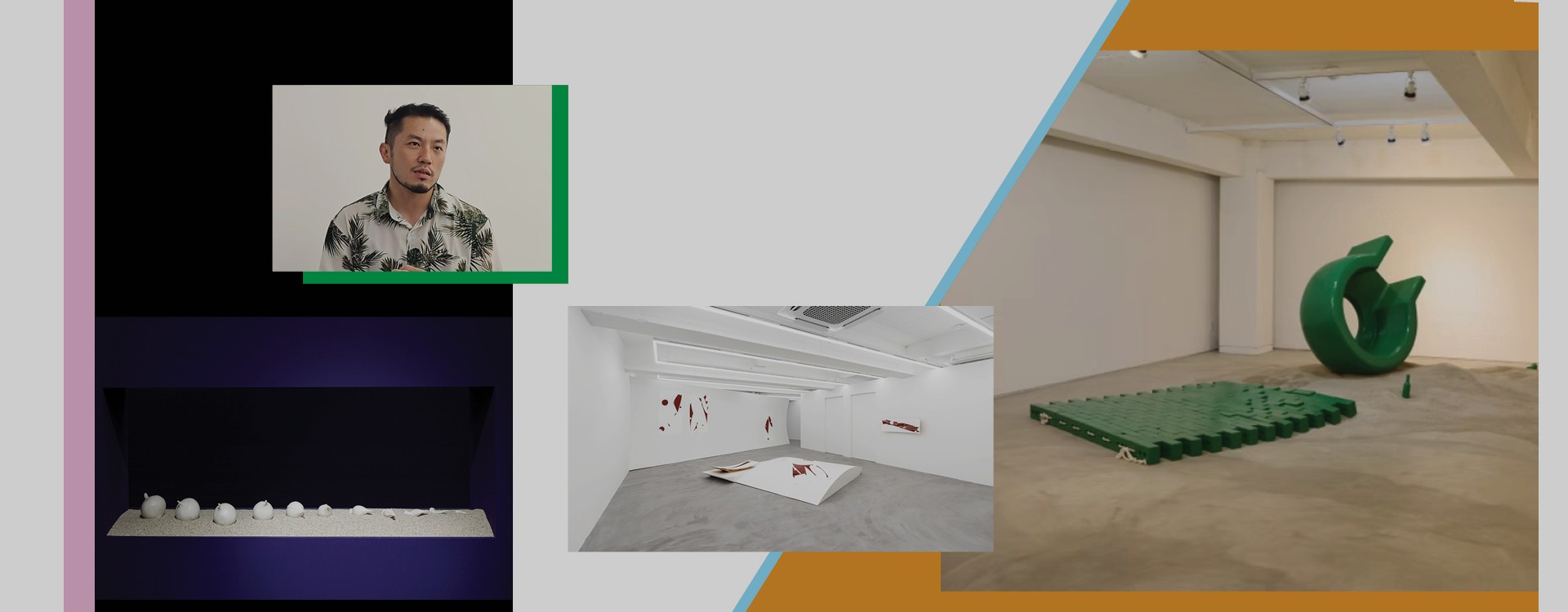
Byun
Sanghwan’s practice invites a renewed look at the objects and landscapes that
are easily overlooked in the city. His early work focused particularly on
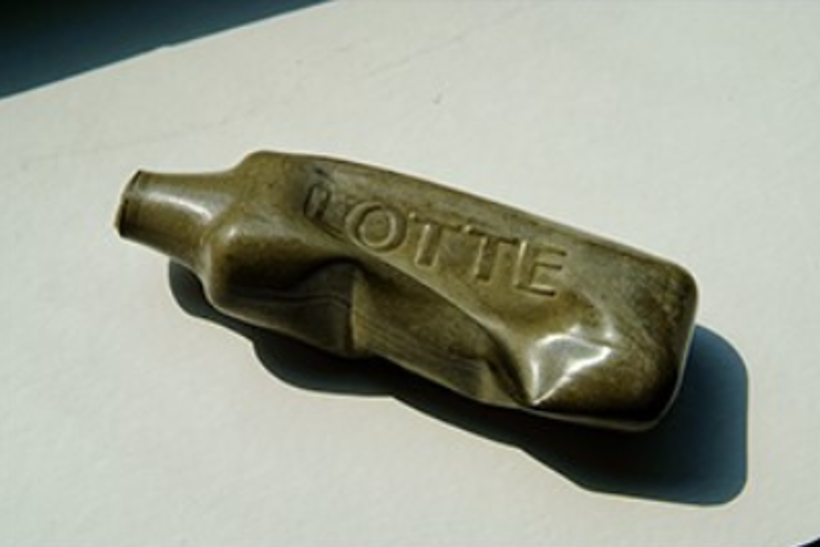
objects left behind by the everyday culture of the recent past. In
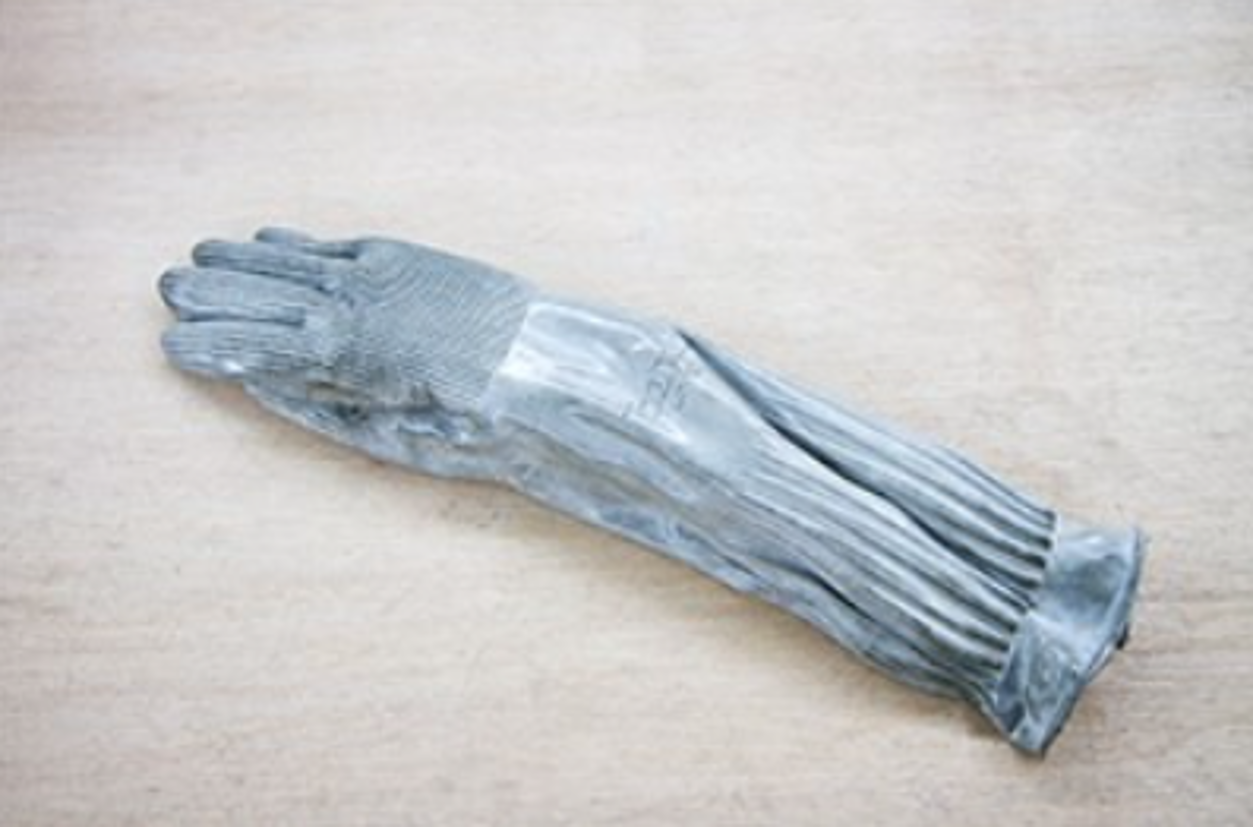
Crocodile(2011), he solidified soft and easily deformable
objects such as rubber gloves in cement, while elsewhere preserving the surfaces
of old and discarded objects through frottage.
These approaches sought to fix
traces of everyday life—things otherwise vulnerable to disappearance—into
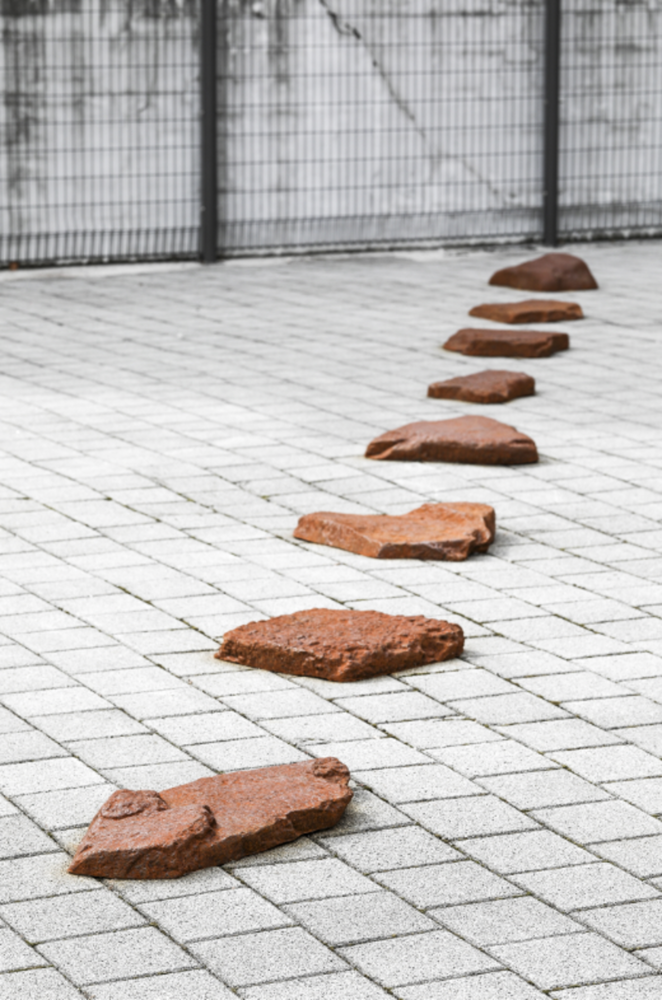
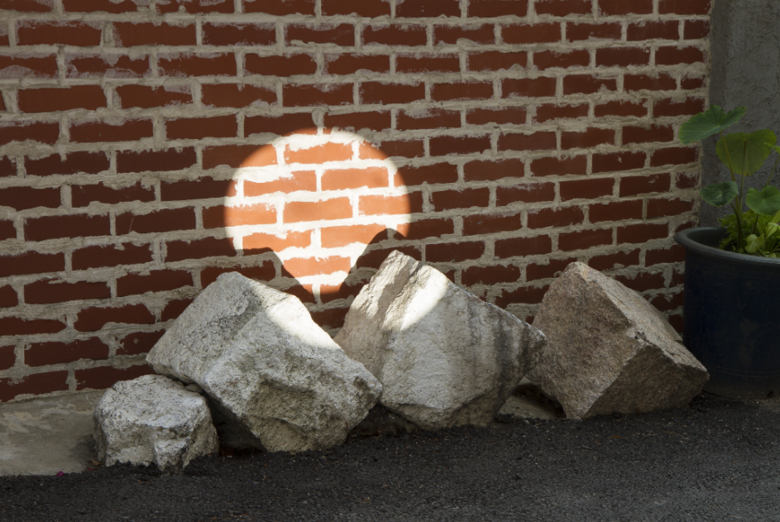
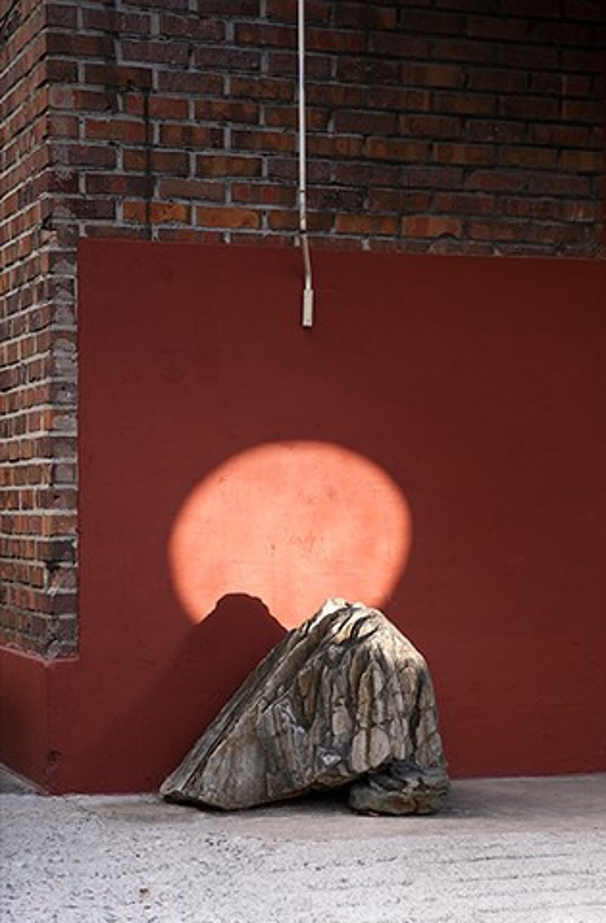
durable matter and images. Later, in the 'Stone'(2015) series, he approached
abandoned stones in the alleys of Changsin-dong as if they were observers of
history, illuminating them with natural light reflected by mirrors and
photographing them.
He then used their actual locations as titles, as in
Daesagwan-ro 30ga-gil 36(2015). At this stage, the city in
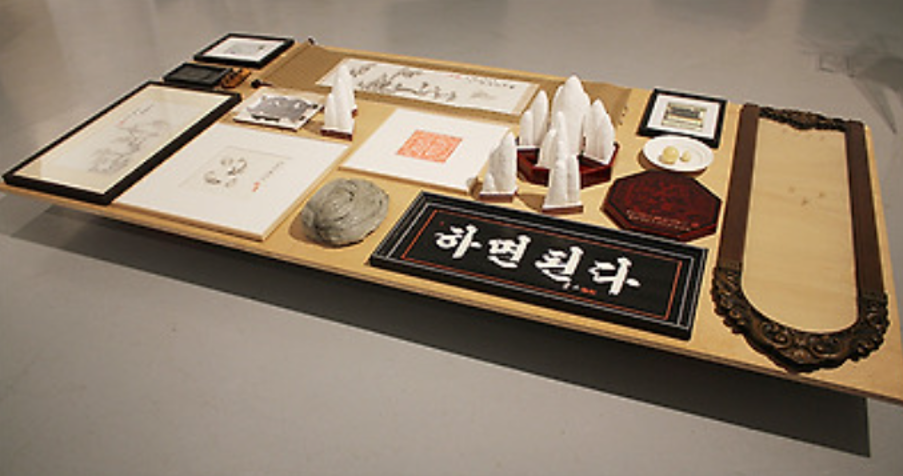
Byun’s work is composed less of monumental skylines than of small things that
have survived from another era into the present: mother-of-pearl furniture,
rubber gloves, and stones lying in alleyways. Poised between familiarity and
strangeness, these objects become clues to the everyday history and temporality
of Korean cities beyond the realm of personal memory.
Around 《Pure, Solid Courage》(Space Willing N
Dealing, 2016), his interest expanded from the memories carried by objects to
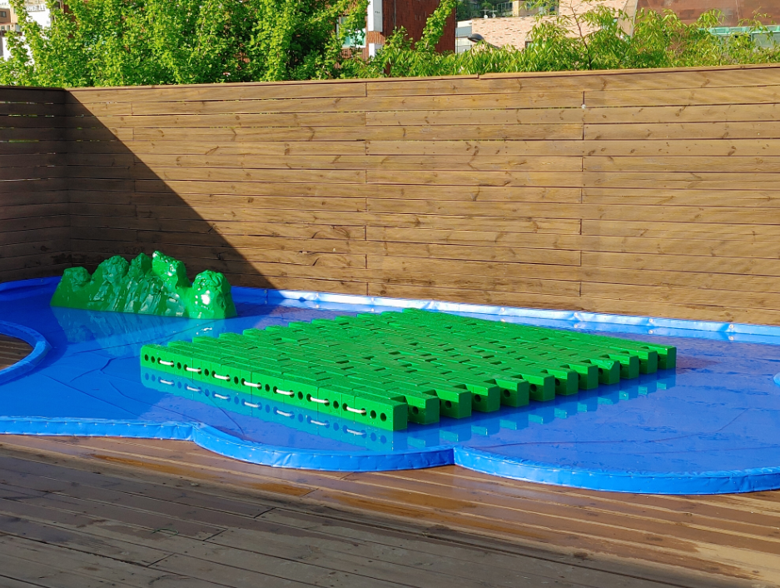
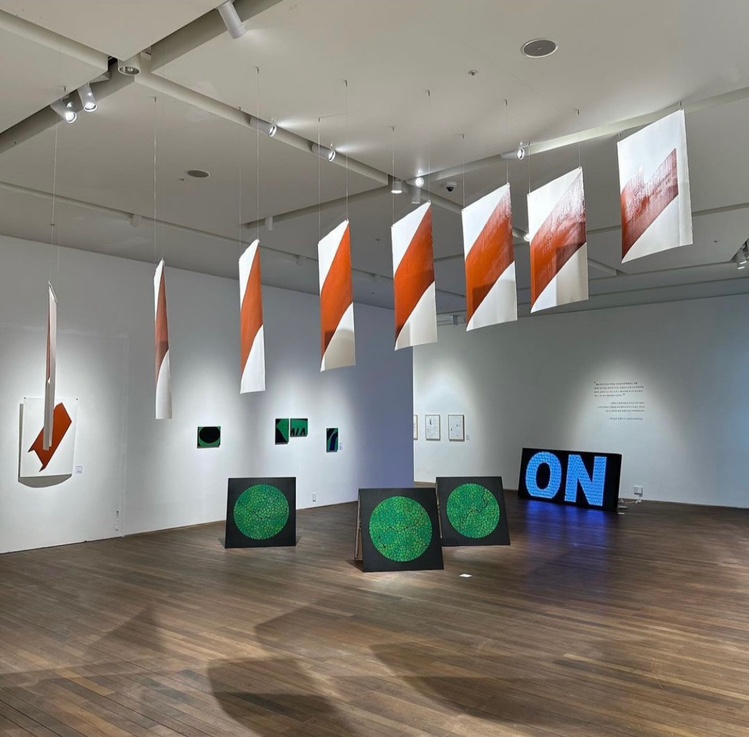
the tensions between material properties and function. He covered
water-absorbing floral foam with green waterproof paint and took as the
exhibition’s point of departure his misreading of the Korean word
yonggi—understanding “container” (容器) as “courage” (勇氣) in a phrase printed on a plastic washbasin.
Sculptures such as
Courage(2016) and Maxlife(2016), drawn
from familiar forms and phrases of everyday life, appear heavy while remaining
light, and combine contradictory properties such as absorbing water while
simultaneously repelling it. This loose narrative of flood, drifting, and
landing continued in the subsequent 《Cool Peace, Calm
Landing》(Studio MRGG, 2016) and related exhibitions.
From this point onward, Byun’s work moved beyond simply preserving disappearing
things and began to question the conditions of objects and sculpture themselves
by deliberately misaligning familiar functions and materials.
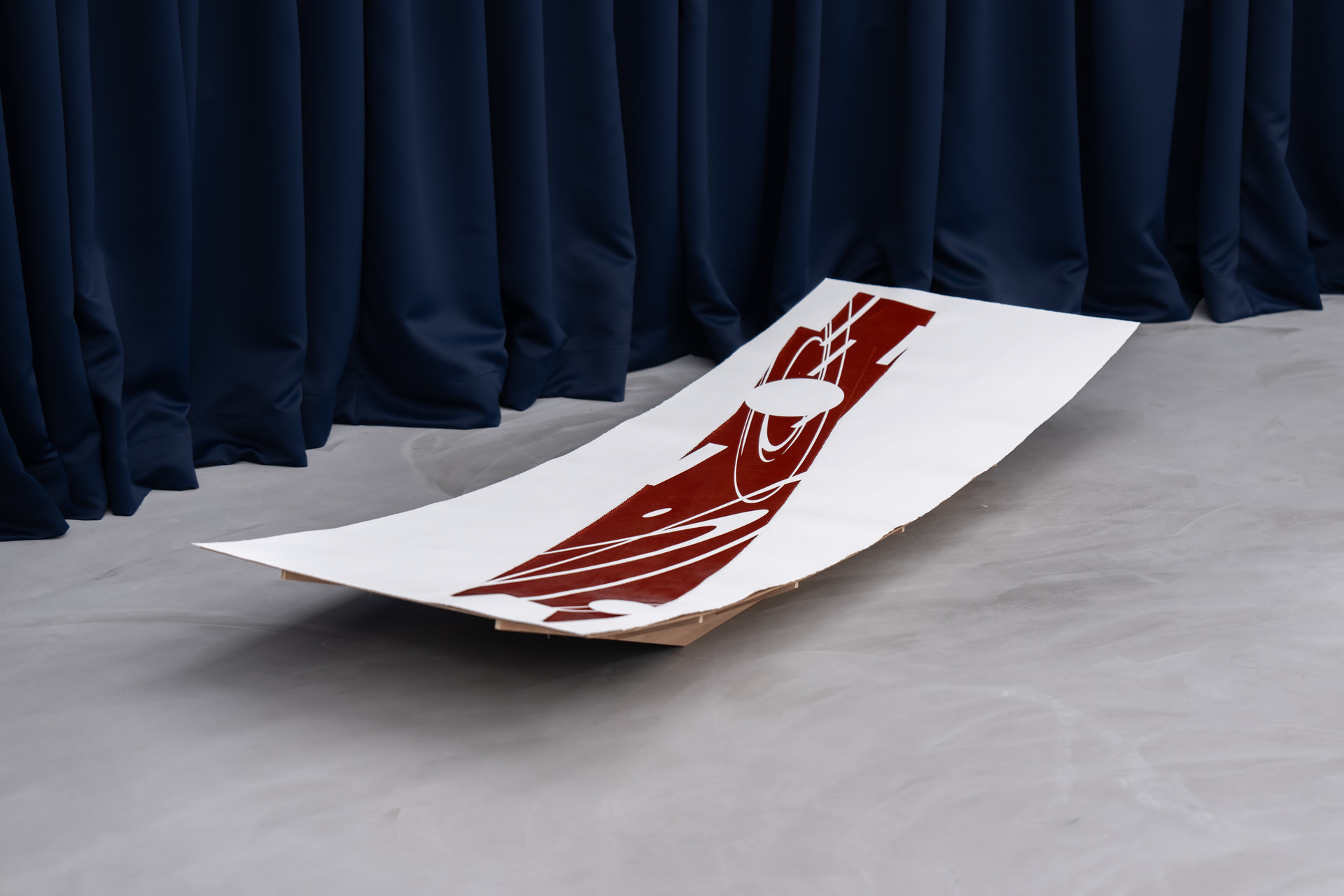
This
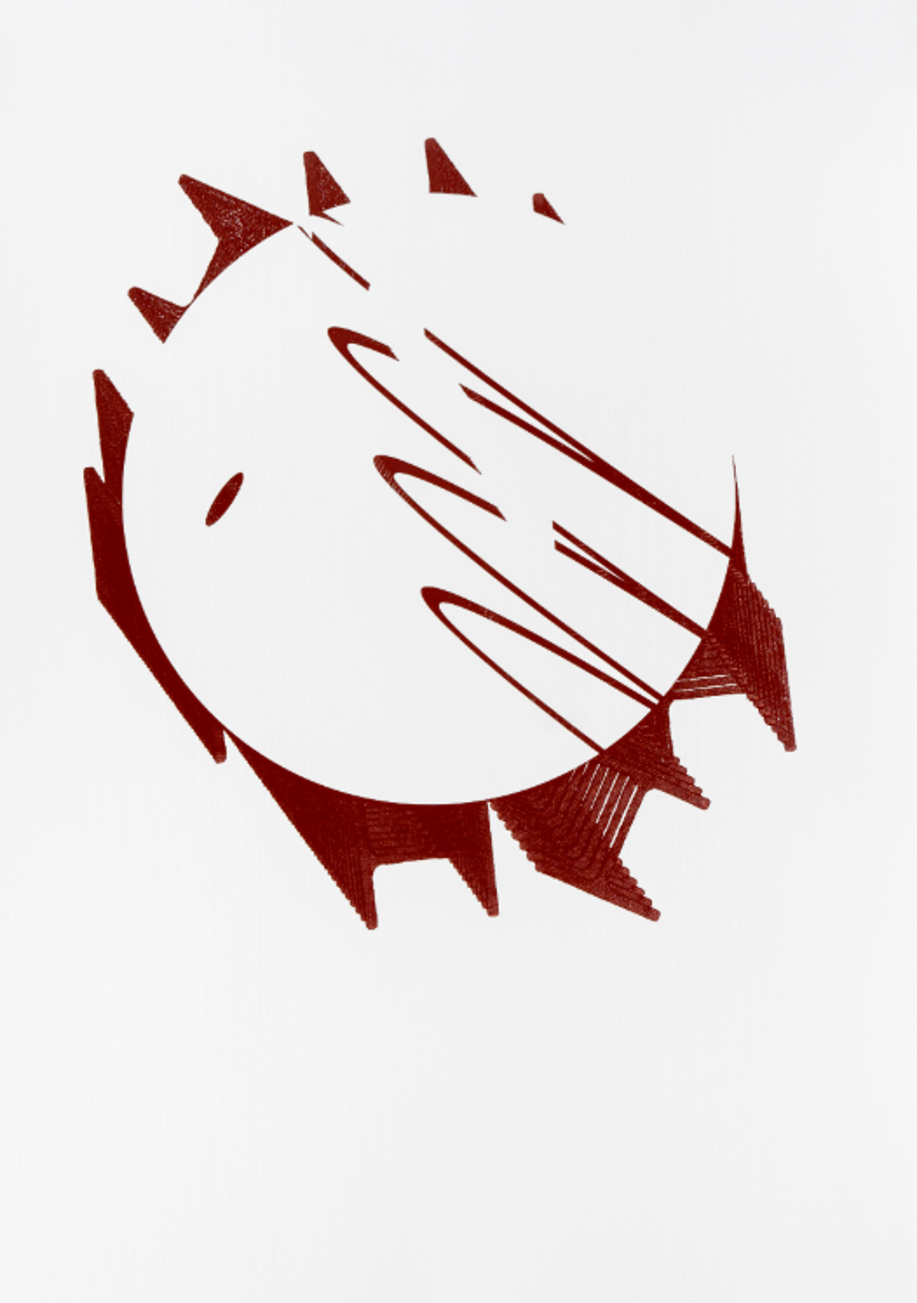
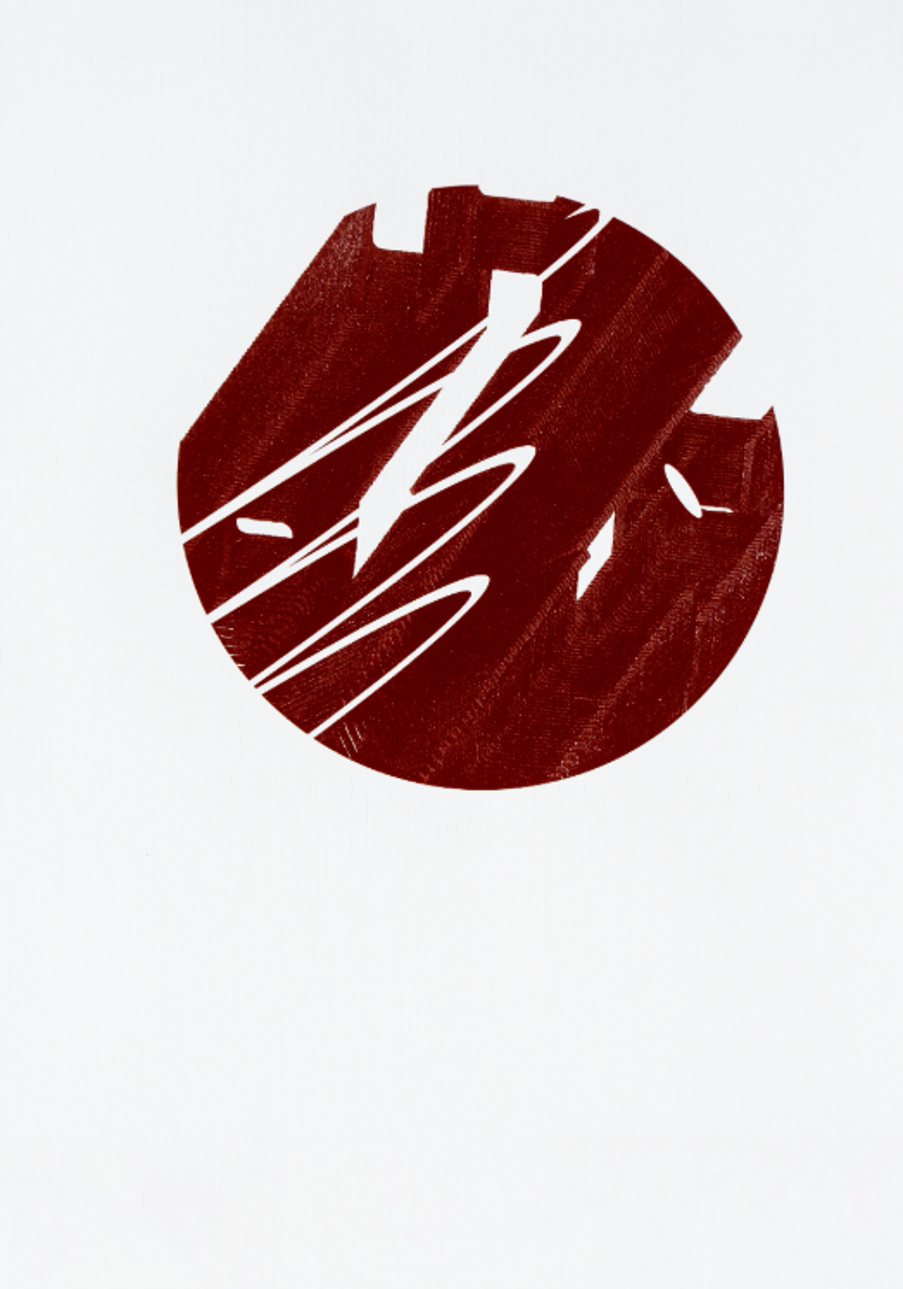
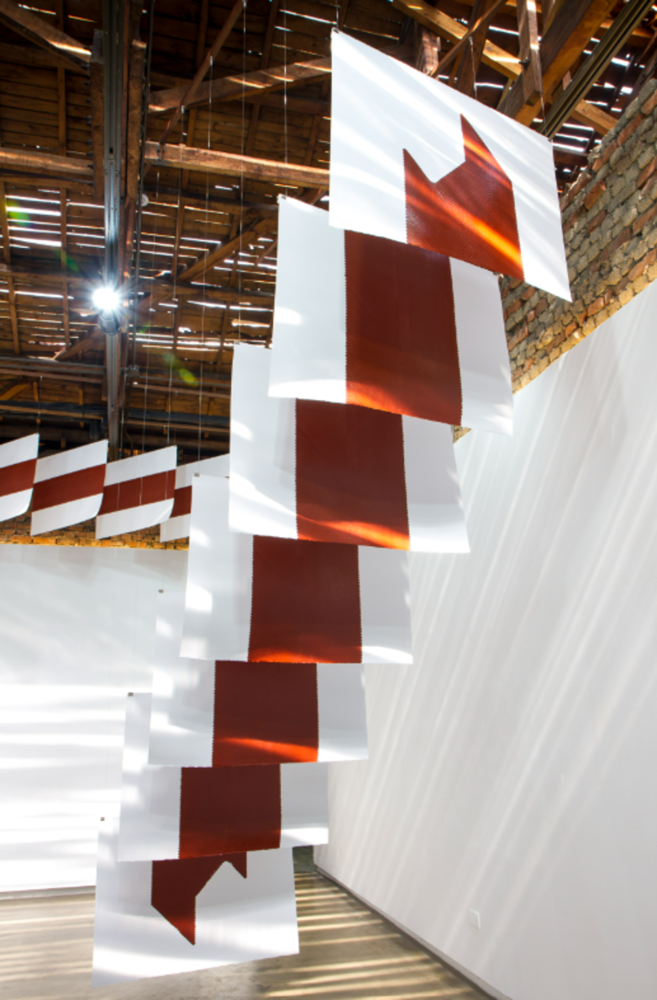
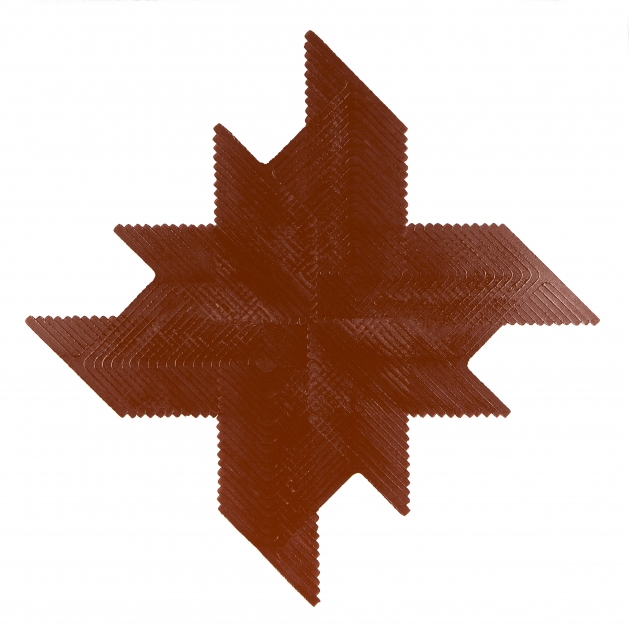
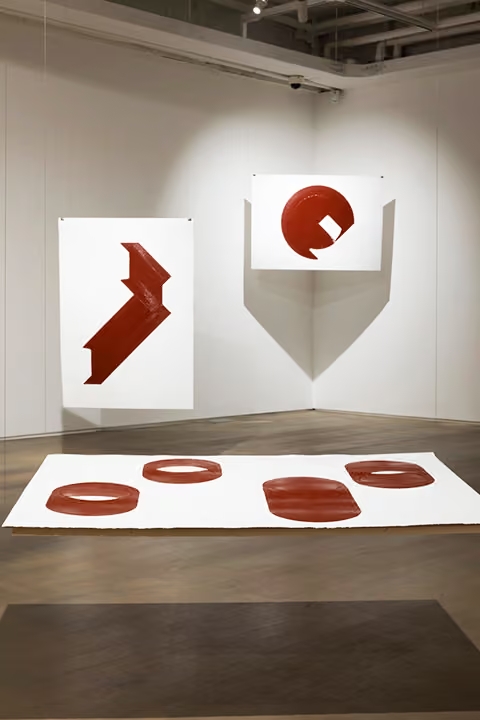
concern shifted in the 'Live Rust'(2018–) series toward a direct connection
between the structure of the city and the artist’s body. Initiated in 《gestures, exaltation, a short life》(Space
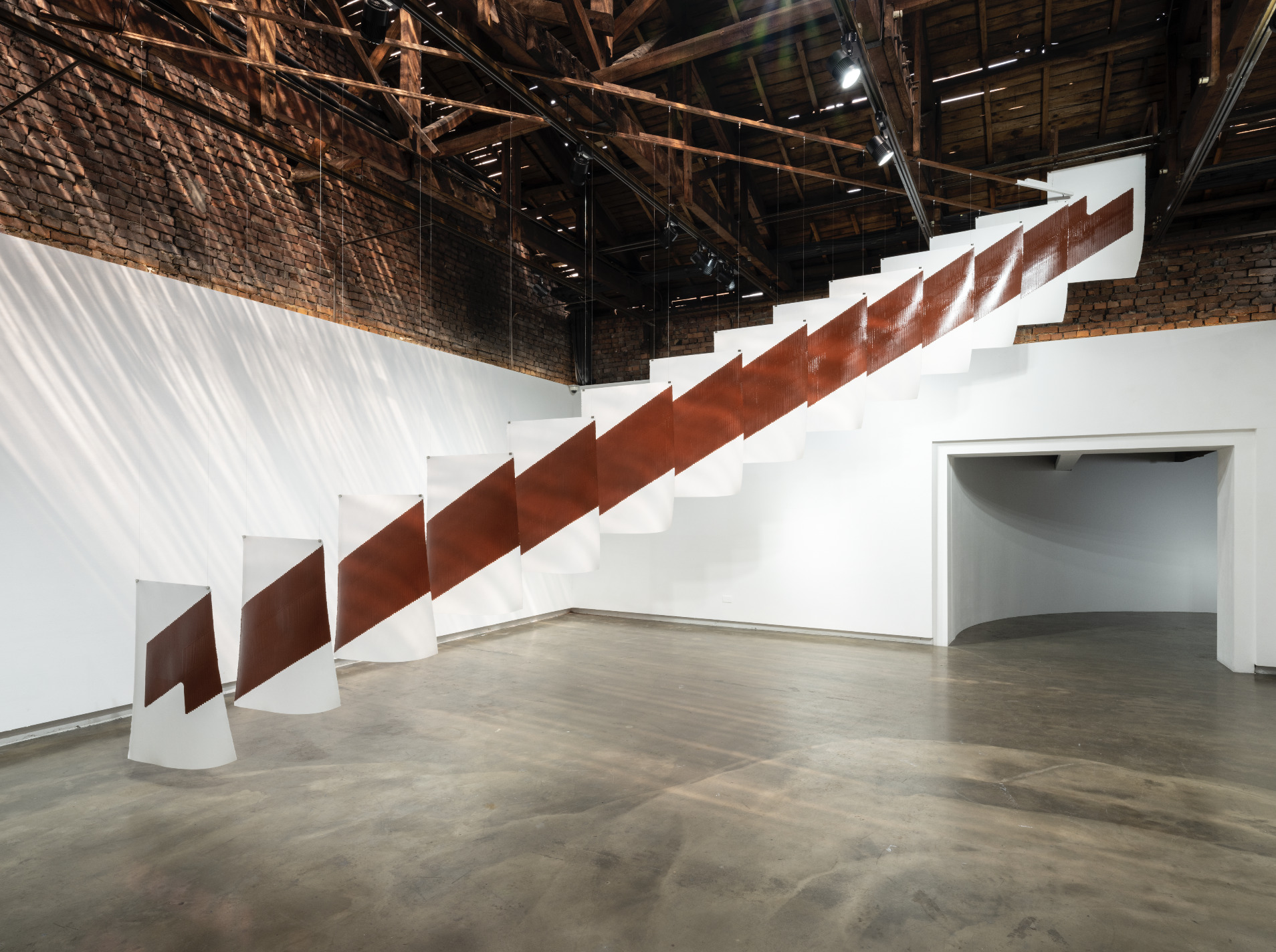
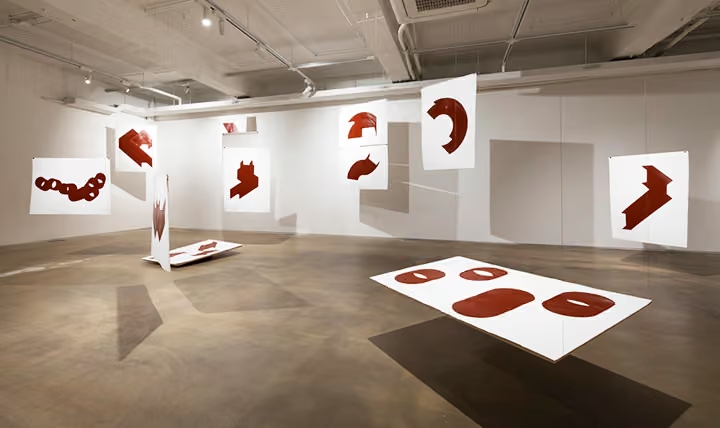
So, 2018), the series reassigns industrial materials such as H-beams and
I-beams, together with reddish-brown anti-rust paint, as printing plates and
pigment.
Materials that physically support buildings become tools for
generating images, while paint designed to prevent rust paradoxically produces
the appearance of “rust.” Through this inversion, the material conditions of
the city overlap with the act of making. The artist’s gaze, once directed
toward observing the city, shifts here toward the bodily experience of lifting
and pressing the very materials that constitute it.
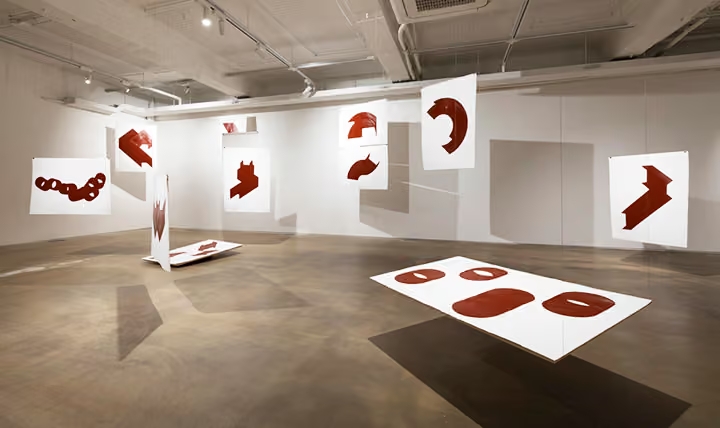
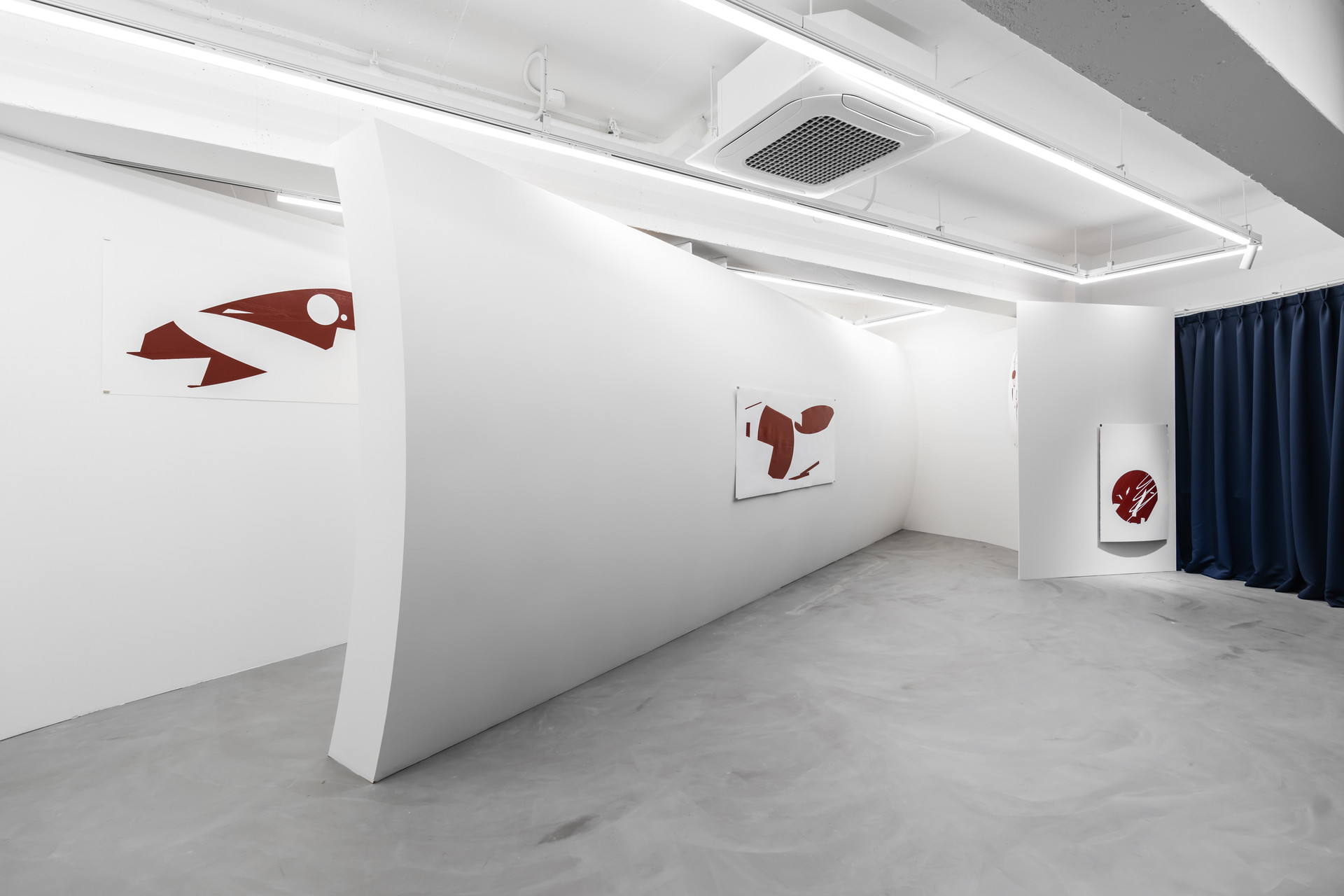
In 《New, Twinkling Hairtail》(SeMA Storage,
2021), the previously planar 'Live Rust' works expanded across three gallery
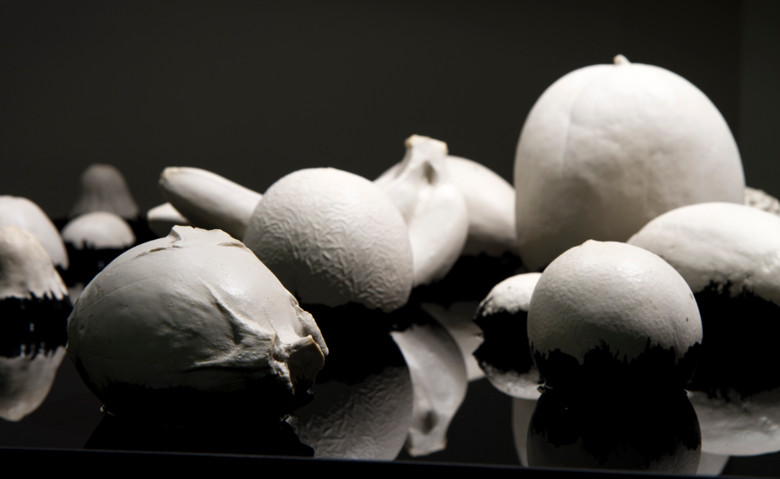
rooms as a spatial installation, while 《The Hand Is
Quicker than the Eye》(Space So, 2022) returned to
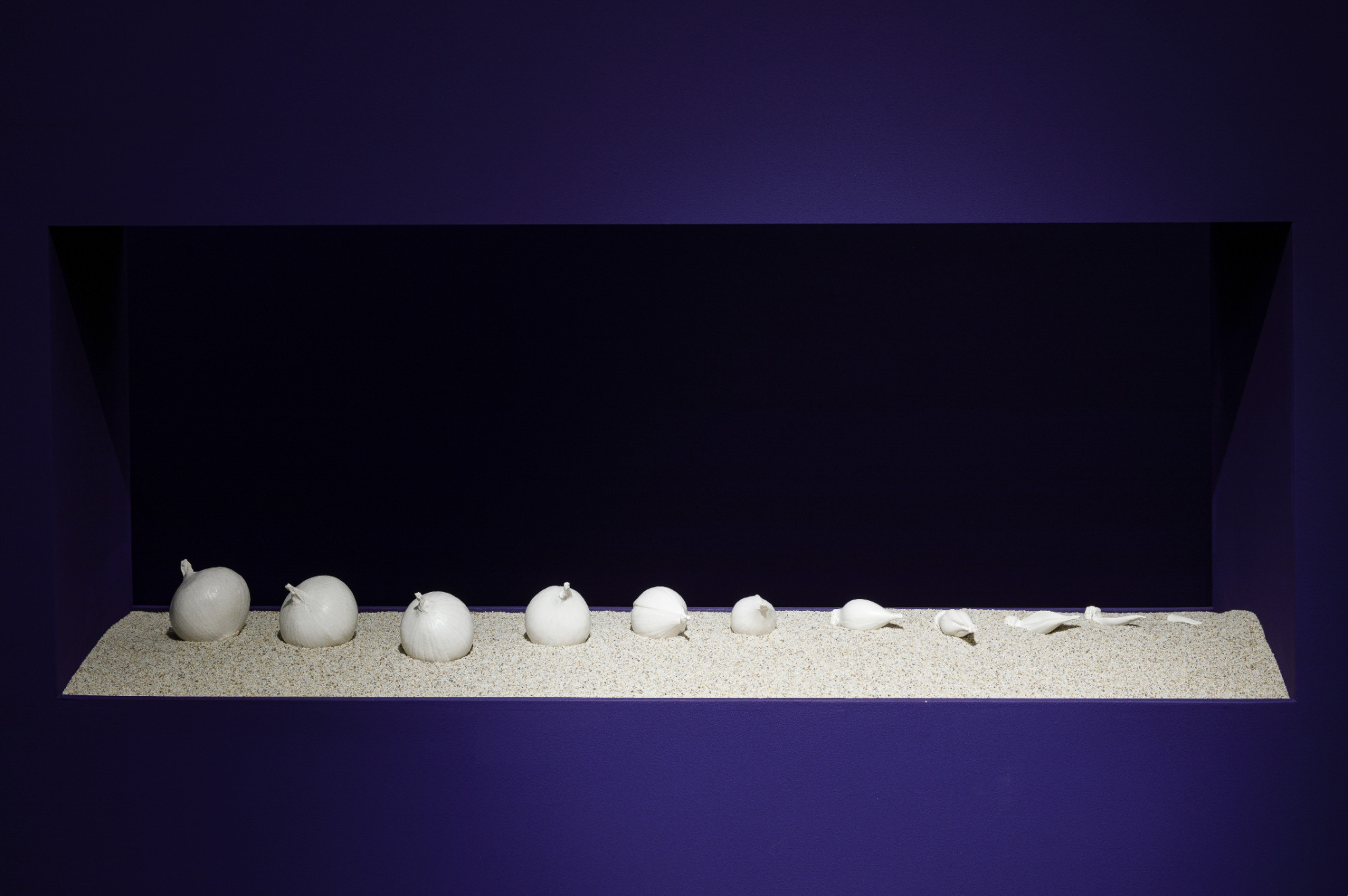
questions of time and matter through plaster and metal casts of peppers,
onions, and other natural forms that would otherwise disappear with the passing
of seasons.
The recent
'Live Rust-Odyssey'(2025) series, presented in 《Horizon, and the Curtain of Ellipses》(Space
So, 2025), extends this inquiry from the city toward an imagined space-time
beyond the Earth. The artist posits two worlds resonating across a wormhole and
constructs pairs of α and β images derived from the same trajectory, allowing a
single act to unfold into different planes and voids.
Whereas the early works
traced time through objects surviving from the recent past, the recent works
begin from the trajectory left by the body upon matter and imagine time and
space at a broader scale. Yet his underlying attitude remains consistent:
beginning with overlooked urban scenes, dismantling and transforming them, and
returning them in new forms.
In Byun’s practice, “landscape” ultimately refers
not only to a visible scene, but to a broader environment encompassing
accumulated time, the body that moves matter, the materials that constitute the
city, and the relationships among them.