There is no guarantee that transmitted information and received information will be identical. Nor is there any way to know how the information being conveyed through this text will be received by its readers. There are two ways of defining information: one treats it like an object, while the other treats it as a situation that includes the receiver.
Objectified information is transmitted carefully, like passing a brick while trying not to lose any crumbs, so that the receiver can obtain information that is as identical as possible to what was sent. Information understood as a situation involving a receiver, regardless of the accuracy of the information already transmitted, considers the background environment and conditions in which the receiver takes in the information and the circumstances in which information capable of being received or transformed can function.
Depending on the nature and characteristics of the information and the attitude of the receiver, the way in which information is encountered varies. Along the spectrum between the former and the latter are people who continuously and endlessly transmit information, and among them are artists.
Because information is not suddenly created from nothingness, artists too combine the information they have acquired, passing it through themselves and unfolding stories capable of taking form on screens or in spaces while adjusting their density. (Of course, some artists posit nothingness and attempt to create from it, but in recent years there are probably somewhat more artists who concentrate on reconstructing combinations of existing information.) In August 2023, exhibitions by artists representing two different approaches to actively engaging with information were held in Seoul.
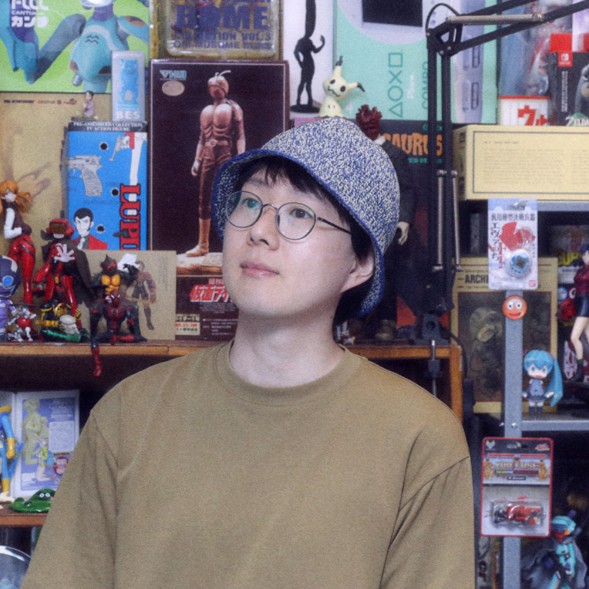
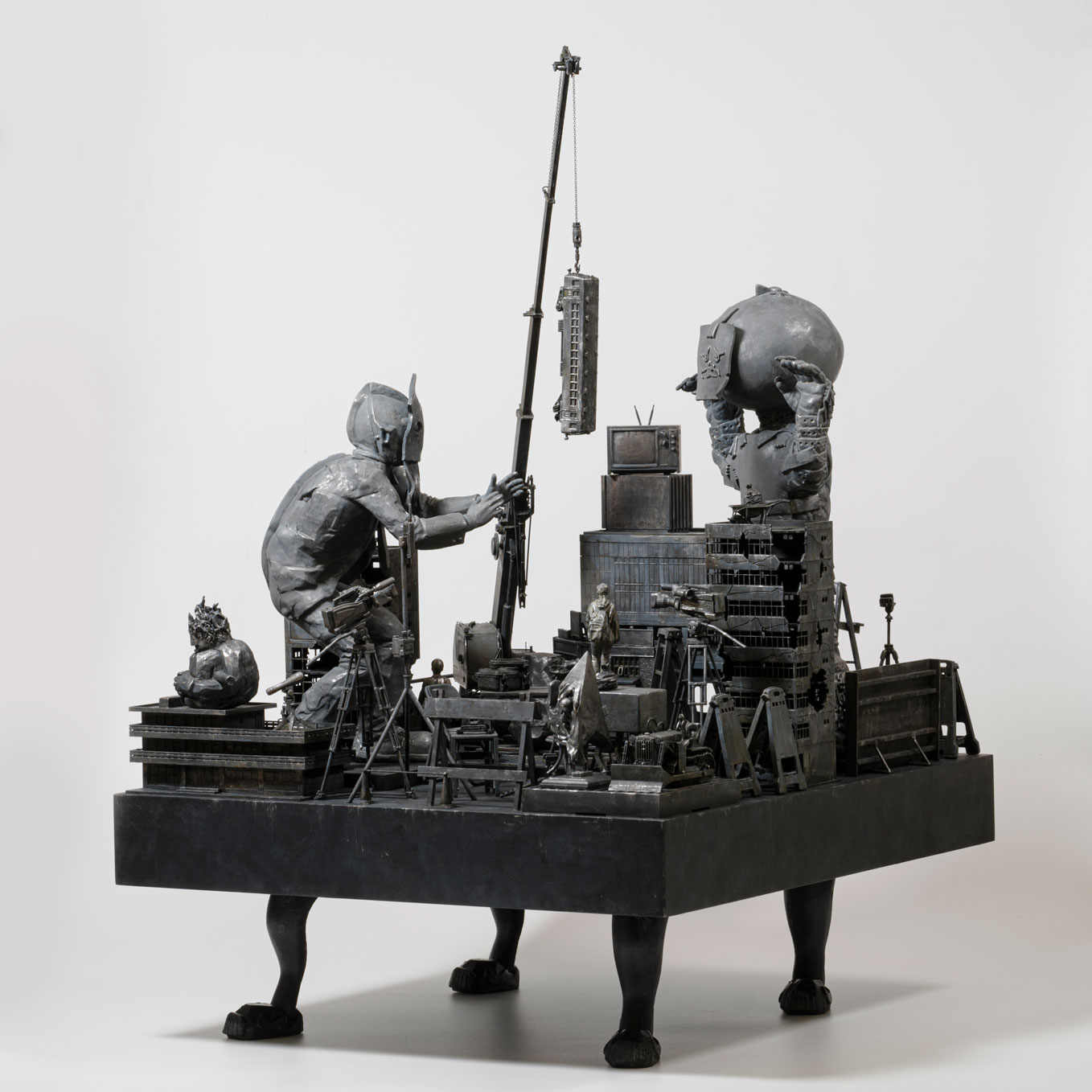
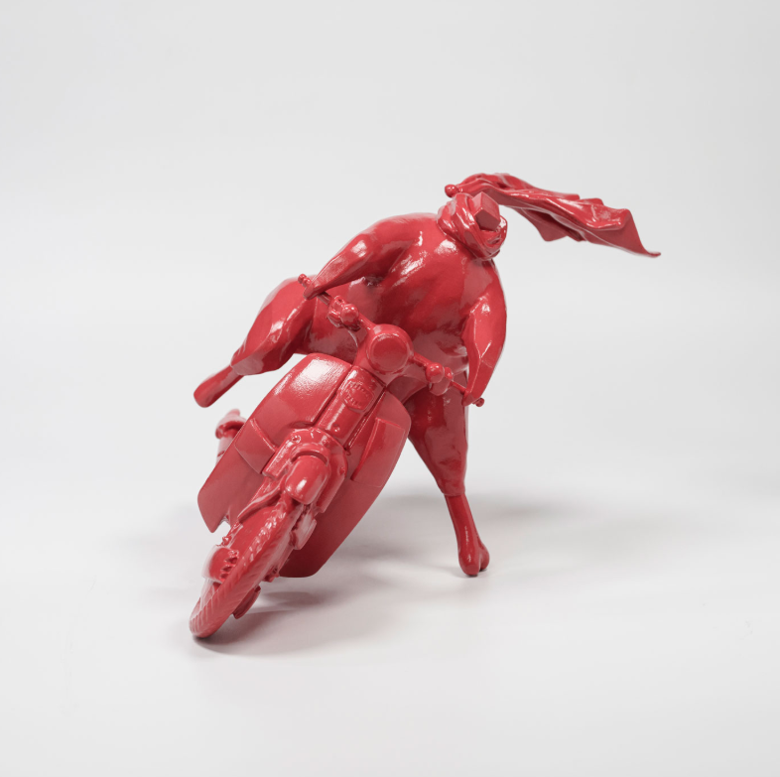
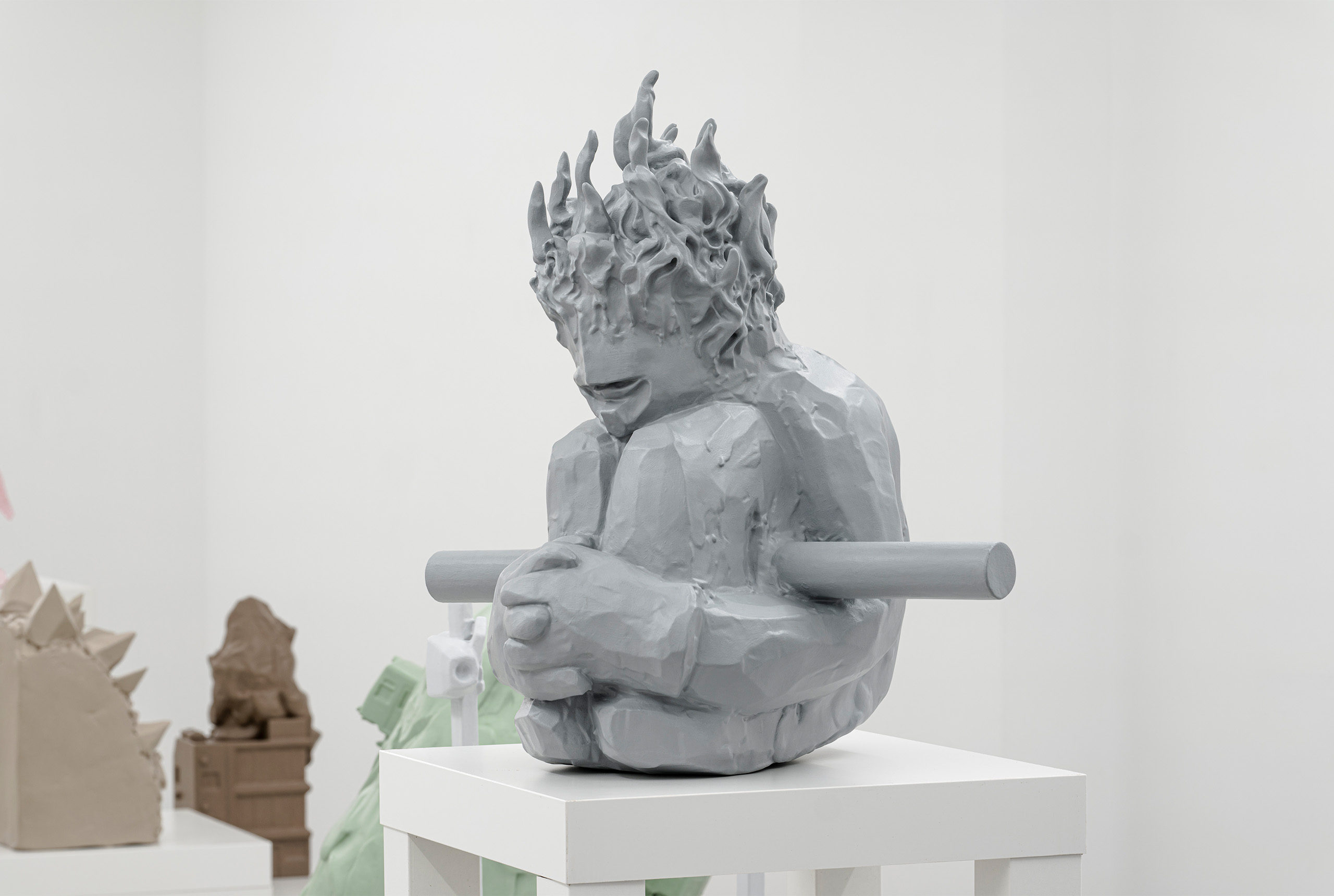
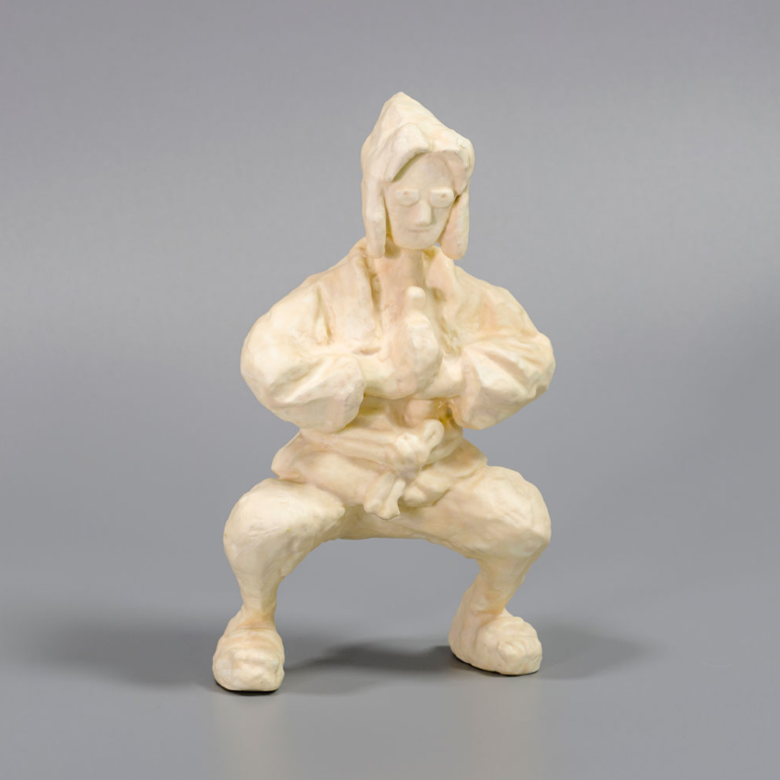
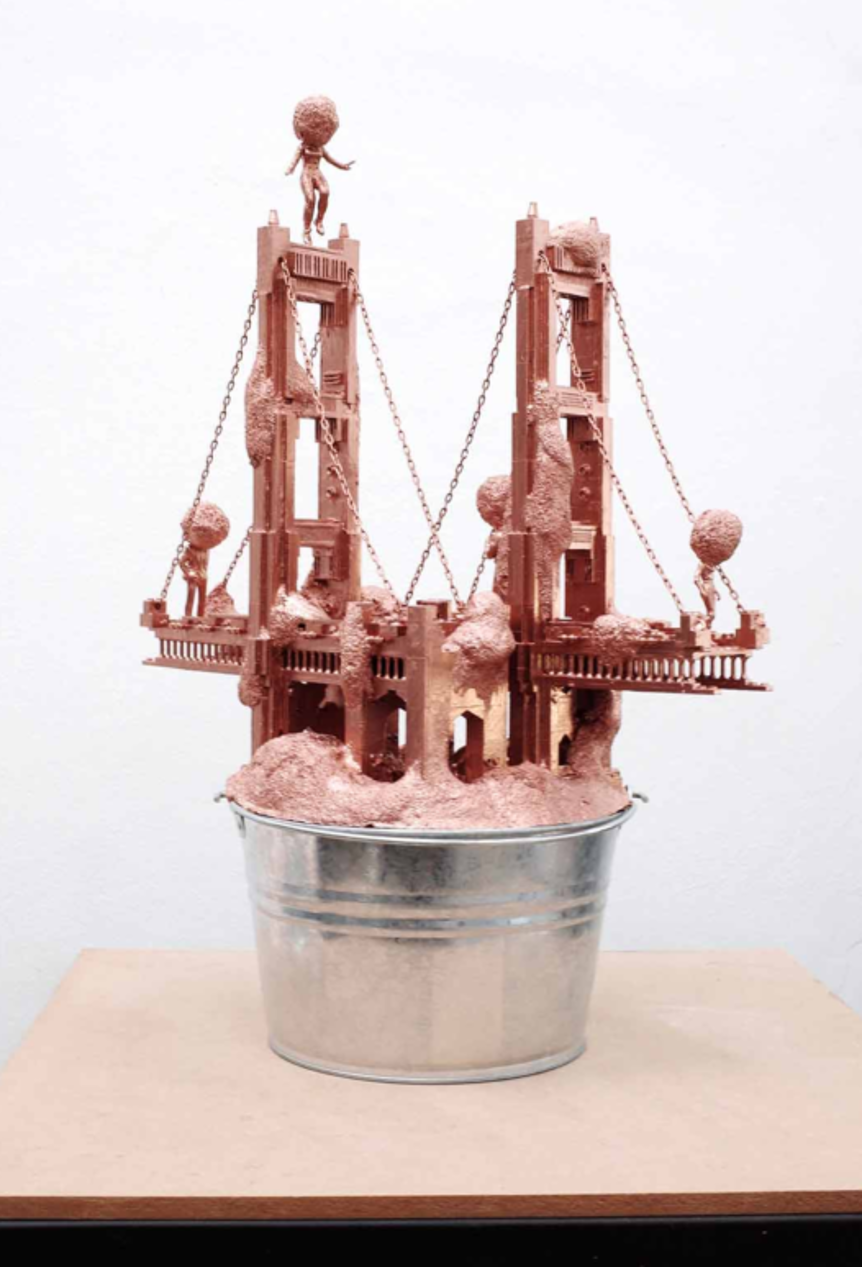
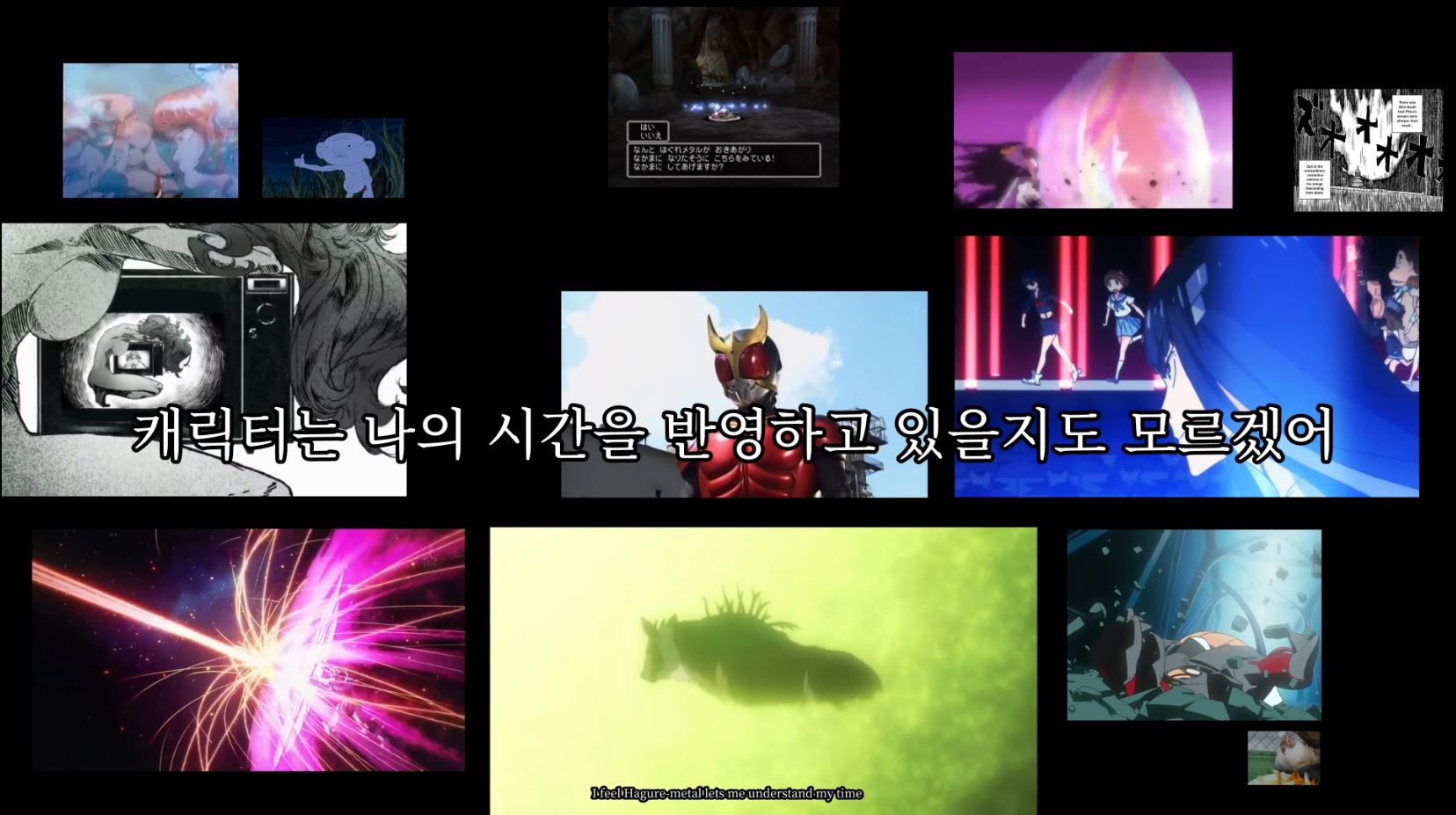
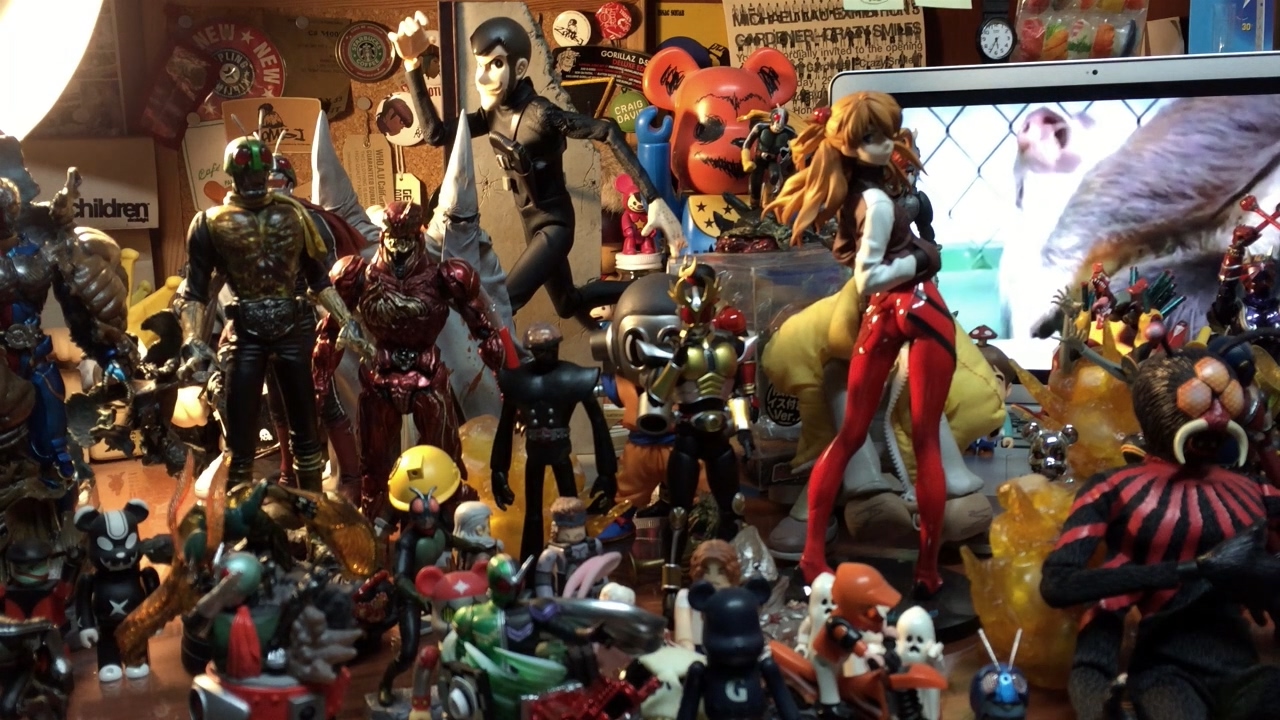
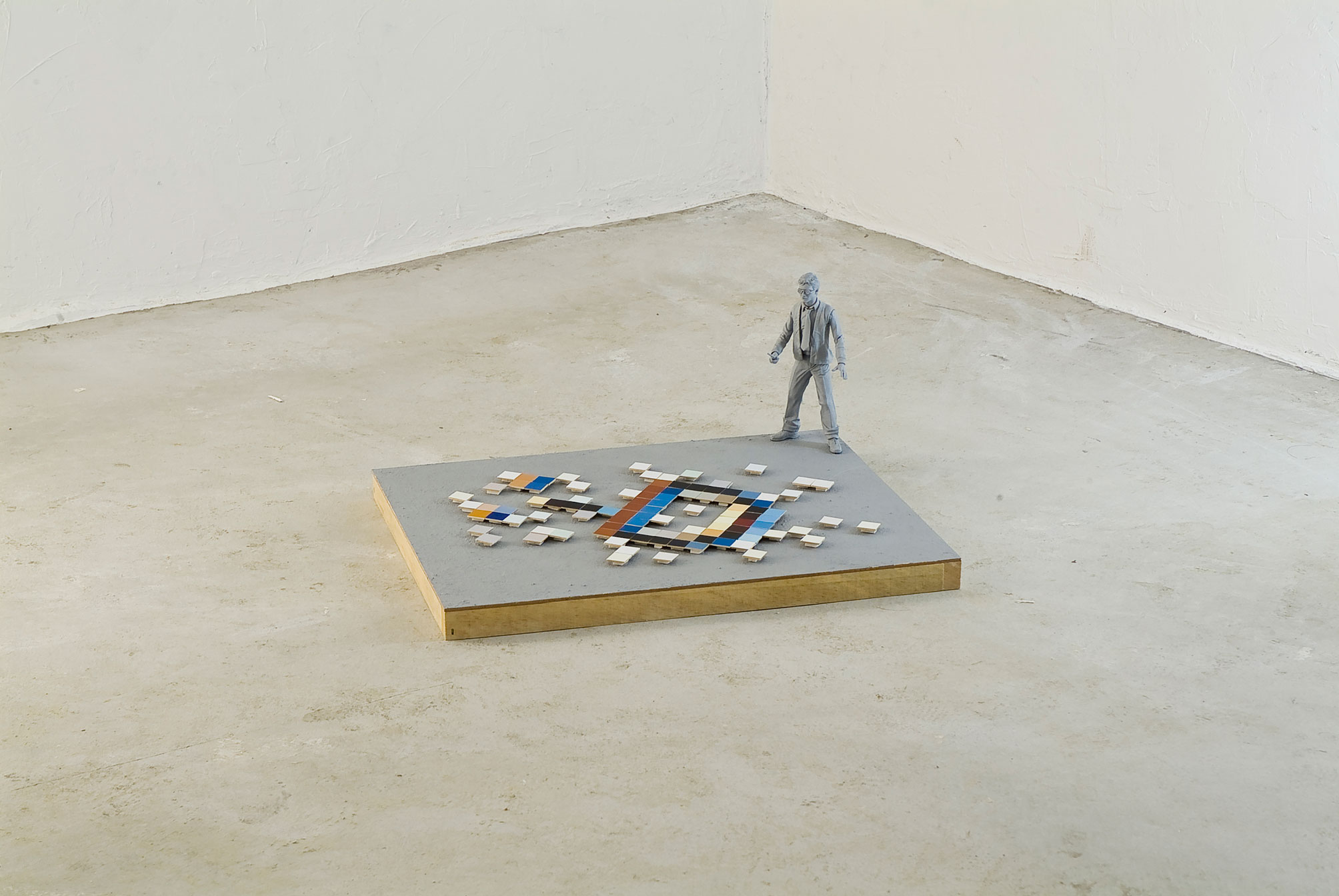
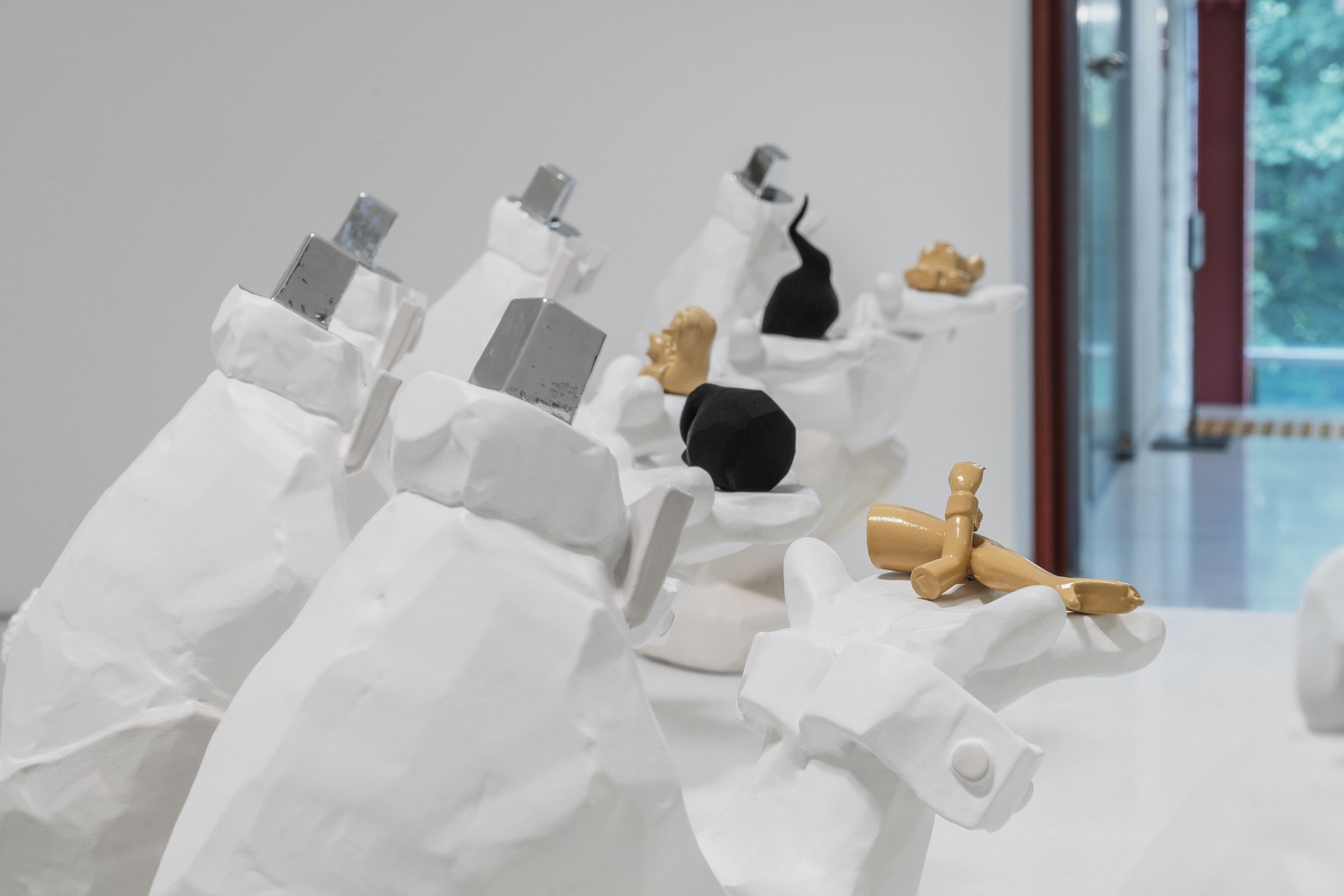
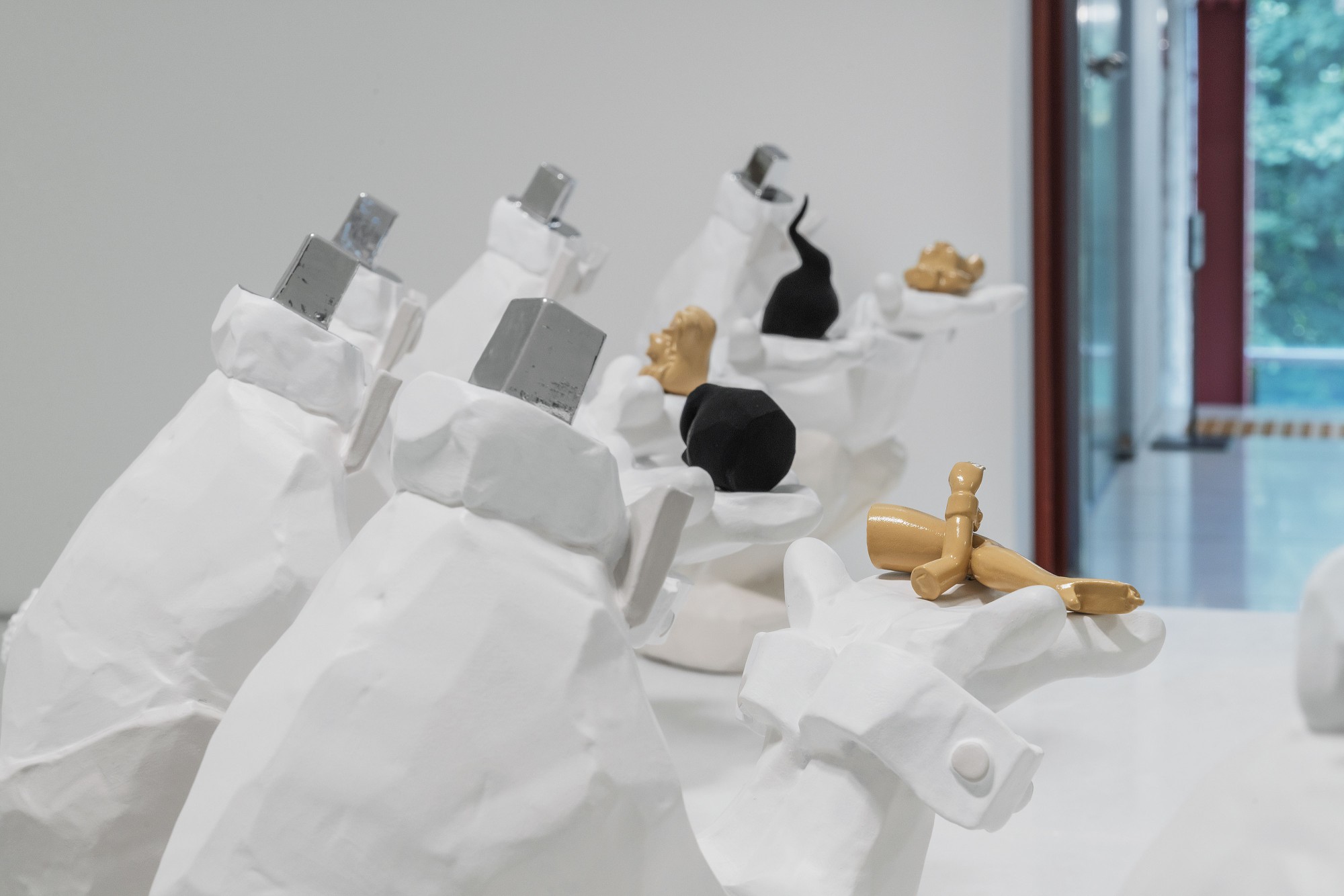
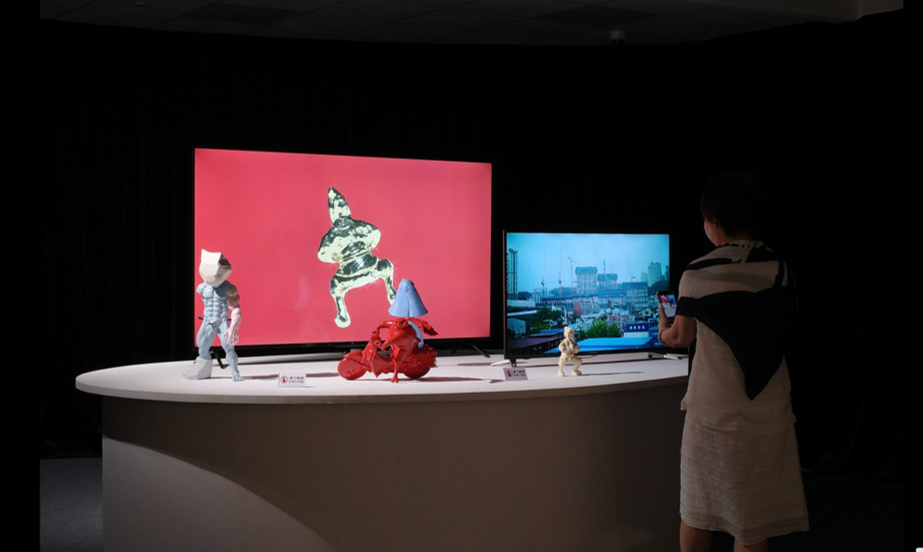
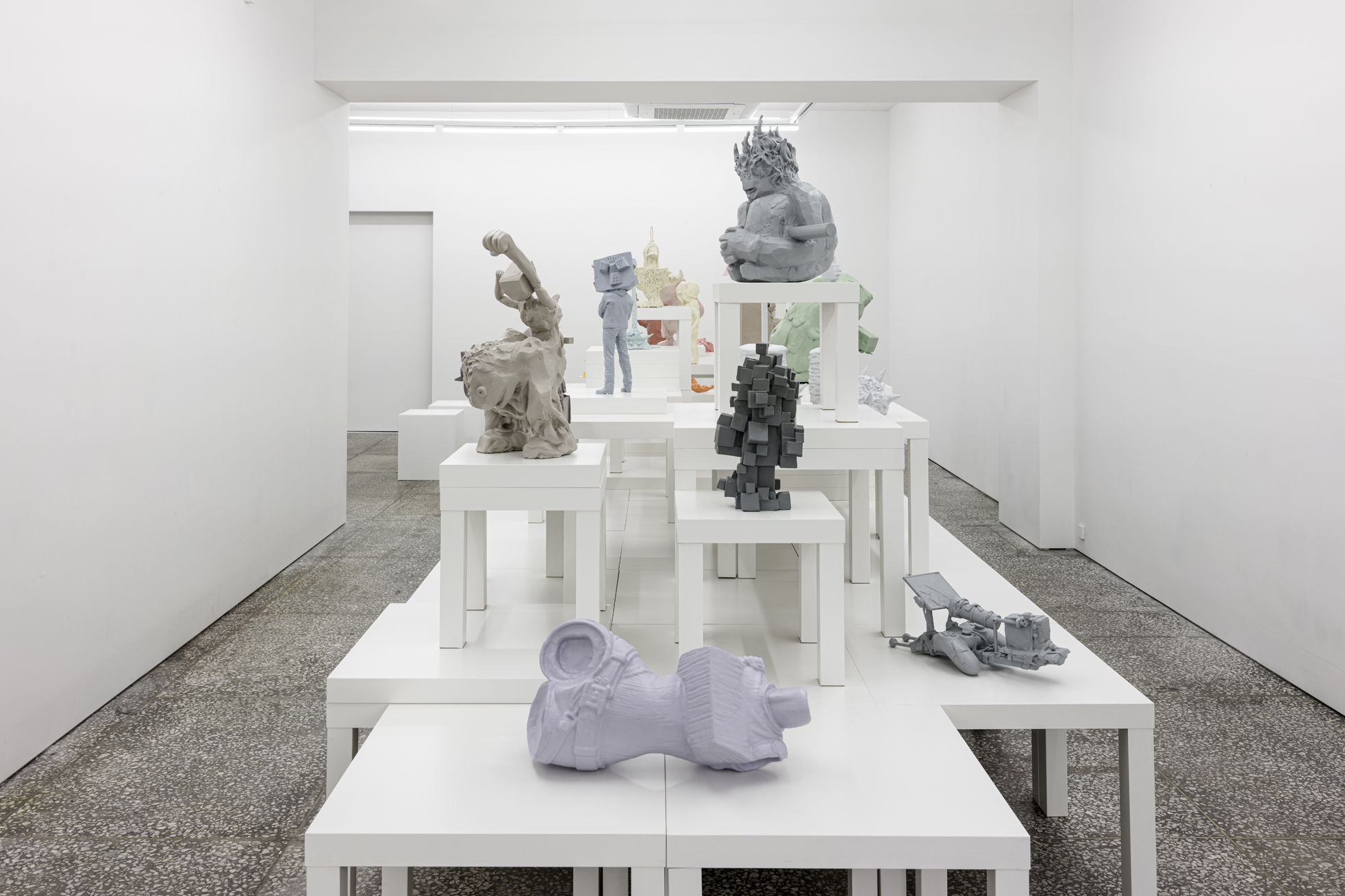
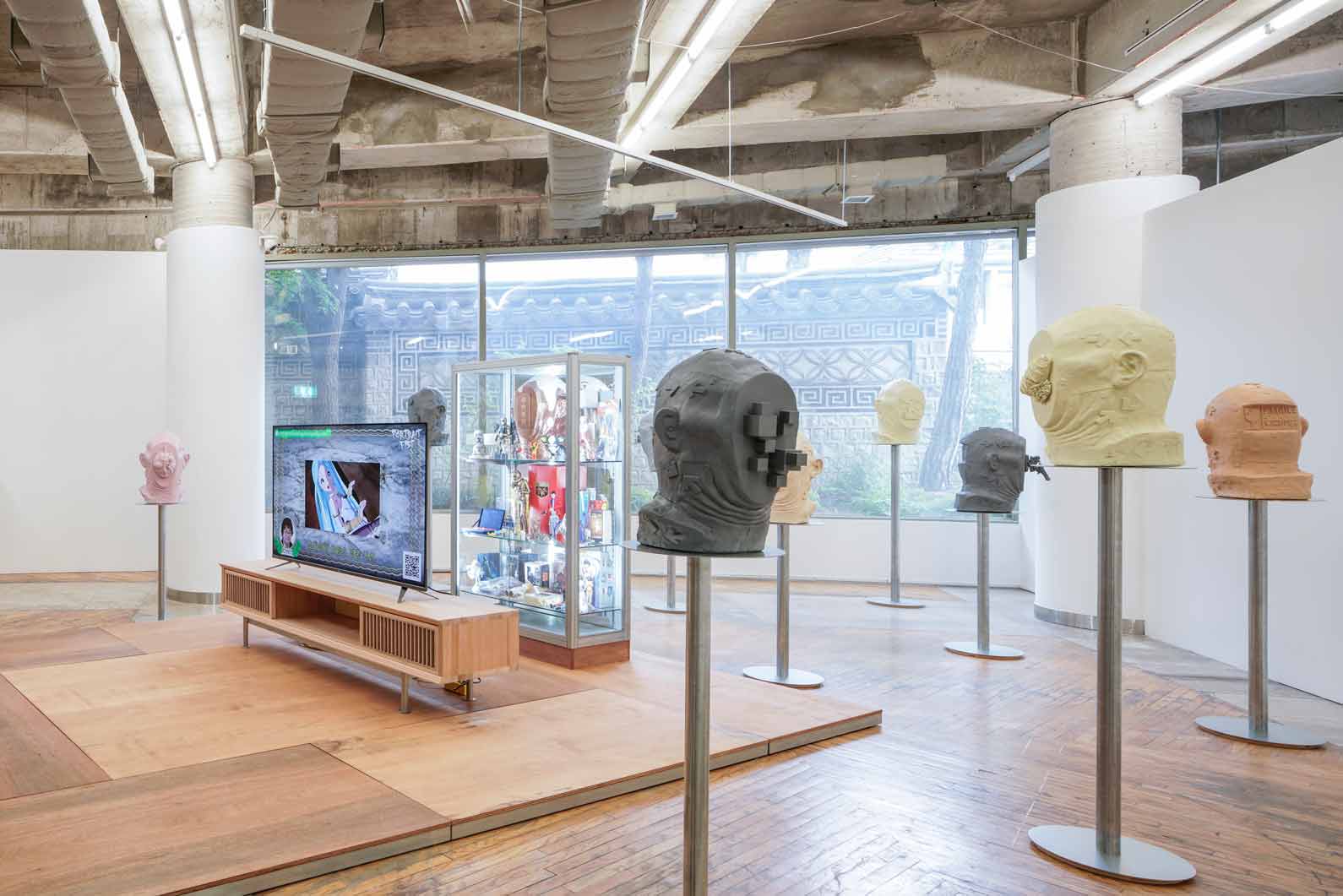
Don Sunpil (b.1984) questions the formal sculptural outcomes at which individual figures originating in Japanese subculture eventually arrive. By tracing and imagining the processes behind them, he rearranges figures to create particular monuments or memorials to web culture, or re-sculpts figures that have been further modified and fabricated.
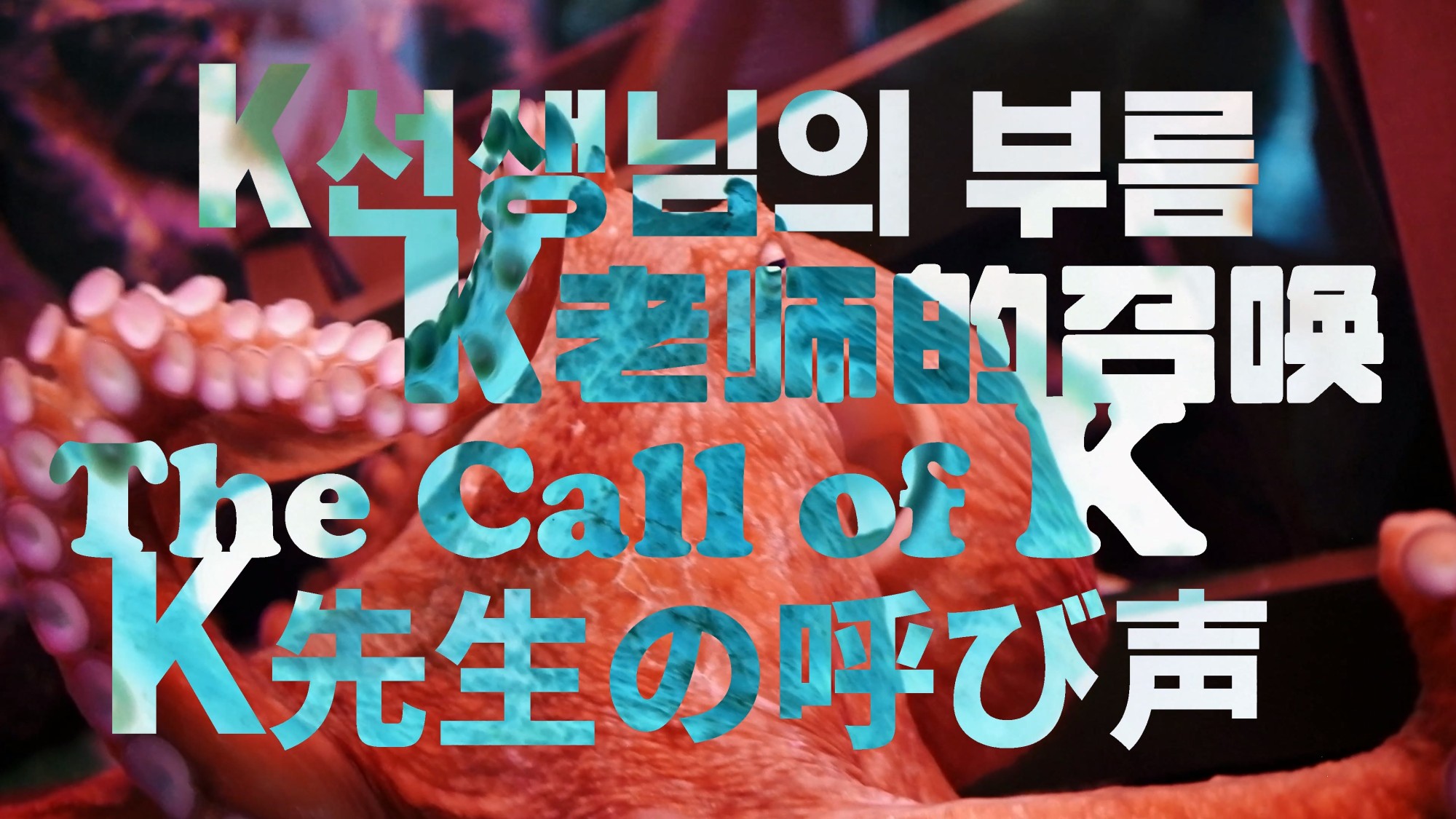
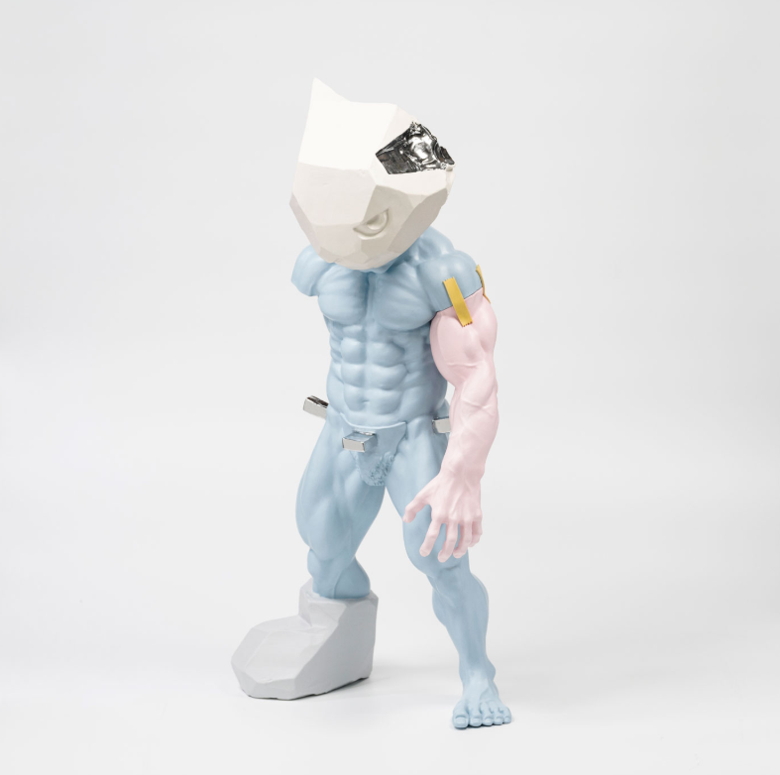
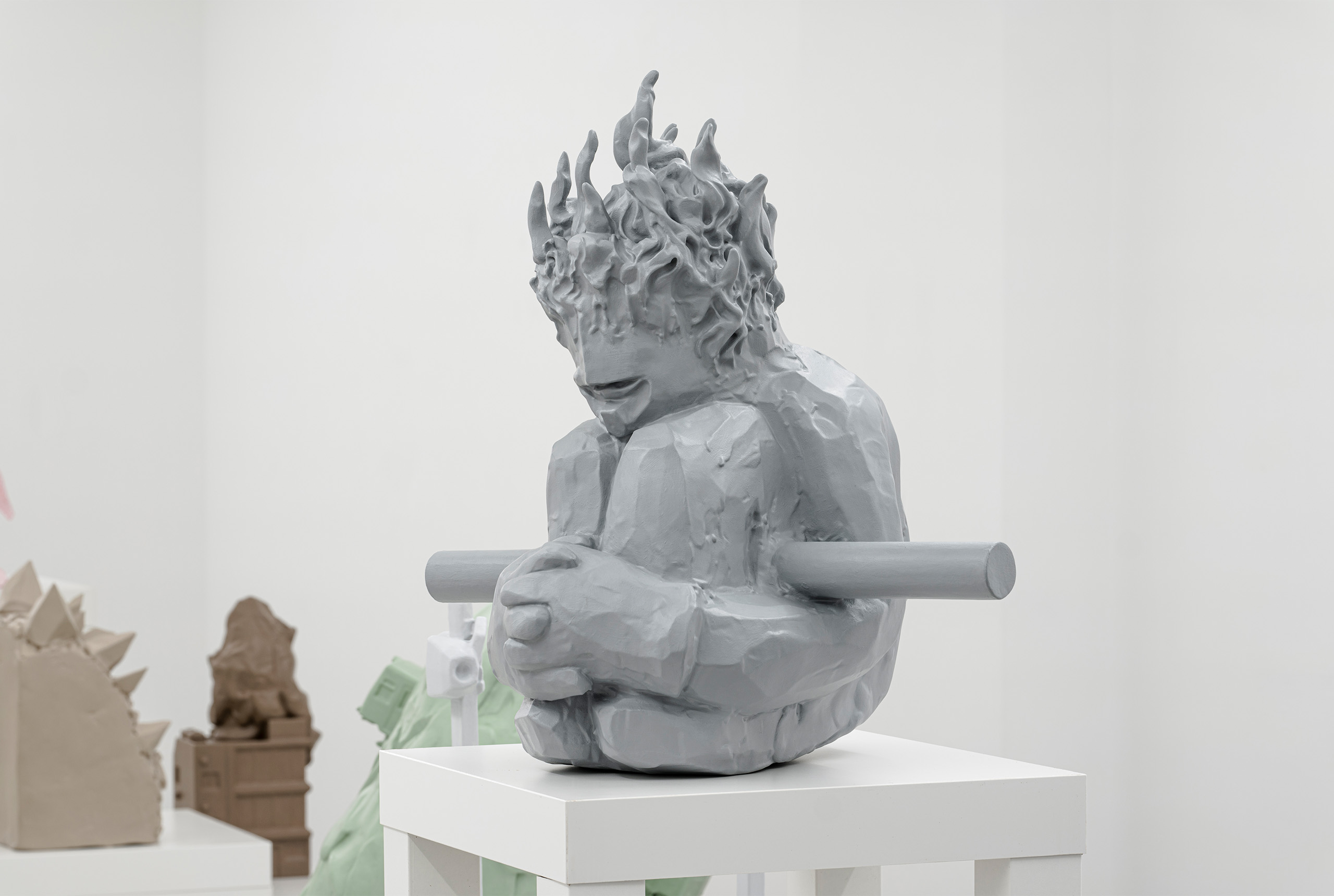
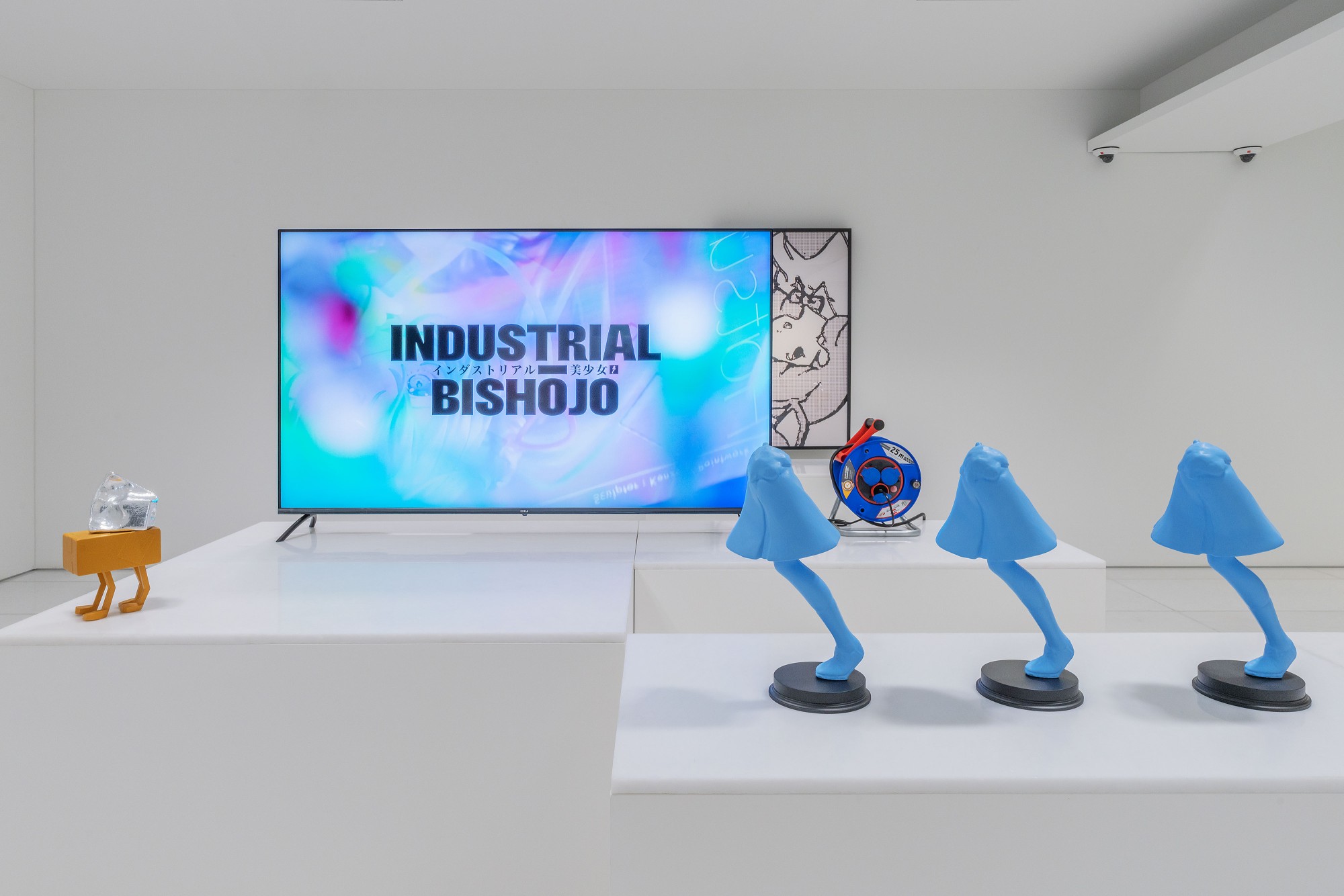
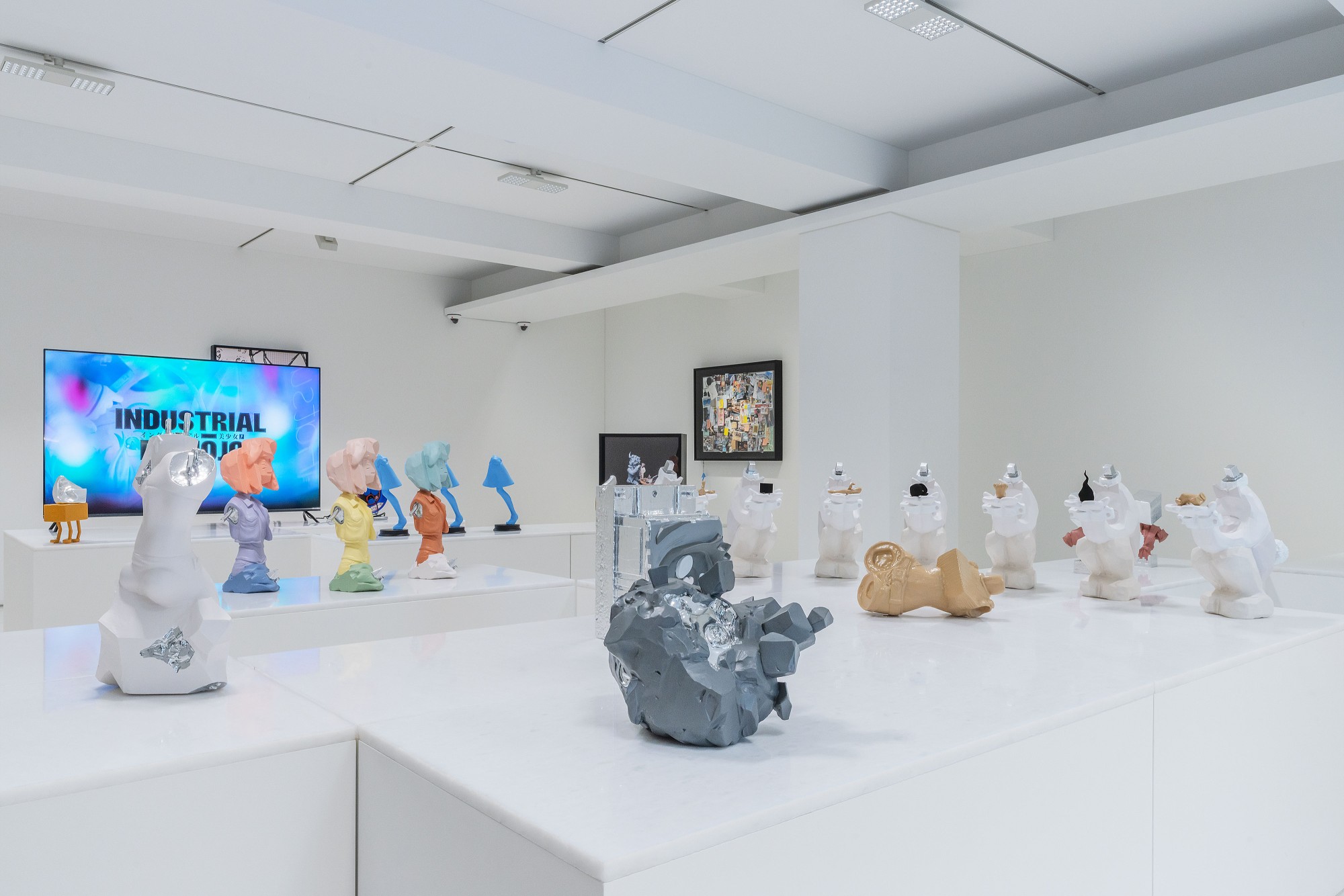
These works sometimes exceed the scale of conventional figures and take on outcomes that resemble sculpture. Narratives accompanied by research, experience, and fiction provide an alibi for forms produced through the figure consumers situated both inside and outside the culture surrounding figures. In 《Industrial Bishōjo》, Don twists the temporality of the sculptural conventions that have come to characterize Japanese “bishōjo” figures, which constitute a major genre within the figure market, questioning idealized forms of beauty through both video and sculptural works.
A sense and judgment of beauty, the original prototypes produced before mass production and the objects that emerge after passing through the conveyor belt of molds, and the large linear market structure in which these results are consumed, reproduced as web images, and consumed again all starkly reflect certain aspects of the conventional figure market.
At the same time, they loosely expose the repeated recombination of the database pool through which subculture is both consumed and produced. Don looks dryly upon technological achievements that continually overcome the limits of molding technologies for mass production, as well as the oddly wasteful-seeming new technologies and market desires they enable whenever their dynamism succeeds in rendering abnormally large eyes and flat cartoon drawing styles directly into three-dimensional form.
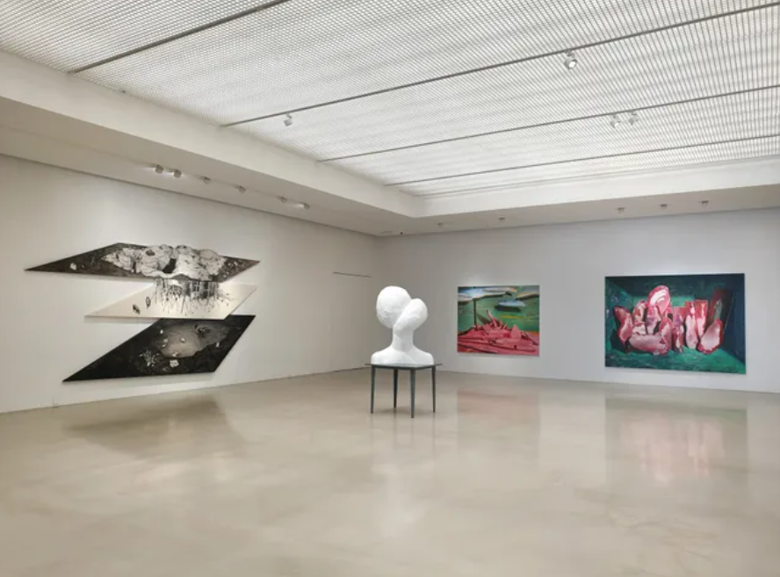
Martin Gross (b.1984) takes “Dream File,” a term briefly mentioned in Ted Nelson’s 「A File Structure for the Complex, the Changing and the Indeterminate」¹, in which Nelson first advocated the concept of hypertext, as the title of his exhibition and as a metaphor for the structure of his own practice.
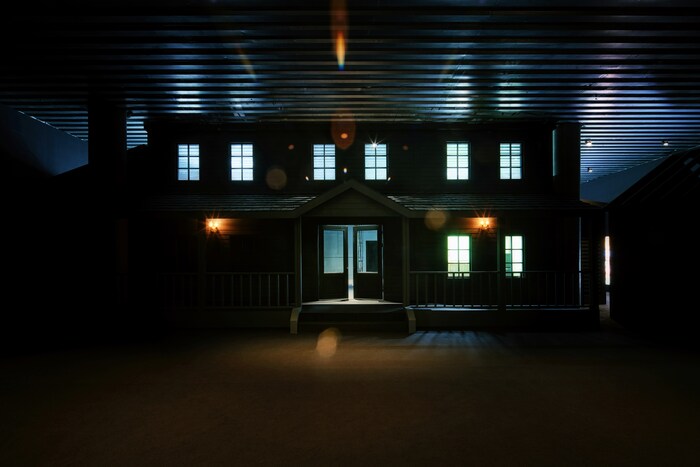
Since the translation of information is in fact highly subjective, Gross seems to want the structure of the exhibition to be understood through the sum of interconnected hypertexts. Images and phrases that appear to have been collected primarily from mobile phones and monitor screens float between meaning and meaninglessness, making the viewers themselves float within a dark, high-ceilinged, split-level exhibition space.
The consistent and loud rhythm of sound that can be heard from before the gallery entrance is opened until after it is closed predisposes the audience toward a particular attitude before they enter. Large typography, continuously moving as it dominates the entire exhibition space, and advertisements and phrases commonly seen on the web that flow like declarations or leaks regulate the flickering illumination of the gallery in time with the music.
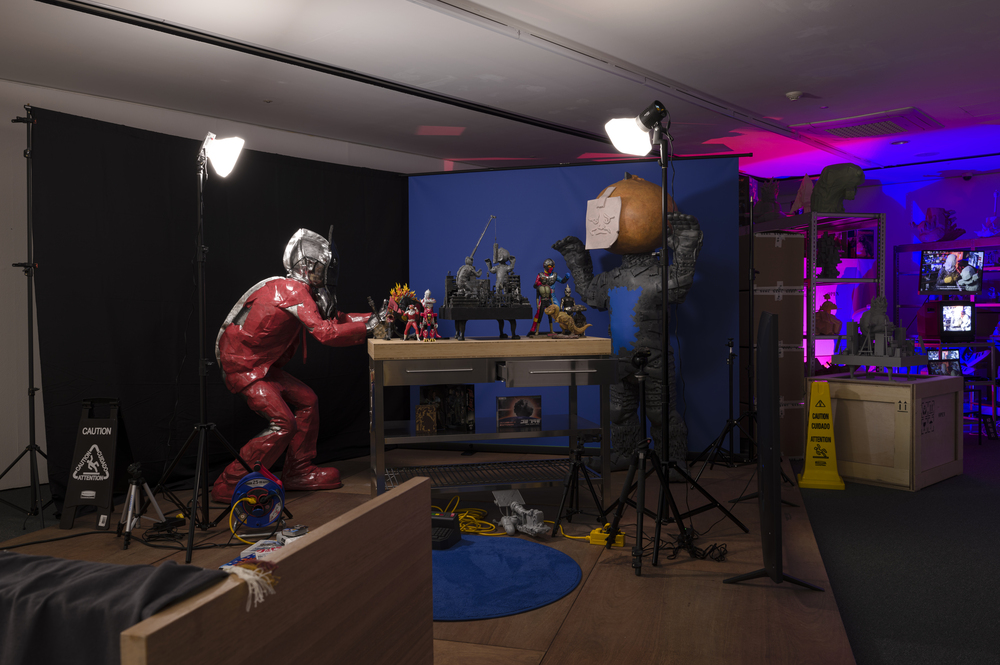
As an extension of Gross’s previous approach, in which distorted or enlarged text in wall graphics appeared to be placed upon or juxtaposed face-to-face with oil-stick image works, a large animation confronts all of the paintings in the exhibition and pours out letters. Information collected by Martin Gross is projected onto another screen at varying resolutions, montaged into images that appear to consist of binary digits, and then painstakingly and obsessively reproduced once again by hand in oil stick as analog images.
The landscape of the exhibition created by Martin Gross through a process resembling Cut and Paste once again situates the works created by the artist as a foreground within an environment of information, allowing viewers to wander through it and stare blankly, before slowly walking out as though leaving a club where the BPM and density of the music have been lowered.
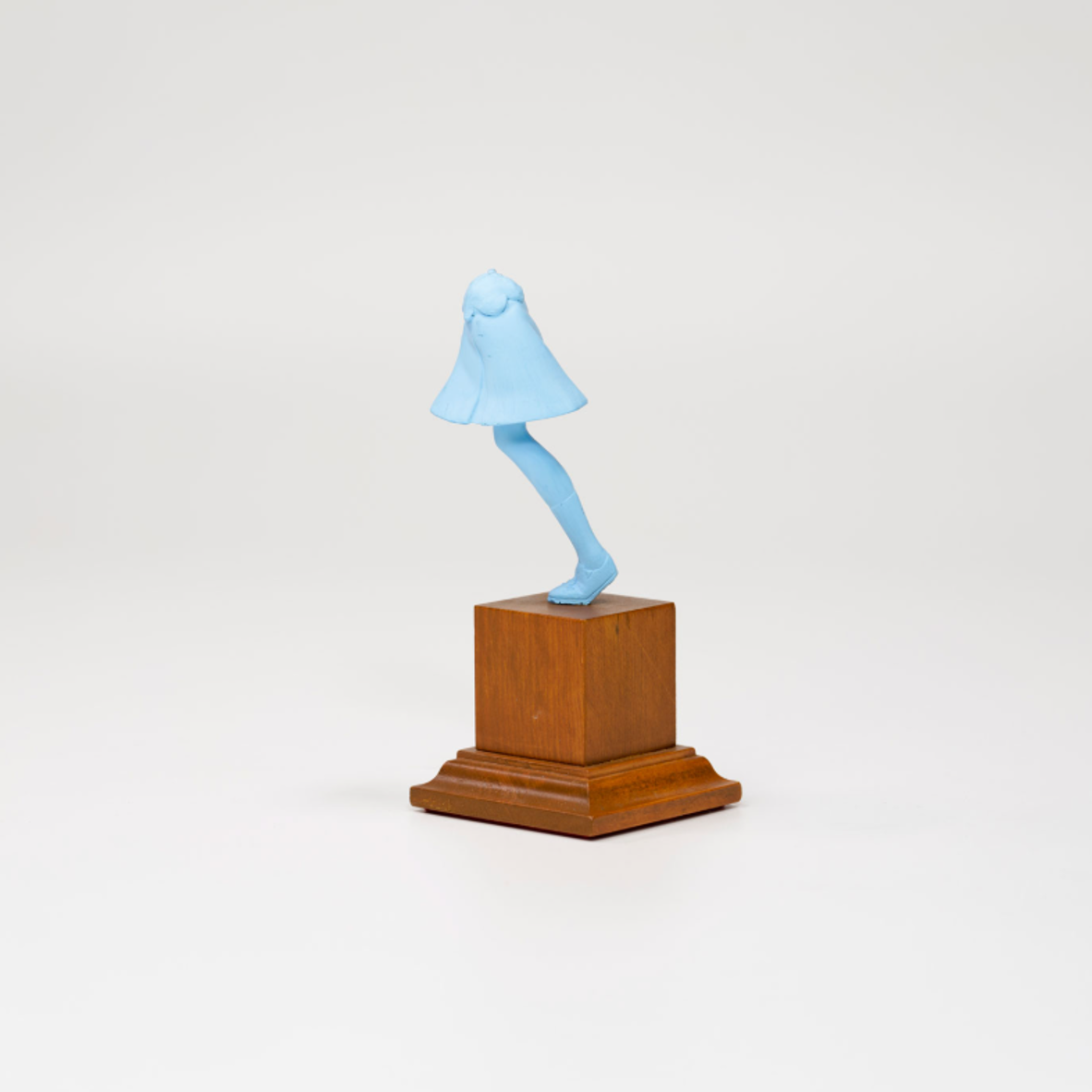
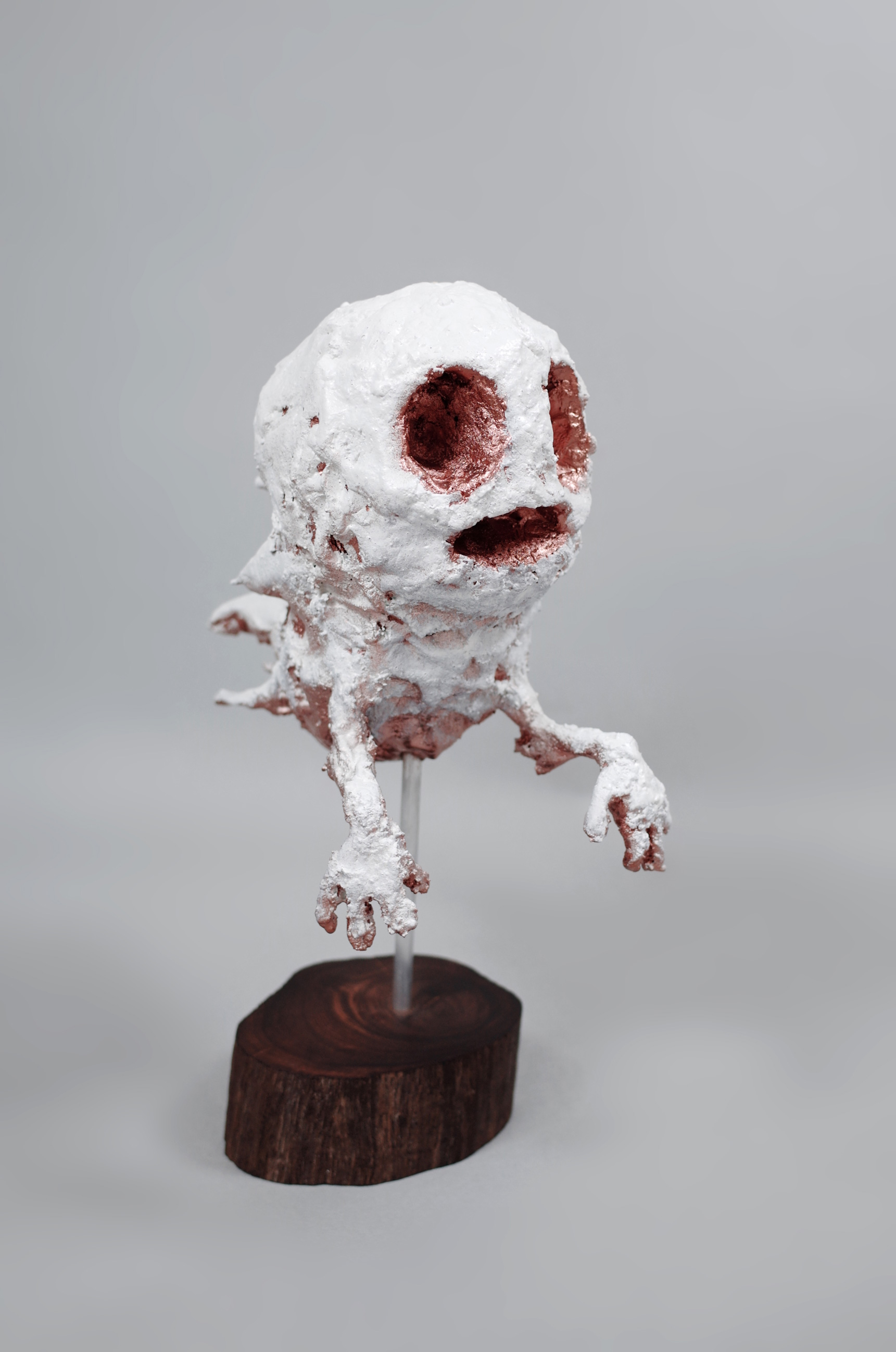
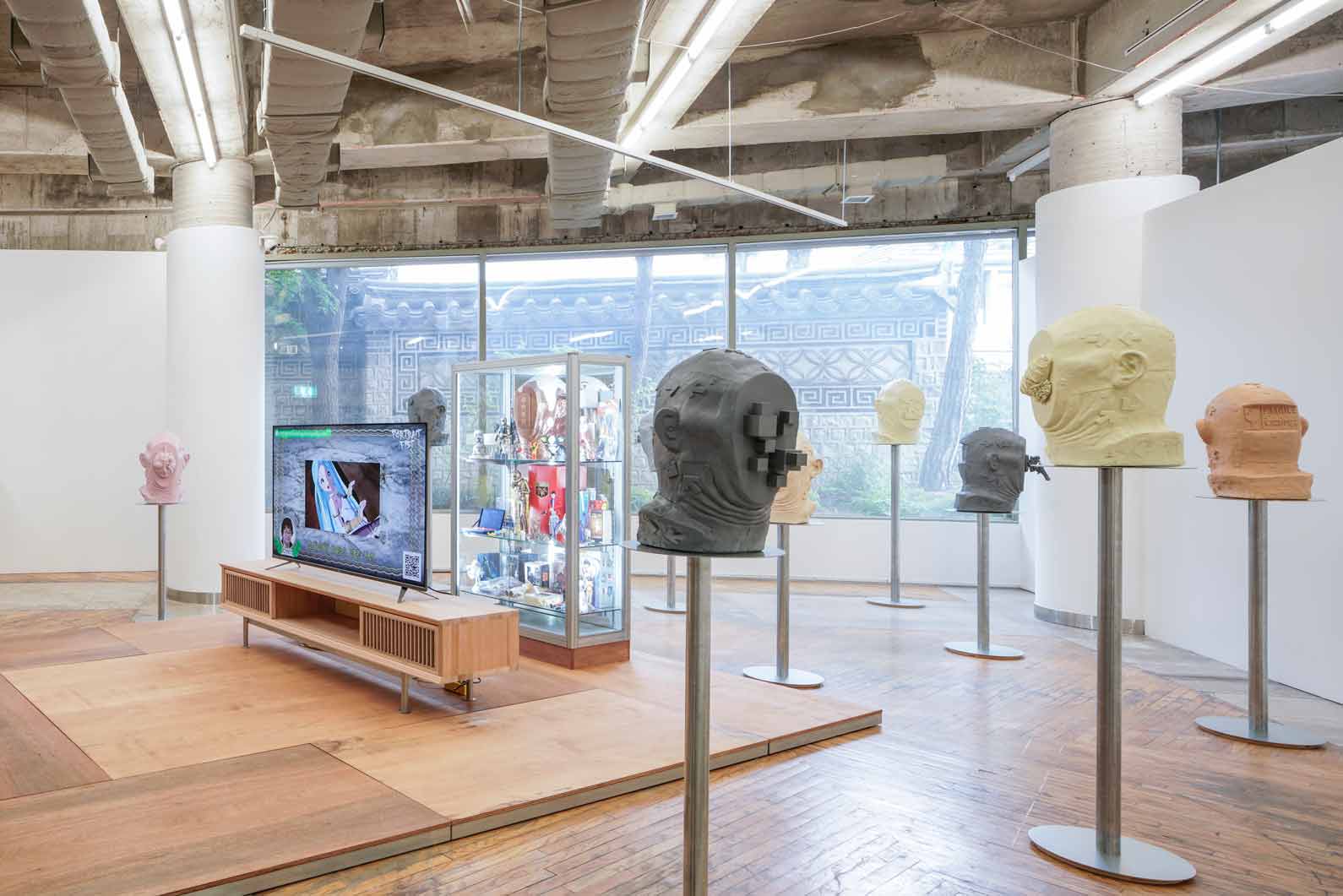
Don Sunpil, by contrast, does not directly reveal his meticulous research into the process and history through which the form of the figure—especially the bishōjo figure—comes into being. Instead, he gathers together updated and materialized results of recasting, including earlier works. The pedestals and sculptural objects, which appear to rise directly from individual sections of the exhibition floor and resemble a loosely organized inventory window, emerge as new information that viewers must wander among and observe.
How can we consume these strangely embodied outcomes, filtered through the artist Don Sunpil, of the passions of consumption that drive the figure market? We might find a small clue in Don Sunpil’s Shader series, which he has used as a kind of bank scene² within his own practice.
In creating their own forms of monuments by gathering noise and information generated on the web, the two artists arrive at different outcomes: the screen as image and the object as embodiment. Martin Gross’s screens take montages originally intended for mobile phones and computer monitors as their output, project them again through a projector, and rearrange them in relation to the sound of the gallery space across animations, wall graphics, and the surfaces of walls and paper covered with oil-stick paintings.
Don Sunpil traces the process through which two-dimensional bishōjo characters in Japanese subculture are transformed into small three-dimensional figures, and following the story of the fictional Engineer J, who agonizes over the resulting forms, scatters throughout the exhibition space monuments that might function as parts of small bishōjo figures.
Within the synesthetic environment Martin Gross has staged in 《Dream File》, digitally originated images that have been deliberately captured and materialized by human hands are given titles through other phrases and exhibited in an art gallery, only to return once again to the audience’s social media feeds and the visual environment of the web.
“Input and output”—a sound repeatedly heard for a brief period in Don Sunpil’s 《Industrial Bishōjo》. Recast sculptures that seem to stand on the verge of collapse as they trace the process between the input and output of information, and montage images of information reminiscent of a corner of the room belonging to an obsessive character in a detective story.
Conditioned by the information captured in these ways, the information transmitted by the artists and floating within each gallery is received through forms possible for art at the present moment, whether by visitors who physically enter the exhibition or by people who encounter fragments of visual information uploaded to the web. The works into which artists have poured all their deliberation are received as yet another form of information, and how they are consumed, reassembled, transmitted, and remembered is ultimately up to the audience.
Art in Culture, September 2023 / Focus – Dialectics of Technology and Pathos / Kwon Soonwoo (Unedited Version)
1.Session 4: Complex Information Processing, 『ACM 20th National Conference / 1965』
2.A scene containing a recurring section in Japanese animation that is produced in advance and reused. Also known as the bank system.