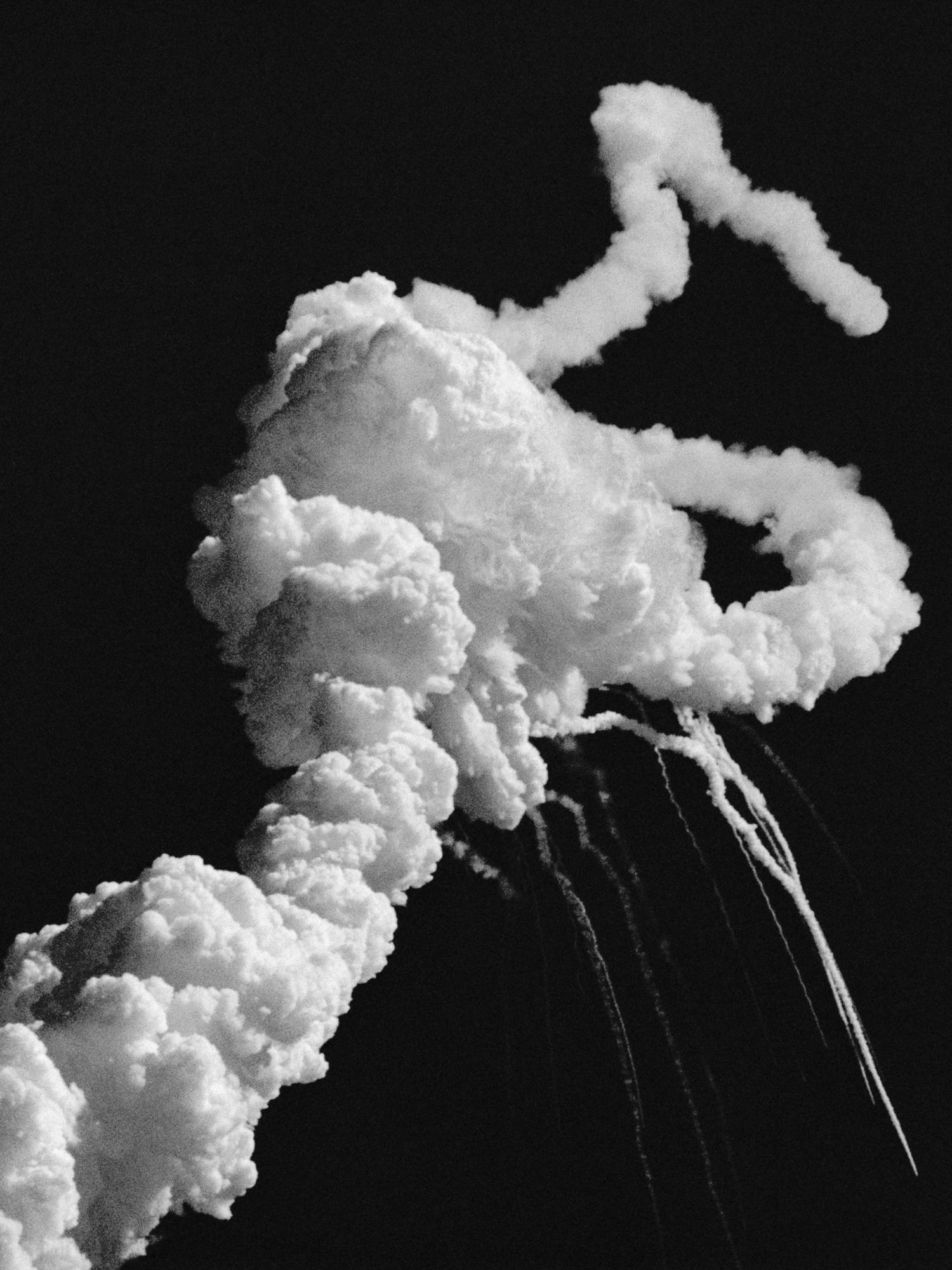
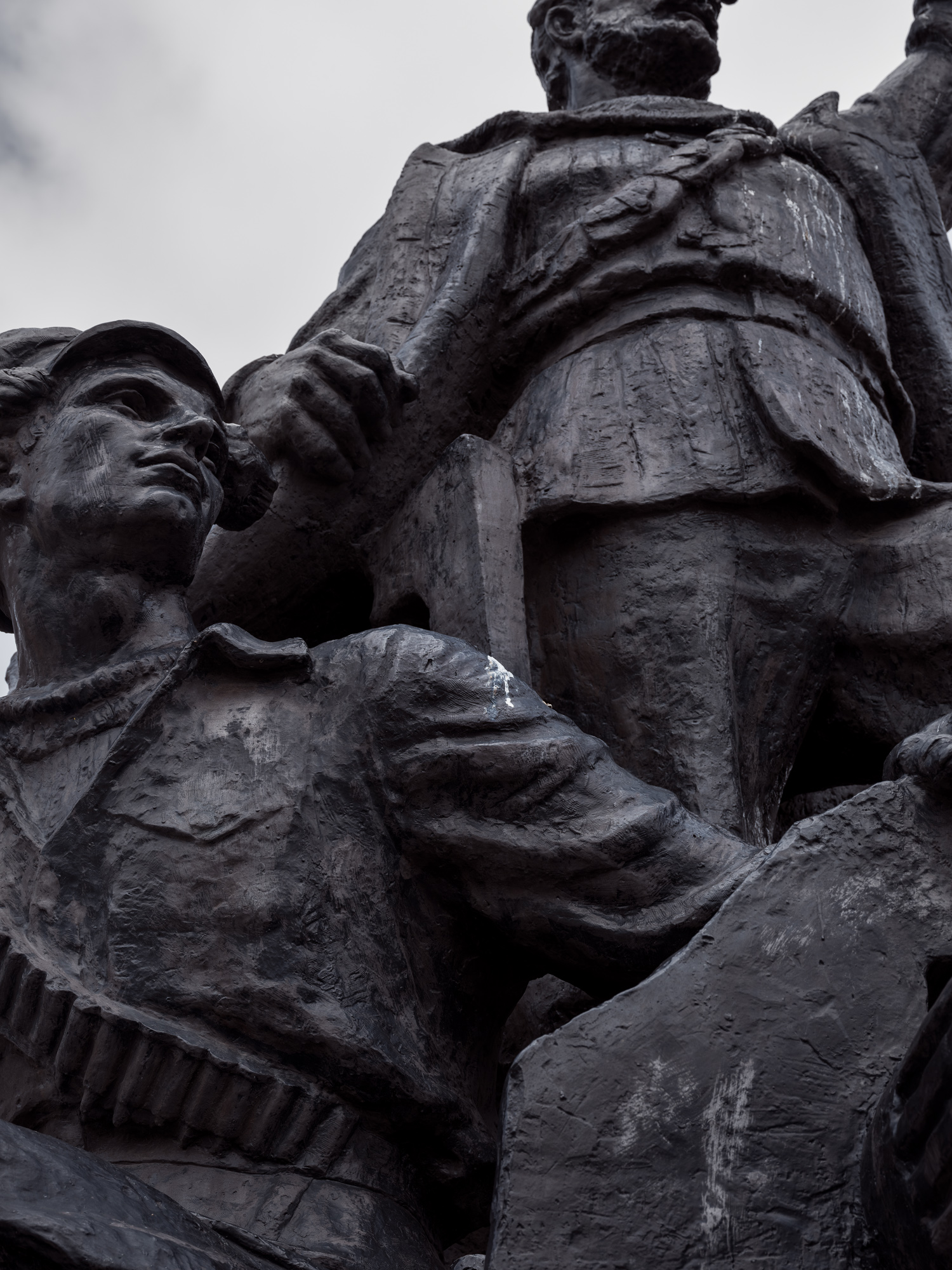
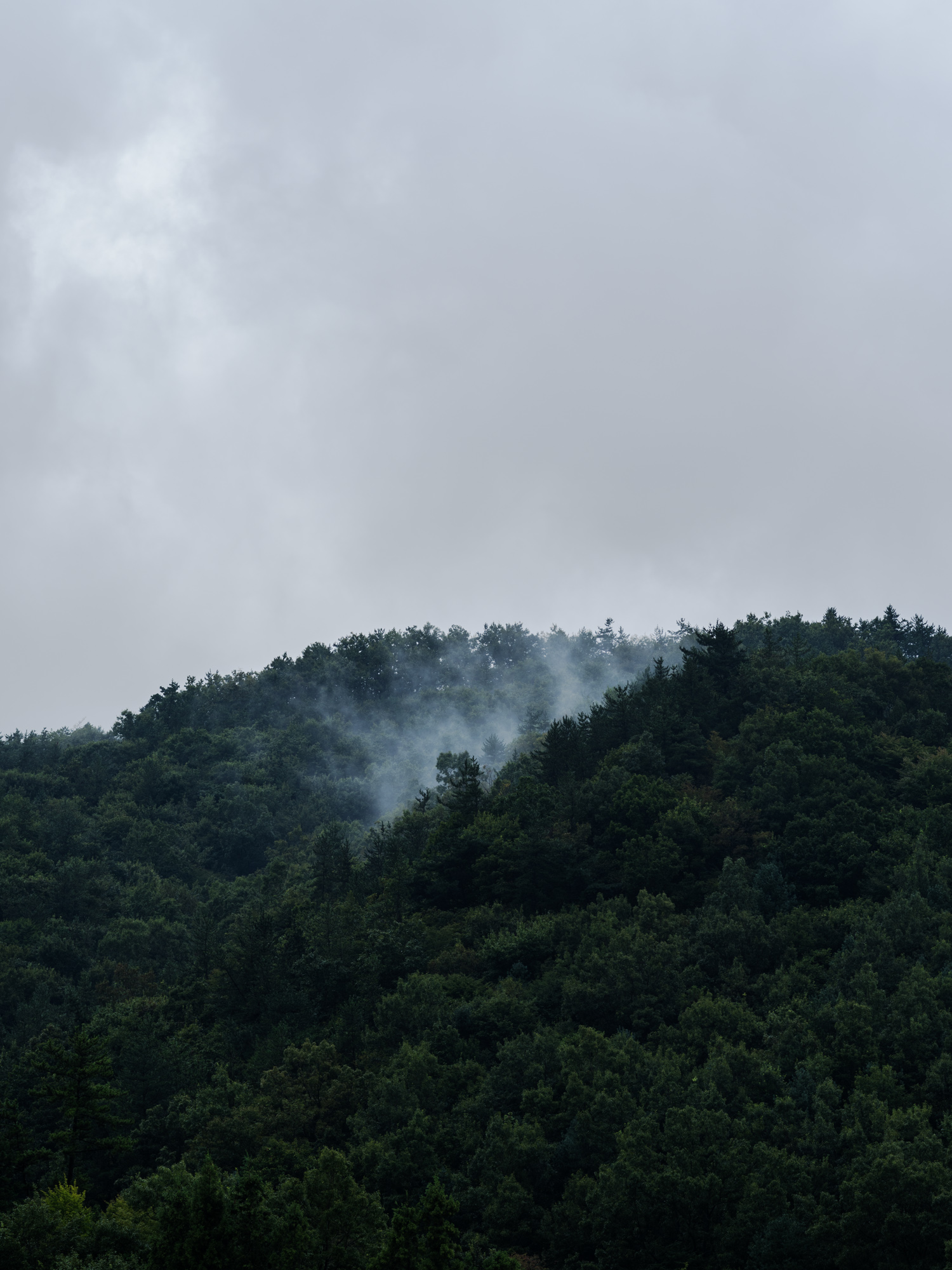
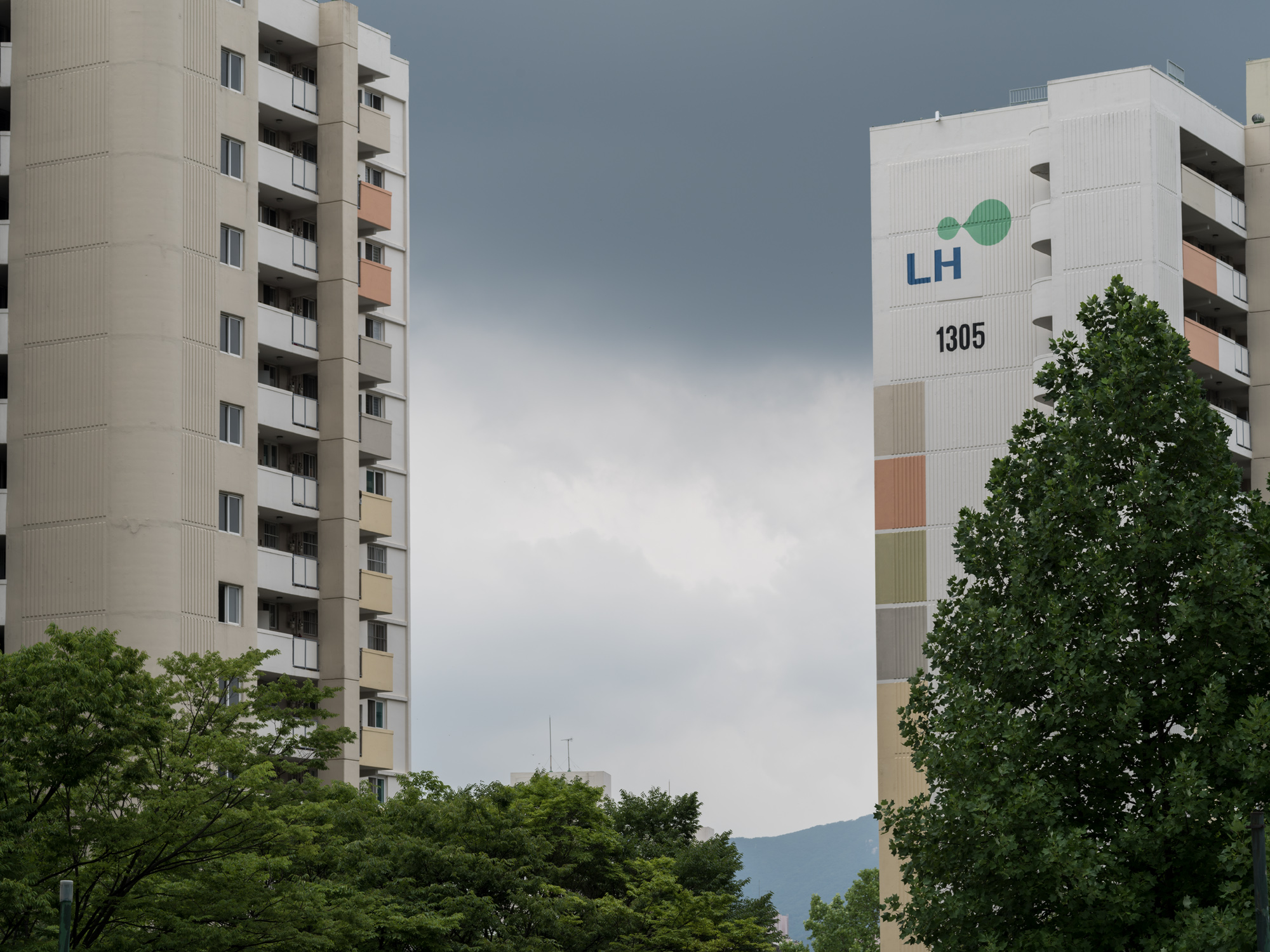
Hong Jin-hwon’s photographs begin with social events while deliberately restraining visual devices that would allow those events to be immediately recognized. After leaving photojournalism, he established a set of principles for his practice: avoiding ultra-wide-angle and extreme telephoto lenses, refraining from shooting while walking, and not disrupting vertical and horizontal lines without particular reason.
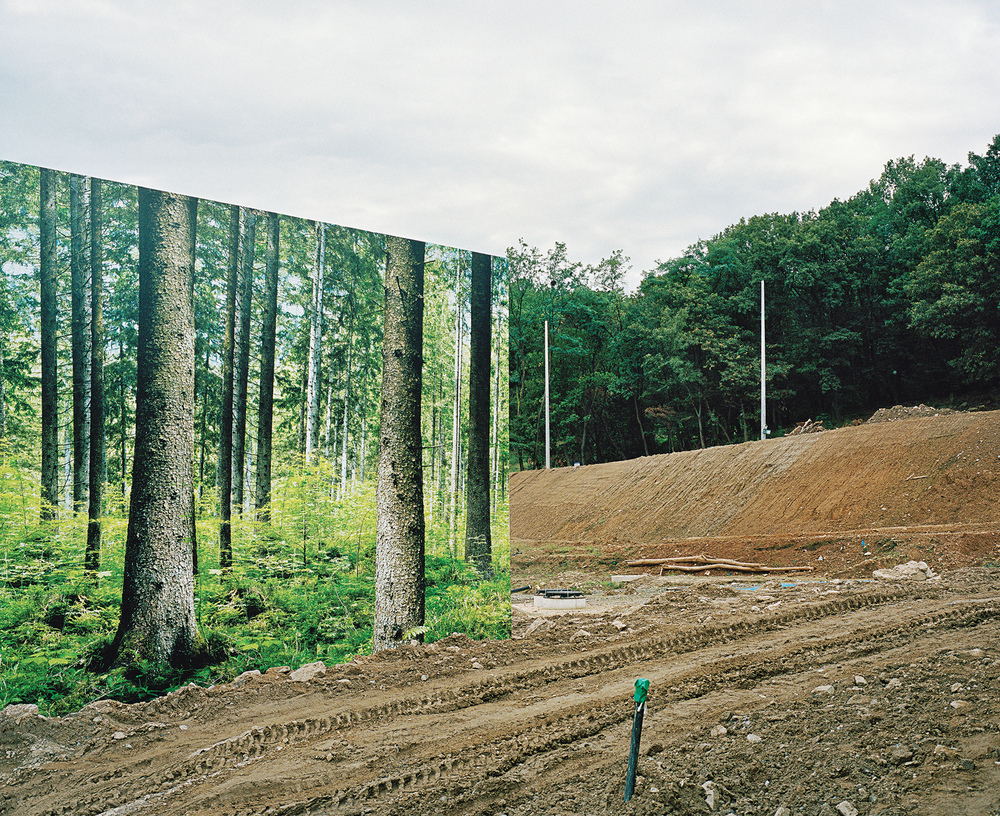
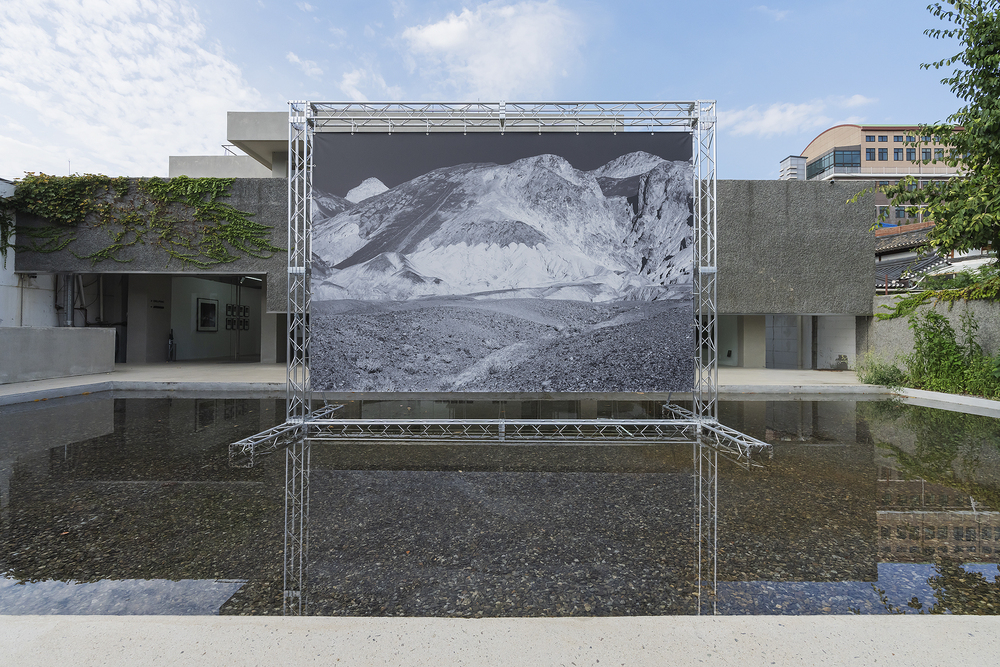
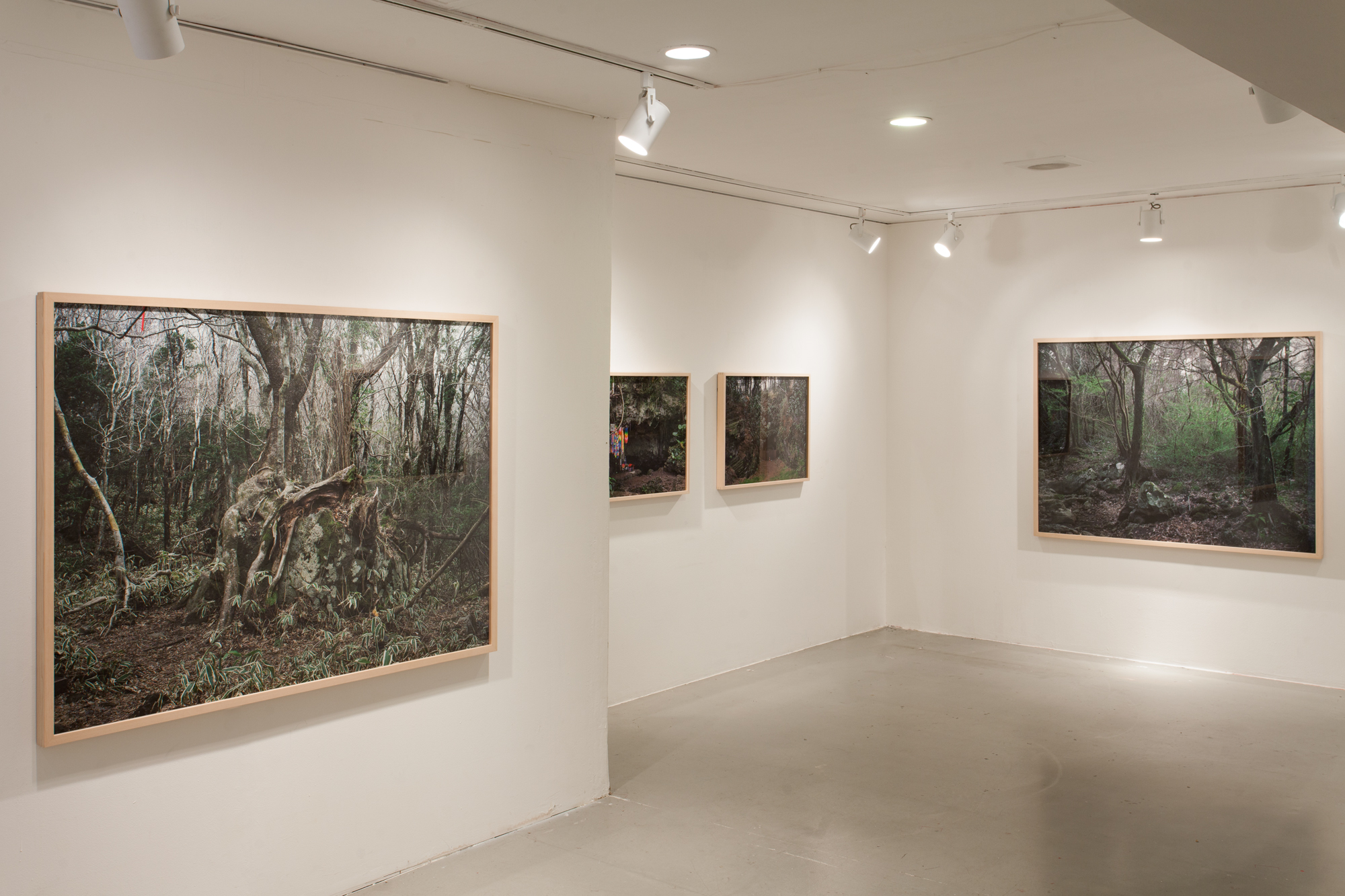
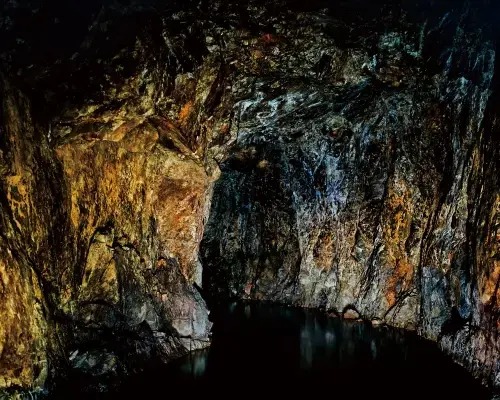
Flat light on overcast days, static compositions, places emptied of people, figures seen from behind, and objects that do not strongly assert themselves within the frame recur throughout his photographs. These choices reduce dramatic effects while encouraging viewers to examine the details of the image more slowly.
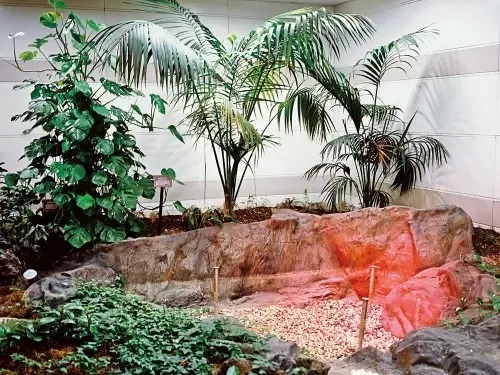
Ordinary subjects such as plants, roads, buildings, and the lights of expressway service areas do not directly convey information about historical events, but instead leave behind subtle sensations of estrangement and absence.
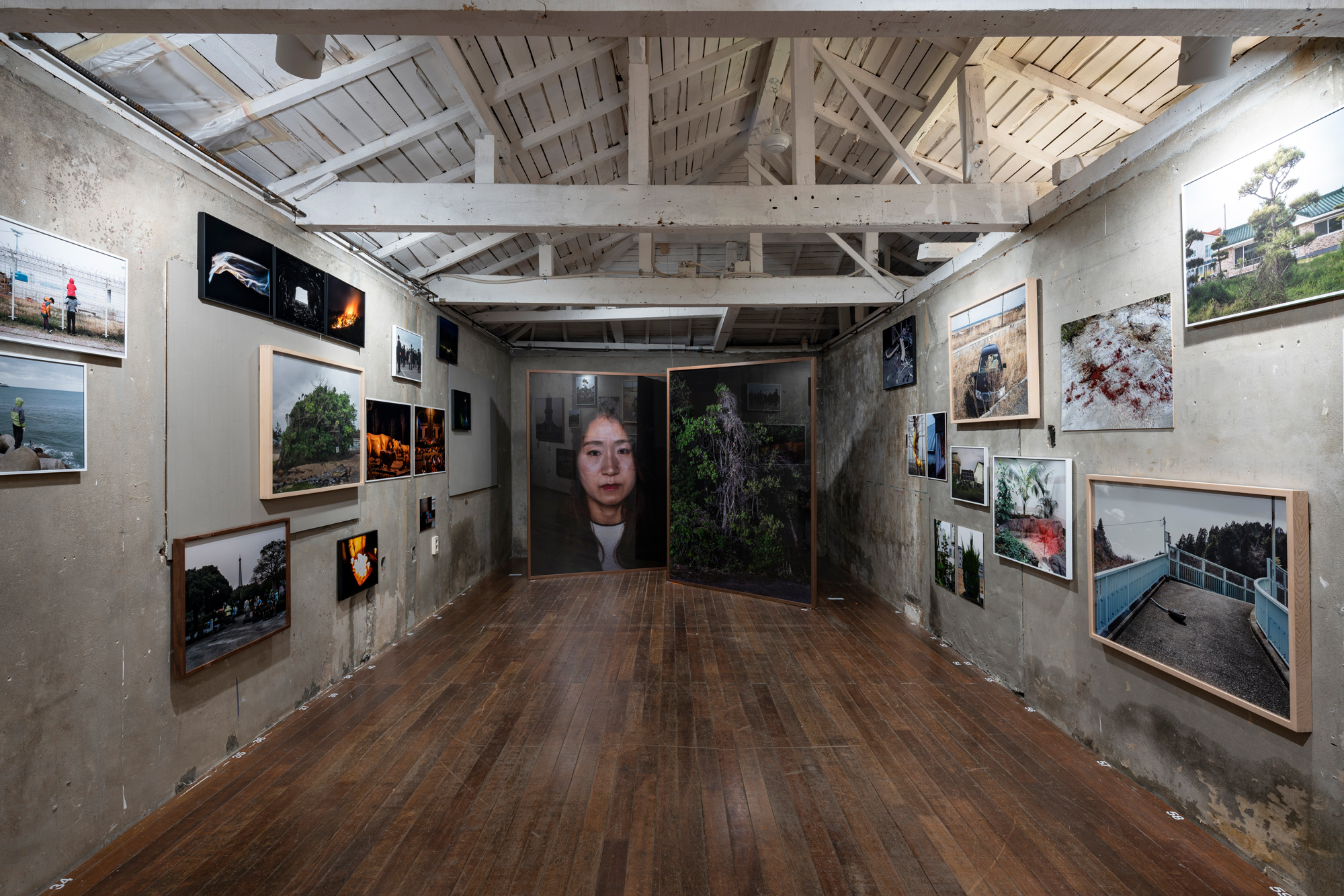
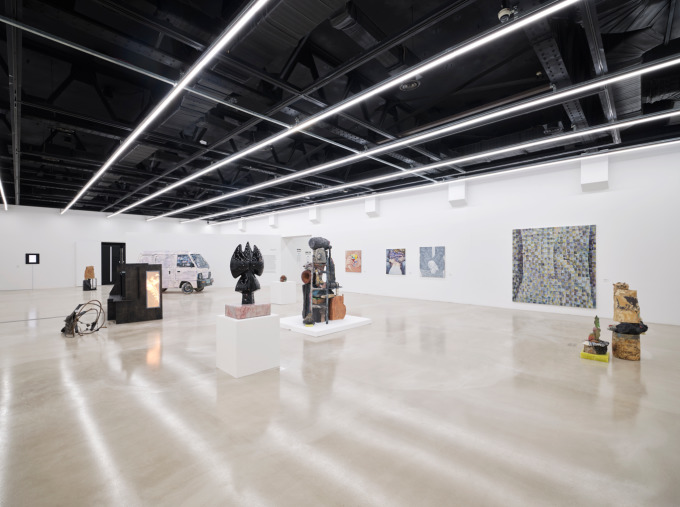
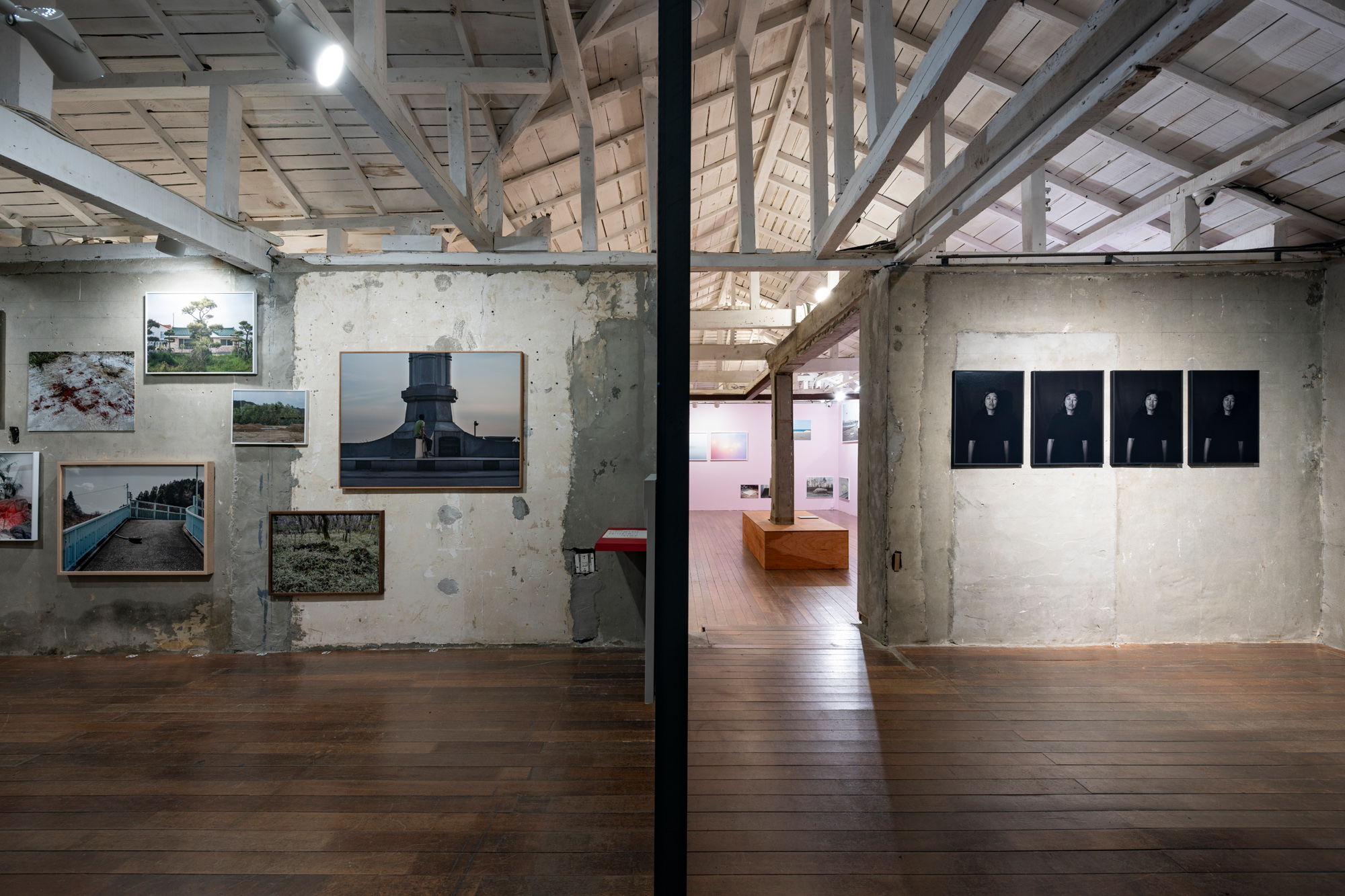
The way Hong organizes photographs into series and subsequently dismantles those structures is also central to his practice. In his earlier work, images photographed in relation to specific places and events were grouped into individual series, while in 《Random Forest》 he loosened those boundaries and rearranged photographs taken at different times and locations.
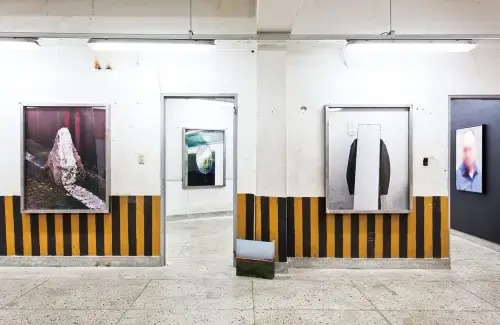
Images with similar colors or forms may be placed beside one another, while photographs whose contexts are difficult to identify collide within the same space. Through this method, the meaning of an individual photograph is not fixed to its title or the event it references, but continually shifts according to its relationship with surrounding images.
By treating selection, classification, printing, and installation after the act of photographing as integral parts of the work, Hong uses the exhibition as a process of editing and reconfiguration through which images can be read anew.
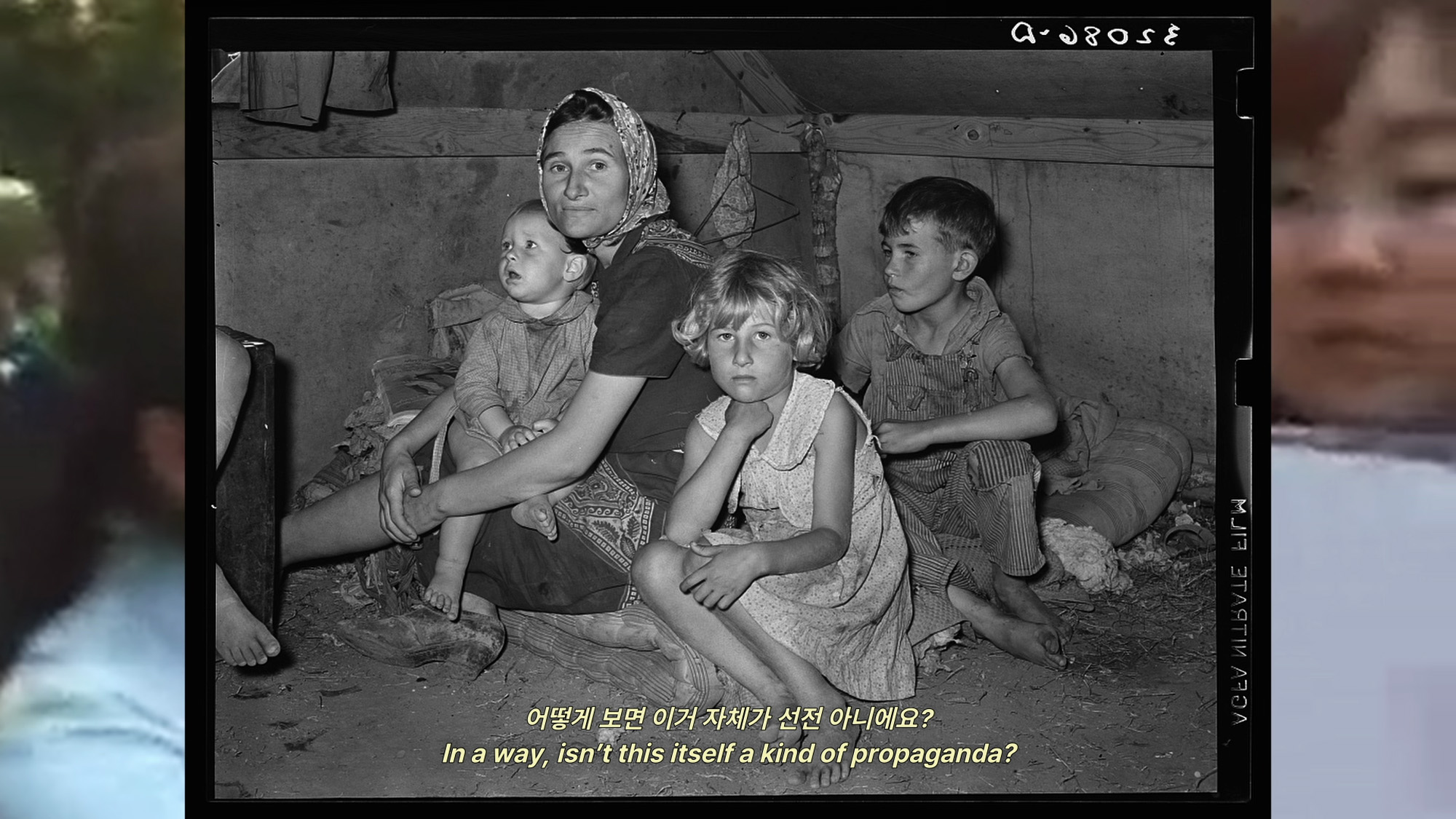
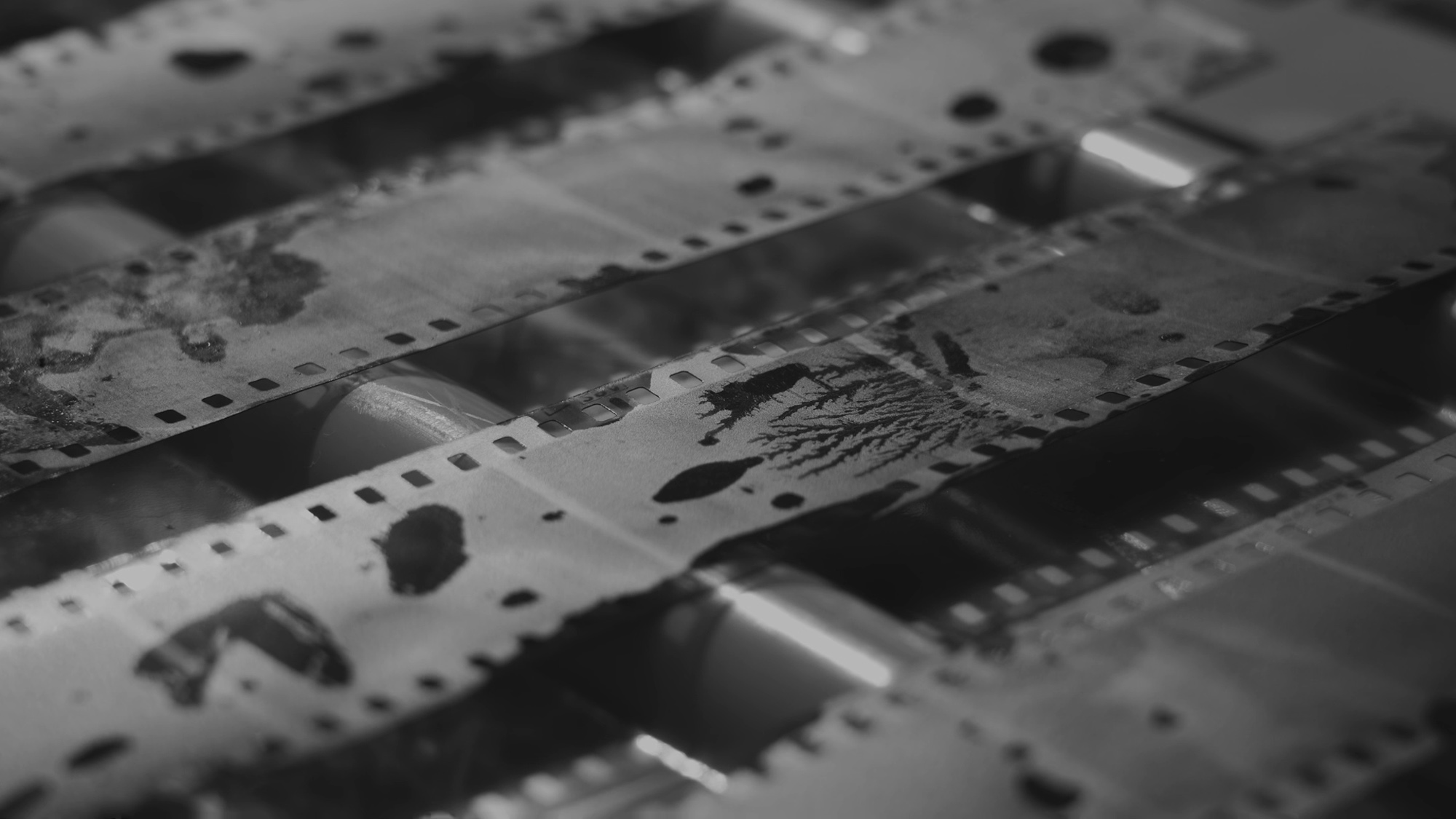
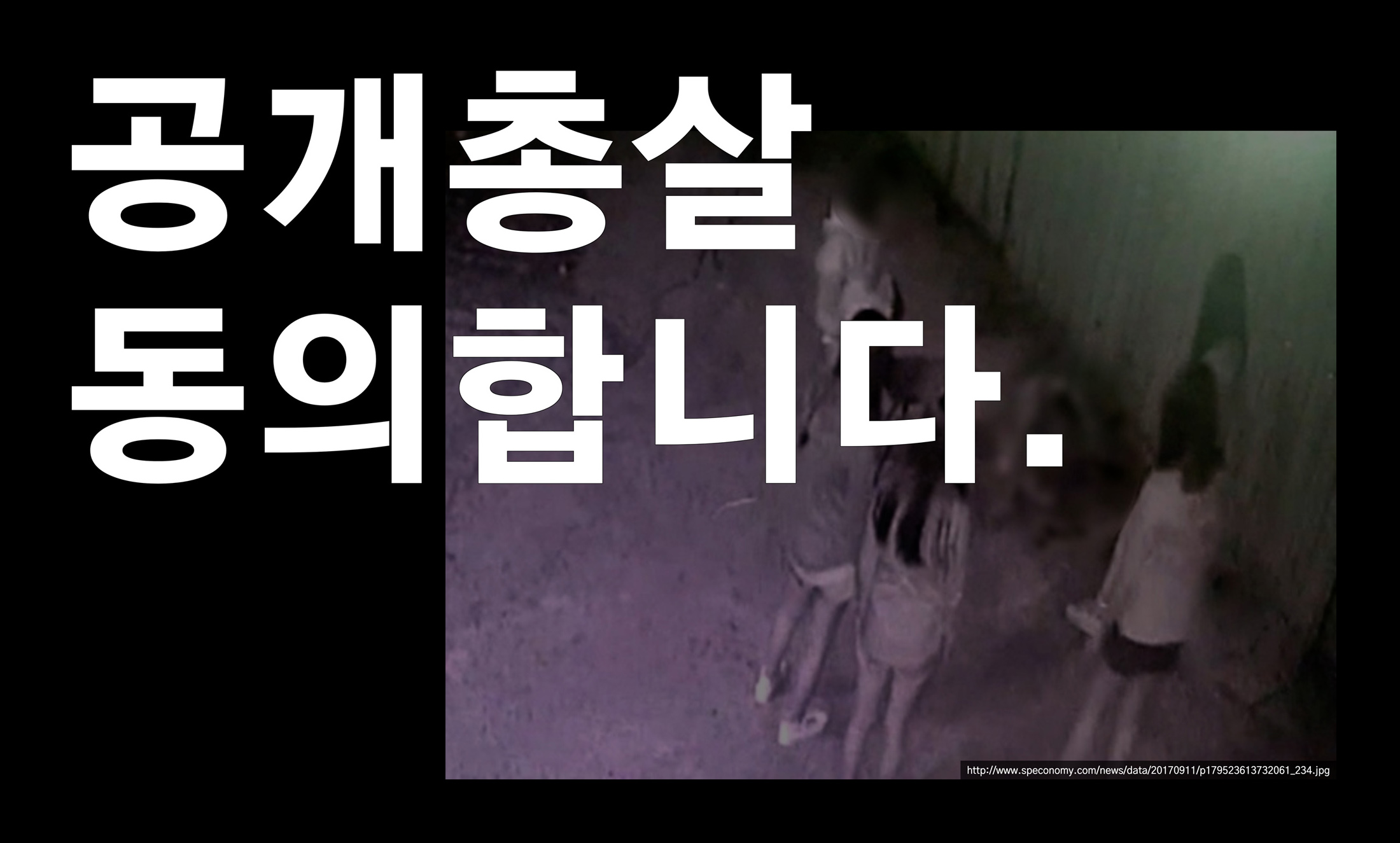
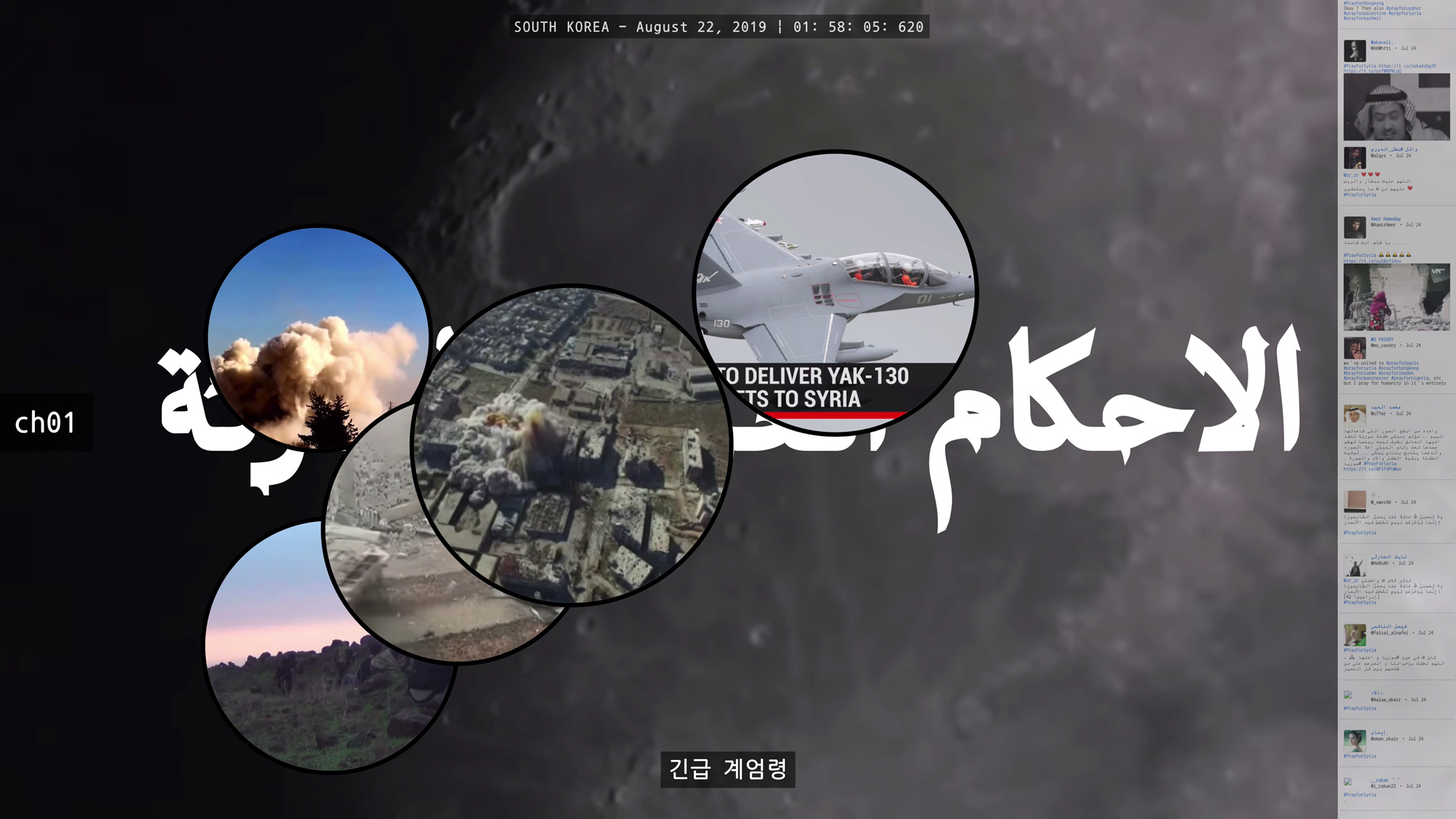
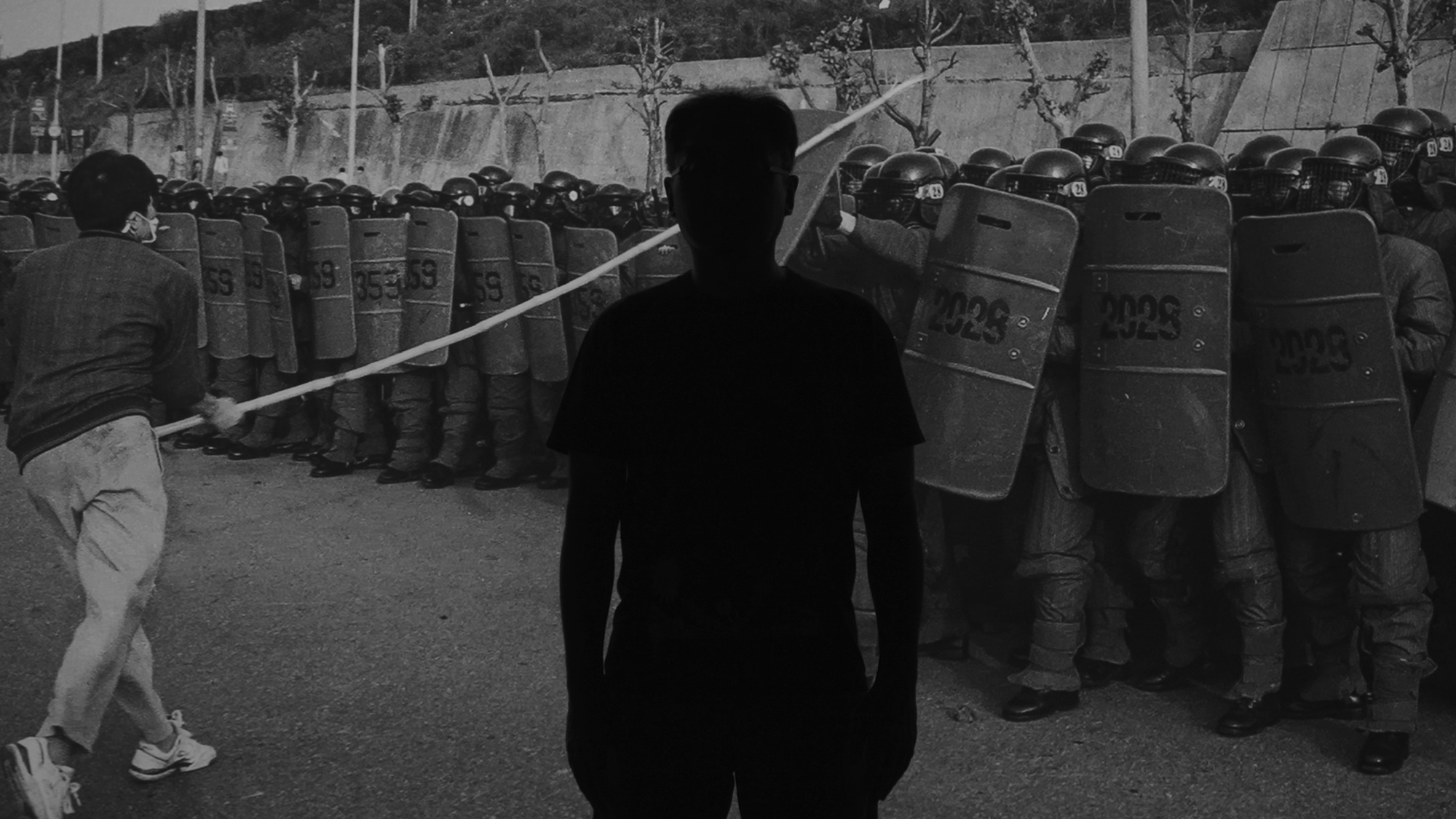
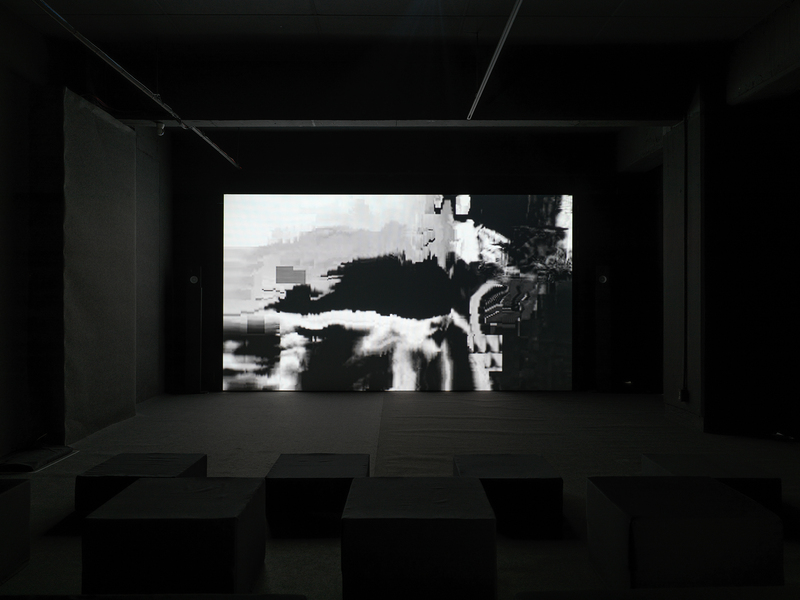
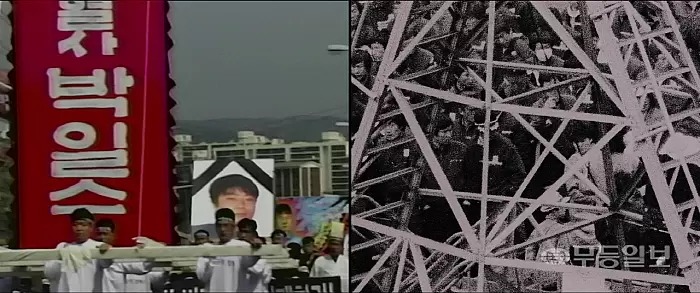
In moving image, this sensibility of editing expands into the organization of time. melting icecream interweaves the restoration of flood-damaged films related to the democratization movement, interviews with photographers active at the time, archival footage of struggles by irregular and migrant workers in the 2000s, and landscapes of the present.
Images from different sources and historical periods are not seamlessly connected in order to complete a unified historical narrative; instead, they are arranged so that they unsettle and question one another’s meanings.
Damaged film and digital glitches are likewise not treated solely as errors to be removed, but remain visible as material conditions through which records are preserved or lost. Maintaining tension among interviews, archival footage, and landscapes—so that none fully explains the others—is a defining feature of Hong’s moving-image editing.
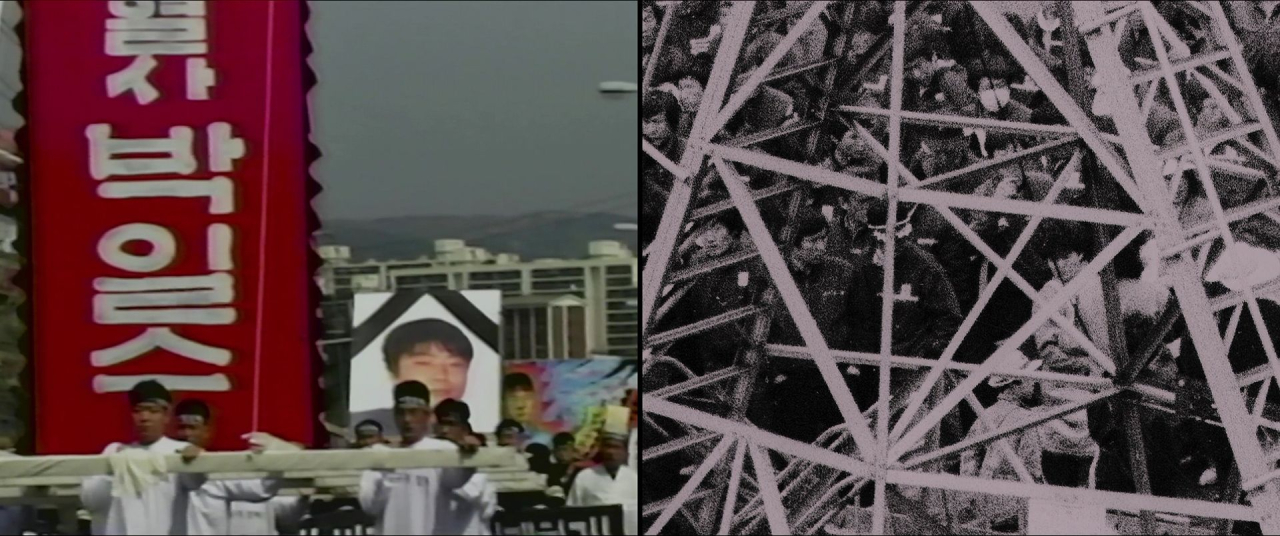
More recently, Hong has extended this approach to the organization of the screen itself, using it to disperse the viewer’s gaze. In Double slit, the CinemaScope frame is divided into two, presenting different images simultaneously and requiring viewers to choose where and for how long to look. Even among viewers attending the same screening, this creates the possibility of remembering different images and sequences.
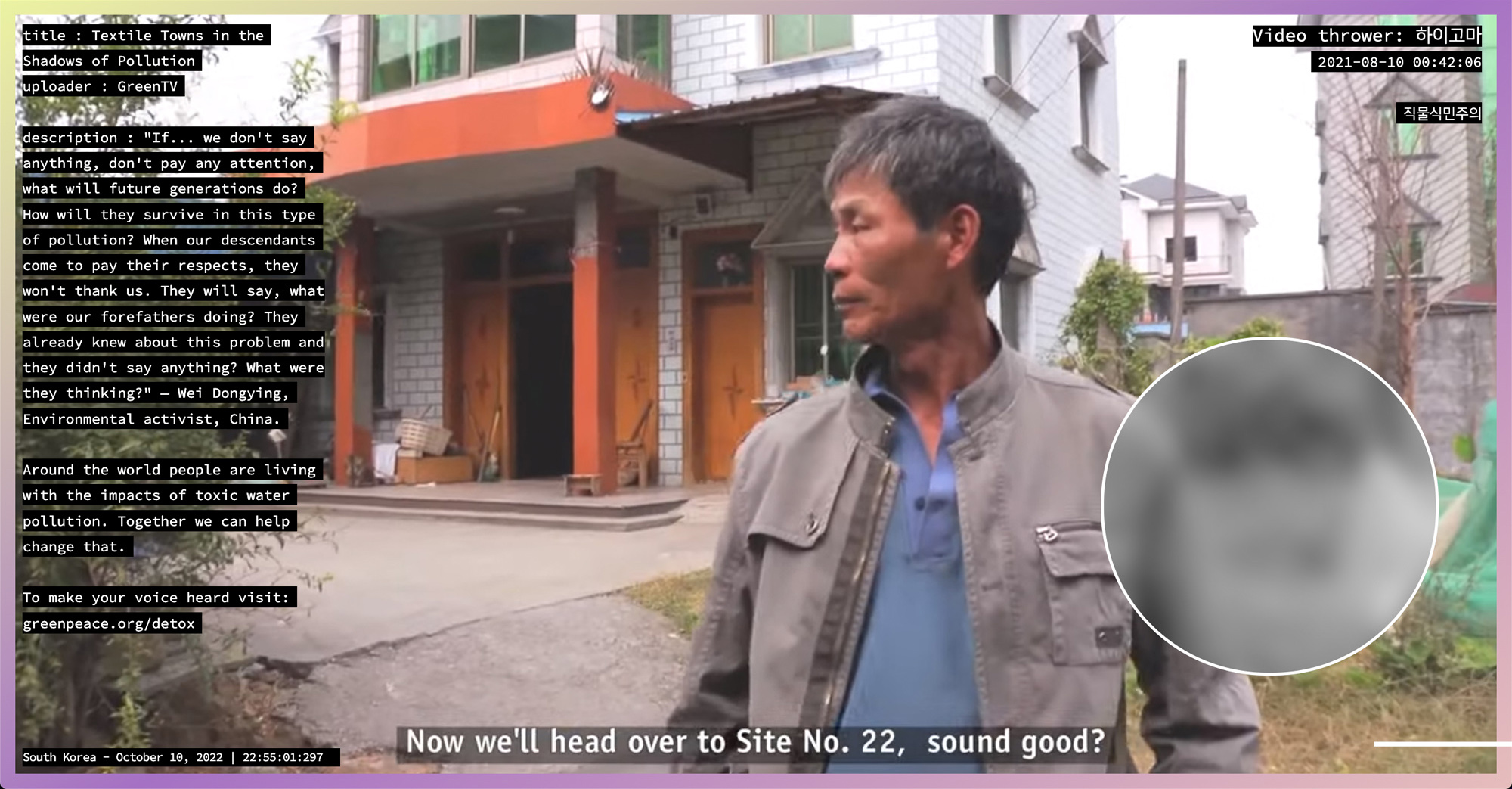
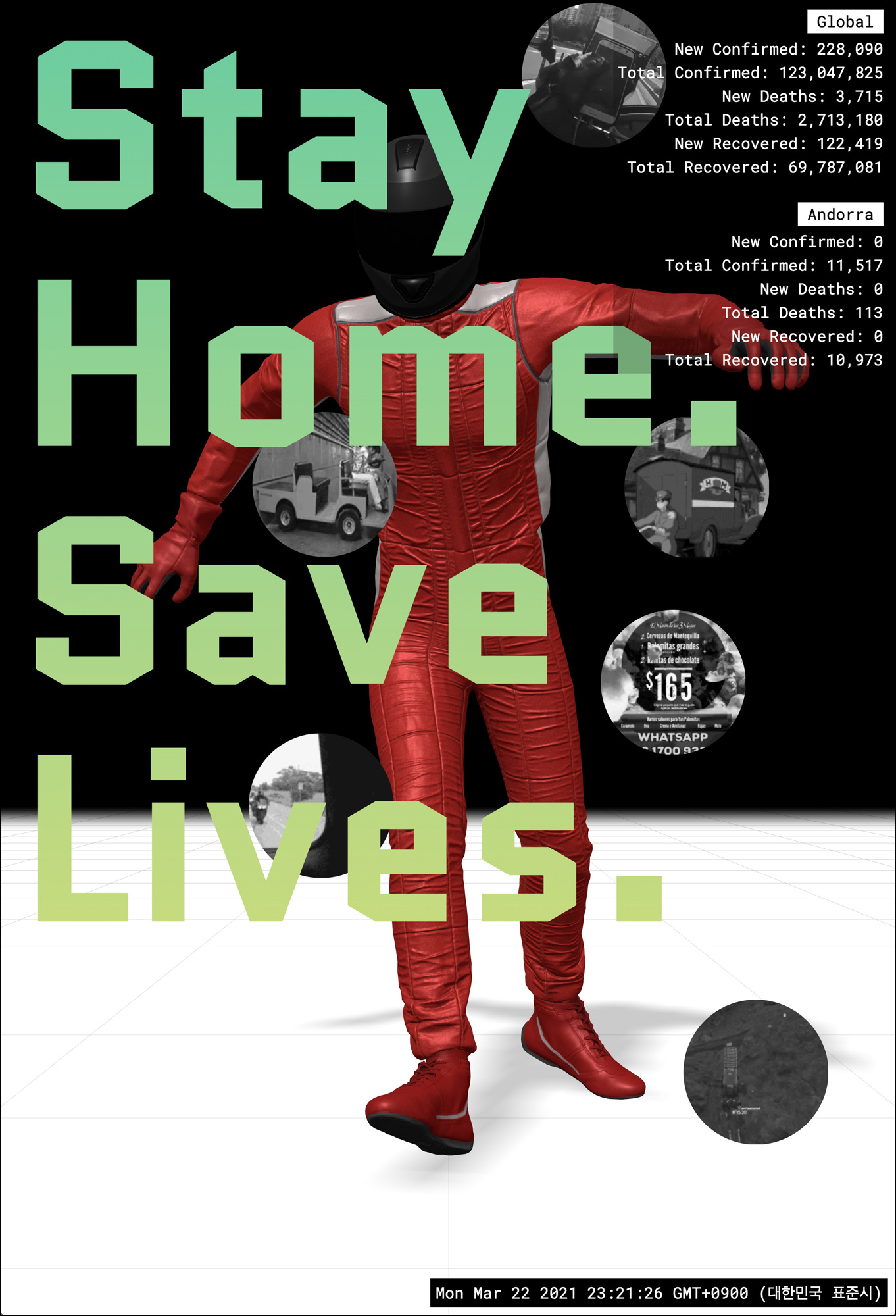
Moving between photography, film, archives, and web programming, Hong’s formal experiments bring the conditions under which images are produced, arranged, and circulated into the work itself. In his practice, the processes of selecting, connecting, and making existing images visible again are as fundamental as the act of capturing a scene with a camera.