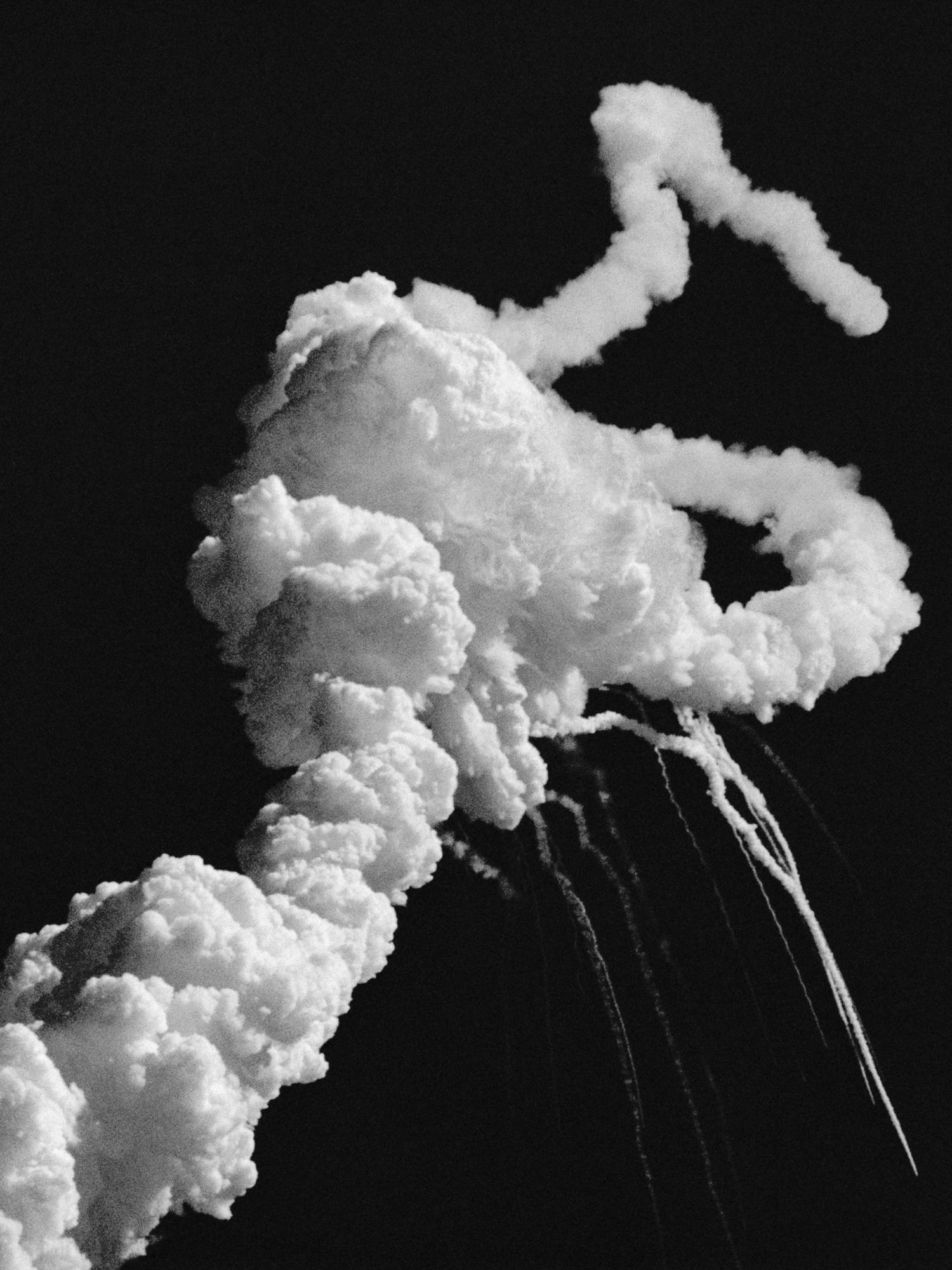
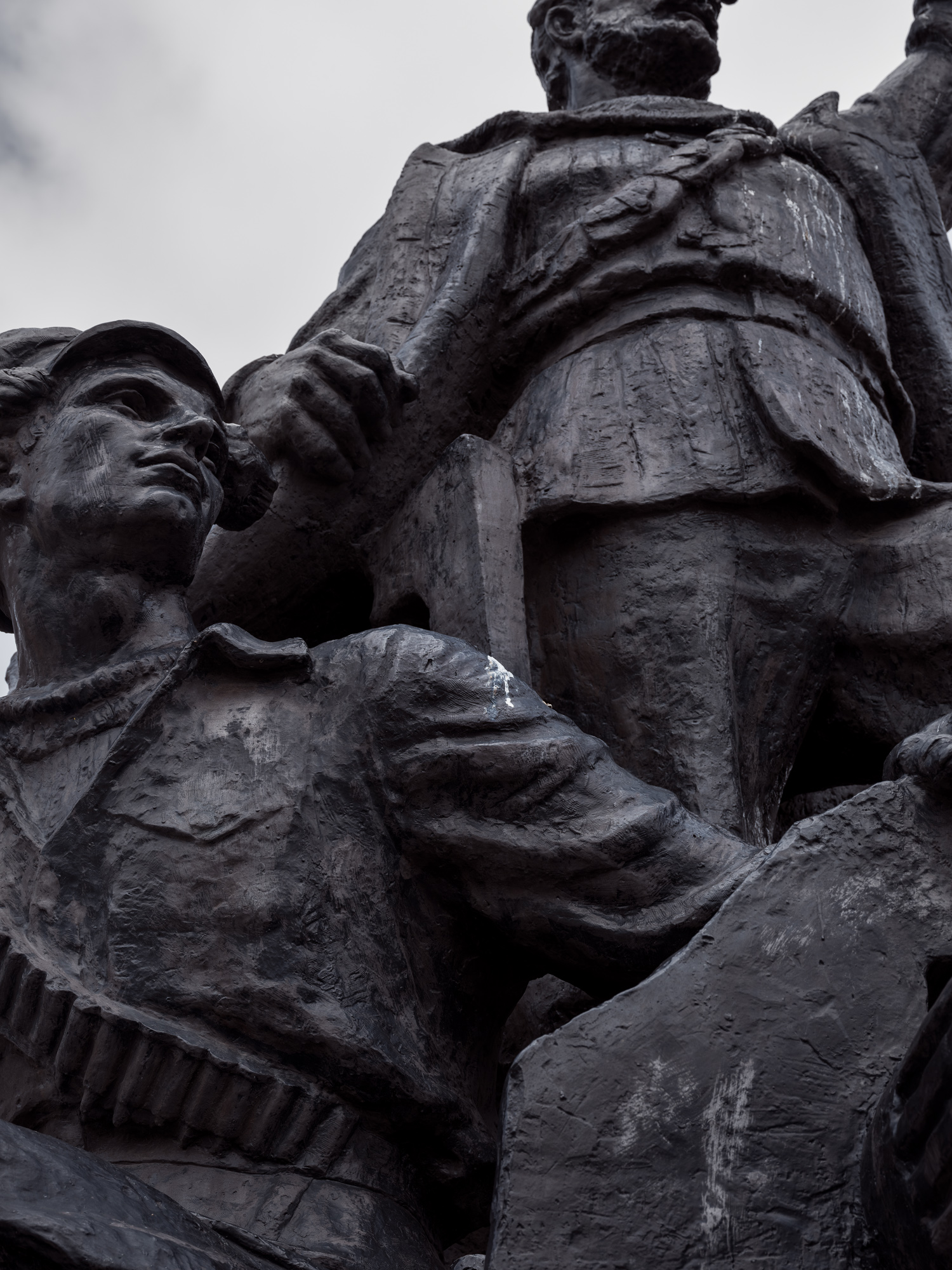
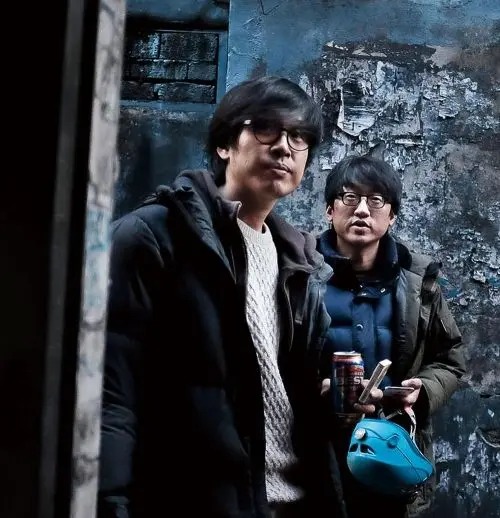
We Wanted to Meet | In Conversation with Artist Hong Jin-hwon

Hong Jin-hwon began his career as a photojournalist, but his name is now followed by many titles, including visual artist, filmmaker, and programmer. His works exist under a wide range of formats and conditions, from online web-based projects to moving-image works screened in museums, yet they share one thing in common: they all orbit around some of the most acute political issues in contemporary Korea.
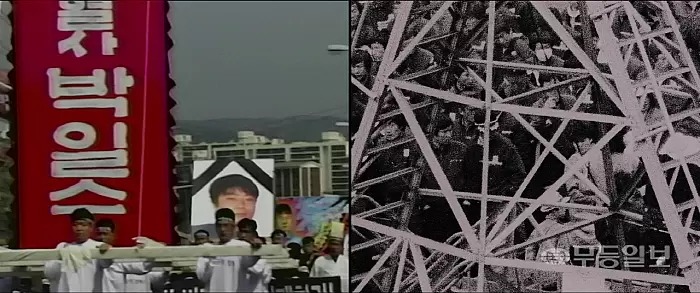
What is particularly striking is the artist’s attitude toward attempts to define a particular moment in history as a victory or to mythologize it. He often places present-tense interviews against outdated archival footage, allowing the past to betray the present.
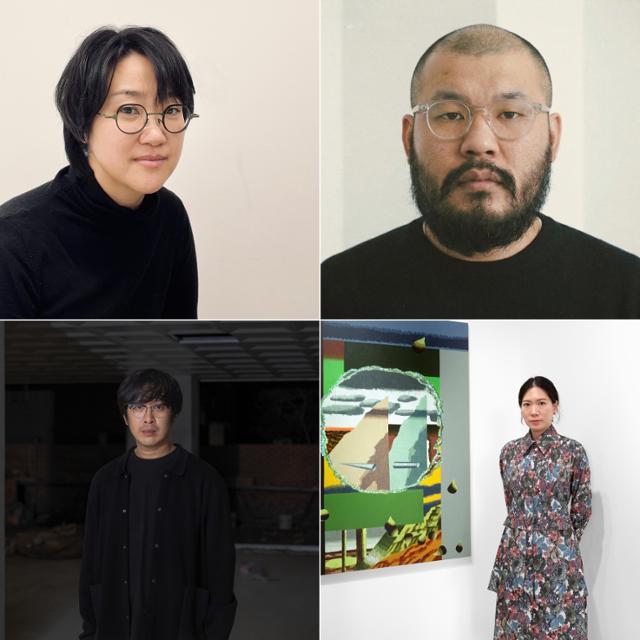
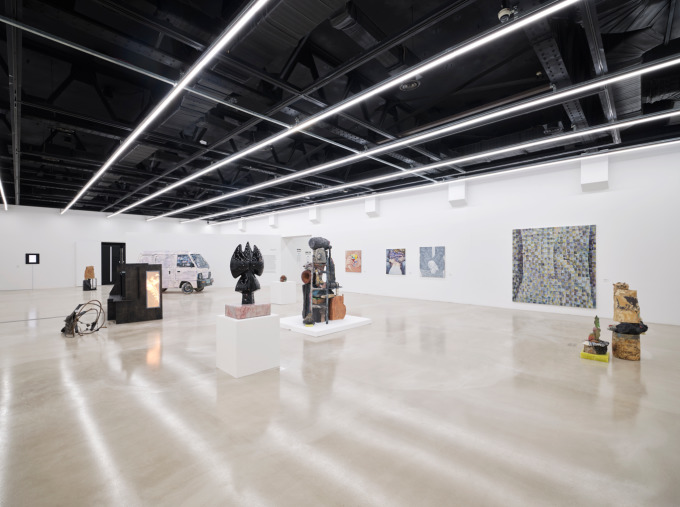
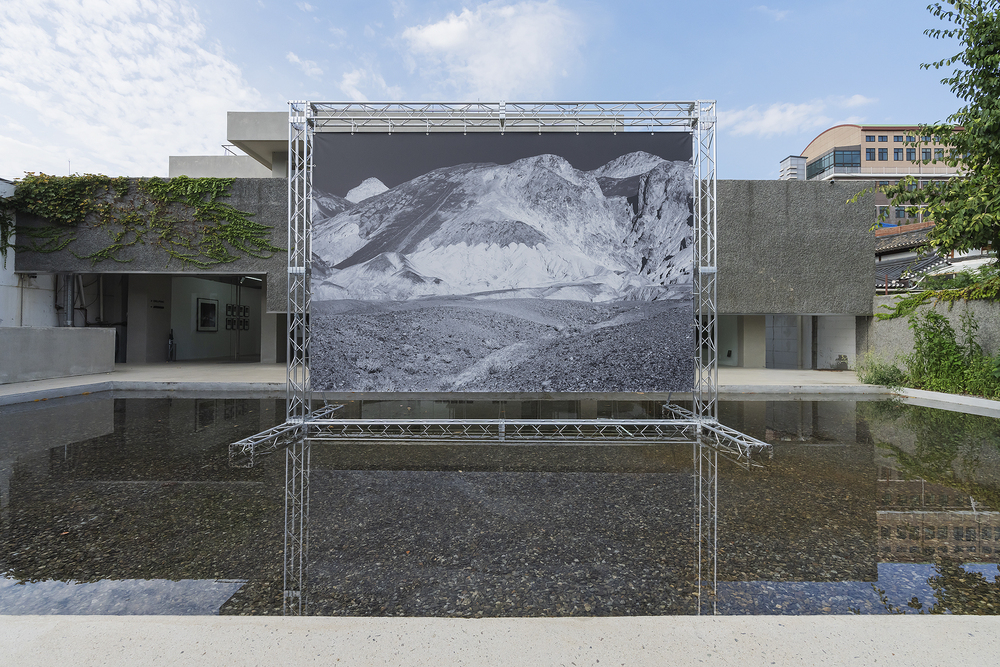
The resulting moving-image works have recently appeared in exhibitions addressing “the impossibility of the media archive” (《Oort Cloud》, ARKO Art Center, 2025), “nostalgia” (《Foreverism》, Ilmin Museum of Art, 2024), and “the dynamics of the world” (《2024 Busan Biennale》, 2024). Last January, we met with Hong Jin-hwon in Paju, Gyeonggi-do, and asked him about the path he has taken thus far.


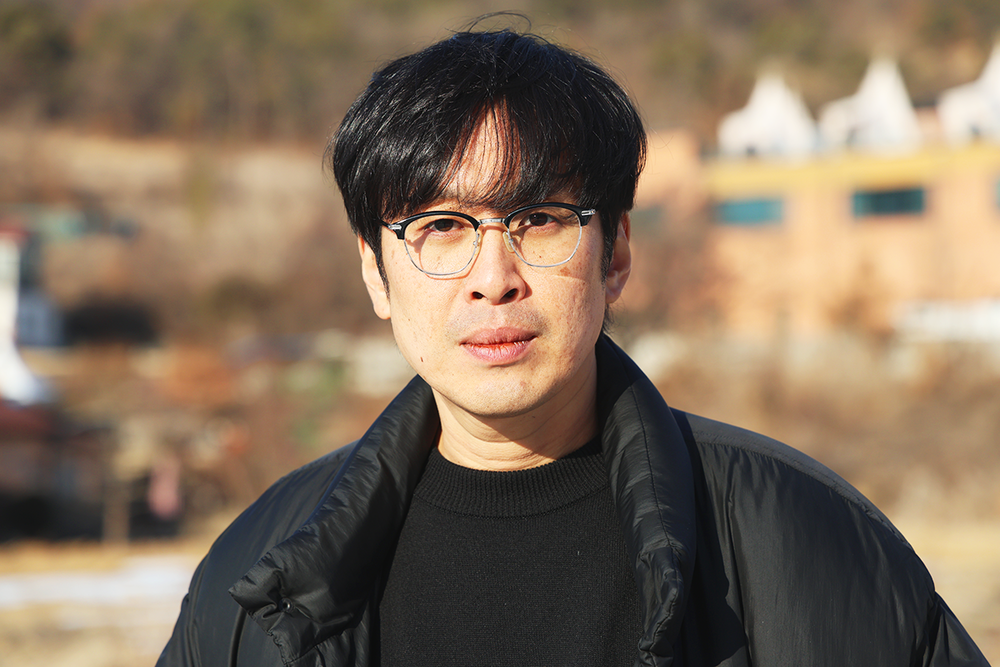
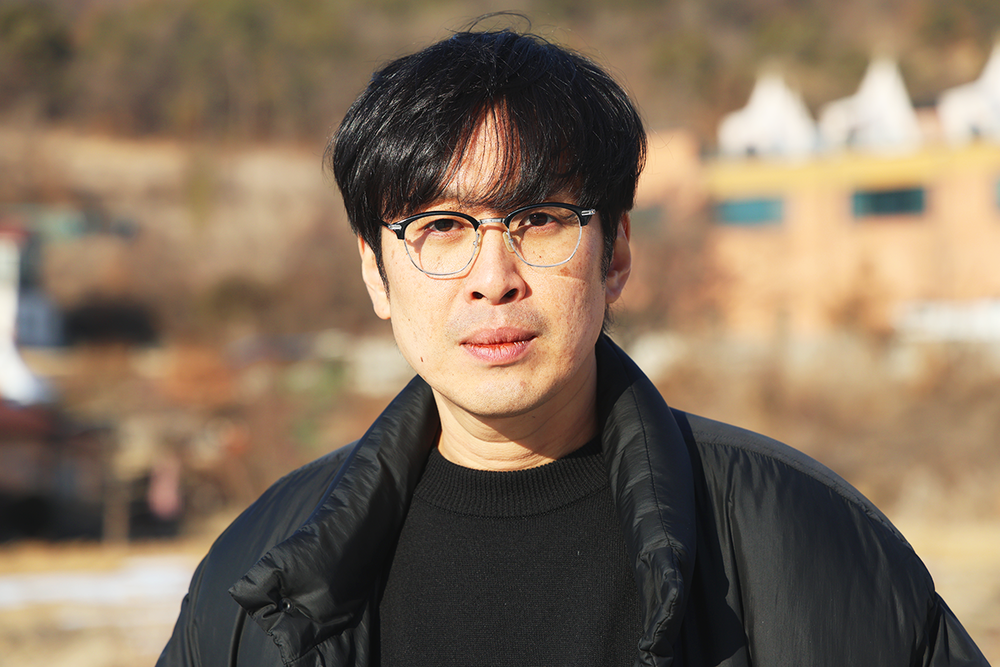
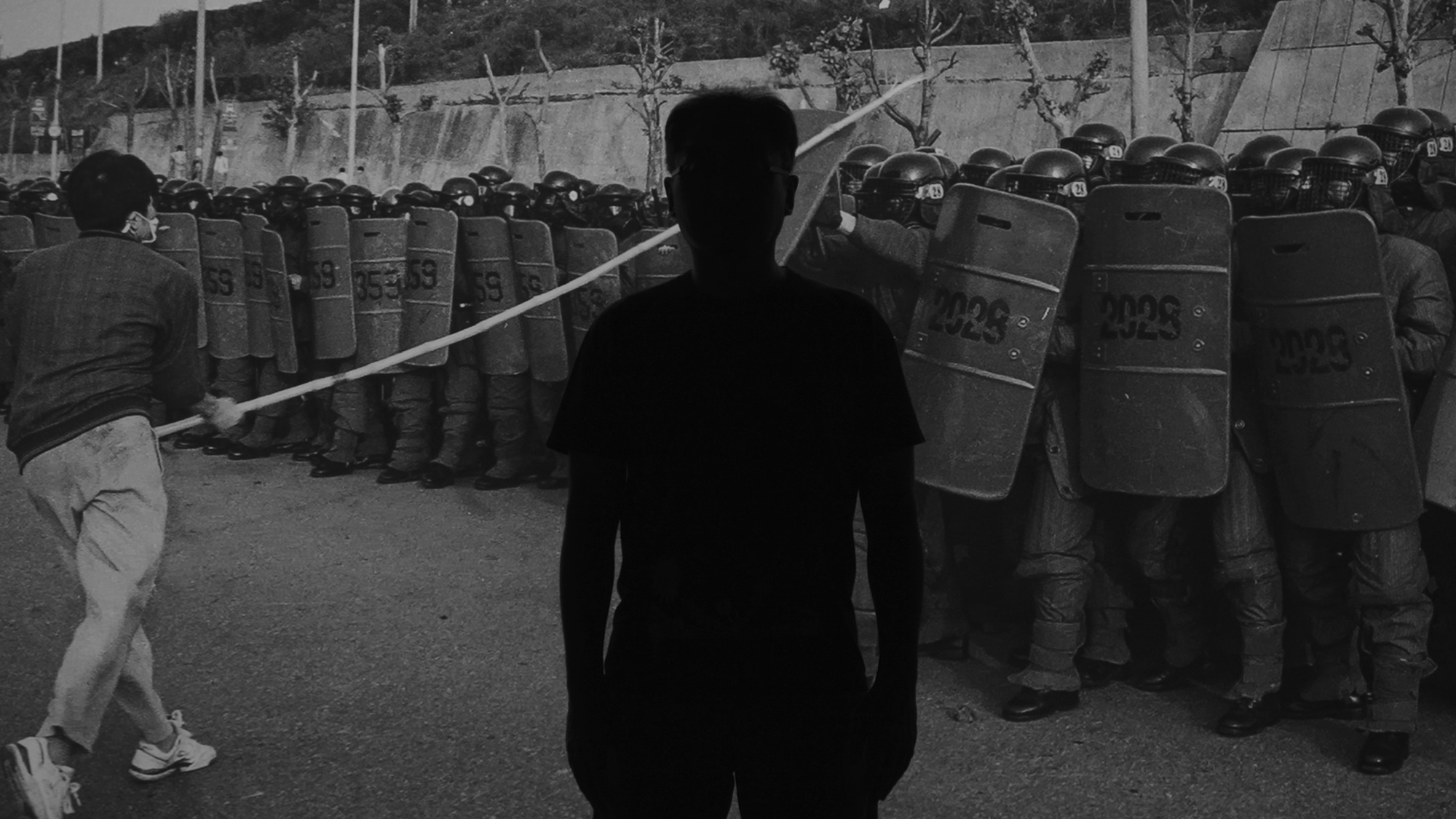
The Artist © Hong Jin-hwon

Looking at a Turbulent Era from One Step Removed

Hong Jin-hwon recalls that during his university years, whenever he had the chance, he would go out to observe protest sites. He says he enjoyed looking at them through a camera, describing his position at the time in terms of “being a spectator” and “a sense of fear.” “Around 2000, when I was in university, there were all kinds of conflicts over the IMF crisis, irregular employment, departmental mergers and closures, the dispatch of troops to Iraq, FTAs, and so on,” he recalled.

He began photographing demonstrations with a camera after realizing that the intimidating police at protest sites did not hit people carrying cameras, effectively securing his status as a spectator. “At first, I found it interesting to watch various large-scale demonstrations, but then I happened to visit a small protest camp and began to notice dynamics at the site and hierarchies among different protests that I had never seen before,” he said. “For the first time, I realized that a site was not something to watch like someone else’s drama.”

Hong began posting the photographs he took at the time on a website, and after a colleague who saw them invited him to work together, he began his career as a photojournalist.

Through these experiences, Hong Jin-hwon established several rules governing form and content in order to maintain a distance from his subjects. This was also shaped by his decision, after leaving several years of work as a photojournalist, to break away from the so-called “journalistic photography style.”

He explained that these rules involved “avoiding ultra-wide-angle and extreme telephoto lenses, not shooting while walking, and not disrupting vertical and horizontal lines without a particular reason,” adding that he was also wary of the rapport-building traditionally emphasized in journalism education.

Even while staying at or repeatedly visiting various sites, he did not try to confront the people directly involved or establish private relationships with them. “Even if I agreed with their struggle, the task of my work was not to convey their voices,” Hong stated firmly. He added that this attitude was not simply intended to pursue objectivity; rather, he saw his role as “finding something that emerges between one landscape and another.”

What, then, did the artist hope to achieve by establishing such principles and maintaining a distance from the site? Hong Jin-hwon responded with a question: “Social tragedies do not simply happen because a ‘bad guy’ harms a ‘good guy’; don’t they arise when complex desires and environments become entangled with rigid systems?” He suggested that the artist’s preconceived judgment of a situation is not particularly helpful to the work.

This ultimately returned to the question of whether his work could possess any utility. A work in which the artist’s judgment intervenes too strongly can leave viewers lost within it while closing off the space for them to think for themselves; in doing so, it undermines the purpose and value of art and ultimately diminishes the usefulness of the individual work.


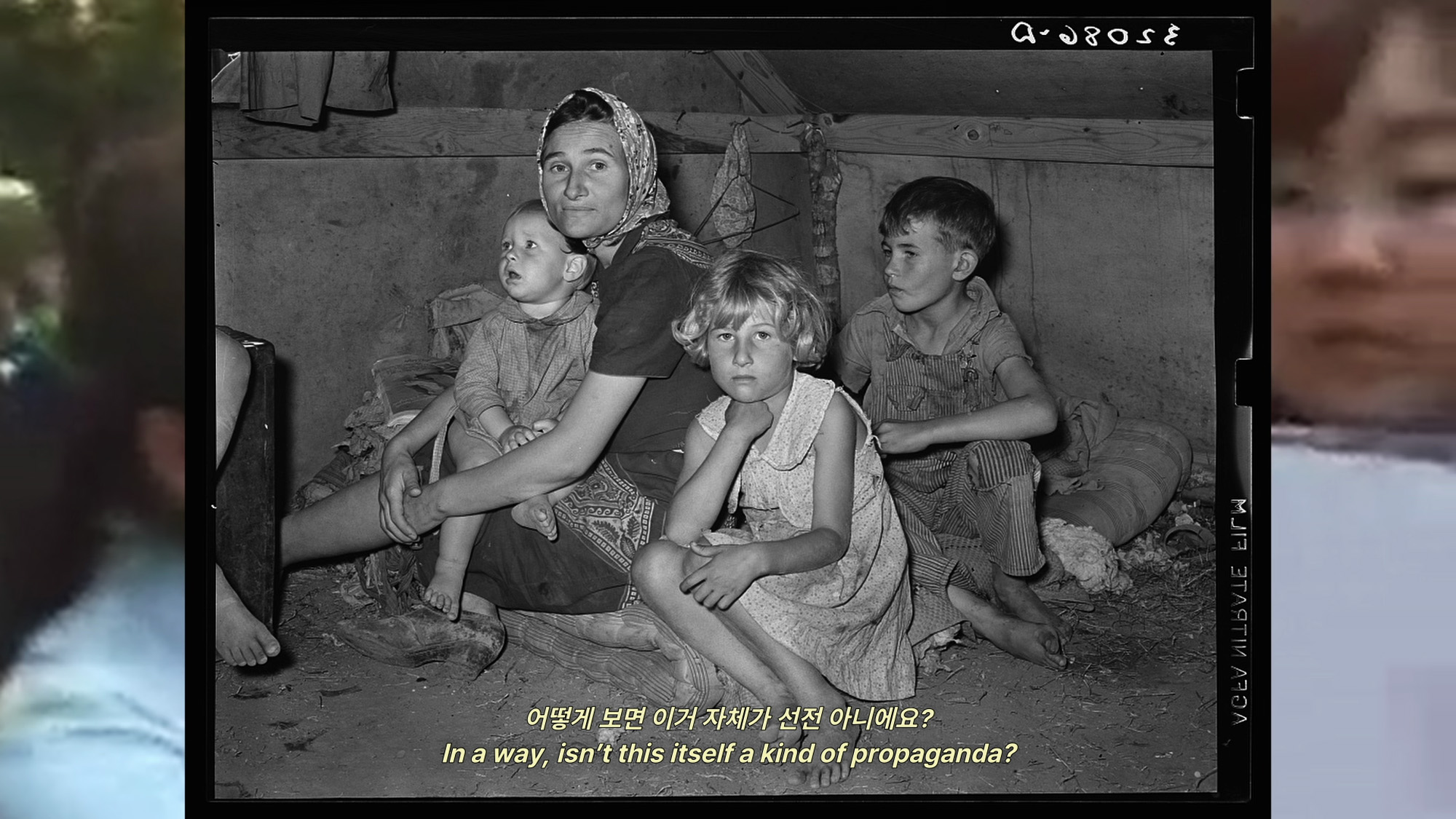
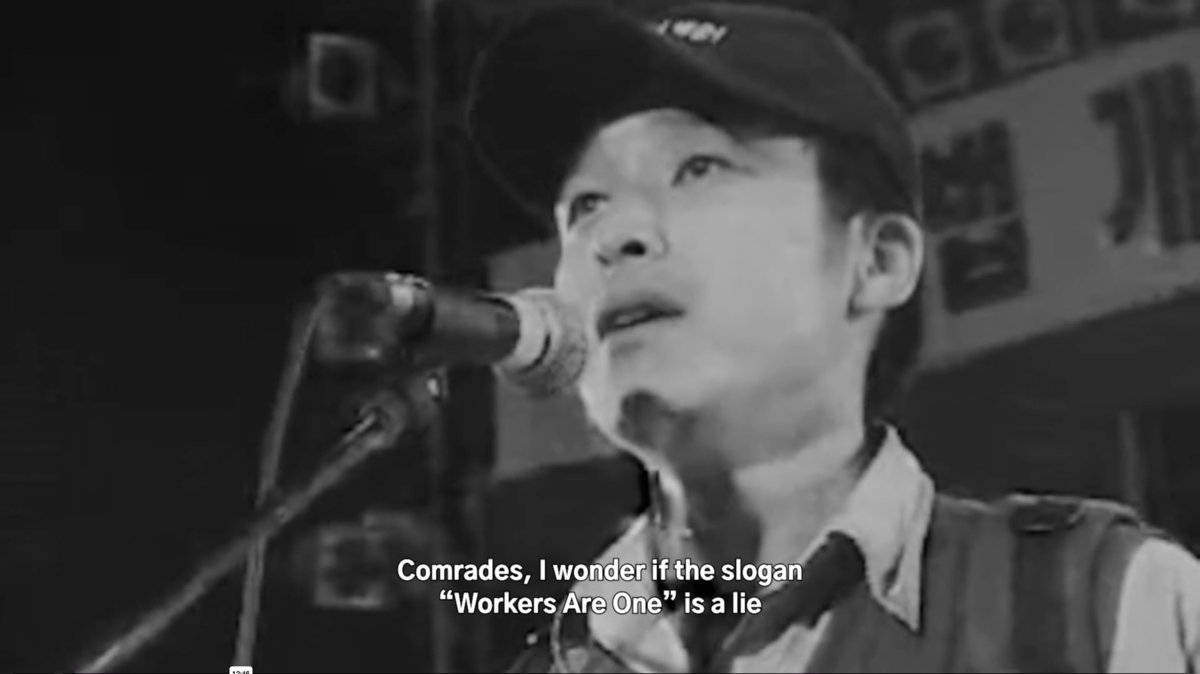
Hong Jin-hwon, melting icecream, 2021, Documentary, DCP, black-and-white, 16:9, 5.1ch, 70 min © Hong Jin-hwon

Questioning Mythologized History and Bringing It into the Present Tense

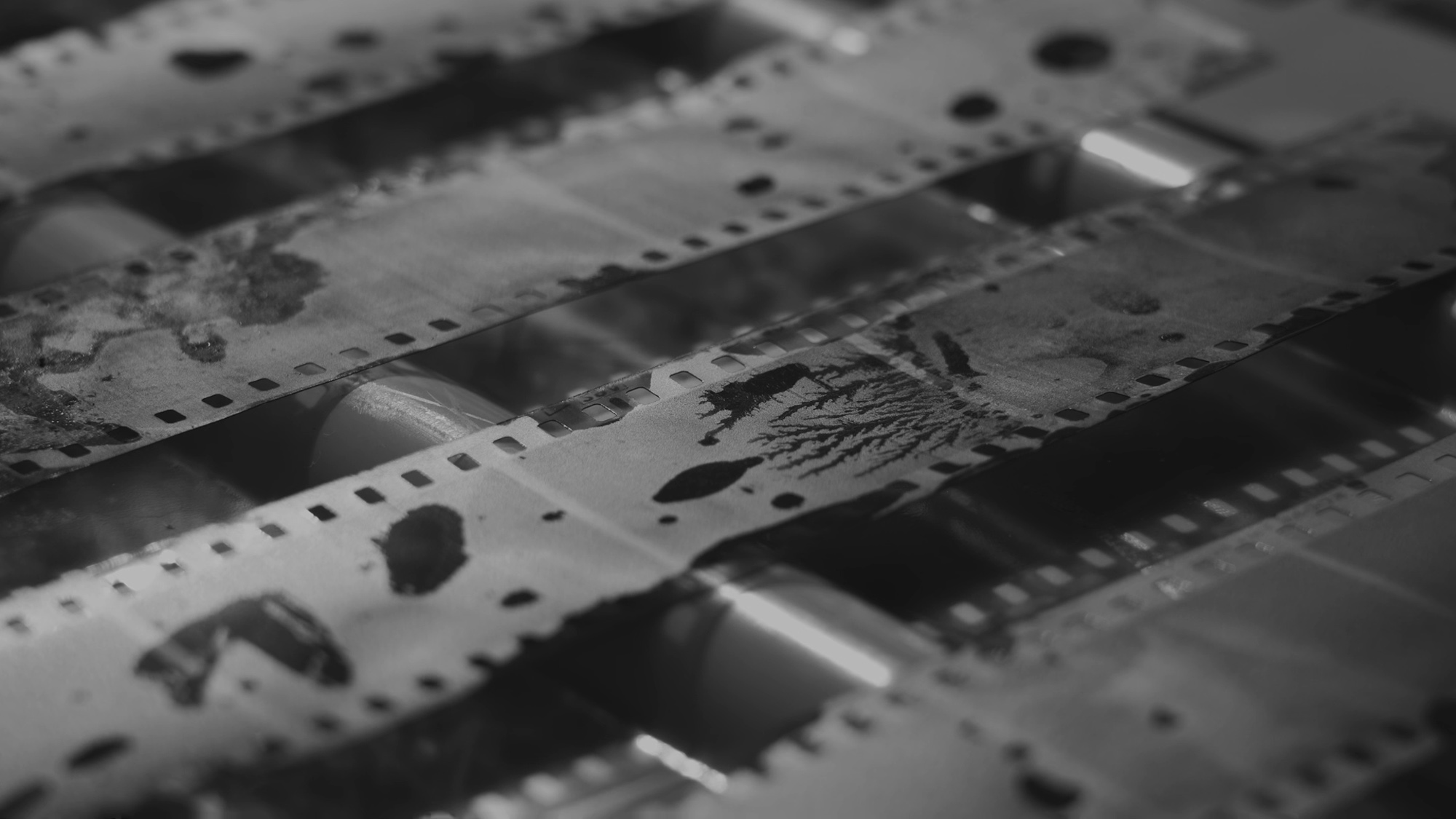
melting icecream (2021) unfolds over the course of an hour a desire to restore past political movements and transform them into something visible. The video begins with the discovery of photographic film, presumed to contain important records, found damaged in a flood-stricken storage facility of the Korea Democracy Foundation, and follows the artist’s efforts to restore it.

Clips documenting the restoration process are intercut with interviews with middle-aged photojournalists who testify to the sites of the 1980s, while records of contemporary struggles by irregular workers in Korea repeatedly appear in between. Hong Jin-hwon remarked, “The activities of those who documented the democratization movement were important and valuable,” but added, “I wasn’t interested in hearing their heroic narratives.”

In his words, restoring film that may contain significant circumstances from the democratization movement represents “the desire of an organization or political force to restore a movement and then preserve it in an archive.” Hong explained, “When history made visible in that way begins to operate as power, those on the other side are inevitably excluded from that power structure,” adding, “The act of restoration carried out with the goal of showing something felt like a battlefield over who has the right to make things visible.”

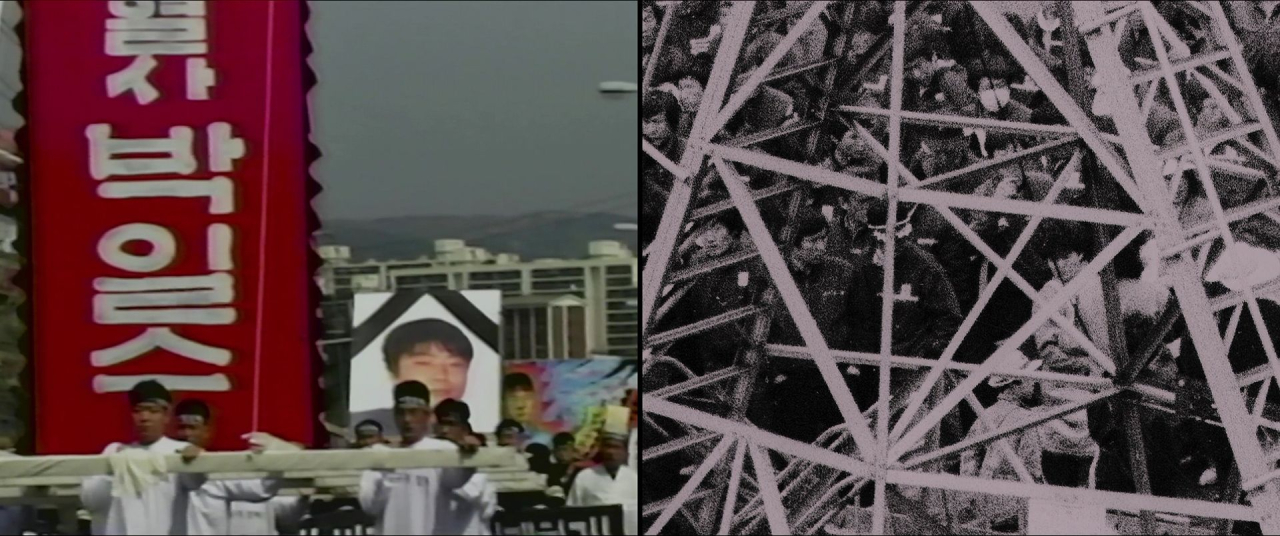
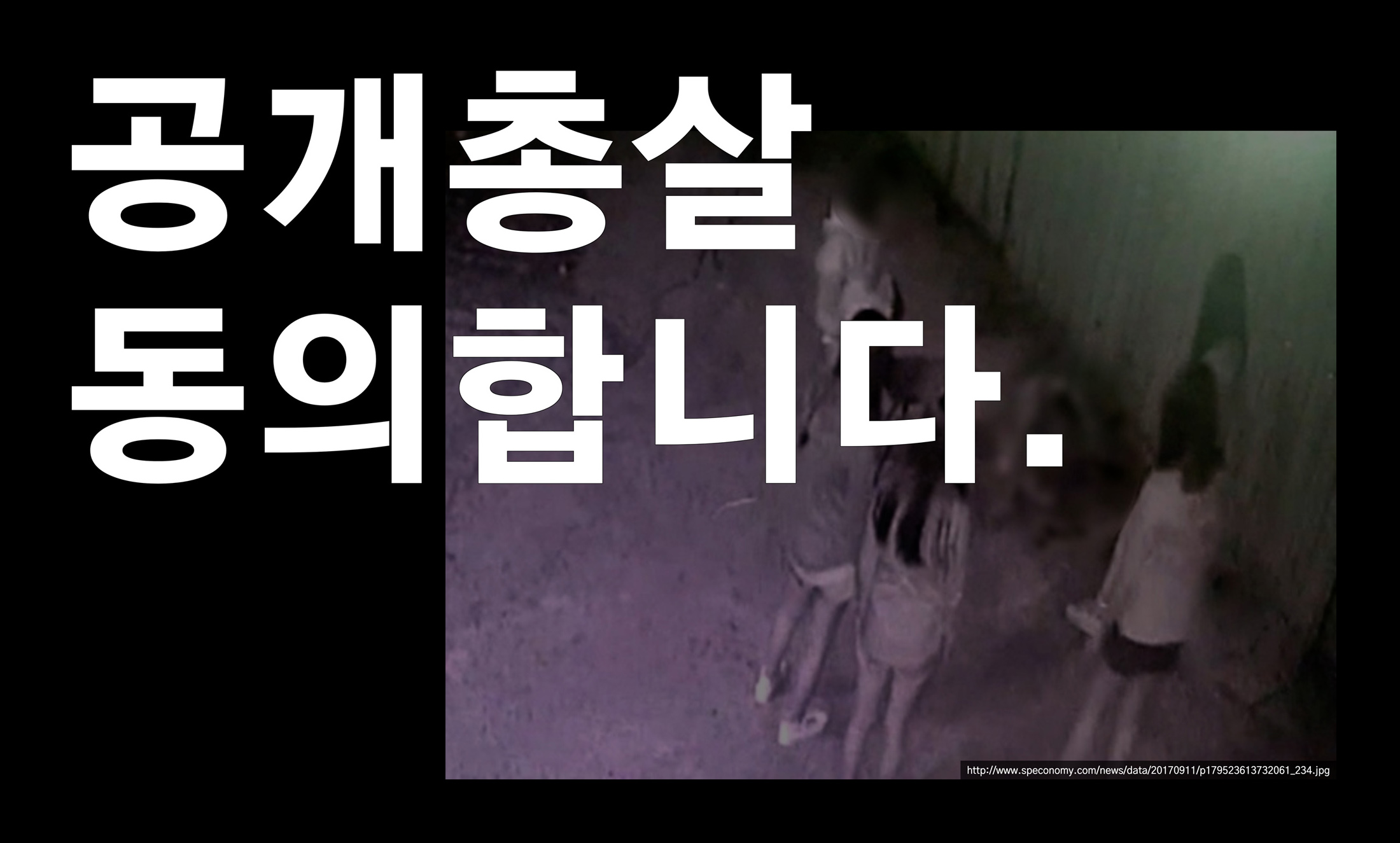
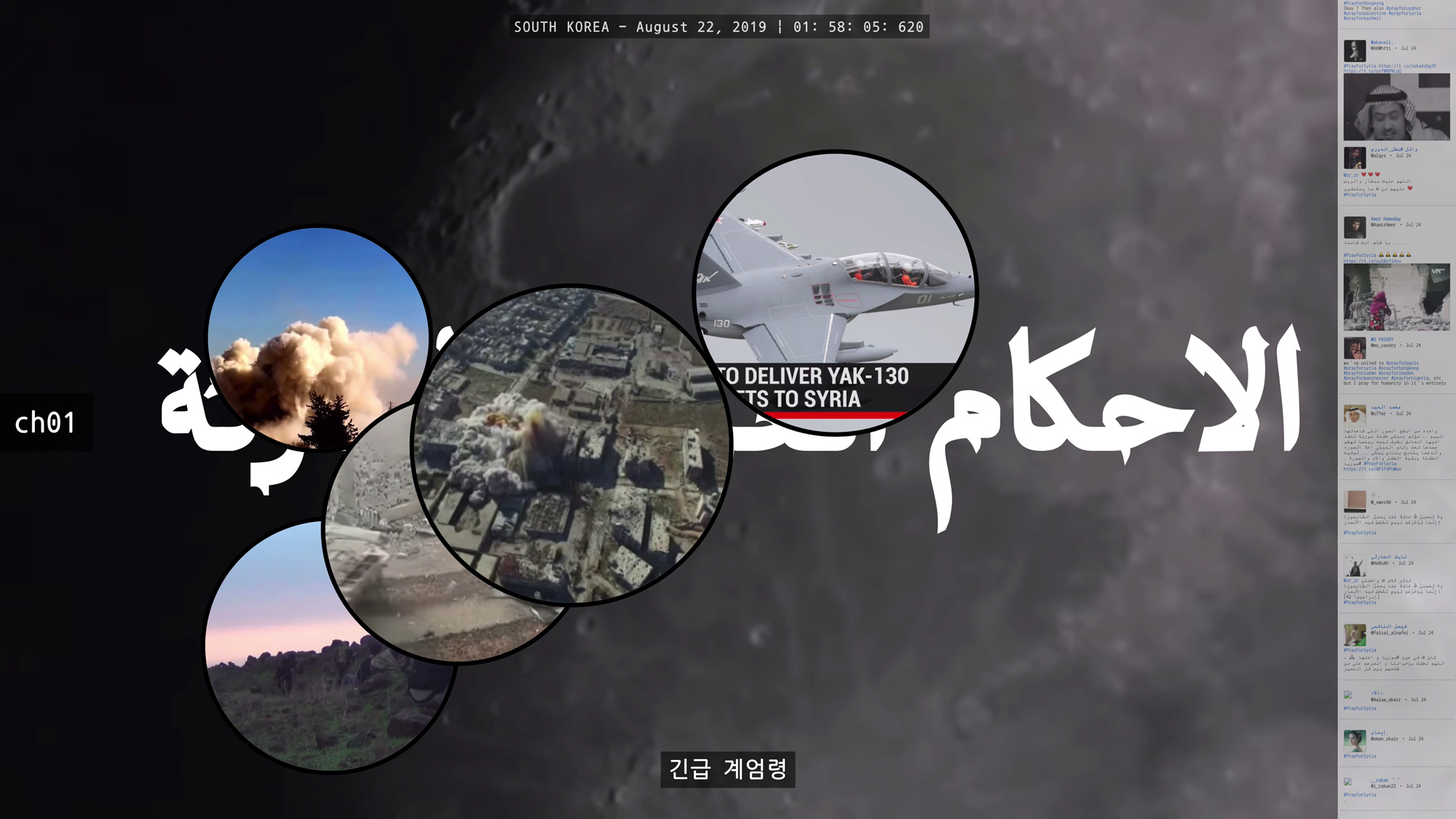
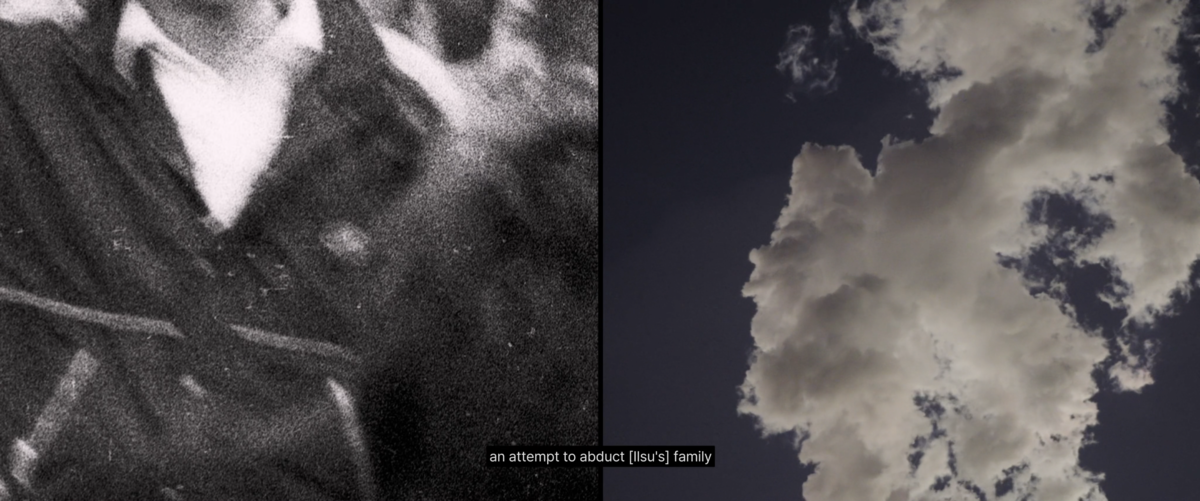
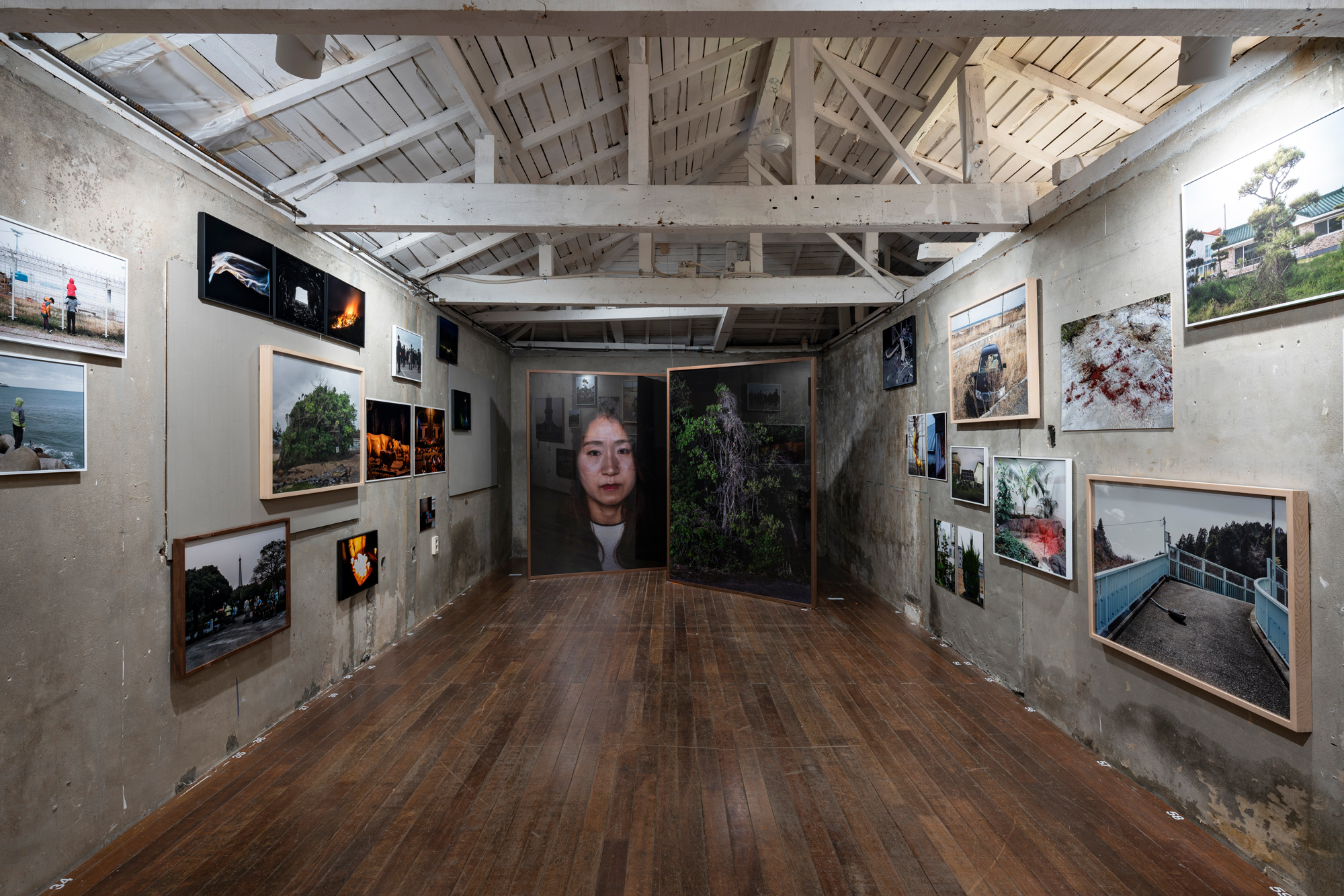
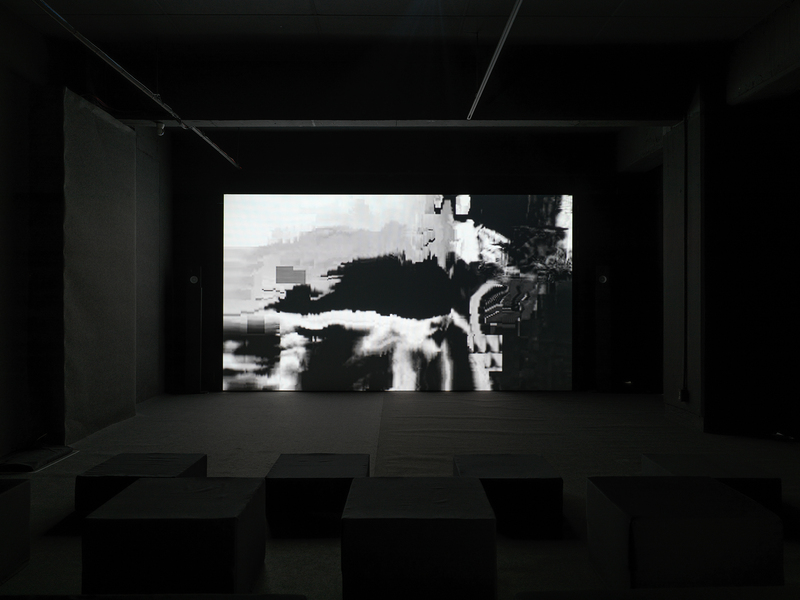
In his more recent work Double slit (2024), the CinemaScope frame remains divided throughout the screening, either showing different images on the two sides or being filled by a single rectangular image. Hong Jin-hwon said that this format, too, was designed with the distribution of visual power in mind. After screening melting icecream several times in theaters, he began to reflect on the power of the theater to compel spectators to watch.

“I wanted to give the audience something to do,” the artist said. “By splitting the screen and playing different images on the left and right, I wanted to create a situation in which each person’s experience after the screening would be slightly different.” This was why he adopted CinemaScope and the split-screen format. Among the principal figures in Double slit is a labor activist who had strongly resisted appearing in the film.

Hong eventually persuaded him by explaining, “This film will be very strange, and it will never make you into a hero.” In this way, melting icecream and Double slit came to share a common quality: neither declares the victory of any particular force, nor attempts to produce consensus around the consolidation of history.


Hong Jin-hwon, Double slit, 2024, D-Cinema, 60 min © Hong Jin-hwon

Are Our Expectations of Art and Journalism Still Valid?

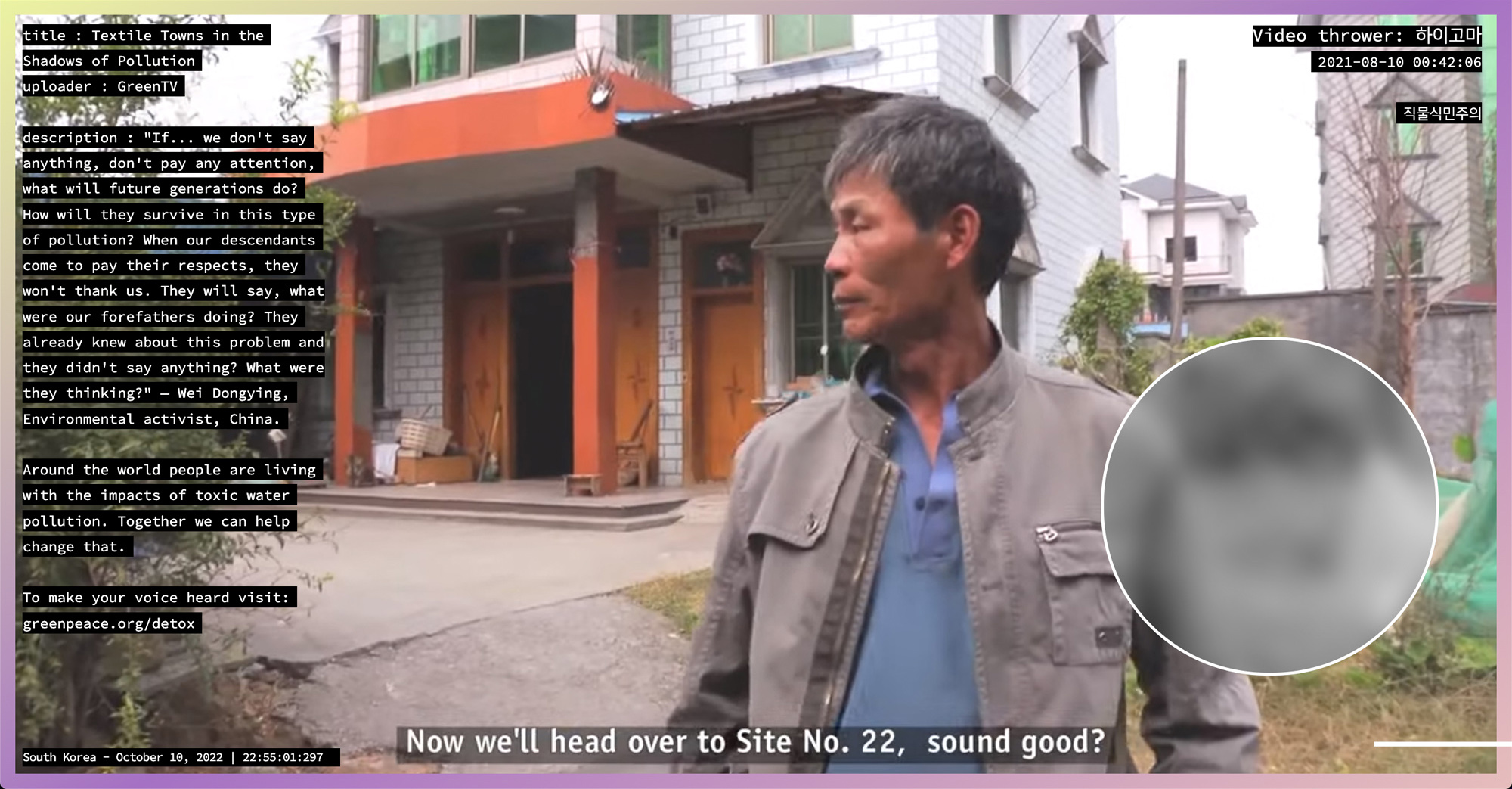
Because archival footage shot by broadcast media and other sources in the past occupies a significant part of Hong Jin-hwon’s moving-image work, he has a strong interest in open-source practices, including copyleft. “Even if a work bears my name, it is not made by me alone; in many cases, it is produced through social assets,” Hong began.

He continued, “An artist must have first encountered the systems of knowledge and information that motivated the work or influenced them, and sometimes they may also take footage shot by others and incorporate it into their own work.” He added, “If an artwork is a reflection of complex social assets, then I think about how it might avoid being reduced to the property of the individual artist.”

For Hong Jin-hwon, the professional ethic of both art and journalism lies in questioning claims of impartiality, because both are destined to resist “the inertia of the mainstream.” His caution against preempting the viewer with his own judgment does not mean that he seeks to remain without partisanship or political position.

“Shouldn’t both art and journalism resist the powerful force of mainstream ideology?” Hong said. “Especially in journalism, many people claim that they do not stand on either side, but that is precisely an attitude that reinforces social inertia and remains subordinate to it.” He emphasized, “The reason art exists is that it is a medium conscious of the mainstream and of inertia. Even if a work does not directly address social issues, it must continue to challenge established visual forms.”

When asked the age-old question of whether art can change the world, Hong Jin-hwon answered “yes” without hesitation. Implicit in his answer is a critique of the idea that ambiguity itself should be regarded as a virtue of art, as though cause and effect had been reversed. “A good work suspends judgment and speaks to just how complex the issue is,” he said.

“The mainstream tends to classify the affairs of the world too easily, whereas good art probes into them and prolongs doubt and reflection.” He went on to argue that rallies and demonstrations are not the only means of transforming the world, asking in return, “Does engaging in activism automatically change the world?” Pointing out that even social movements built around direct and radical slogans are bound to fail if they do not resist inertia, he concluded, “Once you begin to question and fight against established positions, it can become anything.”

The right to name the victors of history and to record a given situation has always been an object of desire. The struggle over that right is chronic and shows little sign of ending. Hong Jin-hwon’s moving images pull down the position from which such vision is exercised, or create fissures within it.

His work offers neither a single correct answer nor a singular victor, but it is precisely within that uncertainty and those gaps that room opens for other perspectives and interpretations. Before a screen that extracts fragments of Korea’s modern history, to whom does “visual power” belong? And can we seize it together?

References