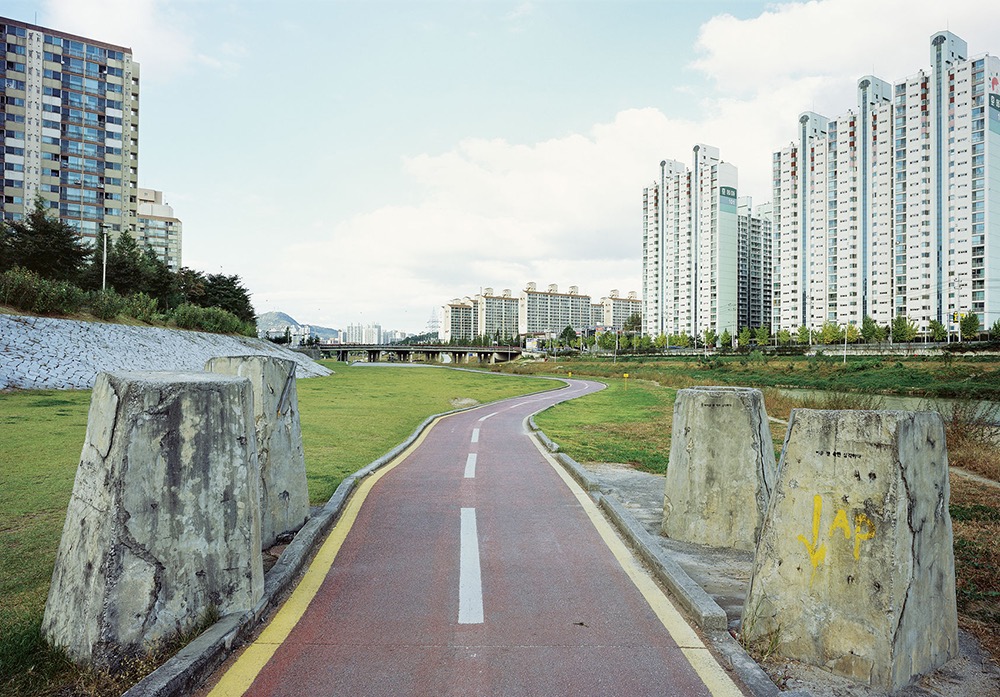
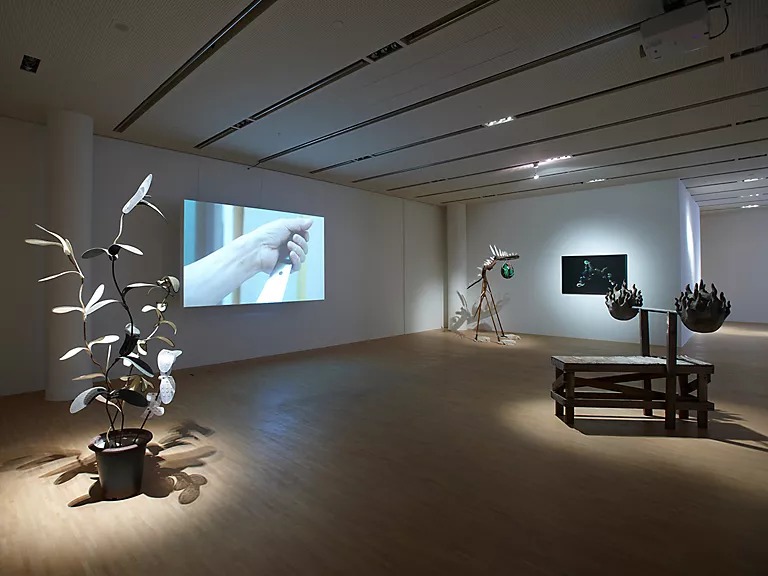
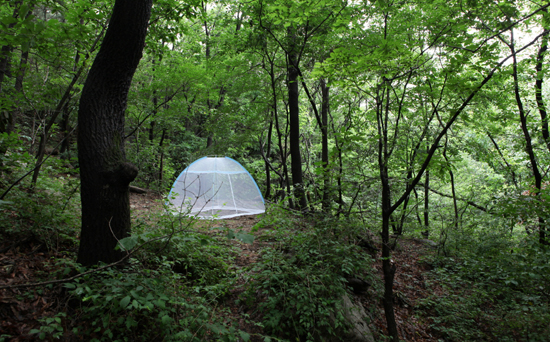
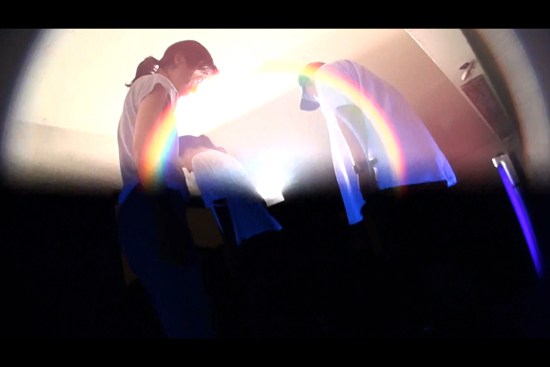
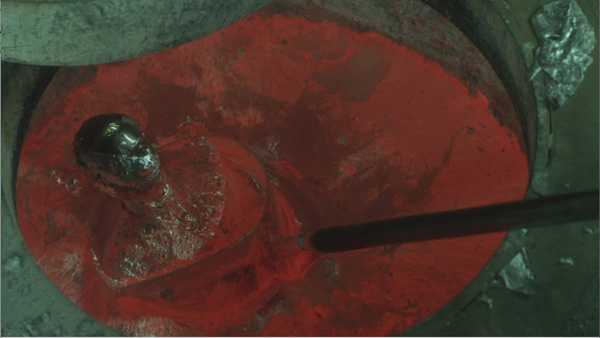
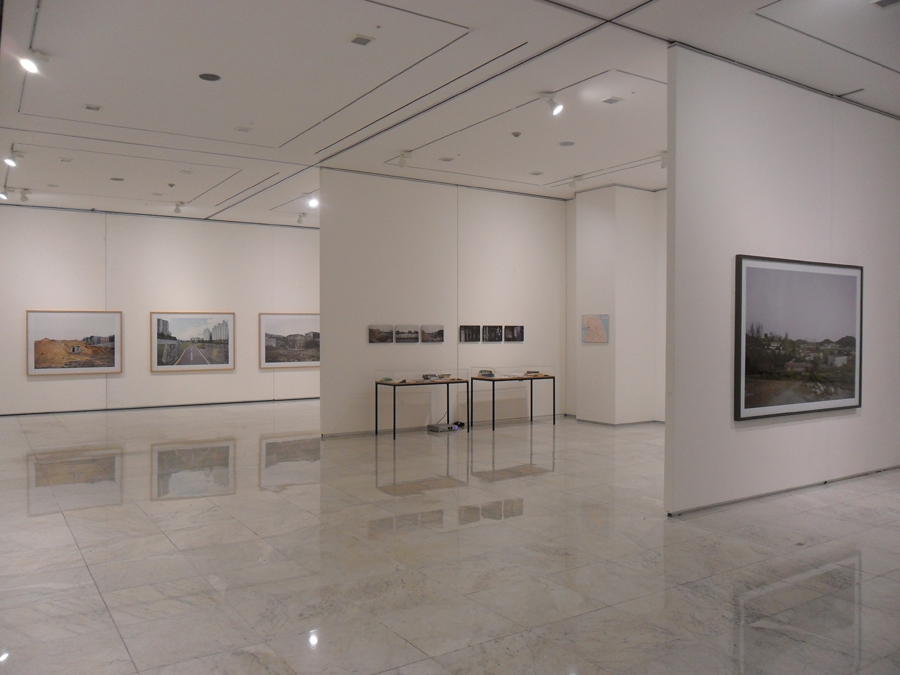
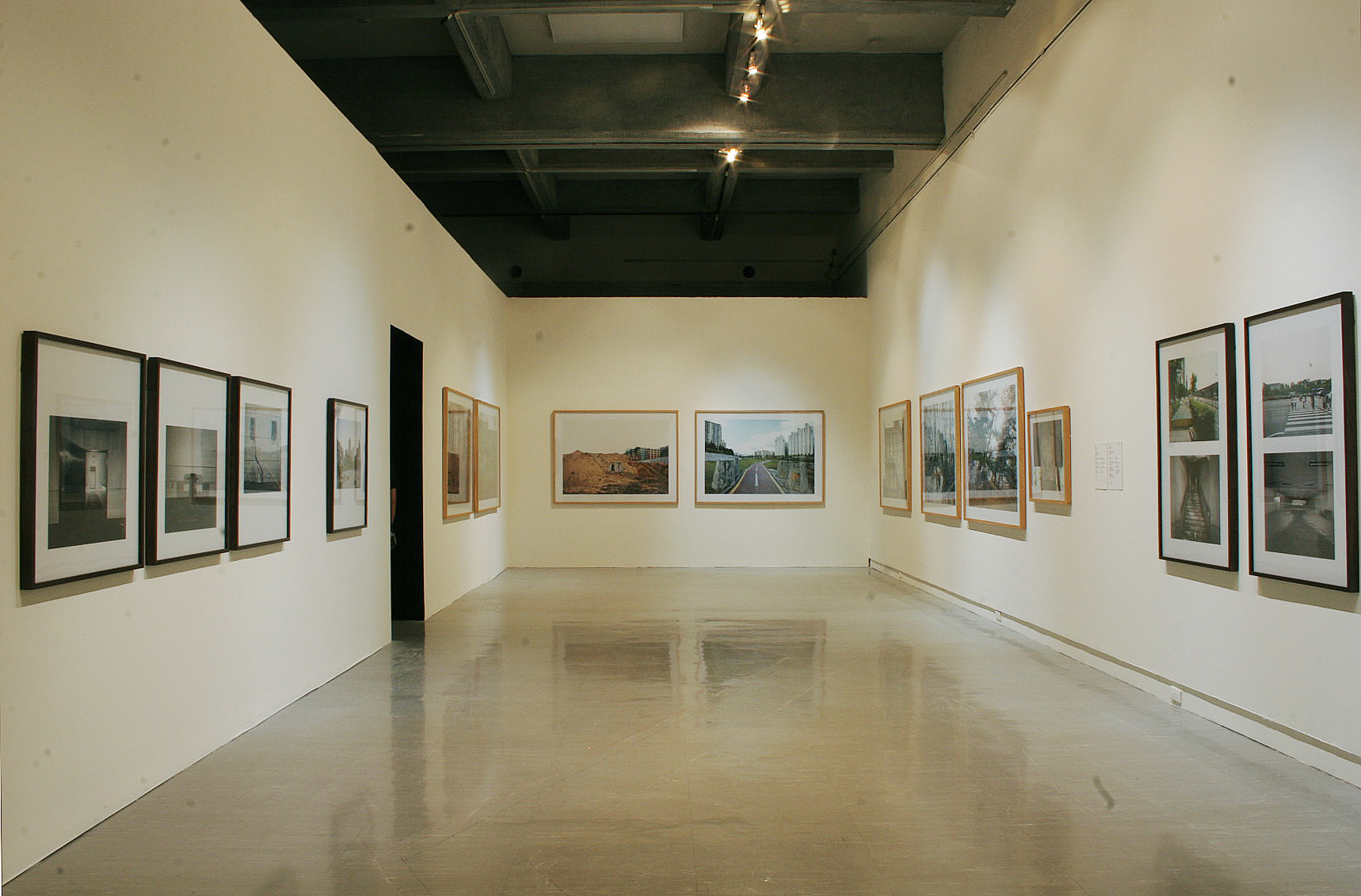
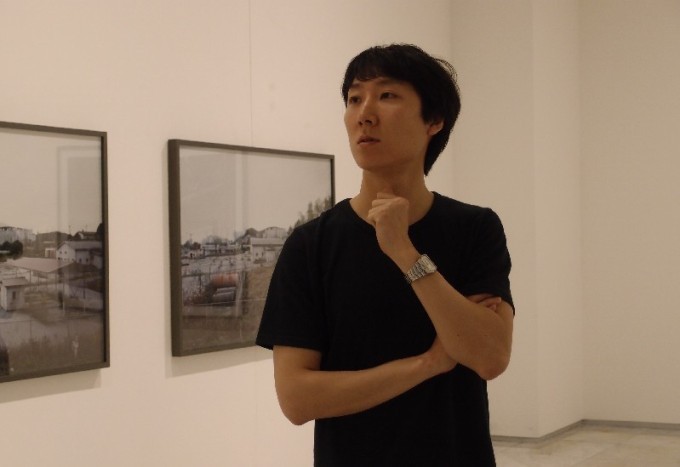
CHE Onejoon’s practice begins by tracing the marks that major events in modern Korean history have left on the spaces of everyday life. In his early work, he consistently documented sites that had gradually lost their functions or been pushed beyond social visibility during the course of urban development, including the Miari red-light district, underground bunkers, military facilities, U.S. military bases, and camp towns.
In works such as ‘Unfinished Project_Island’, 'Undercooled', and 'Townhouse', these places reveal how the Korean War, national division, military dictatorship, and rapid urban development remain embedded within contemporary space rather than being neatly confined to separate periods of the past.
For CHE, the Cold War is less a concluded historical event than a reality that persists by changing form within urban structures and the conditions of everyday life. Through abandoned and closed-off spaces, he makes visible times and memories that are easily omitted from official historical narratives and reexamines the landscapes left by Korea’s modernization from the perspective of the present.
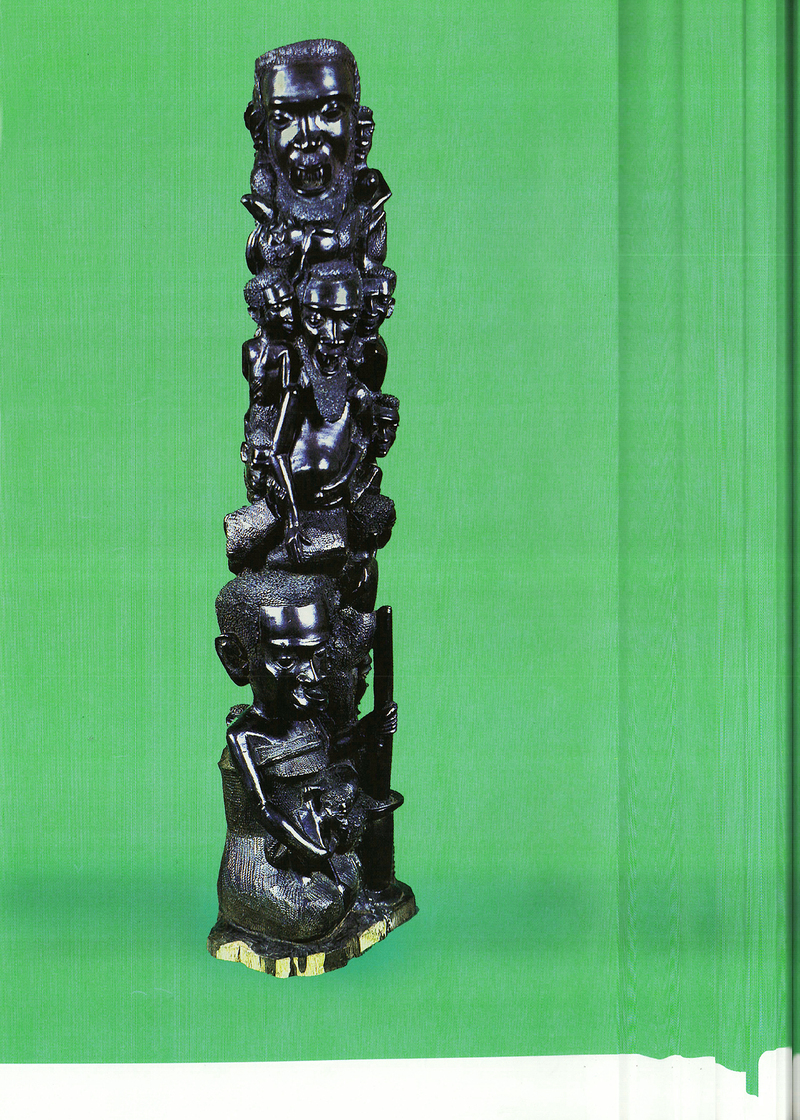
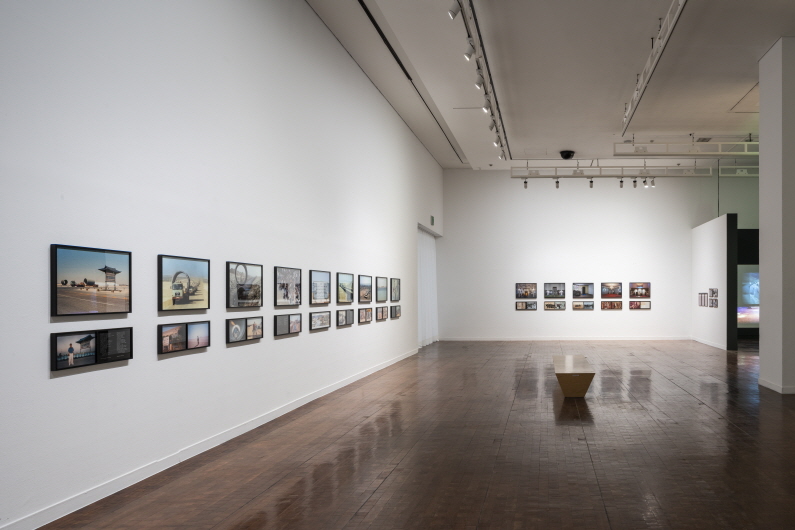
Entering the 2010s, this concern expanded beyond the Korean Peninsula toward the relationship between Africa and North Korea. CHE investigated monuments and architecture constructed by Mansudae Art Studio across several African countries, tracing the trajectories through which Cold War diplomacy, state image-making, socialist realism, and monumental culture traveled across national borders.
Mansudae Master Class and 'International Friendship' approach an otherwise inaccessible North Korea through material traces left in Africa, repositioning the Cold War on the Korean Peninsula within histories of international politics and postcolonialism.
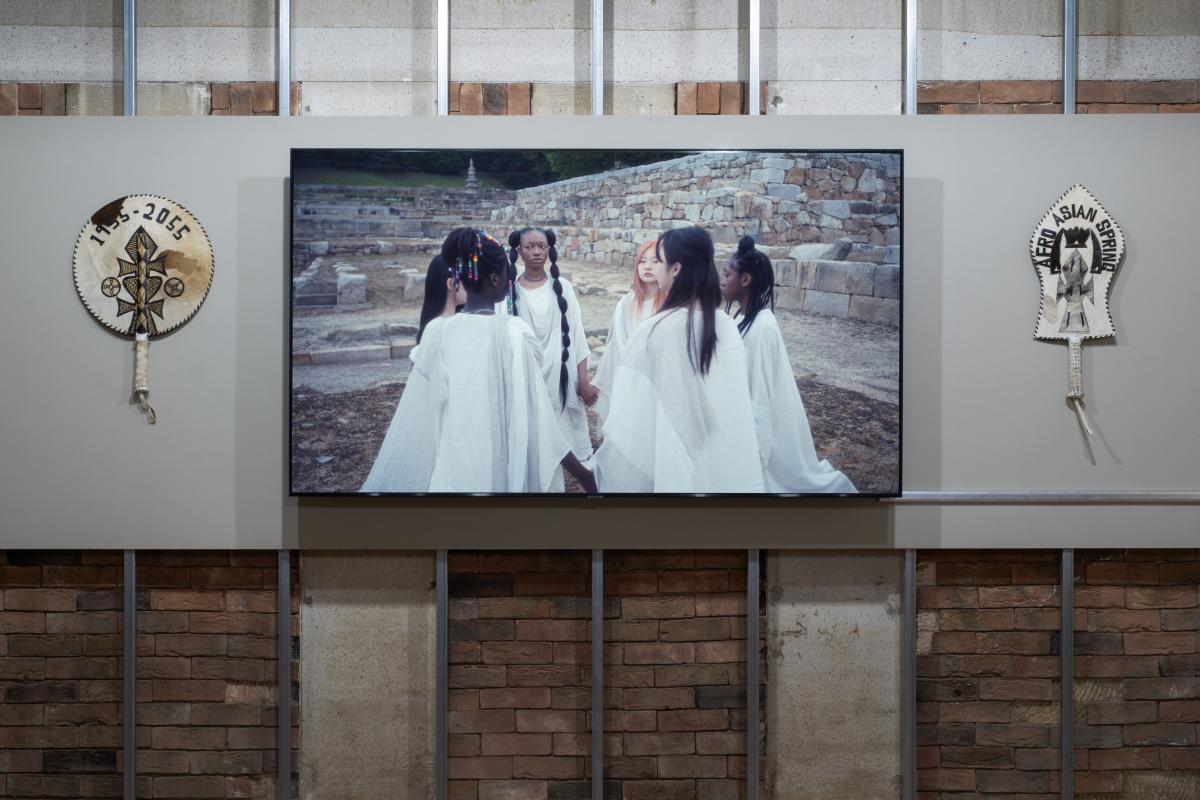
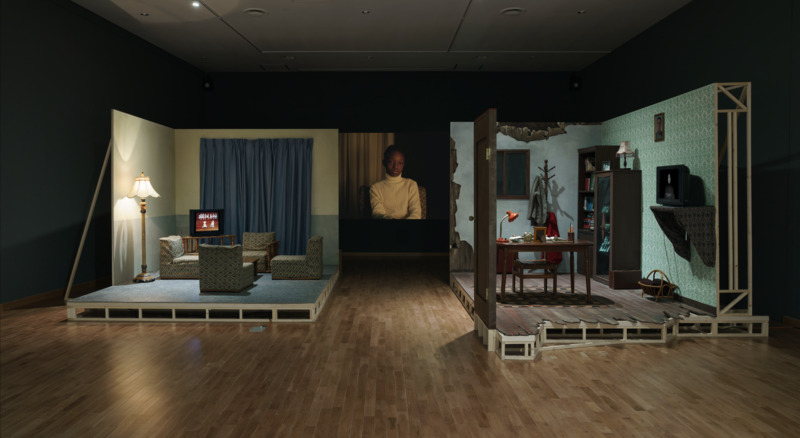
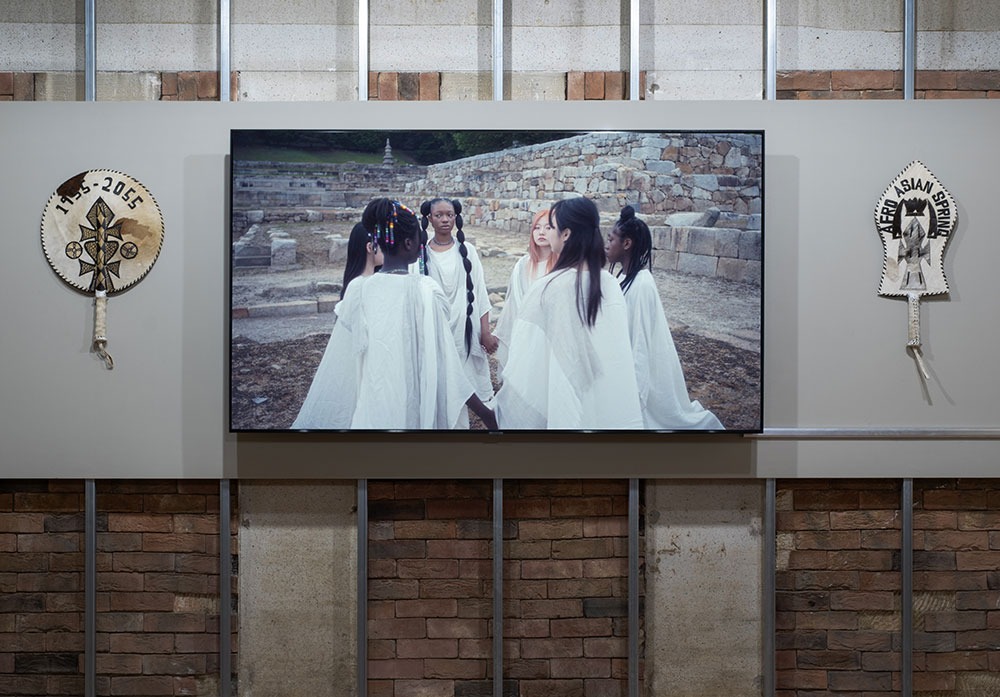
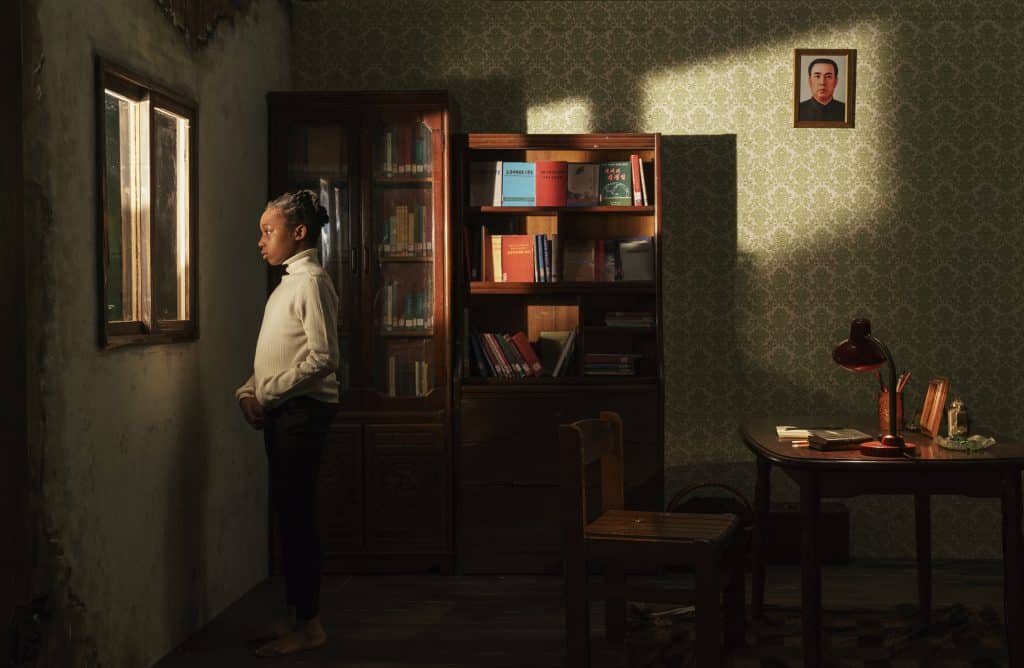
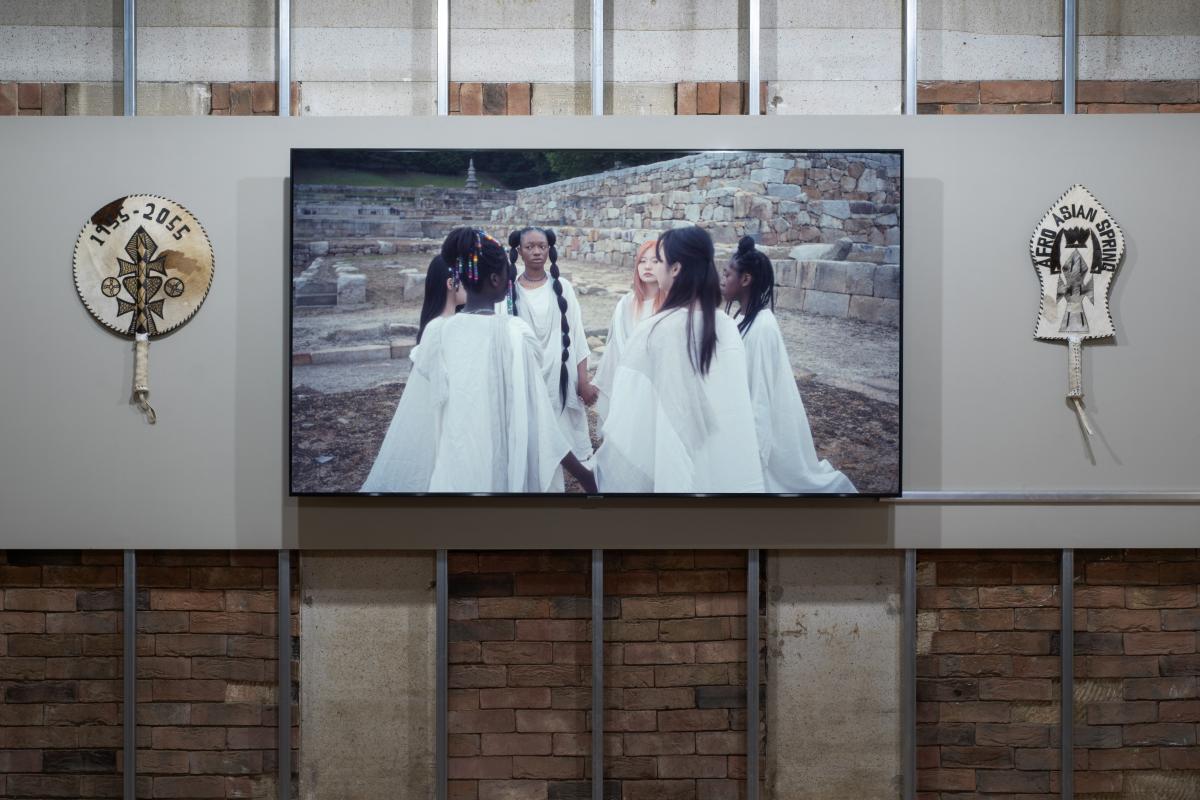
In this process, Africa emerges both as an indirect route through which North Korea can be observed and as a region where political solidarity, diplomatic competition, and representations of power developed between Asia and Africa after the Bandung Conference intersect. My Utopia further connects relations between the state and ideology to questions of identity such as nationality, race, language, and diaspora through the life of an individual who moved between Equatorial Guinea and North Korea.
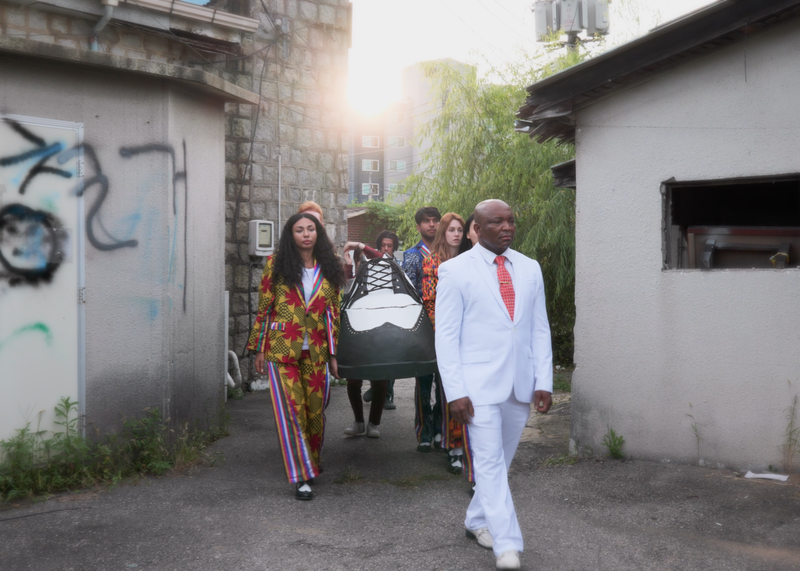
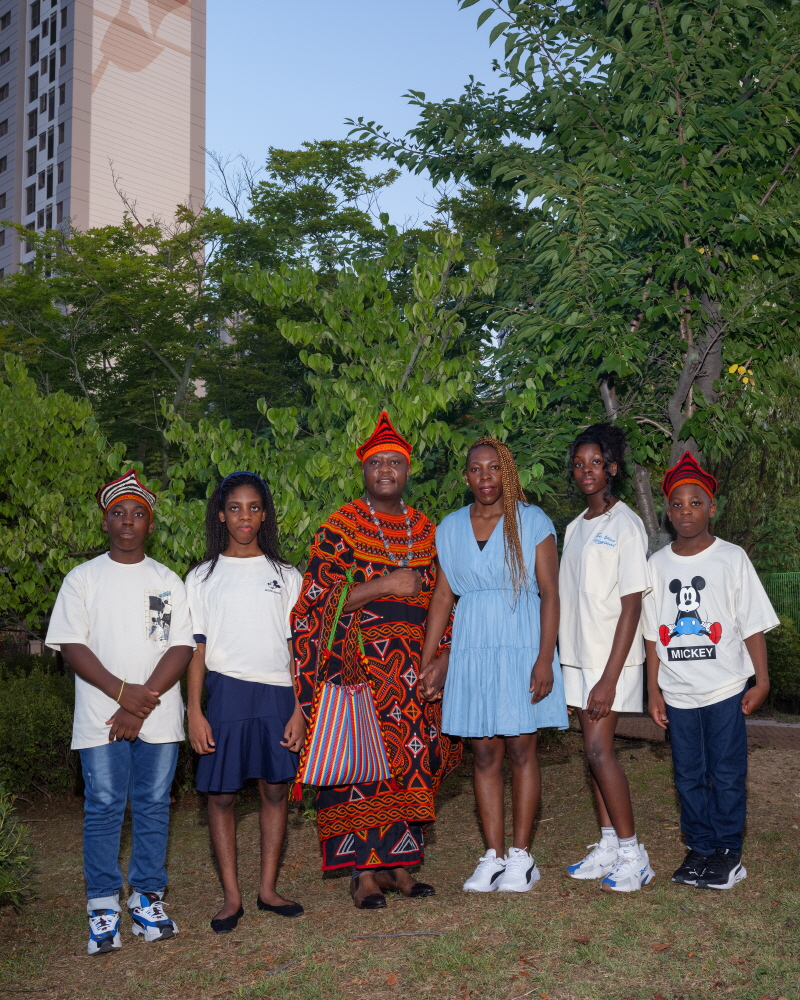
Since relocating to Dongducheon and co-founding Space AfroAsia in 2021, CHE’s research into geopolitical relations has extended toward relationships with the people who currently inhabit the place. Dongducheon, where the history of U.S. military bases and the camp town economy remains deeply inscribed, is now home to communities of migrants from West Africa, and CHE examines how these different temporalities intersect within the same city.
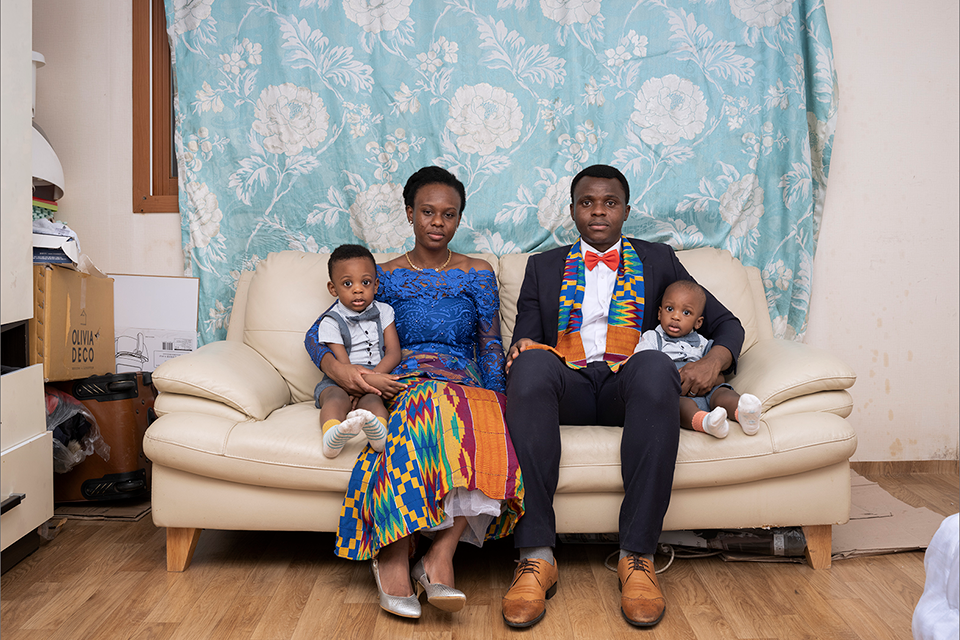
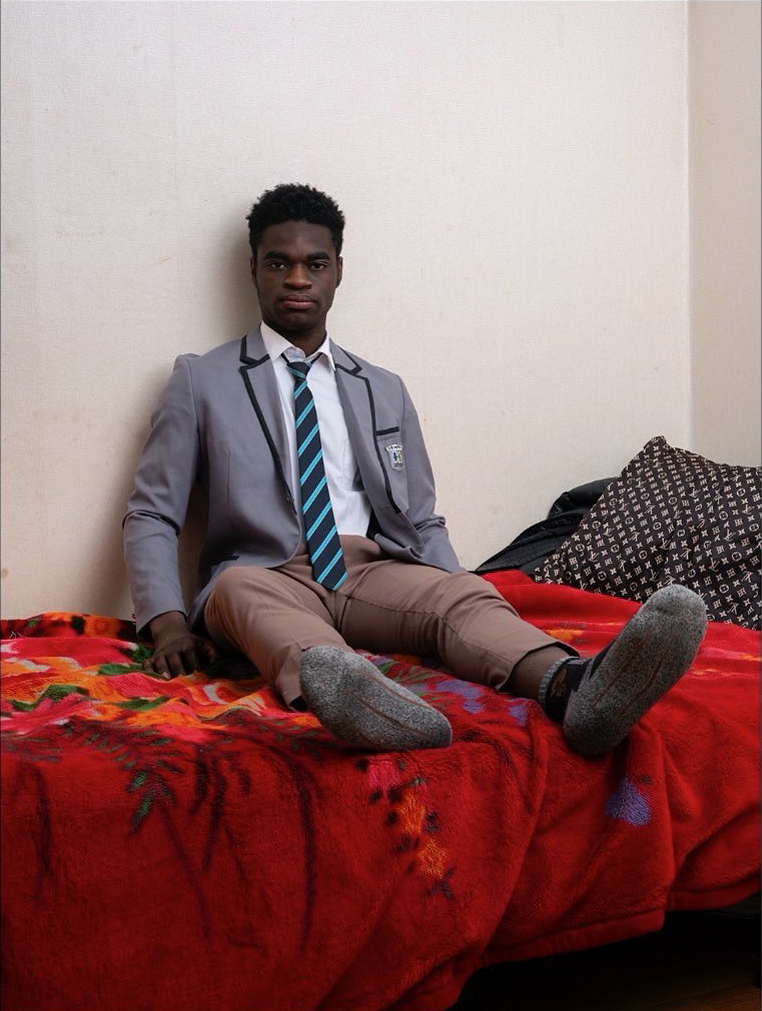
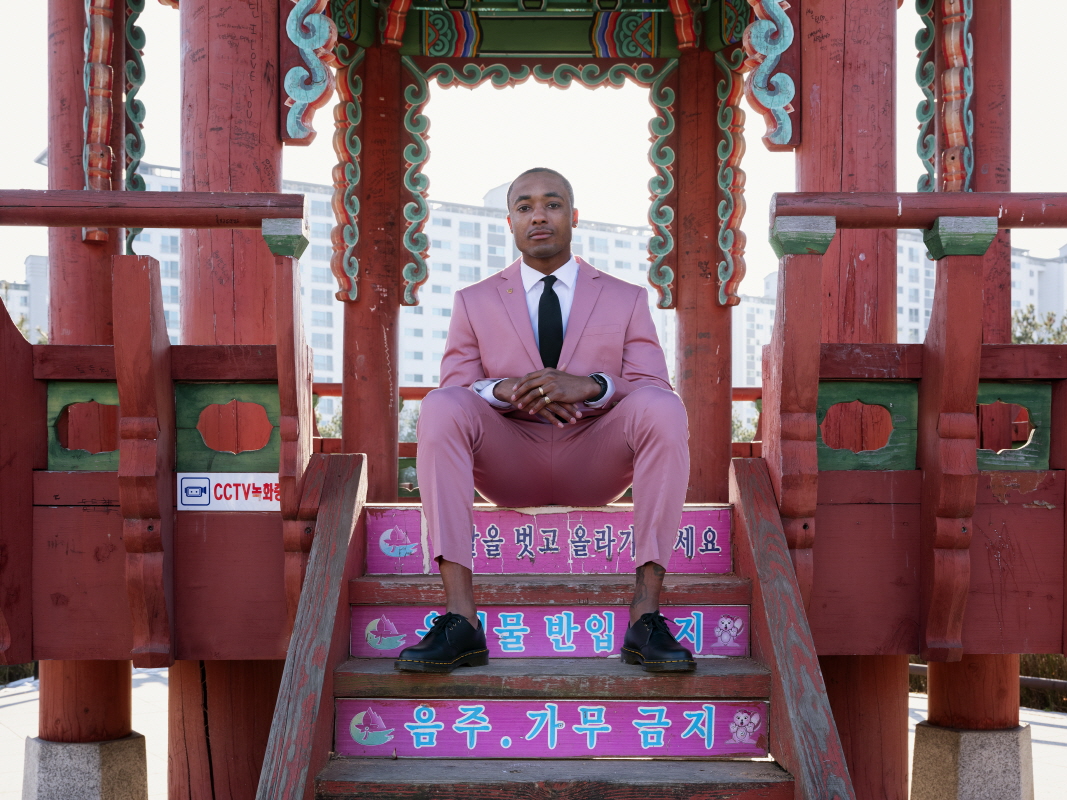
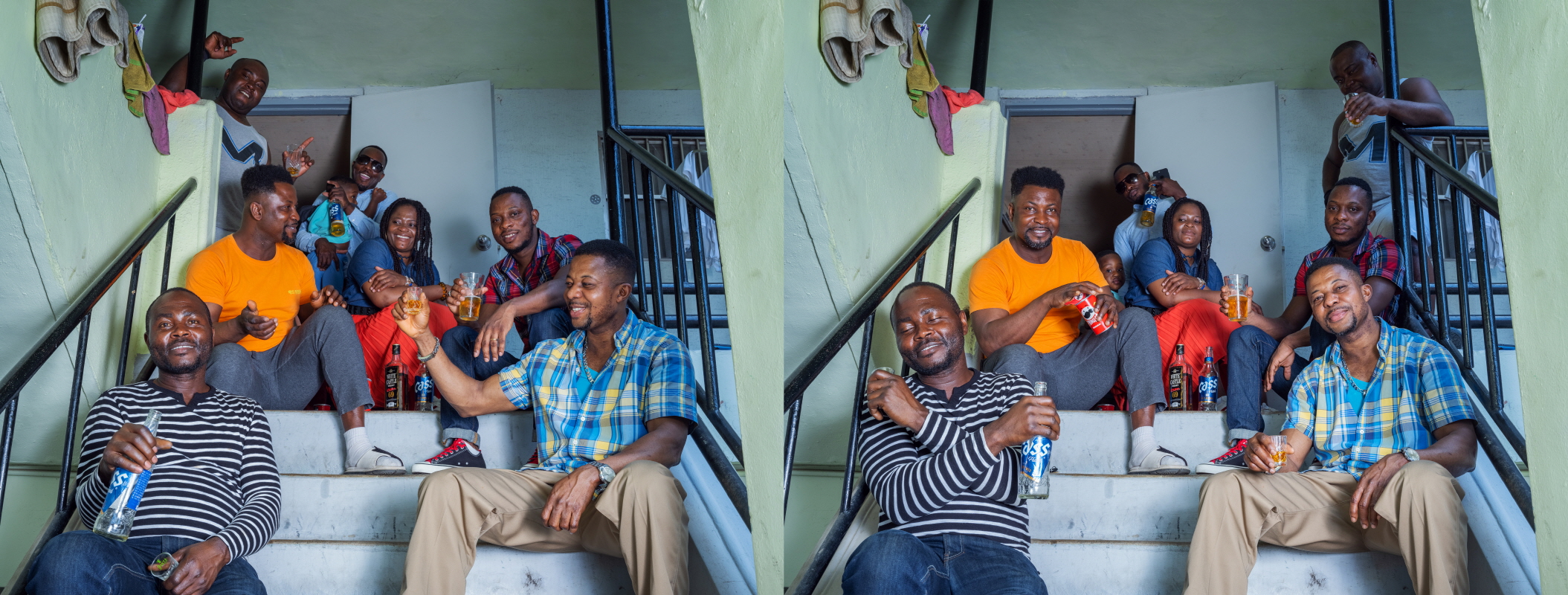
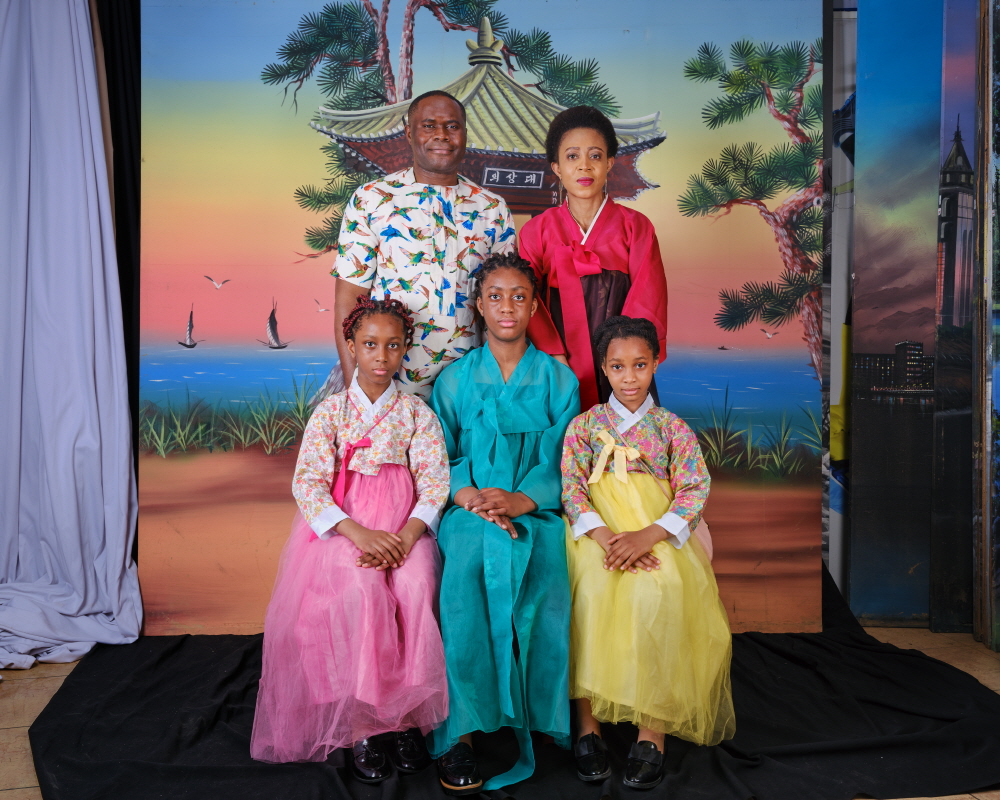
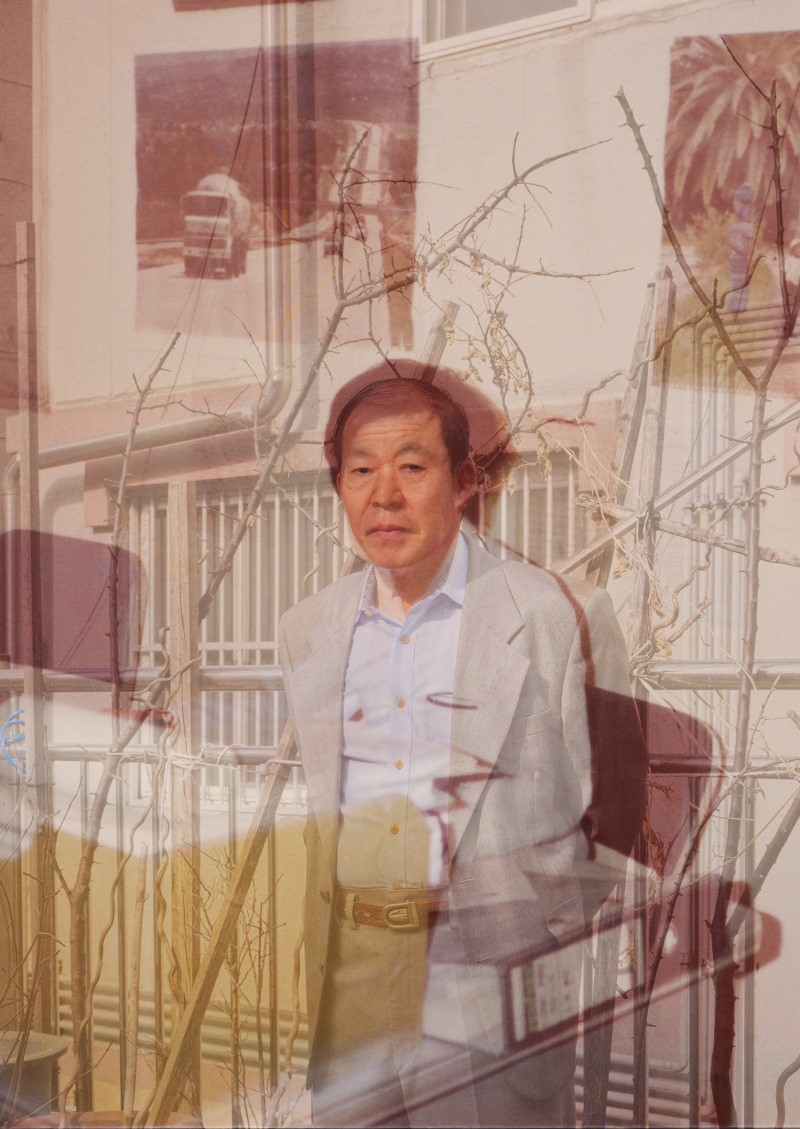
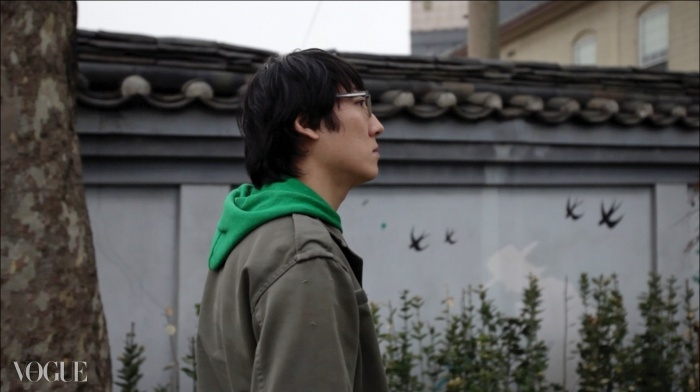
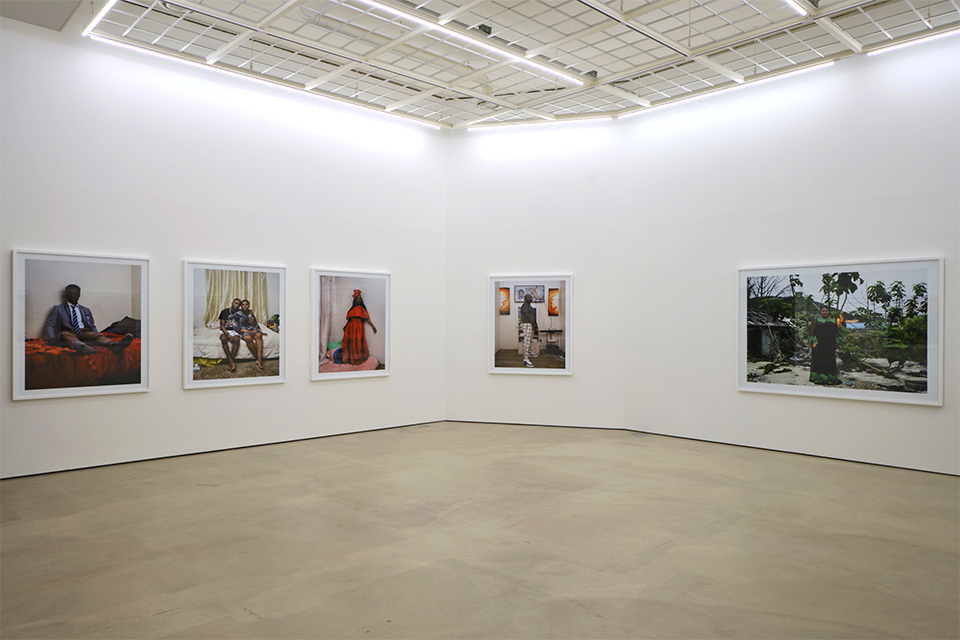
The portrait works presented in 《Capital Black》, Made in Korea and No Pain No Gain, created with Igwe Osinachi, and the documentary Dongducheon New Town address migration, labor, capital, racial identity, and cultural translation through concrete lived experiences. In the recent work Echoes from the Back, he connects an archive from a former camp town photography studio with contemporary technology to recall individuals whose lives were recorded but whose stories were never fully articulated.
By residing in the area, forming relationships with local communities, and collaborating with them, the artist has expanded his research beyond the observation of place toward forms of social practice.
Within CHE Onejoon’s work, “Korea” is not an identity completed within fixed national borders. Colonial experience, national division, the presence of U.S. military forces, North Korea’s foreign relations, and the migration of African communities reveal how modern Korean history has continually been shaped through connections with the world beyond the peninsula.
Rather than explaining these connections through grand national narratives, CHE locates them in specific places and images: bunkers, monuments, shuttered clubs, and portraits of migrants.
Although the geographical scope of his practice has moved from the Korean Peninsula to Africa and back to Dongducheon, a consistent set of questions persists: who becomes visible within history and who is rendered invisible; how political structures transform the identities of people and places; and what different relationships with established histories might emerge when the traces they leave behind are reread from the perspective of the present.