A photograph that records an object inevitably points to something. The moment we perceive an image, our cognition is engaged in interpreting its referential meaning—a process that is fundamentally linguistic in nature.
For photographs that are simple and unambiguous, such as those employed in advertising, this interpretive process is relatively straightforward. However, within the complexity of the real world, the relationship between an image’s referentiality and its linguistic significance frequently diverges.
For instance, a photograph depicting a figure walking along a beach at sunset may resist categorization: without accompanying explanation, it can be difficult to discern whether the person is a vacationer or a refugee. Photography, in this sense, is not only dependent upon its subject but equally reliant on language.
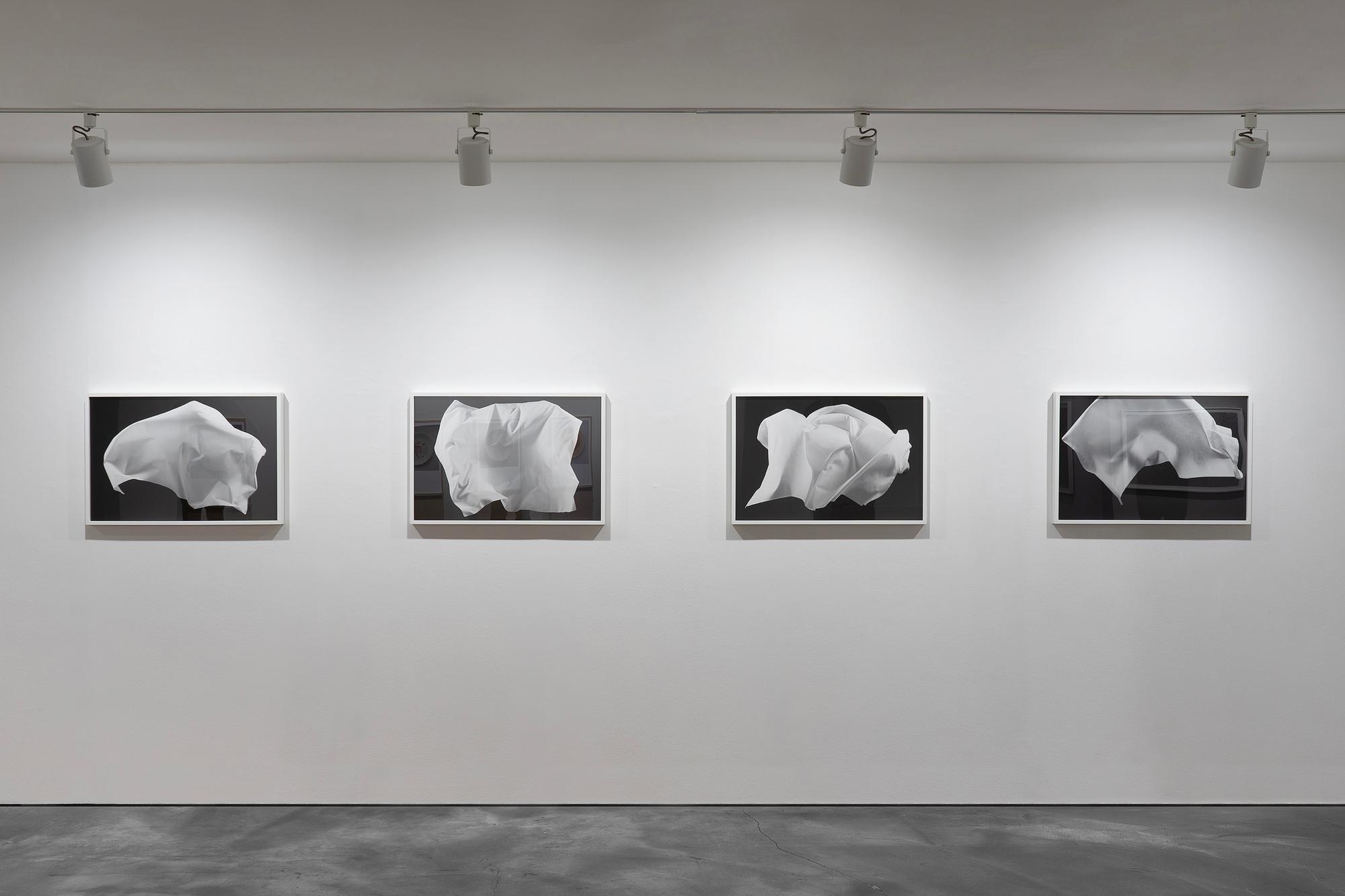
Some artists are acutely aware of this characteristic. In order to resist immediate interpretation, they employ various strategies that deliberately frustrate clarity. They may capture scenes that remain persistently ambiguous, or document moments that, upon closer inspection, prove entirely unexpected.
Yet if a photograph were to advance further still—eliminating the possibility of interpretation altogether—would it, in any meaningful sense, remain a photograph?
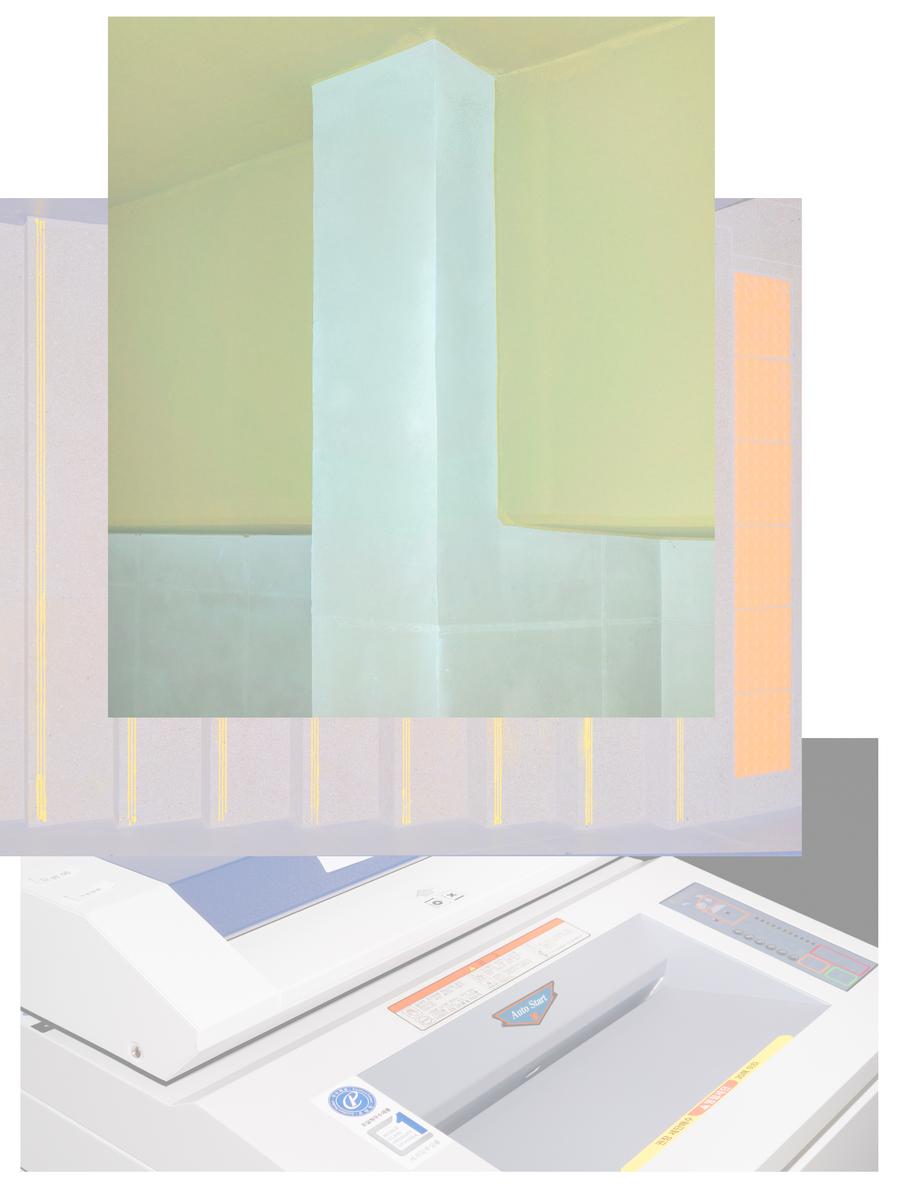
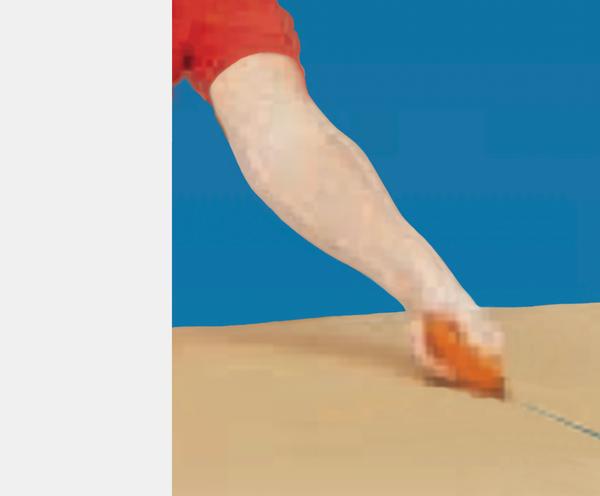
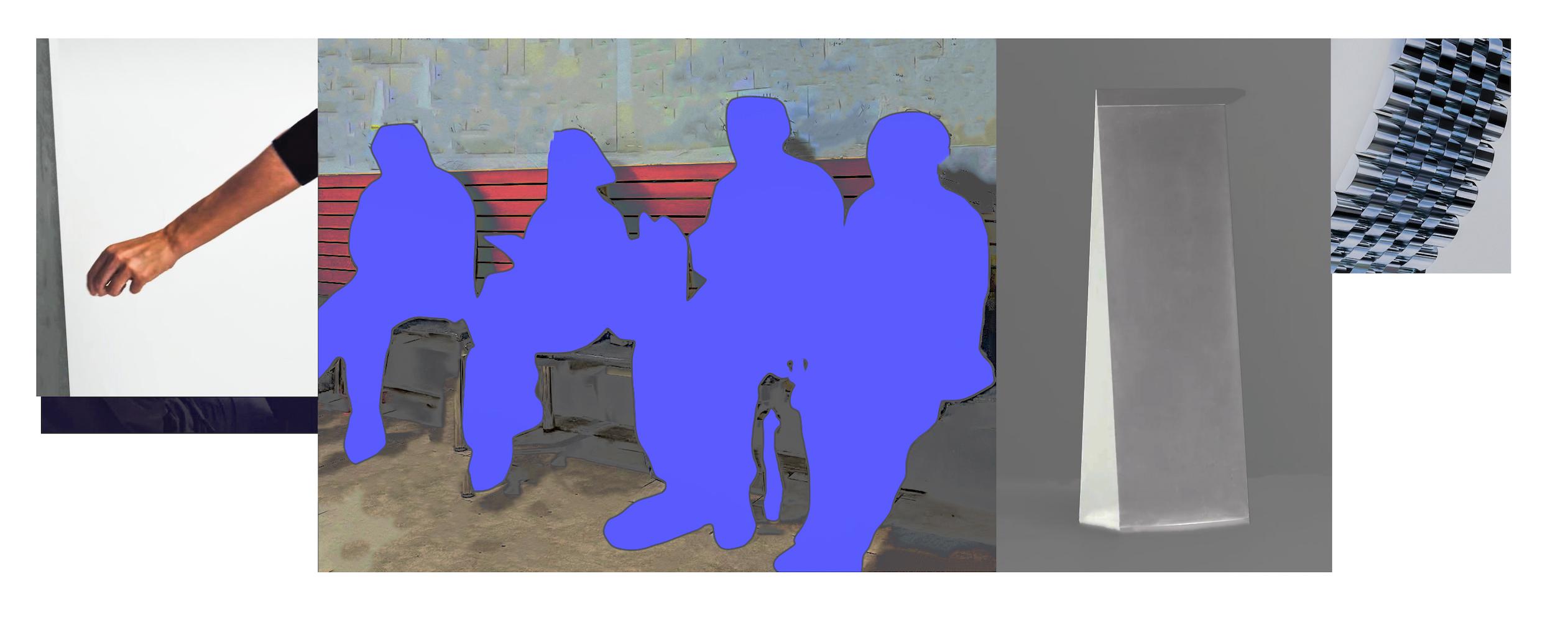
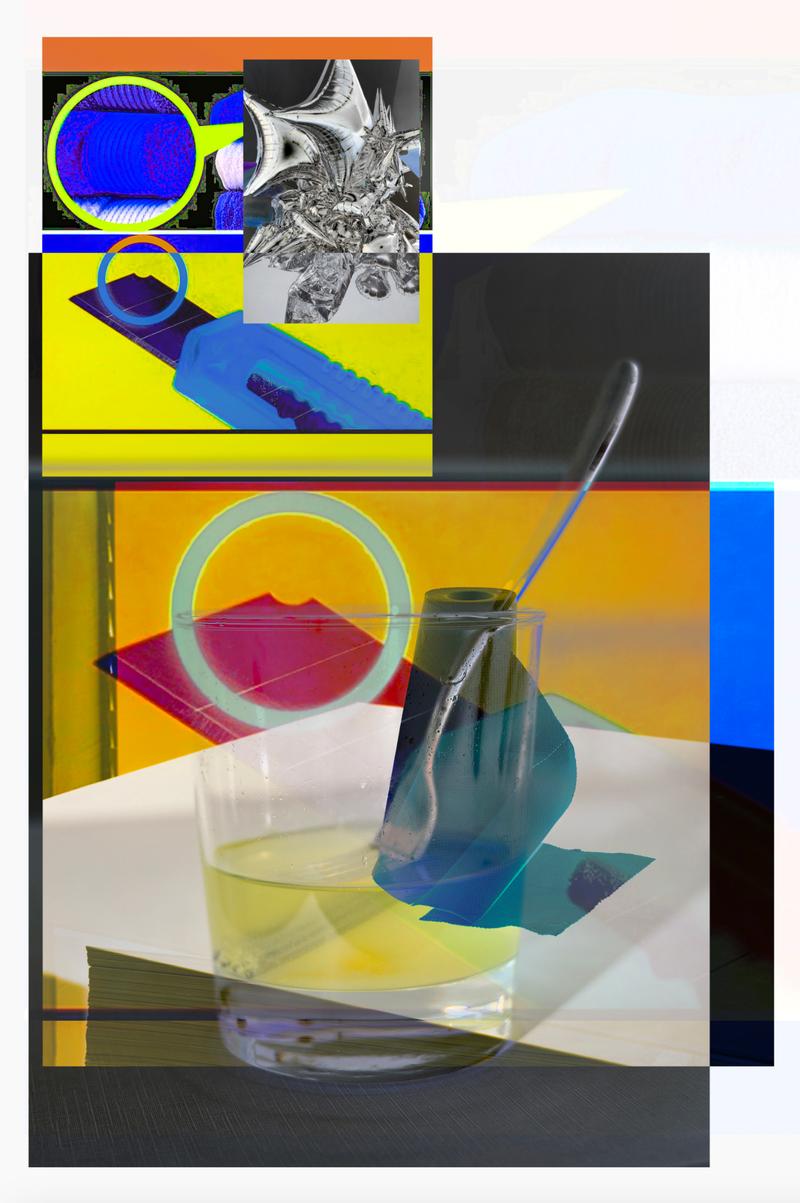
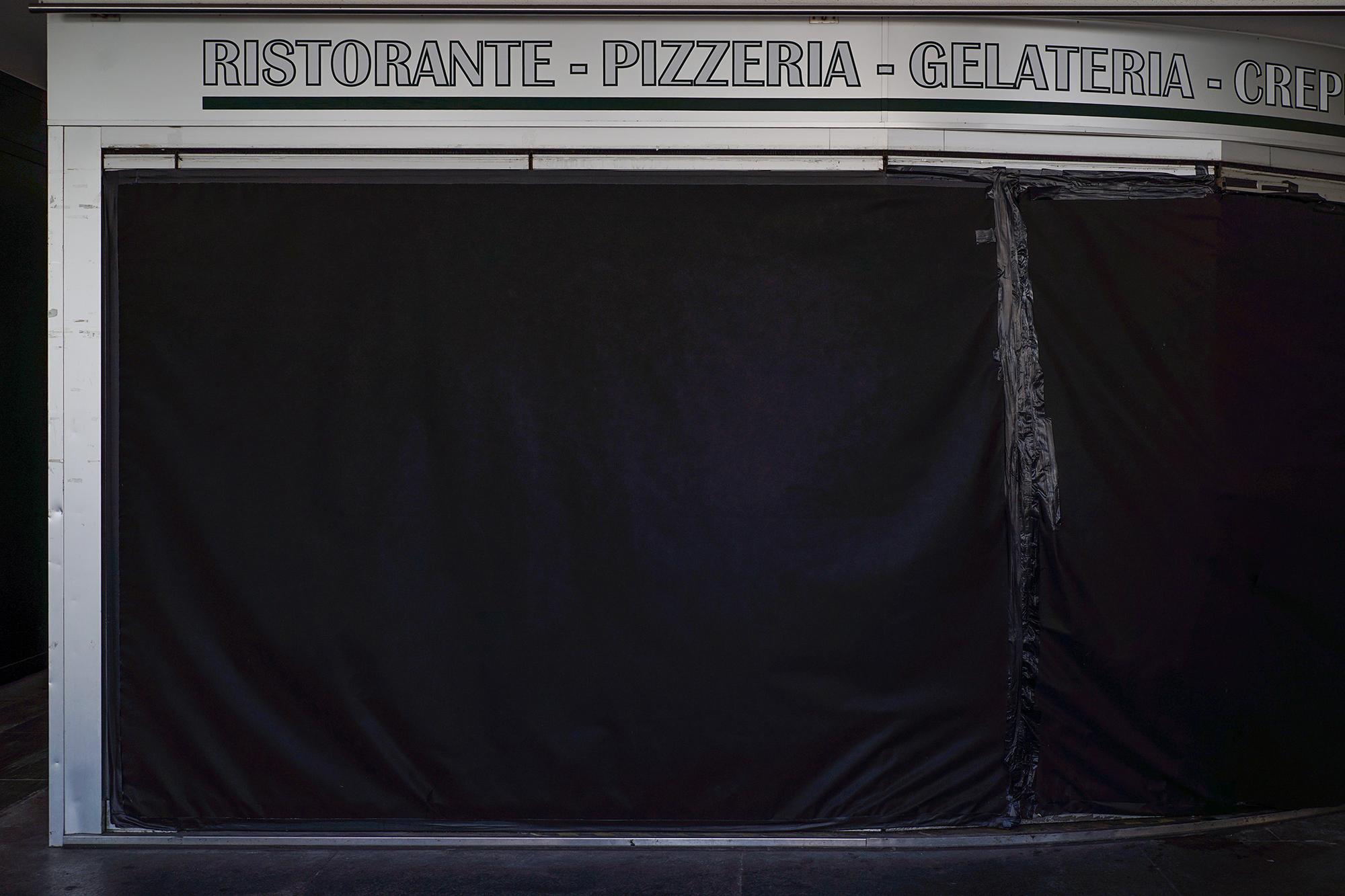
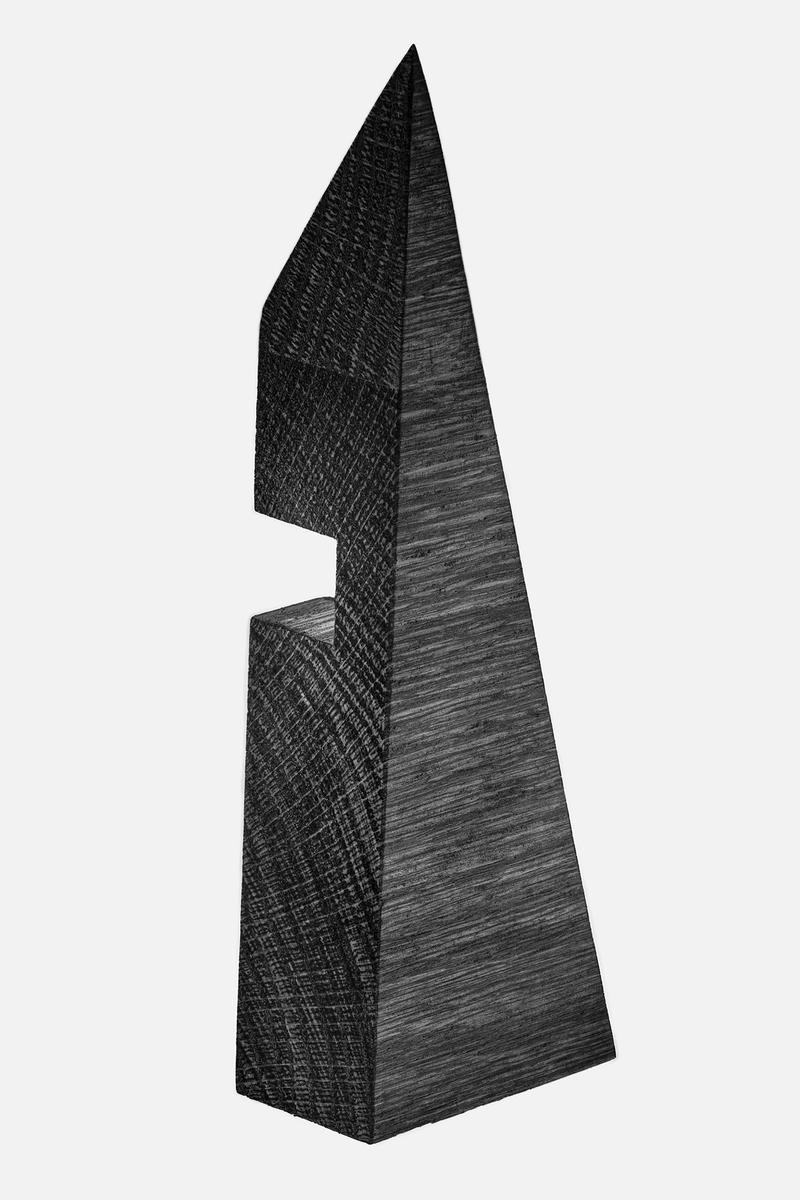
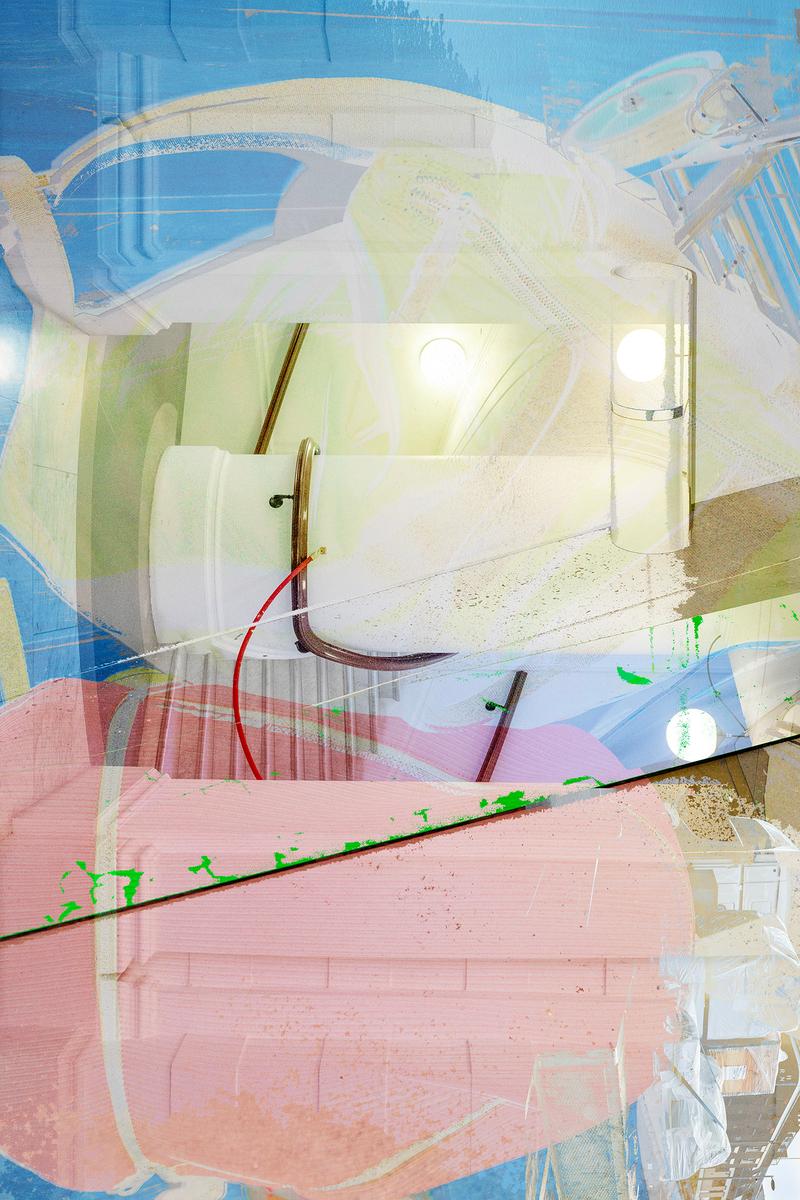
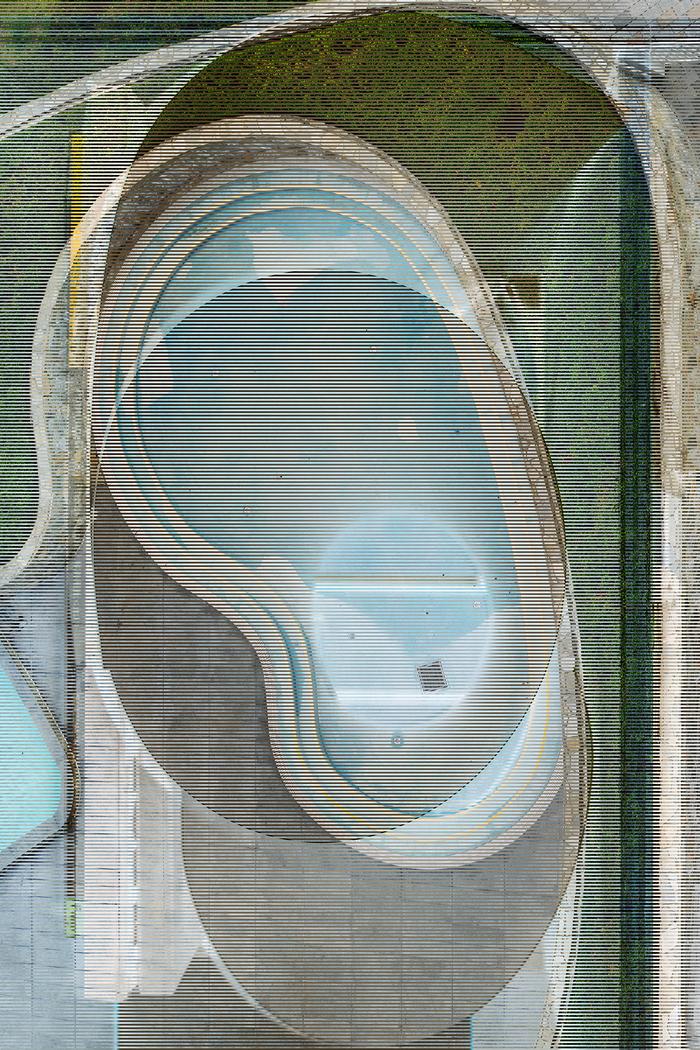
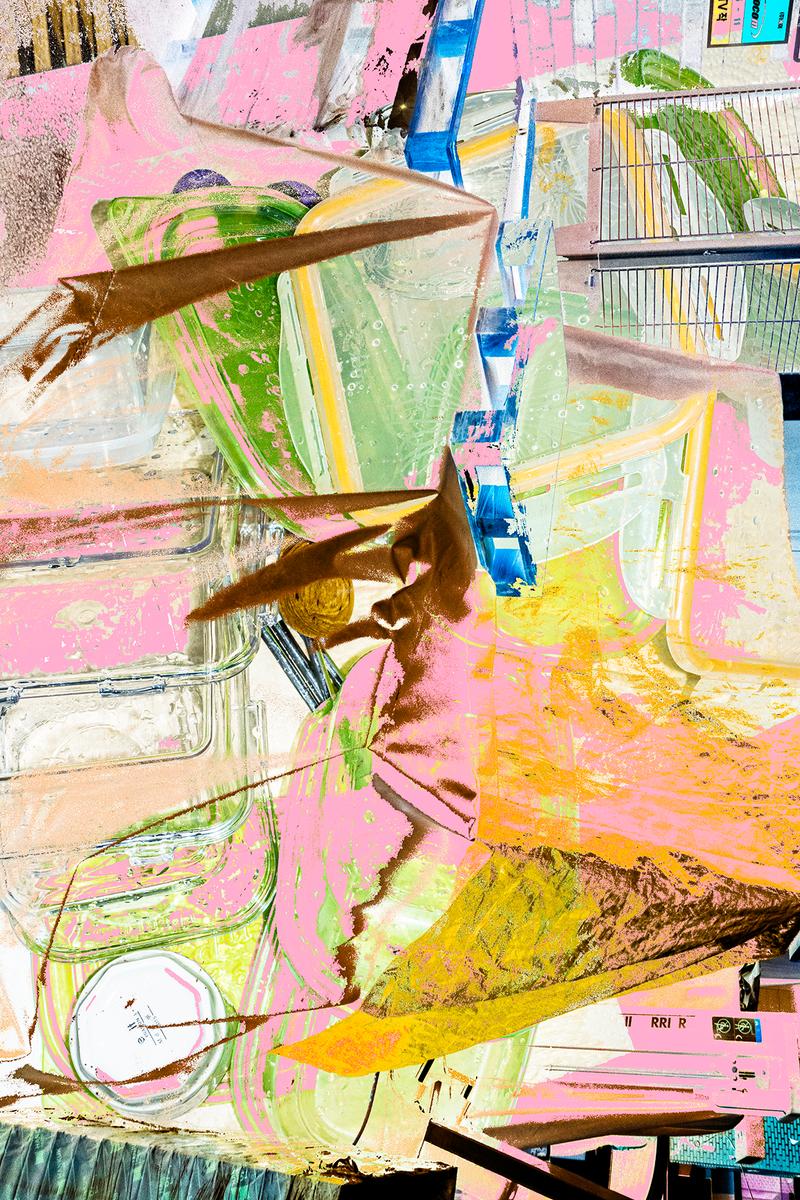
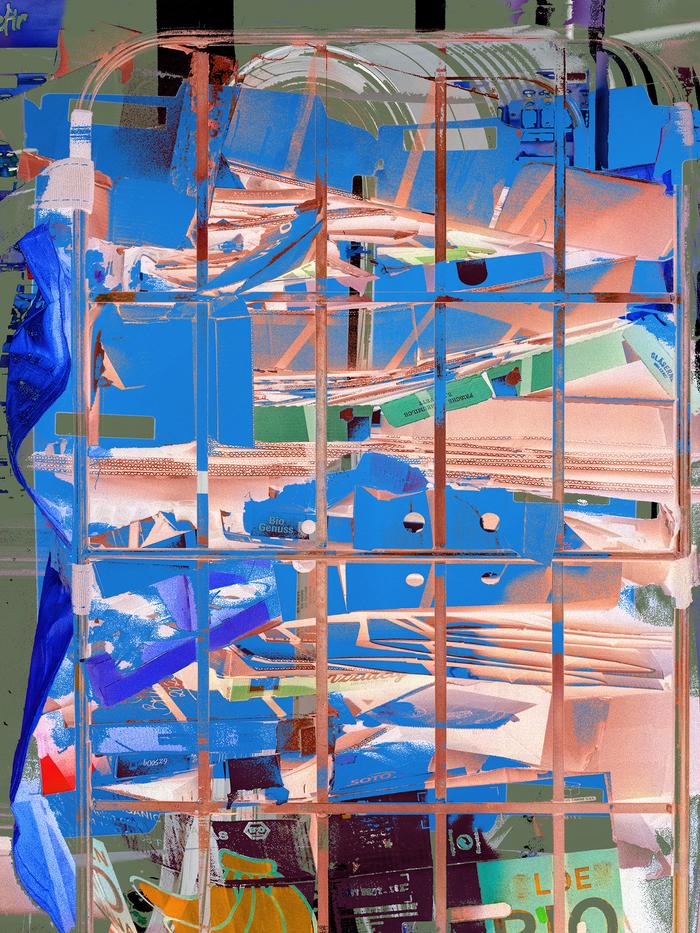
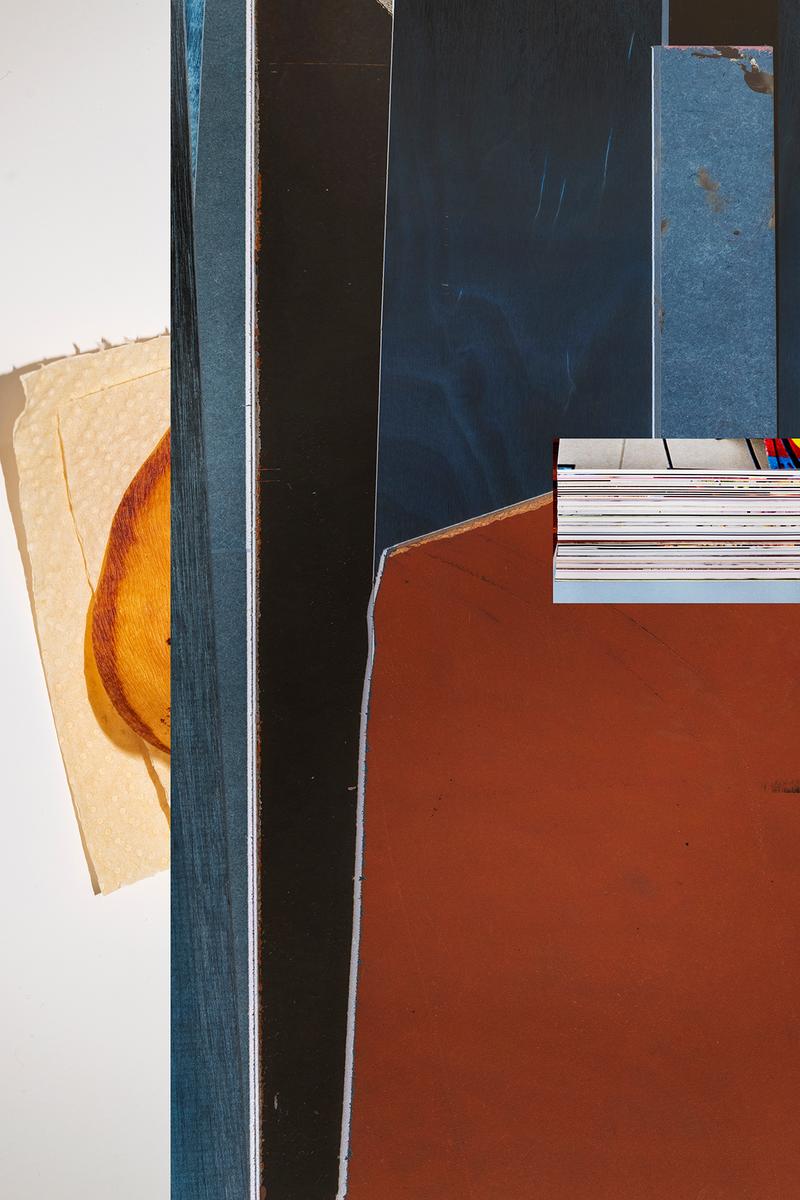
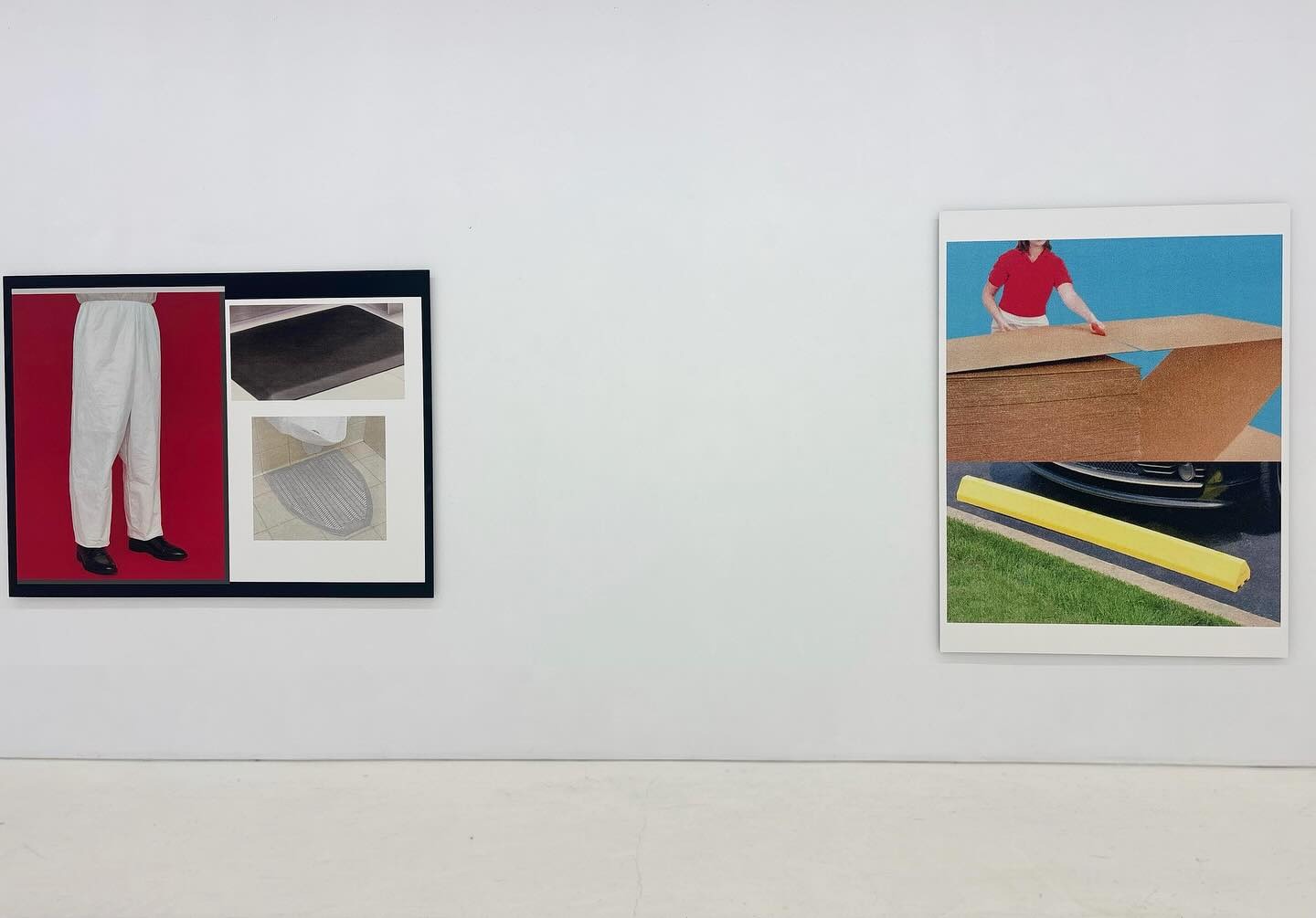
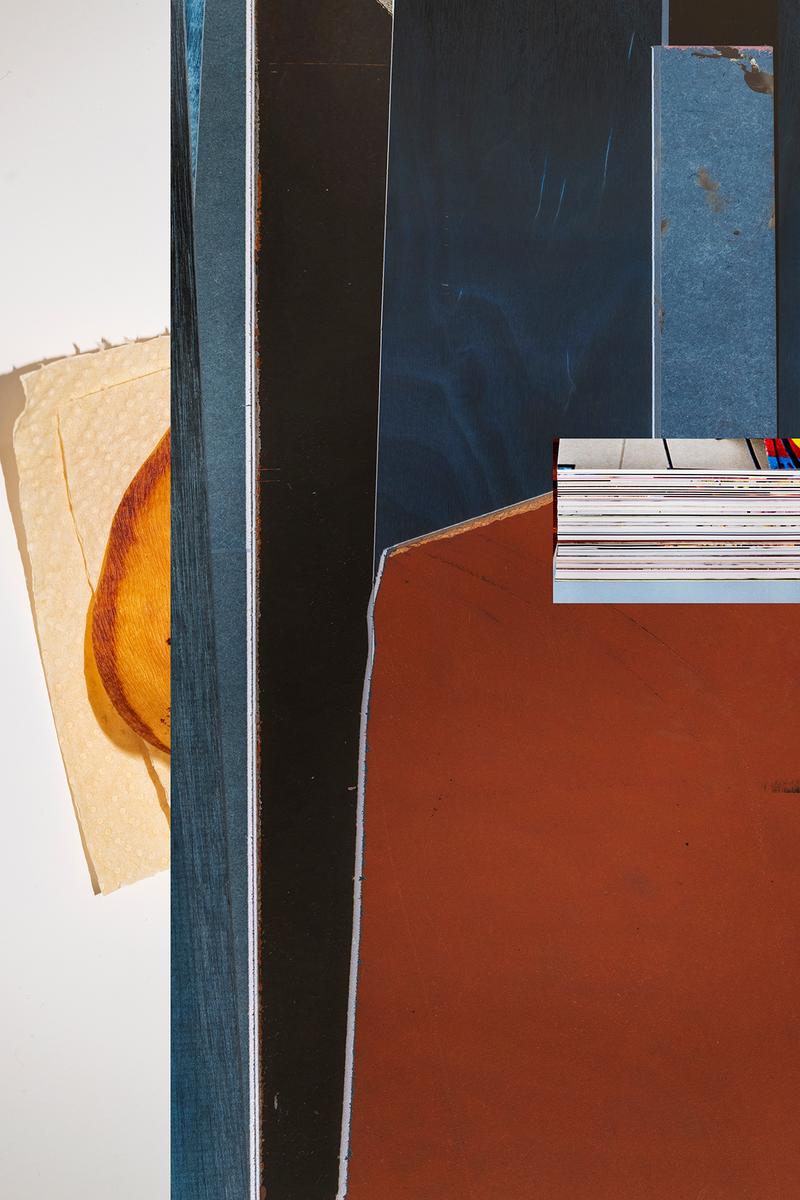
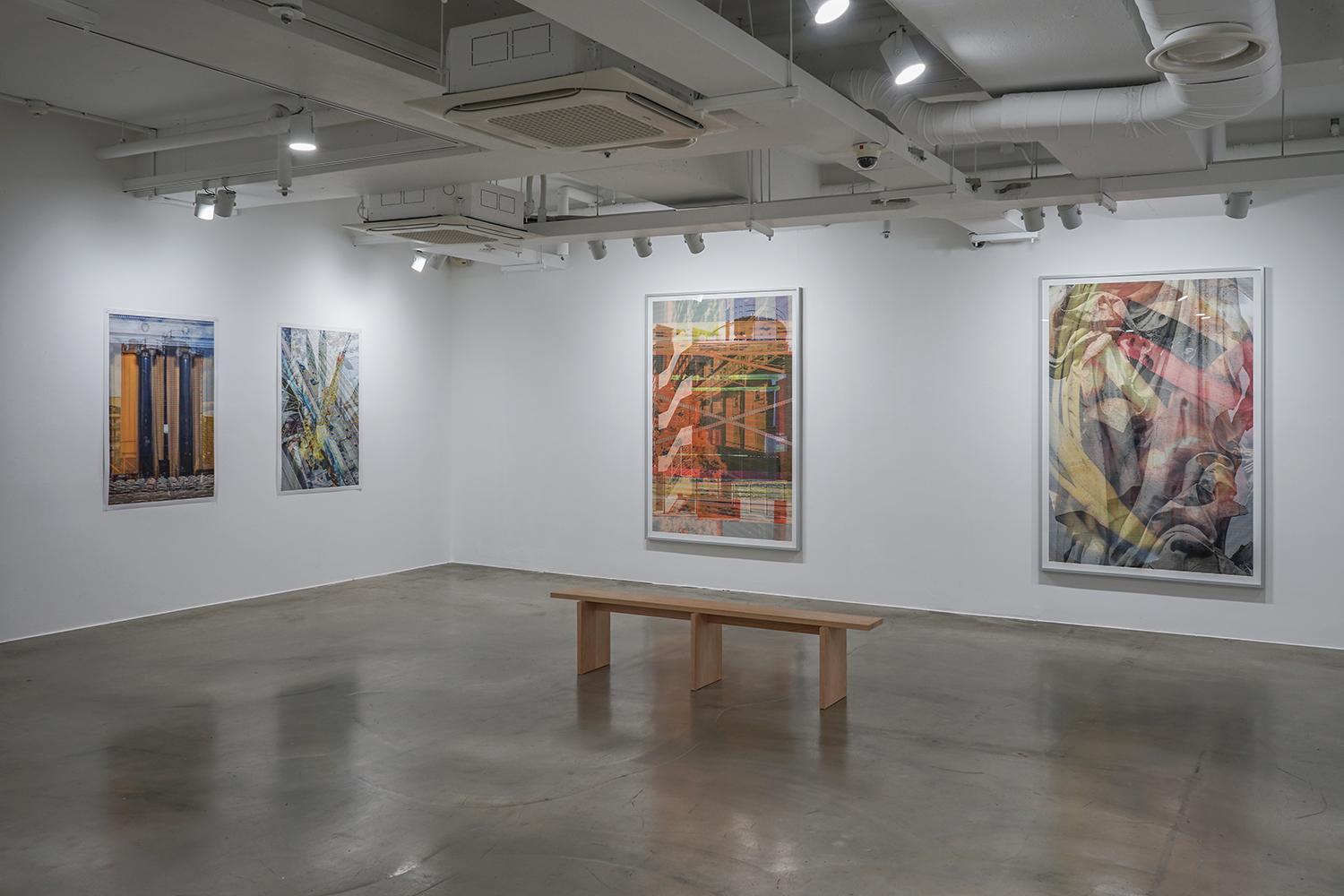
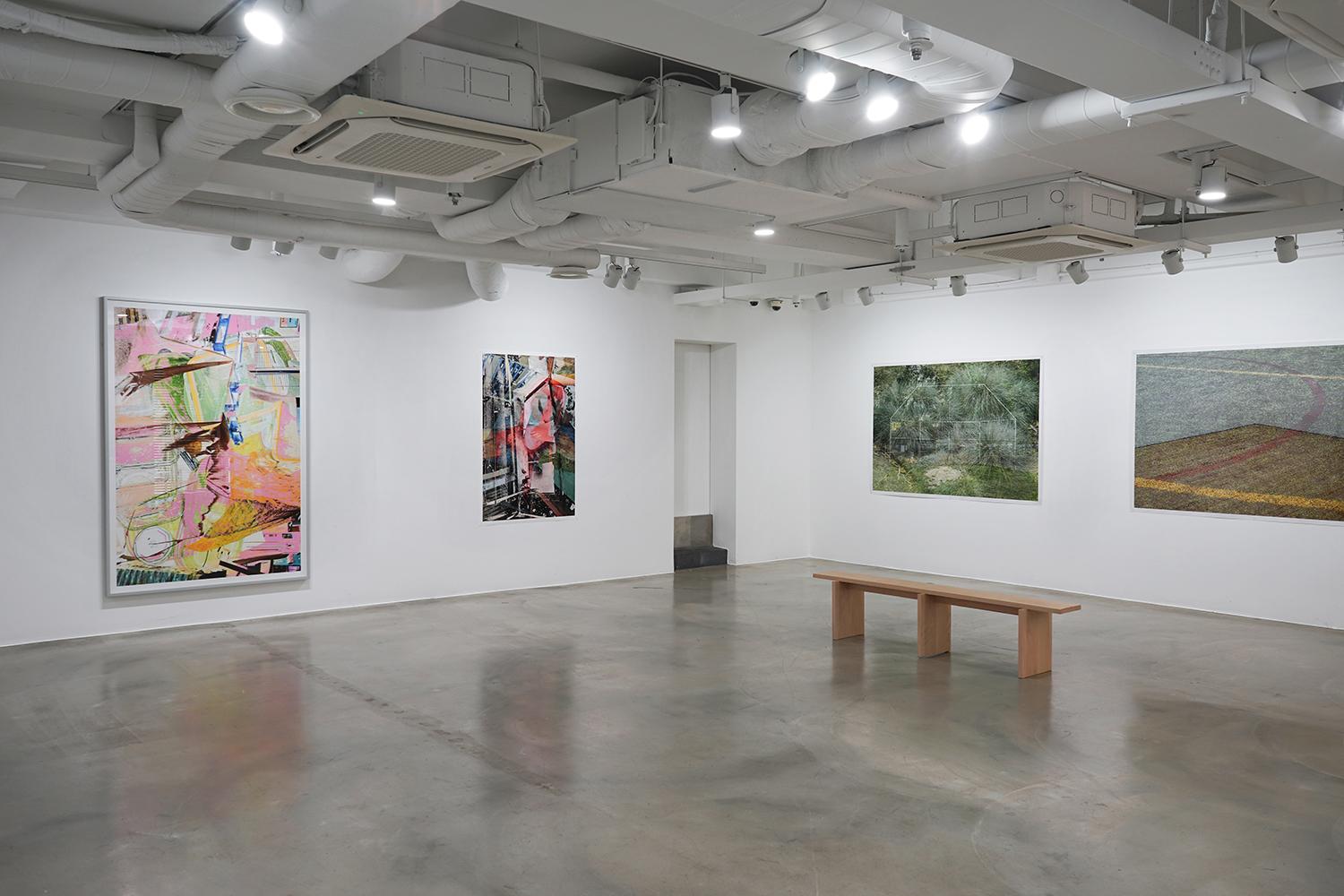
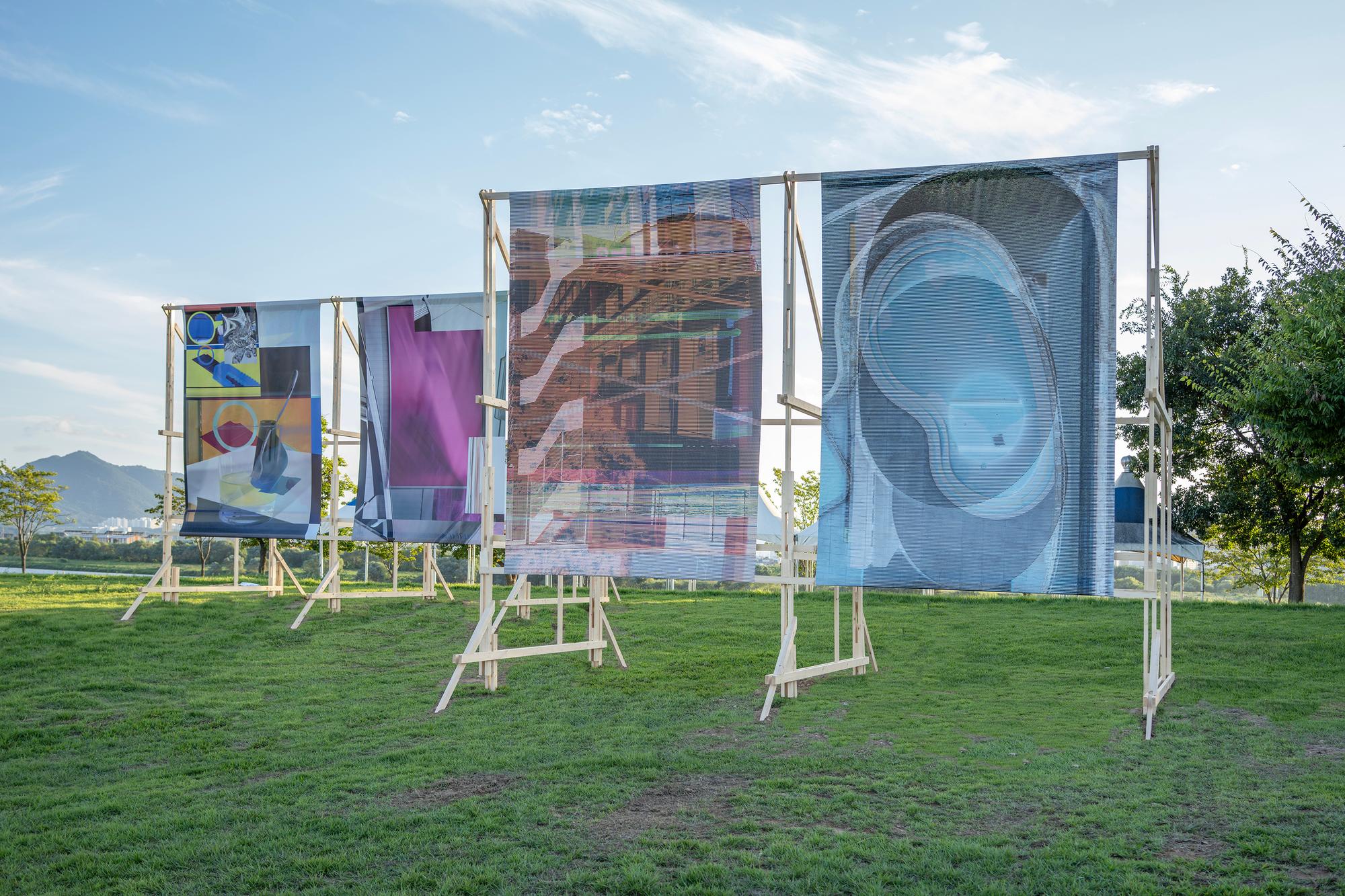
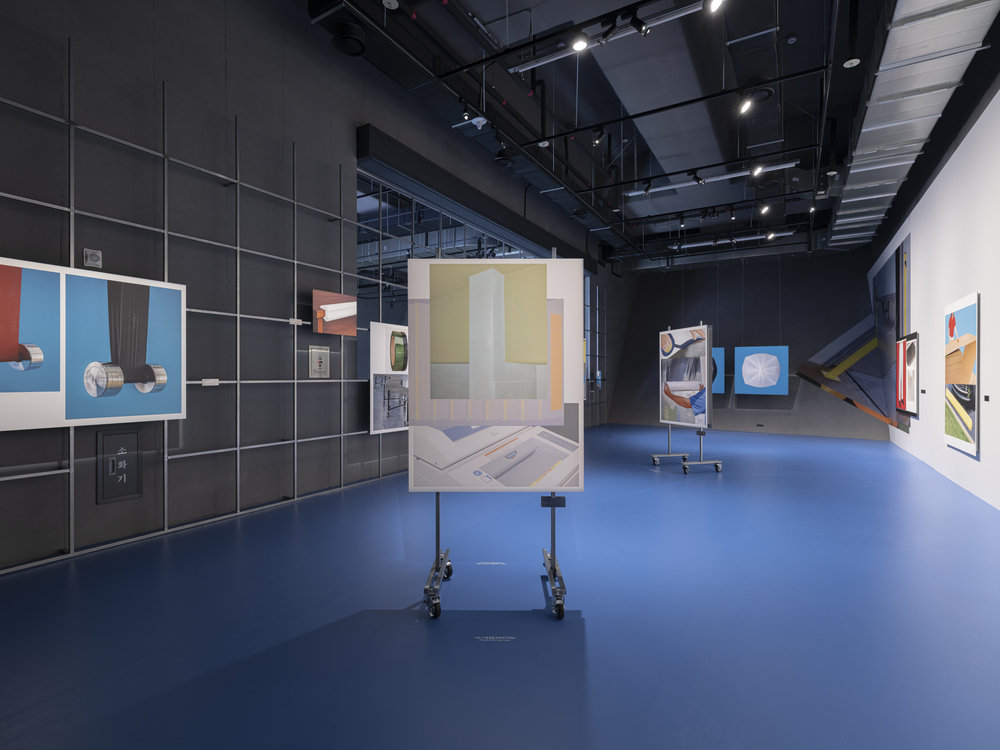
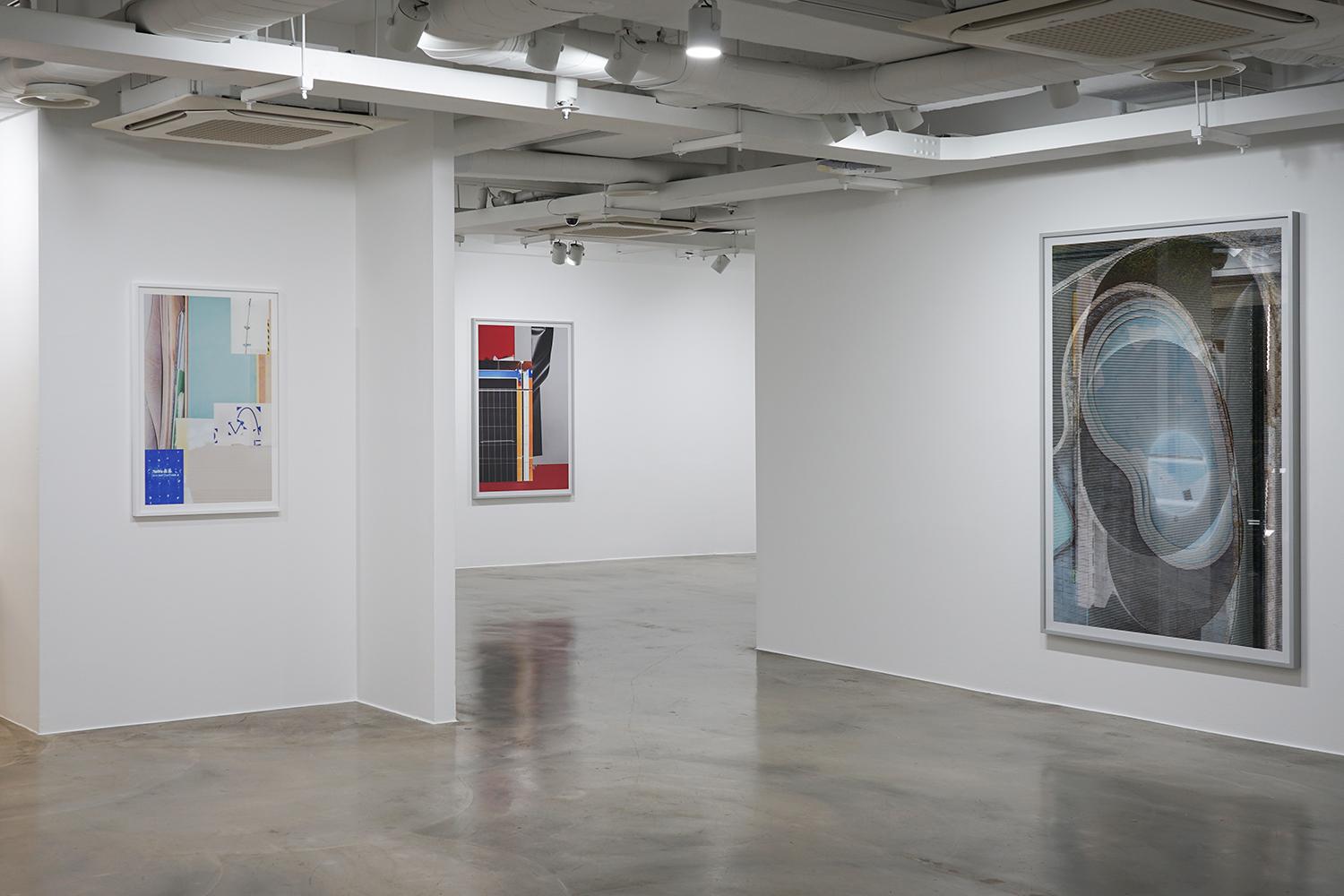
Dongsin Seo’s ‘Equation’ is a series in which the artist arranges his snapshots in arbitrary configurations. The images, whether overlapping or placed adjacently, maintain no inherent connection. By randomly selecting photographs from multiple folders and combining them without reference to compositional coherence, informational content, or design considerations, Seo embraces contingency as a method.
In this work, which denies and deconstructs both the referential and the representational functions of photography, only the collision and interplay of disparate images persist. At the moment when visual perception relinquishes the effort to impose meaning, the photographs abandon their conventional destiny to remain representational and instead transform into fields of abstraction.
They become, in effect, images devoid of significance. What was once an inseparable pairing—knowing and seeing—dissolves, leaving behind a practice oriented solely toward the act of looking.
For the artist, this constitutes an exploration of photography’s expanded possibilities in the digital age. His digital abstractions, composed of fragmented depictions of objects and planes of color, are rendered all the more compelling by their very opacity, compelling the viewer into prolonged contemplation.