In his book Ways of Seeing, John Berger suggests that “We only see what we look at. To look is an act of choice. As a result of this act, what we see is brought within our reach—though not necessarily within arm’s reach.”
The question that he raised on the formalism of art history, predominant at the time (the 1970s), sparked discussions on new possibilities in the interpretation of images, which involved complex and diverse discourses such as those of media, race, and gender. It was the beginning of the so-called ‘multidisciplinary image literacy,’ which is frequently heard recently.
Now, over 50 years later, the topic of ‘ways of seeing’ may be a familiar but age-old debate. However, the correct-answer-like ways of seeing that are embedded in our body still prevail in the nobleness of history and myth—even until now, when the discussion has expanded into the issue of recording something that was not seen as if it had been seen and whether those responsible for producing such images are human or not.
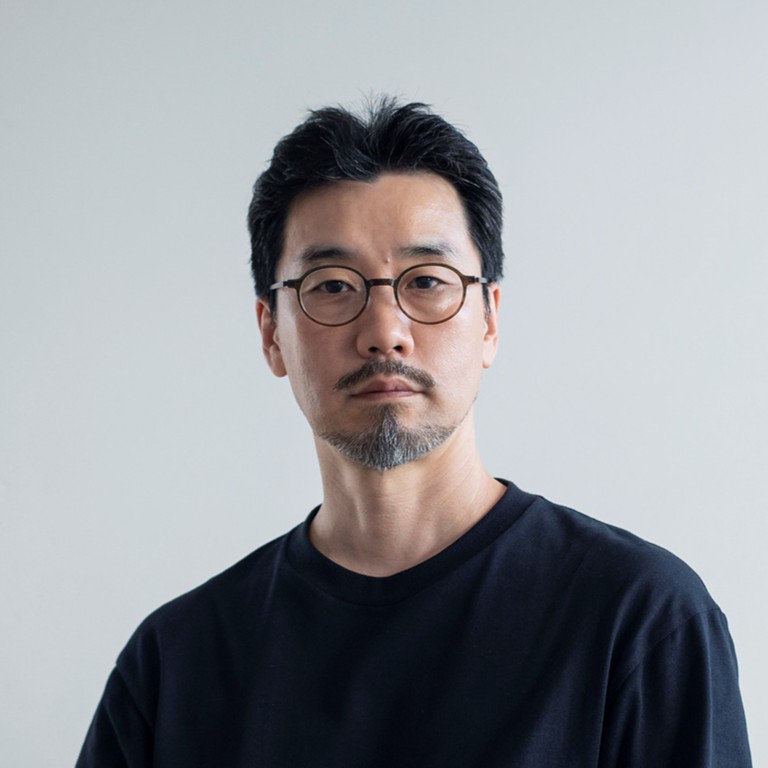
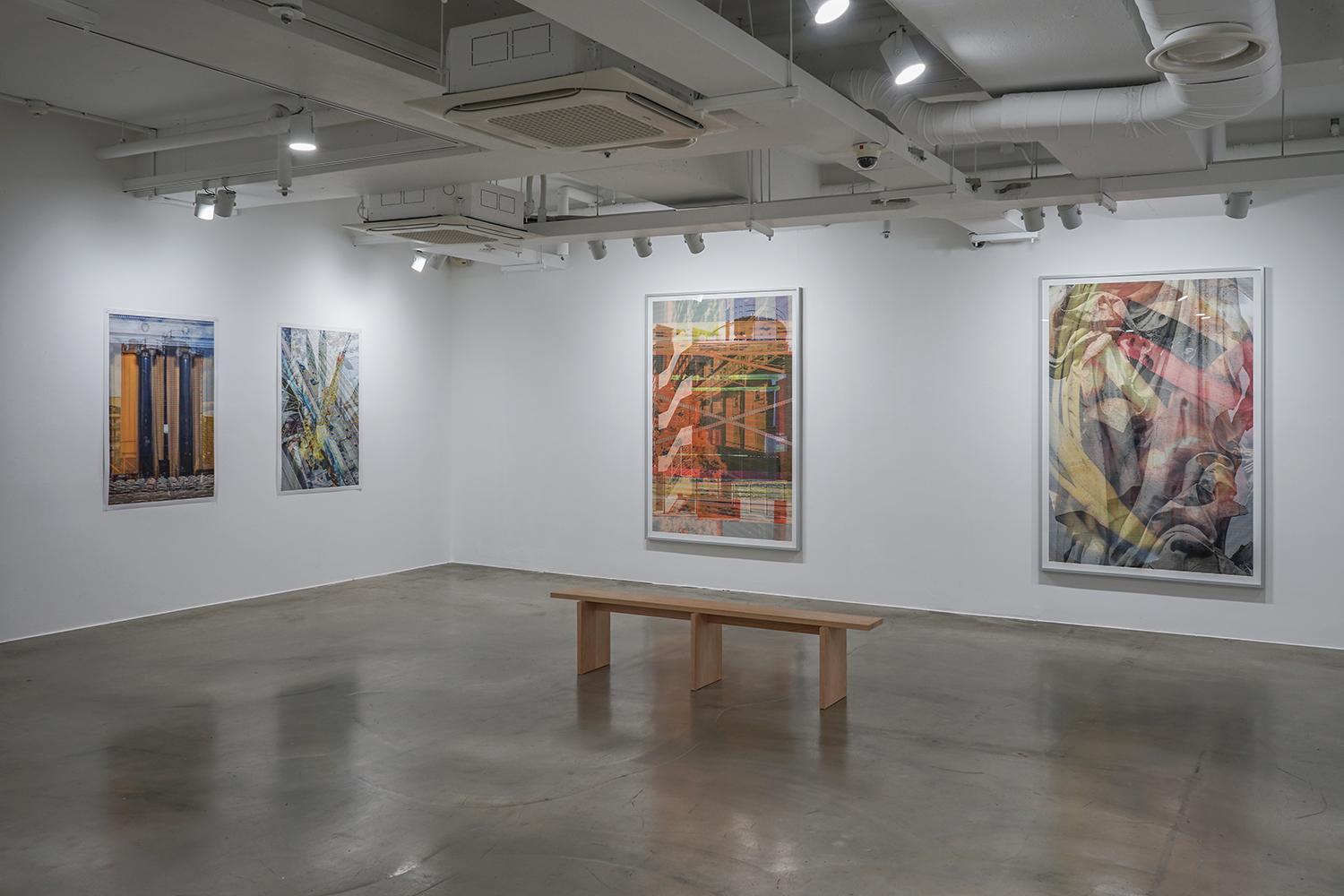
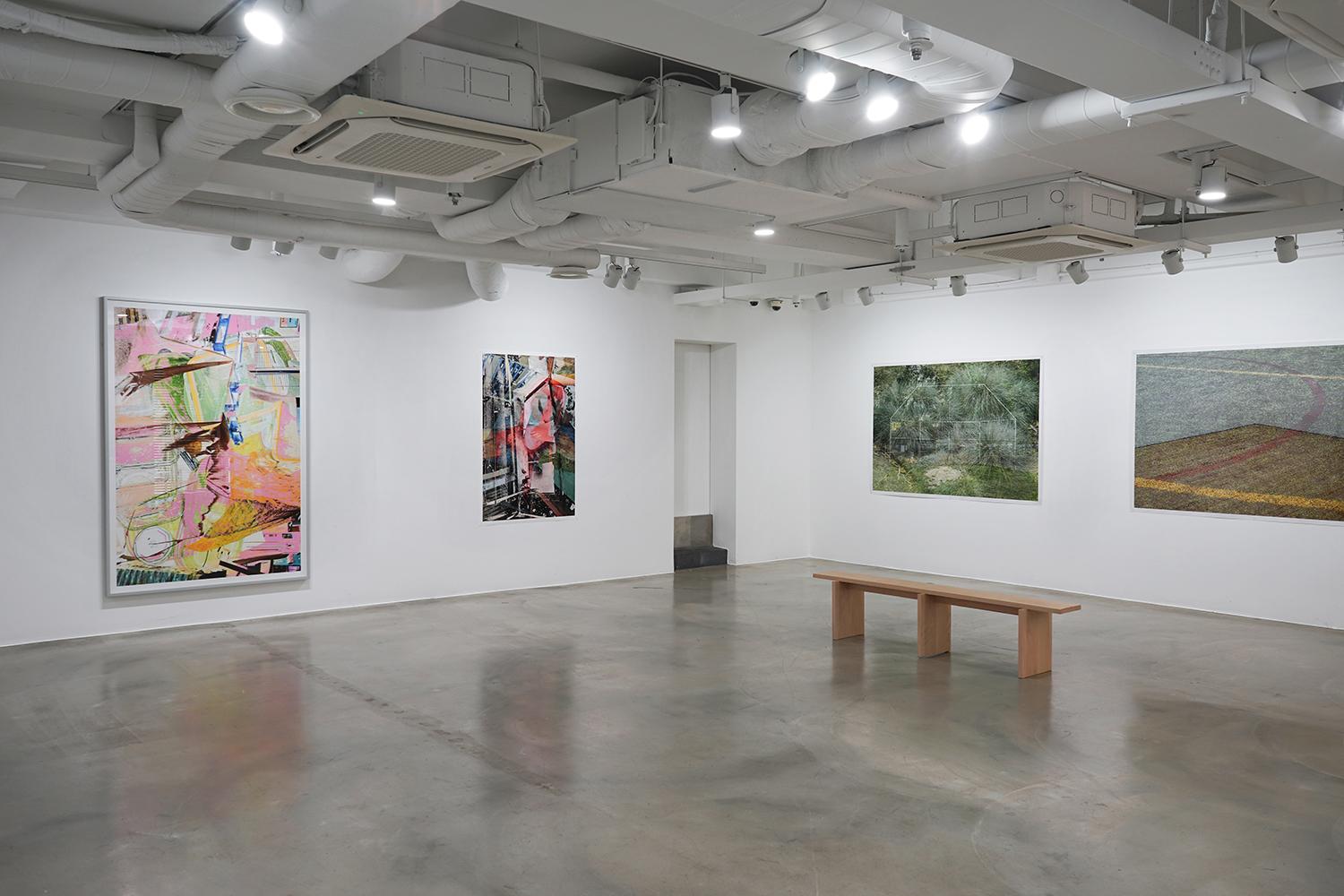
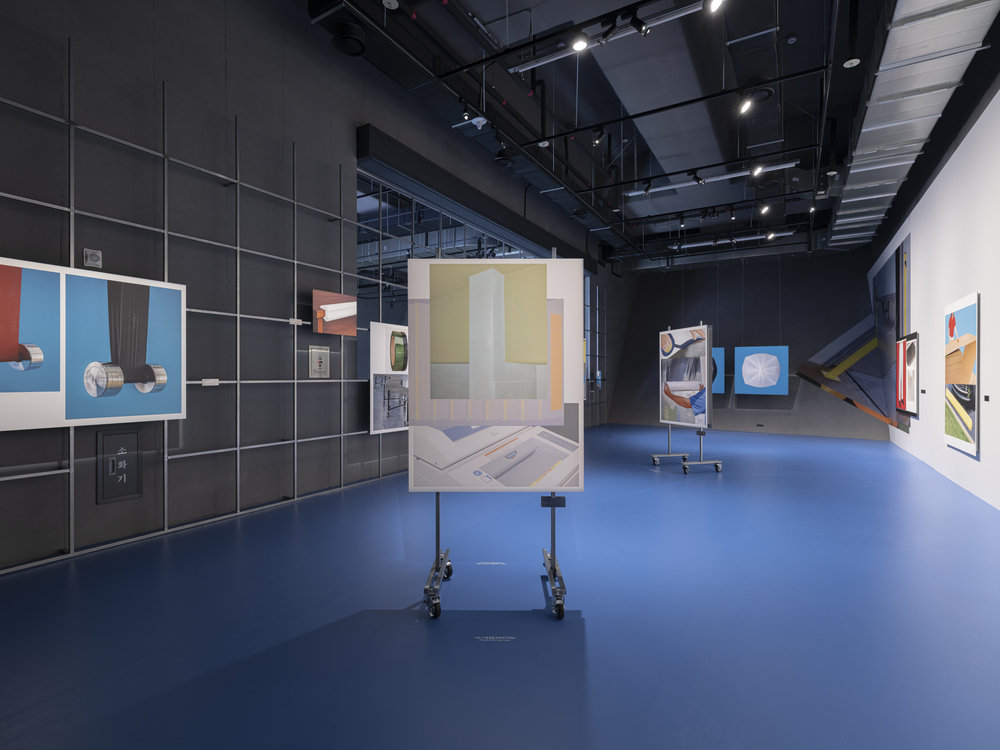
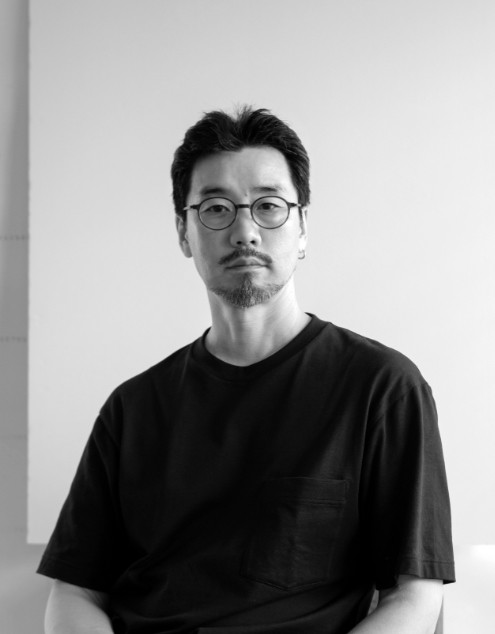
Dongsin Seo asks how we recognize an image through photography. Aiming not to be bound by the verbal and visual intent, meaning, form, and boundaries between ‘seeing’ and ‘knowing,’ he experiments with the impulse and interaction of images and wants to expand areas not defined by concepts.
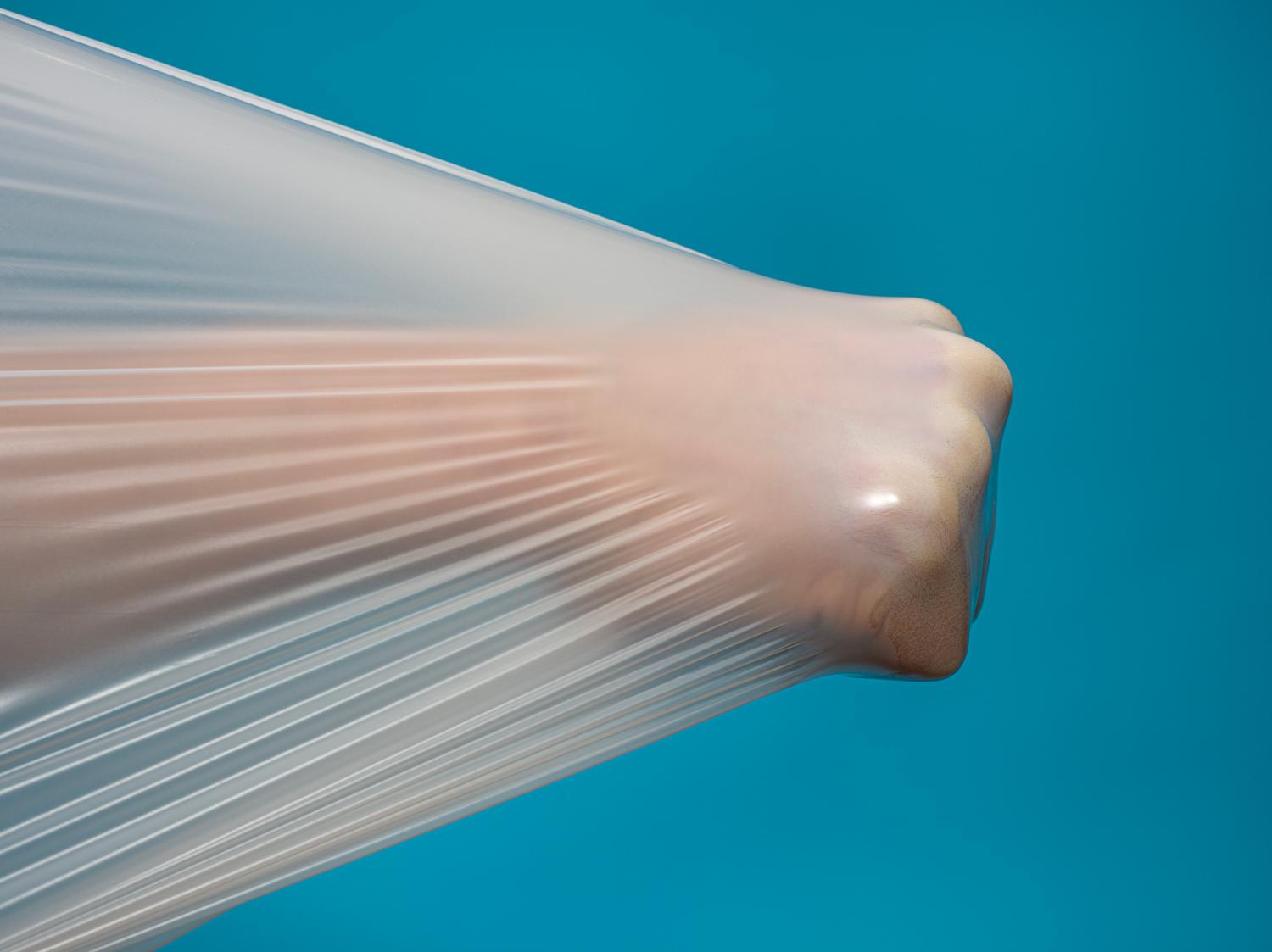
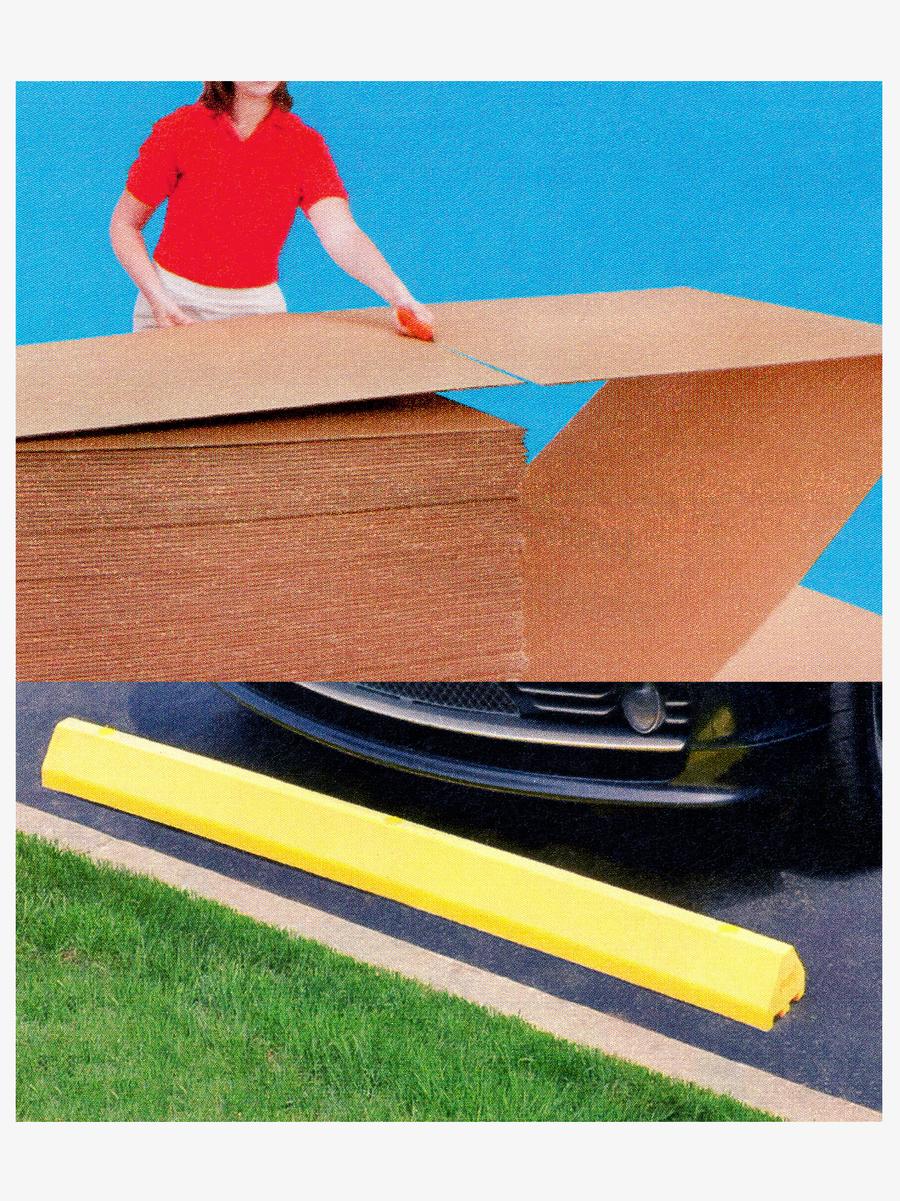
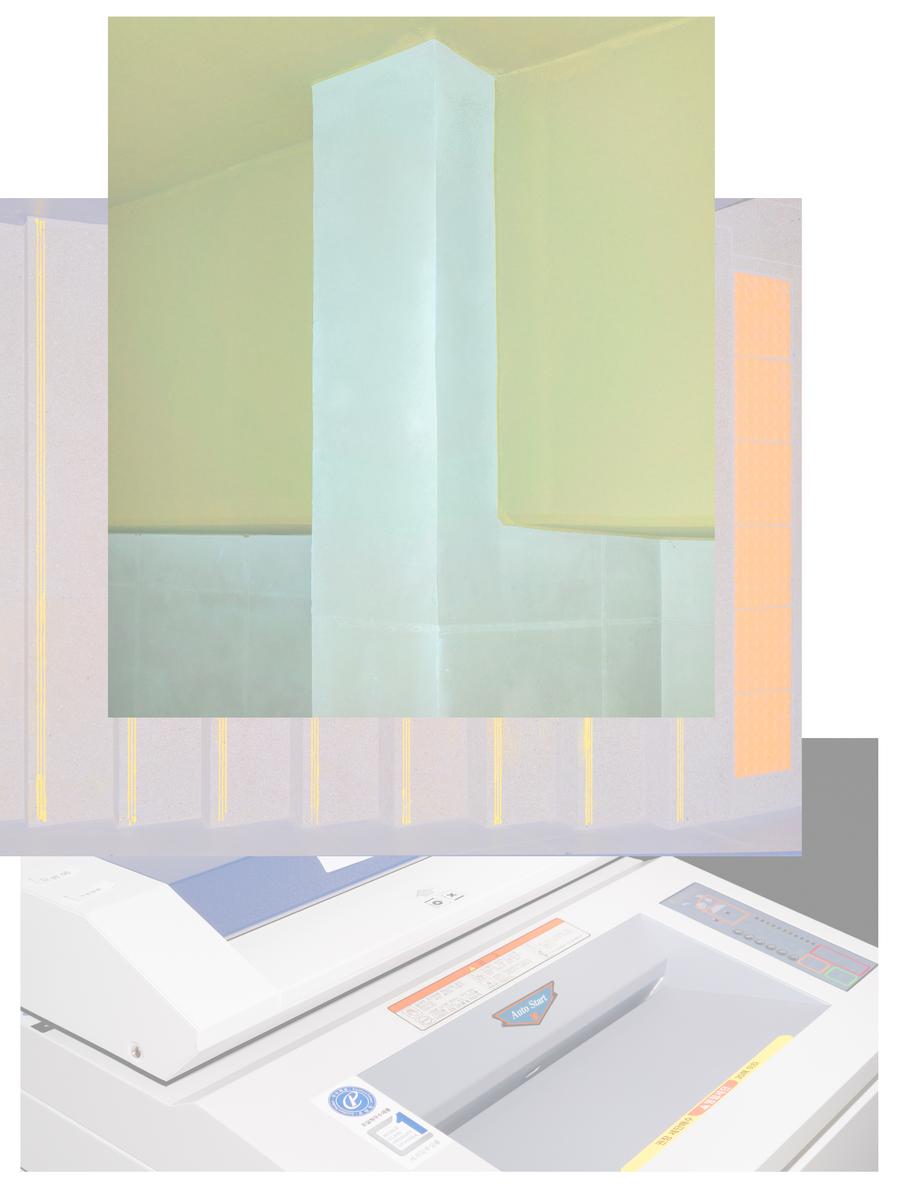
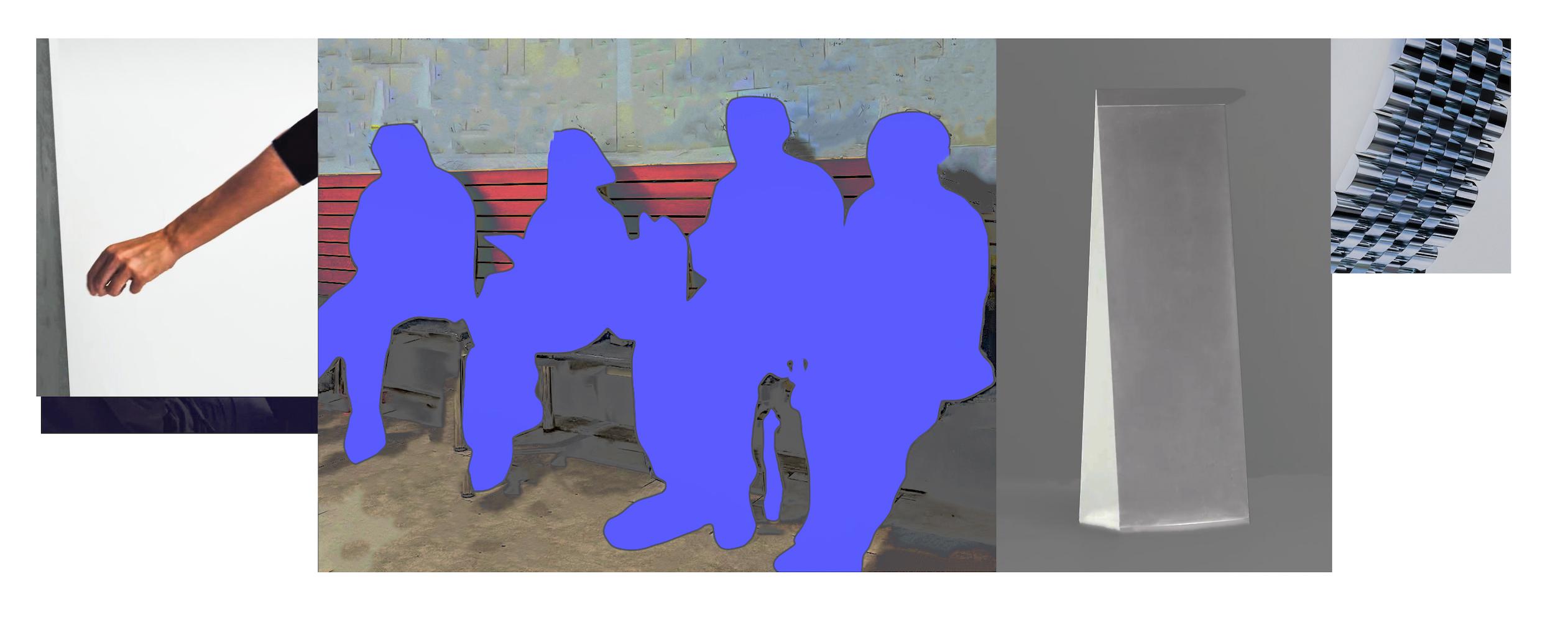
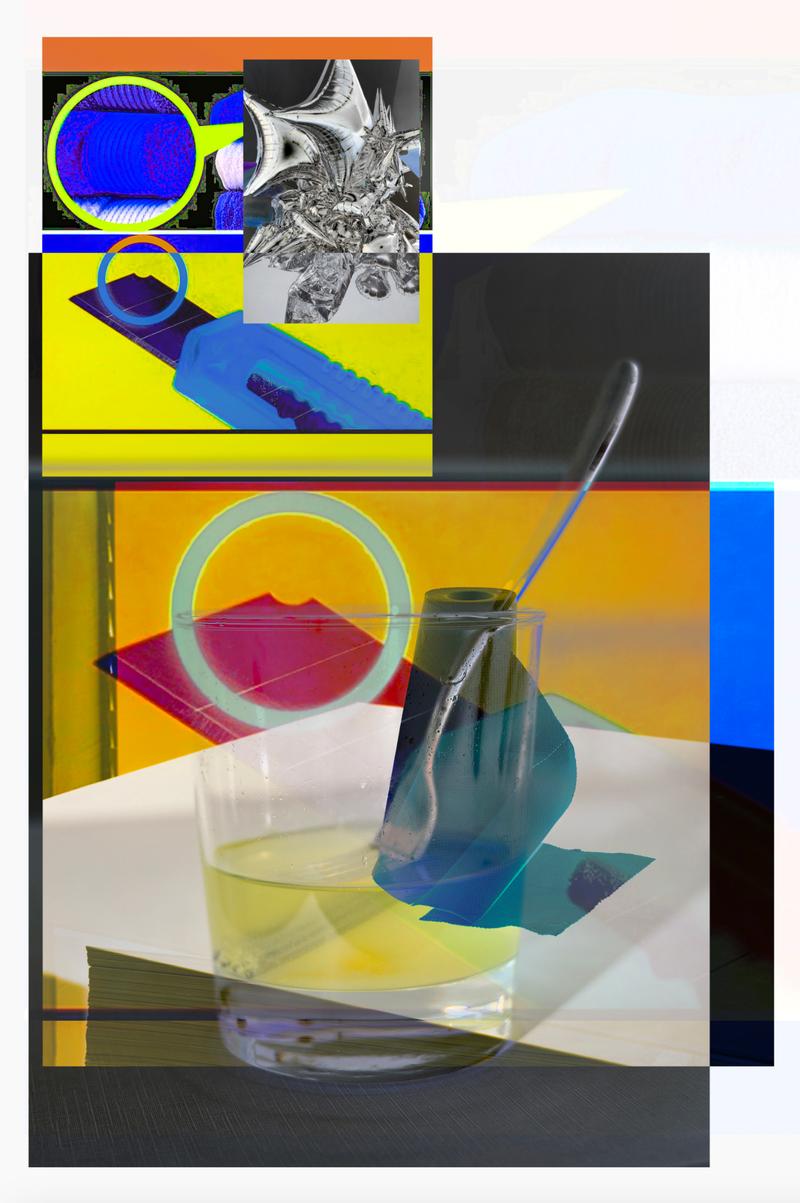
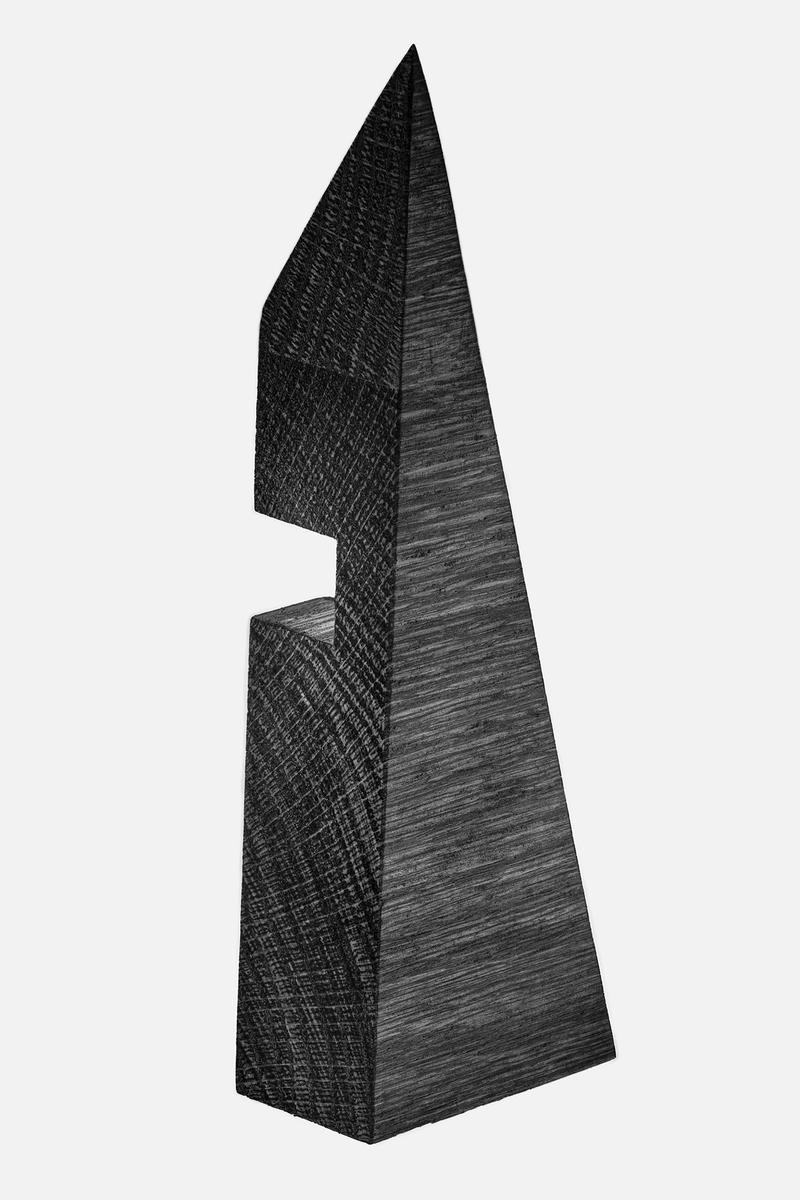
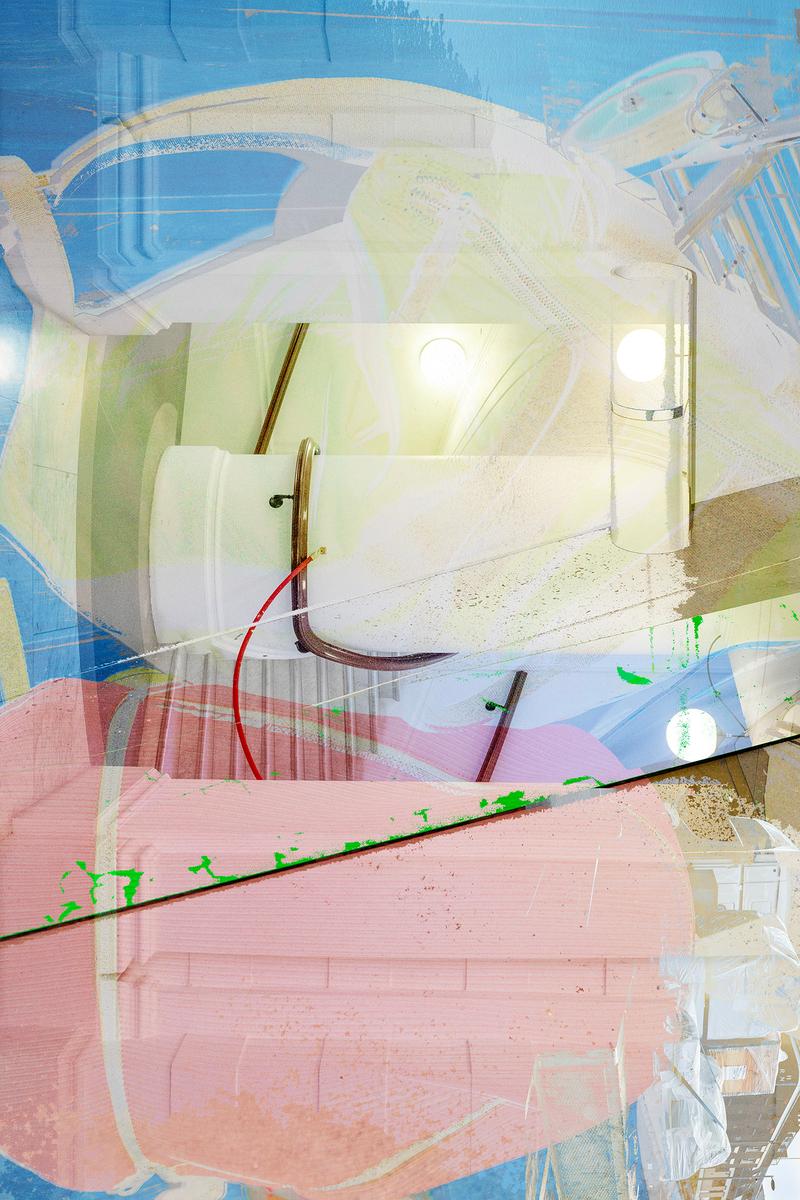
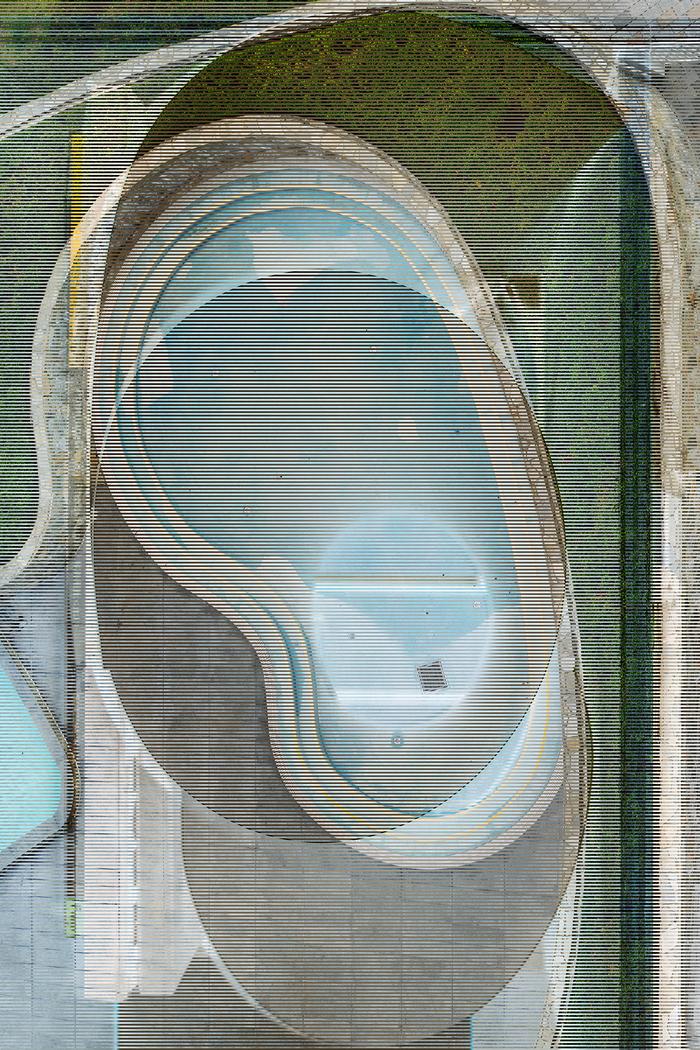
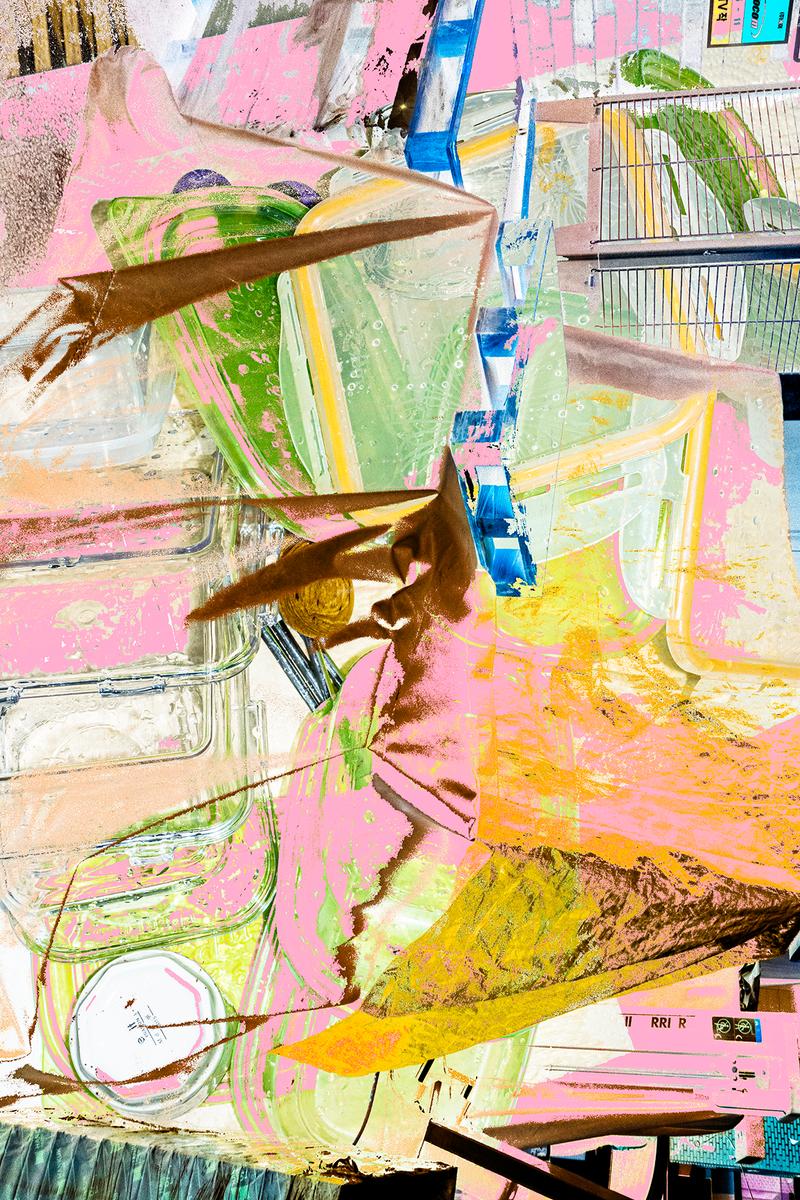
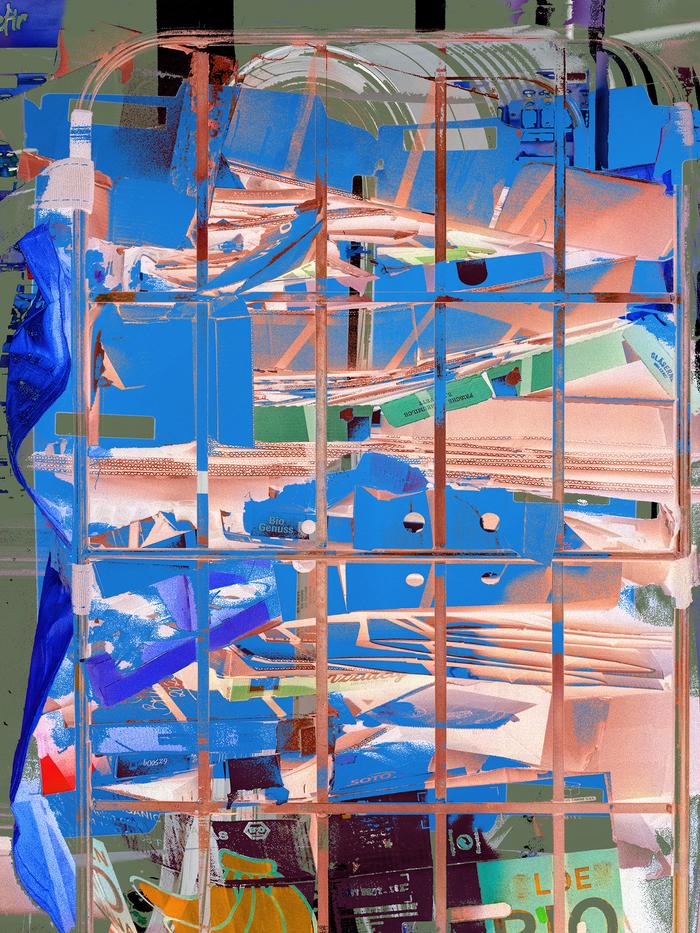
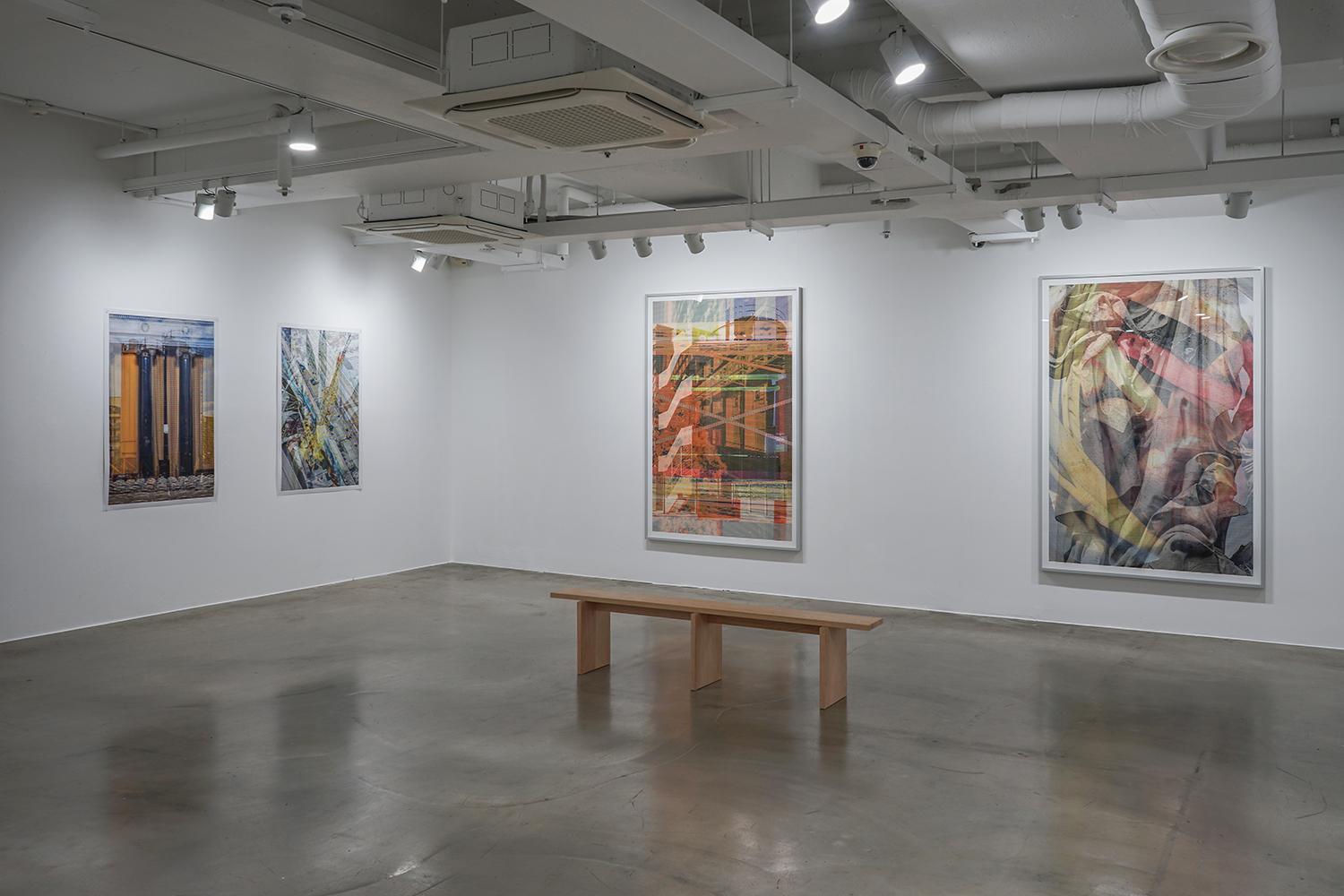
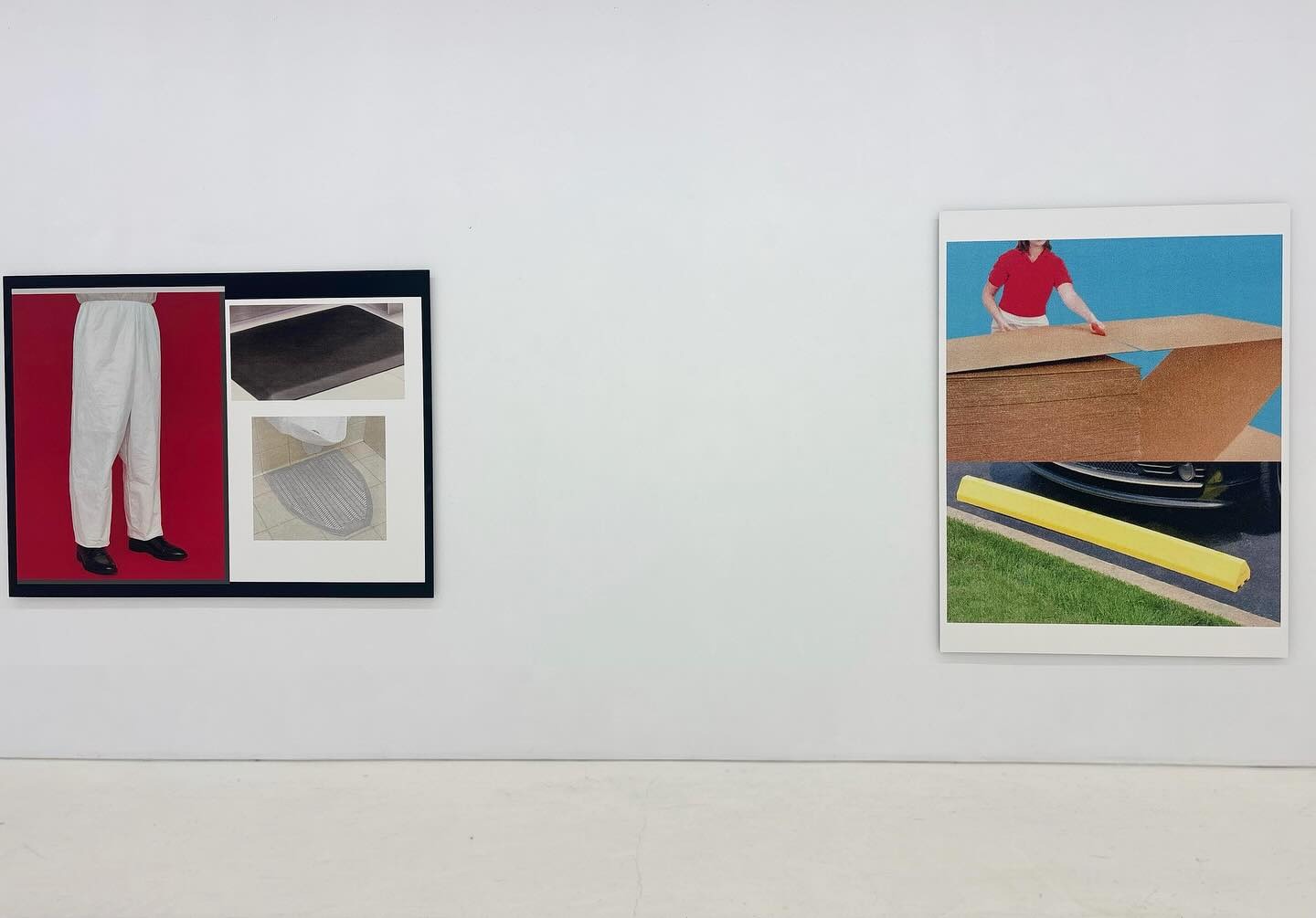
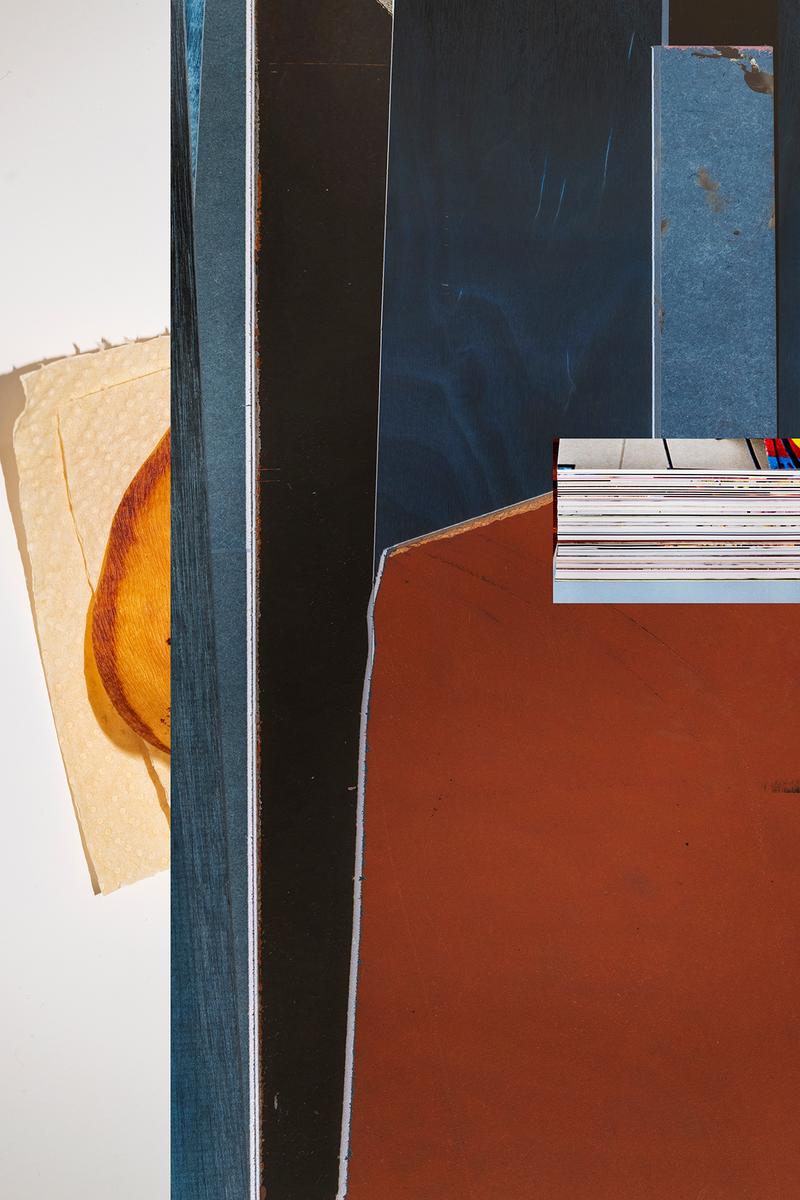
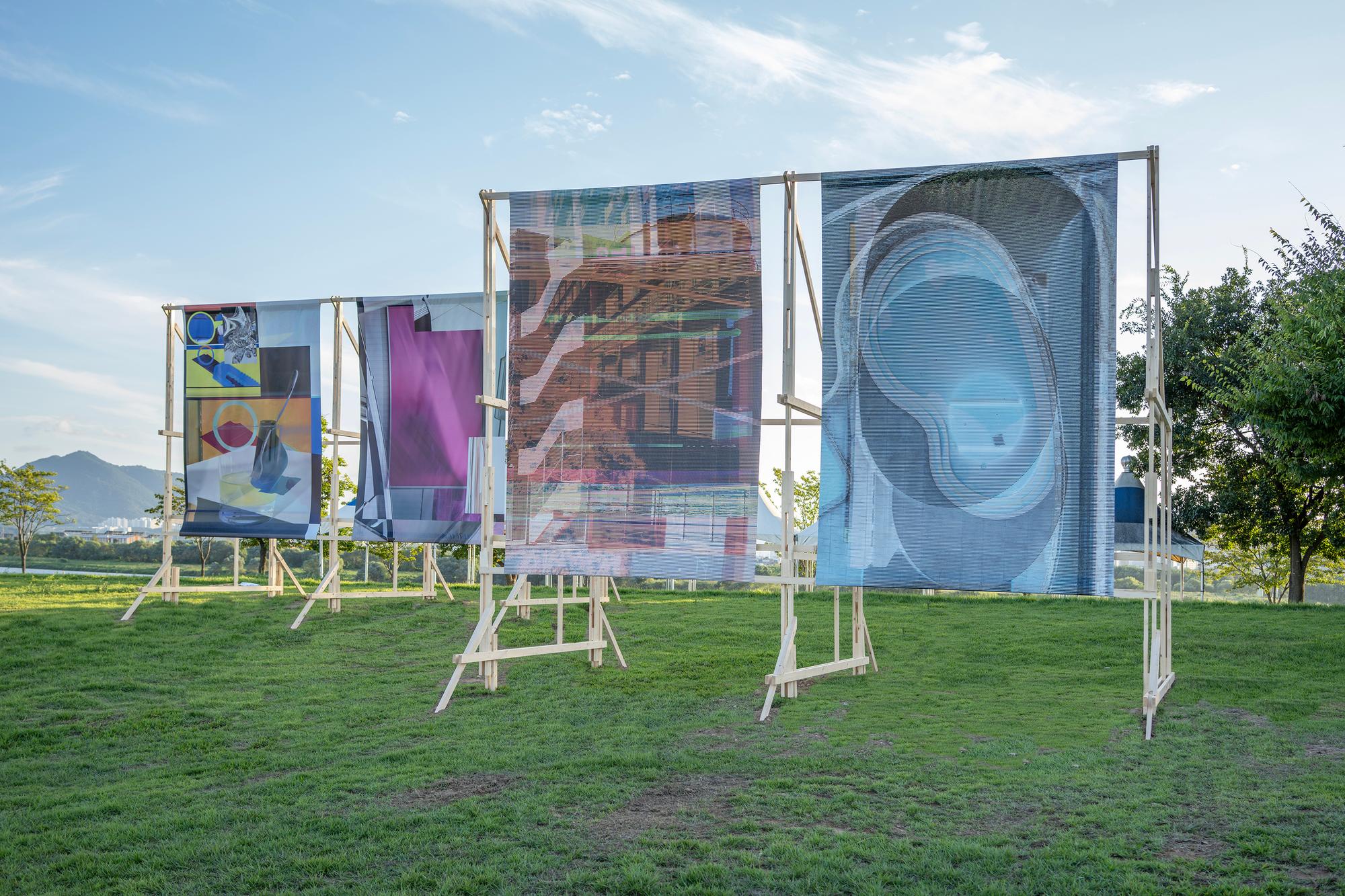
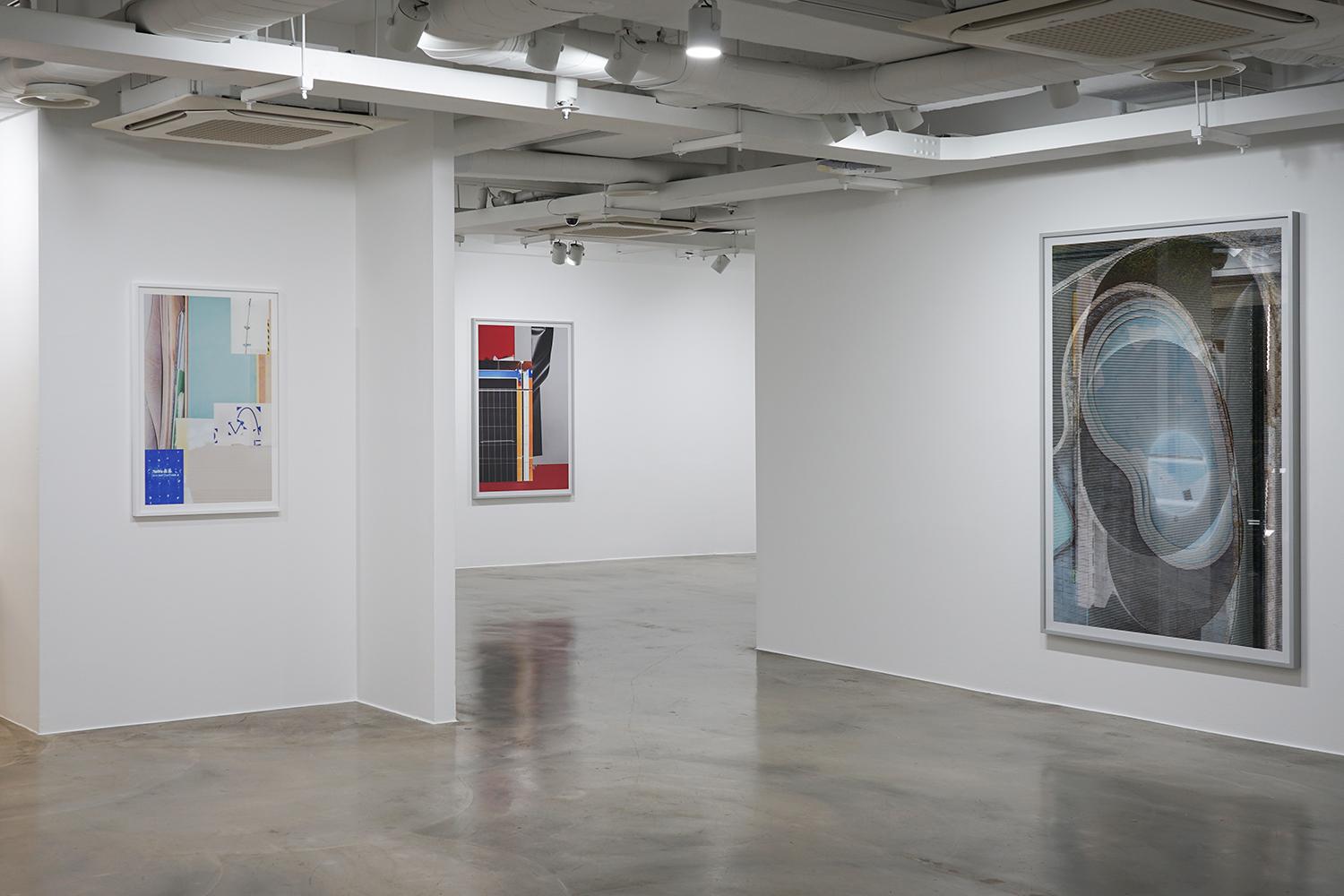
His recent series ‘Equation’ consists of the ‘Equation’ series, in which juxtaposed images eliminate the sense of space and emphasize flatness, ‘Cacophony’ series, which shows color fields like those painted in oil by overlapping images of the same size and extracting and transforming colors in Photoshop, and ‘Arithmetic’ series, in which the repetition of lines overlapping in precise proportions creates an optical illusion.
Seo said that the artistic methodology used for these works was to “expand areas that are not easily defined conceptually” by “utilizing physical, chemical, and cognitive discouragements.” Though different in creative method and results, these series embody the artist’s argument that ‘when meanings, emotions, and narratives are separated from the object, one can see the reality of what is seen.’
When sharing a visual experience through an image, is the recipient of the image able to see only the image itself (its reality), setting aside what he or she thinks. In the photographs of Dongsin Seo, who has been selected as the final artist in a program supporting Korean photographers every year, what exactly is it that makes us unable to take our eyes off them?—even though his photographs, finished with sensuous images and appropriate techniques, look familiar as if we have seen them somewhere, and his perspective on ‘ways of seeing’ is nothing particularly new.
Looking at his photos where heterogeneous images are mixed in the frame, viewers look for the value of the unknown χ in their own way. Listing several valid answers, they ask questions: ‘How was it made?’ and ‘What is this?’ Seo tells them to see what is seen now with their eyes rather than focusing on ‘how’ or ‘what.’ Those who are standing before his photographs come close to them to see the unclear images.
Just as solving a complex equation takes a long time, the time their eyes spend fixated on the photograph, finding shapes one by one hidden in its multiple layers, that is, the time it takes for them to reach an understanding, increases as much as the number of their steps. Perhaps, it would be a way to ‘expand areas that are not easily defined’ as he said that securing a certain amount of time and delaying the viewer’s judgment.
Edmund Husserl, who is said to be the founder of phenomenology, argued that it is necessary to withhold one’s judgment because thinking hastily that one knows is a source of serious error. He defines the thought process of this ‘suspension of judgment’ as epoché and adds that ‘suspension of judgment’ is inevitable to recognize the essence of all things properly.
The suspension of judgment, as defined by Husserl, is to discard existing preconceptions or prejudices and adopt a purely open attitude to reach the pure existence as it is and to change from an attitude of personal interest to a pure universal one that goes beyond individuality.
Perception is deeply intertwined with an individual’s experiential, emotional, and cognitive frame. In a sense, ‘seeing as it is’ is a negotiation in the time in which the presented image and the viewer’s perspective are tangled like a complex web.
By providing not only the temporal interruption, in which a visual stimulus is briefly separated from its past and future association but also the suspension of judgment, Seo’s photographs lead us to experience different sensations of time-space. This may be one reason that we are paying attention to his work, though we are ‘unable to express’ it.
In other words, in this era when no one sees images, his production method, which seems at once old-fashioned and new, makes our eyes linger on images, and during that time, his photographs suspend our judgment to look only at the image itself. Additionally, this is not a passive process but an active participation in the work, and the artist only delays the time of participation and recognition.
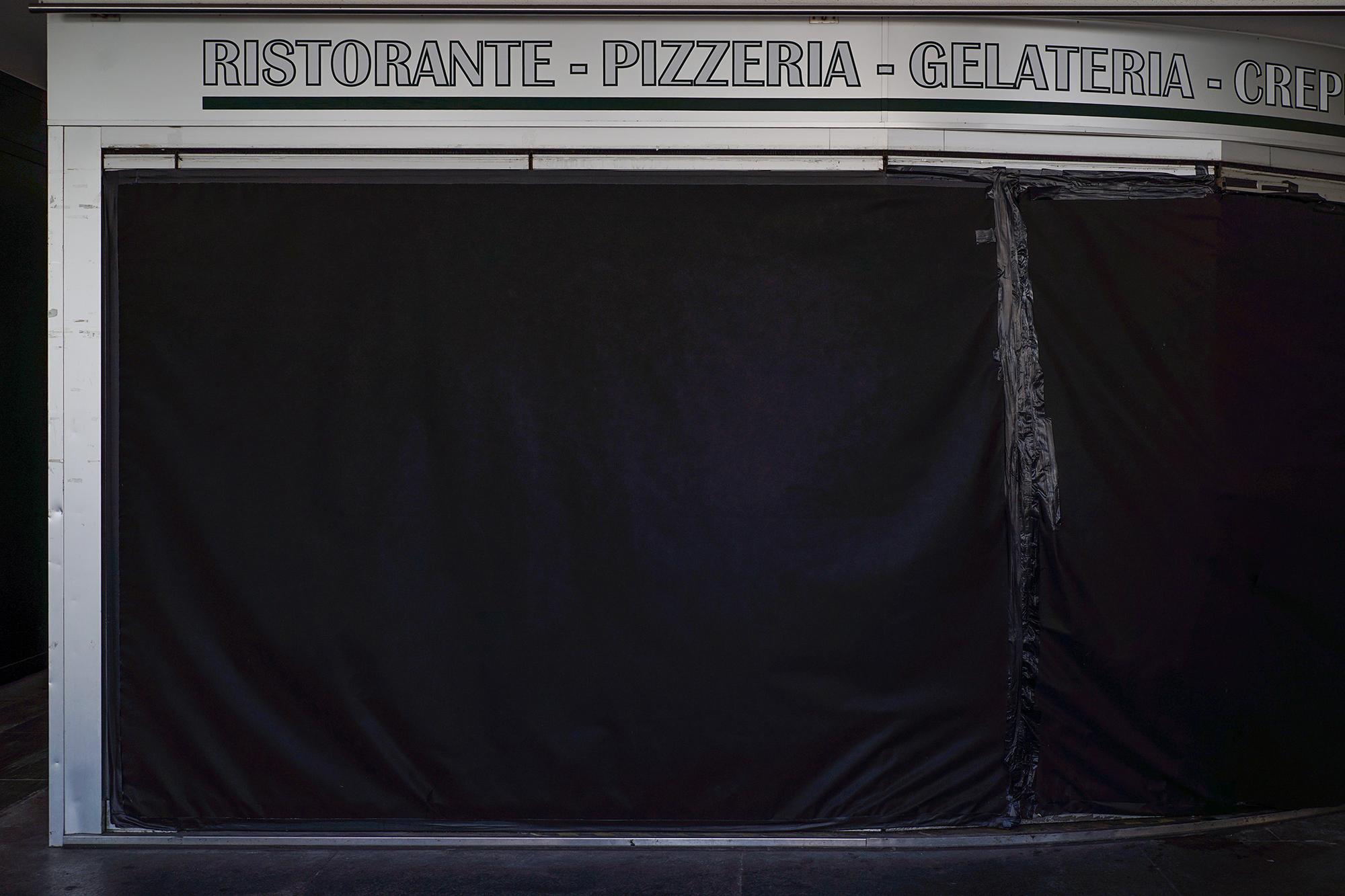
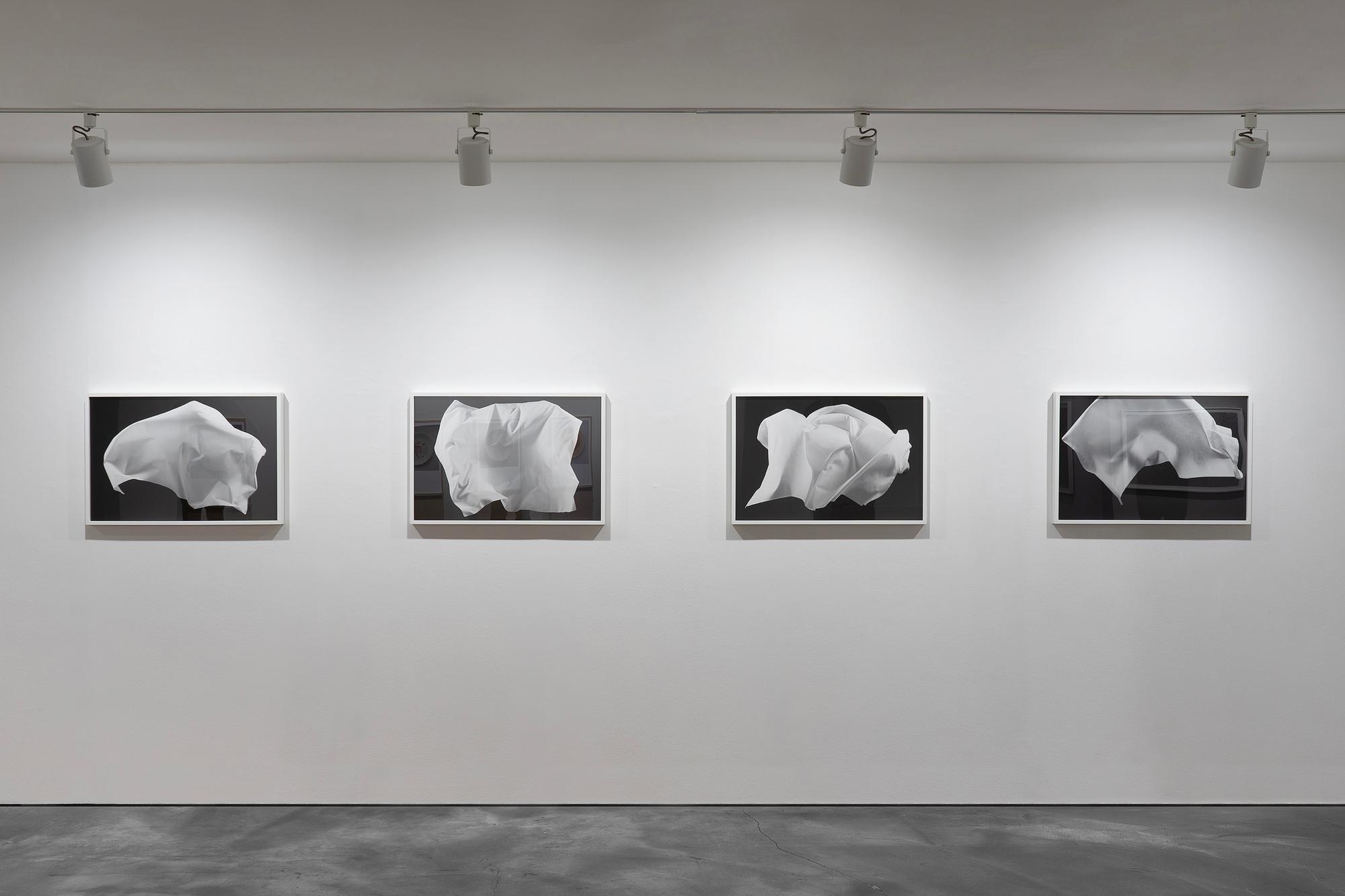
Likewise, his previous works, Entropy I (2017-2019), Entropy II (2020-2022), Dust Off (2019), and Flush Down (2019) are on the same track of the suspension of judgment as in the ‘Equation’ series, although different in creation method and result. In his photo book Entropy II (Seoul: Apeak Press, 2023), the artist blocks the path to recognition by segmenting the correlation between language and image using the uncomfortable editing of separating images and captions.
Paradoxically, by being bound together under the word ‘entropy’ and into a book, those ‘temporary’ images that were gathered extensively and intuitively are organized from disorder to order. Just as the value of the unknown χ in an equation has a finite number of possible values within the range that can be expected according to rules, the reality of the image he intends to show will fall under a few stereotyped chains.
Because Seo has worked with images as a photographic medium for a long time, it is assumed that he has acquired the ability to create sophisticated and ‘well-finished’ photographs. His photographs function not as a record of reality but as a means of preserving the senses and a technical support.
Rather than classifying and defining photography morphologically and conceptually based on the extensive time he spent exploring photography and a tremendous amount of his photographic work, how about using the time of delay he provided for each image to start reading again from the beginning how, what, and why the image confronts us as ‘photography’.