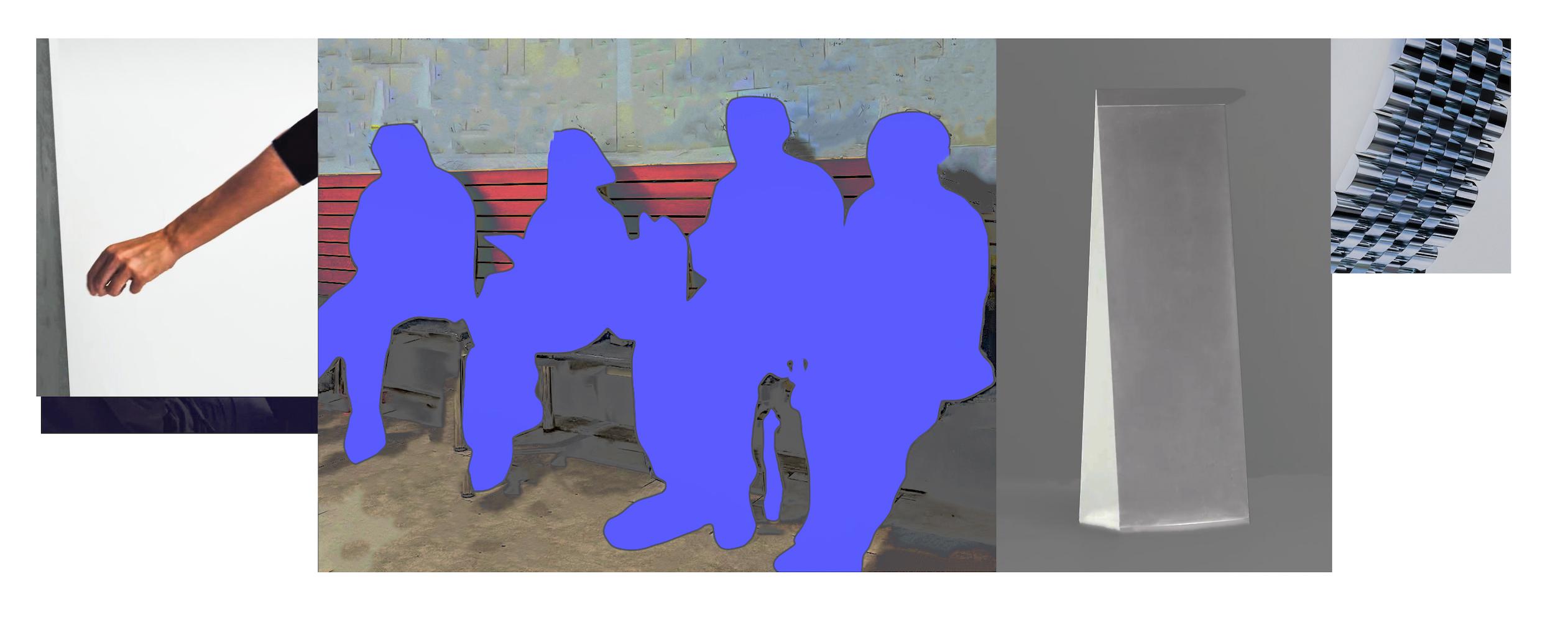
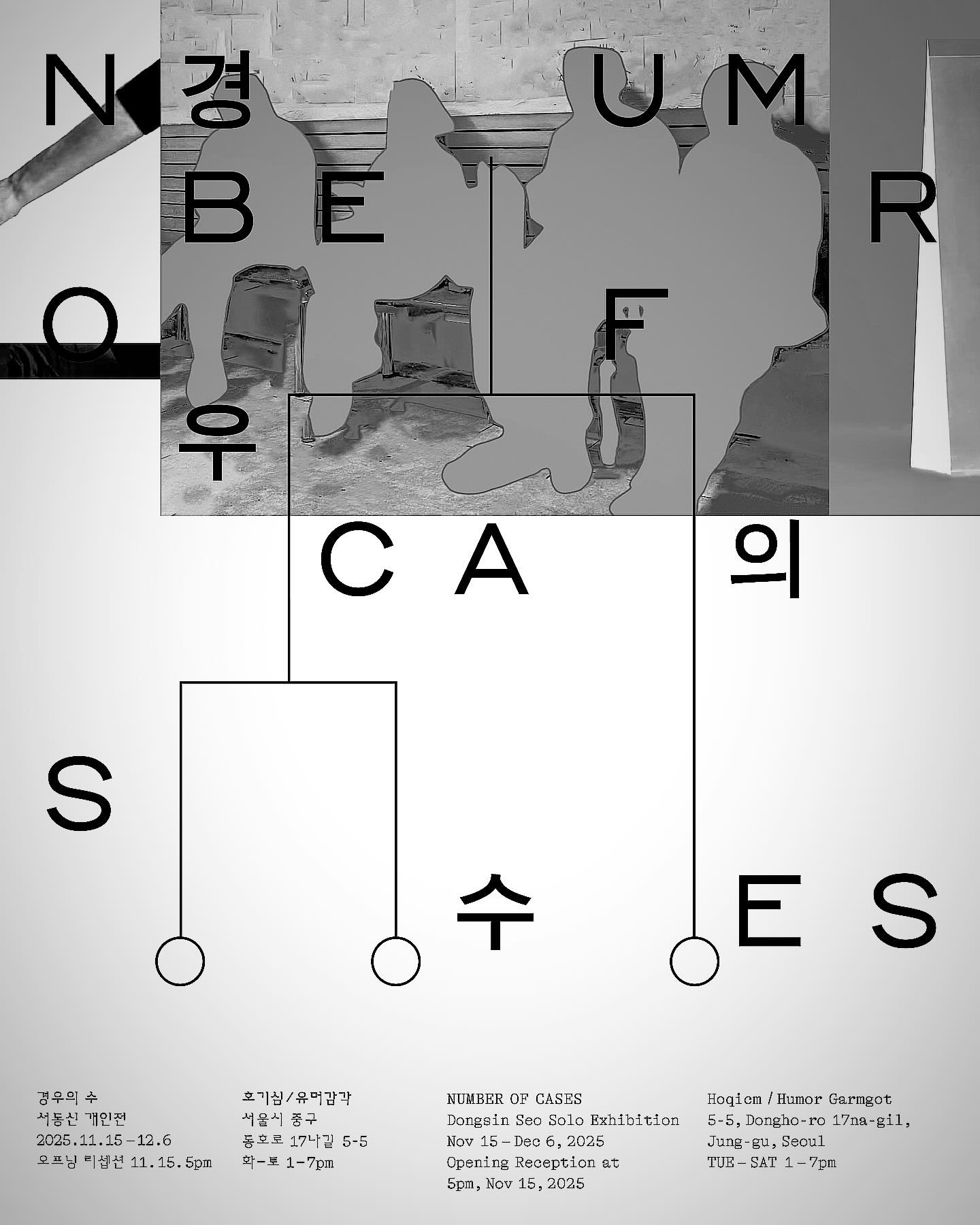
Dongsin Seo uses images captured from everyday life as the primary material for his practice. He photographs ordinary objects and surroundings with a compact digital camera, then selects, rearranges, and recombines images from this accumulated archive.
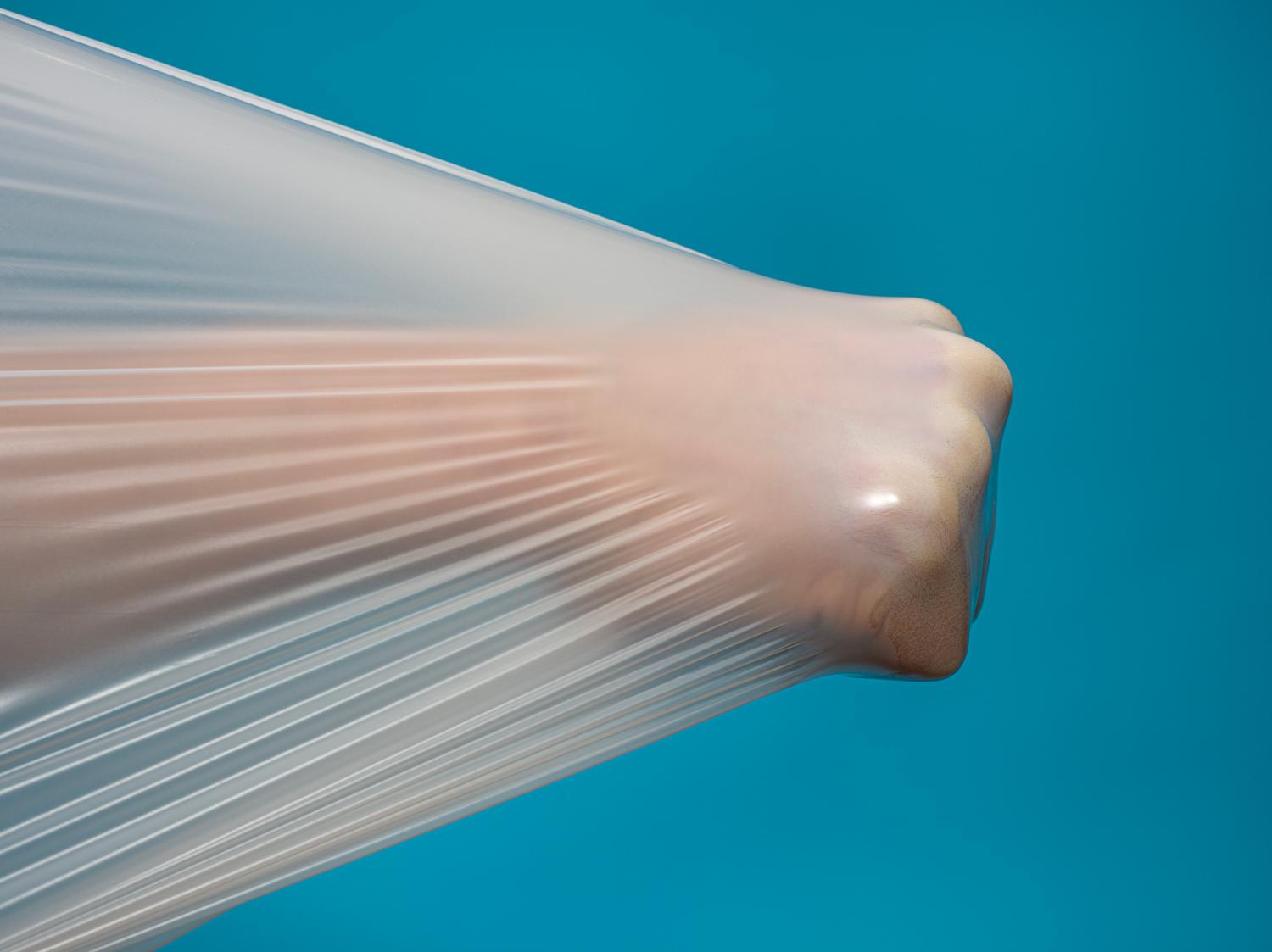
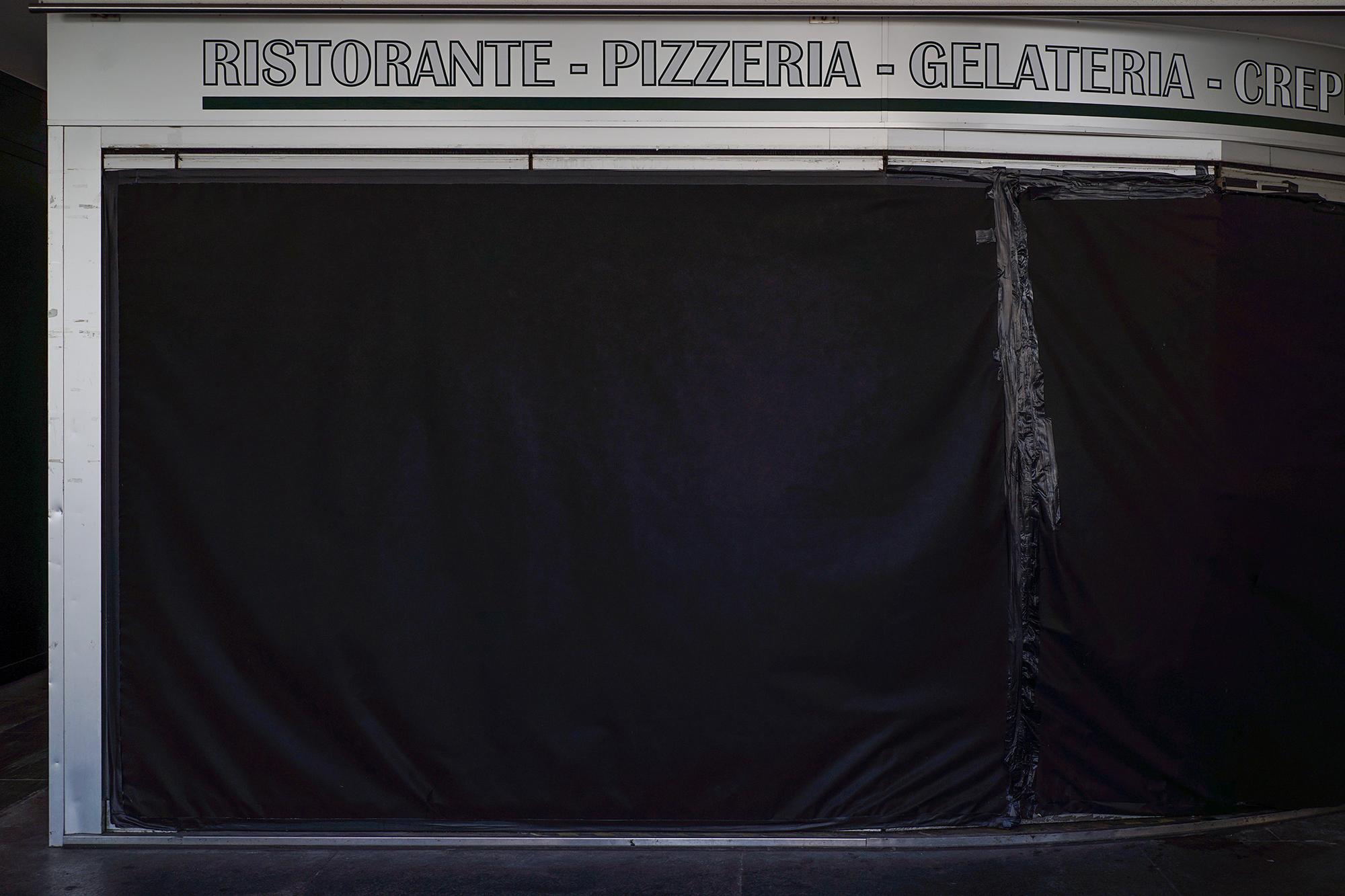
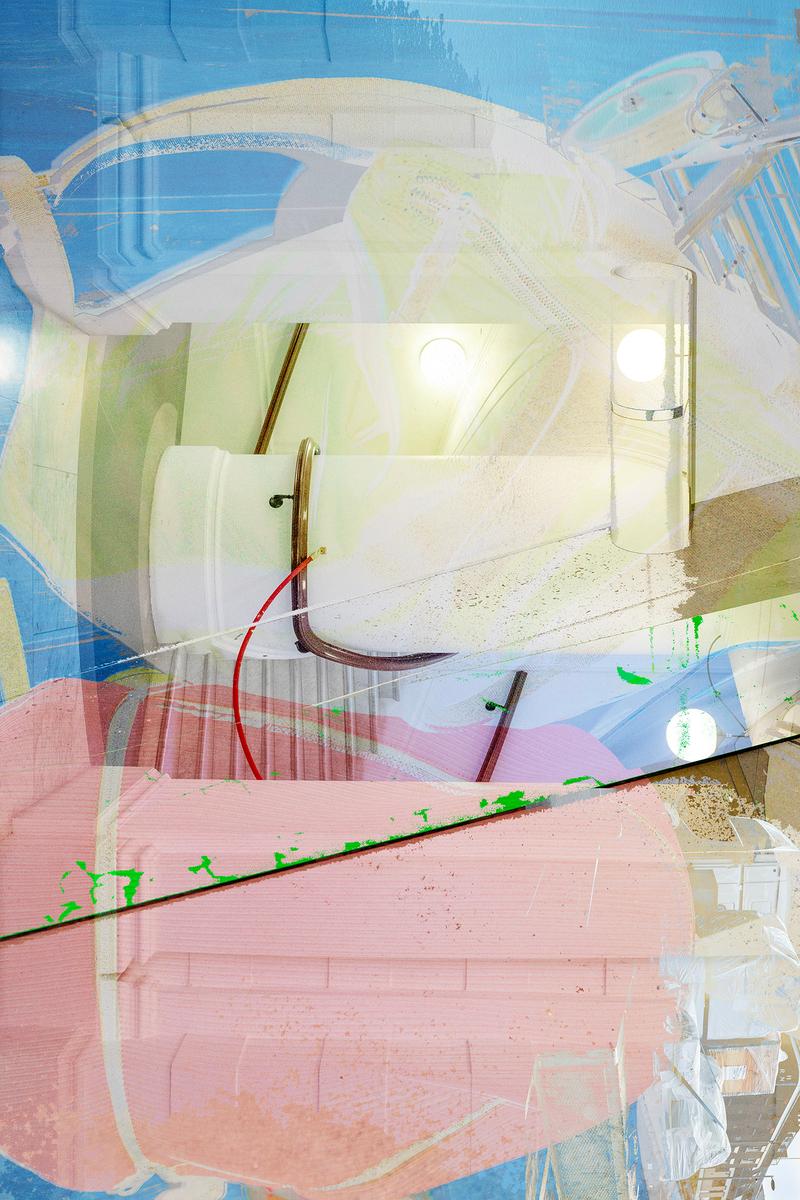
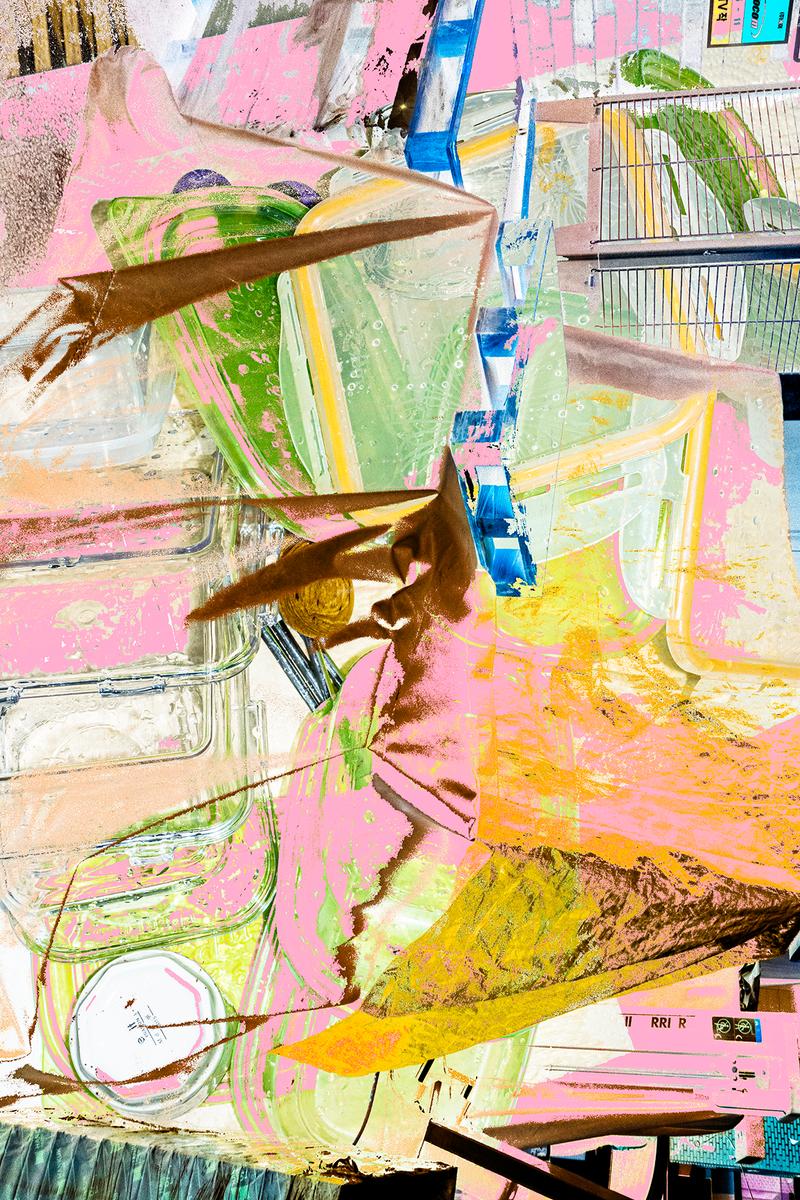
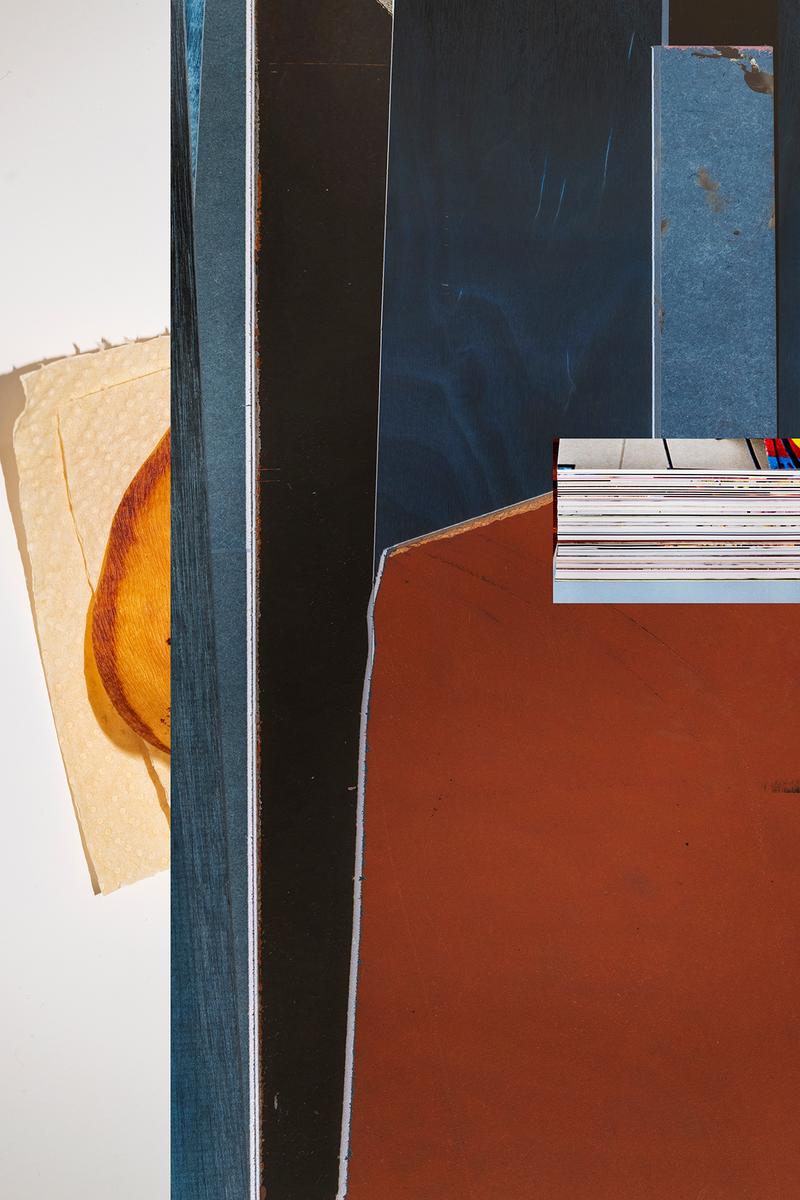
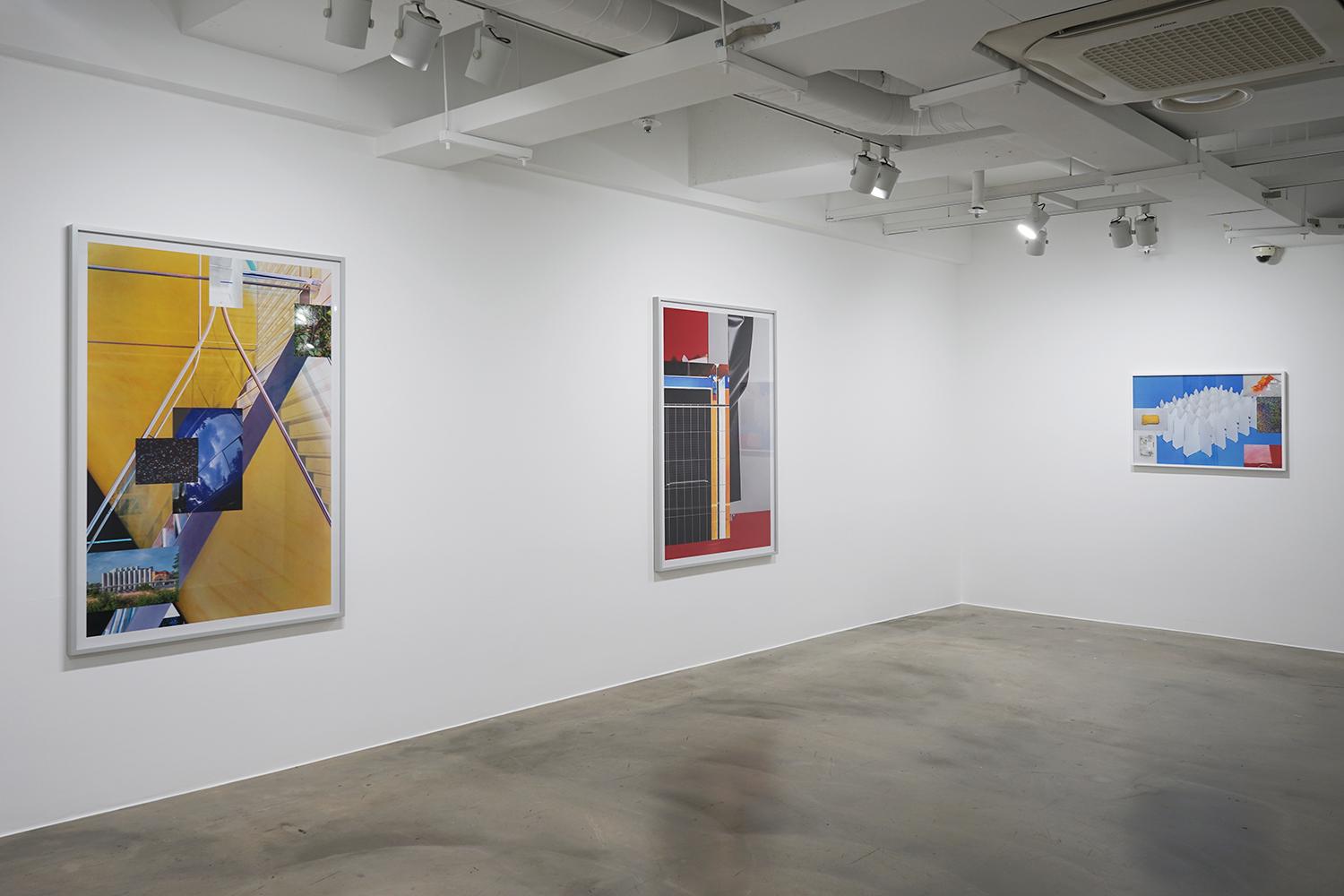
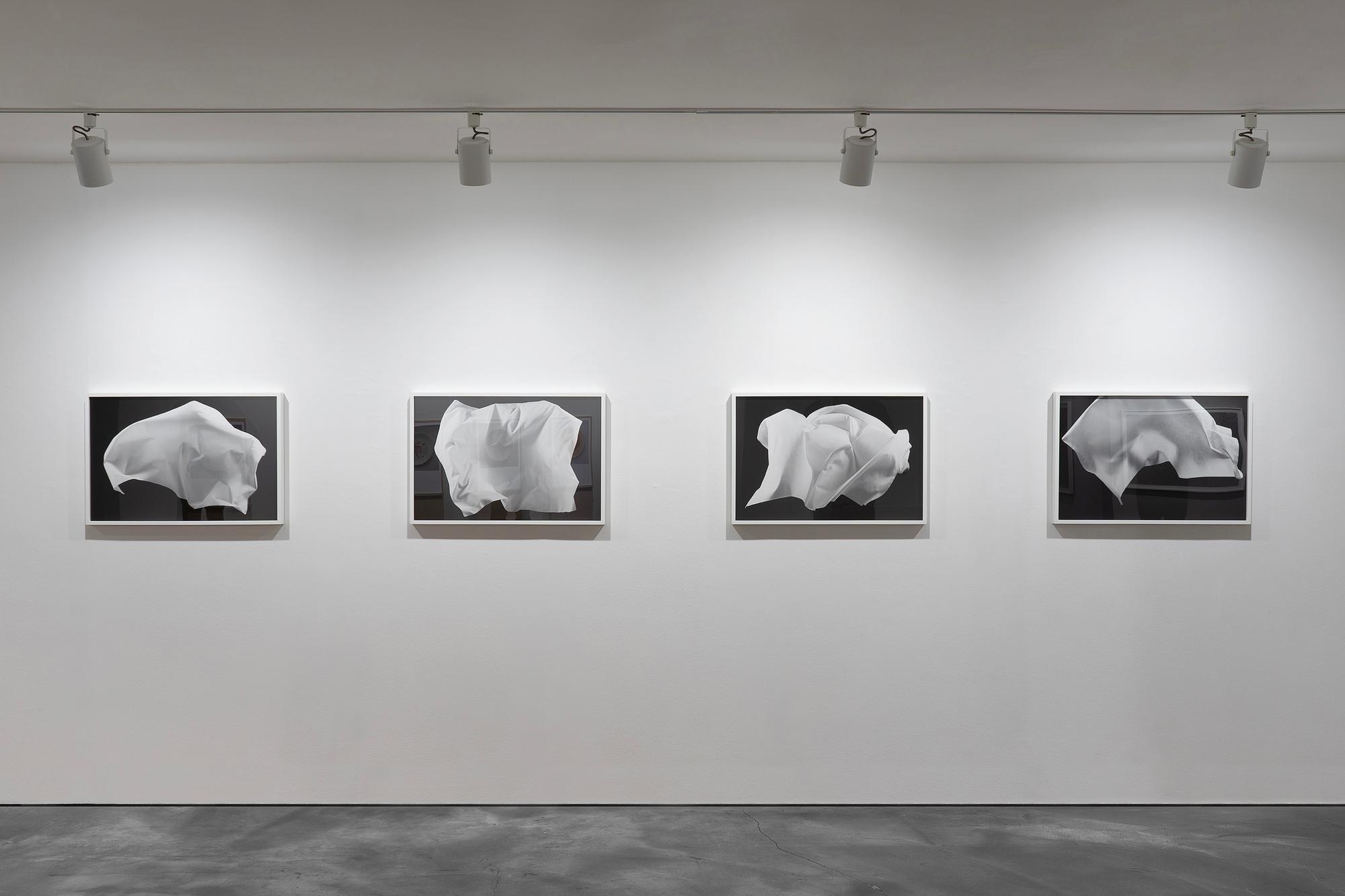
In the 'Entropy' series, familiar subjects such as tables after meals, stacked dishes, construction materials, and temporary screens are photographed at close range or partially framed so that their original scale and function become difficult to identify. Color, repeated lines, and surface textures gain prominence, gradually shifting the perception of concrete objects toward relationships of form and color.
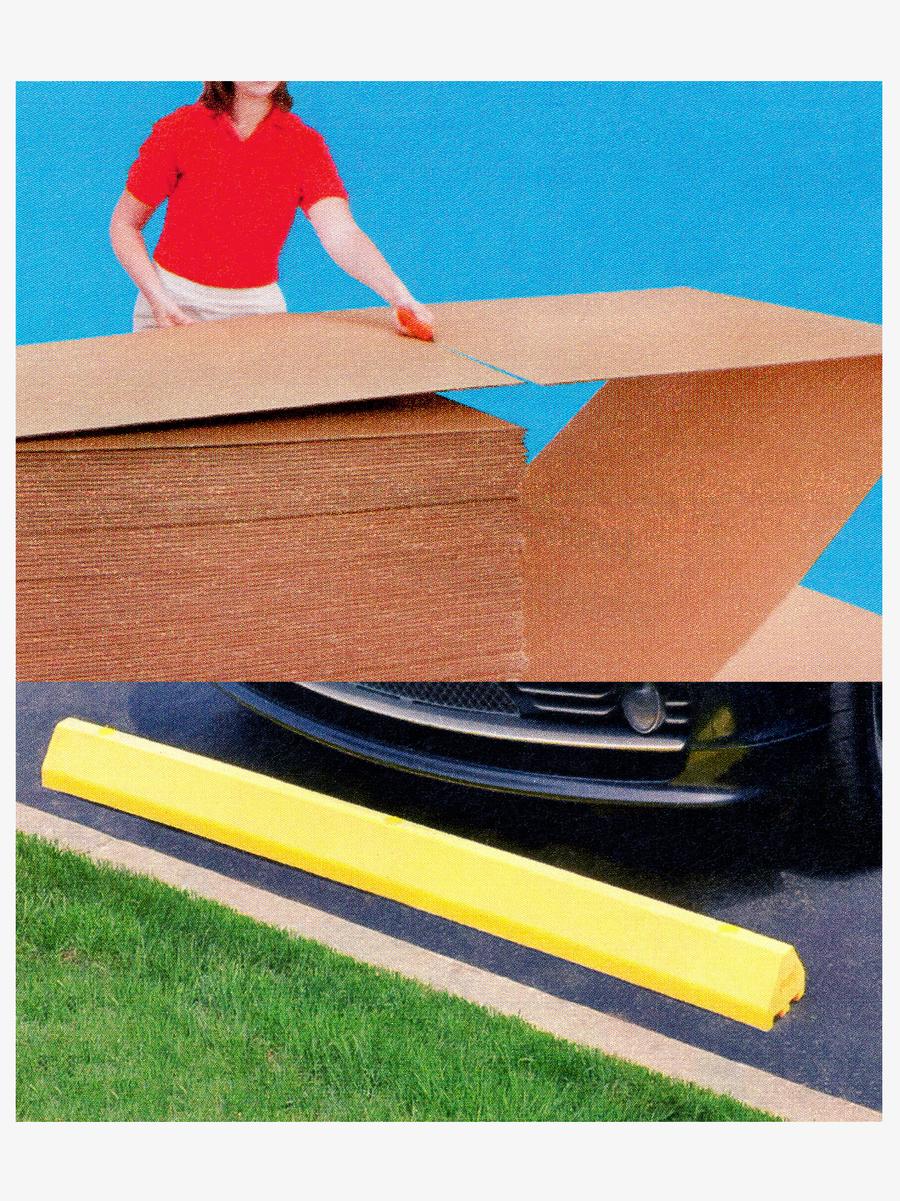
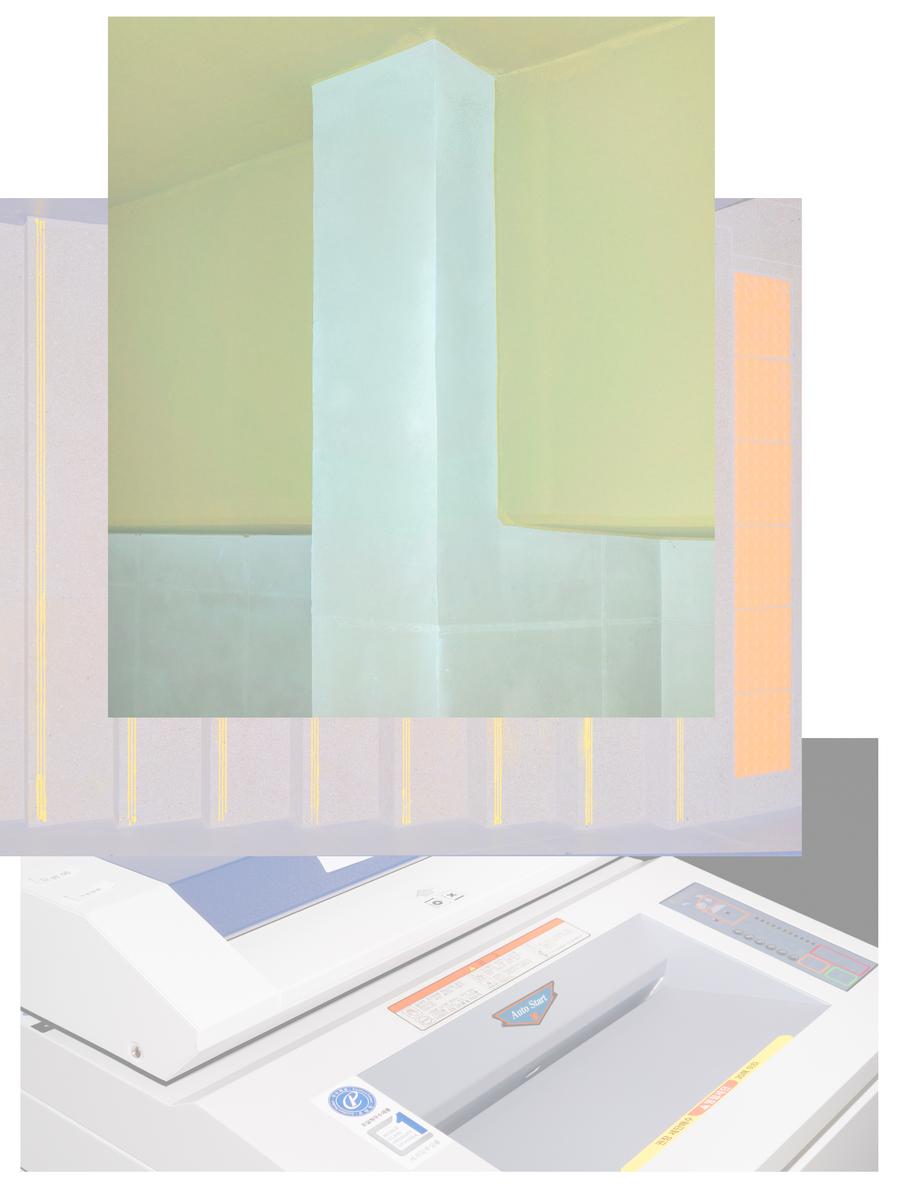
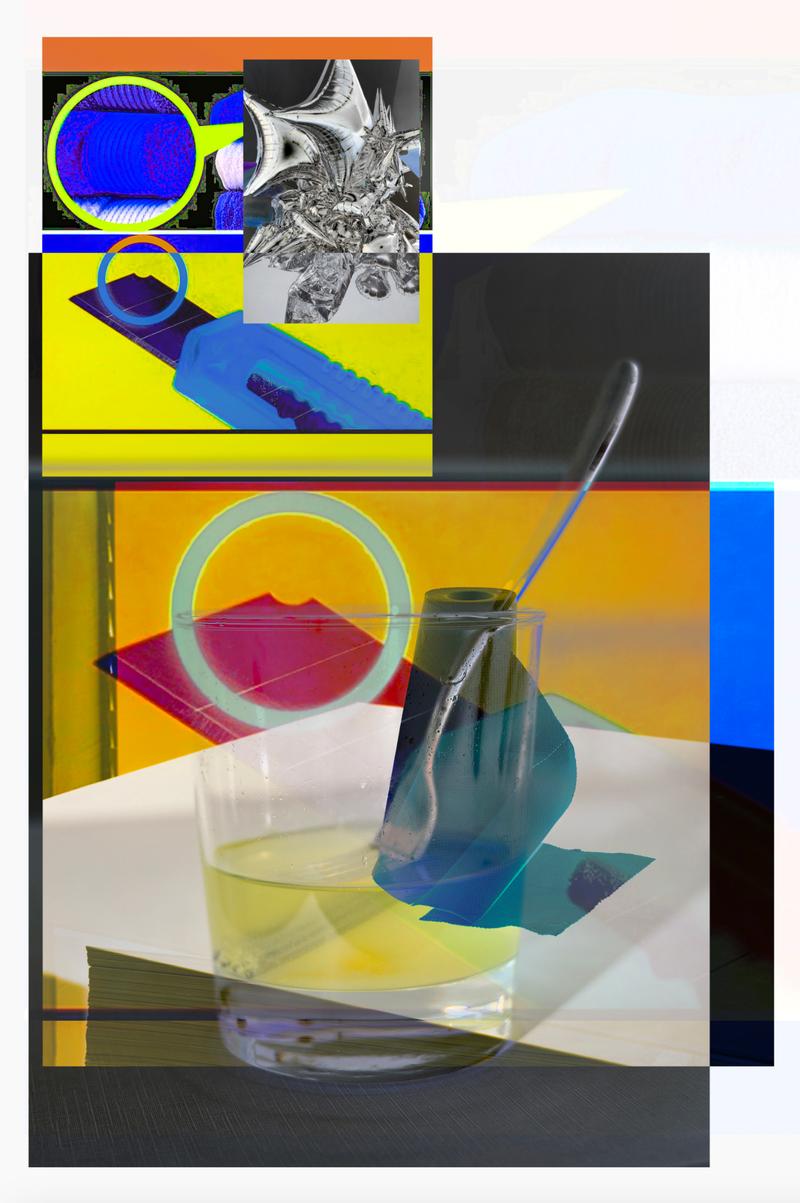
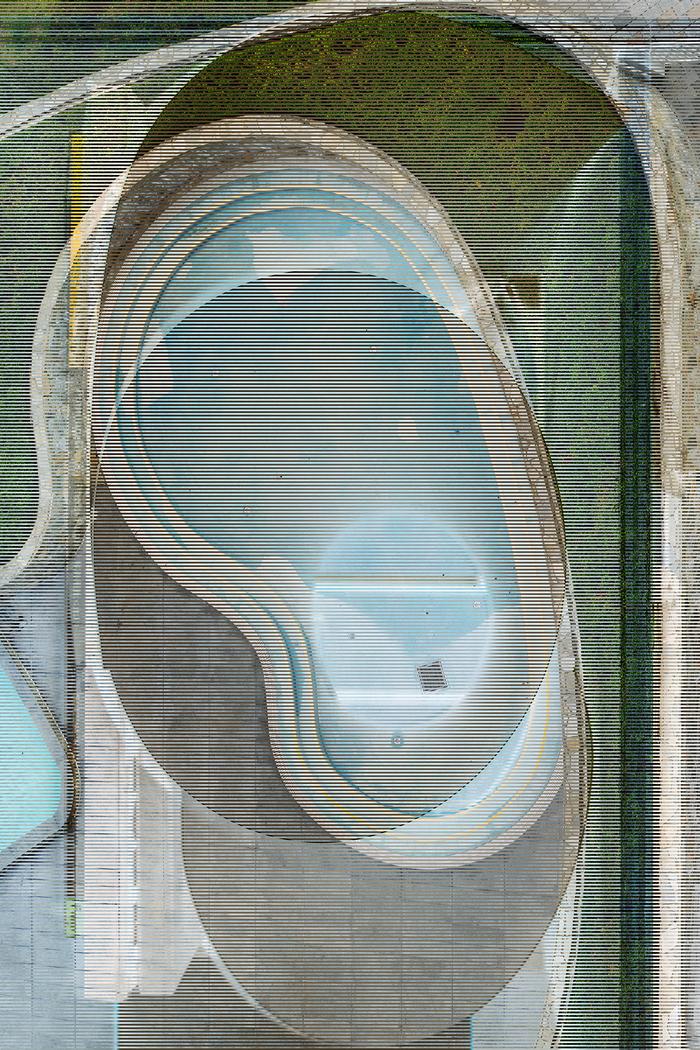
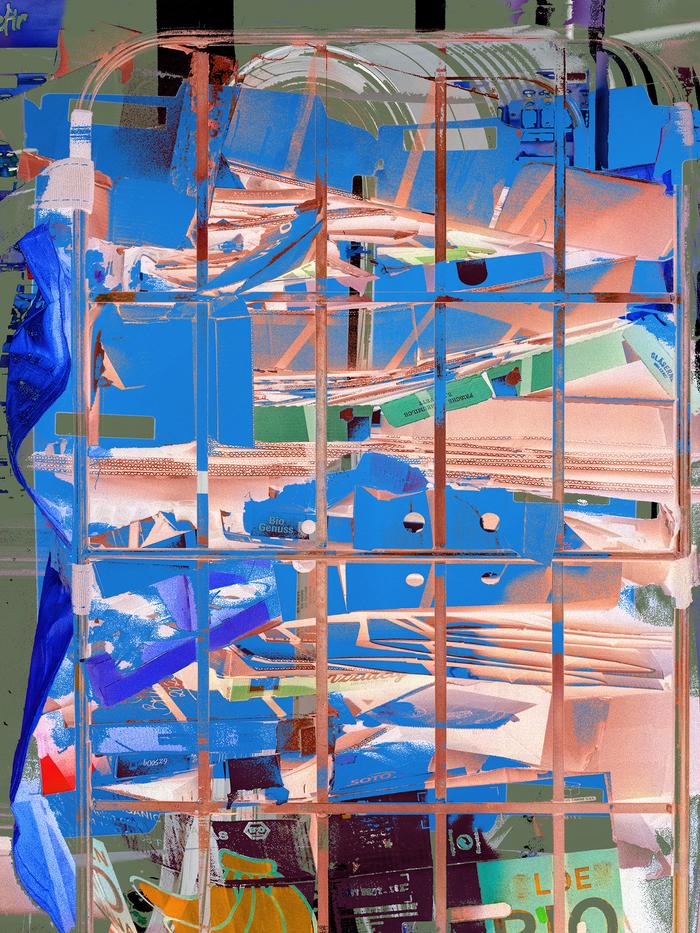
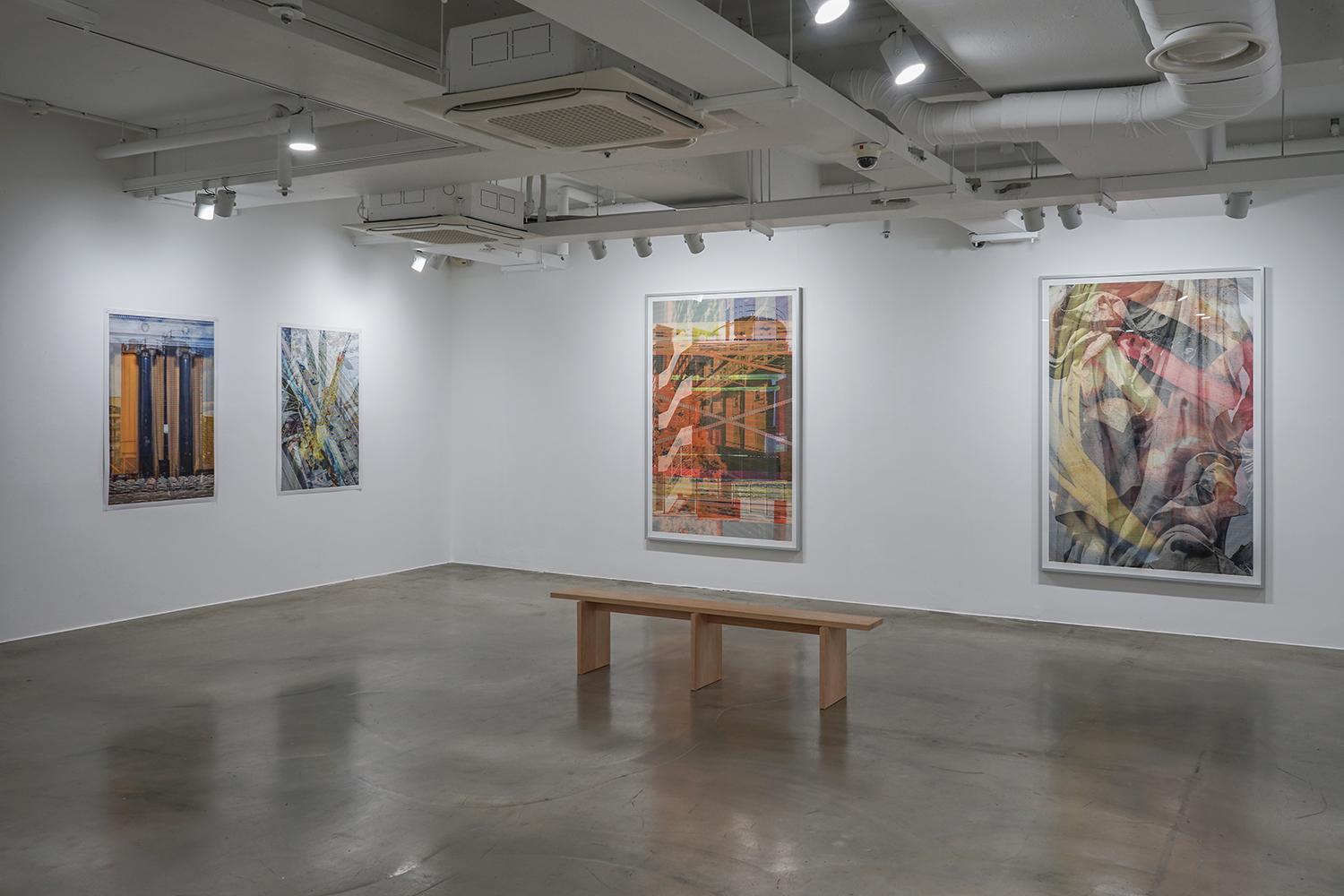
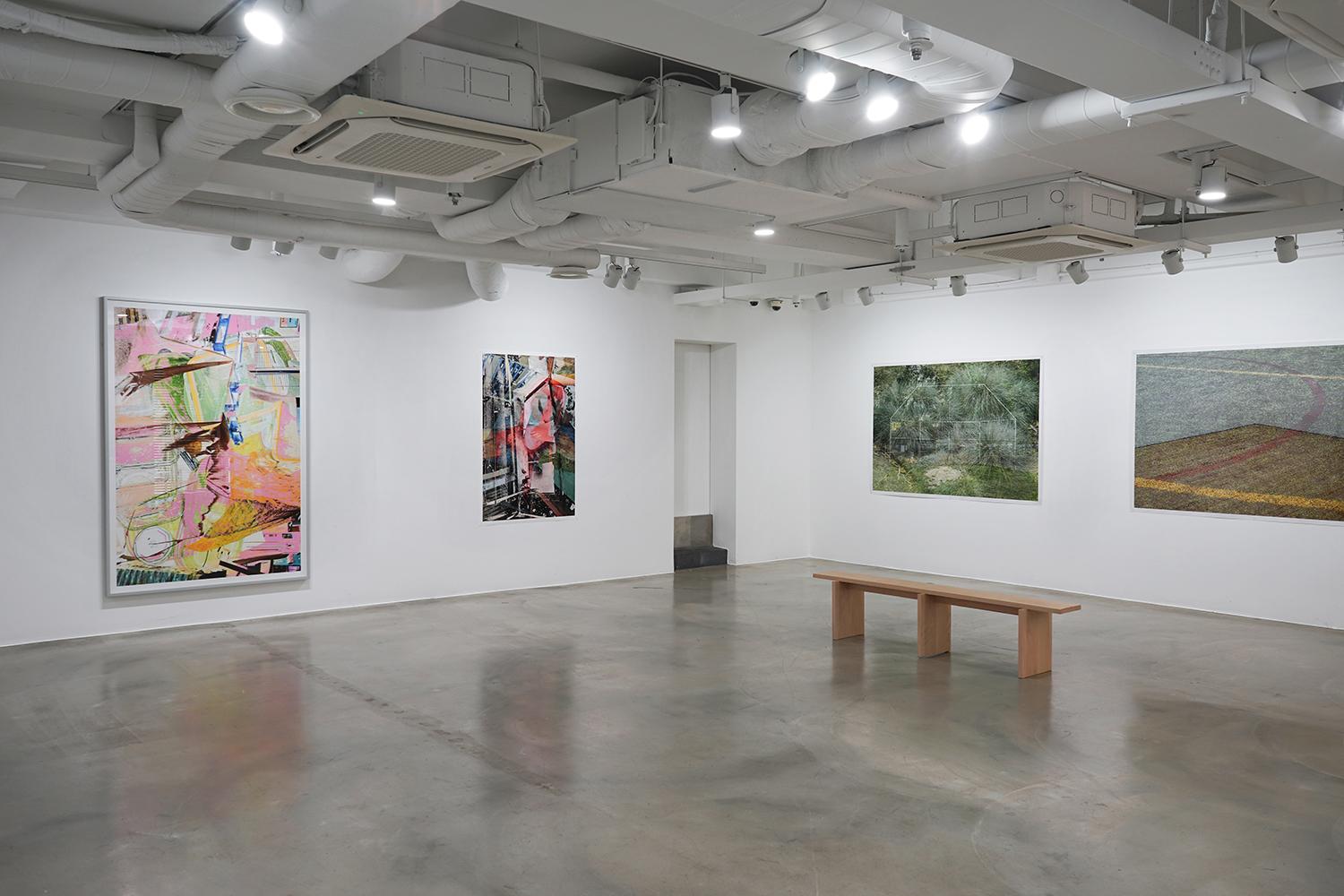
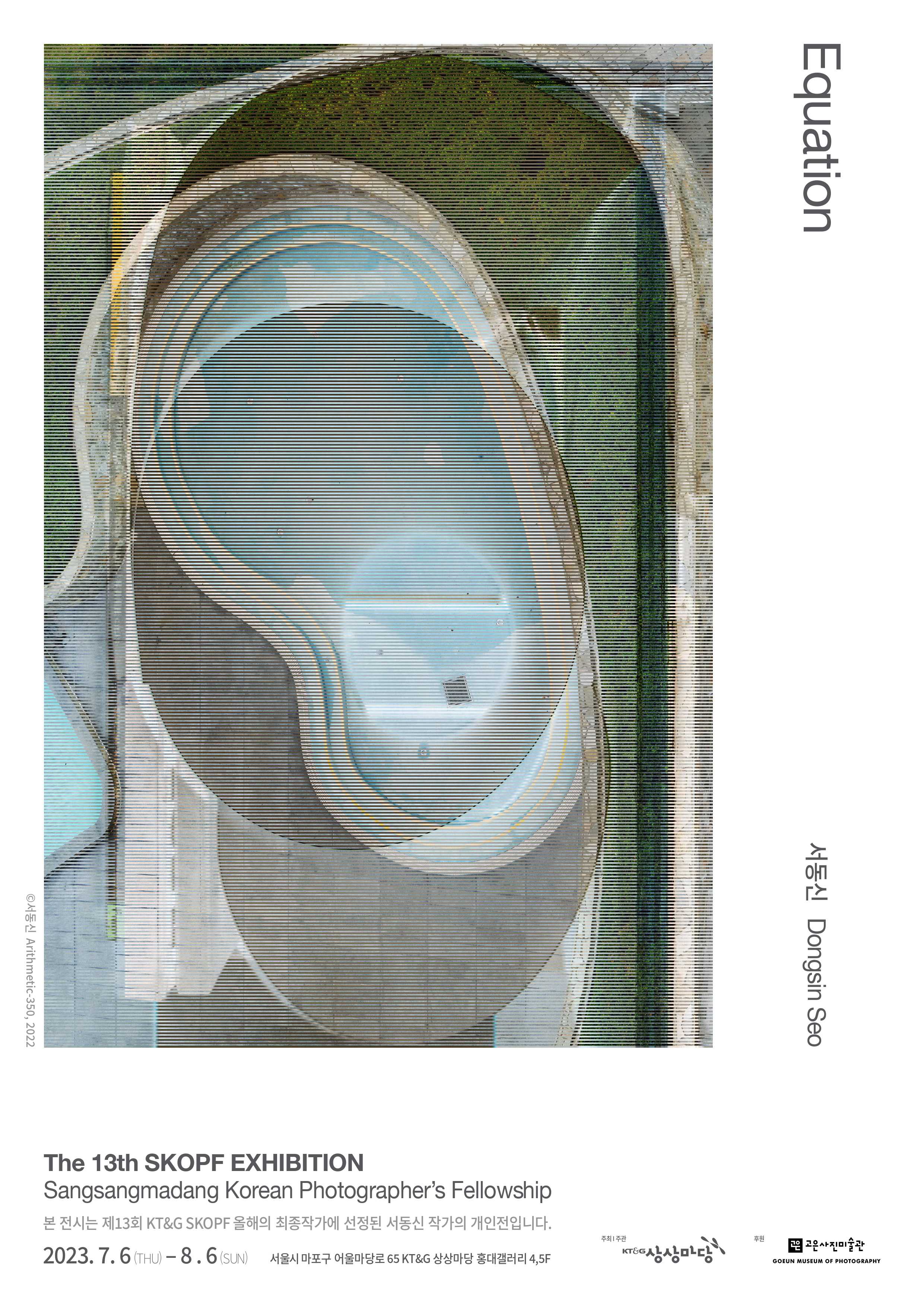
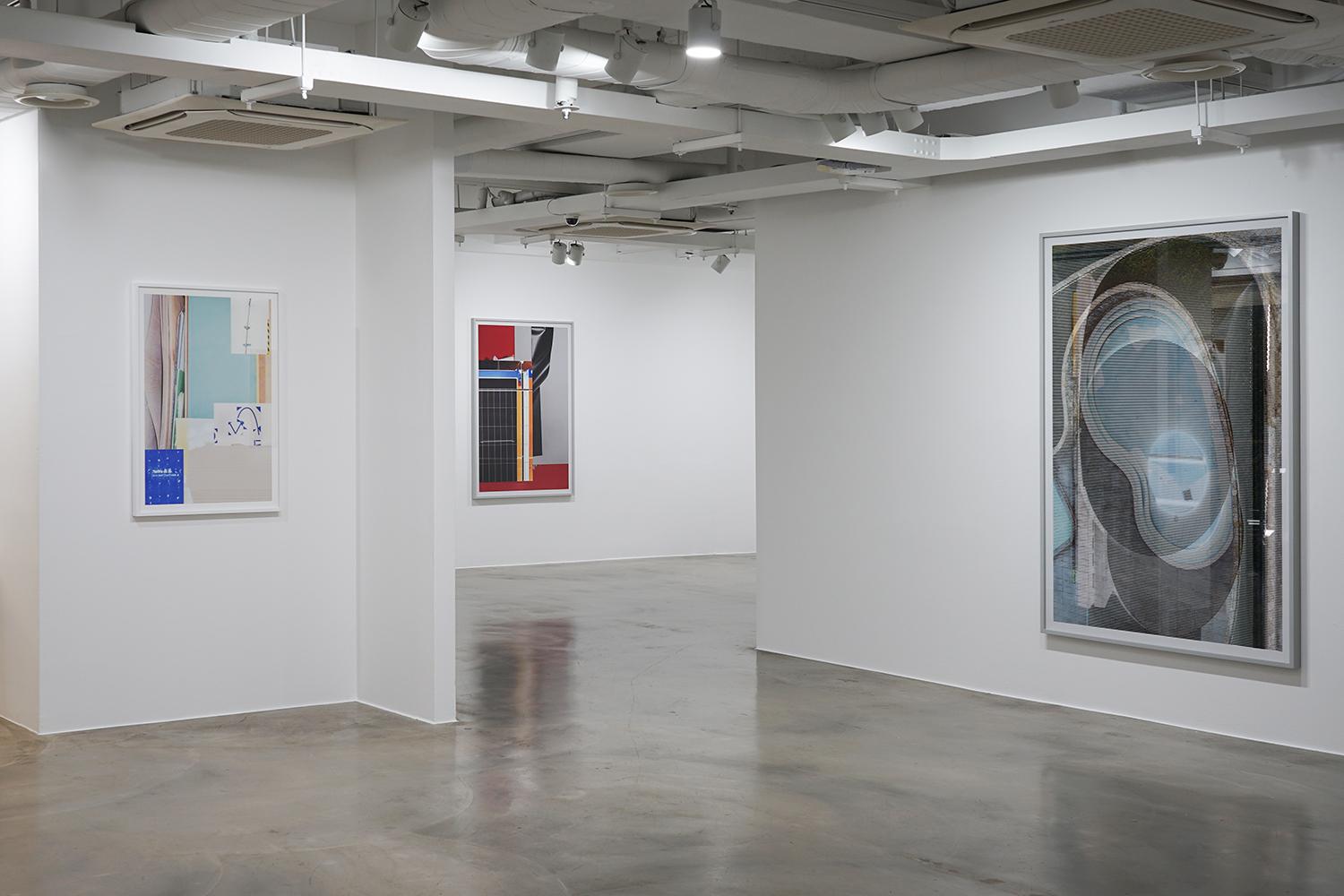
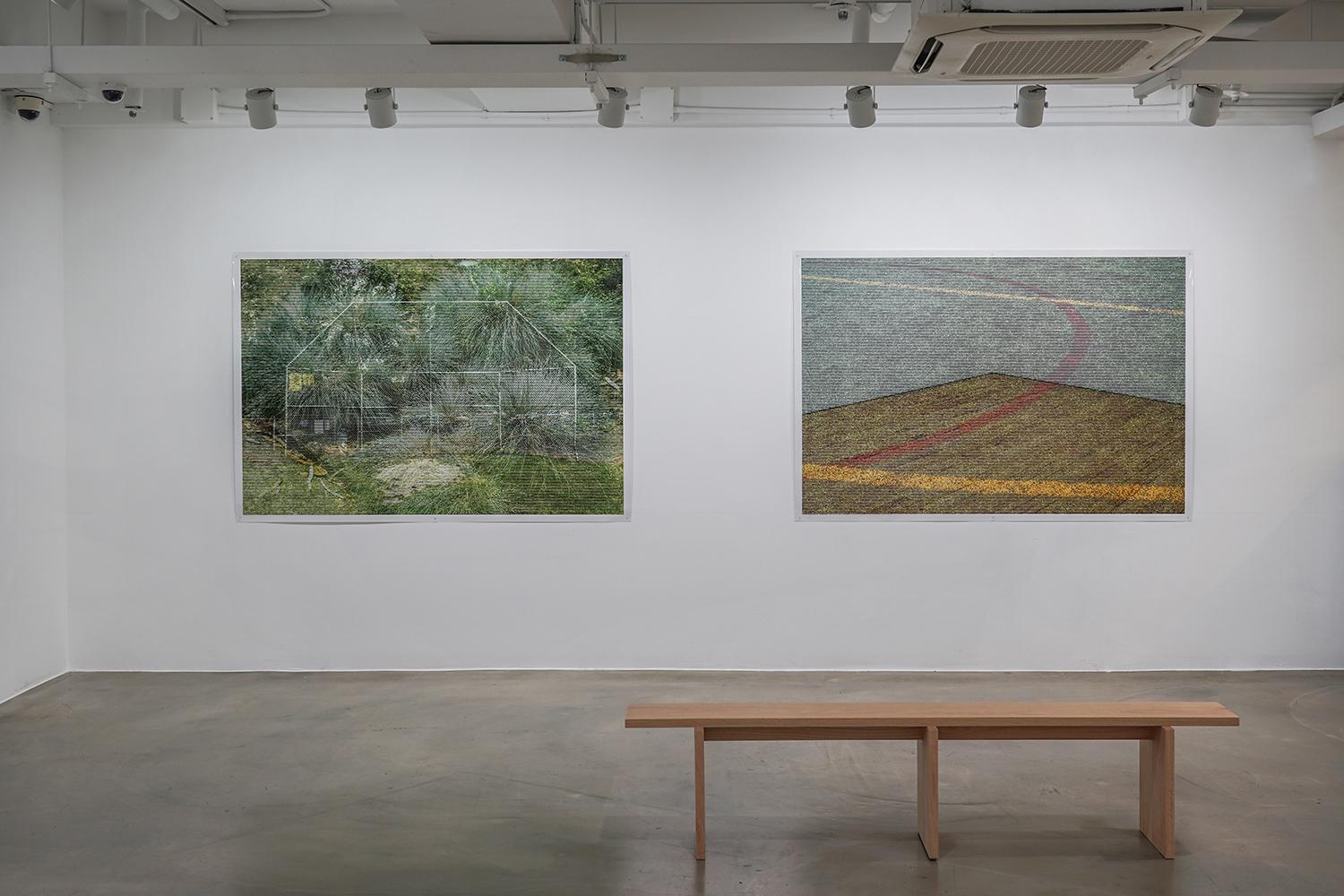
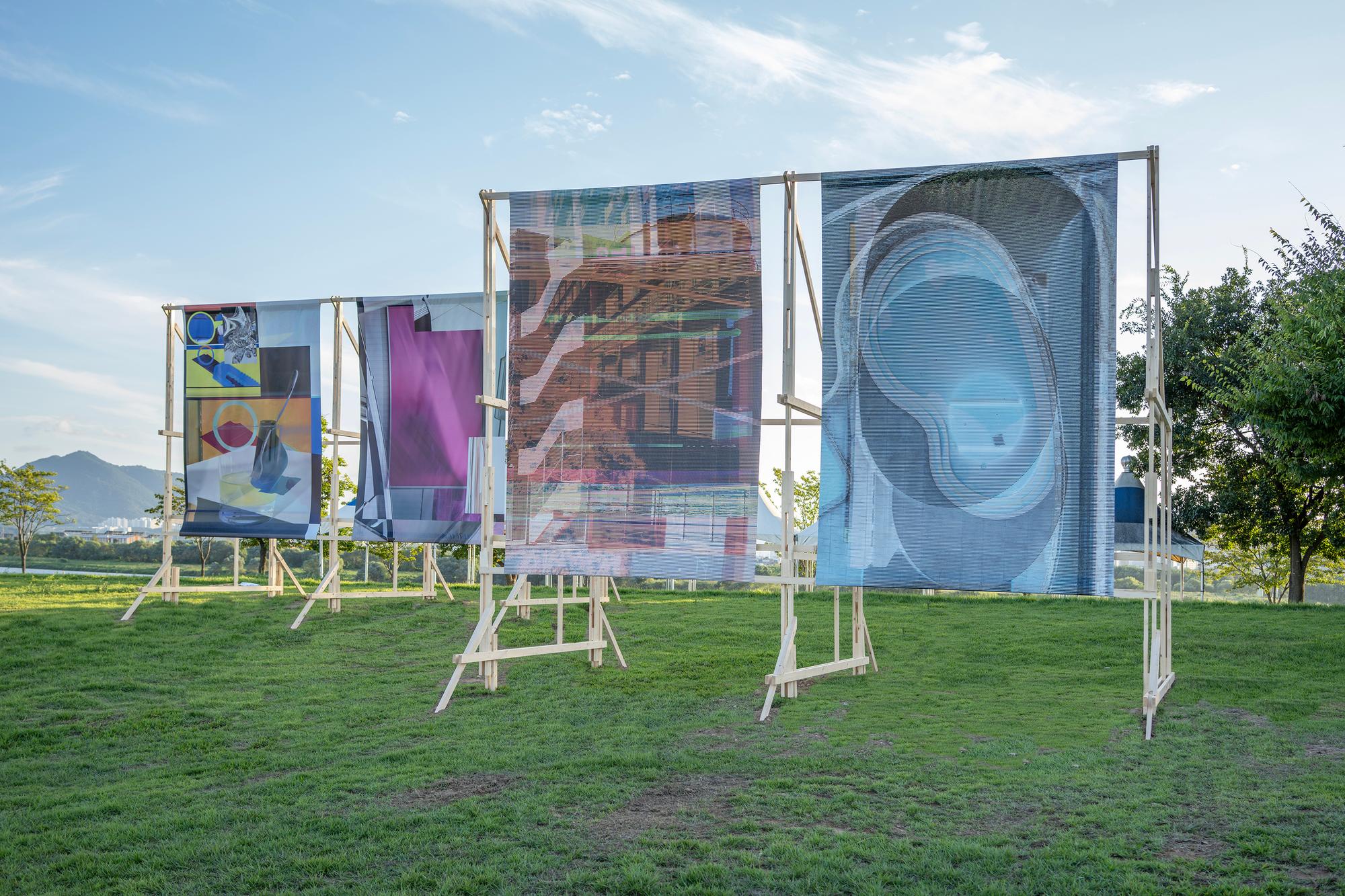
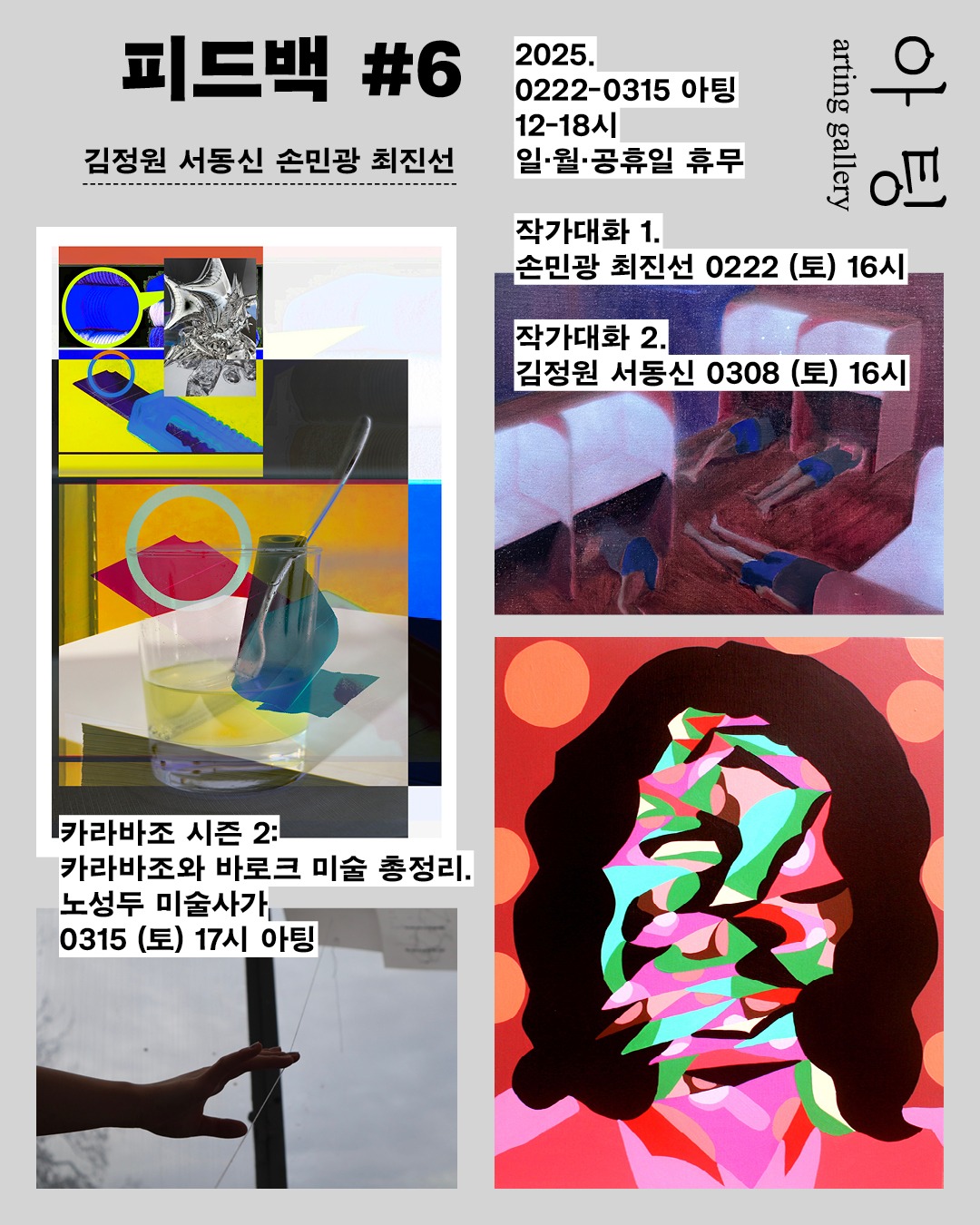
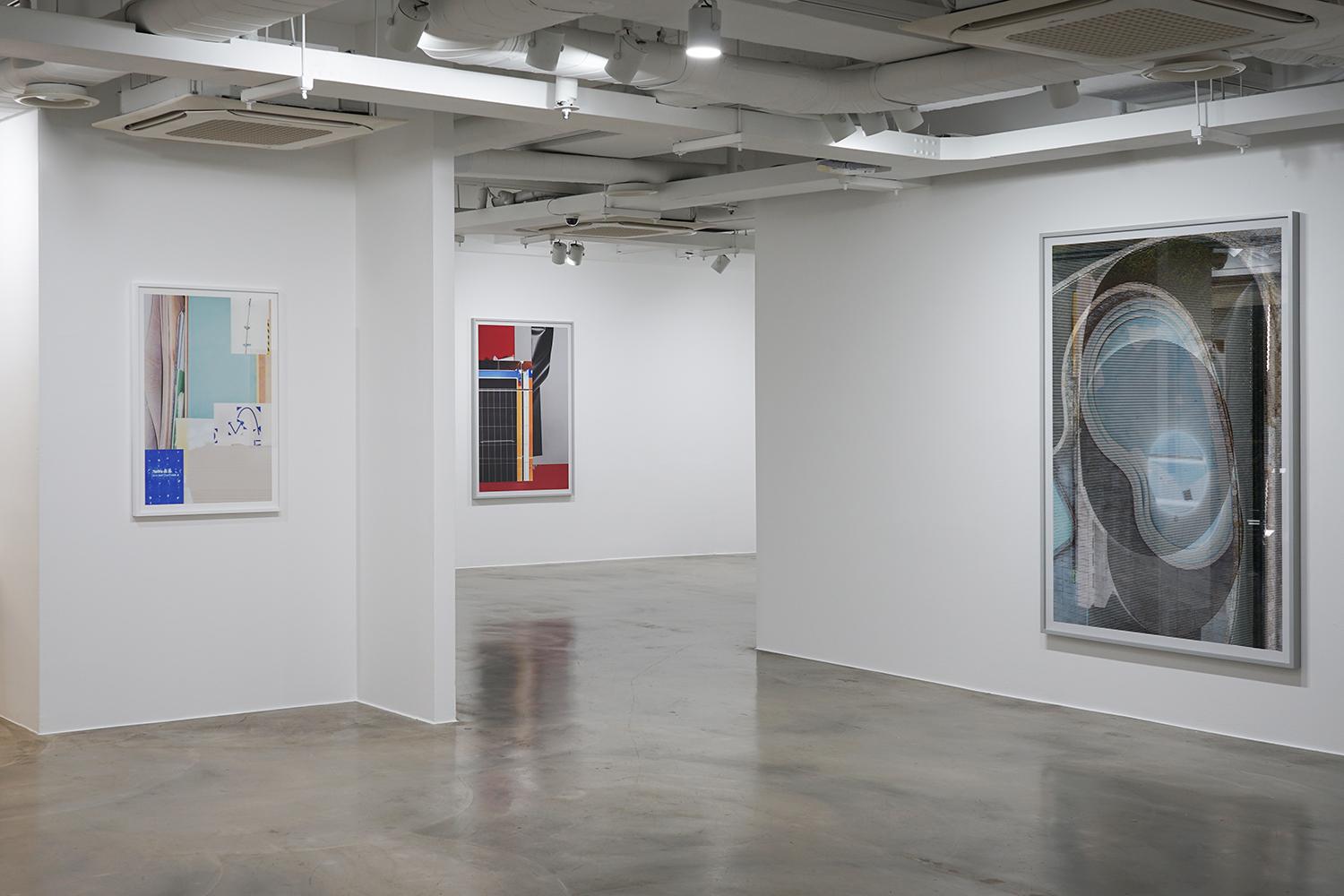
In the 'Equation' series, digital processing becomes a central part of the production process. 'Equation' juxtaposes multiple images at different scales and positions; 'Cacophony' overlaps photographs of the same size while extracting or removing selected RGB colors; and 'Arithmetic' divides two images into regular pixel-based intervals and interlaces them.
Rather than relying on elaborate compositing techniques, Seo repeatedly applies a limited set of procedures. Chance enters through the selection and combination of images, while the artist’s intuition and visual judgment determine the density and balance of the final composition. More recently, he has begun combining these procedures across the series, further expanding the range of possible transformations.
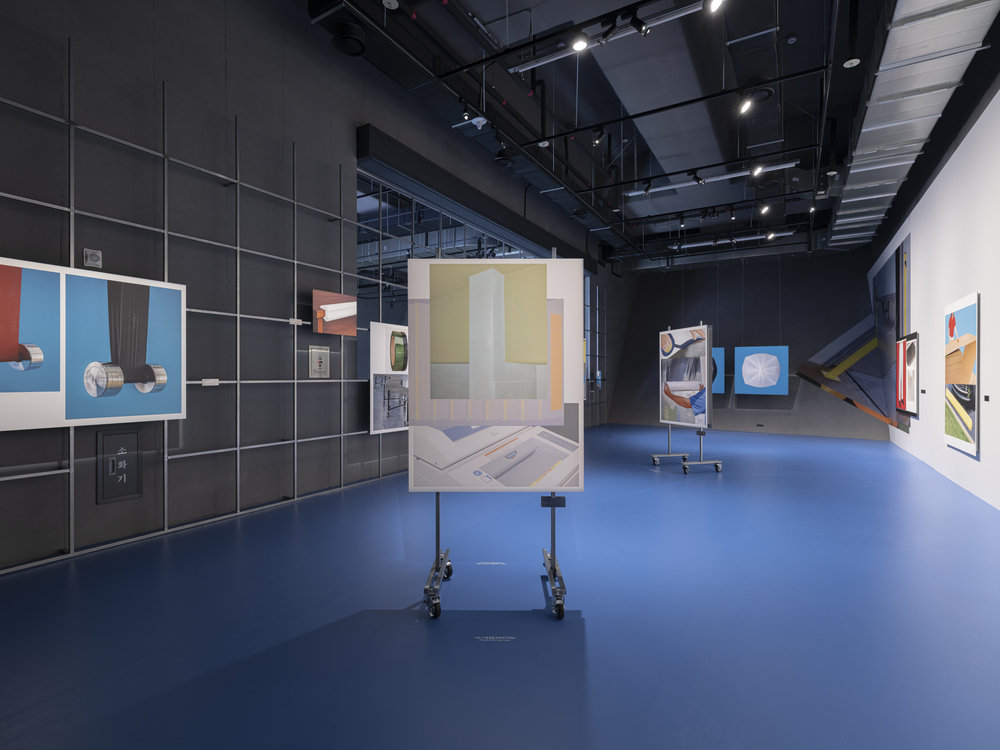
These digital transformations acquire a material surface through the printing process. Seo primarily works with archival pigment prints, making active use of the color and surface effects created by microscopic ink particles deposited evenly on photographic paper. Broad fields of color, finely divided images, and overlapping forms produce different visual experiences depending on viewing distance.
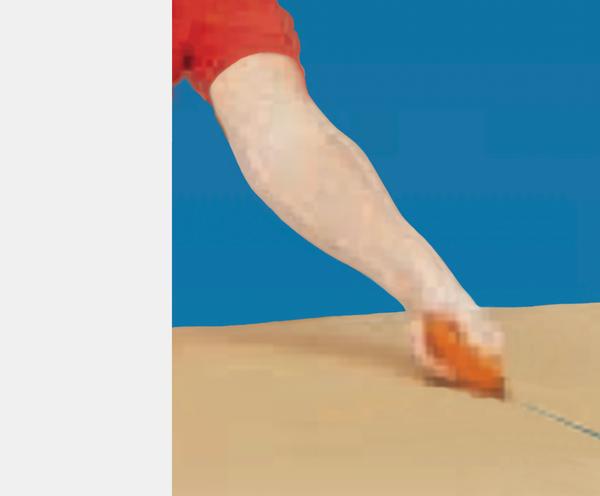
From afar, abstract colors and forms tend to dominate; at close range, segmented lines and traces of the original photographs become visible. This shifting perception between distance and proximity allows figuration and abstraction to remain simultaneously present, forming a distinctive formal characteristic of Seo’s work.
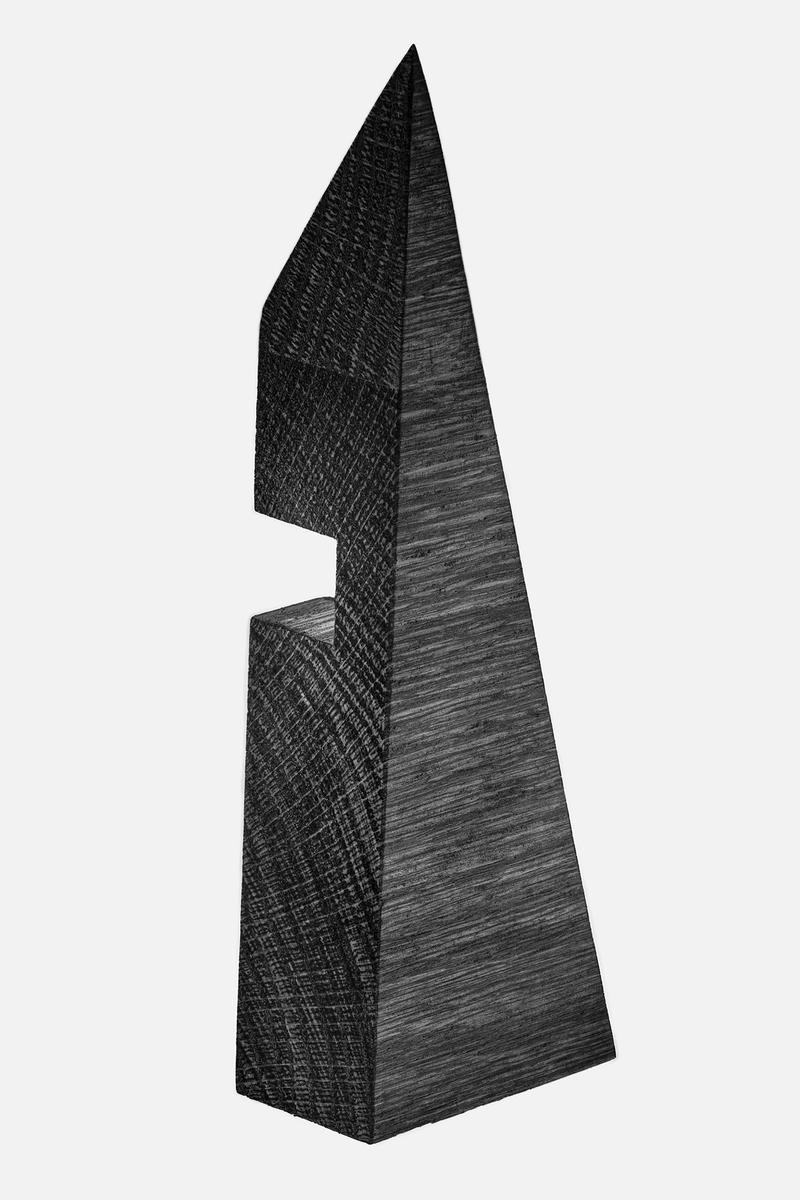
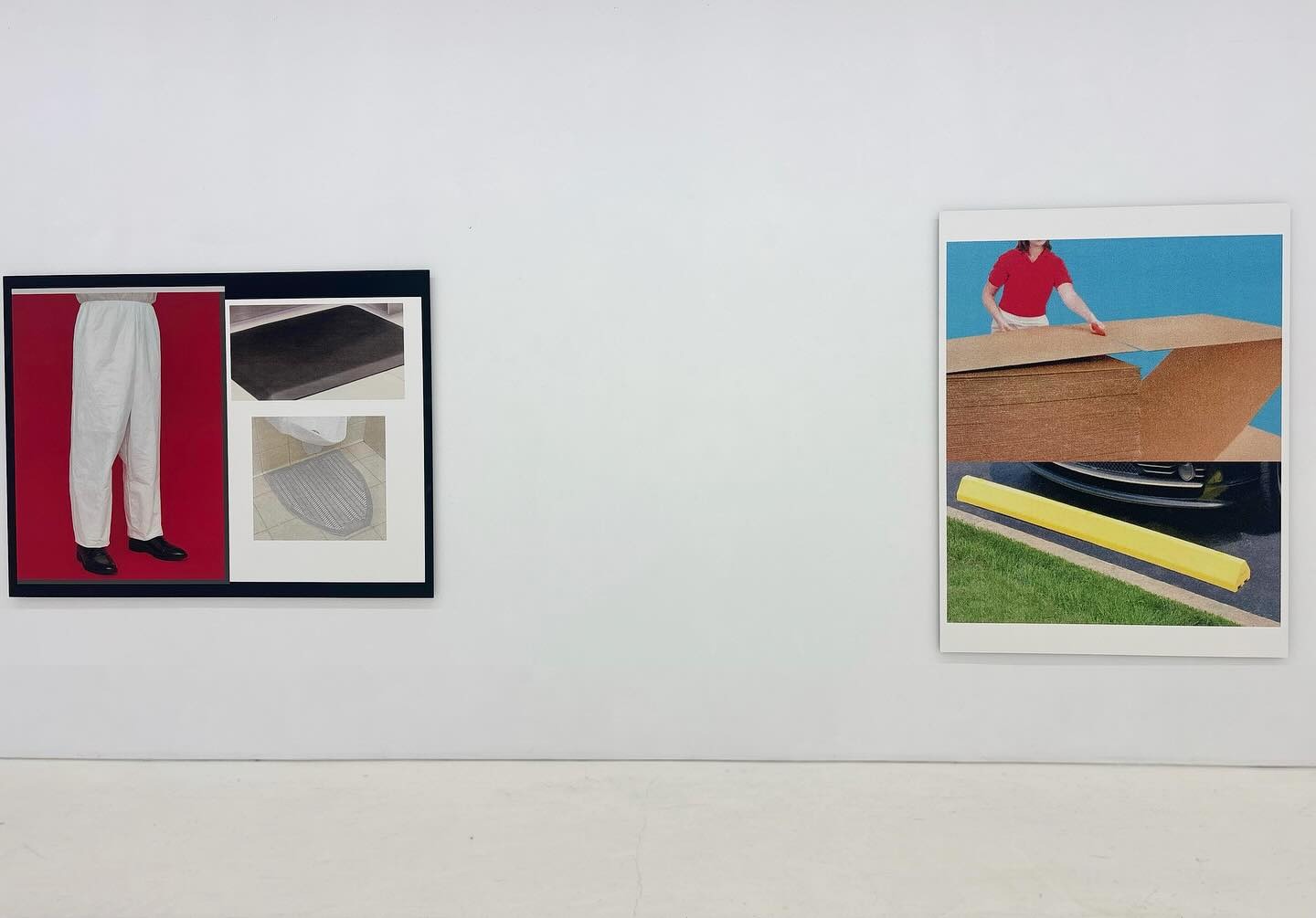
In the recent 'Malfunction of Functional Function' series, Seo extends his practice by producing and transforming the visual language of functional photography itself. Borrowing the compositions and explanatory conventions of product images designed to communicate the uses of objects such as cable ties, corner protectors, and anti-slip covers, he alters framing and rearranges visual elements to unsettle their apparent clarity.
The everyday imagery accumulated through 'Entropy' and the methods of division and superimposition developed in 'Equation' continue here in altered forms. By treating photographed subjects, digital manipulation, and the printed surface as interconnected stages of production, Seo expands the entire photographic process into a field of formal experimentation.