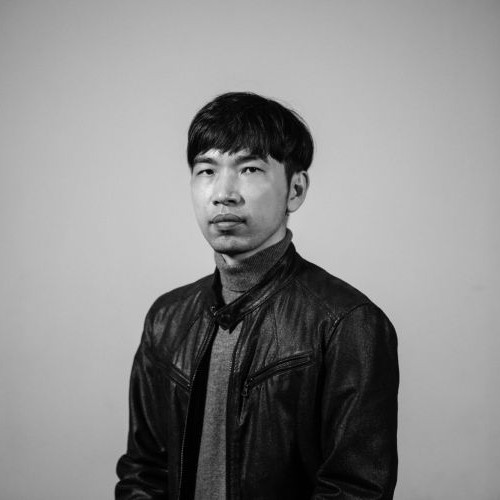
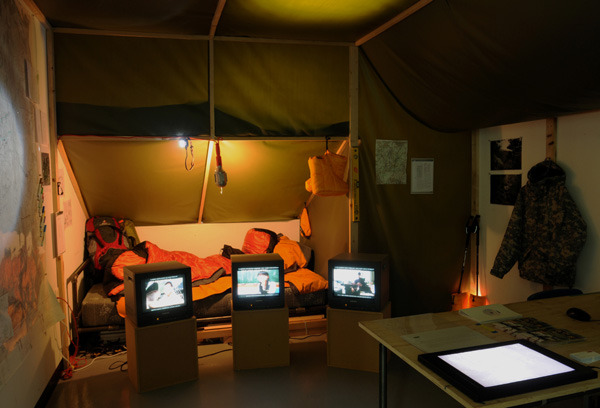
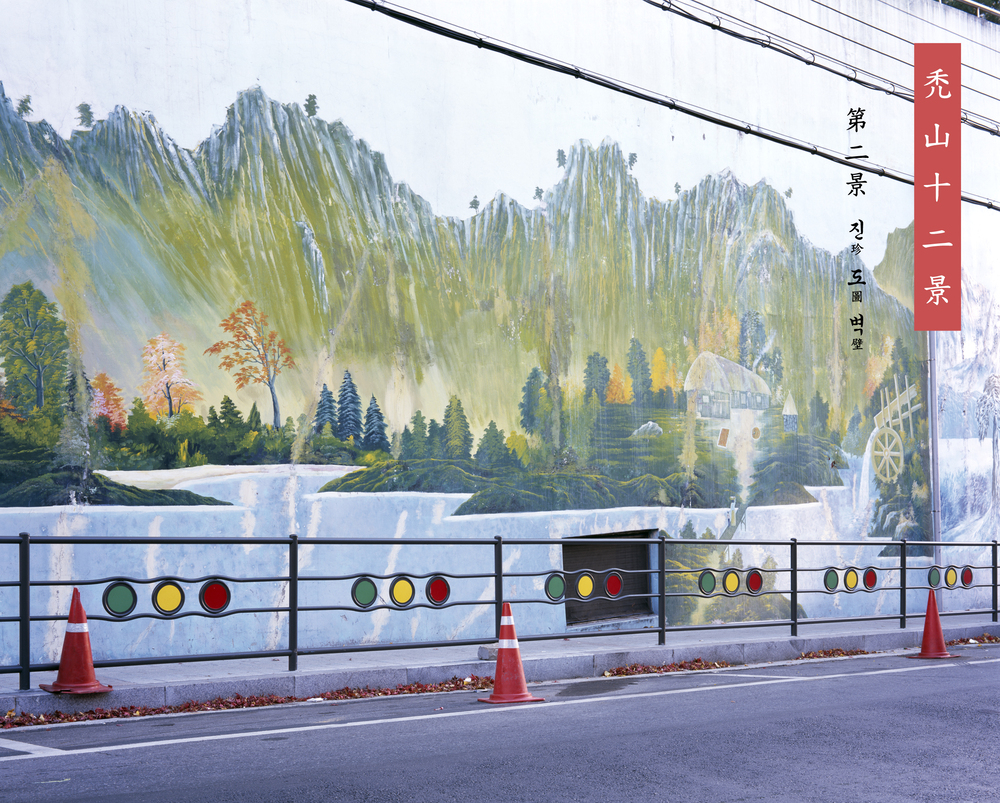
Byungsu Lee has worked across photography, video, documentation, and installation, incorporating the very process of researching actual places into the formal structure of his practice. In his earlier works, he experienced sites through walking, visiting, and conducting interviews, then combined the resulting photographs, testimonies, and documents with fictional narratives.
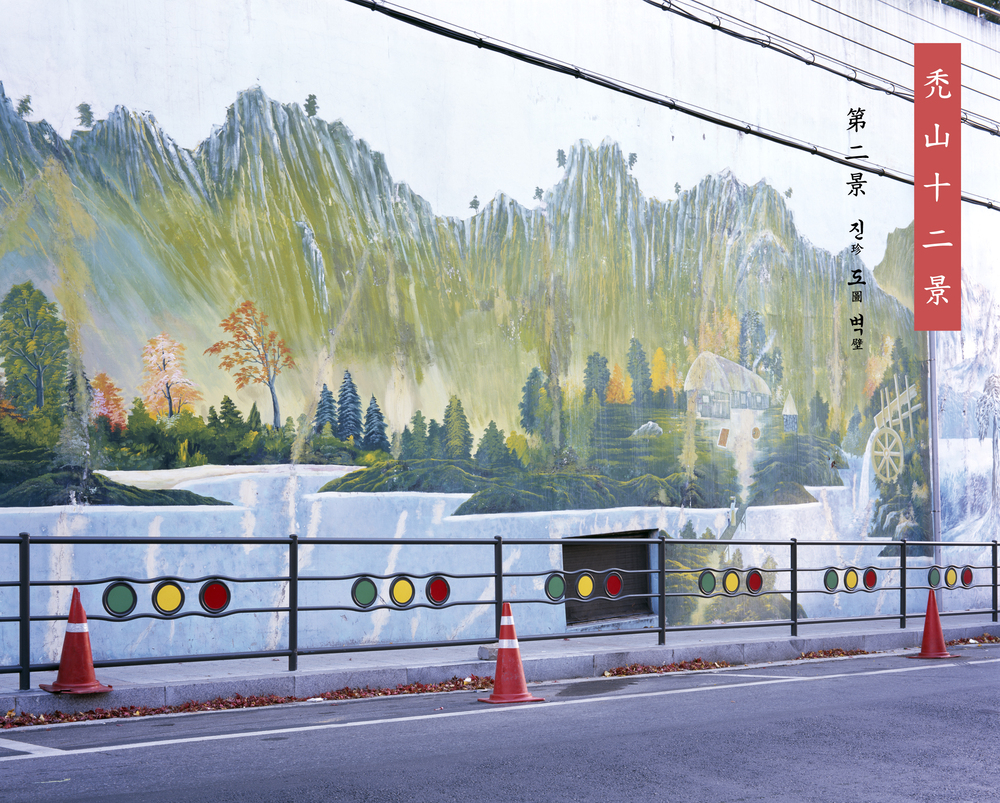
Representative examples include 12 Famous Places in Doksan, in which he added newly invented place names and stories to actual views of Doksan-dong and distributed them in the form of a local guide, and the “Gwanak Mountain Tiger Project,” which documented expert interviews and field investigations.
Here, documentation does not merely preserve events that have already occurred; it functions as a device through which the artist enacts a constructed event in reality and then narrativizes it again. The interweaving of fact and fabricated stories within the same image and documentary framework makes familiar places appear unfamiliar.
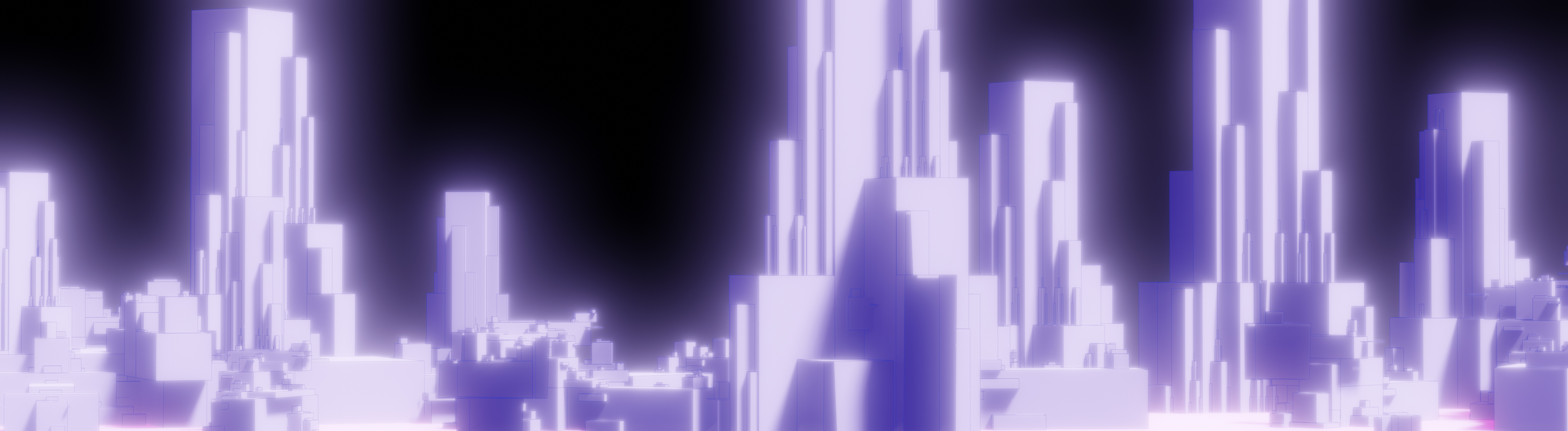
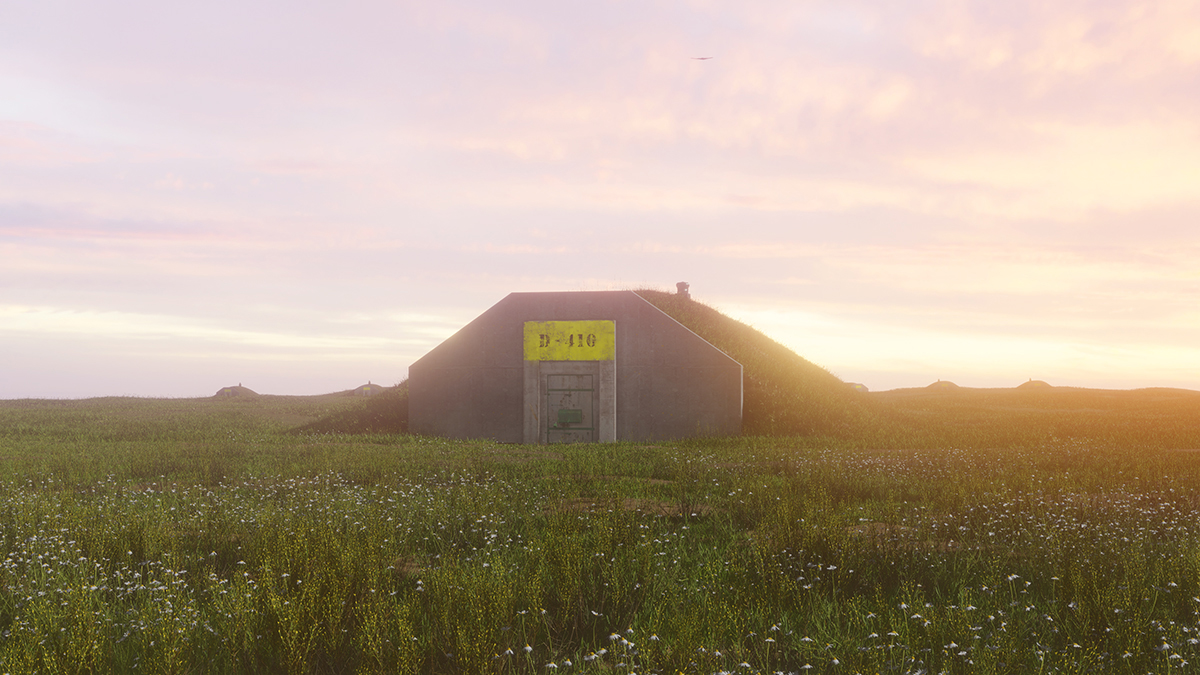
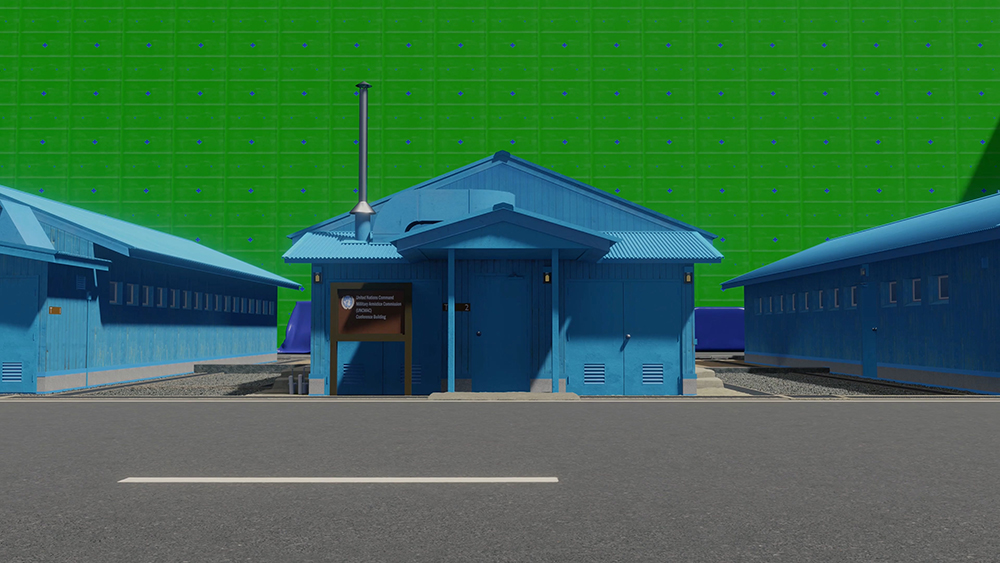
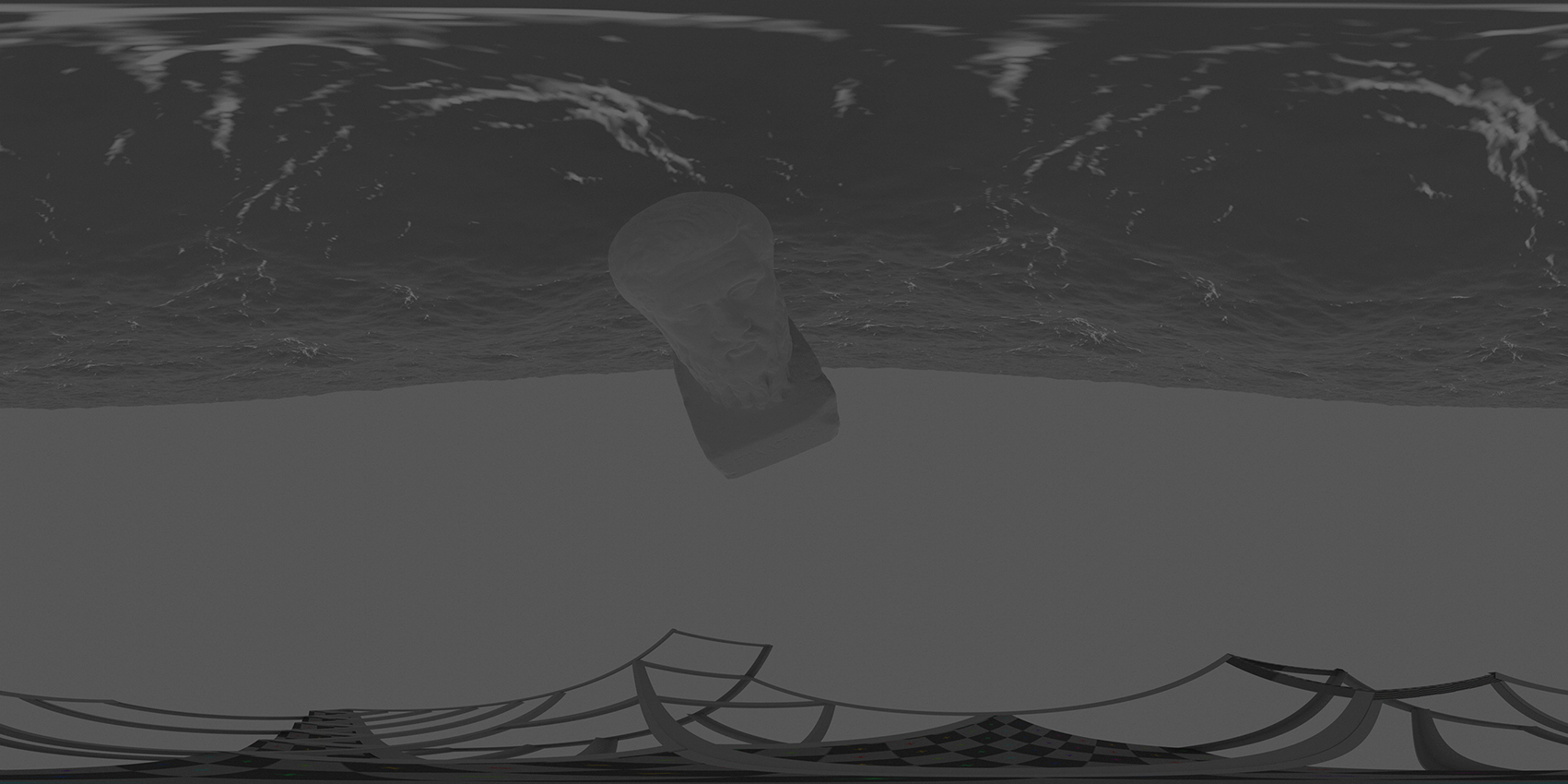
From the late 2010s onward, digital imaging technologies such as satellite photography, Google Earth, 3D computer graphics, and VR became important modes of production in Lee’s practice. One After Another reconstructs satellite images of Mount Baekdu and Heaven Lake through wireframes and computer graphics, exploring how existing maps and data represent place.
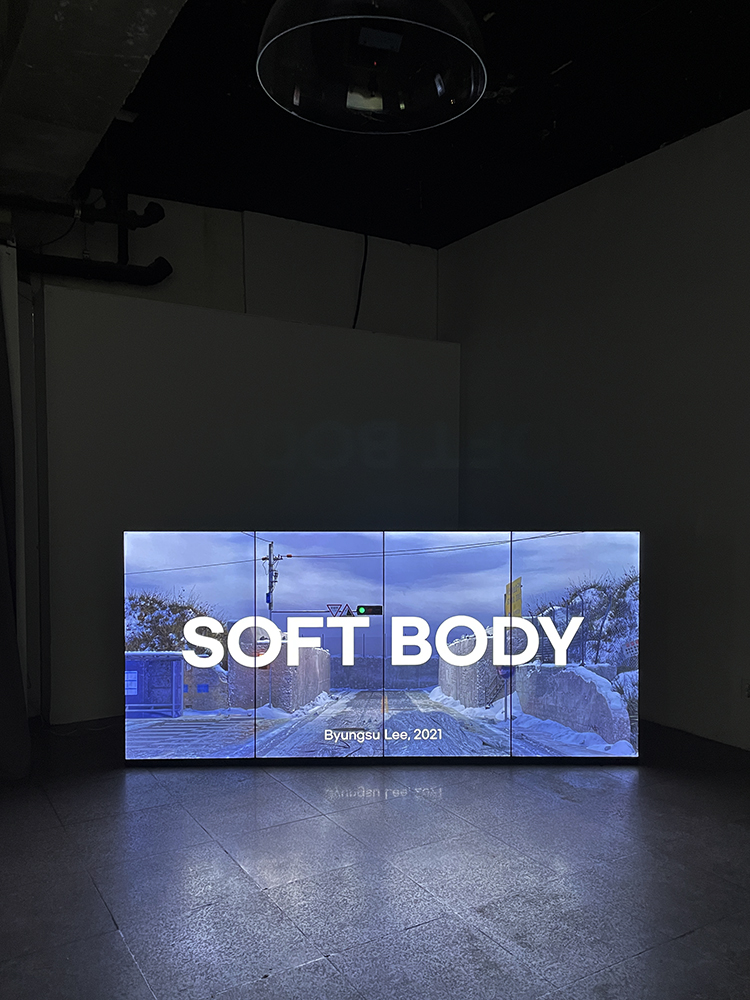
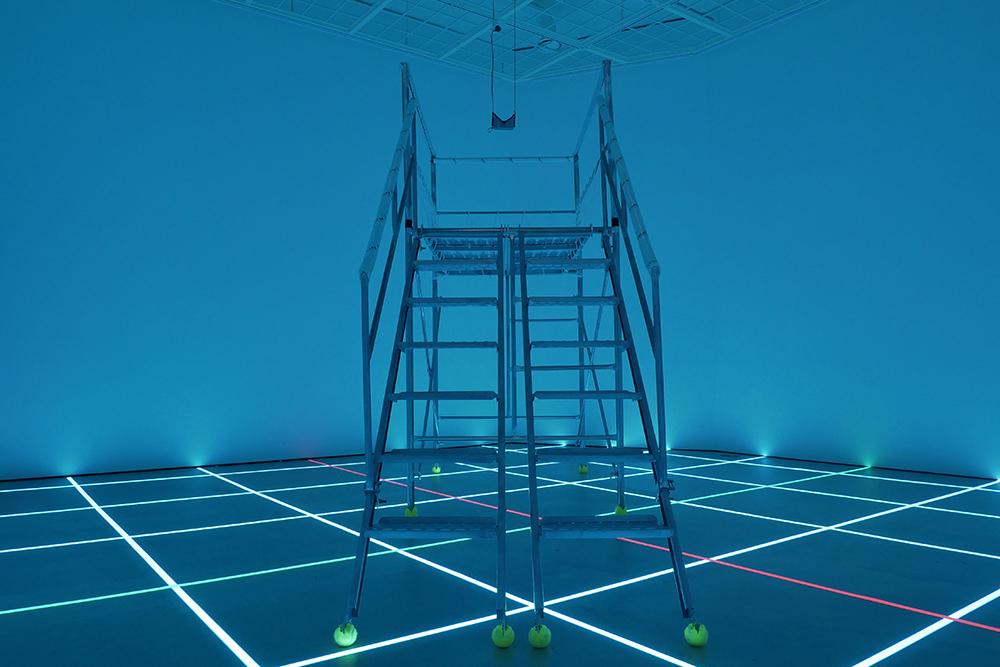
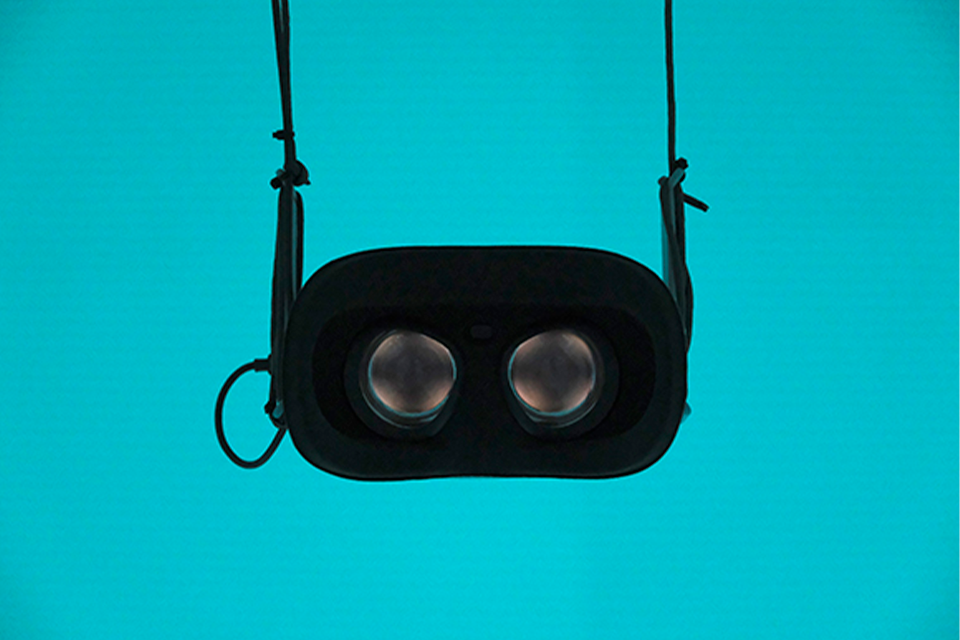
In Before Your Very Eyes and Double Bind, VR video, observation deck- or telescope-like structures, and the movements of viewers together form the environment of the work. While viewing a virtual space, audiences simultaneously experience physical restrictions imposed by narrow structures or by the movements of other viewers. For Lee, VR serves both as a device for immersion and as a means of making perceptible the disjunctions that arise between image and body.
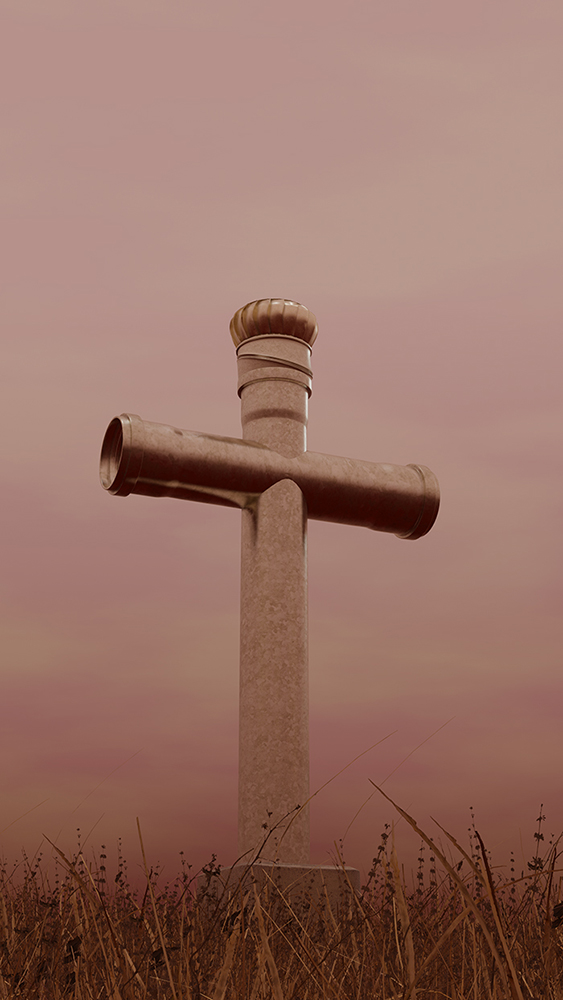
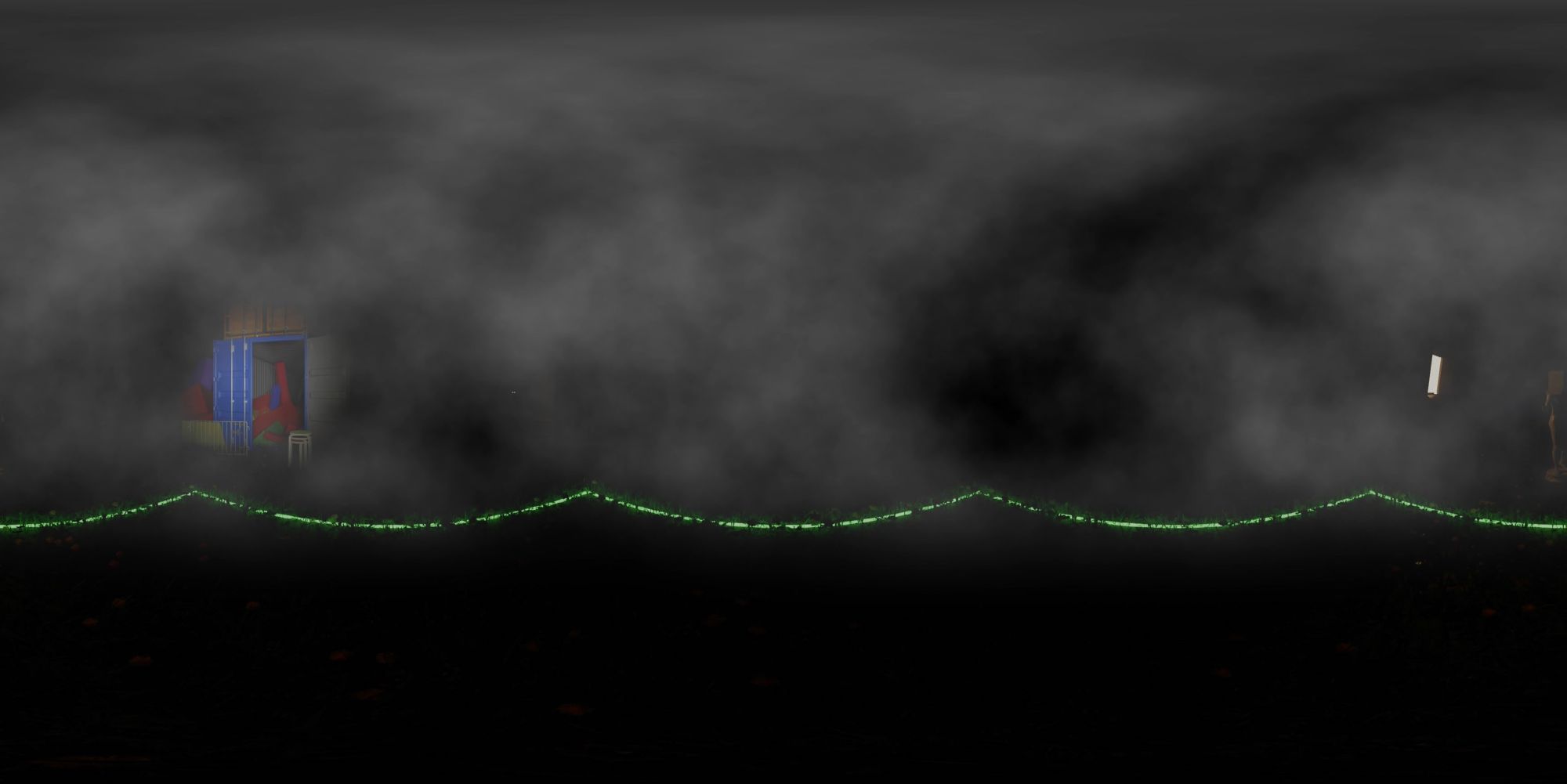
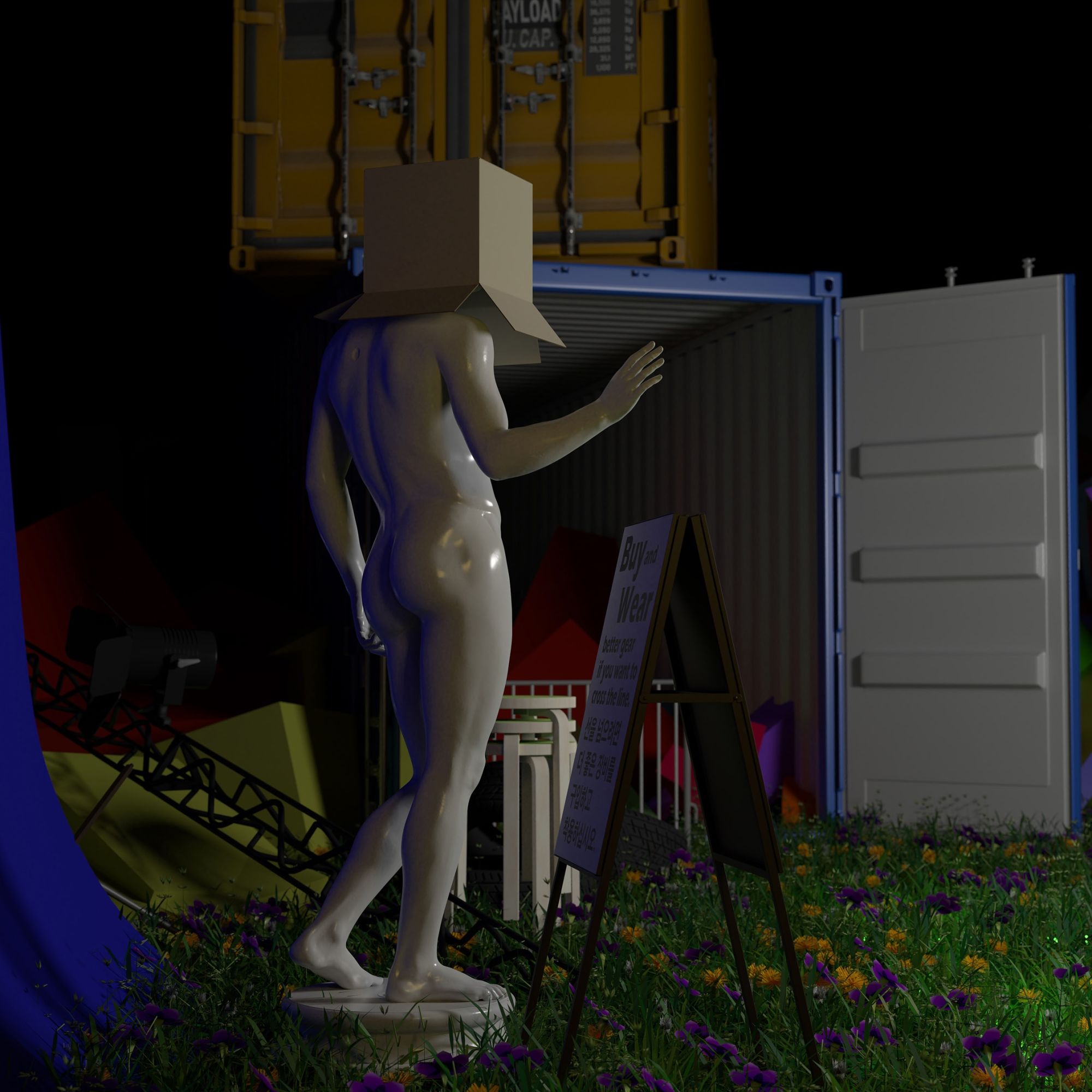
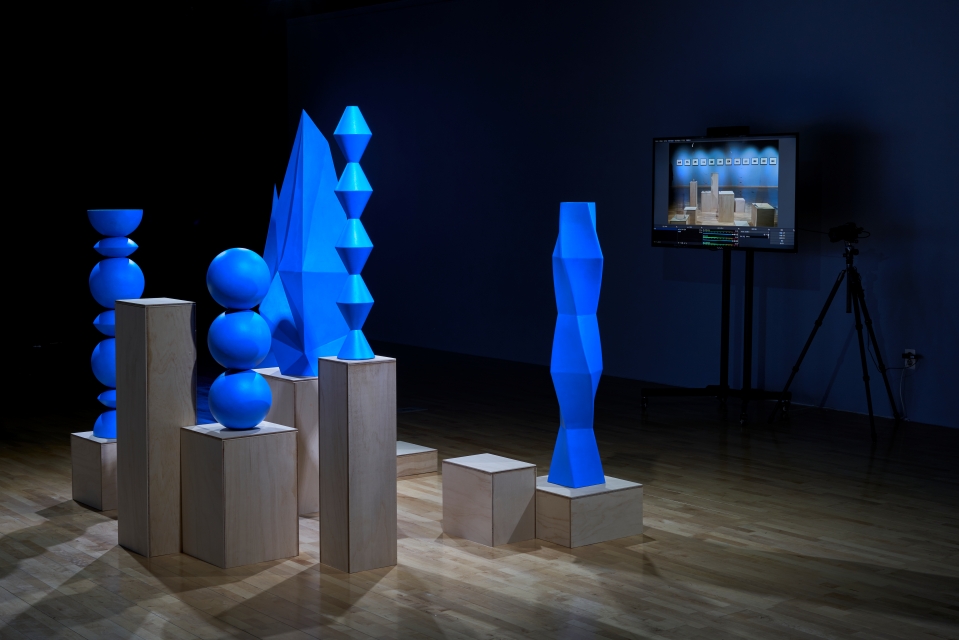
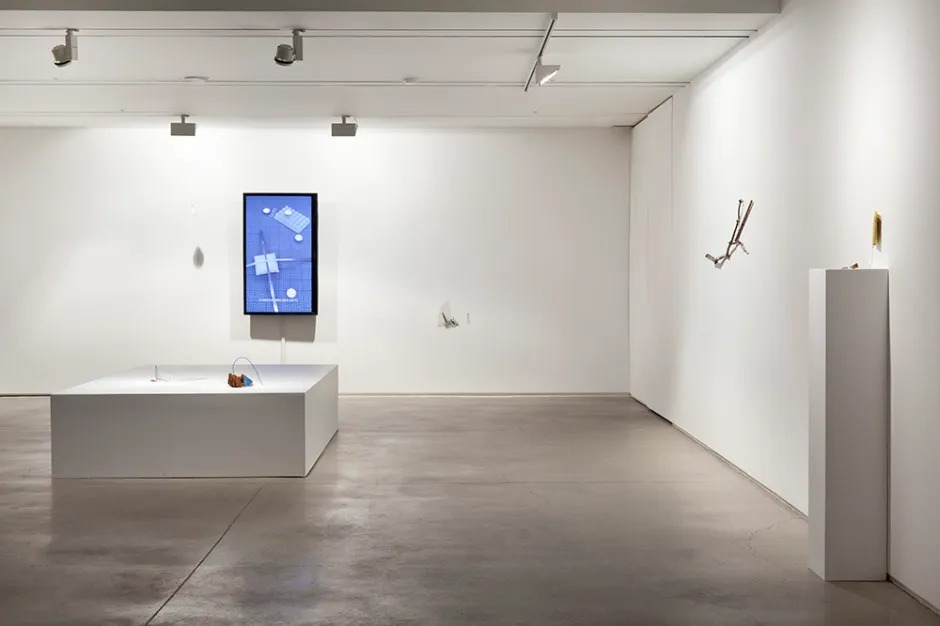
In constructing digital spaces, Lee does not seek to perfect a seamless illusion; instead, he leaves visible the conditions and traces through which images are produced. Gloomy Rendering and Double Bind feature 3D objects that resemble real things, along with debris and imagery suggestive of the aftermath of accidents, while in Screen Cave virtual human figures endlessly wander within the screens of old CRT televisions.
The VR works in 《Welcome to the Seamless World》 similarly foreground the material structures and limitations of viewing devices, questioning whether virtual images can ever exist in complete separation from reality. By deliberately exposing basic equipment and physical structures, Lee treats digital technology as both a subject of his work and an object of critical scrutiny.
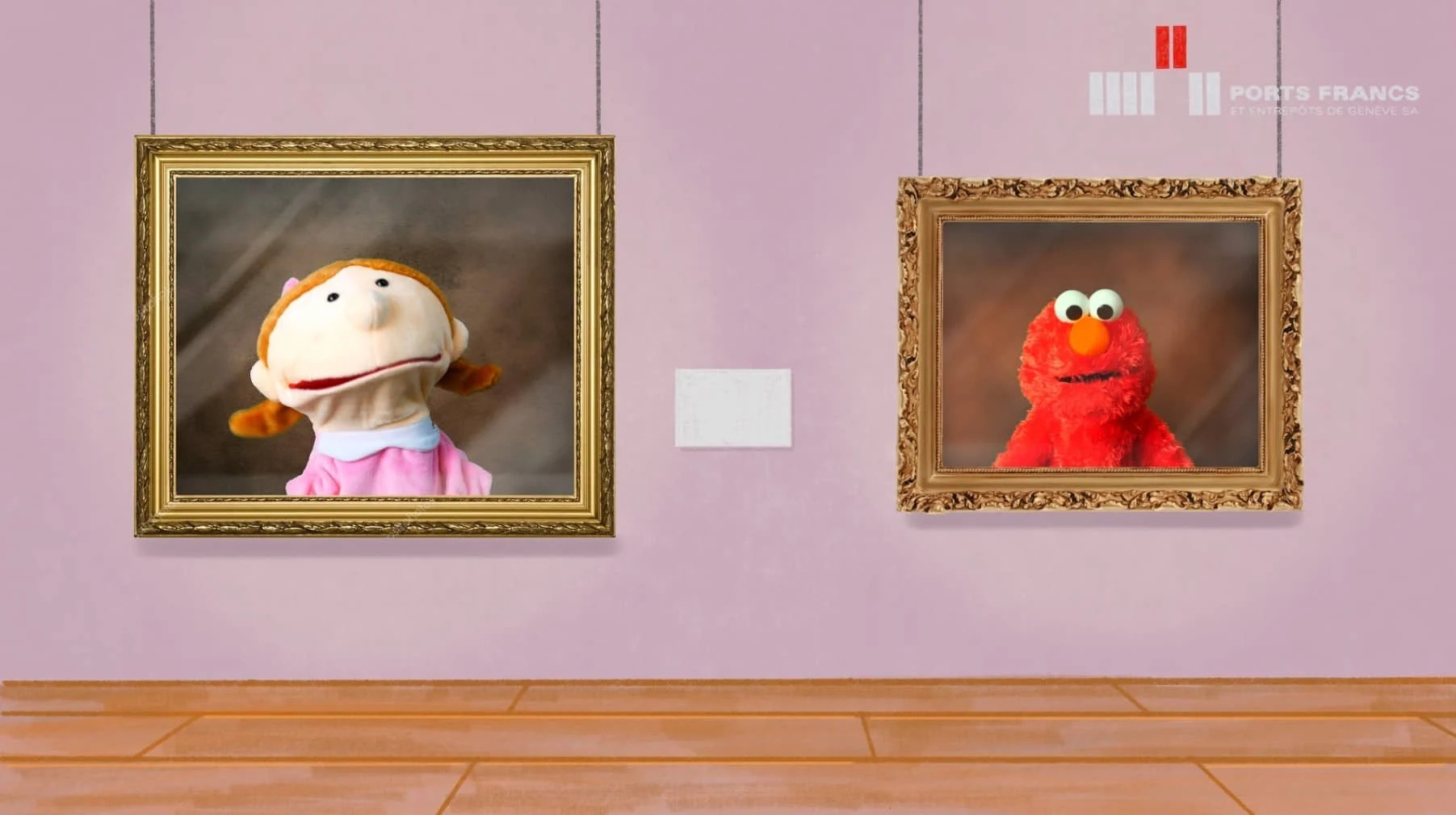
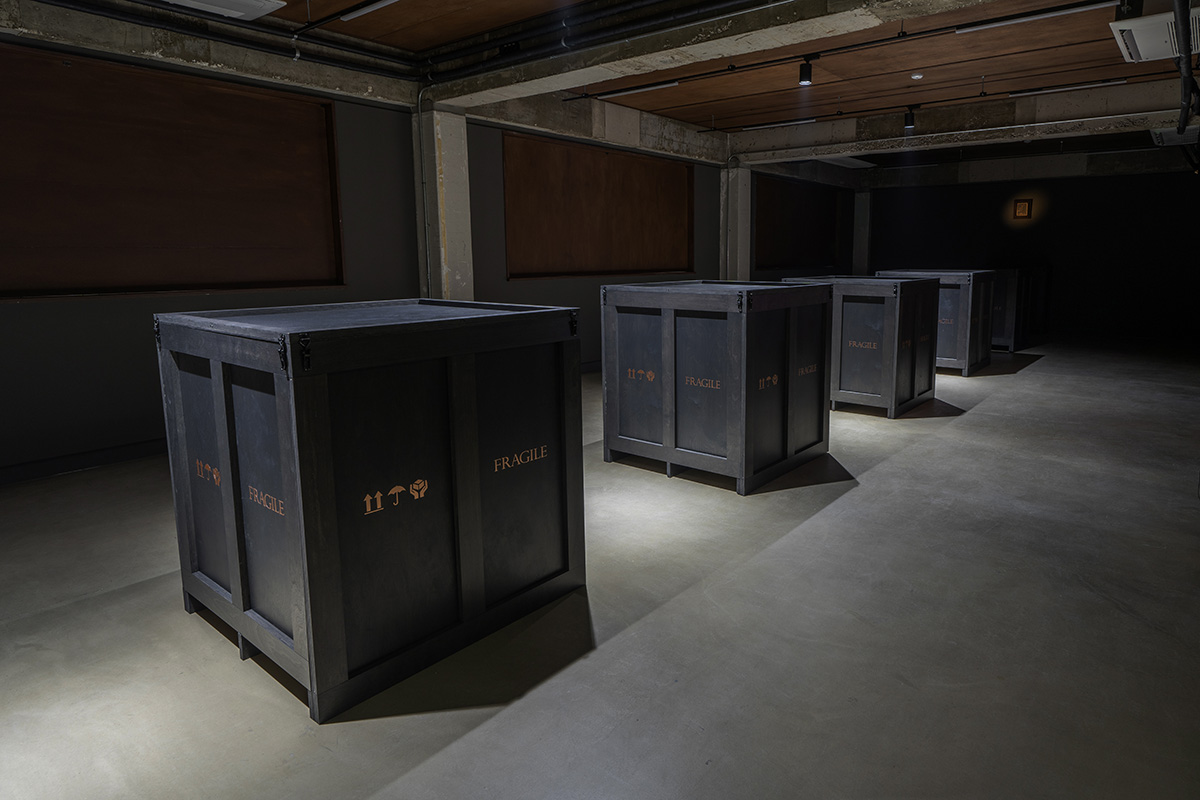
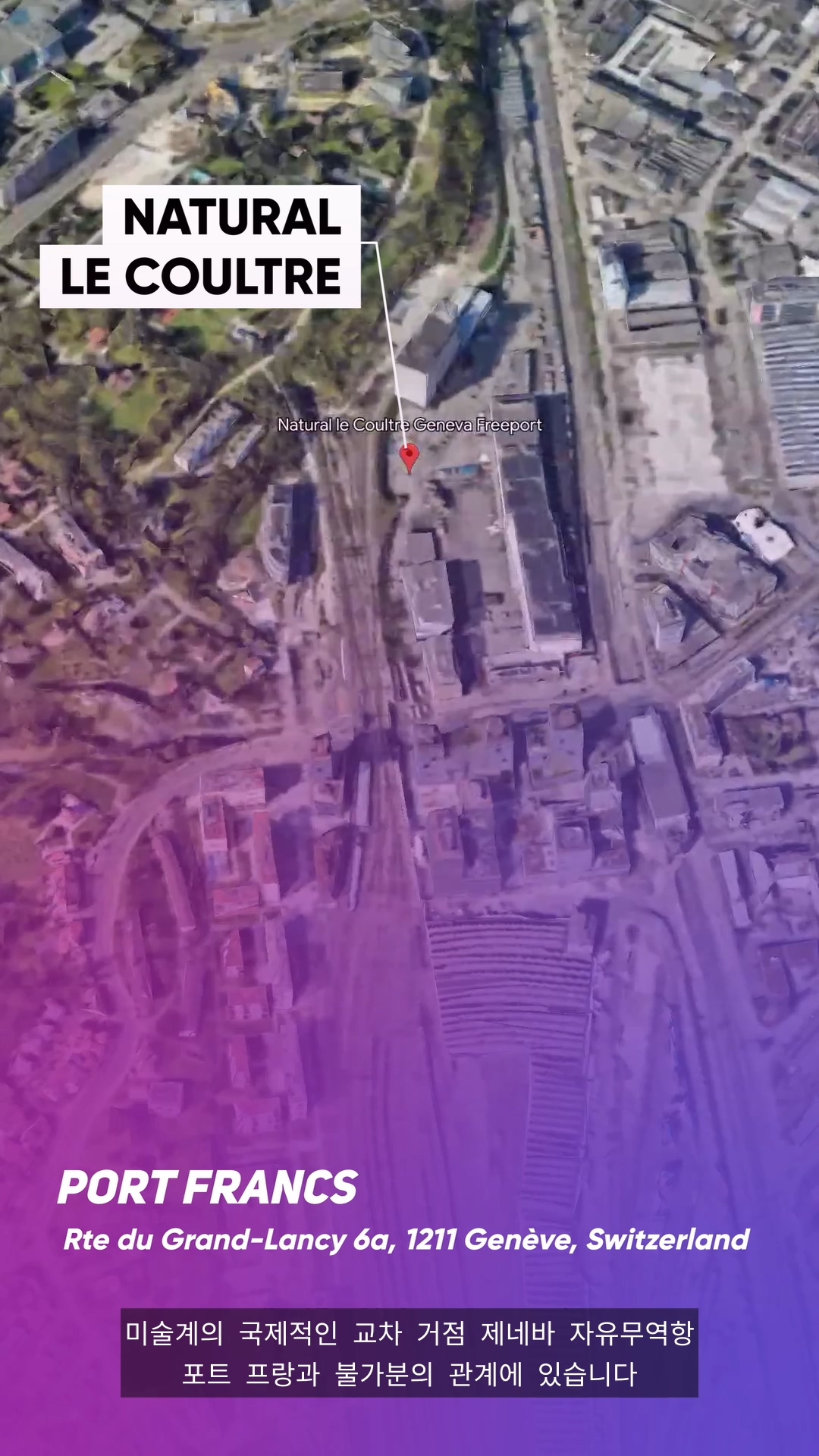
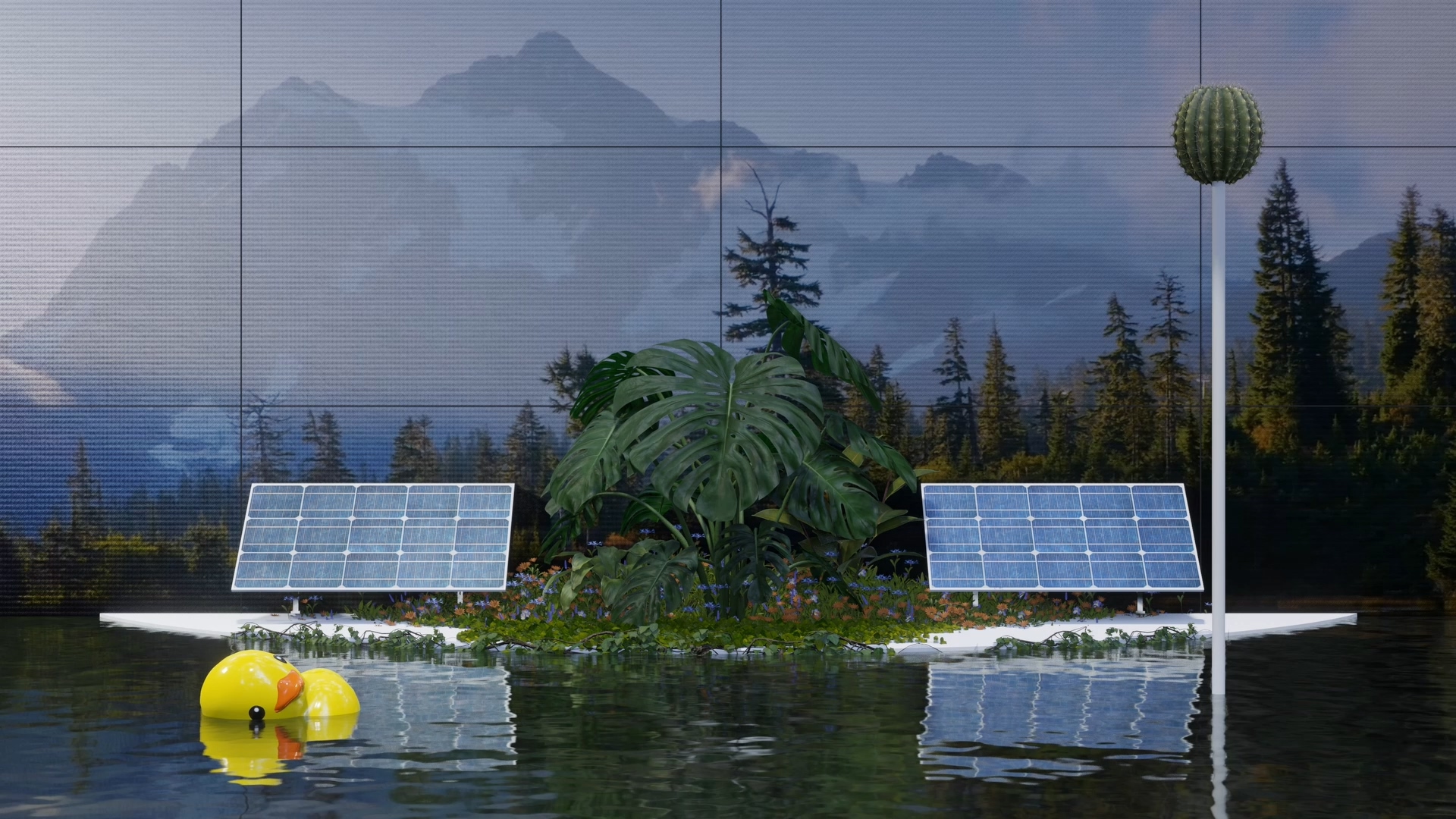
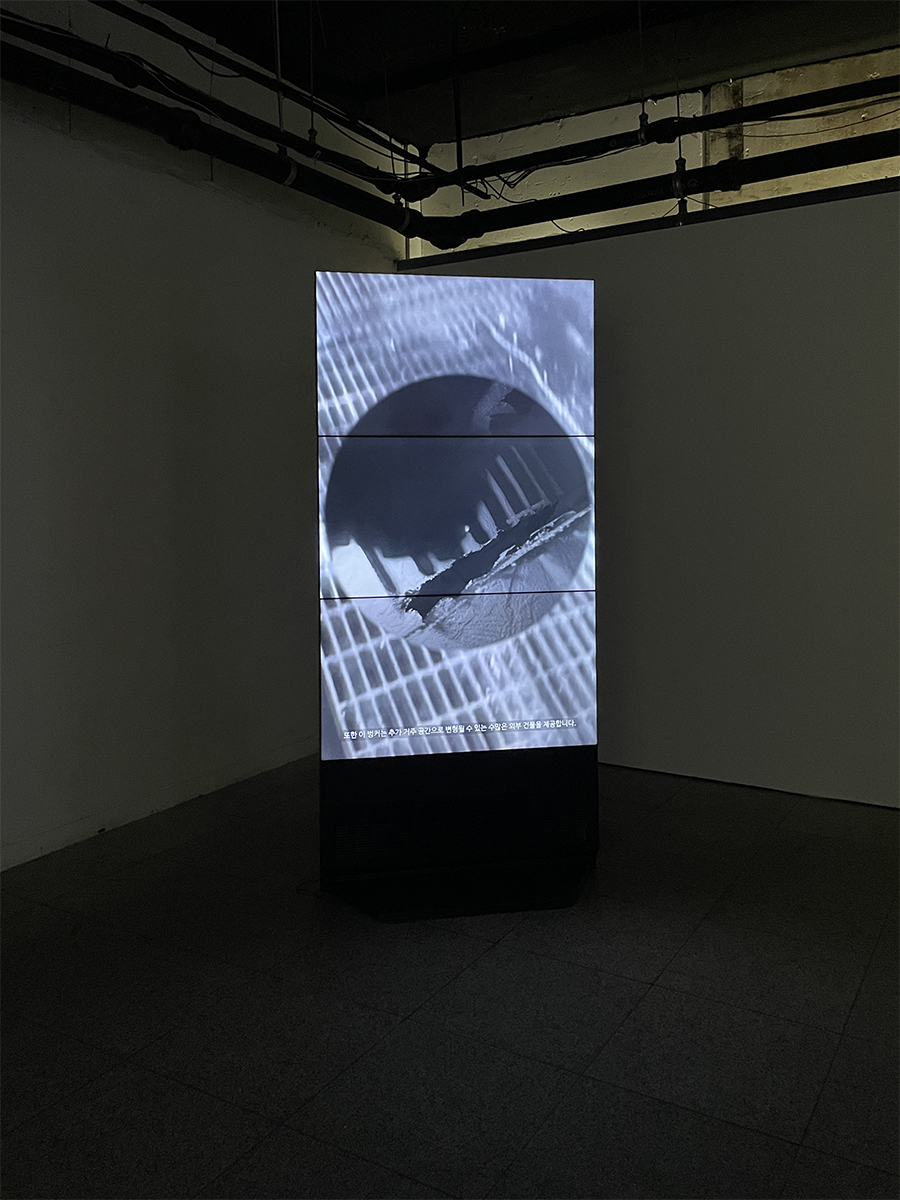
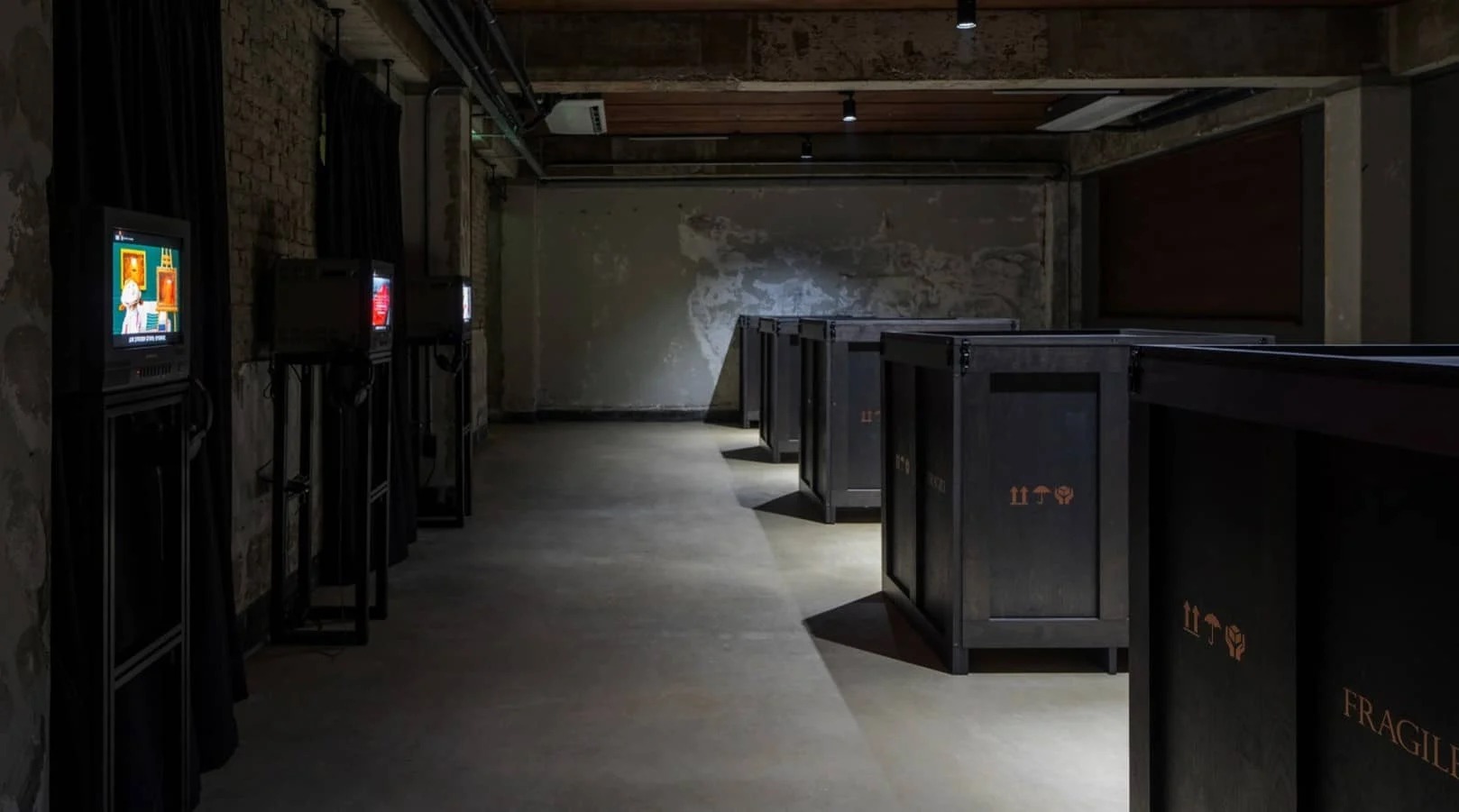
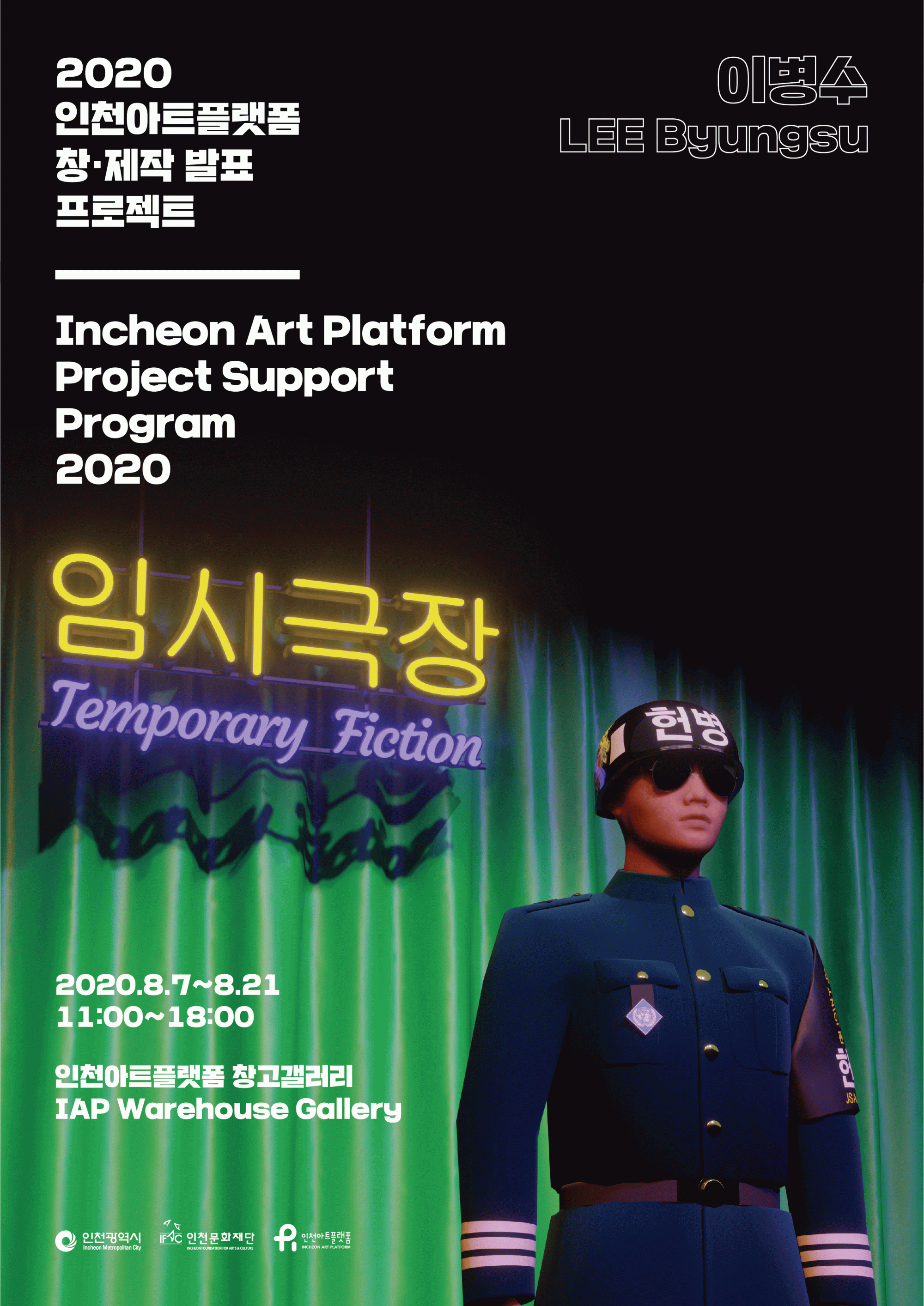
In his more recent practice, Lee has increasingly constructed elaborate fictional videos and exhibition environments based on actual information. In 《The Ghost of a Flea》, Welcome to the Freeport uses factual information about an art transportation and storage company to create a fictional corporate promotional video, while A Guide for Newbies Collecting Art combines the format of an investment tutorial with a puppet show for children. In Matrix, rows of luxurious wooden shipping crates transform the exhibition space into a vast storage facility reminiscent of Ports Francs.
Through such works, Lee appropriates and alters familiar visual formats from everyday reality—including documentaries, advertisements, instructional videos, and virtual simulations—to expose the structures of power and systems of value embedded within them. The media and exhibition formats of his works therefore function not simply as vehicles of delivery, but as integral components of the content that prompt viewers to reconsider how reality itself operates.