1. Experience and Text
When one is deeply absorbed in something alone, one may experience confusion between left and right. While driving, one may suddenly become uncertain about the direction of traffic; under strong sunlight, some people shield the sun with their right hand, while others use their left.
In the end, could beliefs and customs also have been learned through the social environment, much like a religion inherited from birth? If so, could right- or left-handedness likewise have been formed selectively?
Personal experience cannot be refuted. Whatever its form, it is something experienced by the individual and therefore possesses a certain reality. Just as an internal issue is not identical to the way it manifests externally, personal experience may become the subject of discussion within an objective correlation, but its truth or falsity can never be fully demonstrated.
Objective and universal certainty, therefore, exists on a different plane from the certainty of personal experience. Yet sometimes, or perhaps often, we treat the two as though they were identical in everyday life.
Artistic practice can understand and express the transformation, expansion, and singularity of individual experience. Yet we do not necessarily regard this as progress or development. Through infinitely shifting movements and the accumulation of their processes, we can glimpse new possibilities and, even if only contingently, an ideal state of complete experience.
Considering, however, that such an ideal state of experience is related to the experience of the artist as an individual, it points toward an ideal experience understood as a highly singular world of experience. Ideal experience may also mean transcending the conditions and relations of reality.
Artistic expression can therefore be understood as a kind of excessive claim. Here, “excessive claim” means extending personal experience beyond the point at which the field of discussion has already moved outside the realm of individual experience, while continuing to assert its certainty. It then encounters and collides with the experiences or claims of others outside that realm.
This can be regarded as a natural process through which an individual formulation of a problem and the certainty of personal experience become objectified. In Junebum Park’s videos, the various ideas and expressions that originate in such personal experiences and certainties sometimes emerge forcefully, while at other times they retreat into looser forms.
The moving image, in which sight and sound operate together, moves beyond the stage of private experience and stands at the threshold of an exit toward communication. It is translated into and understood as text. A moving image that has not been textualized remains merely an individual event. It can never become our event.
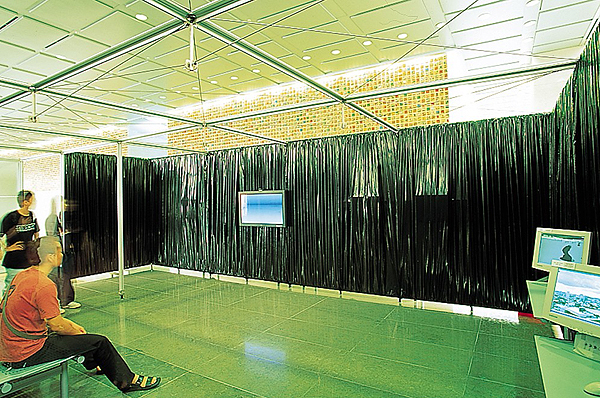
This process of textualization, through which communication occurs between individuals, takes place simultaneously within Junebum Park’s work and within the exhibition space.
2. Planning and Chance, or Error
The quantification of an “indecisiveness” that cannot be precisely marked ultimately speaks of “prudence.”
It is the quantification of every possibility involved in reaching the point of choice,
and the experience of every stage leading toward the final decision.
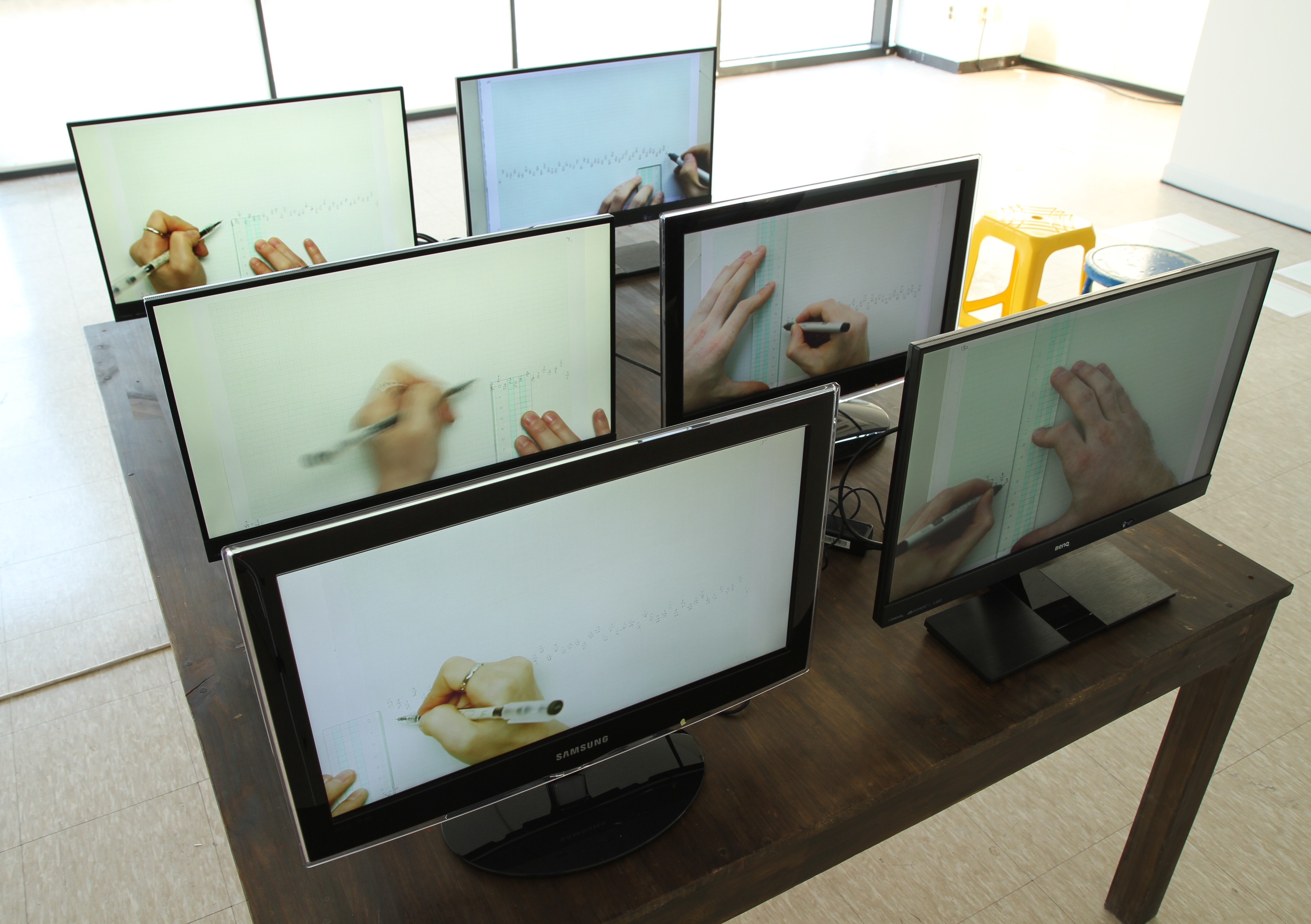
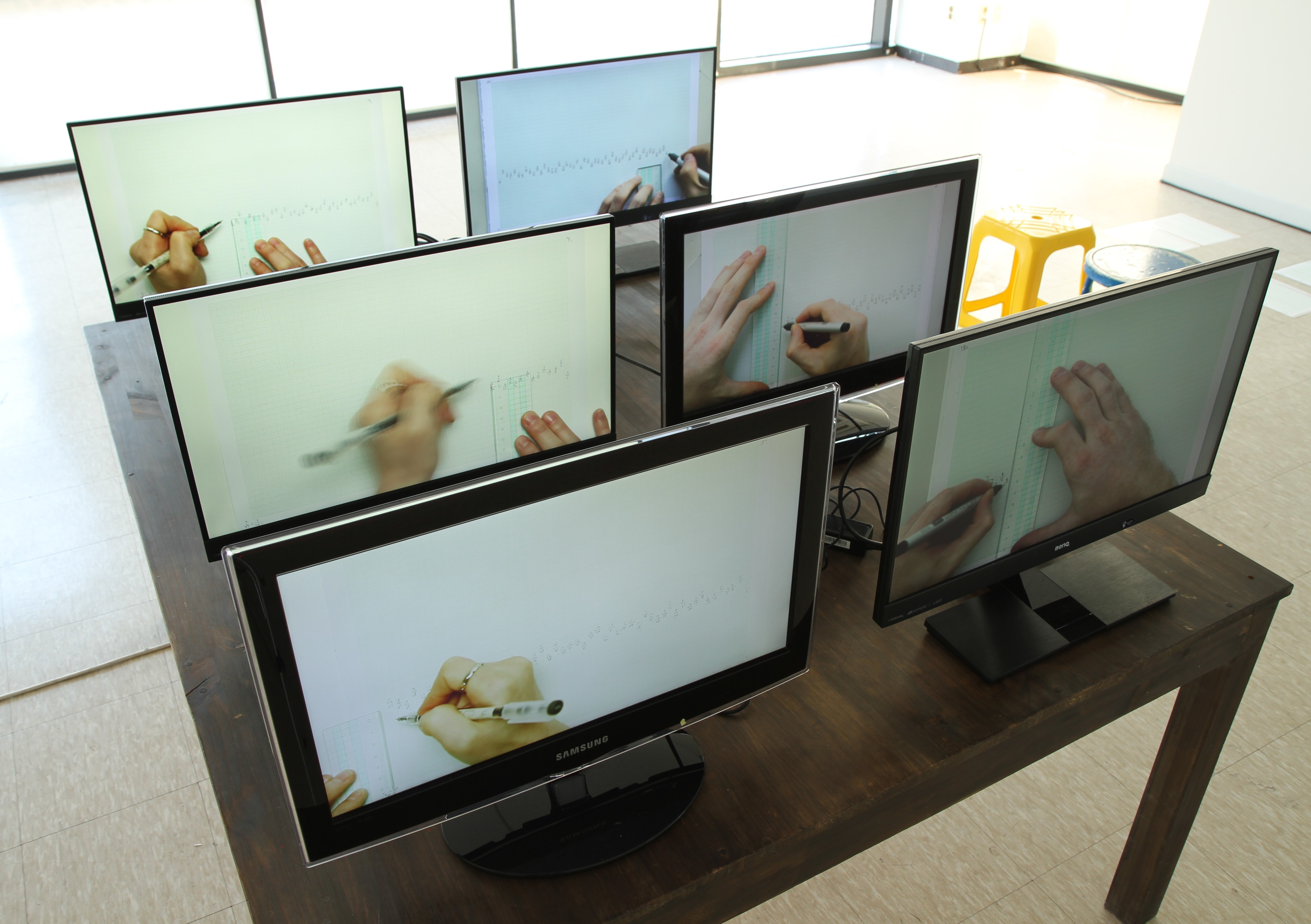
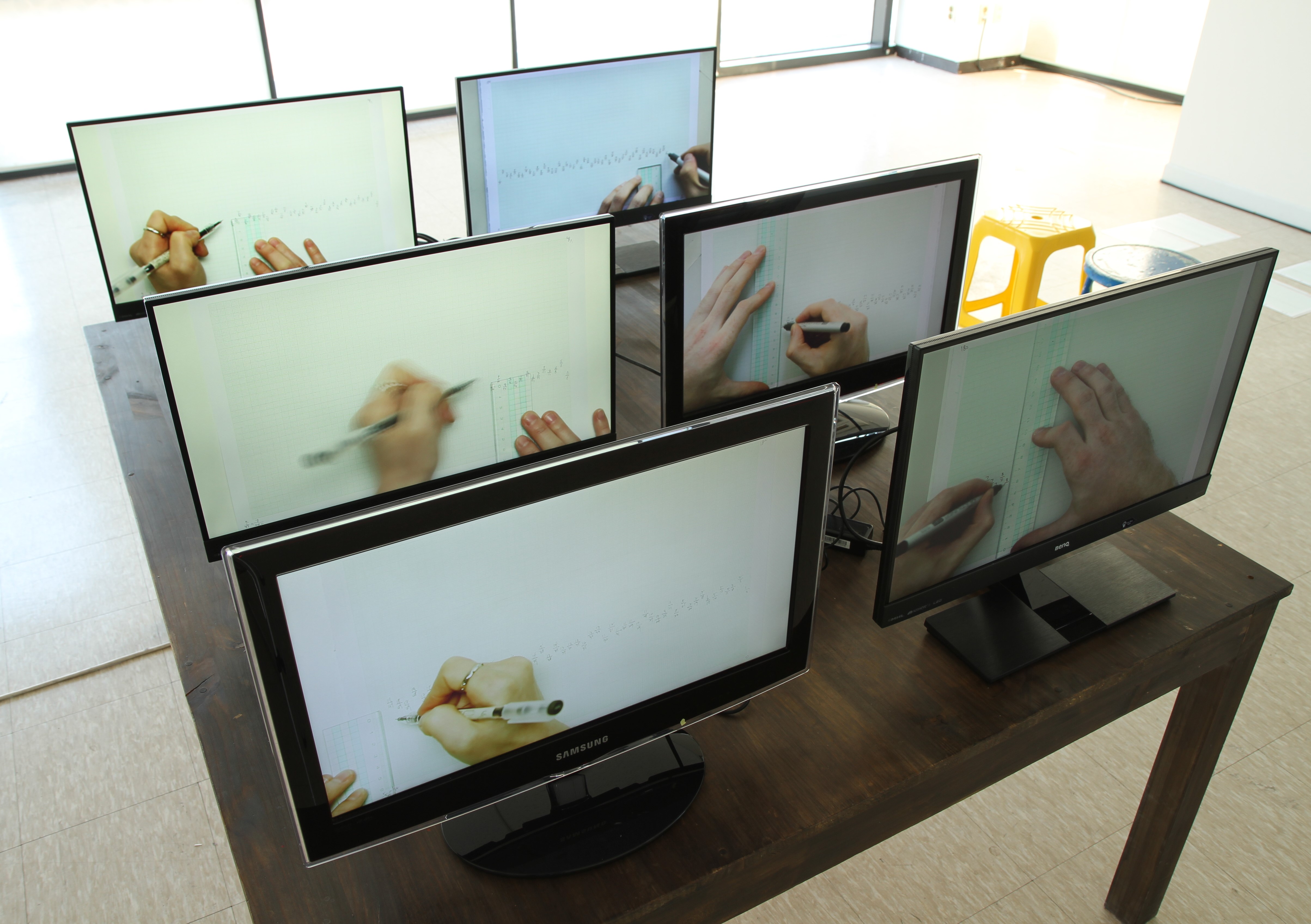
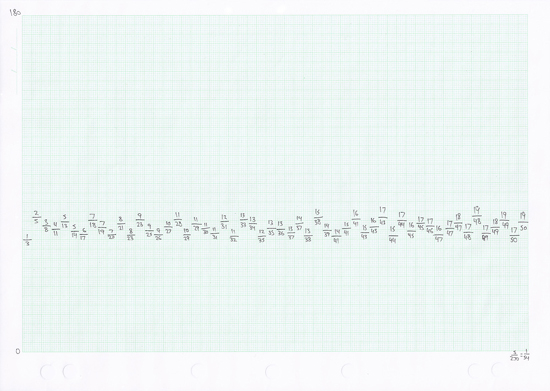
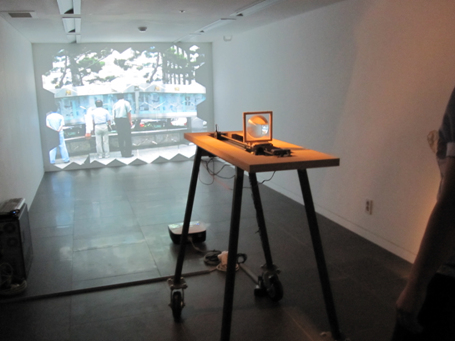
Junebum Park’s videos are simple. One person reads while another writes. In this way, the process of recording non-terminating decimal numbers in fractional form is documented. Decimals that cannot be divided into whole numbers endlessly divide, arrange themselves, and move. The process continues as fifty-four numbers, or fractions, are read and written in a row across the grids of a 180 × 250 mm sheet of graph paper.
They are written with the right hand, and the image is reversed so that they appear to be written with the left. It is then written with the left hand and reversed into footage that appears to show the right hand writing. Among the six staged videos, footage of right-handed and left-handed writing is screened as it is. Three videos are horizontally reversed, while the remaining three are shown as originally filmed.
Yet to the observer, the distinction between the reversed footage and the footage shown without alteration appears relatively insignificant. The degree of the artist’s attention and meticulousness cannot be identical to the level at which a viewer experiences or appreciates the work under ordinary conditions.
As front, back, left, and right are transformed, the event loses its original position and direction. The videos evoke a certain obsession with numbers, or with order and rules. They reveal a kind of autistic quality. Whether one follows the right hand or the left, the direction in which the numbers are recorded, or the mathematical order among the numbers, one eventually encounters a dimension of meaninglessness.
What, after all, does it mean for us to record these numbers and then observe or appreciate a video that records the act of recording them?
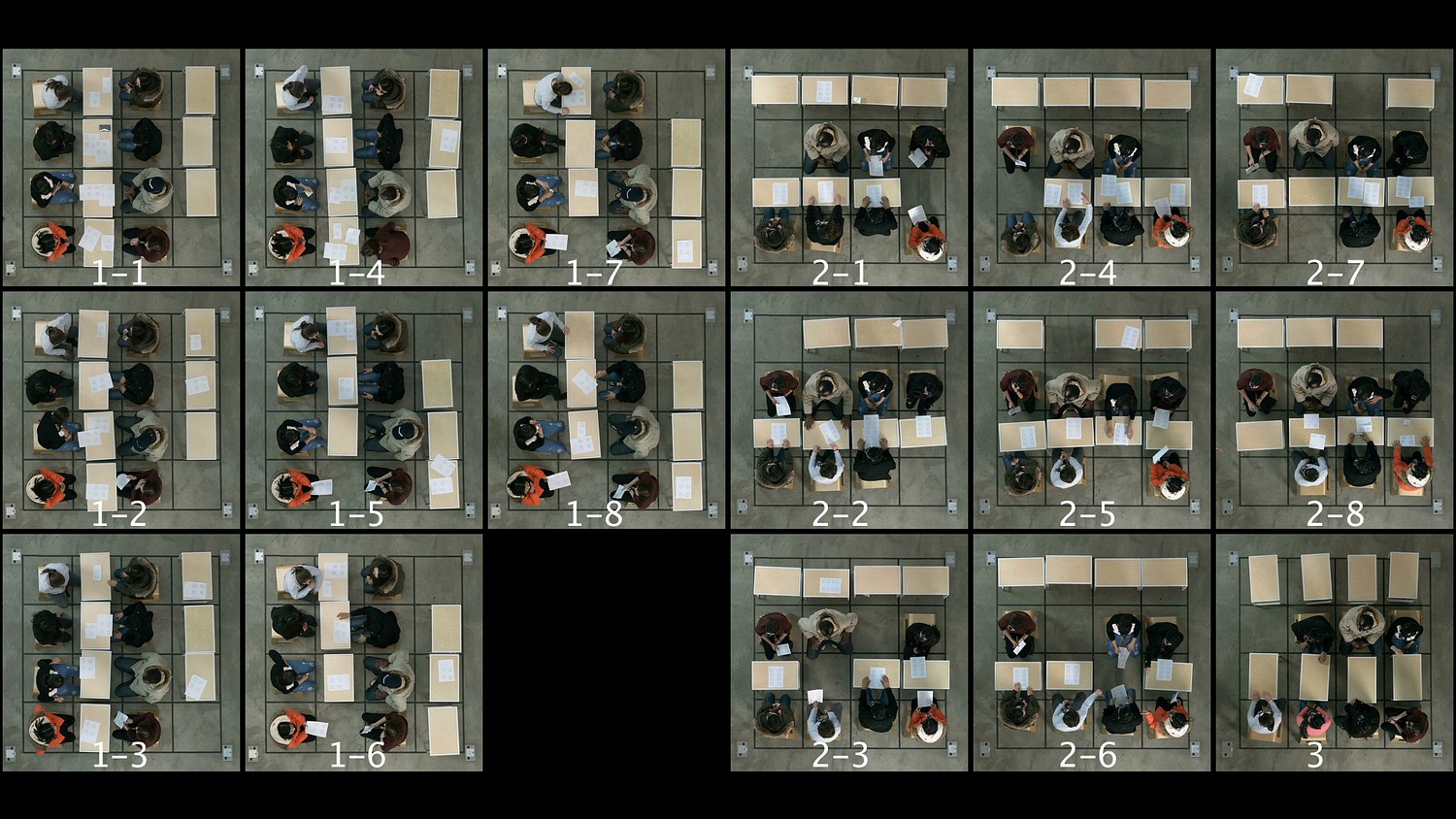
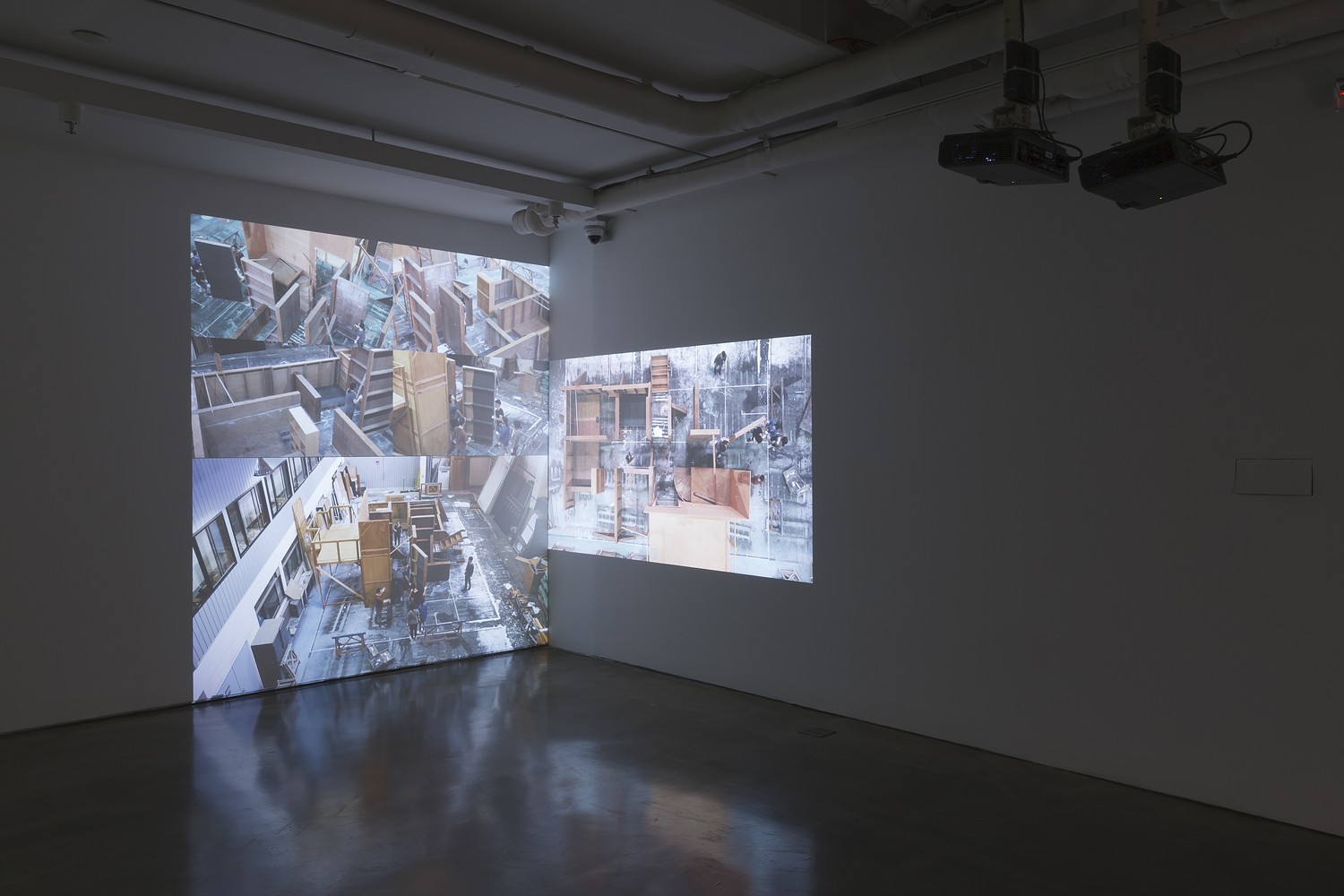
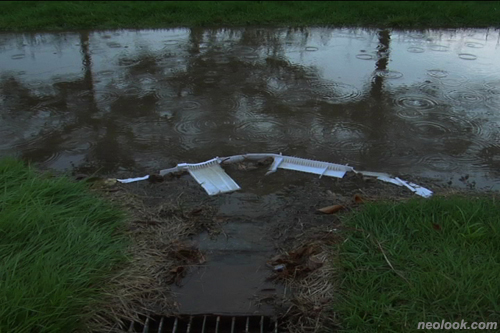
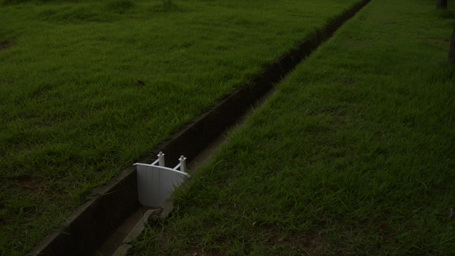
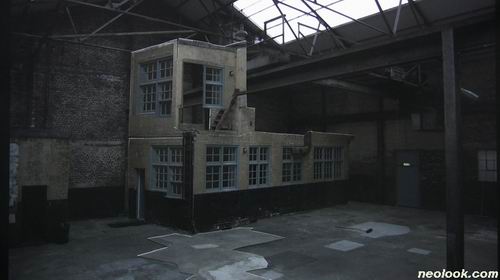
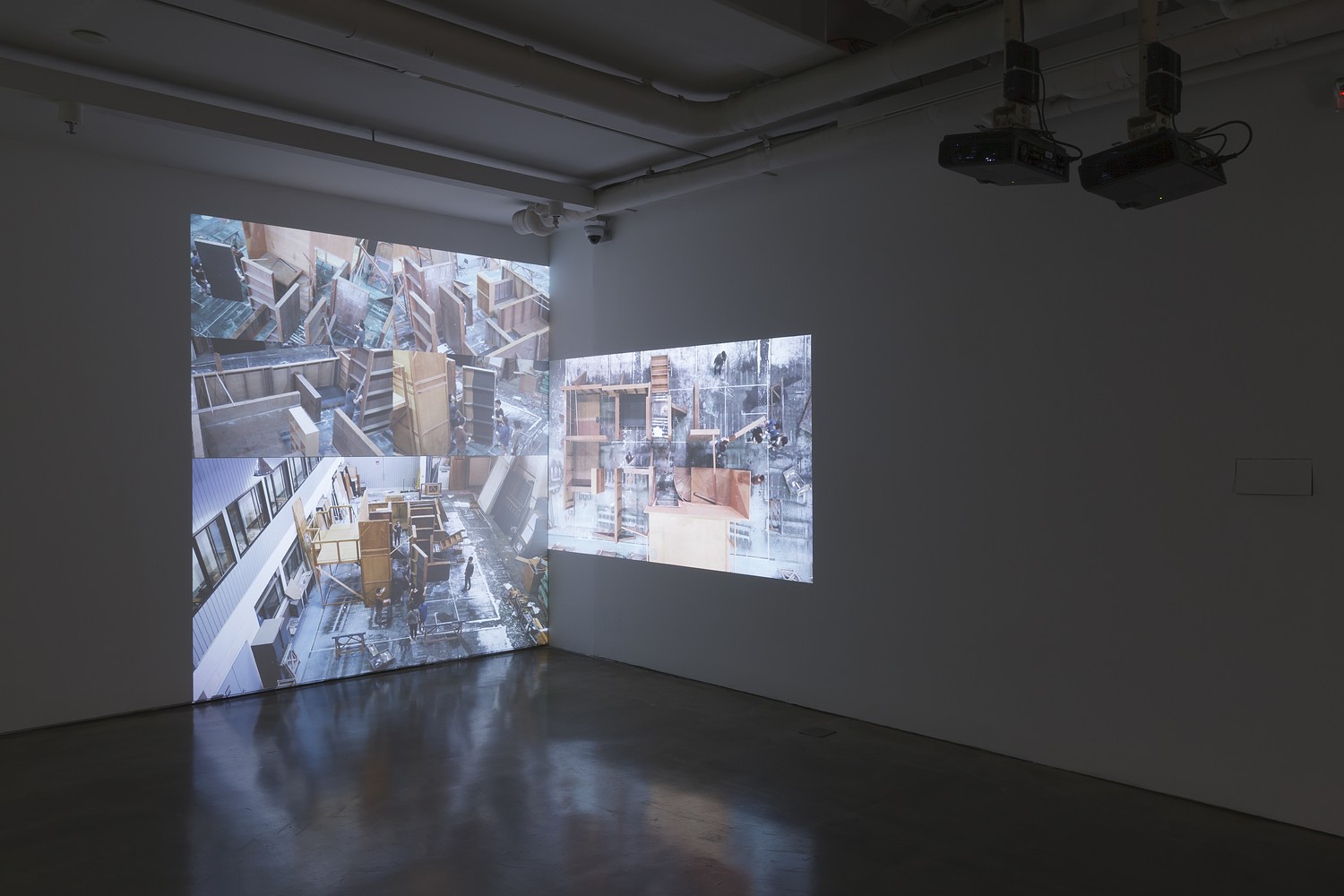
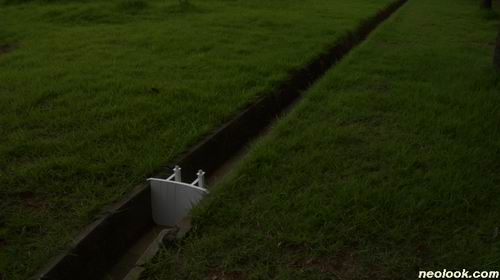
Consider the other videos. In works structured as puzzles, people from different linguistic backgrounds follow rules devised by the artist, changing places as they attempt to reach their own predetermined positions. The participants take part in the process with a sufficient understanding of the artist’s intention. Only the starting and ending points are fixed.
The process through which people who have difficulty communicating linguistically move in search of their places produces an endlessly changing range of possibilities. It appears to function as a metaphor for the social tensions and correlations within a multicultural society in which people from diverse cultural backgrounds live together.
In any case, everyone in Park’s videos eventually finds the place that has been designated for them in advance. In the process, the sociality and relationality of each participant, as well as the individual particularities of their attitudes and actions, become visible. The artist’s intention focuses on the indeterminate state of movement that unfolds between fixed events.
The most important constant in solving the problem was not an environmental factor determined by nationality or language,
but each individual.
The result demonstrated how much effort each person made within this small society.
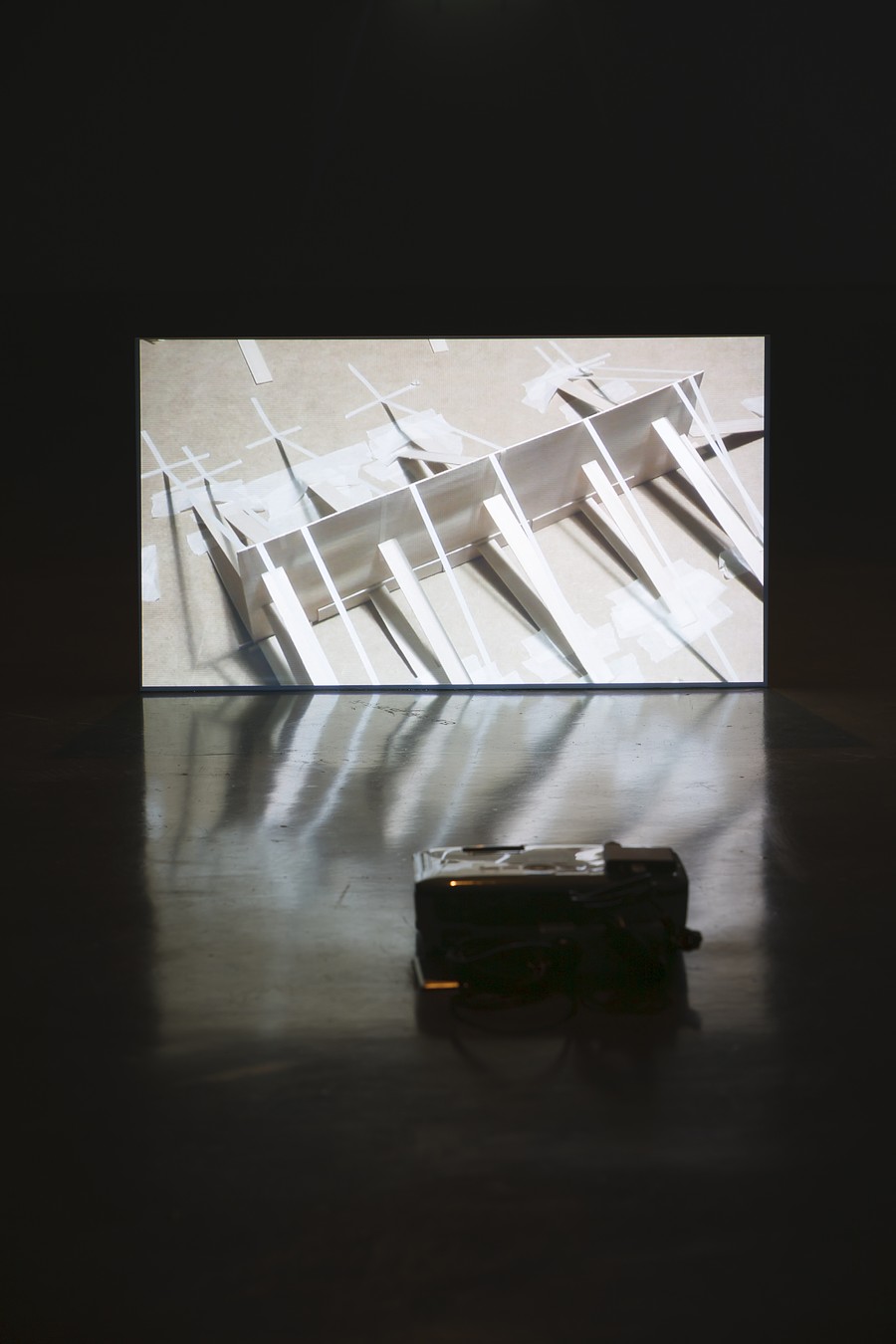
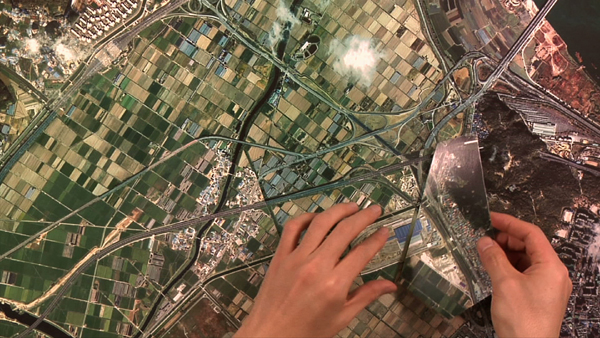
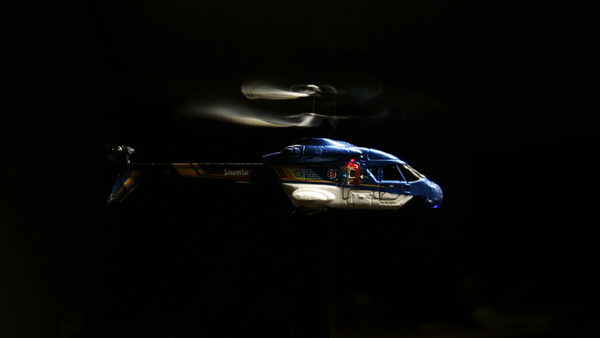
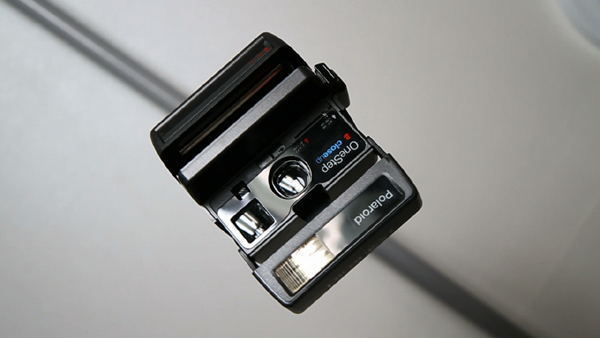
Most of the works Junebum Park has developed over time document processes that change endlessly according to nonlinear rules. Some of the videos are humorous, some dry and matter-of-fact, and others critical of reality. Yet these qualities are not particularly important. What can be consistently identified throughout his work is that most of it is composed of various forms of planned action and reaction, together with contingent interactions.
The artist reveals the complex, dual, and strange nature of art, which can be dreamlike and literary while also technical and mathematical. Once translated into text, the moving image acquires a complete logical system of its own.
Before arriving at a result, Park begins with a hypothesis already established in advance. He does not deviate from it by even a single step. His videos are records of movement toward a predetermined hypothesis and certainty.
It is a matter of vision and conviction. The situations designed by the artist initially appear intended to reveal precision and clarity, yet at a certain moment the process of their ambiguous logic becomes twisted.
From dry images far removed from conventional aesthetic pleasure, and from the intellectual games embedded in their processes, moments of humor or accidental pleasure suddenly emerge. The artist describes a sense of pleasure that occurs at the precise moment when an idea he has designed falls perfectly into place.
I think that if errors or meaningless pieces of information are gathered in sufficient quantity, they may eventually produce information or results that approach the actual substance of something.
3. Subtle Pleasure, or the Sensualization of Concept and Logic
The artist’s videos are processes of Junebum Park’s individual conception and contemplation, presenting only a single point of inflection. Rationalism does not abandon experimental adventure. His production of videos through mathematical expressions, forms resembling mechanical experiments, or engineering gestures may constitute a parody of mathematical logic or scientific rationalism, or it may instead reveal the artist’s profound personal faith in them.
The method in which an artist prepares several elements in advance, calculates them in his own way, and then records unpredictable variations on video is nothing new. The combination of meticulous planning and unforeseeable chance is already well established in contemporary art. What matters, however, is understanding what led the artist, through a particular work, to concentrate on these specific events, materials, meanings, and messages.
My work is an act of stubbornly adhering to the particularities of video and to its working process. The quantified or architectural expressions and structural interpretations in my work may be understood as genetic characteristics of my own, related to the “character and disposition” of the individual mentioned earlier.
Those accustomed to mathematical thought experience freedom within it. They may also experience aesthetic pleasure, even spiritual or mystical experiences. The perfect operation of nature and the world leads us to posit a perfect being, while conversely, chance, chaos, and unpredictable events call to mind an existence beyond the human, thereby producing an aesthetic experience approaching the sublime.
Both the perfection of logic and the contradictions and errors that emerge within a logical process can be understood as evidence of a perfect being or of the reality of perfection. What can be explained, together with what conversely cannot be explained, evokes a single reality. This strange logic is deeply familiar within the field of art. It is traditional.
Technical completion and artistic completion are different. Technical obsession and artistic obsession are different. The delicate staging of chance and chaos is not a technical matter but a matter of aesthetic sensibility. It may be impossible to define precisely what that sensibility is, yet one can clearly feel it operating at every moment.
If we compare it to the pleasure experienced by game designers, designers of ultra-precise integrated circuits, or theoretical physicists, it might be described as the sensualization of an equation that has been subtly calculated or remains in the process of calculation—or as the sensualization of concept and logic.