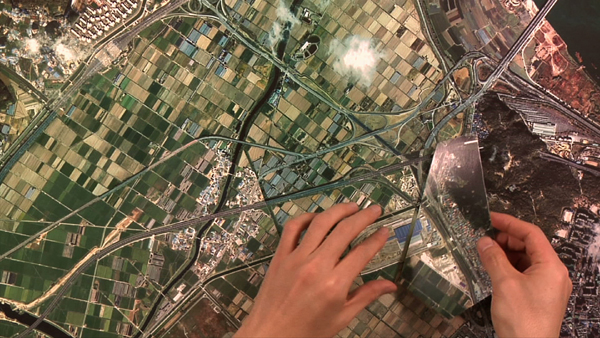
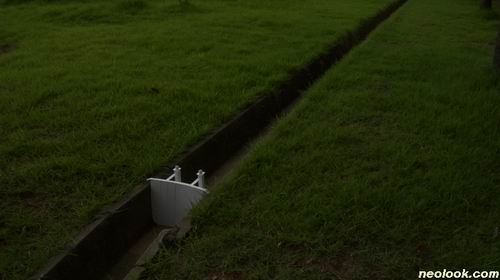
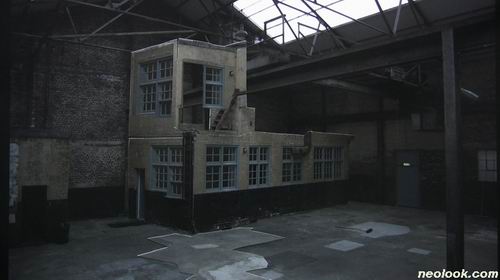
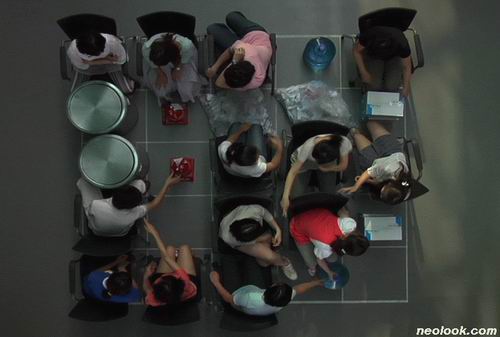
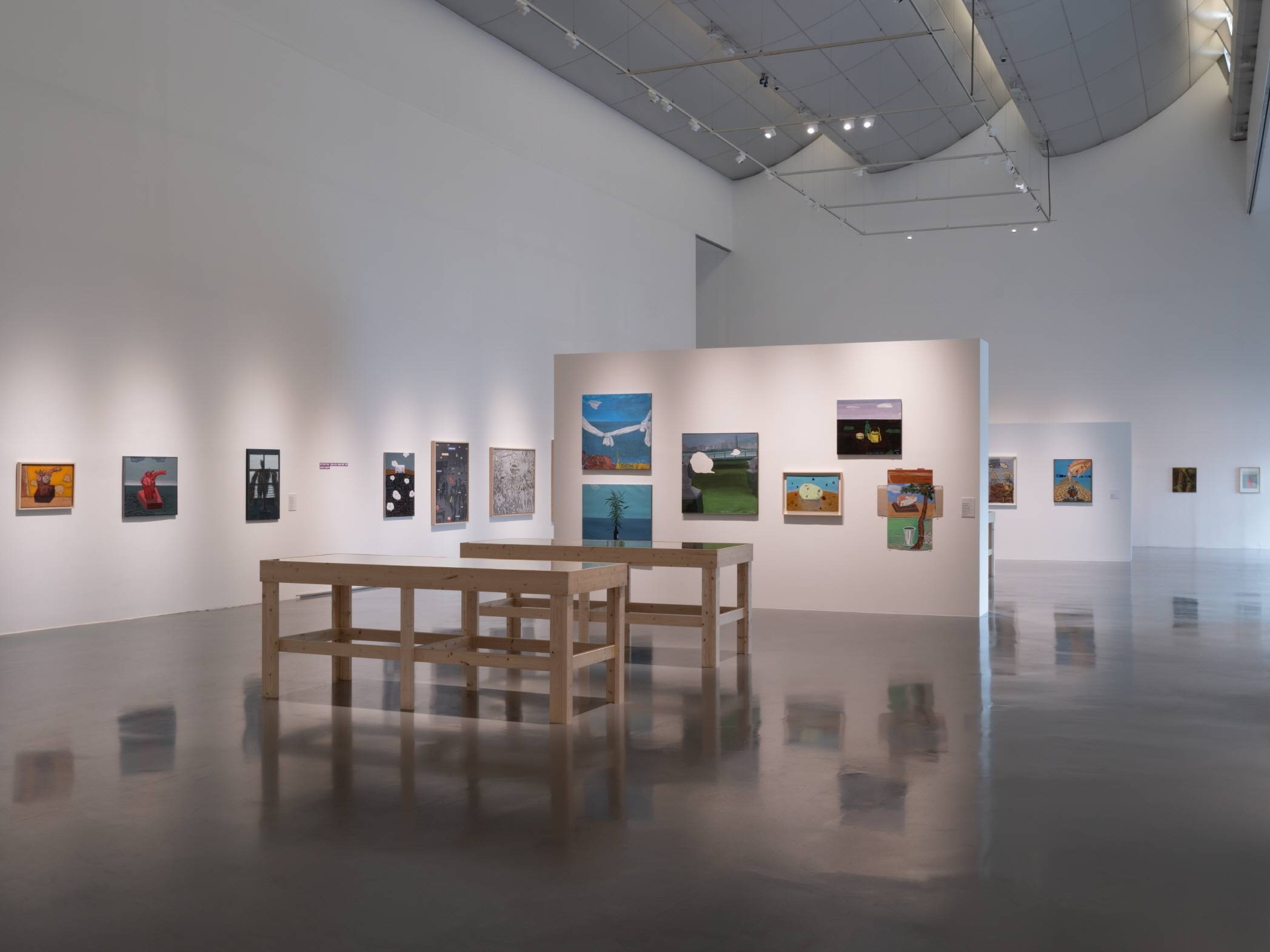
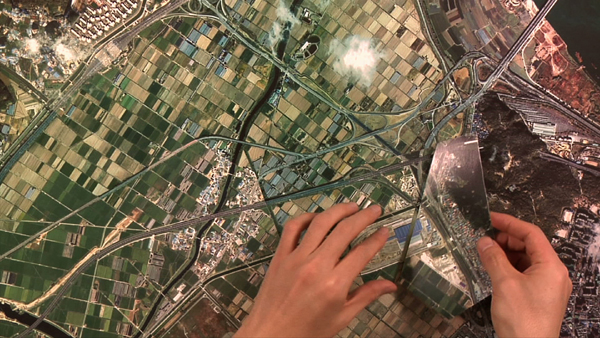
Junebum Park uses the viewpoint and frame of video both as means of representing reality and as devices for transforming it. His early works are characterized by frontal camera positions, deep focus, and spaces flattened through perspective. In Parking (2001) and series such as 'Crossing' and 'excavators', the artist stages scenes in which his hands appear to directly move cars, people, and machines within the image.
By compressing the distance between actual space and the hand, the camera allows an enormous hand and a miniaturized city to coexist within a single frame, reorganizing the proportions and movements of reality through bodily mime and optical illusion.
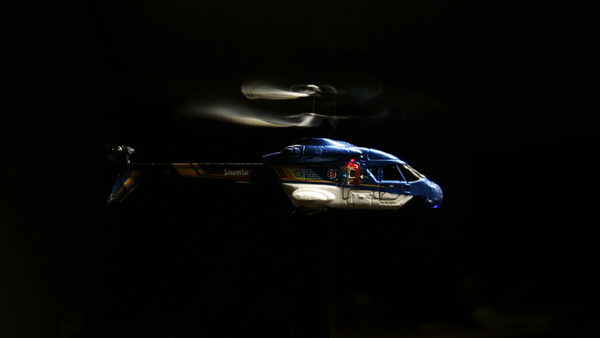
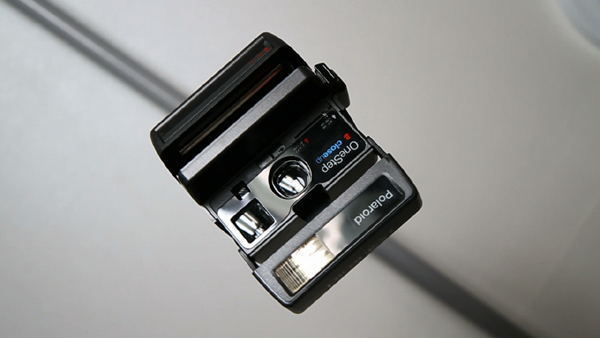
In the 'Warp Gate' series, Park tilts the camera to overturn the direction of gravity in the city and makes mobile phones or remote controls held in his hand appear like flying vehicles, destabilizing the boundary between reality and the virtual through physical manipulations carried out during filming.
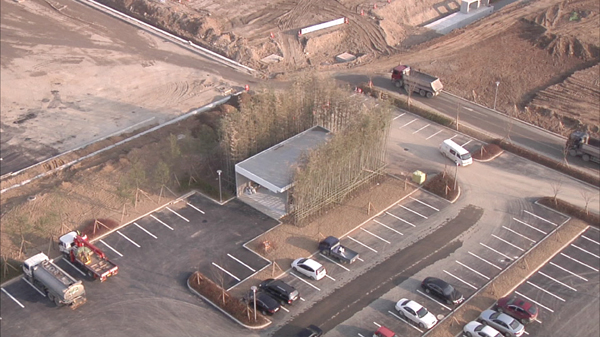
The manipulation of scale remains a recurring method within these visual constructions. Park reduces vast cities to the appearance of miniatures or makes small objects seem larger than their actual size, while shifting the viewpoint from human eye level to positions above the city or even beyond the Earth. In doing so, he continually alters the perceived distance between subject and viewer.
Time-lapse photography, acceleration, and repetitive editing extend this manipulation from spatial scale to temporal scale. In some works, changes in camera angle and speed alone render the movement and relationships of objects unfamiliar.
In Acrophobia (2003), the trajectories of basketballs, the orientation of the frame, and a space flattened through lighting combine to create subtle discrepancies between actual distance and the distance perceived on screen. For Park, form is therefore closely tied to the design of relationships and modes of operation among the elements that compose the image.
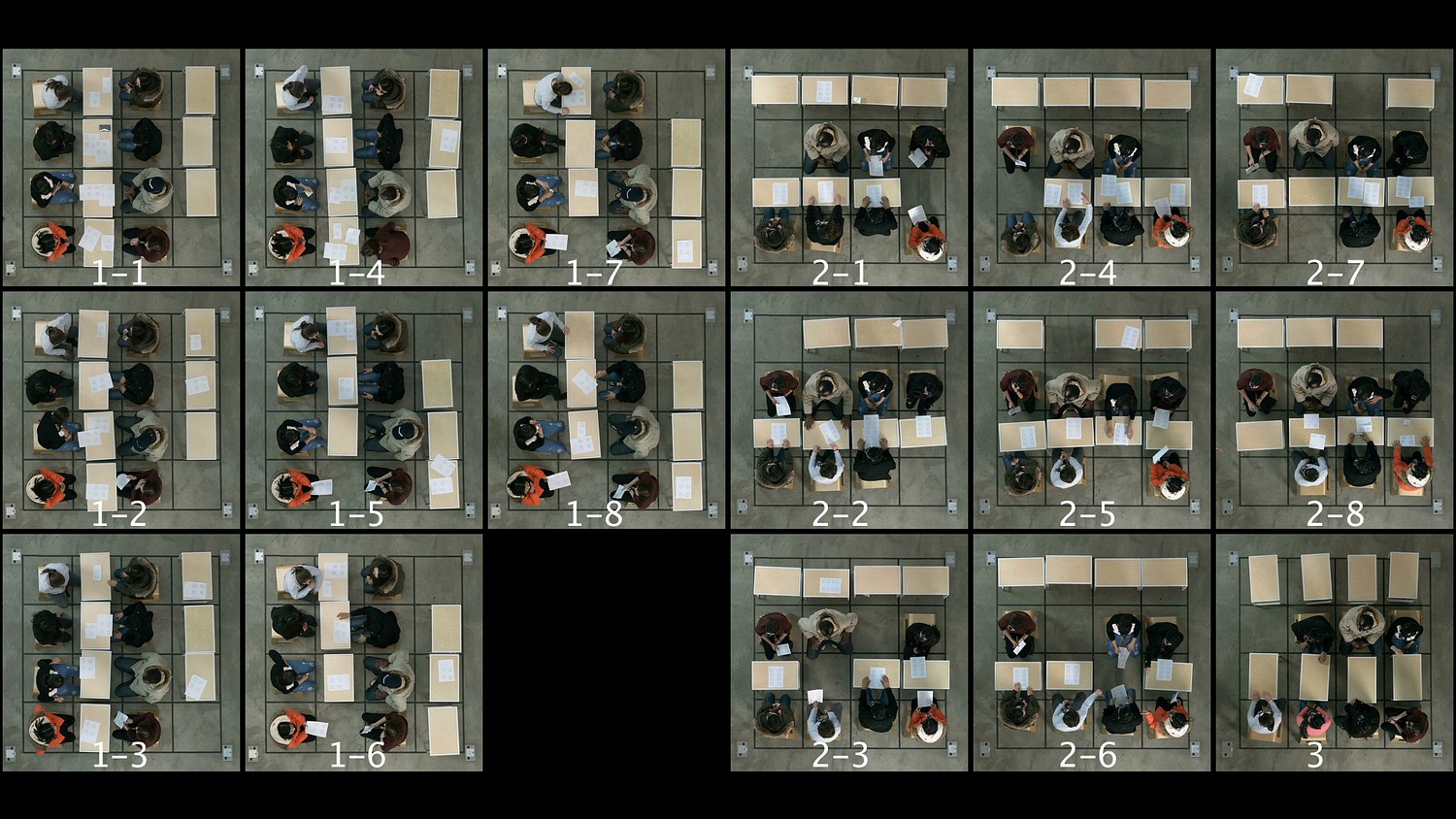
During the 2010s, this mode of construction expanded further into structures of performance and experimentation. Park establishes rules and conditions in advance, then records how participants or his own body move within them.
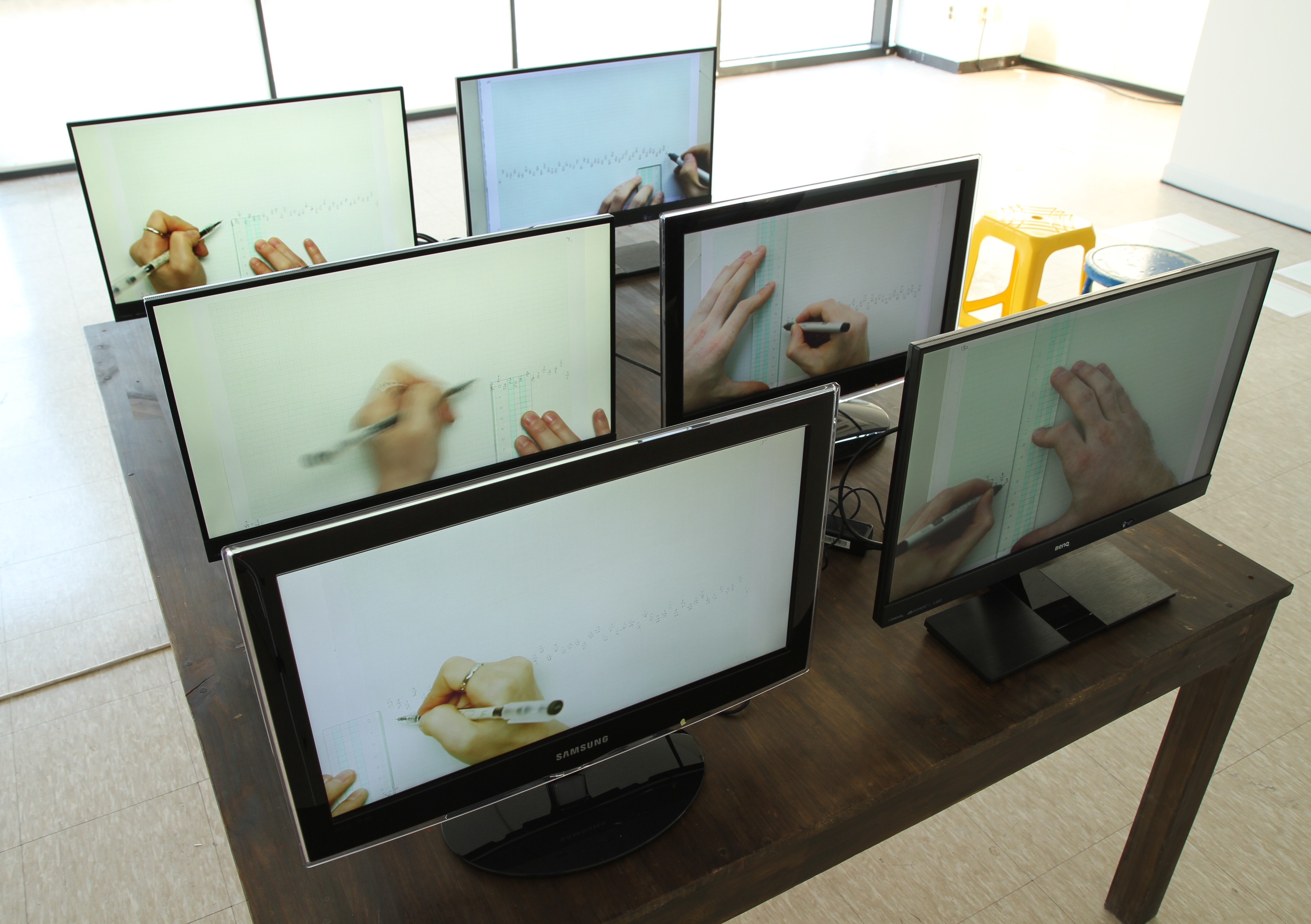
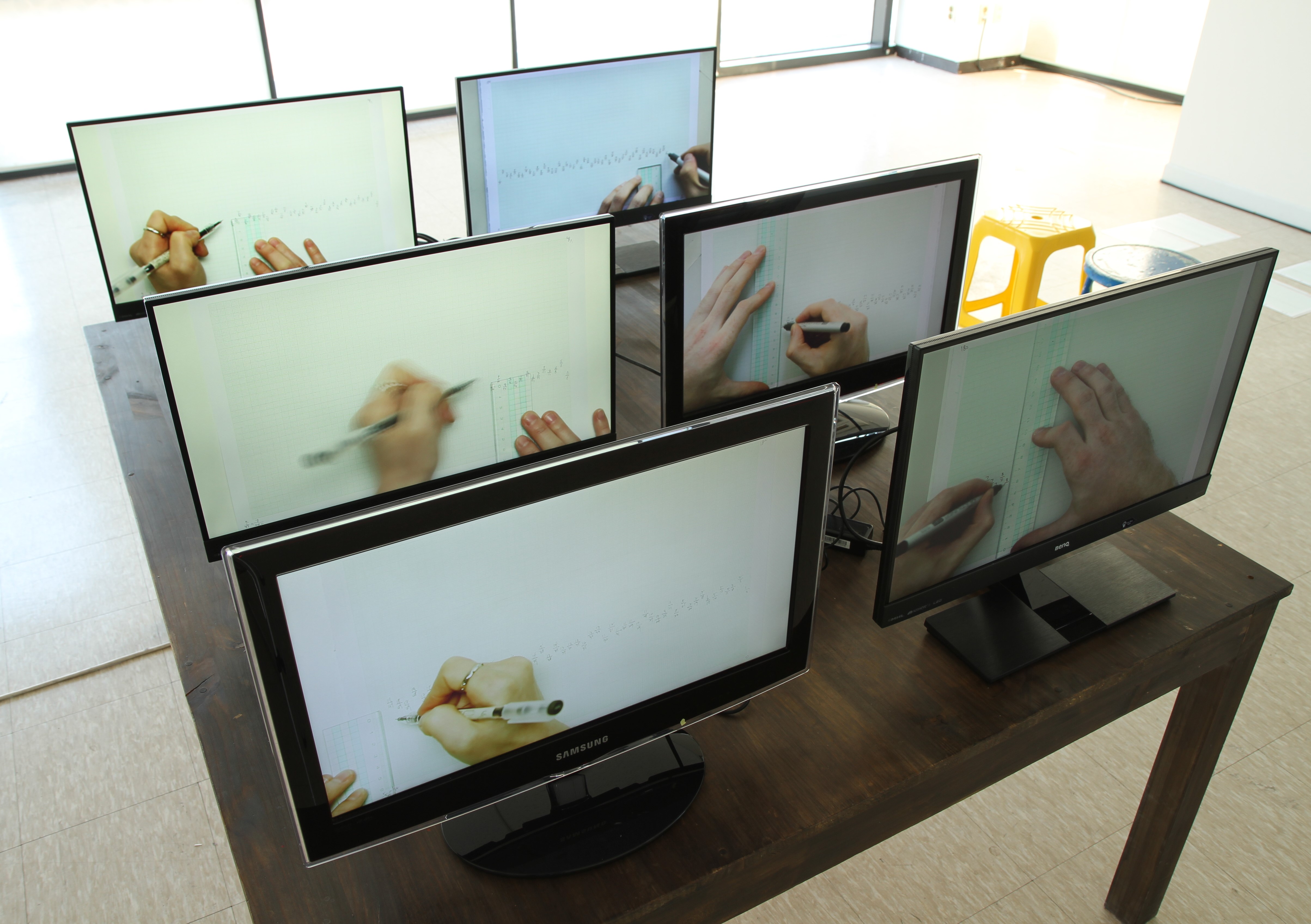
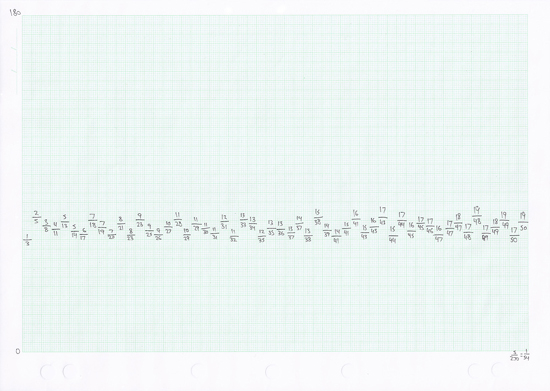
Study of Right Hand (2013–2015) consists of six videos that alternate between the right and left hands and between normal and horizontally reversed images, documenting the acts of transcribing numbers and performing calculations.
By introducing minute variations into actions that initially appear almost identical, the work reveals how habitual bodily behaviors—handedness, spatial orientation, and the rules of calculation—can easily be disrupted by the structure of the image. Repetition seems at first to proceed toward a clear answer, yet over time the original purpose of the calculation recedes and the body performing the rule, together with the persistence of movement itself, comes to the foreground.
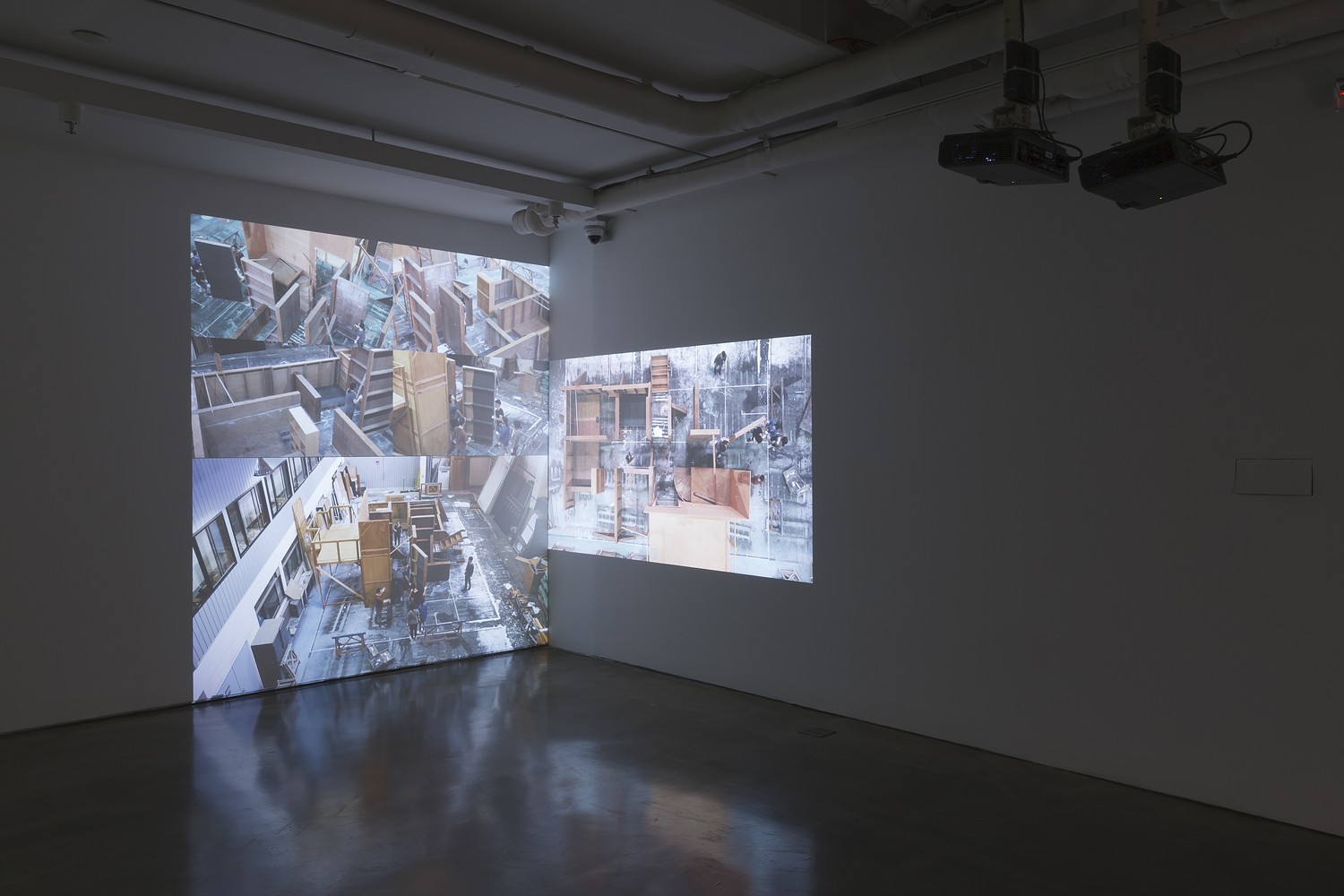
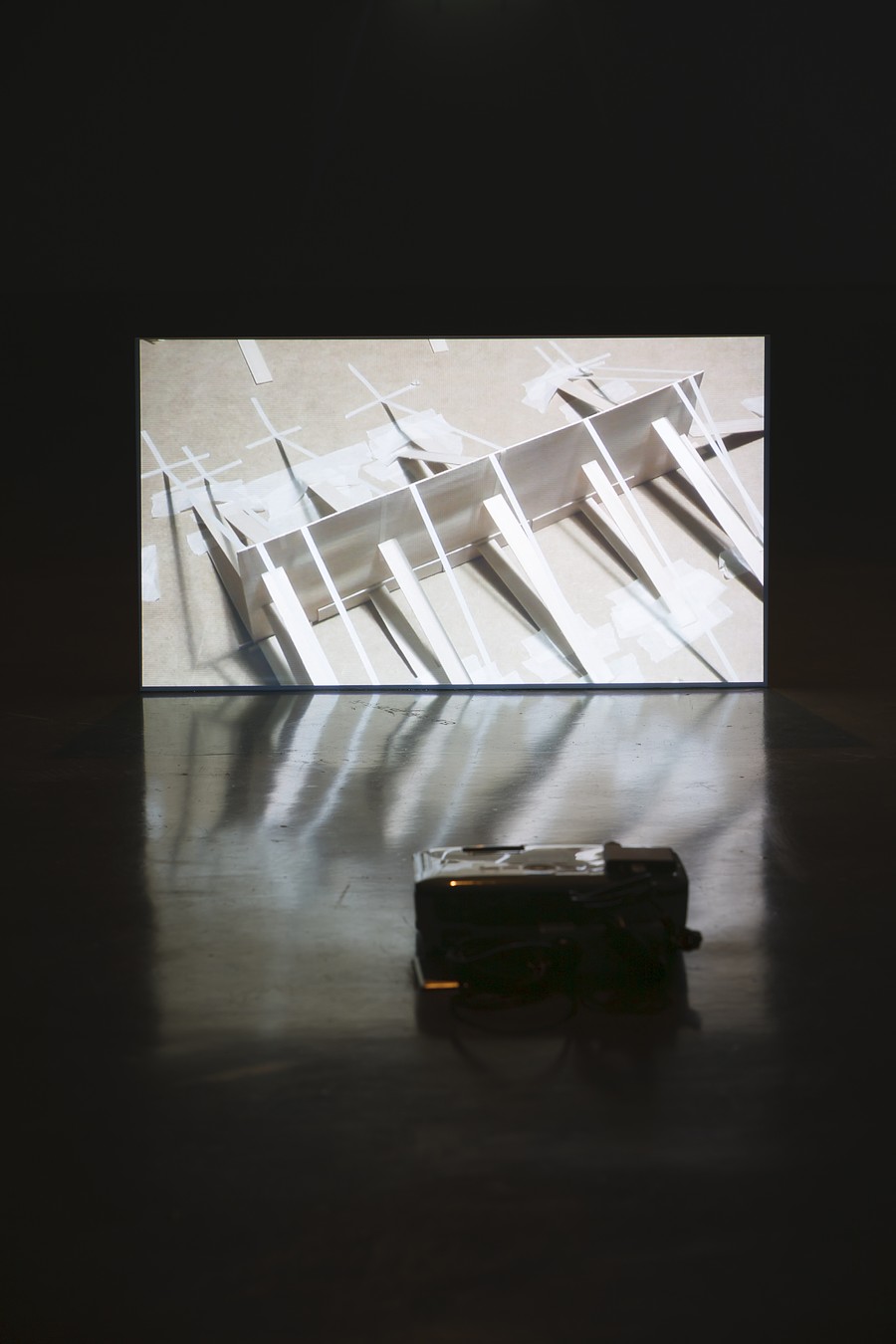
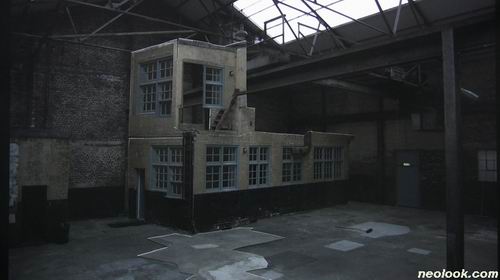
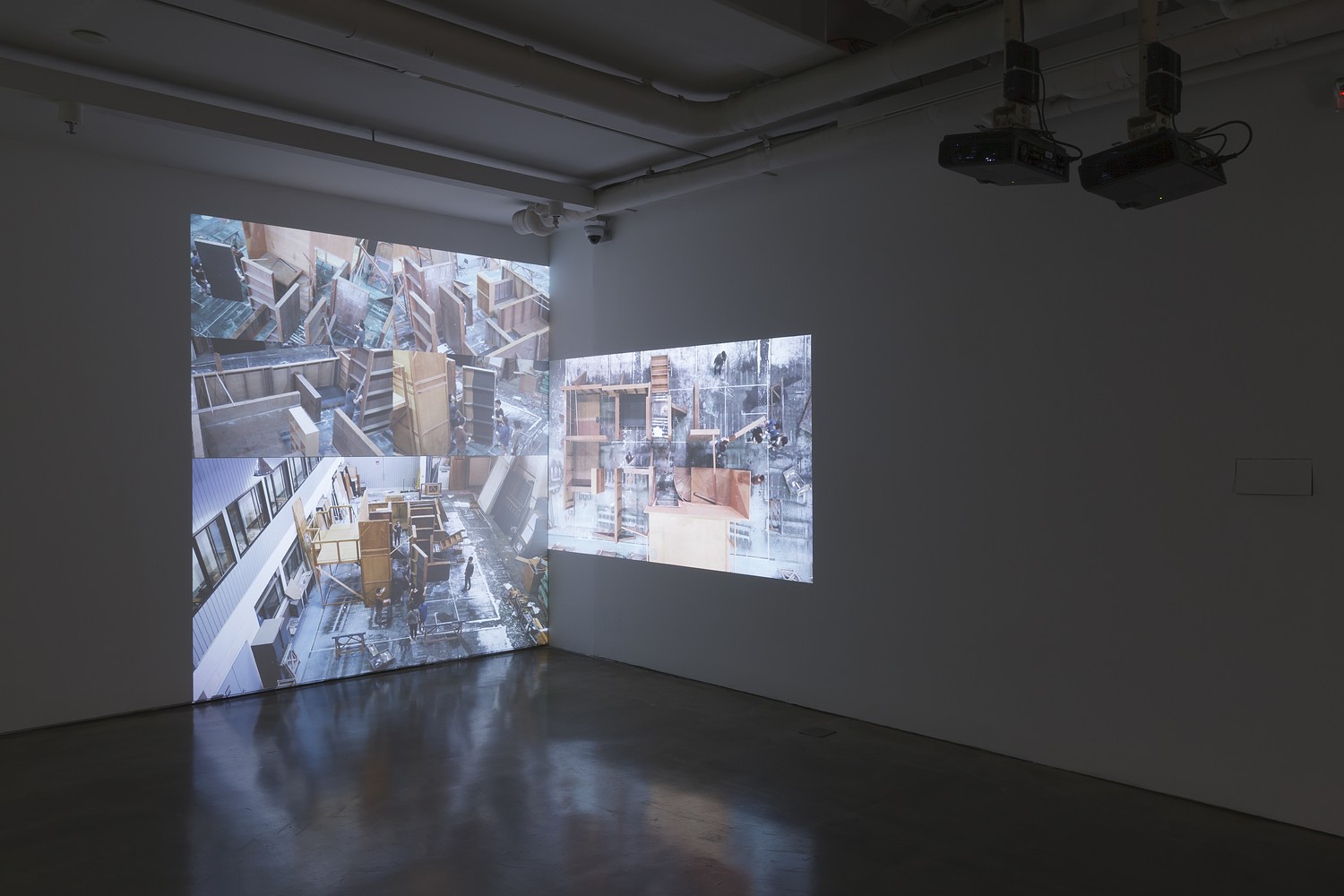
In works from this period, the process of design that exists outside the video frame also becomes an important part of the work’s form. Establishing hypotheses, devising rules, and moving through models and simulations before documenting the results recalls procedures associated with architecture and engineering, while Park extends his practice into maps, structures, puzzles, and multichannel video.
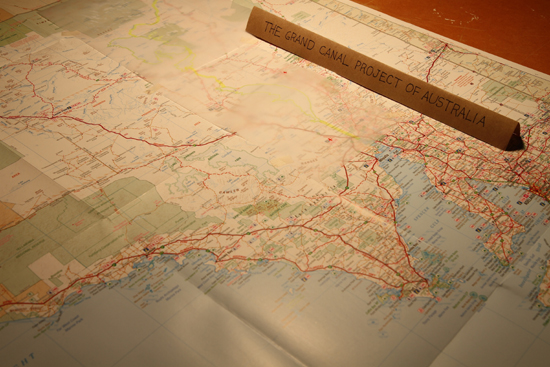
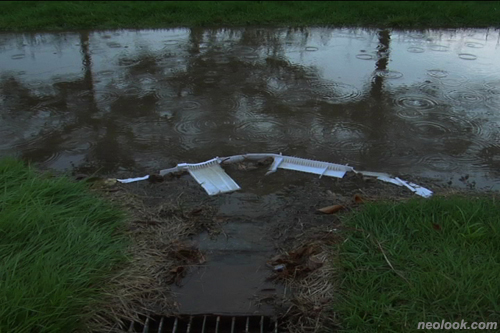
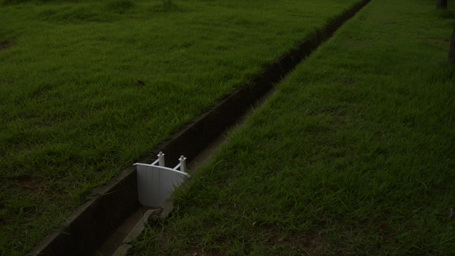
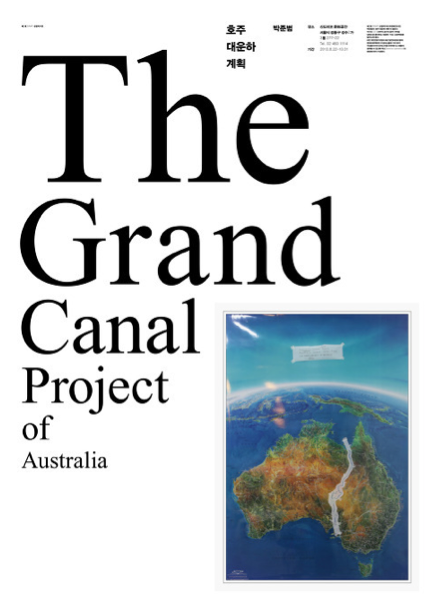
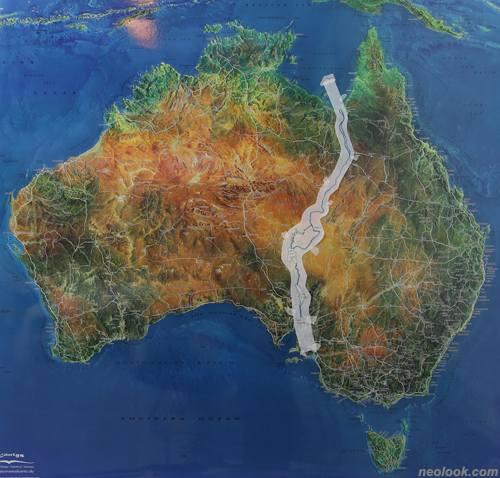
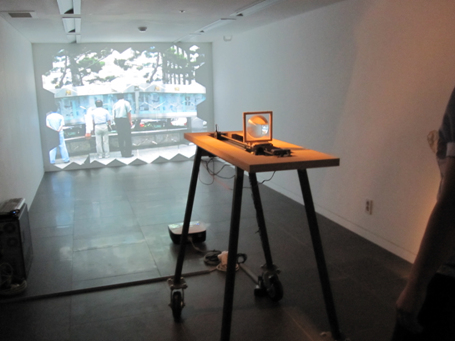
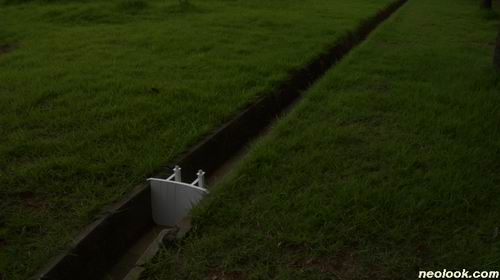
In The Grand Canal Project of Australia, he borrows the language of actual geography and civil engineering to construct a large-scale development plan that does not exist, while reconnecting structures and images from earlier works to expand a fictional system. These formats accommodate both meticulously predetermined conditions and the unpredictable movements that emerge within them.
In Park’s practice, filming, performance, editing, models, and rules function together as experimental devices through which reality is made to operate again under newly constructed conditions.