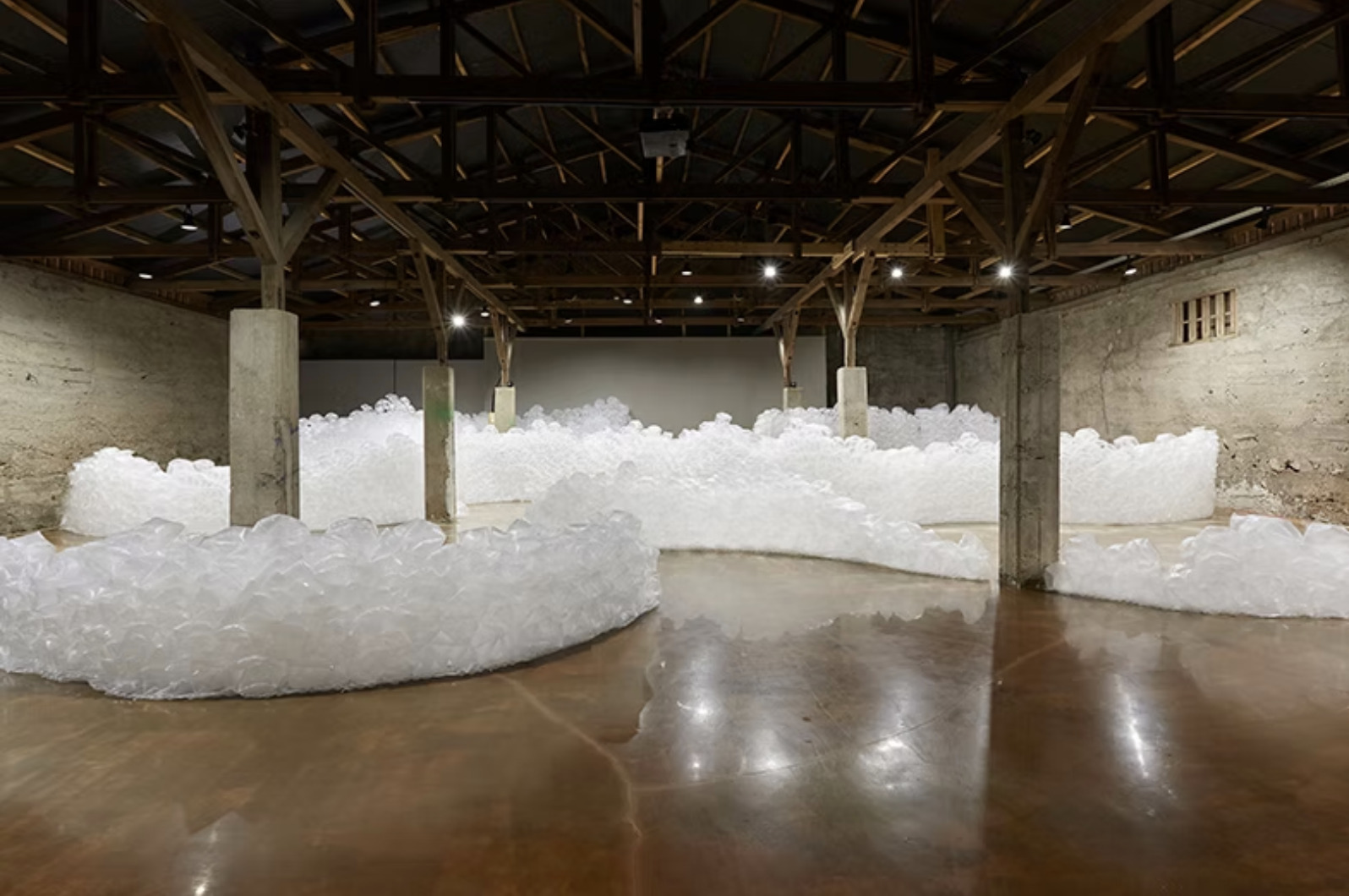
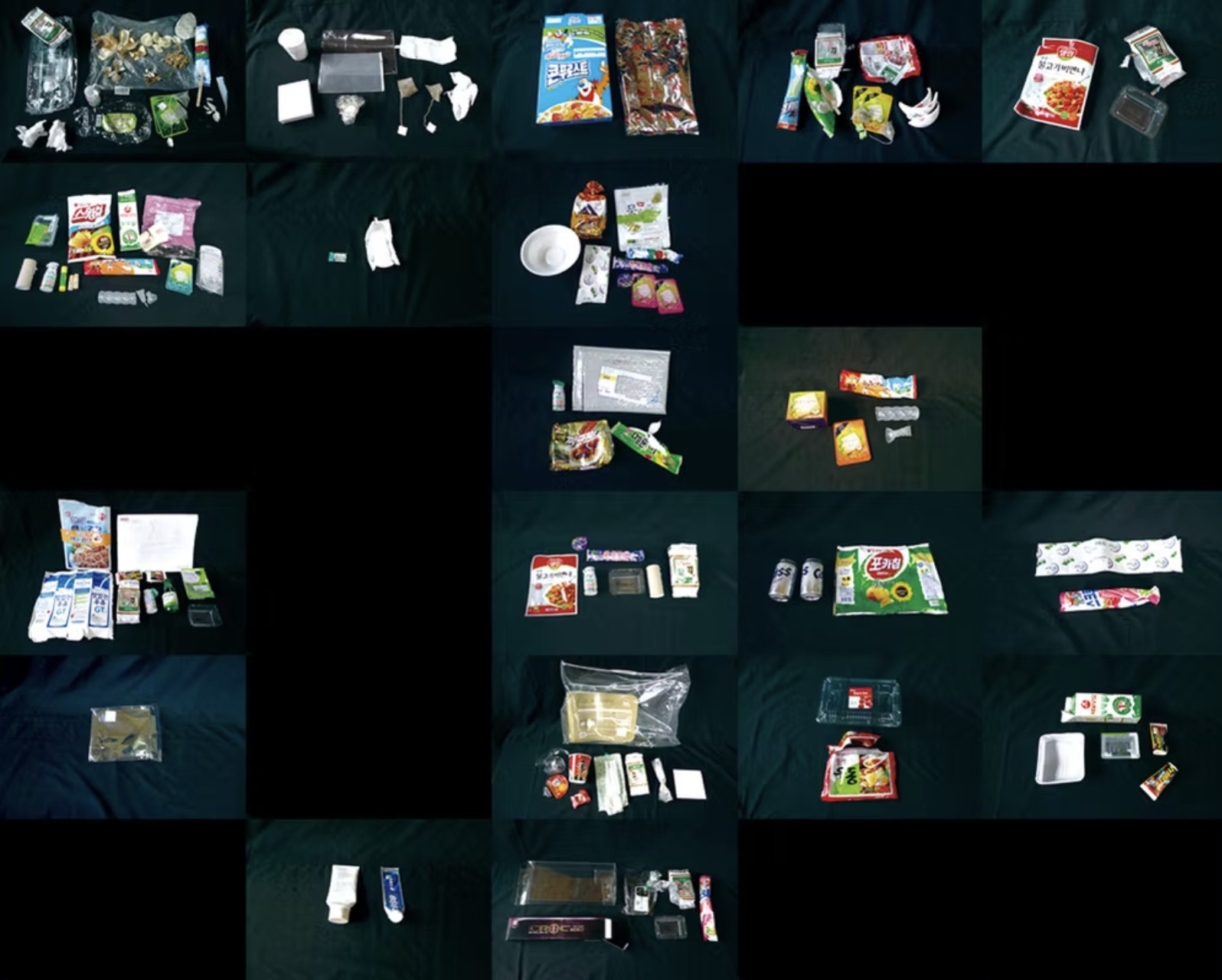
This exhibition begins with death, passes through resurrection, circles all the way around to live a life, and then exits again through death. Perhaps all that a fern, born on Earth before humans and having lived for 66 million years, could show was the continuity of life and death.
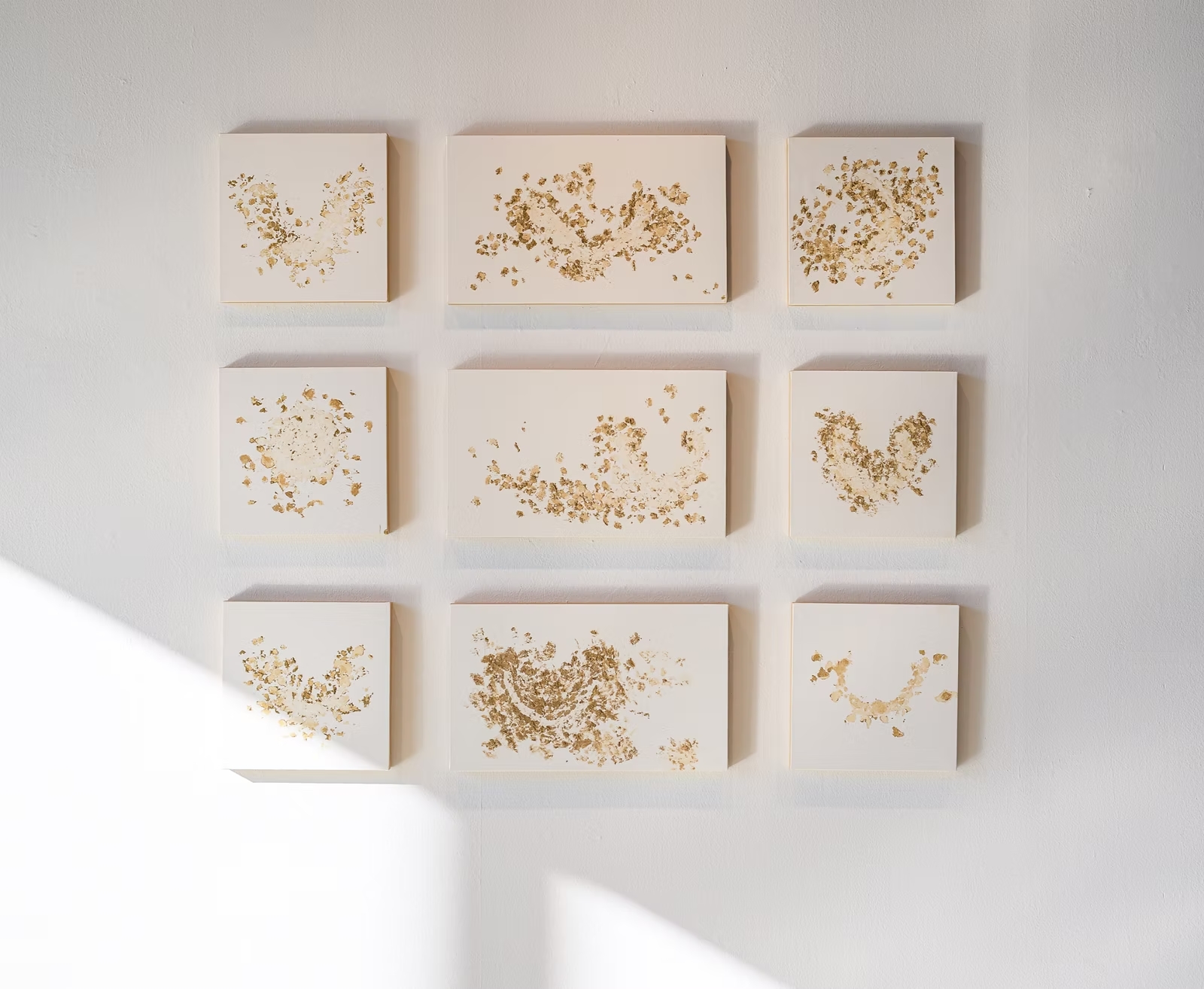
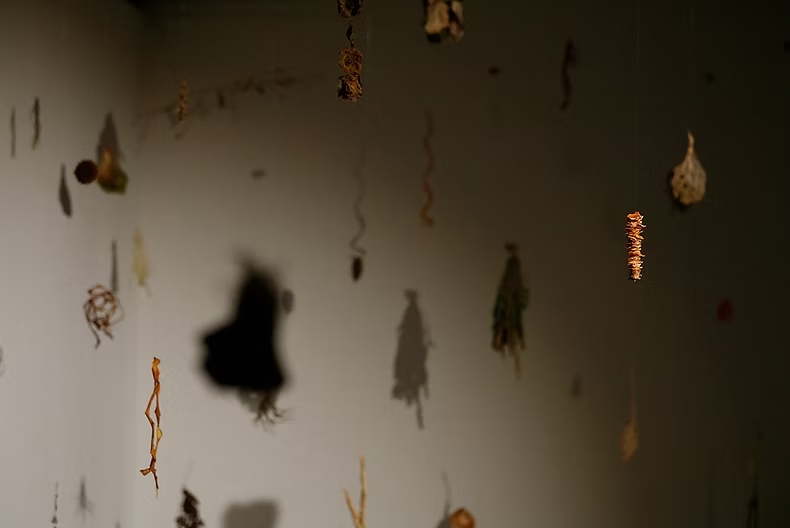
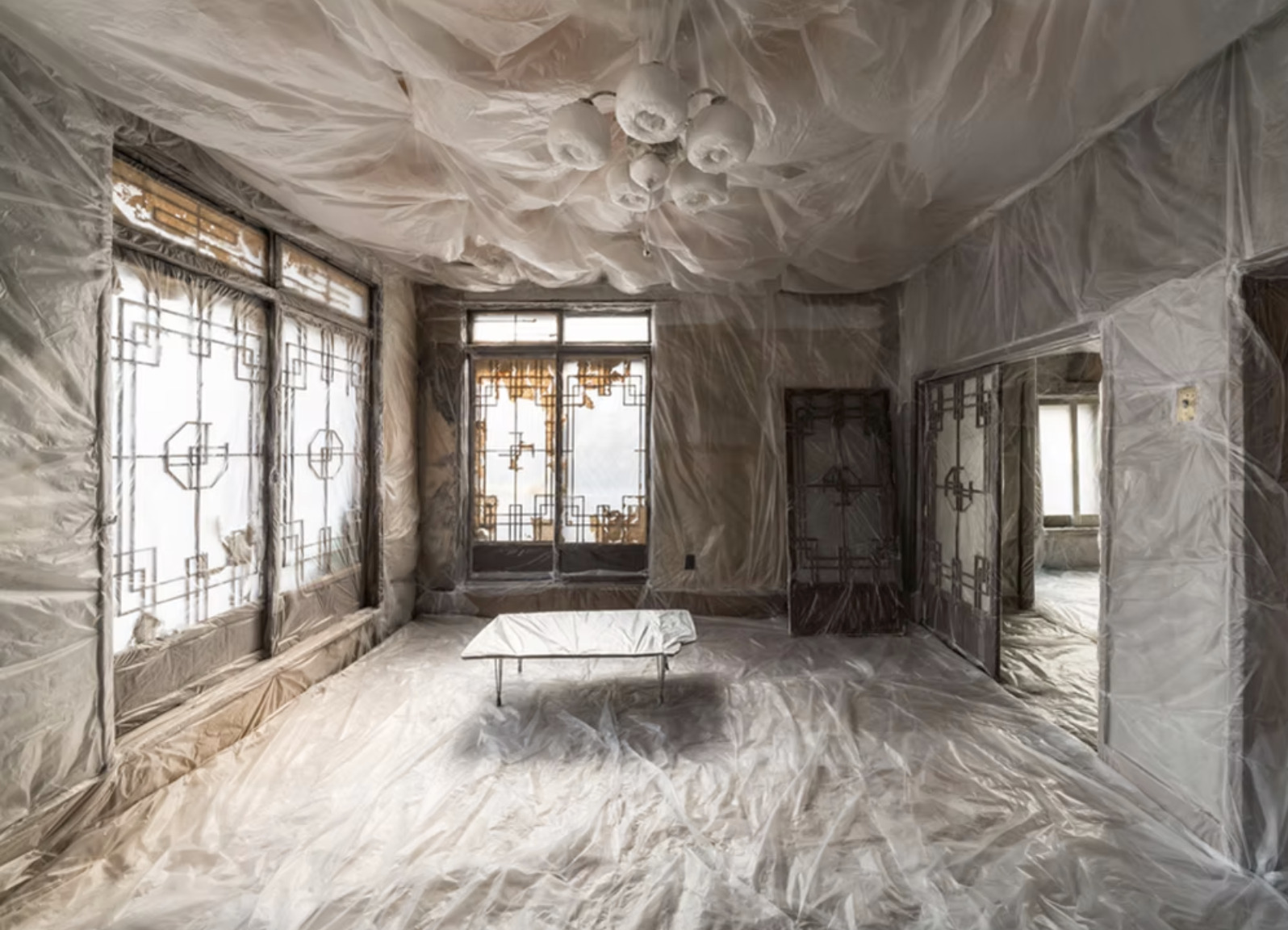
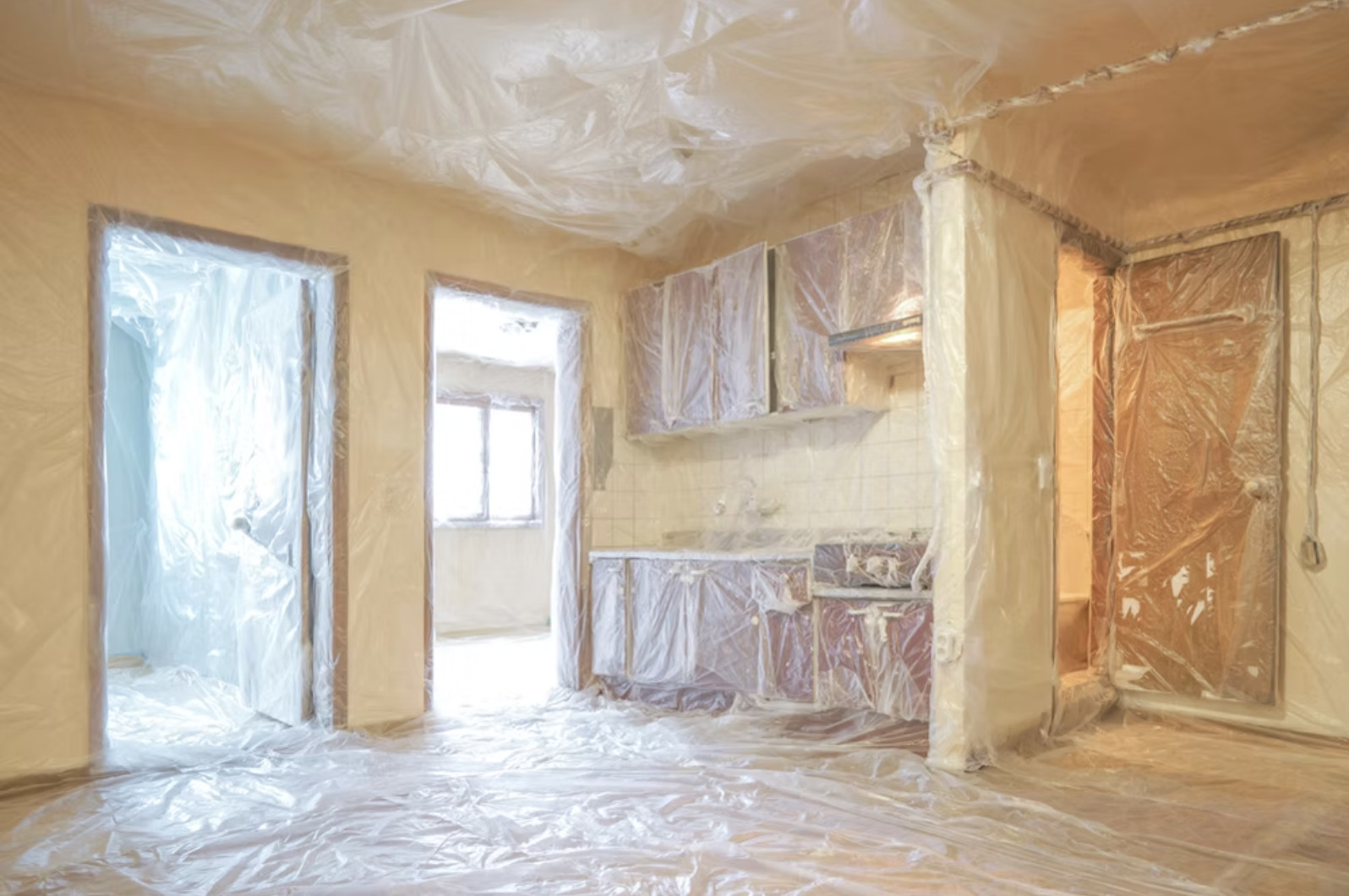
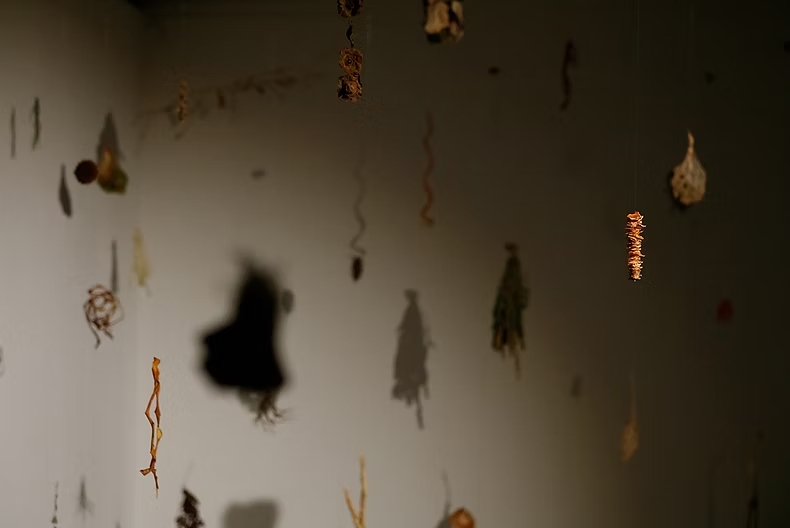
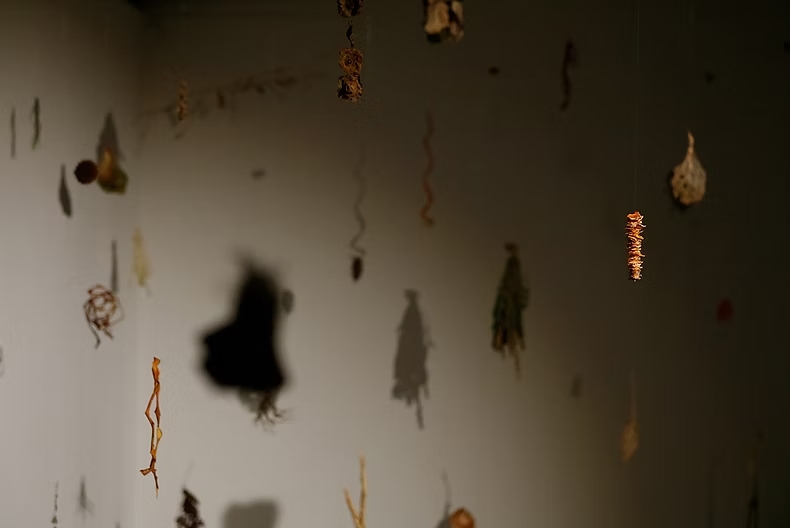
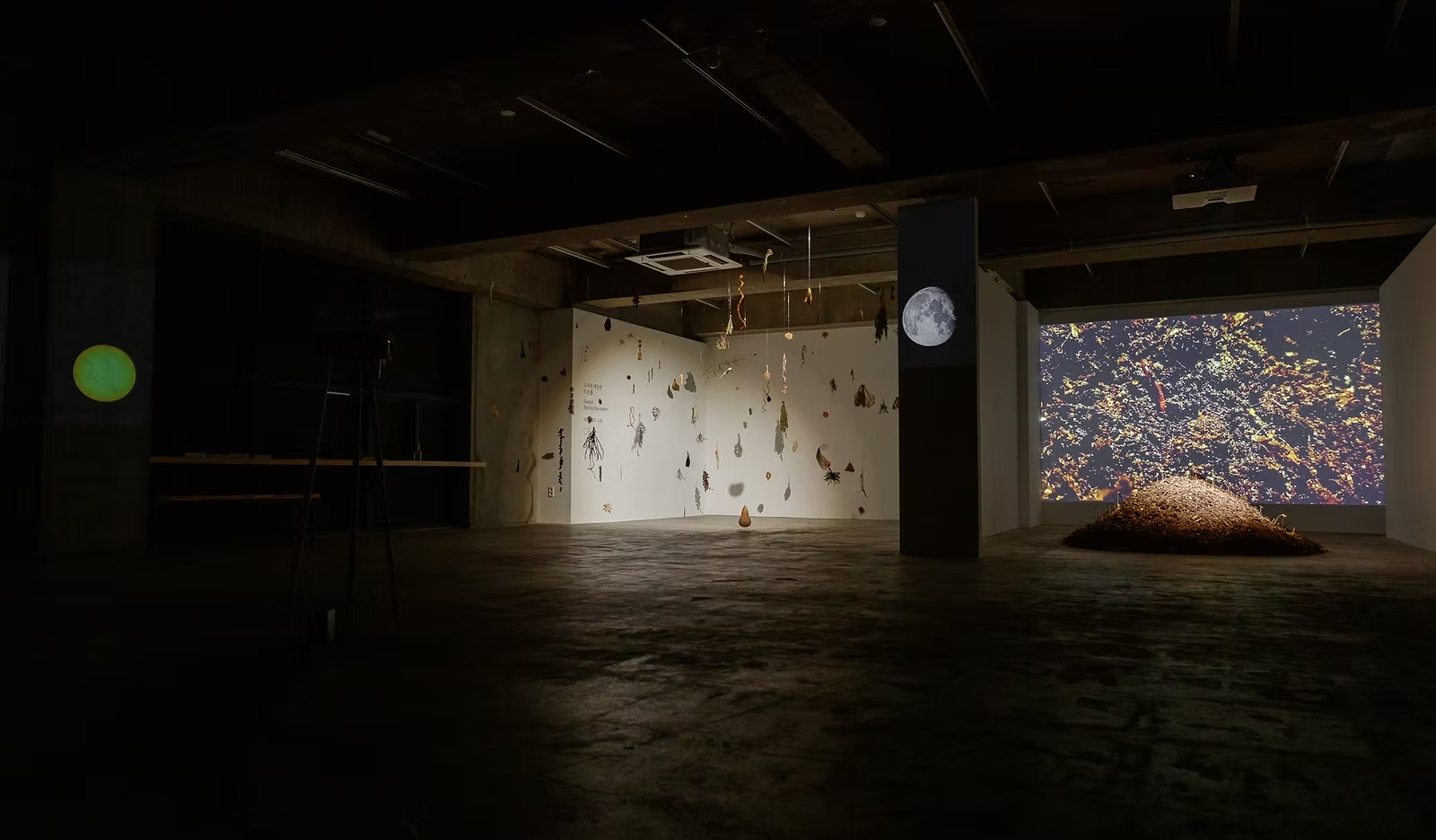
When one enters the exhibition space, one becomes surrounded by still lifes with no moisture whatsoever, dried and shriveled. Leaves of crops discarded during harvest, chestnut shells, onion skins, long strips of apple peel, and tree branches hang there, exhibiting death. It is embarrassing even to call each of these things by name, things we were always so busy throwing away as soon as they appeared that we never even looked at them.
So these are less death than “trash.” Was there “siraegi” there? In a way, just like the wisdom of our ancestors who revived even waste as siraegi, Gosari has no concept of throwing away. Everything is a process of life, and nourishment for the next life. It is merely paused for a moment, not “inanimate” or useless.
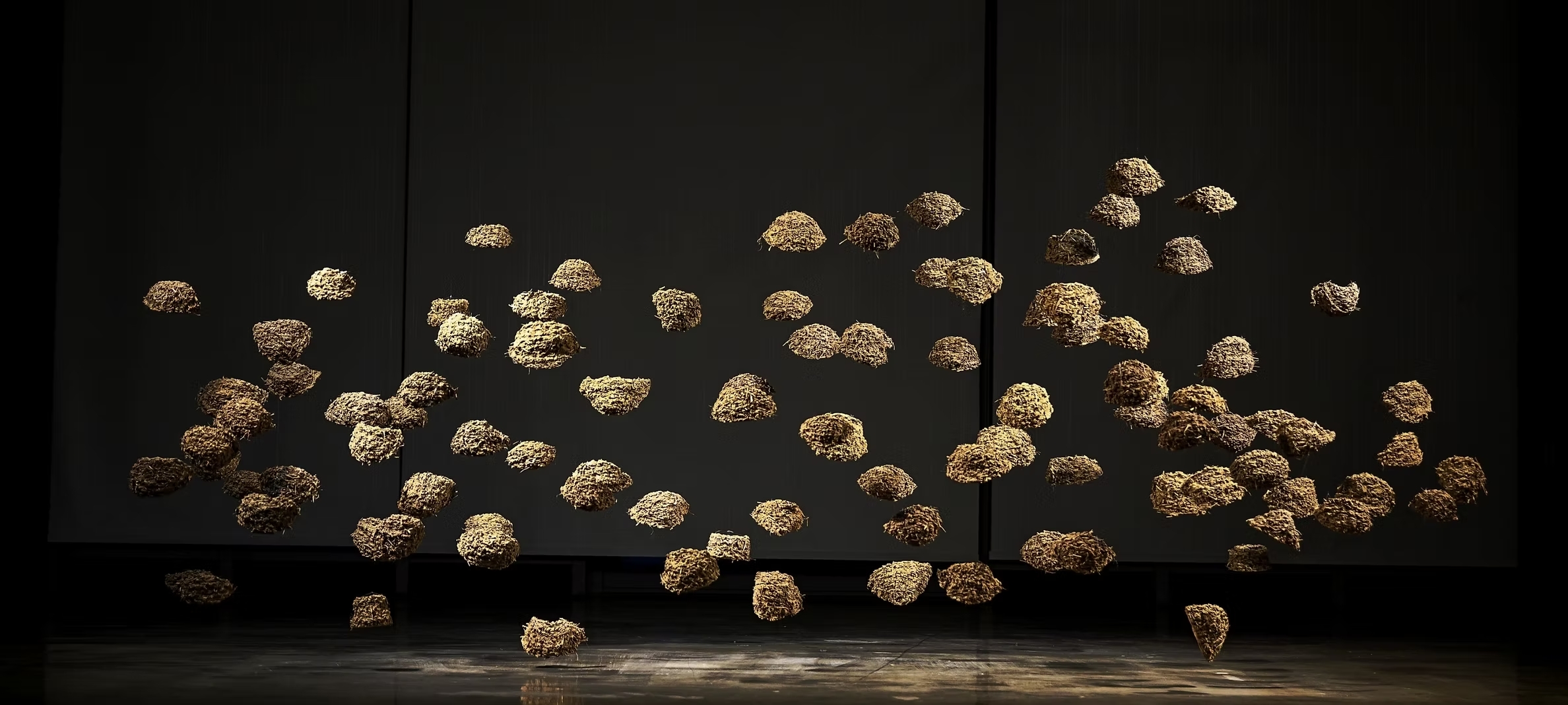
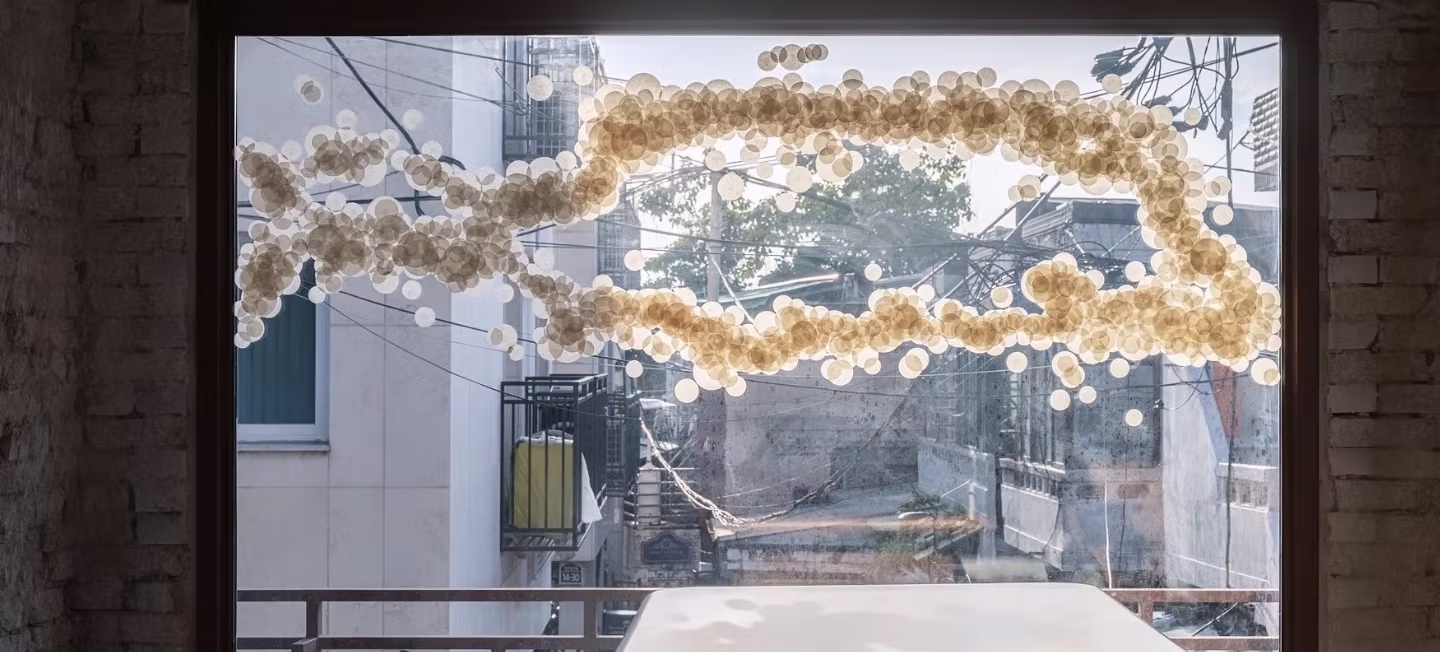
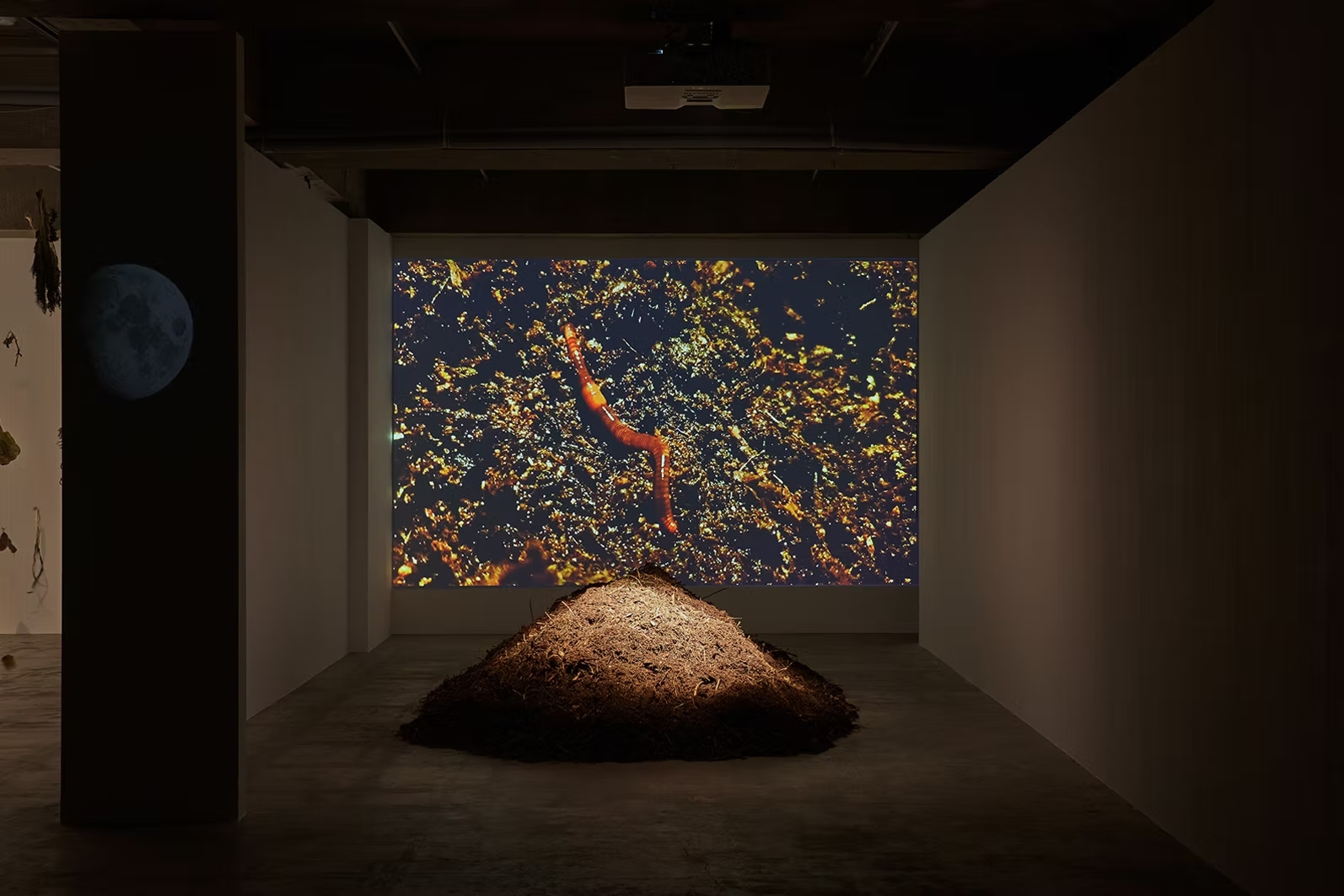
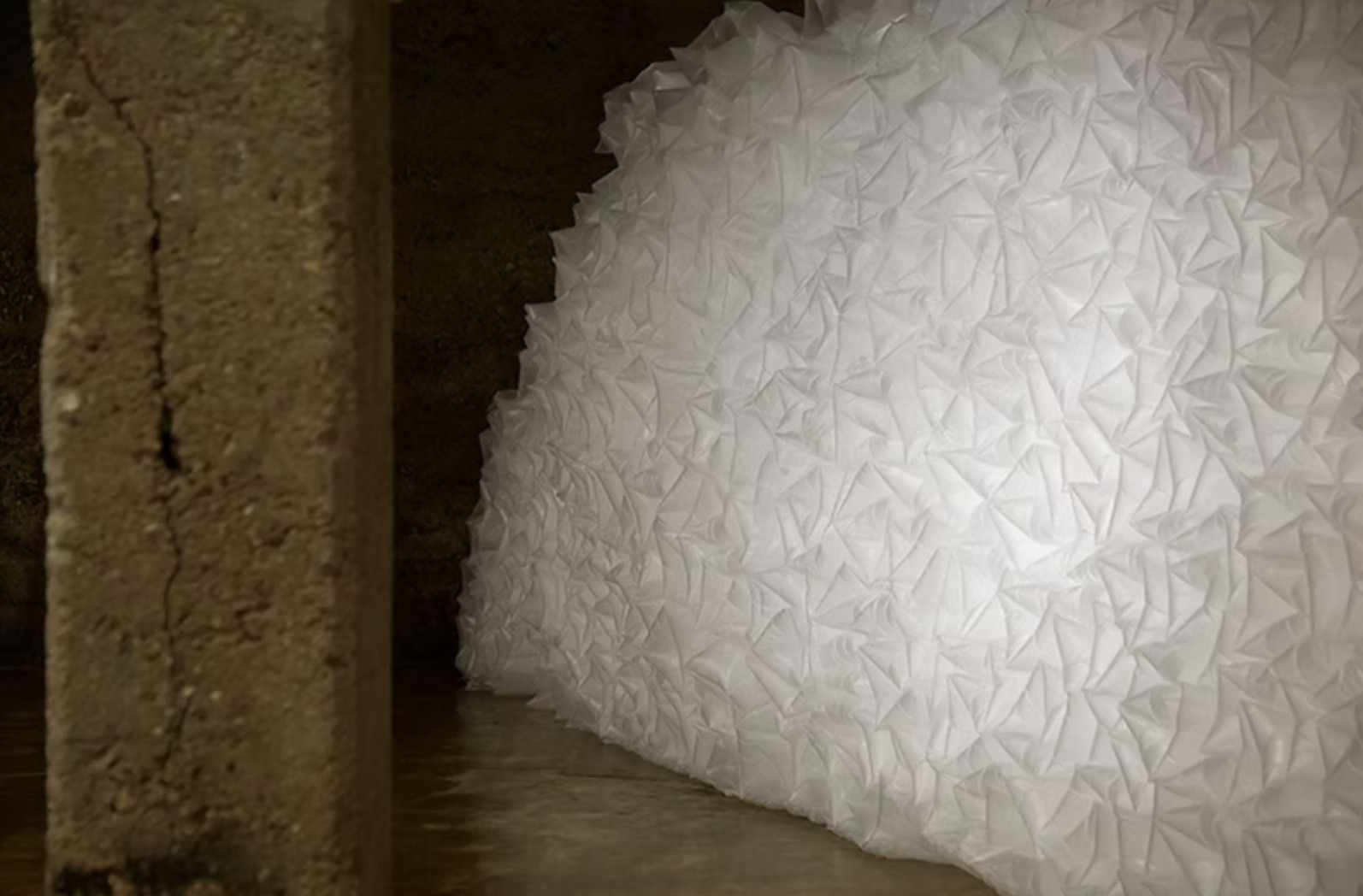
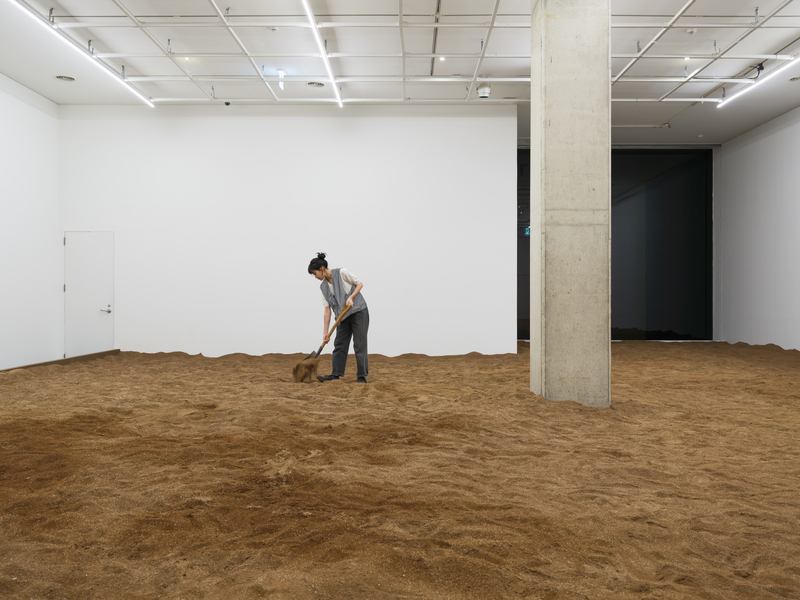
Beyond the constellation of Earth Star, floating and sparkling in the air, there is a round burial mound. Some “earth stars” have set here and are preparing for the next life. Gosari brought here a compost heap that was still frozen before ipchun, “Spring has come.” Feeling sorry for suddenly changing the environment of the soil, and worrying whether the soil and the lives within it might be thirsty, she came every day and watered the earthen mound.
Over the one-month exhibition period, the frozen earth thawed, and the small lives, as if aware of her labor, grew little by little every day in the dark exhibition space. Earthworms made breathing holes in the earthen mound, and tiny “flying lives” flew around the mound, around the earth stars.
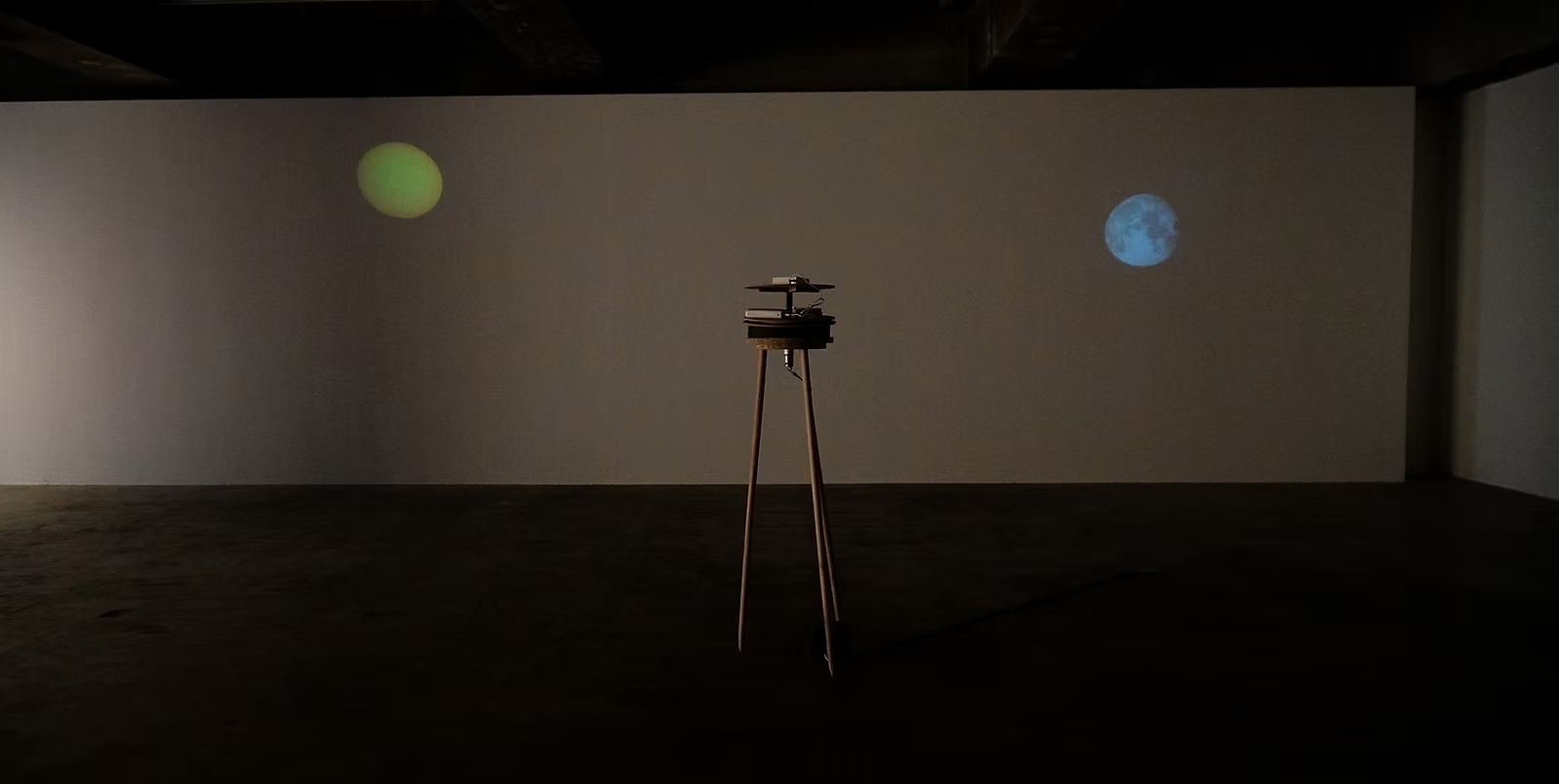
Unless one stays in the exhibition space for a long time, or unless one is distracted only by the light, one may miss the presence of Sun and Moon, faintly turning. The sun and moon circle round and round, each embracing death and life. Yes, after all, people without seasons have no reason to be interested in the sun and moon turning in this way.
Indeed, the sun, moon, stars, and earth have now become things with little relation to human life. Plants can no longer grow in already damaged land, so they live rooted in water under artificial lights inside indoor factories, and thanks to this, even seasonal vegetables and fruits have long since lost their meaning. Yet Gosari is still in a position of relying on the sun and moon.
In the eyes of the artist Gosari, preserving life with the earth, eating and being eaten, and enabling one another to live—this is the most beautiful thing. Therefore, she had no choice but to scoop the sun, moon, stars, and Earth into this place.
Who made compost come into the exhibition space? Just as there have been countless exhibitions over the past twenty years on the themes of cities and real estate, yet none could stop their advance, perhaps Gosari is now announcing that the time has come when we may have to part forever from the sun, moon, stars, and Earth.
The only comfort we can take is that compared to the era when dead sharks or living horses appeared in exhibition spaces, humans who make art have learned to be with life in a very peaceful and gentle way. Even if one pretends to suffer unnecessarily, Gosari will surely smile and say it is just everyday life. Judging by the fact that nothing is sold or thrown away after the exhibition, Gosari is “just nature.”
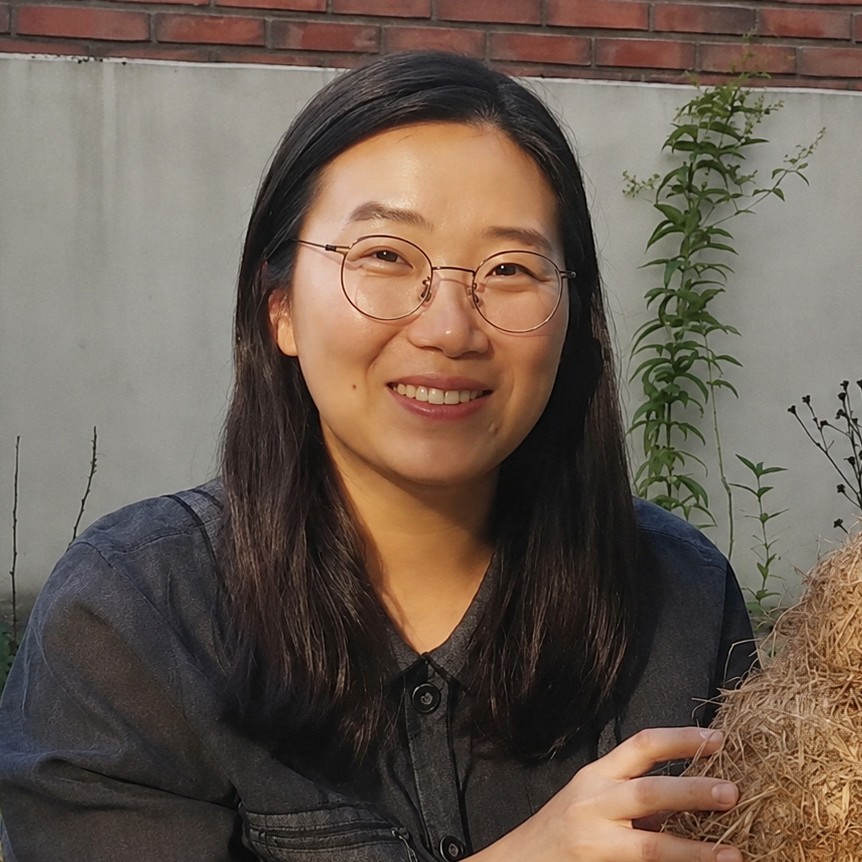
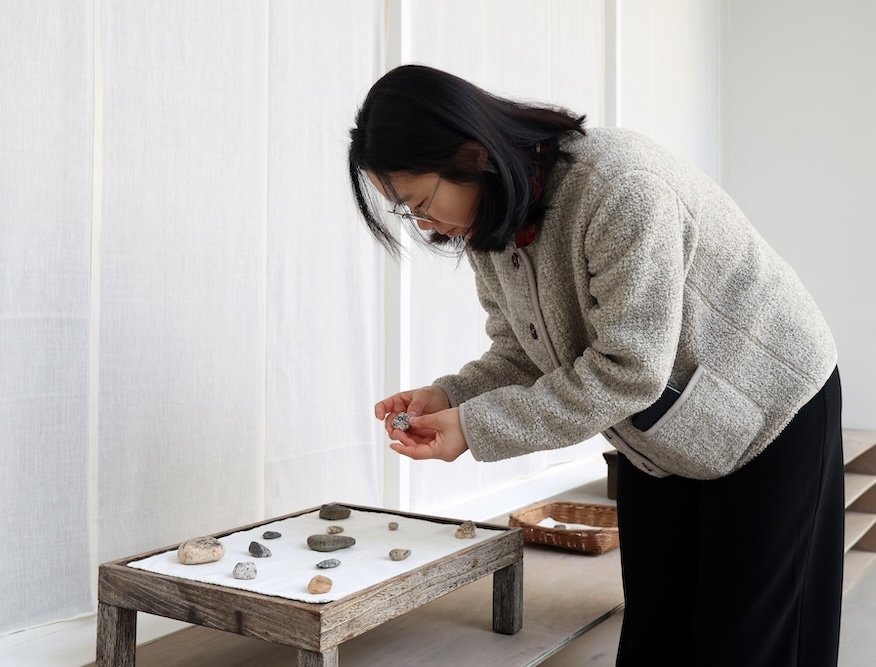
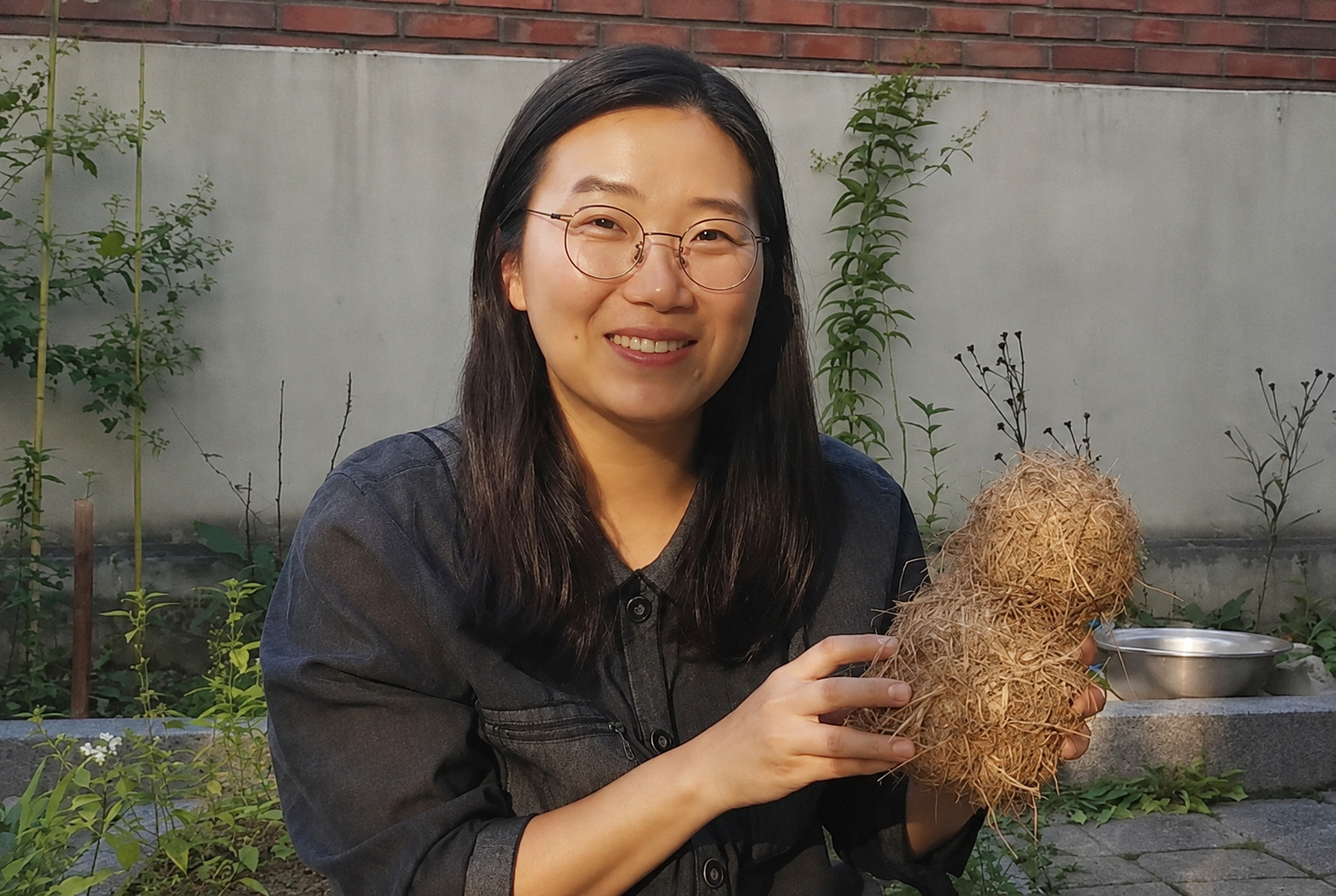
Gosari, who opened this exhibition, lives close to the ground and is as flexible as the plant fern. She does not immediately throw anything away, but finds its beauty, observes it, and her daily work is to climb halfway up the mountain where her ecological garden is located and watch plants grow. In early April, a ritual for the first farming of the year will be held in Gosari’s garden.
More than the exhibition itself, the act of cultivating and managing a field in the city with others according to the seasonal divisions, in an ecological way, appeared to be the more difficult “work.” Gosari’s real work grows there.
Since this is, after all, an exhibition at CR Collective, I will conclude with a passage left by Ham Sok-hon. “People say miracle, miracle, power, power, but is making rice from soil not truly a powerful miracle? People say poetry, painting, music, but are flowers emerging from rock and fruit coming from dung not truly art?
People say knowledge and learning, but no matter how developed they may be, what kind of knowledge is knowledge that has forgotten how to make the most basic foundations—food and clothing?” (The Complete Works of Ham Sok-hon 4: With This Step Until Death, Hangilsa, 1983, p.58).