Gosari
works with photographic records, site-specific installation, vinyl and air,
soil and compost, dried plants, weeds, mud and straw, hanji, and natural light.
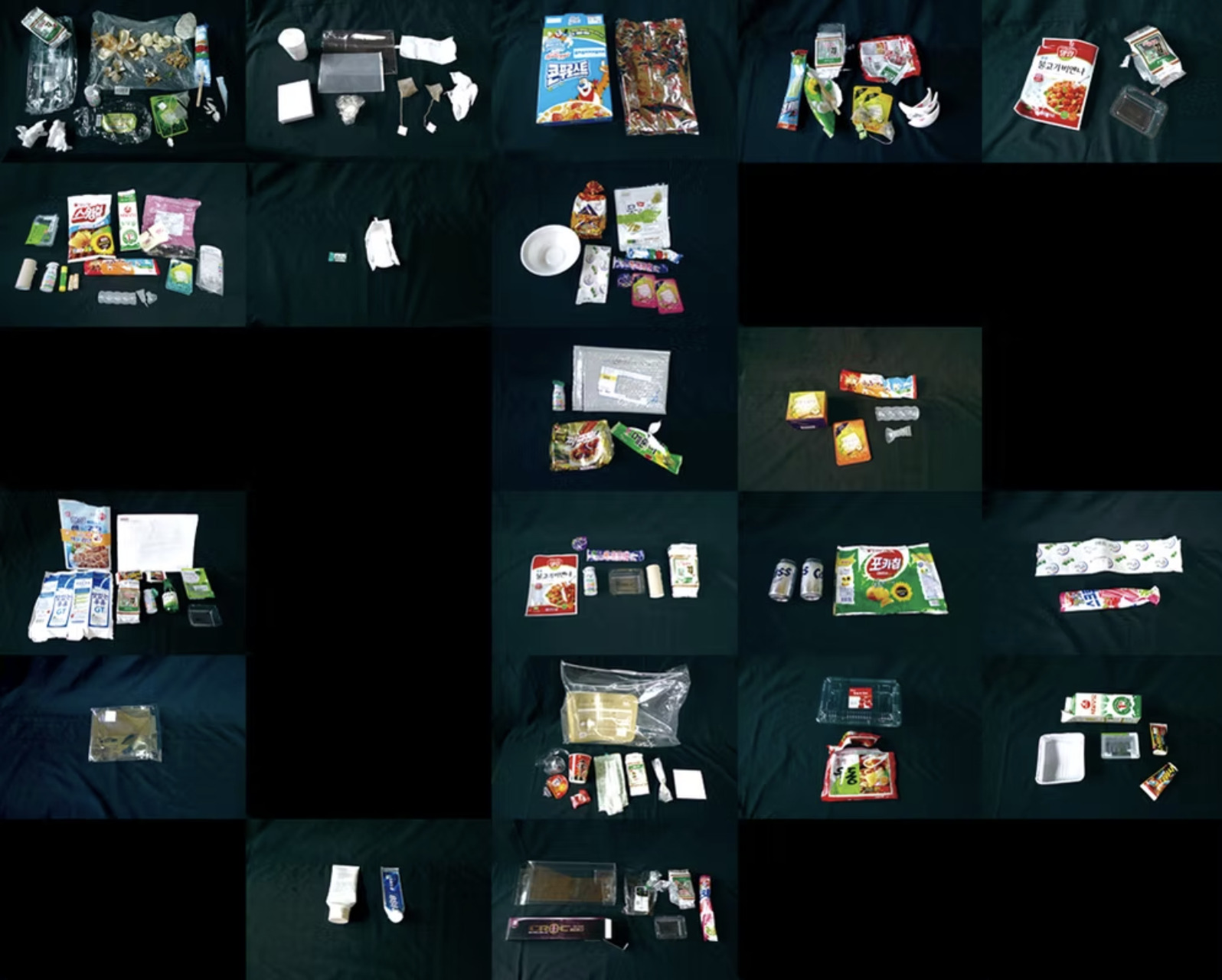
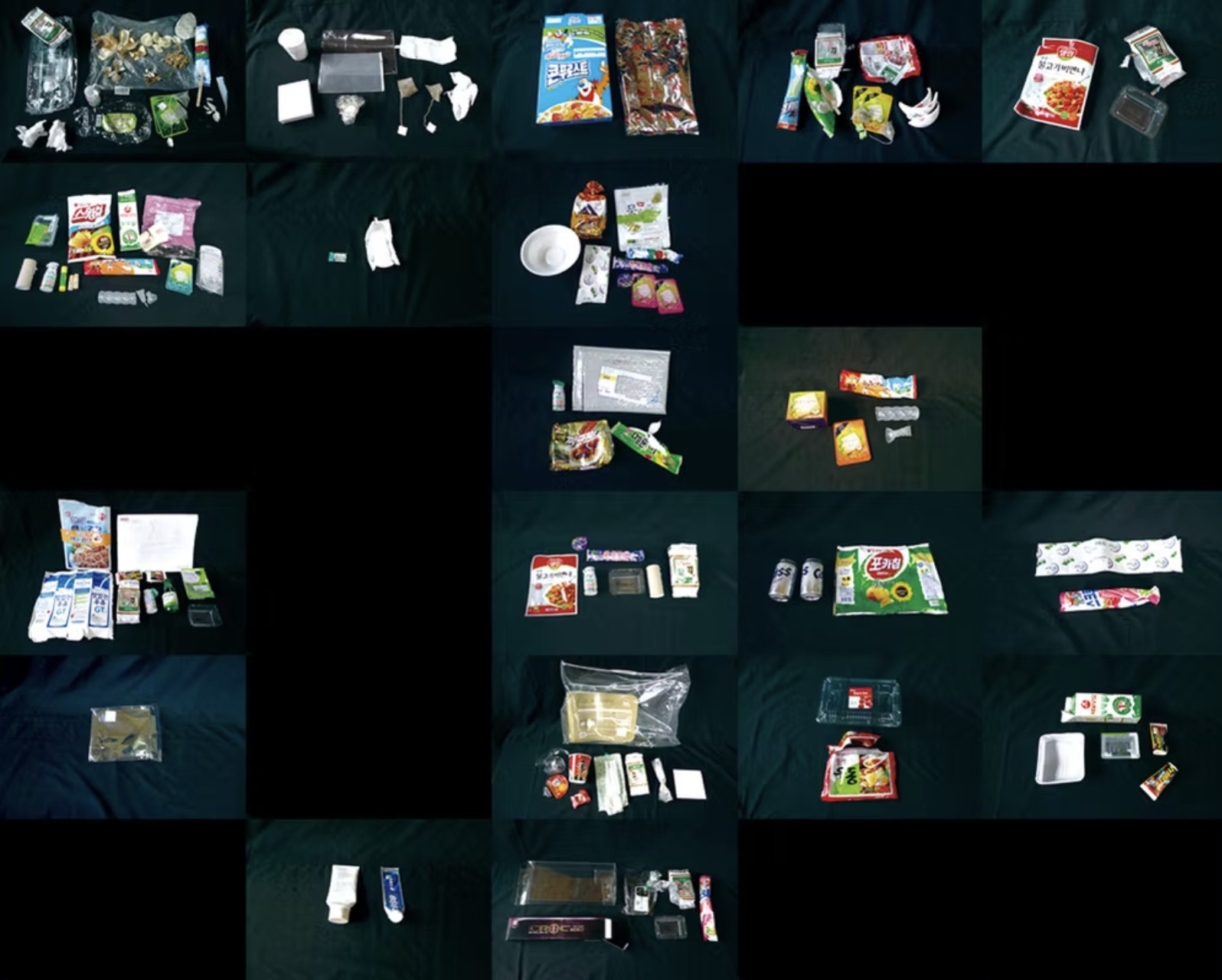
If the early work An Abandoned Diary recorded daily waste
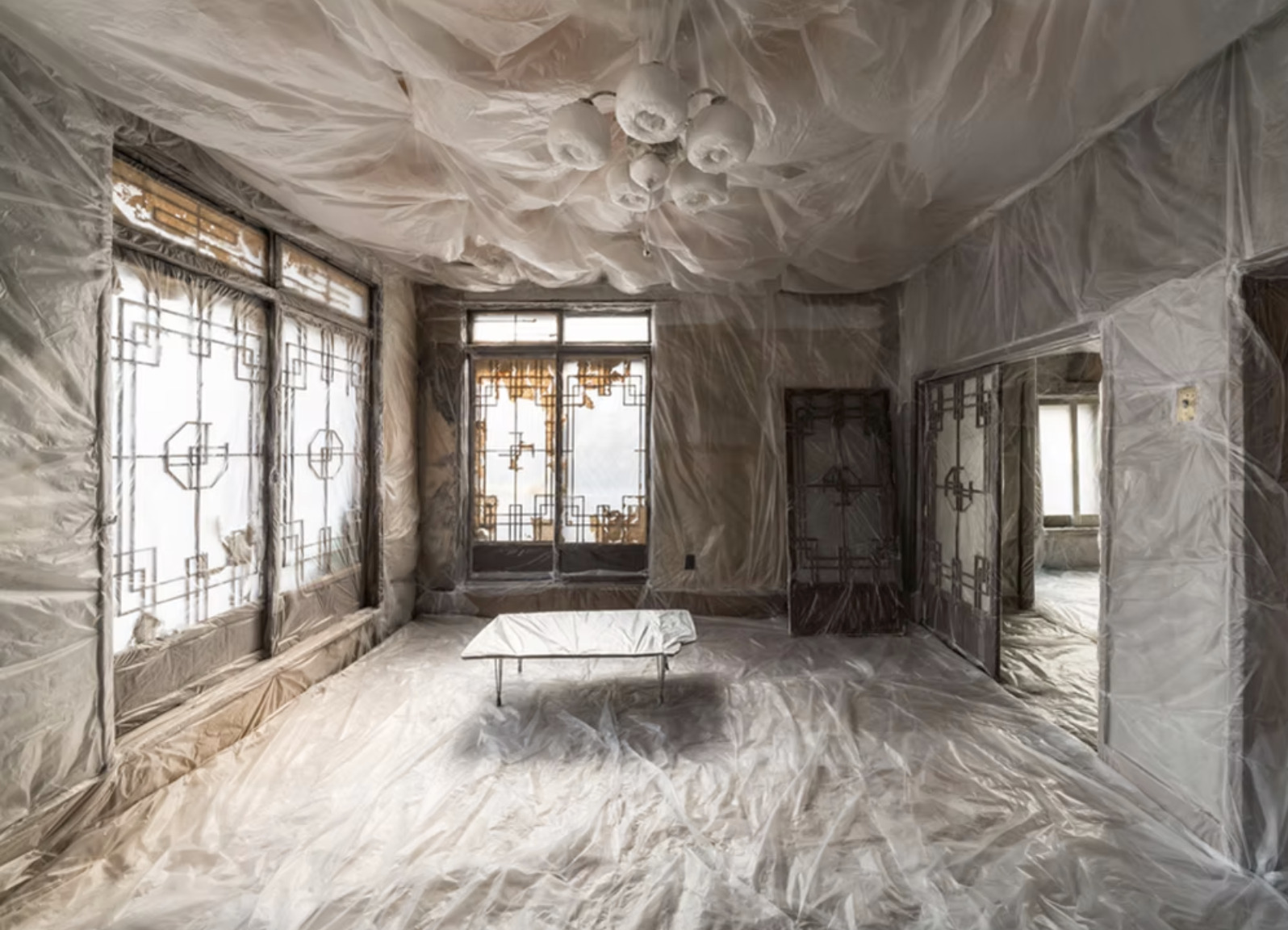
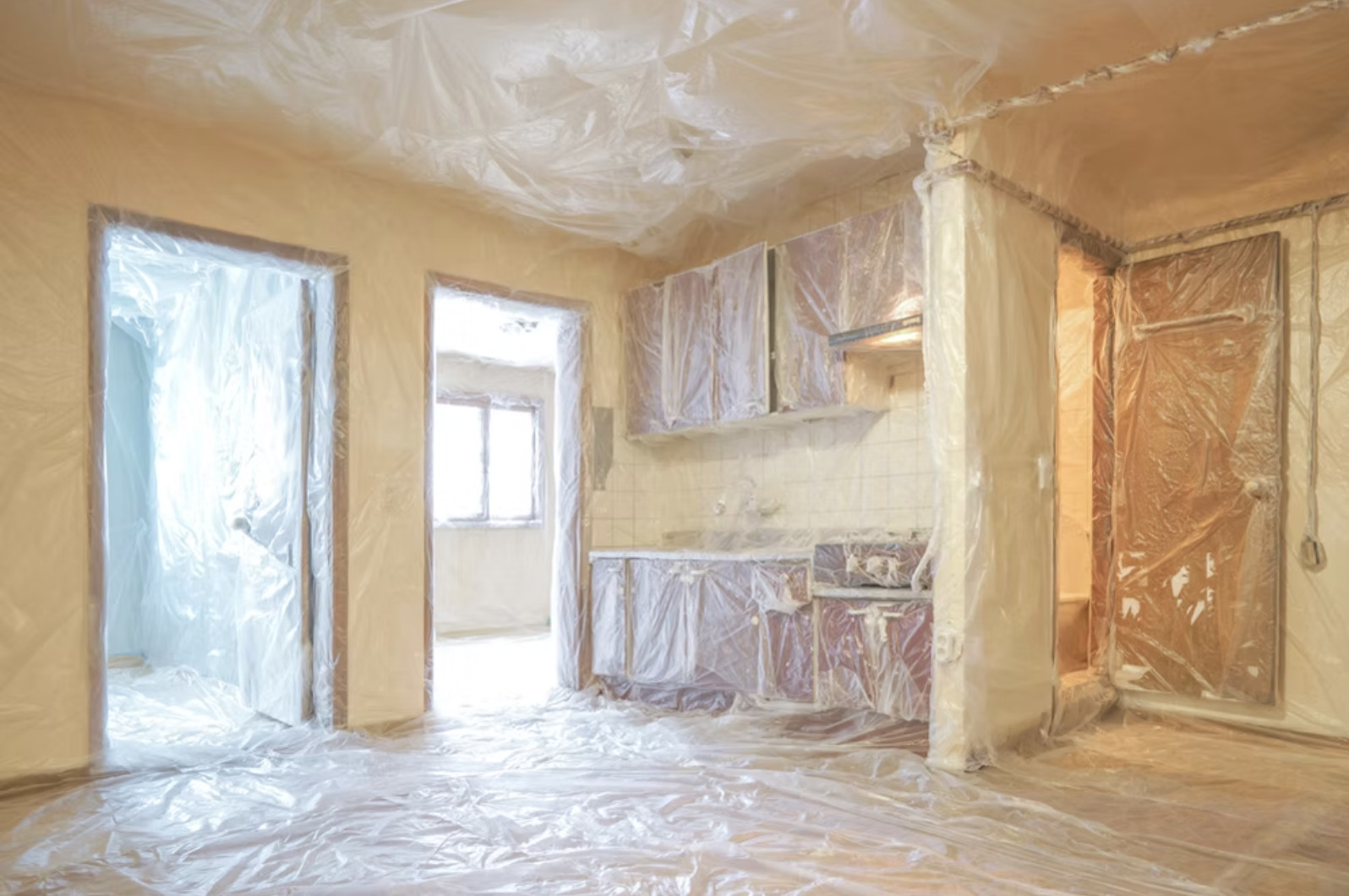
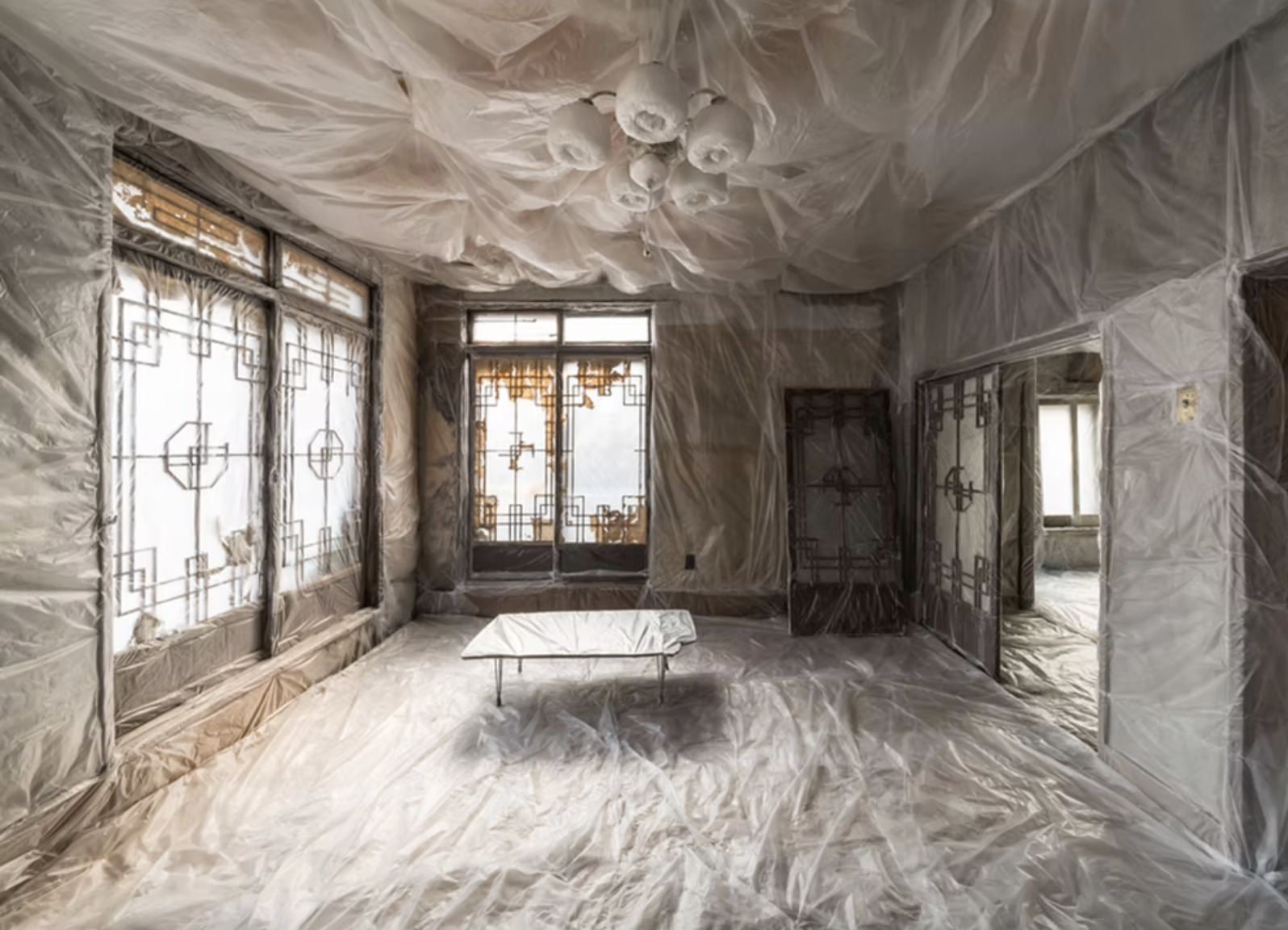
through photography, Moving in expands the object of
recording from things to an entire space.
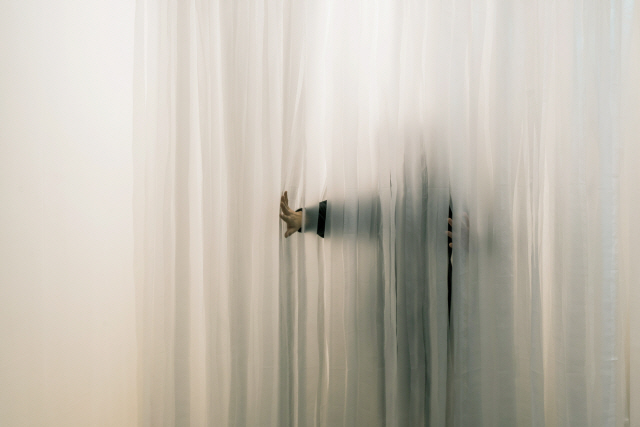
The artist wraps the floor, walls,
ceiling, windows, doorknobs, and remaining objects of an empty house in vinyl,
transforming the whole space into a single sensory surface. Viewers walk
through it, experiencing the rustling of vinyl, a narrowed field of vision, and
traces visible beyond translucent surfaces. At this point, the work is less an
object to be viewed than a duration to be passed through and inhabited.
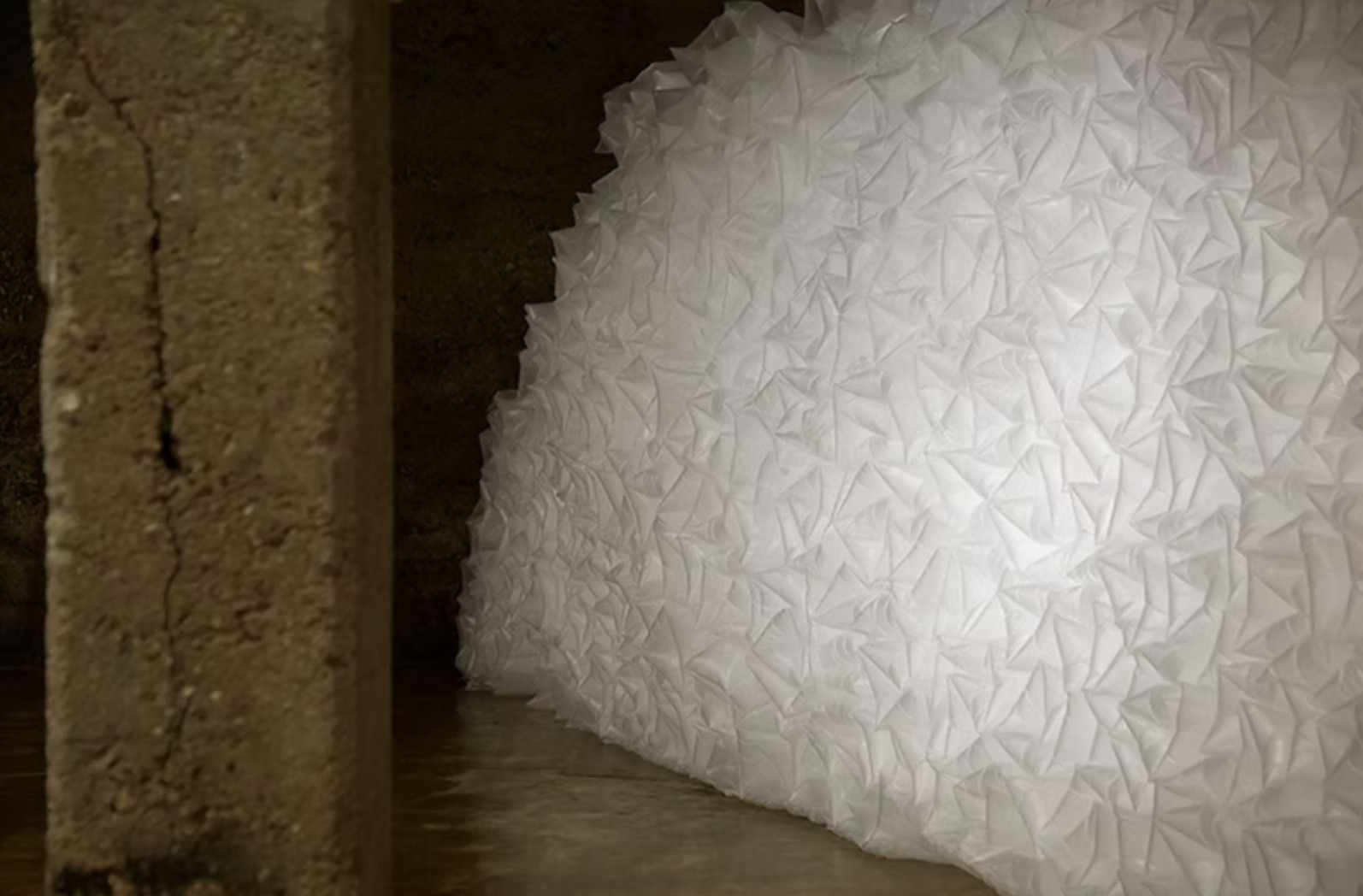
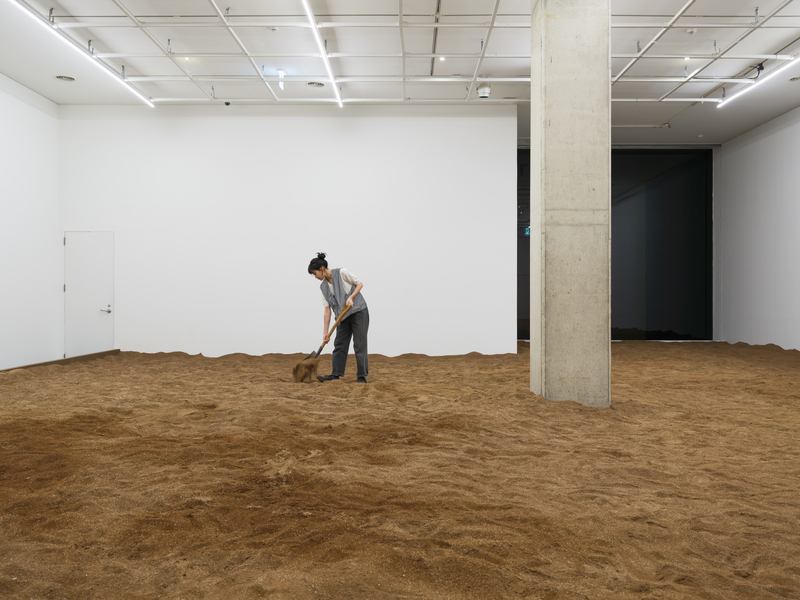
In 《Woosil》, the structure of installation
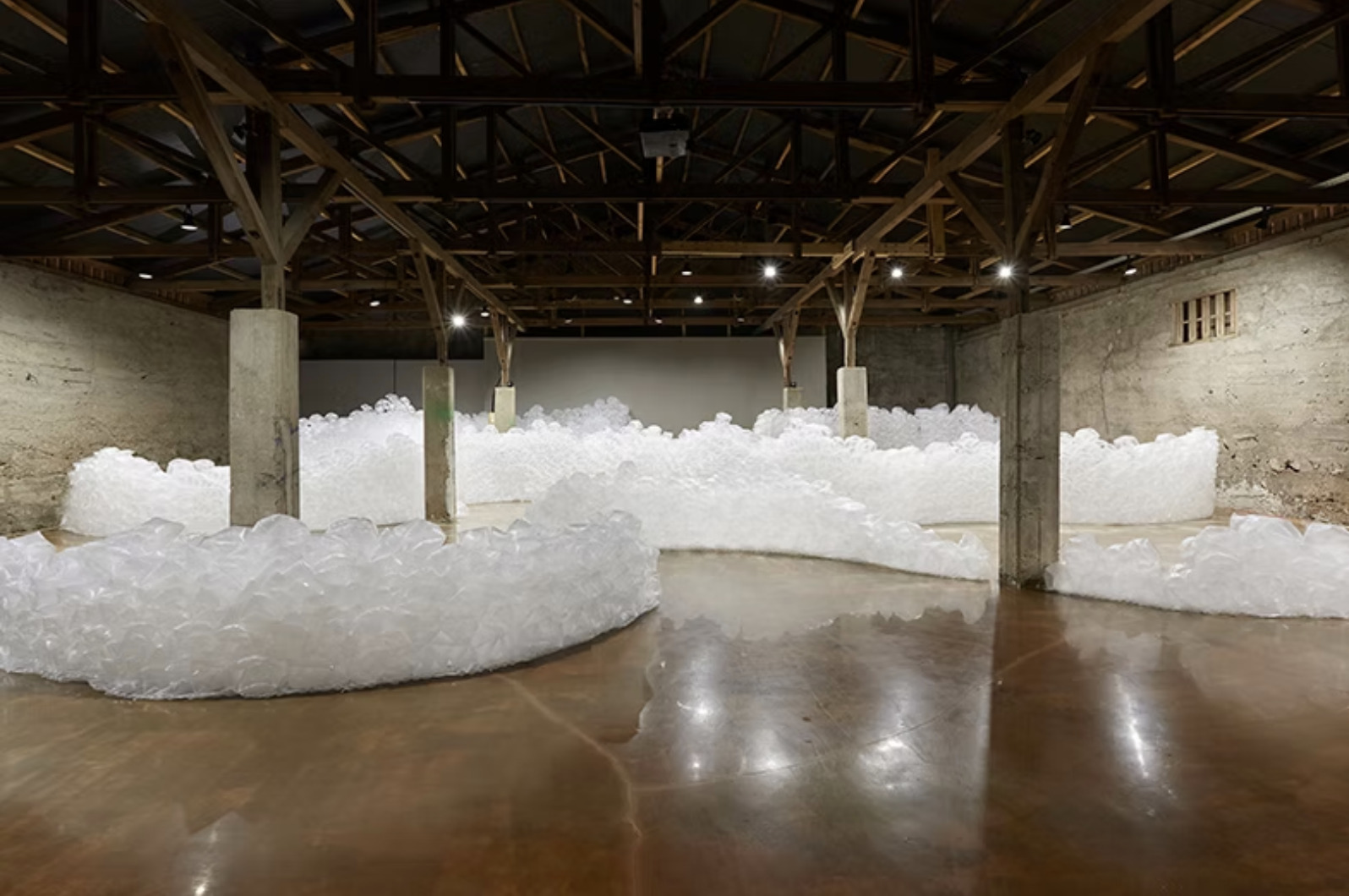
becomes more concise and symbolic. Woosil(2020) is a 300m2
variable installation made by stacking vinyl air pockets, recreating a village
stone wall as a structure of air and breath. The use of light, temporary vinyl
and air in place of heavy, enduring stone is an important feature of Gosari’s
work.
Through things that disappear, things that are light, and things that are
easily torn and discarded, the artist reveals the weight of life and the
sensation of protection. The way she cast vinyl bags filled with her own breath
in cement in Breath from 《Untitled》 belongs to the same context. Invisible breath and thought are
transformed into material form, and a very small everyday sensation appears as
a sculptural object.
After 《Spring has come》, Gosari’s forms became more
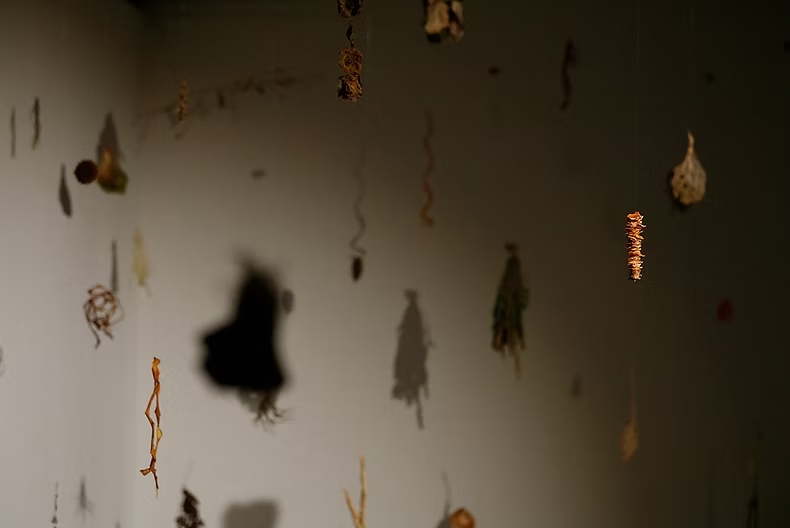
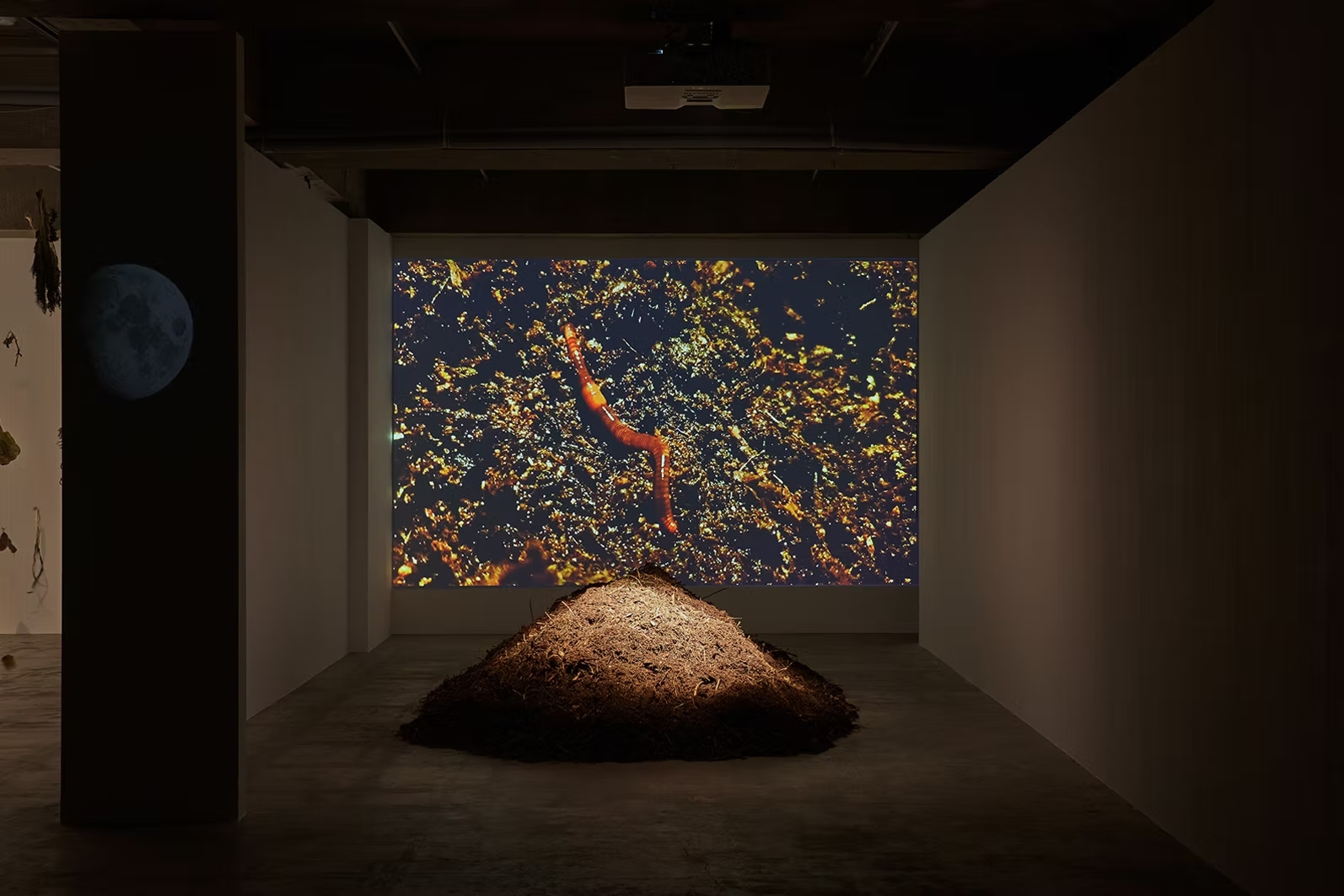
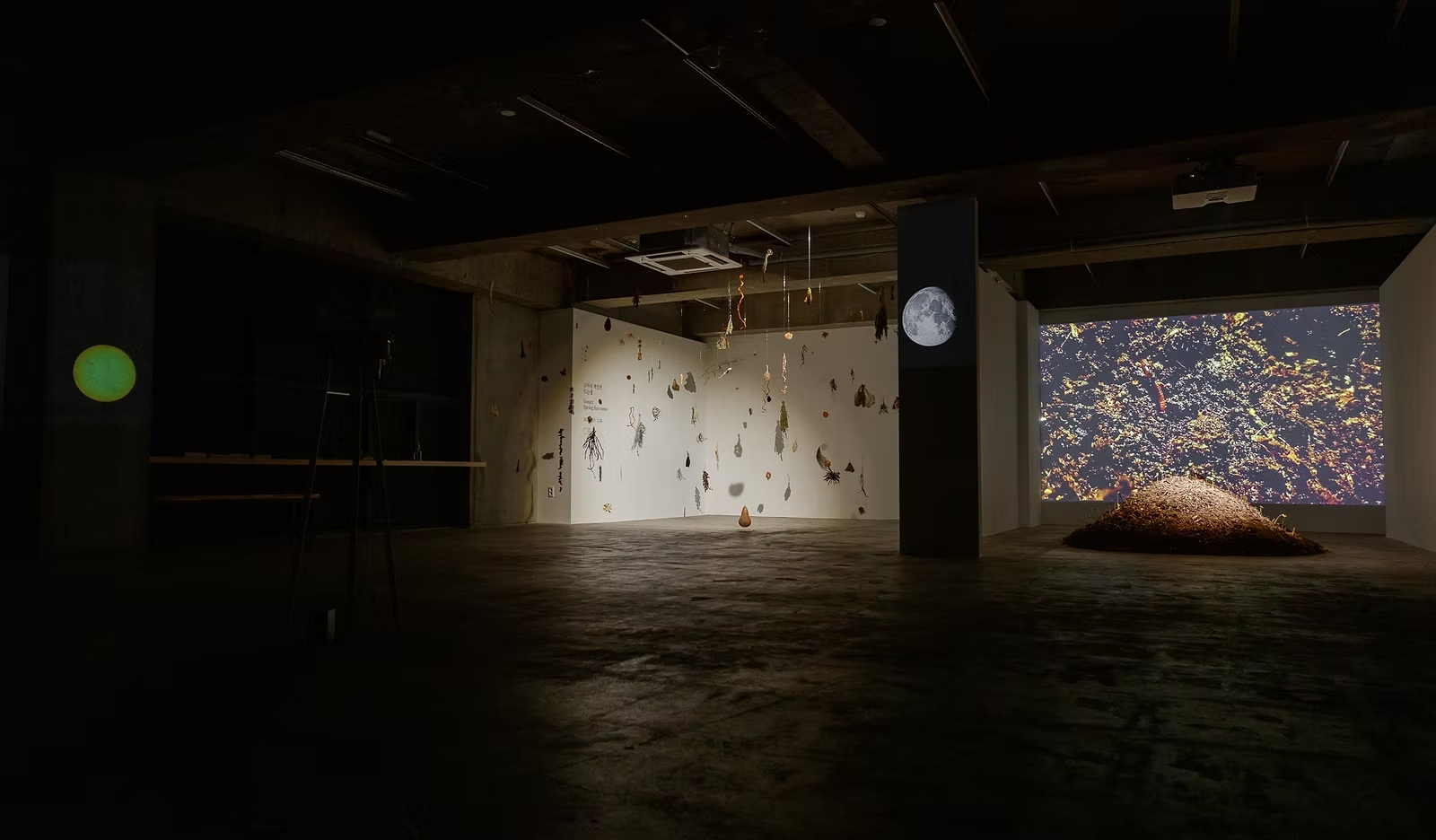
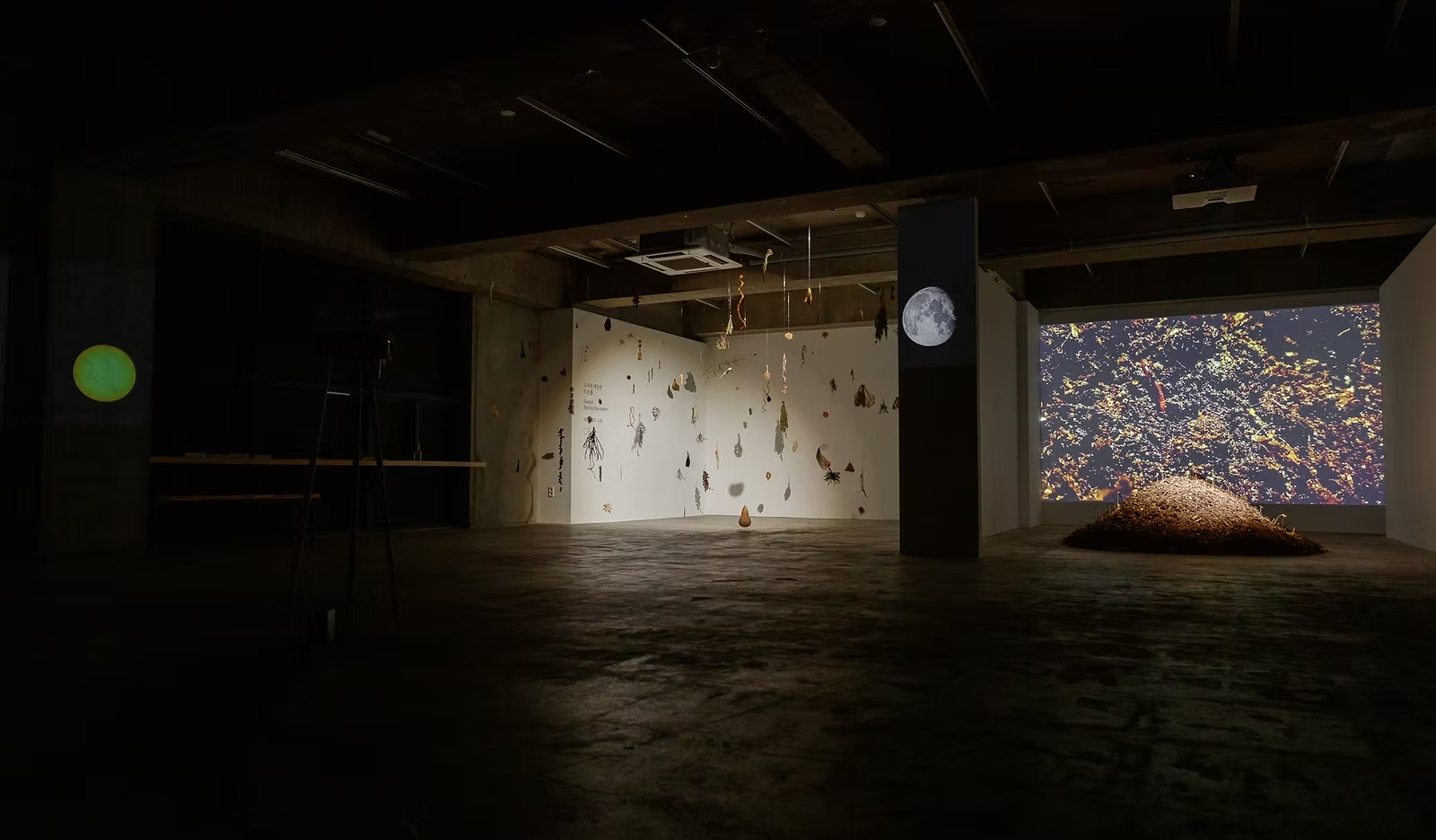
closely tied to life outside the exhibition space. Earth
Star is completed through the labor of washing, drying, and hanging
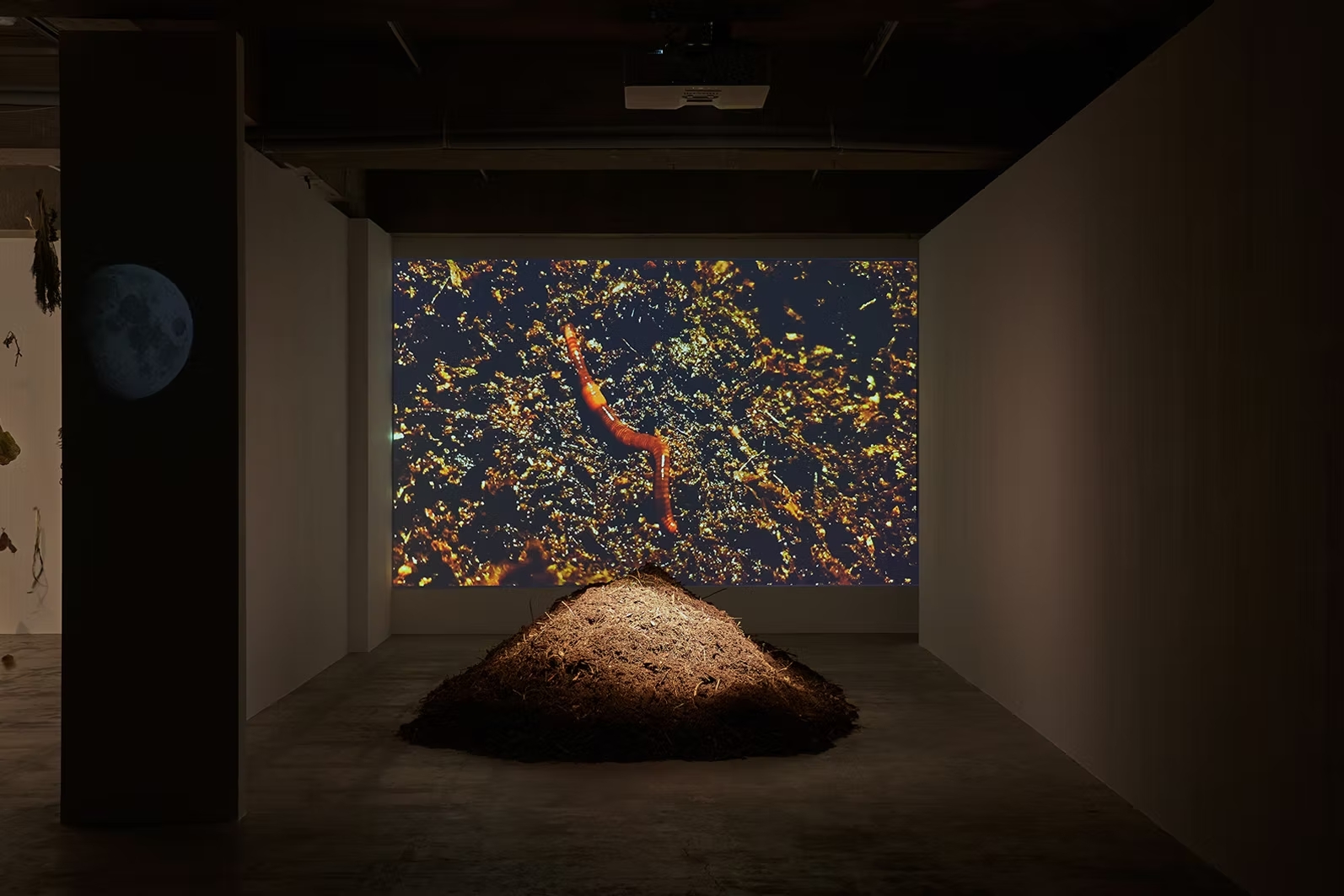
plants left after farming, while Compost Hill continues to
change during the exhibition period.
Frozen compost thaws at room temperature,
the seeds and insects inside it awaken, and after the exhibition, the sprouted
plants are moved into pots while the compost returns to the composting area. In
this work, what matters more than the completed result is the process of
washing, drying, fermenting, caring, and returning.
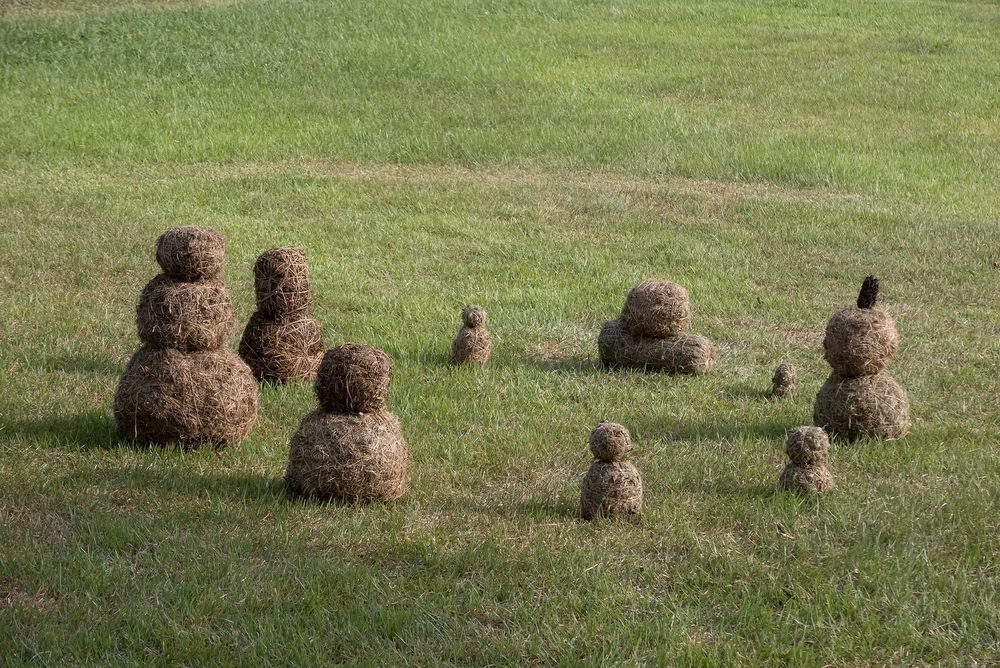
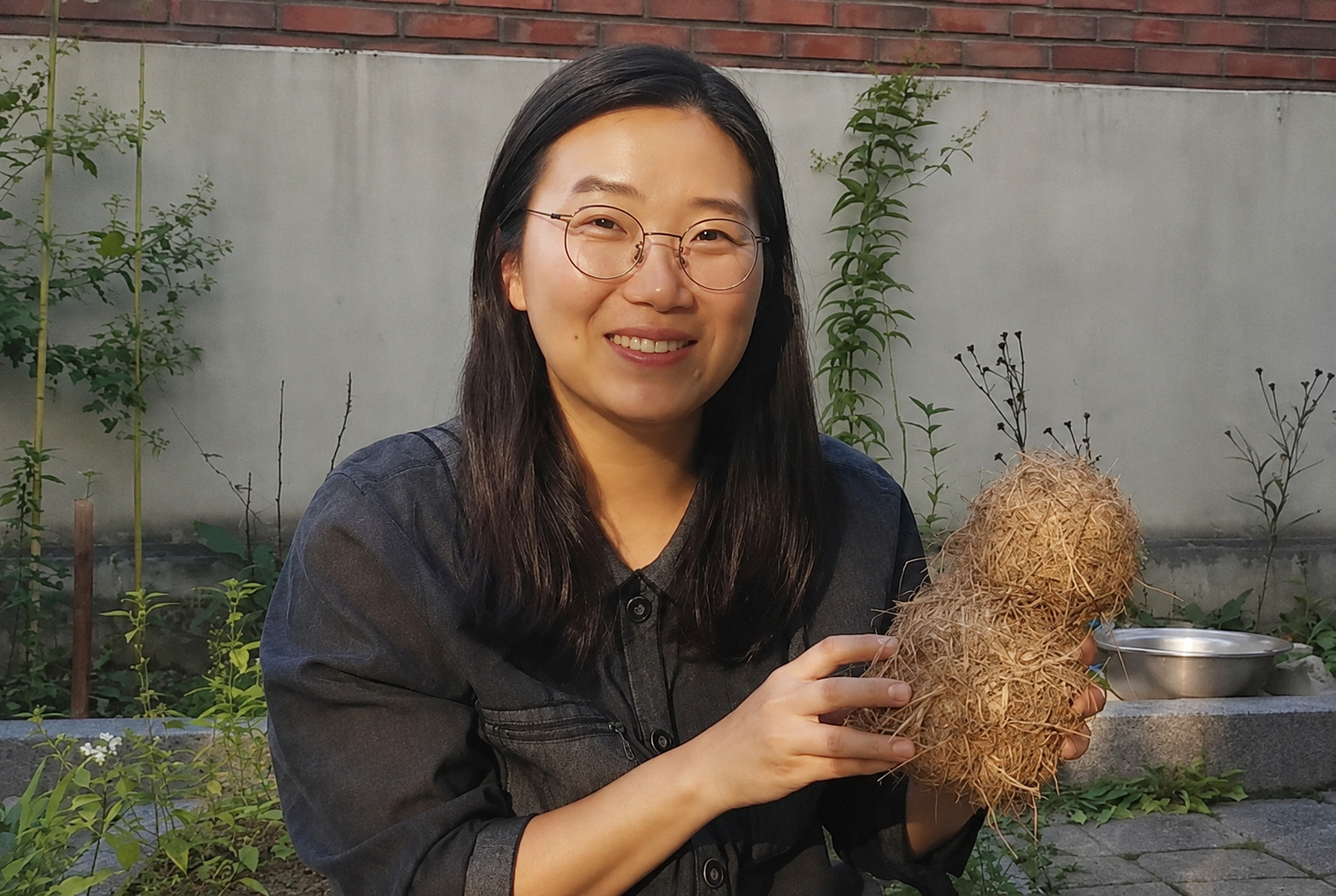
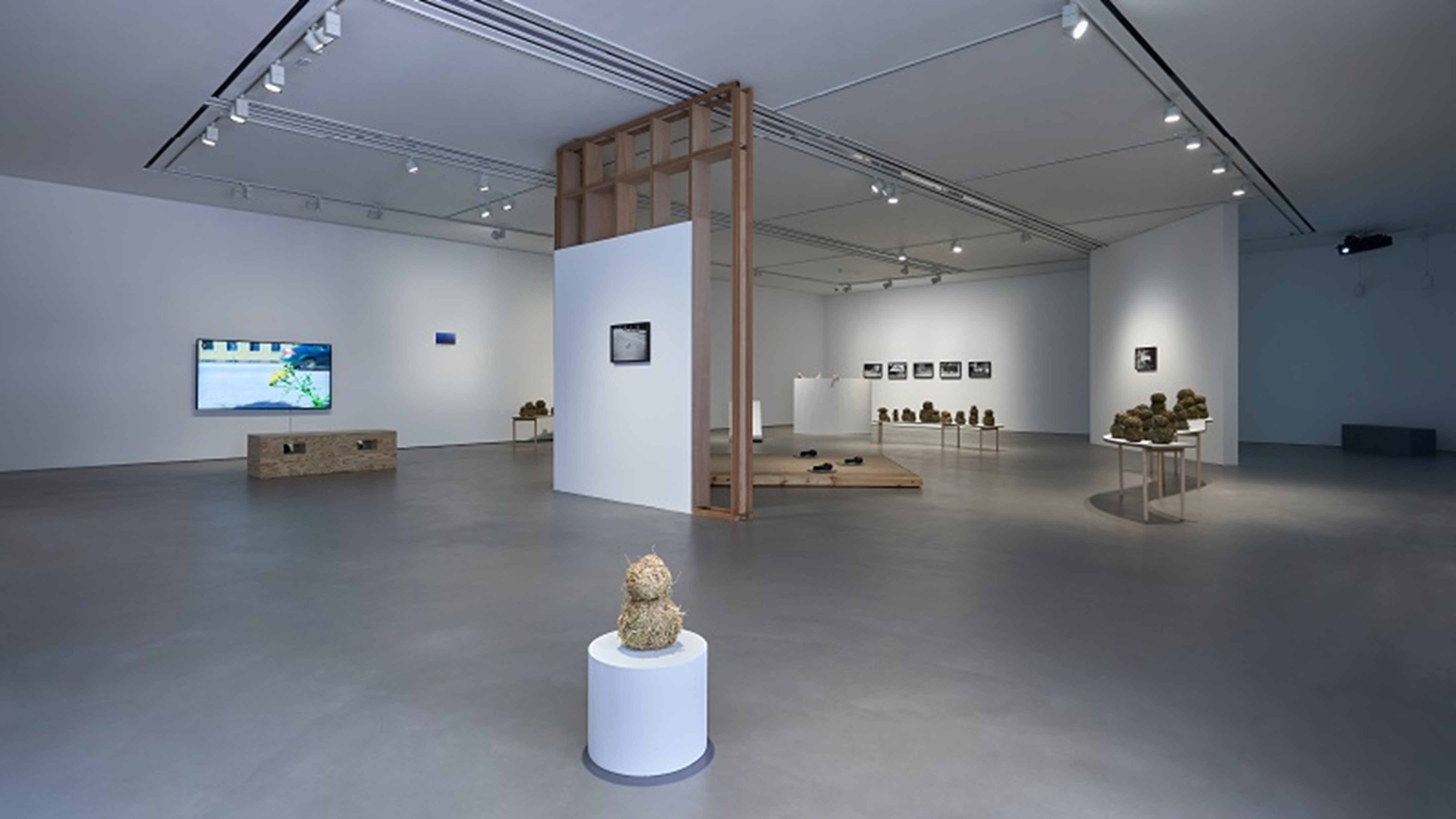
Grass
Person(2021-) is likewise a sculpture made by gathering weeded plants
and shaping them by hand like a snowman, yet it is ultimately presented as a
being that returns to nature through seasonal change. Gosari treats the artwork
not as an object to be preserved permanently, but as an event that reveals
relationships for a certain period of time before returning to circulation.
In the
2025 swallow works, the labor of the hand and the sensation of movement become
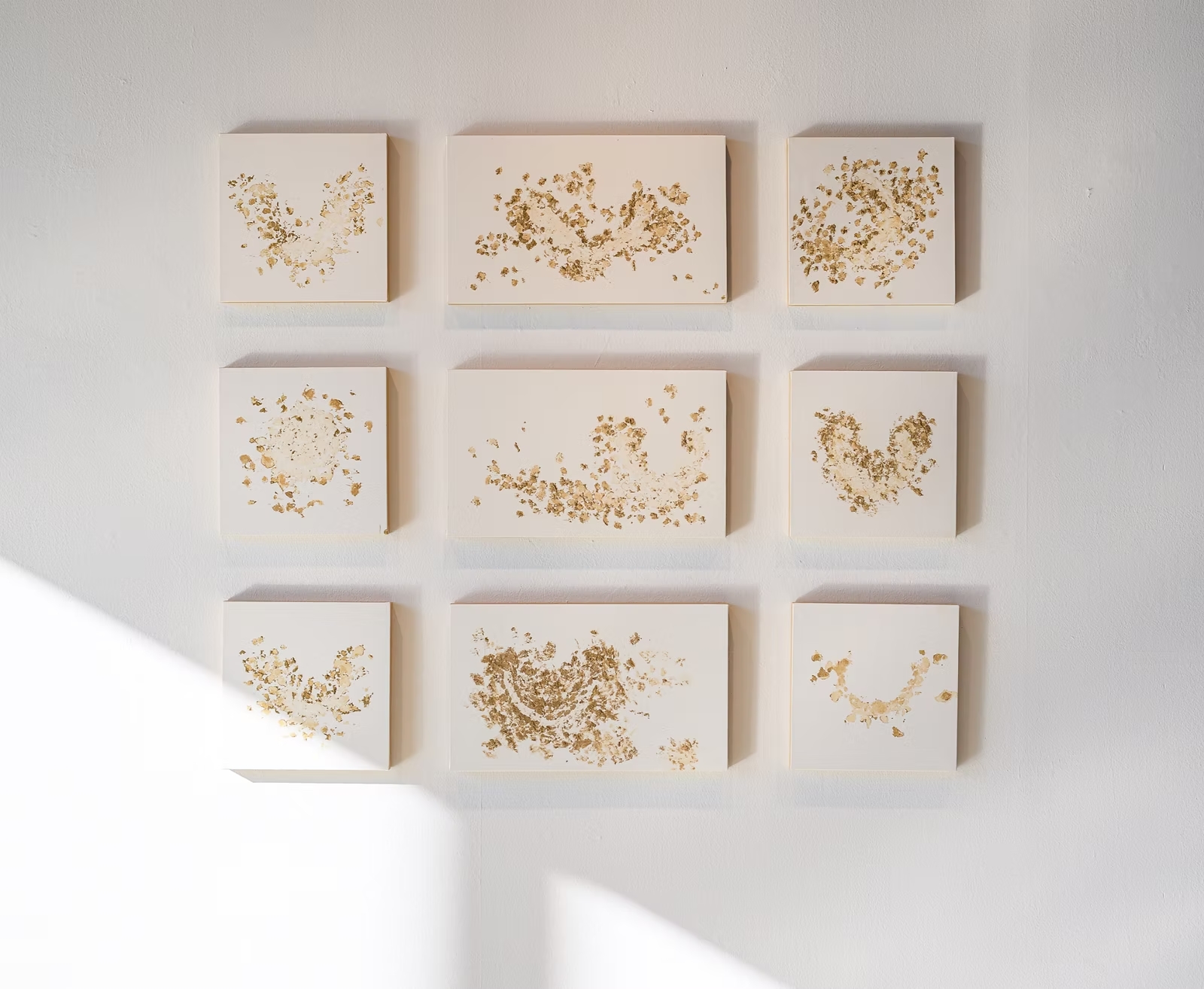
central. Barn Swallow Seat is made from mud and straw from
Namdaecheon Stream in Gangneung and earthenware clay, preserving the traces
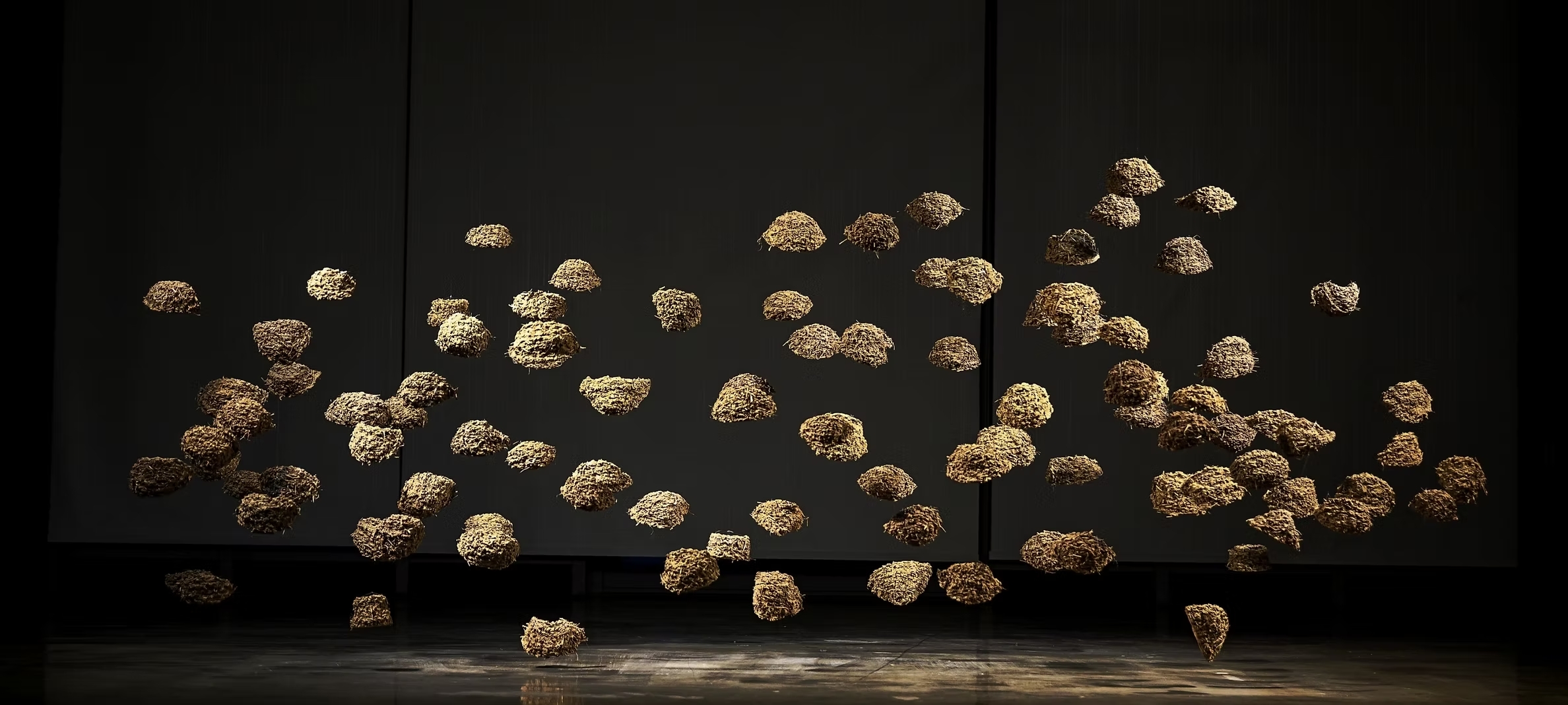
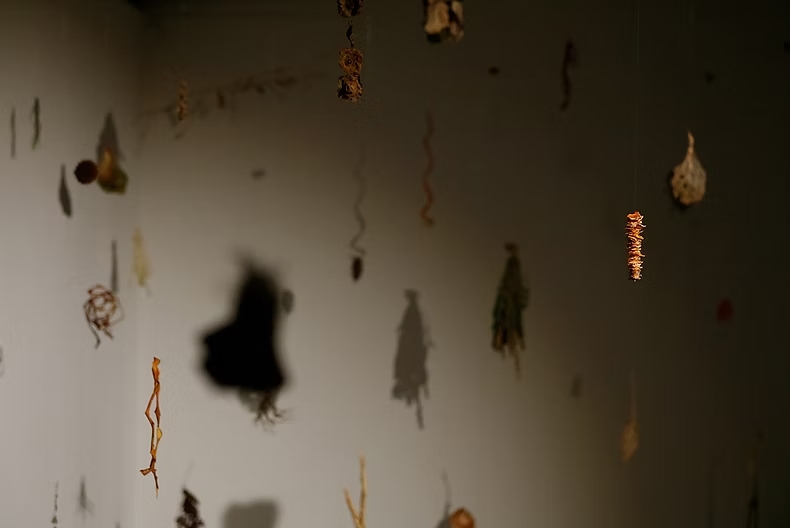
left by molding swallow nests. Barn Swallow’s Pass is an
installation of 99 suspended swallow nests, overlapping the ninety-nine bends
of Daegwallyeong Pass with the long migratory routes of swallows.
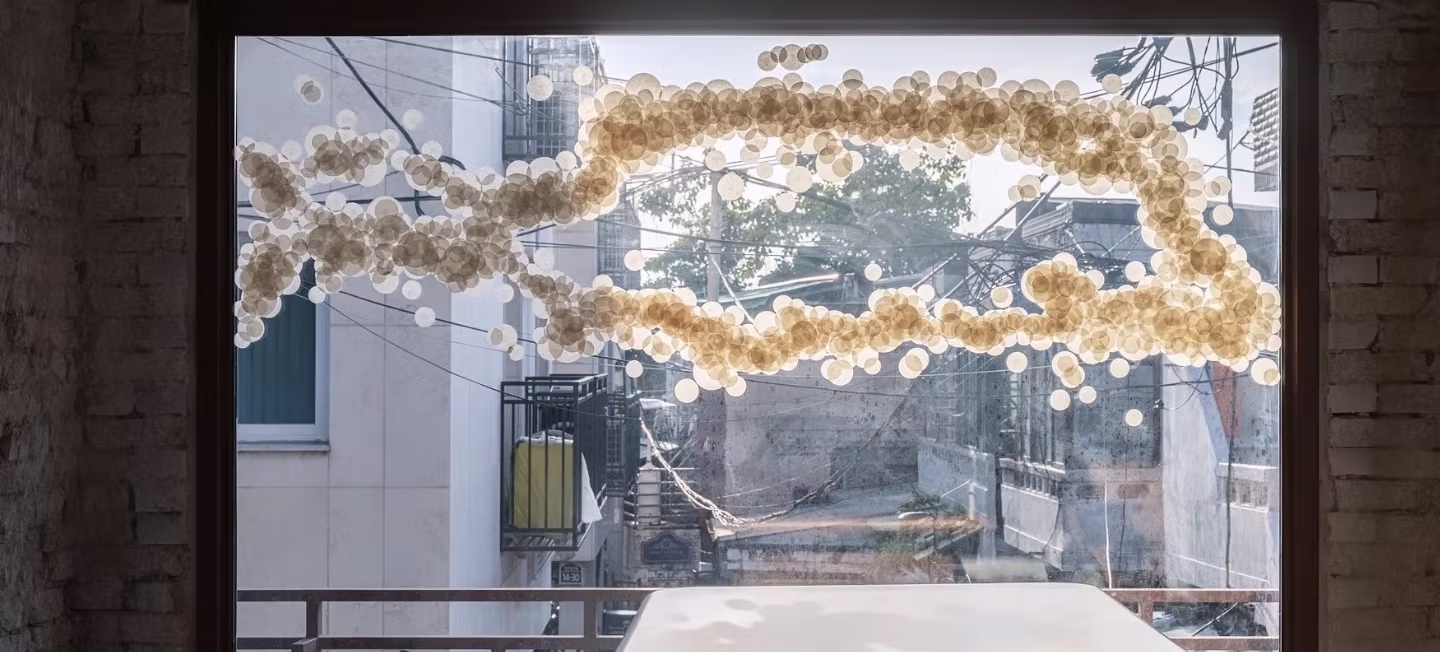
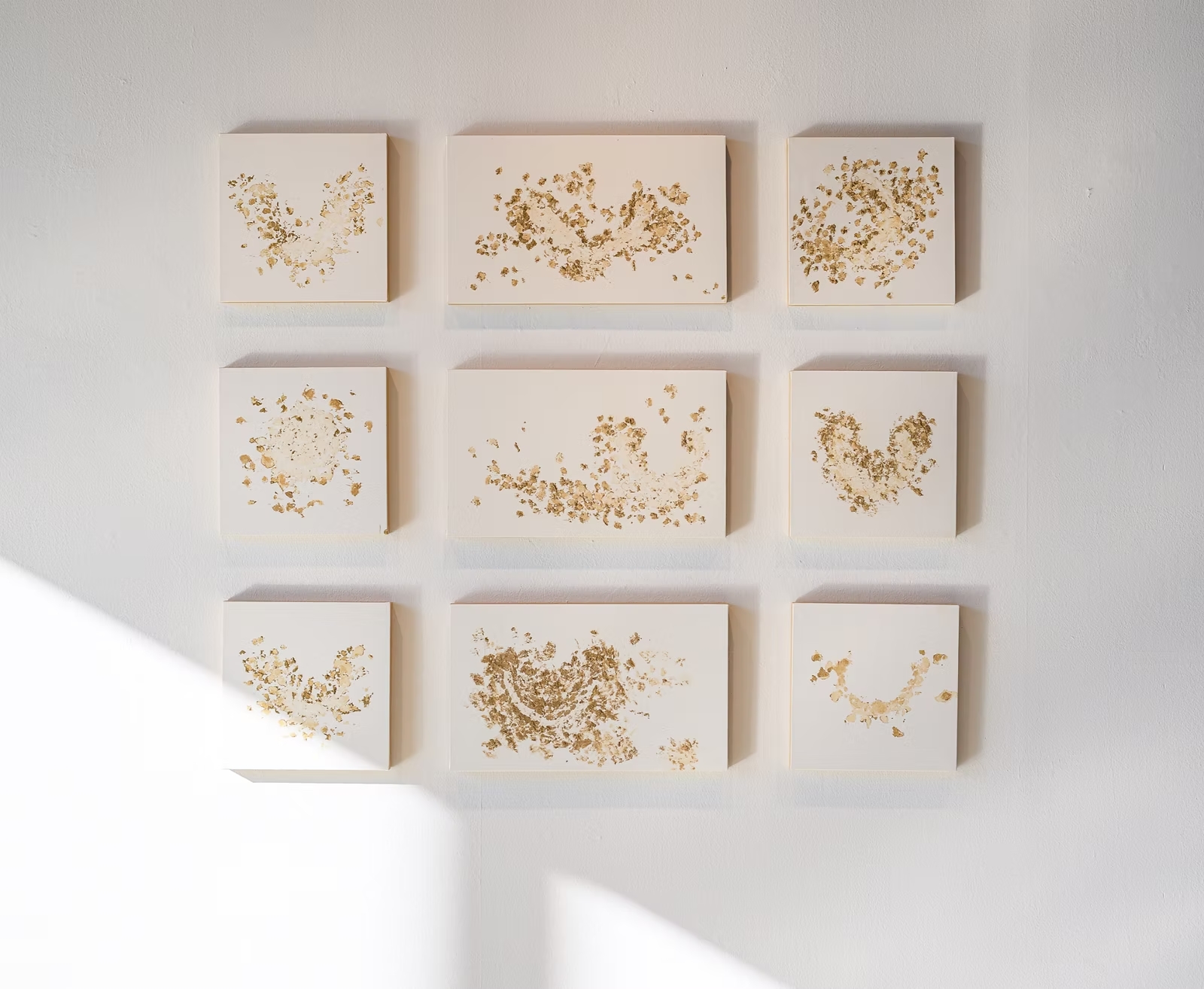
Barn
Swallow’s Galaxy attaches circularly cut hanji to a window and lets
natural light pass through it, unfolding the swallows’ migratory path like a
map. Barn Swallow Story gathers archival materials about
swallows around Gangneung Market and the shopkeepers who live alongside them.
Here,
Gosari does not consume the swallow as a symbol; instead, she follows, through
the senses of her hands and feet, the way swallows actually build nests, the
places where they stay, the paths they travel, and the relationships they have
formed with humans.