Are humans animals? Are they superior to other animals? Dominance is not determined by numbers alone; rather, it presupposes a certain structure of power. It is important to ask how humans came to separate themselves from animals and secure a privileged status—and how it became possible, under this logic, to render all other species a minority. What kind of strange “normalcy” made this seem inevitable?
To dismantle the dominant position occupied by the human, we need to examine the standards, norms, and conditions that continue to uphold it. Keep asking questions—this is the task.
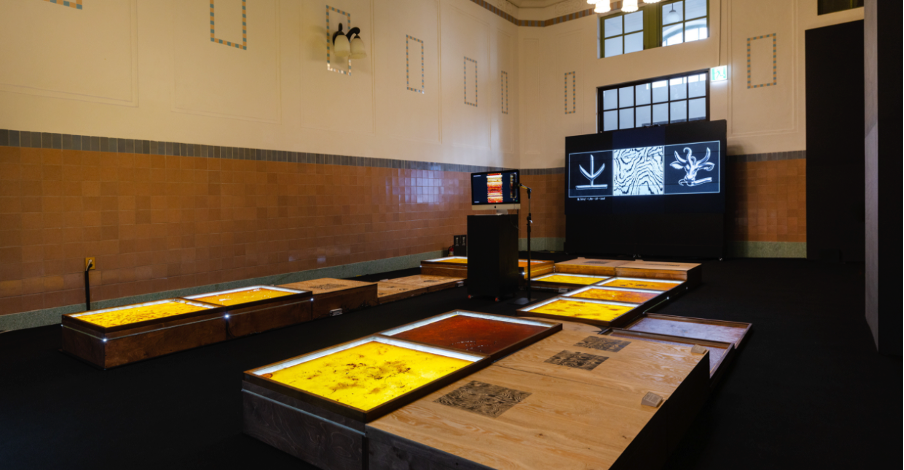
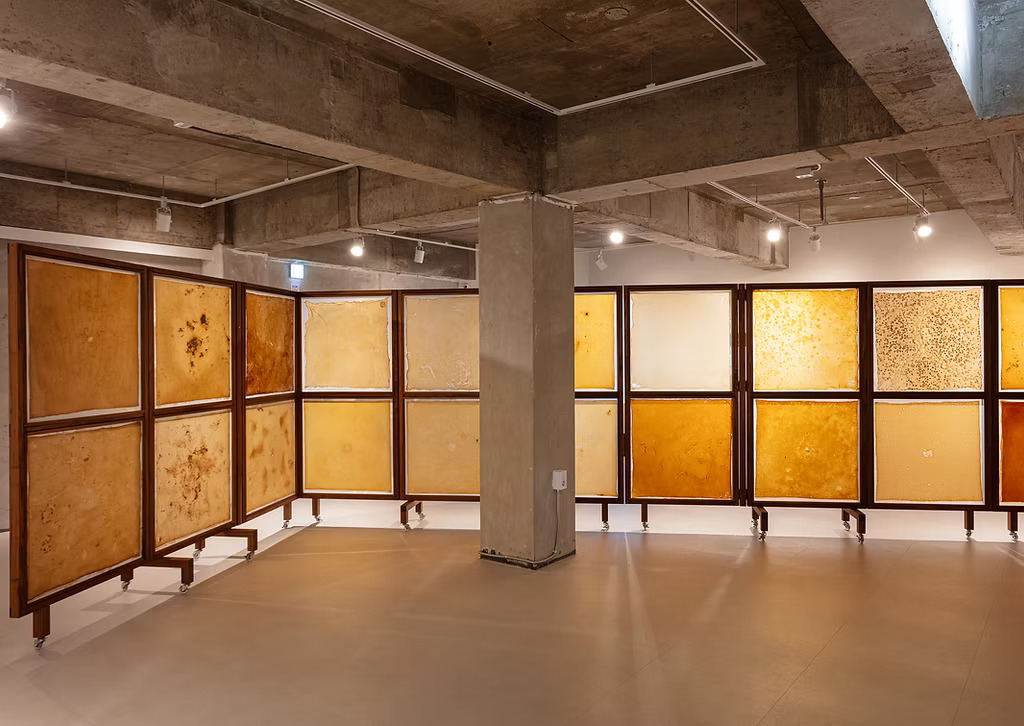
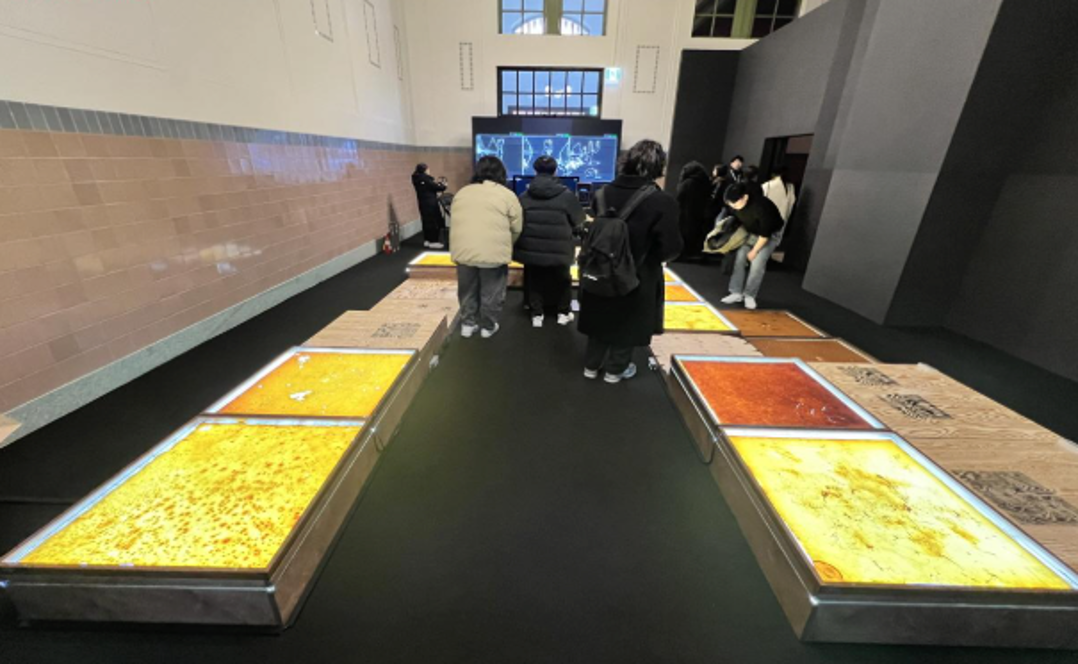
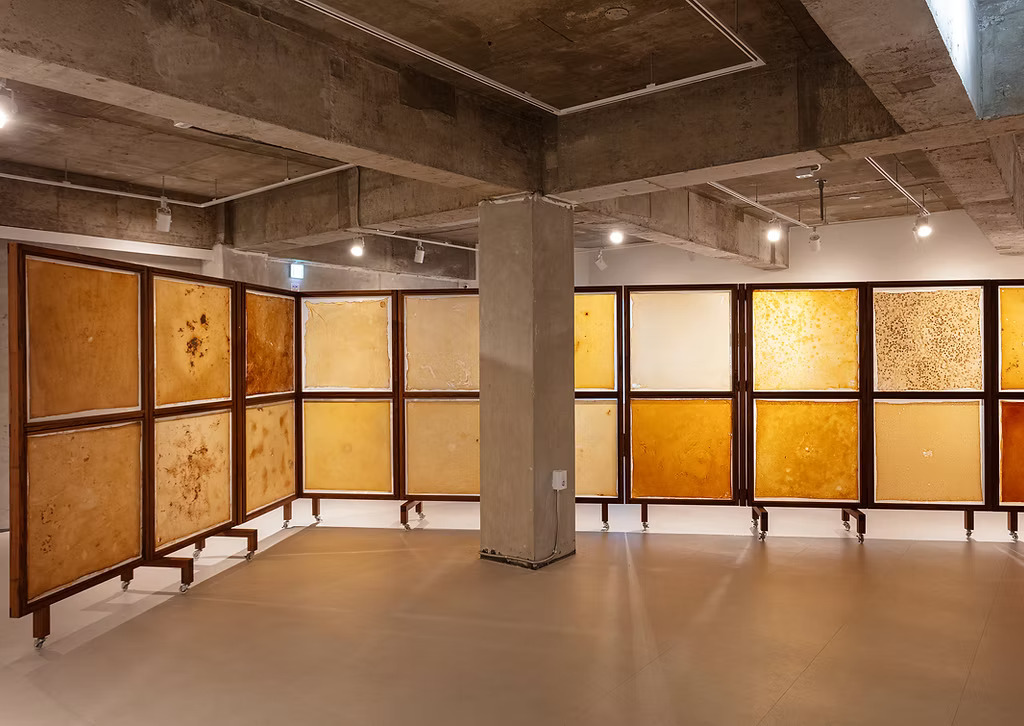
In the exhibition space, skins are spread across the tenuous (im)possibility of relation—between me and you, or me and him, or it. The fermented leather made from plant-based microbes resembles human skin: each piece is individual, yet collectively they form a kind of species. This material—whether we call it leather, skin, or epidermis—is faintly translucent, thin or thick, tinged in shades of yellow and ochre.
Soh Boram embarks on a search: What has actually taken place here? Who else, beyond humans, has recorded their histories in writing? And within existing systems of classification and naming, how might this material be perceived? To arrive at any clarity, we must draw upon the knowledge systems we have built up over millennia—those value systems and standards reinforced through written language and repeated learning.
Soh wonders whether anything within these accumulated systems could be invoked to name or relate to this material. In a time of political upheaval—just a month before the New Year, while the country was under martial law, with crowds flooding the streets to protest the president’s impeachment—the exhibition took place in an art space in Daehak-ro, Seoul.
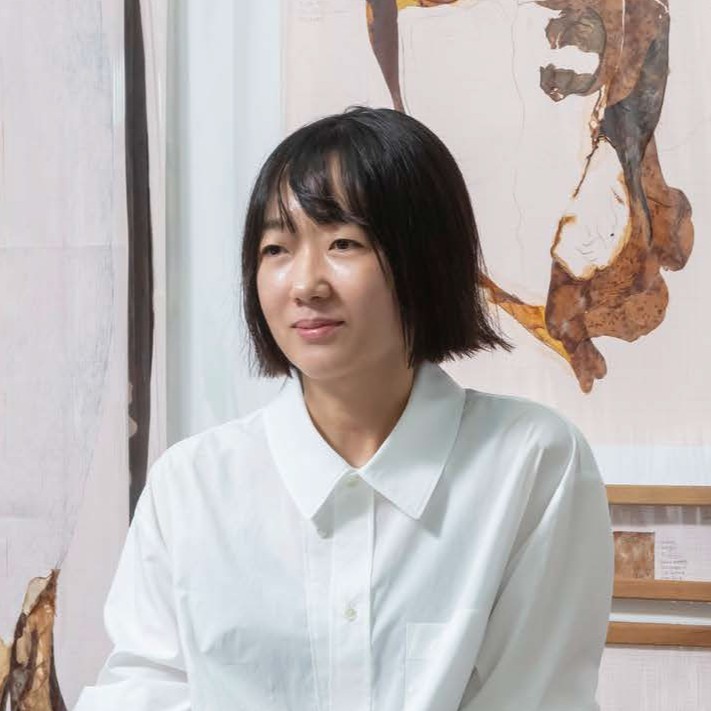
Amid such chaos, what is this artistic act or practice trying to say? This essay revisits 《He vs. It》,2) a 2024 solo exhibition by Soh Boram, artist and cultural practitioner. The exhibition shares its title with a project first presented seven years earlier as a memorial for roadkilled animals and traces the artist’s enduring questions and concerns.
Soh adopts a stance that seeks to liberate both plants and animals from the systems of classification, norms, and standards that have historically positioned humans as fundamentally distinct and superior beings. Such a position moves beyond artistic practices grounded in human-centered systems of knowledge and value.
Soh explores hierarchical structures—historically acquired by humans and often regarded as inevitable—and the micro-level mechanisms that produce fractures within those structures. To pursue this expansive and in-depth inquiry, Soh engages a range of research methods and performances.
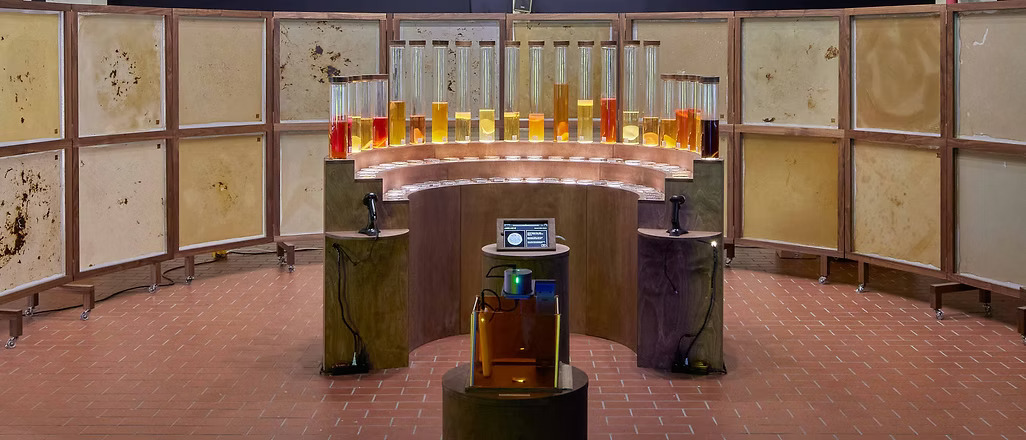
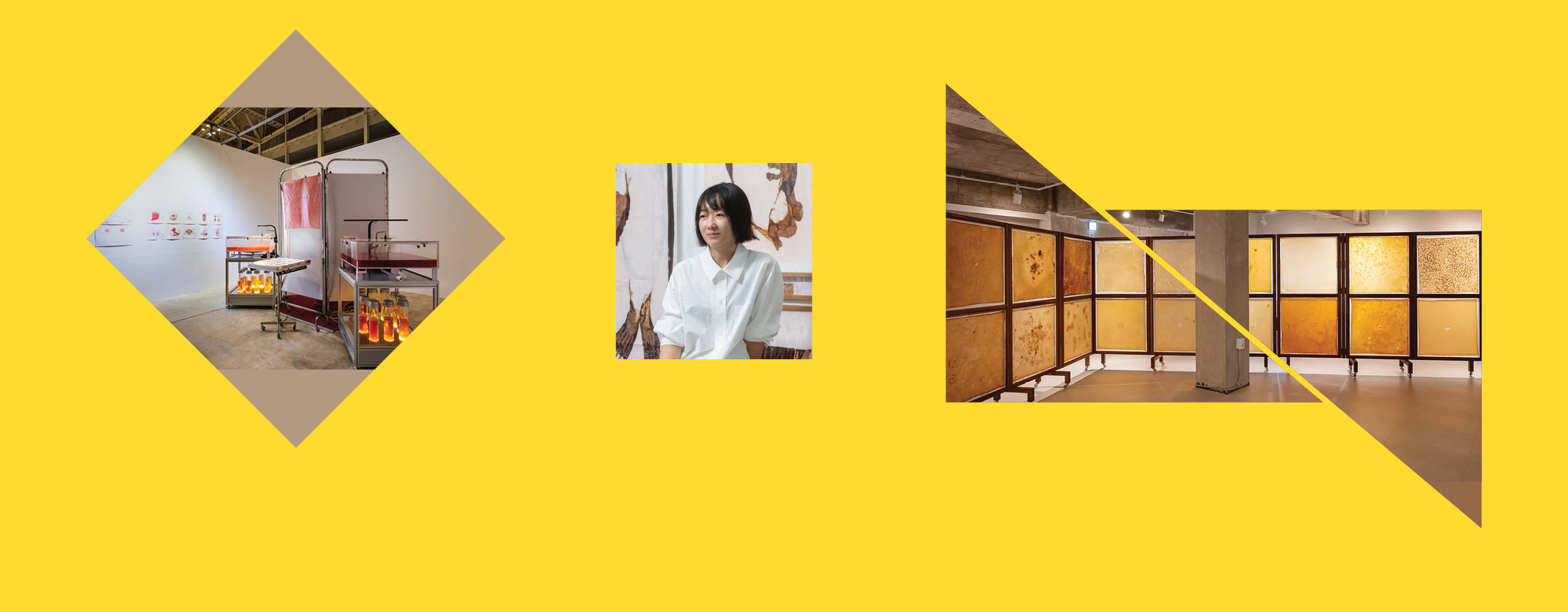
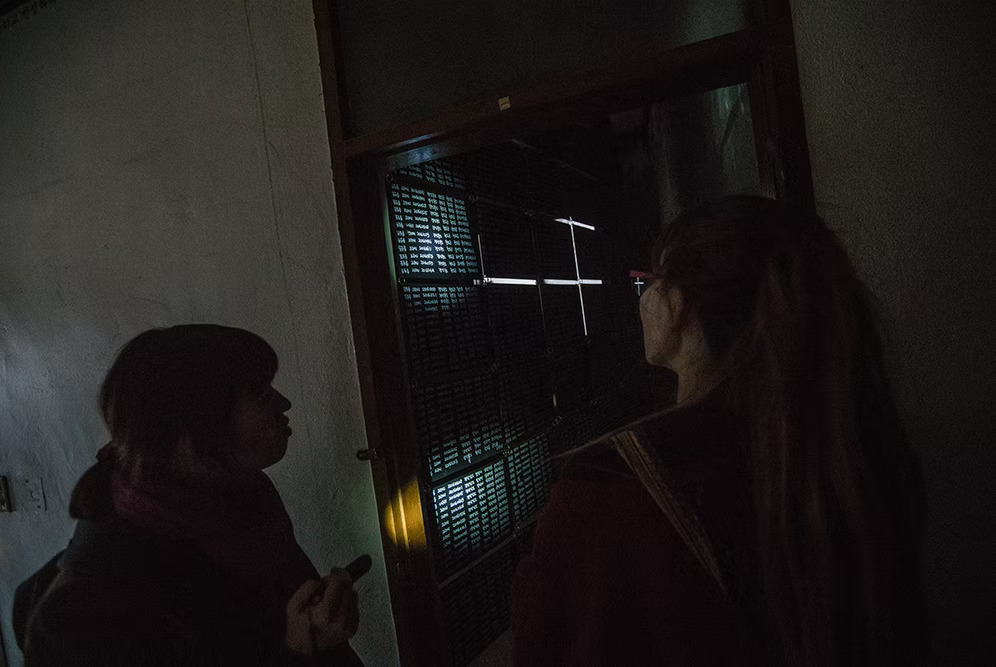
The first is a sustained investigation into the cultivation, documentation, and preservation of microbes over several years. Representative works include From Twenty-Four of Your Bodies (Smart Skin Farm)(2023–2024), Smart Skin Farm(2022–2024), and Microbial Cultivation Log (2022–2024). Installed diagonally across the exhibition space, From Twenty-Four of Your Bodies consists of sheets of plant-based microbial leather, dried inside square wooden frames.
Fed on more than forty varieties of tea and sugars, each culture has grown into a distinct body, bearing its own unique pattern and color. Though dried and seemingly lifeless, these bodies are capable of repeated regeneration, suggesting an alternative mode of existence. This material, like the moment when Soh encountered the body of a dead animal in 2017, exists in a state of suspended relation or identity—caught between being a “he” to relate to and an “it” to hold at a distance.
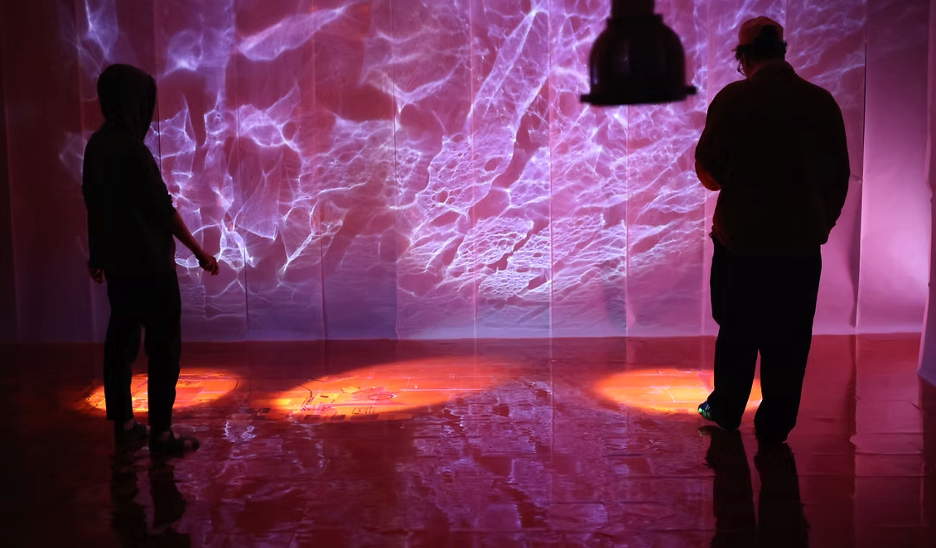
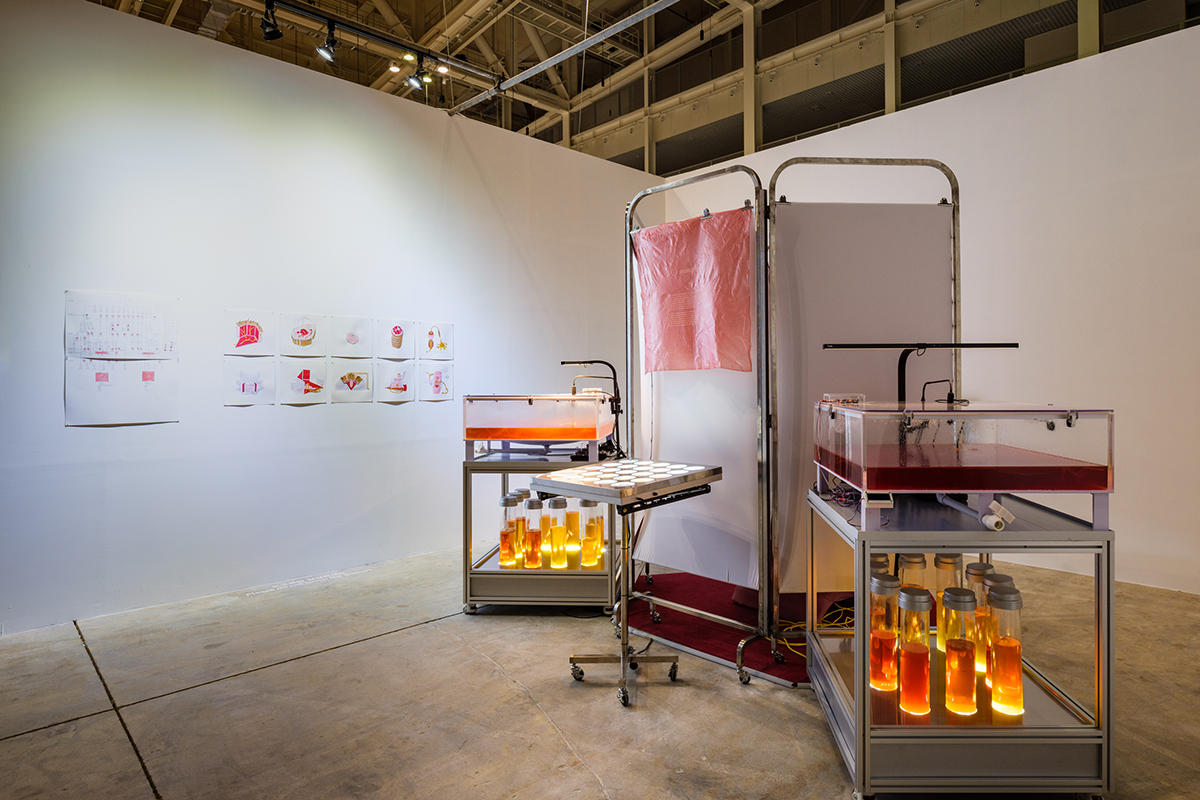
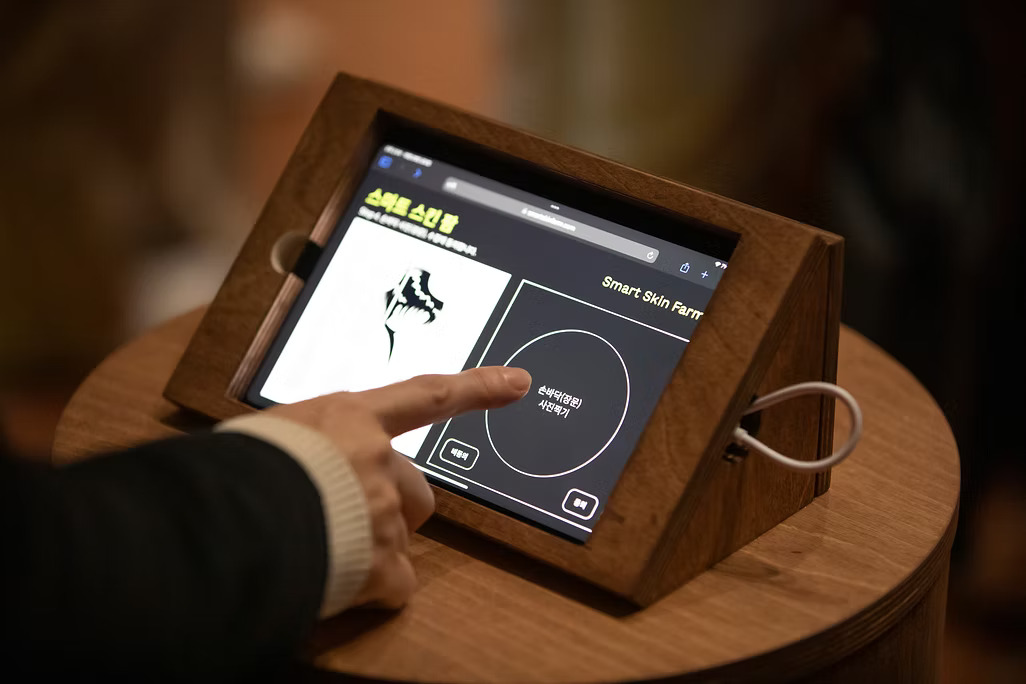
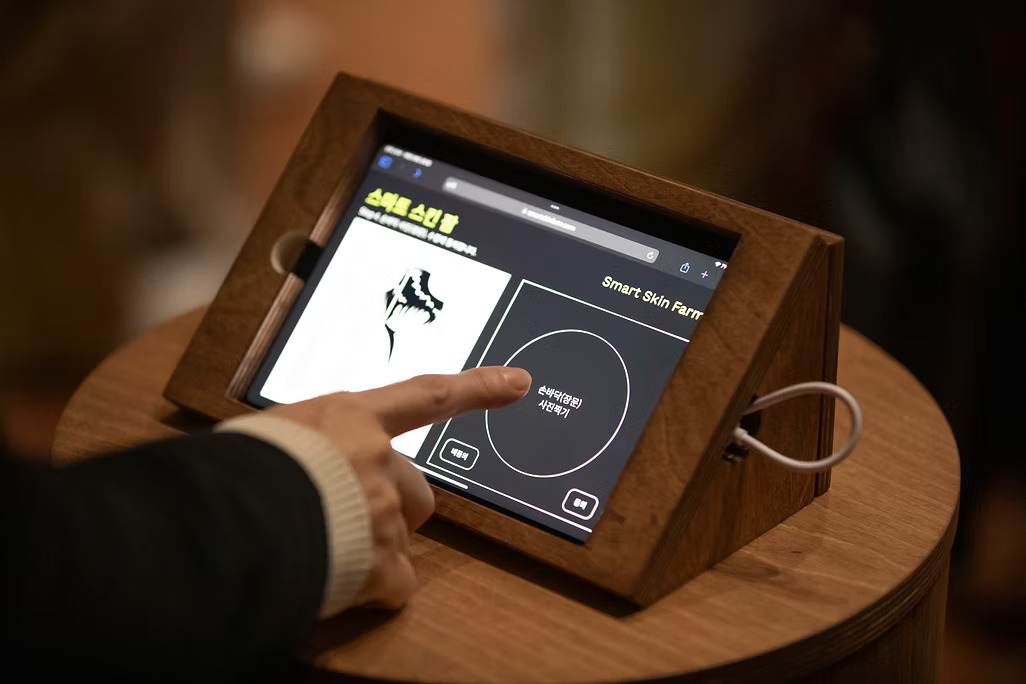
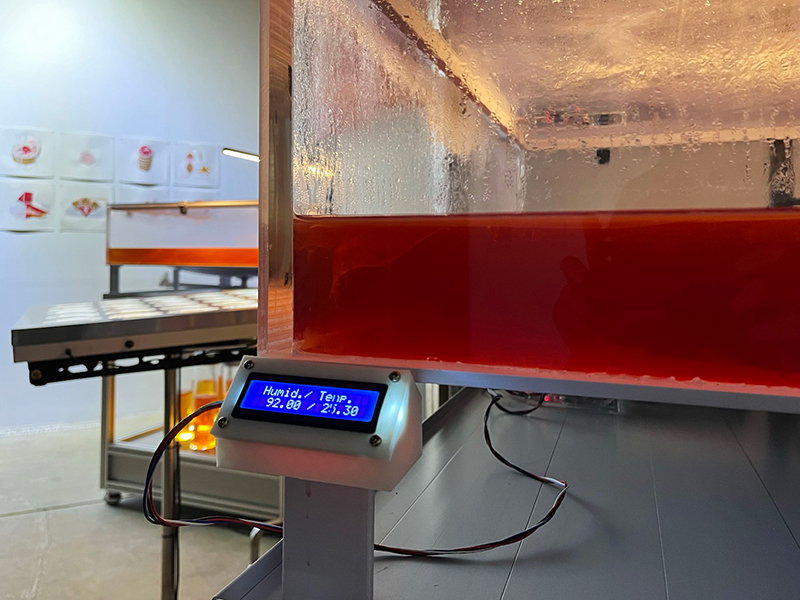
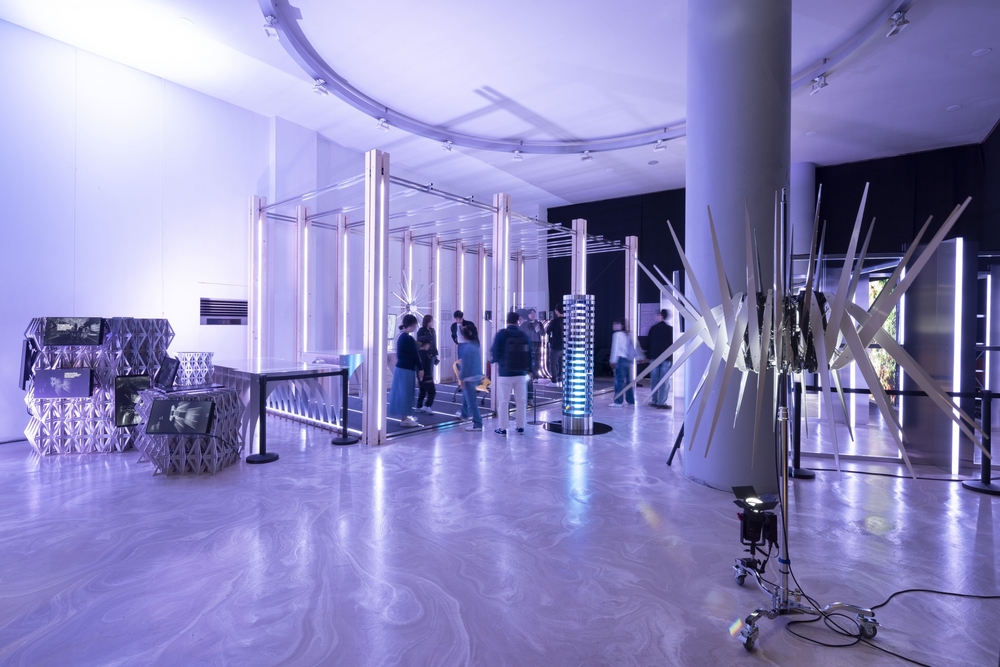
Rather than occupying a fixed location, this material manifests its presence within a topological space shaped by relational dynamics. In some instances, this material is preserved by drying it within wooden frames. However, in Smart Skin Farm (2022–2024), it also takes the form of circular cultivation tanks, where microbial preferences are tested, and samples are processed and stored.
Additionally, the project Microbial Cultivation Log (2022–2024), developed on the Miro online whiteboard platform, systematically records the growth of microbes cultivated since July 2022. Soh differentiates generational cycles by tracking how many times the growth environment has been modified. Events of incursion, loss, or inversion—prompted by microbial migration—are also recorded.
While this system appears to establish a historical framework for the plant-based microbial leather through the creation of distinct spaces and documentation systems, the resulting diagram resists linear genealogies. Instead, it reveals a fragmented structure in which lineages reverse, break off, or collapse altogether.
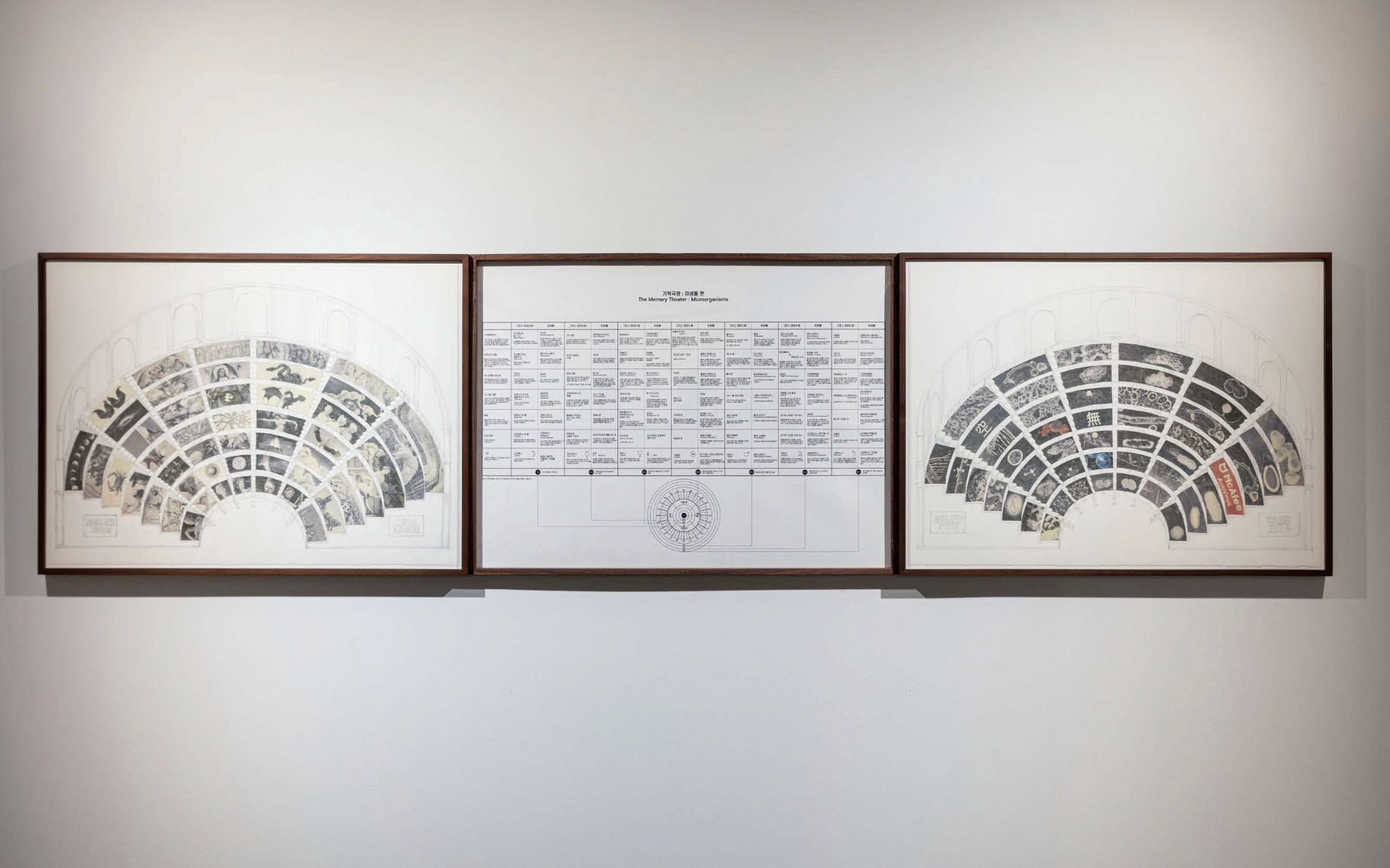
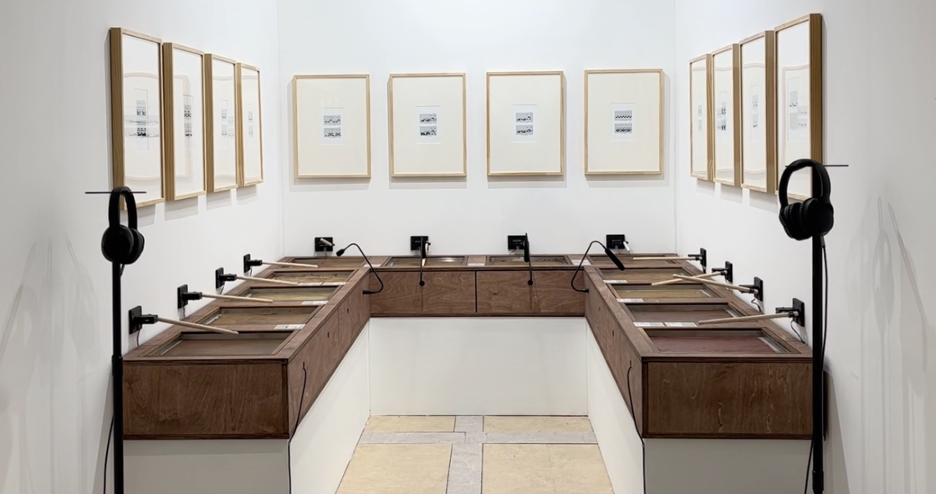
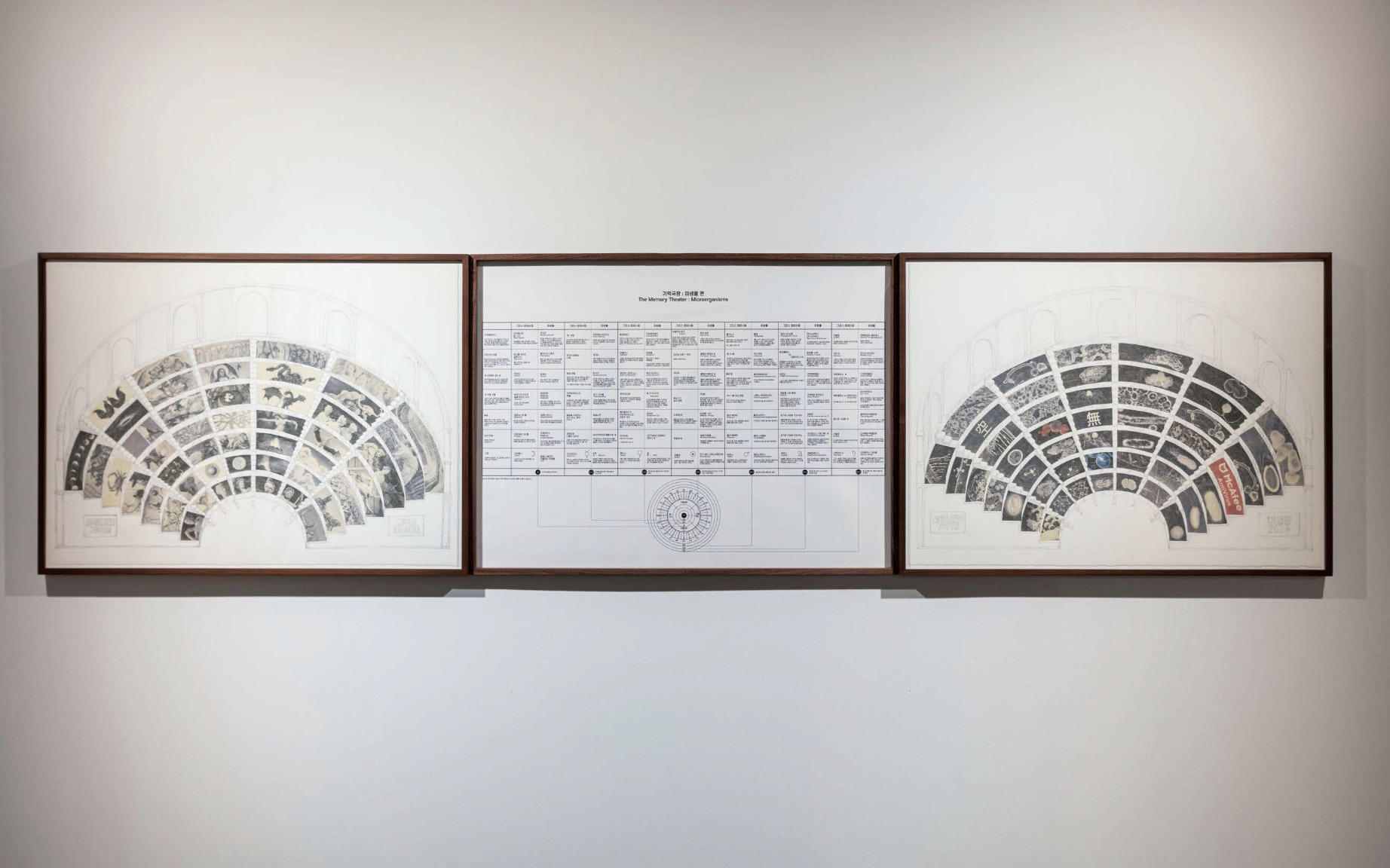
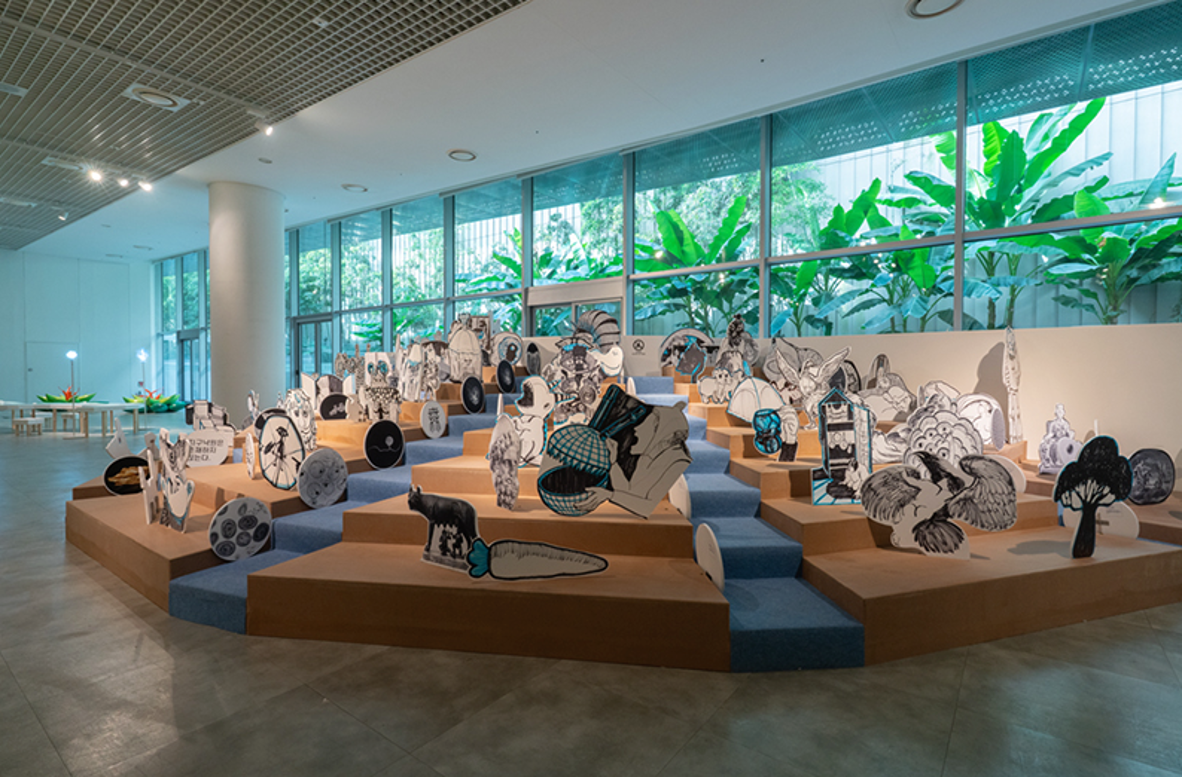
Secondly, Soh Boram investigates the systems of recording, preservation, and display that have historically served human memory. By reconfiguring these systems, Soh reveals the often-overlooked latent relationships embedded within them. This is evident in the in the Theater of Memory series—Greco-Roman Mythology and Microbes I & II (2024)—along with the long-term archival project The Second Exhibition: A History of Blood—and Exhaustion—Rises with the Legendary Game! (2017–2024), based on seven years of newspaper collection.
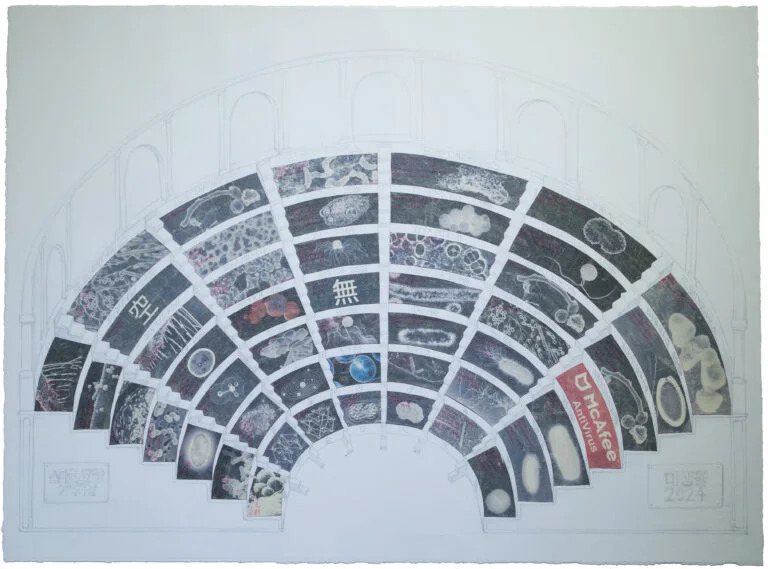
The ‘Theater of Memory’ series consists of collages and drawings on paper. The project draws inspiration from Giulio Camillo’s sixteenth-century ‘Theater of Memory’. It arranges mythological symbols and names within a theatrical structure, conceived as a site for memory and learning. It also traces how these mythological names were later adopted into the taxonomic system of microbial classification that emerged in the late nineteenth century.
Furthermore, Soh juxtaposes Greco-Roman deities associated with animals with scientific names of microbes. Beneath them, planetary names—Moon, Mercury, Venus, Sun, Mars, Jupiter, Saturn—are grouped accordingly and linked to the nagyeong, a geomantic compass used in seventeenth-century Joseon Korea. Traditionally employed to divine auspicious directions and fortunes, the nagyeong functioned as a symbolic device that embodied the cosmological order of the premodern world.
Chronologically, what value systems has Korea followed since the twentieth century? This question can be explored through the newspaper archive project The Second Exhibition: A History of Blood—and Exhaustion—Rises with the Legendary Game! (2017–present). In this project, Soh searches for newspaper articles featuring animal imagery and analyzes their relationship to advertisement images placed on the same page, whether in print or digital form.
Particular attention is paid to the visual correspondences between advertisements promoting an improved human life and the animal-related news articles they accompany. While preserving the original layout of the pages, Soh whites out all other articles, emphasizing the strange juxtapositions between advertisements and animal-related news.
Through this strategy, Soh invites reflection on the ways animals are represented and objectified. In addition, six keywords—‘we,’ ‘fatigue,’ ‘medicine,’ ‘emergency,’ ‘exhibition,’ and ‘game’—are selected from the collected advertisements. These words, presented with their dictionary definitions on the exhibition walls, starkly reveal the human-centered and uncomfortable connotations they carry. Soh’s method of highlighting relational structures through editing, selection, and arrangement—bringing microstructures into visibility—is particularly noteworthy.
Thirdly, Soh Boram adopts the mnemonic practice of naming—a practice rooted in human memory—and creates a meta-dictionary that reconfigures entries based on relational logics. The works Fungal-Plant-Animal Hybrid Dictionary I & II and Fungal-Plant-Animal Hybrid List (2024) originate from research into how the appearance and color of plant-based microbial cultures change depending on the types of tea they are fed and the conditions under which they are cultivated.
Soh connects each unique shape and color to an animal or mineral. This method differs from the modern alphabetical order of dictionaries (such as the Latin alphabet or Korean Hangul) and instead resembles the organization of early natural histories, which arranged information by categories such as zoology, botany, and mineralogy.
By adopting the dictionary form—which has historically served as a rigid system for distinguishing humans from animals—Soh produces a meta-dictionary that lays out a chain of equivalences: “fungus : color : animal : plant : mineral.” Through this structure, Soh seeks to overturn and recompose conventional systems of classification and regulation.
For example, “rosemary : mantis head : fully bloomed cotton fruit : calcite” becomes “chamomile : chimney fly wings : lotus seed pod : red bean pod : dolomite,” and successively “lotus seed pod : marsh black stinkbug body : honeysuckle flower : pink dolomite : butterfly wing base color : loquat flower bud : thomsonite,” and so on. Each element transforms into another in an endless chain of associations. Rather than understanding material entities through fixed genealogies, Soh Boram presents a worldview that understands them as fundamentally relational.
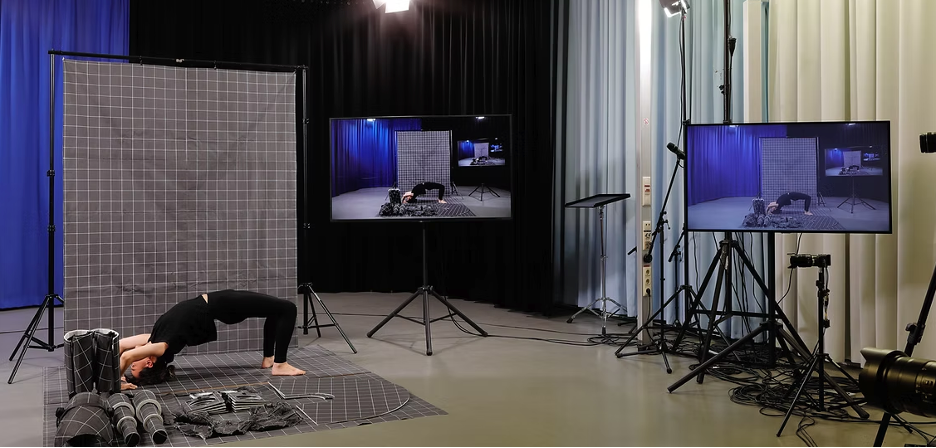
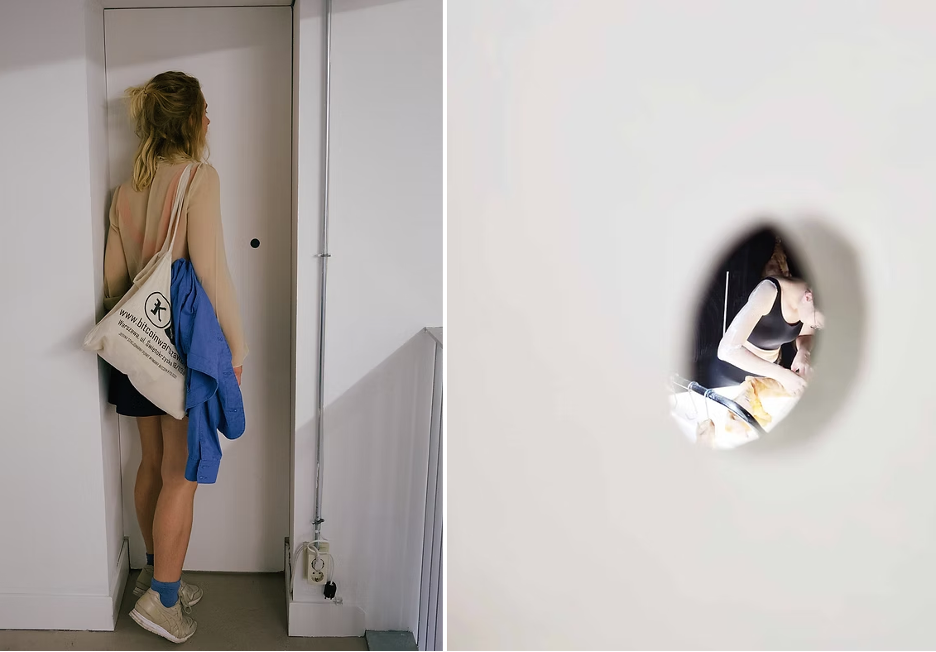
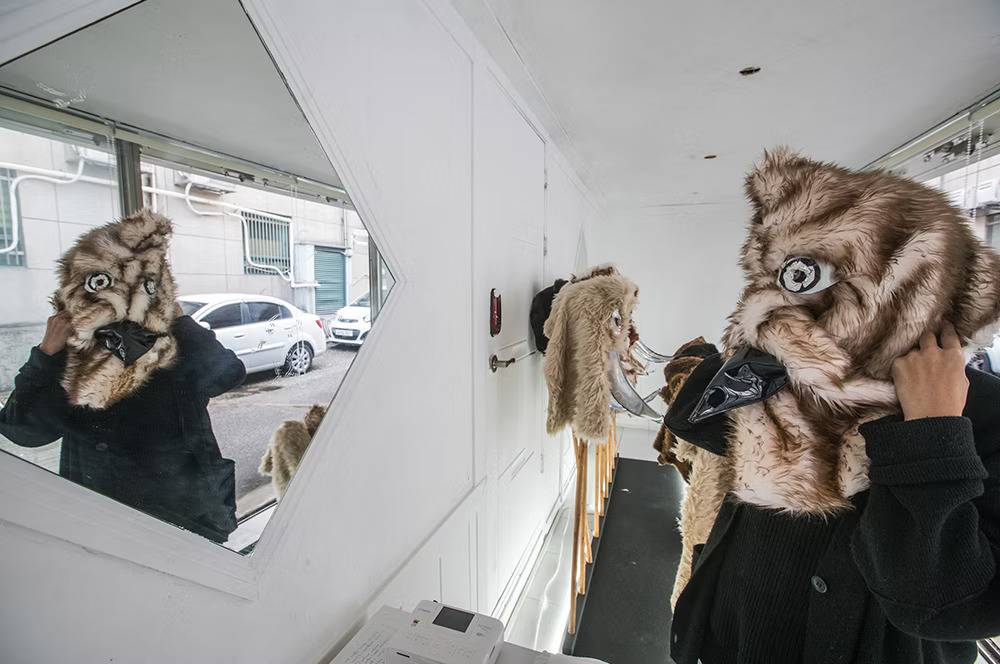
Finally, Soh Boram’s ongoing interest in the boundaries and intersections between animality and humanity also takes shape in various performative forms, exemplified by works such as Unfinished Story (2020–2024), Dear My Deer(2022, 2024), and Body Exchange Service (Smart Skin Farm) (2023–2024). Unfinished Story was originally conceived as a street procession commemorating animal deaths during Soh’s stay in Maastricht, the Netherlands.
Although the procession could not be realized due to the COVID-19 pandemic, the exhibition presents collage images assembled on paper that were intended for banners. Within these images, animal and human bodies are fragmented and reassembled, forming bodies that are fluid and shifting. These bodies traverse the boundaries between animal and human, capturing moments when forms shift through simple acts of folding and stretching.
The overlapping movements evoke a process of becoming one and dispersing again, embodying a transformative movement that gestures toward what the artist describes as “the last day of a world where the conditions of animal and human intersect.”3) In the single-channel video piece Dear My Deer, Soh adopts a calm yet firm tone to address an isolated deer on the Korean peninsula through a video-letter format of autobiographical writing.
The letter begins by introducing the artist, Soh Boram4) as the sender and the Other to the deer, and stating the scientific name—Chinese water deer [or Hydropotes inermis]—a name unknown to the animal itself. The work traces the migration route of this internationally endangered species from Taiwan to China, the United Kingdom, and France, while investigating the practice of deer hunting and the commodification of deer bodies through trade.
Describing the deer as a "body to be exchanged/traded," Soh maps the vulnerability of animal life through latitude and longitude coordinates, categorizing regions into seven color-coded stages from vulnerable to extinct. In doing so, Soh brings to light the forgotten and unacknowledged deaths that remain buried in the world we inhabit.
Body Exchange Service was developed as part of Soh Boram’s Smart Skin Farm project, which was initiated the previous year. First, Soh invited several participants and asked them to leave their fingerprints, share personal information, and choose the tea that would be fed to the microbes. She then cultivated plant-based microbial leather tailored to each participant (for almost a year) and sent it back with nicknames combining the participant’s chosen name and the scientific name of the microbe.
I was one of the participants in this project and received a piece of microbial leather created especially for me. Although I knew it bore no direct connection to my body, the experience nonetheless evoked a subtle feeling—as if a fragment of my own physical tissue had been entrusted to the artist and later returned.
Likewise, by connecting the deaths of water deer to real geographical coordinates, Soh assigns concrete locations to vanished lives. This strategy exerts a strange force, prompting a reconsideration of the connections between beings and events that might otherwise seem unrelated. From a broader perspective, Soh’s practice invites reflection on the inseparable relationality that binds all material entities in the universe, including humans.
The research methods described thus far—such as cultivation, documentation, preservation, exhibition and arrangement of plant-based microbial cultures—resemble practices typically found in museology. These practices have historically served as learning devices and educational systems through which humans—aware of their own finitude in the face of death—have sought to sustain their existence.
Through these methods, Soh relearns the forms of memory constructed by humanity. Positioned as “a single thread in a vast web”5), Soh Boram continues this form of artistic resistance for future generations. One can surmise that endurance and persistent observational labor, sustained over years of microbial cultivation, were indispensable to the creation of these works.
Such efforts would not have been possible without a particular joy—one that only an artist could endure—the joy of cultivation, the nurturing tenderness of growth, and a sense of fulfillment akin to that of raising a child.
Meanwhile, as Soh cultivates plant-based microbes within tanks situated in a no-man’s-land—a site of becoming—she observes that the environment inside the tanks increasingly mirrors the conditions of the Earth itself, and that tiny records of oxygen, carbon dioxide, and methane are quietly being inscribed. I venture to dream that these delicate traces may one day, like the butterfly effect, ignite a profound and explosive reverberation.
1) The term "no-man’s land" is drawn from the following passage: “Becoming is an in-between; it is a borderline or a line of flight, a line of descent, the perpendicular of the two. If becoming is a block (a line-block), it is because it constitutes a zone of proximity and indiscernibility—a no-man’s land—by capturing two points that are distant or adjacent, and by composing a relation in which it is impossible to determine the position of one point in proximity to the other.”
—Gilles Deleuze and Félix Guattari, A Thousand Plateaus, trans. Kim Jae-in, Saemulgyul, 2001, p. 555.
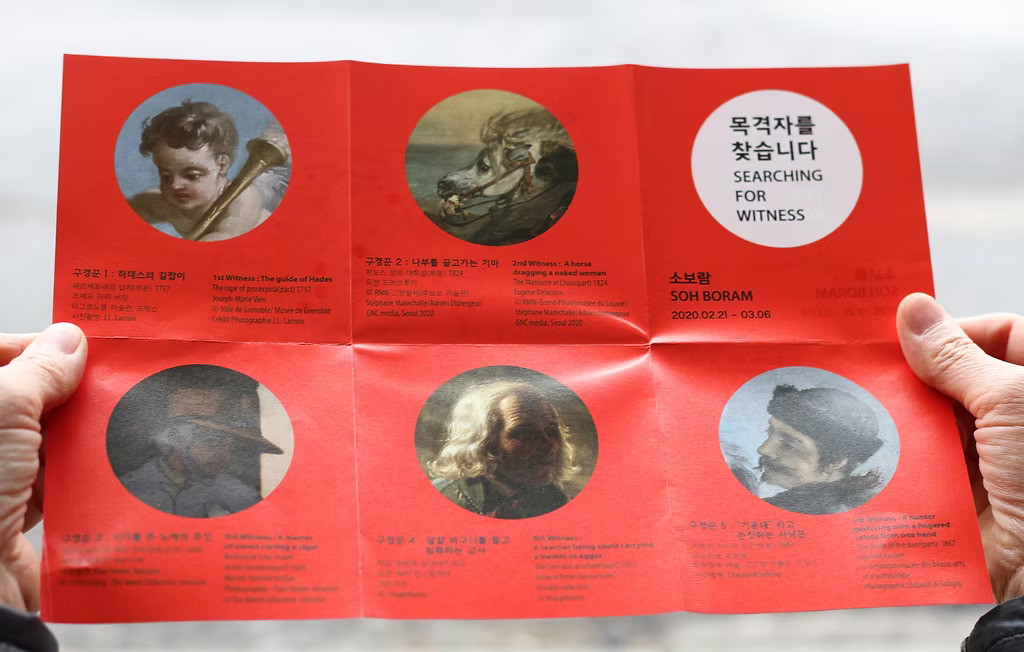
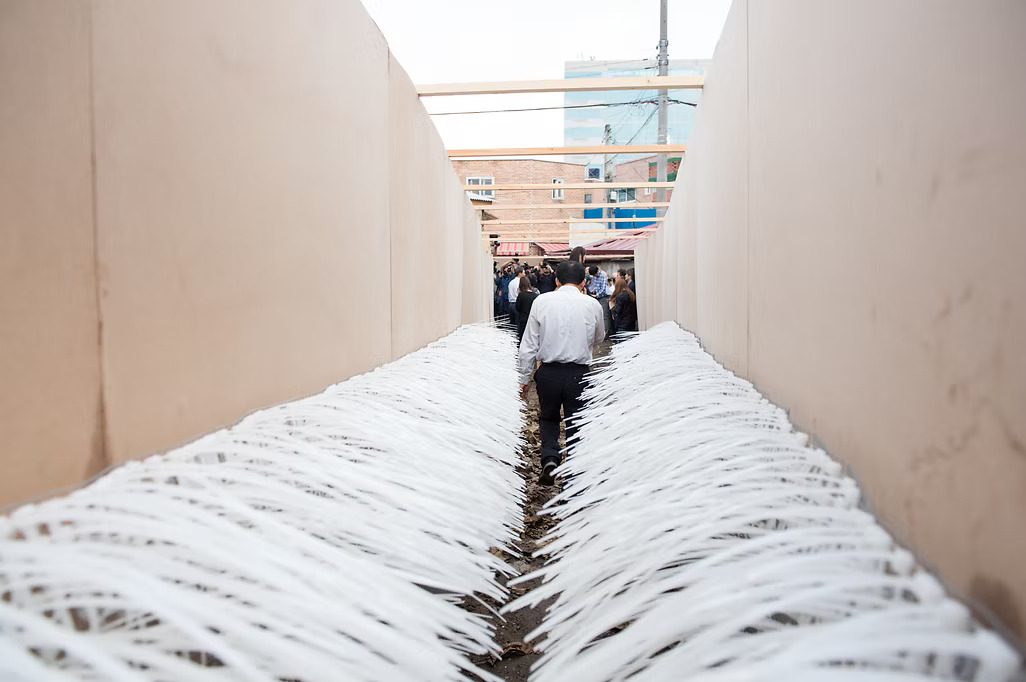
2) In the artist’s notes for the solo exhibition He vs. It (2017), there are two referenced images. One is an illustration from a thirteenth-century Hebrew manuscript depicting the Last Day (held at the Biblioteca Ambrosiana, Italy), and the other is an illustrated print titled Waiting for Guests (1830, France) by Gérard Grandville. A common feature of these two images is that the figures have the heads of animals and the bodies of humans, gathered together in a banquet scene. Then as now, the artist remains deeply engaged with questions of humanity and animality, and with the intersections where human and animal lives converge.
3) Giorgio Agamben’s The Open: Man and Animal, trans. Kevin Attell (Stanford, CA: Stanford University Press, 2004), a text that has been a significant source of inspiration for Soh, explores how humans have historically been conceived as fundamentally distinct from animals. Drawing on ancient Greek, Christian, and Jewish texts, as well as the writings of twentieth-century thinkers, Agamben analyzes the logical premises and frameworks used to separate humans from animals, and traces how this distinction has shaped various disciplines, including philosophy, law, and anthropology. In the book, Agamben references an illustration from a thirteenth-century Hebrew manuscript depicting the Last Day: human figures with the heads of animals—or animal figures with human bodies—gather around a table where meat is laid out. He questions the relationship between these strange beings and the meat on the table, suggesting that on the final day, the relationship between human and non-human will be overturned. What, then, might this overturned relationship look like? Soh is engaged in imagining precisely this possibility.
4) My name carries the meaning of 'to look, to see’. This is how Soh introduces the name to the water deer in Dear My Deer. The fact that an attitude of seeing is embedded within the name prompts reflection on the role and calling of an artist, particularly in the field of visual arts.
5) “This we know: All things are connected like the blood, which unites one family. Whatever befalls the earth, befalls the sons and daughters of the earth. We did not weave the web of life; we are merely a strand in it. Whatever we do to the web, we do to ourselves.” Ted Perry, cited in Fritjof Capra, The Web of Life, trans. Kim Yong-jung and Kim Dong-gwang, Beomyangsa, 1998, p. 10.