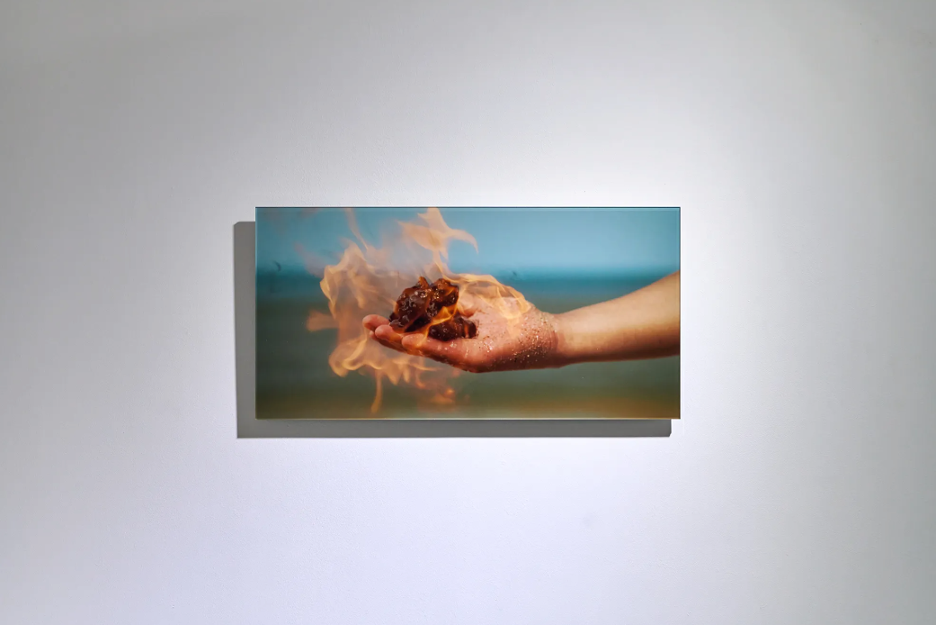
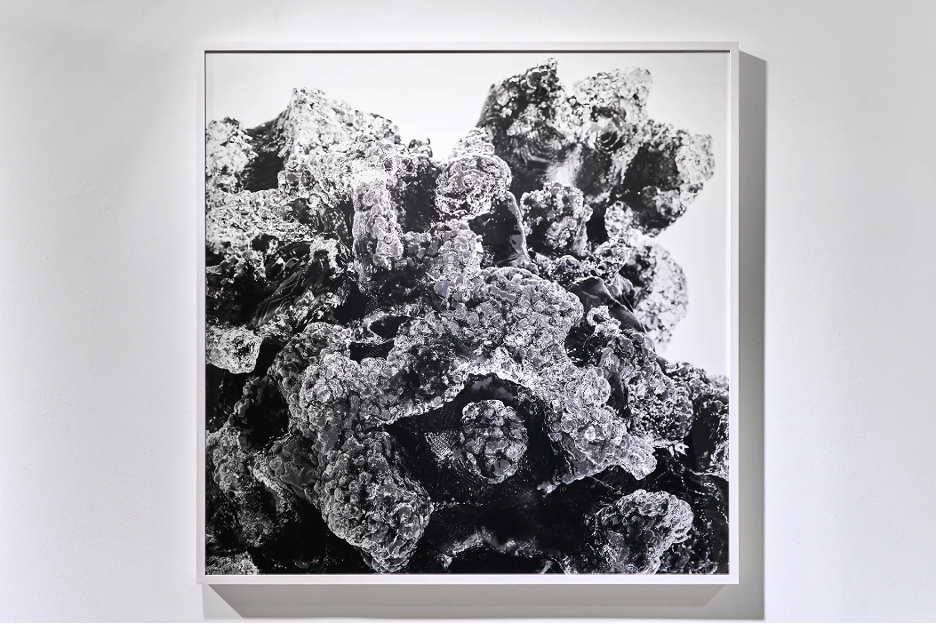
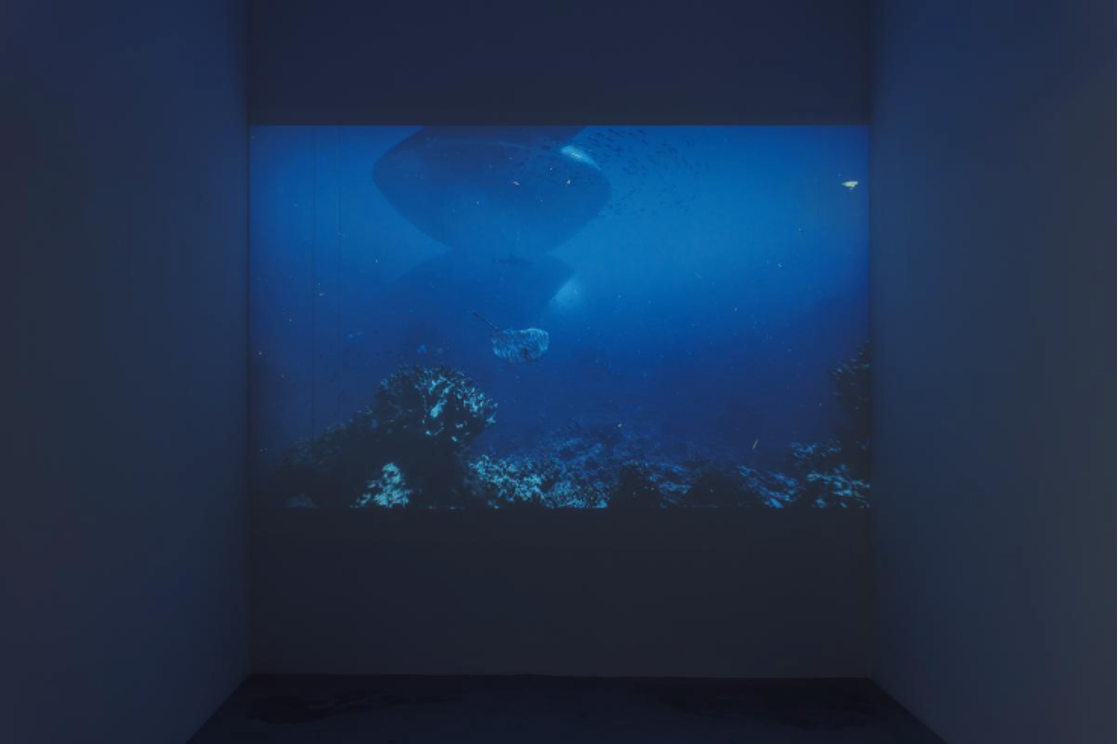
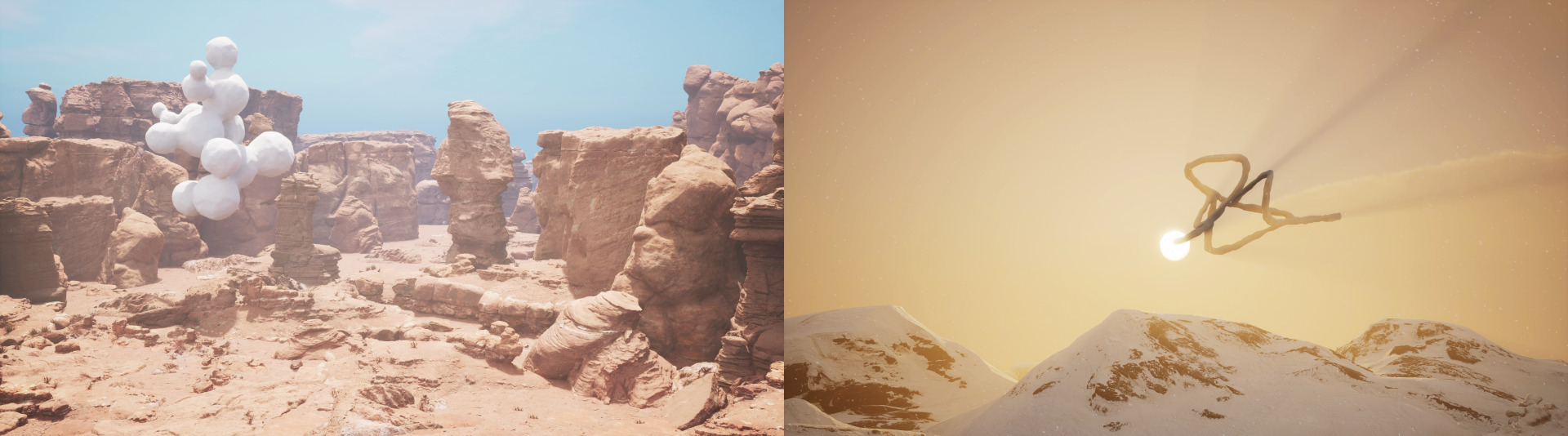
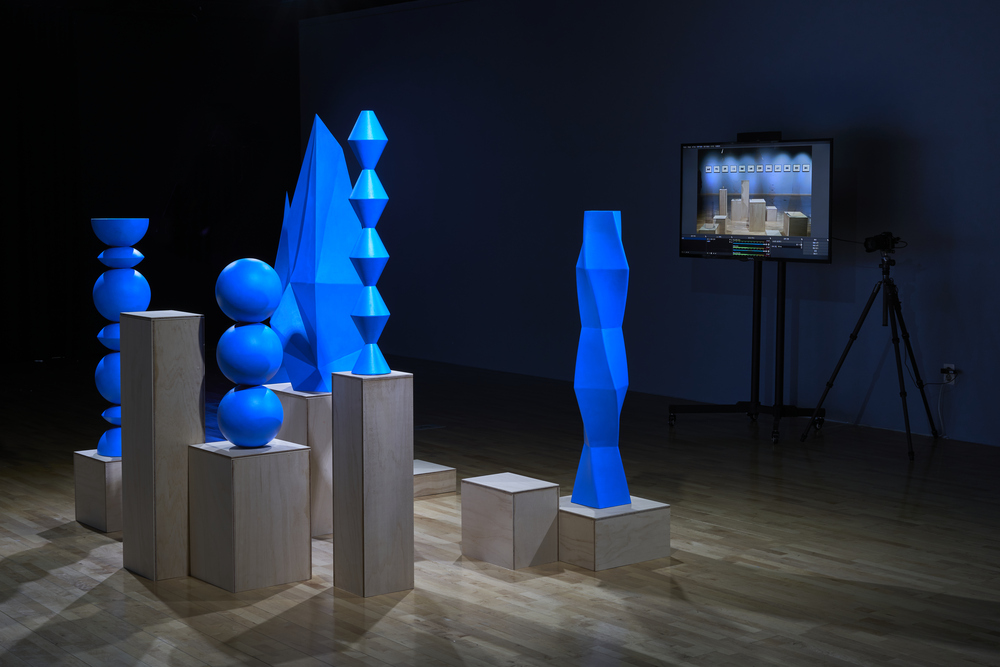
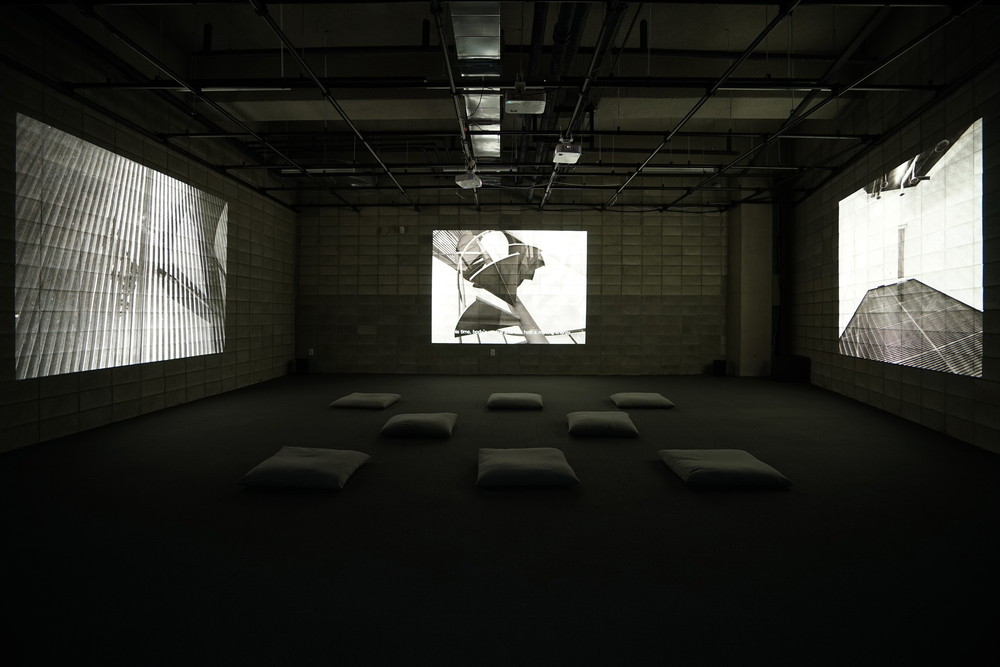
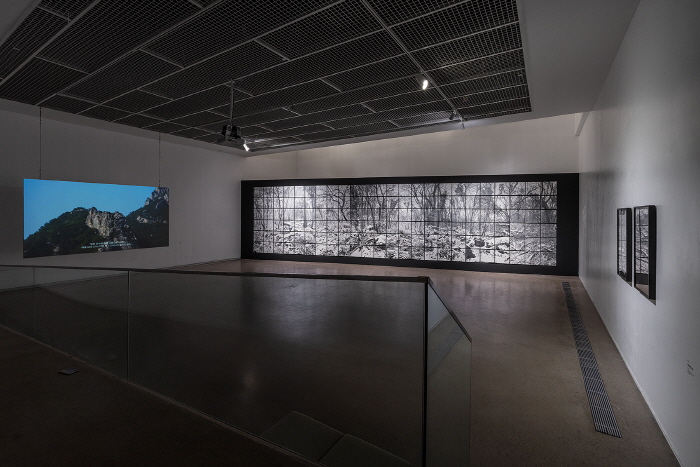
Woongcheol Lee has paid attention to the points between the virtual and the real where mediation occurs, or where mediation may be impossible. To this end, he has worked by 3D-scanning objects and digitizing them, or by summoning objects that appear in moving images back into physical space.
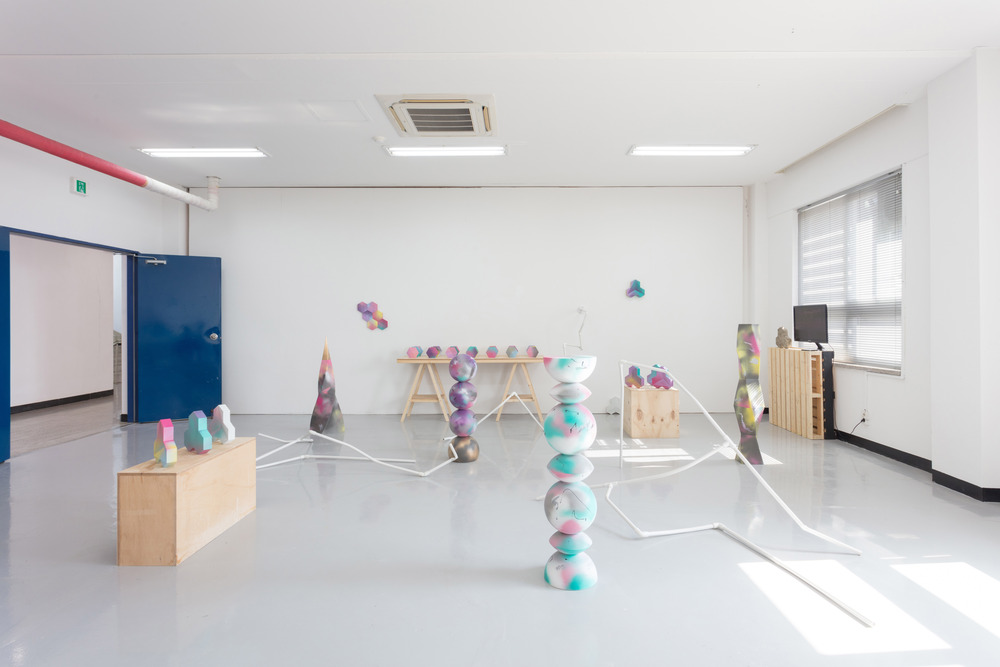
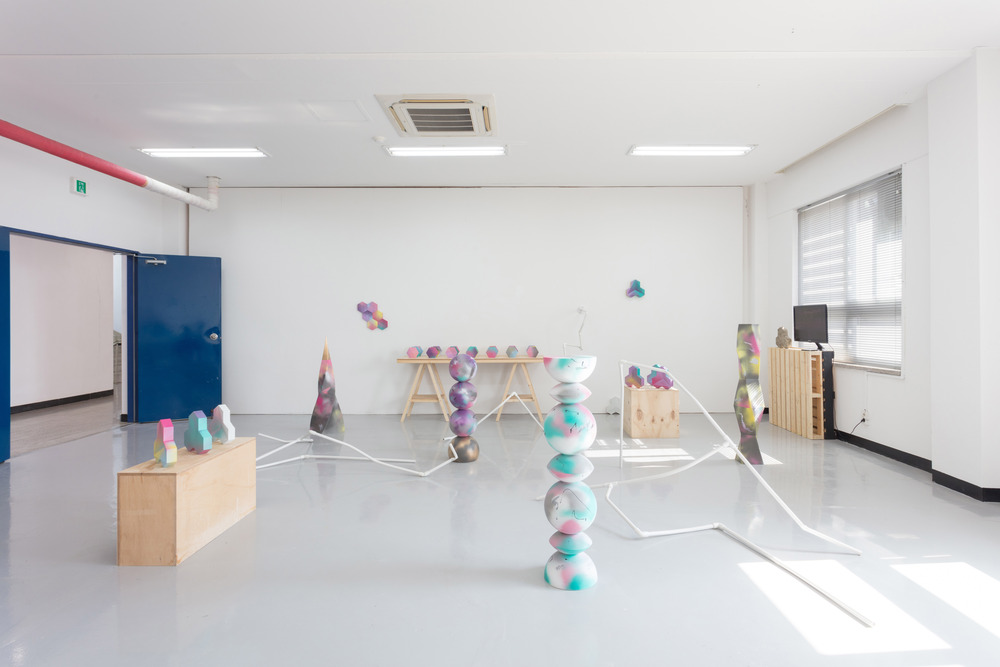
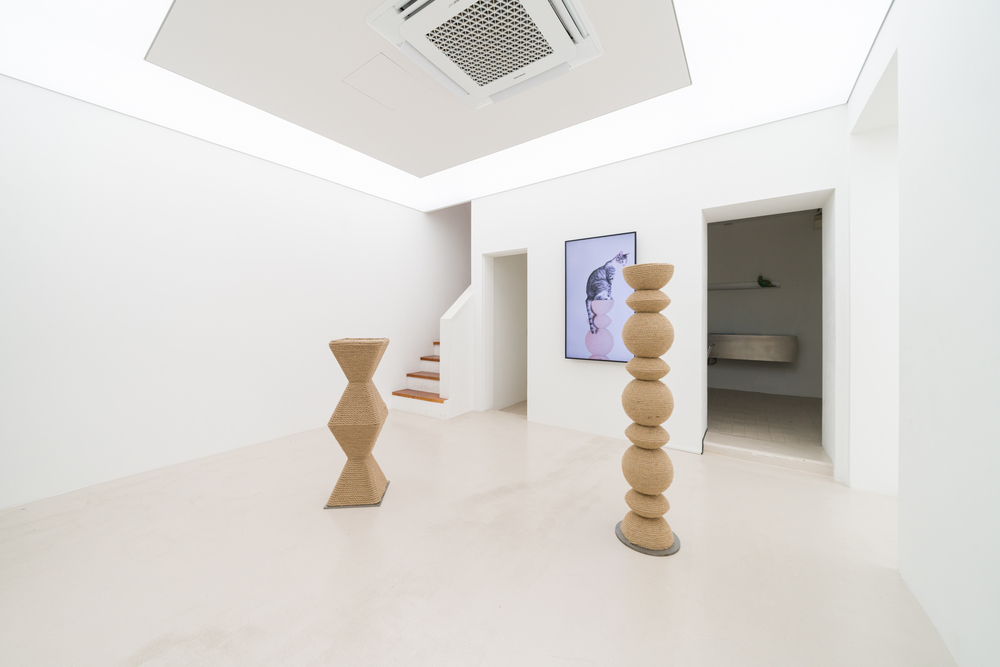
Later, the artist began to reveal layers of time and space that exceed the individual by producing sculptures or installations subject to physical laws and then taking a method of twisting the laws of reality by passing them through digital media.
Through this, he unfolds the next part of the story through the material of petroleum, which may appear extremely personal but is also an energy and substance that has sustained the community called humanity since industrialization.
The artist’s father worked as a Middle East construction laborer dispatched to Iran and Saudi Arabia in the 1970s and 1980s. Since childhood, the landscapes his father described—the heat and darkness of the Middle East, sand and petroleum, construction materials and labor—functioned for the artist as a medium that was not unfamiliar, yet stimulated his imagination.
In the 1970s, the Middle East, holding petroleum, the center of the world’s energy resources, built economic cooperation systems and joint diplomatic strategies around oil-producing countries and caused two oil crises targeting the entire world, which led international oil prices to soar. Afterward, petroleum became a key growth engine for Middle Eastern oil-producing countries such as Saudi Arabia and the United Arab Emirates(UAE).
In the 1970s, petroleum accounted for the highest proportion among primary energy sources, making up about 46% of global energy consumption.[1] Therefore, changes in the petroleum market directly affected not only energy security, but also diplomatic relations between energy-producing and exporting countries. The first oil crisis in 1973 occurred amid these interests.
After the Fourth Middle East War(the Yom Kippur War), the Organization of Arab Petroleum Exporting Countries(OAPEC) used petroleum as a political means and imposed an oil embargo on Western countries that had supported Israel. As a result, international oil prices surged nearly fourfold, causing serious economic shocks around the world, including the spread of recession and inflation.[2]
Korea was no exception. As payments for imported petroleum sharply increased, the current account deficit deepened, and in response, the government actively supported construction companies’ entry into the Middle East. As a result, domestic companies participated in large-scale infrastructure construction projects and set out to earn foreign currency.
The global shock generated at the time by petroleum as a material entangled with political and economic interests became the direct cause that led the artist’s father to leave Korea for the Middle East and begin working there.
The shock brought by petroleum triggered simultaneous chains of events around the world. This chain of events also led the American science fiction writer Larry Niven(1938–) to create the concept of “Mana,” a supernatural energy that serves as the driving force of magic in his worldview. In his novel The Magic Goes Away(1976), mana is the energy needed by magicians to cast magic, while at the same time signifying a finite resource.
The book metaphorizes the way Arab oil-producing countries weaponized and wielded petroleum during the Fourth Middle East War in 1973, at a time when modern civilization deeply depended on this energy but could not find an alternative. In the author’s eyes at the time, petroleum must have been not simply a material, but a powerful wave exerting broad influence across time and space, something almost magical.
He likened it to “mana,” a term used in Melanesia and Polynesia in the South Pacific to refer to a spiritual energy similar to “qi,” and this was an insight that pierced through an era in which matter was beginning to be transformed into myth.
Upon encountering this fact, the artist became interested in the concept of “mana,” which refers to petroleum as a materially finite energy resource, yet also contains mythic or fantastical imagination such as magic, qi, spiritual power, and aether. For the artist, petroleum was an extremely real material that had caused his father to go to the Middle East to work, and at the same time it was like “mana,” existing as a mysterious energy originating from a source humans can neither see nor know.
As a result, the artist came to focus on the historical and symbolic aspects revealed in the birth and use of the term mana, and later, through the work The Origin of Mana(2025), defined mana as “an invisible yet omnipresent energy, and a medium that connects reality with another dimension.”[3]
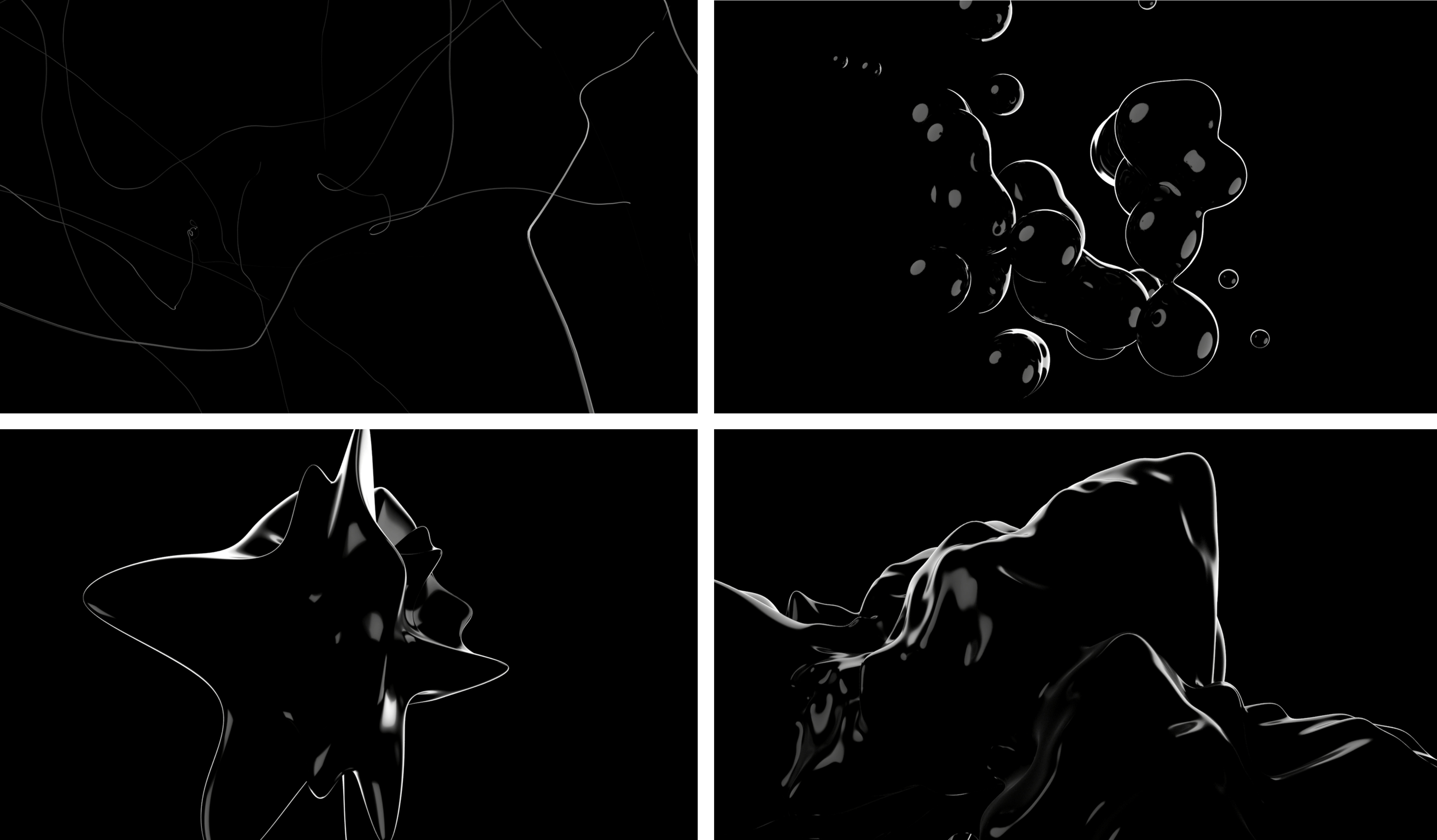
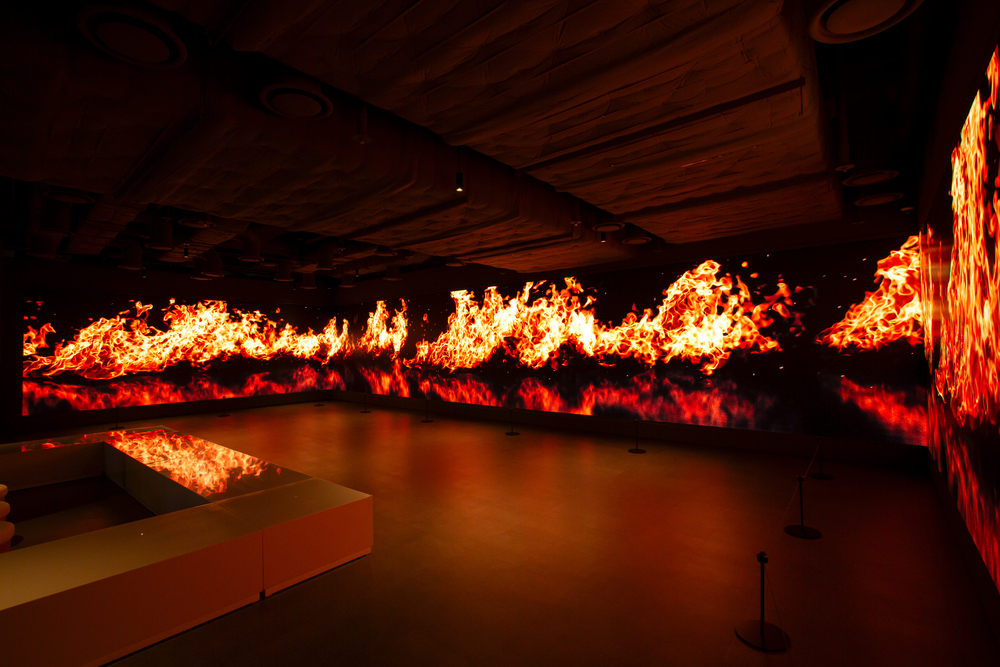
Afterward, the artist became deeply interested in mana, both matter and spiritual energy, as a symbol of one point of connection between the virtual and the real, and devoted himself to visualizing the concept of mana. At this point, the analogical tension between sculpture and digital media that had formed the foundation of his work is also brought in, beginning from the fact that the form of “mana” in Niven’s novel is described as a fluid.
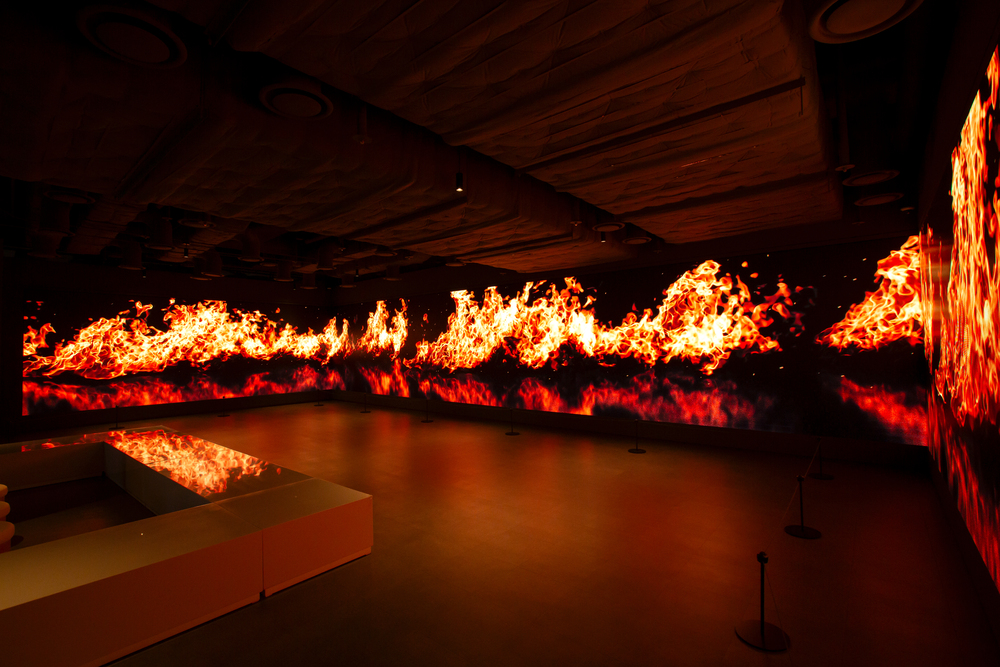
While exploring the functions for fluid dynamics inside the animation software used to make the form of mana, the artist became able to control changes between liquid, gas, and plasma through the forms of noise and waves, particles and waves.[4] Through this process, the artist began to question the clear distinction between reality and the virtual, figuration and abstraction, and also began to expand his expressive field by bringing stories from outside art into his work.[5]
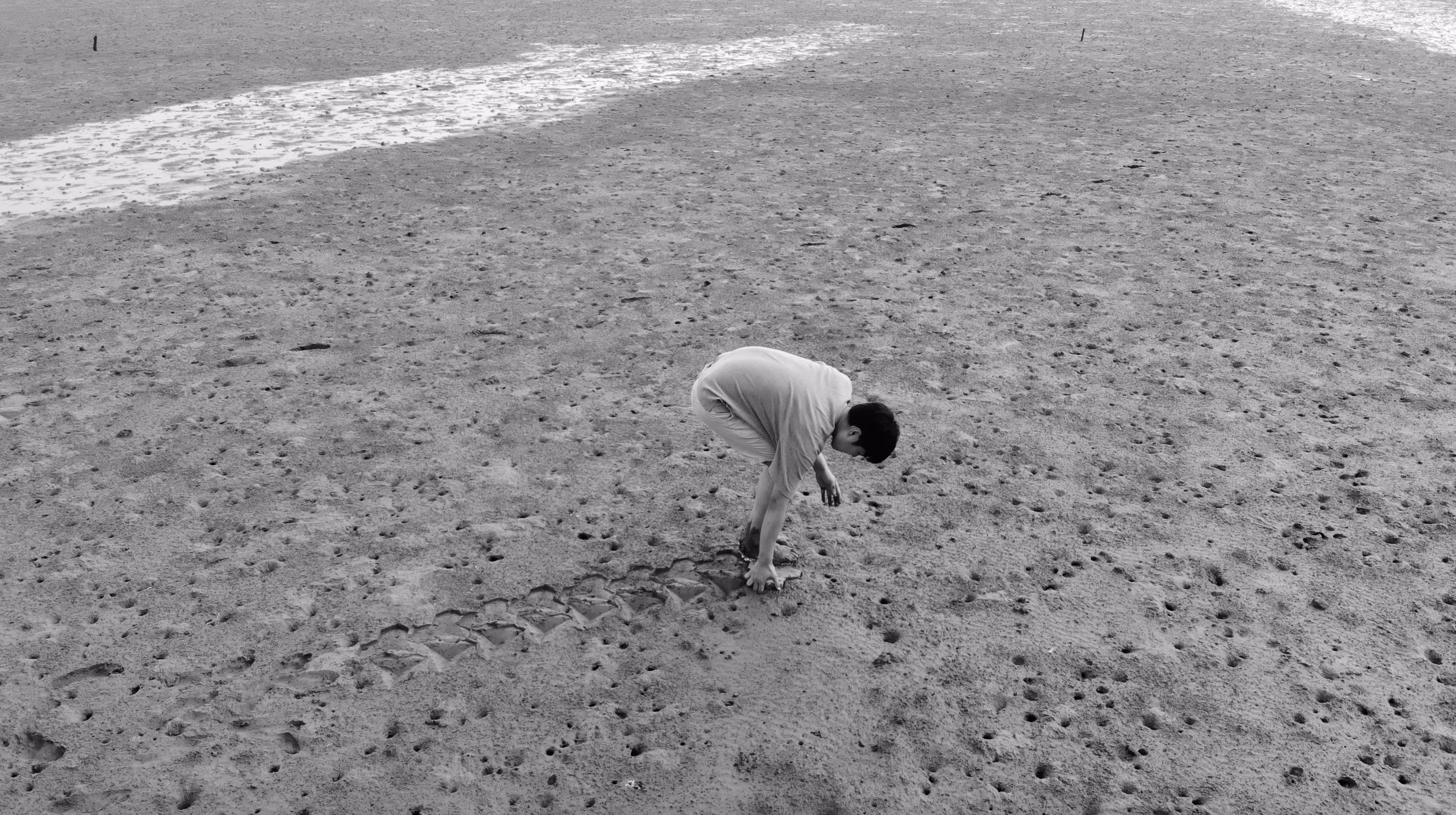
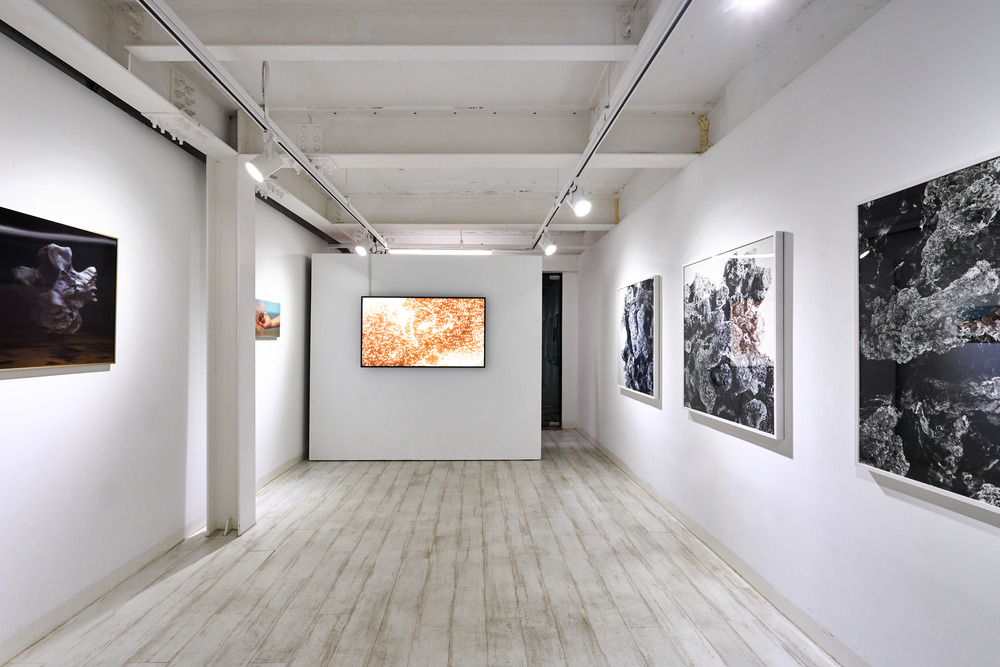
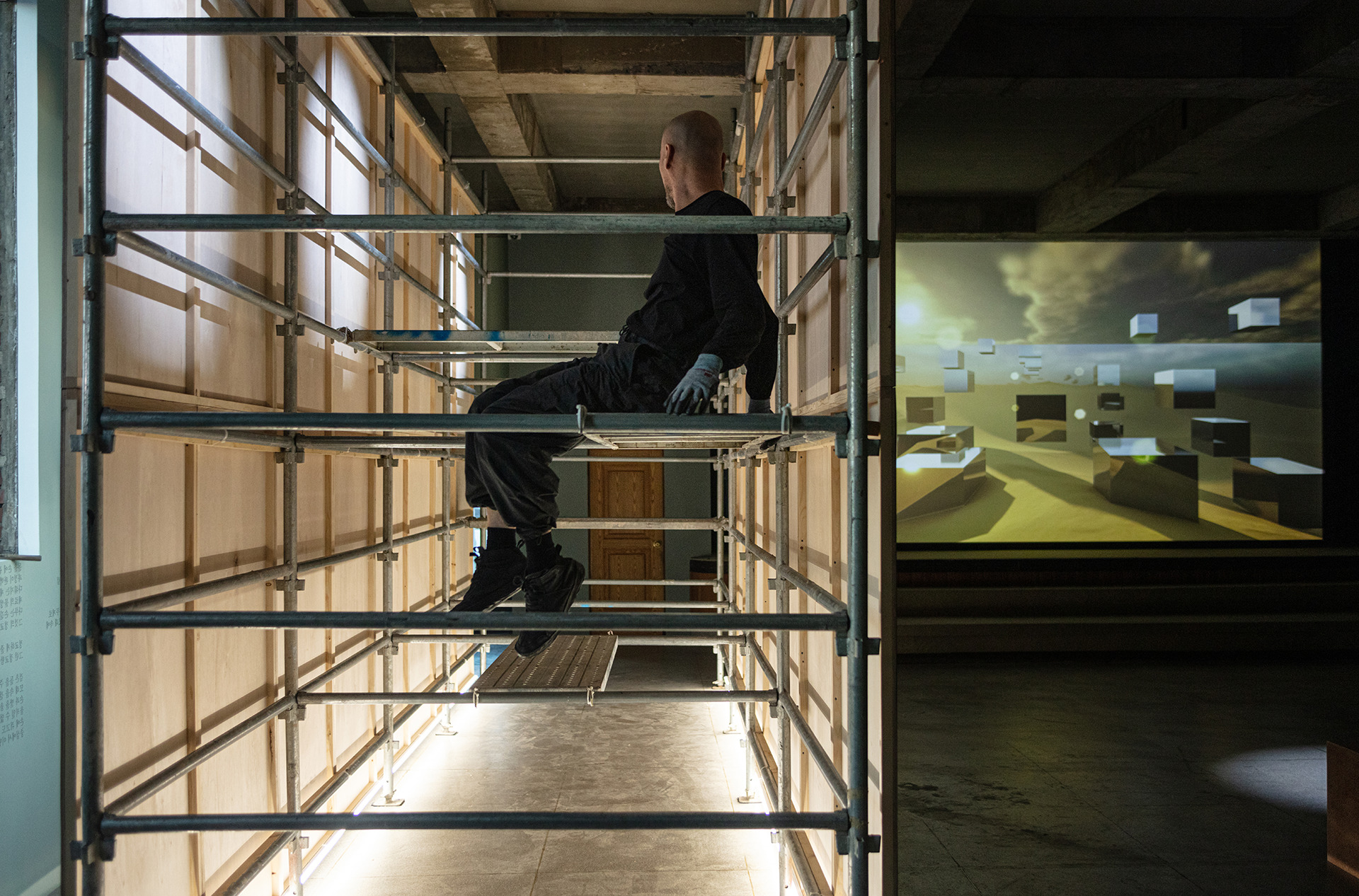
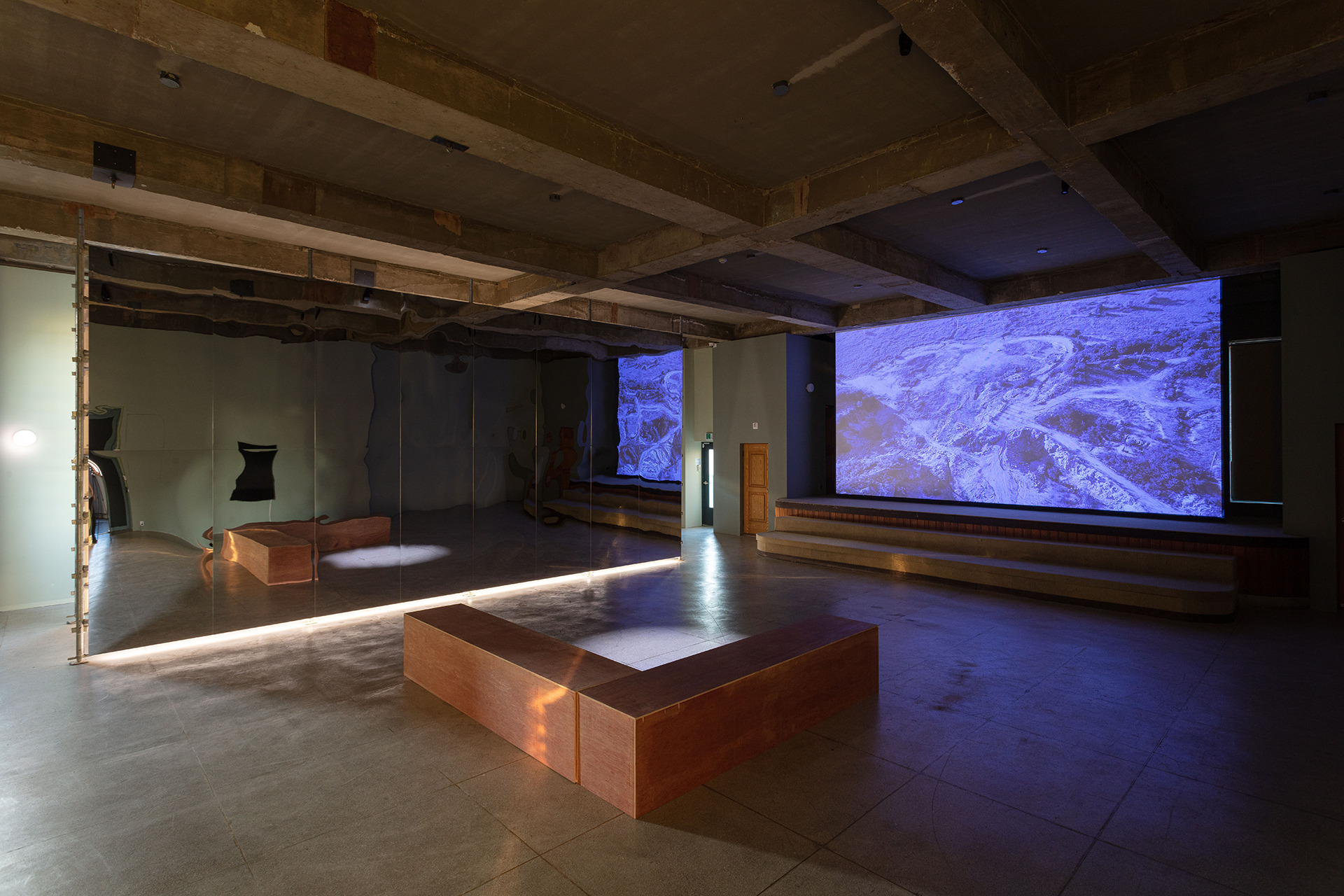
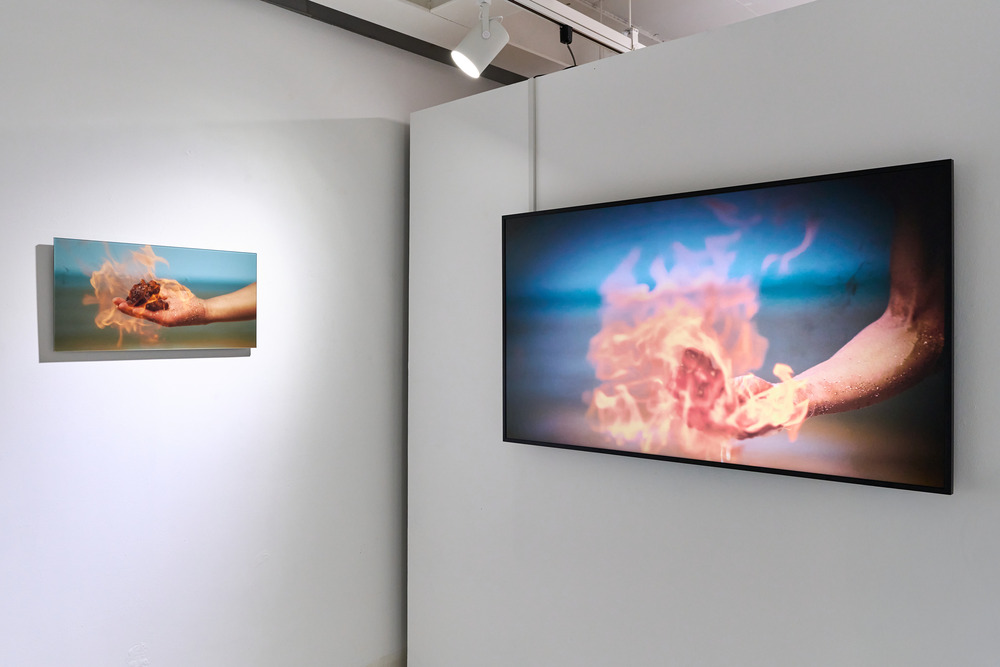
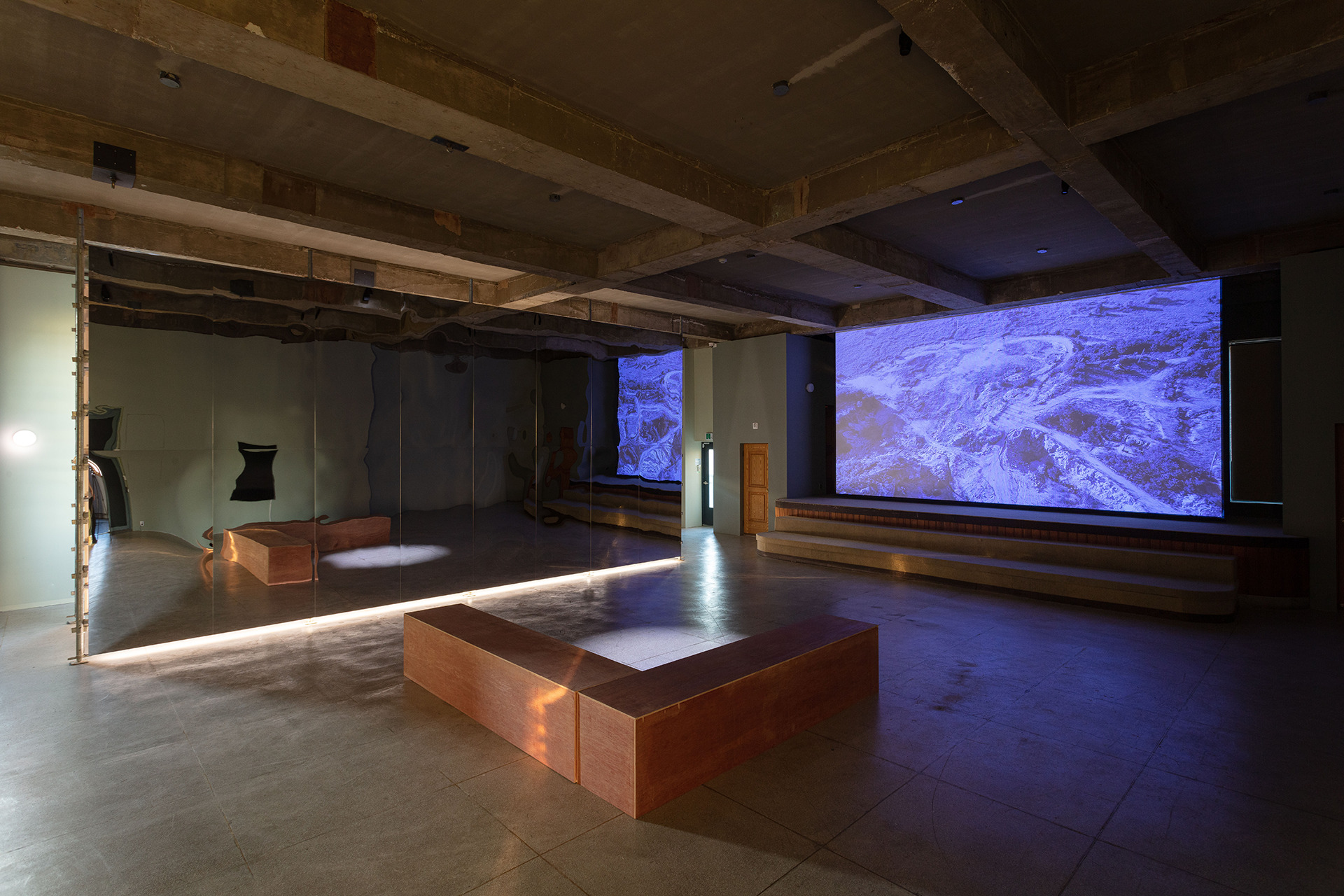
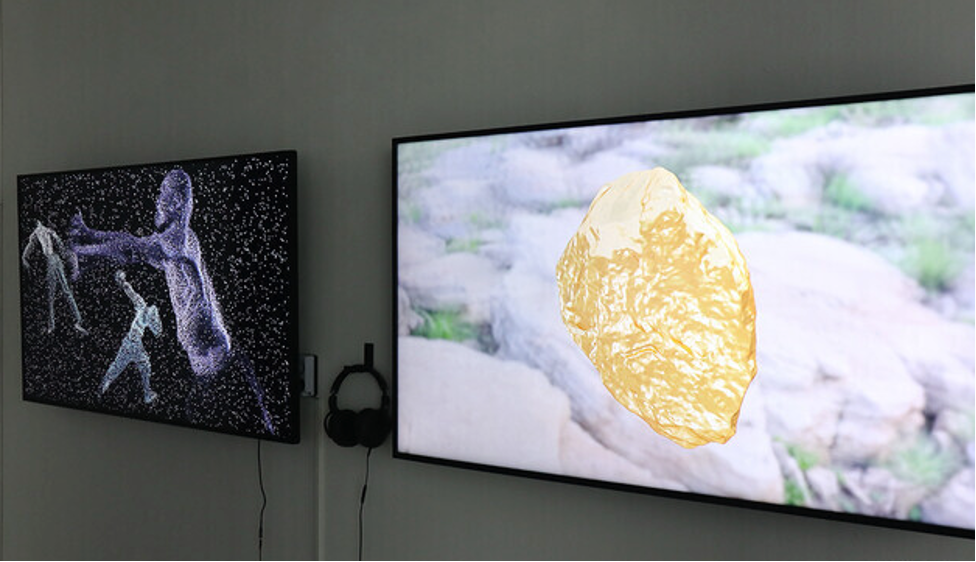
As part of this, through the material of mana, the artist inherits the memories of Middle Eastern landscapes and labor experiences told by his father, while creating a realm that combines present reality with his own worldview, and is both real and virtual at the same time. The beginning of this is Prospect(2023). In order to create “a prospect that can exist only in thought,” the work depicts a landscape in which an irregular black stone rises from the sand.
Afterward, the surface of the black and rough stone suddenly appears like golden metal, then soon boils and flows across the ground, dispersing. For humans, it is “the temperature at which the heat that deletes thought arrives,” yet it is born at “a temperature good for rotting” and appears amid “sand” and “darkness.”[6] That may be precisely what the artist calls mana.