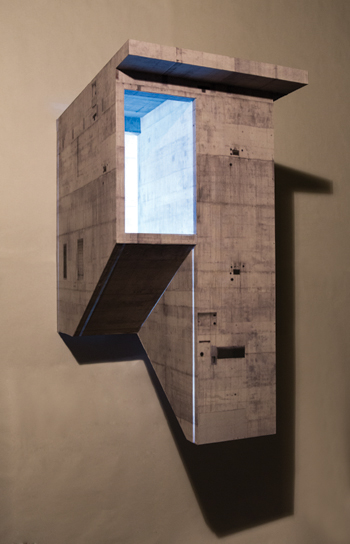
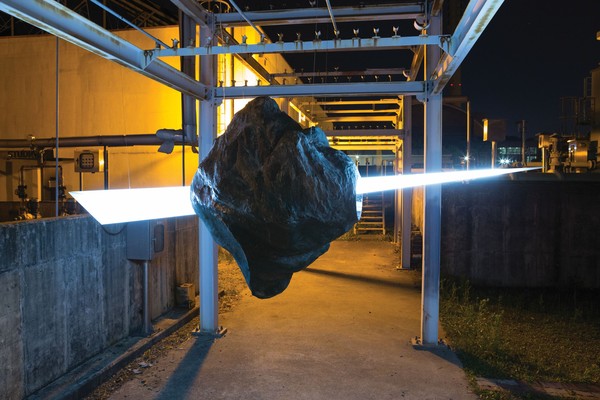
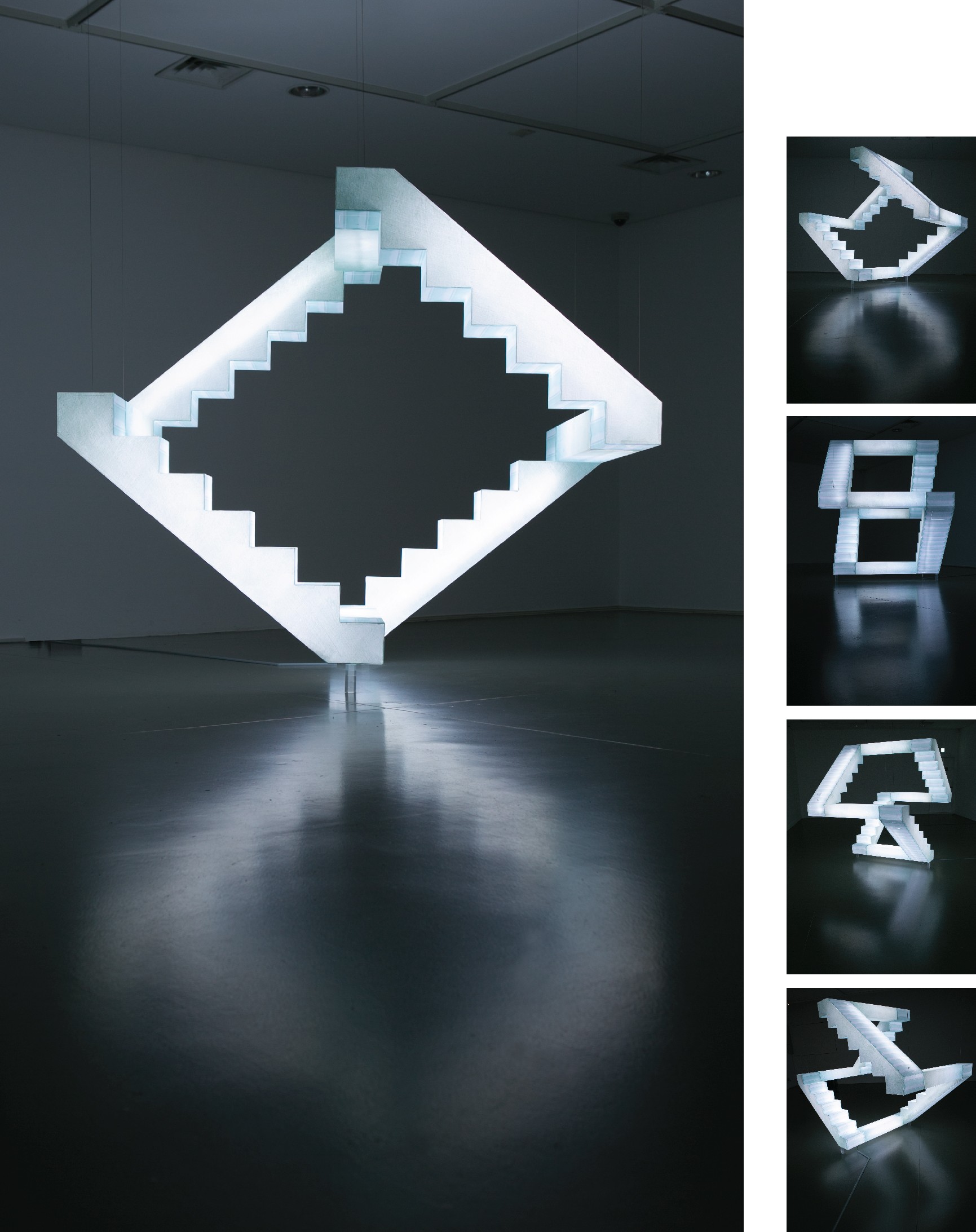
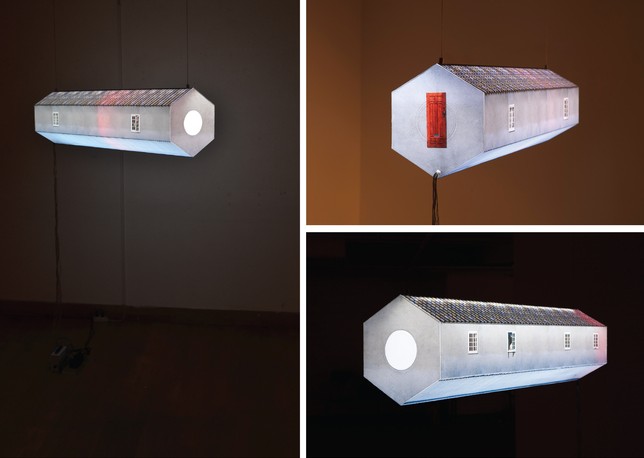
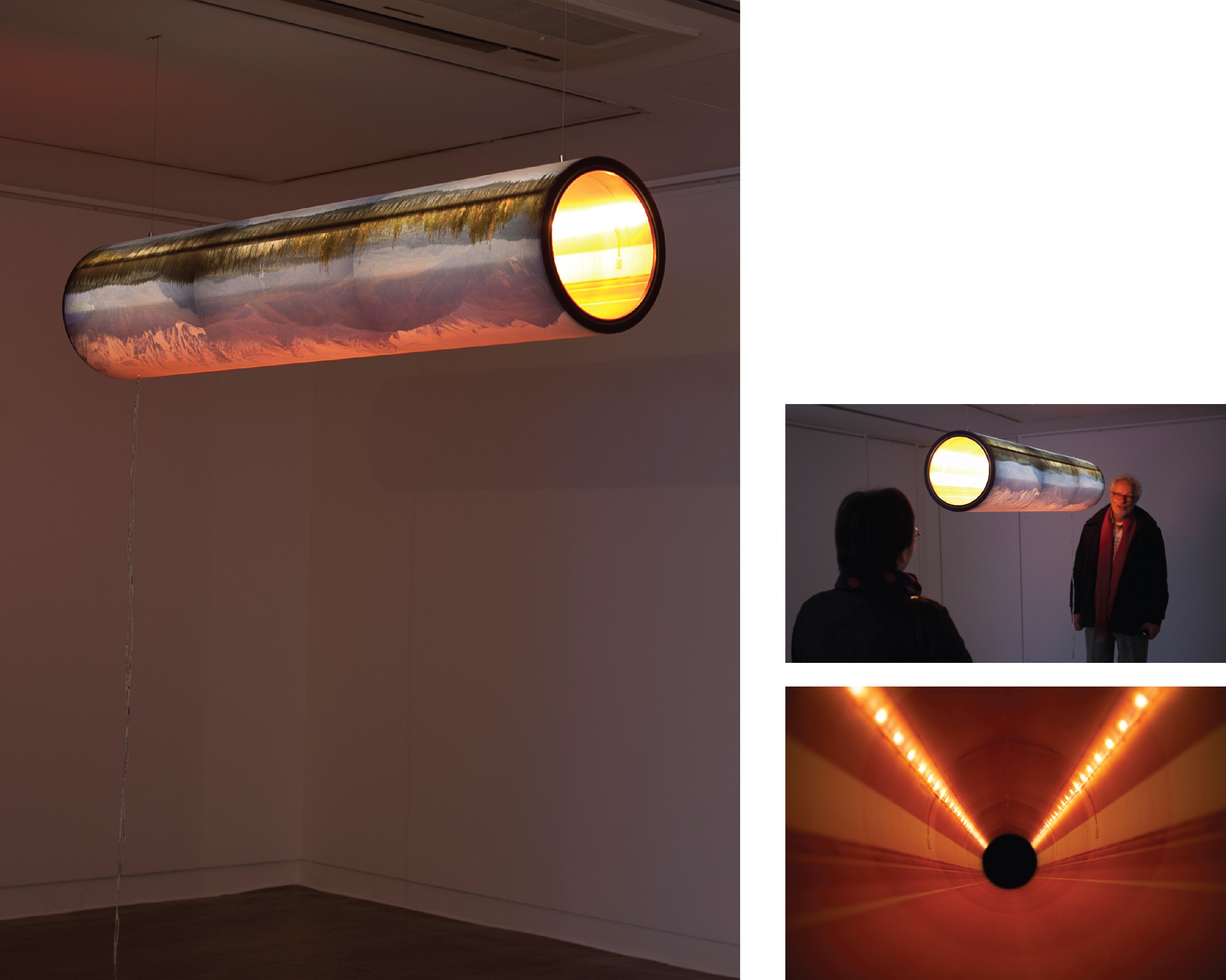
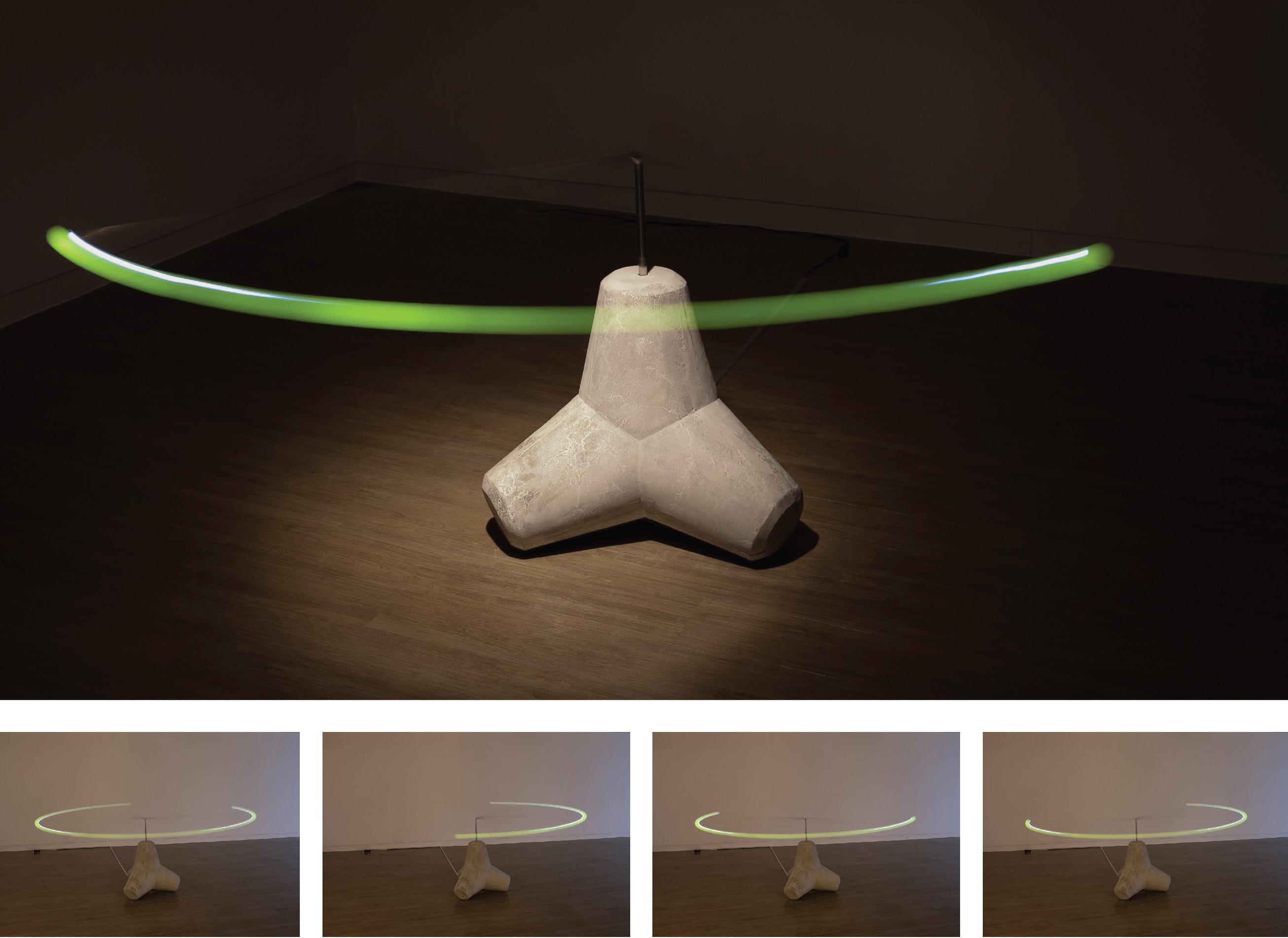
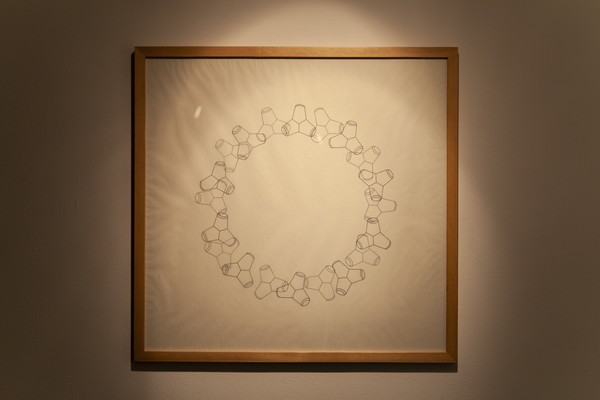
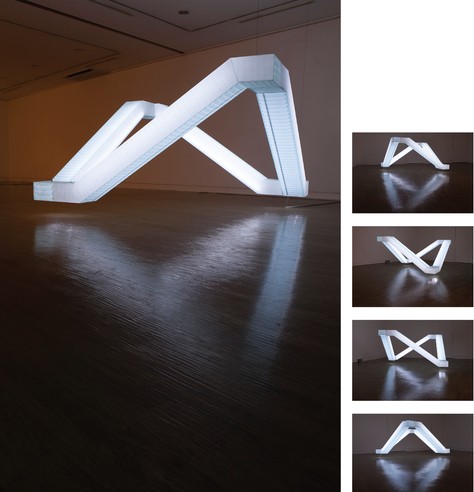
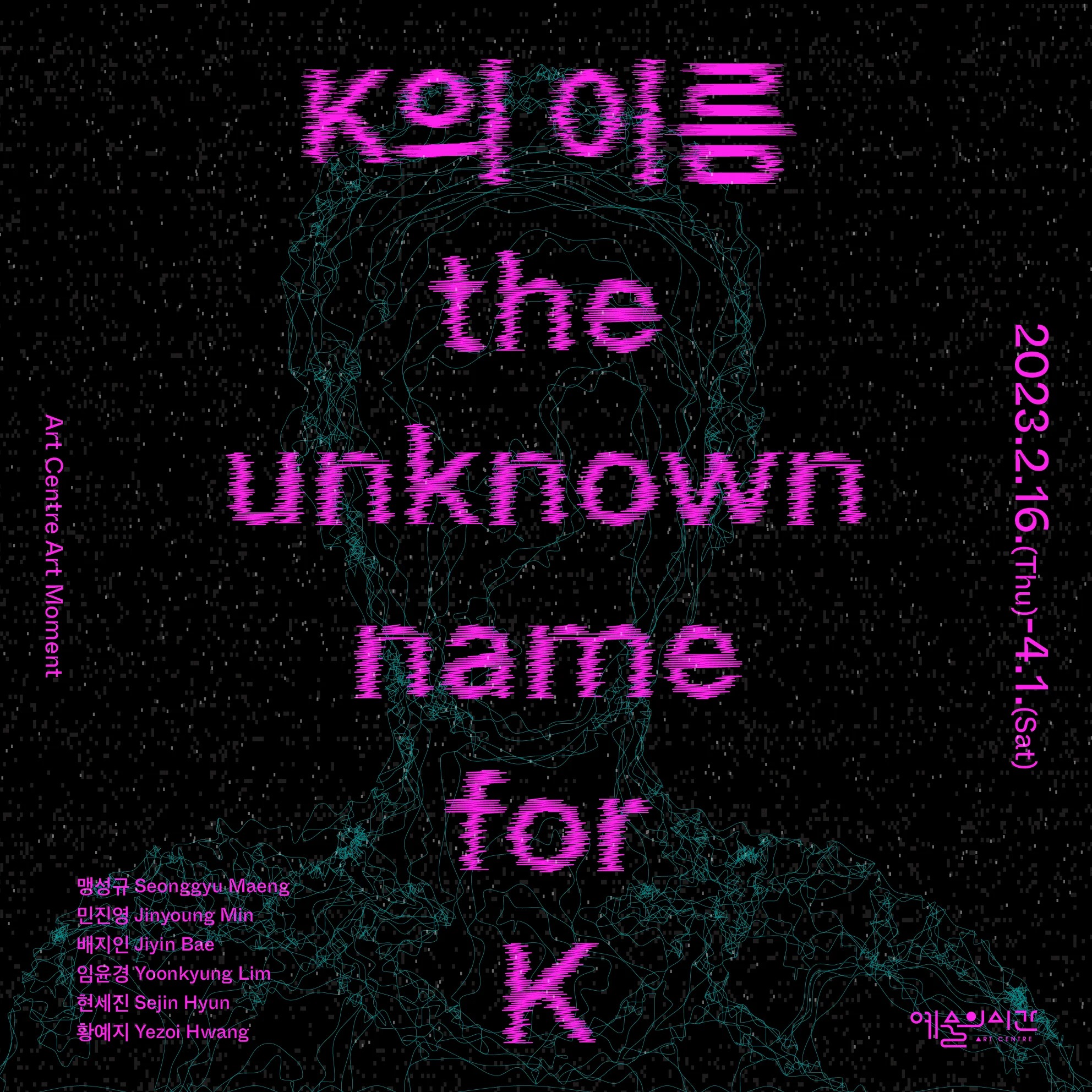
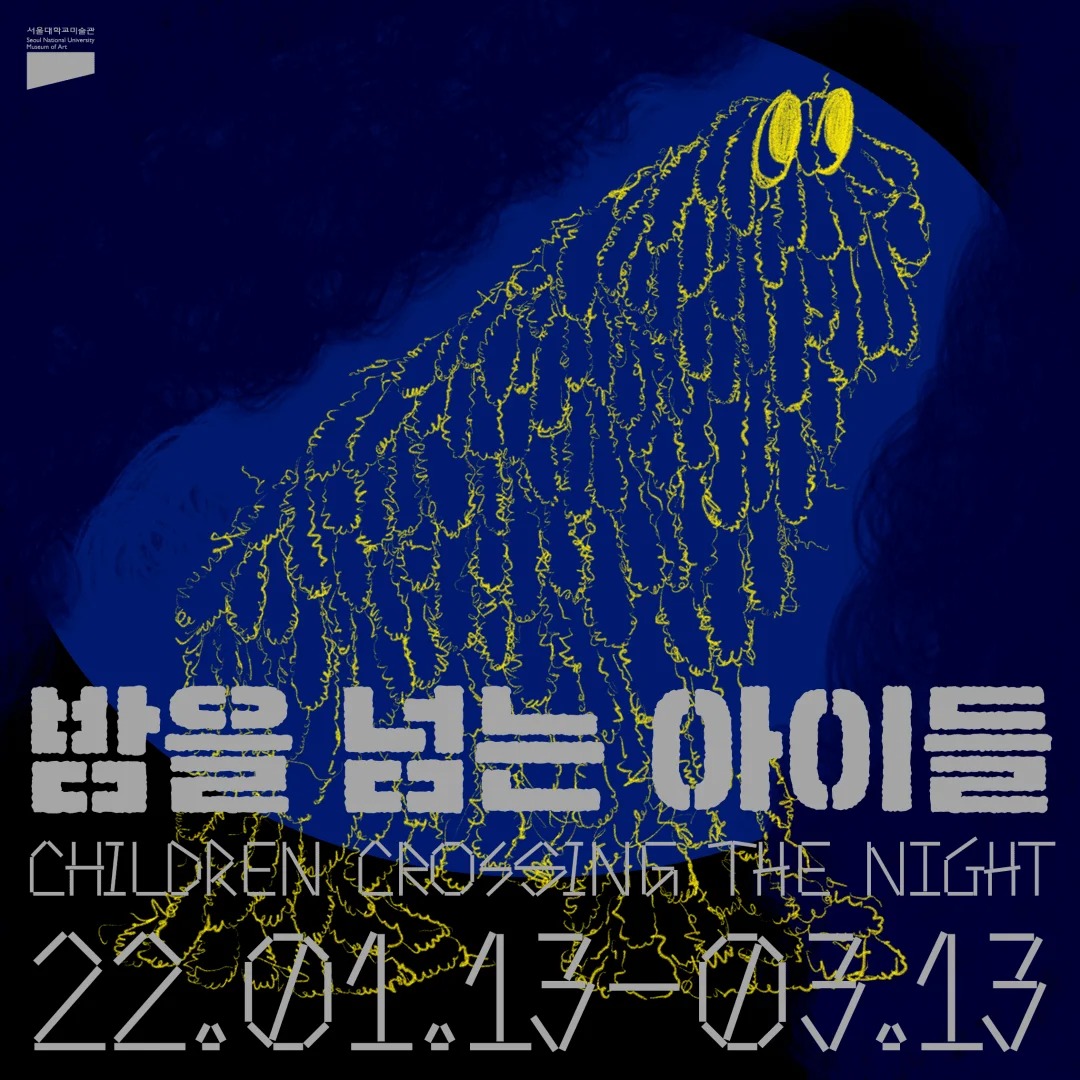
Poster image of 《The Unknown Name for K》 © Art Centre Art Moment

Homecoming

The family, a community to which one belongs from the moment of birth, is a group that cannot be easily defined. Each person has a different family story, and whatever form it may take, there is a place that serves as the origin of each individual. 《The Unknown Name for K》 seeks to tell a story about you, who have grown up within the family community.

The “K” in the exhibition title 《The Unknown Name for K》 is taken from a character in Franz Kafka’s novel The Castle. K, a land surveyor summoned by the Castle, is nevertheless unable to gain access to it and remains indefinitely in a nearby village, trying to understand why he is there.

A community generally defines one’s existence through assigned roles, yet K lives without conforming to the rules or expectations of the role demanded of him by the village. “Odradek,” which appears in another of Kafka’s works, The Cares of a Family Man, can be understood in a similar context. Odradek is described as “something tangled up in a shapeless, haphazard way.”

No one knows exactly what it is or why it wanders around the house, yet for the head of the household, who is expected to maintain domestic order and take responsibility for his children, there could hardly be a greater source of anxiety. The figures of “Odradek” and “K” in Kafka’s fiction finally emerge as a hideous vermin in his work The Metamorphosis.

Beginning with the story of a young son responsible for supporting his family who awakens one morning to discover that he has transformed into an insect, the novel leads us toward ontological questions about the individual’s place within the family and the nuclear family of modern society.

《The Unknown Name for K》 draws its keywords from several of Franz Kafka’s novels. Through figures such as K–Odradek–the hideous vermin, which drift through Kafka’s world as metaphors, the exhibition seeks to examine the present reality in which capitalist modes of thought that drive modern society operate subtly beneath the structure of the family community.

It also asks what we can learn through family relationships premised—or presumed to be premised—on love and responsibility, what kinds of beings we become through them, and how we have come to be who we are today.


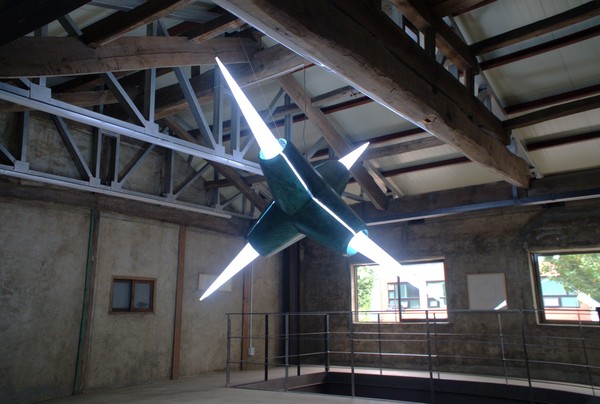
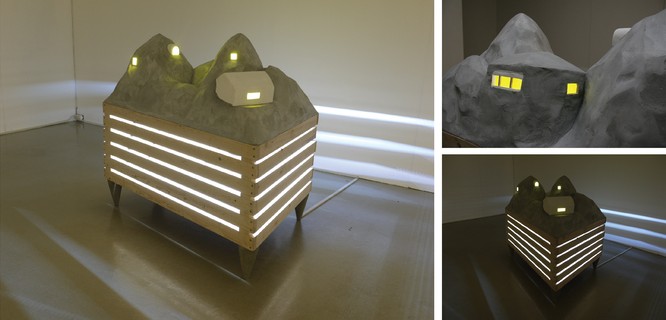
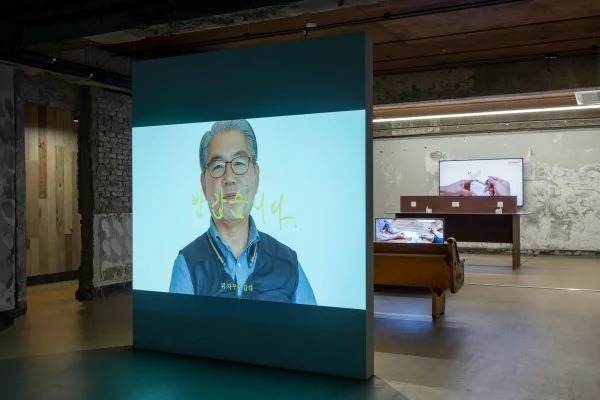
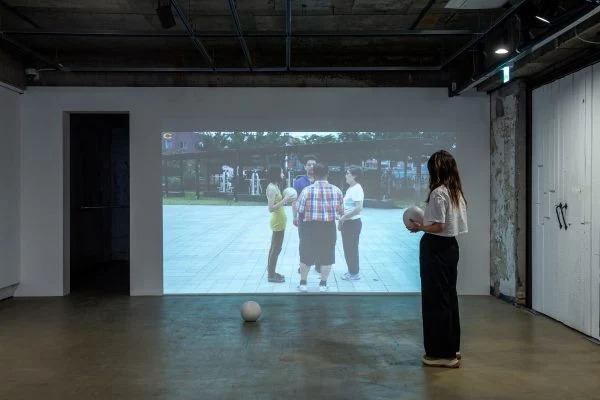
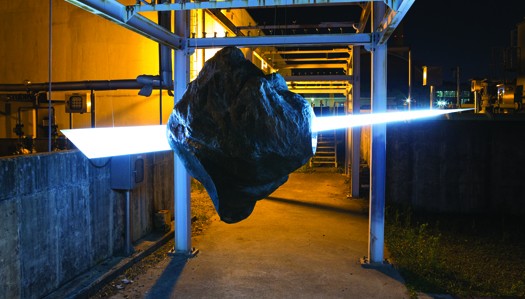
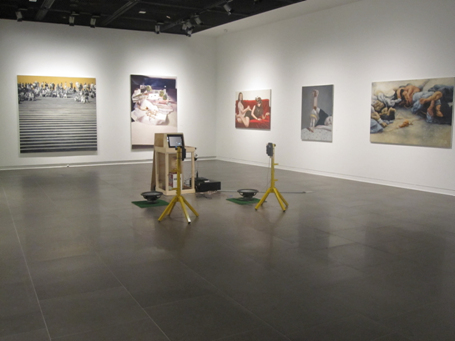
Installation view of 《The Unknown Name for K》 © Art Centre Art Moment

Maeng Seong-gyu, Min Jin Young, Jiyin Bae, Yoonkyung Lim, Sejin Hyun, and Yezoi Hwang each reveal their own family stories. Some attempt to move beyond the family or distance themselves from it in order to look toward the world outside, while others continue trying to delve back into the family itself.

By calling the name of K, a member of the nuclear family in contemporary society, the six artists affirm his existence and invite him to answer for himself the hidden questions concerning the family he will ultimately come to confront.

It is only relatively recently that the concept of family has come to be approached in emotional terms. In ancient Greek marriage, for example, one of the central considerations was the establishment of an economic relationship.

In an era when the “household” was responsible for an individual’s security in the face of disasters, accidents, misfortunes, and other events occurring within social networks, a person existed less as an “individual” than as part of a family lineage or household. If the “family,” understood in terms of tribe or clan, once functioned as a social safety net through its role as an economic community, in the modern era the nuclear family came to assume the role of a community responsible for securing everyday subsistence.
By the twentieth century, the nuclear family became even more firmly established in conjunction with the fantasy of the “sweet home,” while the idea of freely choosing a marriage partner through romantic love and forming a family came to be regarded as an essential component of the nuclear family.

As affective relationships that had not previously existed in the same form became established within the family, the family came to be understood as a group founded on love. The completion of this ideal was the home, a place capable of safely protecting that love. “Love” and “home” remain essential components of the sweet-home ideal into the present day.
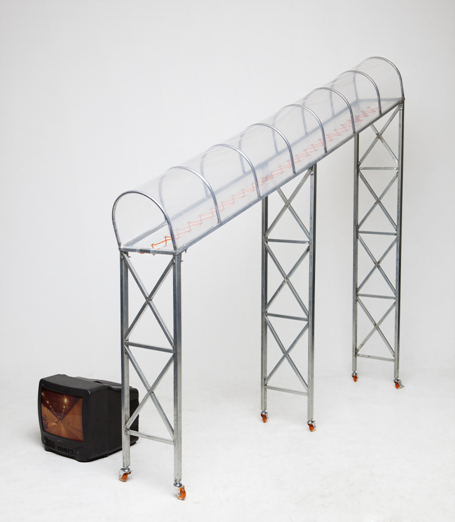
When considering the contemporary nuclear family and the individual as one of its members, changing standards of value over time inevitably influence how the family itself is judged and understood.


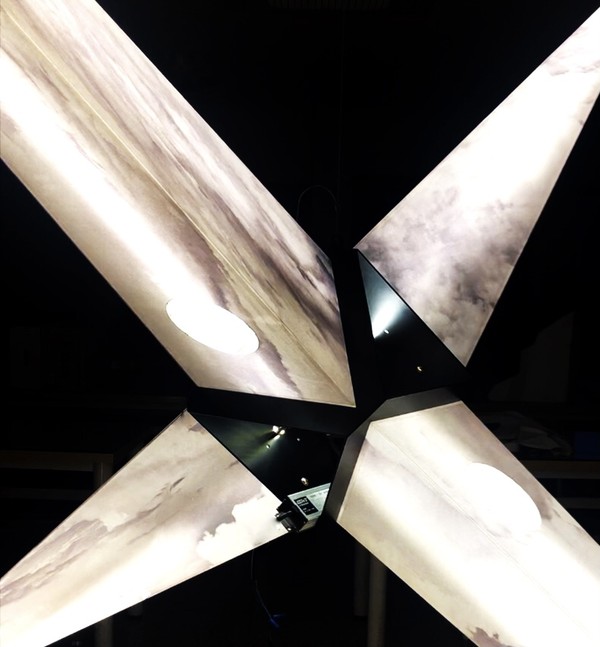
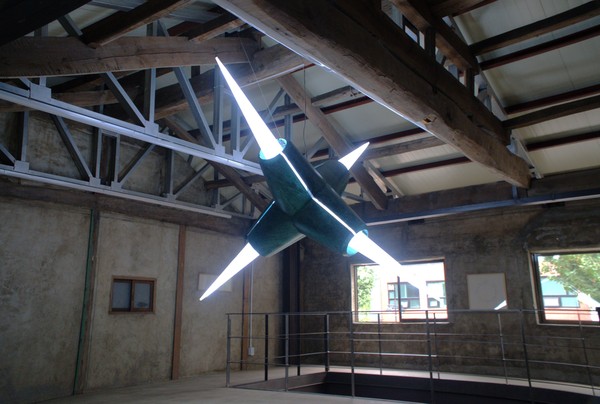
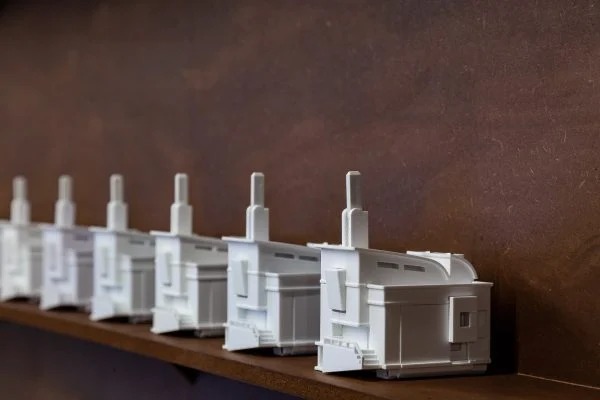
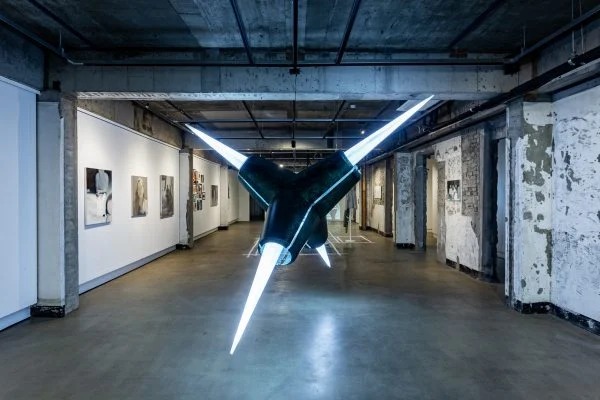
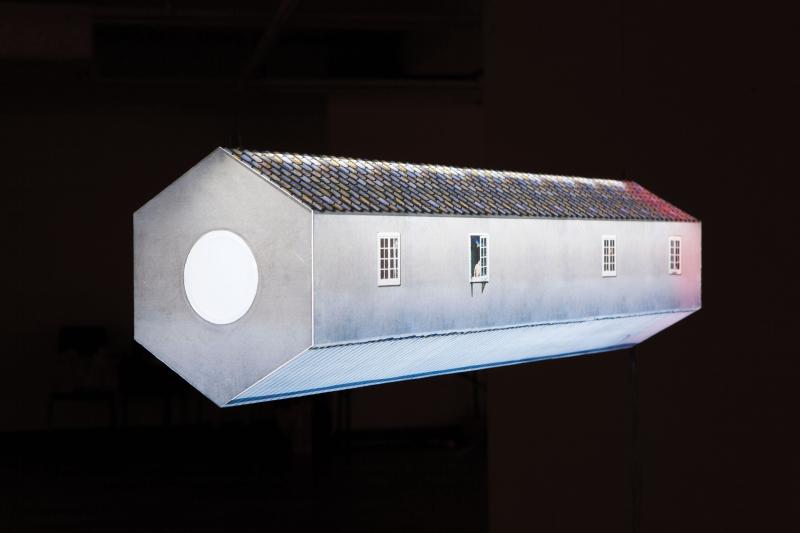
Installation view of 《The Unknown Name for K》 © Art Centre Art Moment

Some argue that the development of liberal individualism since the eighteenth century weakened familial bonds, while another widespread view holds that family ties and solidarity did not diminish in the liberal and industrial eras but instead grew even stronger.

From this perspective, family consciousness itself was ultimately a product of industrialization, and the emergence of schools—with the growing attention and expectations directed toward children’s development and education—became a driving force in shaping this consciousness. Could it be that what triumphed in modernity was not the individual, but the nuclear family?

The cyclical structure of husband–workplace, wife–home, and child–school became a system underpinning modern industrial society. In contemporary society, however, it has become increasingly difficult for a household to be supported comfortably by the labor of a single breadwinner, and wages alone are often no longer sufficient to sustain family life. In what form, and at what speed, will the mounting doubt and anxiety surrounding capitalism reach my own family?

Relationships have gradually narrowed and become more concentrated. Within the global networks of an age of hyperconnectivity, we experience dense and rapid forms of connection, yet in an individual’s actual relationships, these ties often fail to extend beyond one’s immediate circle. The home and family are places where one can experience relationships in which it is possible to reveal and entrust oneself.

This concentration on stable forms of intimacy, however, often prevents us from reaching beyond the nuclear family—for example, beyond a household consisting of a mother, father, and one or two children. We therefore live in an era increasingly deprived of opportunities to form broader and deeper relationships. Much of an individual’s energy is absorbed by the family.

At the same time, when we consider that one of the primary shared experiences within the nuclear family is “eating out,” the contemporary family appears to inhabit a culture in which forms of deeper relational engagement beyond consumption and the fulfillment of needs through money have become unfamiliar. The nuclear family draws economic and social energy inward and becomes excessively preoccupied with feeding and comforting its own members.


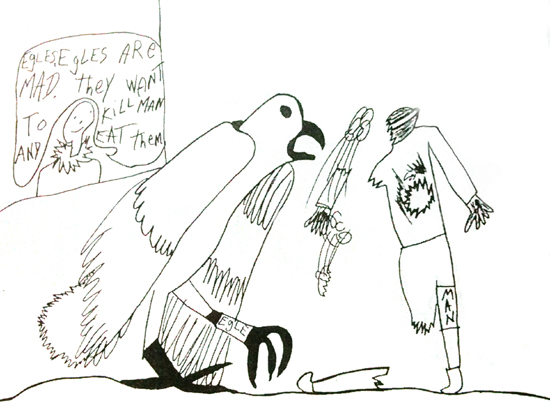
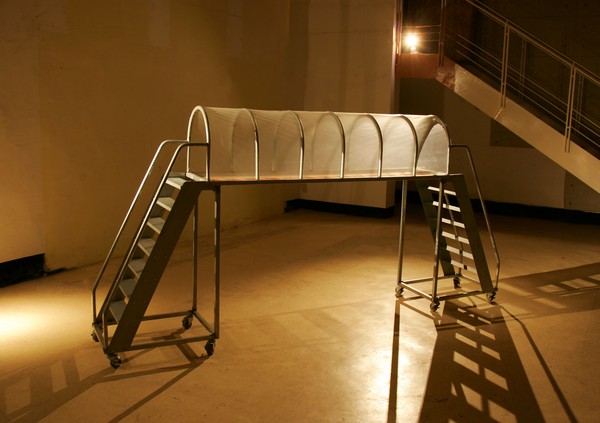
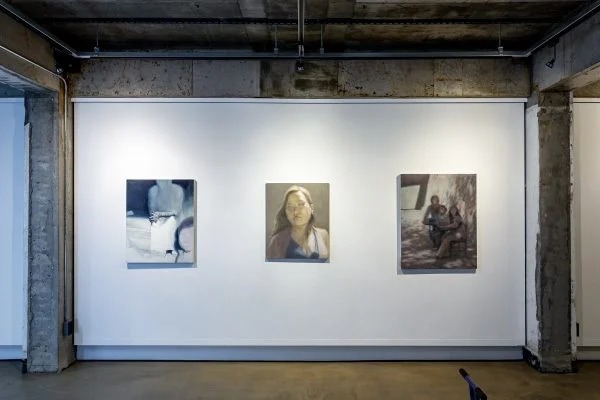
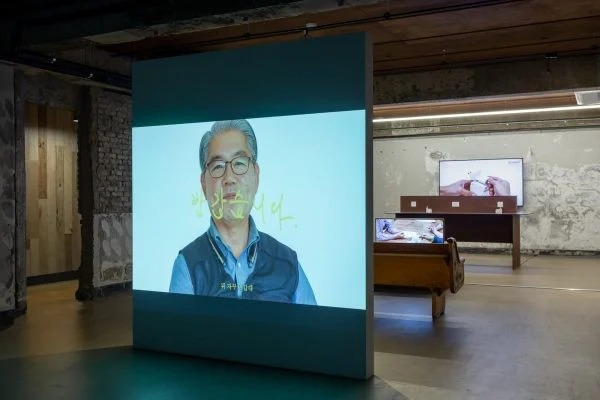
Installation view of 《The Unknown Name for K》 © Art Centre Art Moment

According to Deleuze and Guattari’s interpretation of the capitalist family, both family and desire belong to the private sphere, grounded in deeply personal intimacy. On this premise, the nuclear family becomes a “sacred family” that must not be intruded upon or disturbed. At this point, relationships among members of the nuclear family can be understood through a mechanism of possession.

The question of how relationships are monopolized within the home, and the possessive experiences connected to the desire for recognition—the torment of seeking acknowledgment from one’s parents—implant a sense of lack within us, while the ceaseless desire to possess becomes a driving force of life.

Ultimately, the cycle through which we attempt to resolve this desire places existential lack at its core and converges with consumption, one of the central mechanisms of capitalism. Existential lack has come to permeate society. From here, another question arises: Have I grown from a small human being into a larger human being, or merely from a small child into a bigger child?

This era offers no clear grounds for determining whether a child has grown into an adult. At present, our standard of judgment is almost entirely whether one has achieved economic independence. The question of whether someone is functioning as a proper member of society becomes a judgment of whether that person is fulfilling a useful role within society.

In an era in which social, moral, and ethical norms have lost much of their value within the capitalist system, the criteria by which we recognize and evaluate a person’s growth have also become ambiguous. What remains, then, is the question of whether one can earn a living and take responsibility for oneself.

In a society dominated by this outcome-oriented mode of thinking combined with capitalism, whatever one does, the only question that remains is whether one is making money from it. The question of independence is reduced to a question of economic capacity, which in turn functions as an indicator for judging an individual’s ability and potential.

Immanuel Kant argued that when one uses one’s own reason and thinks for oneself, one becomes liberated from external constraints and emerges as a thinking subject—that is, an enlightened subject. Yet contemporary individuals fall into the illusion that only when they are able to exercise their own economic power are they freed from all external constraints and able to judge, choose, and decide for themselves—that is, to become subjects of an independent life.


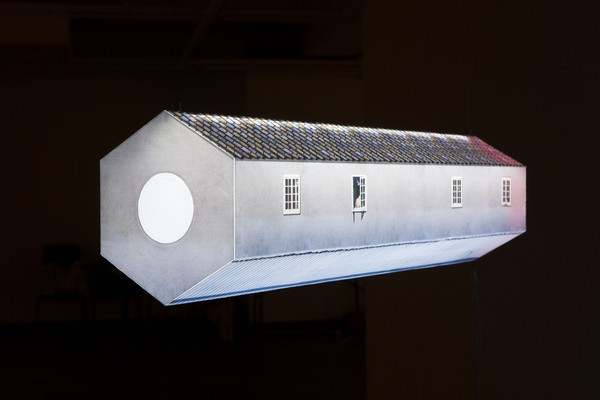
Installation view of 《The Unknown Name for K》 © Art Centre Art Moment

Kafka embedded unresolved issues from his relationship with his father metaphorically throughout many of his novels. “Writing that did not make money” was his own way of continually resisting his father or remaining at the margins, and this led to ontological questions directed toward his father, German society at the time, and Kafka himself.

In Letter to His Father, Kafka writes that all of his writings were addressed to his father, recording in words what he had been unable to confront him with or express in person. Within a family structure centered on his father, Kafka saw a man who had built a small kingdom of his own. Under the pretext of upholding the greater cause of the “family,” any form of greed or hypocrisy could be disguised as “morality.”

Writing toward the father—an insurmountable value, a shadow he could neither escape nor perhaps chose to leave—appears throughout Kafka’s fiction through metaphors and symbols of the “father–self” relationship. In The Castle, K wanders around the Castle without ever being able to enter it. Yet the way he exists at its margins is somewhat different: he does not simply surrender helplessly or collapse in defeat.

In Fellowship, five friends refuse to accept a sixth person who approaches them. No matter how often they push him away, however, the sixth returns. In 『The Metamorphosis, Gregor, transformed into a hideous vermin, neither submits to his father nor attacks him. The son’s metamorphosis merely causes the rest of the family to transform as well.

The sons in Kafka’s novels do not storm out of the house or overturn their circumstances. Instead, they simply “decide to raise their many legs and crawl around the room.” As the family gradually reaches a consensus that the insect in the room is no longer their son or brother, they entrust themselves to economic circumstances and currents and calmly begin preparing for the future.

This family offers a glimpse of the tragic yet profoundly realistic situation faced by people in our own time. The novel ends with a scene in which the family looks upon the daughter, who has just begun earning money, with a gaze of admiration.

Kafka said that “the greatest salvation granted to us is a life lived with others.” He leads us toward the conclusion that only by breaking out of the solid world of the “self” can one become an independent being capable of living together with others. Kafka’s words invite us to consider what it truly means for an individual, as a member of the nuclear family, to become independent.

In an era in which all values are reduced to capital, might the philosophy contained in his words serve as a lost measure by which we can recognize the genuine growth of a human being?


Installation view of 《The Unknown Name for K》 © Art Centre Art Moment

I have returned home. I cross the yard and look around. It is my father’s old farmyard. A small puddle in the middle, useless old furniture and other odds and ends lying about, have altered the path leading to the attic stairs. A cat crouches on the railing. A torn piece of cloth, once tied to a stick for some game, flutters in the wind. I have returned. Who will welcome me? Who is waiting behind the kitchen door? Smoke rises from the chimney, and coffee for the evening meal is being prepared.

Are you at ease? Do you feel at home? I do not know. It is all very uncertain. It is my father’s house, yet each object stands there coldly, as though absorbed in some business of its own. Some of those purposes I have forgotten; others I never knew. What use could I be to them? What am I to them, even though I am the son of my father, the old farmer? I do not even dare knock on the kitchen door. I merely listen from a distance. I simply stand at a distance and listen.

From Franz Kafka’s Homecoming

References