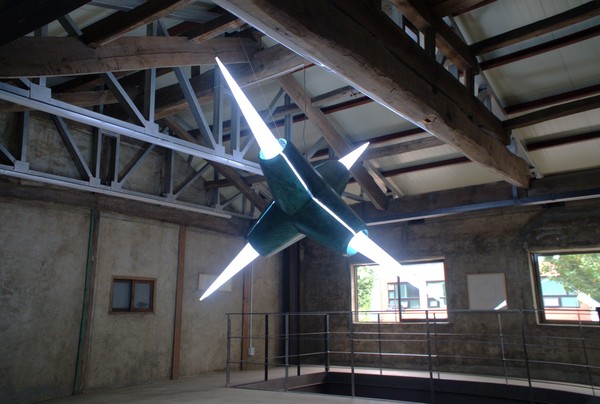
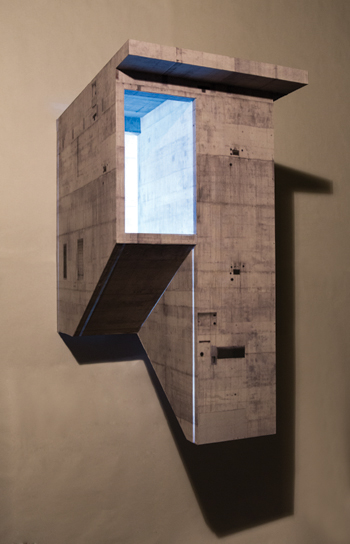
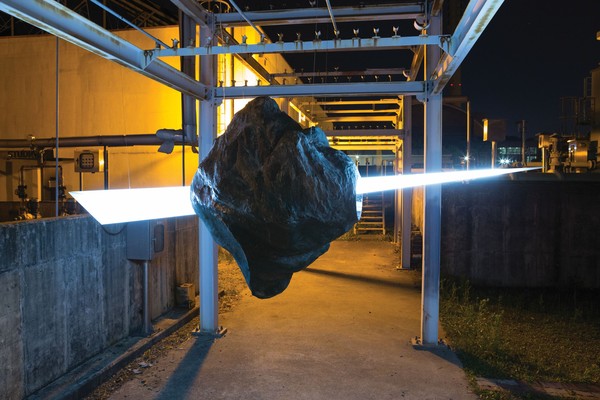
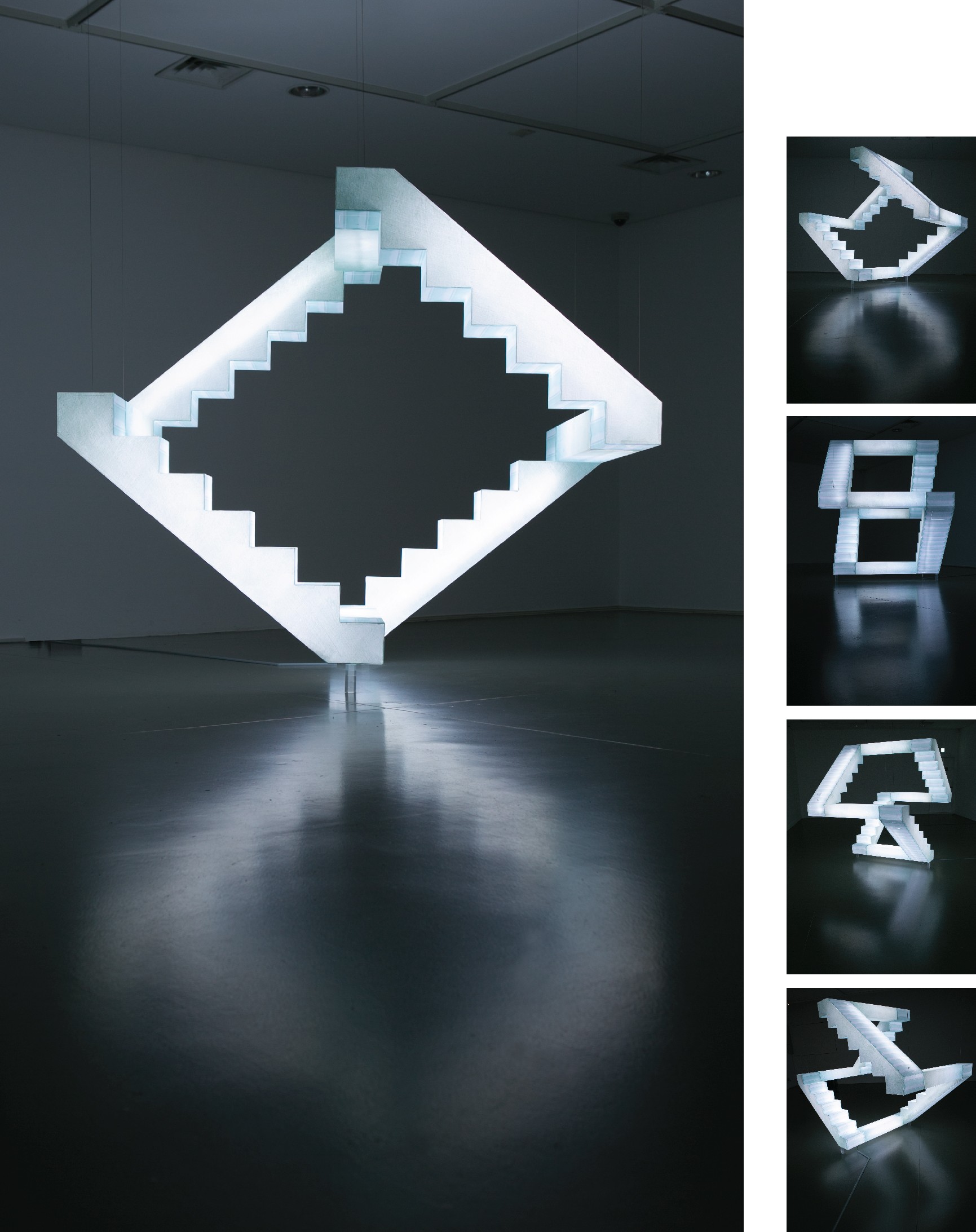
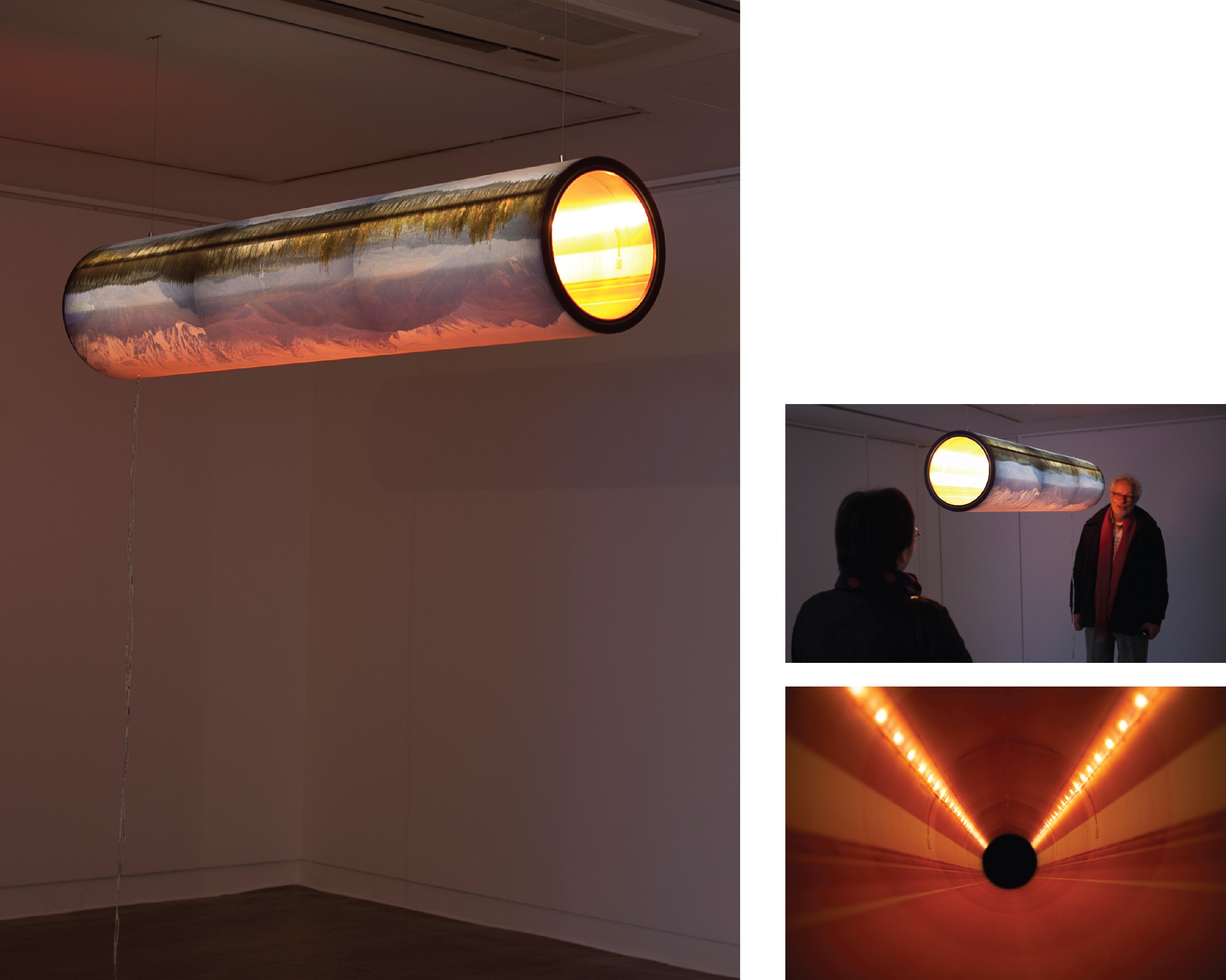
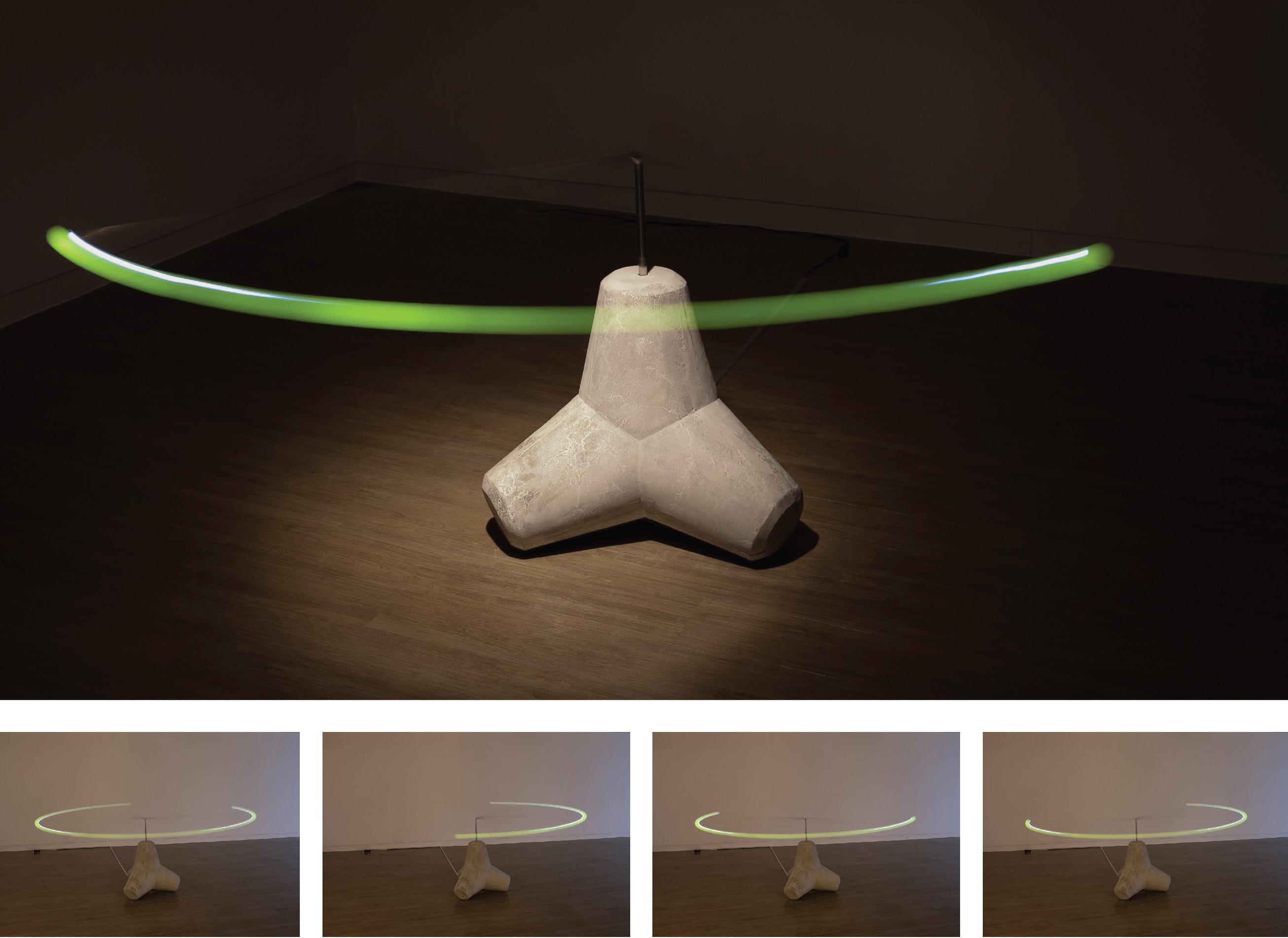
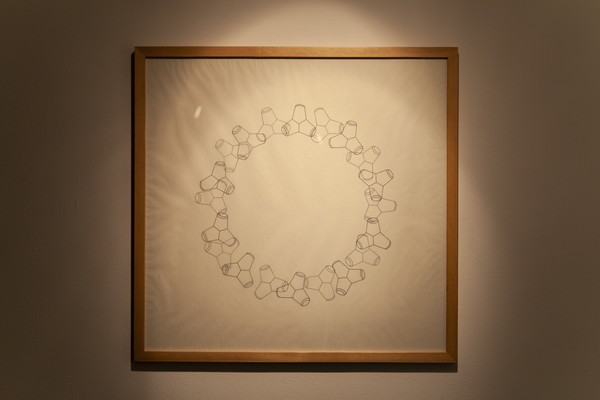
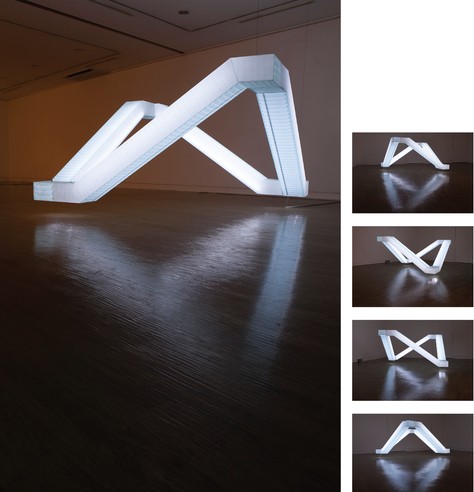
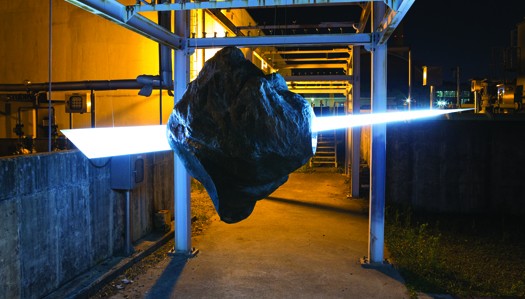
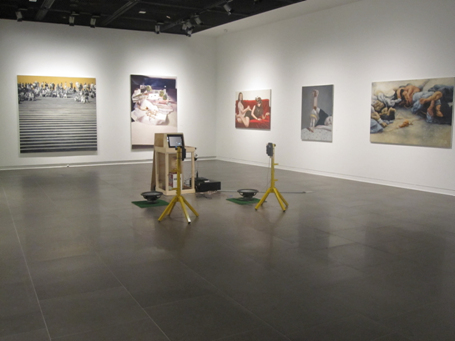
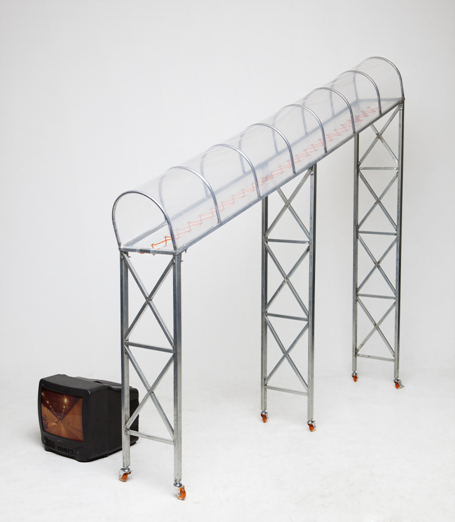
Min Jin Young approaches installation works and the spaces in which they are situated as an expanded pictorial field. She treats the scale and structure of the work, the viewer’s movement, and even the position and intensity of light as elements that constitute space, exploring how thought can be sensed within an actual site.
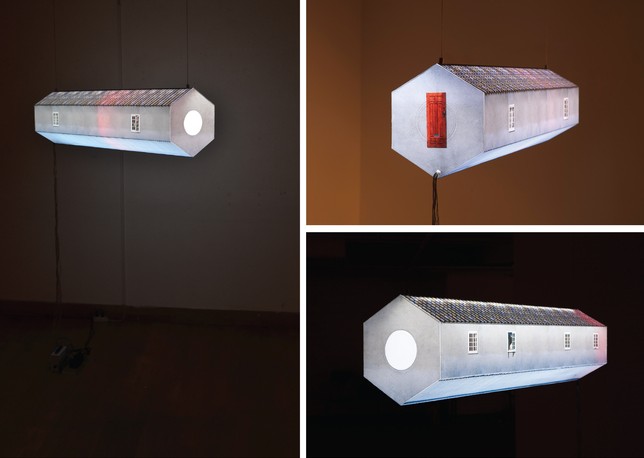
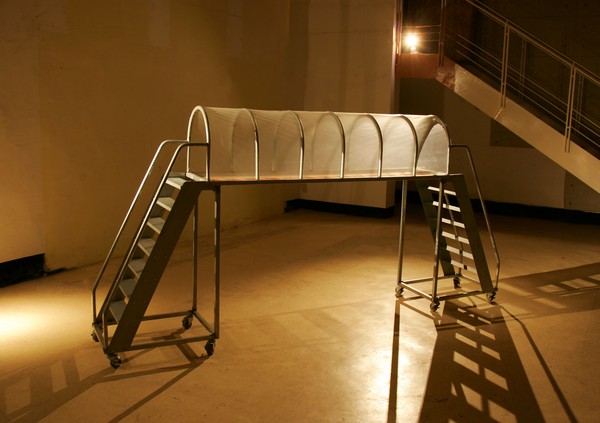
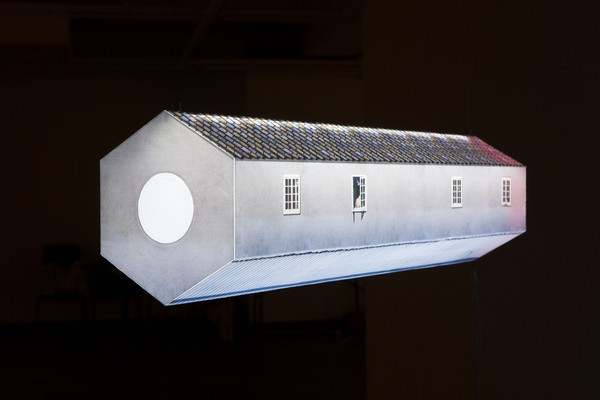
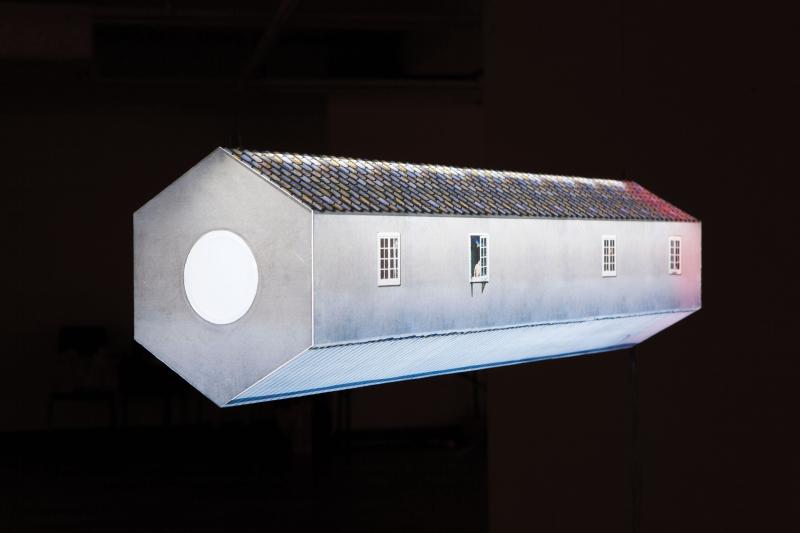
The recurring appearance of spatial forms such as houses, rooms, stairs, and tunnels—spaces through which the human body passes or in which it remains—has been closely connected to this concern since her early practice.
Rather than simply observing the work from the outside, viewers walk around the structures and experience the relationship between interior and exterior, physically encountering sensations of instability and tension, protection and isolation.
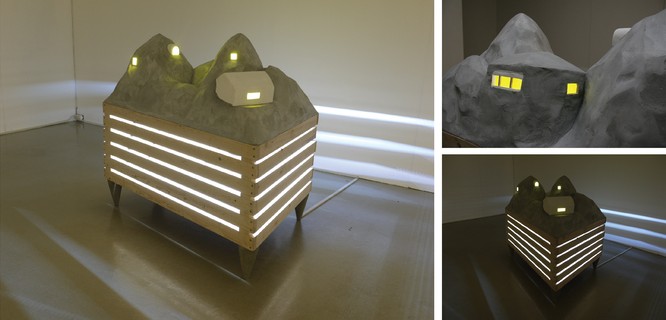
Temporary and mutable architectural structures such as tents, greenhouses, and skeletal frames frequently appear in the artist’s installations. In the 'Reading Home' series in particular, the house is not presented as a solid, enclosed structure, but takes the form of a thin framework that appears vulnerable to shaking or collapse.
Such forms reveal both the protective image associated with the home and the anxiety latent within it. Unfixed structures, empty interiors, and recurring frames visualize an emotional instability rooted in childhood memories without directly reproducing a specific personal experience. As a result, the work leaves room for viewers to overlay their own memories and emotions onto it.
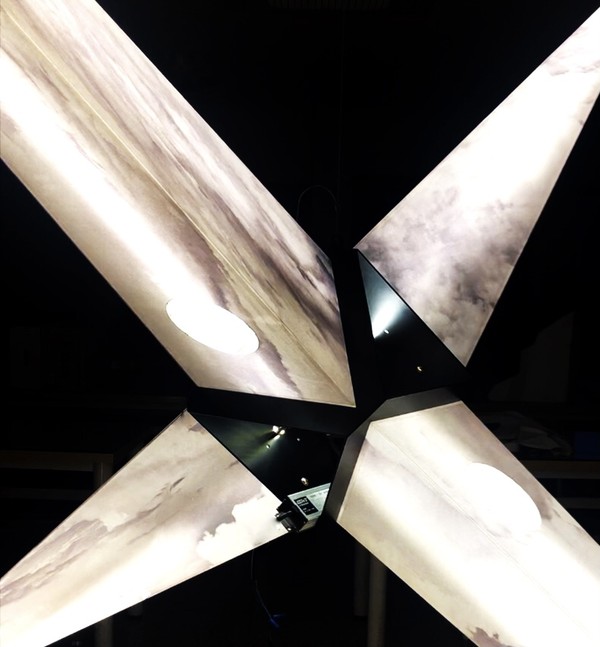
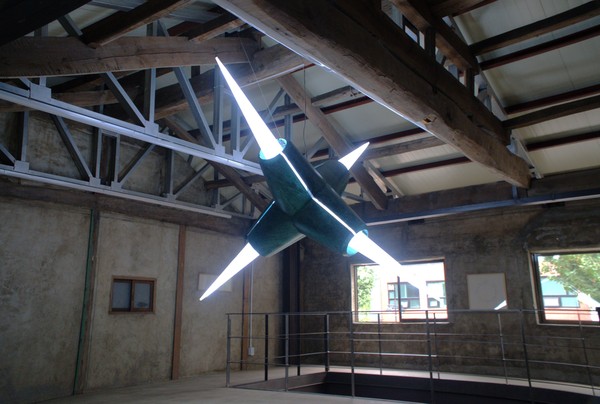
The choice of materials is also closely intertwined with the conceptual concerns of the work. Min Jin Young has employed a wide range of media, including cement, acrylic, resin, fabric, motors, LEDs, video, and two-dimensional works, without fixing any particular material as a consistent formal language.
The weight and rough physicality of cement, for instance, can evoke an unyielding reality or suppressed memories, while light functions as a sensation that reveals what lies within or offers a subtle sense of direction in darkness. By bringing together contrasting qualities—solid materials and immaterial light, unstable structures and mechanical movement—the artist transforms human vulnerability and tension into material states.
For Min Jin Young, shifts in medium do not signify breaks within her practice. Acknowledging that thought changes through time and experience, she has continually selected forms capable of most effectively conveying the questions of each period.
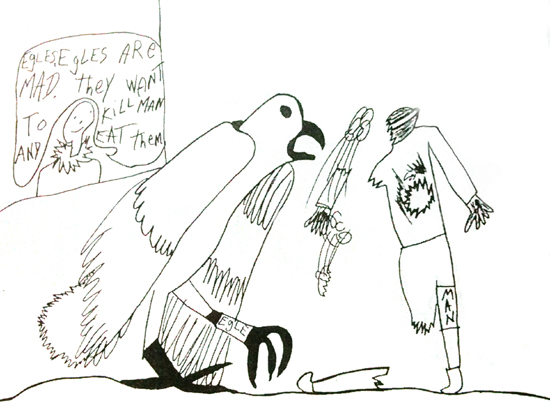
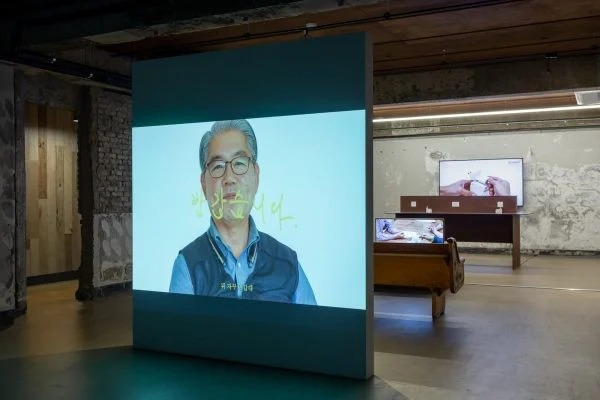
From works addressing personal memory and the home, to video works documenting the wounds of children, and more recent installations concerned with human vulnerability and dignity, her forms have continued to evolve, while her tendency to avoid overexplaining emotions or presenting narratives too directly has remained consistent.
By maintaining a certain distance among symbols, space, and materials, she begins from her own experience while leaving interpretation open to the viewer, a method that has become a defining formal characteristic of her practice.