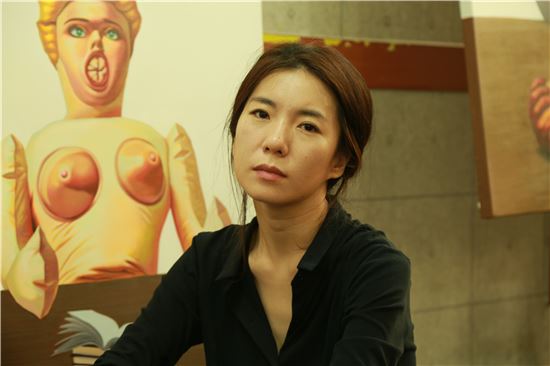
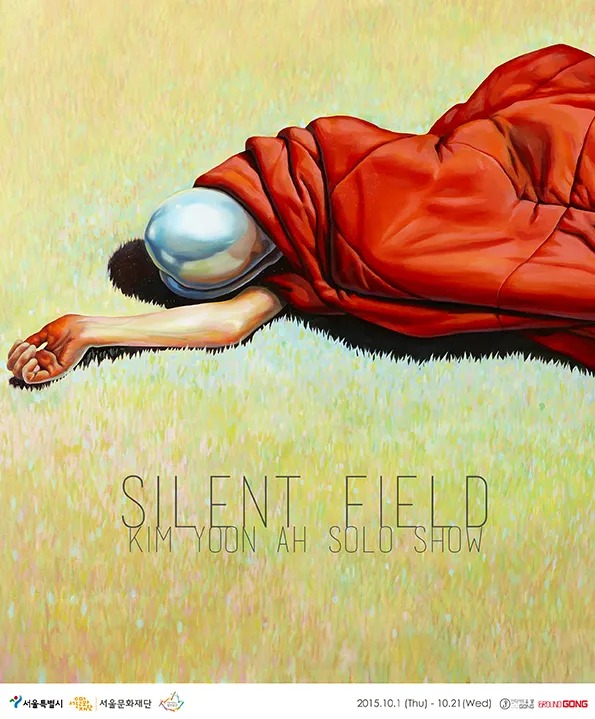
Yoonah Kim’s practice has developed across a range of media, including painting, installation, video, text, and ceramics. In her early paintings, she juxtaposed figures, landscapes, urban imagery, and symbolic signs reconstructed from photographs within a single pictorial field, creating scenes in which memory and reality, consciousness and the unconscious intersect.
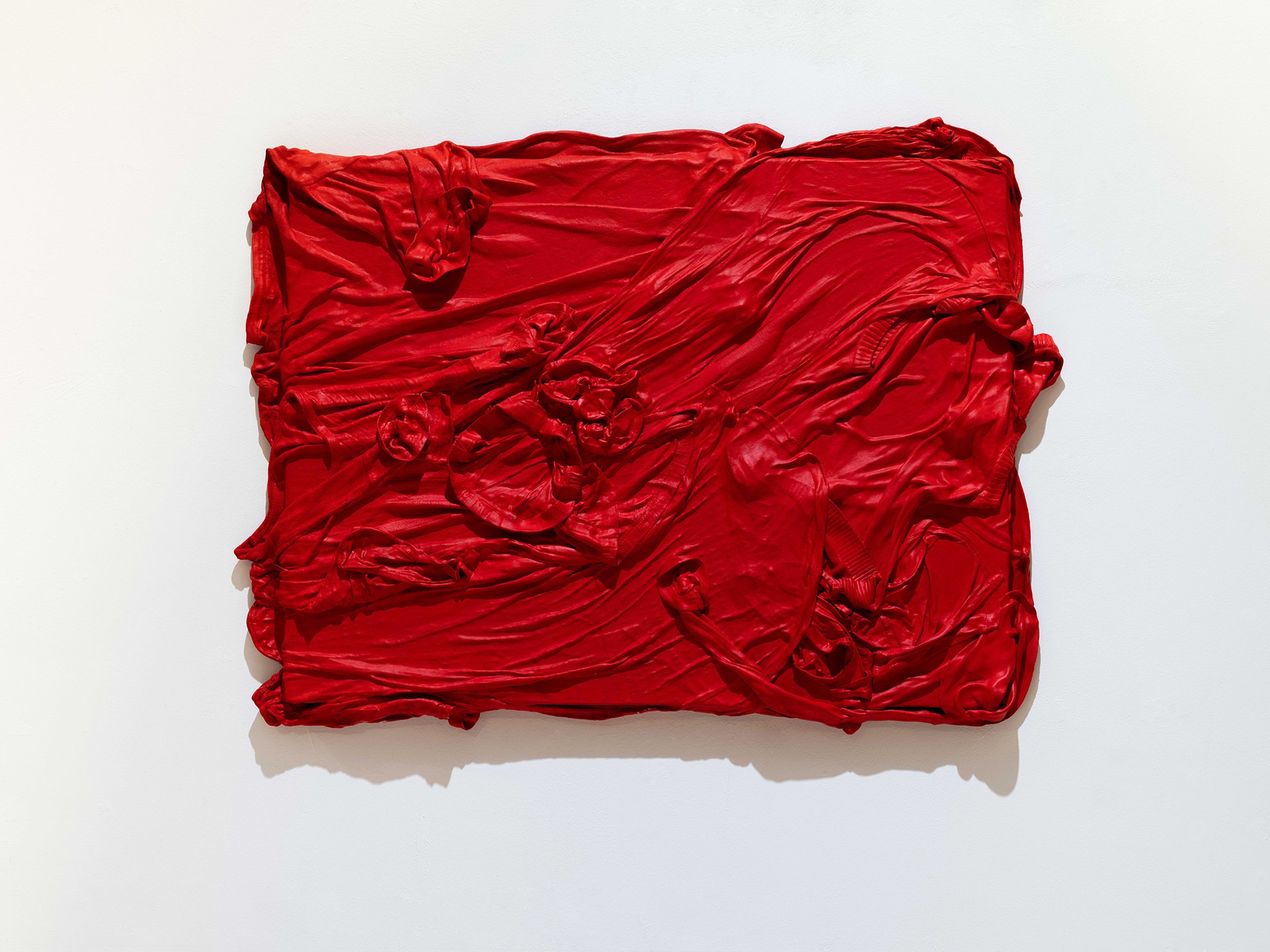
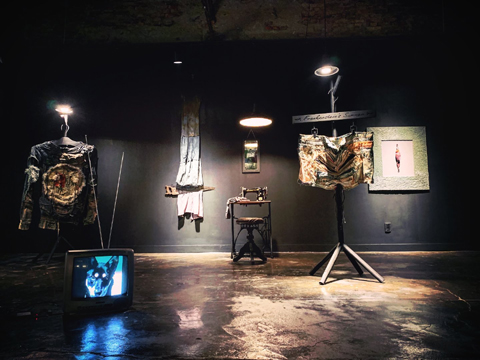
As the focus of her practice gradually shifted toward installation and objects, she began to engage more actively with the material qualities of objects and the traces left by their use. Rather than fixing her work within the conventions of a particular medium, Kim chooses her modes of expression according to the subject and site at hand, an approach that has remained consistent throughout her practice.
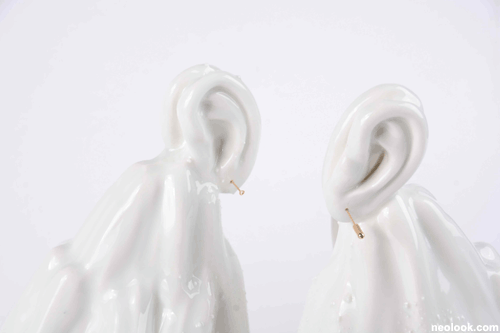
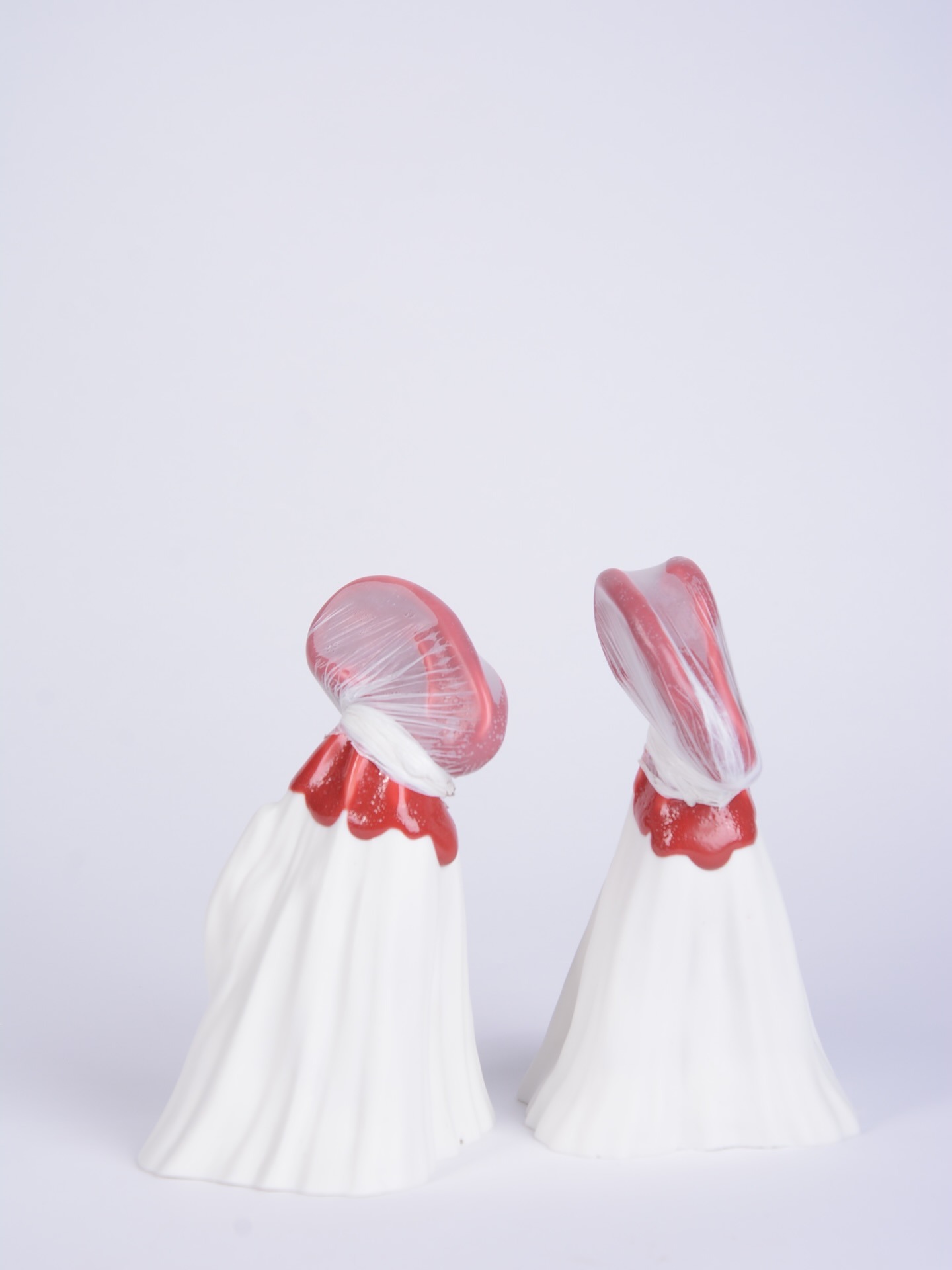
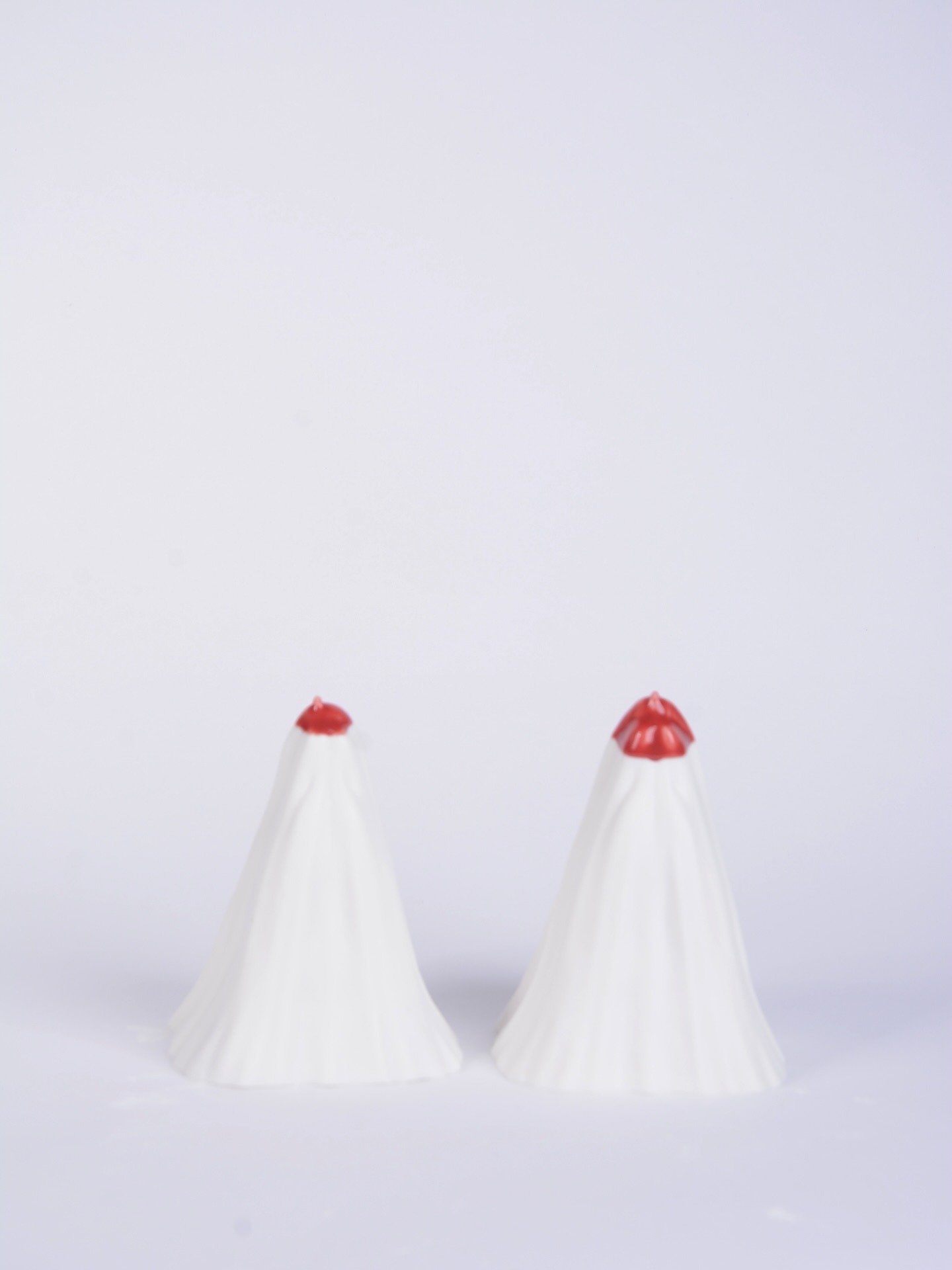
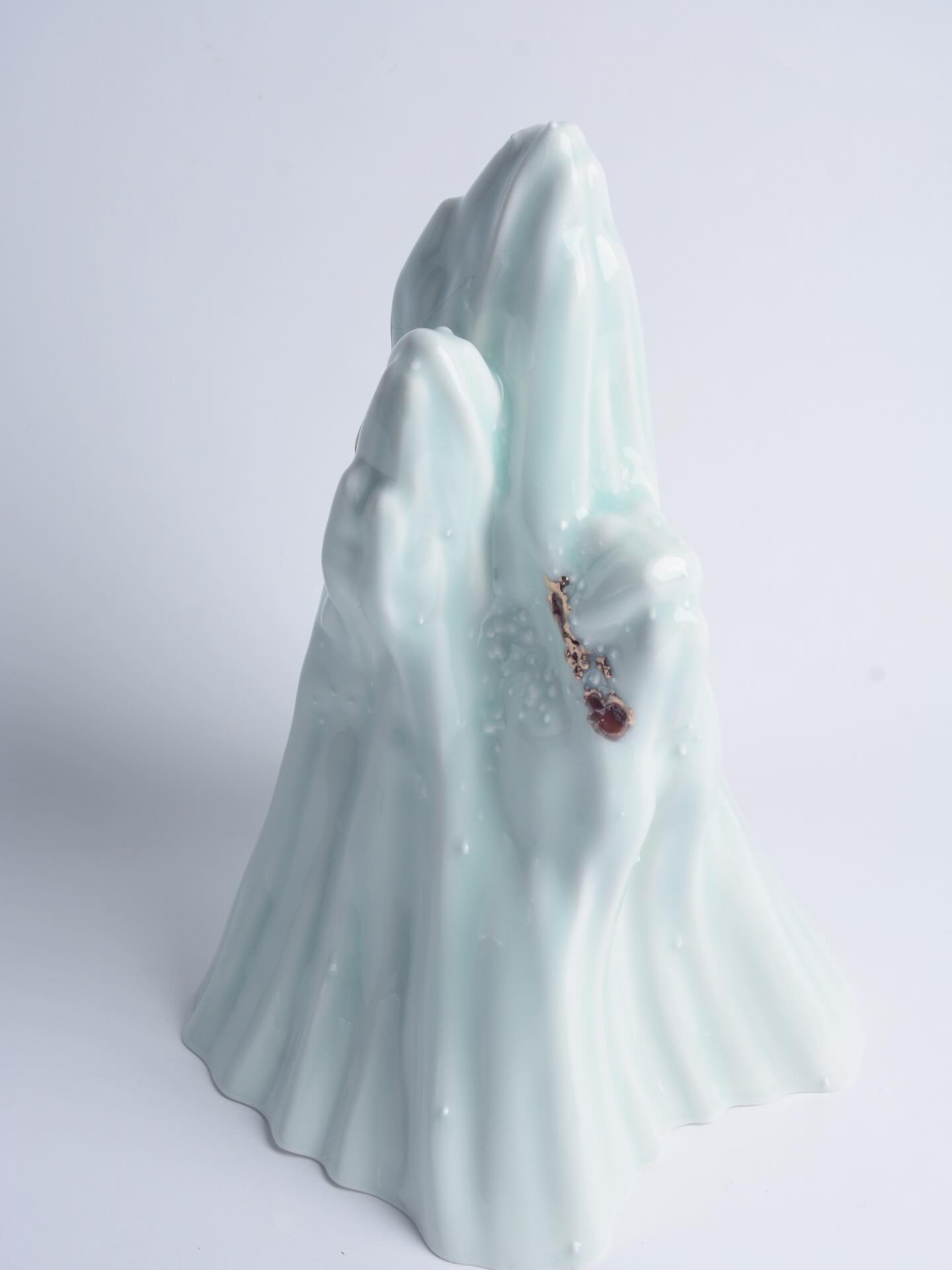
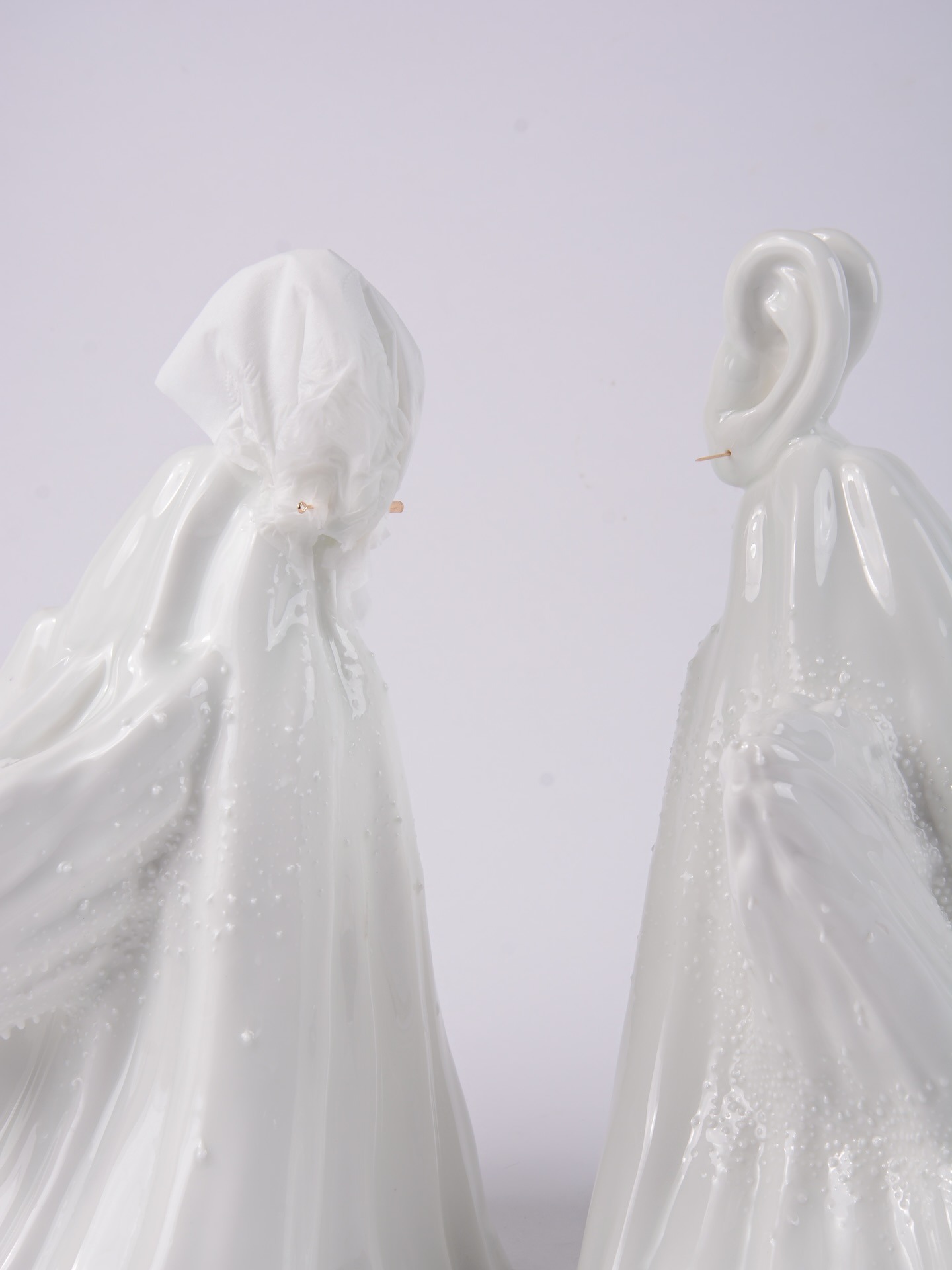
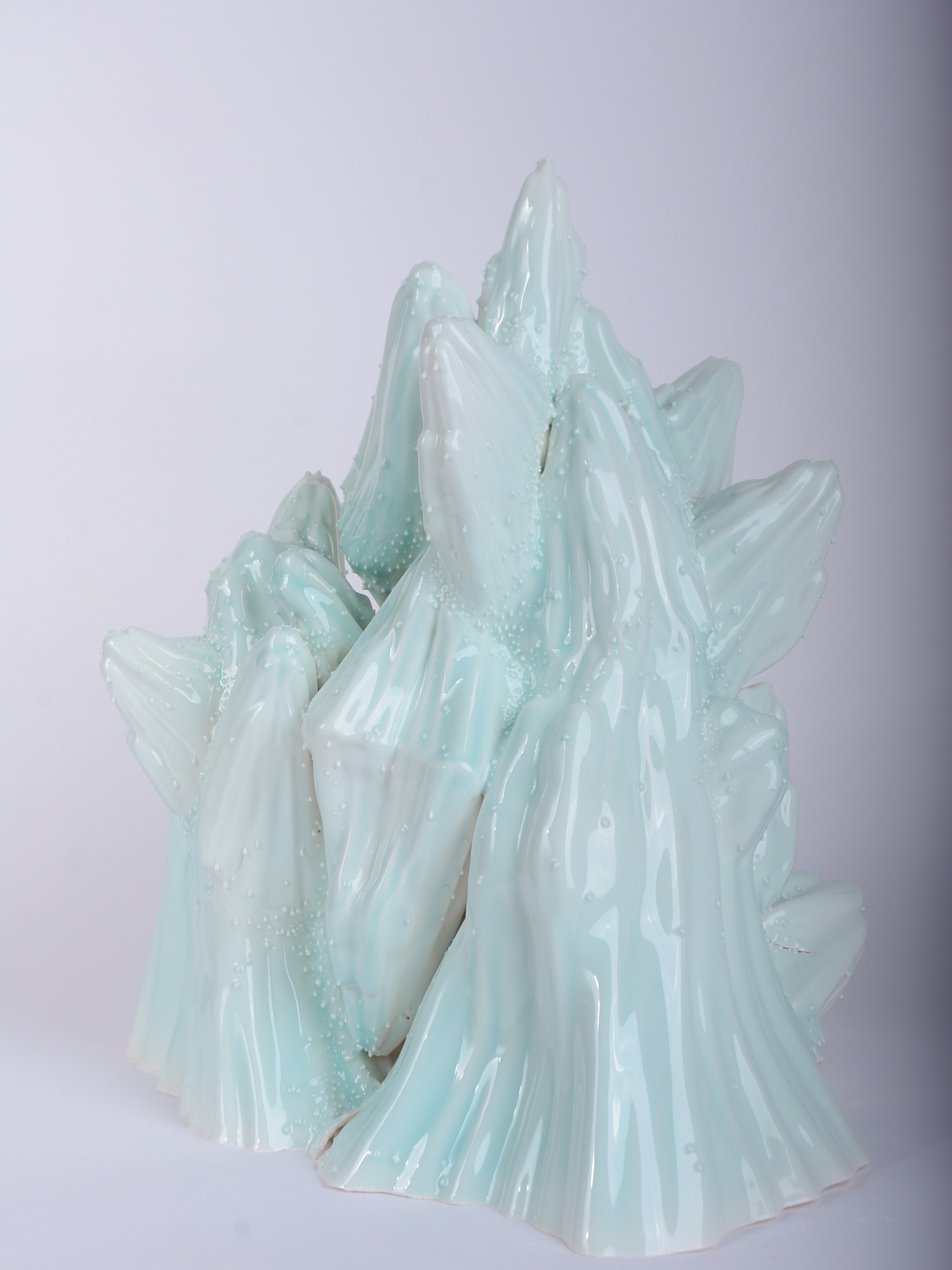
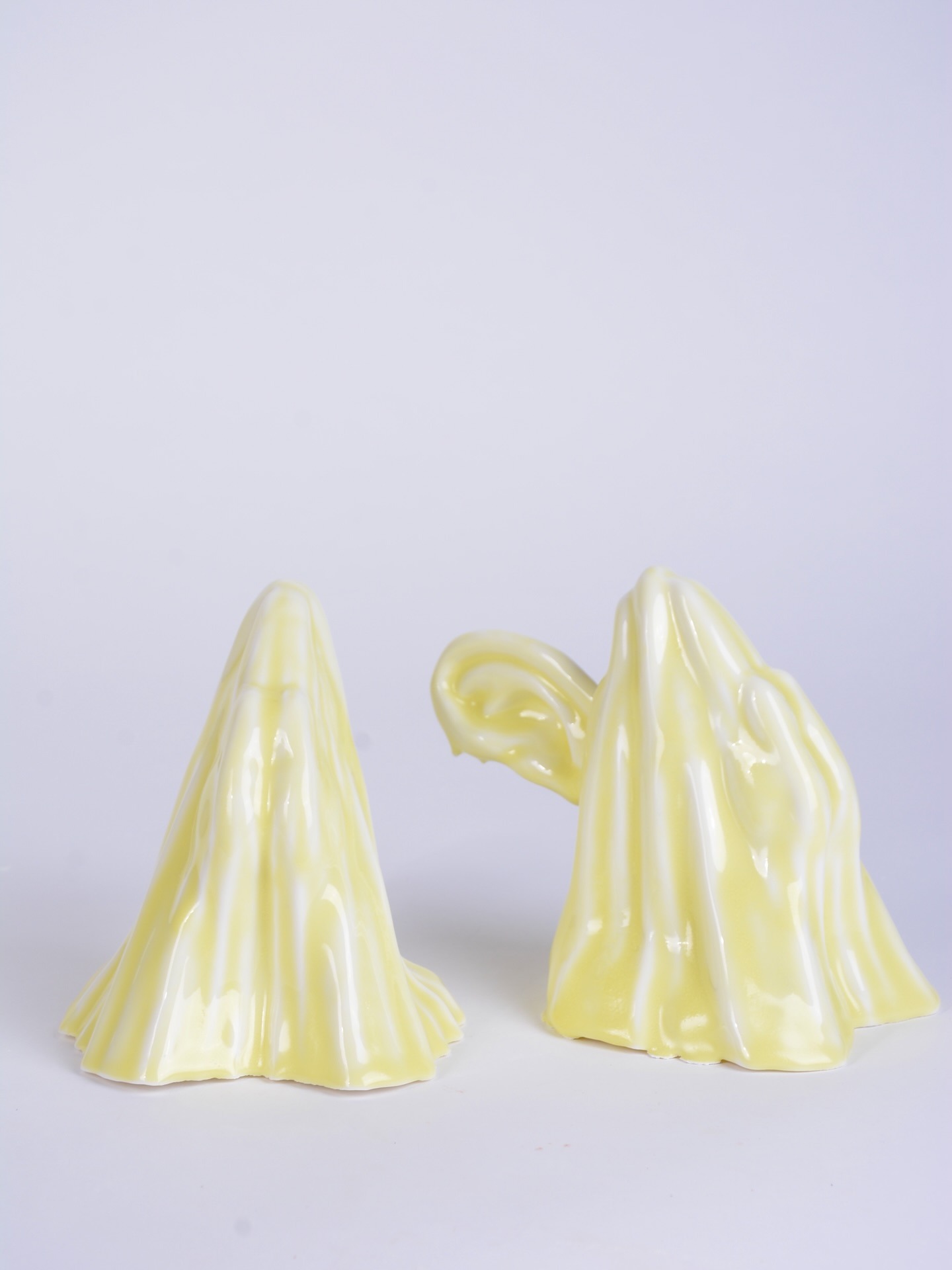
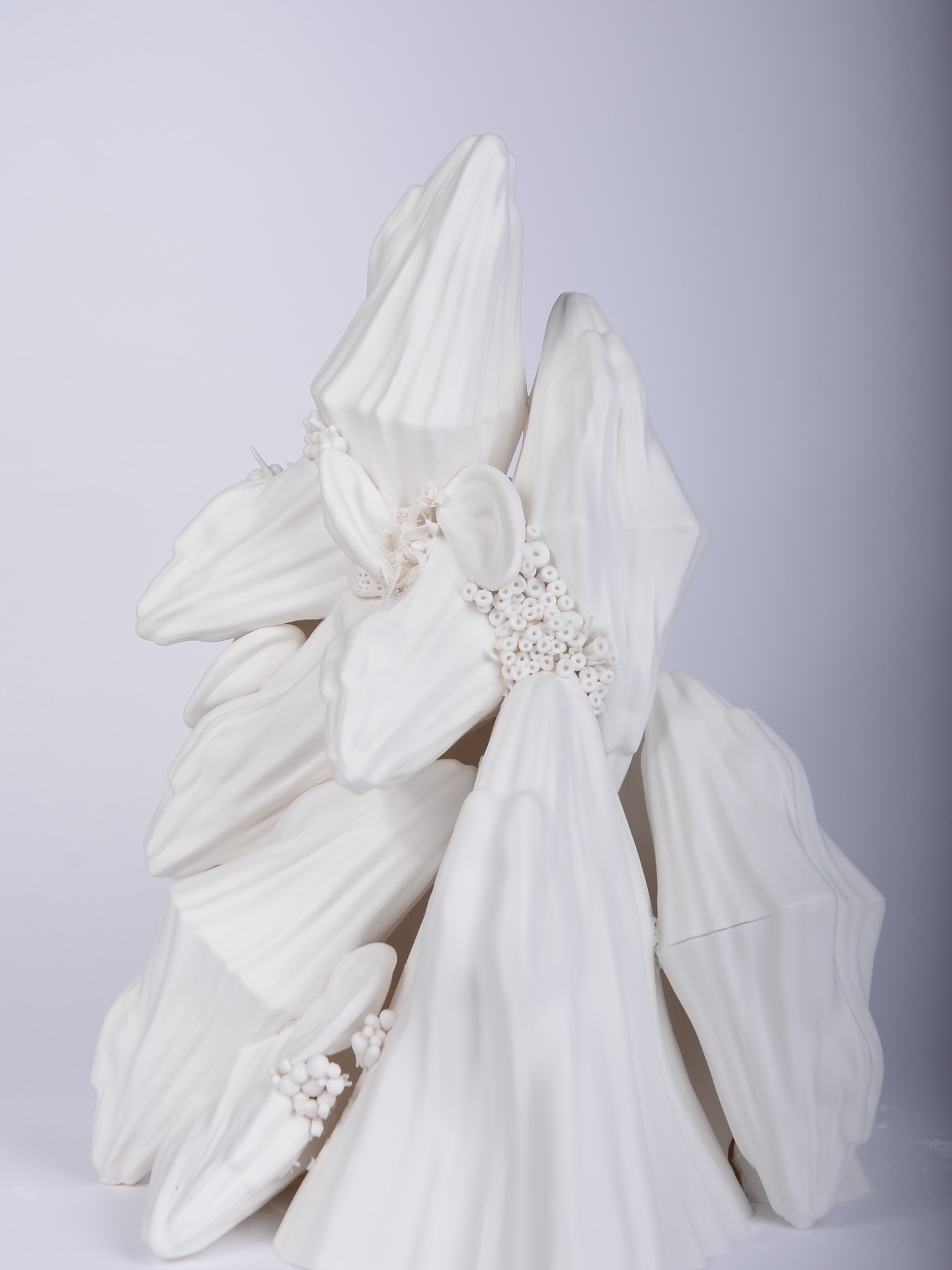
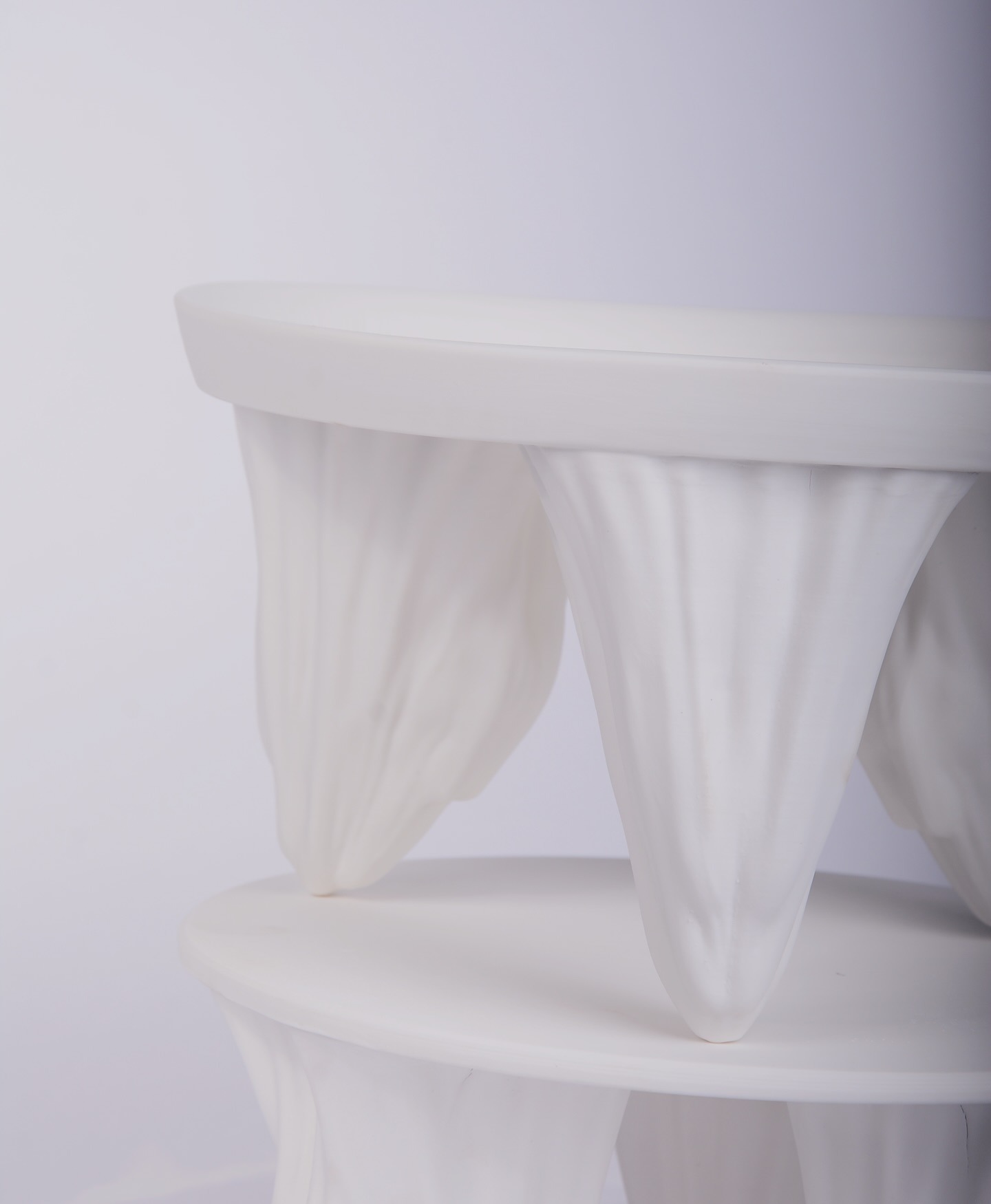
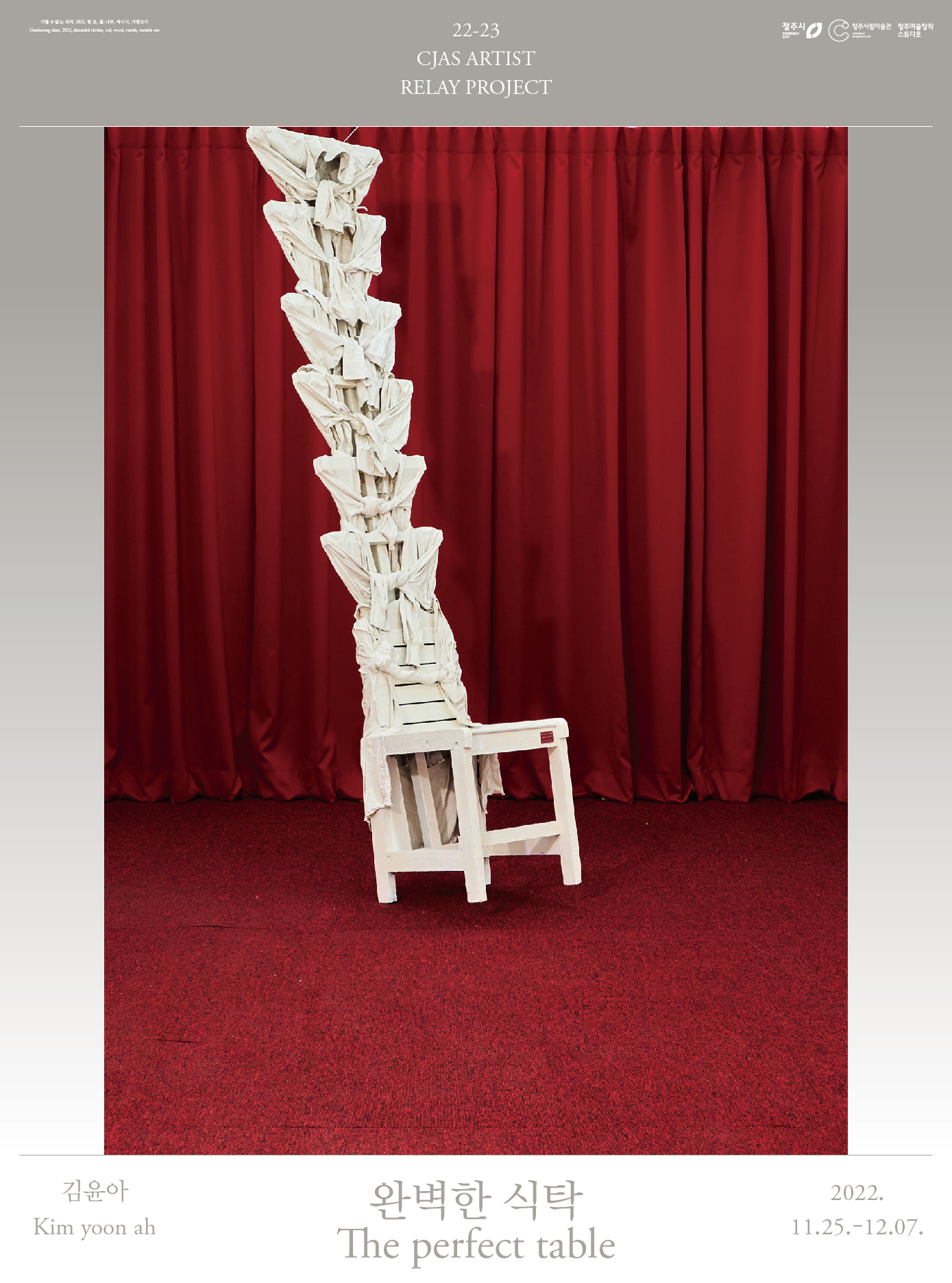
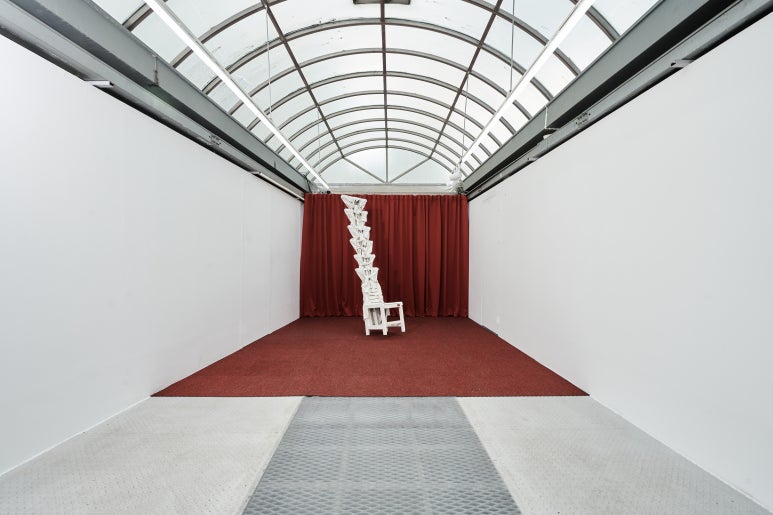
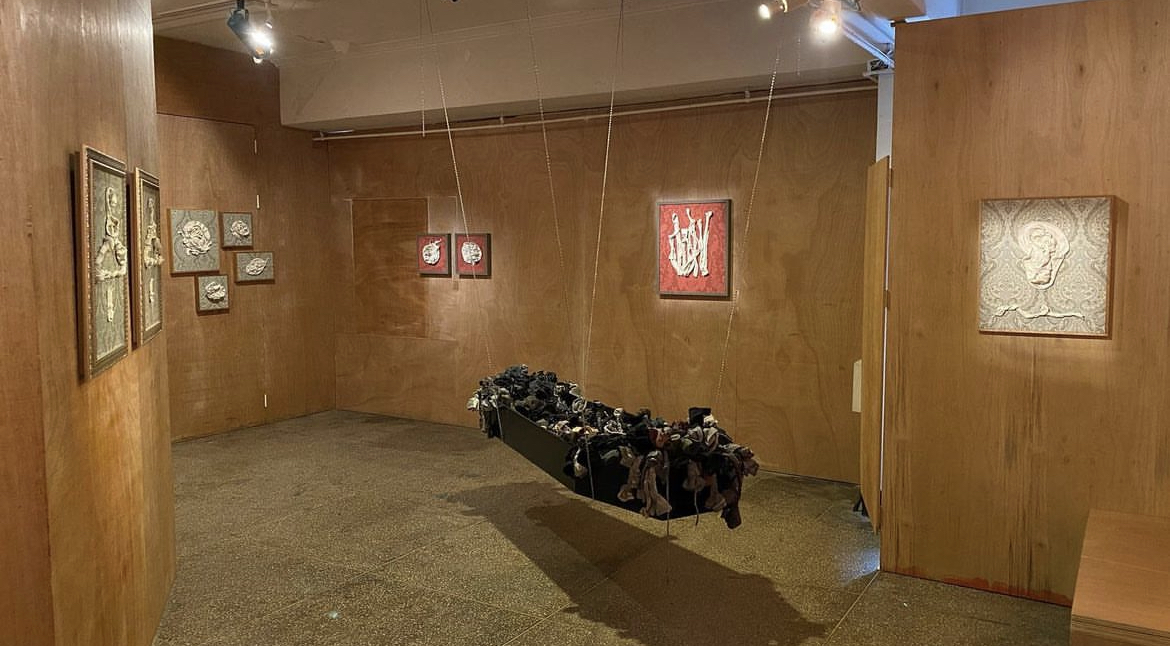
Discarded clothing is the material through which this approach becomes most clearly visible. Kim transforms the original function and form of collected garments by stacking, twisting, bleaching, dyeing, and sewing them together. In Good Citizens, in particular, she soaks clothing in porcelain slip and fires it in a kiln, burning away the textile itself while preserving its form and folds in ceramic.
Clothing that once remained close to the body and carried the specific passage of an individual life loses the identity of its former owner through this process, while becoming a trace that evokes an anonymous human presence.
In Layer upon Layer, Deep in the Mountains, she similarly solidifies the sagging silhouettes of clothes hanging on a wall in ceramic, allowing an absent body to be sensed through material traces. This process of simultaneously producing disappearance and residue inscribes Kim’s longstanding questions of presence and absence directly into the material itself.
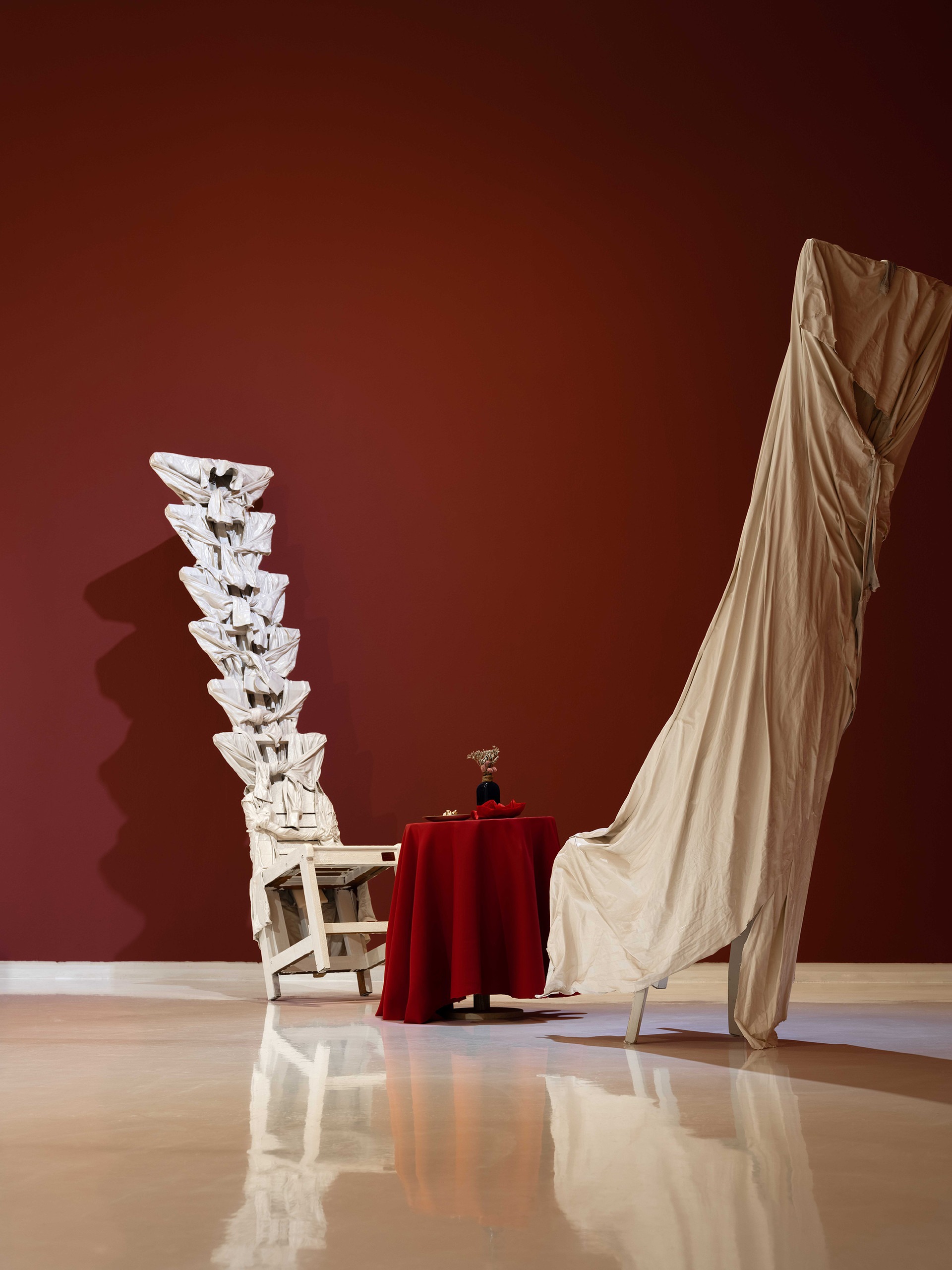
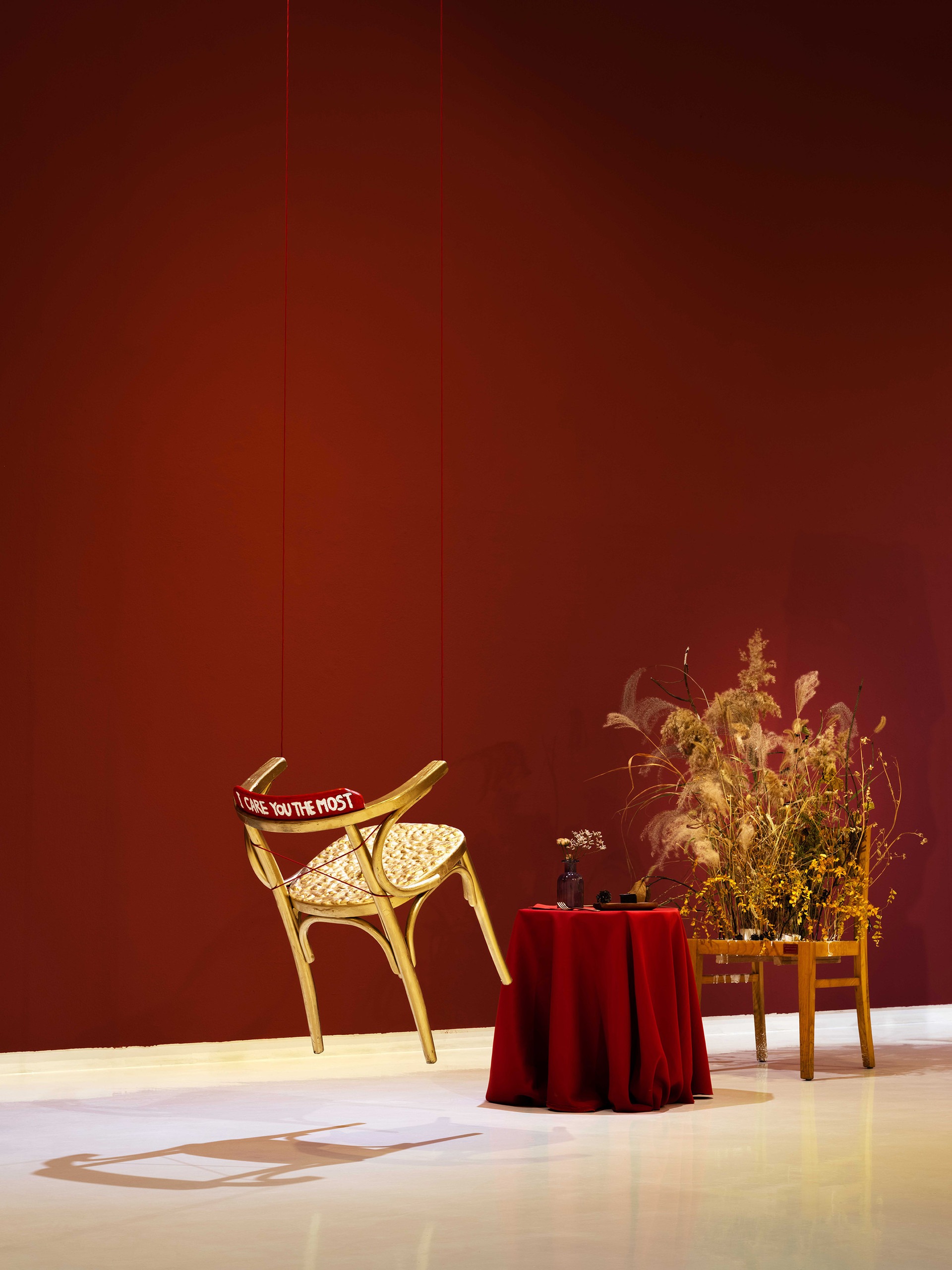
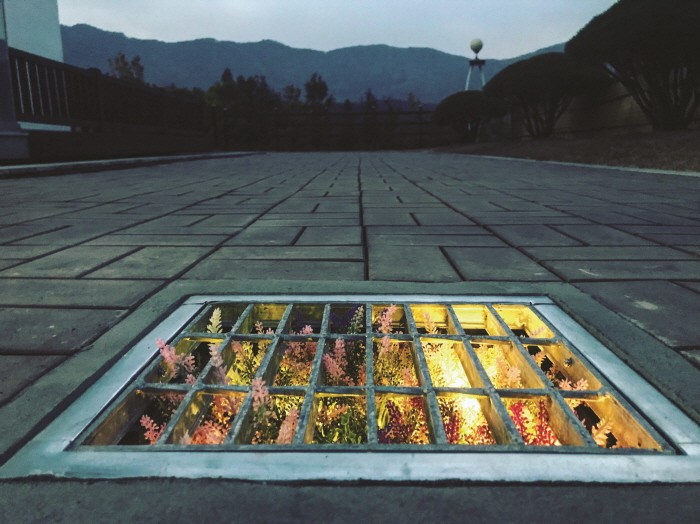
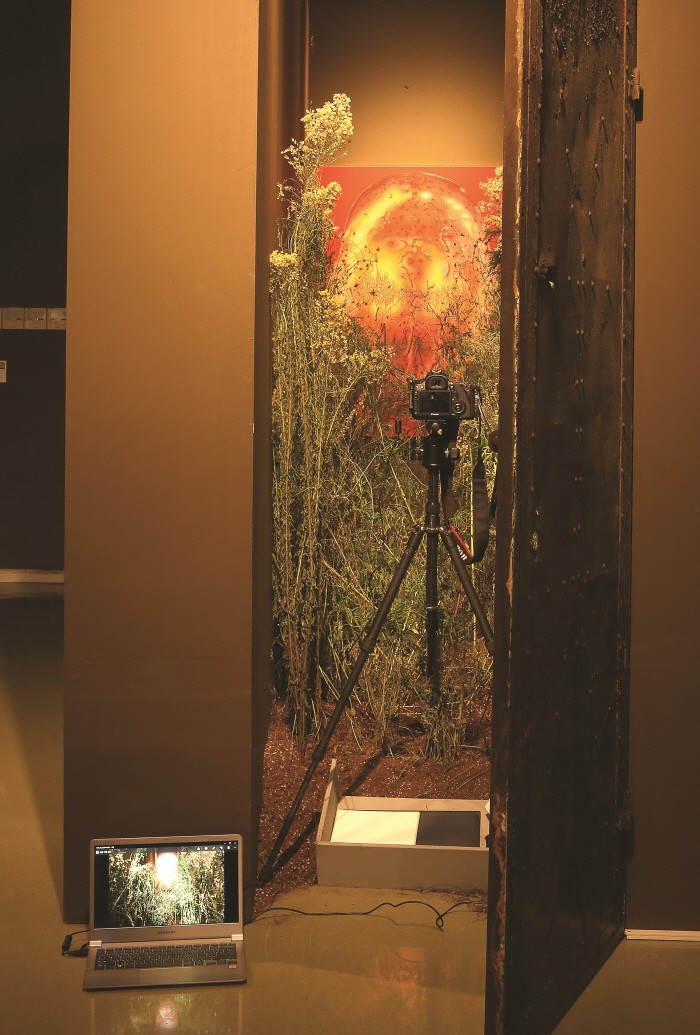
In her installations, the relationship between individual objects and the exhibition space as a whole plays an important role. Island, which creates tension between balloons and razor blades, and Step Passed Me, which brings easily overlooked forms of life such as weeds into the exhibition space, incorporate the viewer’s movement, distance, and gaze into the work itself.
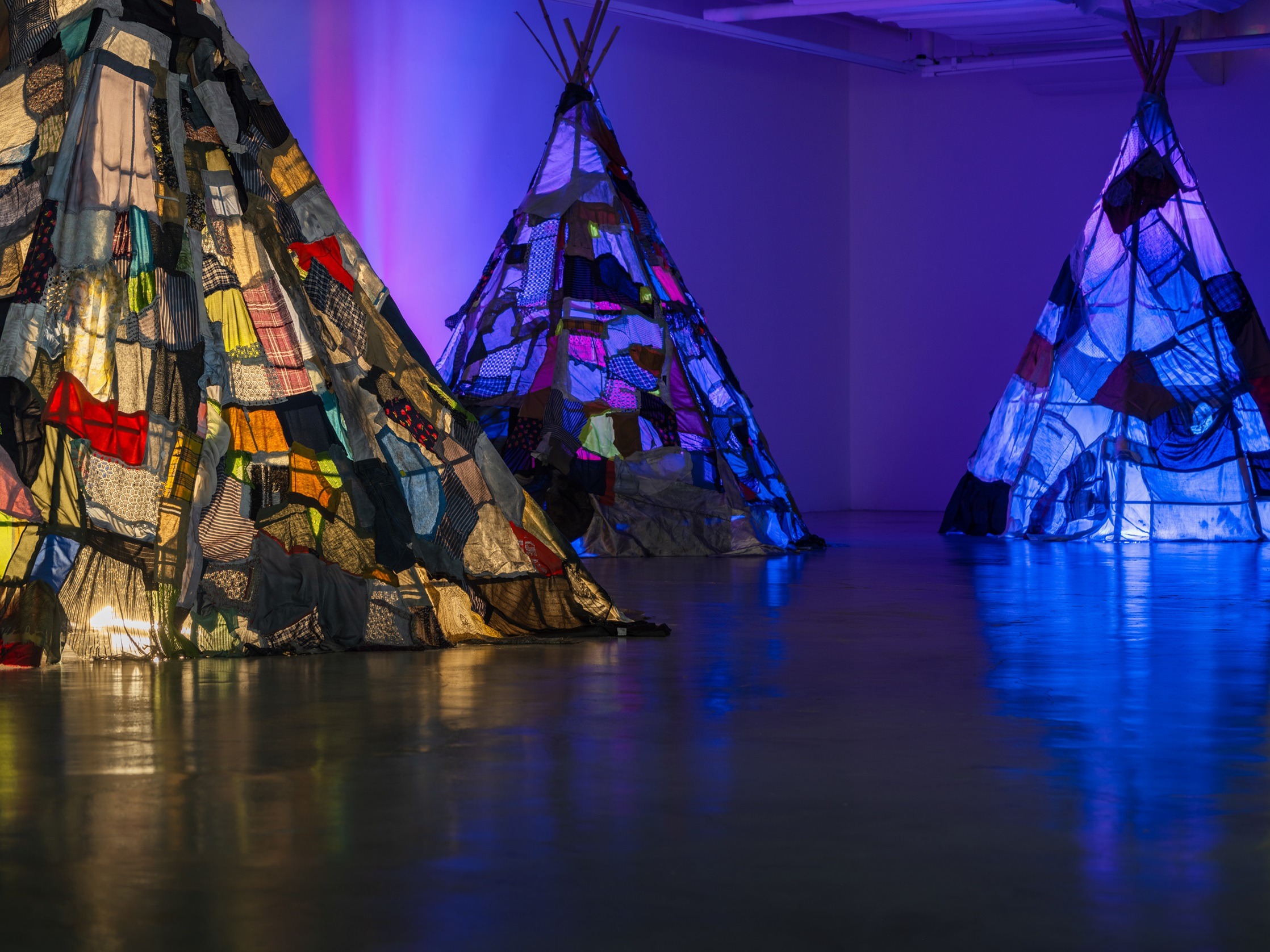
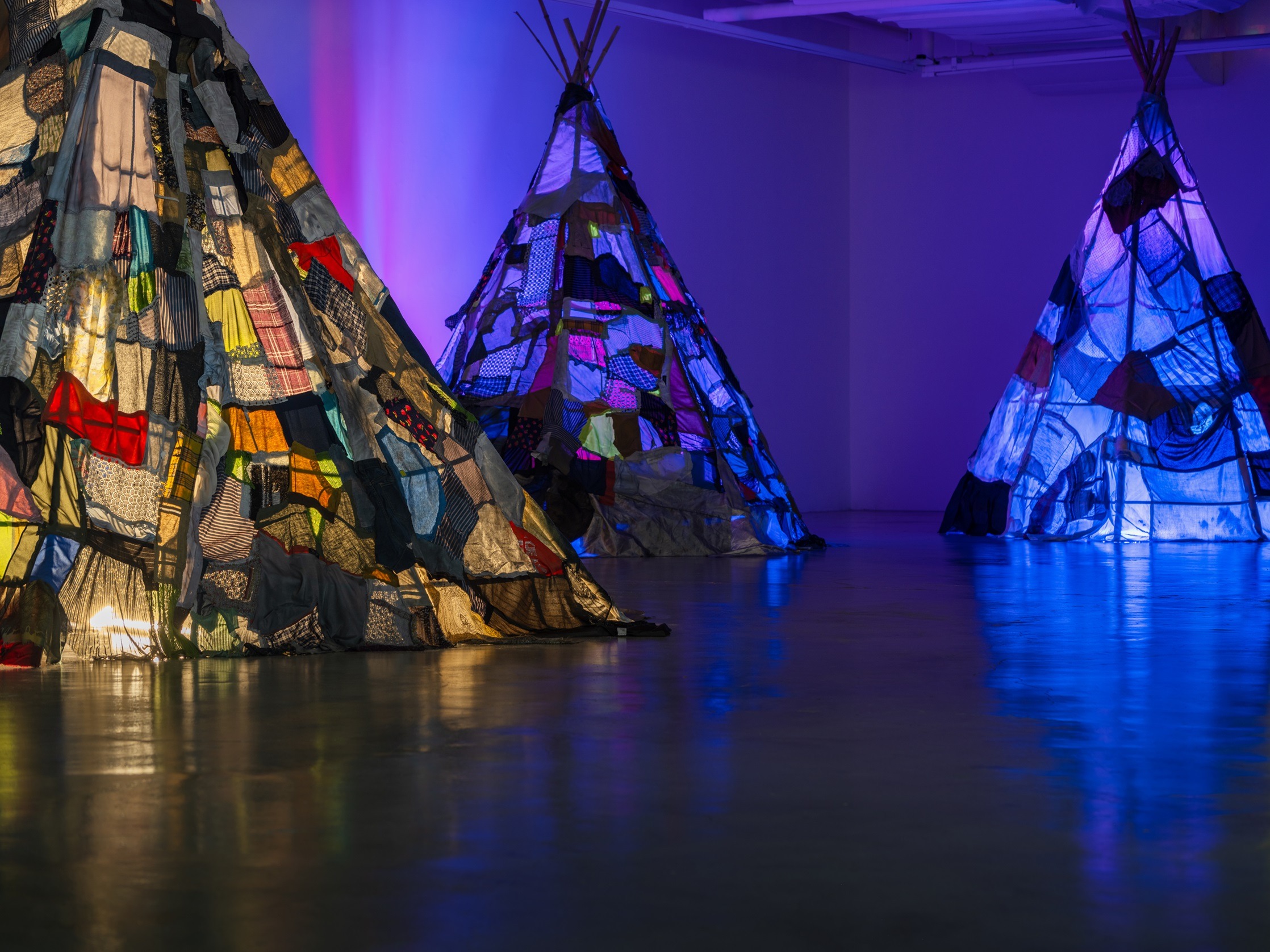
In the more recent All of Us, Kim stitches together garments once worn by different people to construct six enormous tents, combining them with light, voices, and other signs of human presence from within.
Each fragment of clothing retains traces of an individual life while simultaneously becoming part of a larger structure, and viewers move between the interior and exterior of the tents, physically experiencing the relationship between individual and community. For Kim, the exhibition space is not merely a backdrop for completed objects but an element that organizes both the meaning of the work and the viewer’s position within it.
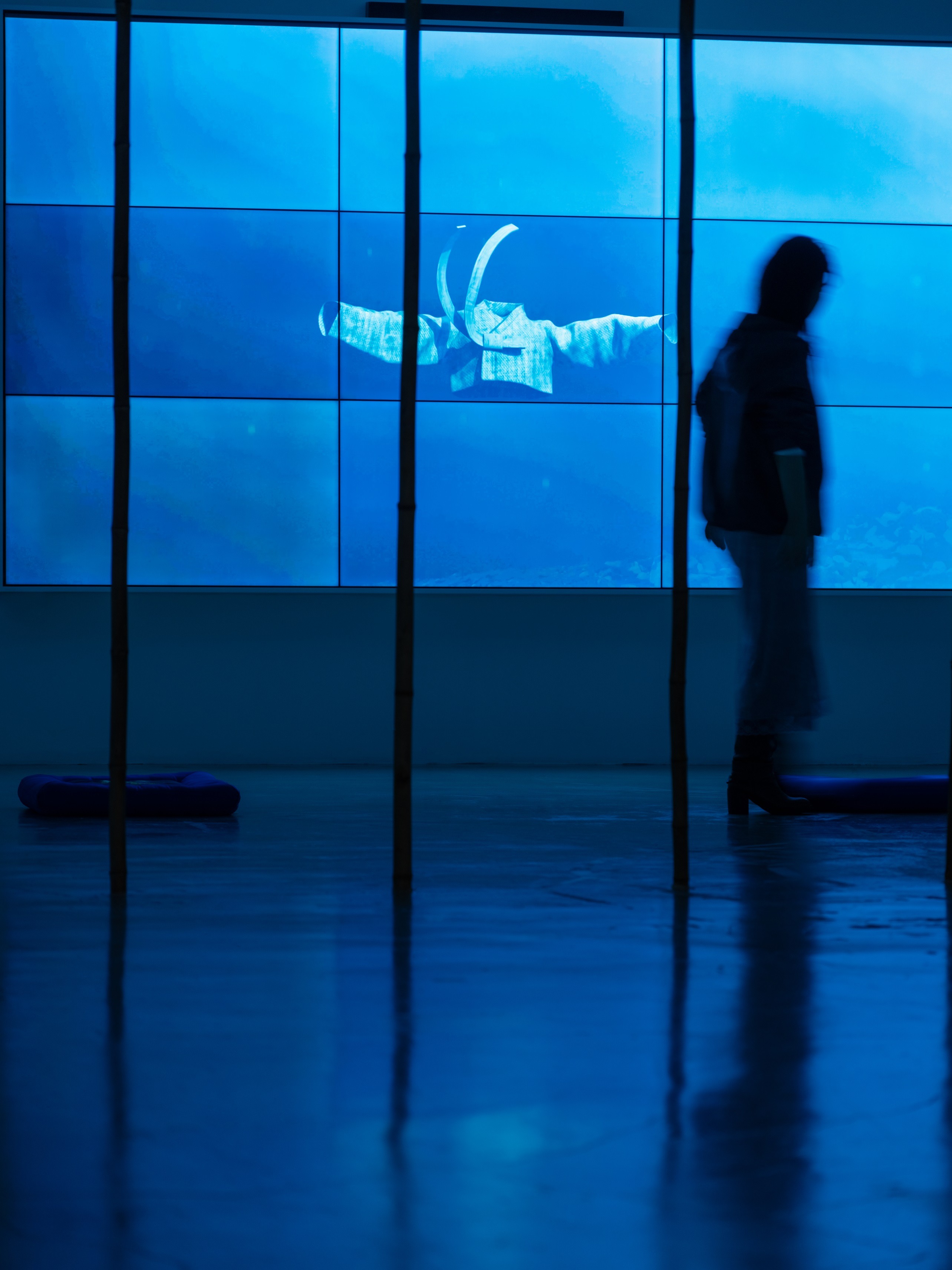
In recent works that actively incorporate video and text, the perspective through which a narrative is viewed has itself become an important formal device. The Story of Nam unfolds through a main video narrative alongside side stories devoted to individual characters, allowing the same world to be viewed alternately from collective and individual perspectives.
The contrast between the characters’ eventful lives, conveyed through rapidly unfolding subtitles, and the jeogori repeating the same movement on screen visualizes the tension between unstable reality and a fixed ideal. Through such methods of transforming materials, reorganizing sites, and shifting narrative perspectives, Kim brings previously unseen traces into a perceptible state.
Her formal experimentation is therefore closely connected to the process of revealing how individual memories, emotions, and relationships remain, disappear, and become connected again.