Eve Kwak
has observed the physical environments we inhabit, as well as the relationships
between the frames and boundaries that compose them, flatness and volume,
architecture and the body. Her work begins from structures and images commonly
encountered in daily life, such as Korean apartments and collective housing,
urban buildings, flyers, floor plans, windows, skies, calendars, clothing,
moving, and self-interior projects.
Rather than simply representing these
subjects, the artist examines how they organize people’s lives and produce
forms of desire, belief, memory, and behavior. For Kwak, architecture is not a
fixed structure, but an environment that is continuously reconfigured through
people’s movement and use, the accumulation of time, and the reproduction and
consumption of images.
In her
early work, Kwak approached apartment floor plans and residential desire as
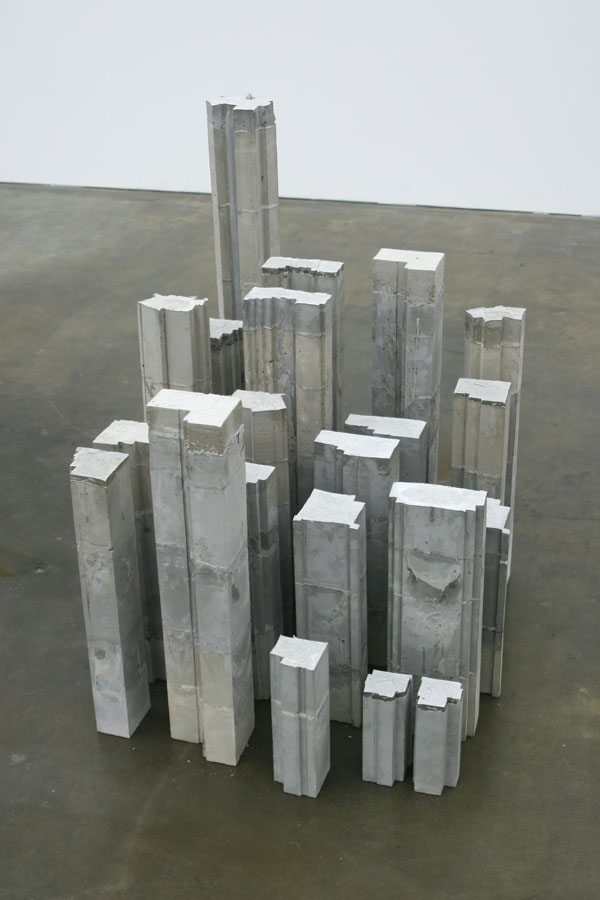
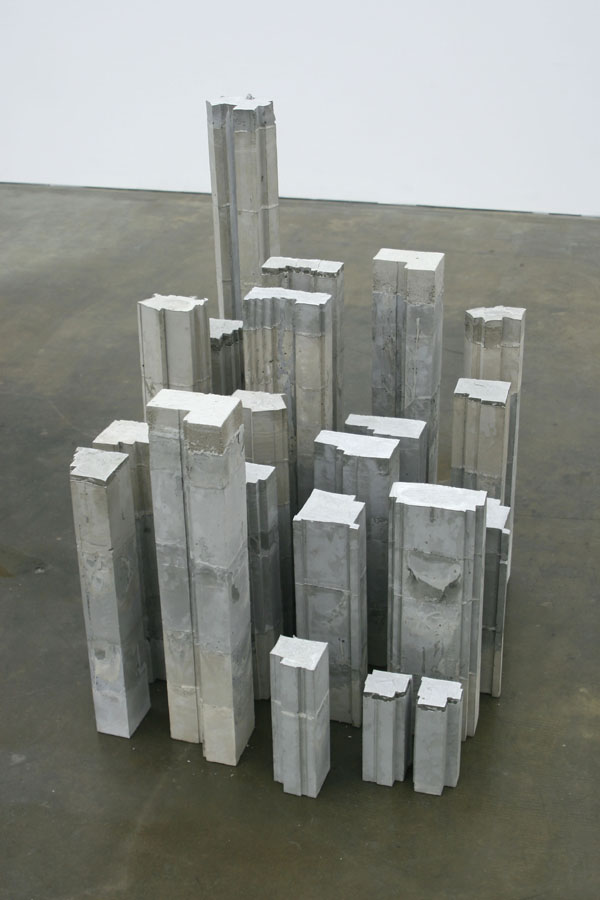
sculptural questions. The ‘Mountain in the Back, River Up Front’ series, begun
in 2009, is a body of work in which the artist creates molds along the outer
contours of famous-brand apartment floor plans and pours cement into them,
transforming them into three-dimensional forms.
The series developed through
works such as Mountain in the Back, River Up Front - Even If
Broken(2010), Mountain in the Back, River Up Front -
Support(2010), and Mountain in the Back, River Up Front -
Upright(2010). The traditional concept of baesanimsu, an ideal site
with a mountain behind and water in front, is translated in this work into the
apartment of the contemporary city, revealing both the desire “to live well”
and the common wish to live in a “good place.”
By erasing the internal
structure of the floor plan and pouring cement only along the outer contour,
the artist deals not with actual architecture, but with the form of housing
people dream of and the psychology of the dense city.
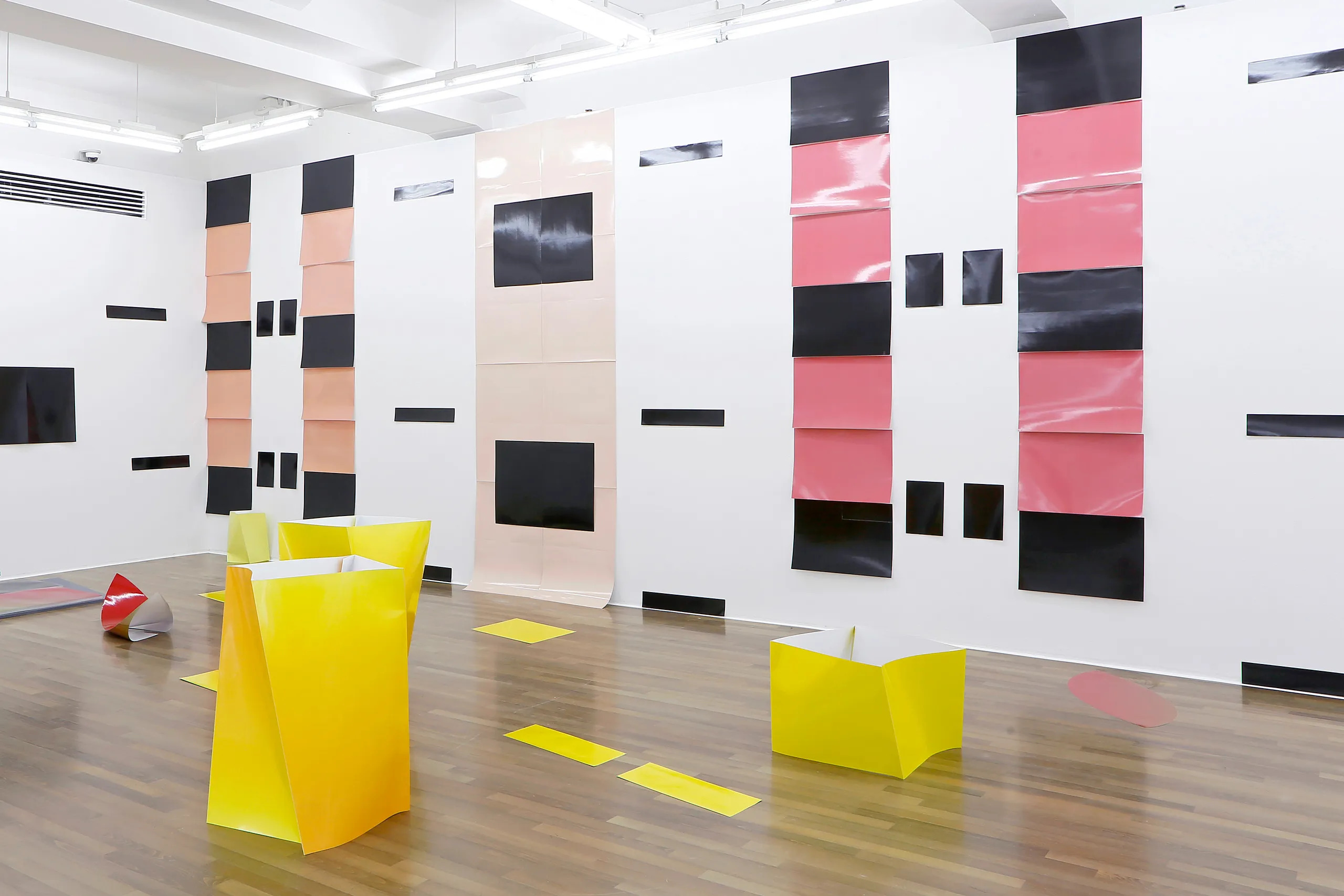
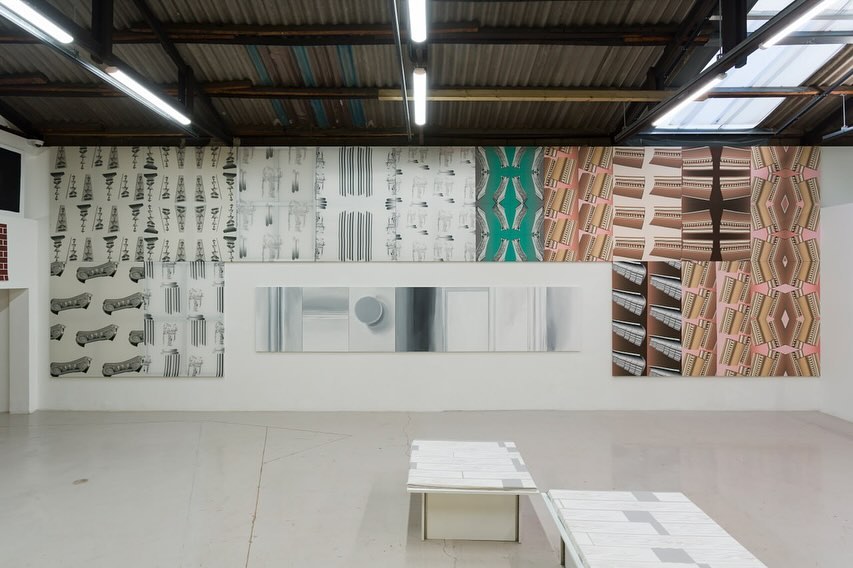
The 2015
solo exhibition 《All Flat Things
Happen at the Same Time》(Gallery Chosun, Seoul, 2015)
marks an important turning point in Kwak’s practice, where flat surfaces become
three-dimensional and three-dimensional forms return again to flatness.
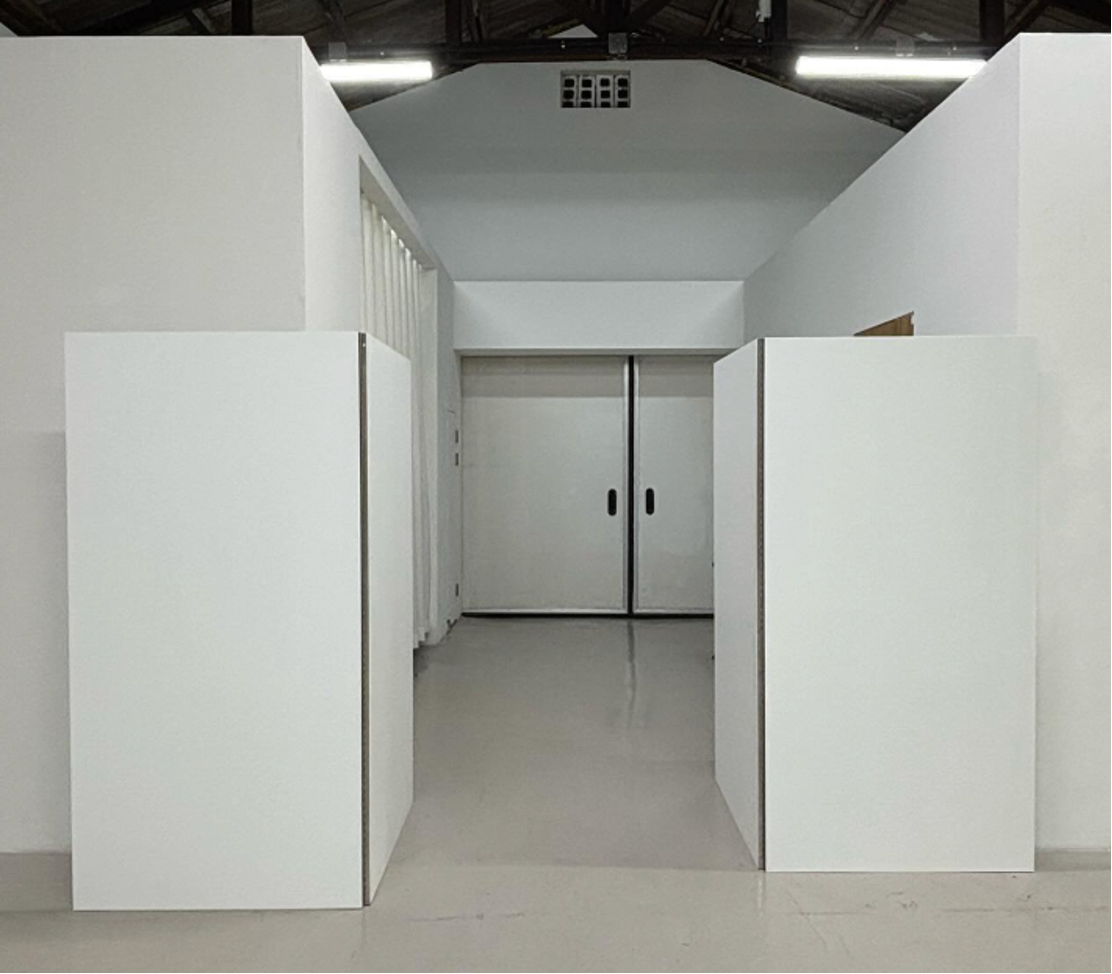
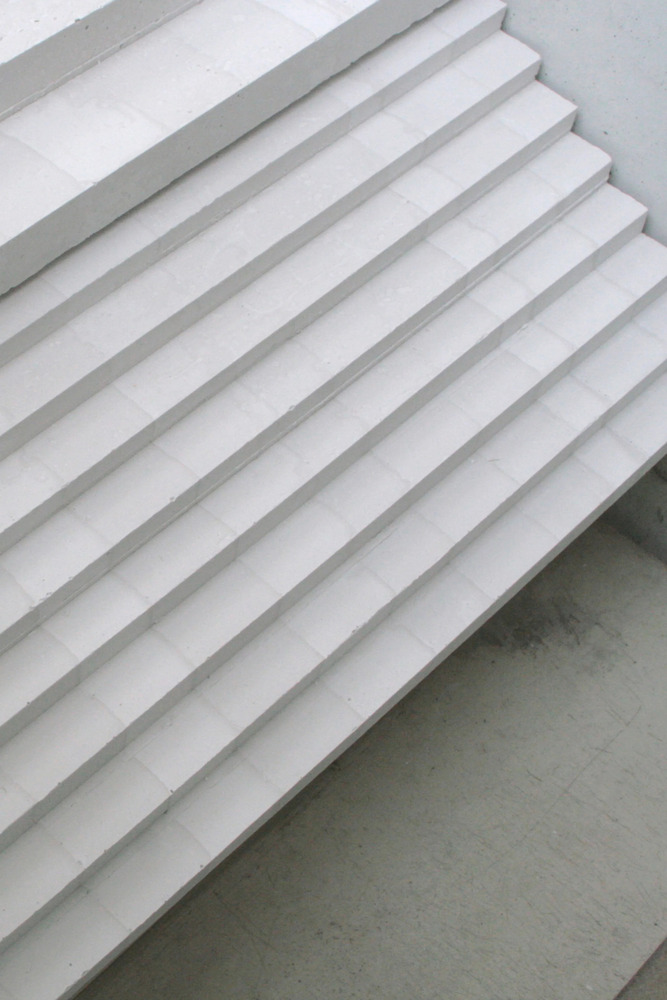
Step(2015) is a sculpture that modifies the size and height
of the gallery stairs and is completed as viewers step on and pass through it,
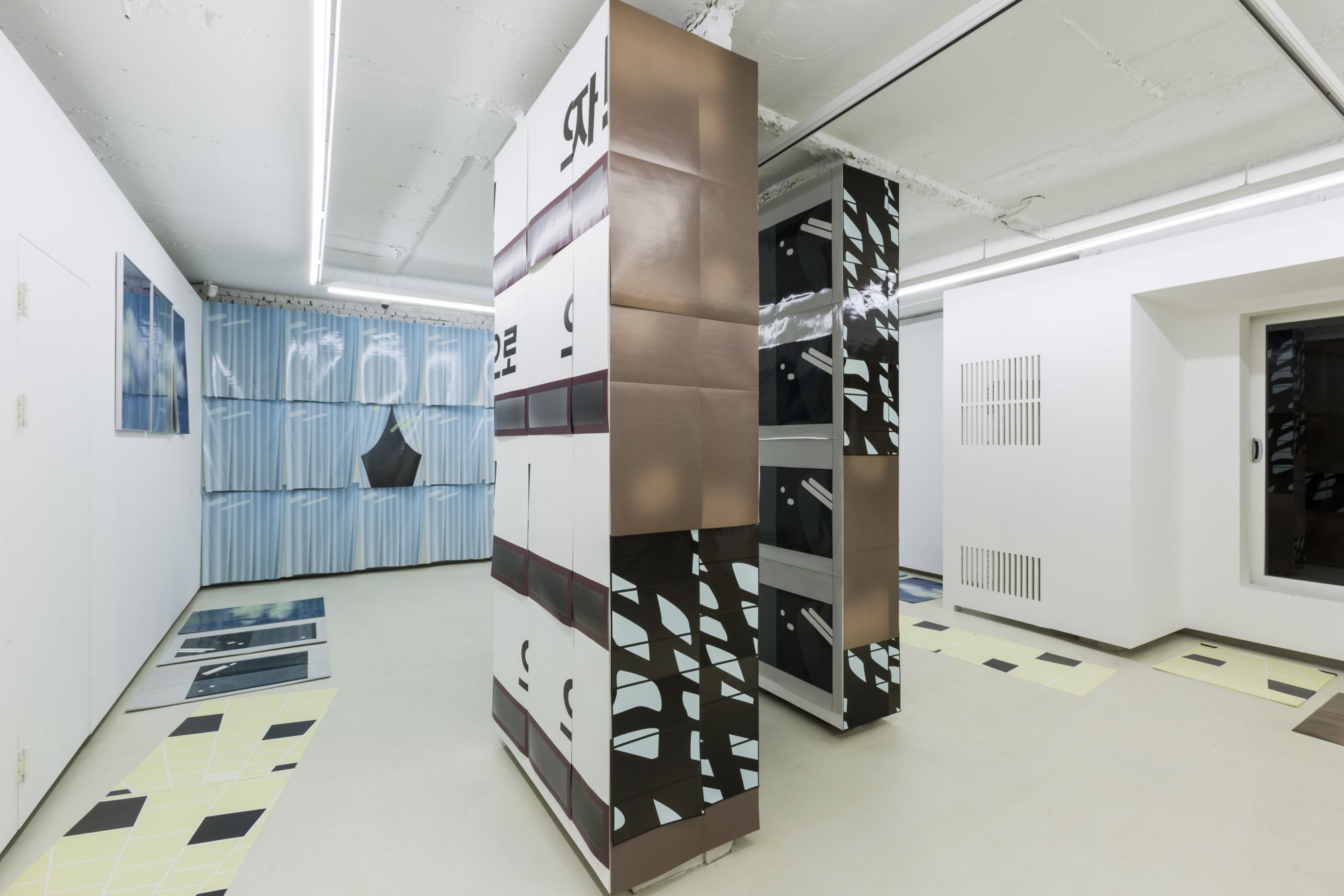
while Face to Face(2015) uses printed matter like
architectural material to create another variable space within the exhibition
space.
From this period onward, the artist moves beyond “looking at”
architectural environments and begins to focus on how viewers’ bodies and movements
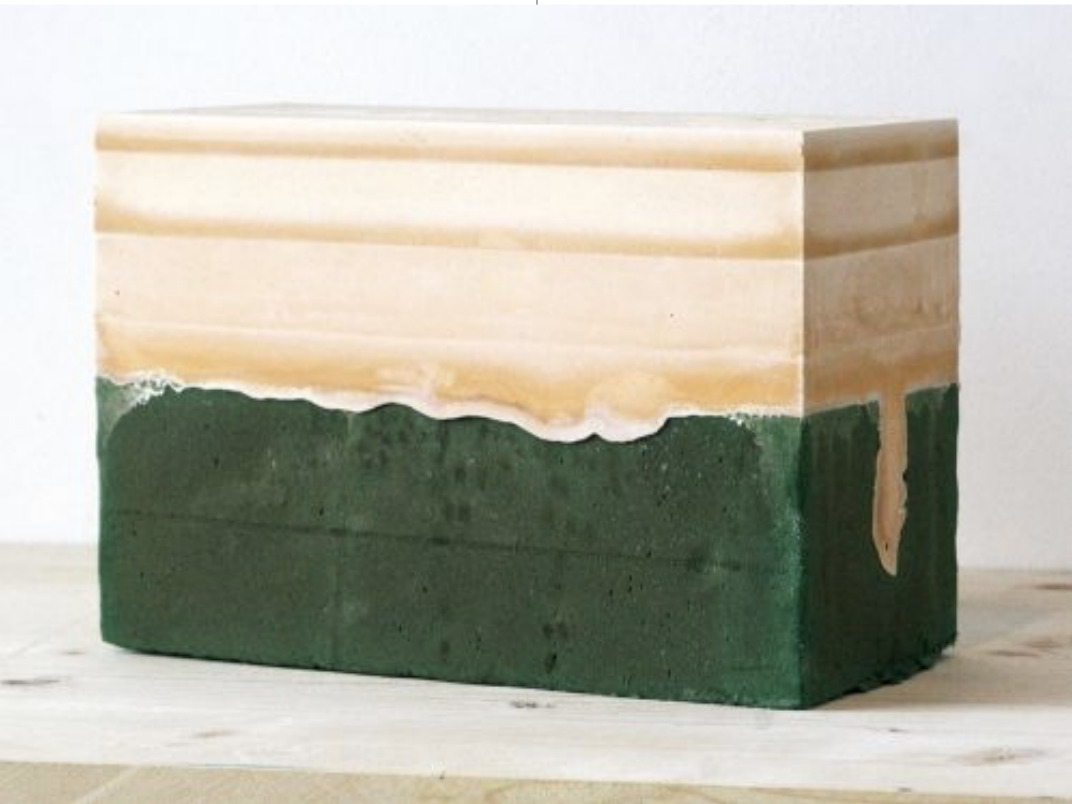
transform space. As in Oasis #3(2010), where the artist did
not restore the marks left by viewers pressing into floral foam but instead
recorded them with plaster, space in her work is always transformed through
contact with human action.
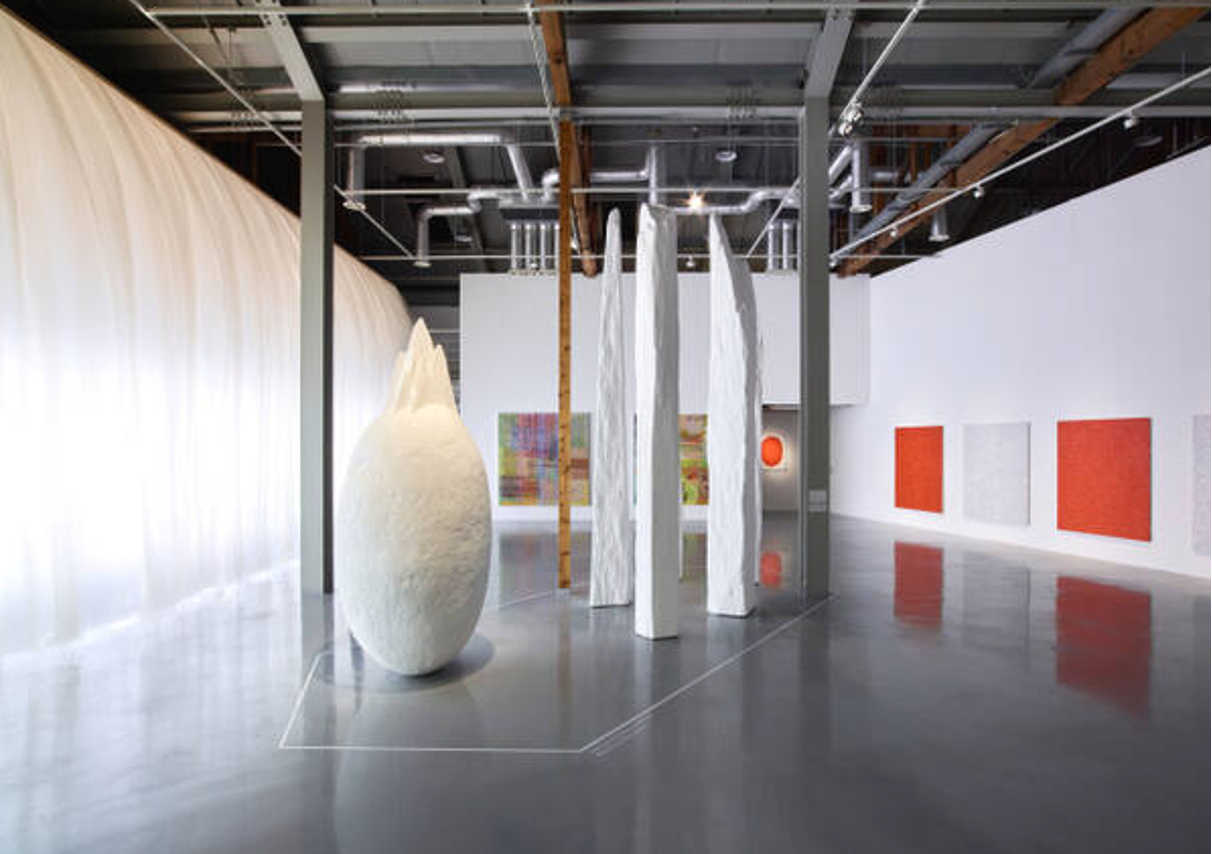
Kwak’s
interests have since expanded from urban architecture to time, memory, the
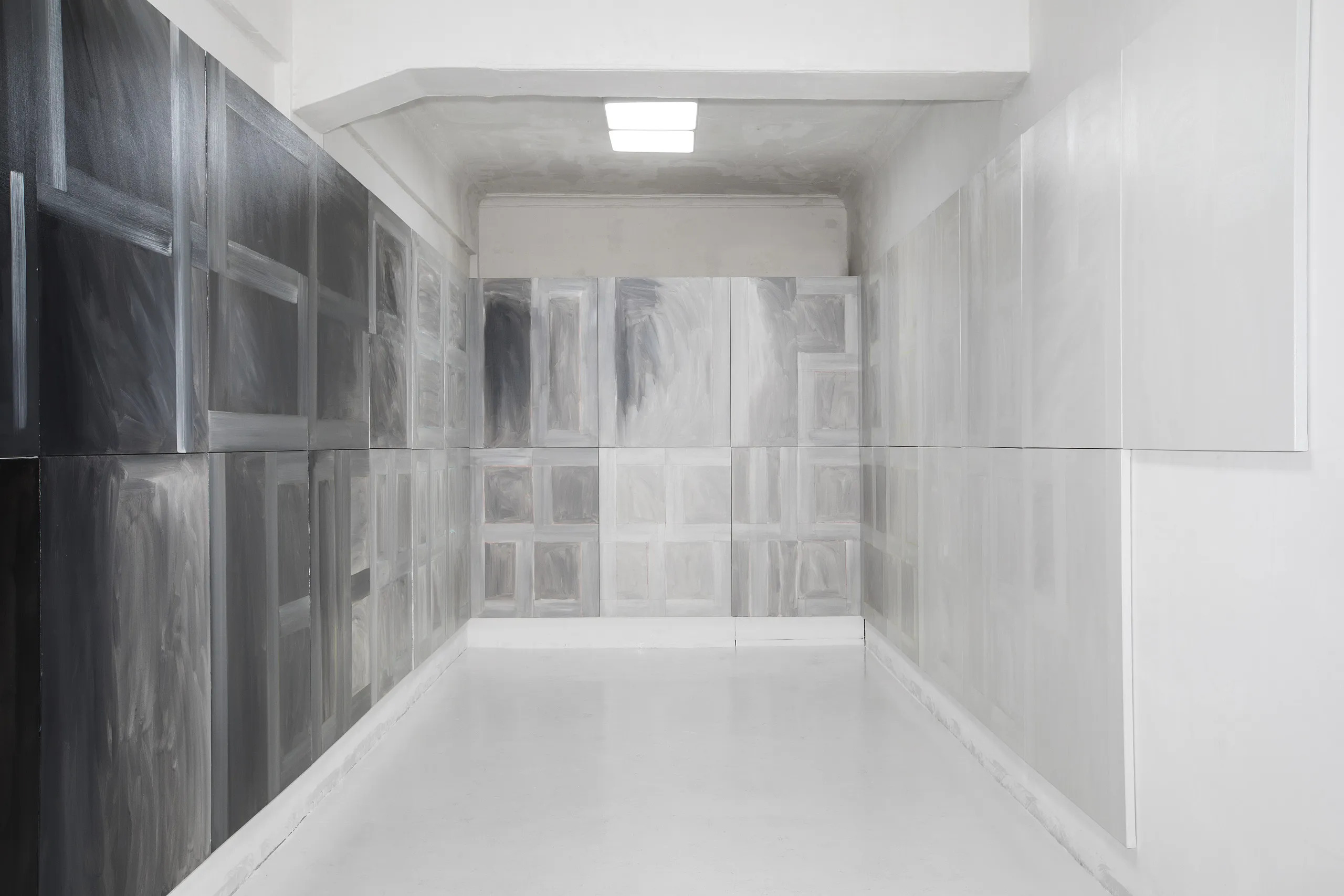
body, data, and ecological environments. 《Gray-White Hair》(Artspace Hyeong, Seoul,
2017) visualizes biological time and changes in spatial perception through
calendars and painting, based on the artist’s own experience of gray-white hair
and her father’s dementia.
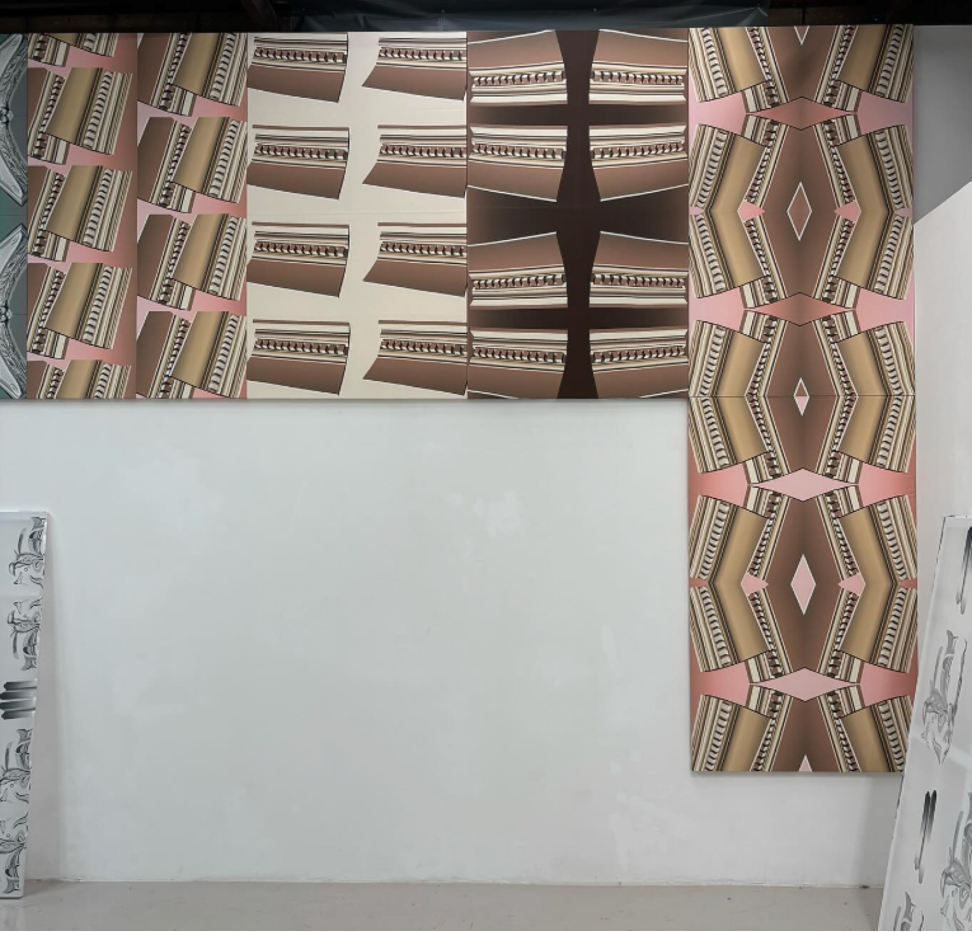
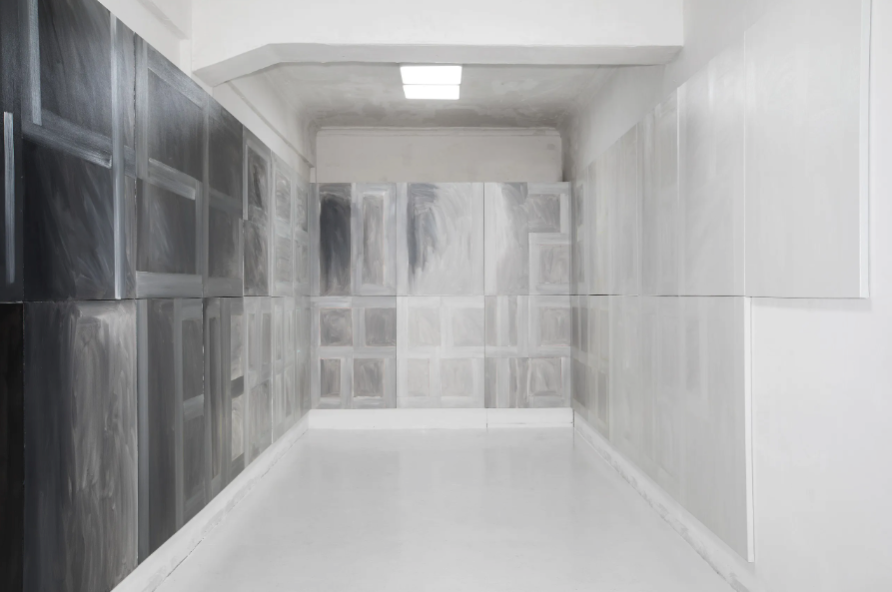
Days(2017) turns the numbers and
positions of the calendar into a wall of painting, while
Calendar(2017) presents 44 years and 6 months of time as a
structure that can be held in the hand.
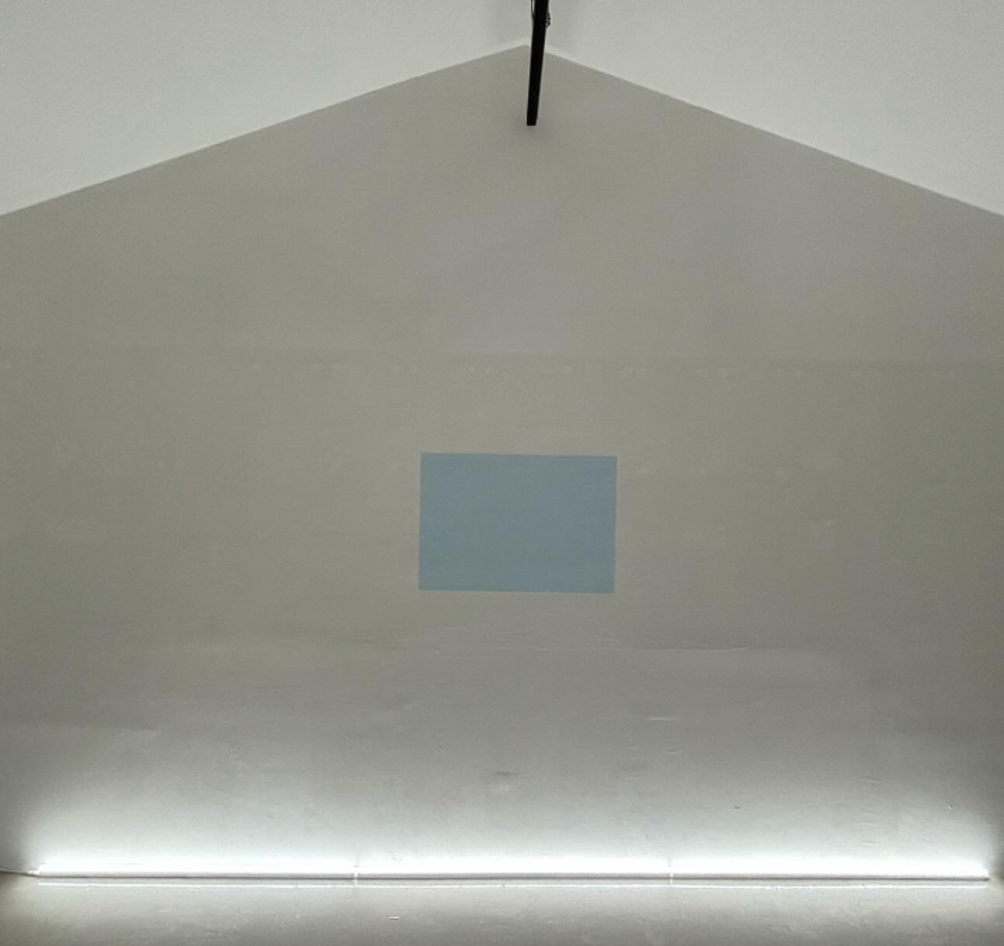
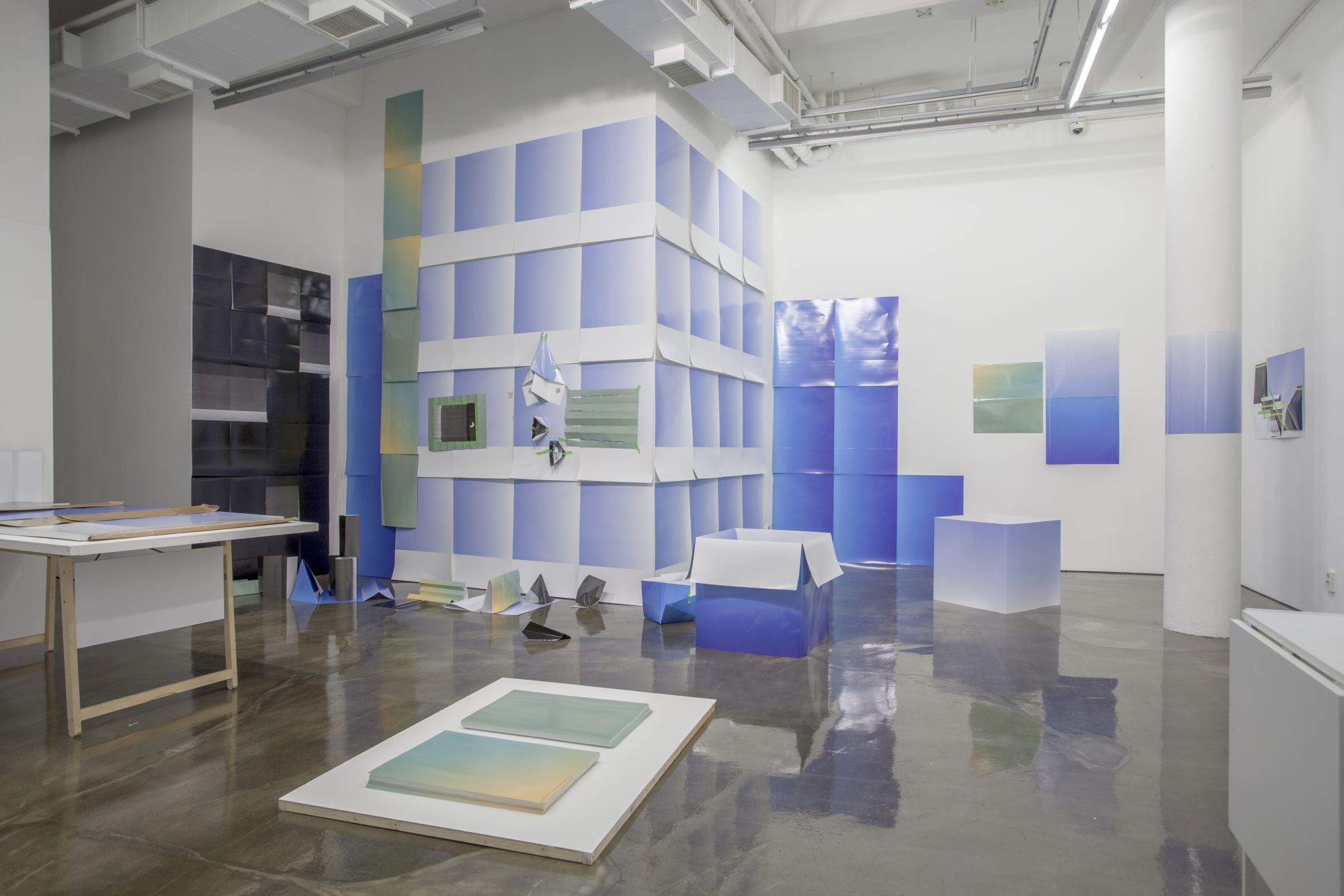
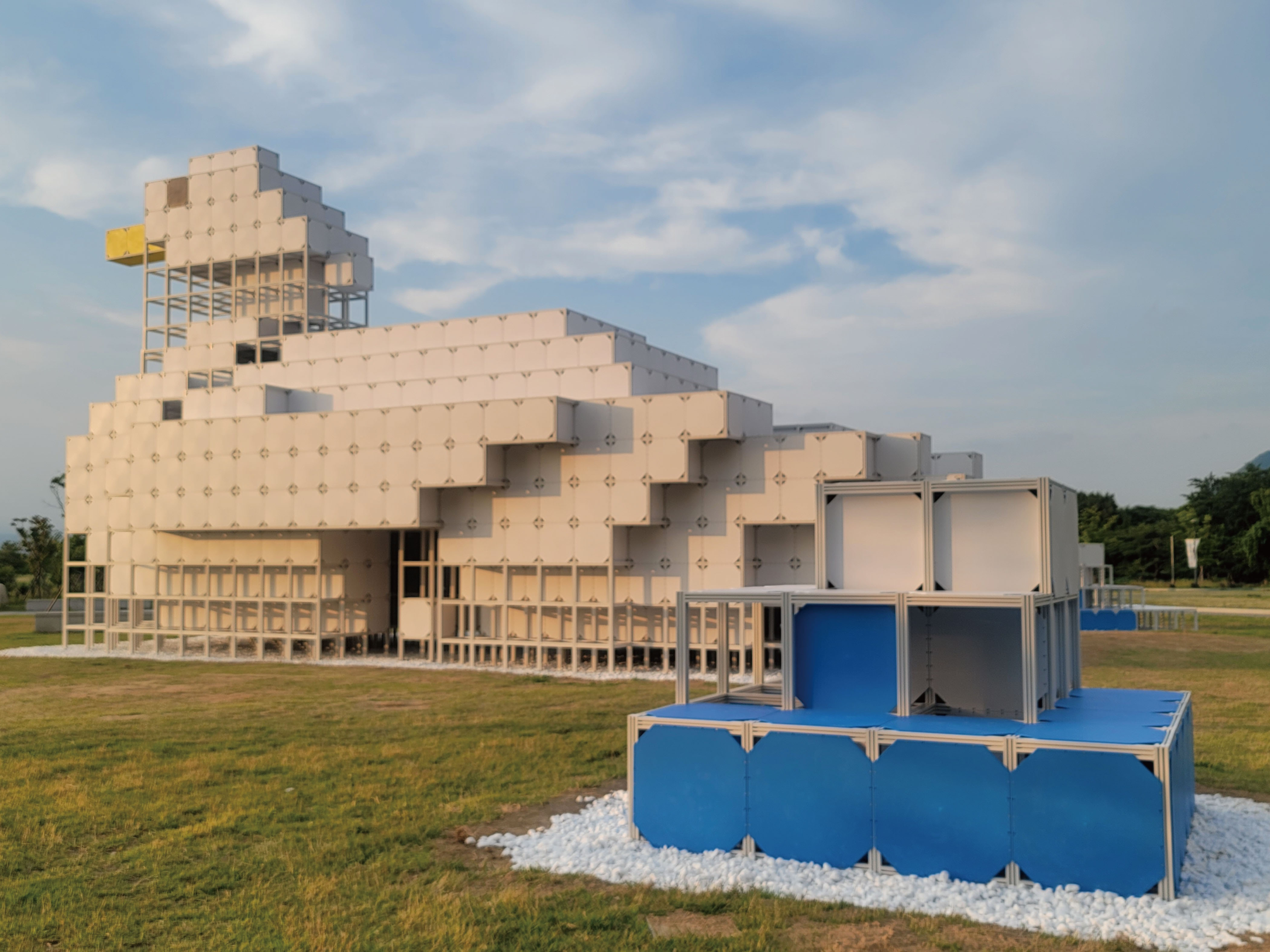
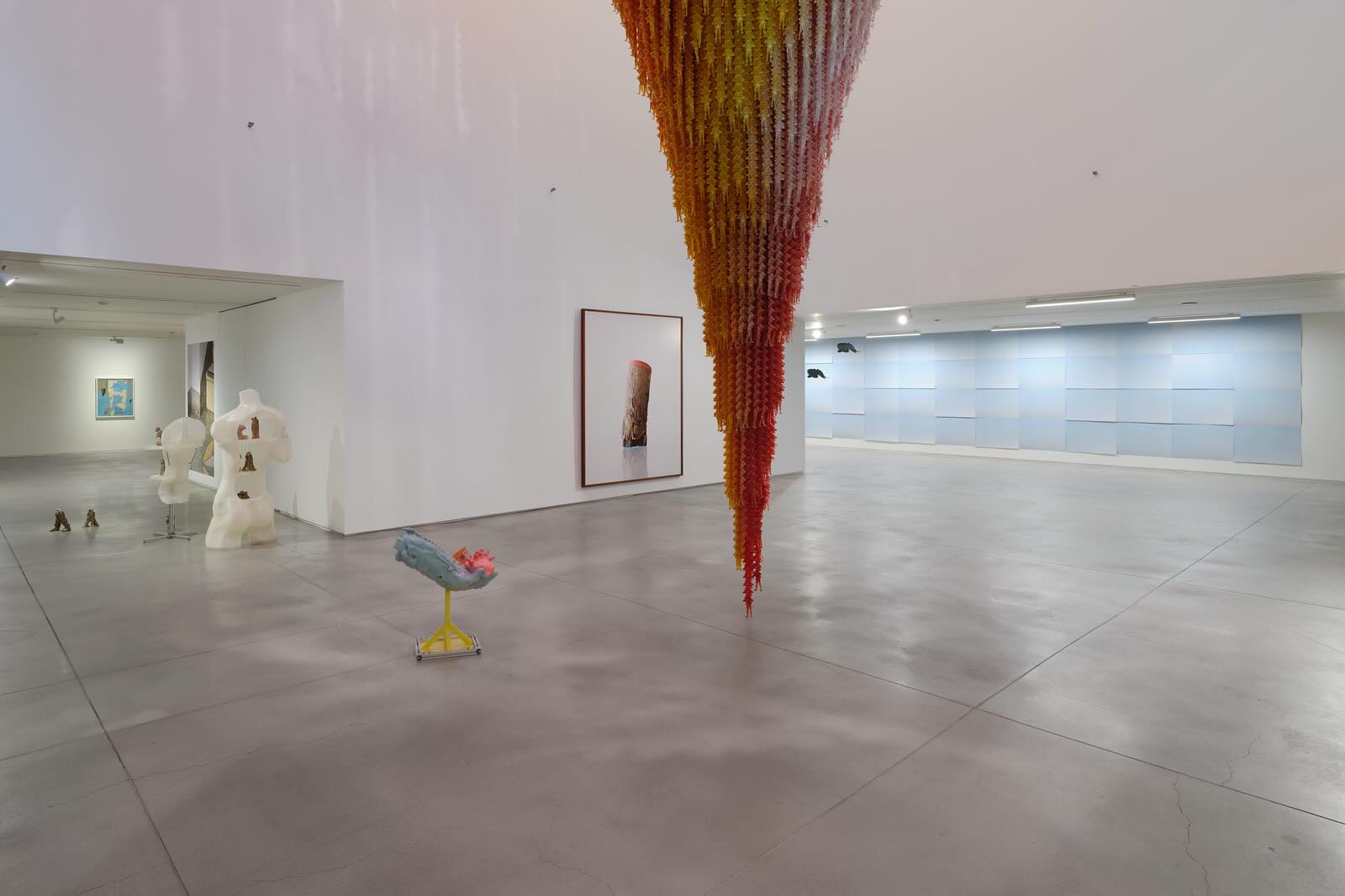
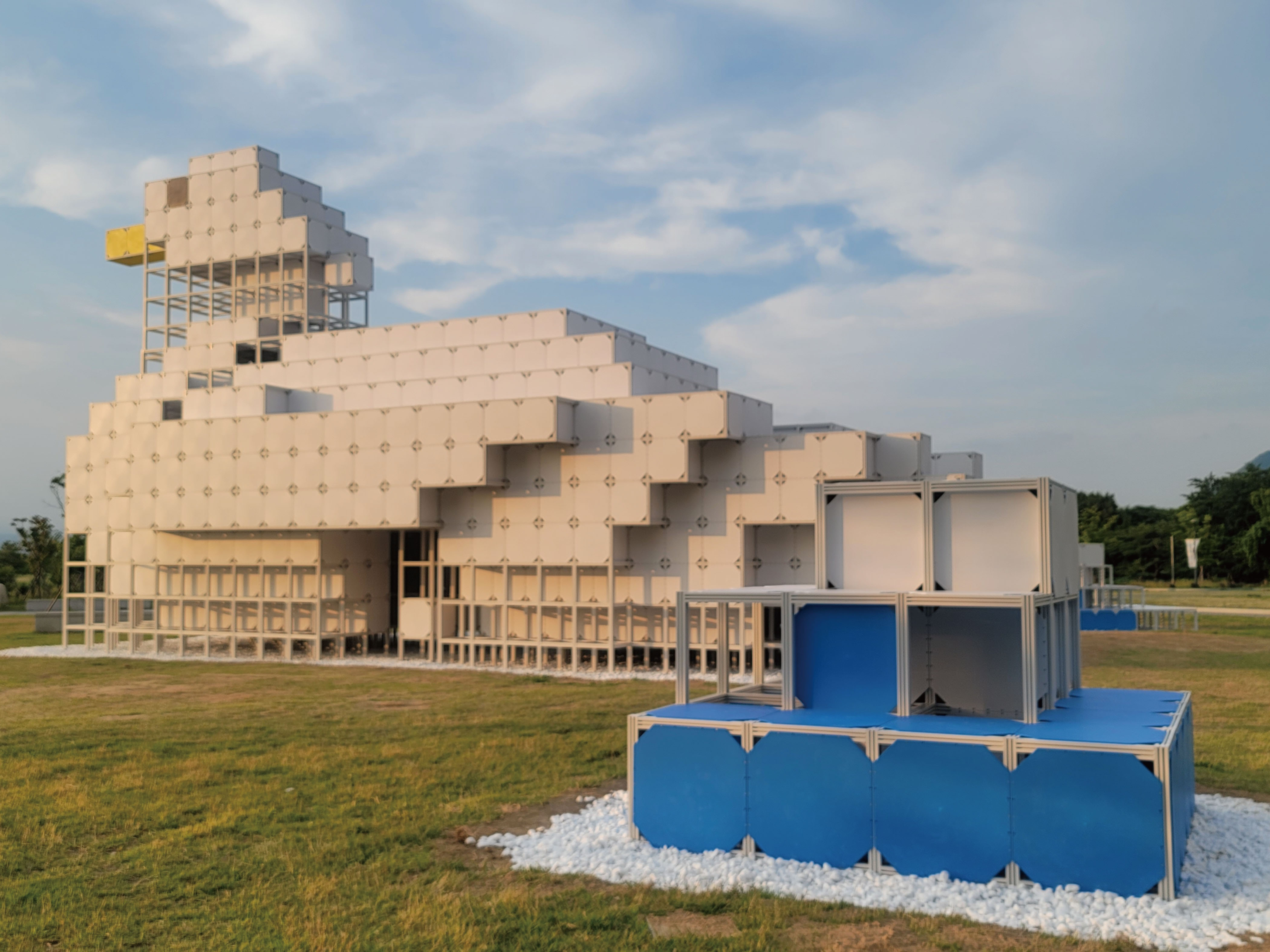
Since the 2020s, through works and
exhibitions such as Cookie(2020), The Structure of
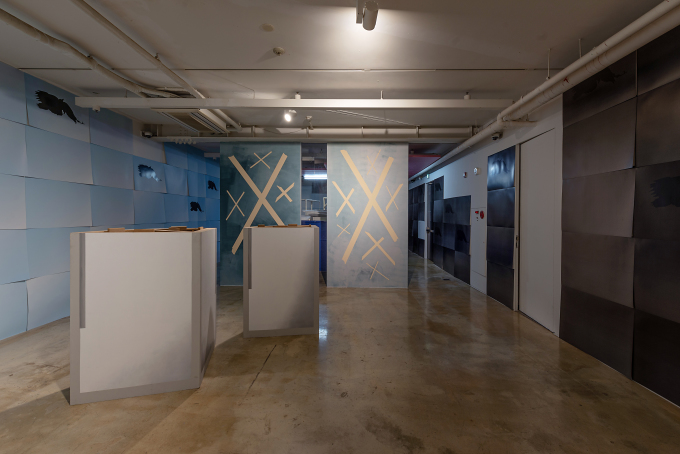
Sky(2016), 《RE: New-Bird-Jungle》(Museum of Contemporary Art Busan, Busan, 2022), and 《MoveMove》(Hall 1, Seoul, 2024), Kwak has
dealt with leftover materials, layers of the atmosphere, recycled plastic, and
acts of moving and rearranging, exploring how the constructed nature of life is
formed through relations between the material and immaterial.