Standing Up Objects from the Home
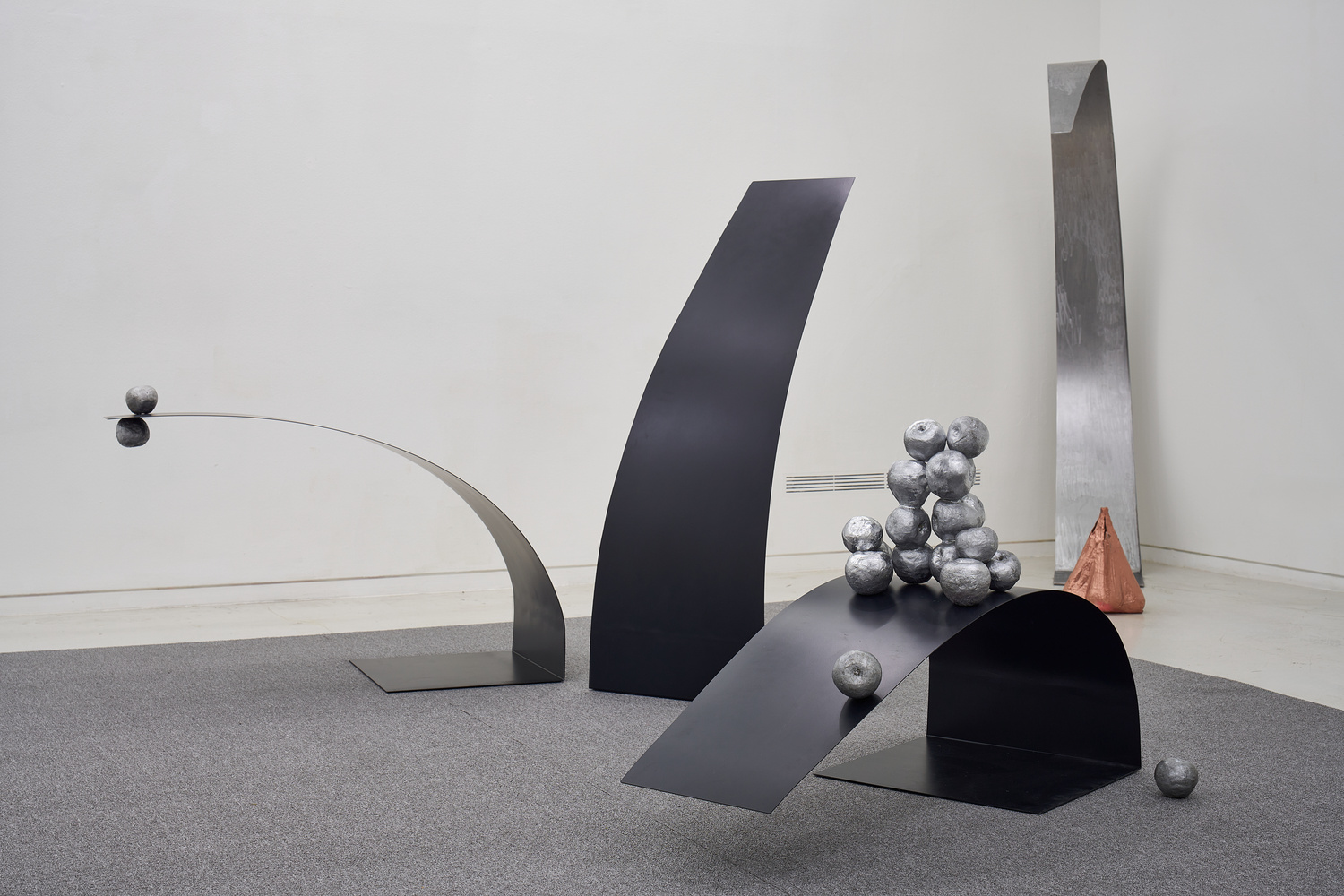
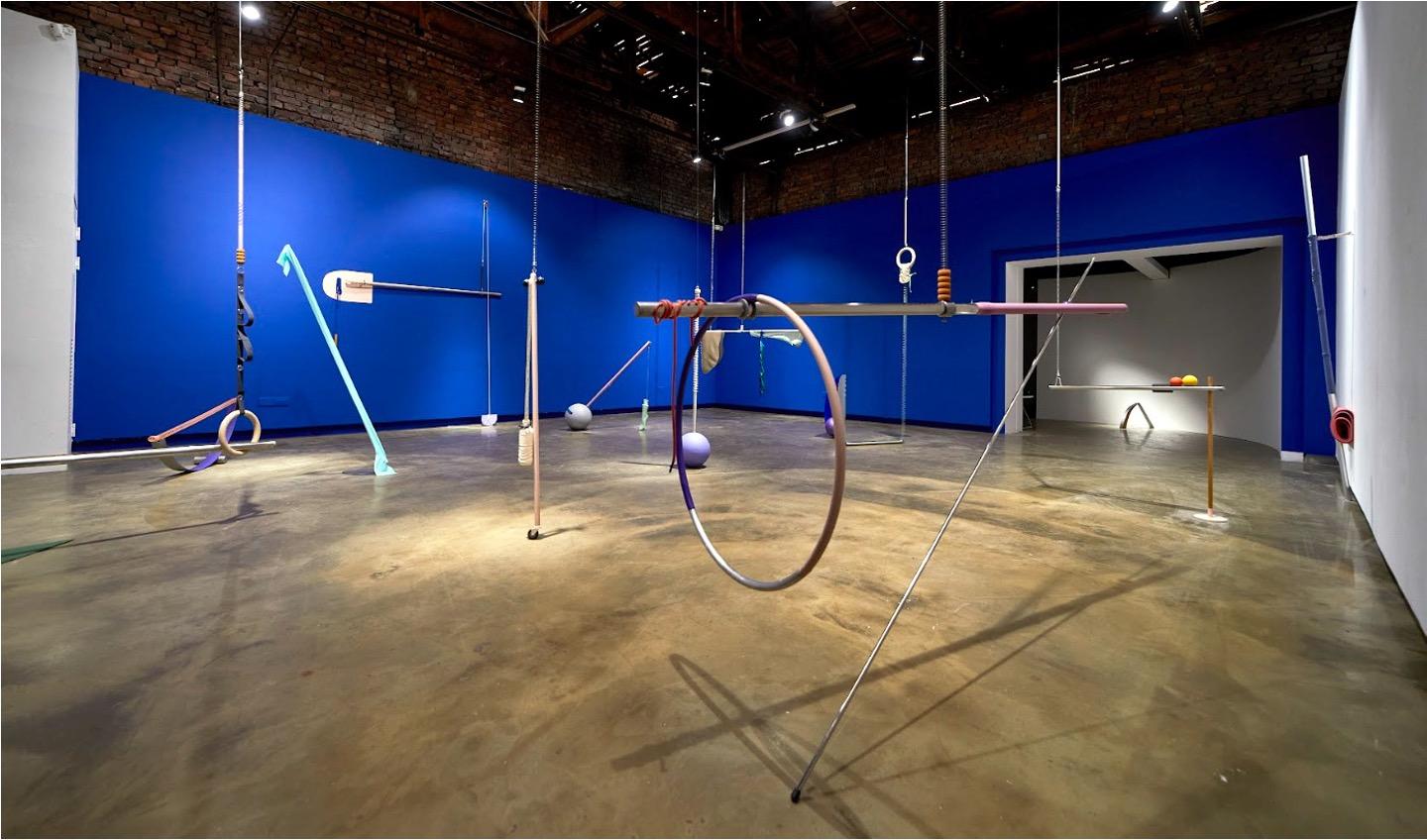
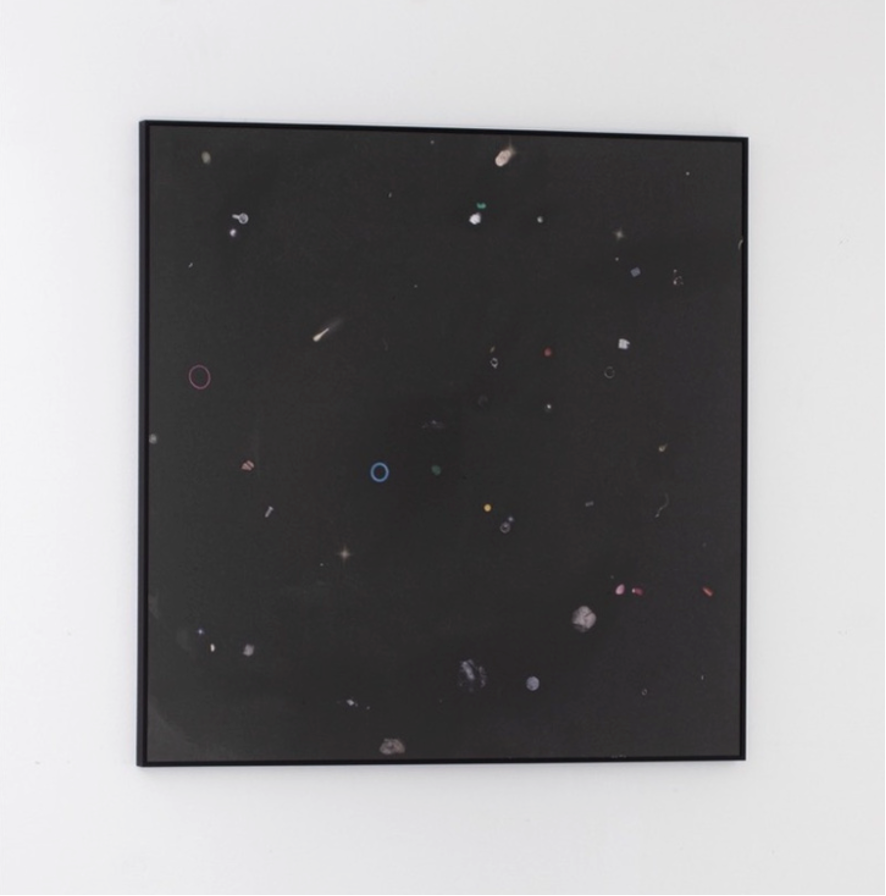
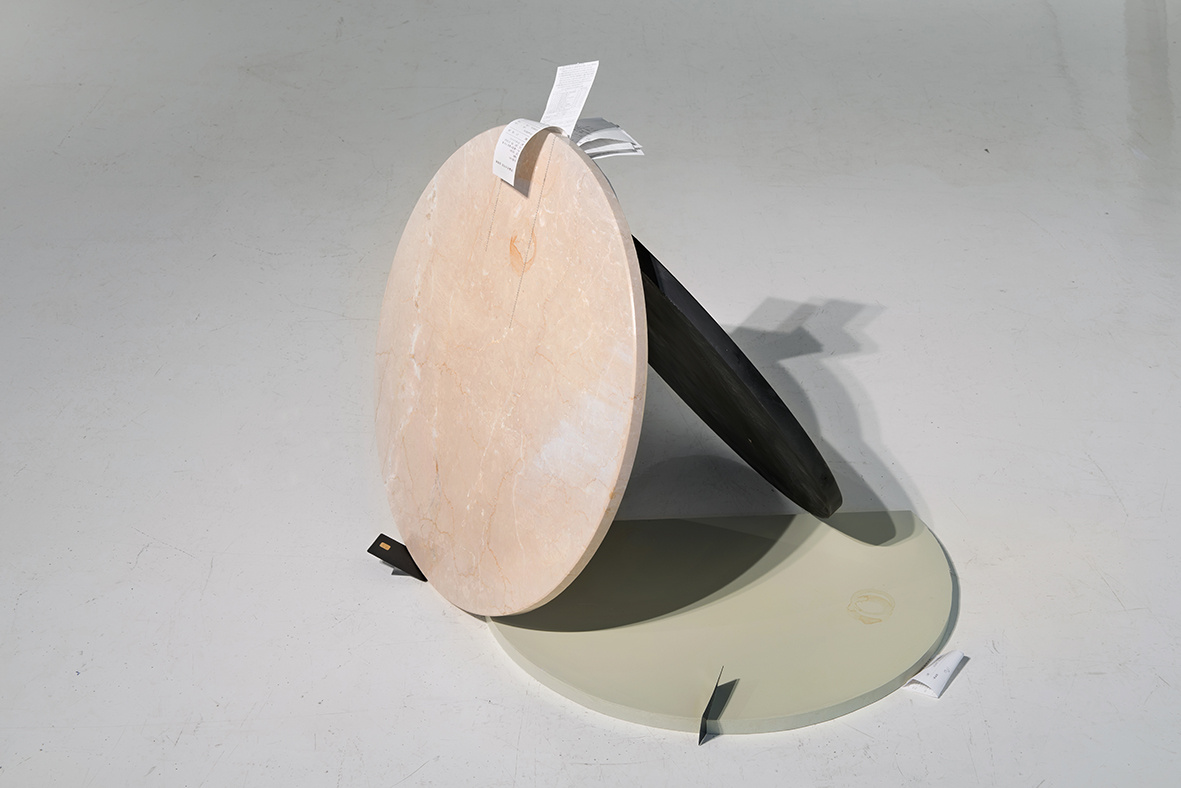
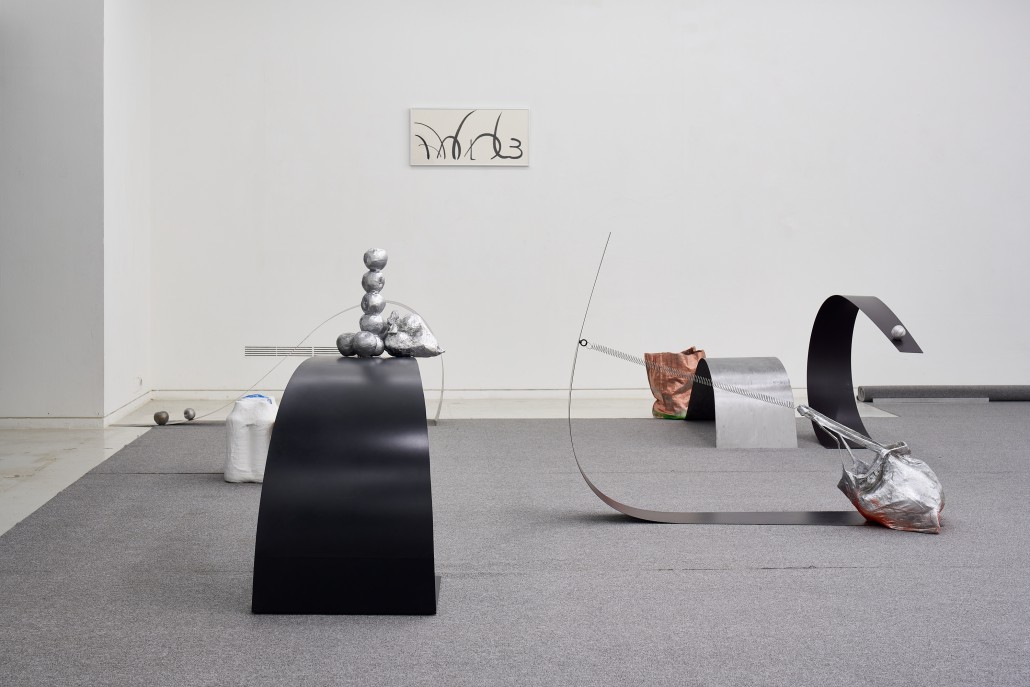
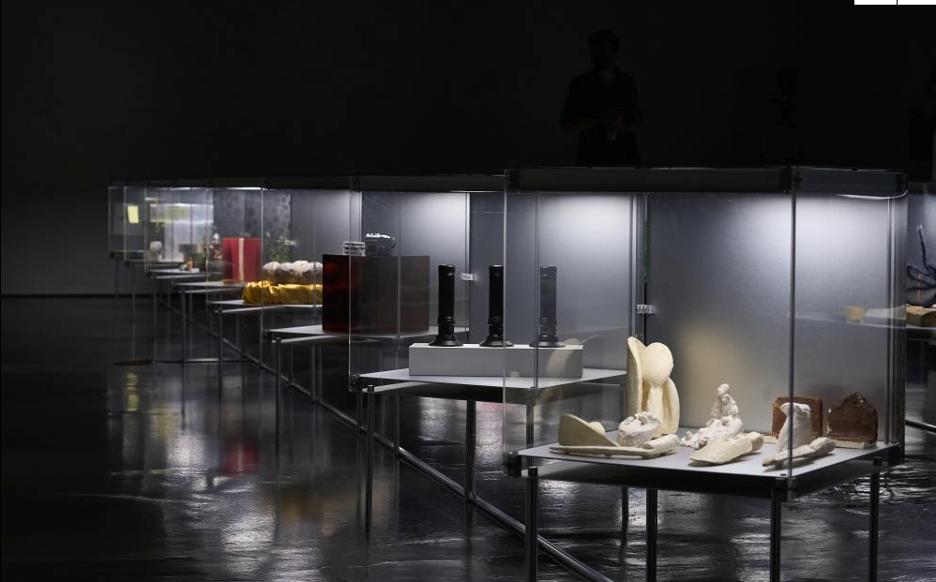
The fact that Jangyeun Jun shifted her medium from the flat surface, or painting, to “sculpture” around the time she entered her thirties was due to an accidental event. The 2011 exhibition 《Things That Stopped》, which became a major turning point in Jun’s practice, consisted of round objects such as coins, plastic hairbands, bottle caps, incandescent light bulbs, and lenses, each ground down on one side and lined up standing upright.
By giving supports to objects that would otherwise roll and fall, thereby modifying their forms and bringing them into the exhibition space “like” sculpture, as sculpture, Jun recalled that she felt “a considerable sense of joy when small objects that are easy to kick with one’s feet stood up and attracted attention.”
Through a conceptual-art or avant-garde practice of discovering formal similarities and commonalities in objects whose only purpose had been everyday use, grouping them into one category, and granting them an appropriate status, Jun once again dismantled the binary between everyday life and art, functional things and aesthetic objects. To think and sense the “proper” status of ordinariness belonging to those round objects/things, which were likely objects from the artist’s own home.
Those things are round, they roll around, and they are “kicked by the foot”—in other words, they merely get in the way. They are not valuable as commodities, fragile as objects, or precious as monuments. They are things swept into corners, underneath, gaps, and spaces between, and forgotten like dust. They are “low” objects that are bought, forgotten, bought again, and then, when searched for, appear in several at once.
They occupy the bottom within the hierarchy of household objects. The specificity of Jun’s attention and discovery, intervention and transformation, lies in the fact that the things and objects she finds are more trivial, more meaningless, and lower down. Discovering the everyday and bringing it into the museum, changing roles and functions, or making things unfamiliar are common and frequently used techniques in contemporary art.
Within the aesthetic appropriation and transformation of everyday objects that take responsibility for the survival of “art” and its life afterward, Jun’s things and objects are more peripheral and more invisible. Even if they are placed under the exhibition lights cast upon particular objects, this is also why Jun’s lowly objects are difficult to read or communicate well, accurately, and largely.
Trivial objects and trivial transgressions, and therefore the experiment that caused “considerable” joy, are unlikely to draw others’ gaze or interest immediately. For that very reason, they can persist for a long time. They are a persistent experiment in existence, thought, and attitude that can remain alive like an afterimage or an echo among viewers who come and go, look and forget.
Just as Duchamp found his urinal in a store that sold bathroom fixtures, women and feminist artists found their alternative, transgressive objects, hypotheses, and devices inside the home.
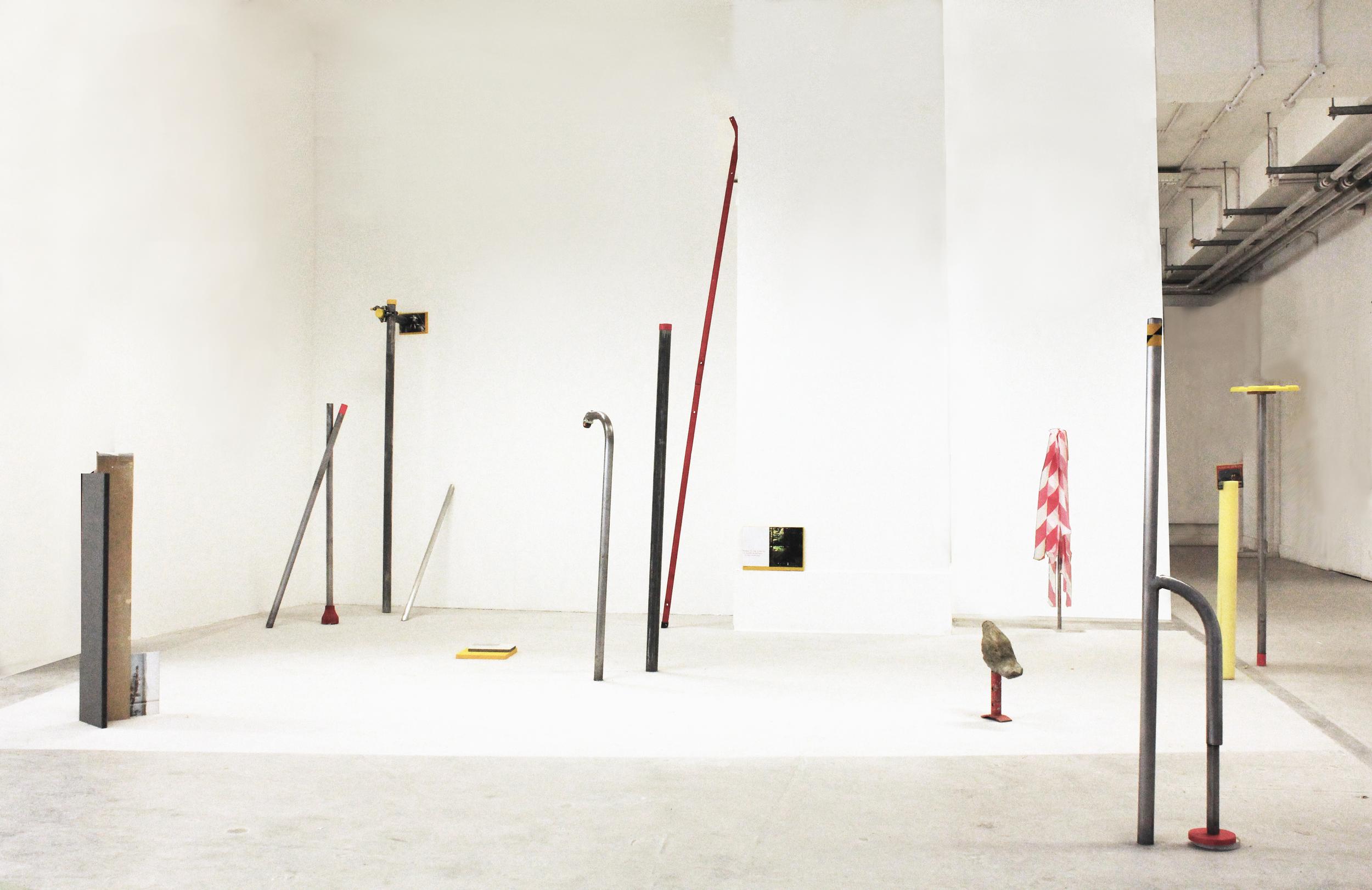
The sculptural transformation of the lowly objects that Jun brought out from her home, as aesthetic metaphors for Jun’s self, takes place between feminist practice as a political address to art and the idea of normative sculpture as the material bearer of abstract form. It occurs through an attitude of maintaining balance, of not leaning too far to either side.
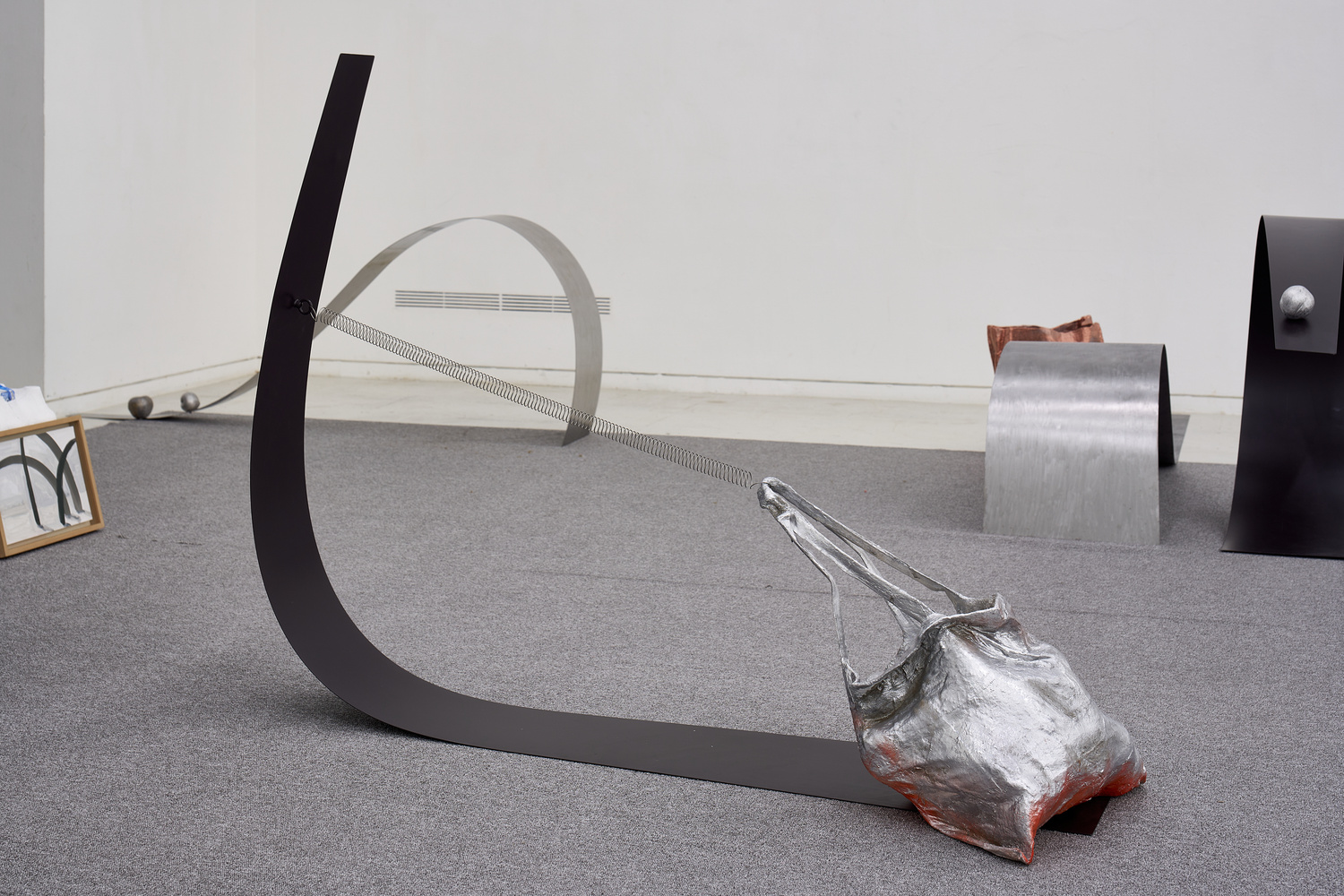
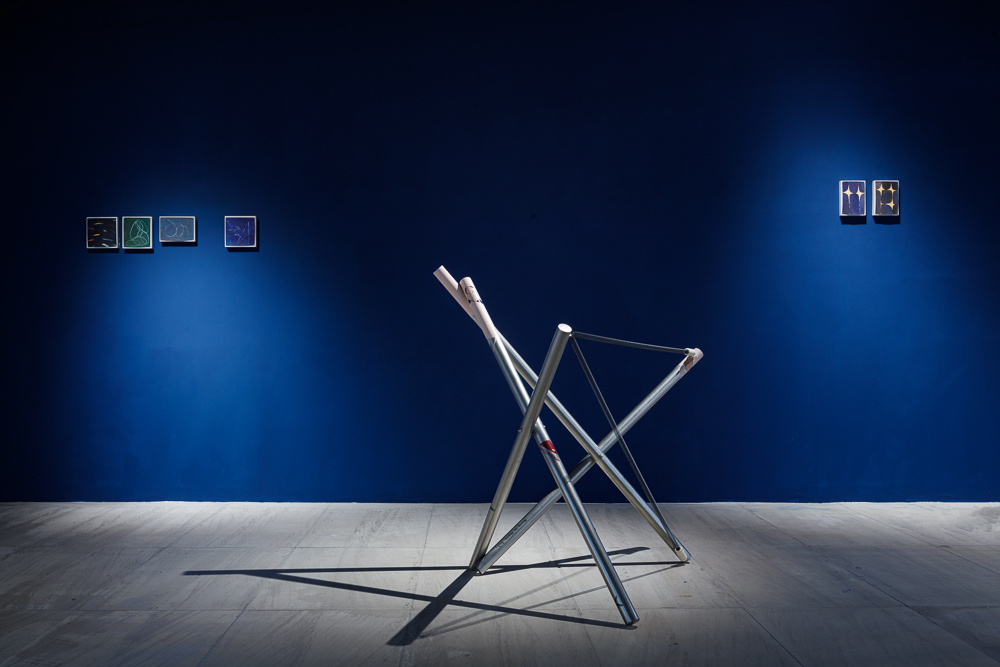
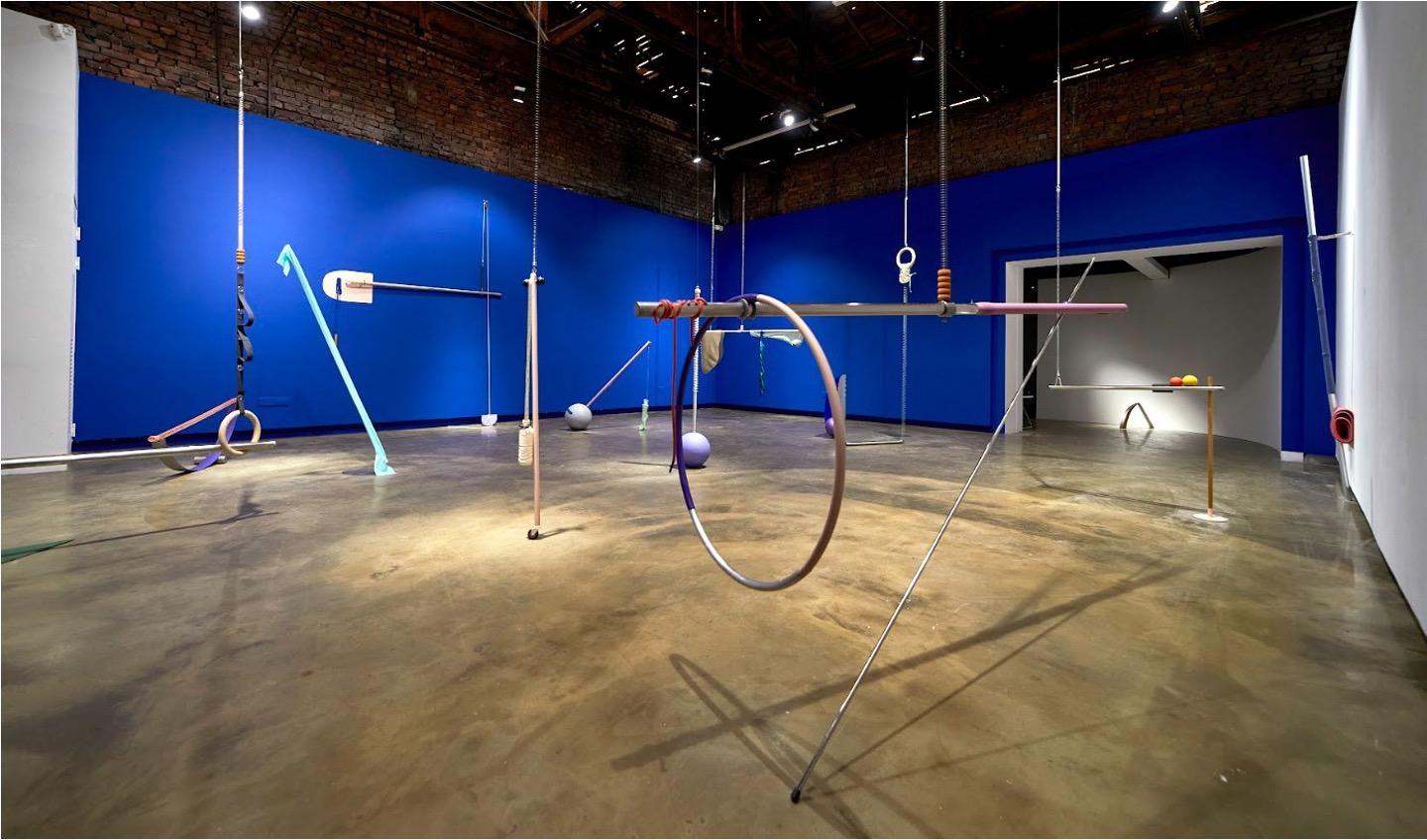
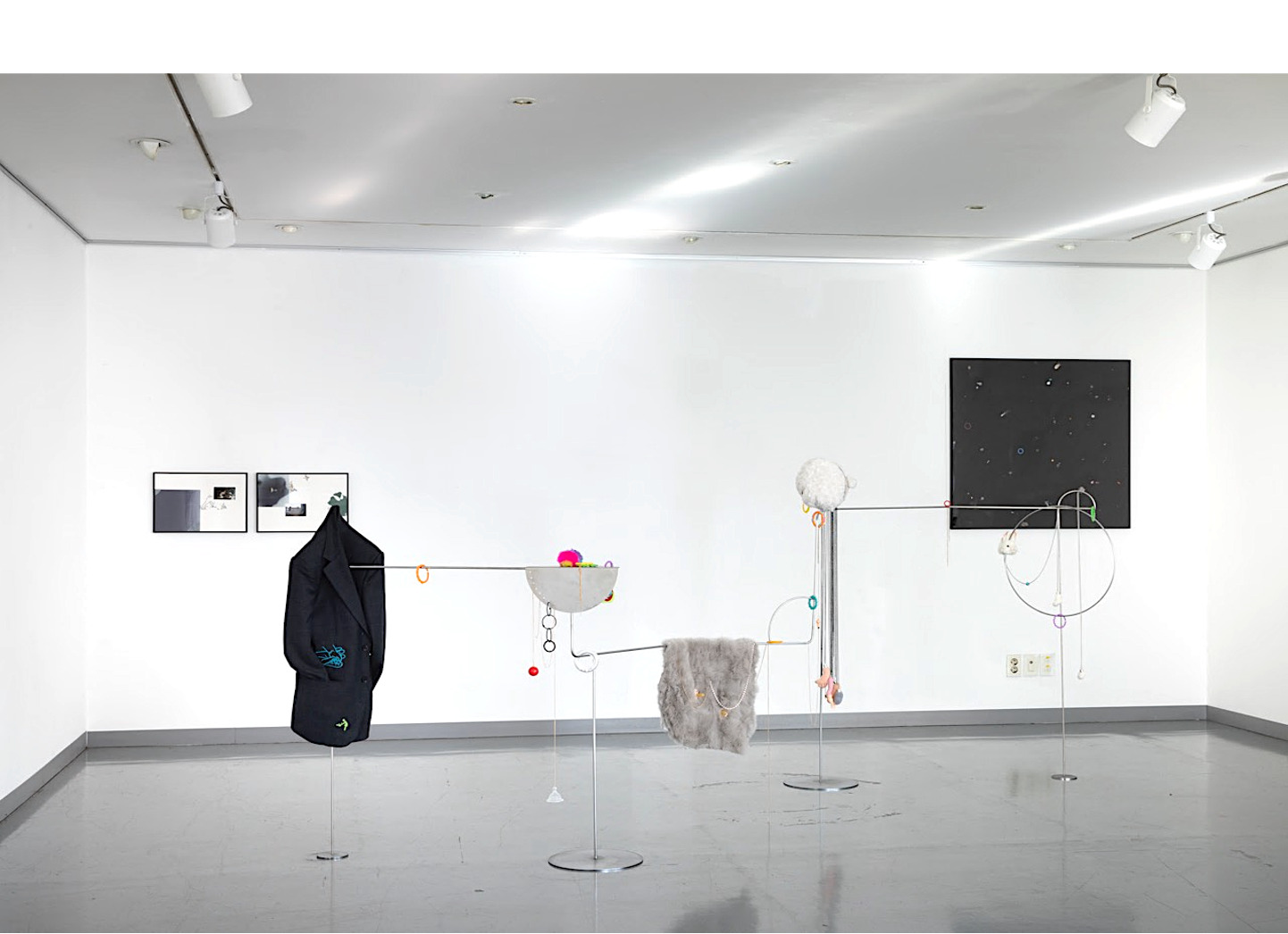
Jun has written that she wants to focus more on “showing a state that has barely found balance, or a state of leaning while sharing force, a sensation of being unable to stand fully on one’s own.” Her sentence that “being leaned against, easy to fall, or standing with effort feels closer and more honest to the unsafe and incomplete state of life” condenses a mode of survival for vulnerable organisms translated into the sculptural transformation of objects that cannot stand properly or well.
It distances itself from the ideals of modern liberalism, such as independence, freedom, and autonomy, which have also influenced artistic individualism. The value of shining light on “small objects that are easy to kick with one’s feet” because they roll on the floor or have fallen over, slightly removed from strong beings that become visible and receive attention as soon as they appear, becomes possible only when one already understands long-lasting, thin-and-long lives, or the metaphors and styles of such lives.
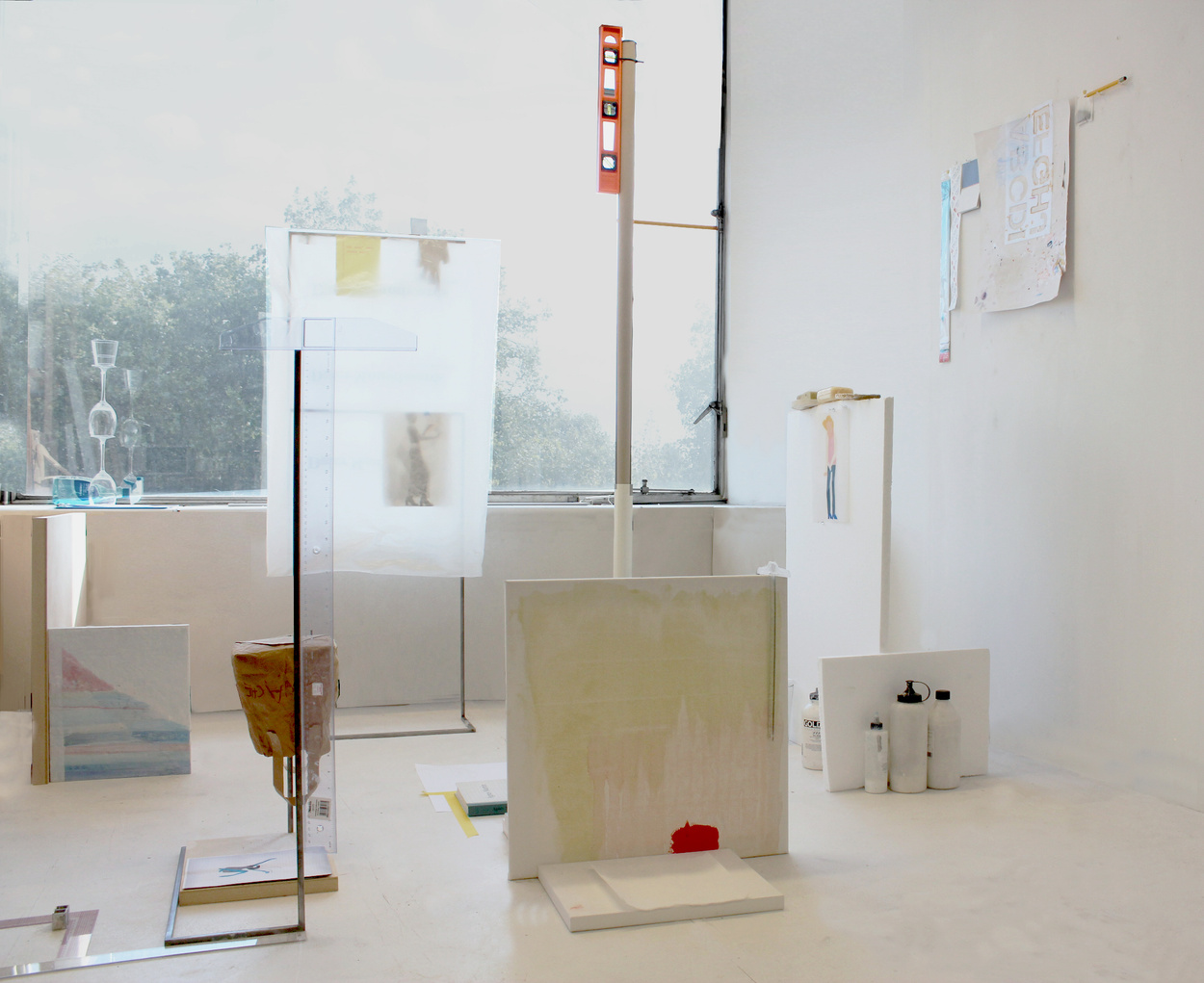
I discovered that the sentences Jun submitted for the writing class she conducted for resident artists at Art Plug this time prove her ability as a writer and essayist. Jun’s essays are writing in which one must linger longer between the lines and in the margins. Just as Jun brought her objects—things made more meaningless, yet formally valuable—from the home into the museum and made us attend to them, so too are Jun’s sentences.
The Aesthetic Transformation of Everyday Life Here and Now
This residency at Incheon Art Plug is connected to changes in Jun’s life as a homemaker, now that her daughter Taerin has grown enough to attend daycare and Jun has been able to gain relative breathing room from childcare.
At Art Plug, which takes an hour to reach by car from home, Jun wrote that although the sketches—images and forms—she scribbled in the independent space were intended for the abstract formal qualities that would appear in the exhibition, she witnessed herself recalling and repeating Taerin’s drawings and shapes: Taerin’s circles, stars, and rainbows, for example.
Lightweight and trivial objects and things that are “kicked by the foot” anywhere had already taken the chair meant for work before her, like “the corner of a star that ignorantly pierces this quiet time while the child is sleeping,” and they had also taken over the studio at Art Plug.
Acknowledging Taerin’s things, images, and shapes that could not be driven away or forgotten, and that had taken possession of her body and unconscious like echoes or ghosts, Jun acknowledges and confesses that the desire for “the decoration the child likes most,” for “shiny, lovely, cute things” such as “hearts, stars, and rainbows,” is also her own desire as an artist, and that art as “decoration,” which is often unnecessary rather than essential, is in fact her own theory of art.
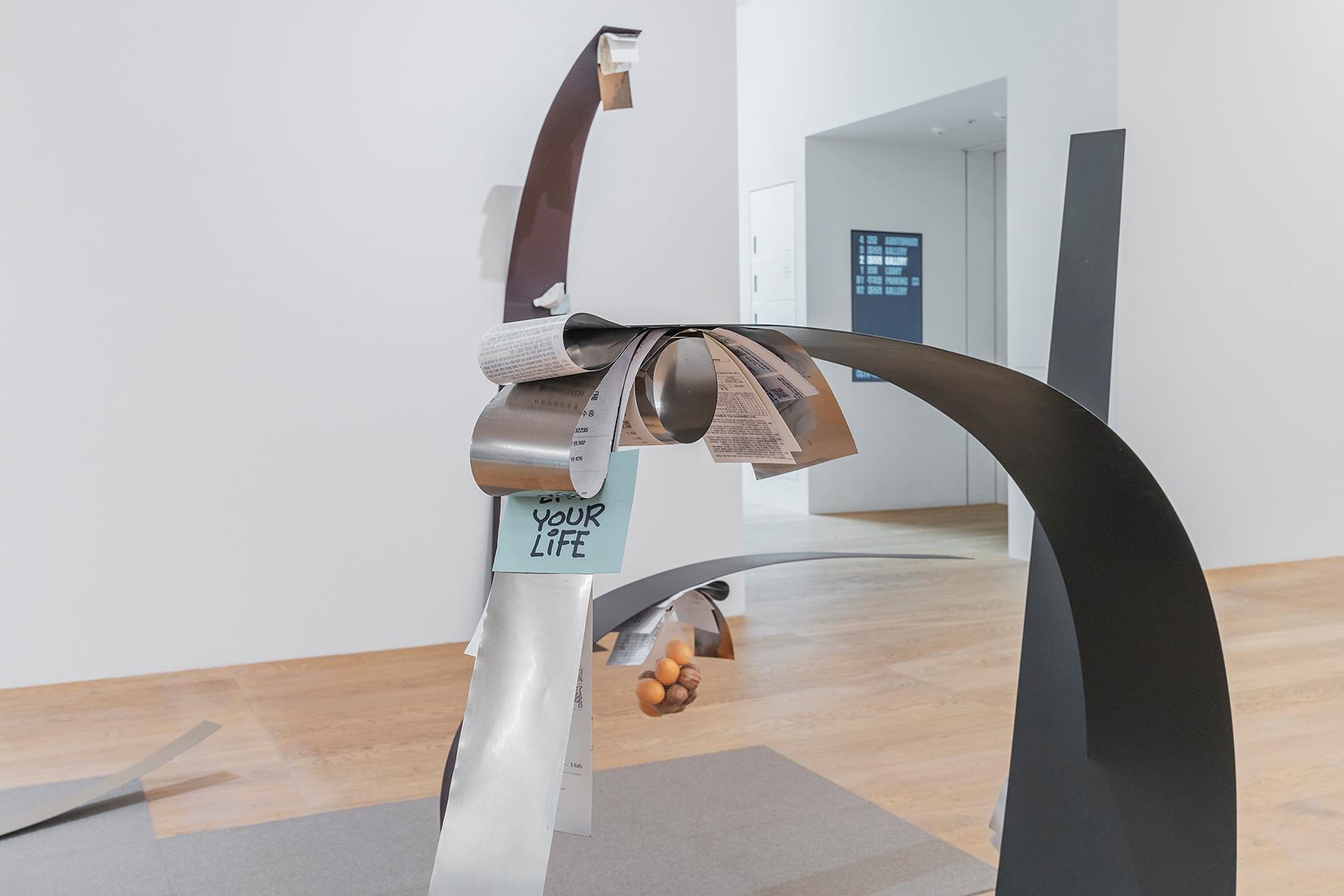
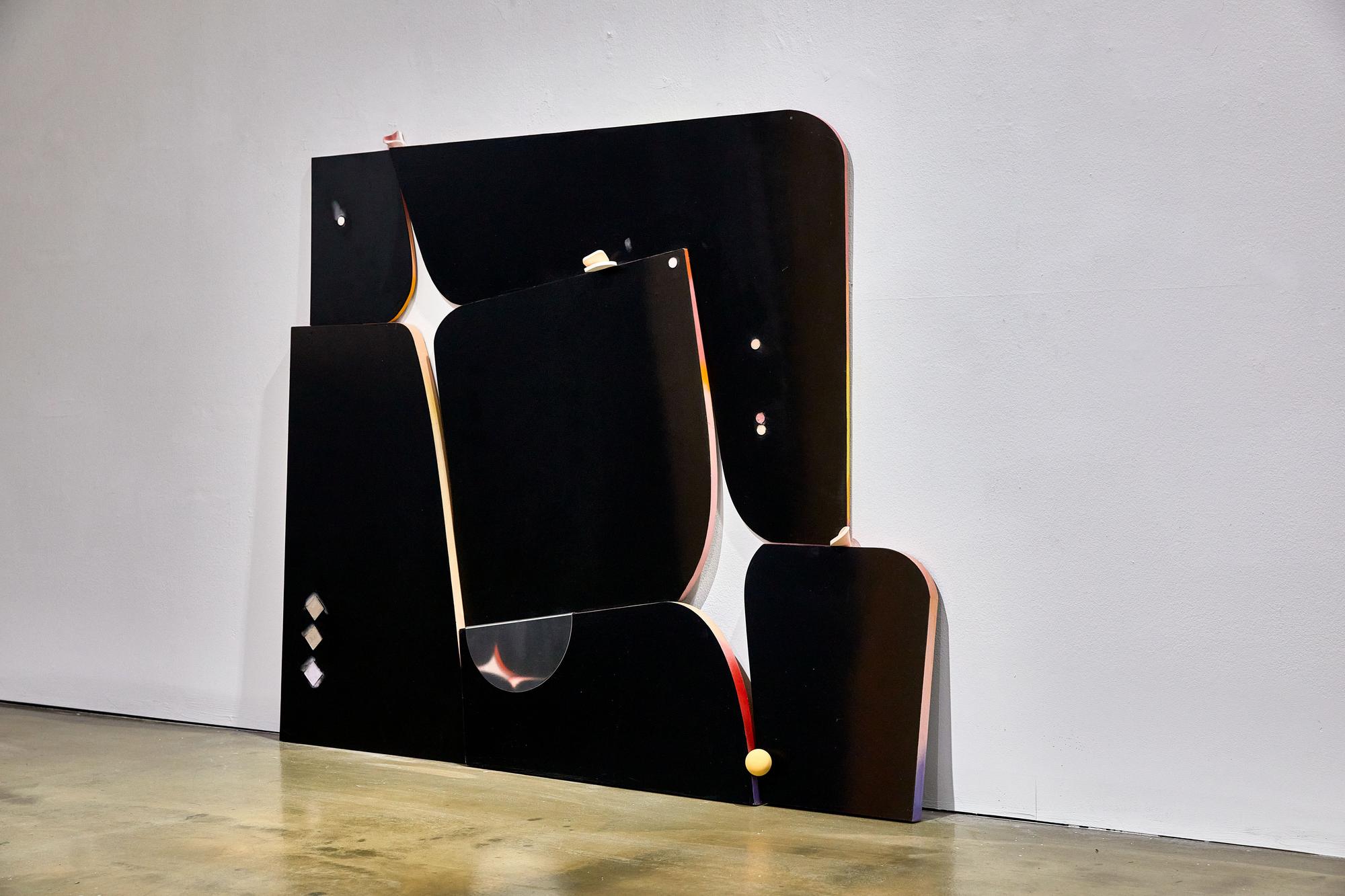
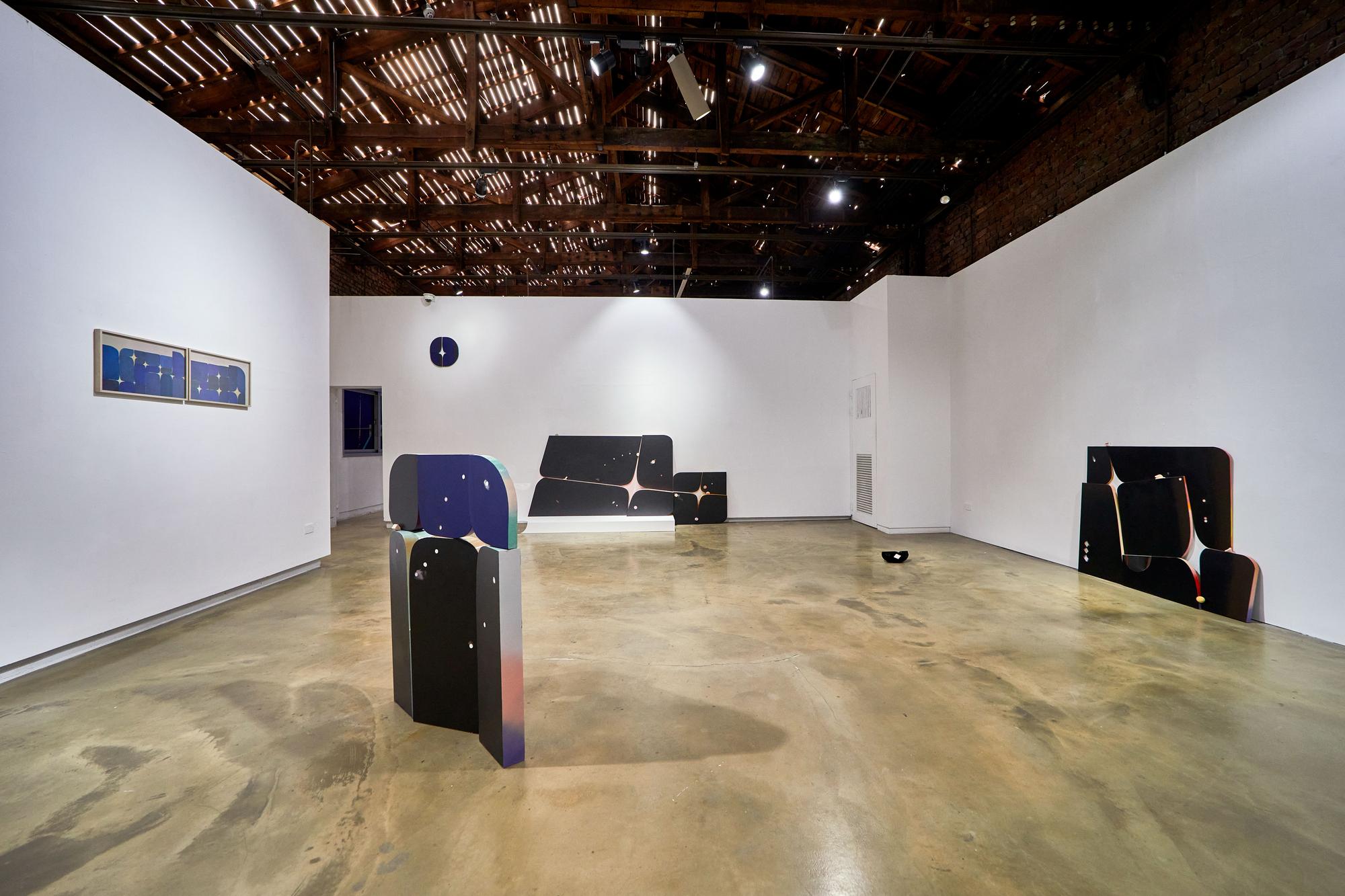
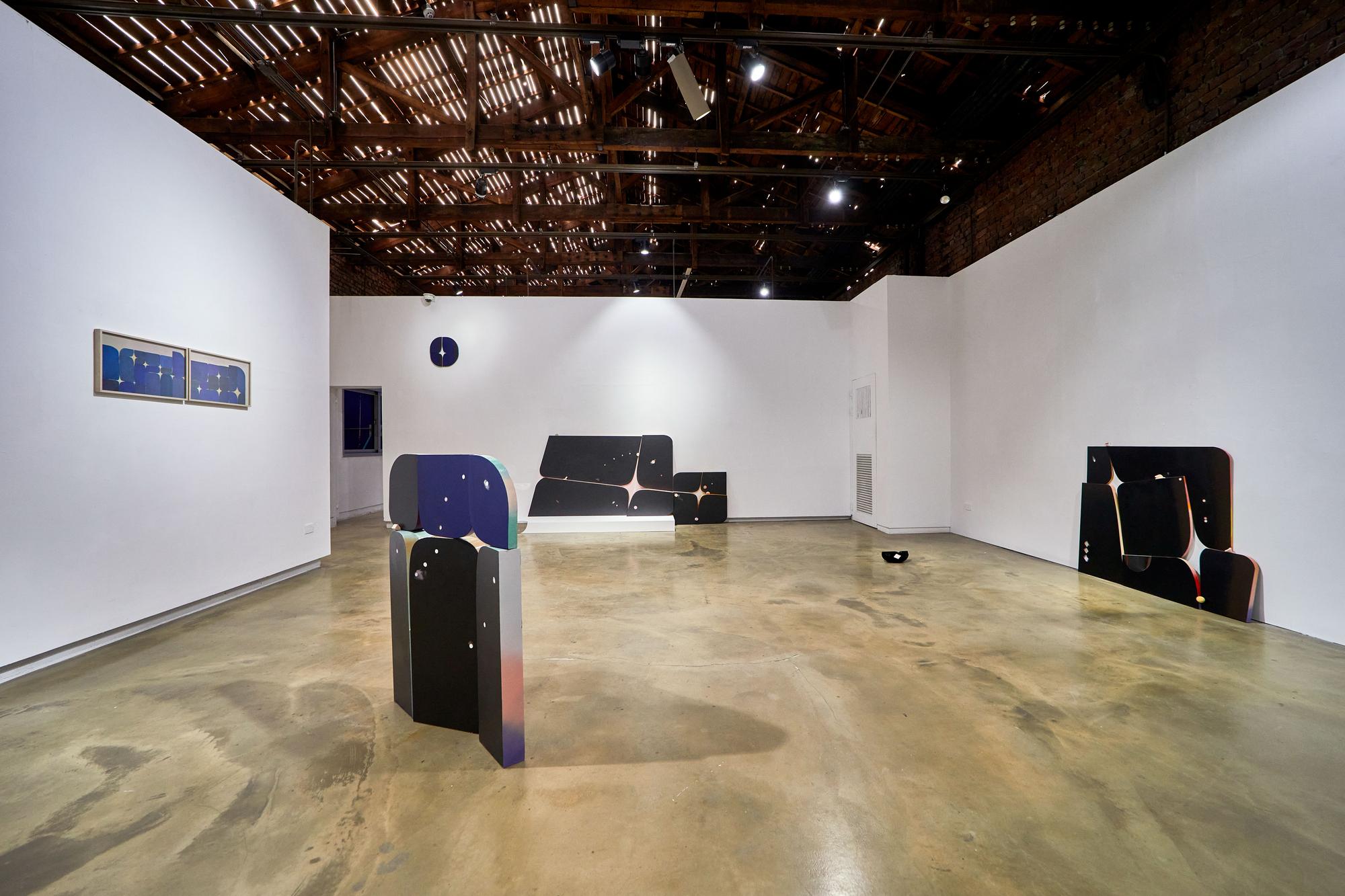
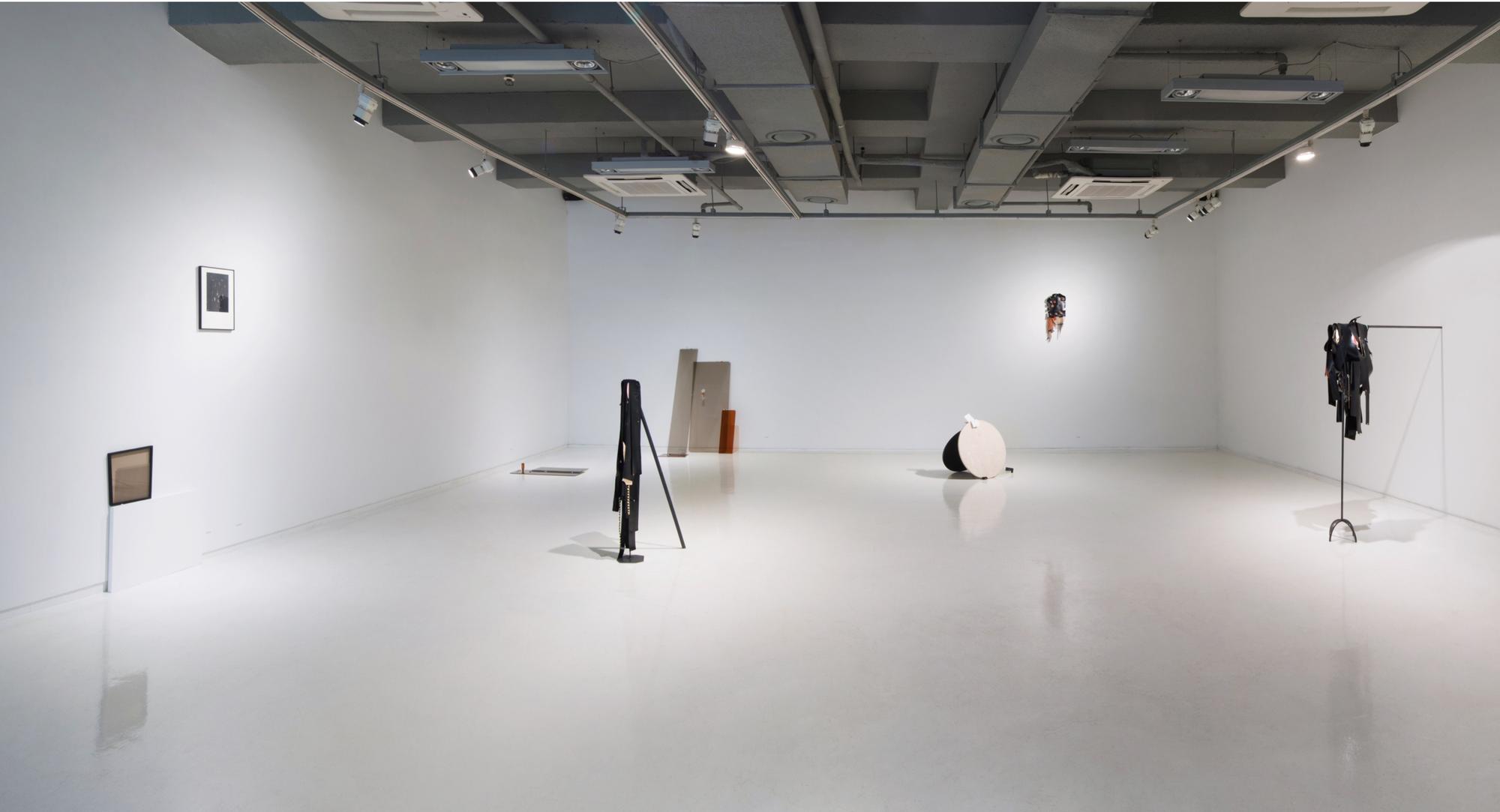
Among the four sculptures submitted to the residency results exhibition 《APY Residency Report: I Always Wish You Good Luck》, Low Rainbow formally transforms and constructs the everyday life and story of her daughter. The rainbow, a colorful visual apparition in the distance, is hidden between hard, cold steel plates made through a custom production process.
To see the rainbow indicated by the title, one must approach the sculptural object, bend at the waist or squat down, and assume Taerin’s posture. Several steel plates are slightly opened, and between them are mint candies and coins, which are also things and objects. Between the objects—unclear whether they were used as means to open the steel plates or whether they are “the very thing” meant to be seen between the opened plates, unclear whether they are means or ends—rainbow colors become visible.
Contemplation, which is nothing other than the adult mode of viewing, becomes impossible because one must assume the curiosity or posture of a child who attends to corners and insignificant things. The rainbow, which we usually look up at, is hidden in the sculptural form at the lower corner.
Candies and coins, surely moved from Jun’s home or Jun’s bag, things that have fallen into gaps or disappeared, begin stories inscribed in each person’s memory or body. Even decades later, I still miss and search for things such as hairpins, coins, and pencils that rolled into the floorboards of my late maternal grandmother’s house.
That house has already been demolished, but I am still the girl pressing her eye to the crack in my grandmother’s floorboards. Jun’s sculpture recalls, performs, and testifies to the structure of desire through which insignificant things roll away, disappear, become barely visible, suddenly become important, and, through time and loss, become absolute objects.
Without this small and trivial story, with Taerin as its protagonist and Jun conveying it on her behalf, and which is also the story of all of us, we would not be able to endure or overcome the present. And Taerin, who must endure or overcome the fact that her mother has moved away from her for the sake of her own desire, would have understood through this work that even if the eyes cannot see, the heart is seeing. A silent conversation, love, recognition, and waiting between an artist mother and “decorator” Taerin.
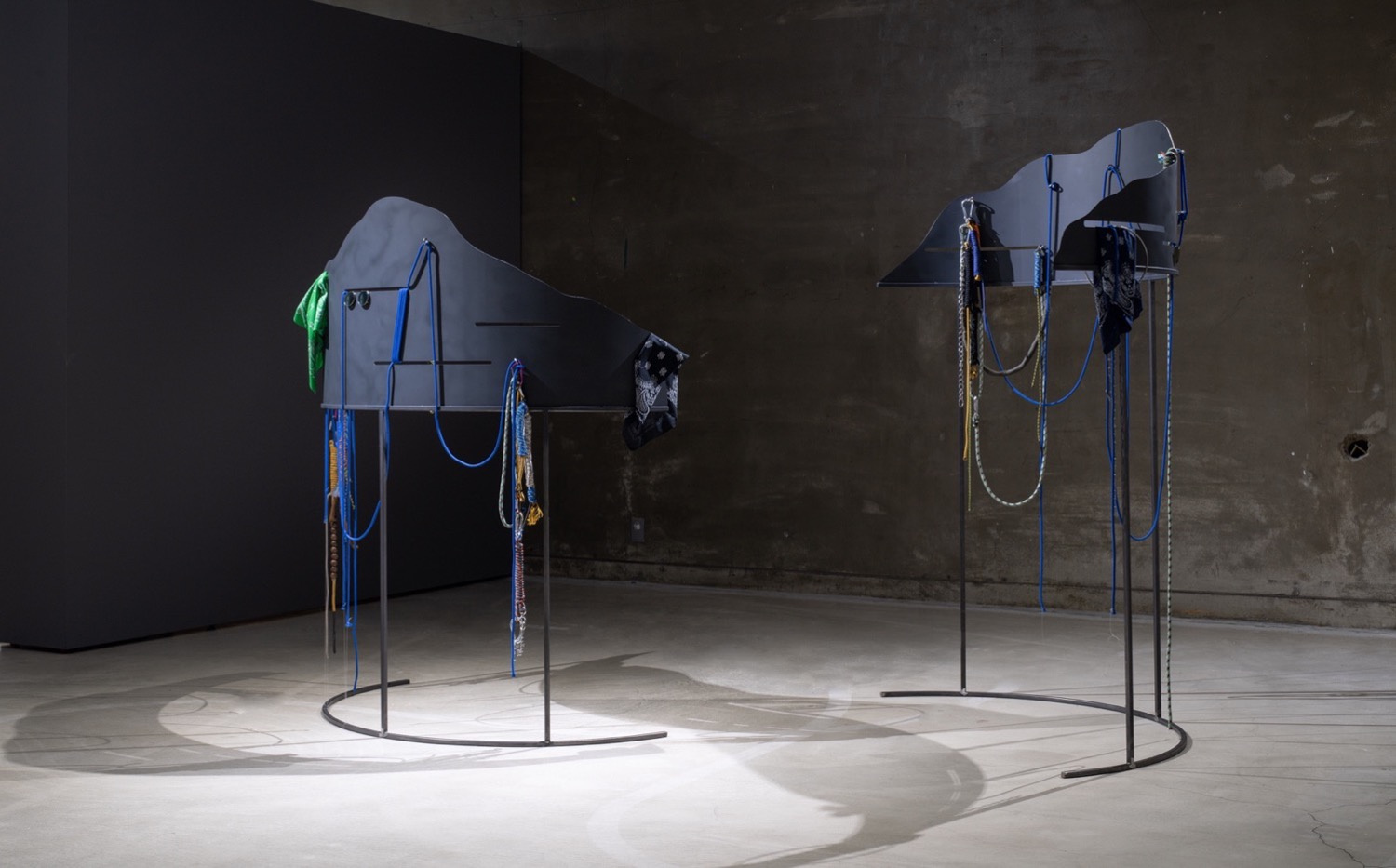
In the work that imitates and recalls the hand movements of mothers tying their daughters’ hair every morning, an analogy or resemblance works implicitly between the sculptor who makes and stands up her works like organisms, and the mother who raises and adorns her daughter. A sense of “equality” and bond between mother and daughter, both of whom make formal and decorative images or shapes, can be felt.
We know well that works made through the influence of one person or love for one person ultimately generate a “universal” response or sympathy. The triviality and everydayness of love will lead the aesthetic.
There is also the low and small sculpture Break Time, based on the story of her high school classmate Wooseok, in which a story operates within the specificity of abstract and formal sculpture, and cigarette butts and a rainbow tell their own small story inside hard, solid steel plates. Jun is now in the position of an artist in her forties, a mid-career or fully committed artist, and is also a mother and homemaker caring for a young daughter.
Wooseok, Jun’s high school classmate, is a head of household who supports his family by driving a village bus while harboring “a spirited ambition somewhere between theater person and filmmaker.” Wooseok, who has not given up “self-realization” or his own dream while raising a child, is a mirror image that Jun can recognize.
Taking as her materials a rainbow photograph that Wooseok posted in the group KakaoTalk chat of high school classmates, and a cigarette butt he must surely have smoked at that time, Jun made a sculpture that gives form to the balance between life and art for middle-aged artists, artists still searching in the dark.
The presence of red, orange, yellow, green, blue, indigo, and violet hidden inside this small sculpture, whose support is the wall, is barely shown through the cigarette butt. Imminent disappearance is a property of both the rainbow and the cigarette smoke, but the rainbow painted on the steel plate will not disappear in the same way, and the material force of the cigarette butt, which confronts or bears the cold, hard steel plate, will remain as a witness to the rainbow colors that the steel plate attempts to close off.
If those who cannot yet, for the time being, or perhaps forever, be full-time artists occupy one of the very forms and positions of “an unsafe and incomplete state of life,” as Jun intuitively recognizes, then we can better understand the contemporaneity and context of Jun’s work, which mixes her friend’s story with her own form and affirms the unstable life and dreams of artists.
With what she has received from Taerin and from her friend, Jun offers a bright, round, curved message to mothers raising daughters, to daughters, to unstable fellow artists, and therefore to us in relation and to us who dream: keep going, keep moving forward.