Paused landscapes
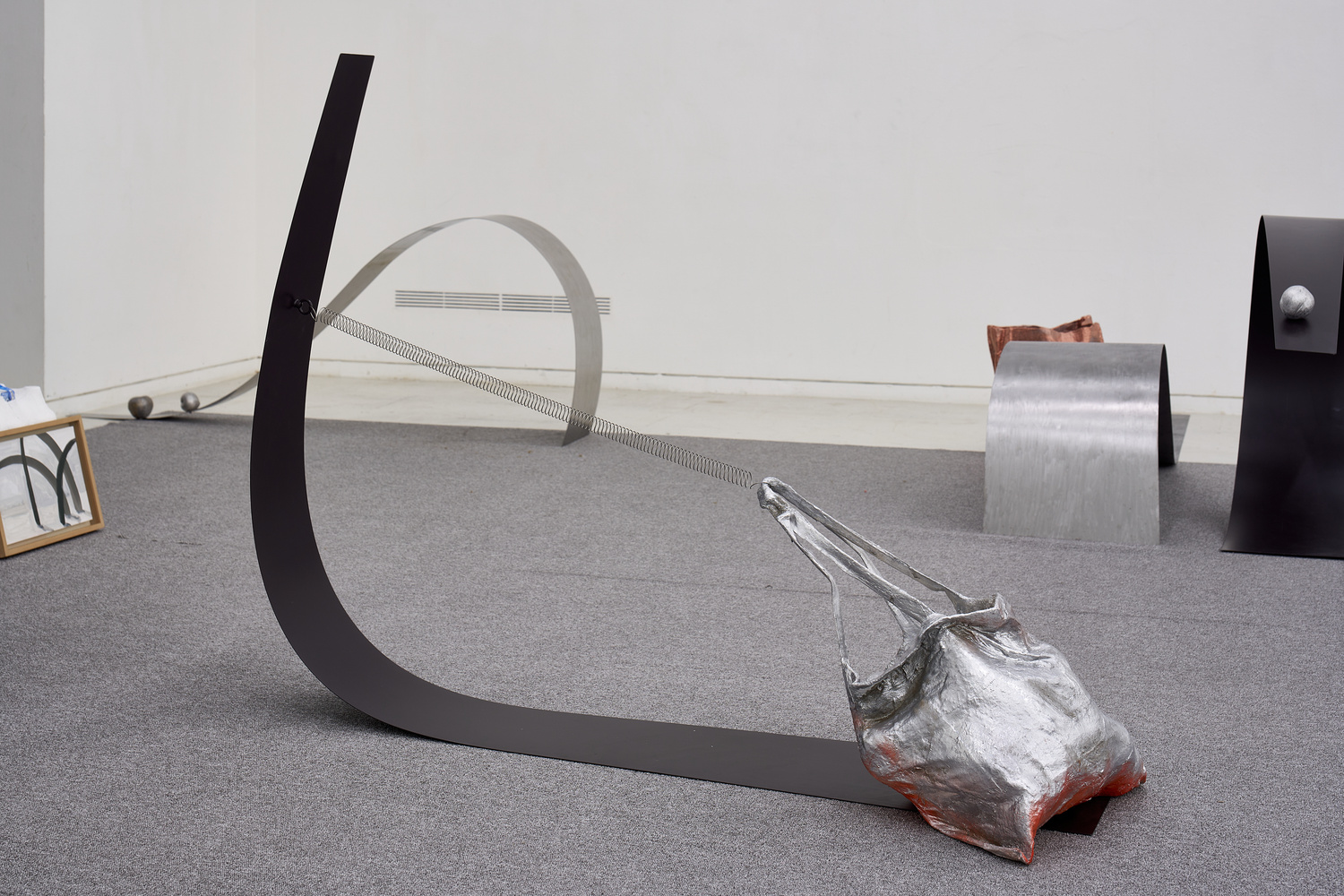
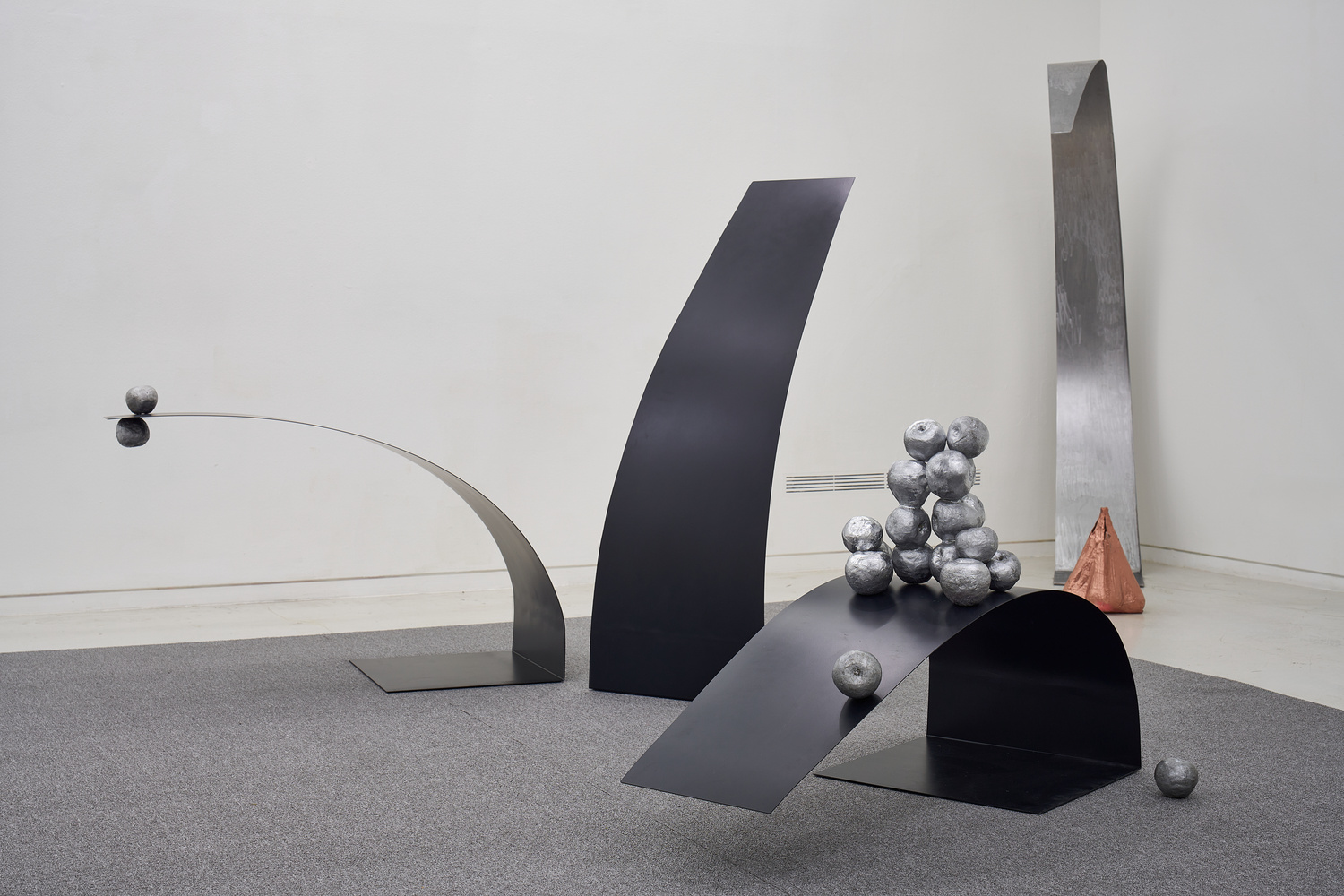
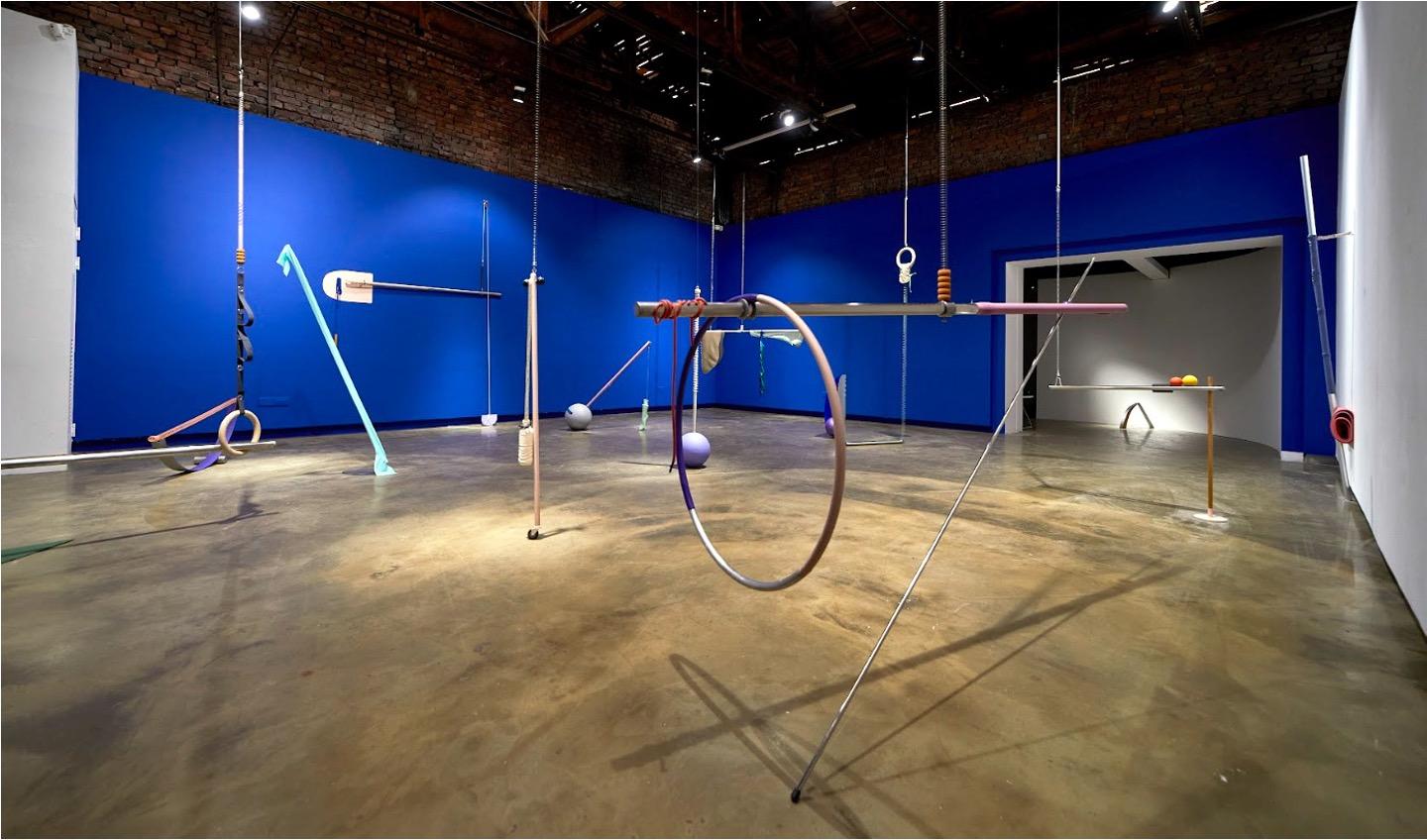
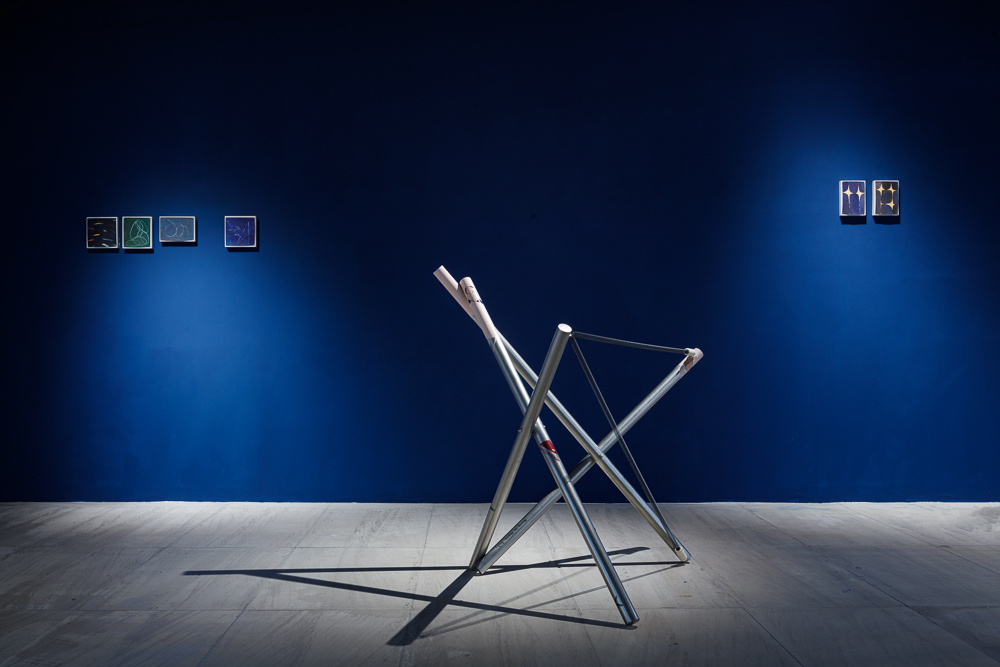
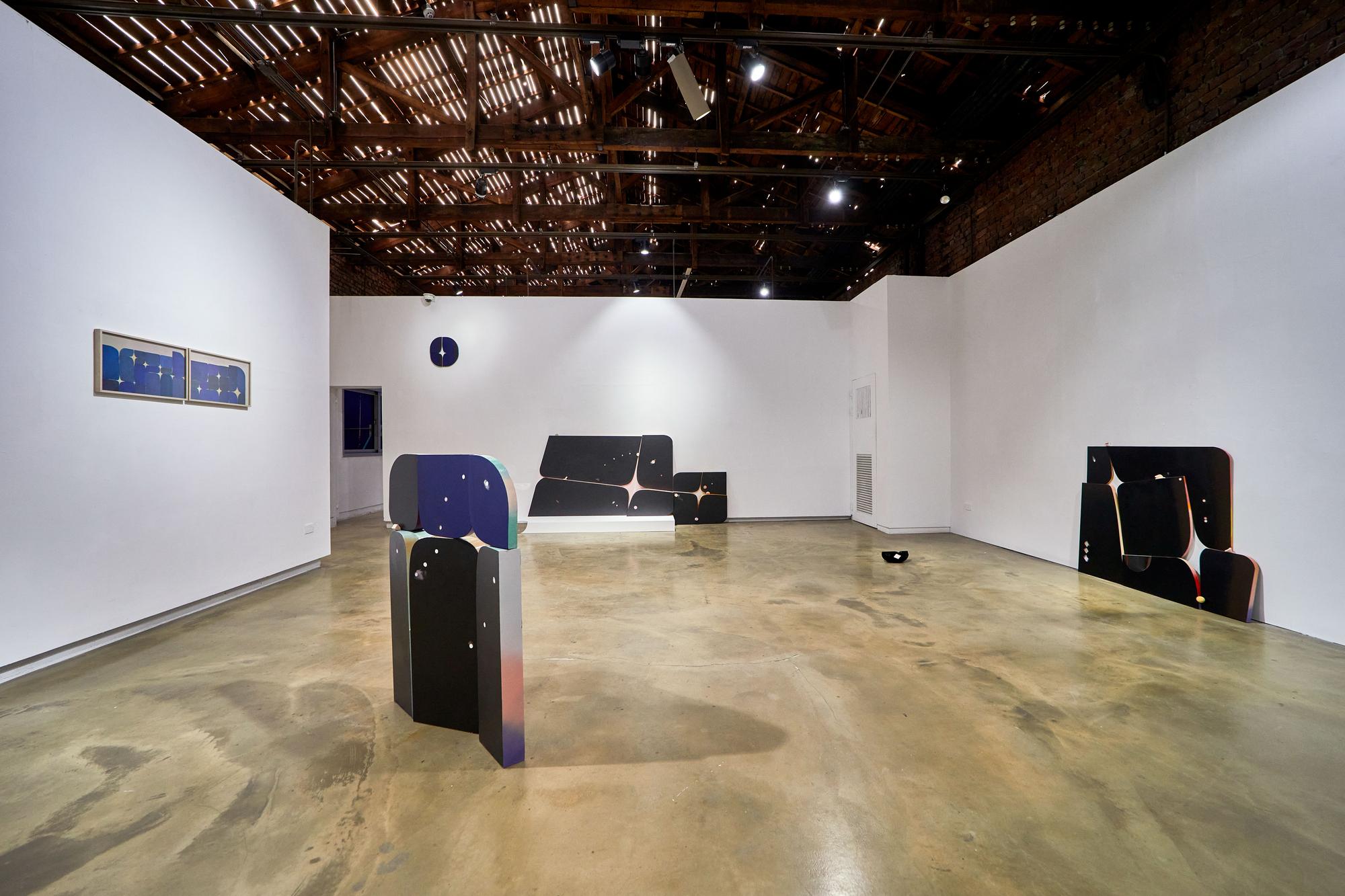
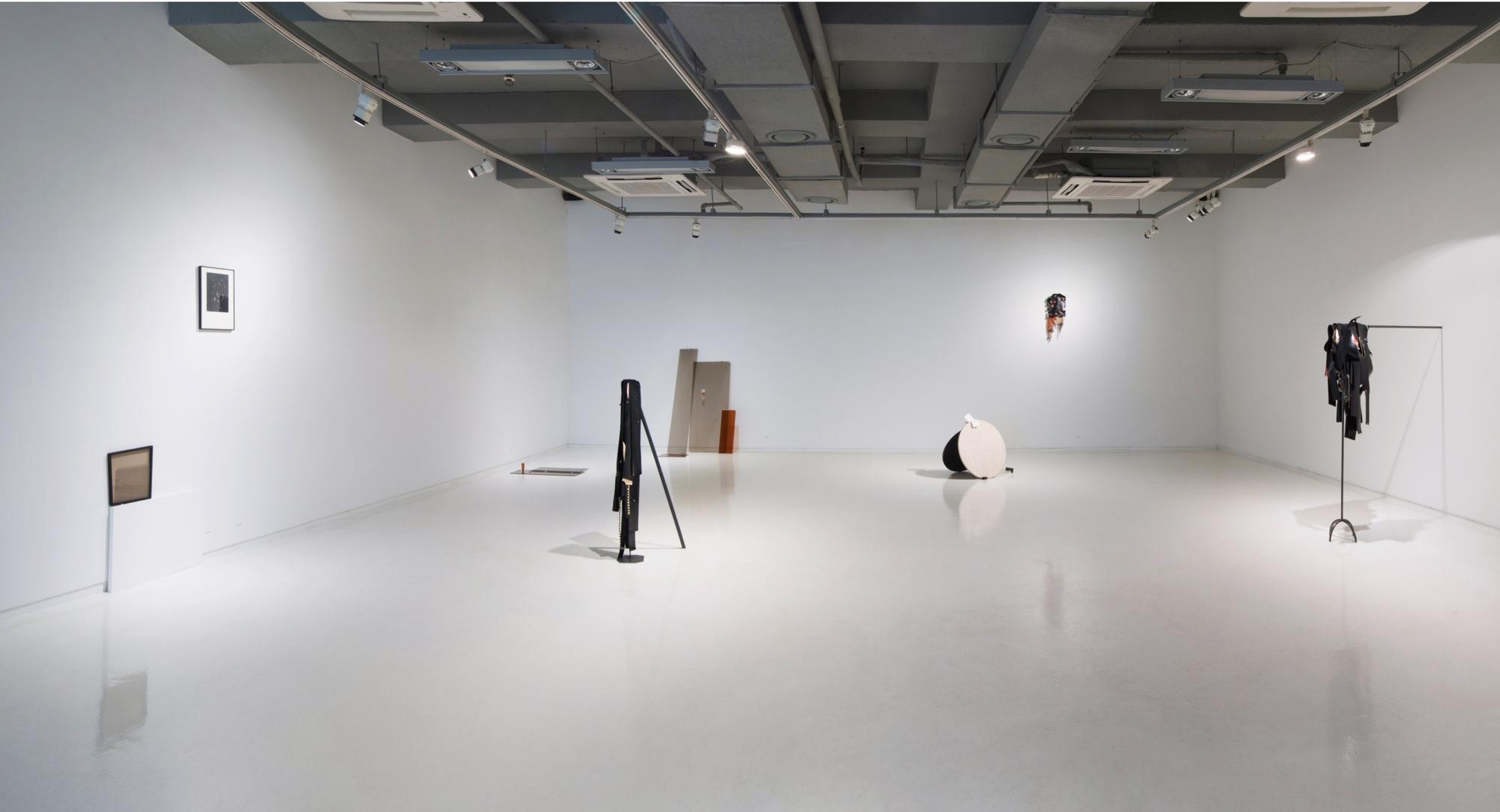
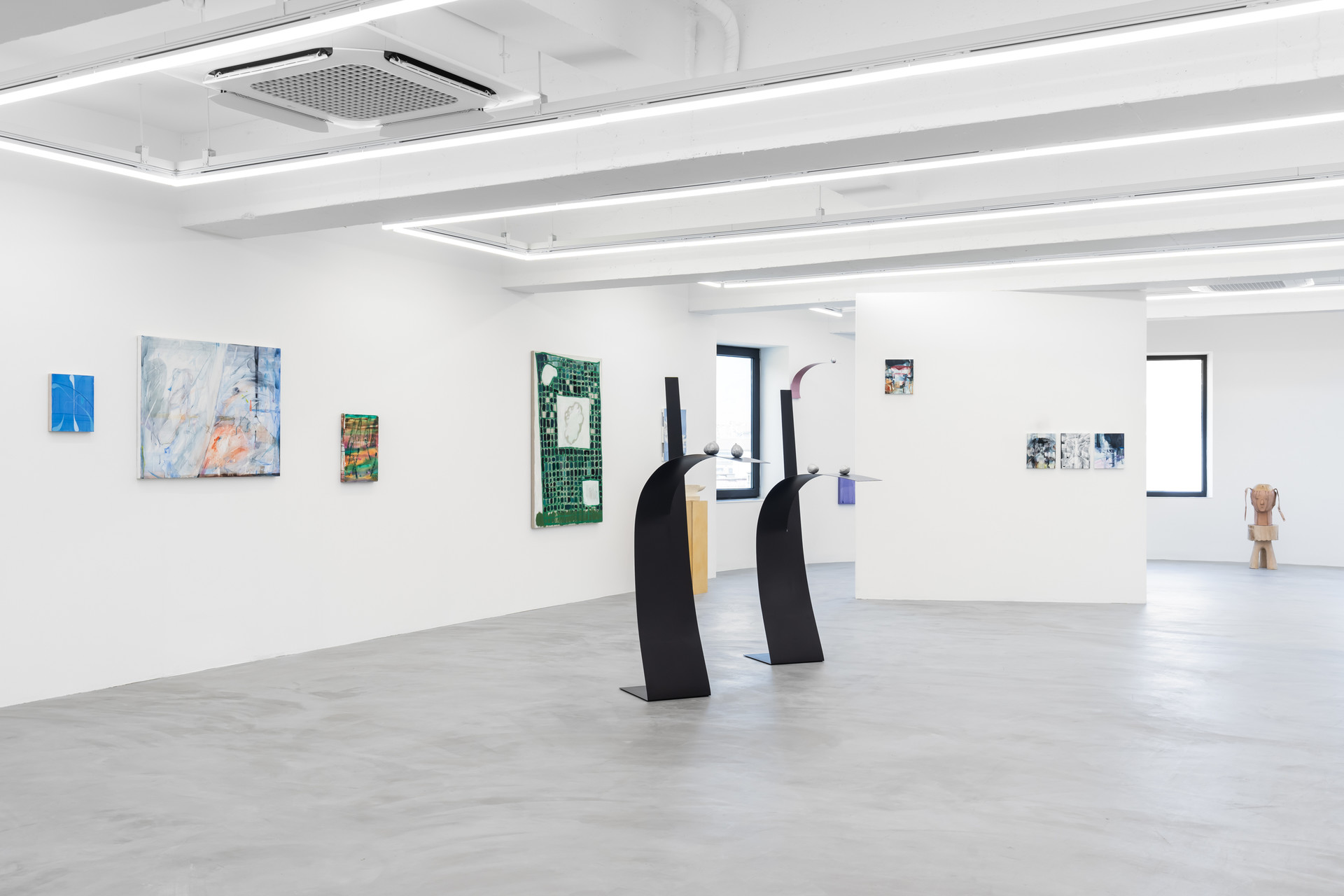
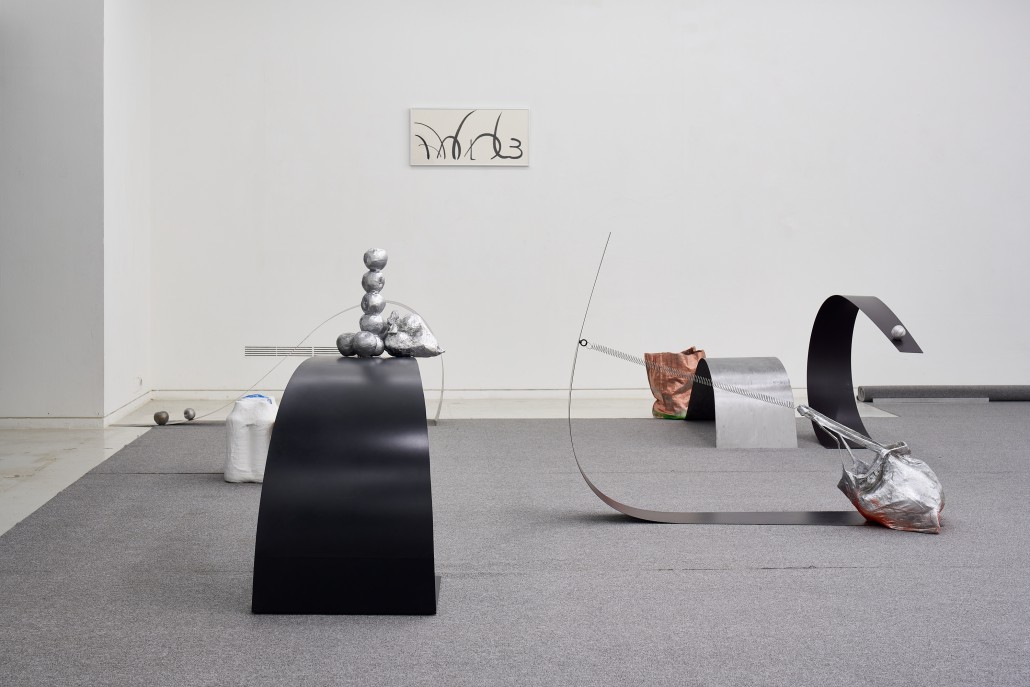
Would it be suitable to compare it to the moment when everyone has stopped almost to take a picture, just as the shutter is working and right before they go their separate ways again? I would add that the scenario here is one where the assembled people are strangers to one another.[1] The recent works of Jun Jangyeun have mainly been created as metal plates, metal-framed structures, springs, and fabrics that take on the forms of installations or sculptures.
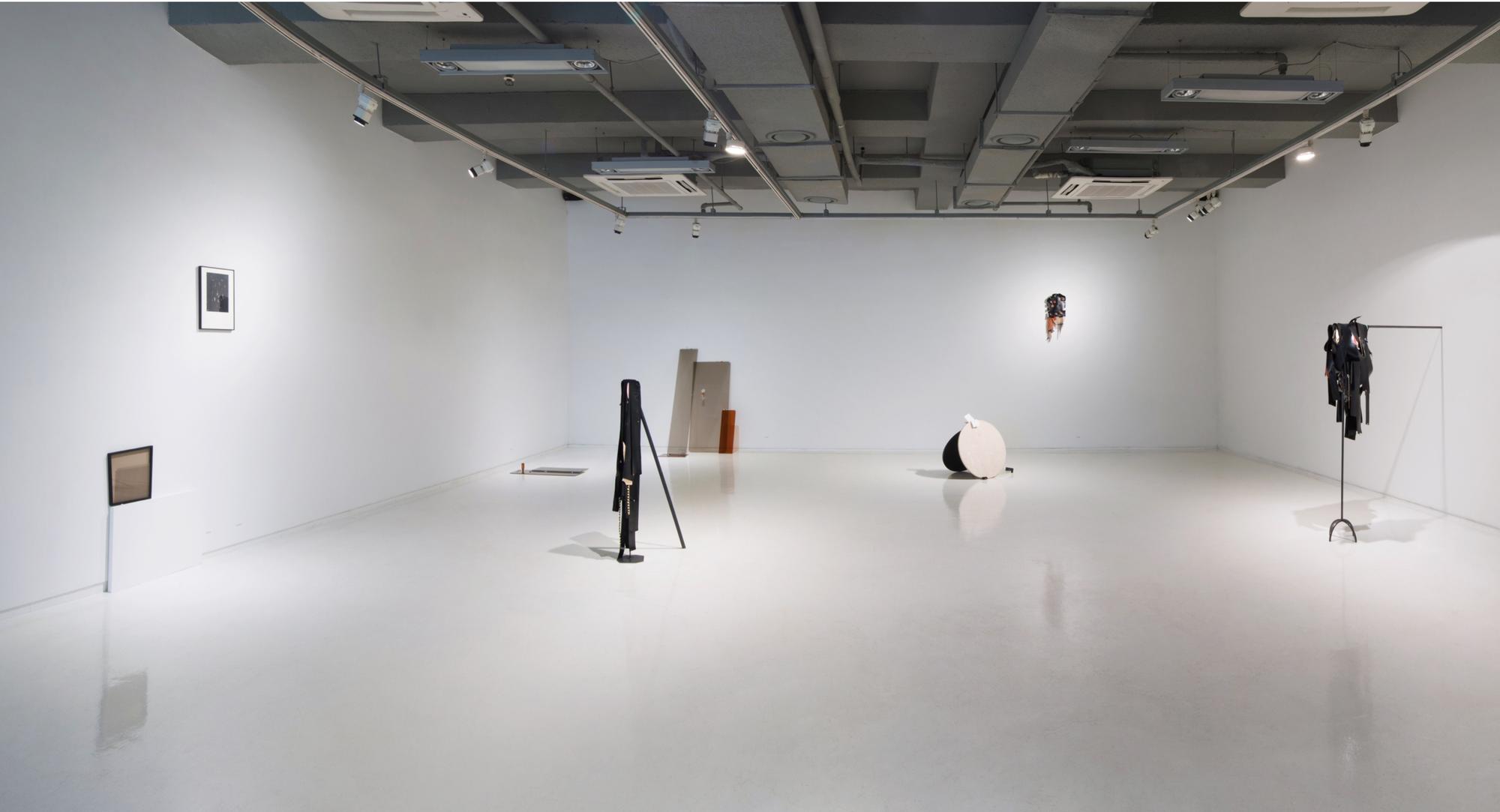
As the previous analogy suggests, they also tend to present scenes of suspended tension, adopting an approach where one or more individuals maintain a certain distance and relationship within space. The defining feature here is how Jun’s sculptures show no indication of excessive straining or compulsion to adhere to the goal of a pointed “tension.”
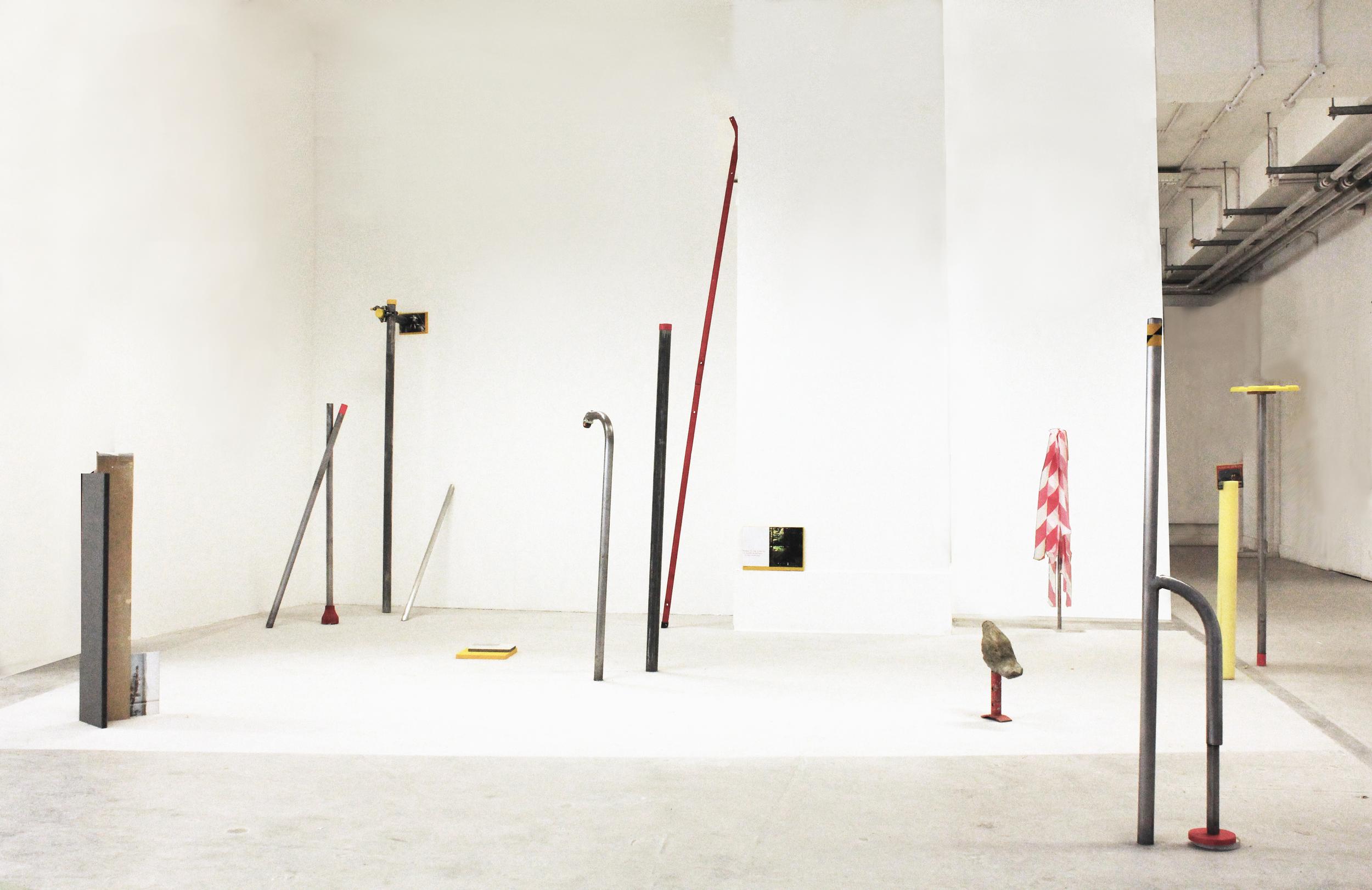
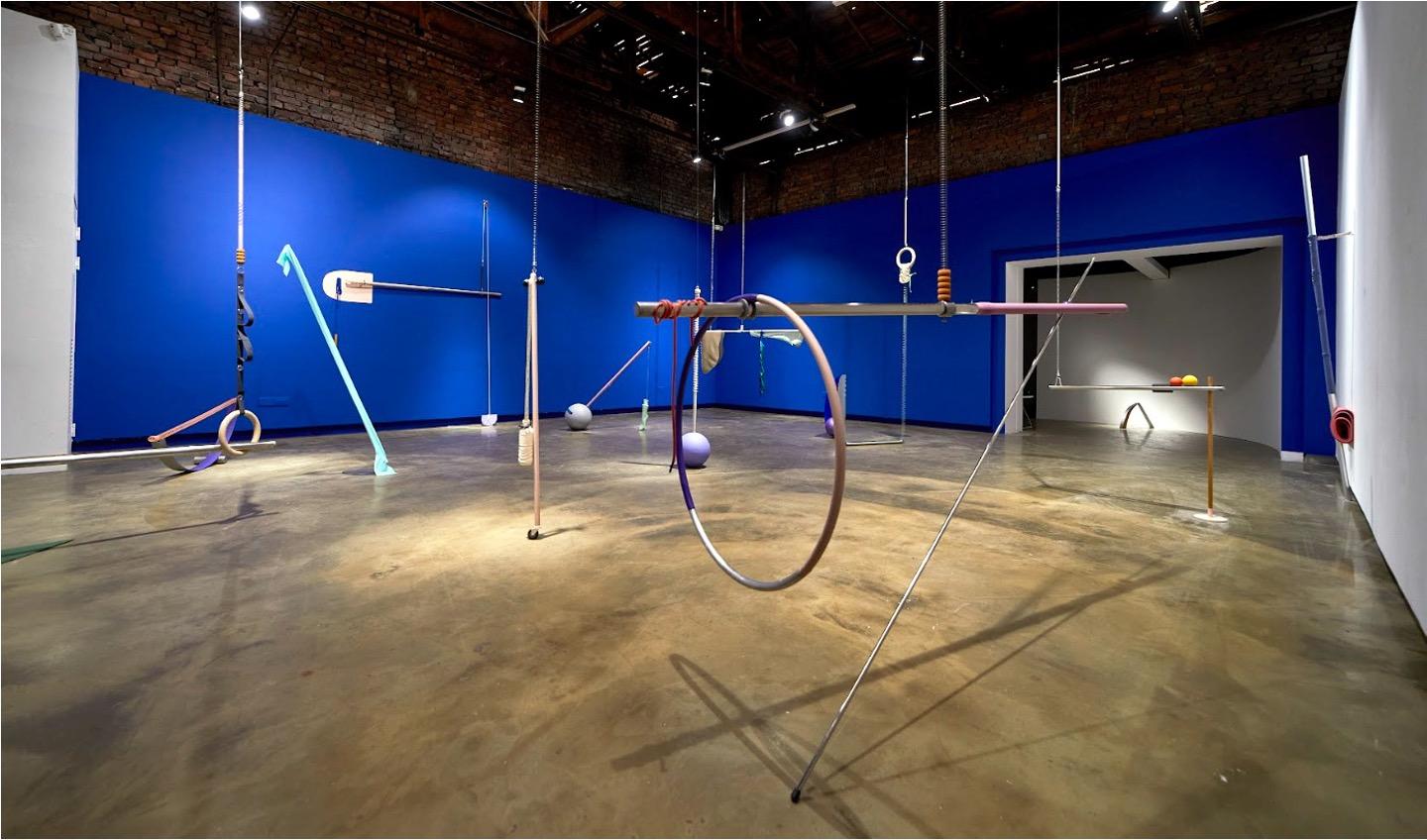
As they rigidly occupy their given space, shoring up the floor and walls or dangling from the ceiling, it is as if they have so often experienced states of instability that they have become routine, or as if they have achieved some objective state.
In these ways, Jun creates tension in order to strike a balance among sculptures with physical bodies—yet even as she aims for tension, she also envisions moments of equilibrium. For her, tension is something that has arisen repeatedly over time through different pathways, while equilibrium can be seen as akin to a countervailing force sustaining the trajectory of life.
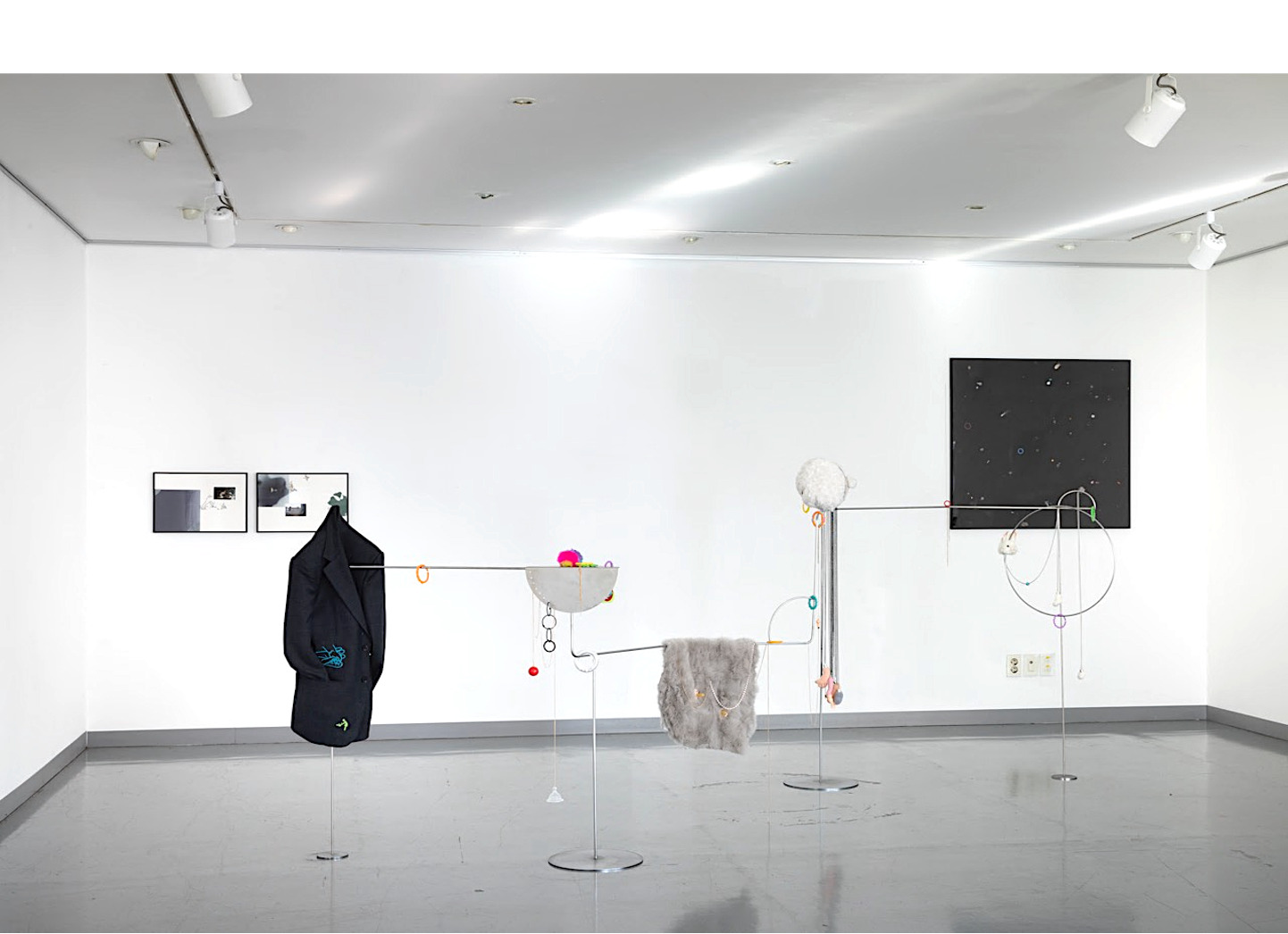
This explains why in some of her works we encounter firm surfaces like callused leather, while we also see the brightness of the mint greens, pinks, lilacs, and rainbow colors boldly applied to her bulky metal pipes and plates. From what we can see, Jun’s approach extends beyond ordinary meanings associated with tension and balance; in her work, they are concepts that simultaneously encompass the complementary relationship between them and the processes and methods through which life is lived within them.
If we look more closely at the “life” described here, we see that it includes the multifaceted, three-dimensional roles that we take on as individuals in society who cannot live on our own, as well as the effective performance of those roles. Along the same lines, Jang’s recent work and the titles she has used for her solo exhibitions—Standing on Tiptoe and Pause, for example—may be read as her analogies for the various forms of anxiety that she has experienced in the past or faces today.
In particular, the achievement of balance in her own personal roles appears as a major theme, establishing direct connections between her work and the experiences of bearing and raising a child, being sidelined from work as a result, and observing her child’s growth.[2] After a “pause,” the artist assembles or embodies the many memories, sensations, intuitions, images, and actions witnessed from different positions and perspectives; she designates the right spot, and by creating images to present to others, she forms public square settings out of evidence of a private reality.
Intercalated objects
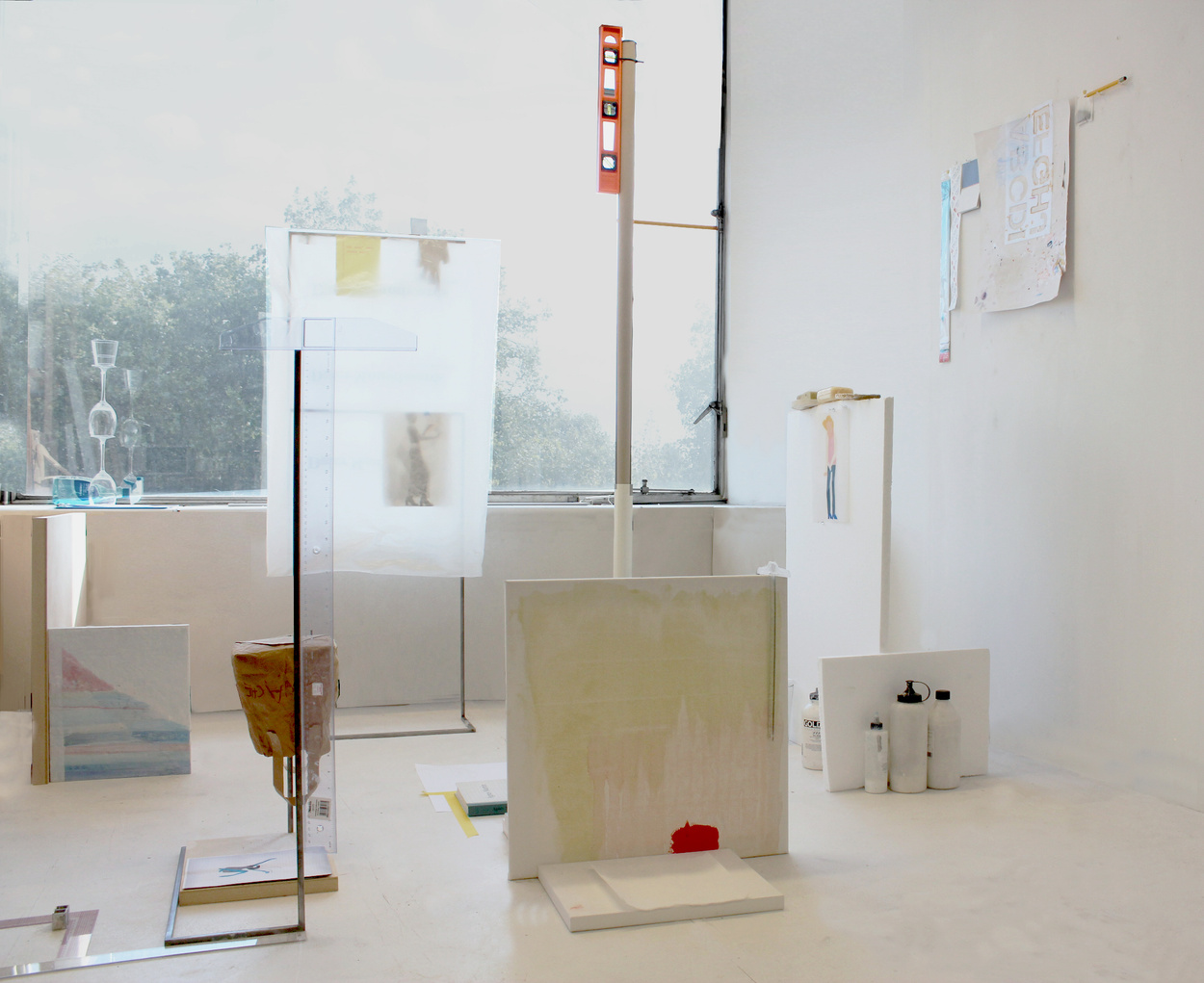
In terms of her approach to media, Jun began transforming or repurposing existing objects as artistic ones sometime around 2011. Since 2020, her approach to sculptural forms has involved grafting objects onto cut metal plates, metal-framed structures, and metal rings. We can imagine a number of reasons that the artist—a painting major—opted for the unfamiliar three-dimensional realm, but the one I want to single out as most important is the use of the body, which is an inextricable part of sculpting.
Jun appears to have discovered a validity in the process of using her hands to create a visible, weighty mass in space. She may also have made this choice because of the three-dimensional aspect: the advantage of having a practical means of perceiving and expressing space and of showing the resulting forms without editing or other secondary processes, as in photography.
So what are the things referred to as “objects,” and what are their conditions? To begin with, Jun does not assign any absolute meaning or special qualities to her objects. In her early work Object Drawing(2011), she creates a bouquet based on a floral arrangement book, but she improvisationally combines various objects other than flowers.
The items here—a headset, a shower ball, a cable, a lightbulb, glue, a disposable spoon, a hair roller, and so forth—share the commonality in that all of them conform to the “flower” premise as everyday objects.
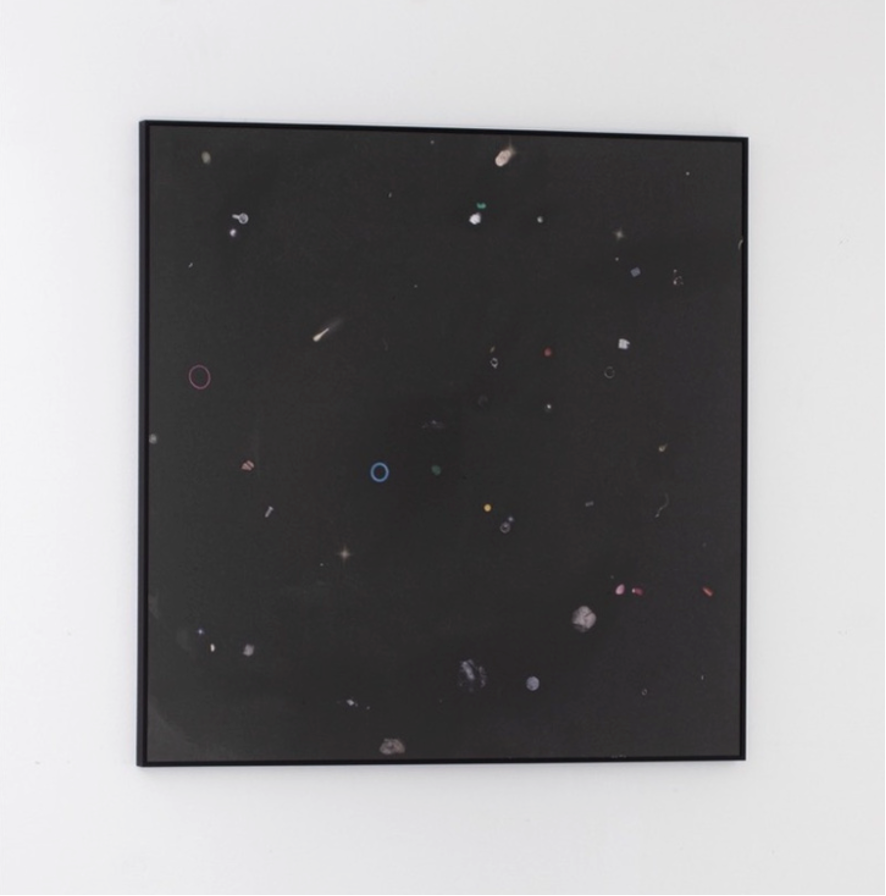
In Stop for Standing(2011/2014), which was produced around the same time, the artist uses small objects (headbands, coins, incandescent lightbulbs, cosmetic cases) and items designed in such a way that they are incapable of standing on their own; after grinding down their bottoms to a flat surface, she places them in a standing position. The predominant sense operating there is not of the concrete imperative associated with individual objects, but of entities performing a given role.
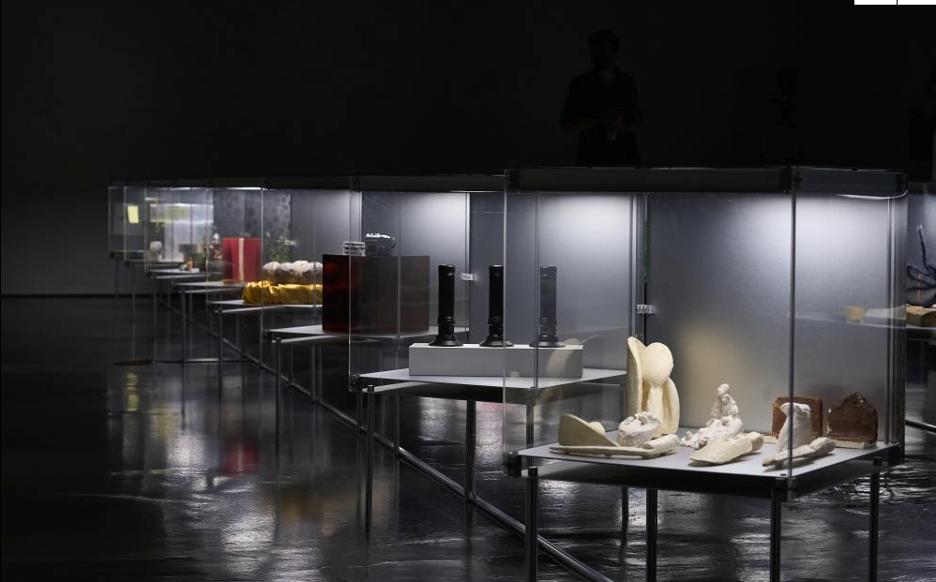
Square (2011/2014), which bears formal similarities to Stop for Standing, has the artist positioning found objects (watches, mirrors, portable lanterns, and so forth) on a square plate, creating an analogy between them and people assembling on a public plaza for a demonstration. The alarm clock here does not stand for any particular political figure or party; the mirror does not denote any status or gender distinction.
By foreclosing the object’s ordinary function—a mirror with an opaque surface, a clock with no visible hands—she expresses the state of a demonstration where the participants have lost sight of their initial characteristics. Clear examples of objects being treated as bodies can be found in Jun’s 2014 photography series ‘Interior Gesture’, which presents bodies replacing or mimicking the forms of objects recorded in photographic images.
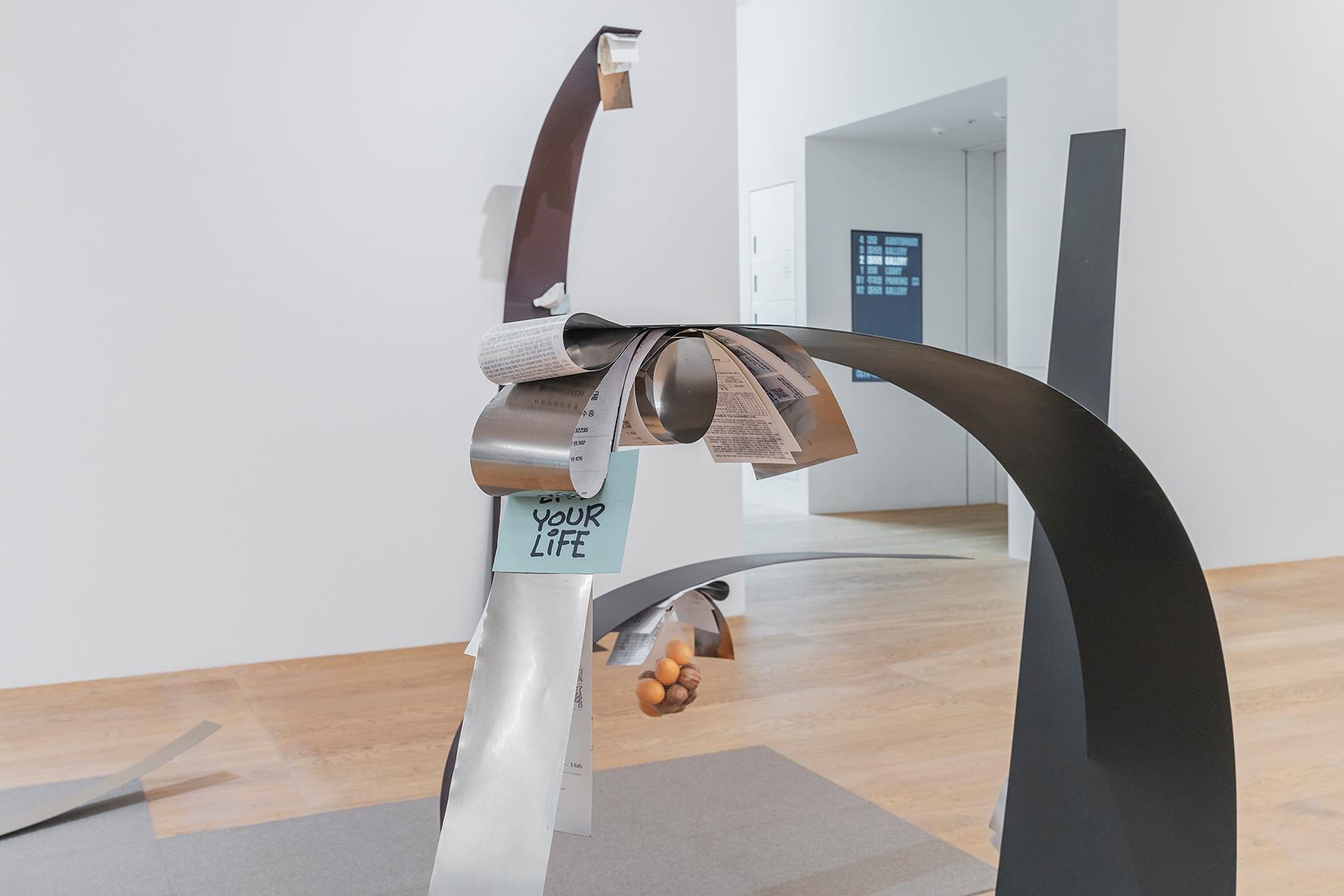
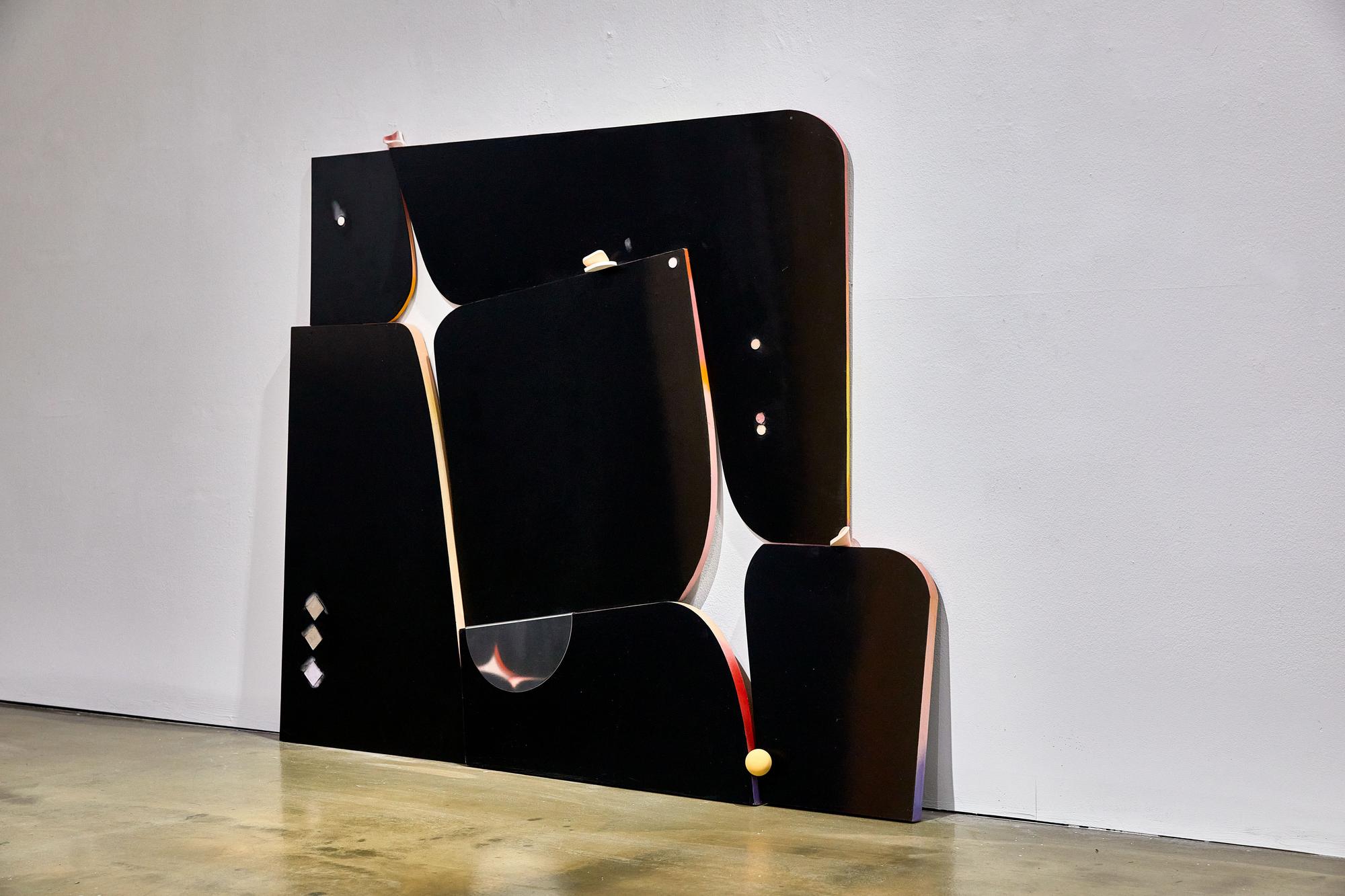
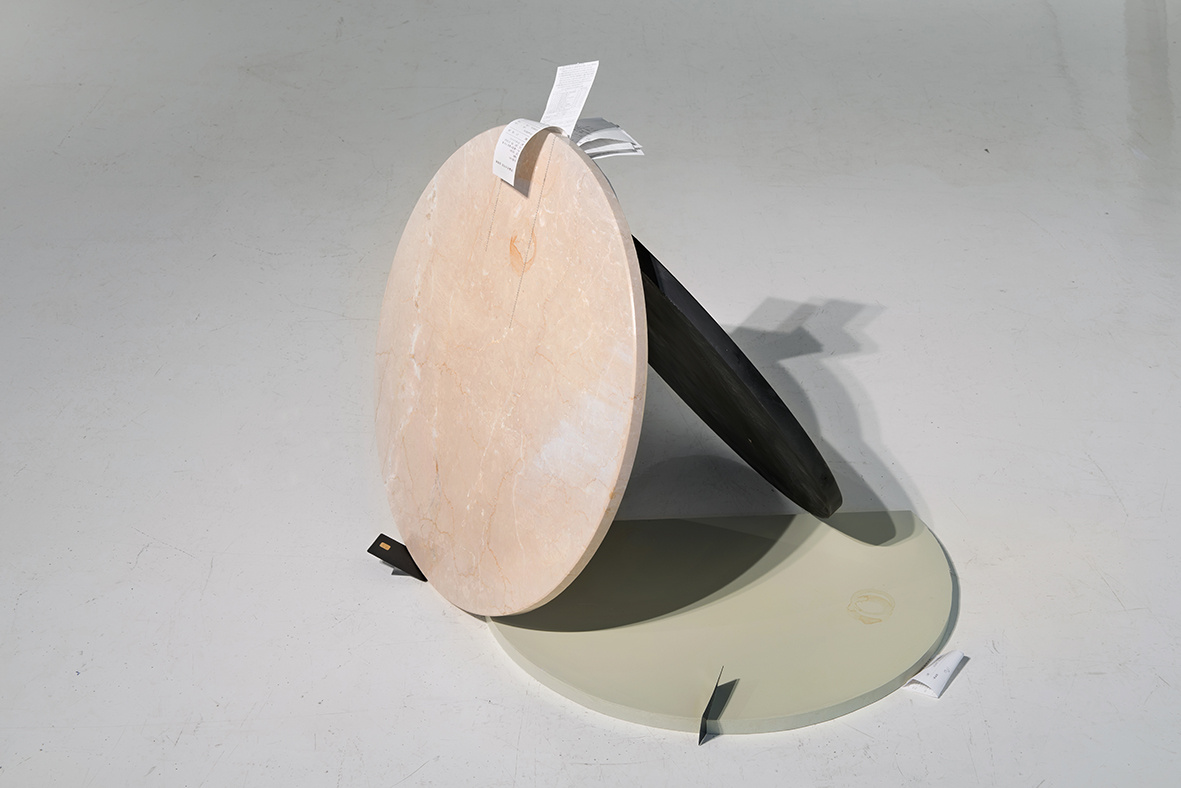
If the premise of the object-as-body is a fixed value in Jun’s work, the viewer’s curiosity is most piqued by what the artist herself describes as “intercalated objects.” In many of her creations, the artist has staged new situations with elements such as cosmetic puffs, coins, vitamins, mint candies, and cigarette butts, which she has stuffed in among the sculptures, between the sculptures and the wall, or in the spaces where surfaces come together, sometimes in tiny, crumpled form.
At times, the twisted or compressed forms of the objects help us to gauge the sculpture’s weight or to perceive the tiny spaces in between; other times, the colors and shapes of the inserted objects are accentuated. From the viewer’s standpoint, the images of the sculpture applying pressure and the objects that occupy the space between line and plane convey a sense of the body that stuffed them inside. Jun has said that these inserted objects both complete the sculpture and function as variables.[3]
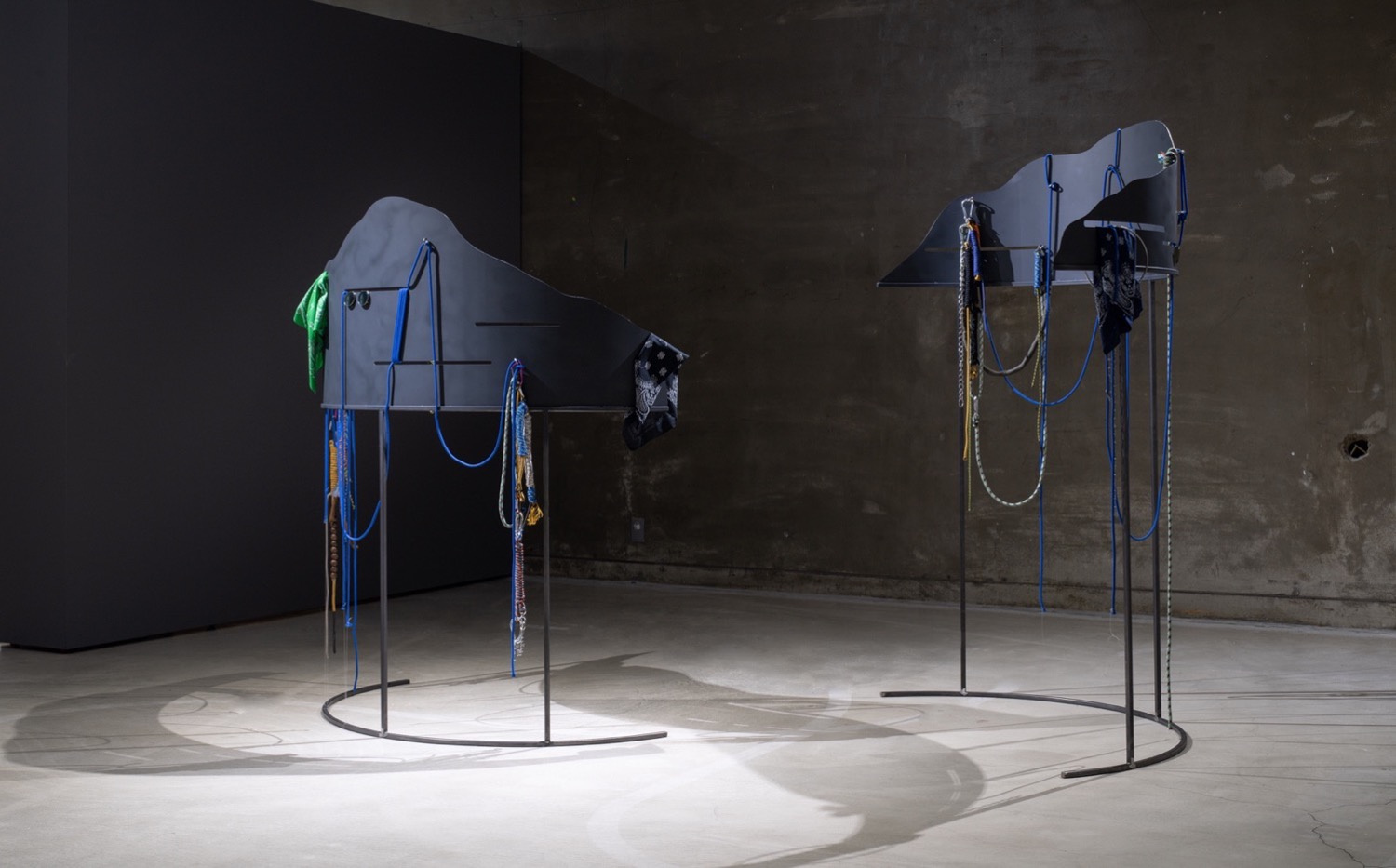
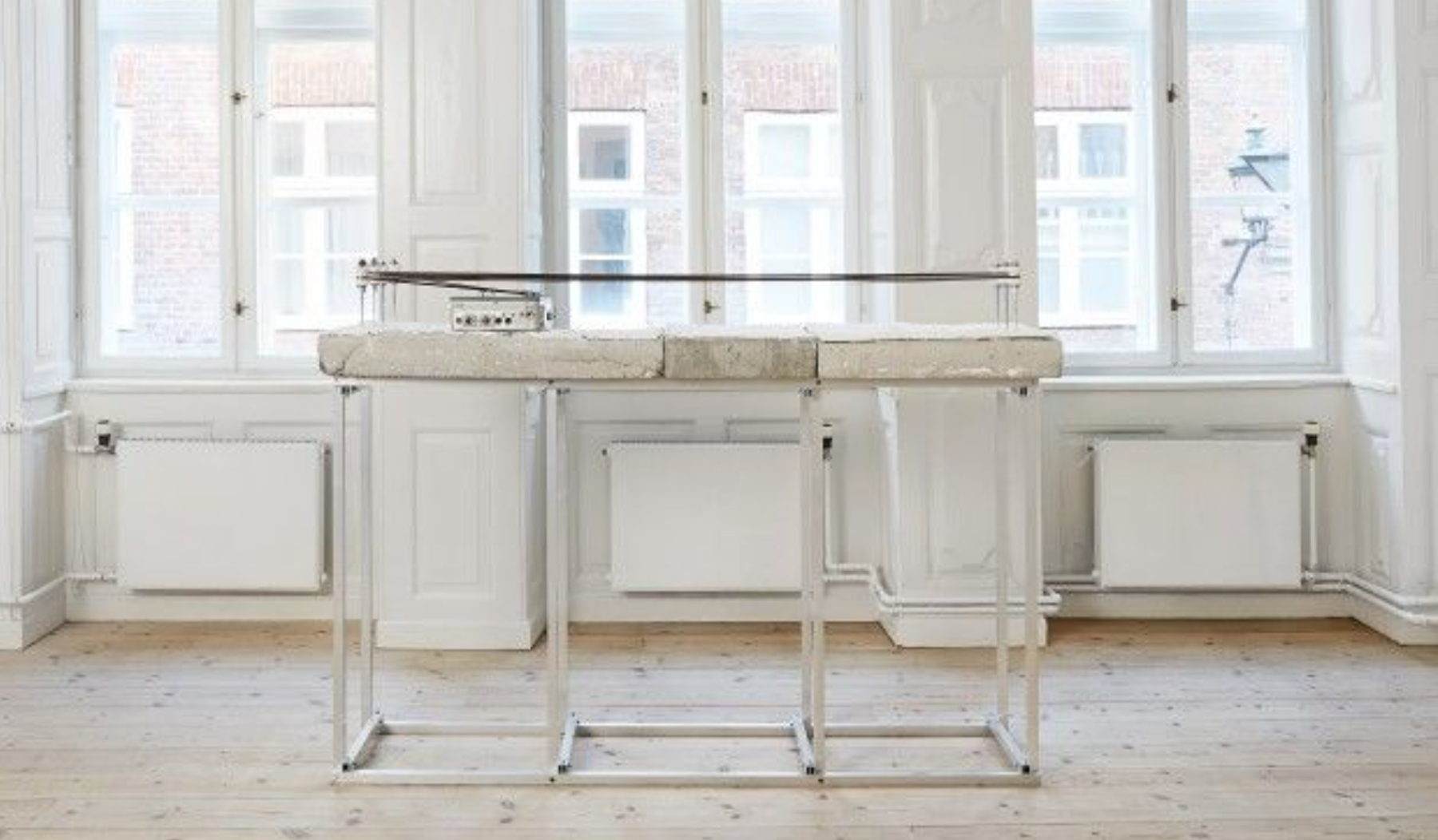
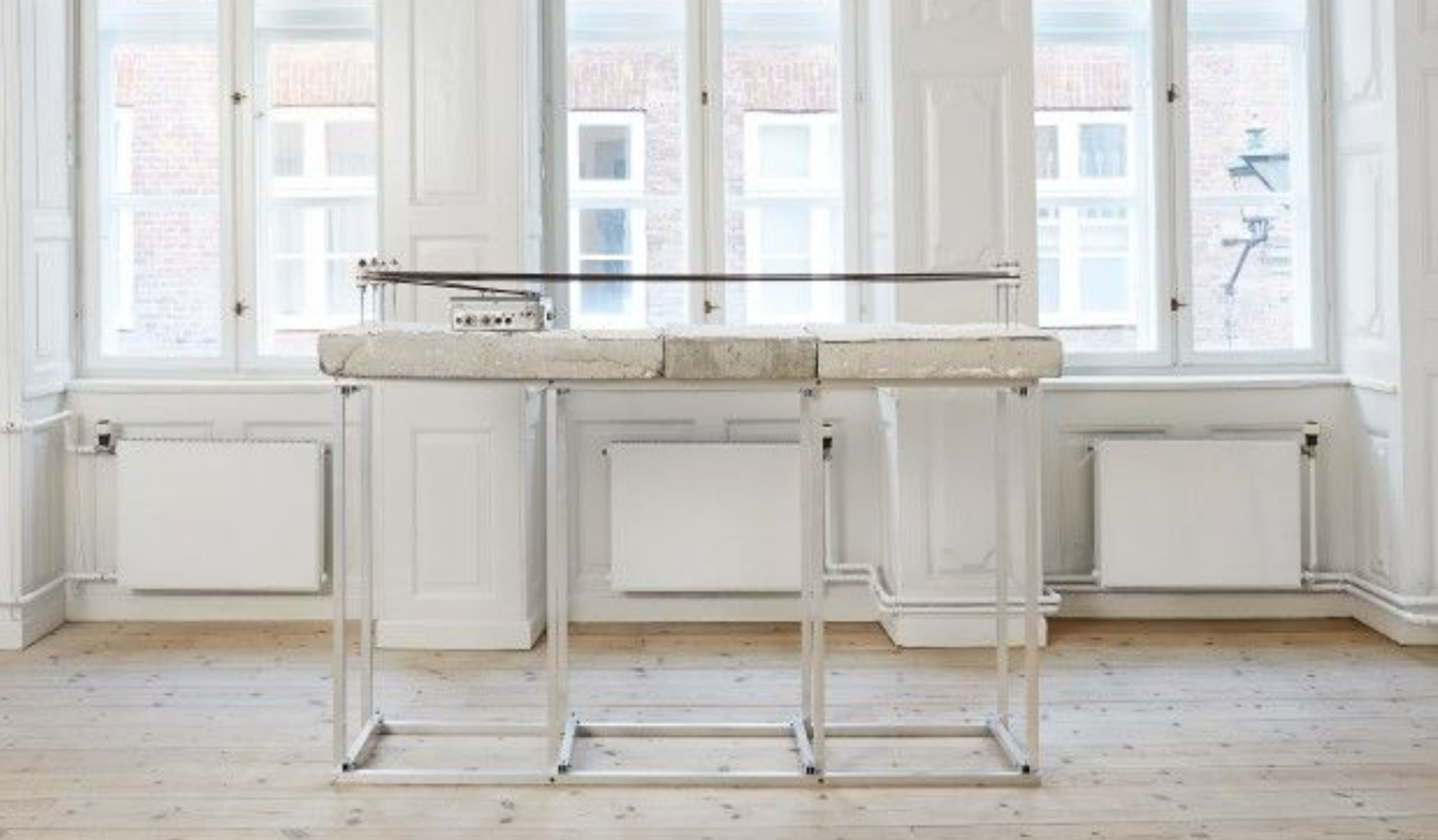
In Pause(2022), the square frames found in both Square and Stop for Standing are expanded into spatial structures. In addition to the larger scale, there is also a transformation in terms of the creation process, as Jun produced most of these sculptures by applying fabric, rope, latex bands, and other objects to metal-framed structures and springs.
When we attempt to spot the connections across Jun’s body of work—despite the brief hiatus and passage of a decade—it is not too difficult to see the consistent interests and artistic stance. Like distance markers that are difficult to notice, the artist is positioning “intercalated objects” in her works and creating landscapes of the three-dimensional sculpture. While the body is transported into reality at the moment of pausing, it is soon sent out once again into variable time and space.
[1] Kim Junghyun has used the word “photographic” to describe the representations and forms of “pausing” that appear in Jun Jangyeun’s work. Kim Junghyun, “Sculptural, Photographic” Spiral Movement, exh. cat. (Anyang Art Council, 2021), pp. 102-104
[2] The effects and changes that childbirth and child-raising caused for Jun’s work as a female artist are effectively described in Yang Hyosil’s text. Yang Hyosil, “The Storytelling of Abstract Sculptures Stood Up as Low Objects” I Always wish you Good Luck, exh.cat. (Yeonsu Art Council, 2022), pp. 46-48
[3] Quoted from Jun Jangyeun’s artist notes and portfolio. The original sentences read, “The objects inserted between line and plane assist with the sculpture but also disrupt it. Through friction and weight, they complete the sculpture’s shape, but they are simultaneously variables as well.”