Jangyeun
Jun stands up, leans, inserts, and redistributes the weight of objects
encountered in everyday life. The artist pays attention to things that are
easily overlooked or pushed to lower places: coins, hairbands, cosmetic puffs,
receipts, cigarette butts, mint candies, children’s toys, pearl necklaces, and
market bags.
Through the artist’s hands, these objects lose their original
functions and become parts of sculpture, clues to emotion, and mediators of
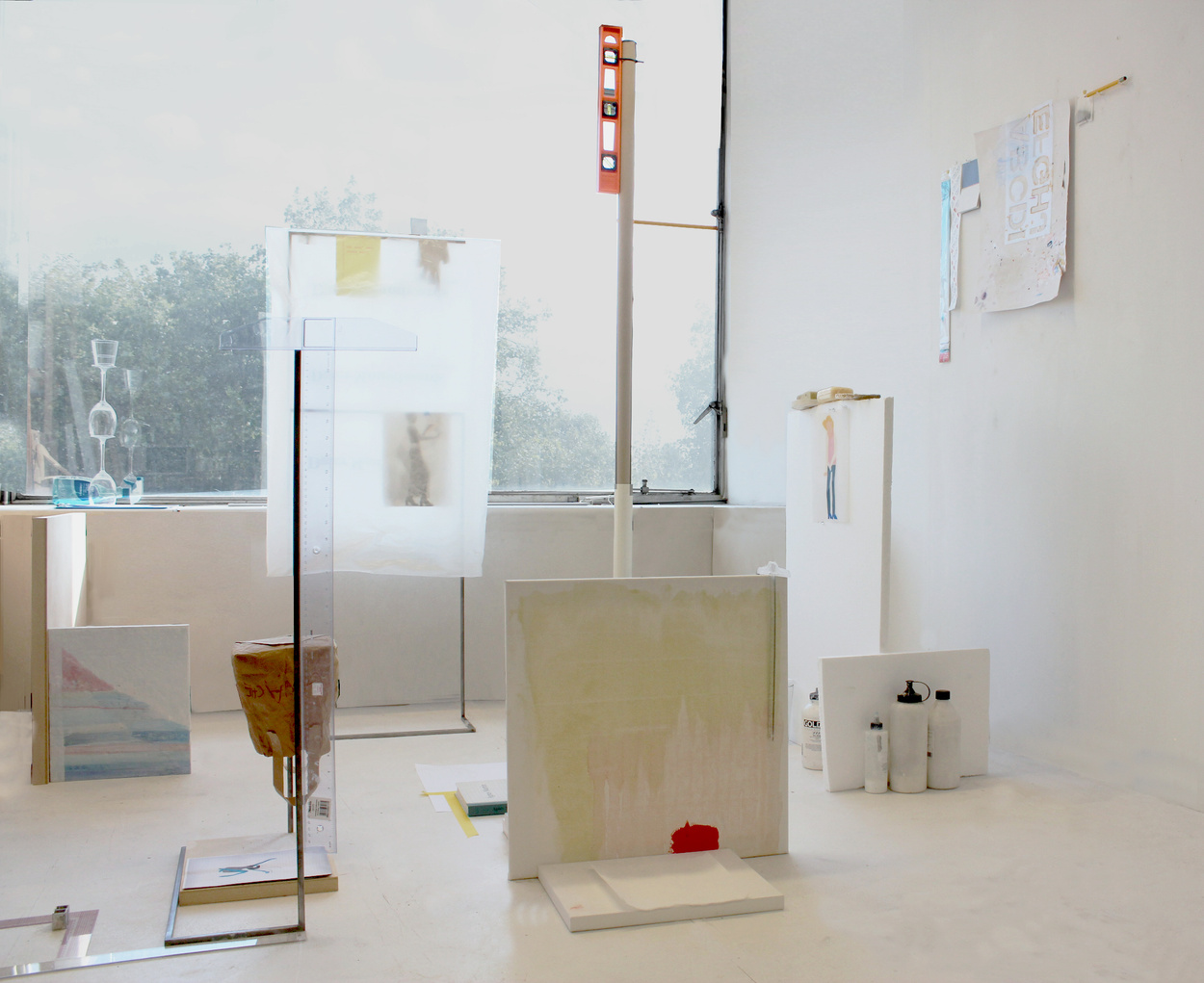
personal memory. For Jun, sculpture is less about making a solid form than
about revealing a state in which things that cannot fully stand on their own
lean on and support one another. In her work, “instability” is therefore not a
lack or failure, but an actual condition of everyday life and a form of
relation.
In her
work from the early 2010s, this attitude appeared through the transformation of
objects’ functions and the creation of unfamiliar combinations. In works such
as Walking Between Trees(2011), Stop for
Standing(2011/2014), and Square(2011/2014), the
artist ground down small objects that were originally unable to stand, or
placed them within square structures, changing their status and relationships.
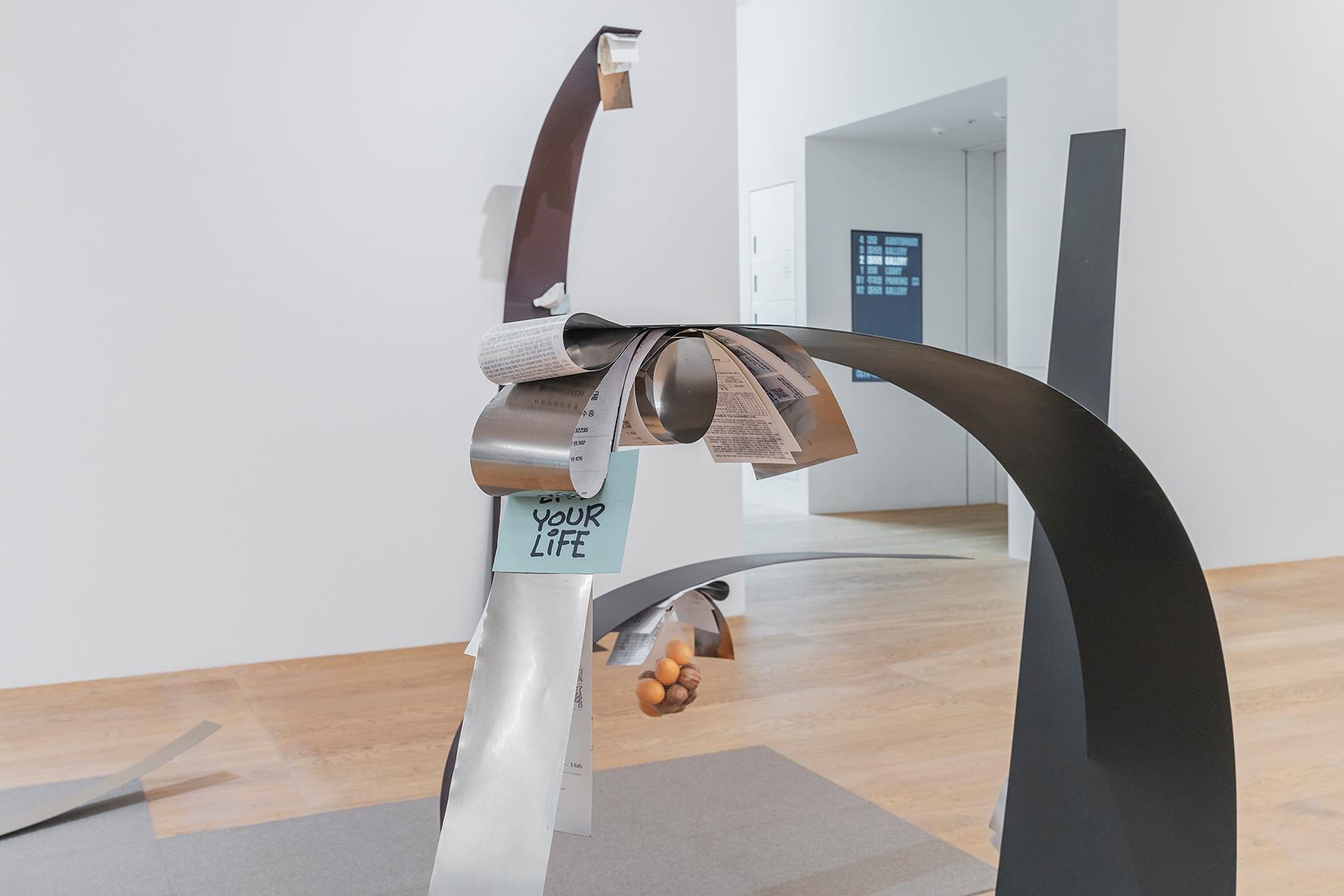
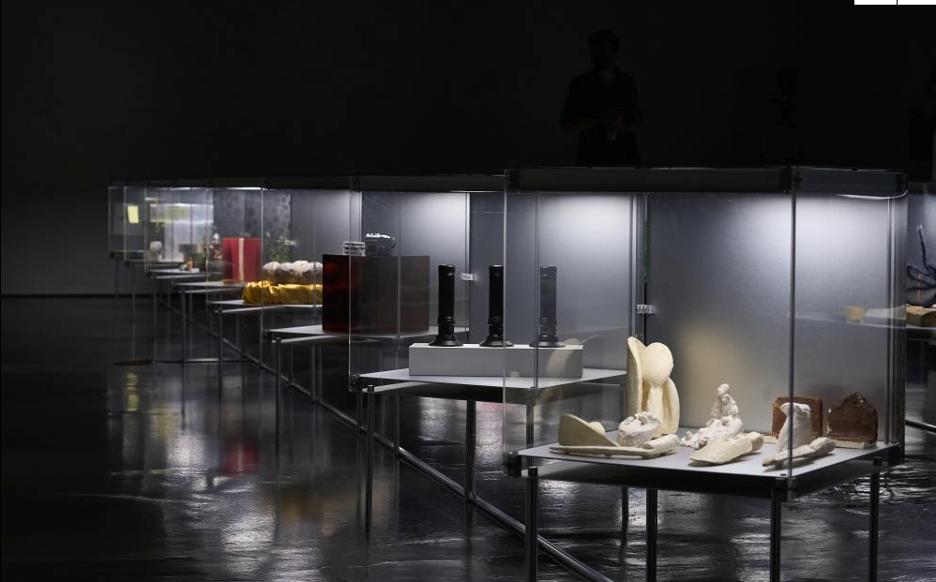
In 《Lying Objects》(Gallery
DOS, Seoul, 2014), everyday objects such as tables, receipts, coffee beans,
pills, almonds, and glass panels moved away from their original uses, leaning
on and inserting themselves between one another to create surreal sculptural
landscapes. Here, objects are tools that metaphorize human emotion and desire,
while at the same time being treated as subjects of art in their own right.
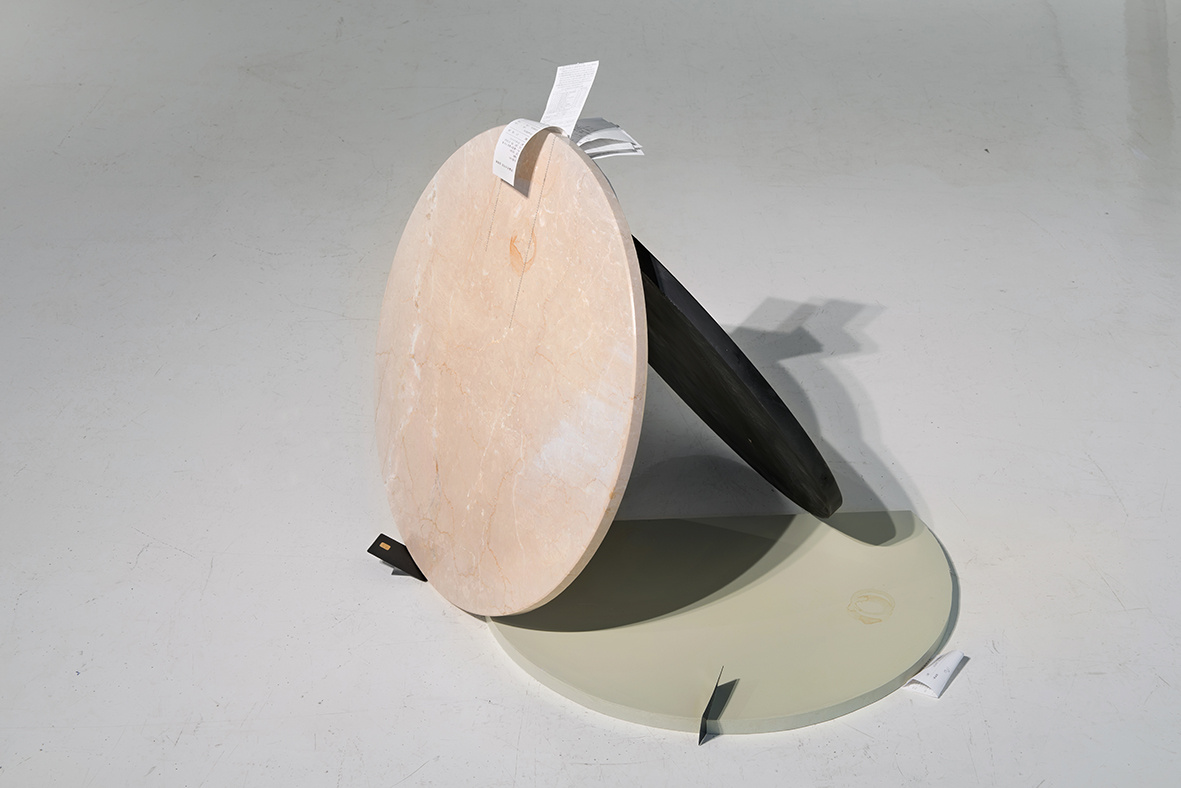
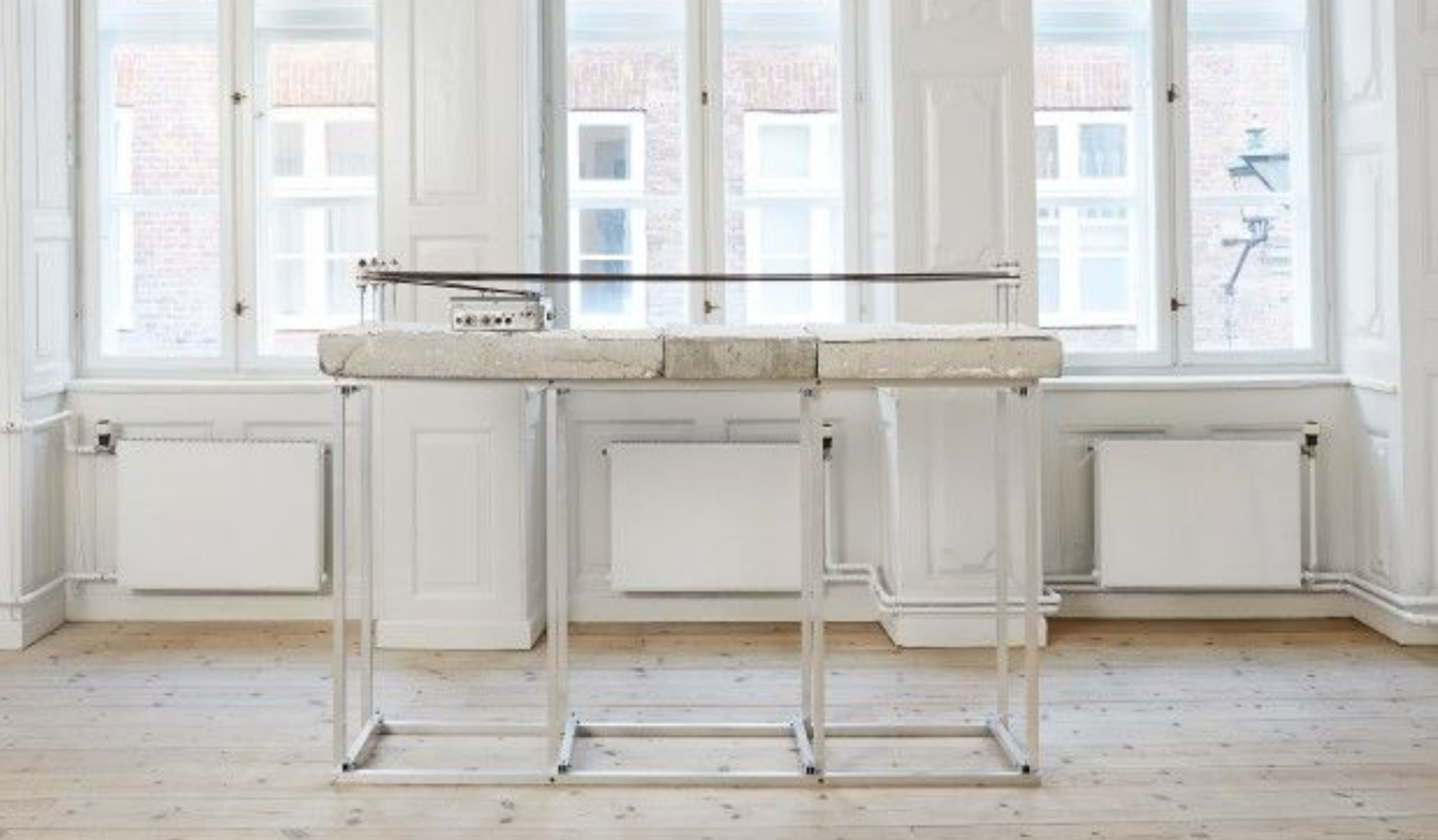
A
structure such as Two-Person Table(2014), in which elements
precariously support one another’s weight, shows how relationships and emotions
are maintained while shifting slightly from day to day.
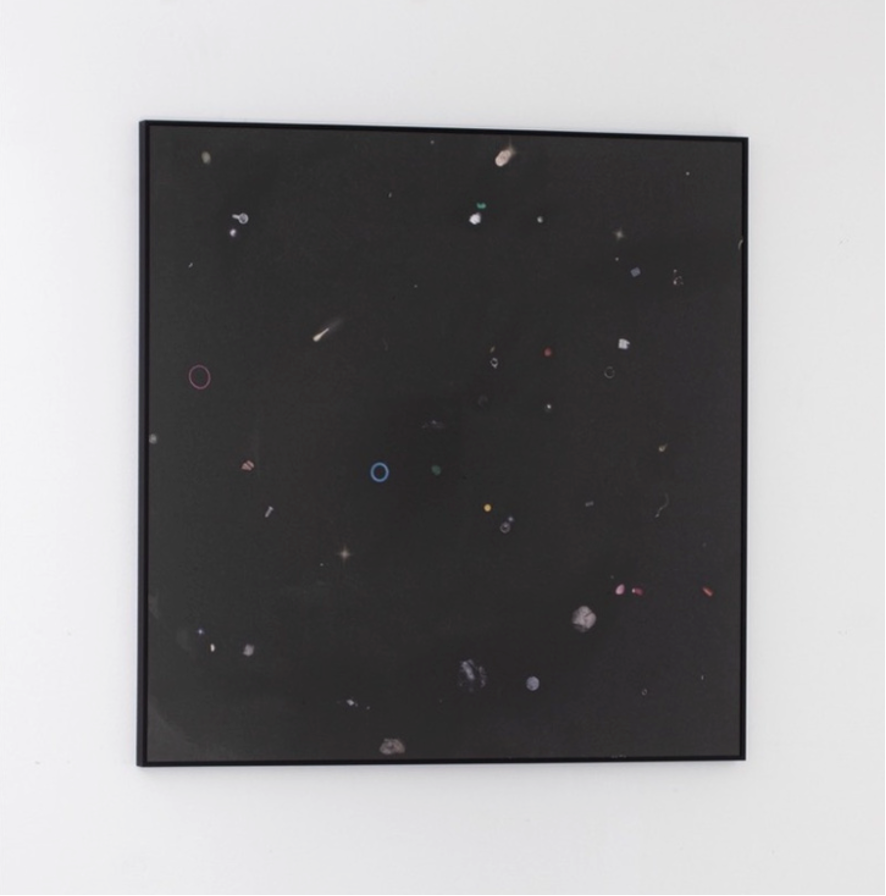
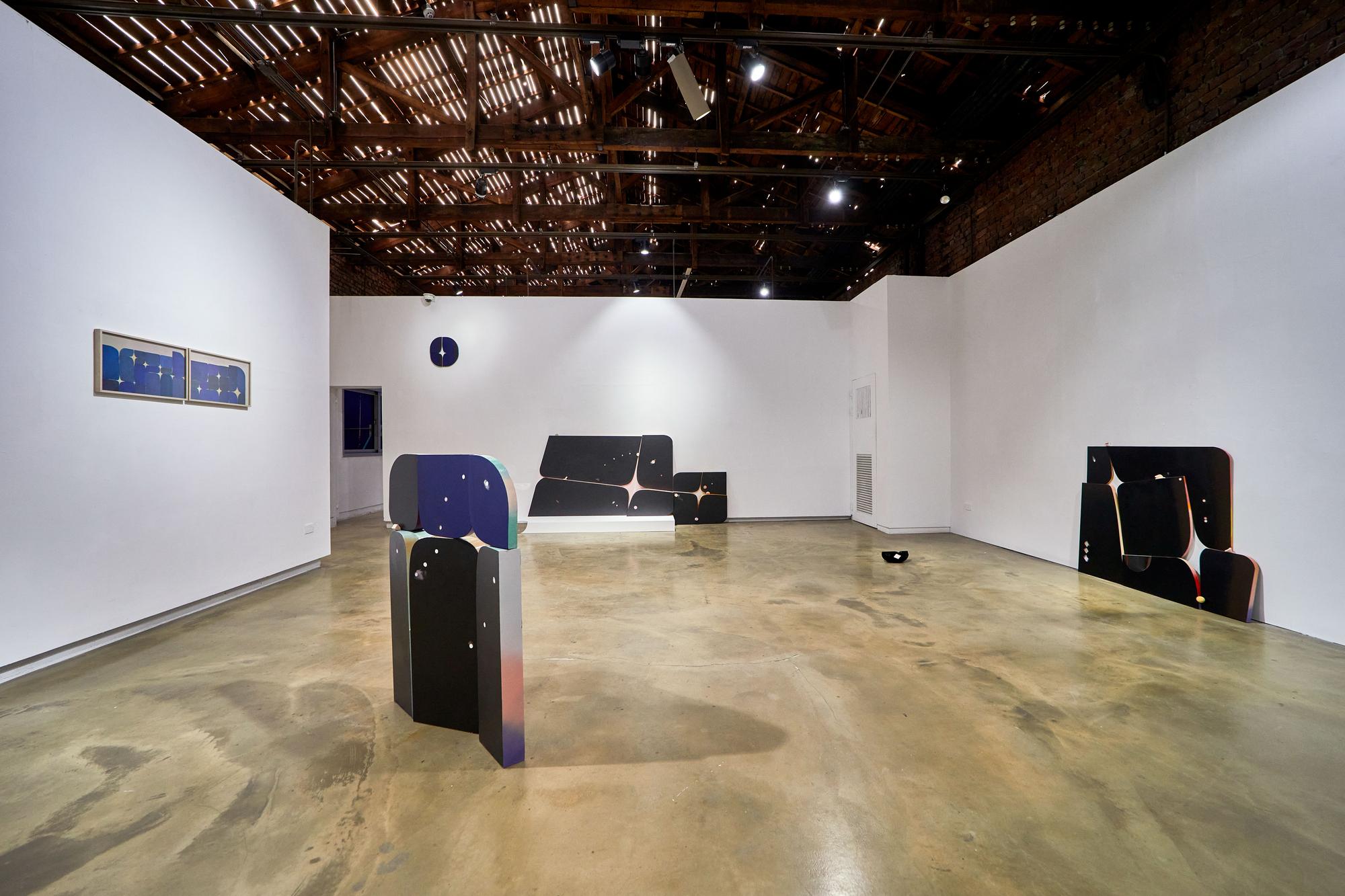
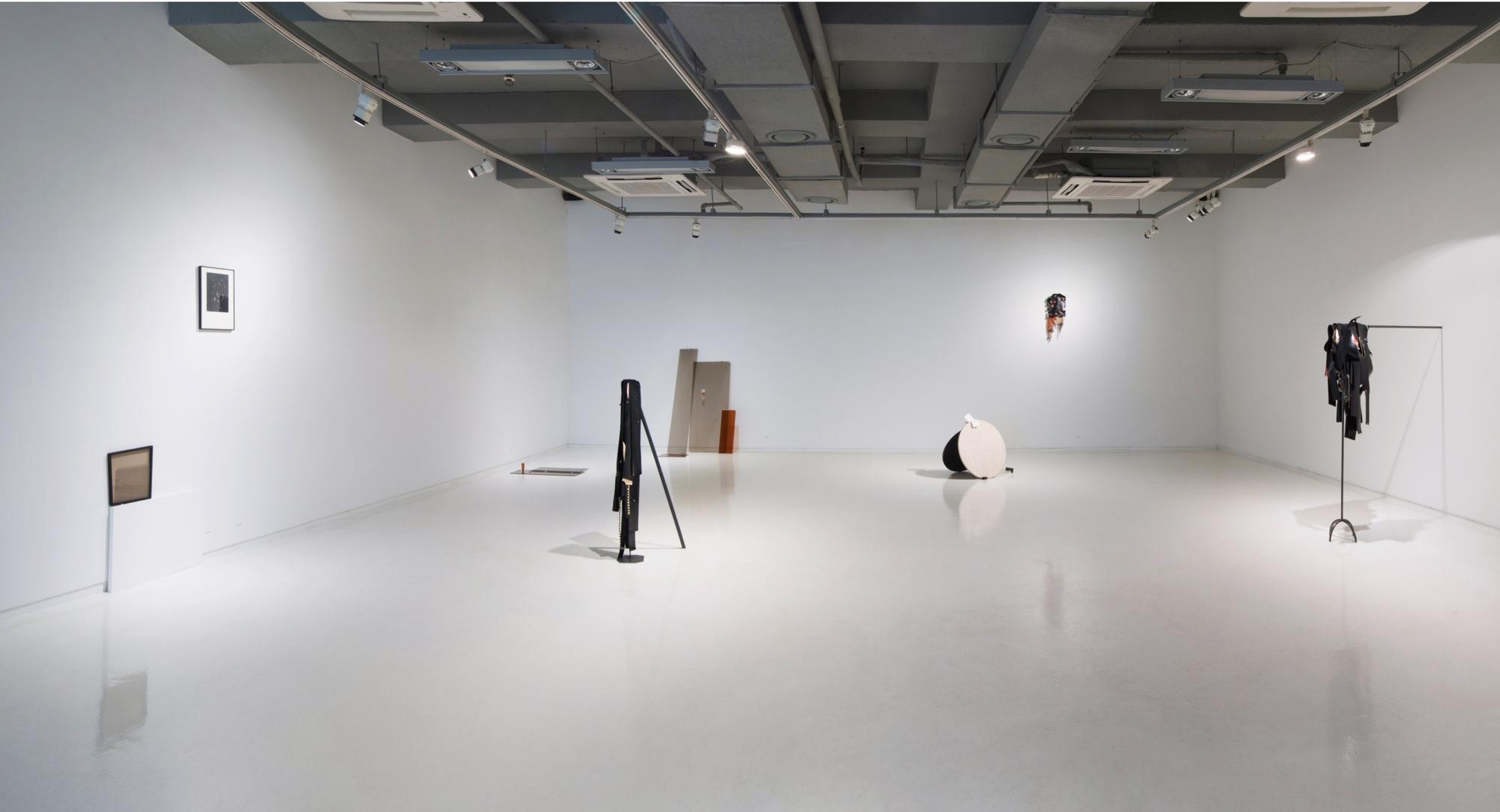
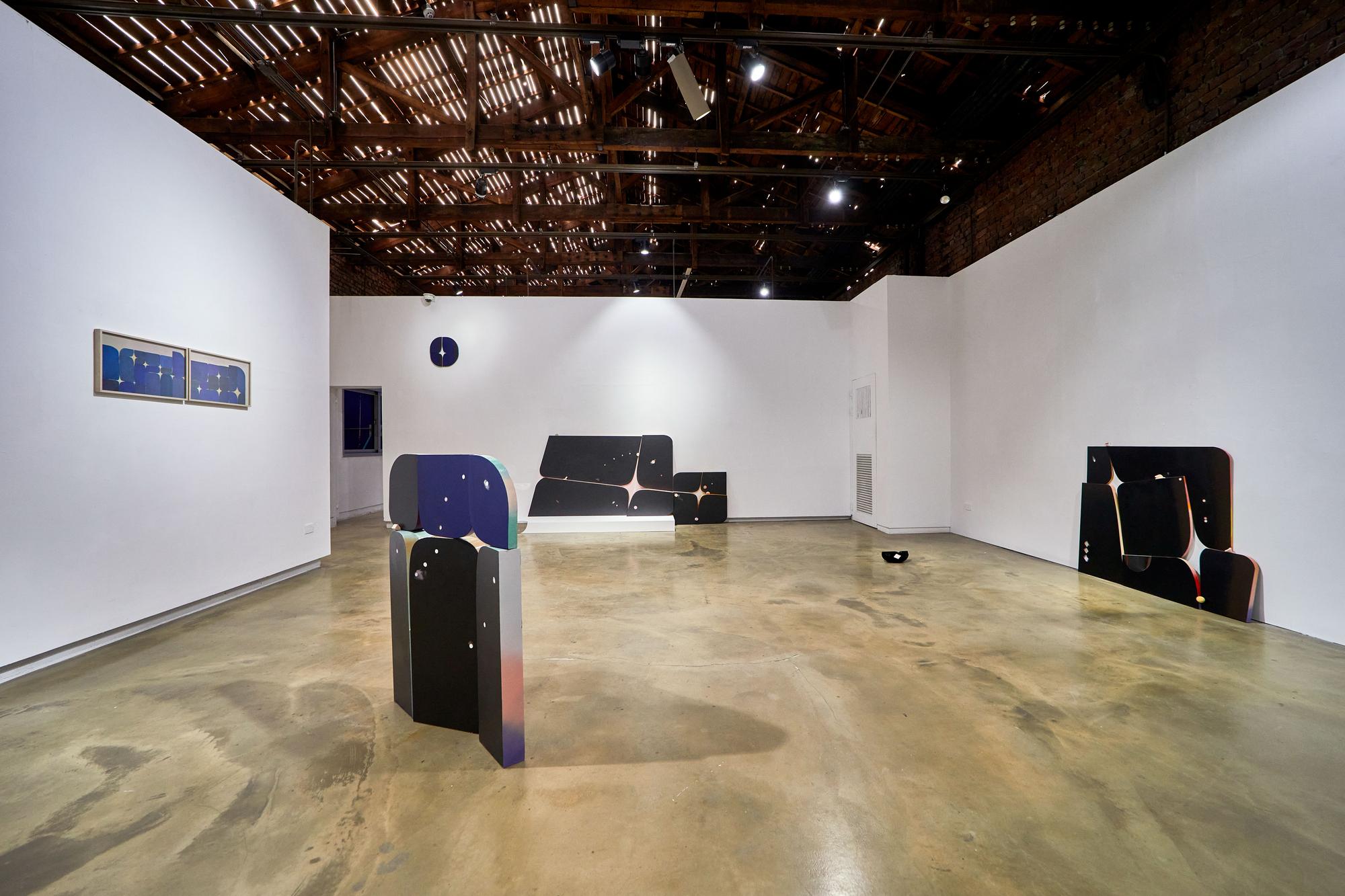
《Encountered Universe》(Incheon Art Platform,
Incheon, 2019) is an exhibition that expands the artist’s private experiences,
especially life after childbirth and childcare, through combinations of
objects. Encountered Night(2019),
Hide-and-Seek(2019), and An Ear Hidden
Away(2019) combine scanned images of children’s toys with the
artist’s imagined drawings, transforming small objects into night skies and
cosmic landscapes.
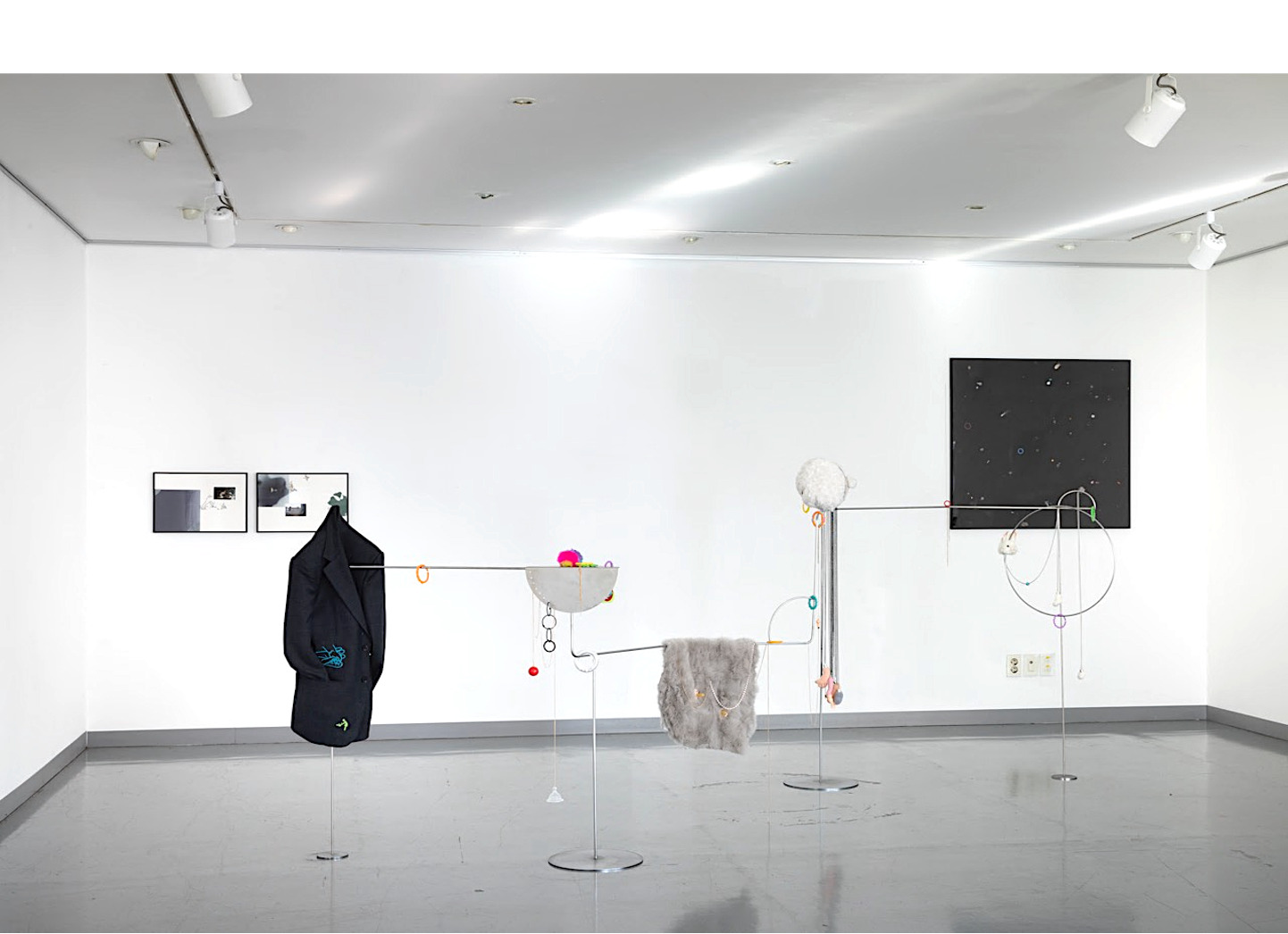
Big Dipper(2019) borrows the structure of
the constellation and is composed of seven symbolic objects: ‘Rabbit Foot
Luck’, ‘Slender Time’, ‘Four Hands’, ‘Stroller Elevator’, ‘Nomadic Childcare’,
‘Cosmic Combination’, and ‘Super Mom’. By embroidering images of childcare onto
a men’s suit jacket, or placing pearl necklaces, children’s toys, pacifiers,
and dolls on the same level, Jun reveals how multiple identities—artist, woman,
mother, and consumer—collide and coexist within one body.
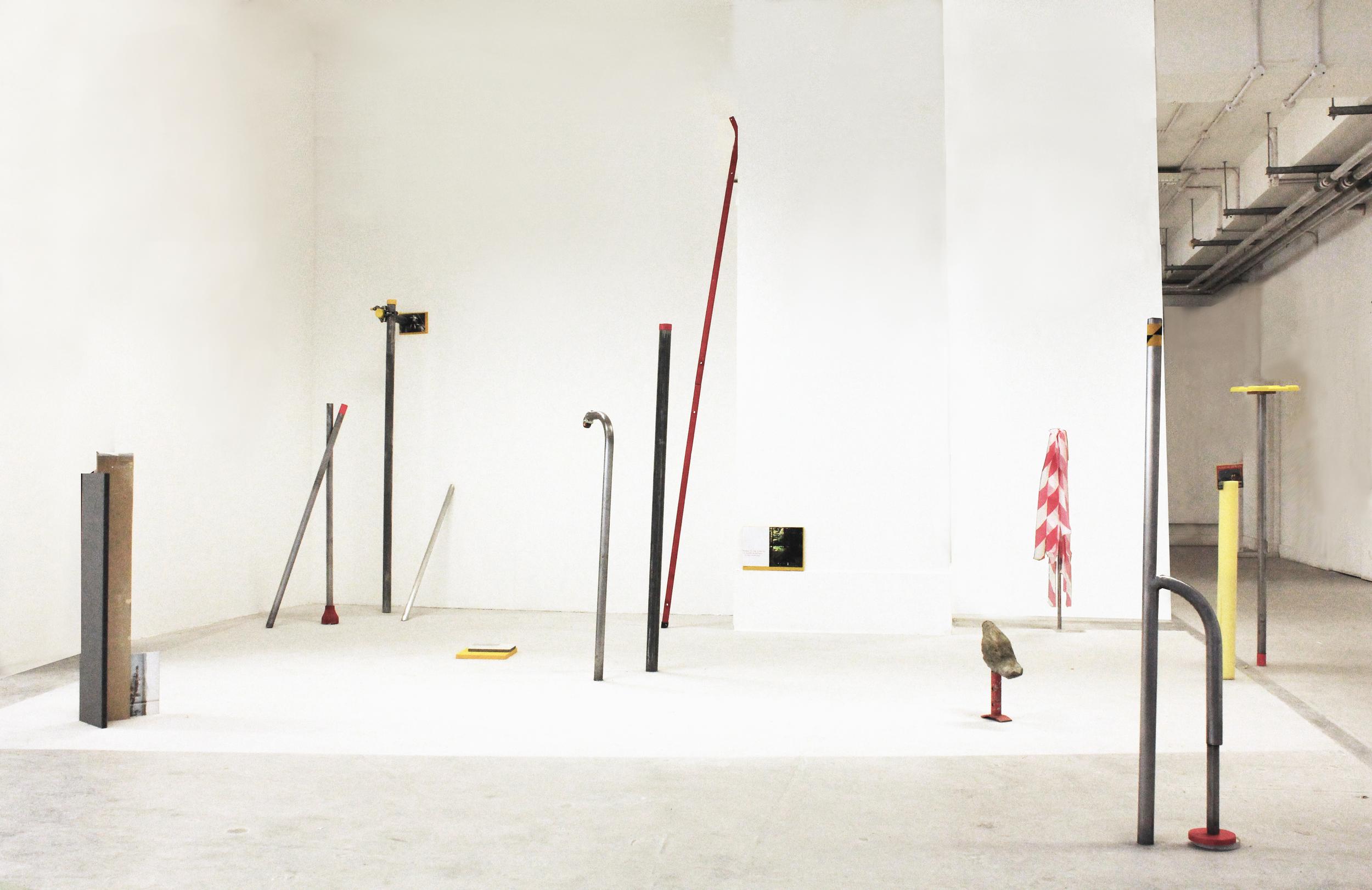
Since the
2020s, Jun’s interest has expanded from unfamiliar combinations of objects
toward questions of balance and pause, the distribution of force, and the body
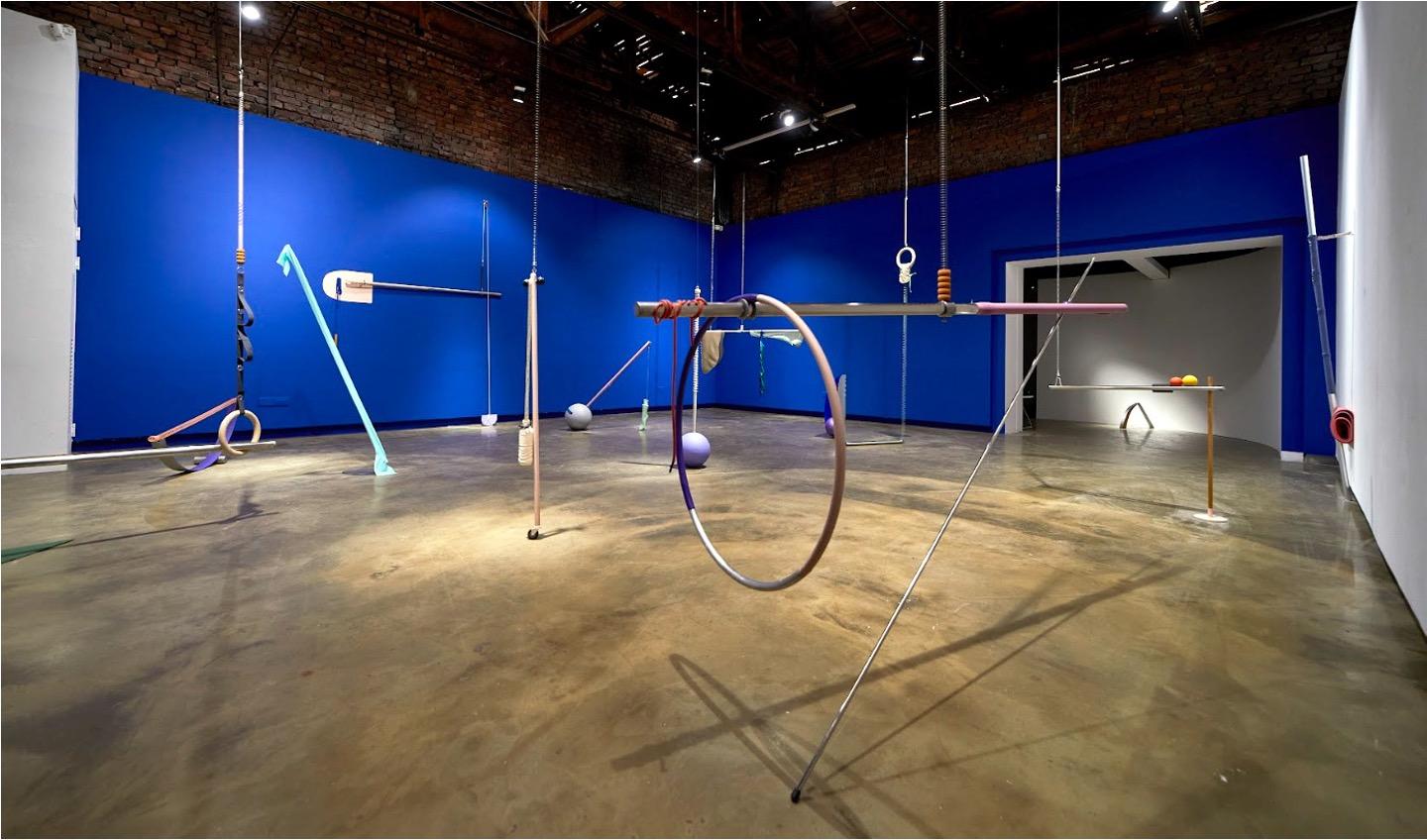
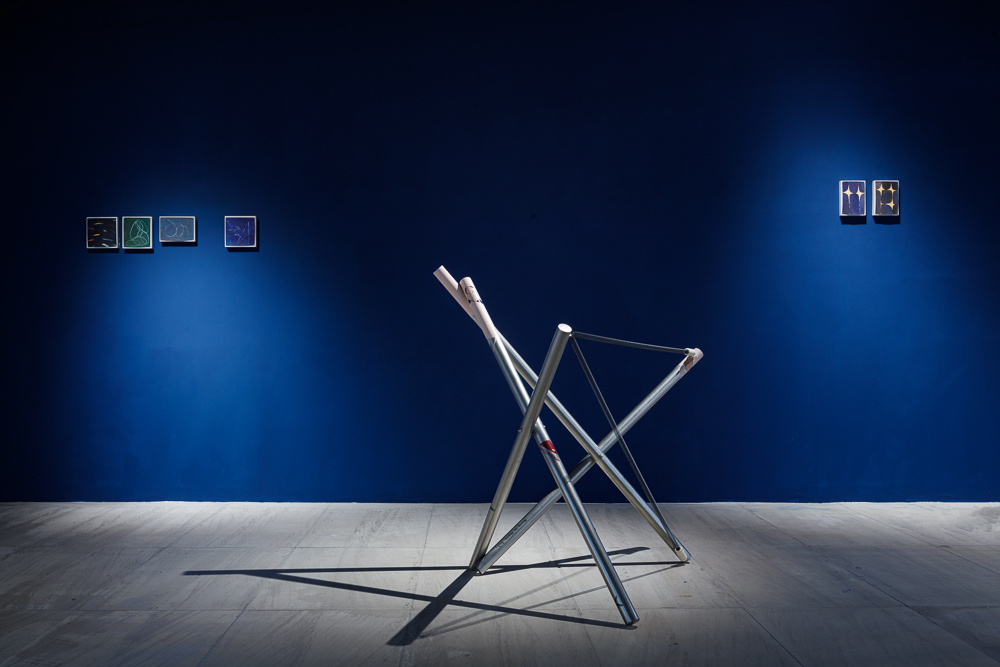
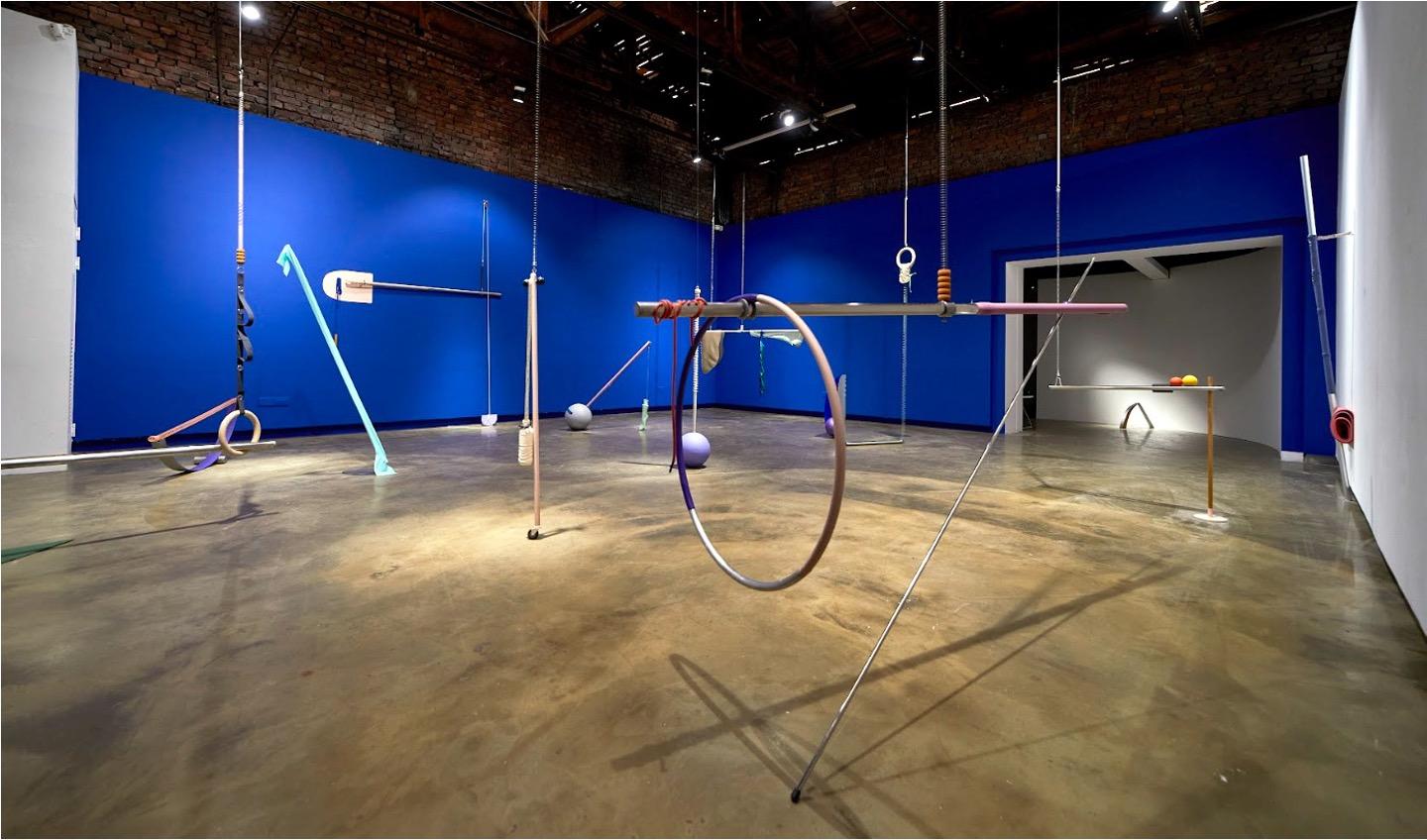
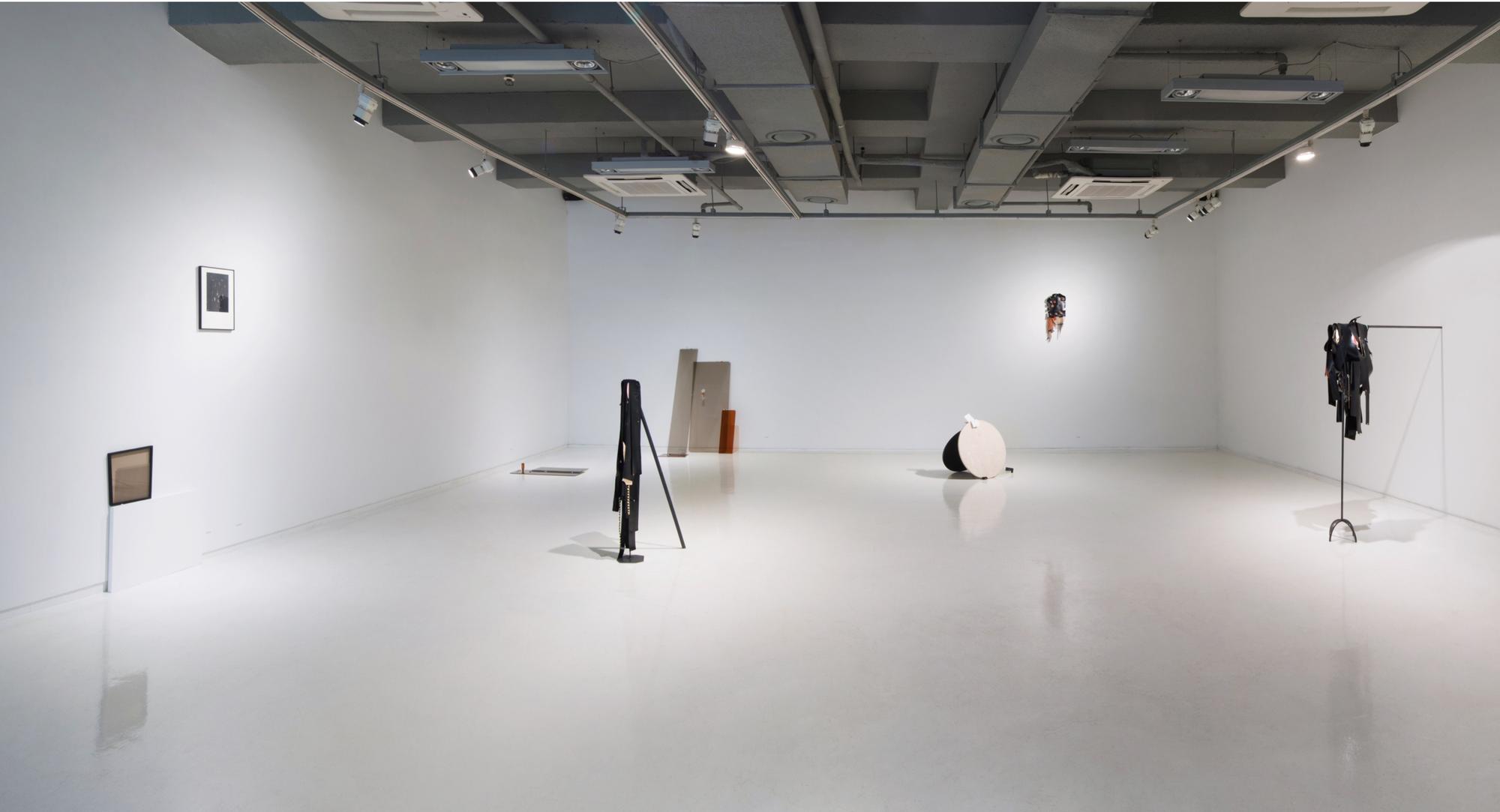
of sculpture. Her solo exhibition 《Daylight on Tiptoe》(SeMA Storage, Seoul,
2022) explored the sense of tension and endurance repeated beneath calm
everyday life through the ‘Light of Face’(2021) series,
Pause(2022), Break Time(2022), and
Low Rainbow(2022).
Cosmetic puffs become devices that
conceal emotion as well as unstable supports holding structures in place, while
springs and pipes from exercise equipment evoke traces of a body that must have
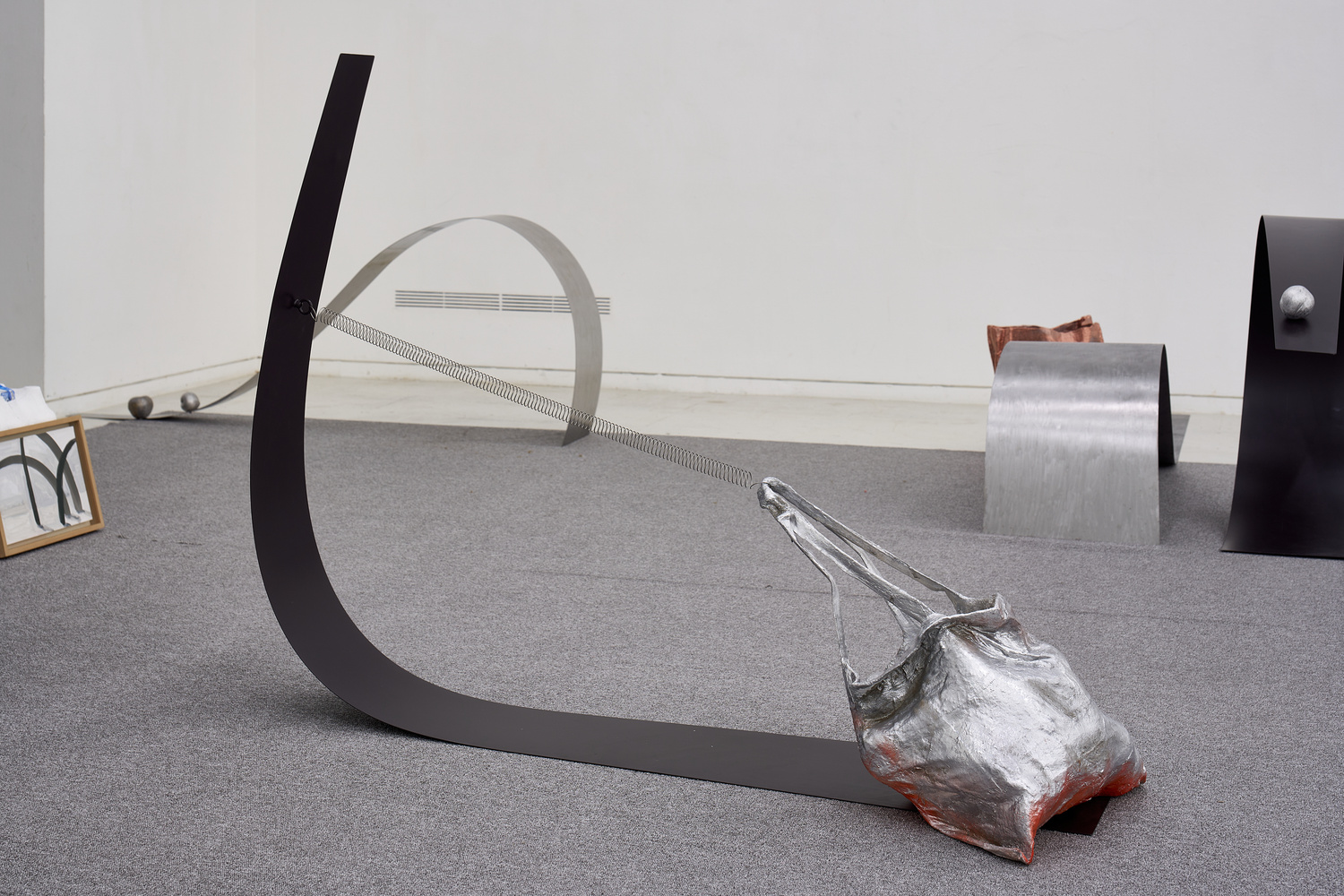
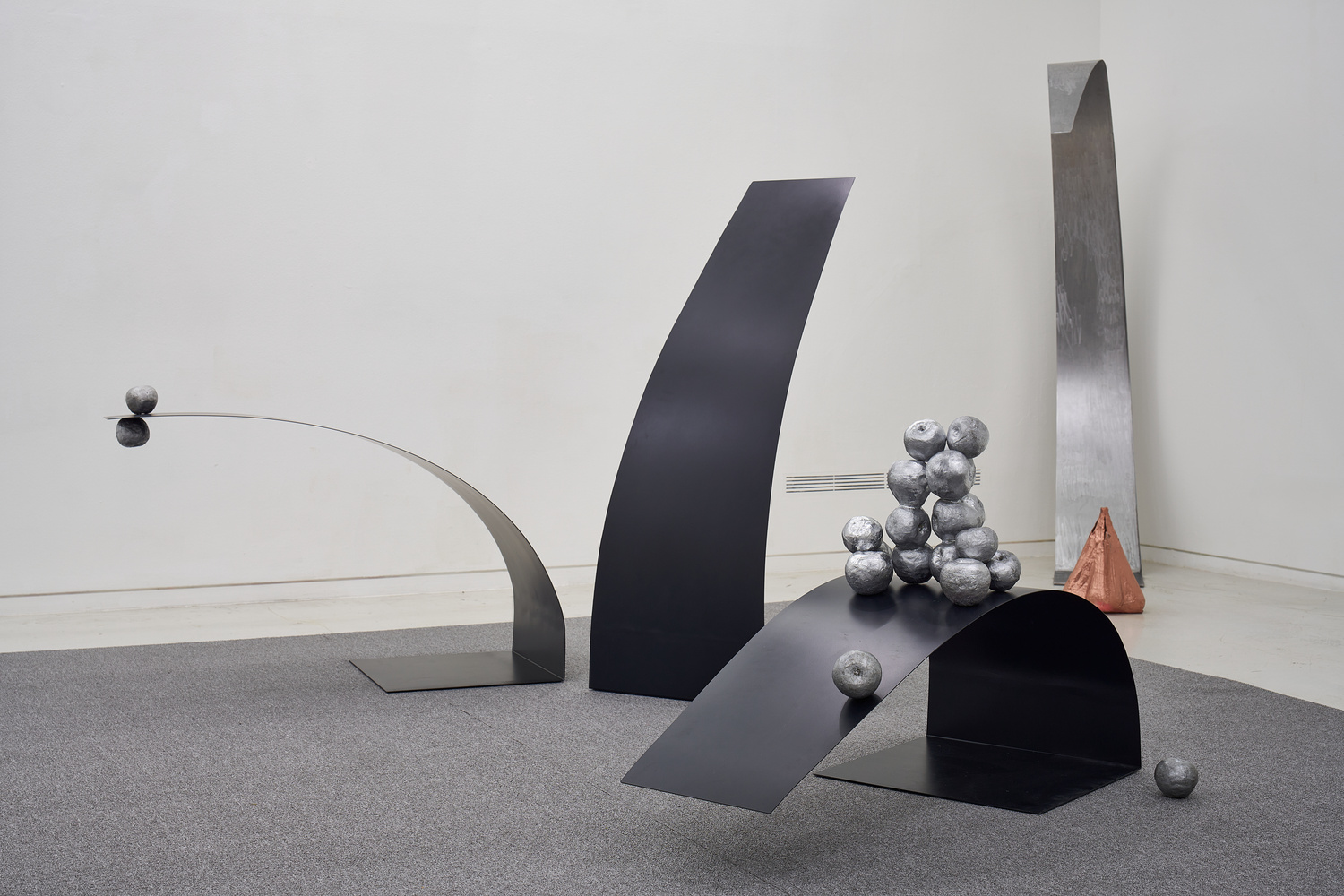
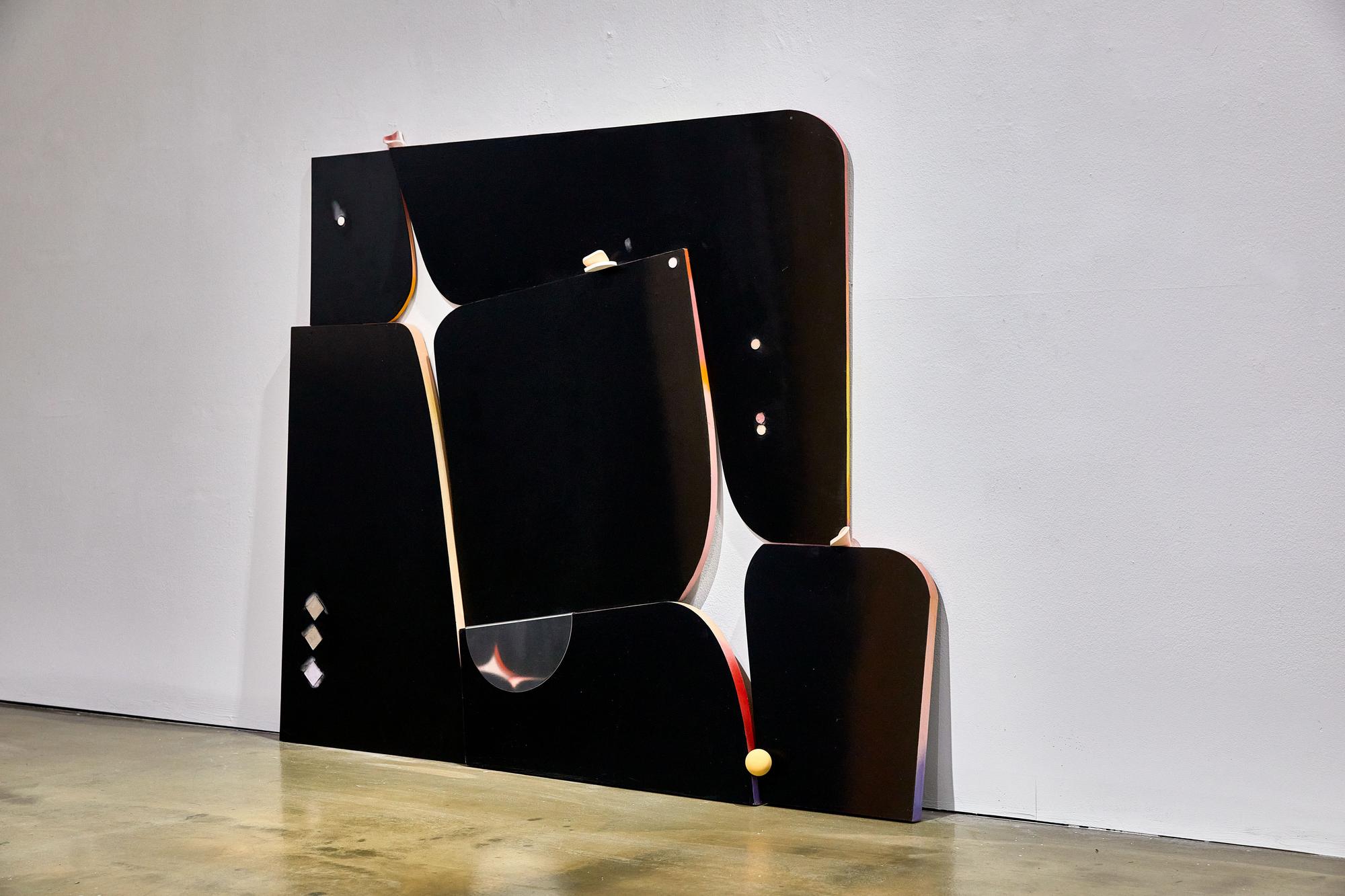
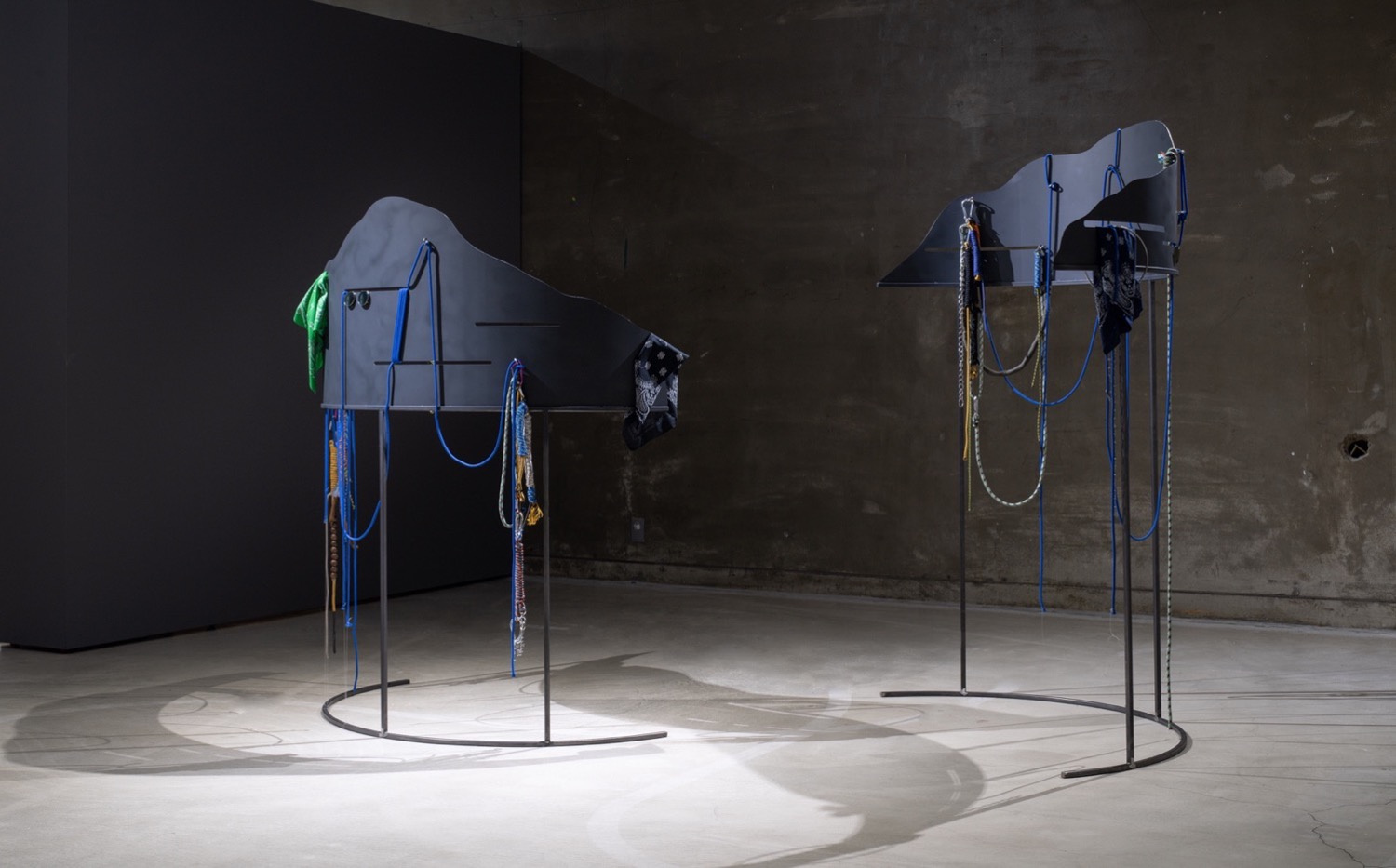
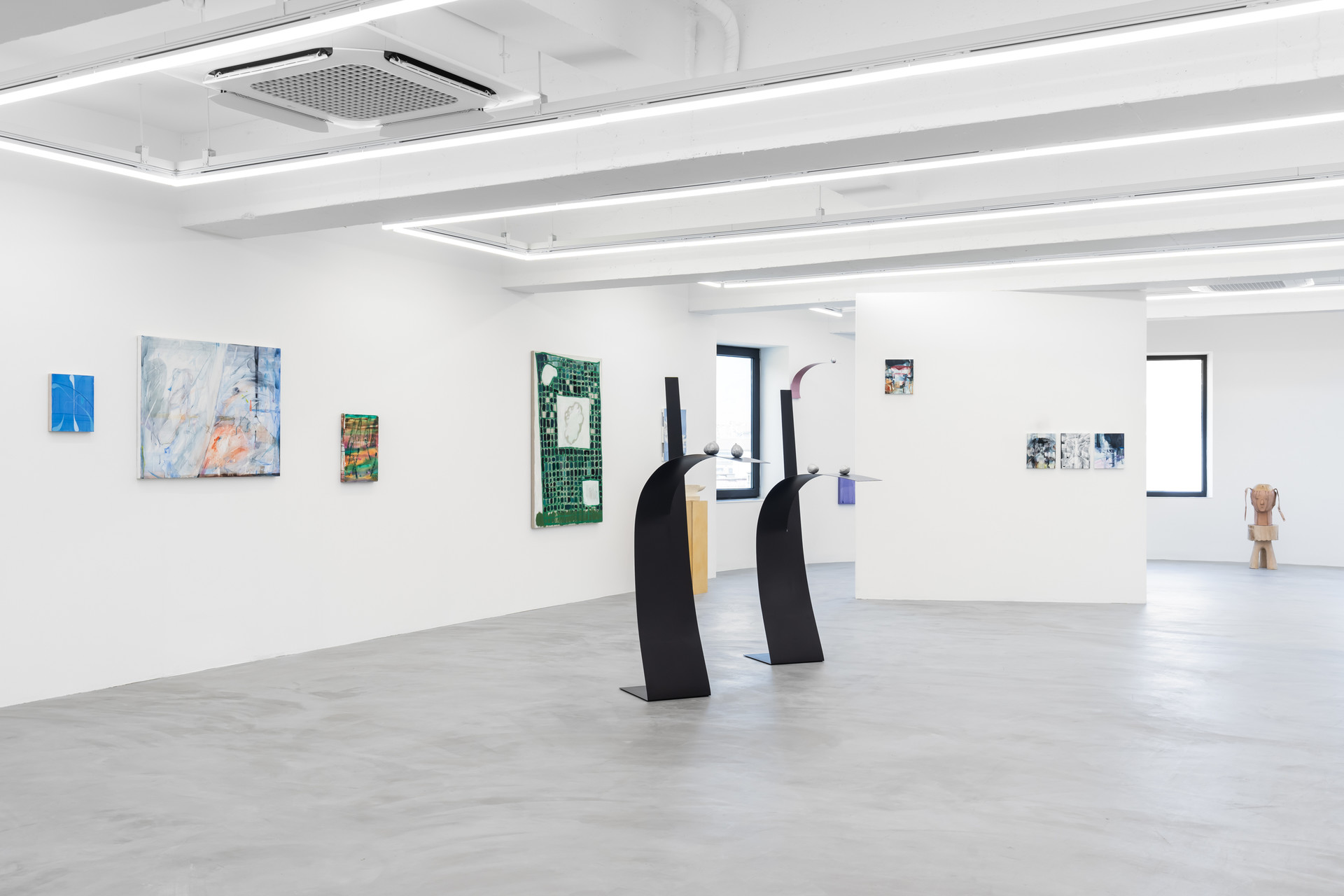
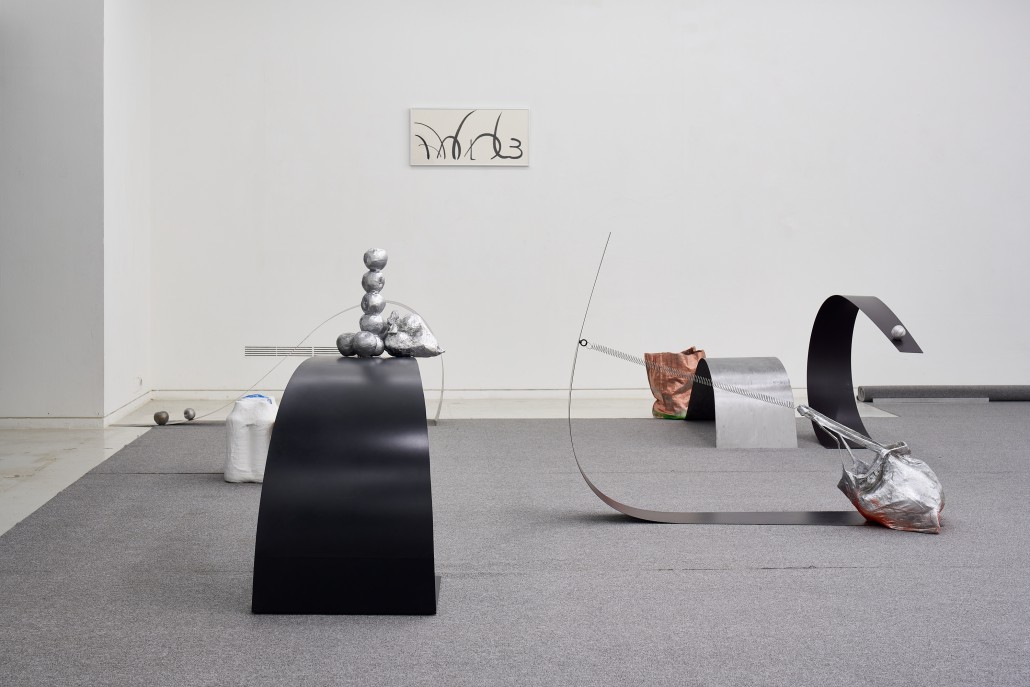
moved just moments before. In the recent solo exhibition 《Heavy Orchid》(Artspace Boan, Seoul, 2024),
thin steel plates and everyday objects are combined, as the artist brings the
“orchid painting” of the Four Gracious Plants into today’s city and everyday
life.
Works such as Yesterday and Today(2024), Dysfunctional
Apple(2024), Market Bag(2024), Weight in
Hand(2024), A Block of Tofu(2024), and
Curve Study 1-6(2023) sculpturally reveal the thickness,
weight, trembling, and layers of relation hidden within the horizontality of
everyday life.