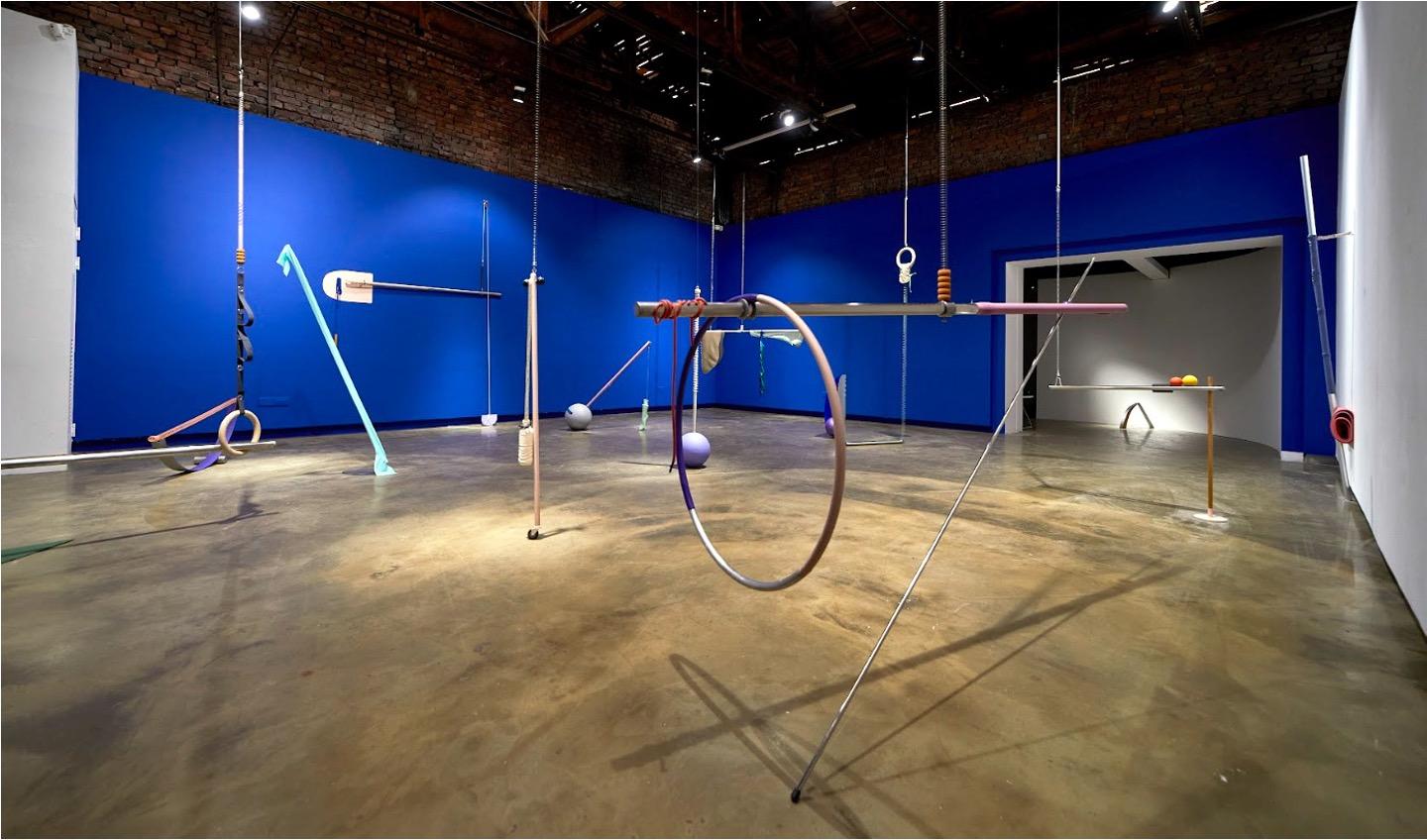
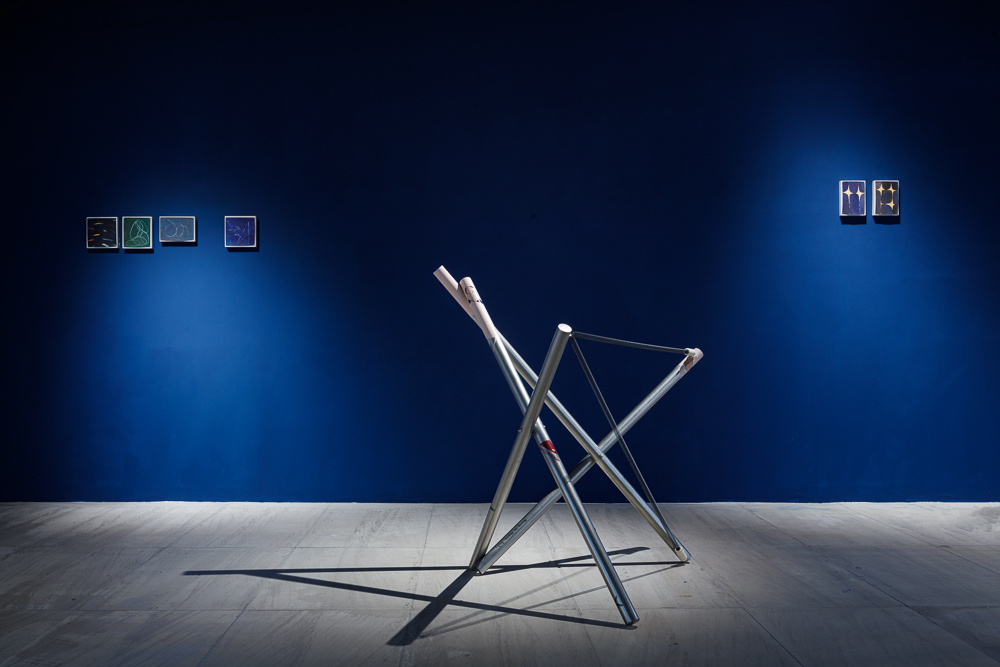
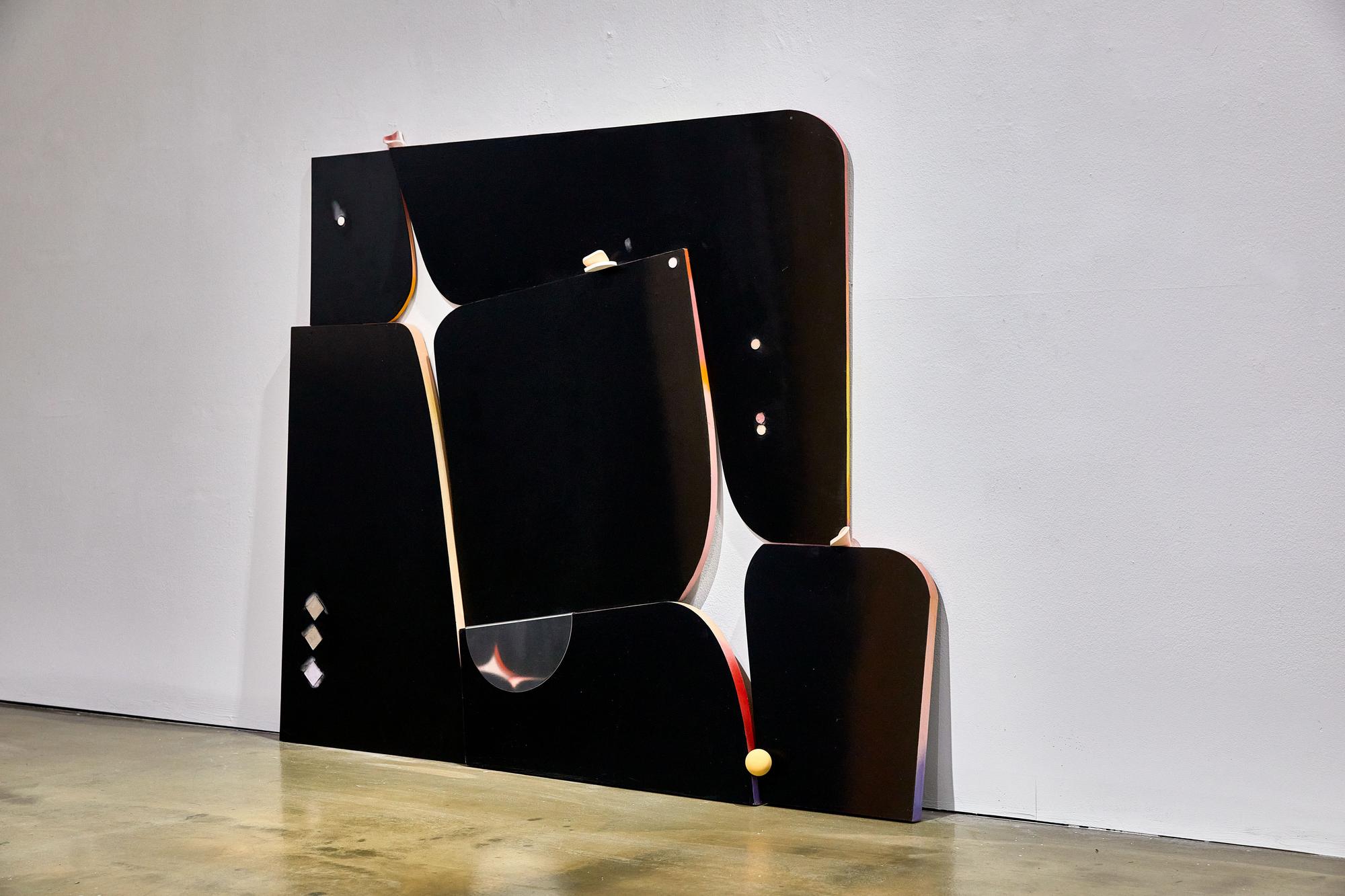
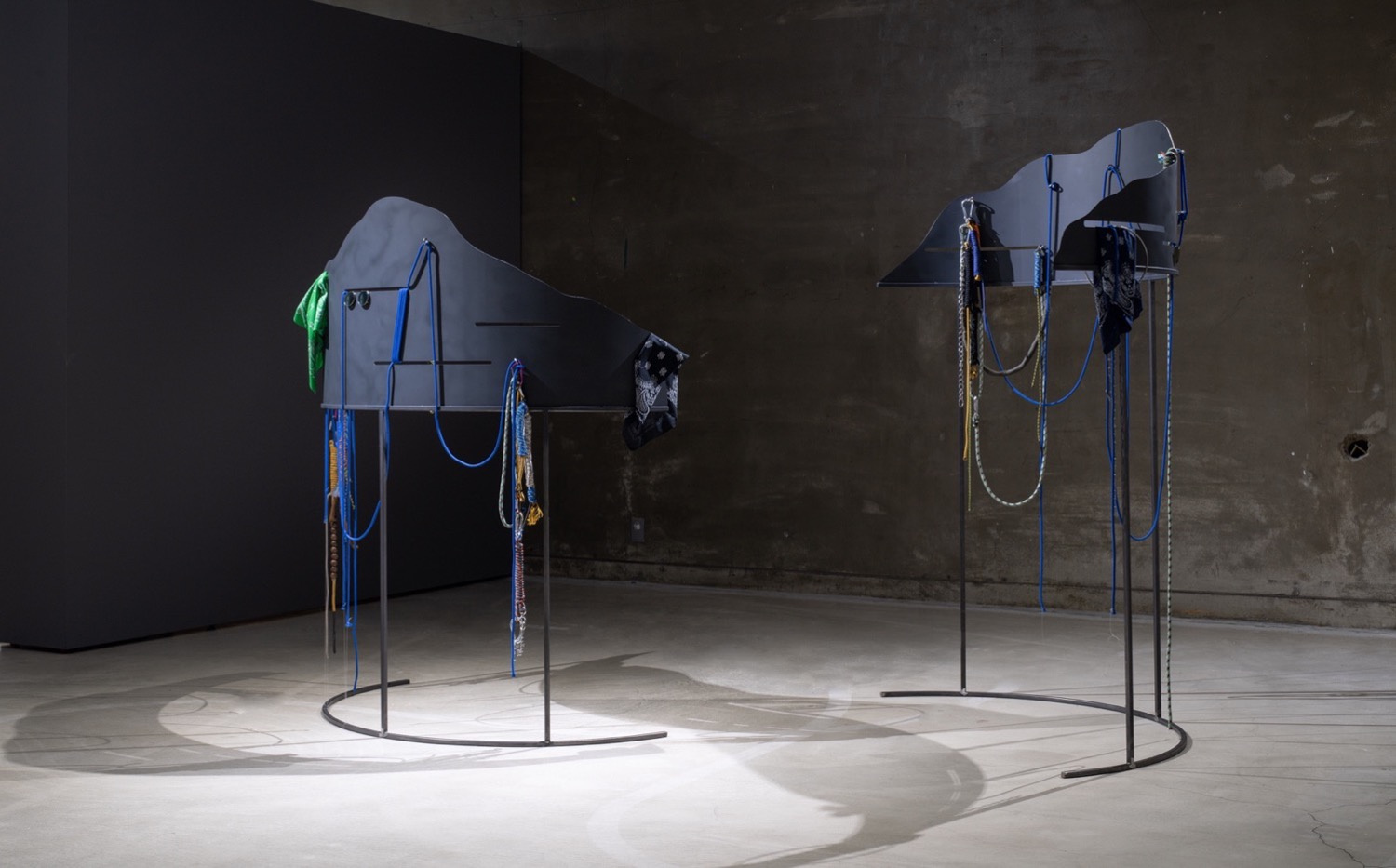
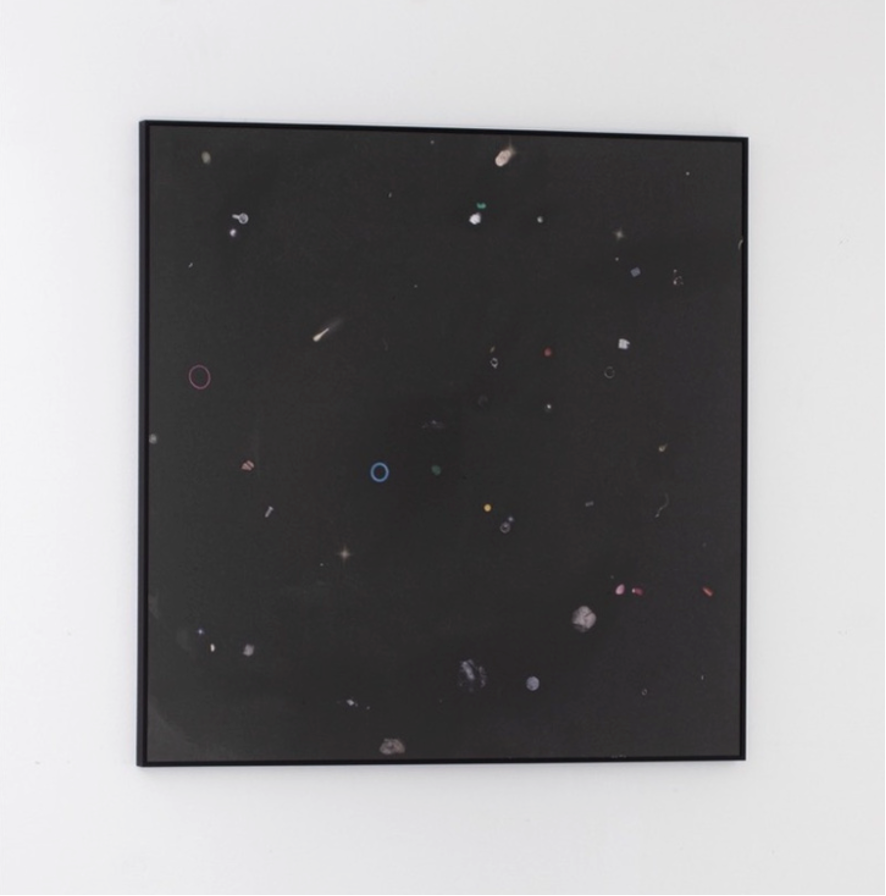
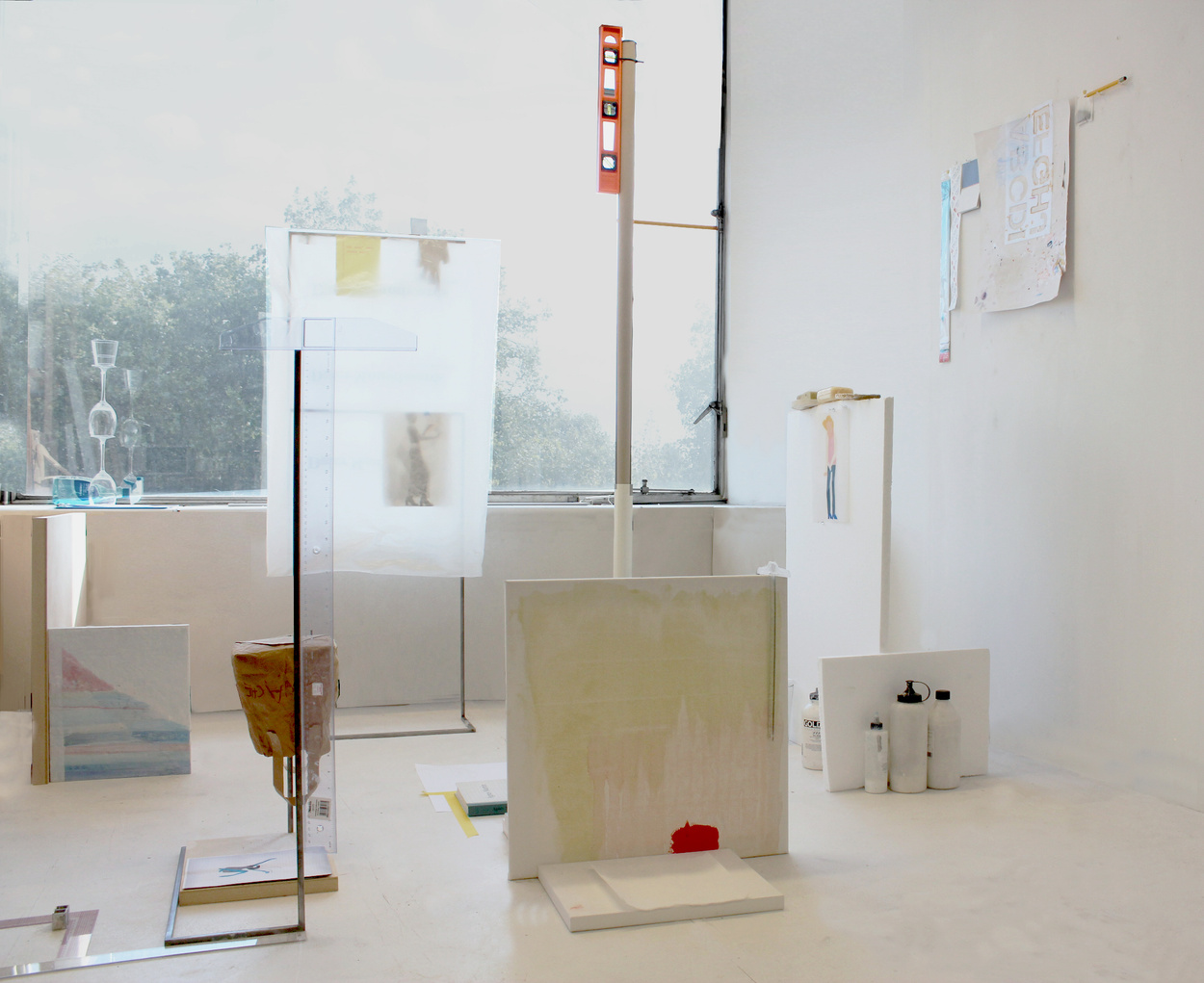
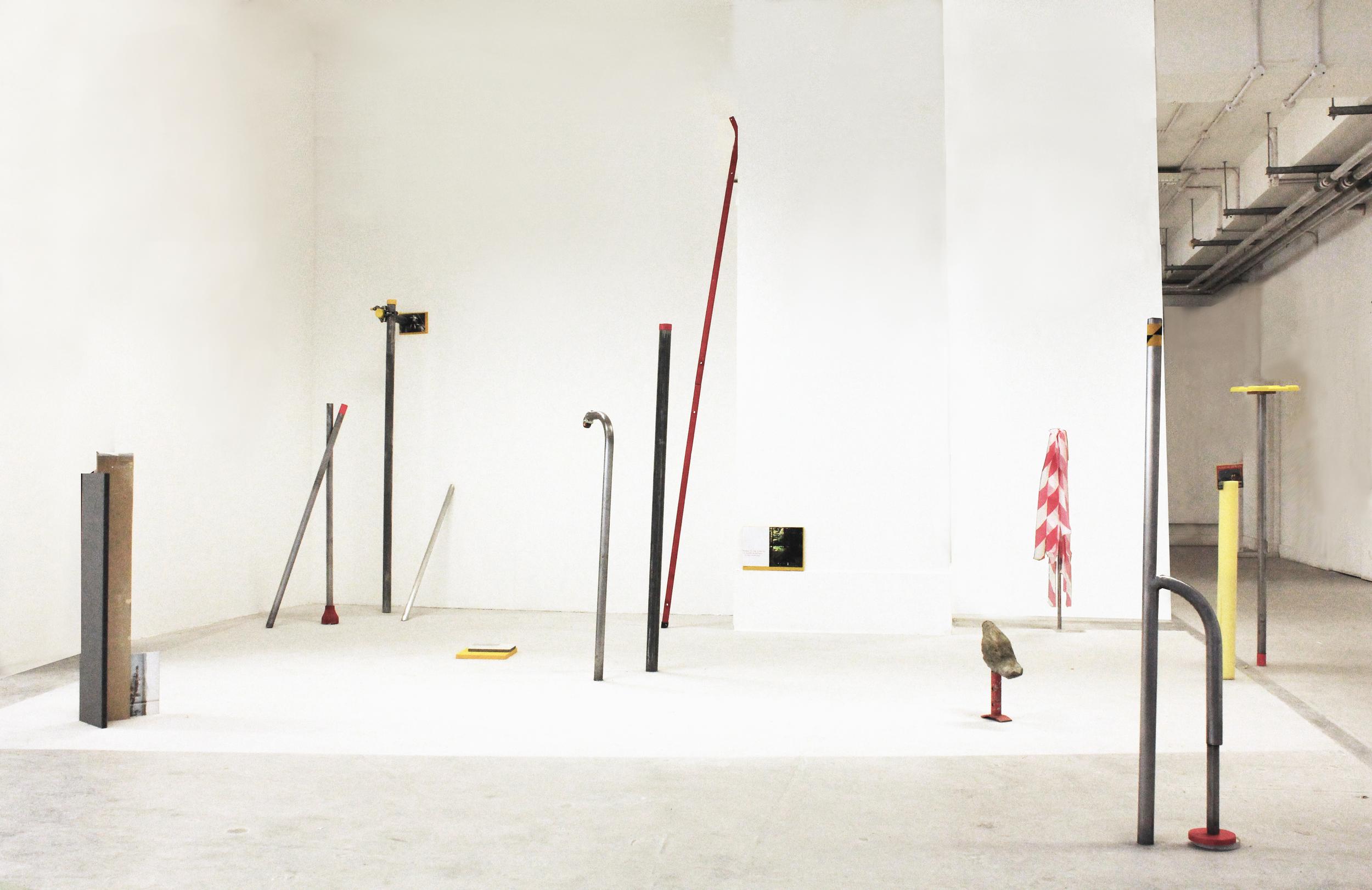
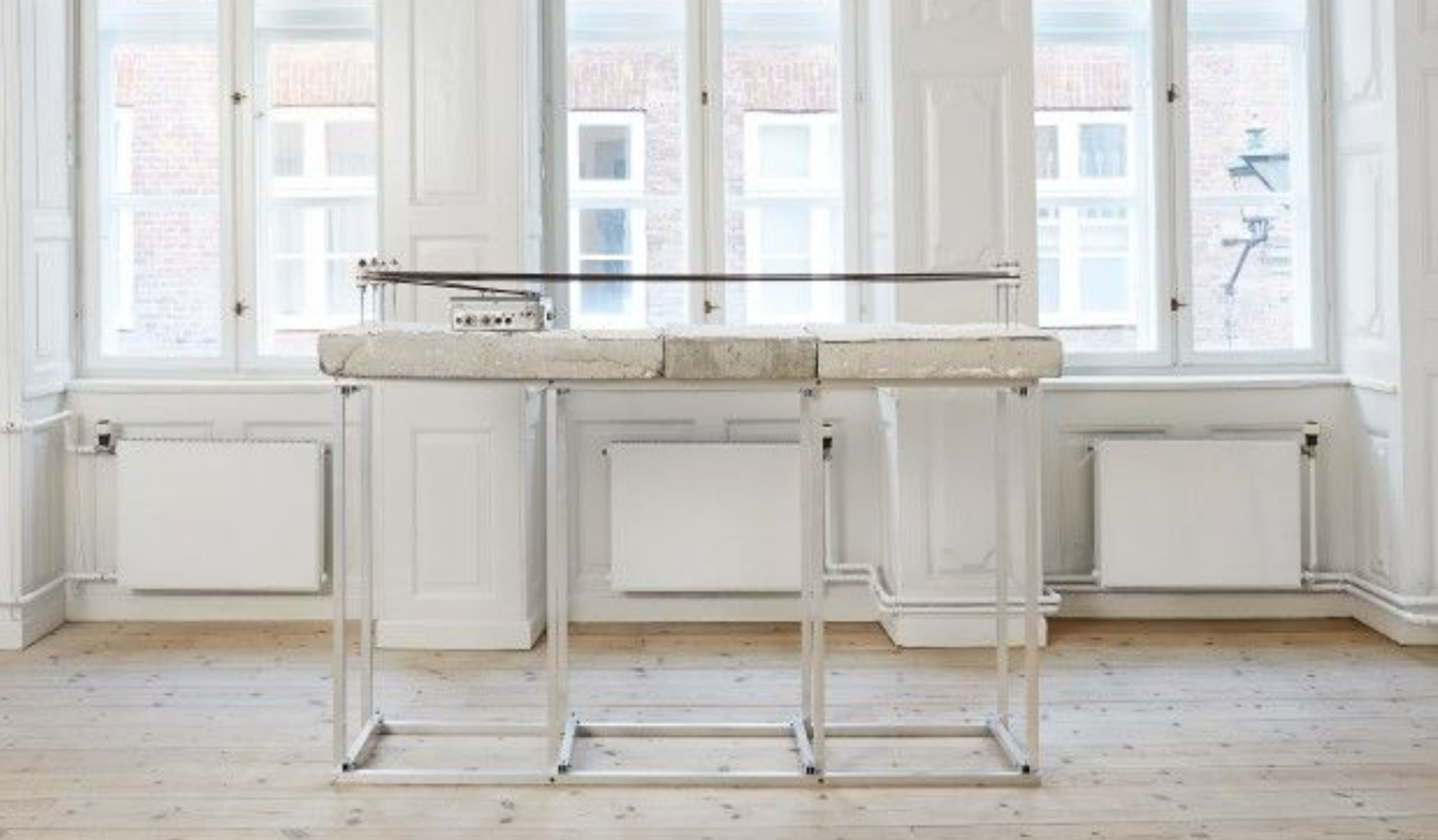
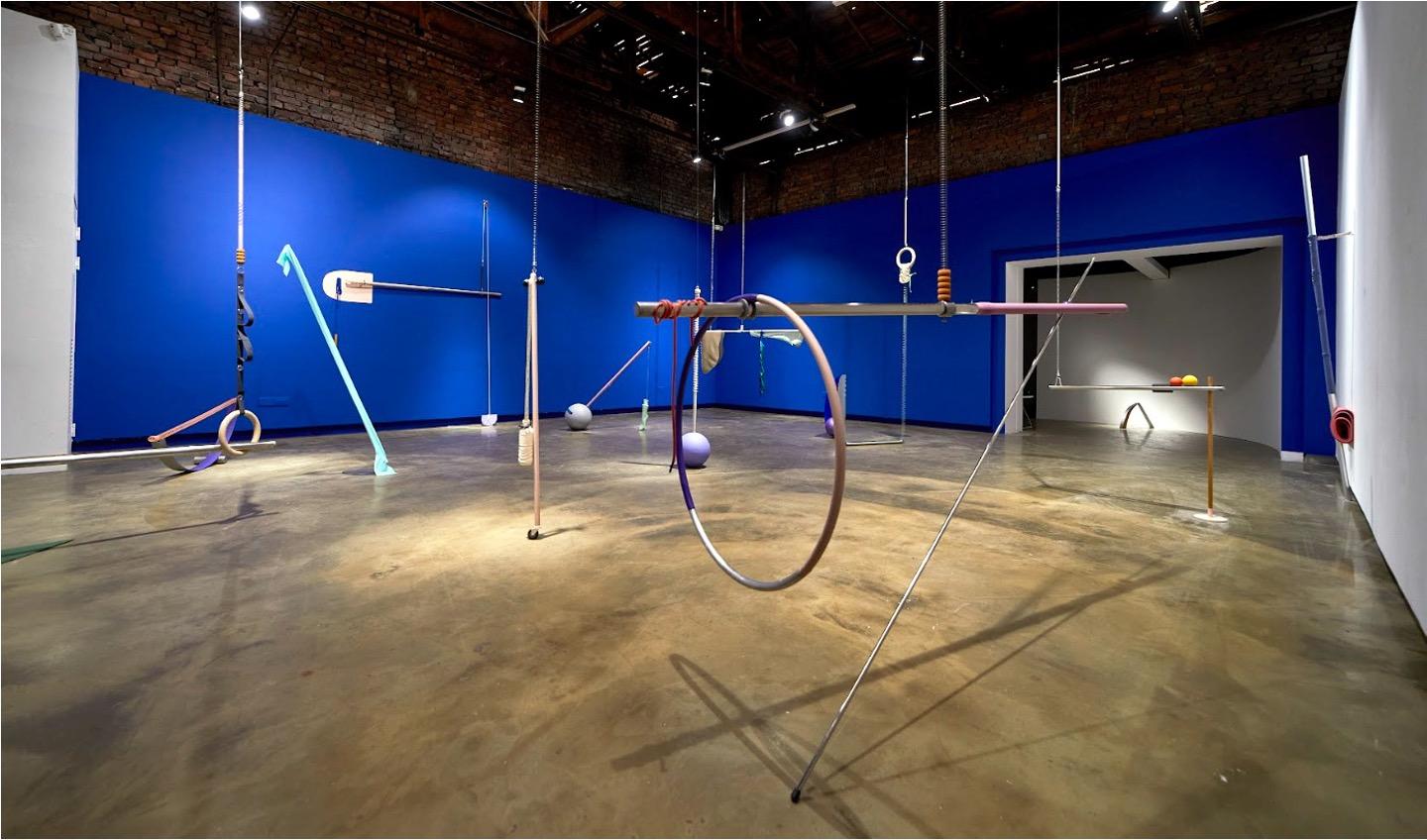
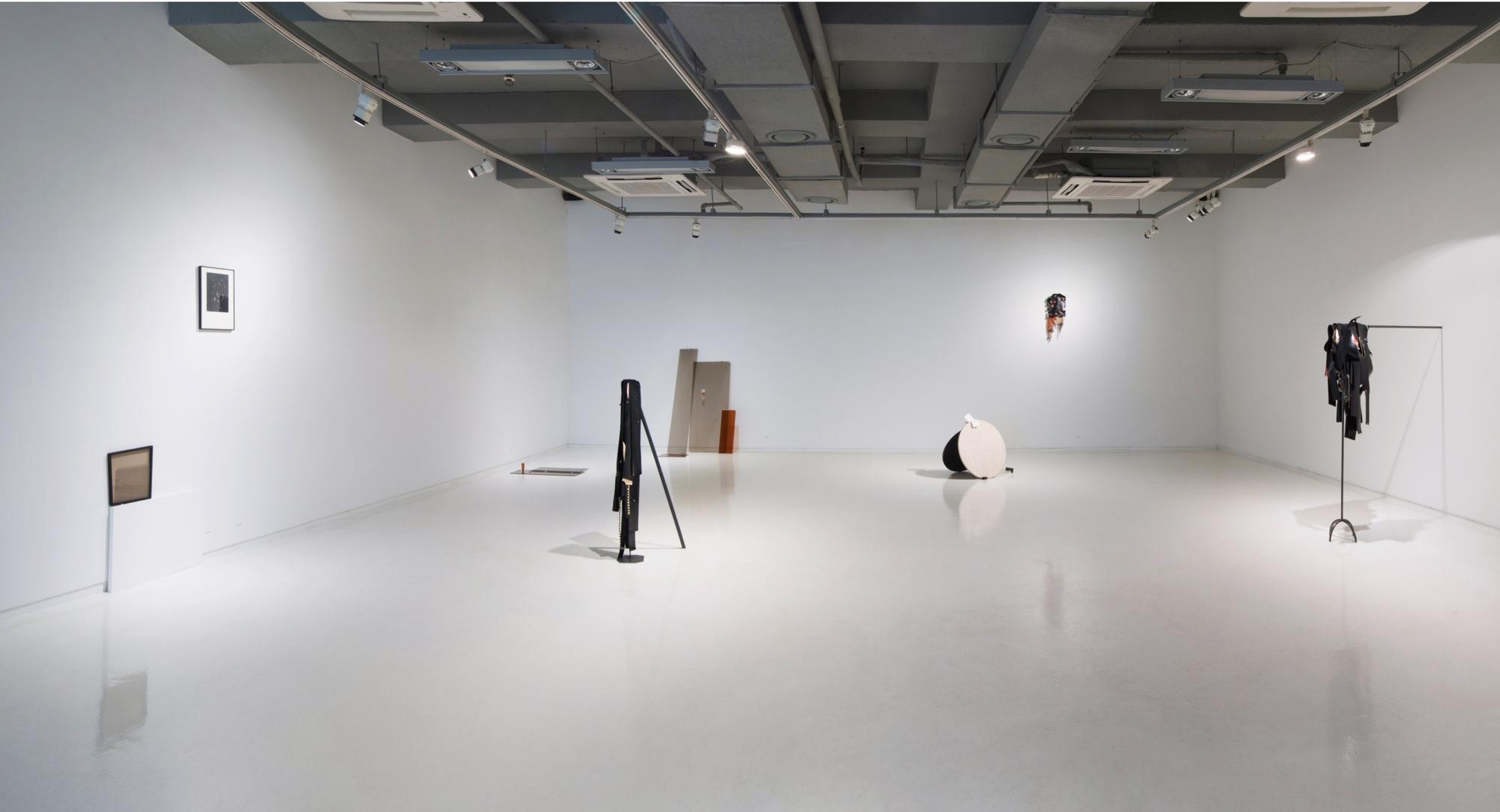
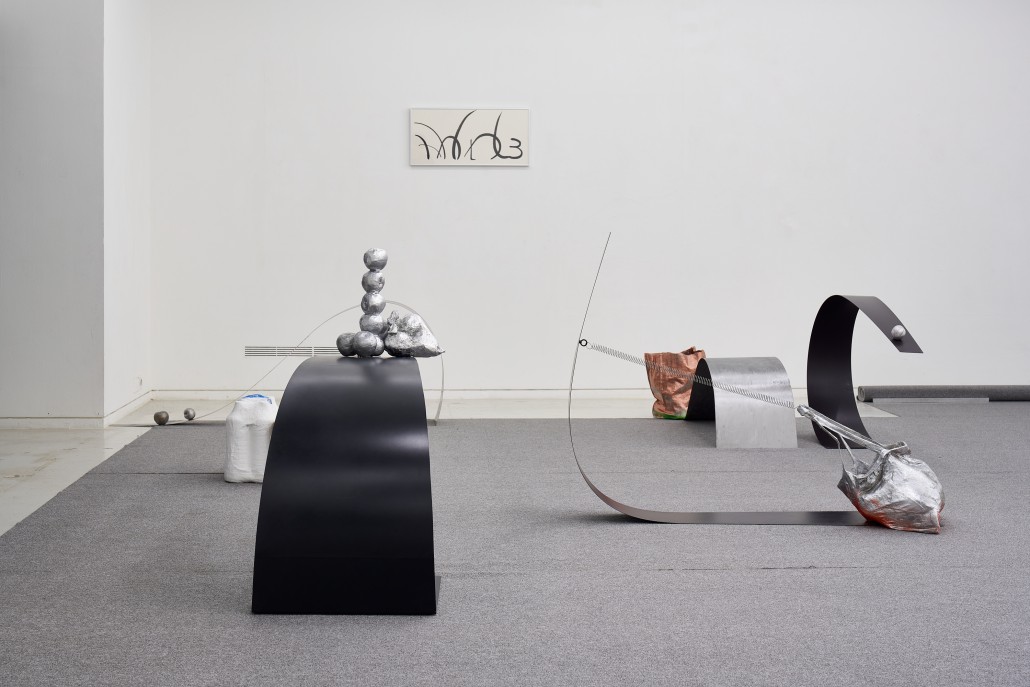
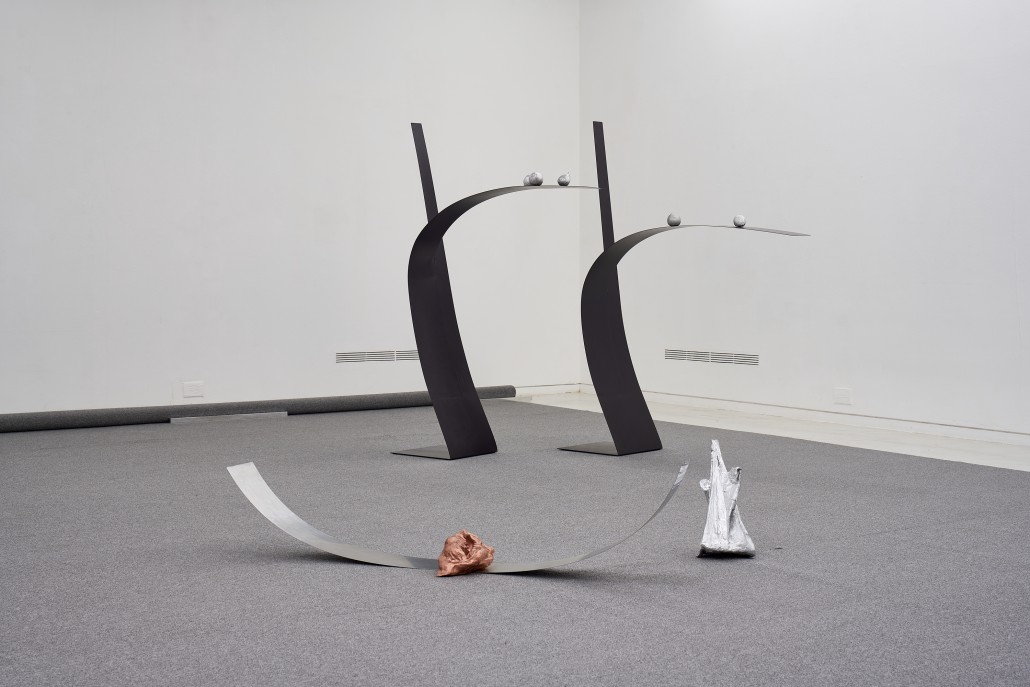
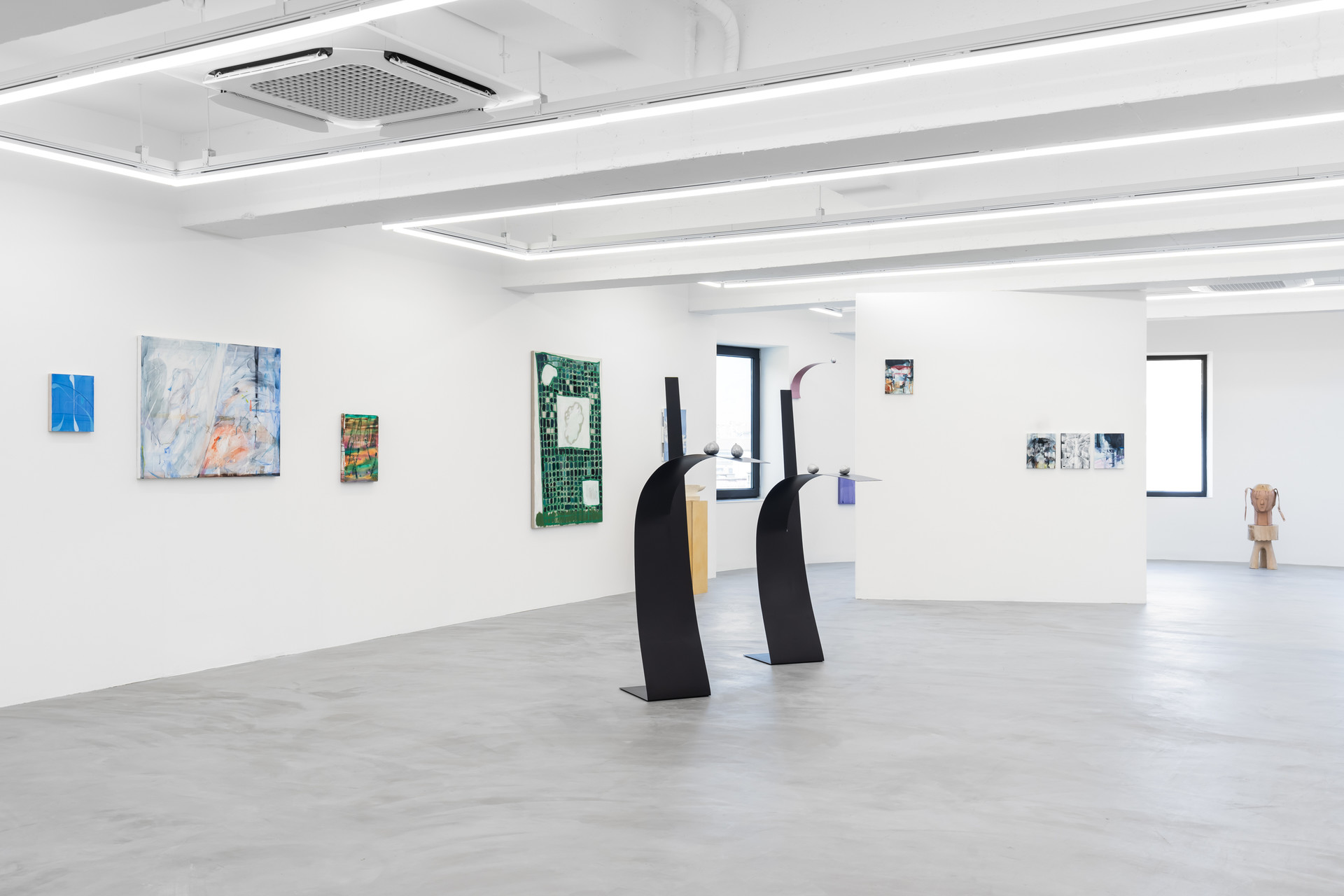
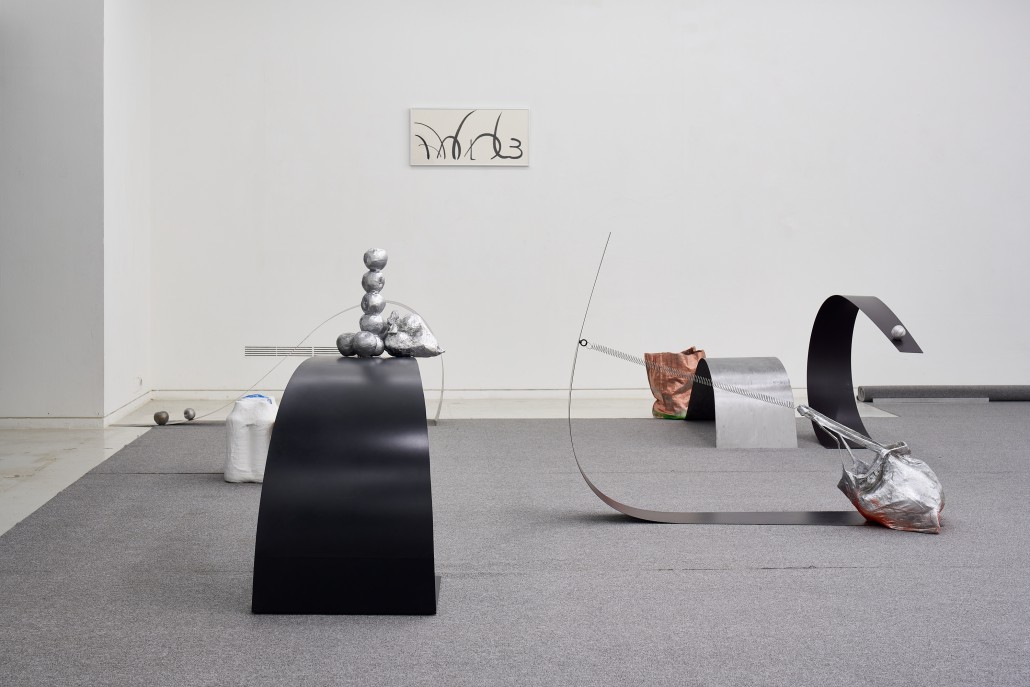
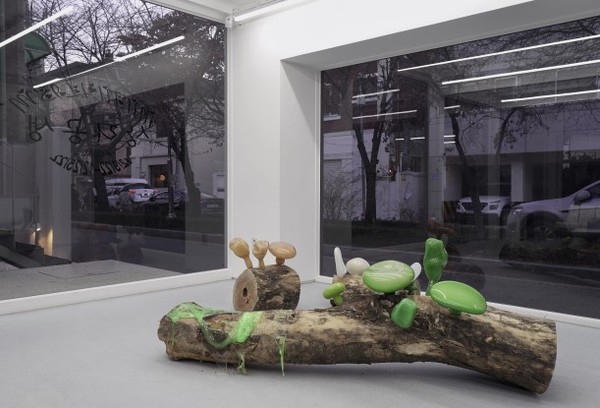
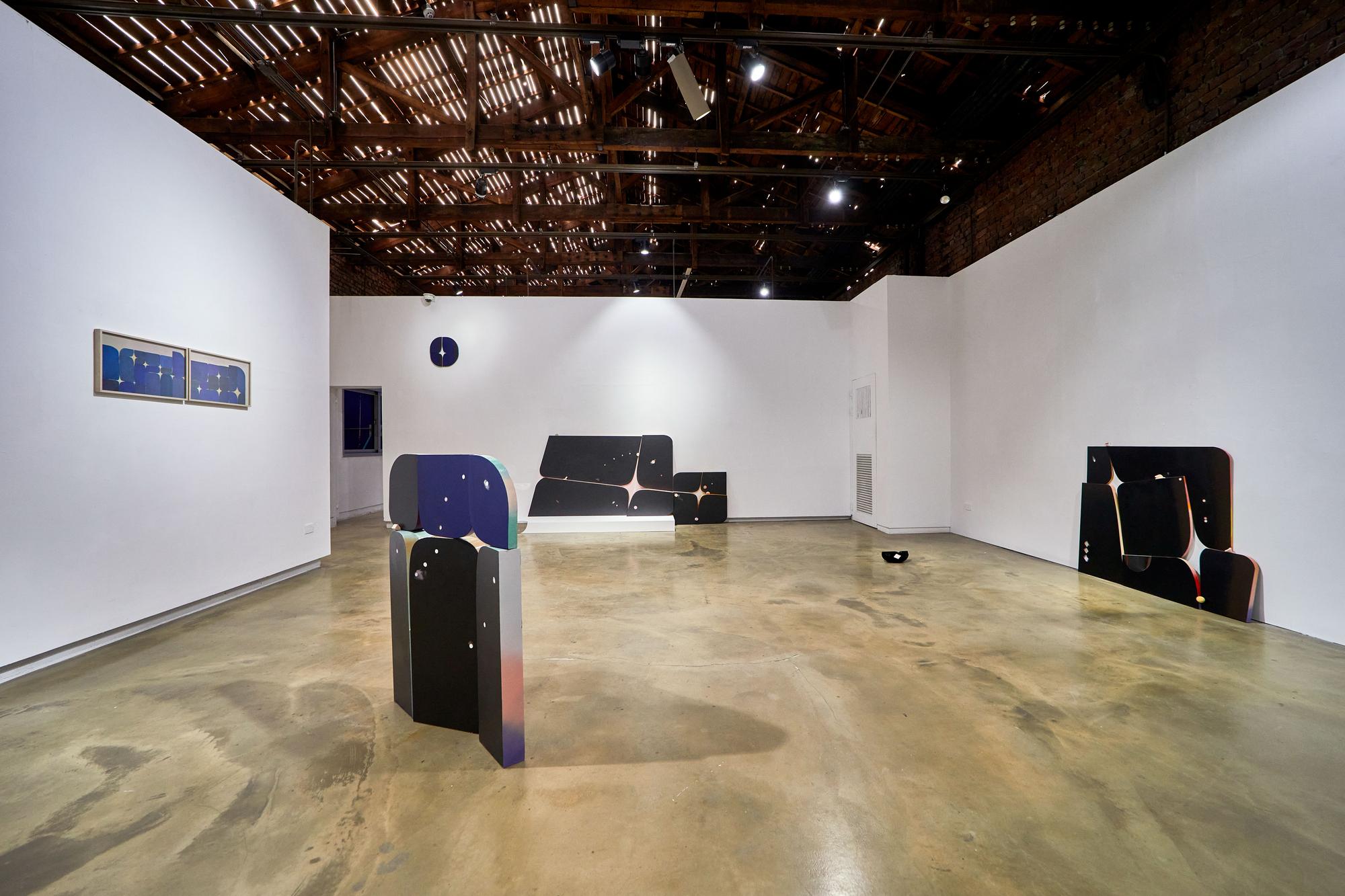
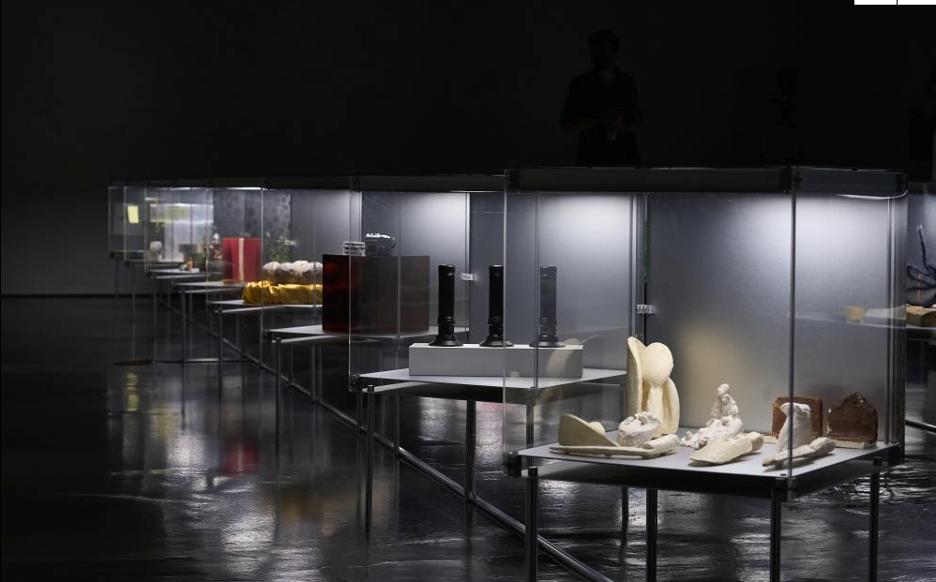
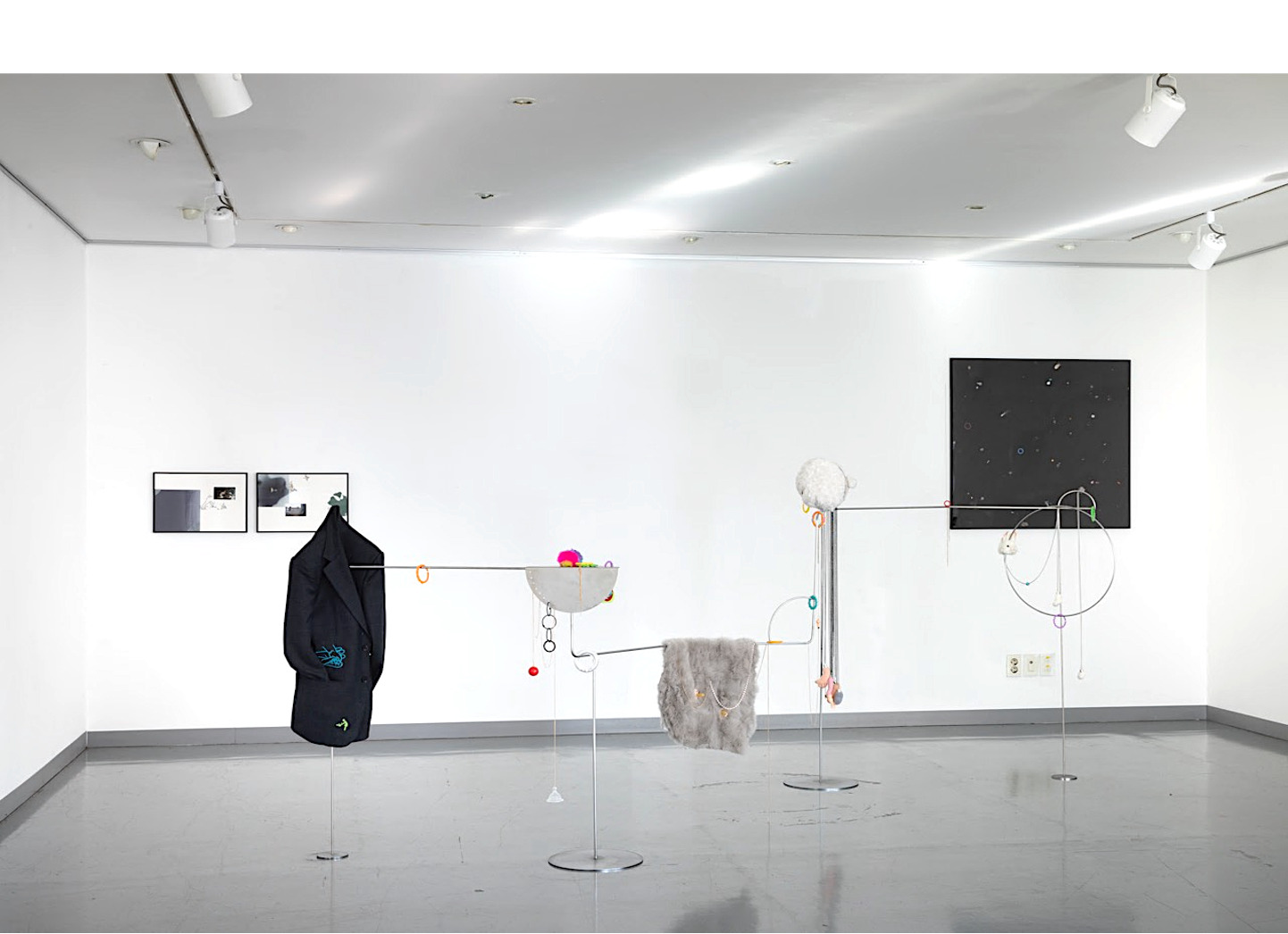
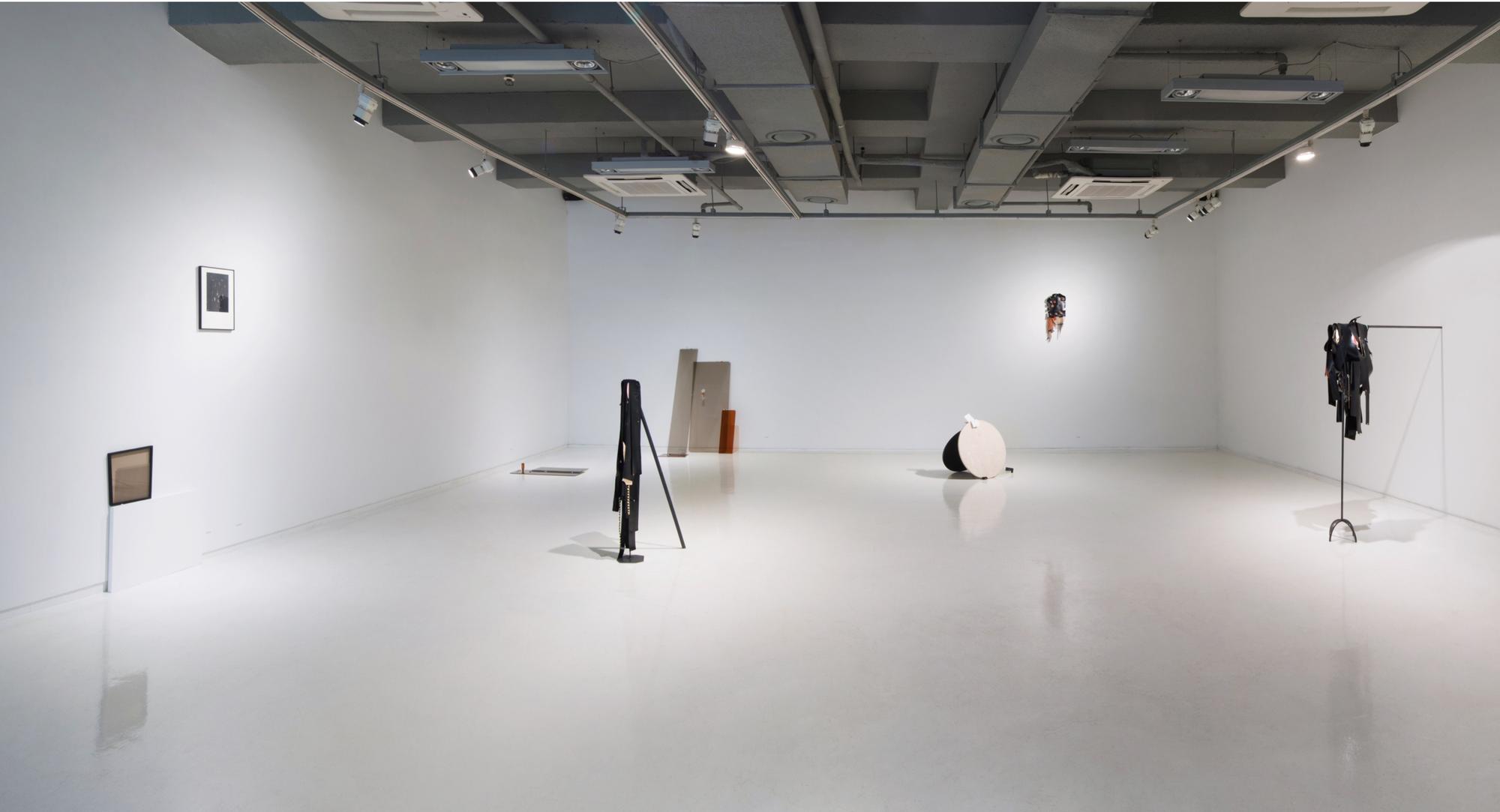
Installation view of 《Heavy Orchid》 (Artspace Boan, 2024) © Jangyeun Jun

Heavy Orchid

Everyday life is horizontal. It is often perceived as a gentle, hierarchy-free, homogeneously repeated continuity of time without events. Yet we know that this horizontality is made through the overlapping of countless layers. Everyday life is three-dimensional rather than flat, and the moments that fill it each have their own thickness, weight, and movement.

The phrase “three-dimensional horizontality” may sound like a kind of oxymoron, but it is undeniable that within the monotonous repetition of daily life, countless moments and experiences, as well as stories of cities, objects, and people, are already mixed together. To gauge the uneven three-dimensional forms and their weight from the world of horizontality may be the true sensation of everyday life.

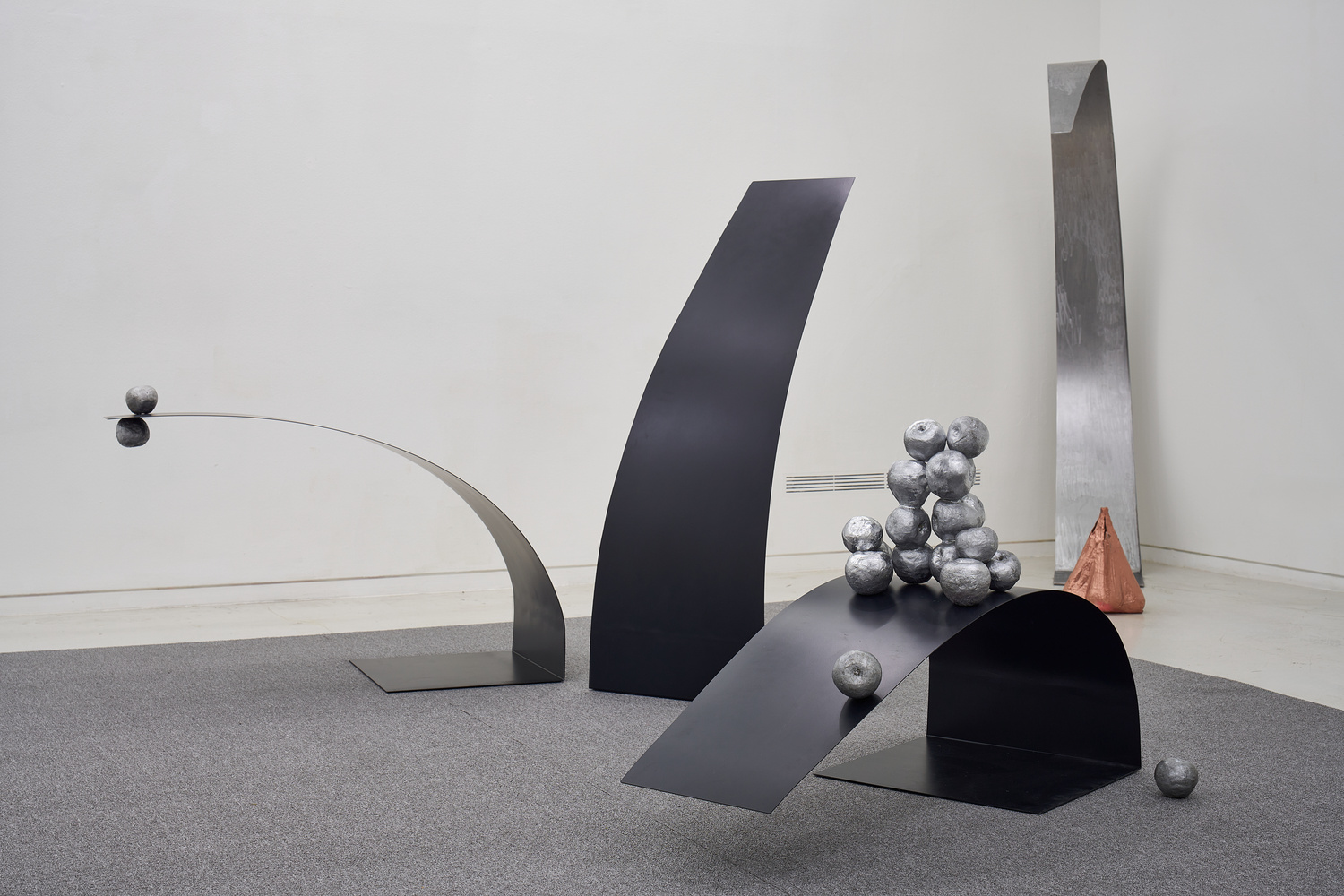
In Jangyeun Jun’s solo exhibition 《Heavy Orchid》, we encounter the horizontality and three-dimensionality of everyday life. Her work begins from what the artist has seen, touched, and experienced in daily life. In other words, the repeated experiences and scenes that occur over the course of a day fill the exhibition. In the carpeted exhibition space, thin pieces and planes of iron, which at first glance seem monotonous, stand upright while gently curving.
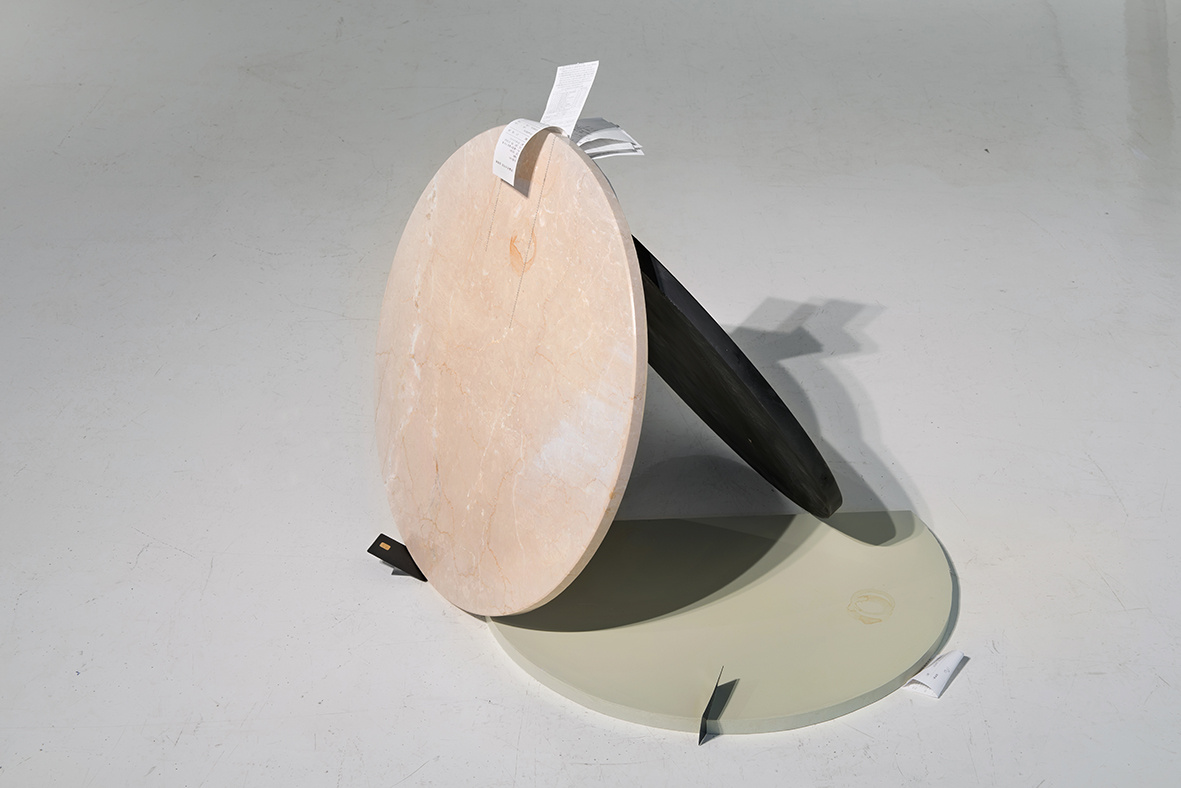
Works such as Yesterday and Today(2024) and Dysfunctional Apple(2024) rise within the exhibition space, revealing “variable flatness” as a form in which “differences” are latent within countless everyday events. This verticality does not follow a massive monument, and this horizontality does not follow static calm. The works repeat subtle shaking and movement according to the flow of air.

The juxtaposition of horizontality and verticality, or the crossing of stillness and movement, allows us to sense, as mentioned above, “the true sensation of everyday life”—the complex organization of various experiences, social environments, and relationships.

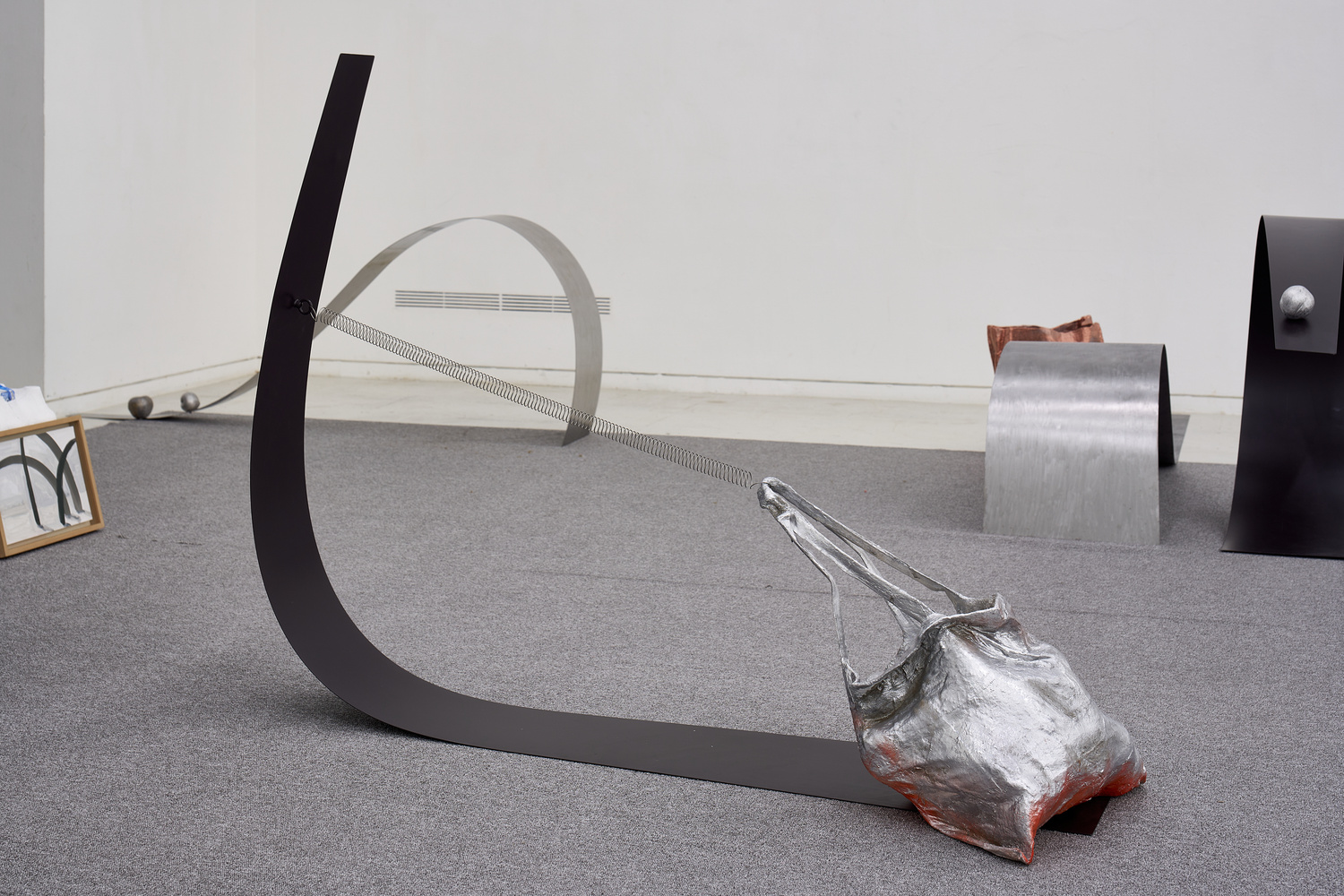
In the same context, in works such as Market Bag(2024), Weight in Hand(2024), and A Block of Tofu(2024), we can imagine bodies holding or pulling something, or people moving busily through markets and supermarkets. In these everyday scenes, the worlds of the horizontal and the vertical intersect.

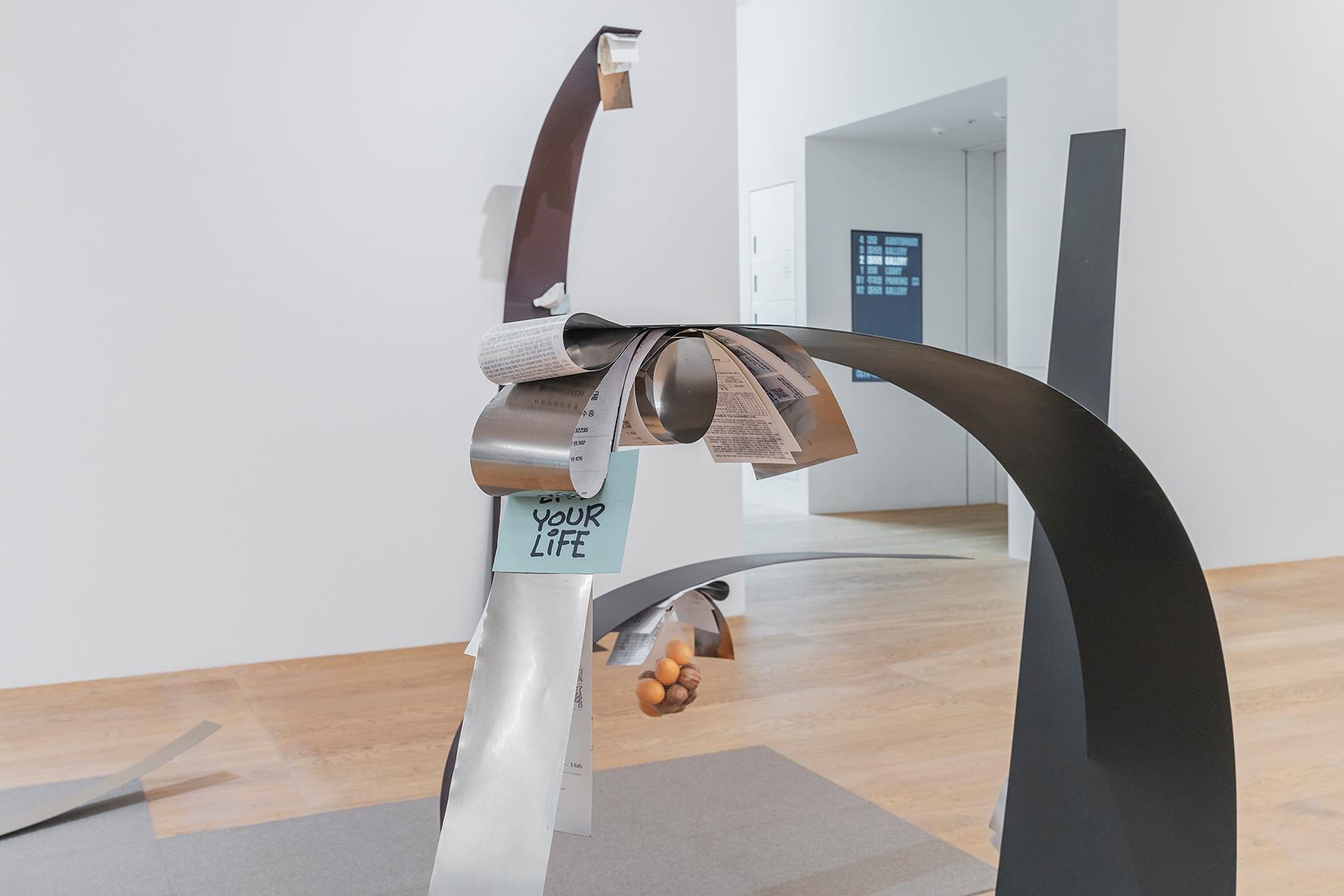
To the beings moving through this extended world are added multiple layers of time and space, self-reflection, and thoughts about society. As if walking through the moments of everyday life, the artist adds specific objects—such as a plastic bag containing something, fruit, or a bundle of bottled water—to thin pieces and planes of iron.

Here, “addition” generates more than simple accumulation: it produces balance and tension, subtle dislocation and movement. The objects pass through the artist’s actions and moments, such as stopping by a café in the morning for coffee, going through her daily routine, and grocery shopping on the way home.

Objects made through casting or by wrapping plaster bandages may not be mere traces of consumption or experience, but evidence that actively reinterprets and reconstructs the related actions, spaces, and days. The objects added to thin steel plates, which create their own tensions and situations, may be sharing a process of autonomous exploration rather than existing for a specific function or purpose.1)

Through this, viewers may come to participate in the everyday days of another person, as if strolling through a city.2) The exhibition itself becomes a place for sensorially experiencing and imagining various moments of everyday life and the city.

Installation view of 《Heavy Orchid》 (Artspace Boan, 2024) © Jangyeun Jun

The exhibition as a rethought horizontal time-space, and as a potential site of transformation for the everyday, is connected to a particular creative attitude. The exhibition makes hard steel plates perceived as flexible material and juxtaposes the visuality of minor objects. The artist compares this method and expression to past literati painting, especially to the “orchid painting” of the Four Gentlemen.

Then what is the literati-painting attitude that the artist refers to? How is this supposedly old-fashioned method, which some may think has no further validity to explore, applied or reconstructed in her work?

First, we can find an attempt to transform, in contemporary terms, the way literati painting turns natural subjects into images. Jangyeun Jun borrows the expressive methods of literati painting to unfold the scenery of the contemporary city through her own visual vocabulary.

The harmony of curves and straight lines, considered important in the ink methods of the Four Gentlemen, as well as the rhythmic sense of strength and weakness created through the density and dilution of ink, are transformed in her work into fluid lines and three-dimensional sculptures of curves, along with the compositions of objects added to them.

The prominent empty space around the sculptures and objects here can be seen as a literati-painting attitude of contemplating nature from a distance and exploring relationships from it. By leaving a considerable portion of the exhibition and works empty, the artist seems to reinterpret the concept of empty space in literati painting through the grammar of contemporary art.

Rather than simply maintaining an empty state, the exhibition reveals the result of contemporarily interpreting past methods and newly exploring form and color. While empty and filled at the same time, it allows viewers to encounter memories and thoughts that move beyond the given object.

The works, which resemble the spontaneous use of brush and ink in “orchid painting,” and the natural forms captured together with them make possible multiple sensations and thoughts of everyday life. The sculptures that move subtly according to their surroundings appear like scenes that capture the moments of today passing by, just as literati painters of the past captured the sense of time in the subtle movement of lotus leaves or the swaying of bamboo.
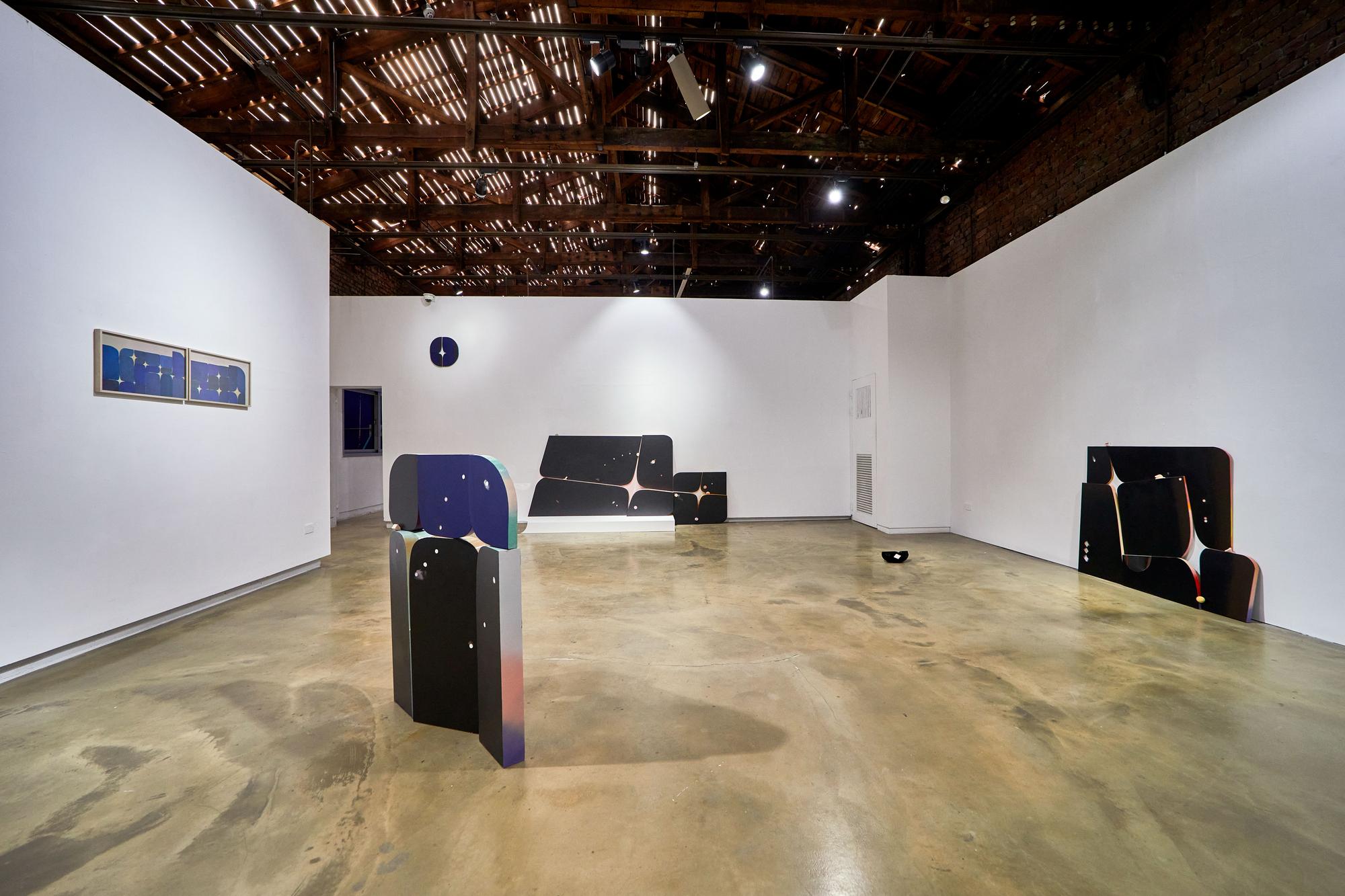
The exhibition also presupposes a long, slow act of looking and proposes that we imagine different worlds and methods. In this way, perhaps the artist intended to reveal temporality beyond the simple witnessing and recording of a moment. The works, which change and interact with their surroundings even within ongoing cycles, layer the approaches and thoughts of traditional painting toward nature and time onto today’s time-space, reconstructing them through different materials and objects.

Some may ask whether this attitude and method beautify everyday life. An existentialist might insist that the absurdity or emptiness felt in everyday life is not sufficiently addressed in the exhibition, or conversely, that the weight of those sculptures and objects points to the hardships of life. The exhibition neither unconditionally affirms repetitive life within monotonous everydayness nor forces existential contemplation.

Rather, it reconsiders meaninglessness, which may be the most important practical language for speaking about everyday life. The work may seem to humbly accept the repeated day, but within it, countless relationships are revealed. Jangyeun Jun does not simply erase or avoid everyday moments, the thoughts within them, or real problems. In her own way, she finds meaning and repeatedly captures images, materials, and objects.

Could this not be an act of sensing, or even overcoming, reality in her own way, rather than separating herself from it or escaping from it? Could she not be revealing everyday life as an exhibition in which vertical and horizontal cross, and past methods overlap with contemporary scenery?

《Heavy Orchid》 takes on a form that cannot be definitively fixed. The everyday life spoken of by the exhibition settles in a way that is both easy and difficult. It spreads widely and also rises upward. It is solid and at the same time thin and strong, and even while still, it never stops moving. While revealing clear objects and forms, it leaves open immense possibilities of difference in sensation and interpretation.

This appearance of the exhibition resembles the everyday life that it takes as its subject. Walking here and there through 《Heavy Orchid》 and searching for countless relationships may be one way of not reducing the possibilities of today.

Text _ Kwon Hyukgyu


1. See Michel de Certeau, The Practice of Everyday Life, translated by Shin Ji-eun(Munhakdongne, 2023).
2. Walter Benjamin proposed the concept of the “flâneur” based on the experience of the modern city in nineteenth-century Paris. Through this, Benjamin posited a modern experience arising from wandering through the city without purpose and produced the meaning of walking. For more on this, see Walter Benjamin, Flâneur, The Urban Stroller, translated by Cho Hyungjoon(Saemulgyeol, 2008).

References