Amid an art market mired in recession, one genre is experiencing exceptional growth: digital art, created using technologies such as computers and artificial intelligence (AI).
According to The Art Basel and UBS Survey of Global Collecting 2025, published last month, digital art accounted for 13 percent of the collections owned by the 3,100 high-net-worth individuals surveyed. It ranked third after painting (24 percent) and sculpture (14 percent), surpassing photography (10 percent) and installation art (8 percent).
Awareness of digital art within Korea’s art world, however, remains limited. Questions abound: How can digital data alone constitute art? How is it bought and sold? What happens when it malfunctions? And how is it related to non-fungible tokens (NFTs), which were once at the center of a speculative frenzy?
These questions prompted the Korea Arts Management Service to convene leading scholars and specialists from Korea and abroad for the 《Signal on Sale》 symposium at Art Korea Lab in Junghak-dong, Seoul, on the 14th.
◇“Digital Art Is a New Tool for Making Art”
How can intangible data become an artwork and even be traded at a high price? Christiane Paul, a curator at the Whitney Museum of American Art in New York and a leading authority on digital art, emphasized at the symposium, “Looking at the history of art, this is not unusual. Digital art is simply art made with new tools such as software and AI instead of brushes and canvas.”
When most people hear the term “artwork,” they tend to think of oil painting. The popularization of oil painting some six hundred years ago enabled richer colors and more detailed representation, allowing art to advance into an entirely new dimension.
Paul explained that digital art should likewise be understood as employing a new set of artistic tools. “The absence of a physical object is not a problem,” she added. “Conceptual art is already a familiar genre in contemporary art.”
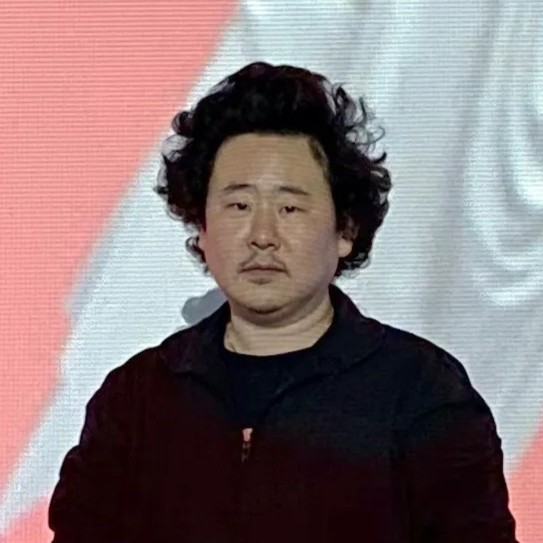
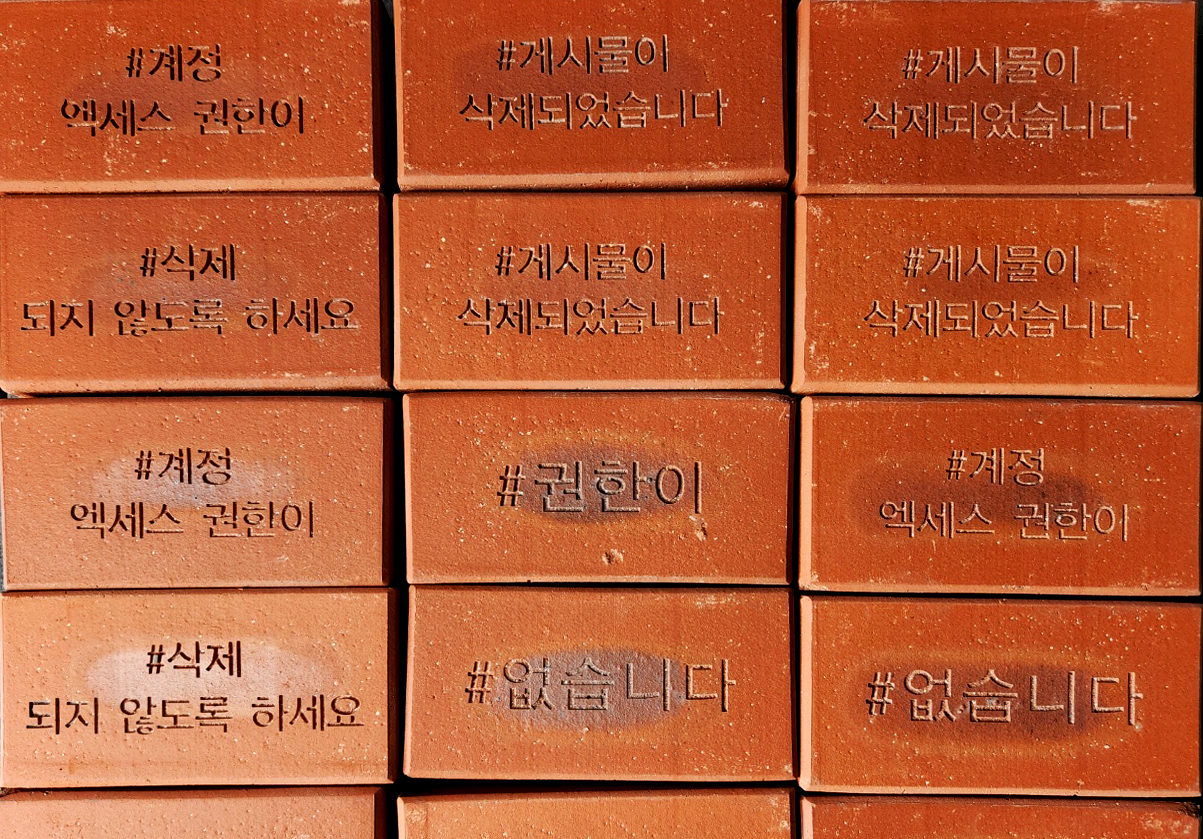
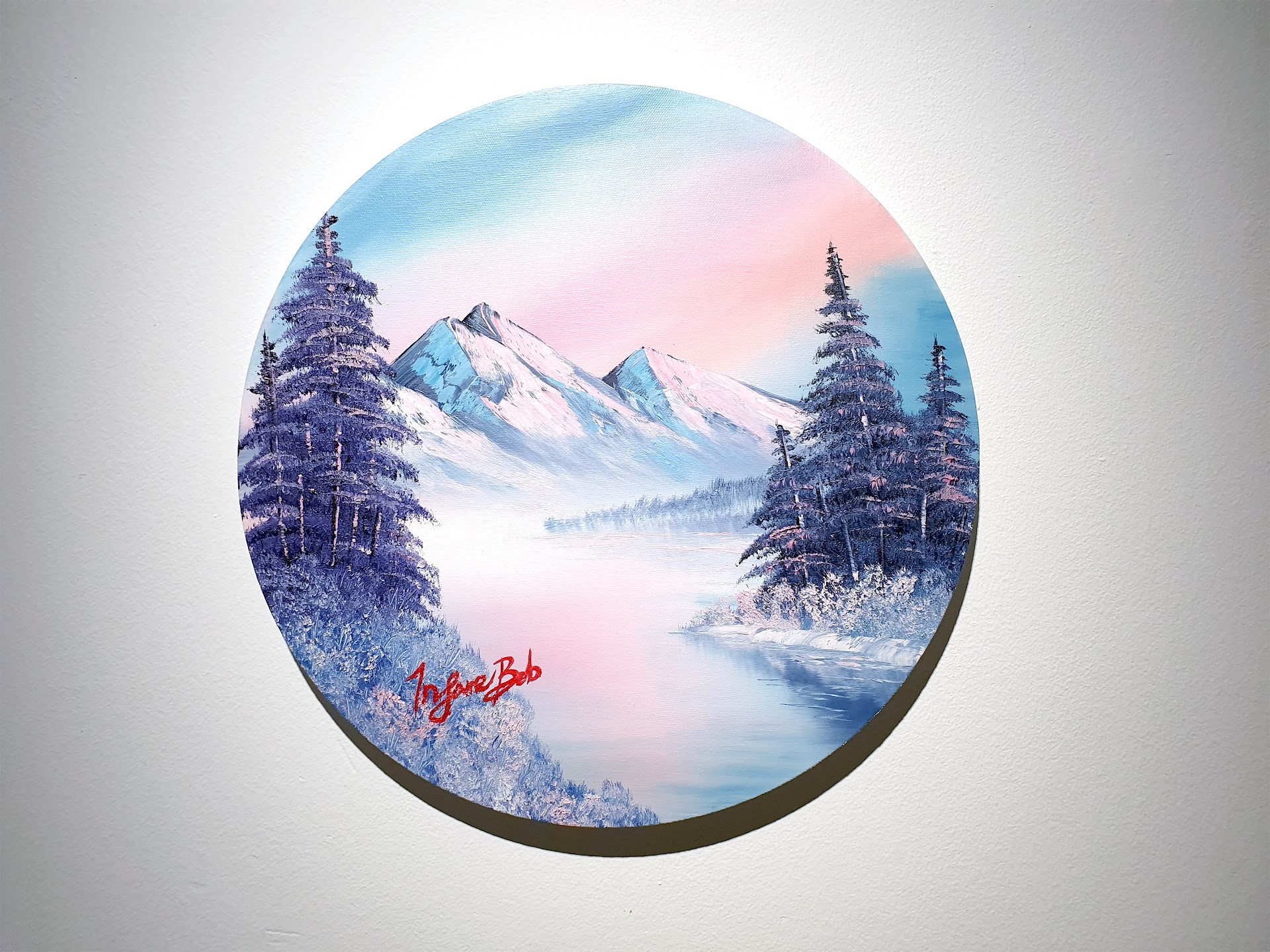
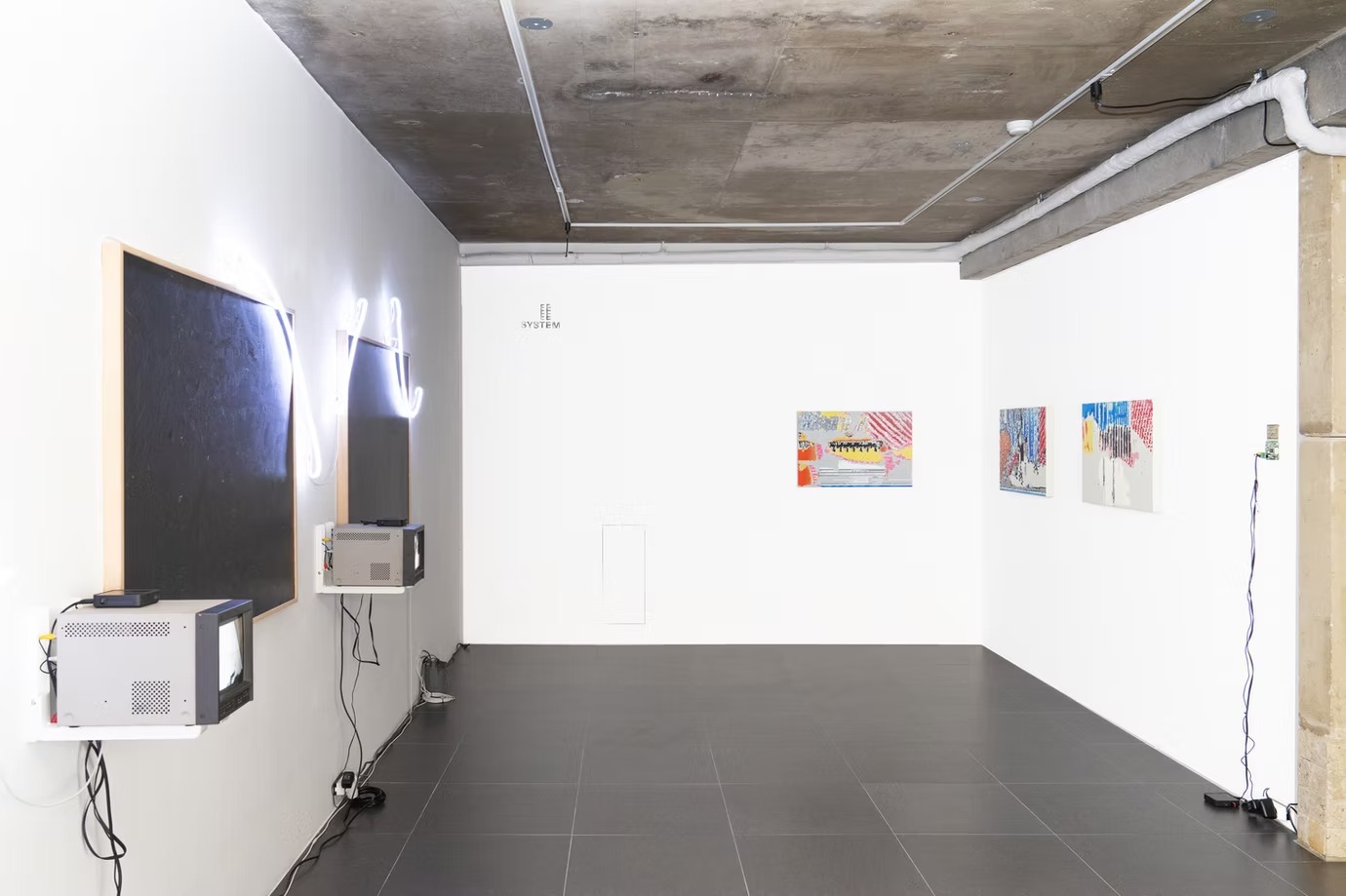
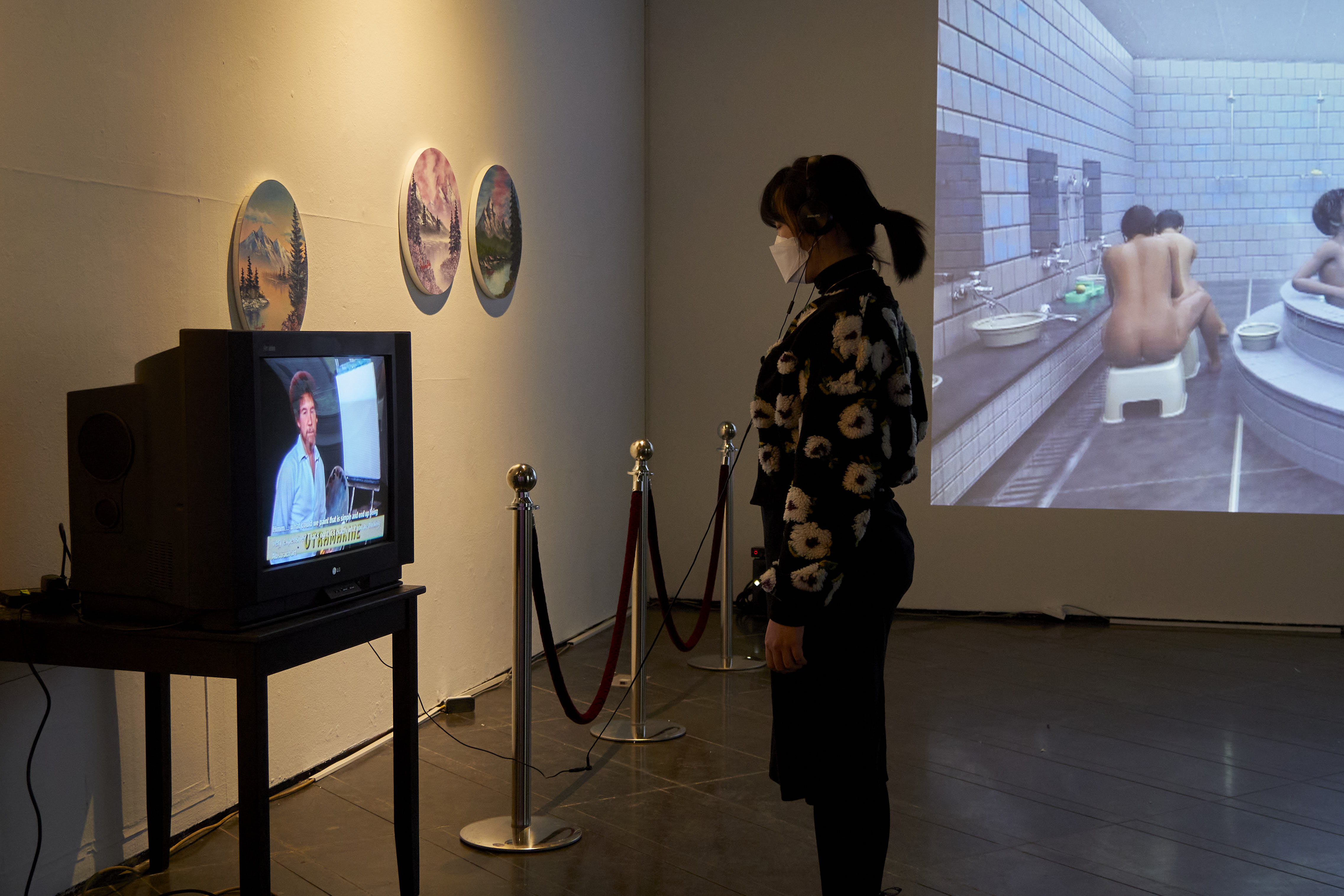
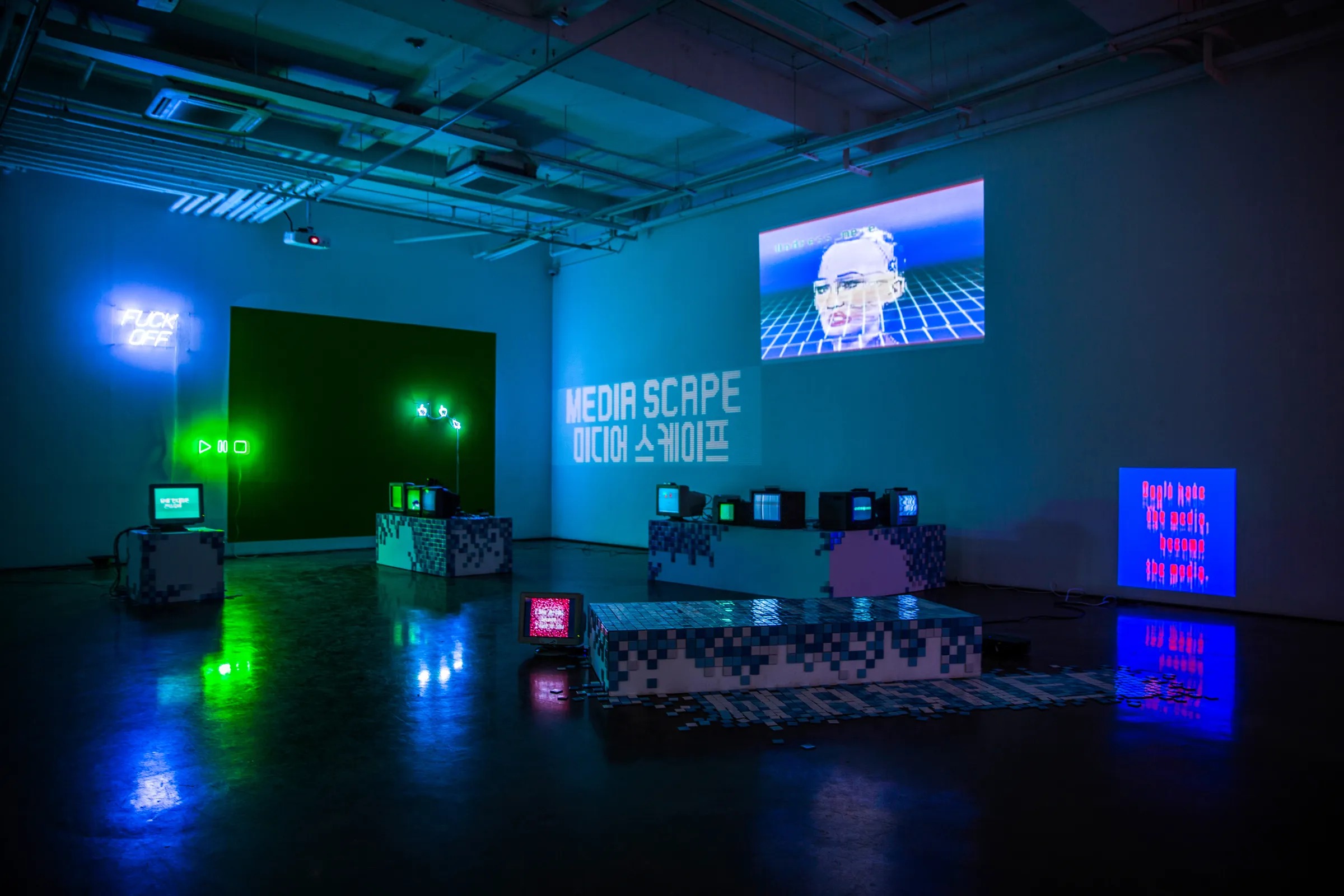
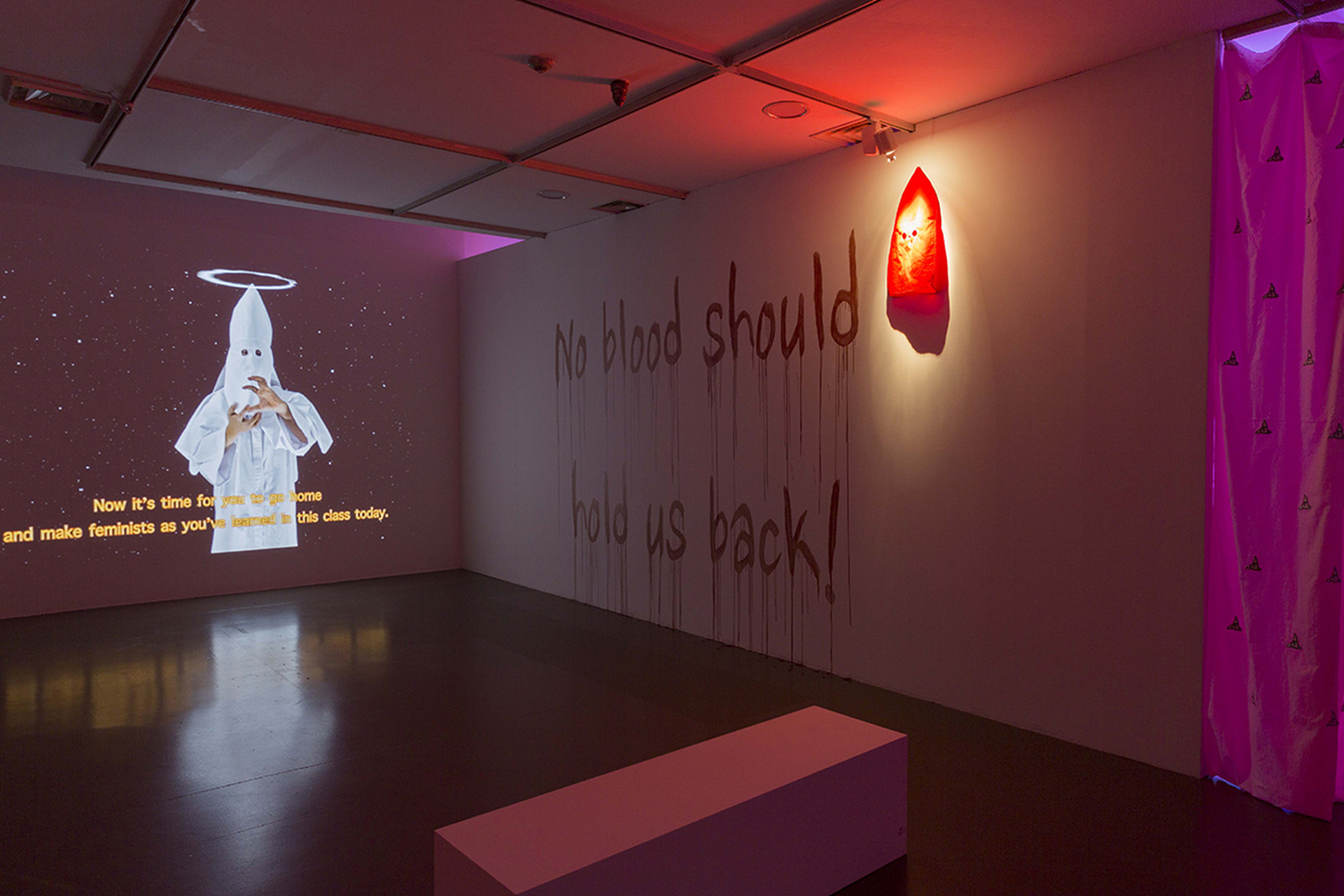
Artists Yeondoo Jung and Insane Park, who spoke next, described their firsthand experiences of selling digital artworks. Park explained, “Along with a USB drive containing the data files, I provided physical components such as installation instructions and paint.”
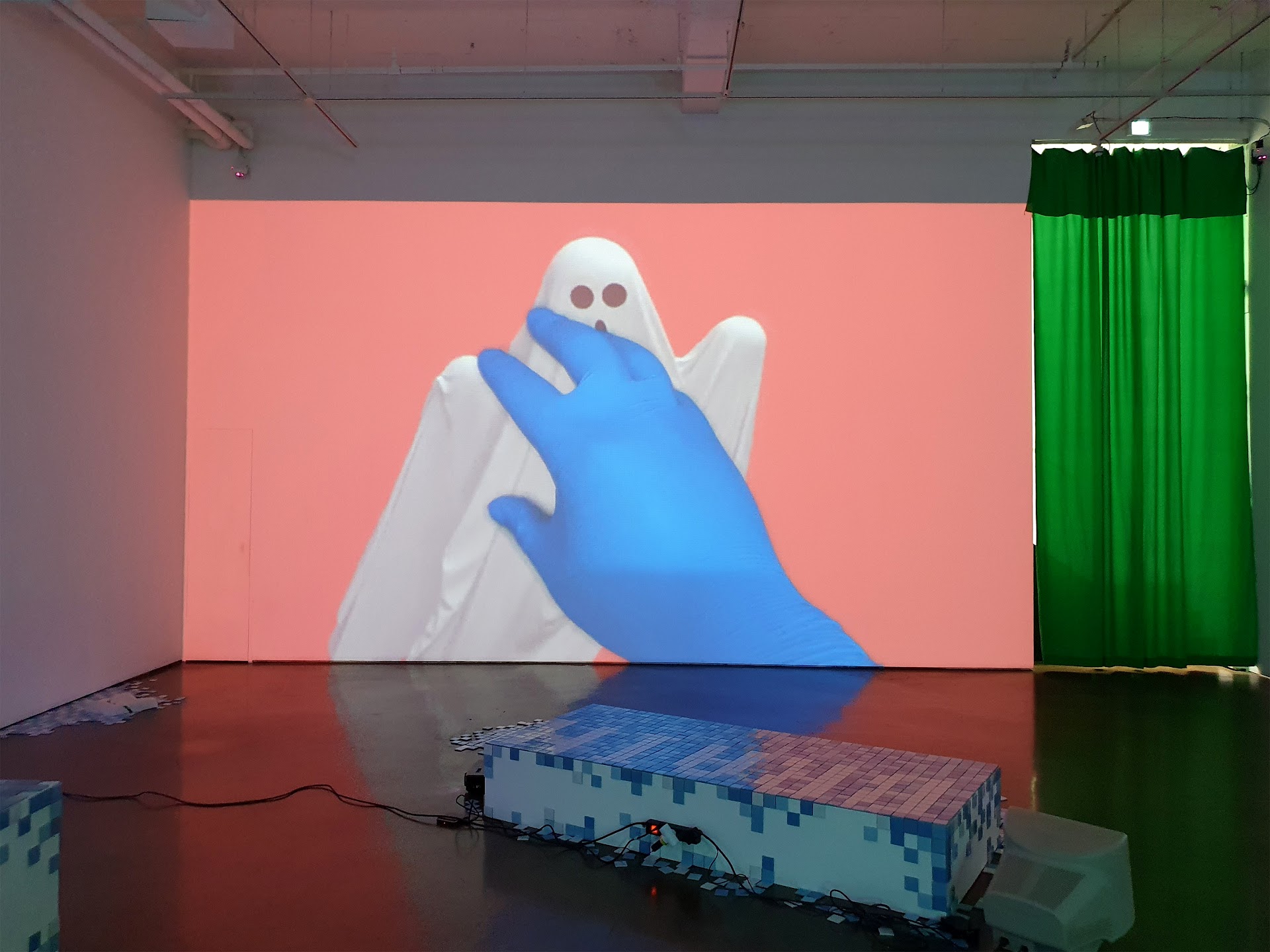
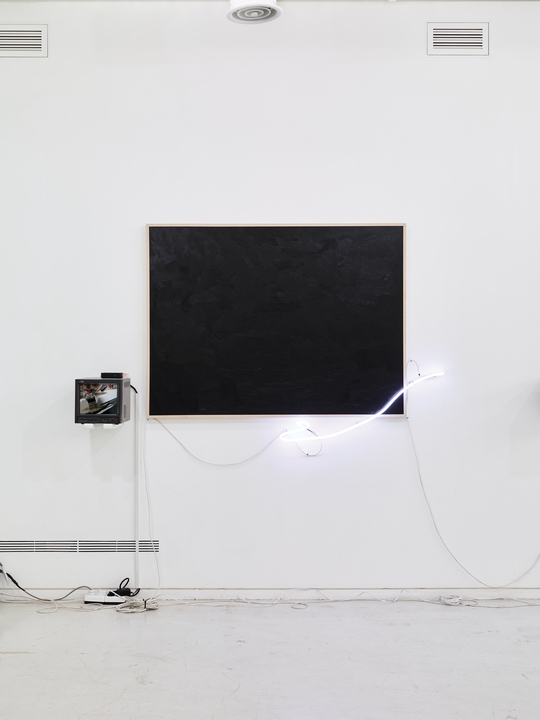
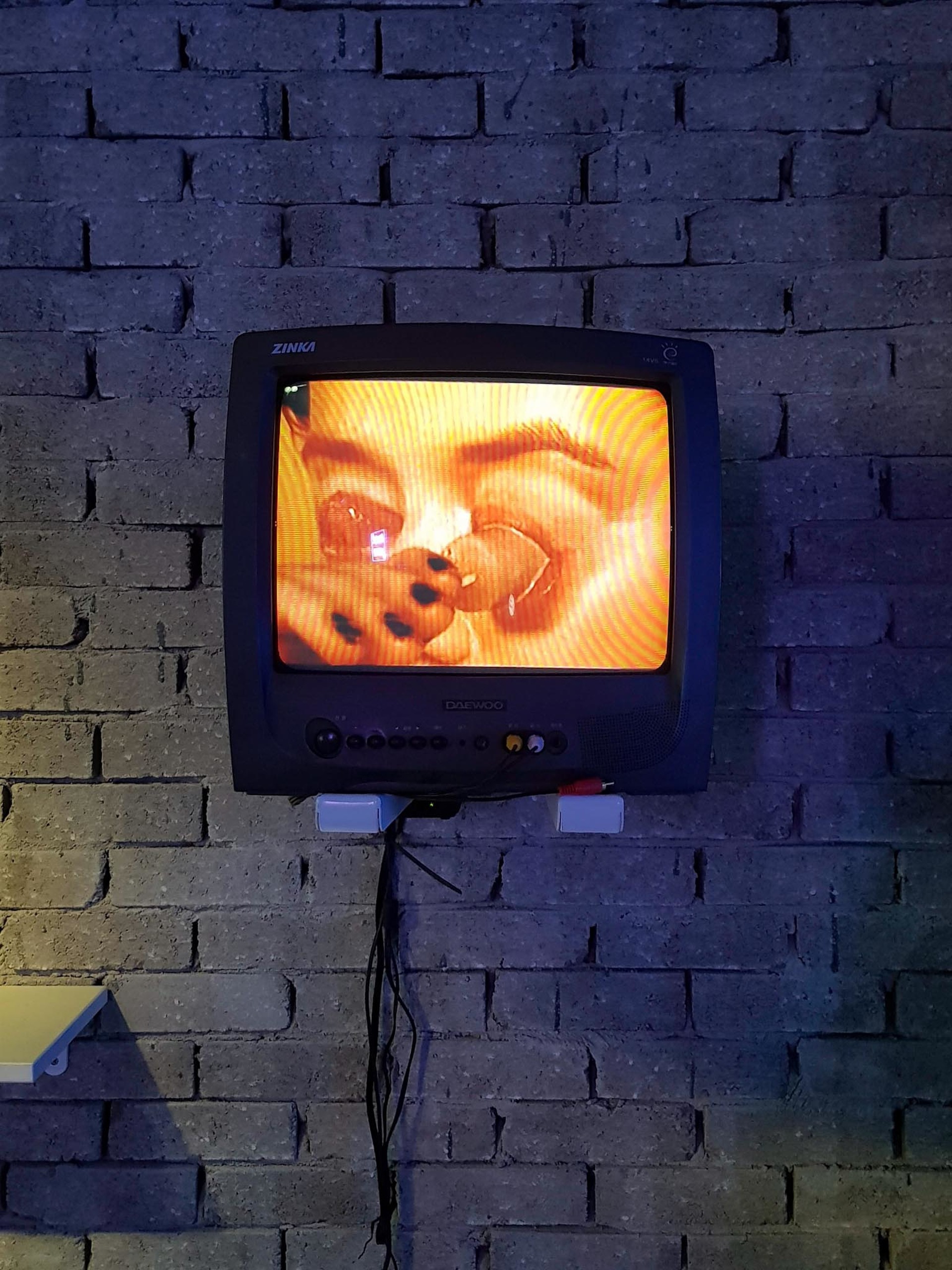
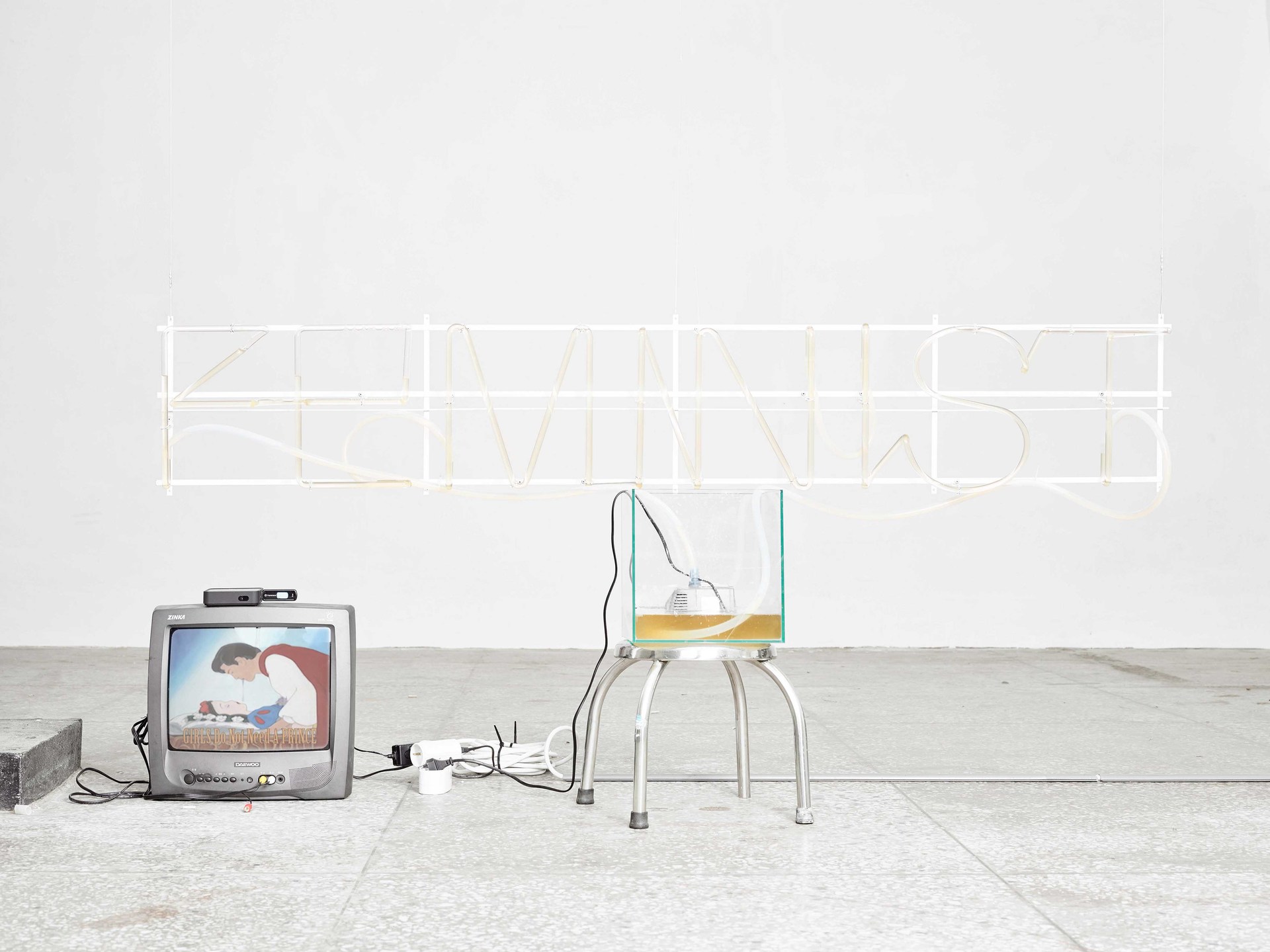
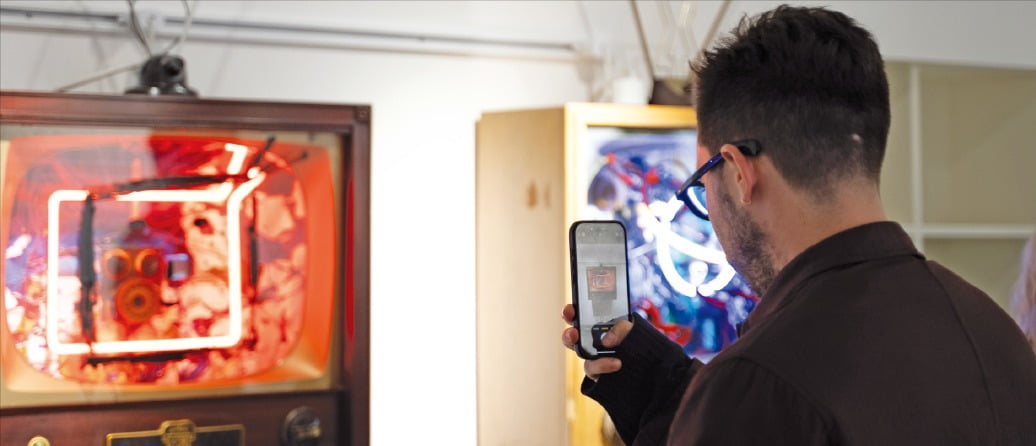
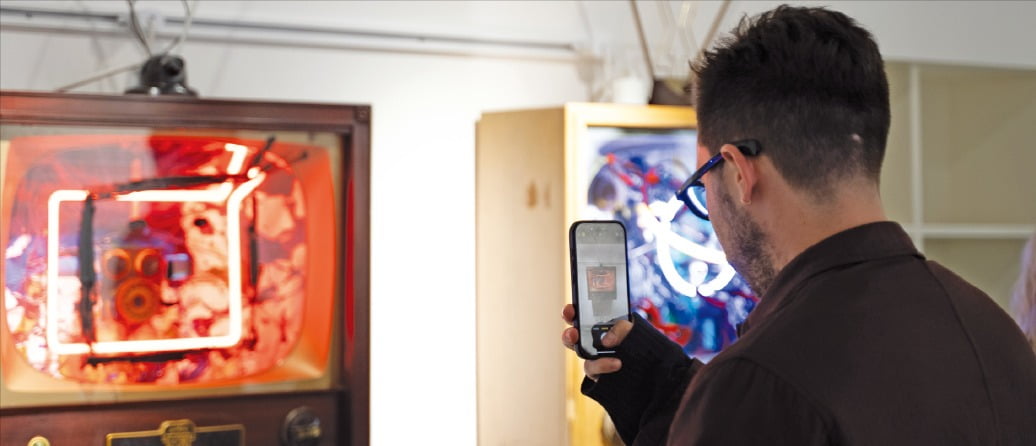
Jung combined video data, drawings, and ceramic jars into a single artwork. He remarked, “Nam June Paik, a pioneer in this field, combined the physical object of the television with the video data played on its screen. There is no need to make it overly complicated.”
◇The Field Must Be Able to Answer the Question, “What Happens When It Breaks?”
In Korea, however, the sale, installation, maintenance, and conservation of digital art remain difficult. Joung Taehee, a team leader at Seoul Auction, said, “Transactions involving digital art are so rare that it is fair to say a domestic market does not yet exist.” Kyung Eun Lee, director of Gallery Art Link, who has handled Nam June Paik’s works for nearly forty years, said, “Collectors’ greatest concern is what happens when a work breaks down.
The lifespan of electronic equipment is another issue.” Standardized contracts and procedures for resolving potential legal disputes have yet to be established.
The decline and failure of NFTs have also been cited as factors that have damaged perceptions of digital art more broadly. As NFT-related fraud increased and investors suffered losses, a prejudice emerged equating digital art with speculation.
Cass Fino-Radin, former media conservator at the Museum of Modern Art in New York, proposed that “the government must establish a secure legal and institutional foundation, while the industry must work to restore trust through technology.”
Despite these challenges and uncertainties, digital art is emerging as a major force in the global market. Sebastian Sanchez, who previously headed digital art at Christie’s, said, “Since September, Christie’s has decided to present digital art alongside conventional contemporary art.”
Kim Jang Ho, president of the Korea Arts Management Service, explained, “We organized this event because the Korean art world cannot afford to fall behind.”