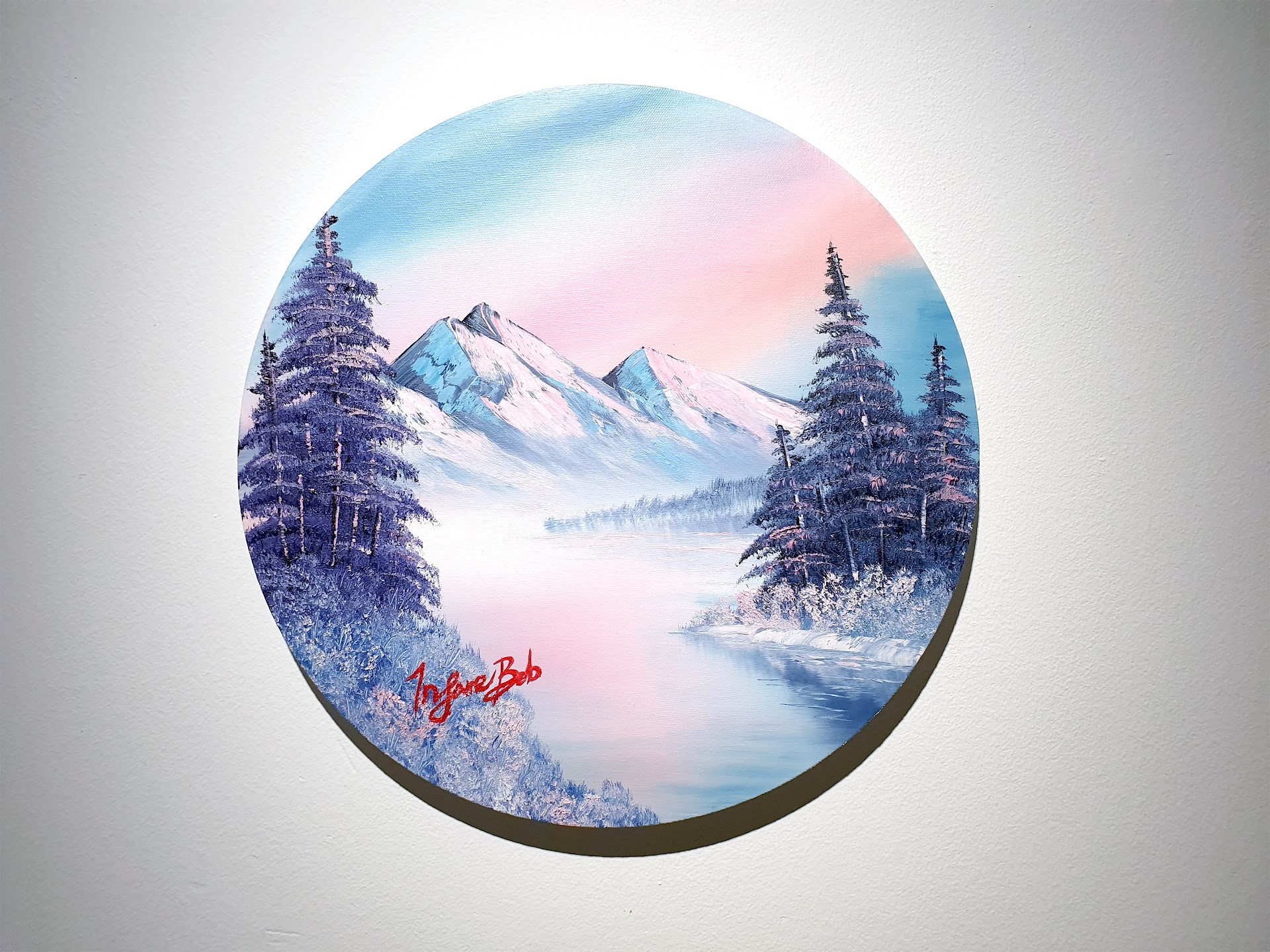
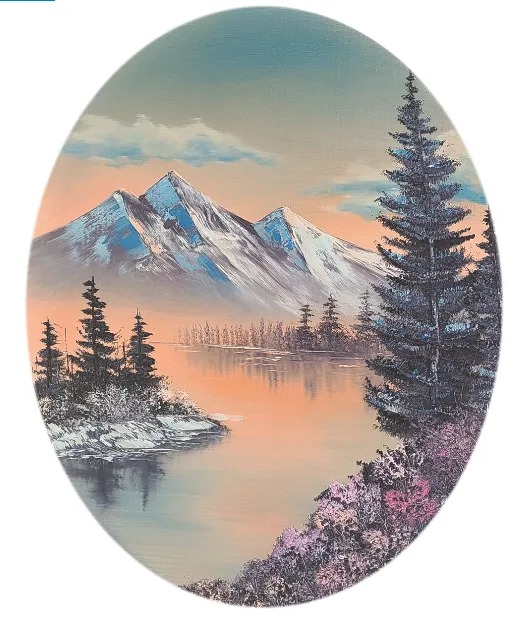
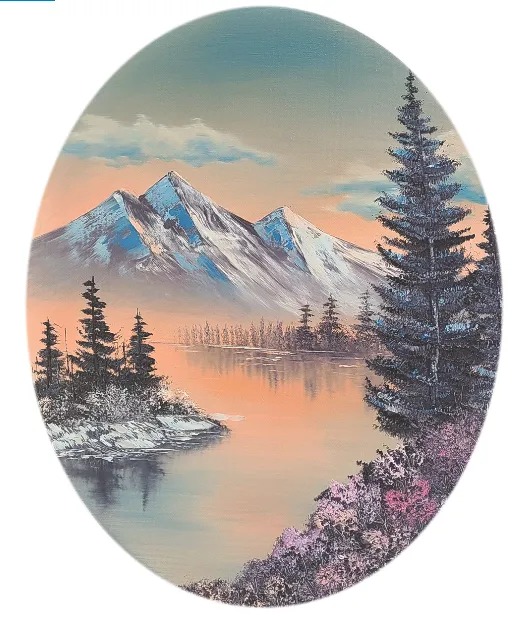
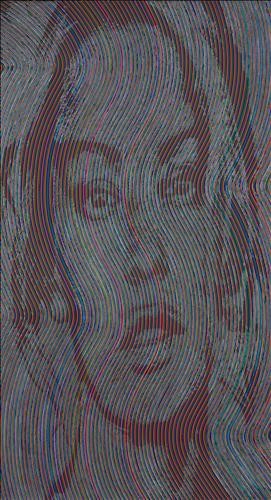
Insane Park, Joy of Painting, 2020, Oil on canvas, 50 x 40 cm © Insane Park

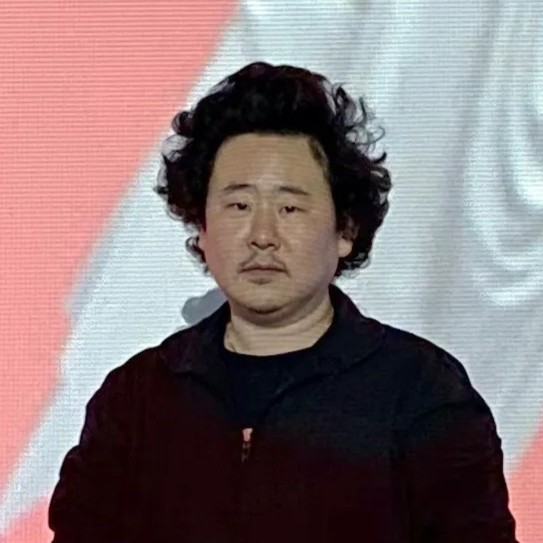
Insane Park’s solo exhibitions 《I Have No Idea, Because I Have No Idea.》 and 《Joy of Painting》 were held concurrently at ARARIO GALLERY from June 25 to August 15. Park is an artist whose wide-ranging interests span popular culture and broader social issues.
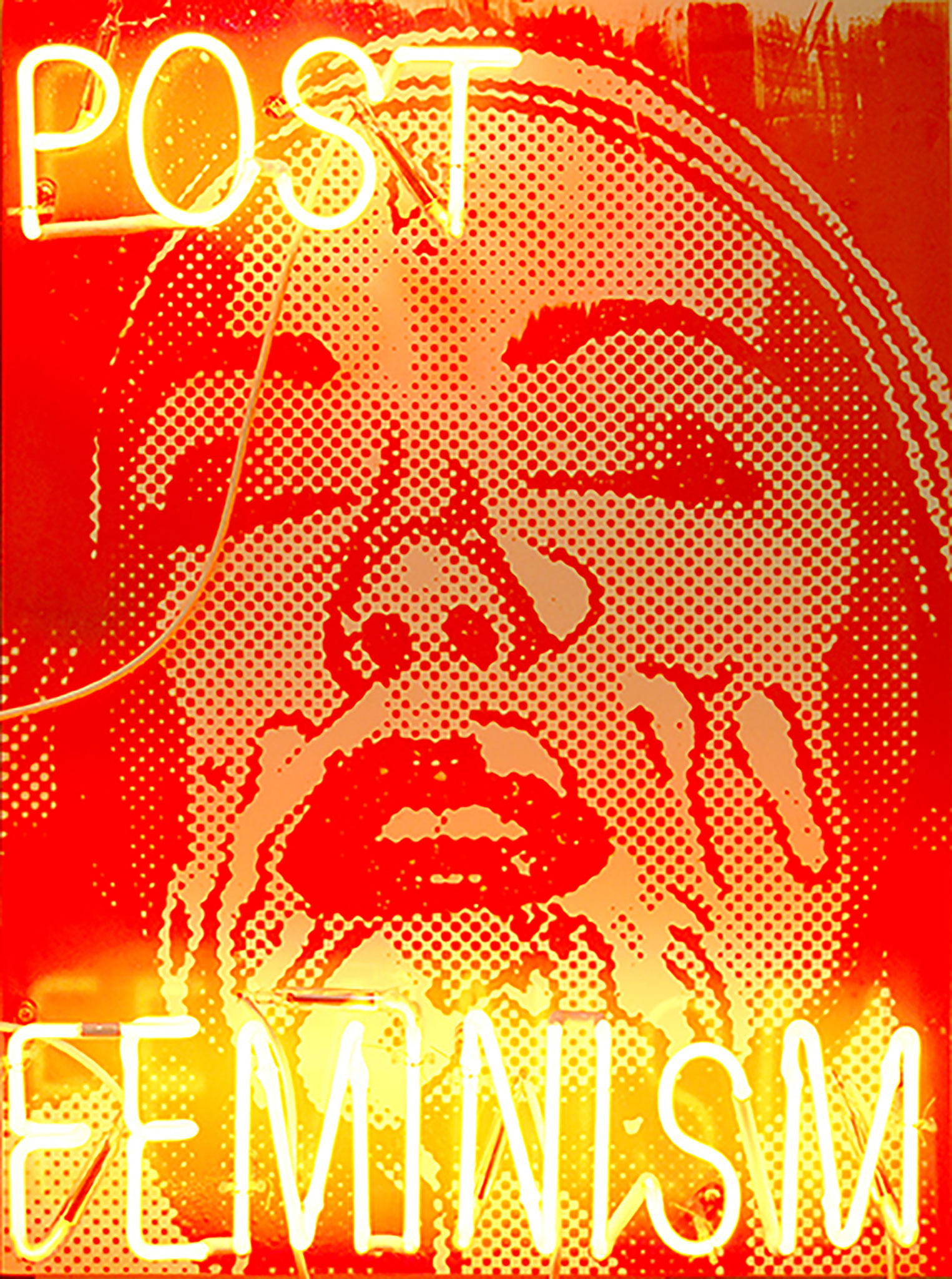
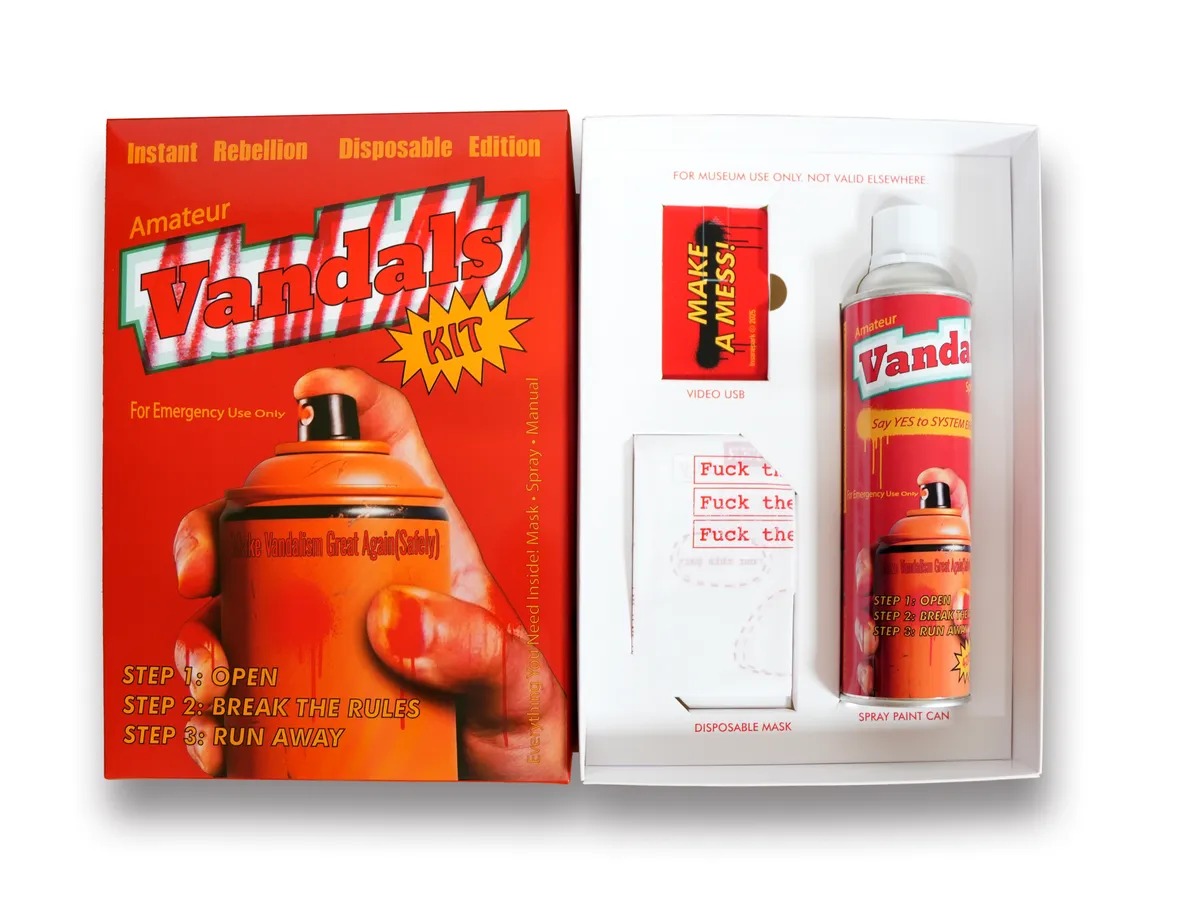
For these exhibitions, he turned his attention to ‘jjalbang’—widely circulated reaction images—and memes. Presented through the contrasting media of video and painting, the two exhibitions respectively push the sensibility of retro media to its limits and cast doubt on the established art system.
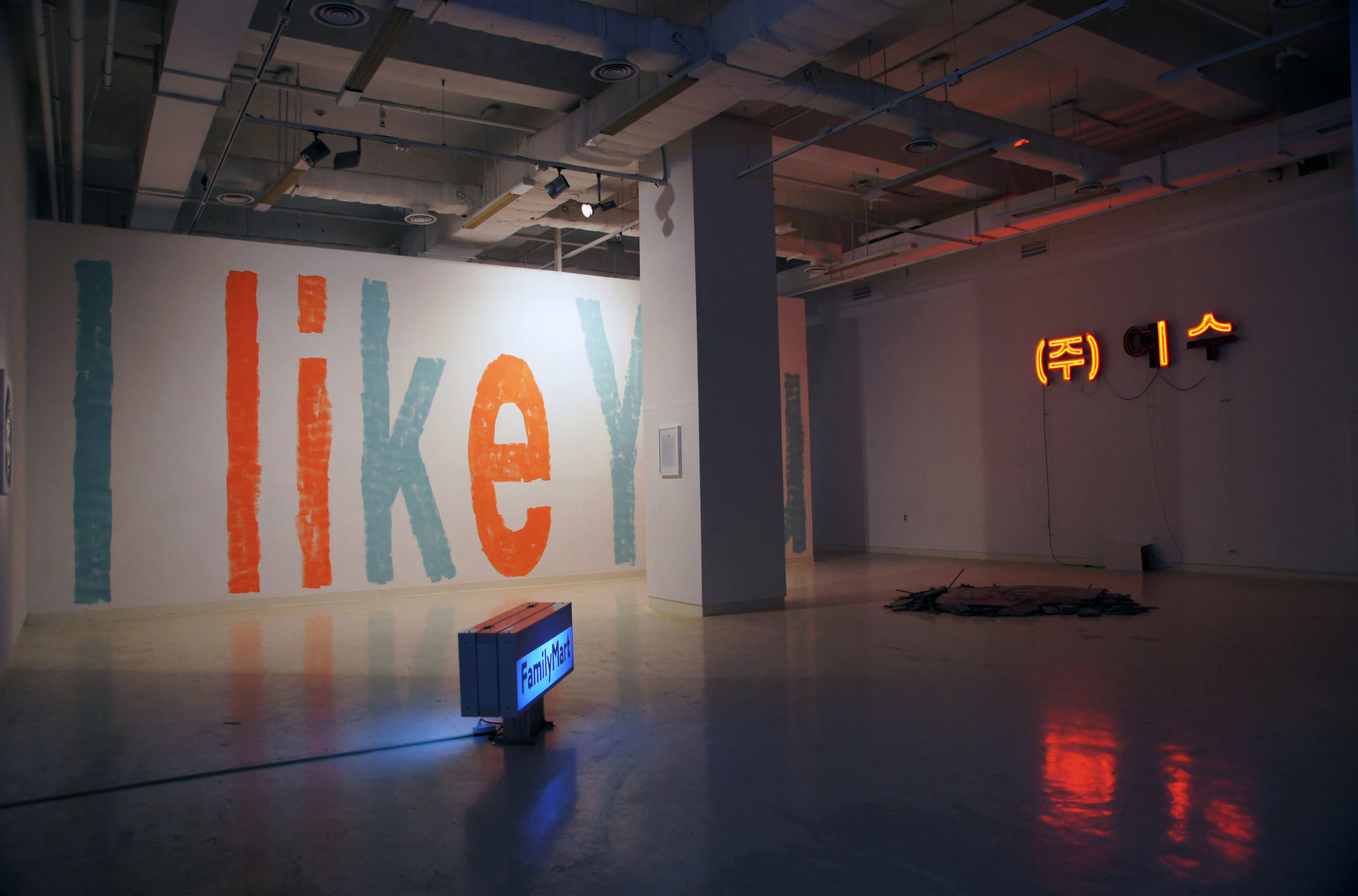
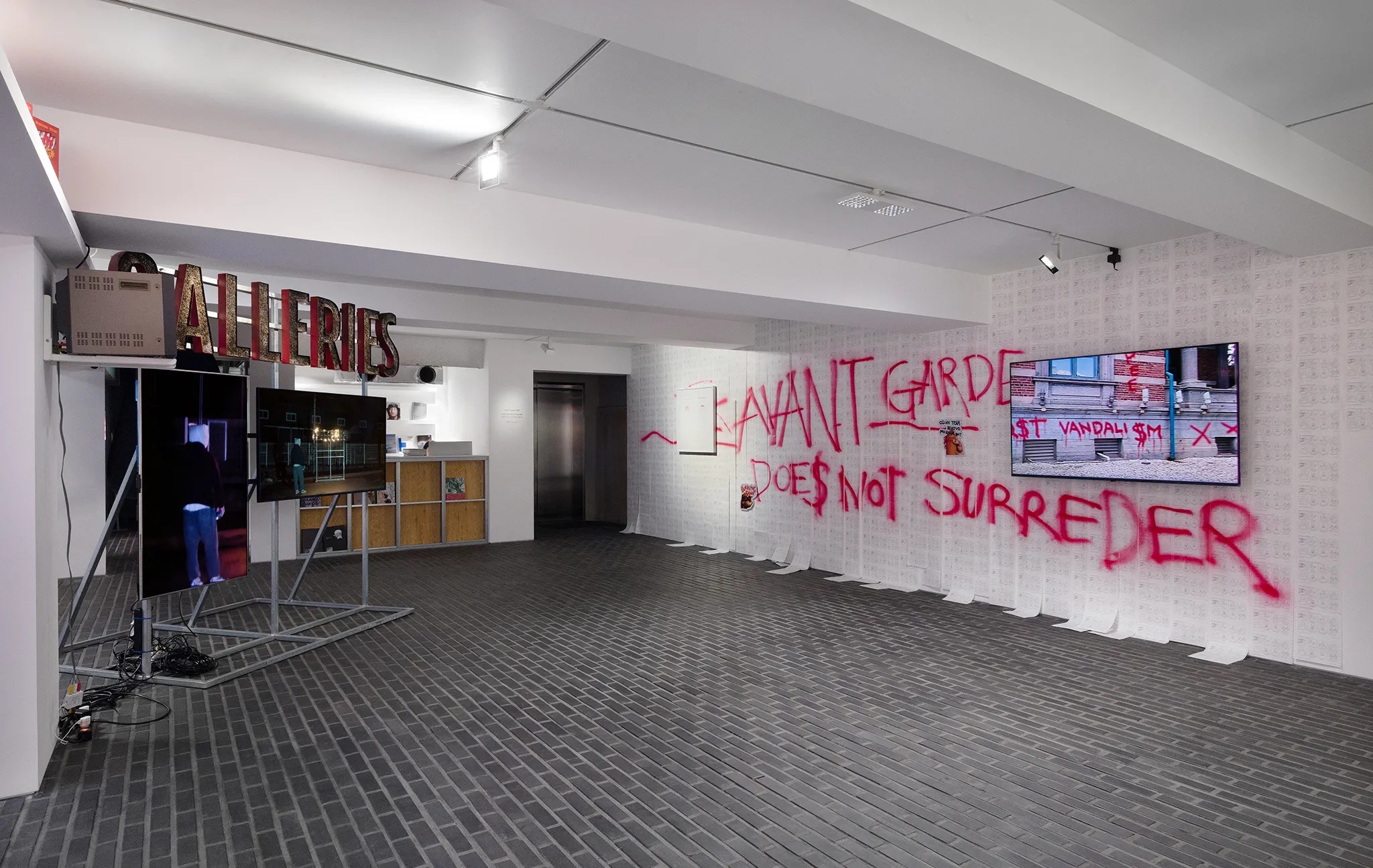
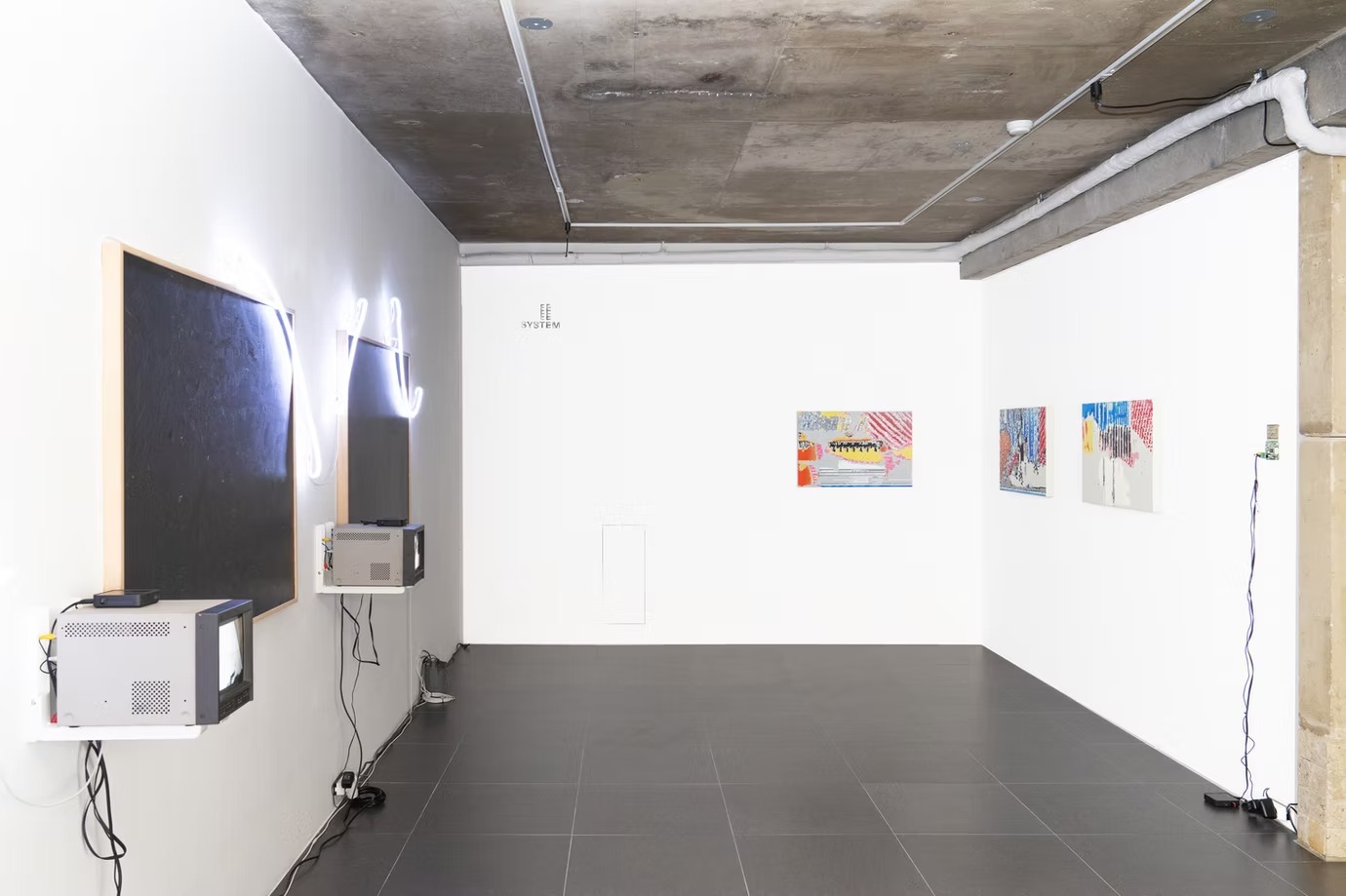
Two solo exhibitions by the same artist opened simultaneously at ARARIO GALLERY: Insane Park’s 《I Have No Idea, Because I Have No Idea.》, hereafter 《No Idea》, and 《Joy of Painting》. The media of the works presented in each exhibition could hardly be more different. 《No Idea》, featuring video and media works, occupied the basement, while 《Joy of Painting》, comprising landscape paintings, unfolded on the second floor.

What was Park thinking when he presented two exhibitions with entirely different concepts at once? The title declares that he has “no idea,” echoing a phrase that became popular alongside a reaction image of a blank-faced figure whose facial features were rendered with a few simple lines, yet the artist does not appear to have been entirely without ideas.

Park had even considered using a different artist’s name for each exhibition. Already working under the name “Insane,” meaning not of sound mind, he devised another name: “Danakka.” “It is the name of a Japanese manga character who looks exactly like me, as well as a long-standing nickname of mine. I have used it as an online ID for more than twenty years. I wondered what it would be like to revive it as a ‘secondary persona,’ as they are called these days, and employ it between the exhibition, the artist, and the works.”

The Korean term bukkae, an abbreviation of “secondary character,” originated in online gaming and refers to an additional character created to make gameplay more interesting. As the term entered everyday usage, it came to describe a person behaving as though they possessed an entirely different identity from their usual self.

The two exhibitions do indeed appear completely different, and this may be an effective strategy for revealing the breadth of the artist’s interests and perspective.


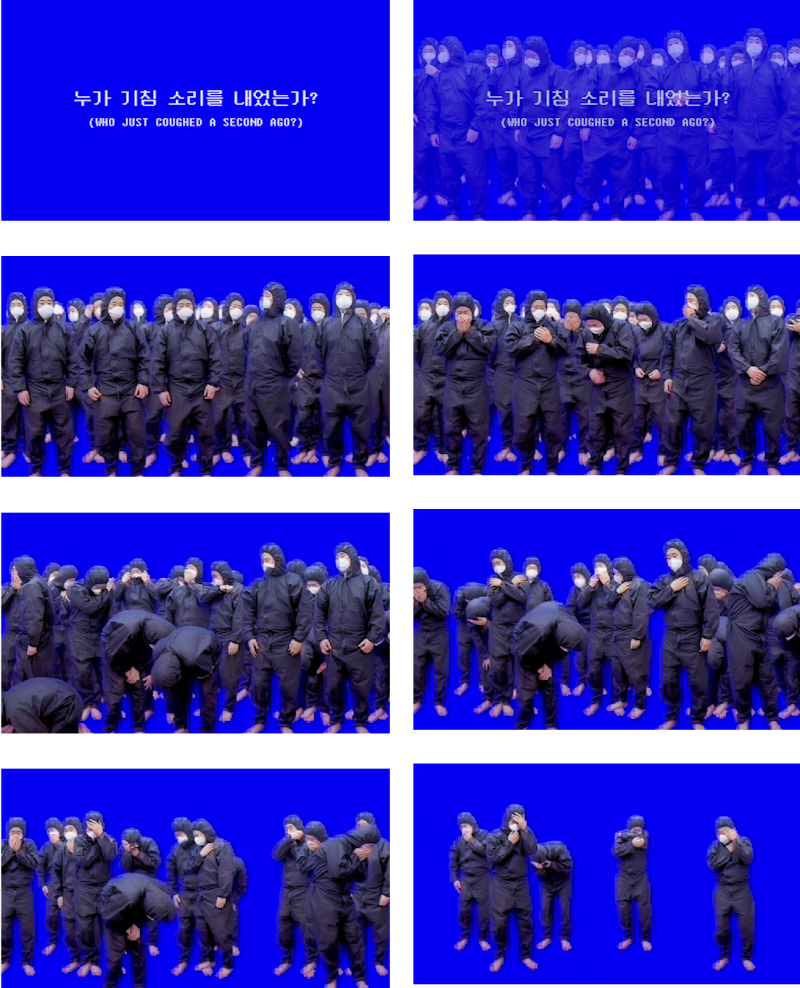
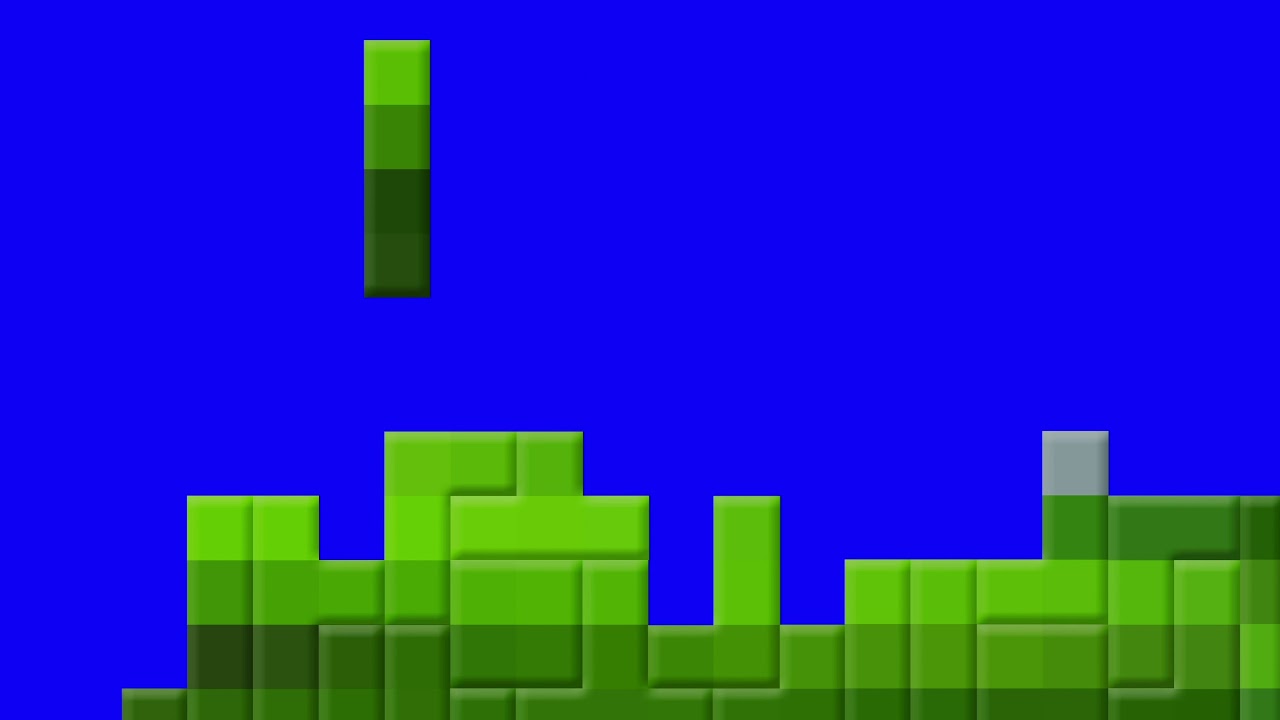
Insane Park, Tetris, 2020, Single-channel video, 2 min 21 sec © Insane Park

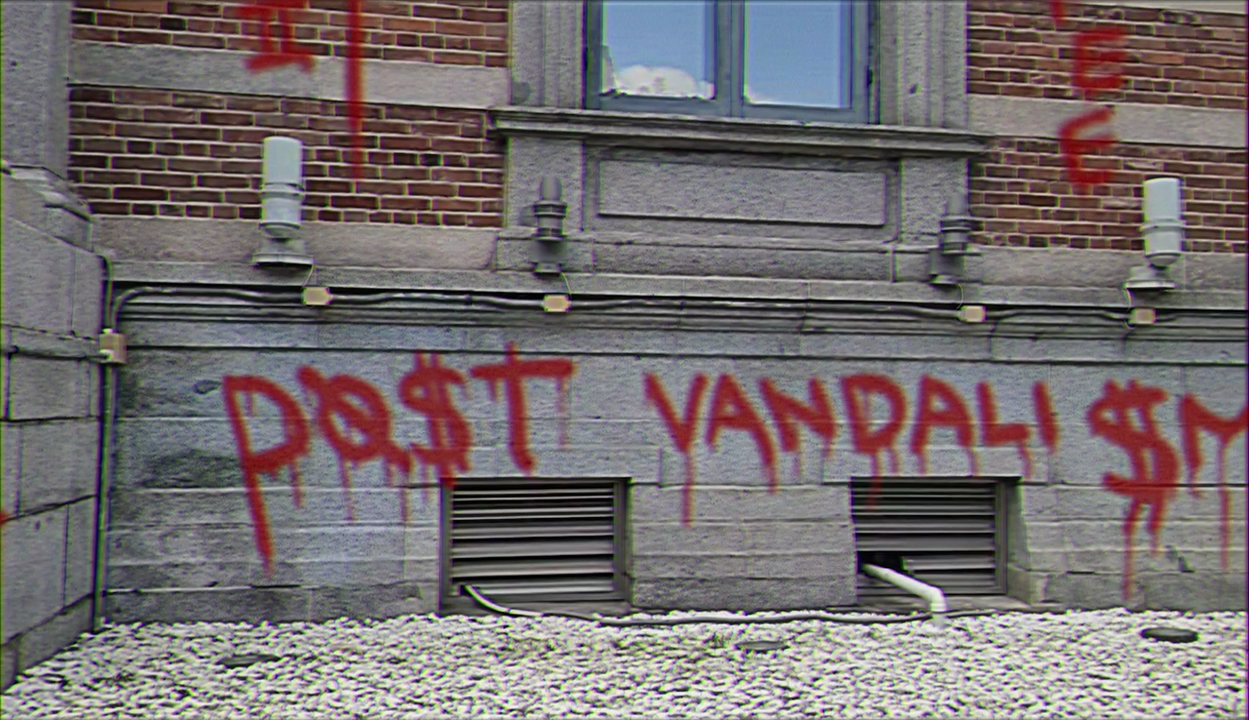
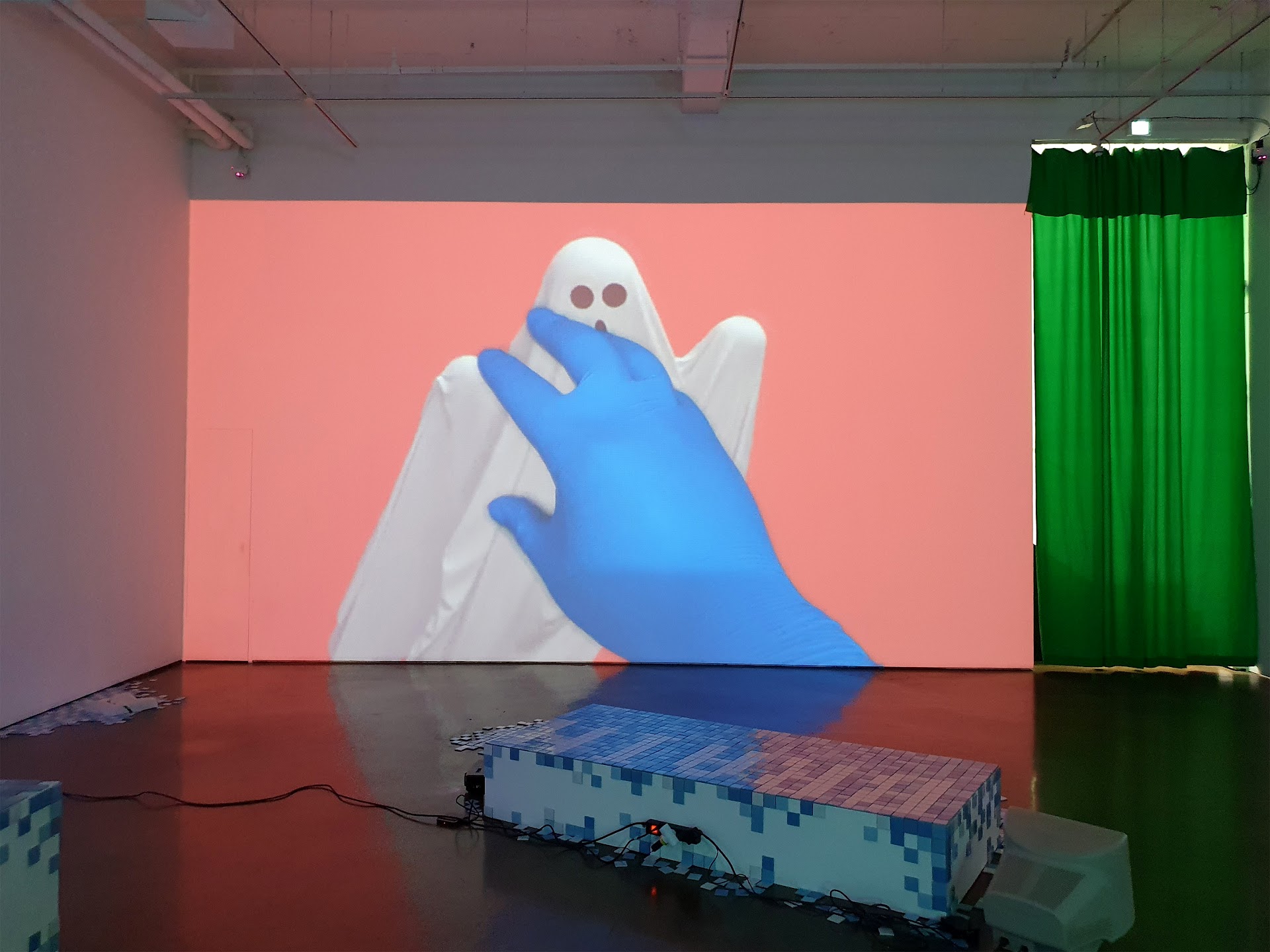
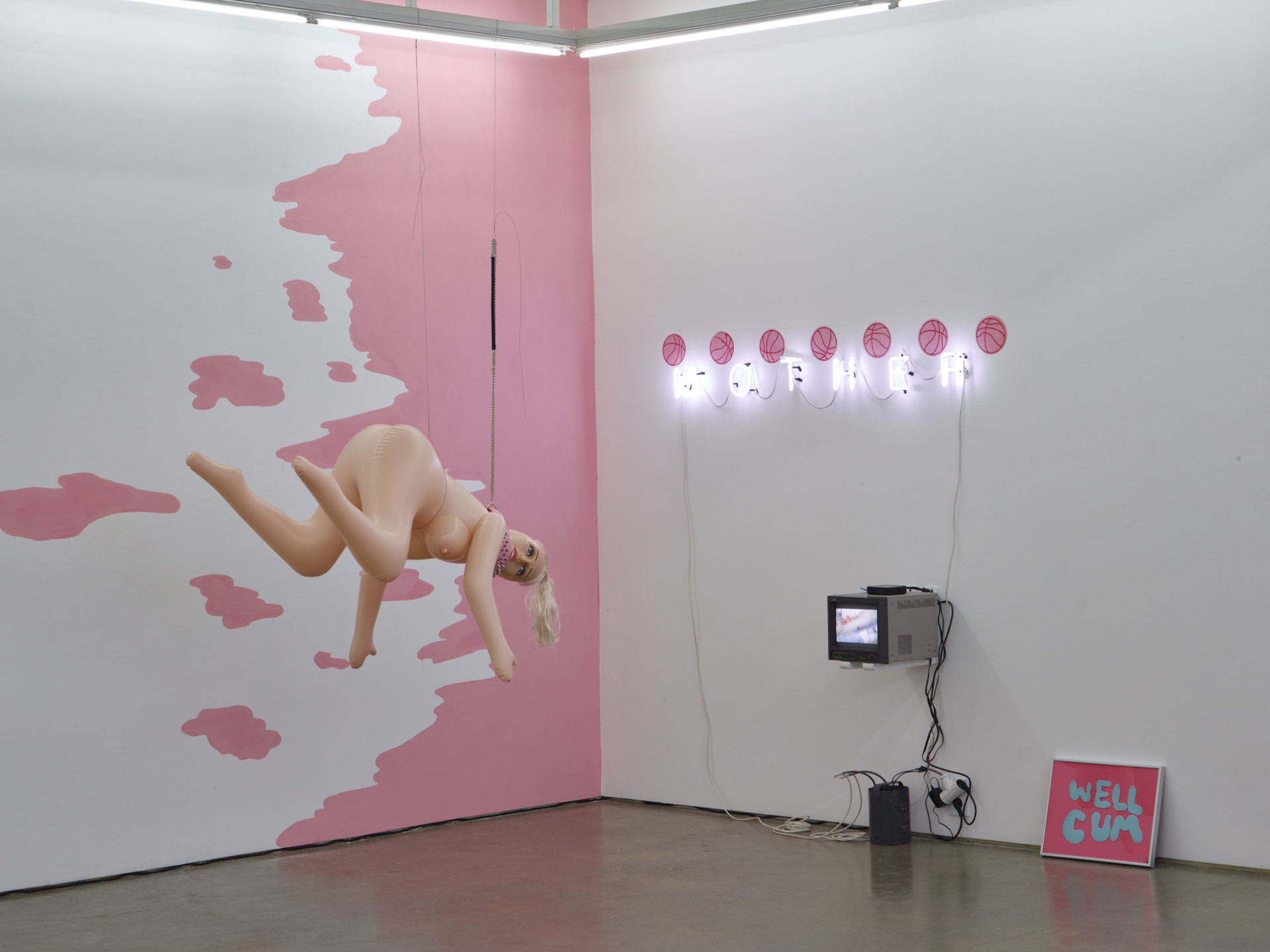
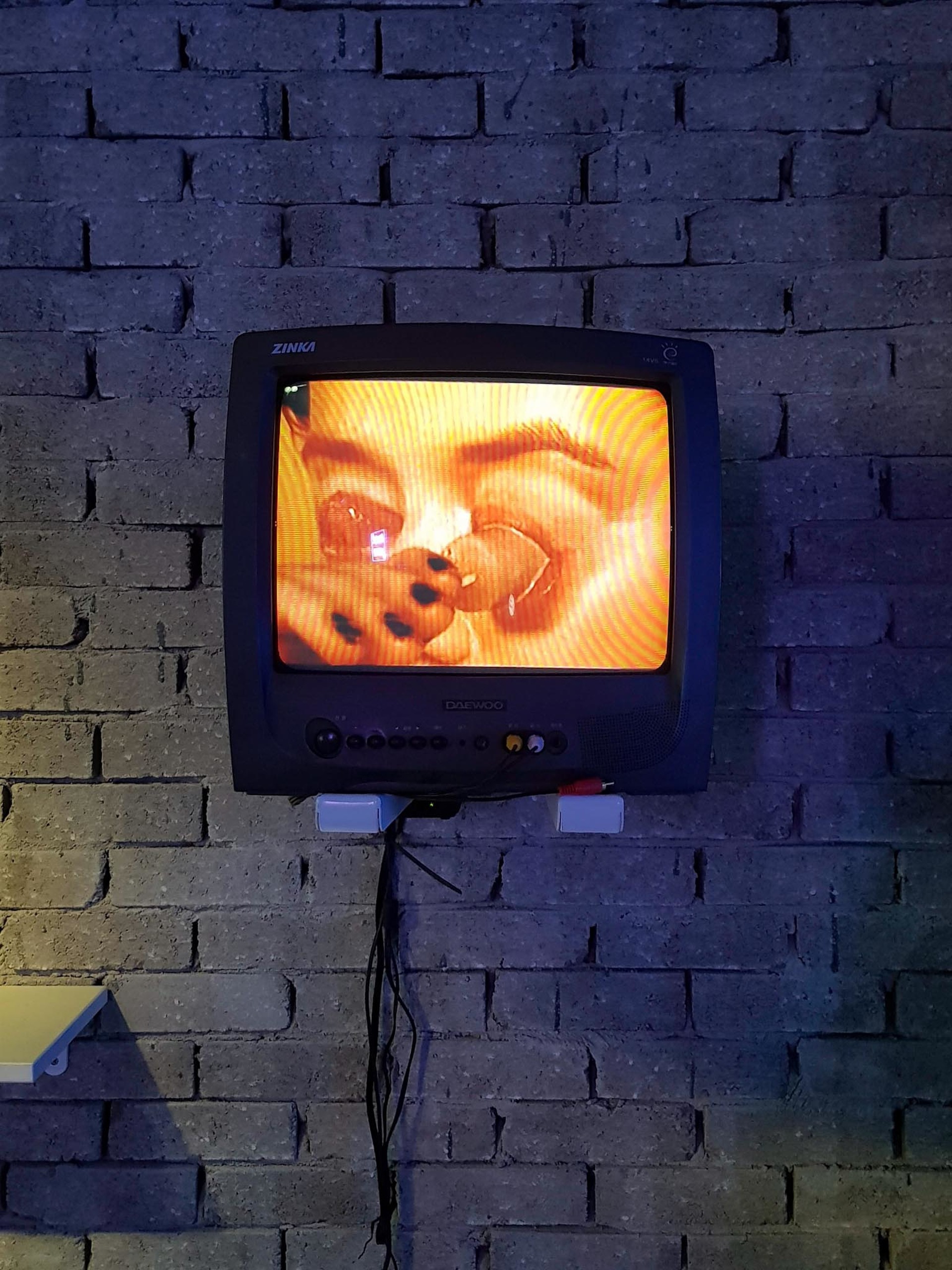
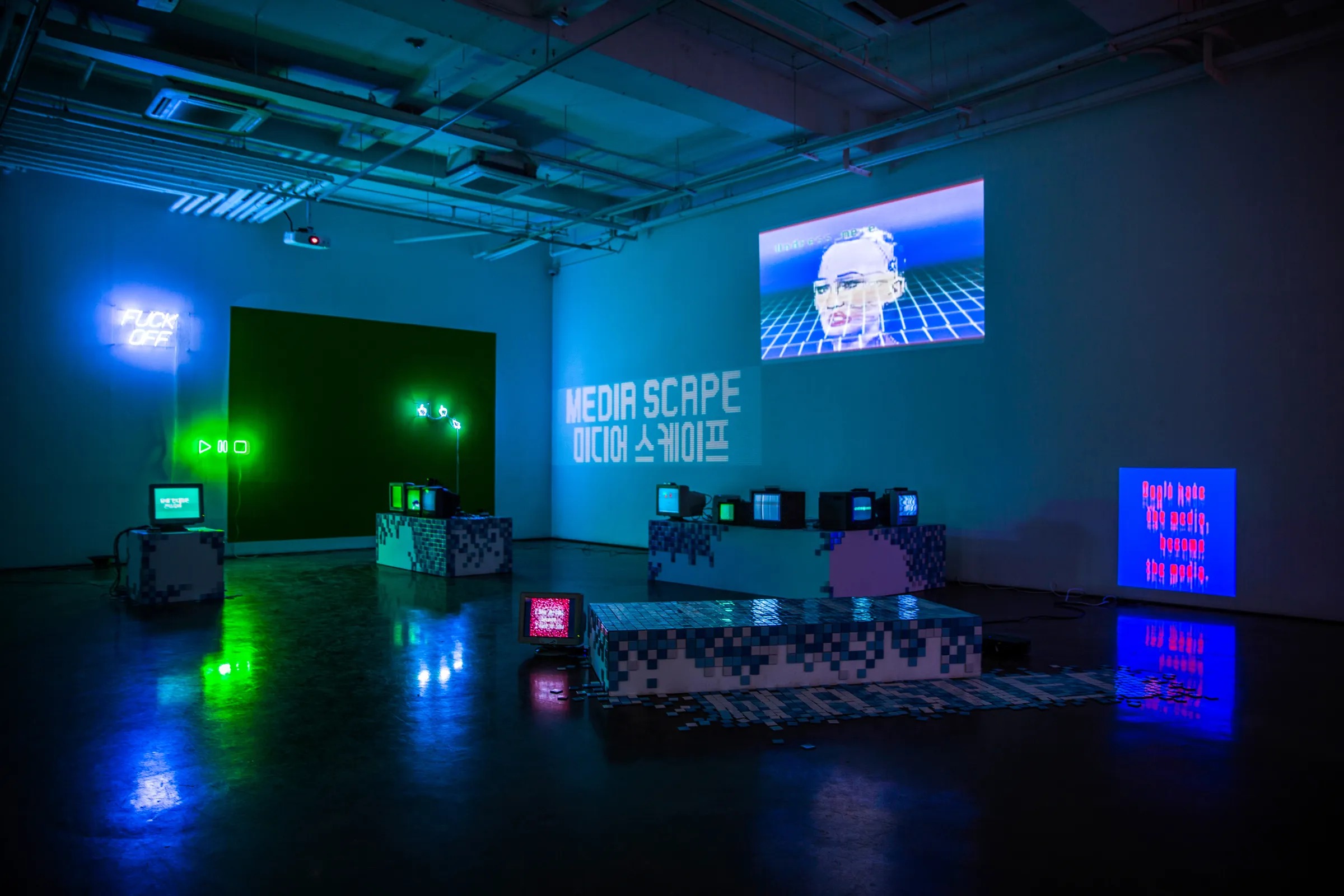
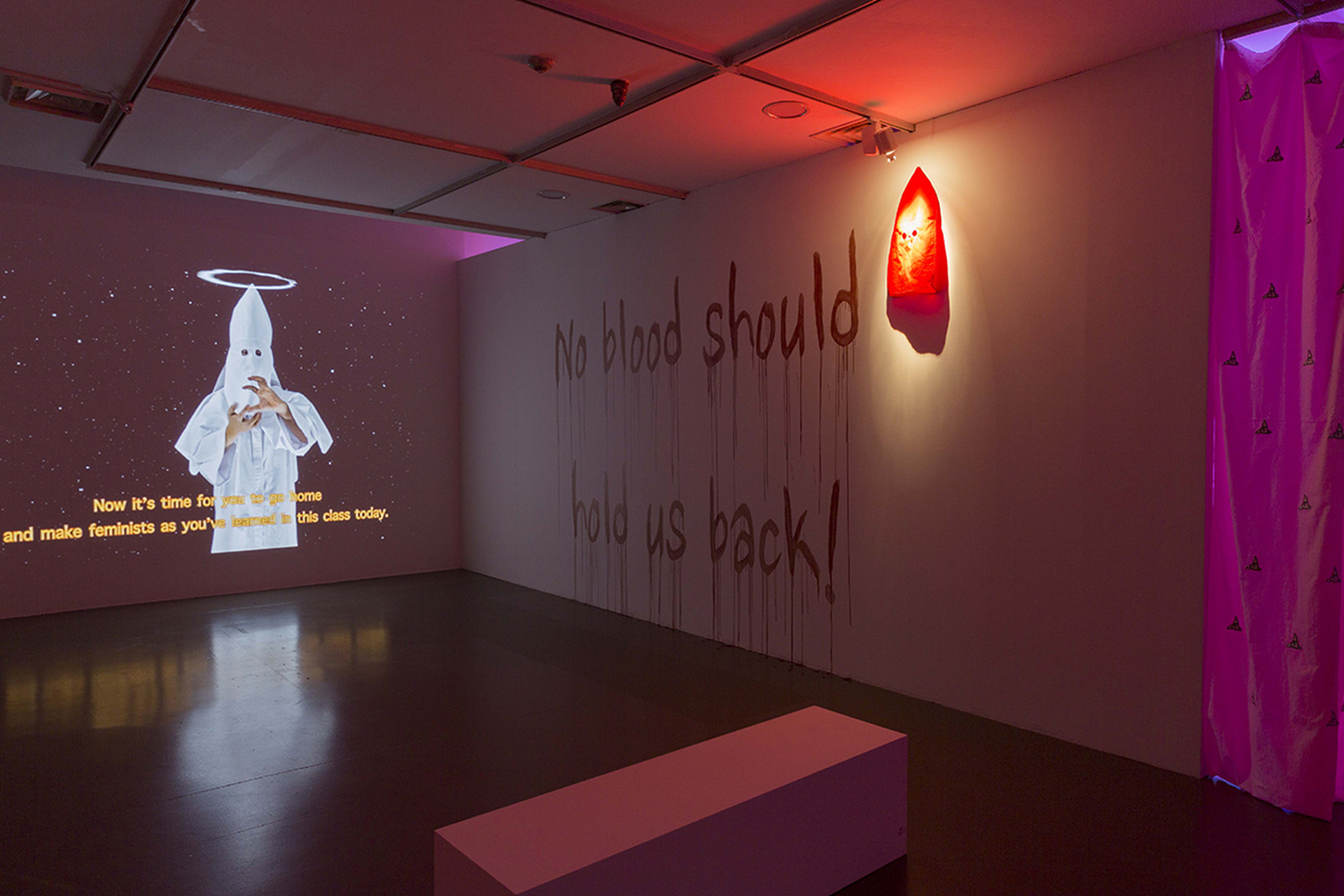
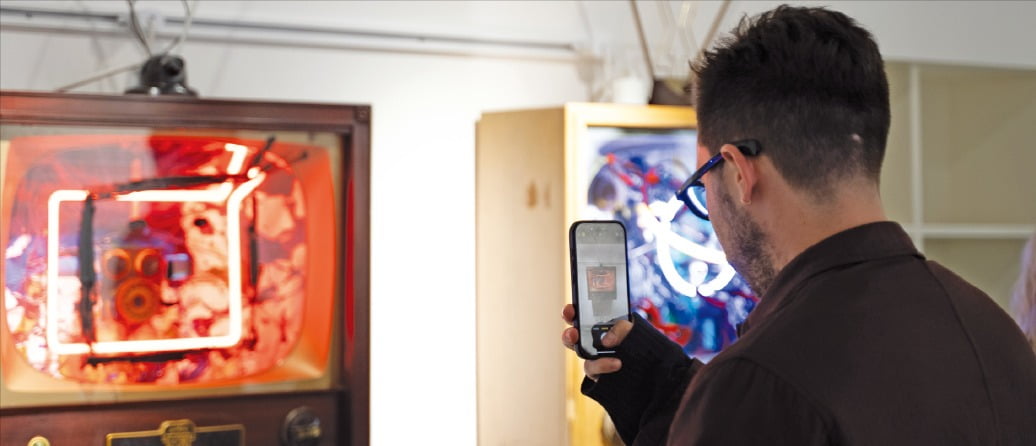
Let us first examine 《No Idea》. Descending the stairs to the basement, visitors encounter a green curtain reminiscent of a green screen blocking the entrance to the exhibition space. The moment the curtain is drawn aside, the world of retro media summoned by Insane Park unfolds. The artist uses obsolete cathode-ray tube televisions and computer monitors, which are no longer manufactured, as his primary display devices.

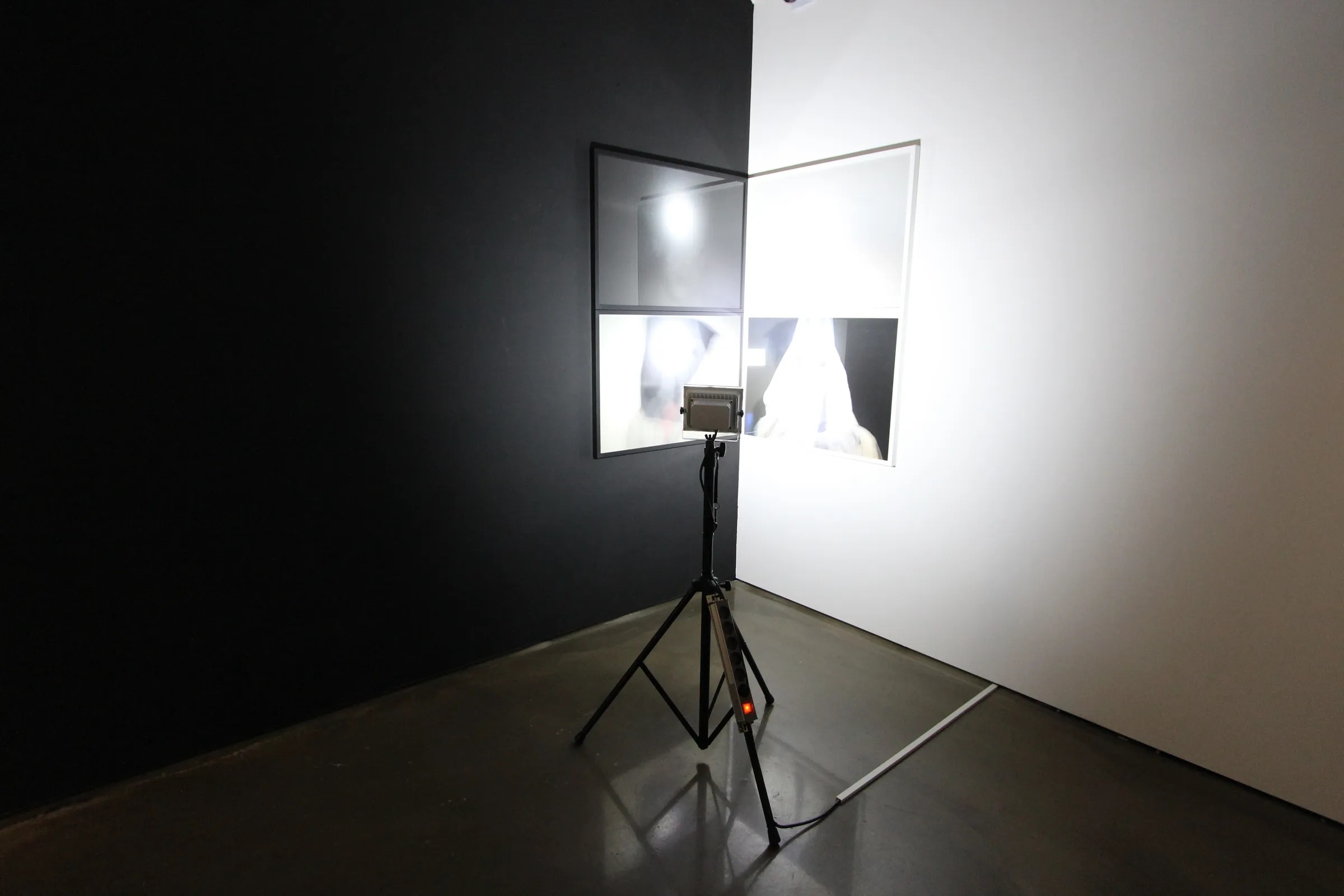
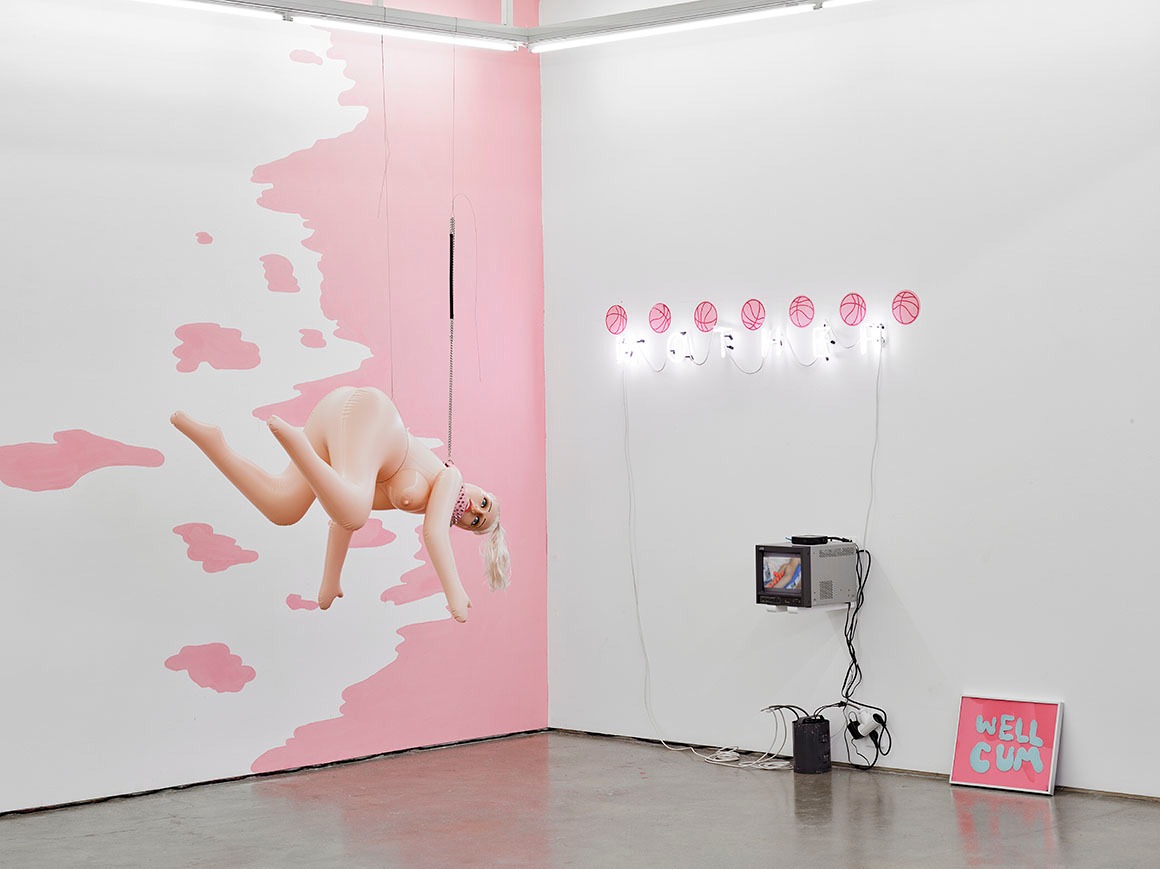
The screens repeatedly show graphic videos in the style of 1990s MTV, footage of the artist disguised as a member of the Ku Klux Klan, and animated videos that reconstruct an AI robot resembling a human woman through crude graphics. Sounds sampled by the artist himself pour indiscriminately from speakers installed throughout the exhibition, heightening the sensory confusion.

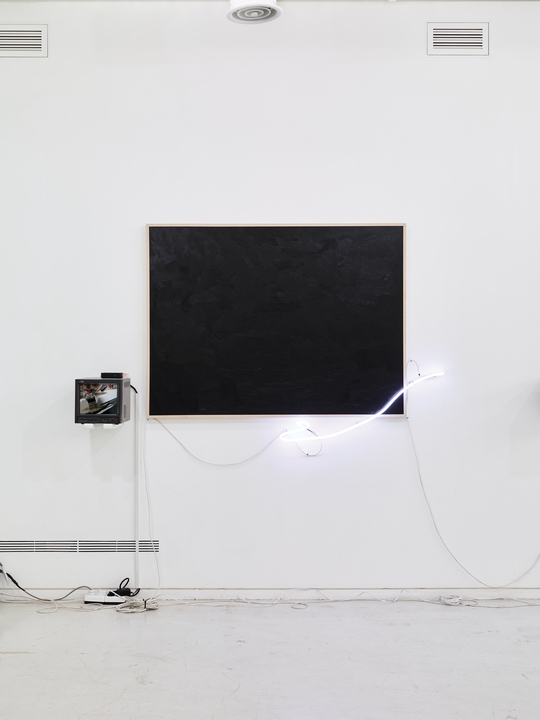
Also conspicuous are neon signs shaped like the play, pause, and stop buttons of a video player and the icon of a mouse cursor. In this way, the various works in 《No Idea》 each assert their own presence. Consequently, they do not form a particular context with one another. This is because Park, who describes himself as an “MTV kid,” seeks to impress the language and sensibility of mass media upon viewers through sensation alone.

“I actually majored in Western painting. But after graduating, I realized that I did not even know how to hammer a nail into a wall by myself. While sharing a studio with colleagues who had studied sculpture, I gradually learned how to handle various tools and media. Because I acquired each skill according to my interests or needs, the technical execution is not always perfect. This exhibition is both a tutorial for playing with digital images using newly learned video tools and the result of that process.”

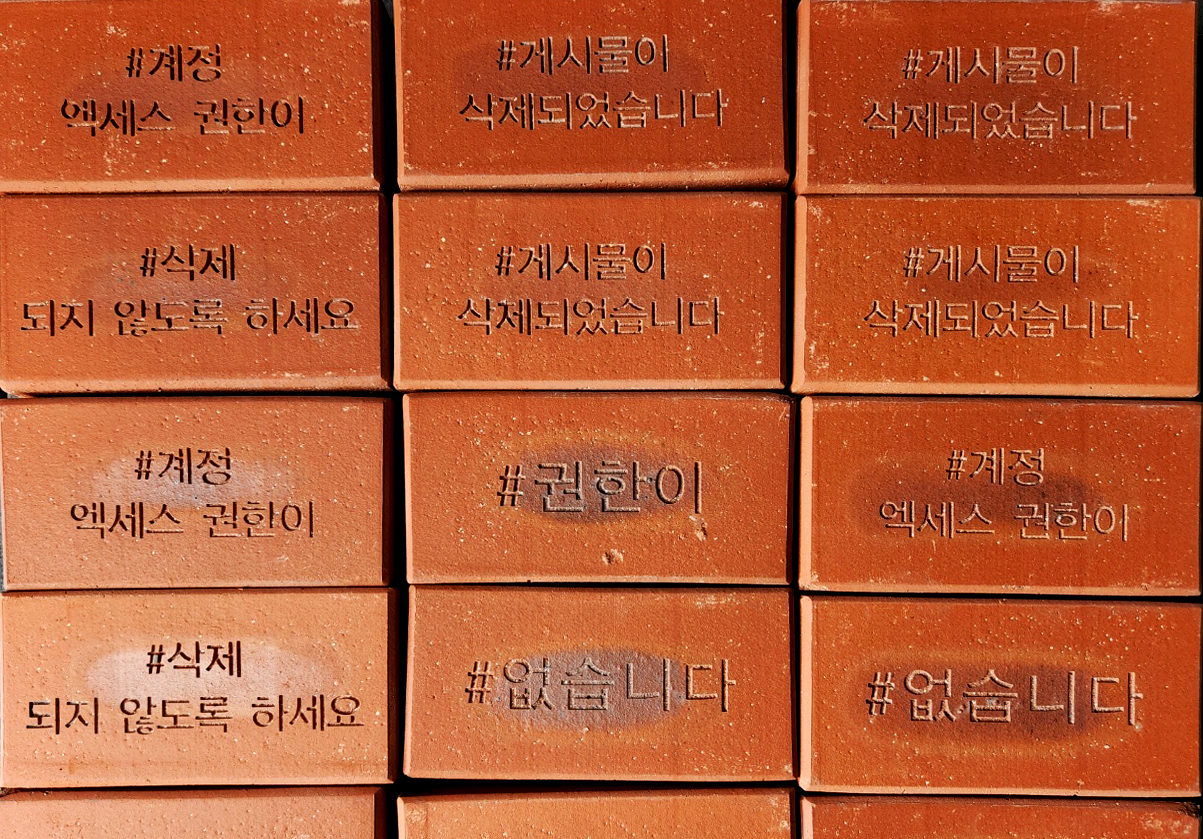
The small square tiles scattered across the exhibition floor are likewise the artist’s reinterpretation of digital images composed of pixel units.

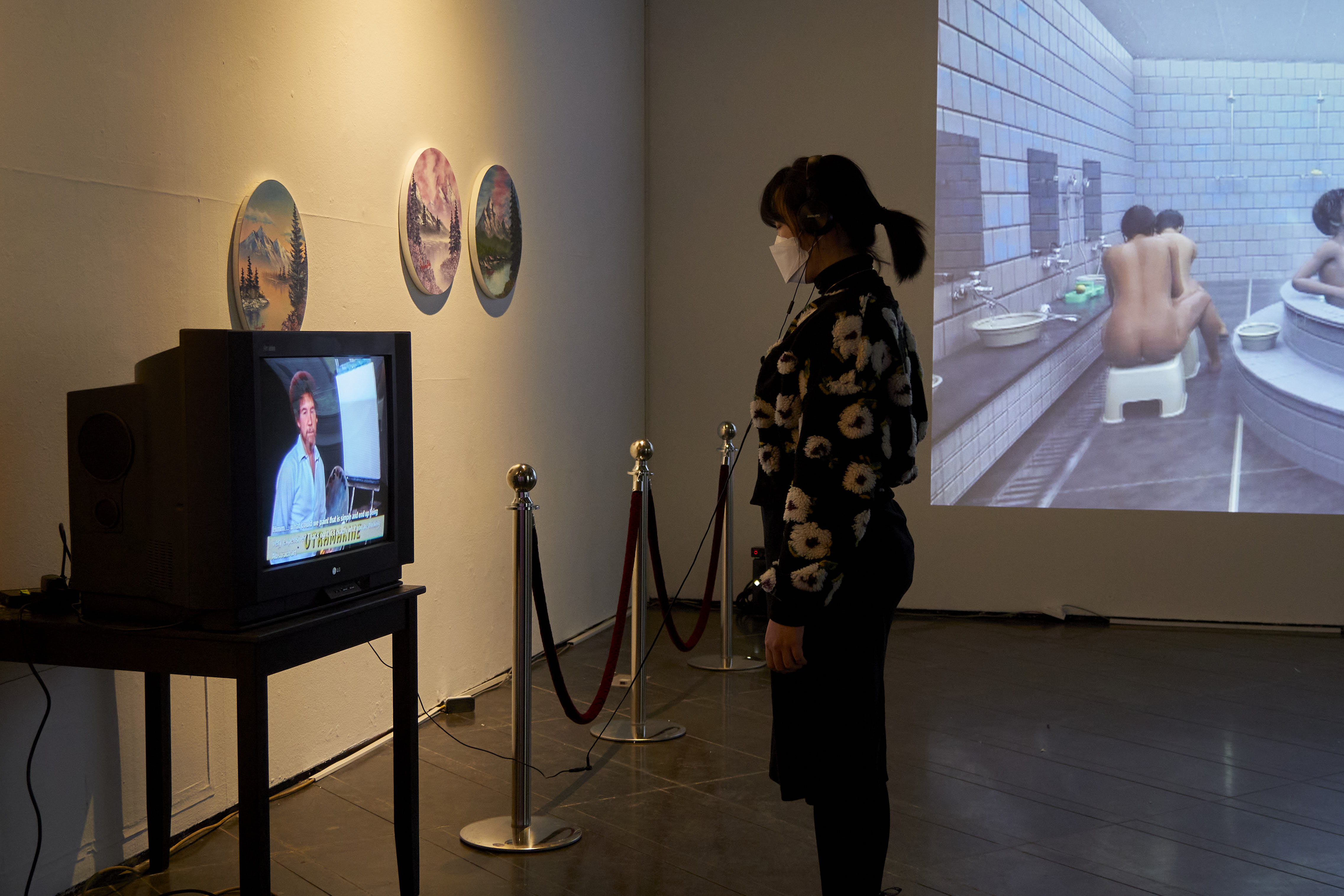
The second-floor exhibition 《Joy of Painting》 is Insane Park’s first solo exhibition devoted to painting. Strictly speaking, however, not all the exhibited works are the artist’s own original paintings, as they are copies made by following the paintings of Bob Ross, commonly known in Korea as “Uncle Bob.”

Bob Ross was first introduced to Korean audiences through the television program The Joy of Painting, broadcast by EBS in 1994. In The Joy of Painting, Ross demonstrated how to “paint well” by producing landscapes with remarkable speed and fluency. Many viewers who had watched the program avidly during childhood later revived him as a kind of meme.

Insane Park also remembered The Joy of Painting. In preparing for the exhibition, he faithfully imitated Ross’s painting techniques. While Ross generally depicted the majestic natural landscapes of the United States, the pink skies selected by Park create a peculiar sense of incongruity. He also signed the lower part of the canvases “Insane Bob.” In one corner of the exhibition space, an episode of The Joy of Painting is playing.

Yet listening closely to its content reveals something strange. “Today, we’re going to paint something that makes money.” Looking at the screen, one finds a familiar abstract painting composited into the footage: Lee Ufan’s representative work From Line. More precisely, this painting too is an imitation of Lee Ufan, produced by Insane Park disguised as Bob Ross.


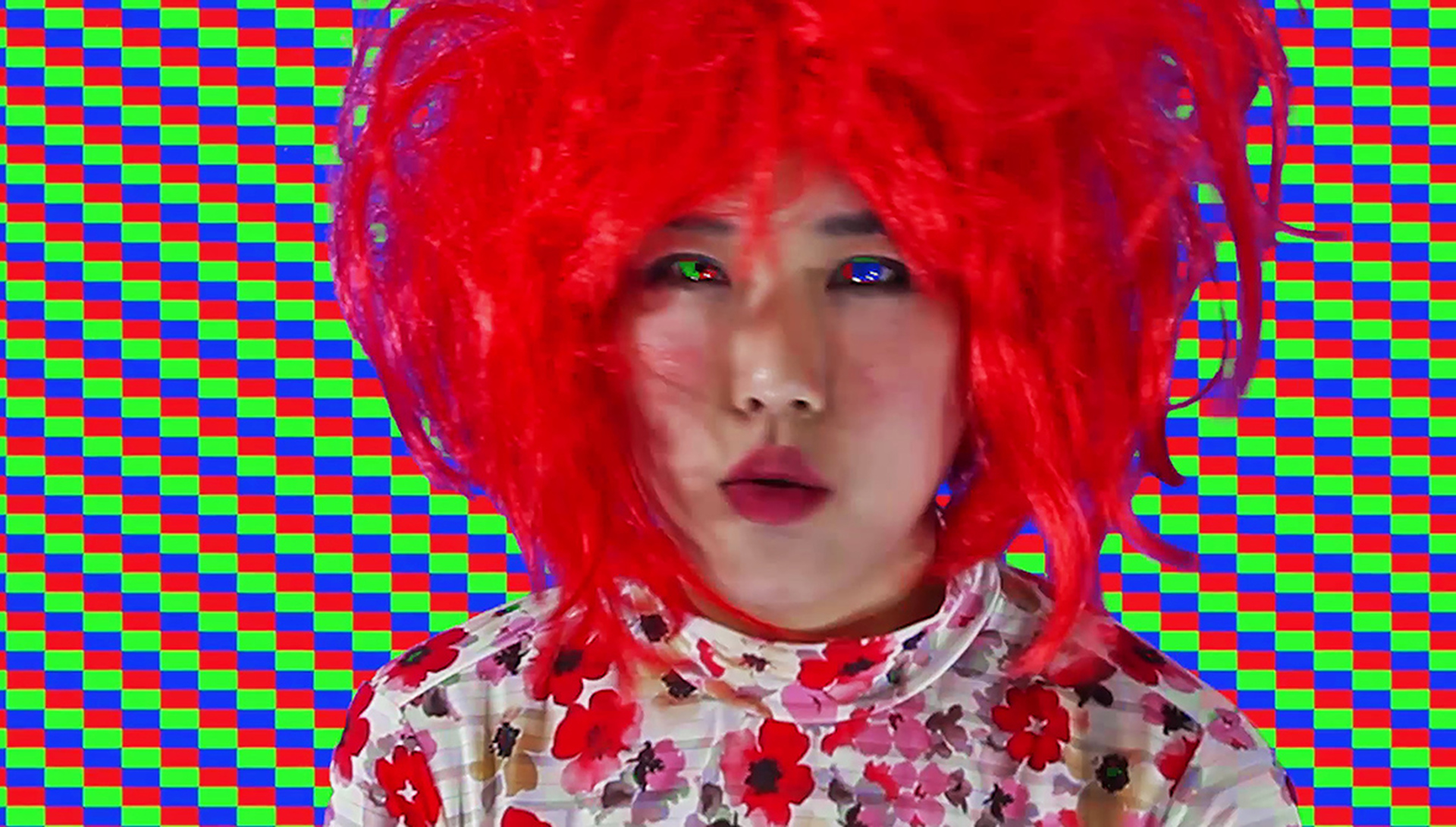
Insane Park, Love Is on Return, 2020, Single-channel video, 23 sec © Insane Park

For the generation that grew up watching television in the 1990s, Bob Ross was often the first painter they ever encountered. Those unfamiliar with contemporary art may not know Lee Ufan, but nearly everyone knows Bob Ross and his landscapes. Insane Park questions this situation.

“I am somewhat critical of the fact that both the art market and its discourse have been shaped by particular individuals and groups. That is why I wanted to hang so-called ‘barbershop paintings’ in the middle of one of Seoul’s leading gallery districts. If one of these copies were actually sold, whose painting would be selling? Insane Park’s, Bob Ross’s, or perhaps ‘Insane Bob’s’? Through these familiar yet unfamiliar paintings, I wanted to reconsider the art system to which we belong.”

Bob Ross’s oft-repeated phrase, “Easy, isn’t it?” has long since become a familiar catchphrase. Park was particularly struck by the way Ross would make a mistake and then calmly paint over it as though nothing had happened, saying, “A happy accident has happened. Just enjoy painting. That’s all there is to it.” Come to think of it, the original English title of the program is “The Joy of Painting”.

Is making art, then, truly a joyful experience for Insane Park? “There was a time when I fell into a severe creative rut. Bob Ross’s words began to sound as though they were directed at me. There had once been days when I felt I could not live without art. In the past, I had many ambitions and plans, but now I have learned to let go a little. I make things and enjoy playing with them on my own, and when the opportunity arises, I try to present them well. That is the kind of joyful art I am capable of making.”

References