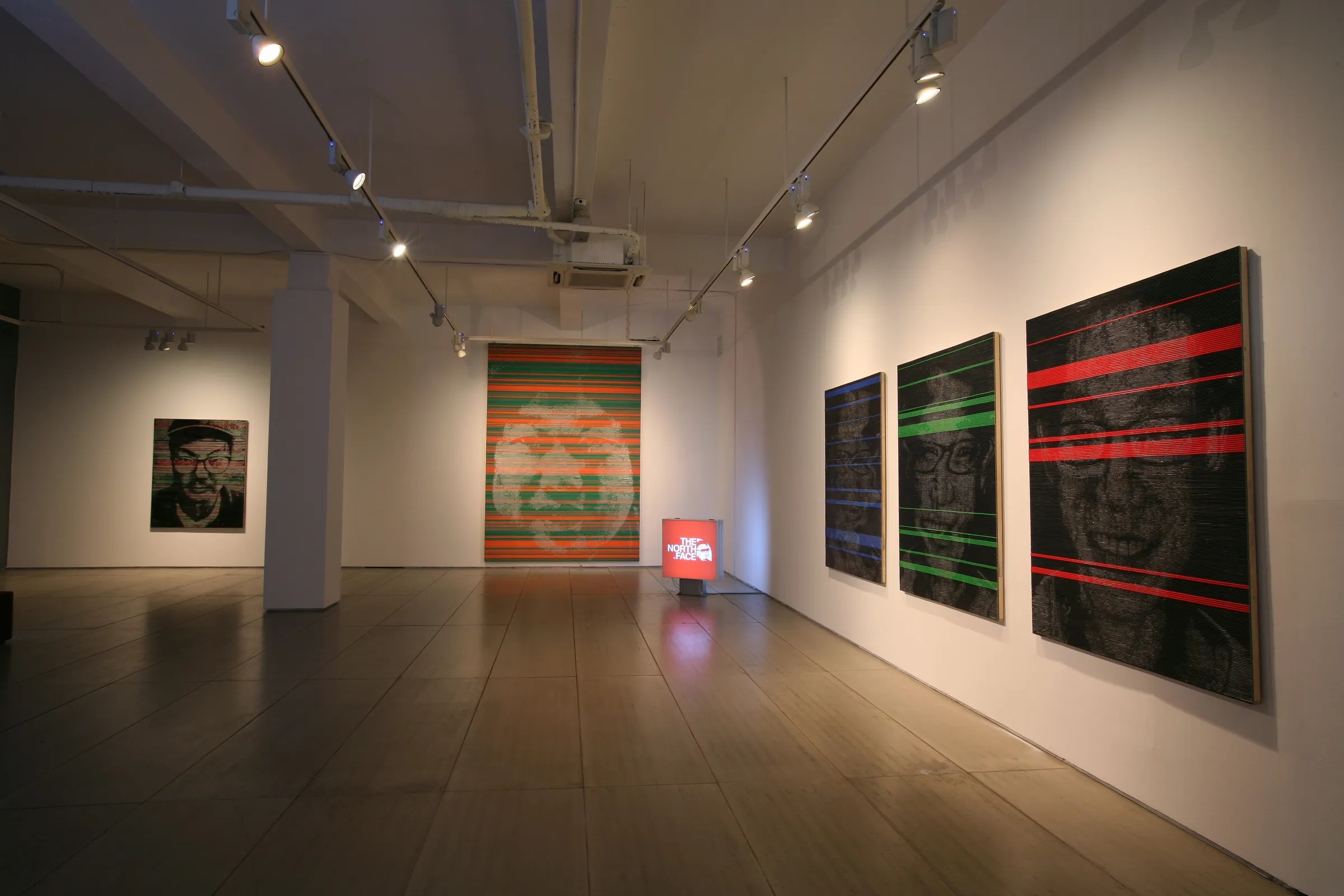
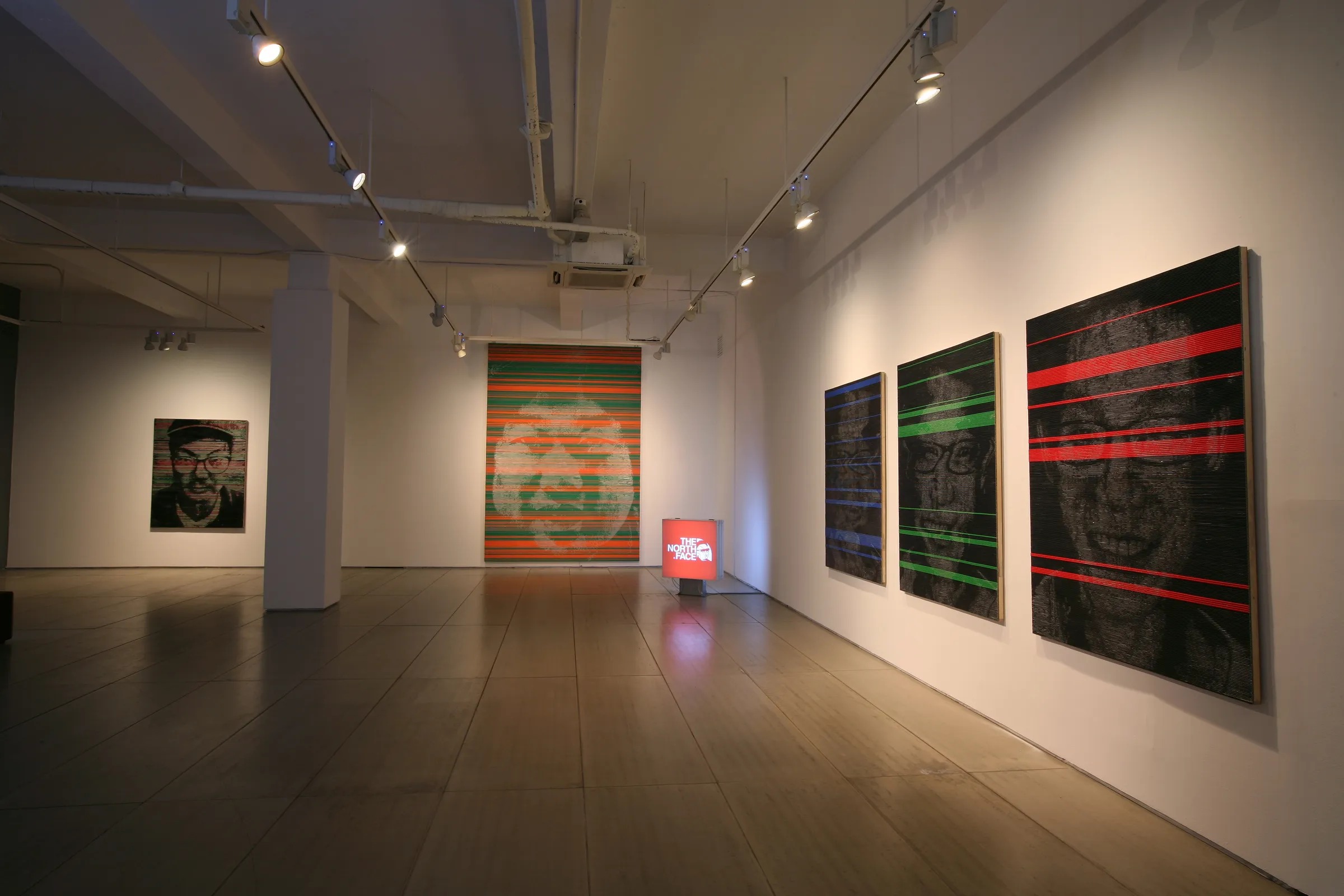
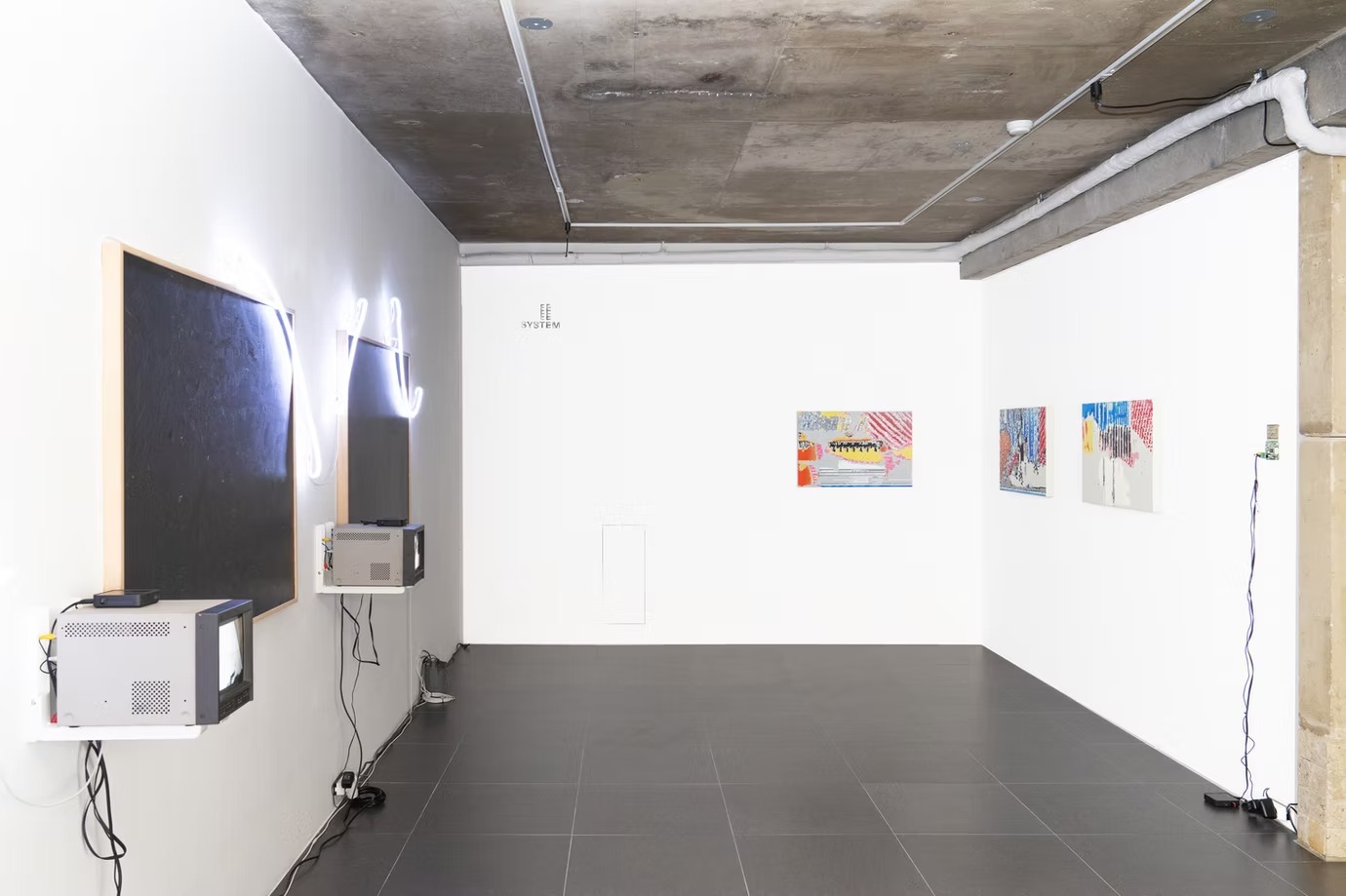
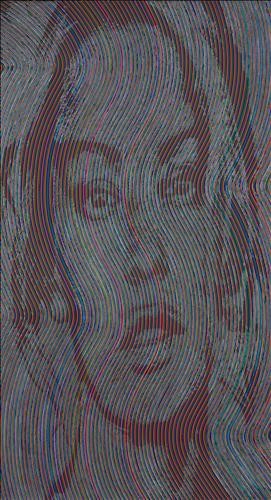
Insane Park’s early ‘Image-Unknown’ series transforms cables used for transmitting information into materials for constructing two-dimensional images. By arranging cables at regular intervals and grinding away their colored coatings, he produces tonal variations and contours that depict anonymous faces collected from wanted-person composites and missing-person flyers.
The cables operate simultaneously as pictorial material and as a reference to the media infrastructure through which images and information circulate. Although the works appear painterly when viewed from the front, their carved surfaces also possess the qualities of relief and sculpture. The original function of the material is thus inseparable from the represented subject, physically revealing how media converts human faces and identities into transmissible information.
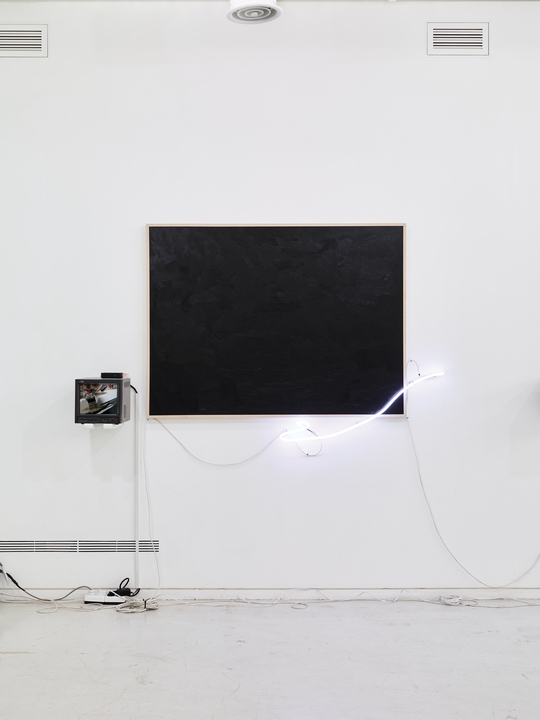
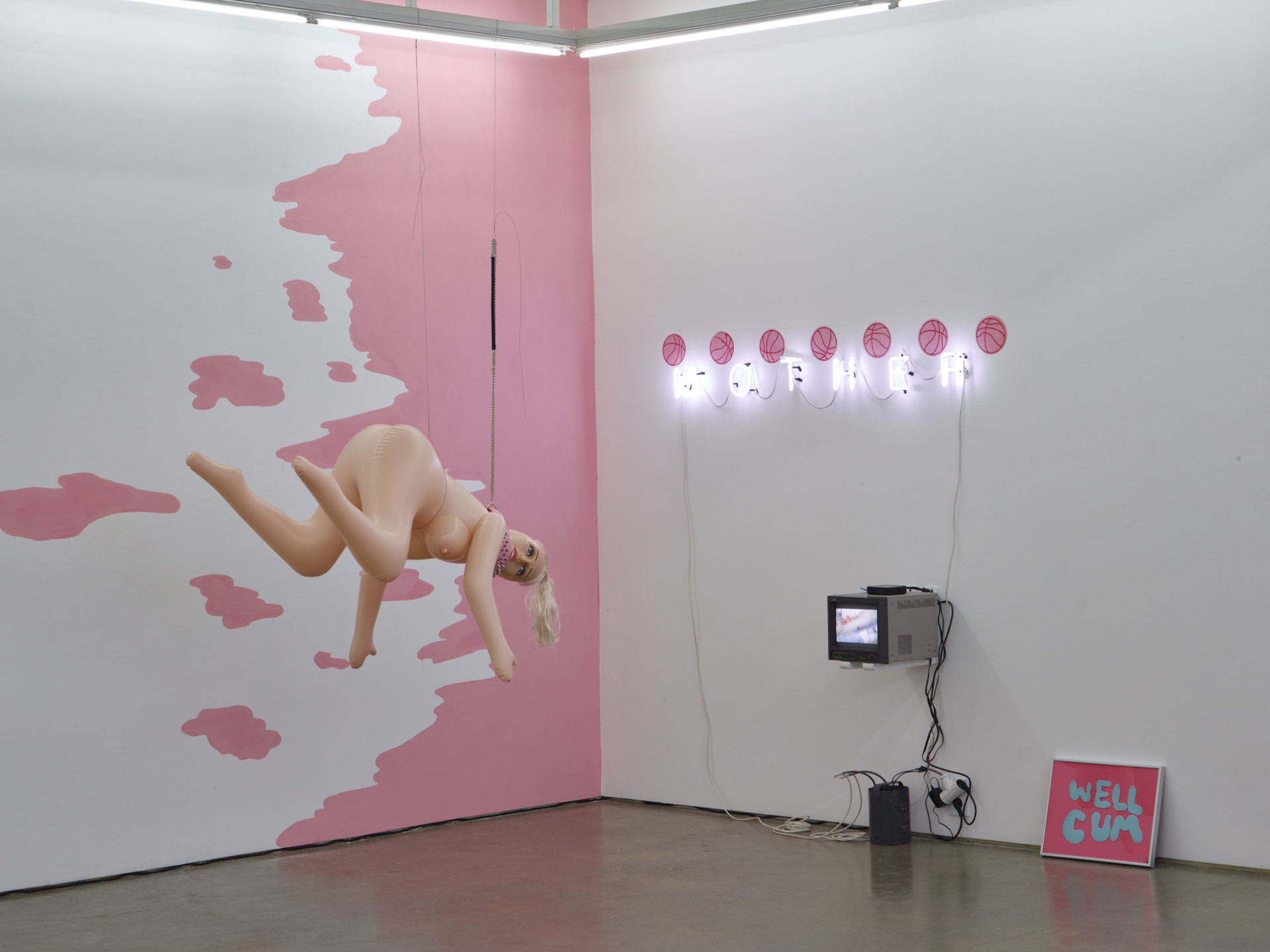
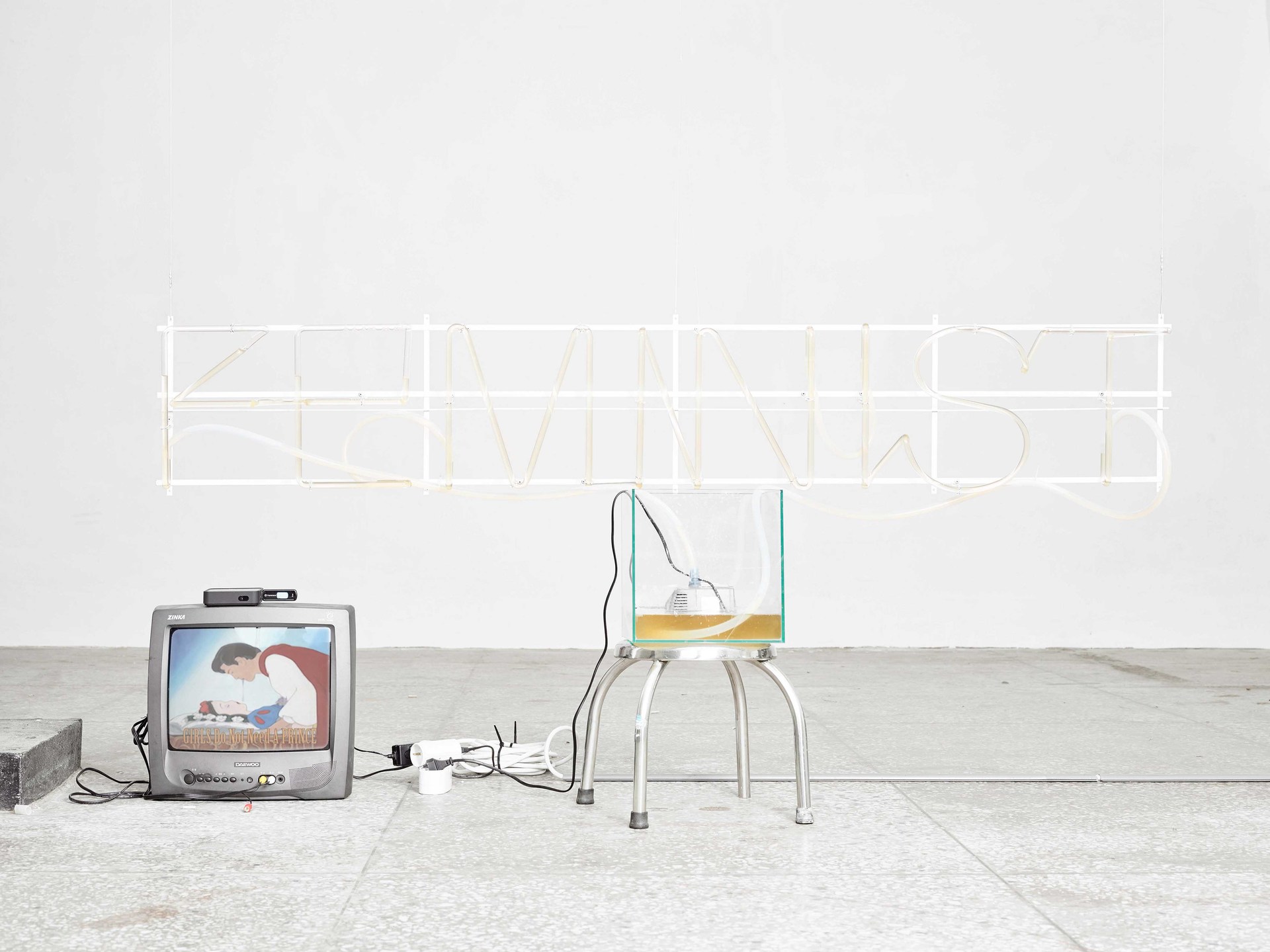
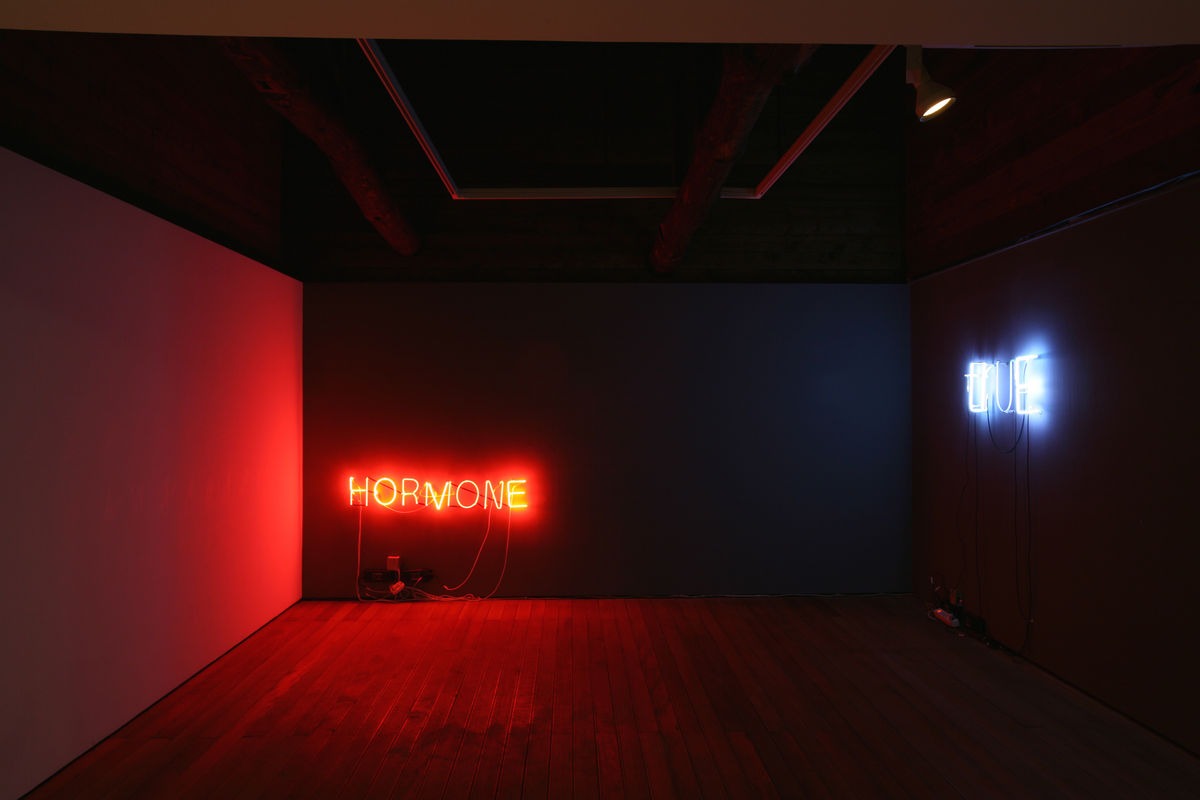
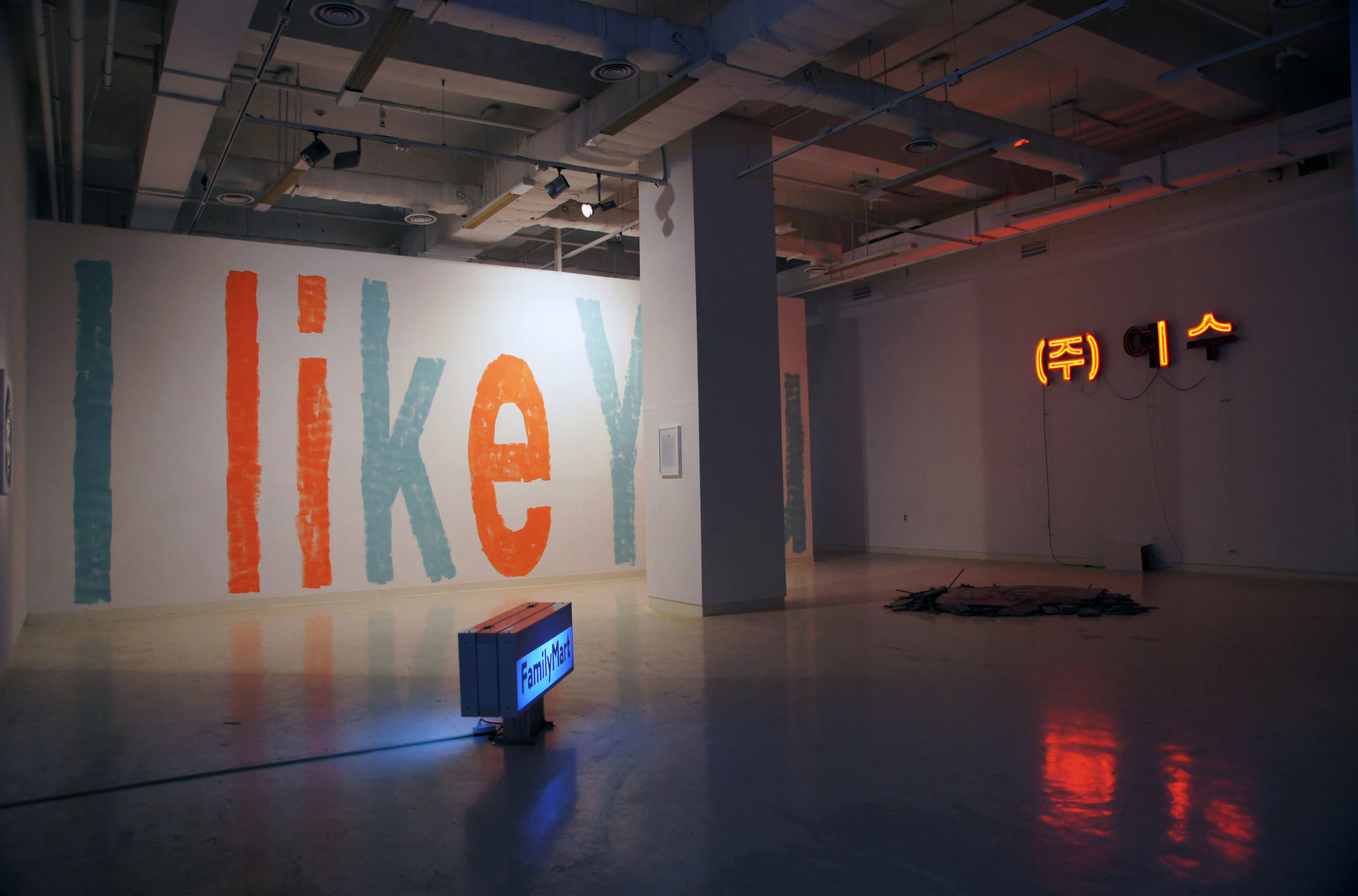
In his text-based works, immaterial information is similarly transferred into concrete objects and spatial structures through neon, bricks, and sign-like forms. By making individual letters flicker or disappear and exchanging similar sounds and spellings, Park turns familiar expressions into unfamiliar commands, jokes, or provocations.
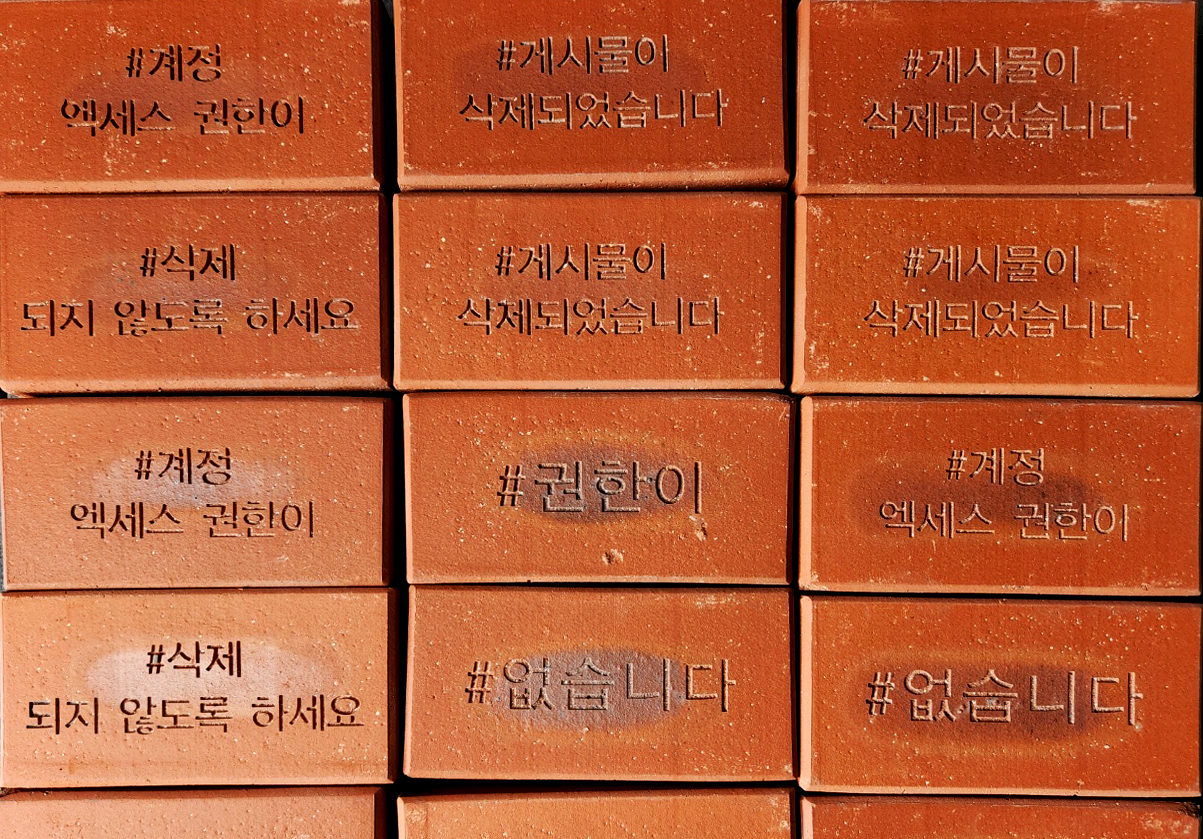
In Firewall, a digital access-denial message is engraved into red bricks, materializing an online system of authorization as a physical barrier. Bright neon light, commercial signage, and repeated warnings bring the directives encountered in everyday life into the exhibition space. Text in Park’s work does not merely explain an idea; it occupies space and functions as a visual device that regulates the viewer’s behavior and perception.
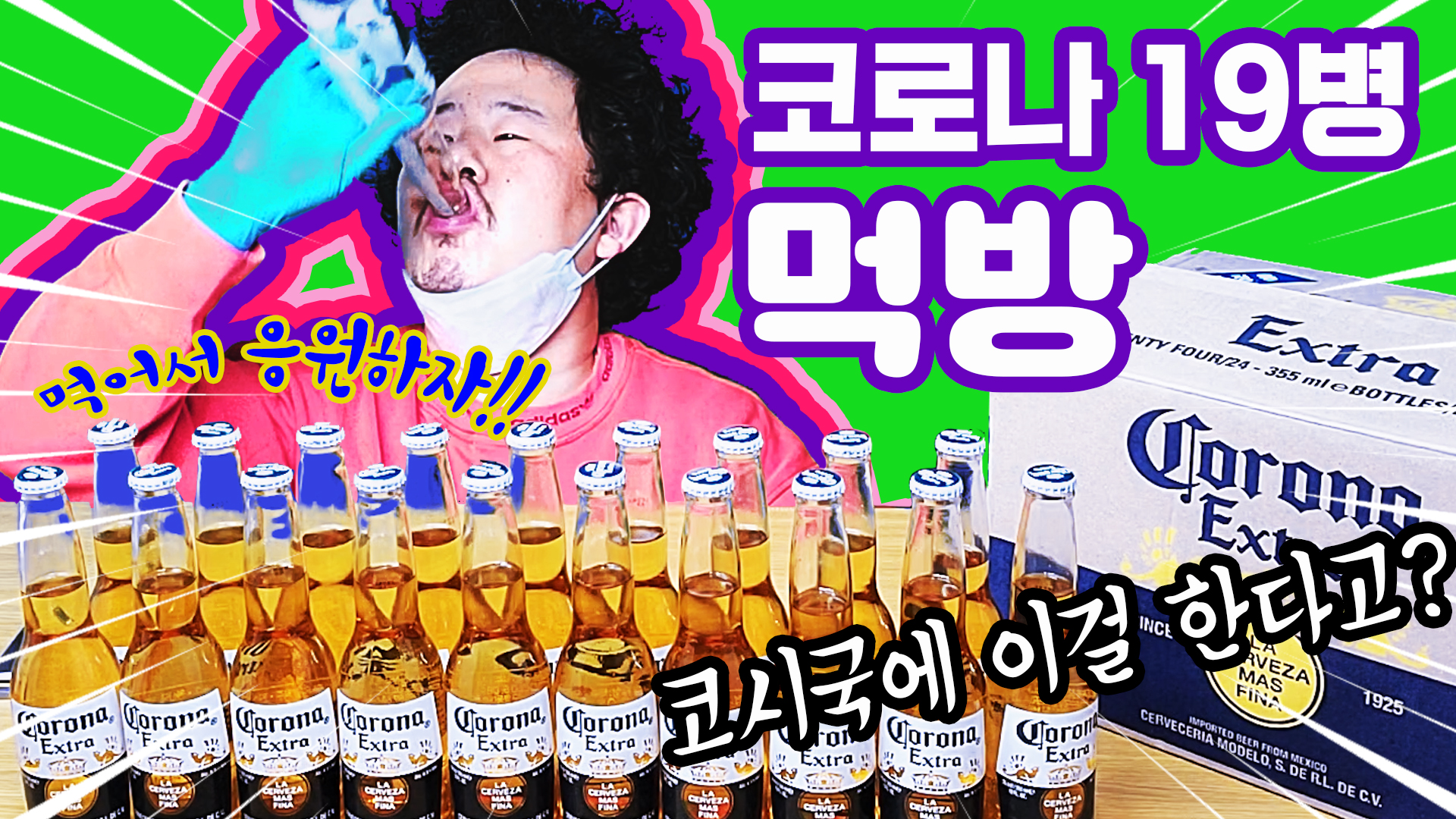
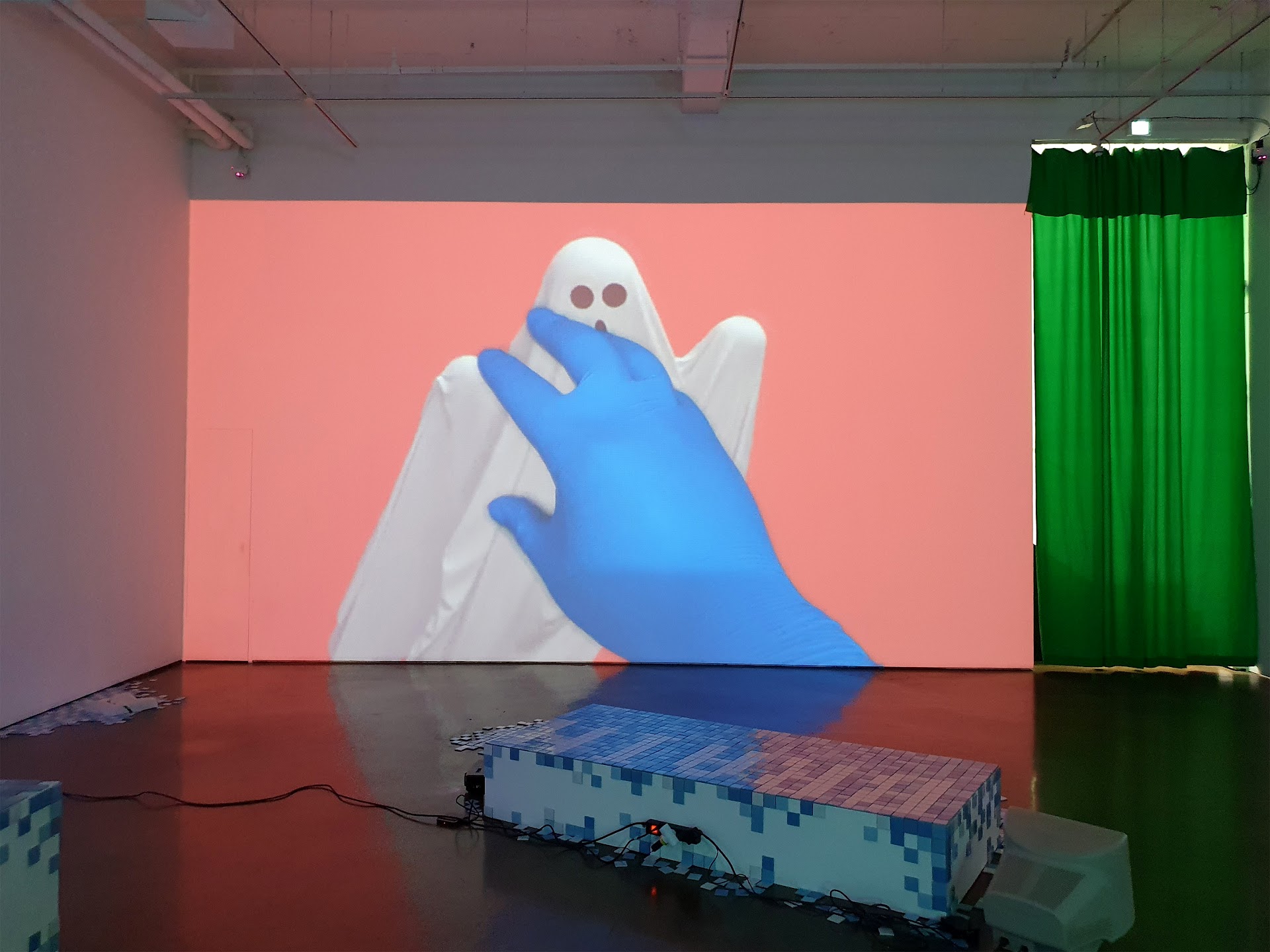
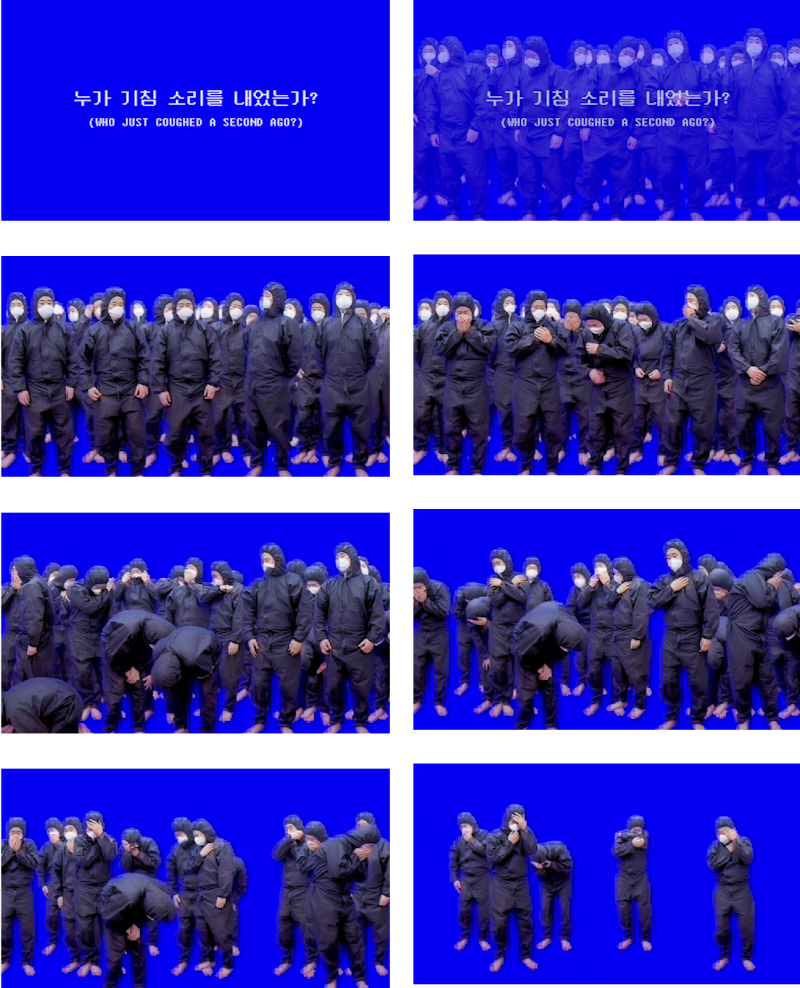
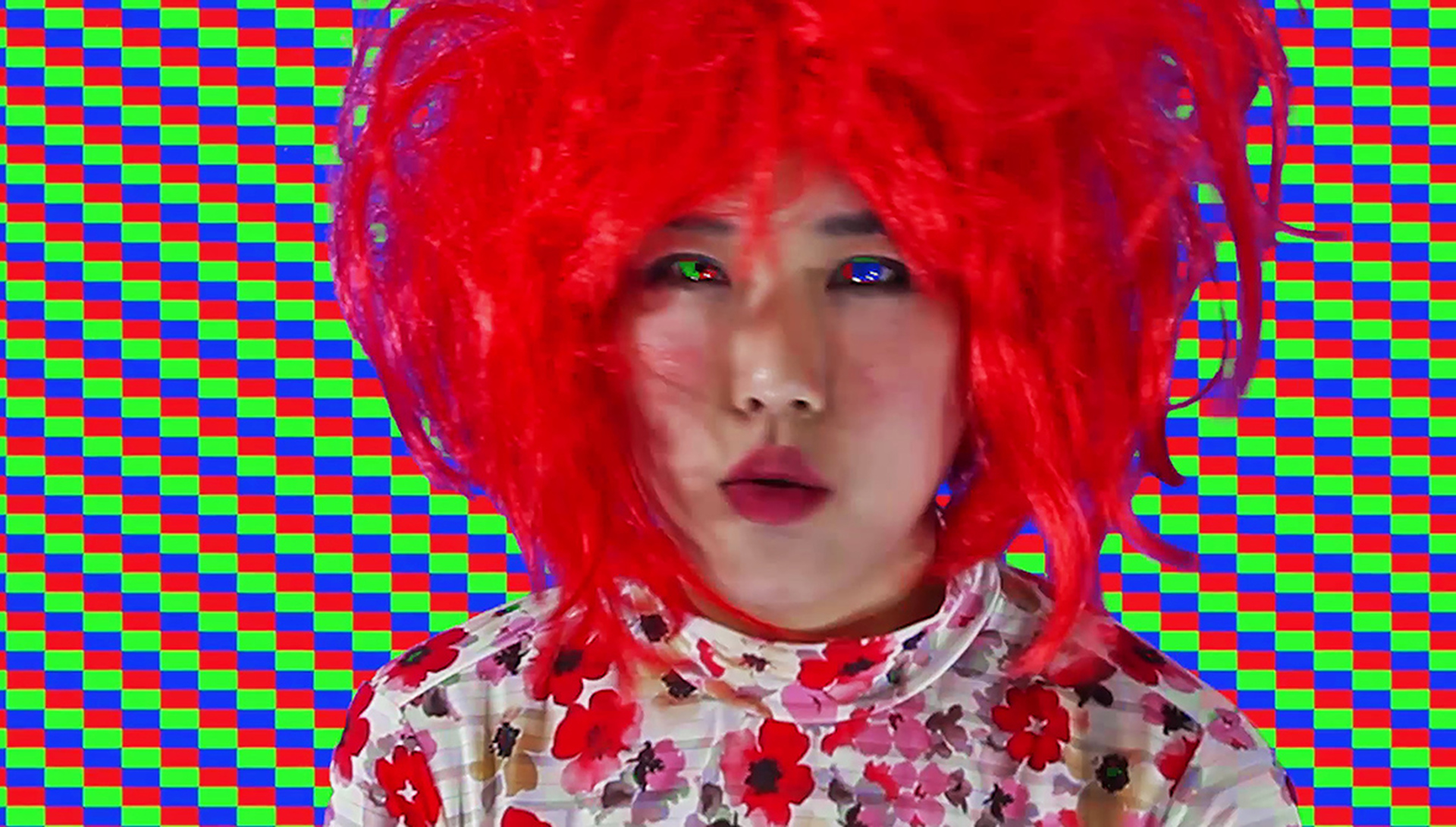
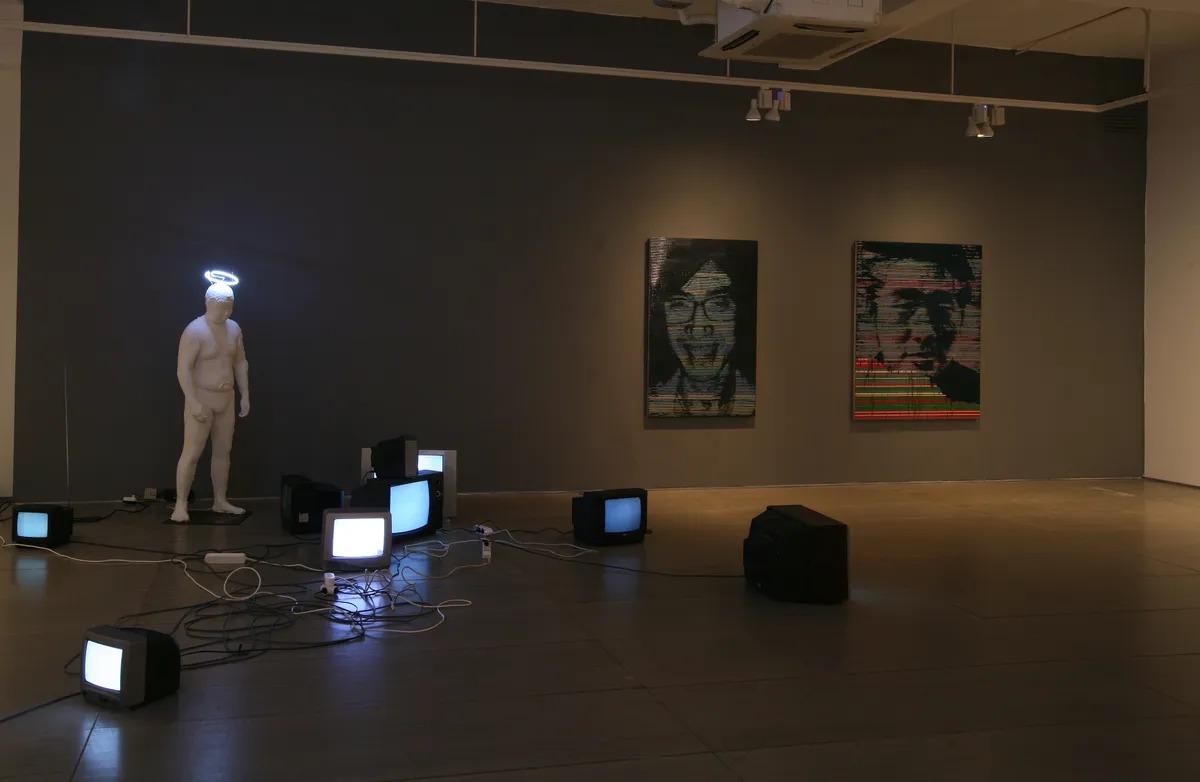
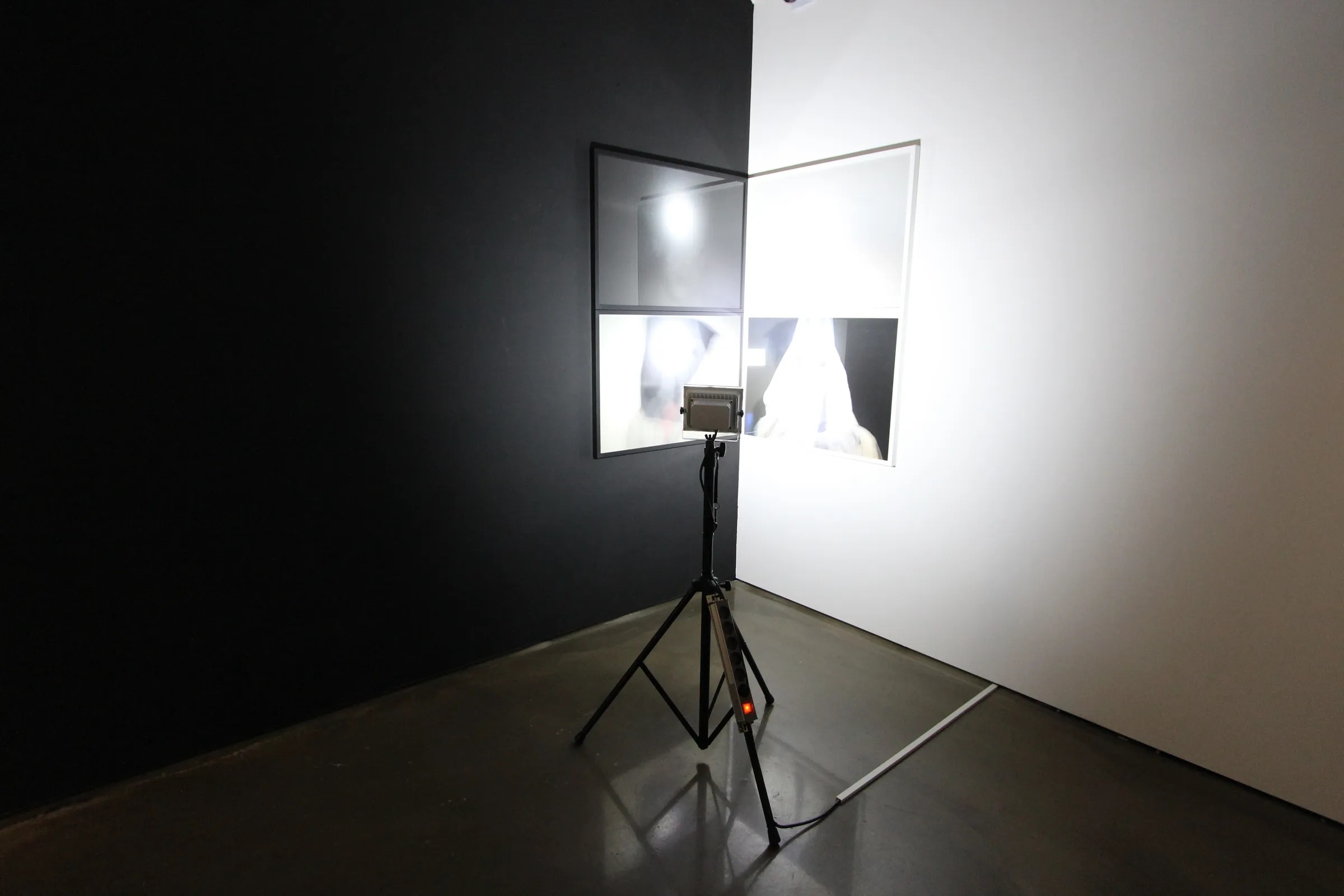
Park subsequently expanded the logic of digital editing across photography, video, painting, sound, and installation. He cuts, duplicates, and recombines photographs, moving images, memes, and film stills gathered from the web, while also rephotographing monitor images and layering sampled sounds.
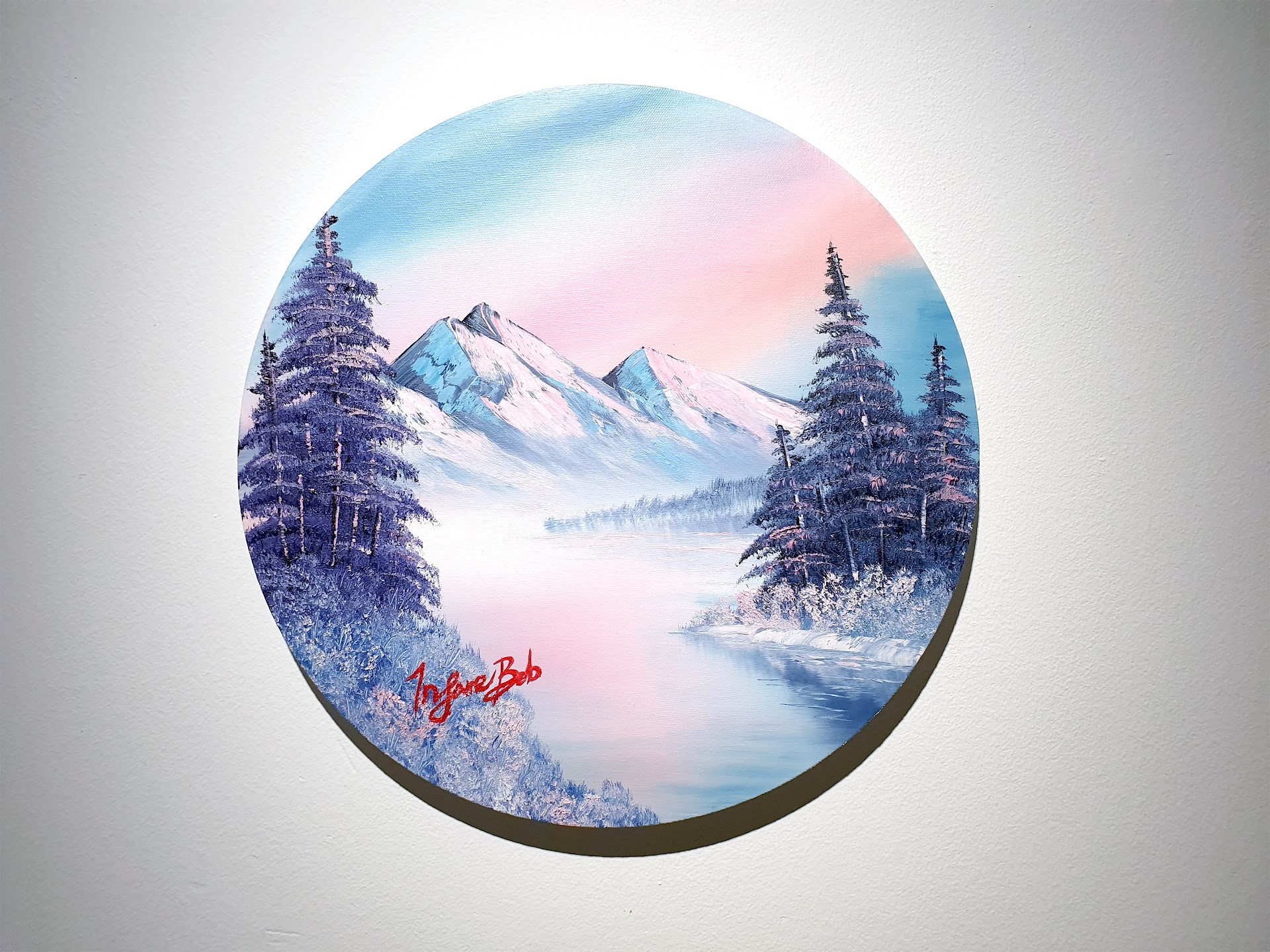
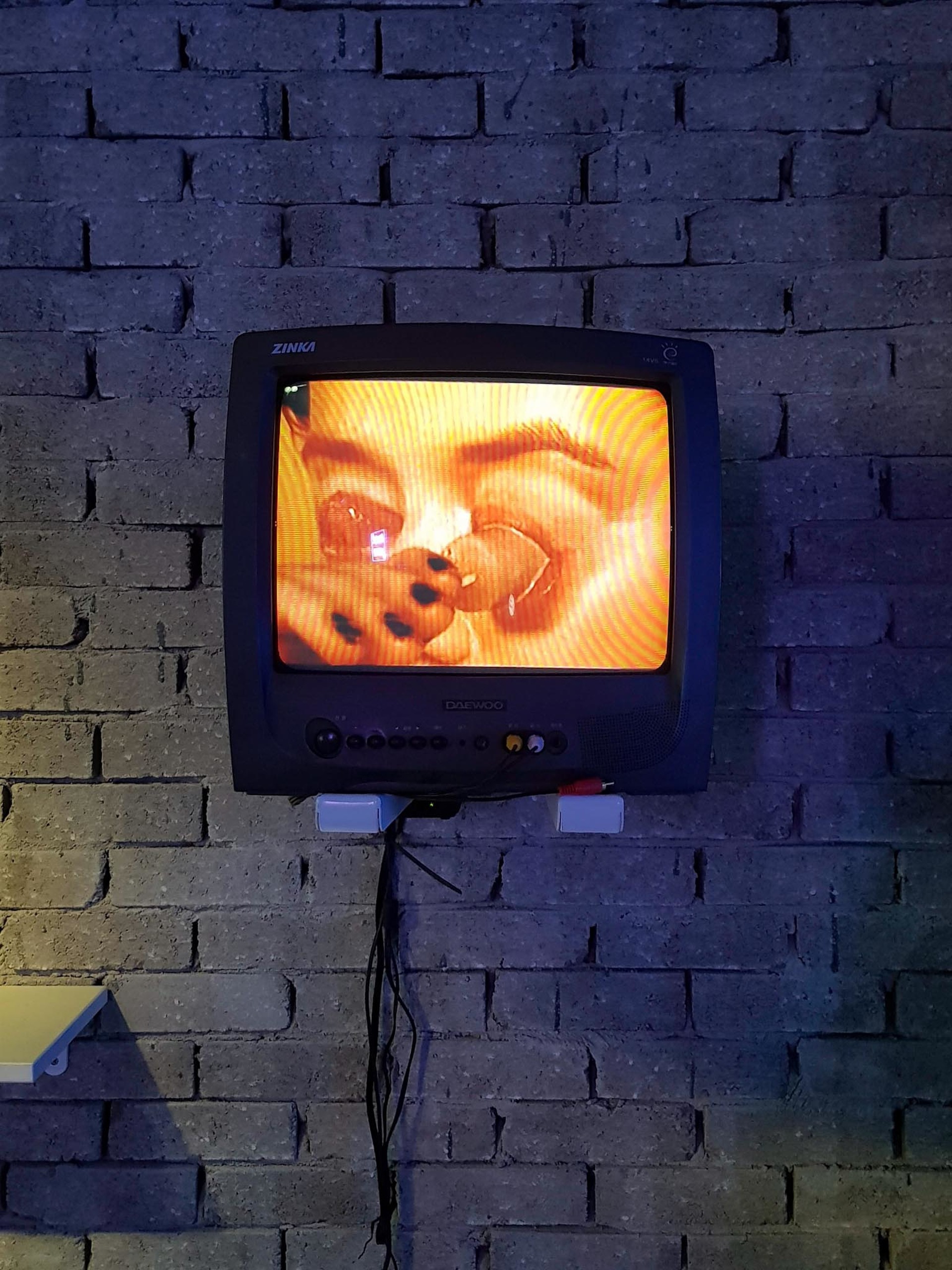
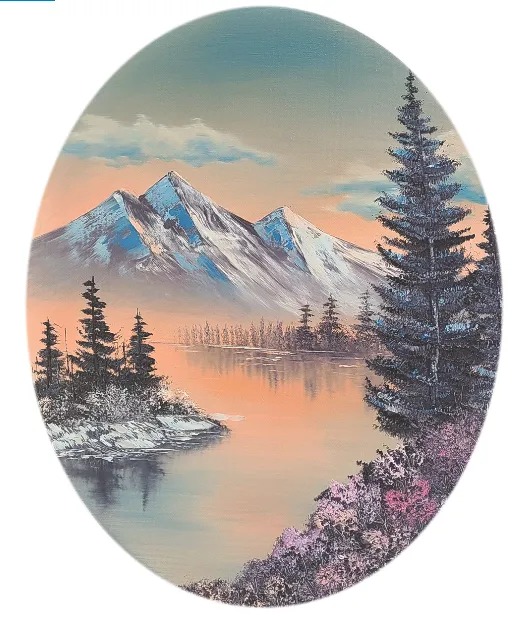
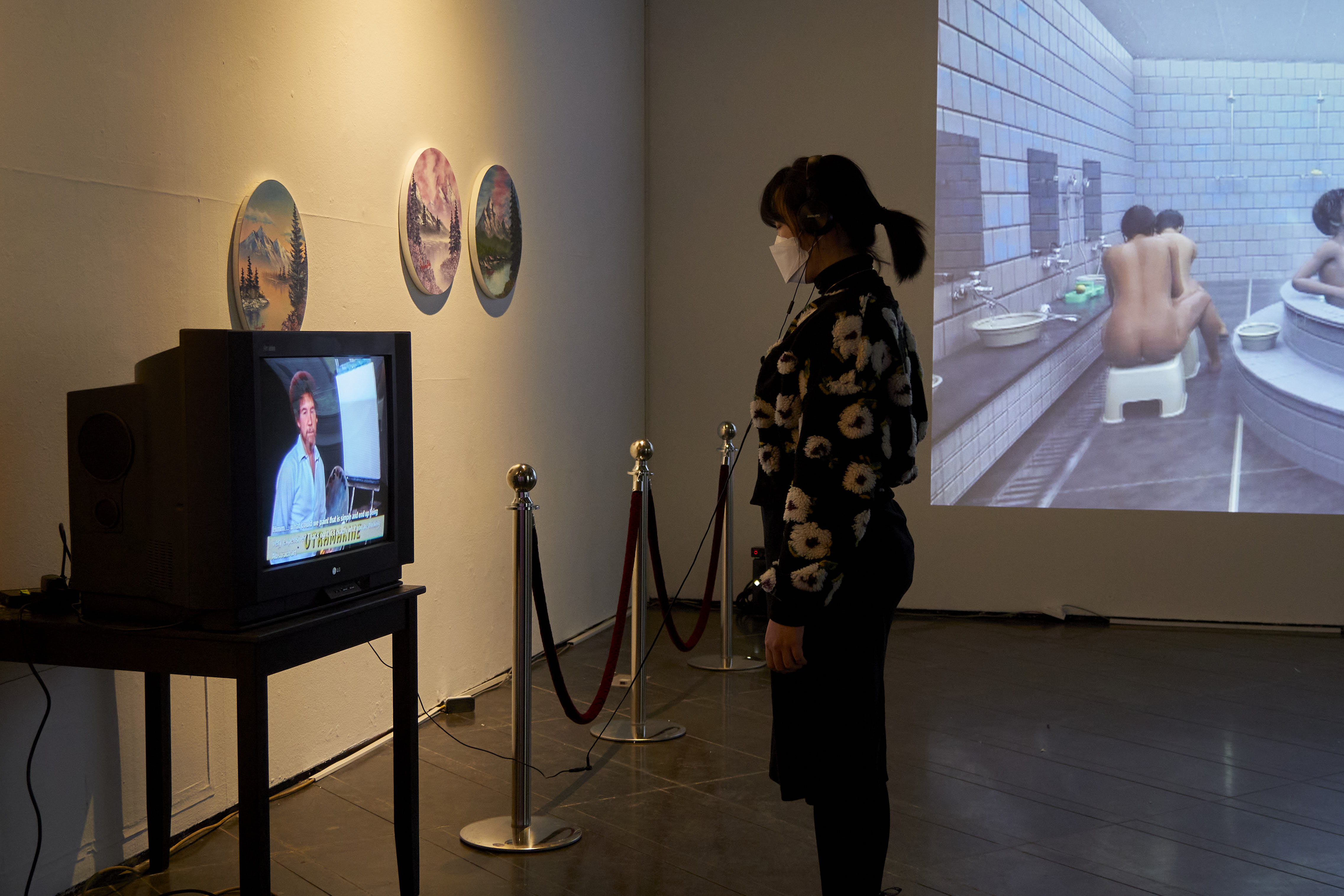
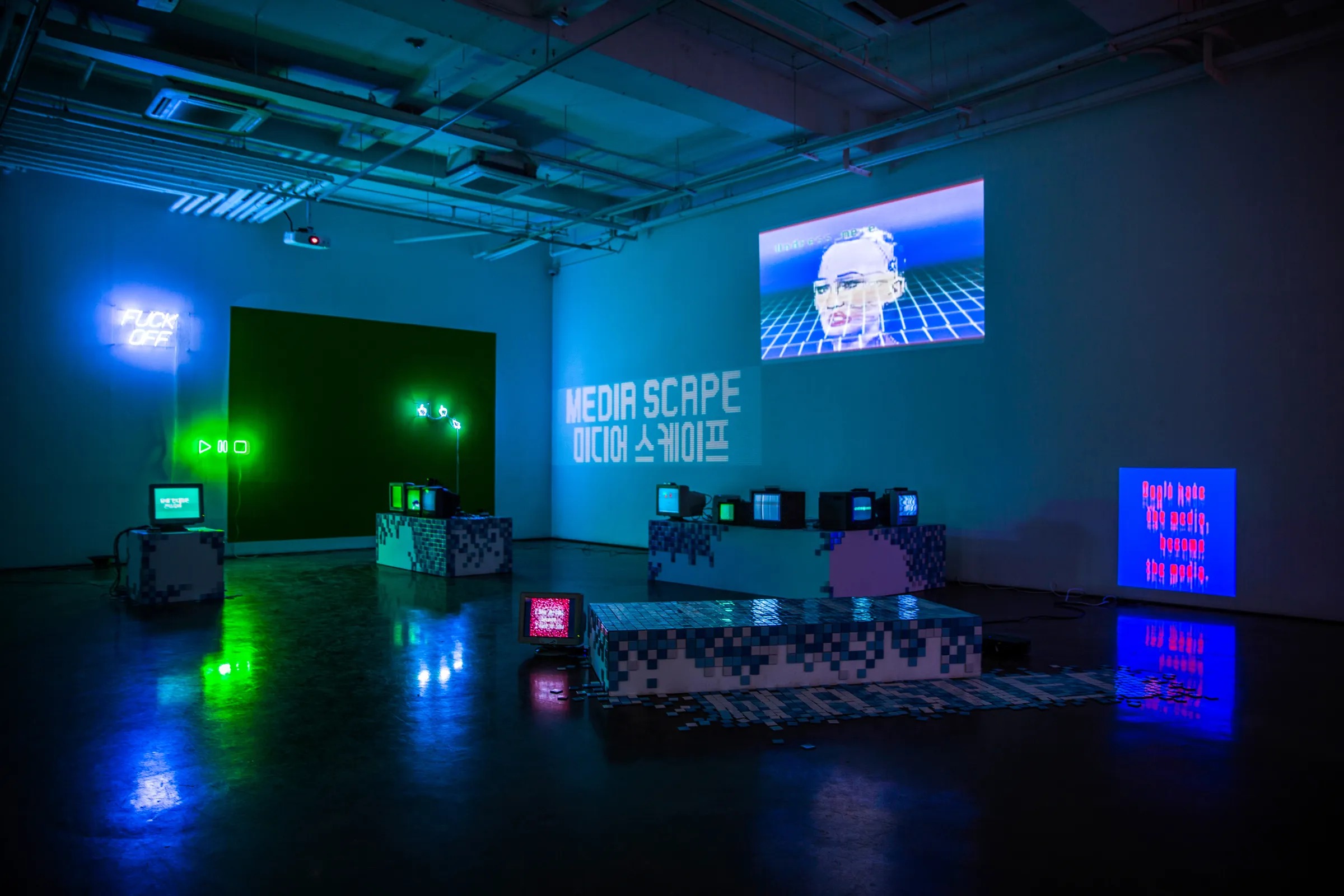
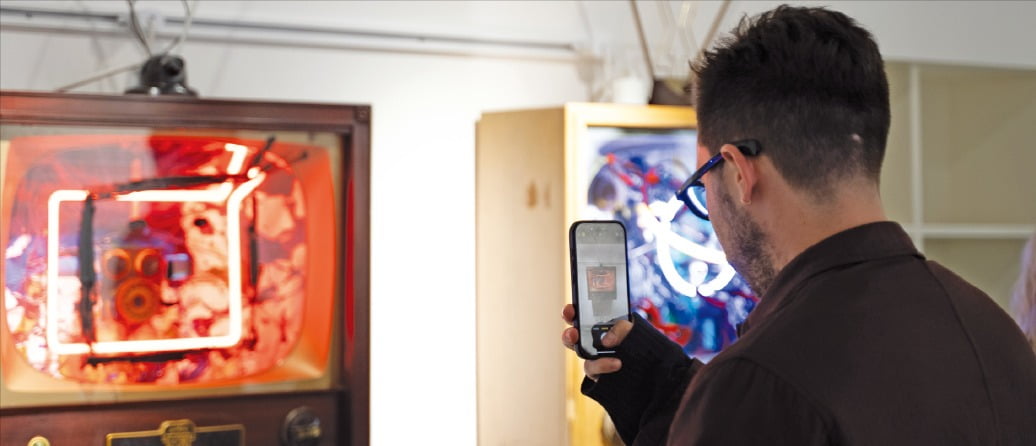
Obsolete cathode-ray tube televisions, computer monitors, pixels, cursors, and playback icons evoke not only particular technologies but also the sensory conditions through which images were once consumed. In 《Joy of Painting》, Park imitates Bob Ross’s television format and painting techniques, bringing together the familiarity of popular culture, questions of authorship, and the mechanisms through which the art market assigns value.
Rather than providing a unified narrative, his multimedia installations encourage fragmented viewing and listening that resembles browsing the internet, turning the circulation of contemporary images into a spatial experience.
In recent works, technological errors and fictional staging have become active methods of production. The ‘Error’ series translates forms generated when the Content-Aware Fill function deviates from the user’s intentions into paintings and murals, while pixelated error windows from obsolete operating systems multiply images produced through malfunction.
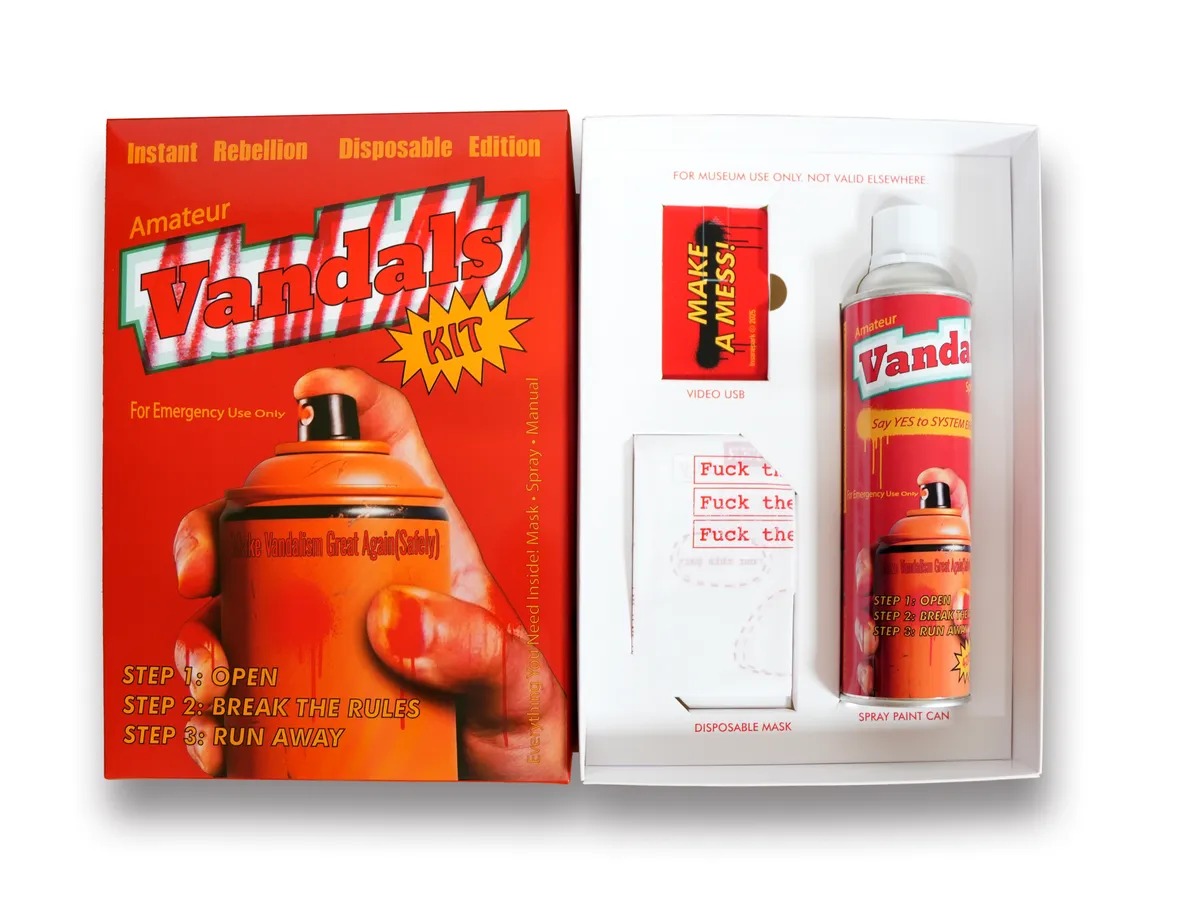
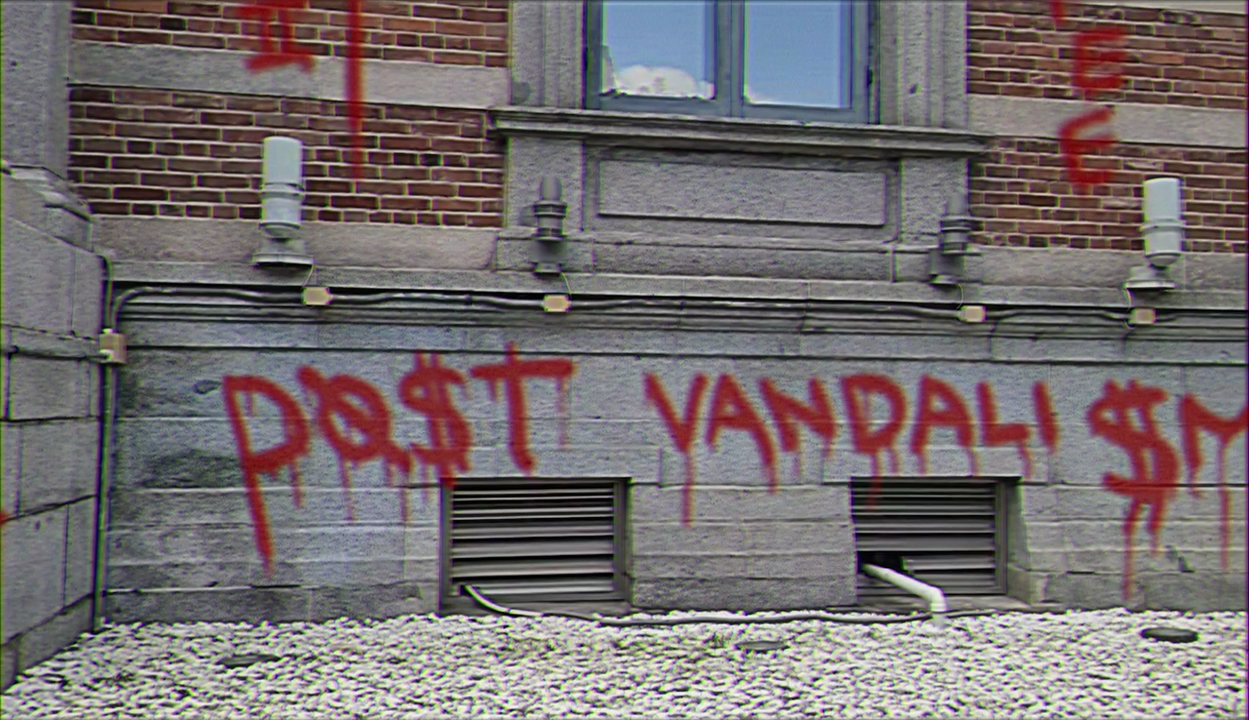
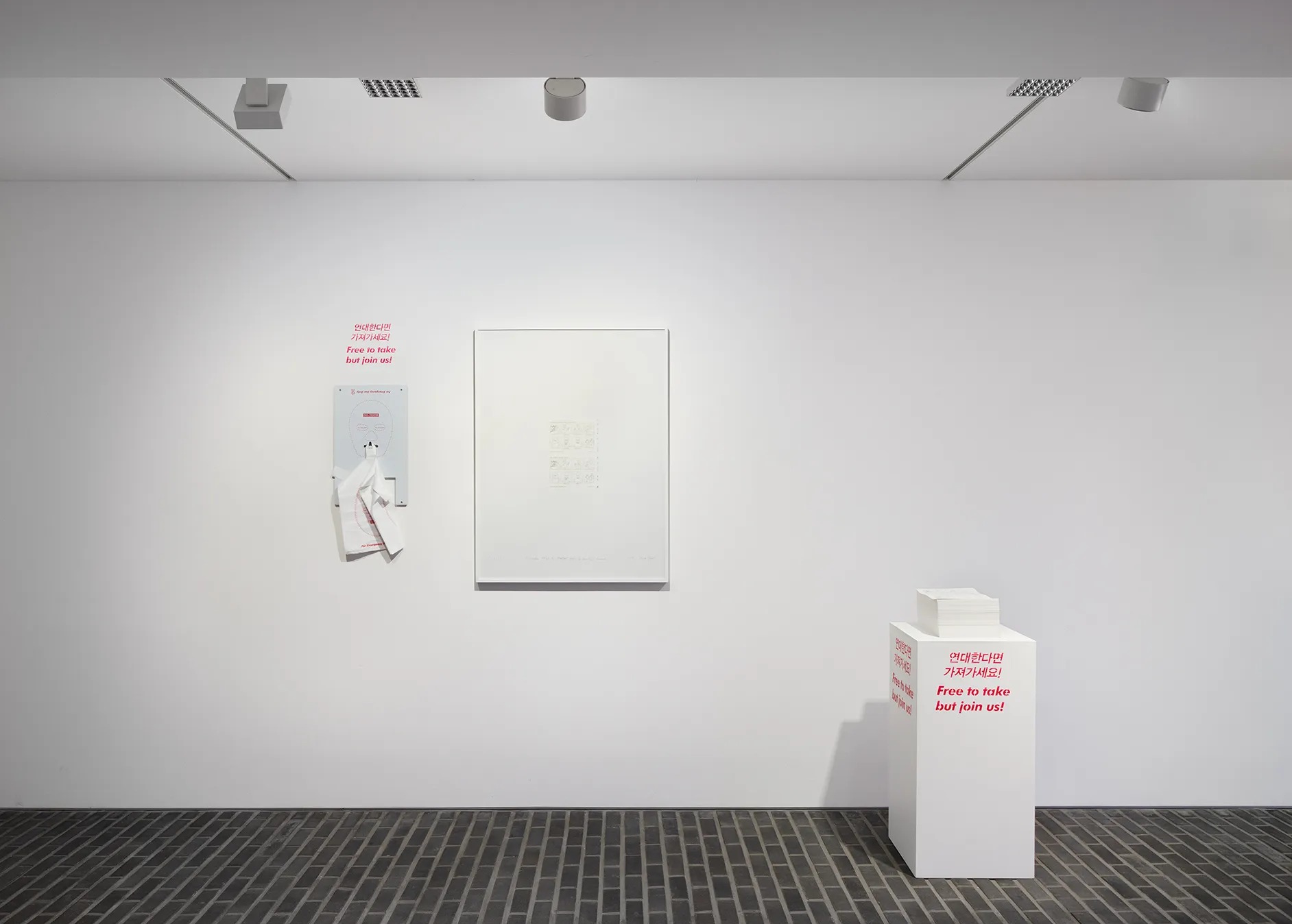
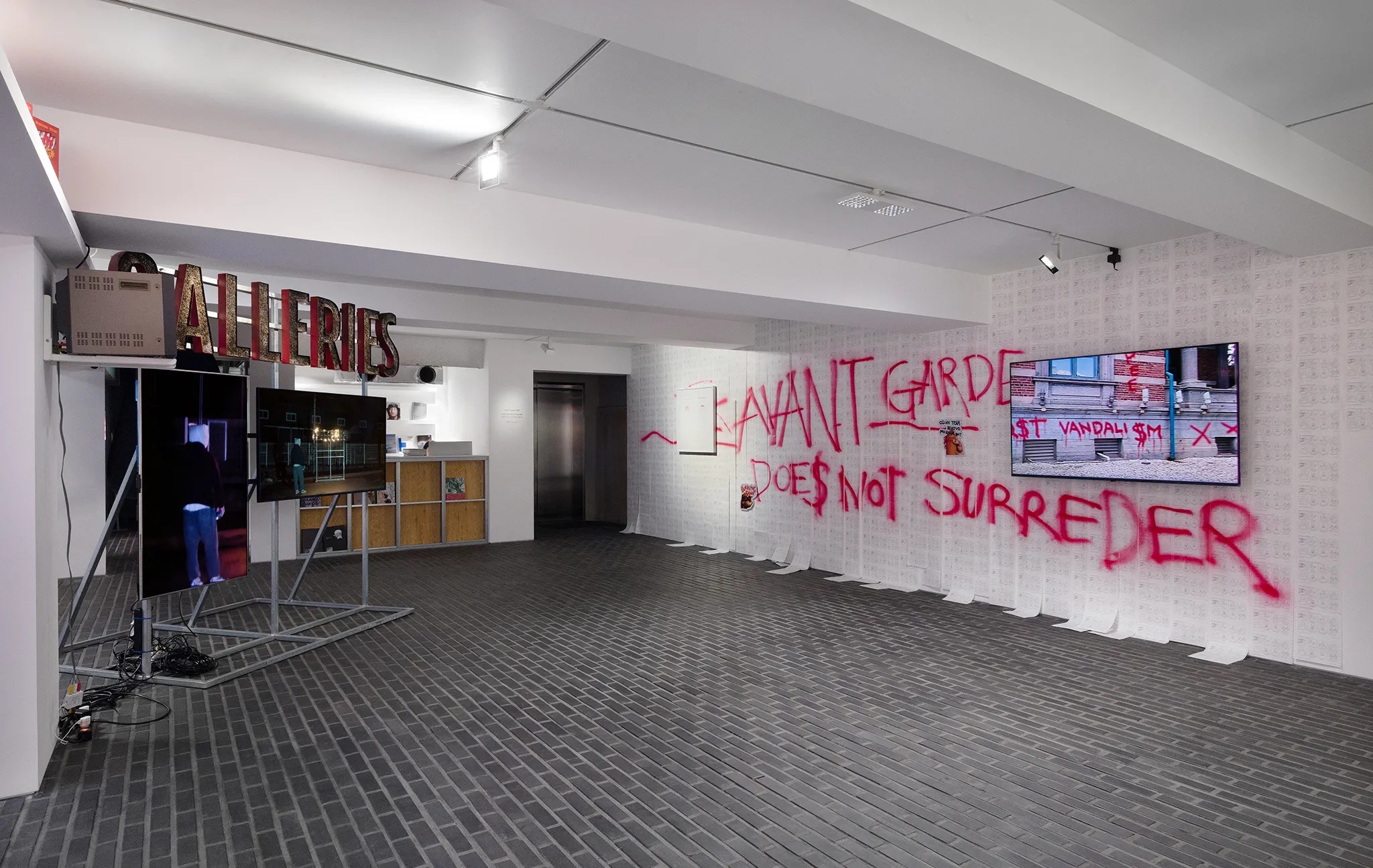
The ‘Post Vandalism’ series digitally stages museums covered in graffiti, exhibition spaces engulfed in flames, social media livestreams, and fictional documentaries, while presenting masks and spray-paint kits as tangible commodities. Because the onscreen events and physical objects lend reality to one another without concealing their fabrication, viewers continually move between actual action and constructed imagery.
By connecting digital compositing, painting, objects, and spatial intervention, Park demonstrates how images can document reality while simultaneously functioning as tools for producing alternative realities.