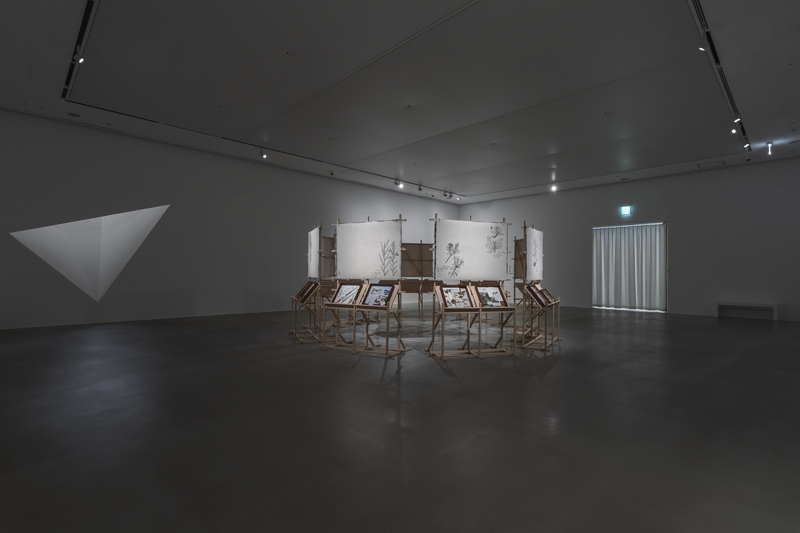
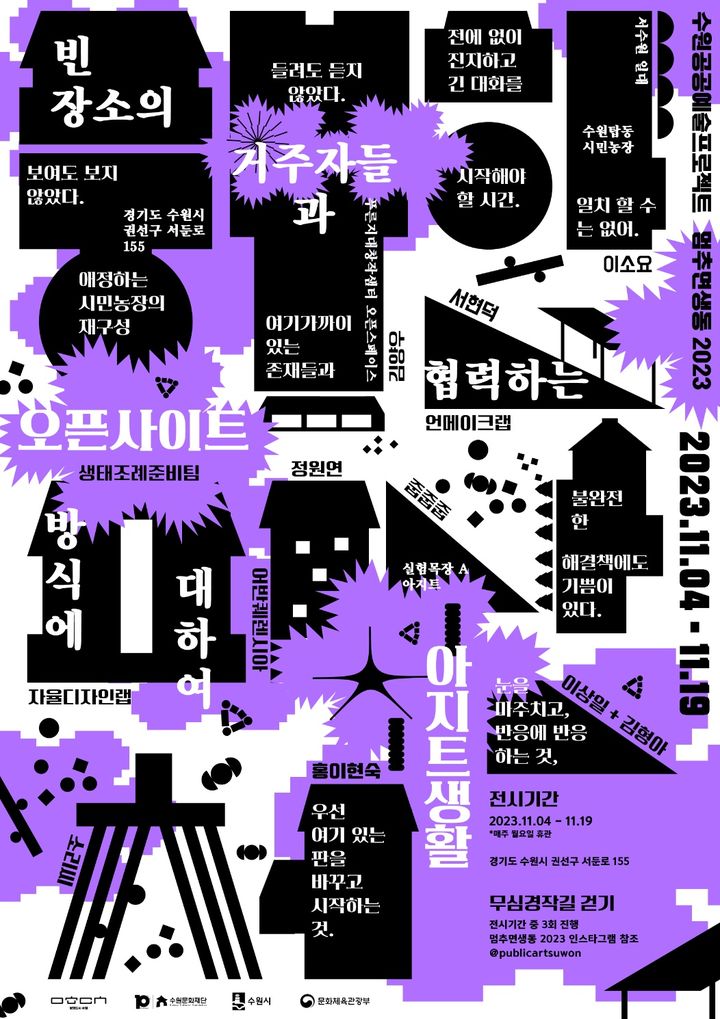
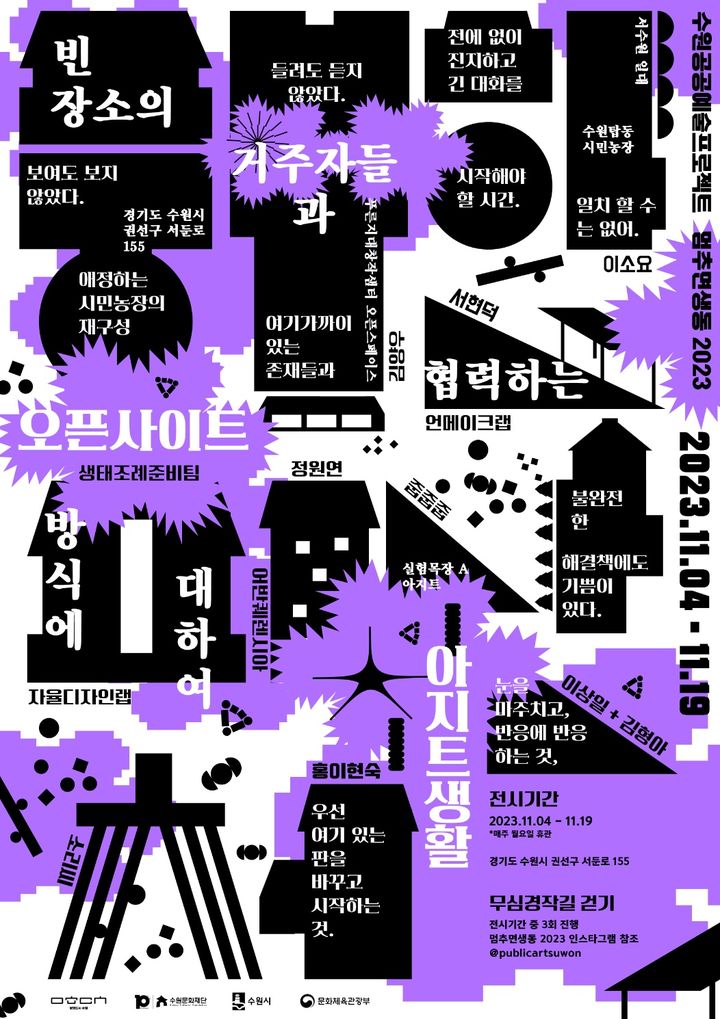
The Suwon Cultural Foundation in Gyeonggi Province will present the public art project 《Stop and Come Alive 2023—Abundant Refuge》 from the 4th through the 19th.
This year, the participating artists will present the results of their investigation into how Suwon Air Base has shaped the urban structure and everyday life of West Suwon, approaching the subject from a perspective that has deepened since last year.
A Living Place Where Imagination Is Permitted
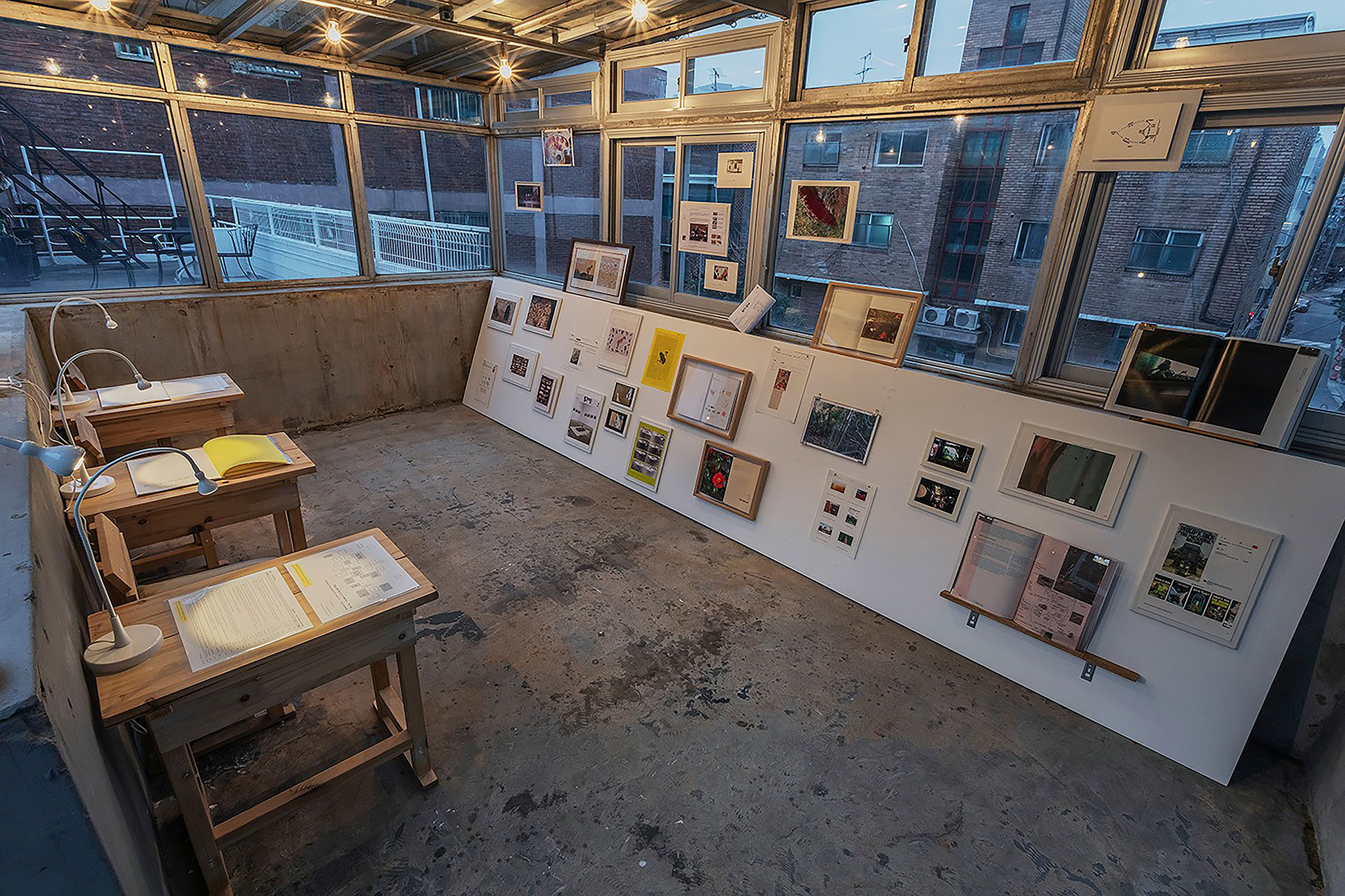
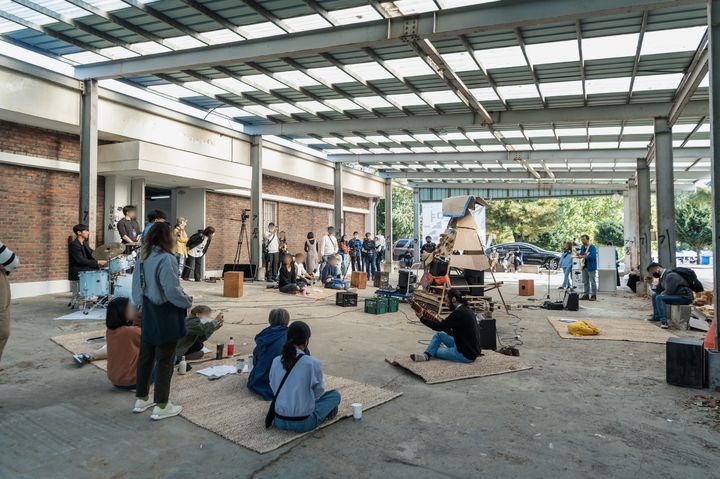
The project will take place at the open space of the Pureun Jidae Creative Center, Experimental Farm AGIT’s Space A and cowshed, and various locations throughout West Suwon in Gwonseon-gu.
As with last year, the central keyword running through this year’s project is “Abundant Refuge.” The term refers to the areas around Seodun-dong, Tap-dong, and Beolteo Village in Gwonseon-gu, which fall within the noise-affected zone of Suwon Air Base.
These areas are inseparably connected to the military airfield. Constructed in 1945 during the Japanese colonial period, Suwon Air Base was transferred to the Republic of Korea Air Force in 1954 and has remained in operation for the past sixty-nine years.
When the military airfield was first established, the presence of stationed troops and personnel who regularly entered and left the base invigorated the surrounding commercial districts. At a time when ordinary people largely depended on agriculture for their livelihoods, the military base served as a dependable pillar of the household economy for local merchants.
More than half a century later, however, the situation has reversed as extensive urban development has taken place throughout the city, except on the land occupied by the air base. Suwon Air Base is now regarded as a major source of noise, disruption to students’ right to learn, and restrictions on property rights, prompting mounting calls from the local community for its relocation.
The artists participating in this public art project have turned their attention to the stories of Suwon Air Base—now treated as an unwelcome burden—and the people who live in its vicinity.
The project is organized into three main formats: “Participating Artists’ Activities,” “Life at AGIT,” and “Open Site.” For “Participating Artists’ Activities,” the eleven invited artist teams each selected one of three criteria—theme, place, or activity—and developed a work through their own individual approach. The program offers a range of works in diverse forms that challenge conventional perceptions.
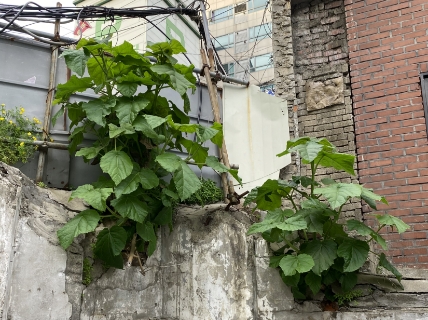
In particular, the artists examine beings embedded within various networks of relationships that are often overlooked while living within the rigid boundaries of the city. Using cameras, audio recorders, radios, simple reagents, and experimental equipment, they reveal the hidden realities of West Suwon that have remained obscured beneath the shadow of the military airfield.
“Participating Artists’ Activities”: Expanding the Scope of Art and the Senses
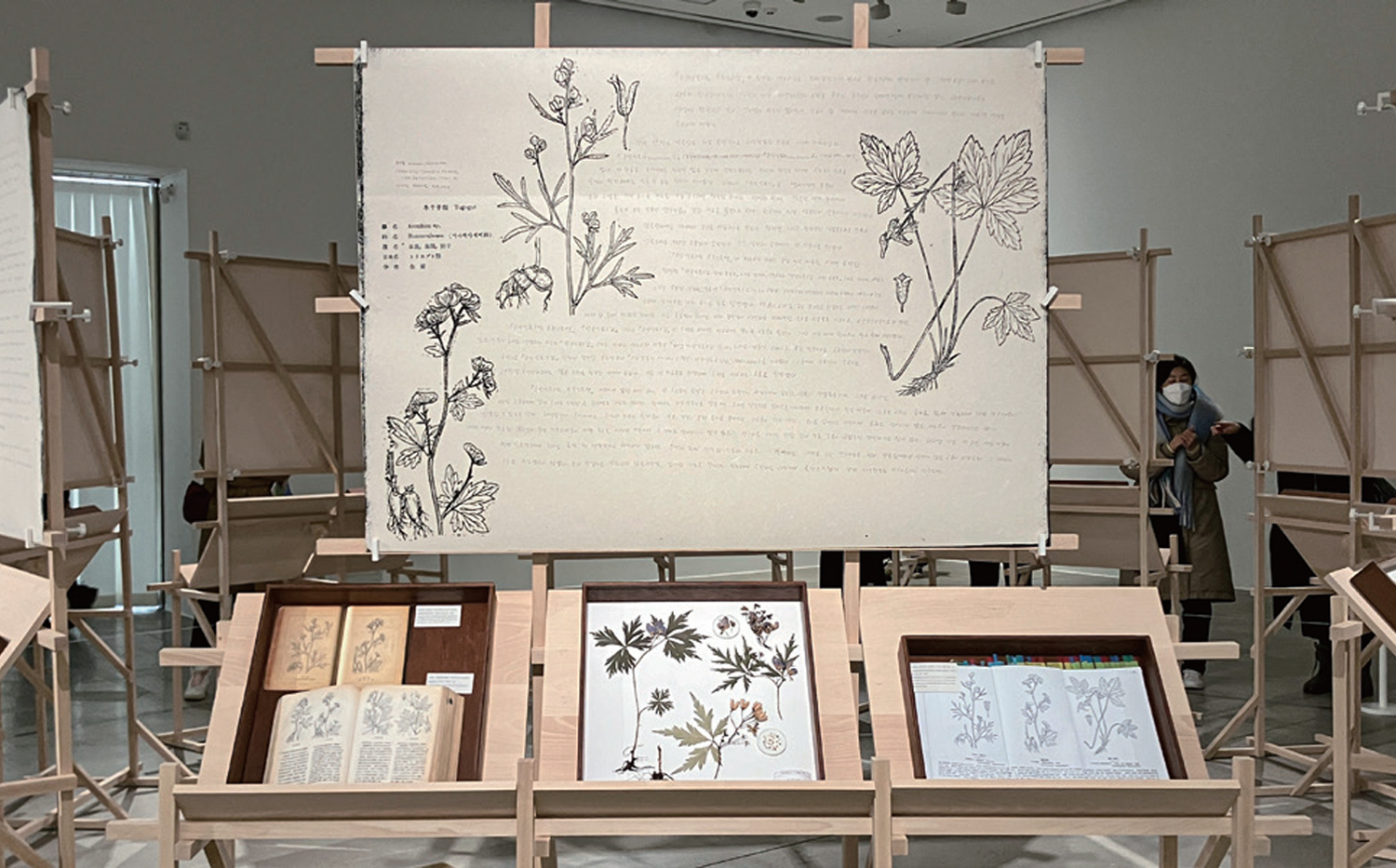
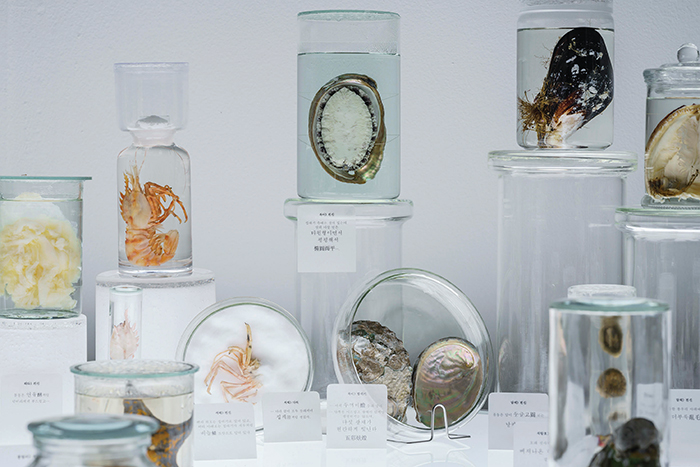
The artists who selected theme-based activities are groups that sustain focused research and experimentation rather than offering a one-time perspective. Five artist teams present the processes of their project activities alongside archival exhibitions.
The Ecology Ordinance Preparation Team consists of sociological researcher and artist Kwon Beomcheol, along with Kang Hojin, Kim-Shin Yunju, Kim Youngjun, and Lim Jiyeon. The team exhibits the process and outcomes of developing an ecological ordinance concerning the rights of nature in collaboration with local residents.
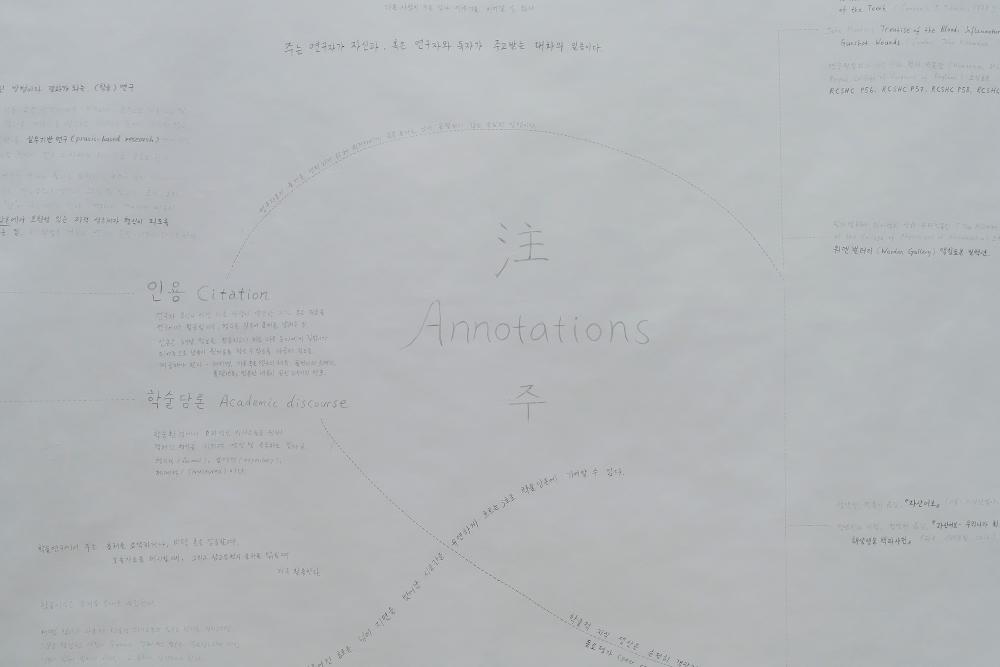
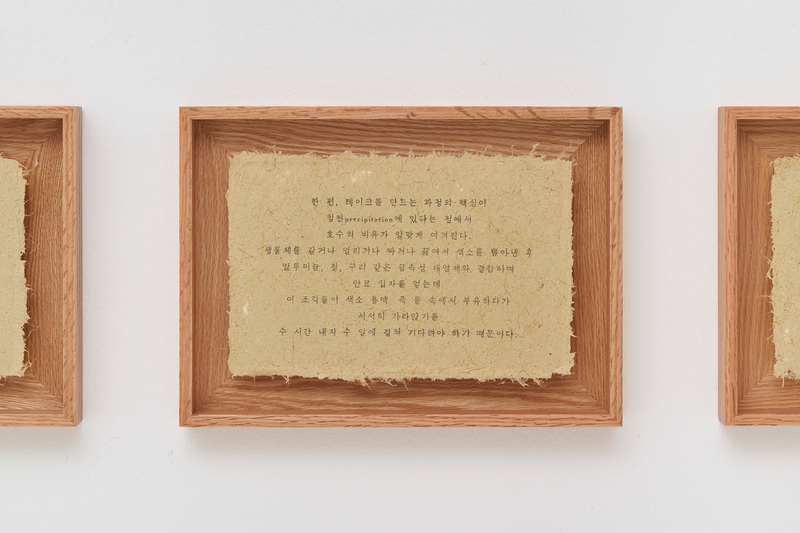
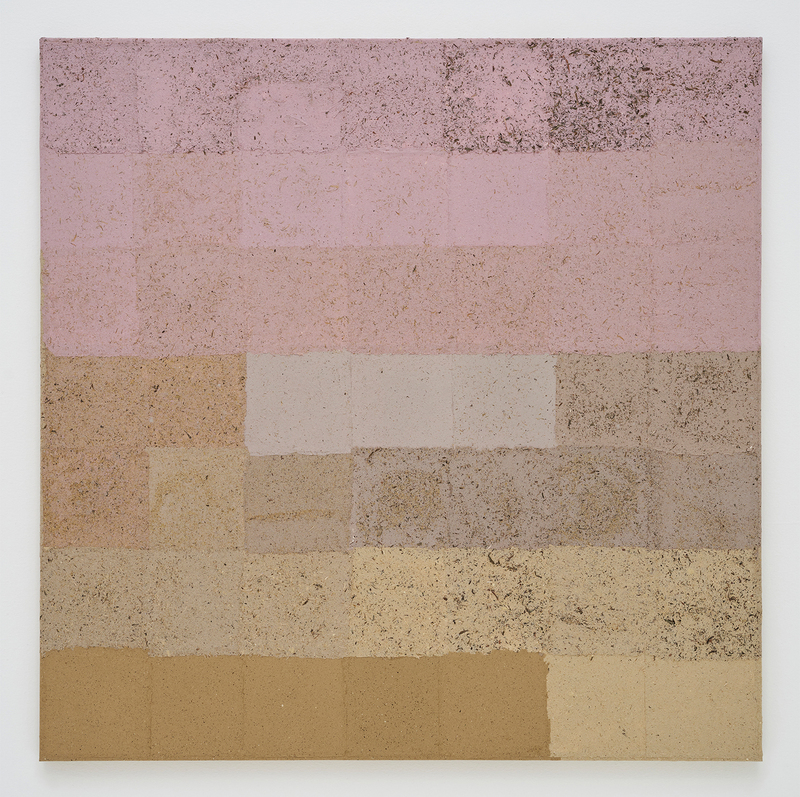
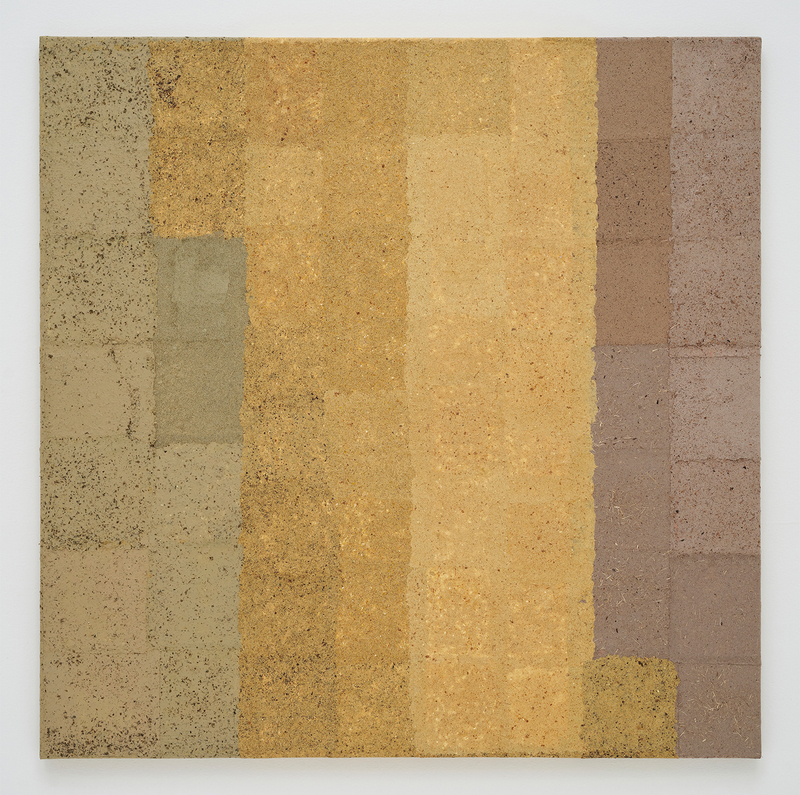
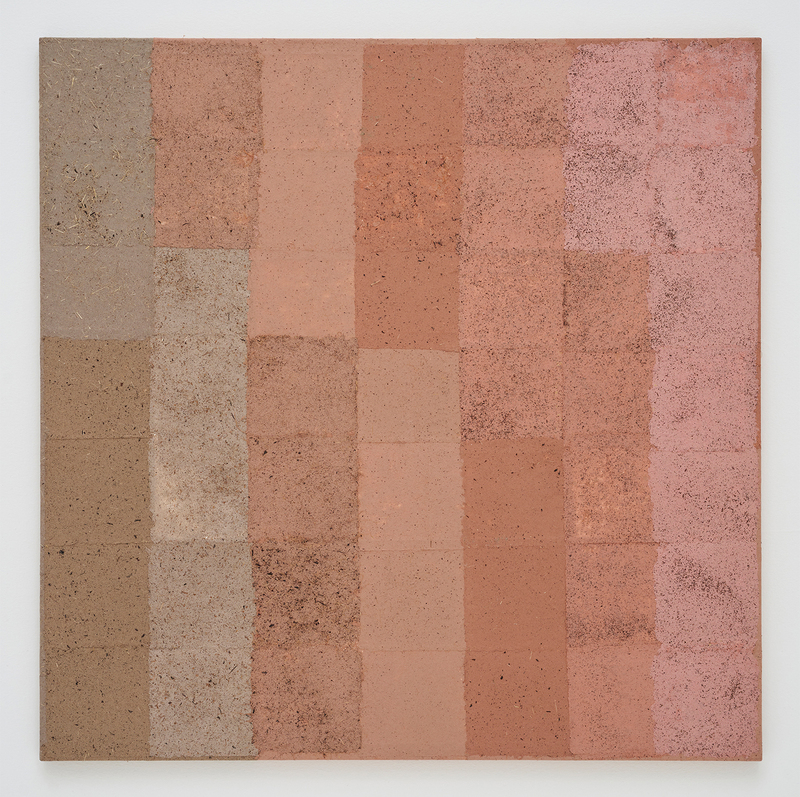
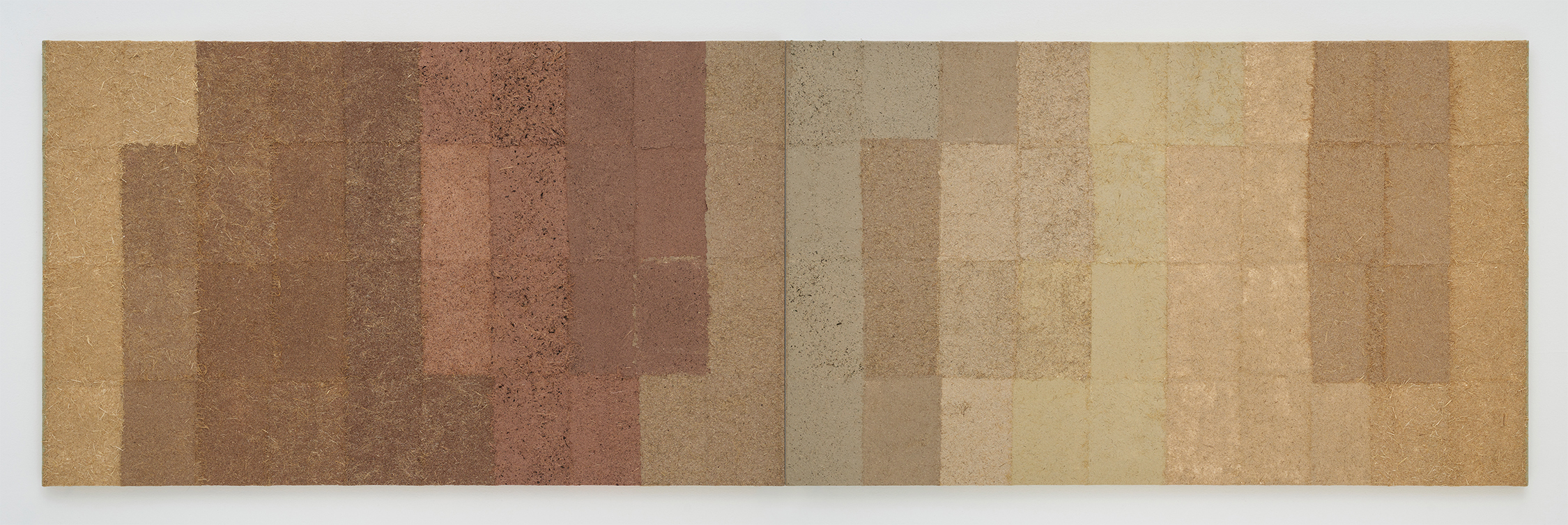
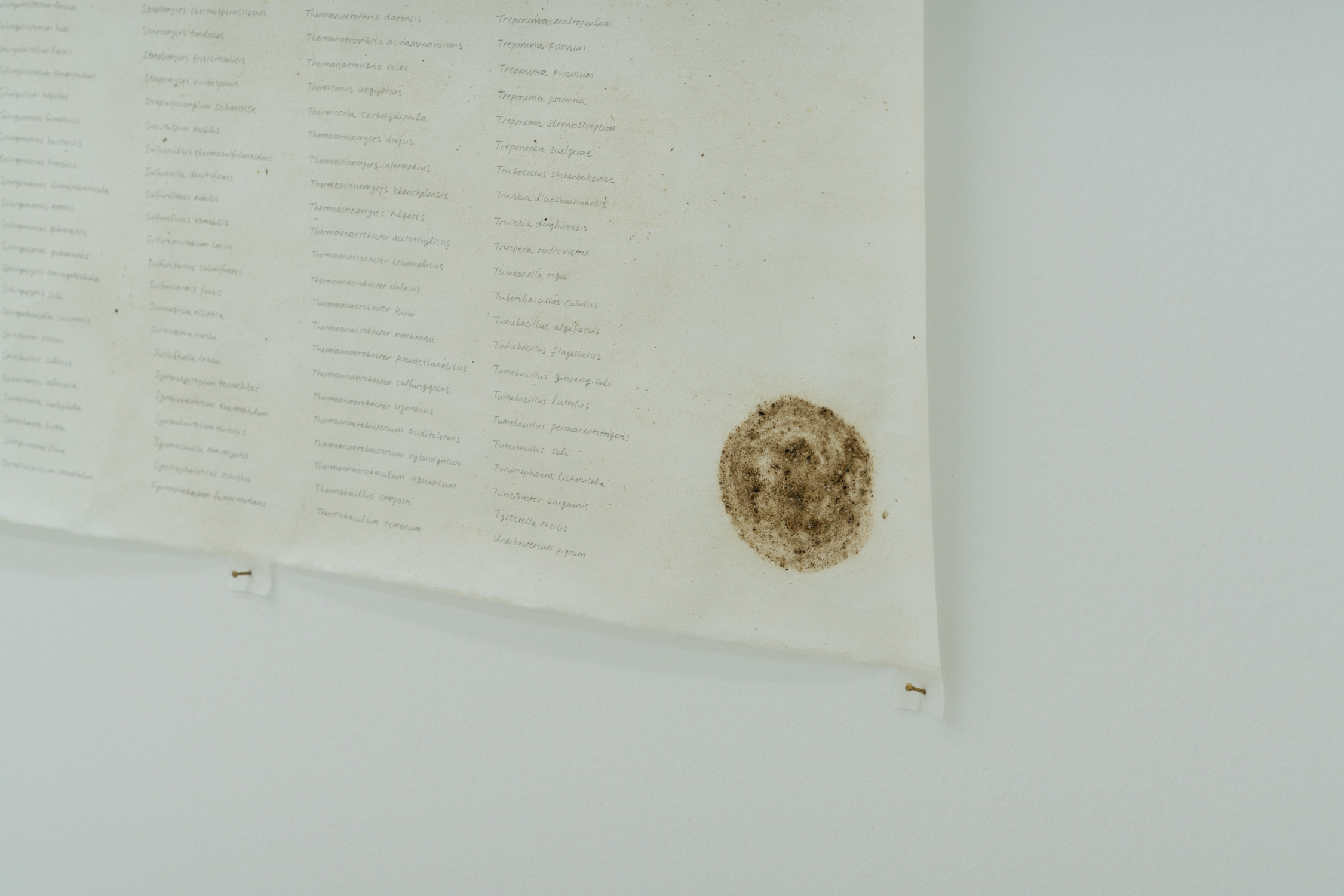
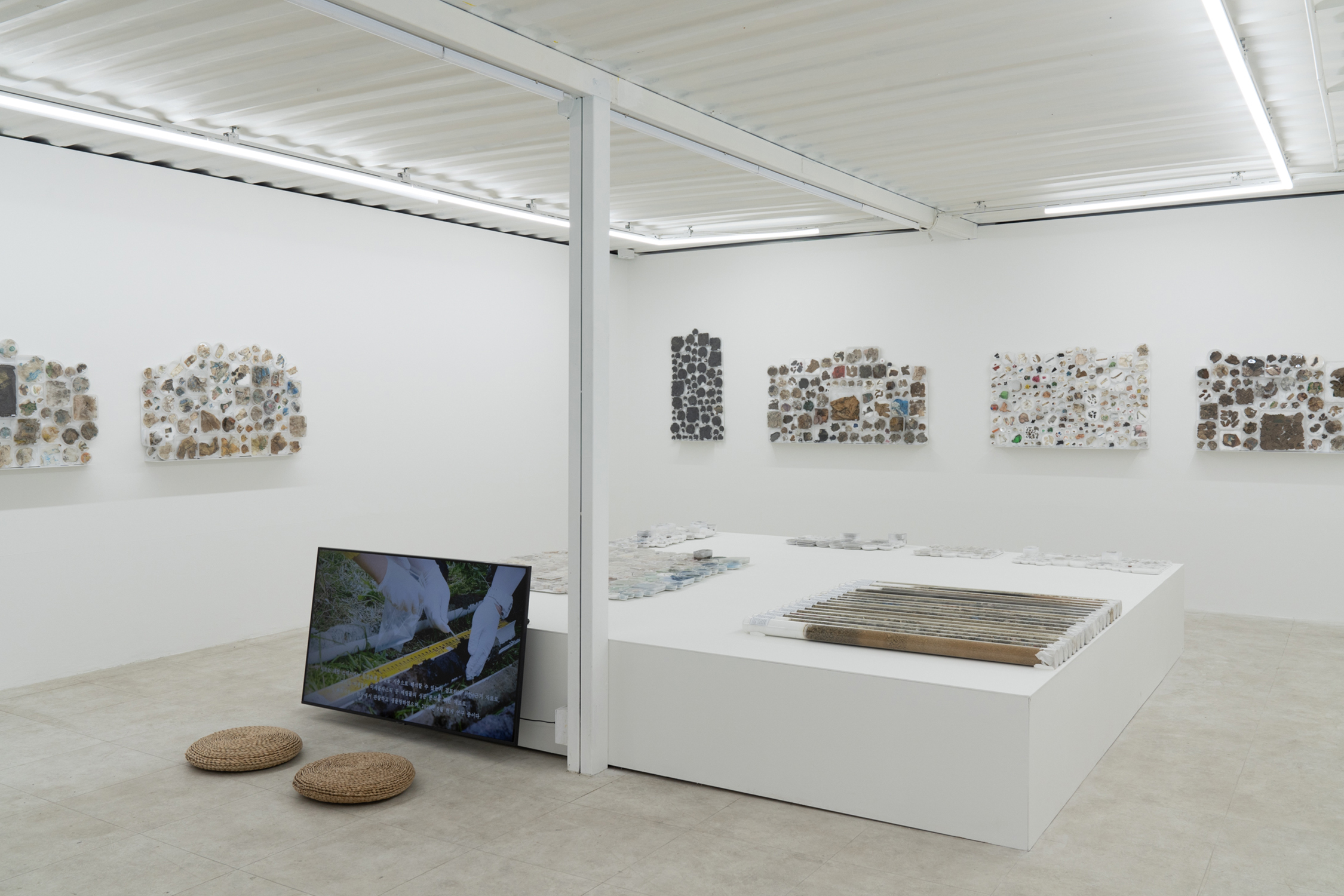
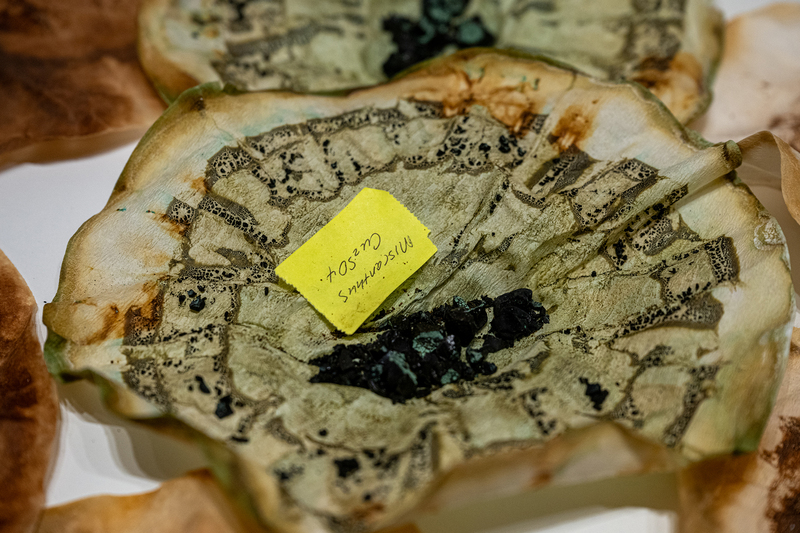
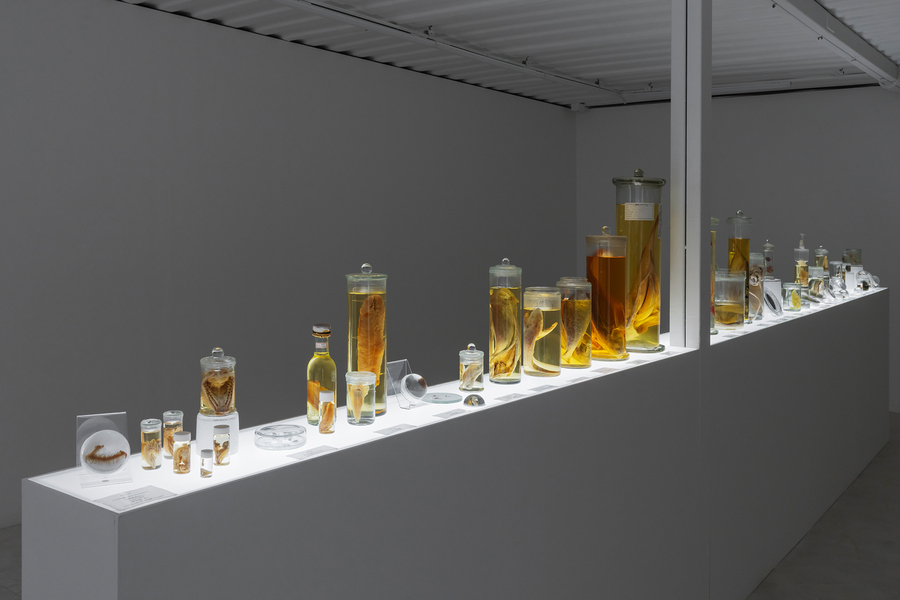
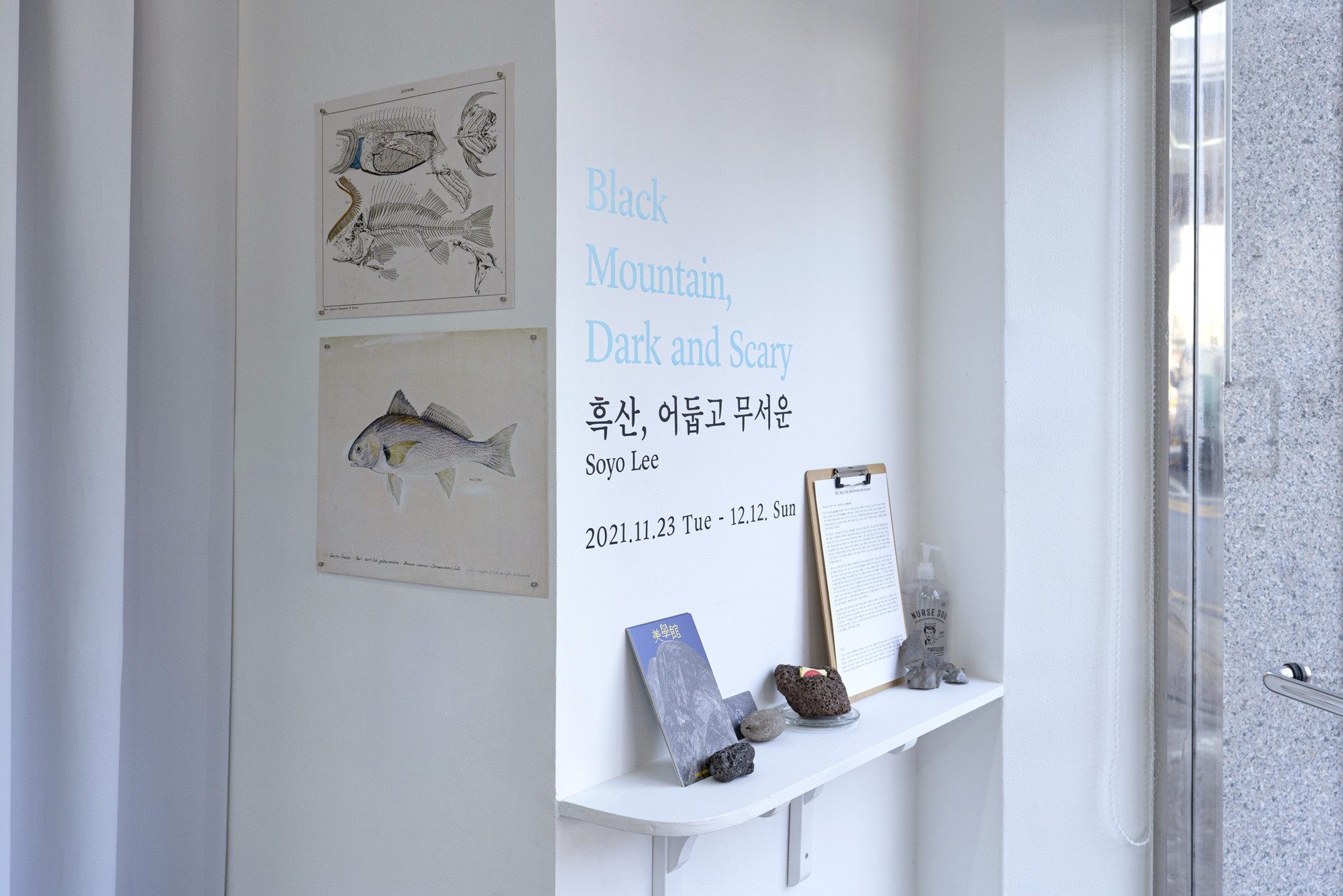
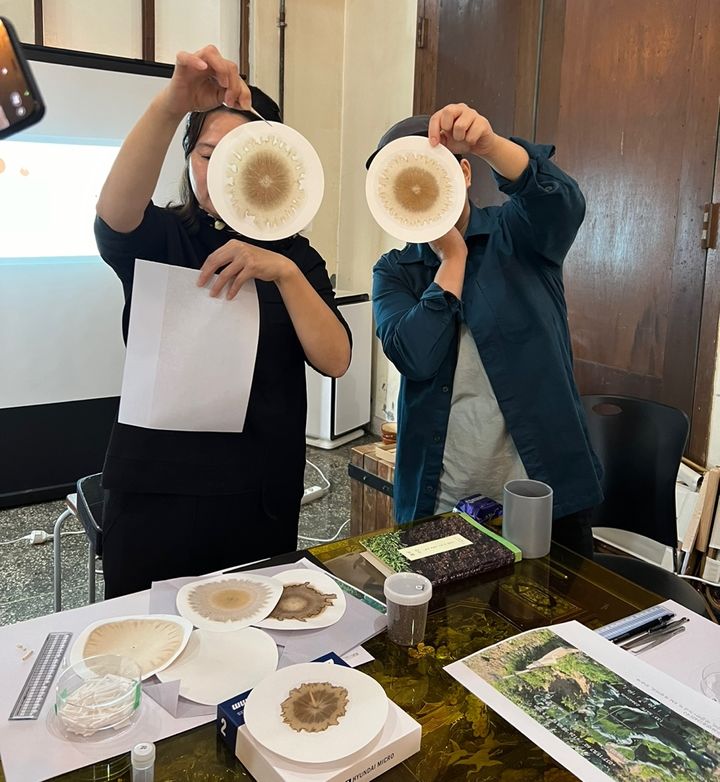
Lee Soyo collected soil from sites including Tap-dong Citizen Farm and presents an ecological map composed of images visualized through PCC testing. Urban Querencia—a team comprising Keum Kyunghwa, Choi Youngjun, Woo Jihyun, Cho Shinhyung, and Jang Sua—conducted local research on Suwon as a city of cultivation and presents the findings in the form of a visual map.
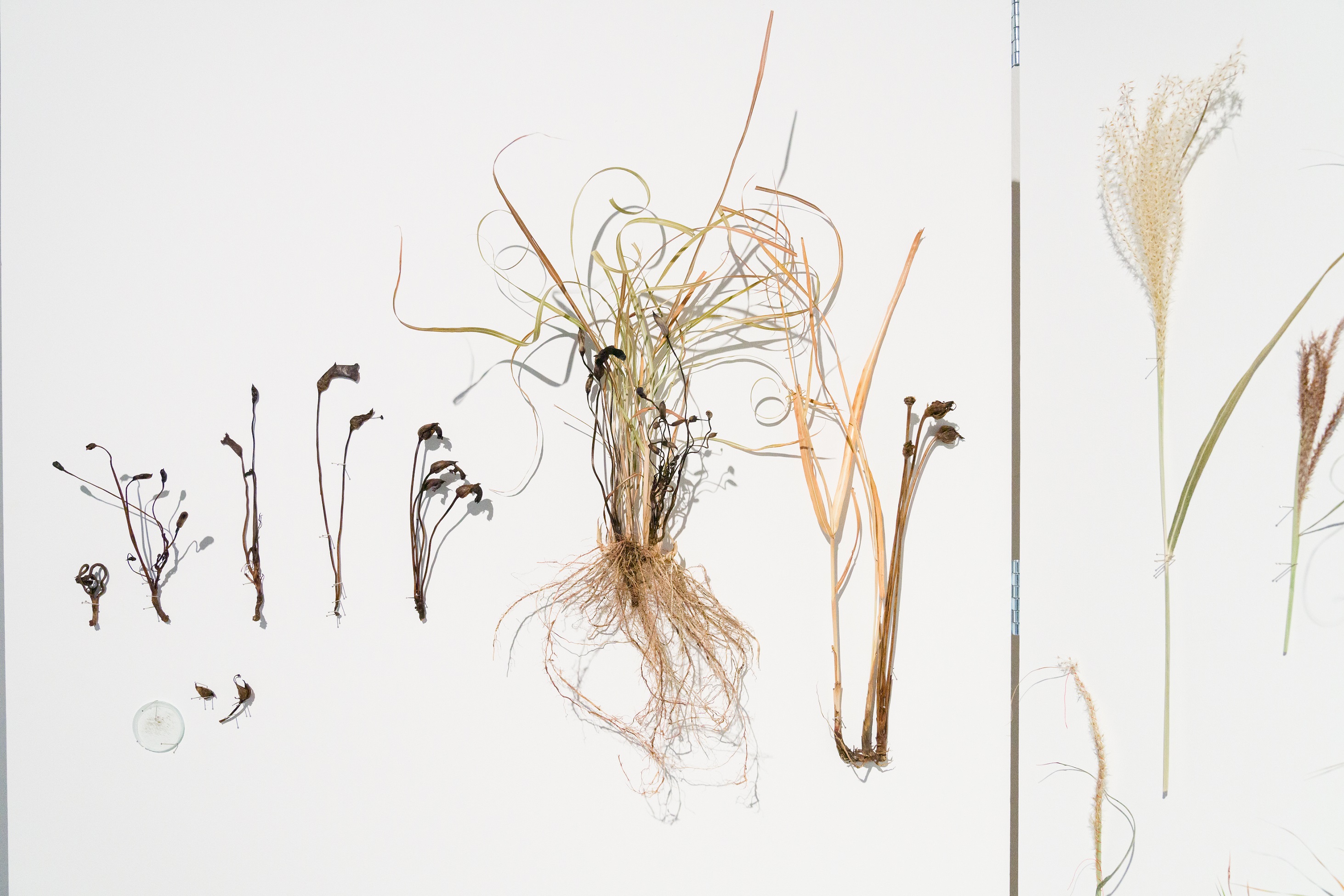
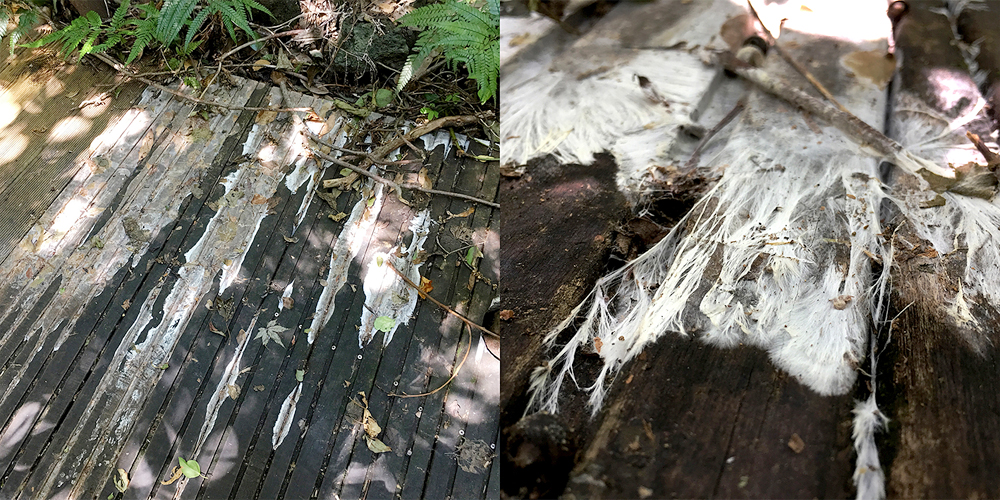
The Autonomous Design Lab, consisting of Kim Sangkyu, Choi Jaegong, Park Sungwon, Lee Seoyoung, and Ahn Abin, presents a spatial structure designed to serve as a medium through which residents can form a community. Unmake Lab, composed of Song Suyeon and Choi Bitna, exhibits the results of its research and monitoring of wildlife inhabiting the area around Tap-dong Citizen Farm.
Five artists who selected place-based approaches investigated issues arising from the specific context of West Suwon, including the proposed relocation of the military airfield. Under the theme “Air Flow Sound”, Yang Woo Kim presents the content and outcomes developed through a radio workshop and wetland tour.
Seo Hyundeok, whose work is titled We, Resonating Beings, distributes ambient compositions created from sounds collected with children and exhibits the process through which the project has developed.
For West Suwon Sound Camp, Jeon Kwangpyo investigated the acoustic environment of West Suwon and visualized the sounds he collected. Hong Lee Hyunsook created a video documenting a sign-language project that uses the sense of hearing obstructed by aircraft noise. Chung Wonyeon presents poems and observational works created while birdwatching throughout West Suwon.
The activity-based artist team is Pick, Pick, Pick. Comprising Local Strange, Andes, Lee Ju young, Withday, and Cho Eunji, the team reconsiders the significance of picking things up and proposes the activities “Collecting,” “Discovering,” and “Claiming.”
《Open Site》 consists of two programs exploring imaginative ways to use a territory whose transformation has been deferred by the delayed relocation of the military airfield. Suwon Air Base is unlikely to undergo substantial change unless the division of the Korean Peninsula comes to an end or the airfield is relocated. Yet if citizens join forces in this place, they may be able to realize values that are absent from the modernized city.