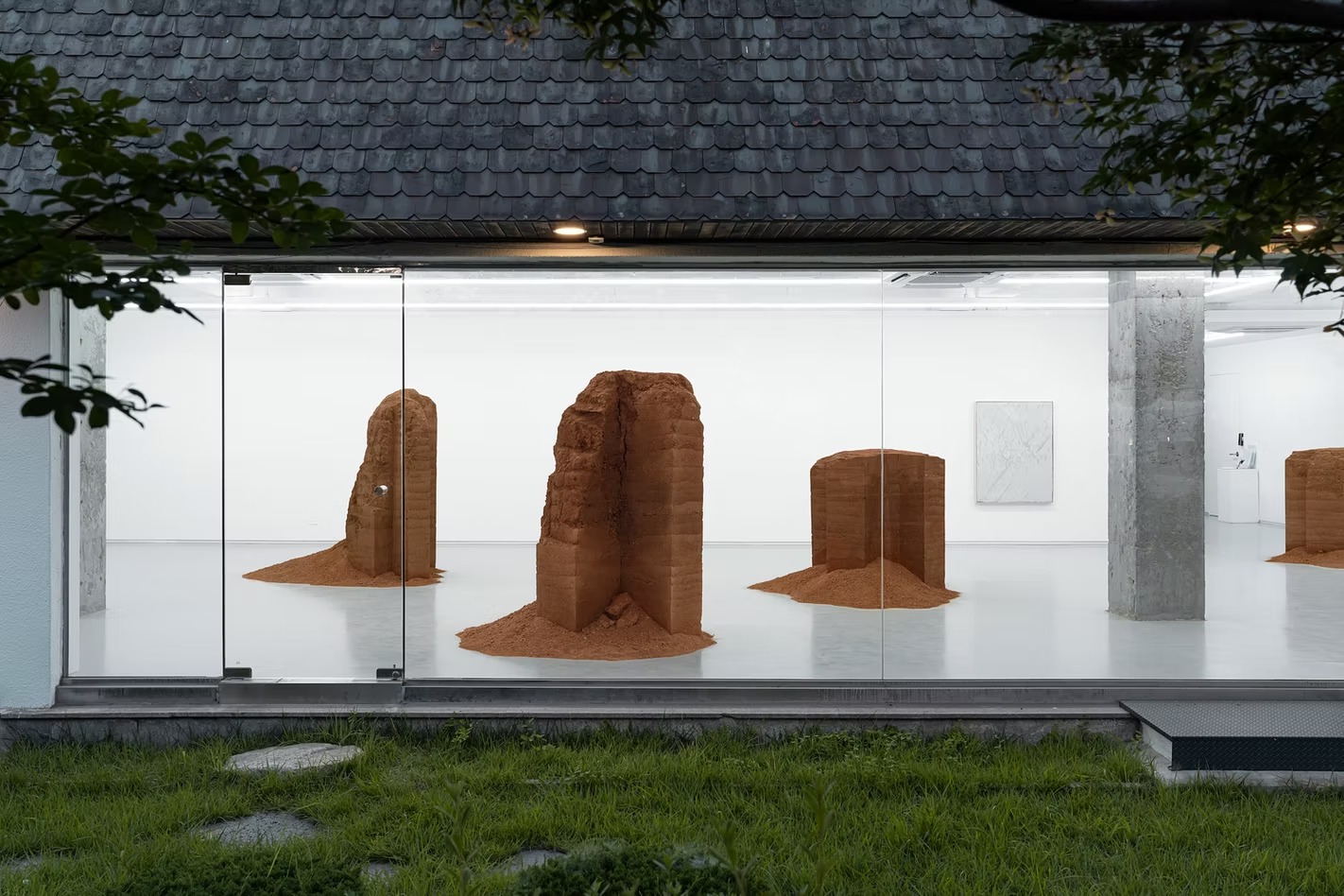
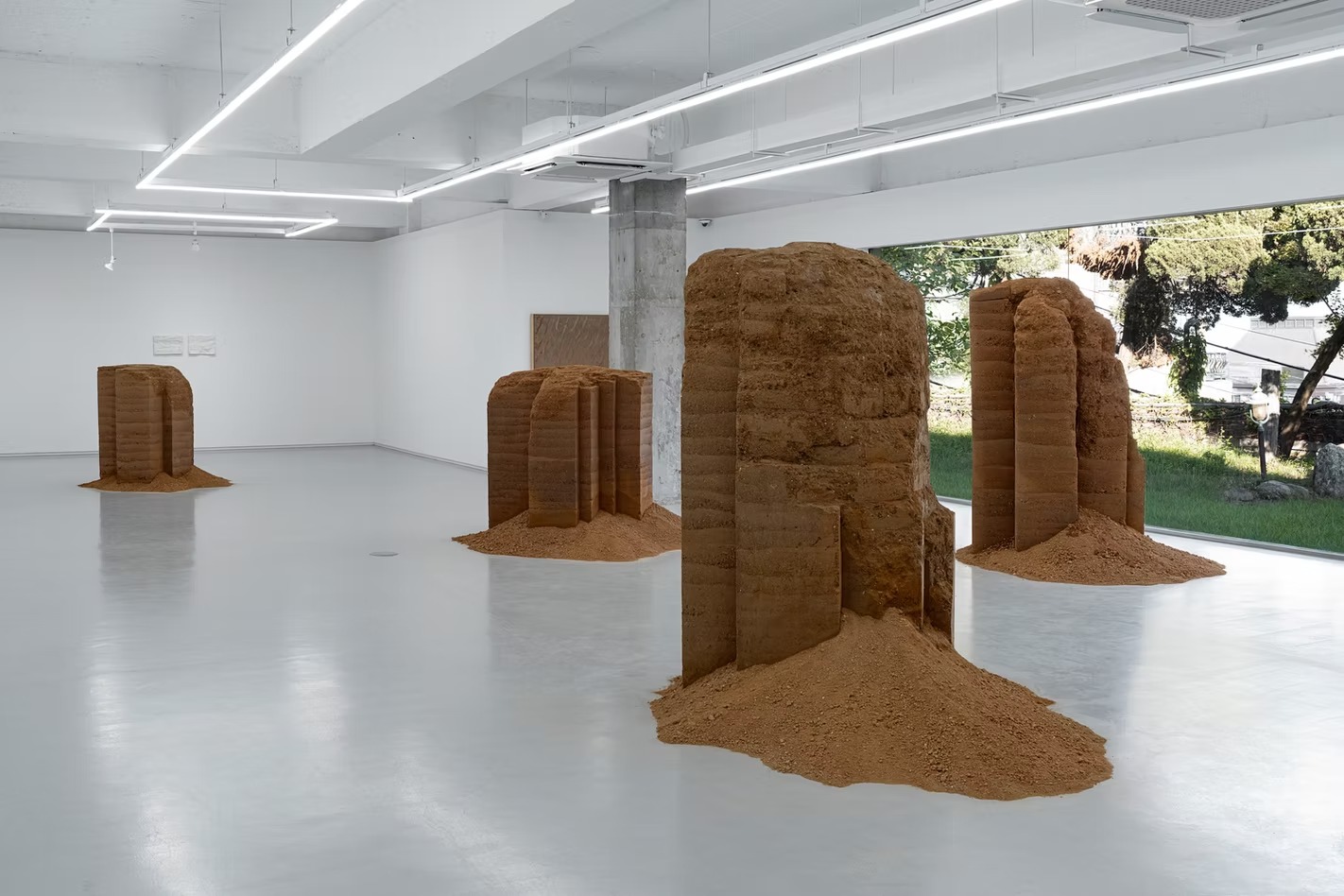
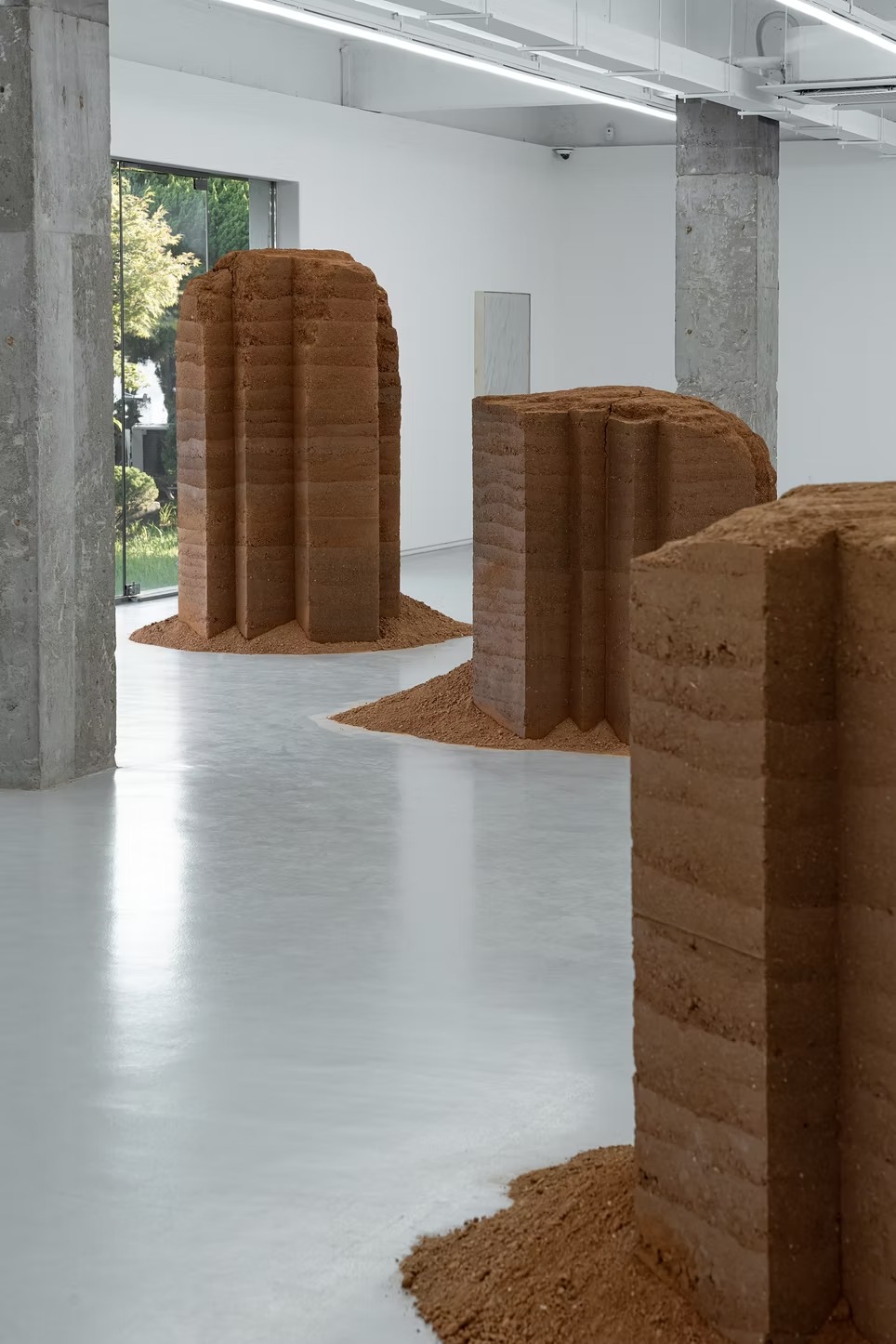
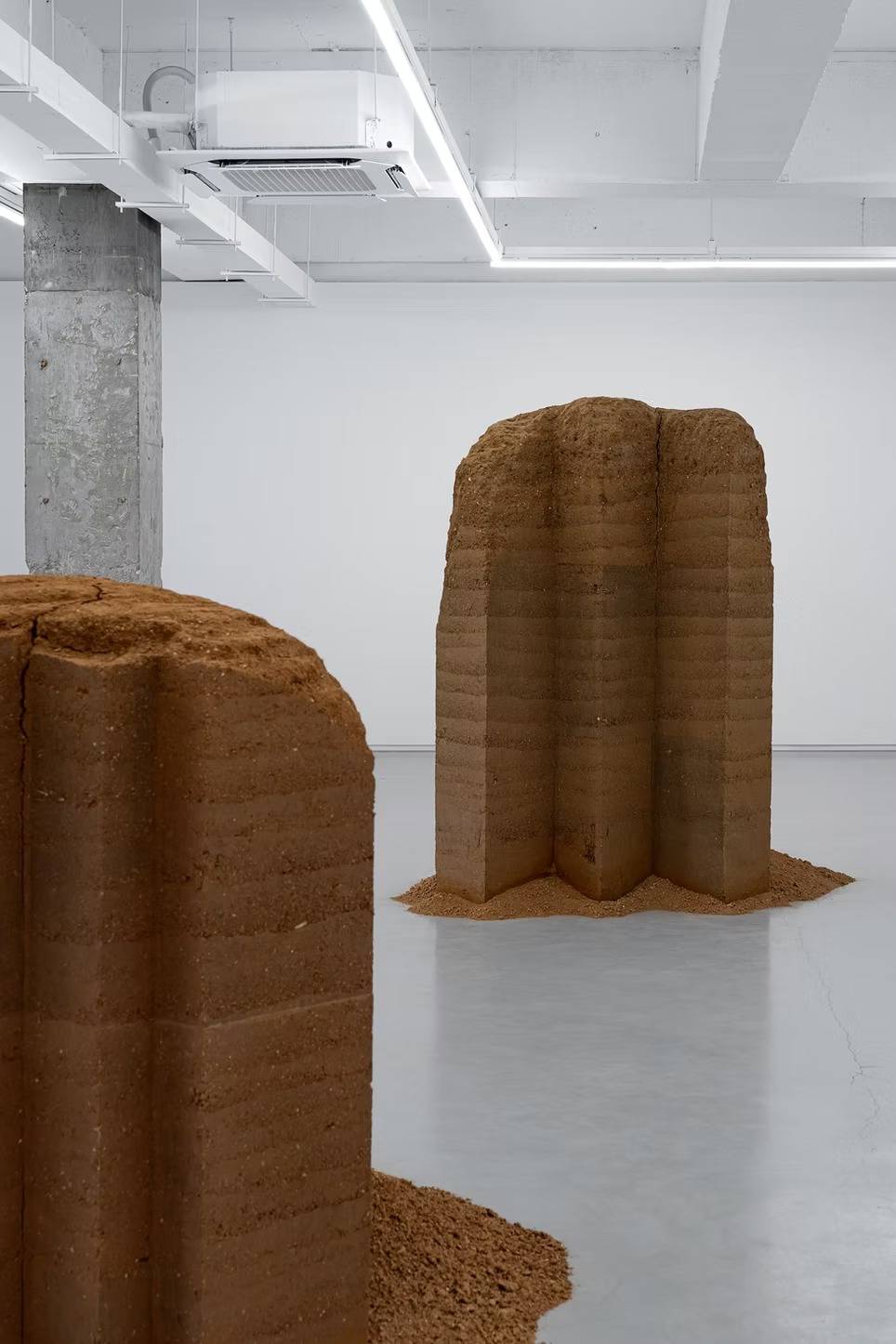
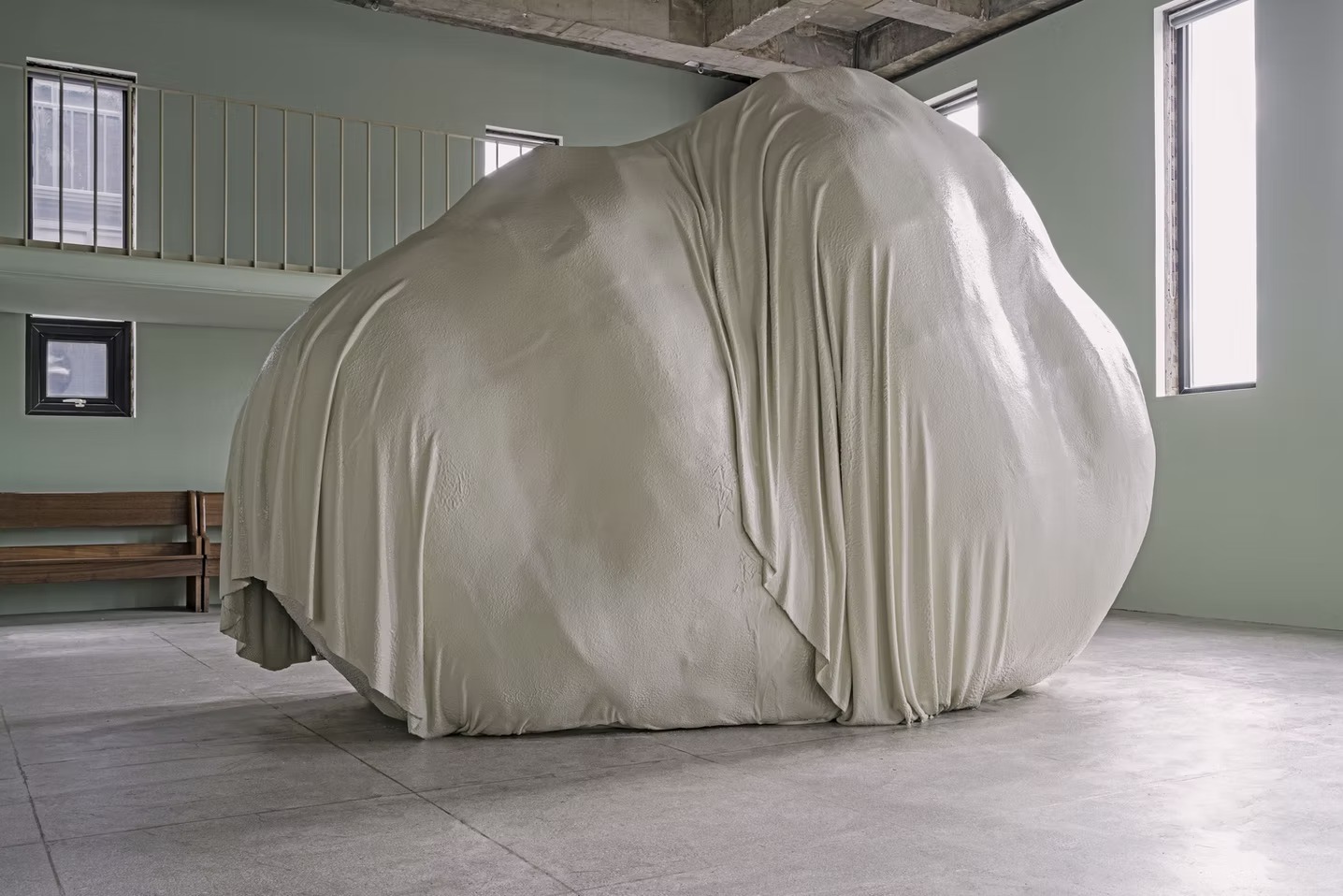
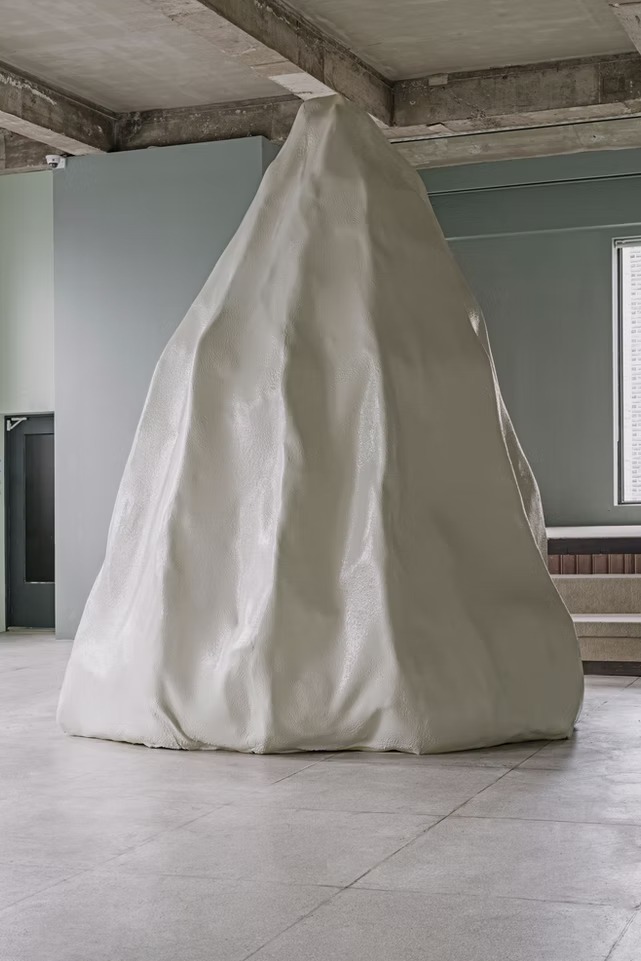
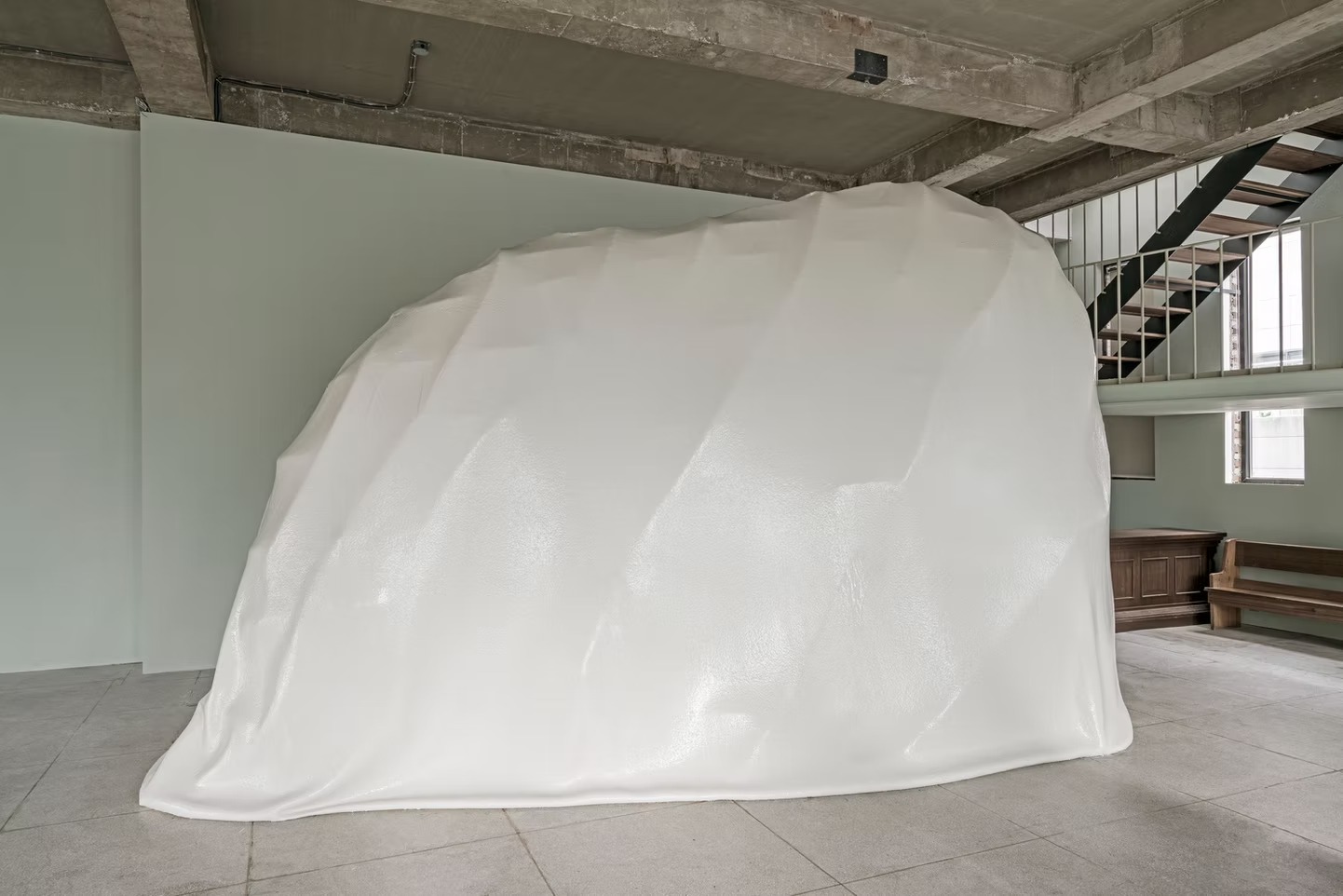
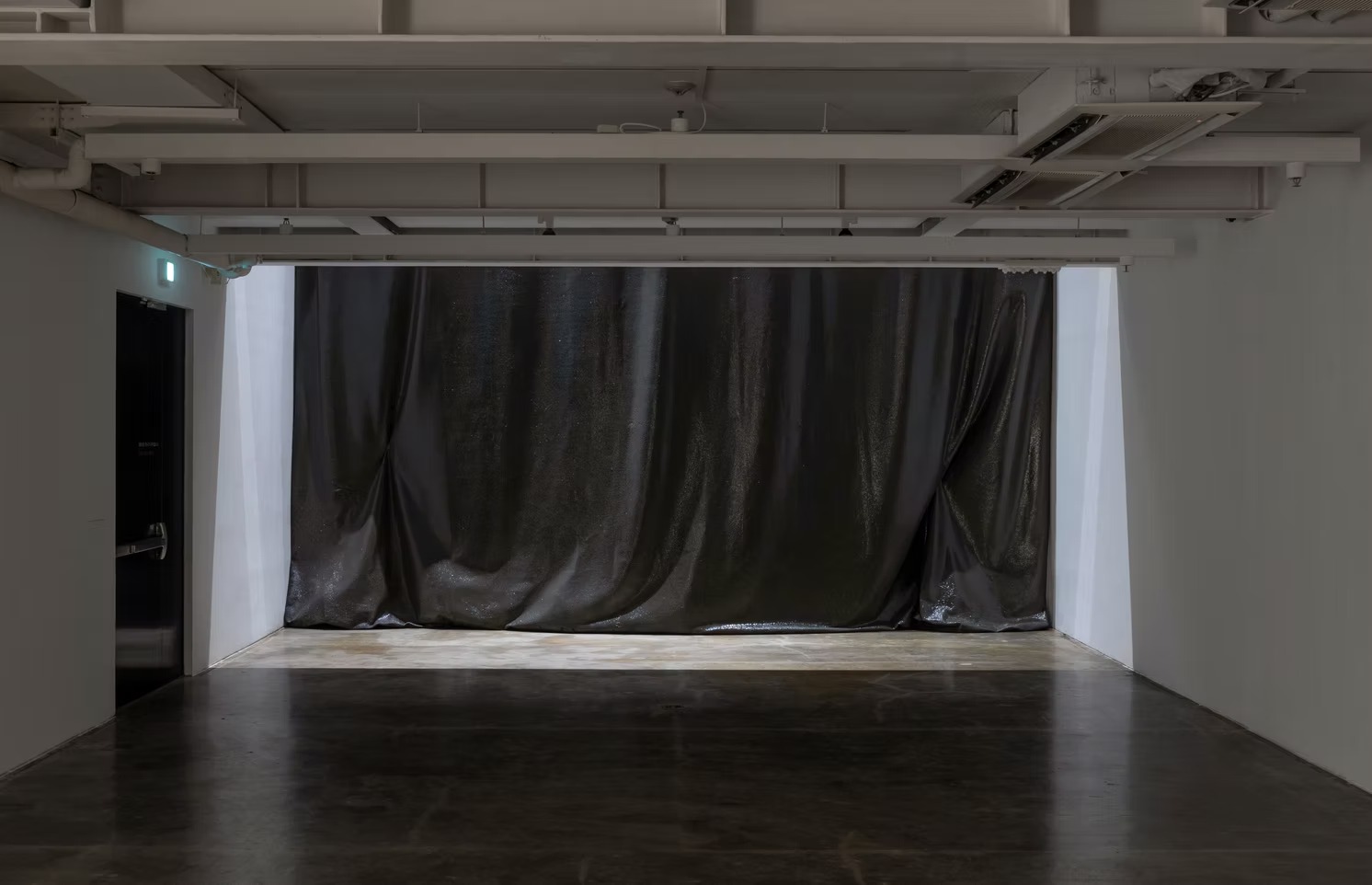
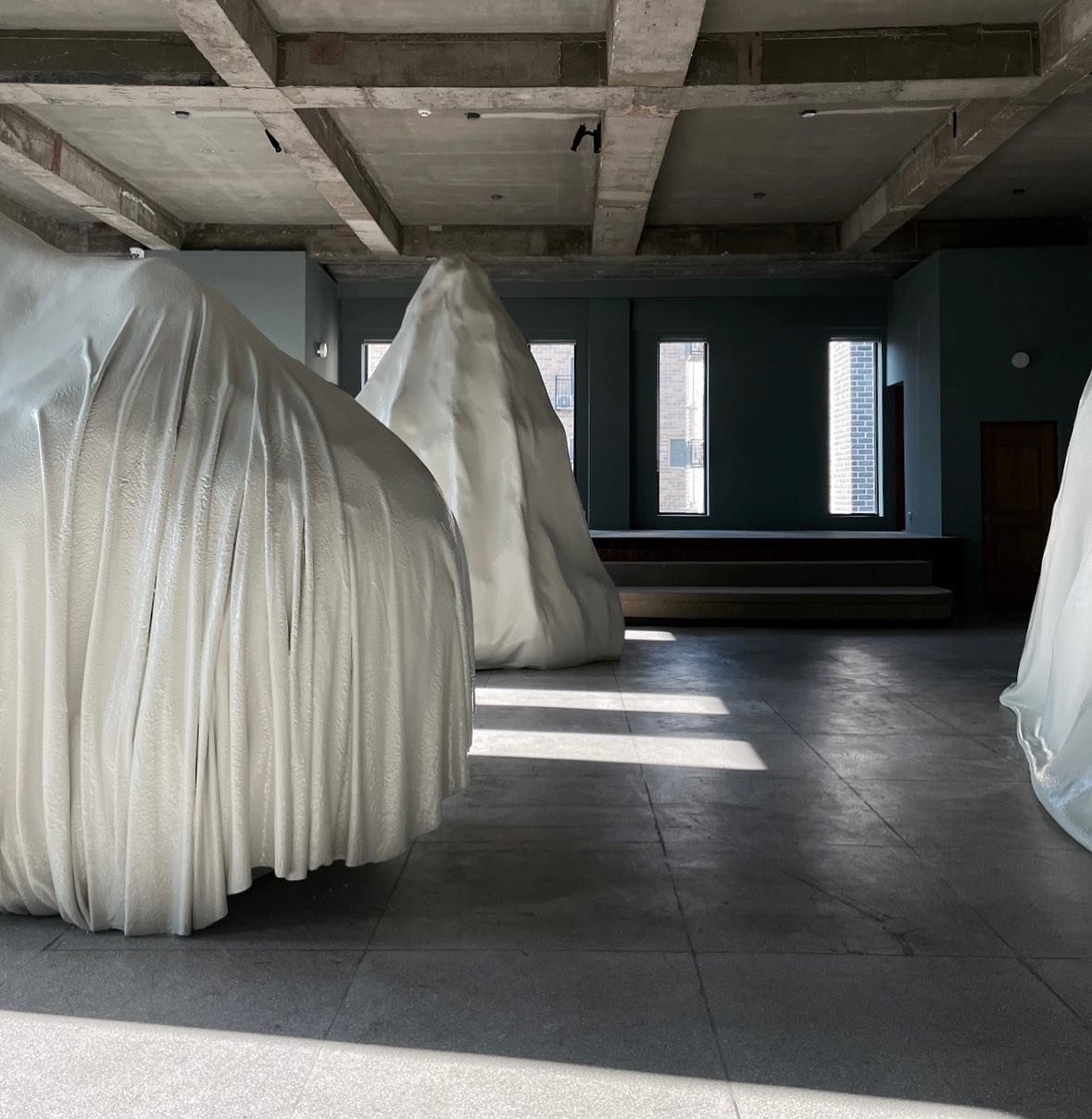
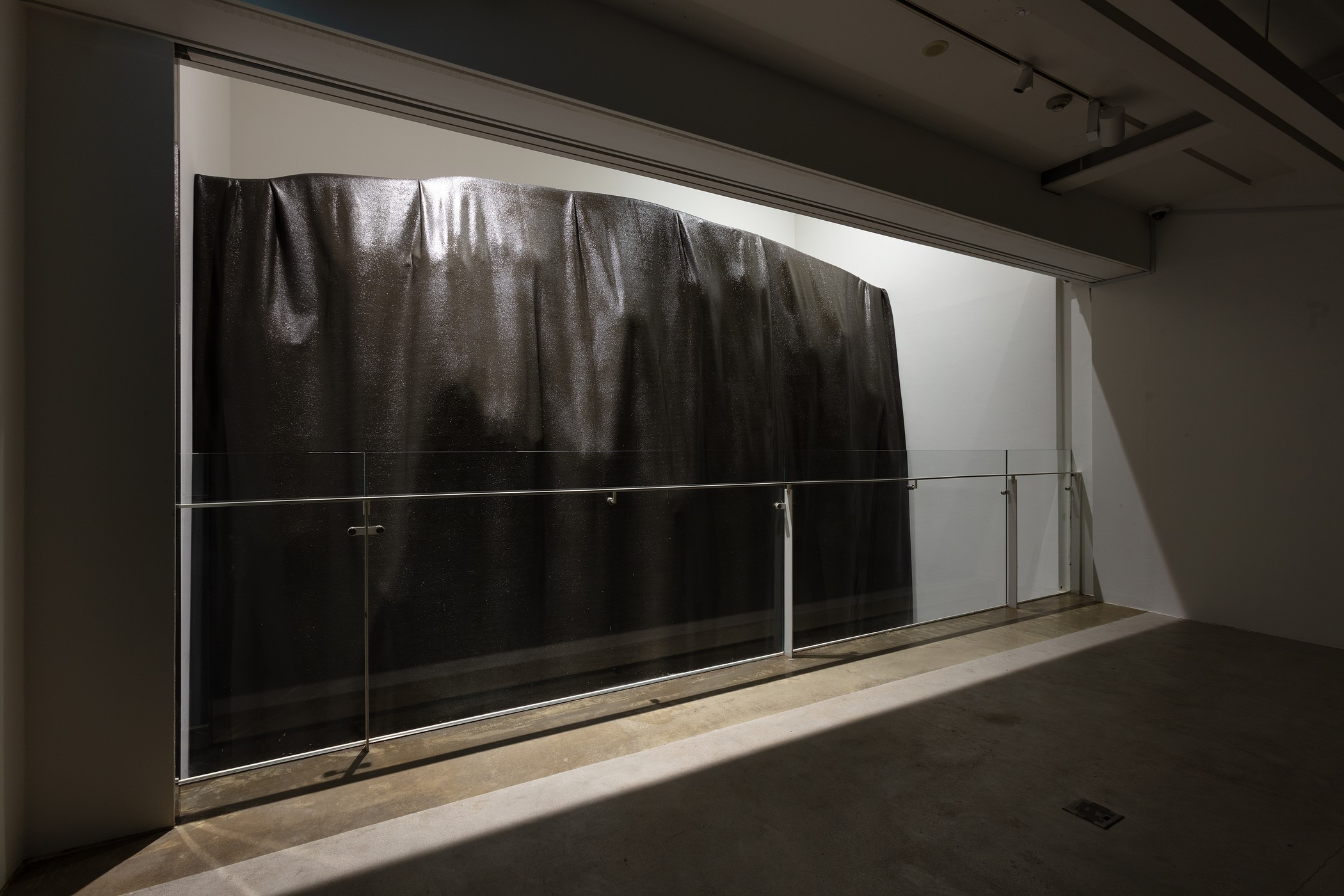
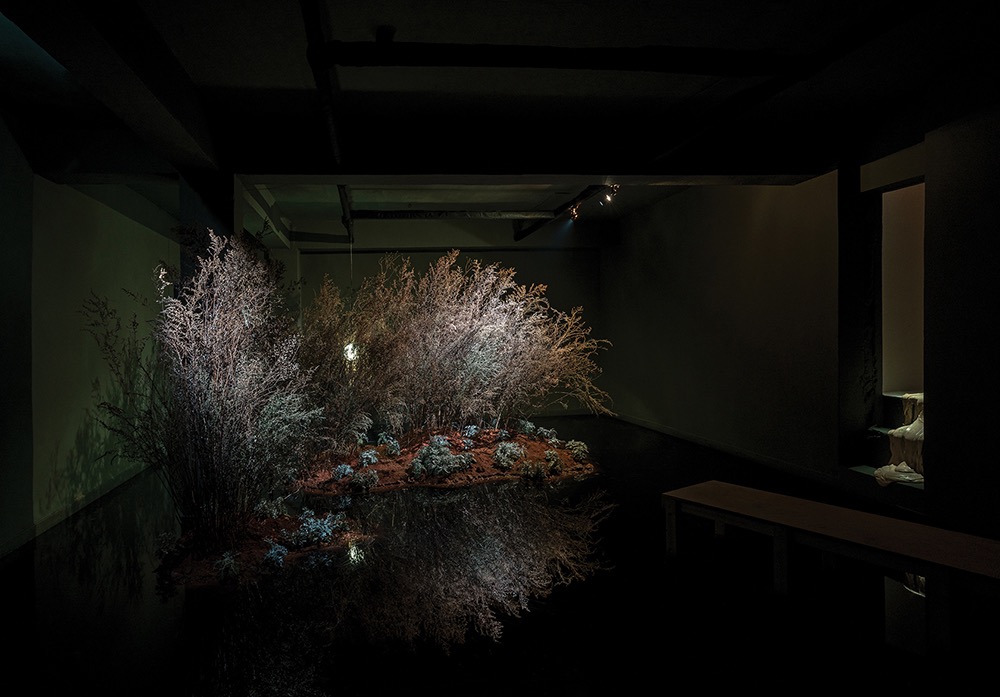
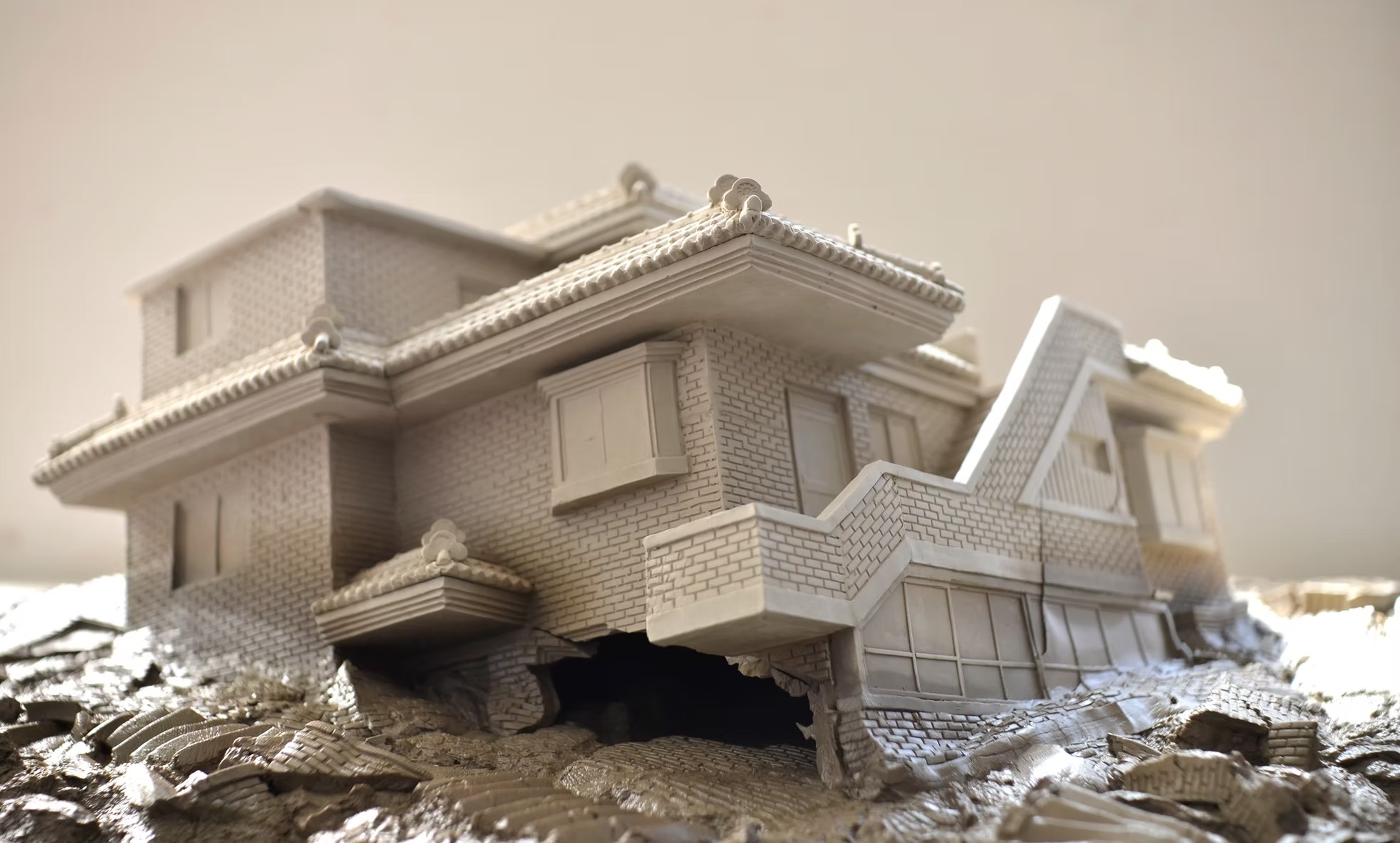
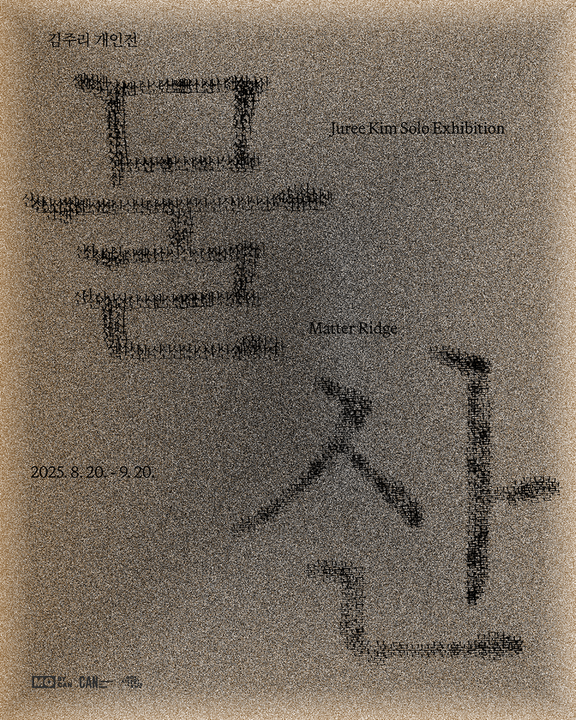
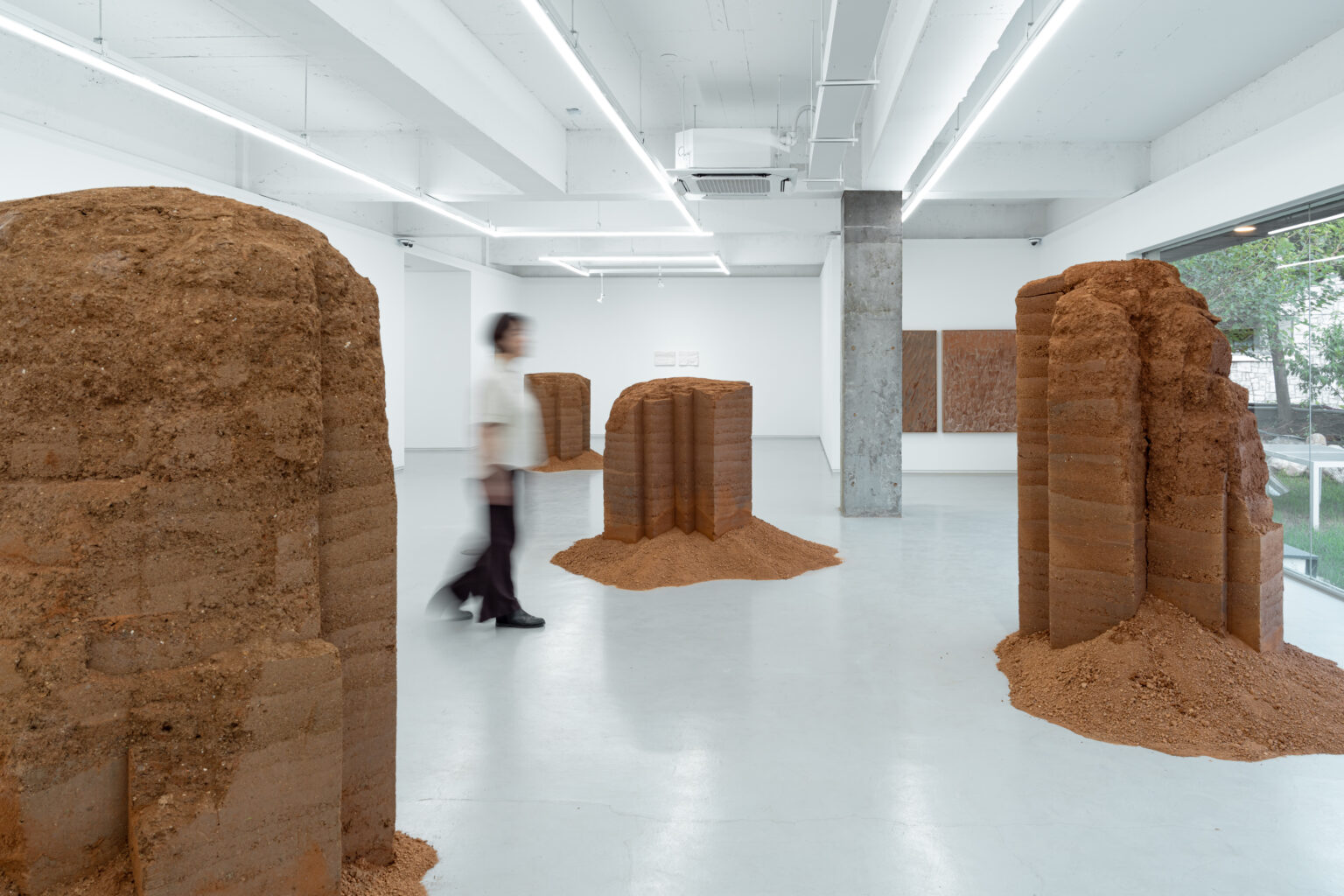
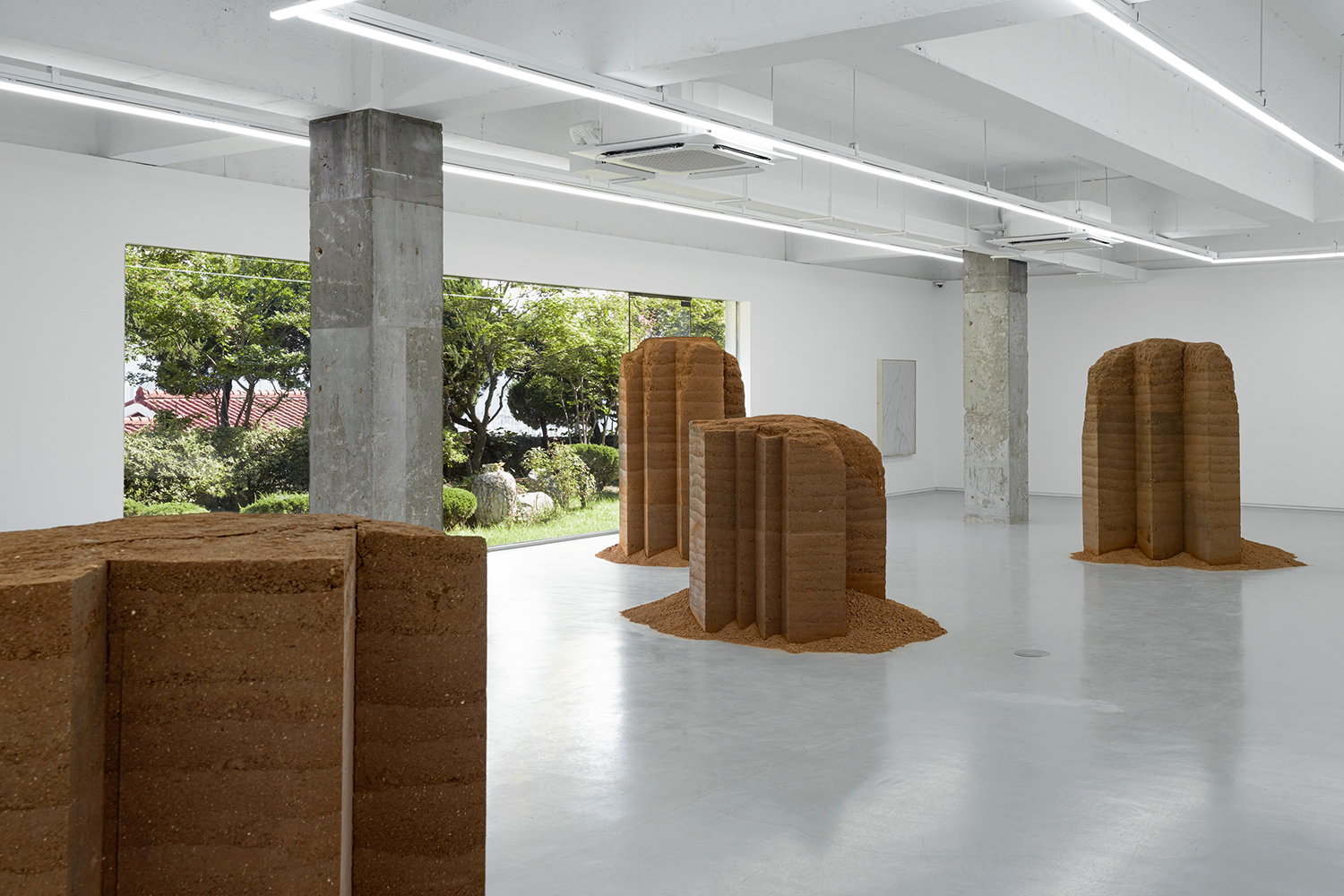
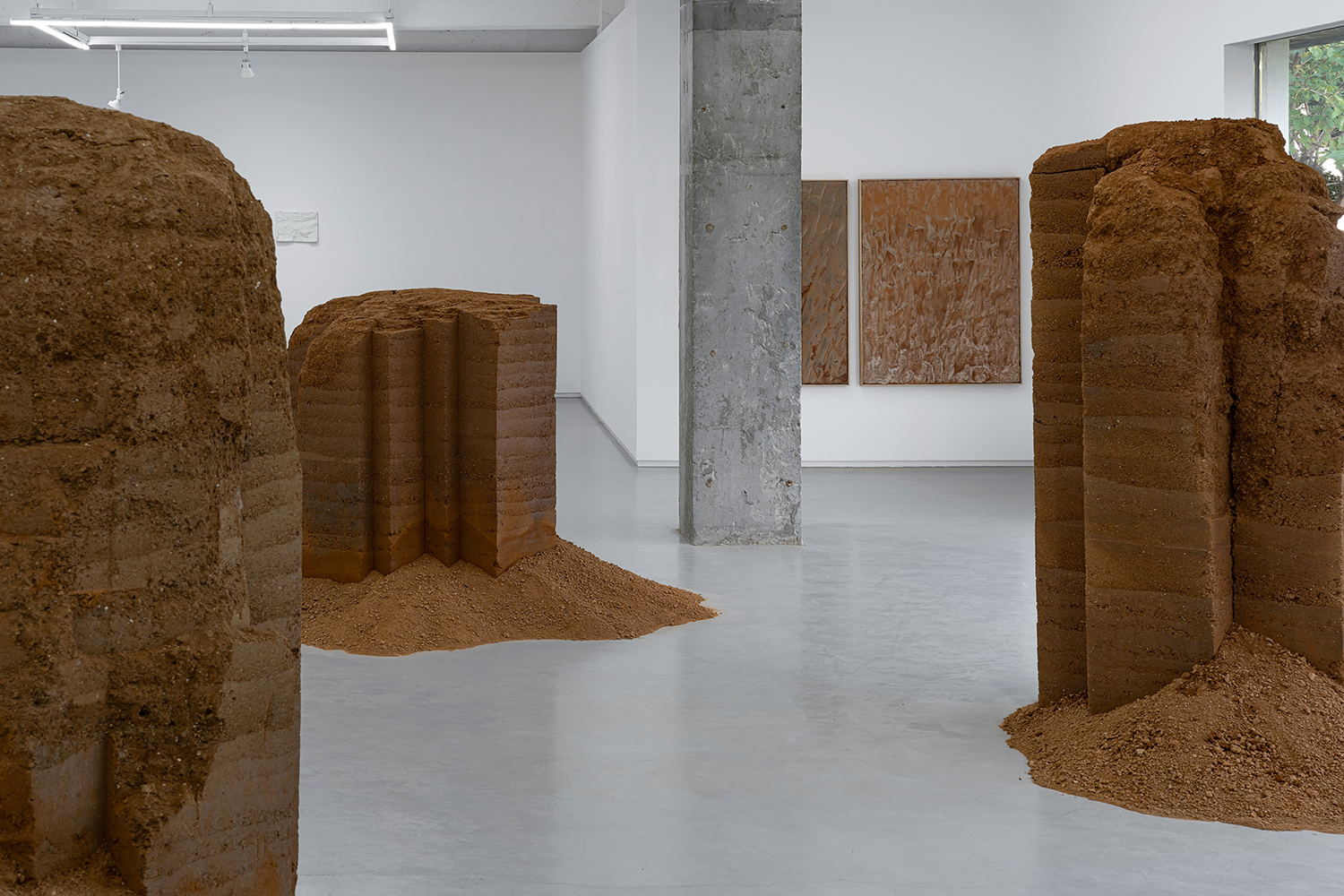
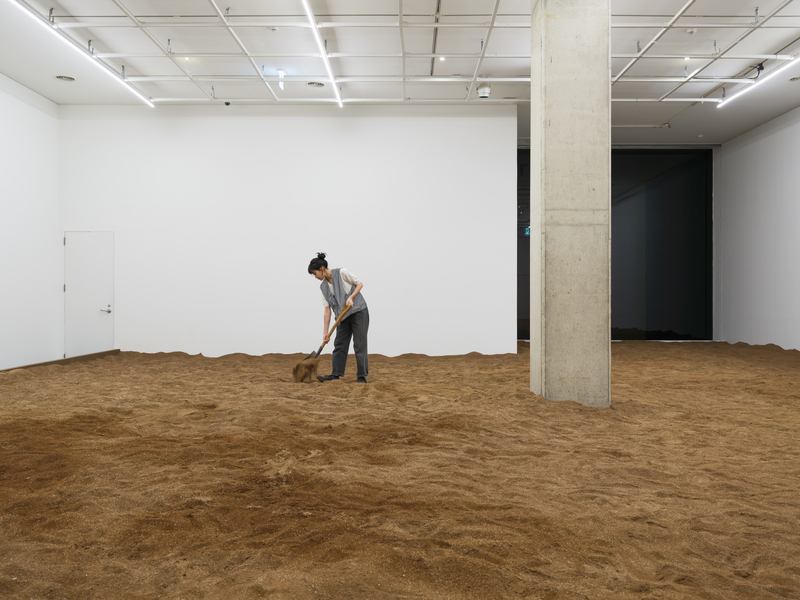
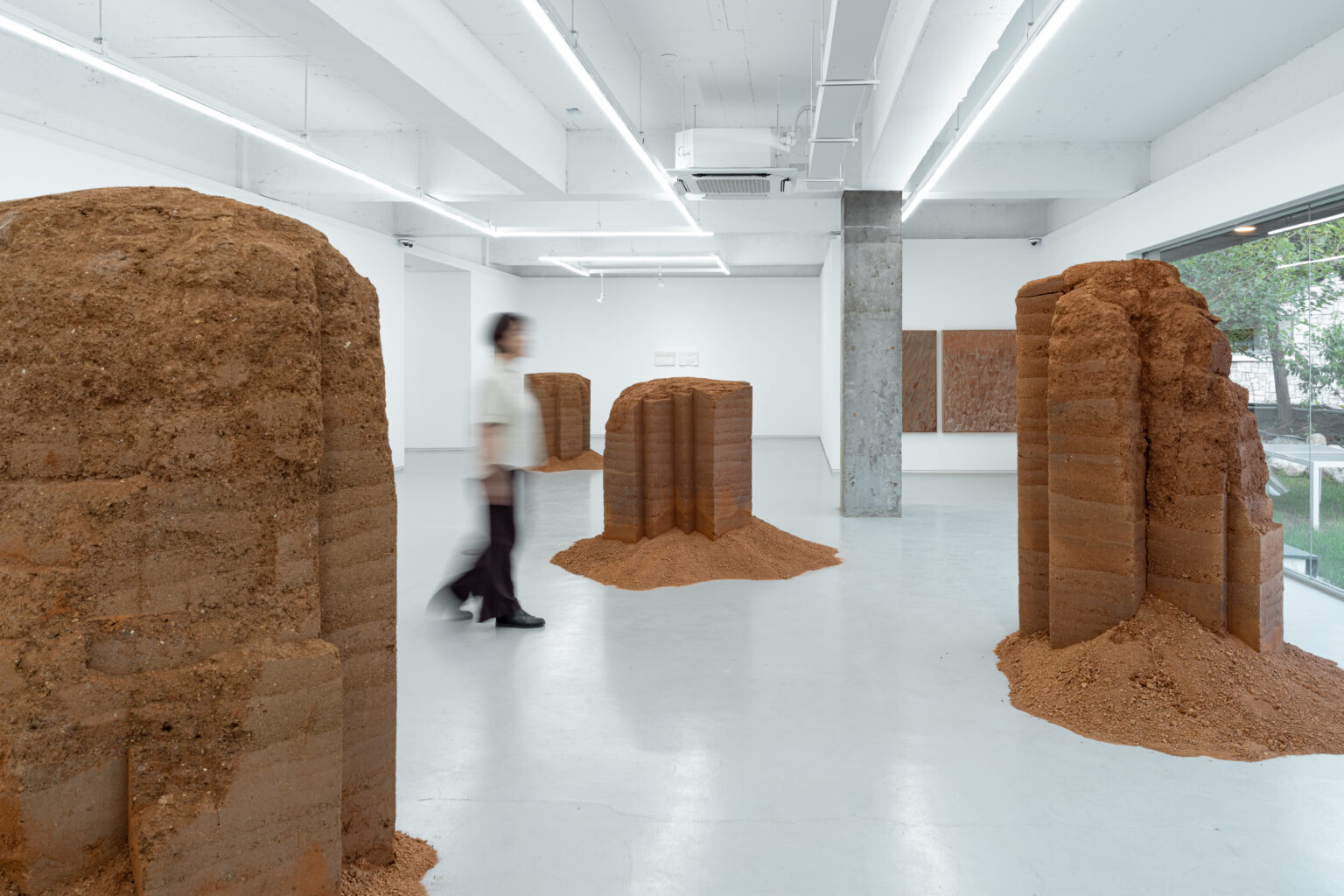
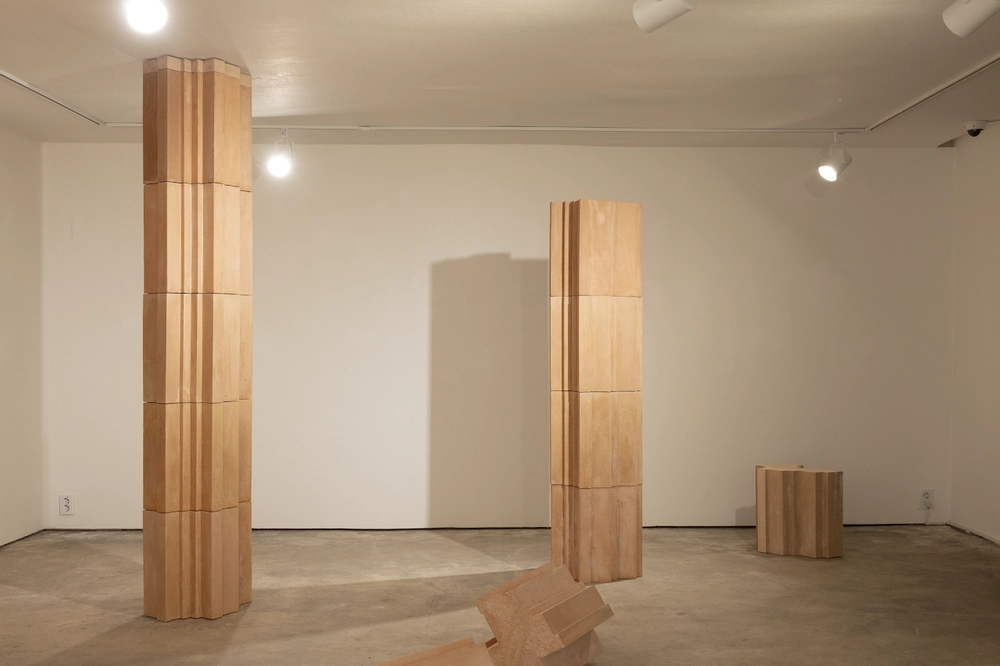
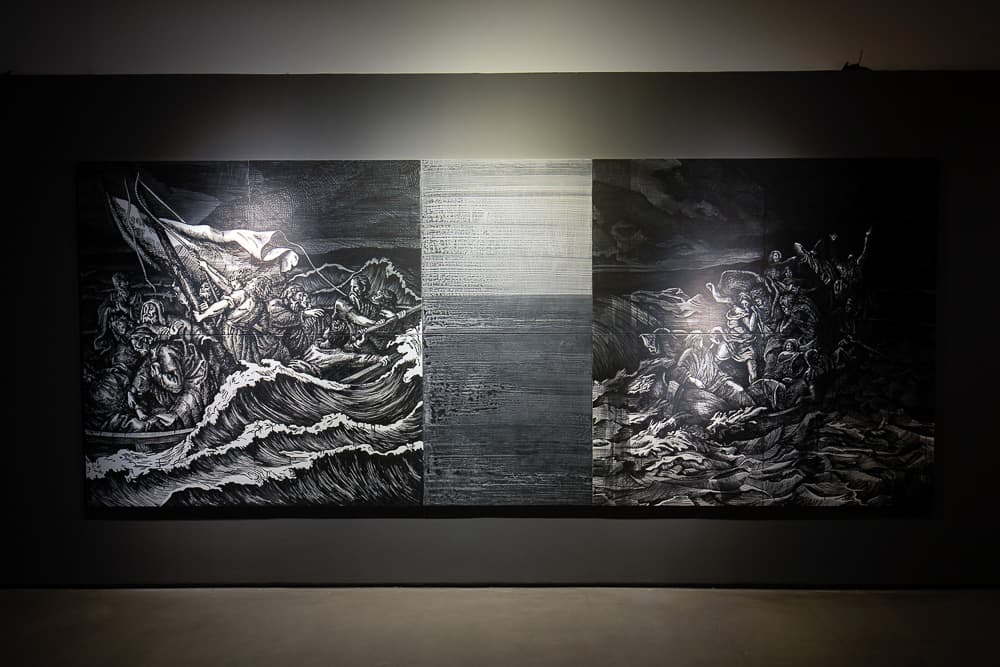
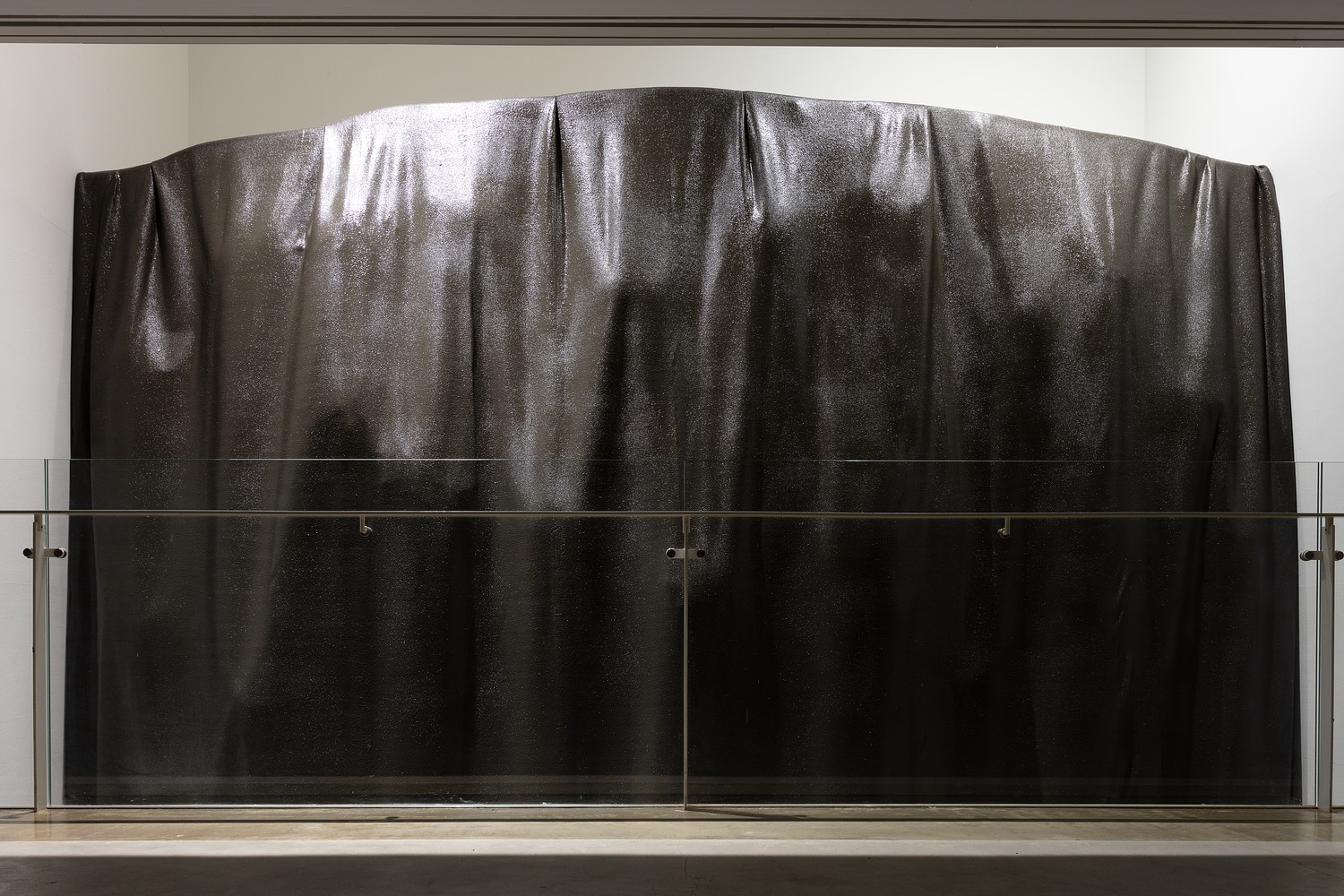
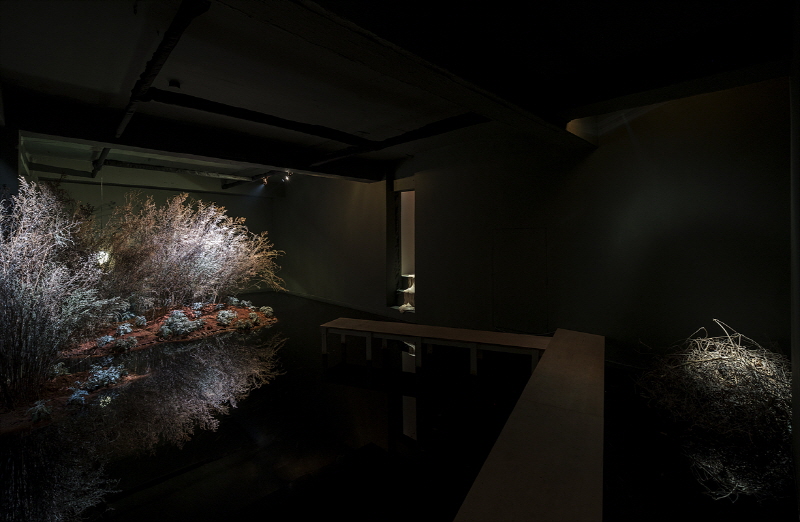
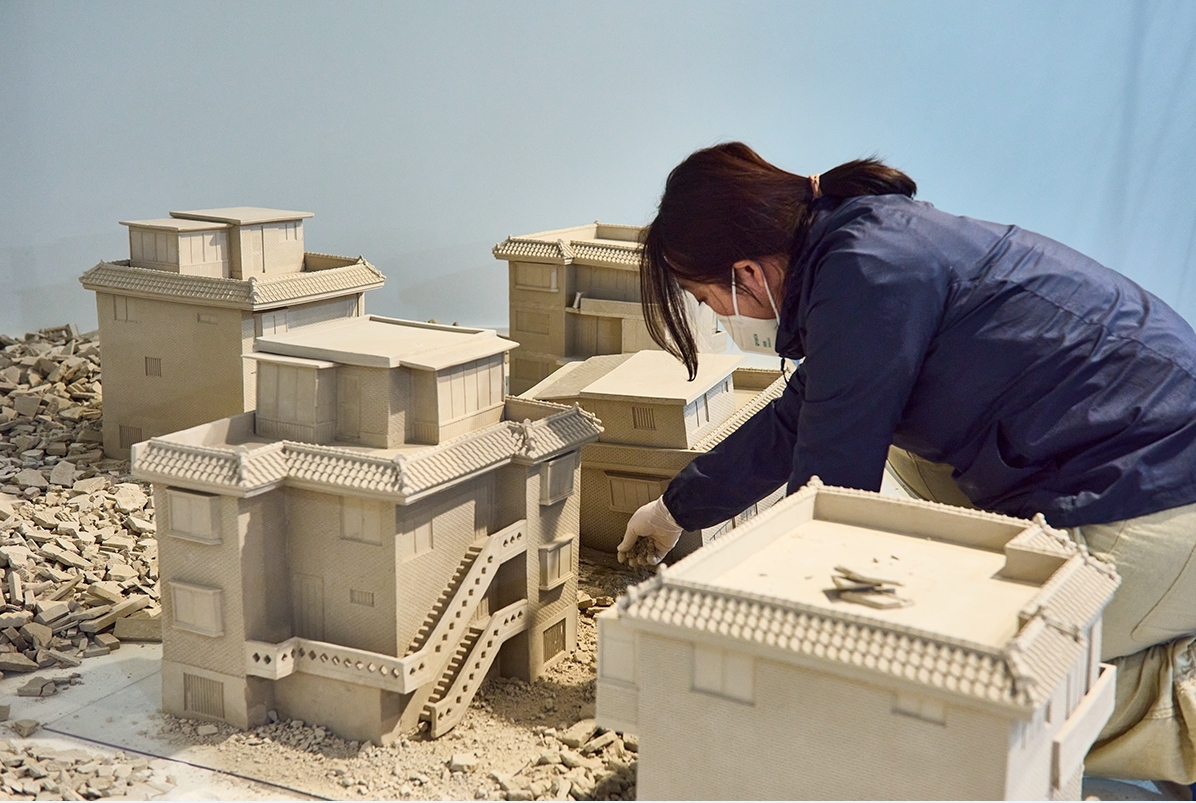
In this way, the elemental and absolute qualities of Juree Kim’s recent work can be reconsidered through what followed her somewhat obsessive acts of representation: after the models and specificities of an era dissolved and disappeared in water, or through their sedimentation and erosion. The role once played by earth and water, which directly traversed scenes of urban development, is no longer confined to particular regions or events but now converges with the shared physiology of urban landscapes across the globe.
Might the detailed realism of her earlier works have been condensed and expanded once again into her recent practice, which passes through specific times and places to embody a more primordial temporality? As a result, might the exhibition landscape appear like a historical scene or an ancient origin—somber, yet profoundly universal? Here, earth evokes another meaning of sedimentation both within and beyond the work.
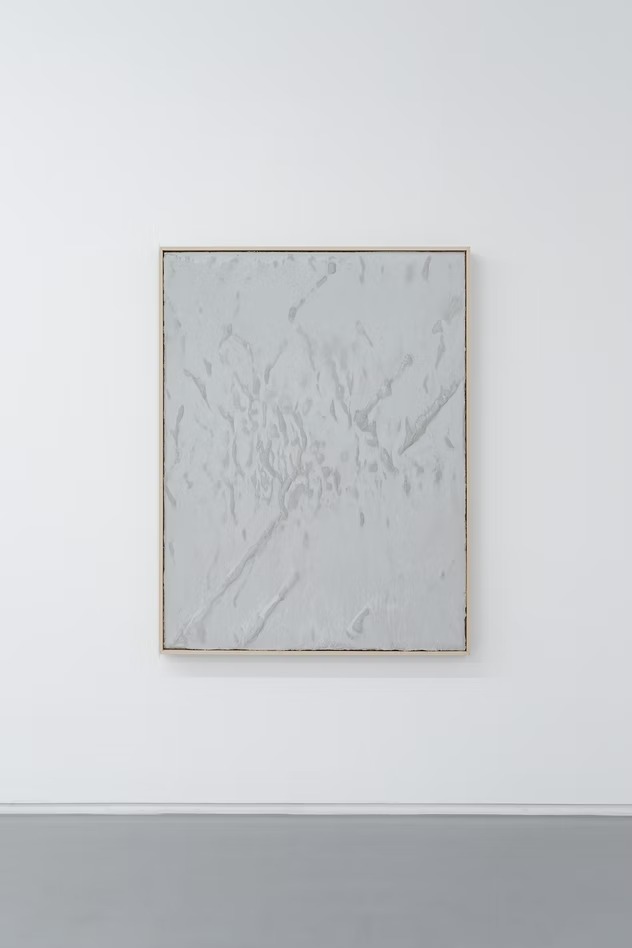
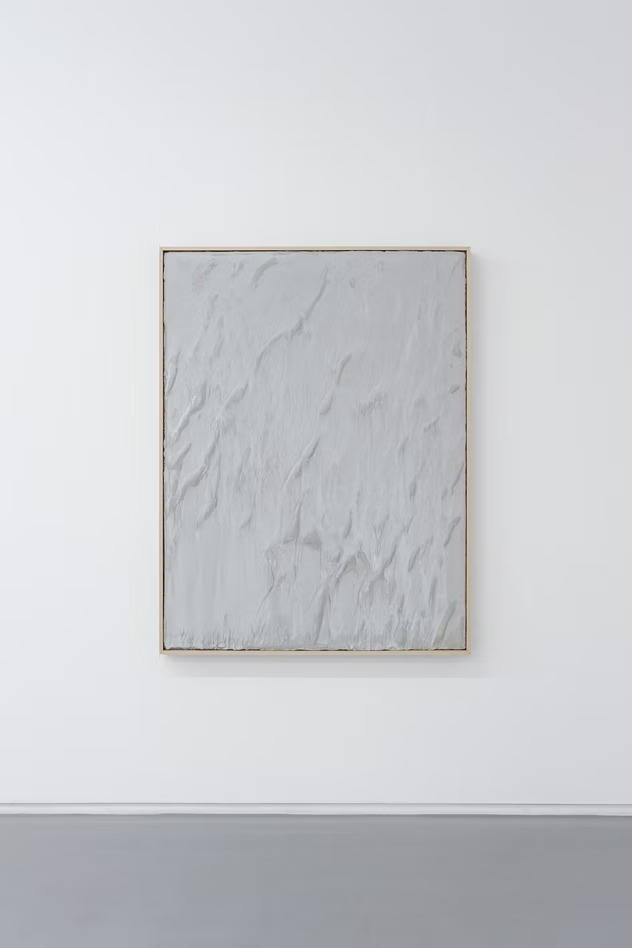
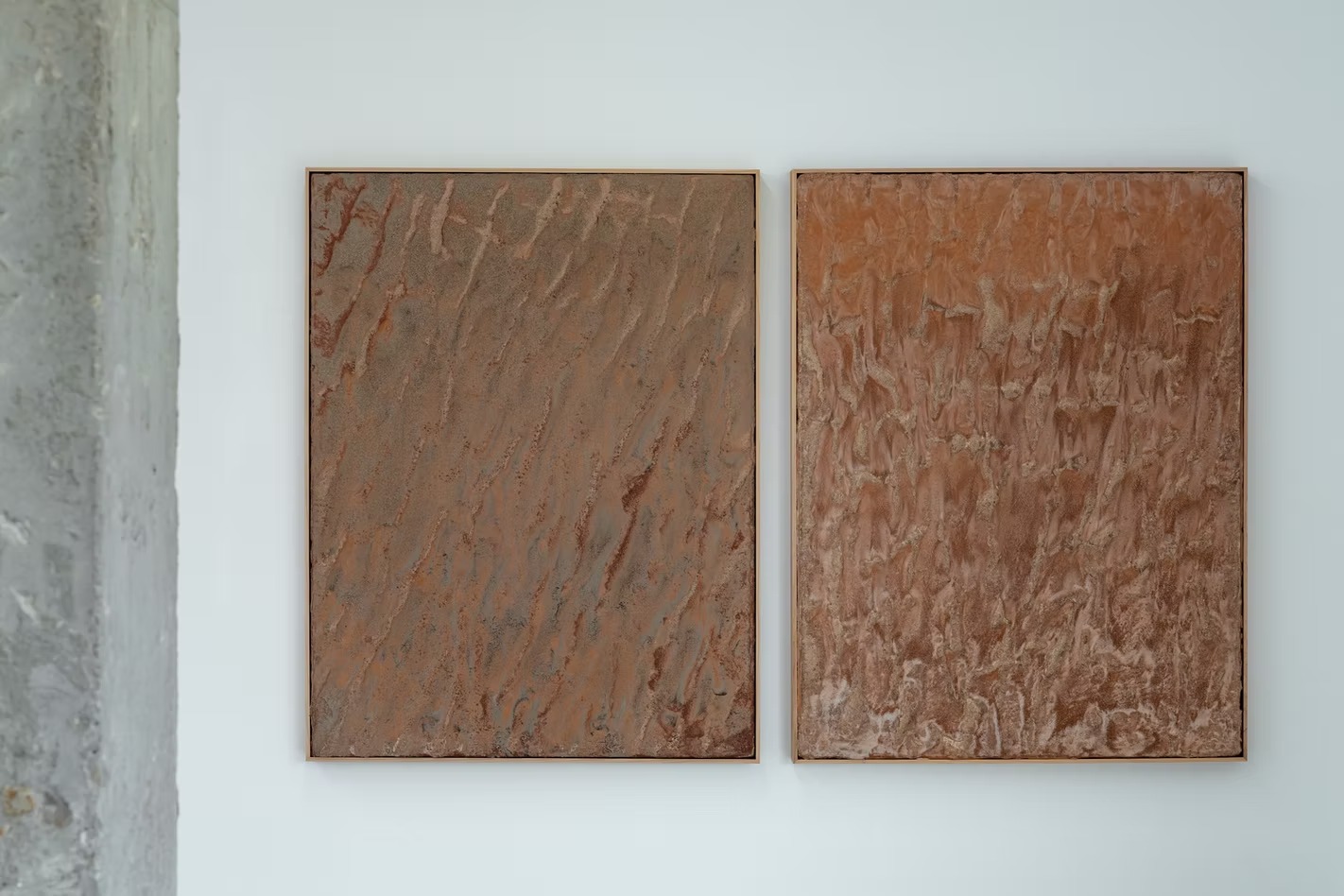
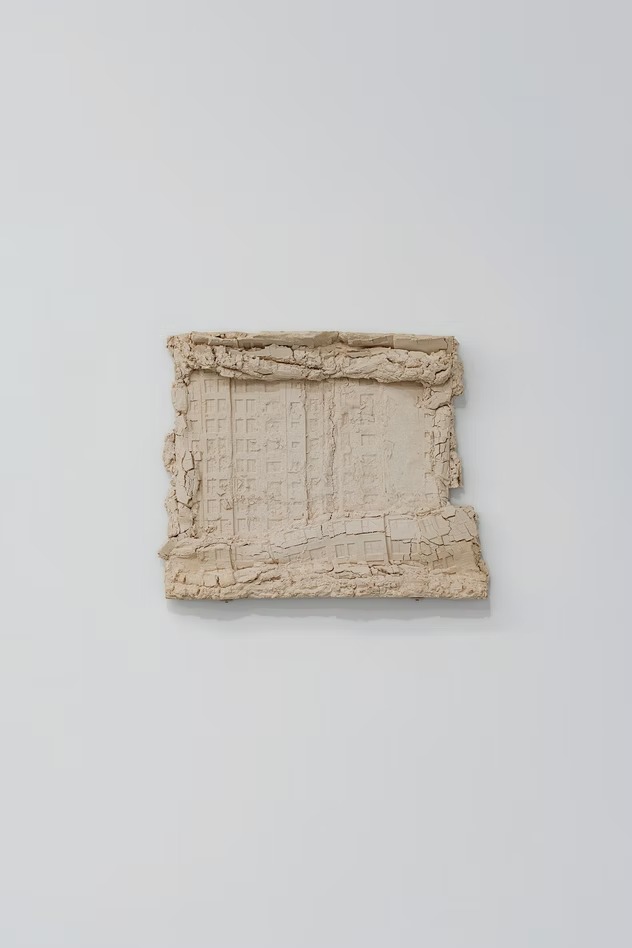
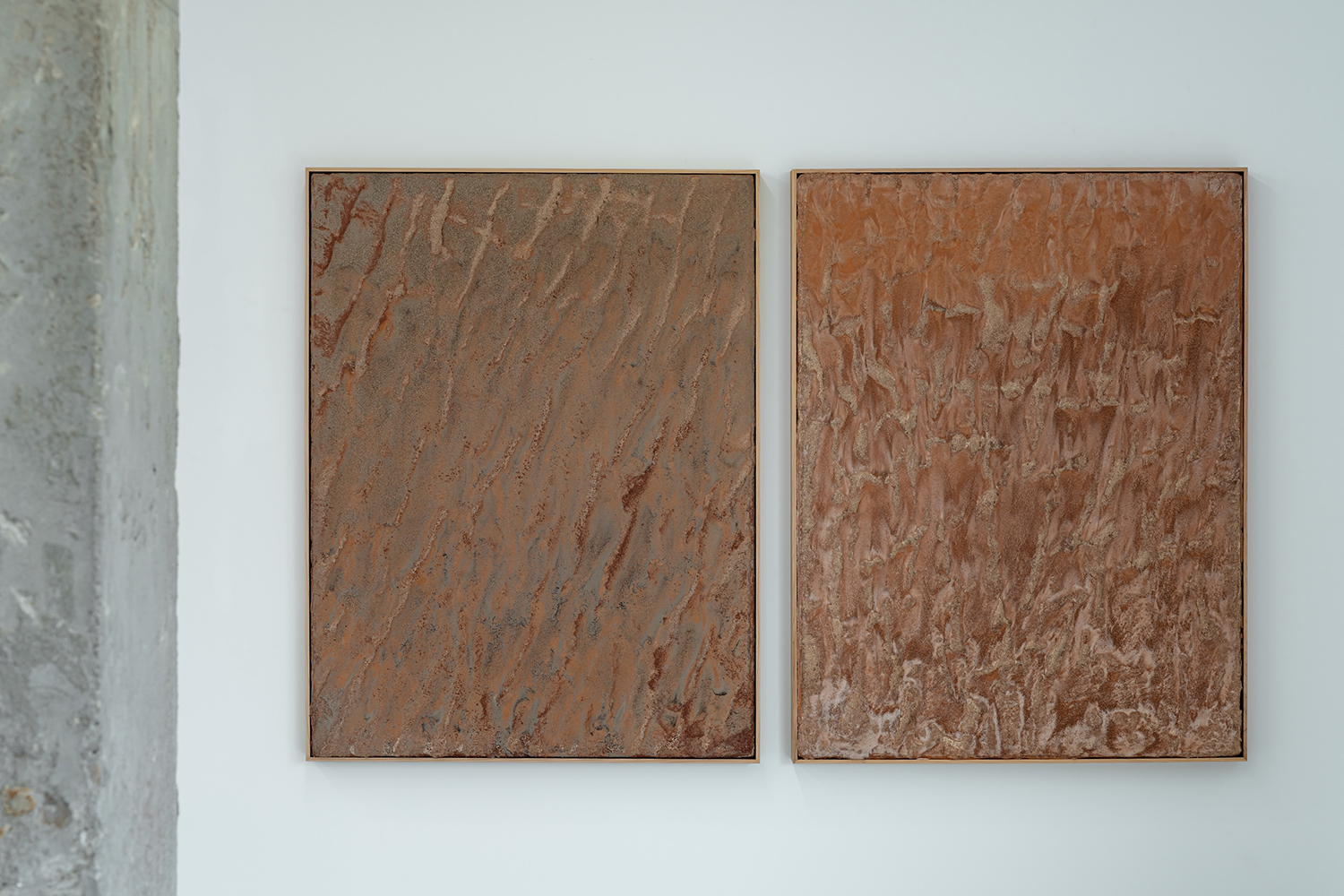
While calling to mind repeated scenes of development from afar, it also appears as an “earth/mass” formed not through momentary change or a simple decision, but through the accumulation of long durations, countless relationships, and actual events layered one upon another. The wall-mounted 'clay tablet: Seoul-style' (2025) and 'desert' (2025) series likewise reveal the intimate relationship between material and memory that runs throughout the artist’s practice.
The surfaces, where earth and water have solidified together, seem to embody scenes of natural dissolution through accumulated traces of time. At times, like cross-sections exposed by cutting through sedimentary strata, their surfaces bear fine cracks and marks where creation and dissolution intersect. Before them, viewers may encounter a certain absoluteness.
This is not the capture of a single moment or a realistic representation, but a scene in which disappearance and endurance, transformation and preservation interlock while condensing an extended span of time. Matter emerges as a cross-section formed by memories supporting one another, allowing us to sense an irreversible flow within an absolute point of encounter.
What if the relationship among water, earth, and time described above were extended beyond the general dimensions of place, material, the city, and society to encompass the contemporary media environment and cognition as a whole? We might ask how sensations of memory and time formed upon material foundations come into contact with other processes of accumulation and disappearance, transformation and preservation.
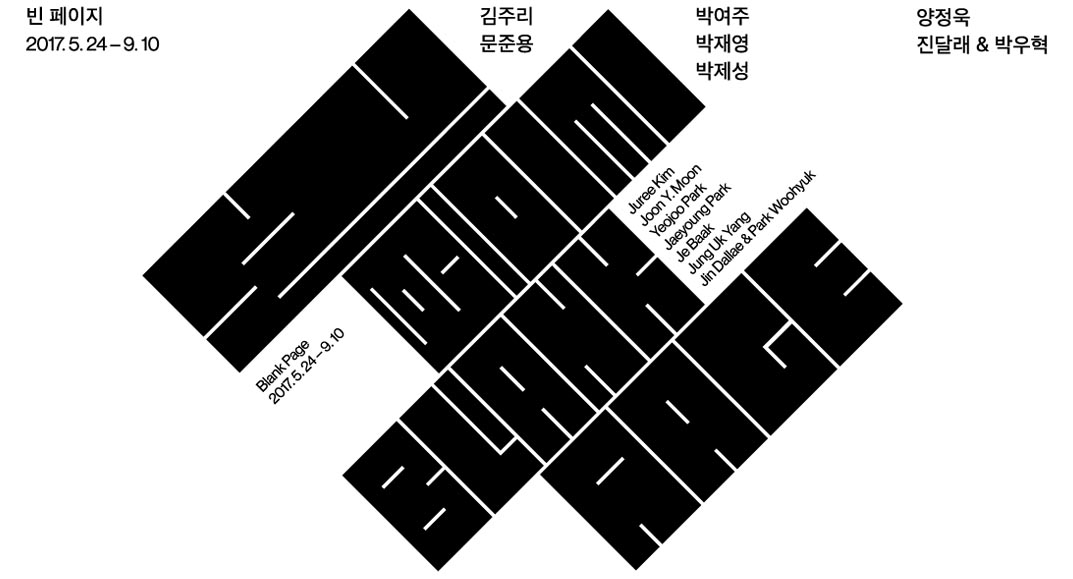
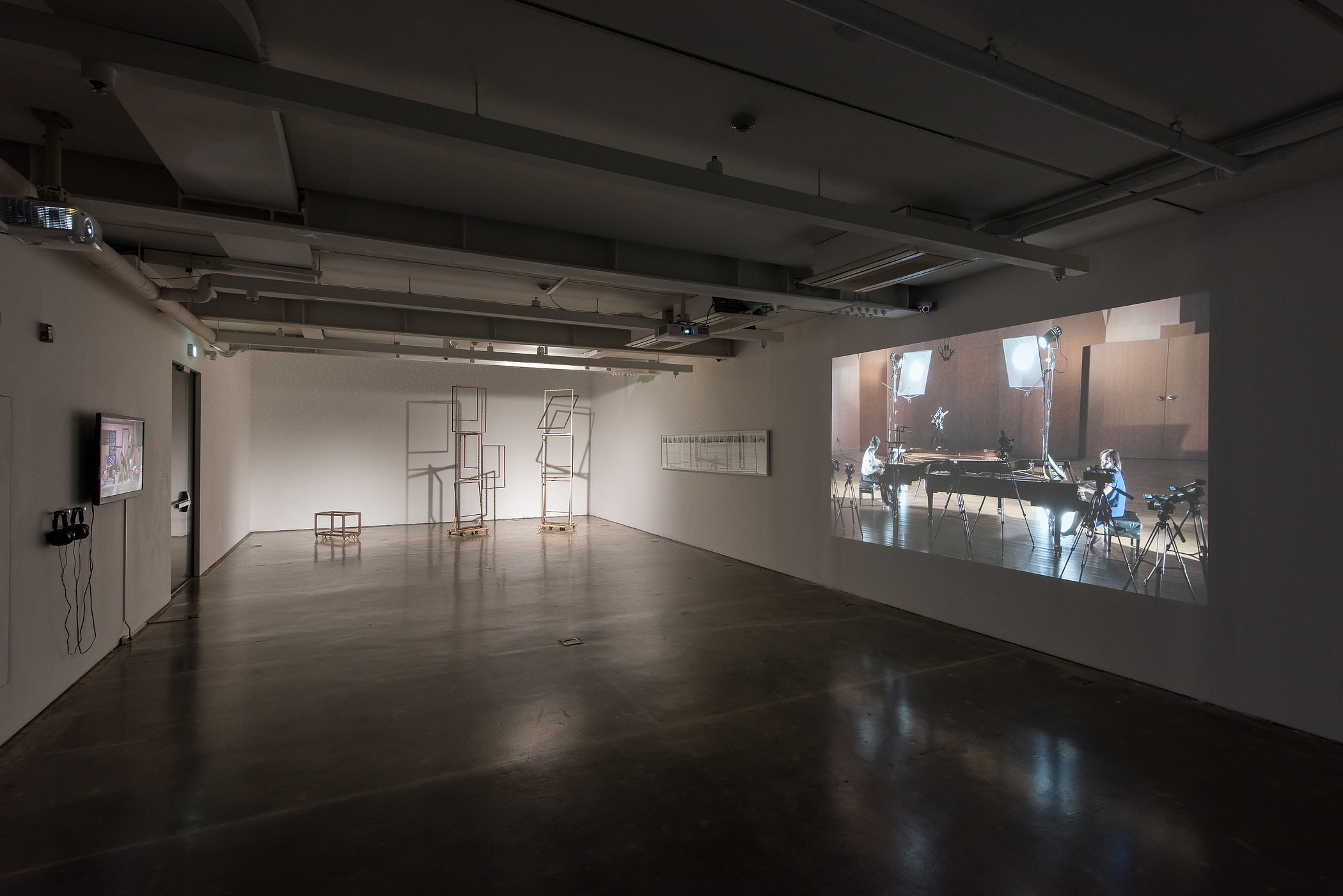
In this context, the “water and earth” in Juree Kim’s work operate as media that reorganize structures of sensation and perception, extending their field of action into the contemporary cognitive environment. In exhibitions such as 《Impermanence》 (Project Space SARUBIA, 2017) and 《Blank Page》 (Kumho Museum of Art, 2017), the artist expanded the landscapes of 'Hwigyeong_Evanescent Landscape', formed through the encounter of earth and water, into more abstract modes of thought.
In these works, various places, environments, sounds, objects, and media were invoked as substitutes for memory and time. Given the premise that the artist has continuously explored expanded forms of cognition through media, Kim’s interest in “sedimentation” can also be connected to the immaterial accumulation formed by digital images, networks, and data.
Her central motifs of “earth and water” thereby become metaphors for such media conditions and environments, rather than merely sculptural materials. Today, when YouTube, Shutterstock, and countless web platforms for accumulating images have literally become part of everyday life and nature, the sedimentation of memory can be considered from a different angle and horizon.
The houses, walls, and sloping roads seen in the artist’s earlier works now remain in YouTube clips and interviews, as well as in photographs uploaded to blogs. Perhaps it is not material traces but these digital media that “remember” vanished urban landscapes and allow us to “see” those earlier times; sedimentation may now operate not only beneath the ground but also within servers.
In other words, the sedimentary action of “earth” sensed in Juree Kim’s work does not necessarily evoke matter alone. It also calls into question virtual, reproducible deposits; visualized particles of memory that can be replayed and revisited; and networks and clouds measured in megabytes that encapsulate, preserve, and distribute time, place, and context.