Youngle Keem explores how objects and events settle into narratives as they pass through language. Her practice has developed along two interconnected trajectories: expanding particular objects and phenomena through writing, and revisiting subjects and events that have been erased or forgotten within the records of modern and contemporary Korean history.
Central to both is not only the fact itself, but also the process through which facts are collected, named, and transmitted. Moving between official records and personal memories, rumors and imagination, observation and misunderstanding, Keem examines the linguistic conditions through which the world we believe we know is constructed.
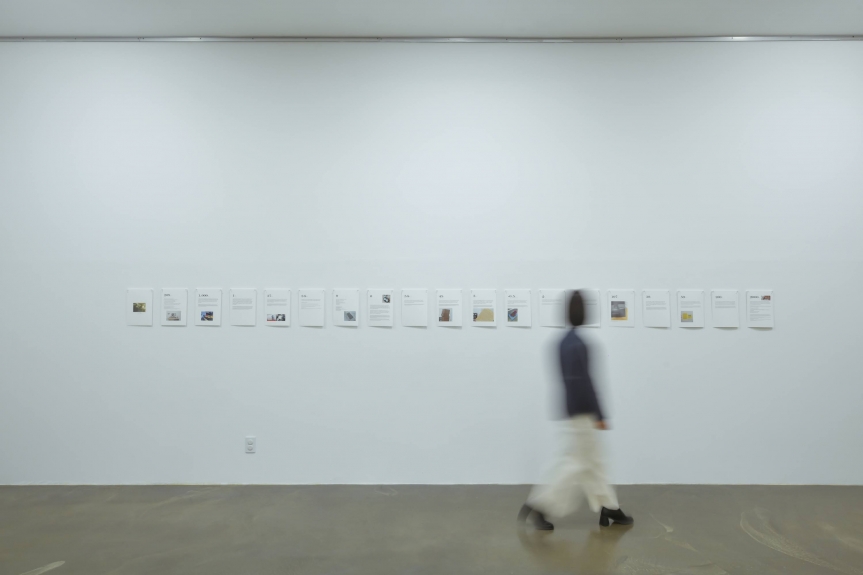
The Monami 153 Chronicle clearly demonstrates this early interest. Keem combined information about the Monami 153 ballpoint pen, a widely used object in Korean society, with everyday anecdotes, events from modern and contemporary Korean history, and fictional narratives to produce an unusual chronicle. The pen functions as both an everyday commodity that accompanied Korea’s industrialization and compressed economic growth and a medium onto which the memories and rumors of different generations have been projected.
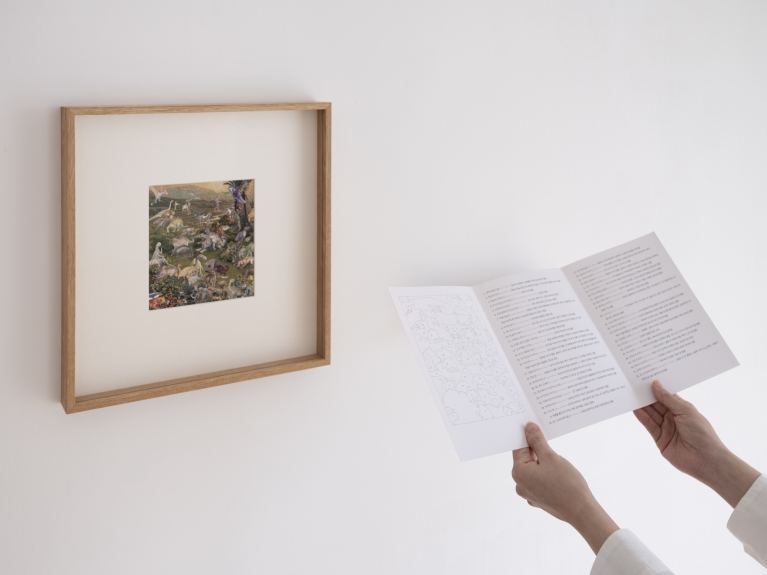
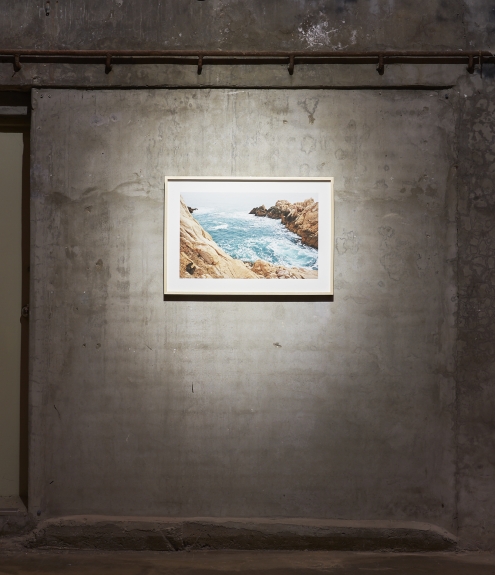
Keem reveals how facts and rumors surrounding an object exchange positions and gradually settle into a plausible history through exaggeration and omission. In works such as A Wall., Captured Stone, and Black, she similarly uses writing to amplify the layers of names, assumptions, and stories accumulated around particular subjects, demonstrating the instability of the meanings assigned to objects.
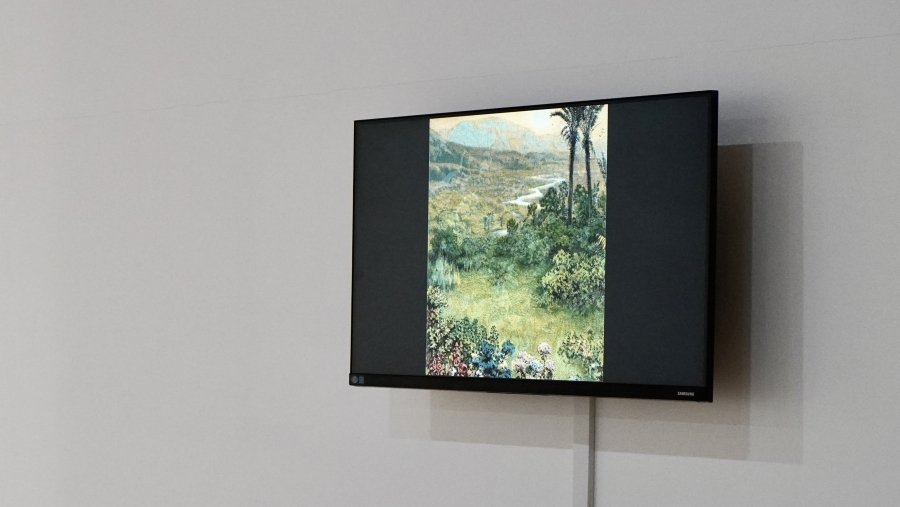
Elsewhere in her practice, figures pushed to the margins of public records emerge through fictional narrators. Blue Land began with research into the building originally constructed as the Belgian Consulate, now the Nam-Seoul Museum of Art, and the history of redevelopment in the surrounding Sadang area. In the video, the Smurfs arrive in Korea as construction workers from Belgium and subsequently shift between the roles of laborers, residents of neighborhoods slated for demolition, perpetrators of violence, and anonymous crowds, wandering through different scenes from modern Korean history.
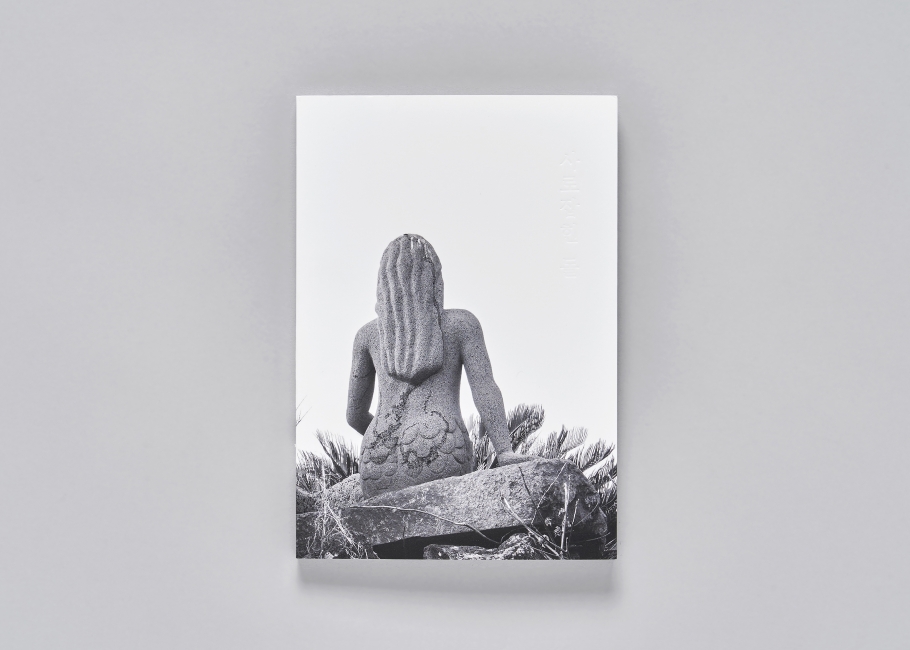
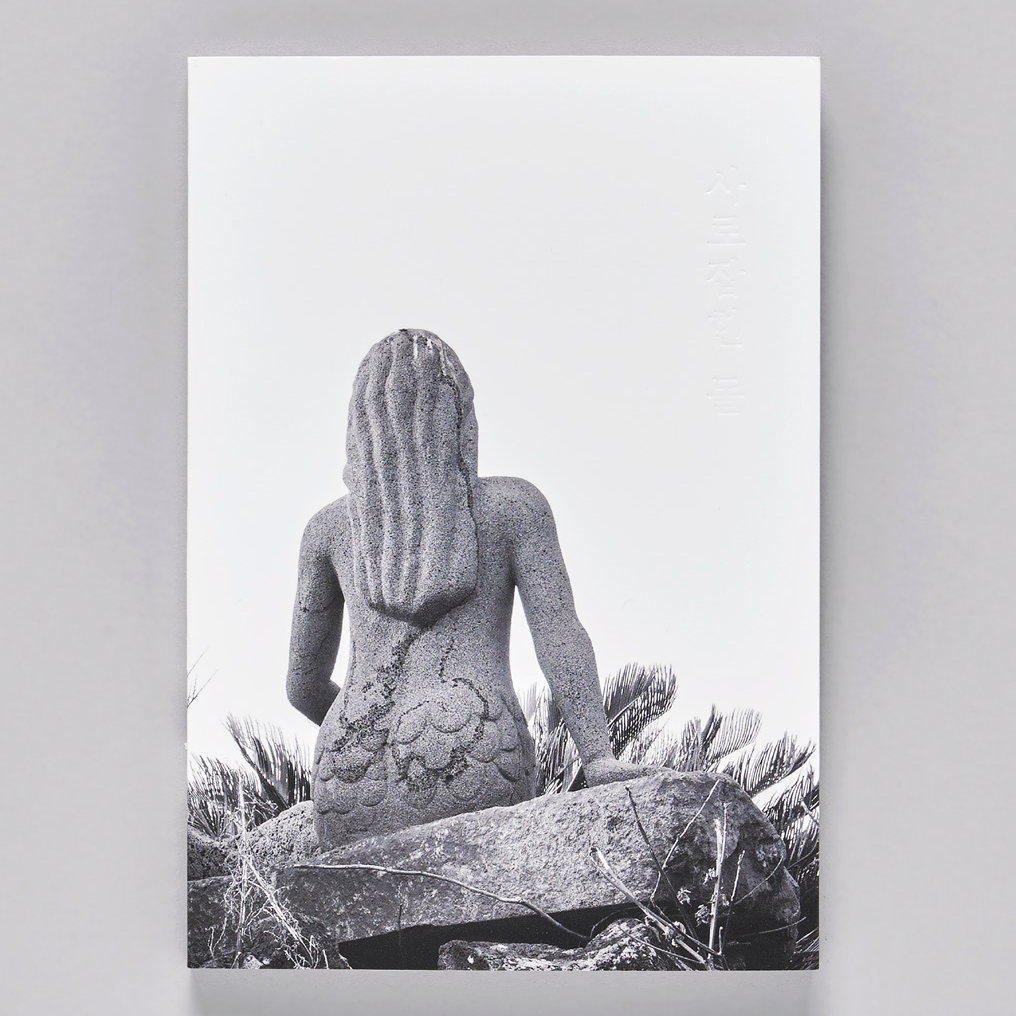
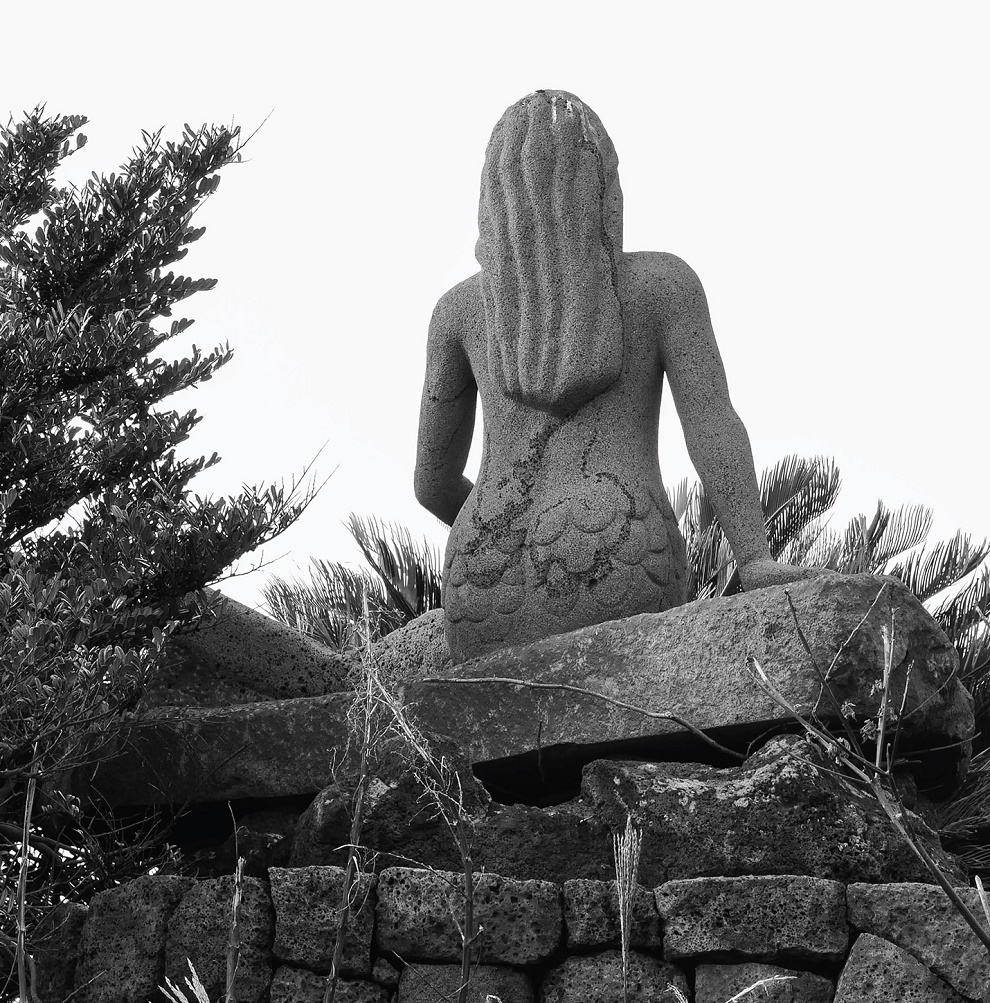
Their transformations evoke those deprived of both their places of residence and their social positions amid development, demolition, displacement, and conflict. By inserting fictional characters and incidents into actual sites and historical materials, Keem makes the gaps within public records visible and opens alternative perspectives from which to consider those who were denied sufficient opportunities to speak within history. Finding the Seahorse extends this concern with recalling subjects and events that have been erased or forgotten.
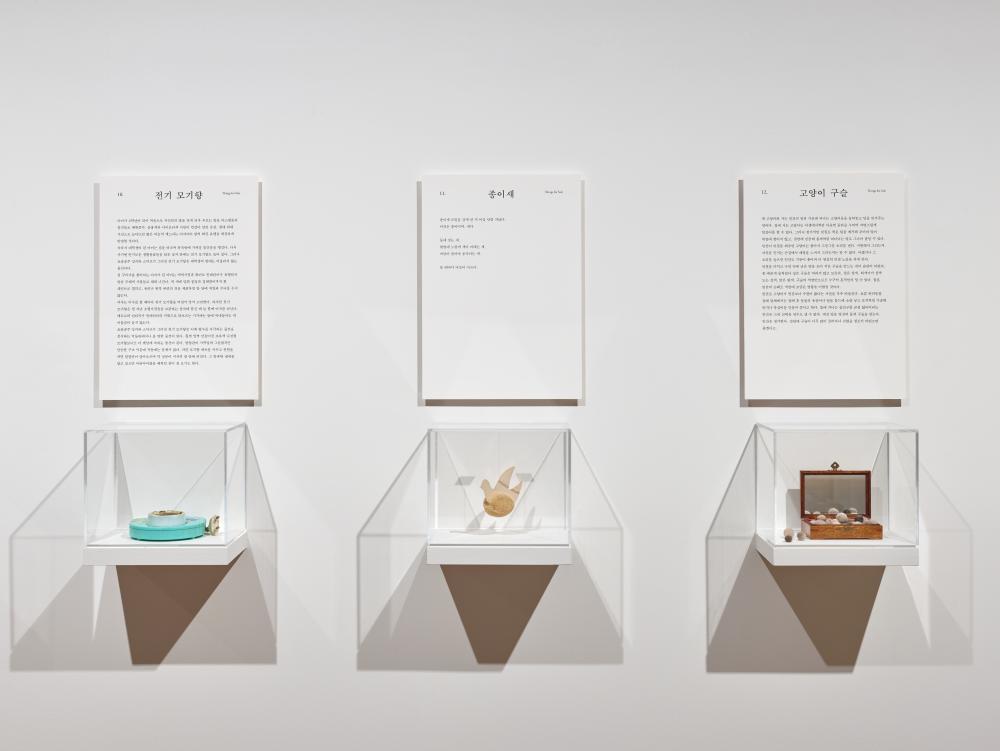
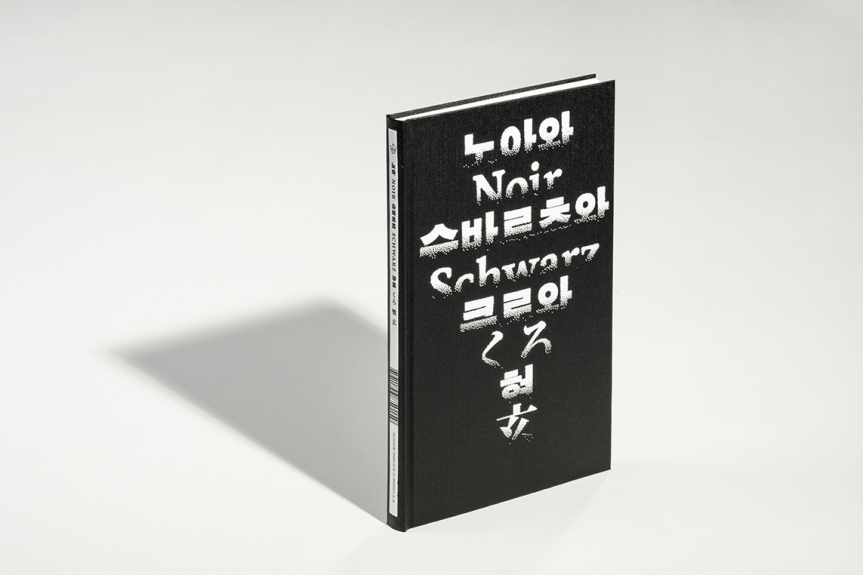
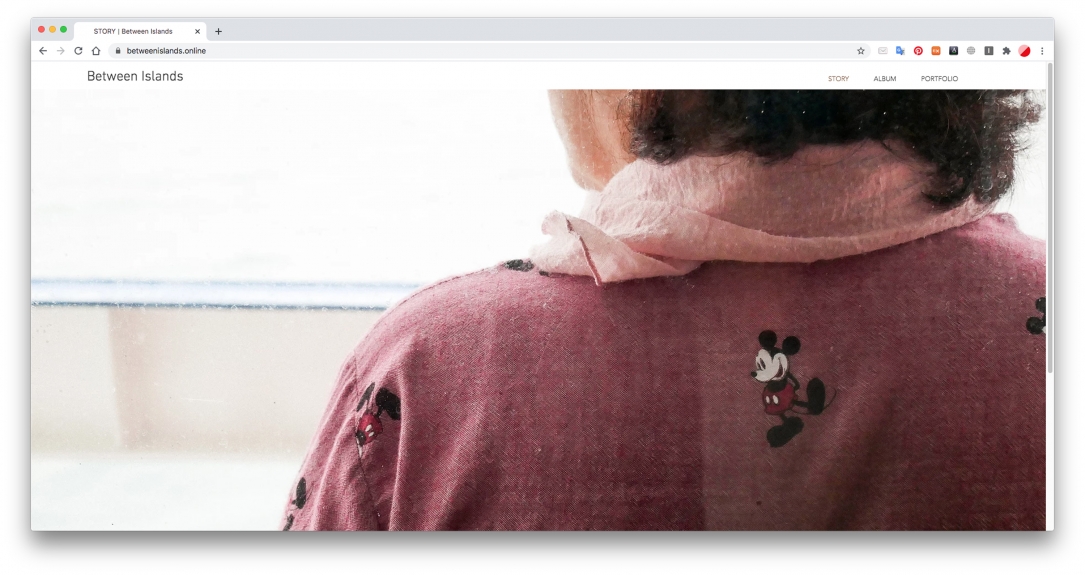
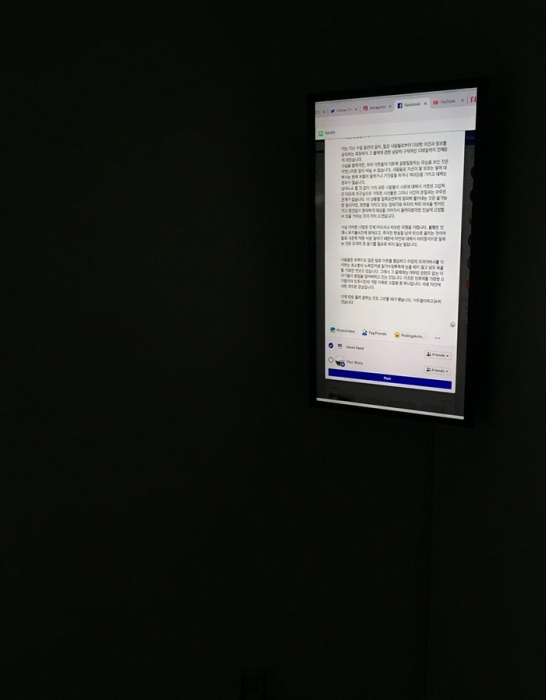
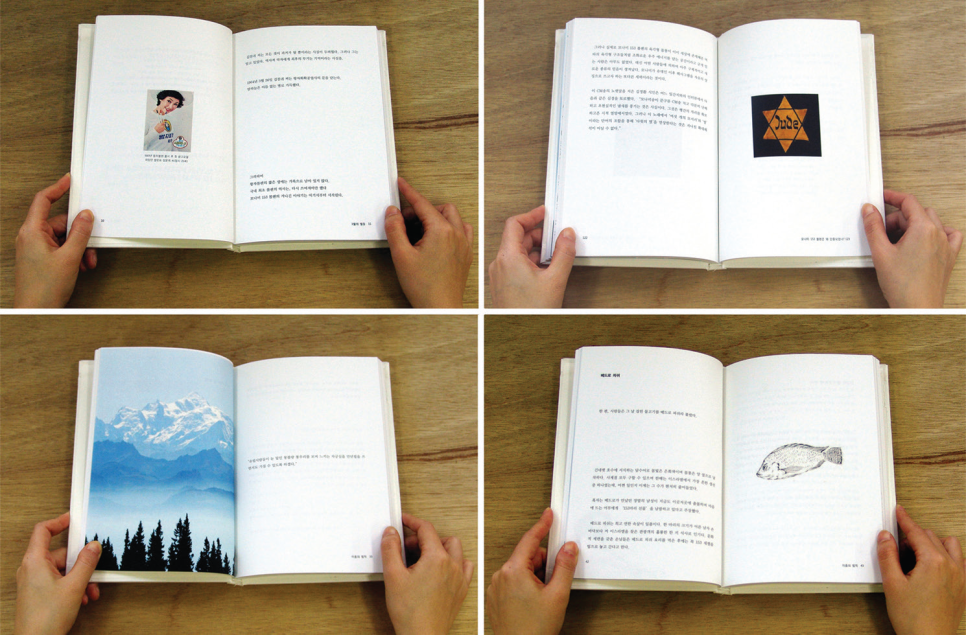
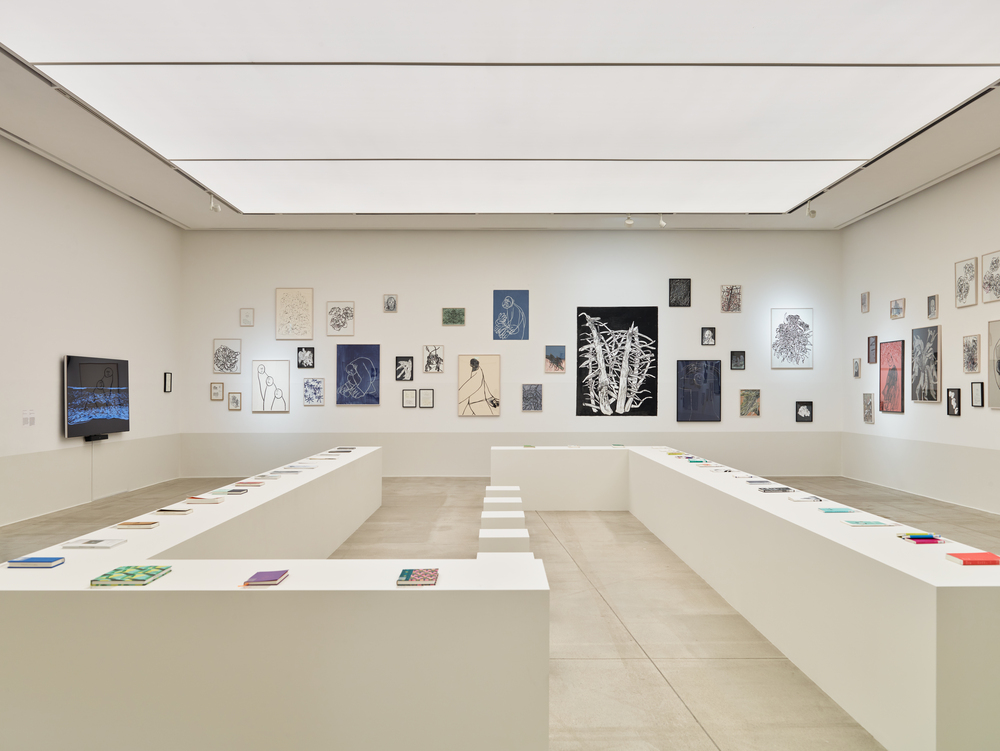
In her more recent work, Keem’s attention has expanded to the conditions through which language is recorded, transmitted, and preserved as a material trace. The web-based slideshow of Between Islands, the book Noir, Schwarz, Kuro and Hyun, the texts and posters of Bread Rose Zero, the handwritten poem in While Hesitating, and the combinations of video, objects, and text in Posted Letter: from Dodo and Things for Sale each construct situations in which sentences encounter particular media, spaces, and recipients.
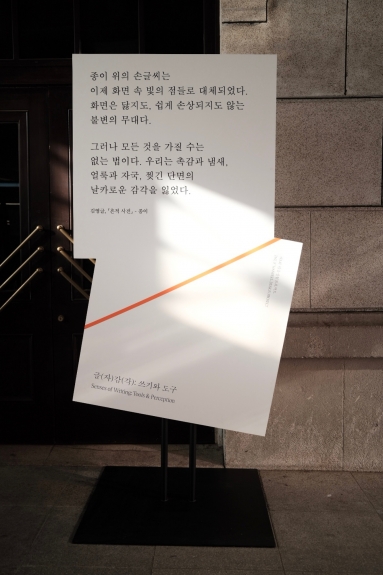
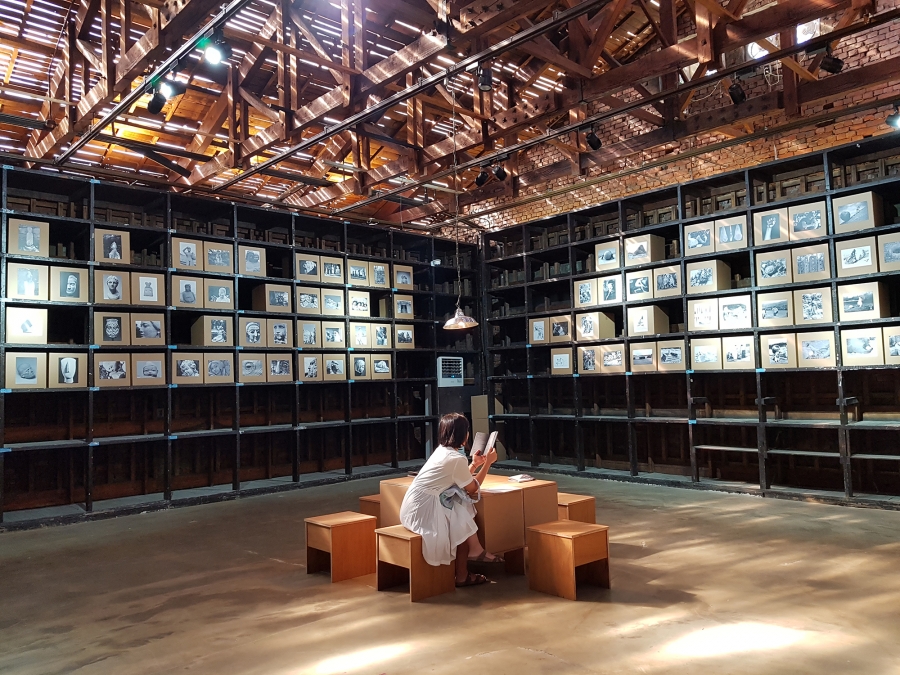
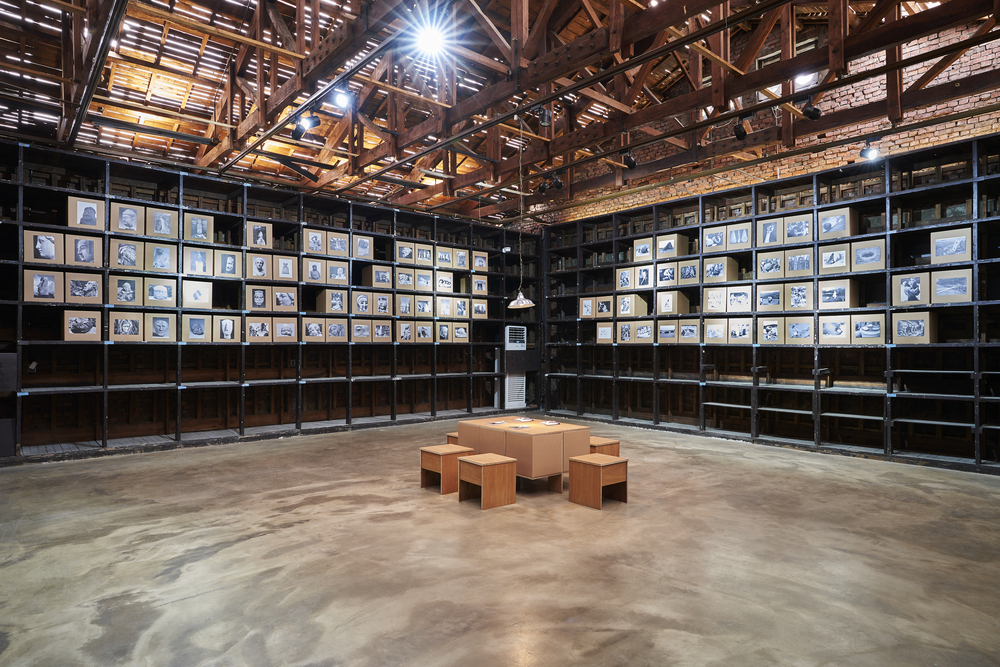
Dictionary of Traces treats the blurring and trembling of handwriting, marks left by writing tools, bodily movement, and the passage of time as integral parts of the record, returning text that has become increasingly immaterial within digital environments to a material dimension.
In Keem’s practice, writing does not simply explain the world. It serves as a means of questioning the stories attached to objects and histories and of discovering relationships that have yet to be recorded. Moving between fact and fiction, her narratives continually ask who is permitted to become the subject of a record, which voices are transmitted or omitted, and how their traces may be read.