Choi
Sujin’s work has gradually expanded from personal psychological experience
toward travel and walks, everyday objects and living beings, and the sensation
of repeated time. In her early work, the artist translated inner states that
are difficult to put into words, such as anxiety, confusion, and helplessness,
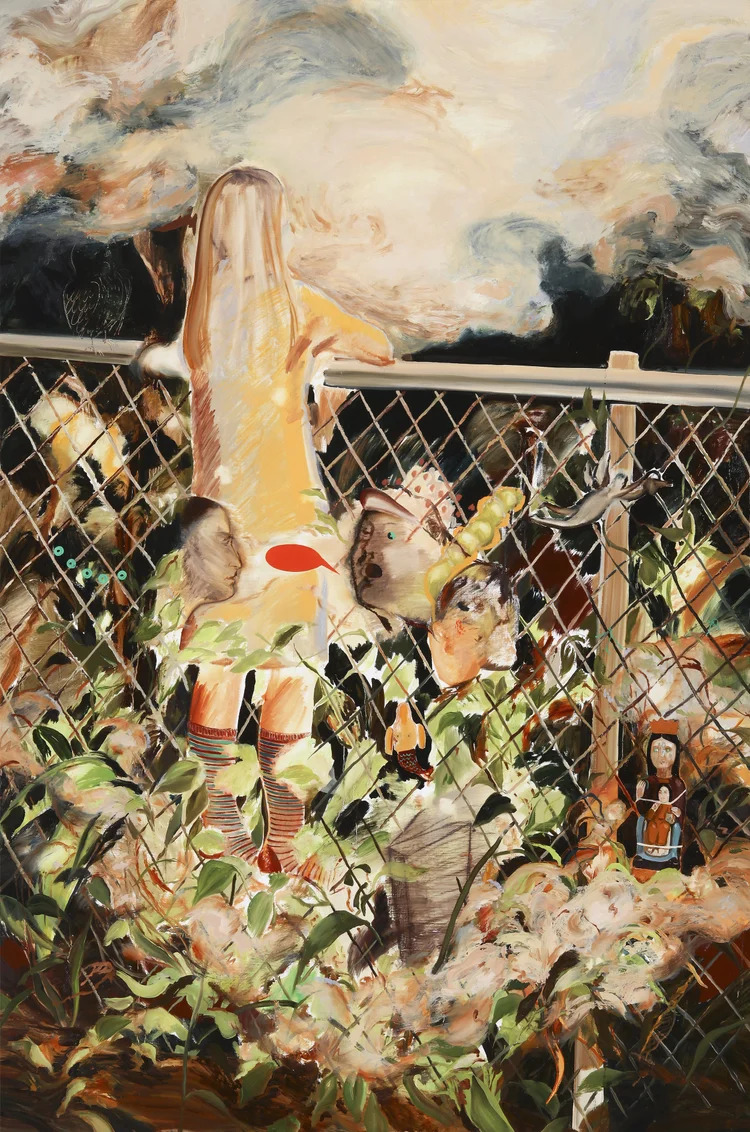
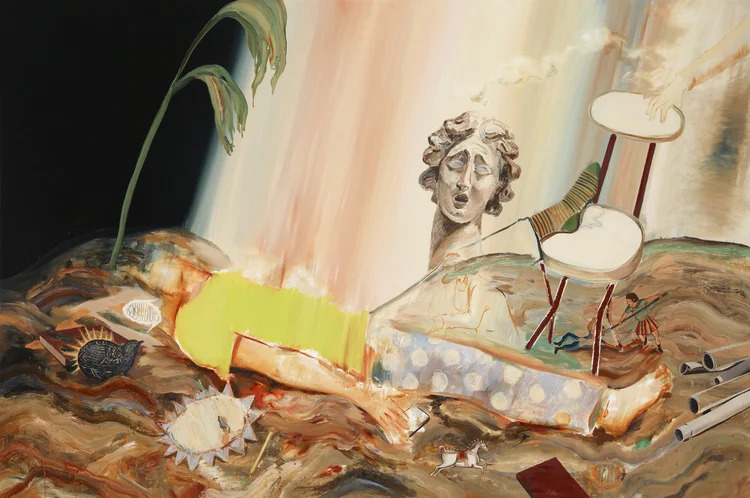
into dreamlike landscapes and figures. In works such as The Cloud Wire
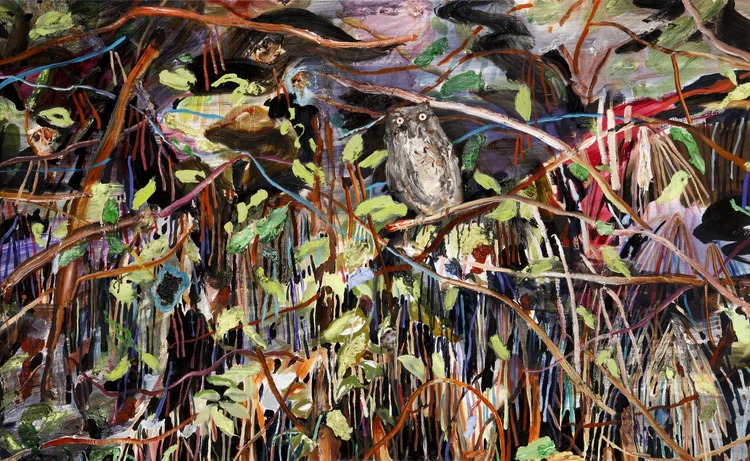
Mesh(2011), A Song of Fear(2011), and A
Dust Owl(2013), forms that seem to drift through the air, such as
clouds, mist, forests, and dust, create a sense of an uncertain world rather
than a clear narrative.
Childhood memories of passing through dark forests and
her acute awareness of breathing due to asthma are not simply subjects for the
artist, but are connected to the way the body senses and endures the world. In
paintings from this period, figures and nature, figuration and non-figuration,
are not separated from one another, but form allegorical spaces that hold the
artist’s psychological changes and sensory afterimages.
After
2012, Choi’s gaze gradually shifts from the interior of the individual toward
an observer’s attitude directed at the external world. Bumpy ground, dense
trees, stone towers, and scenes in front of houses encountered during travel or
walks are first recorded through photography and later reconstructed within
painting.
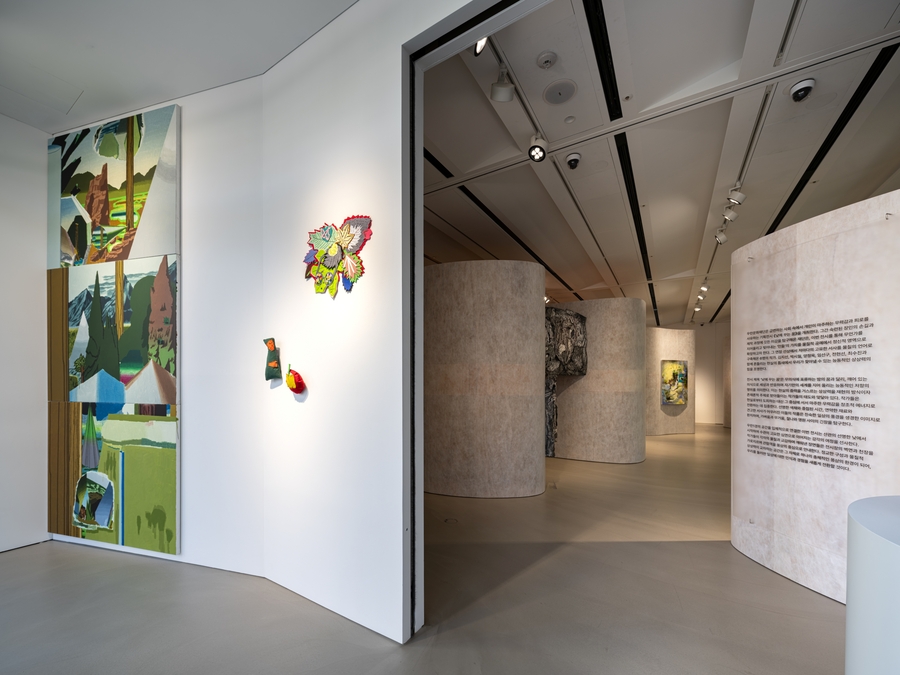
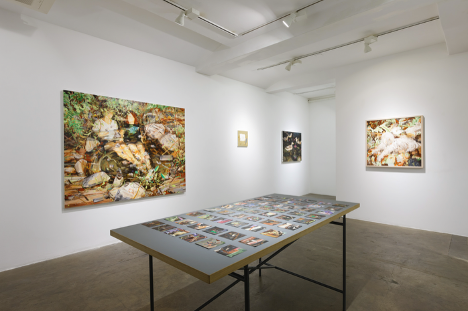
《Corner Walk, Rainbow Breath》(Lee Eugene Gallery, Seoul, 2015) is an exhibition in which this
shift becomes clearly visible. If landscapes in earlier works functioned more
as backgrounds surrounding the psychological states of figures, from this
period onward they become primary subjects that the artist observes and
interprets.
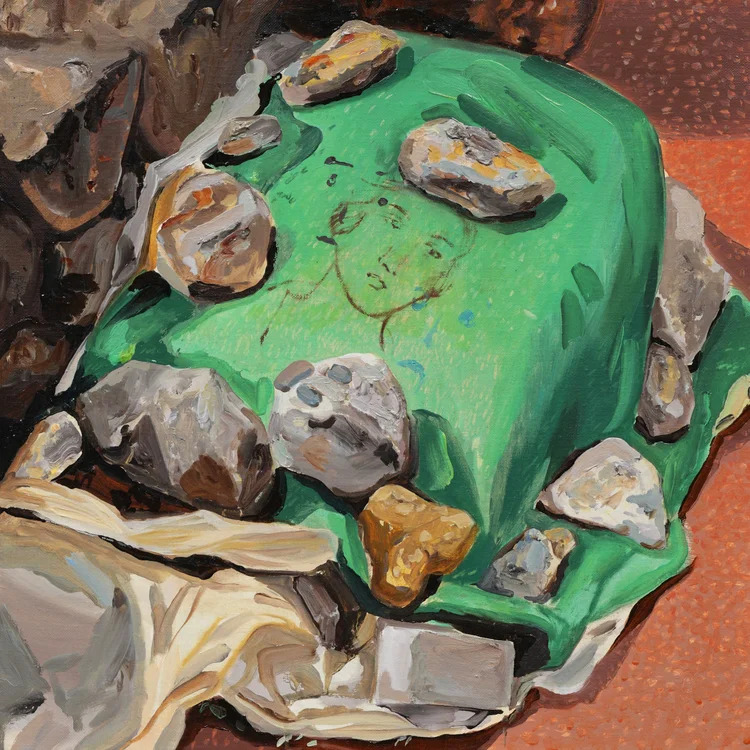
In works such as The Stones of Jeju(2014) and
Sea of Pink Dust(2015), the artist does not transfer actual
places and objects as they are, but transforms them into painterly scenes where
emotion, impulse, and fragments of memory overlap. At this stage, the picture
plane becomes a passage through which external landscapes and inner sensations
move back and forth.
By the
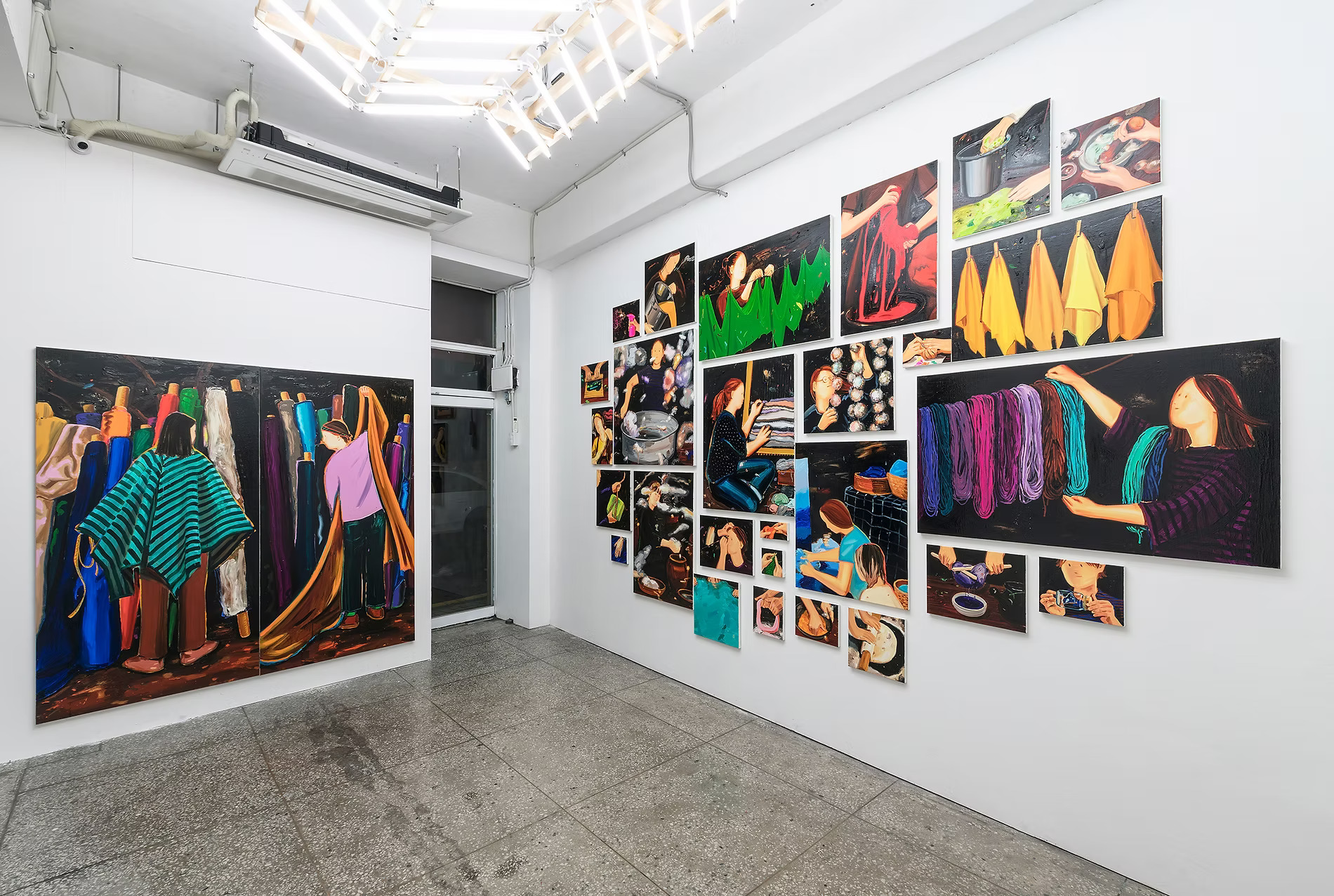
time of 《Studio Rainbow Breath》(Hapjungjigu,
Seoul, 2017), Choi’s attention moves from “what to paint” to “how painting is
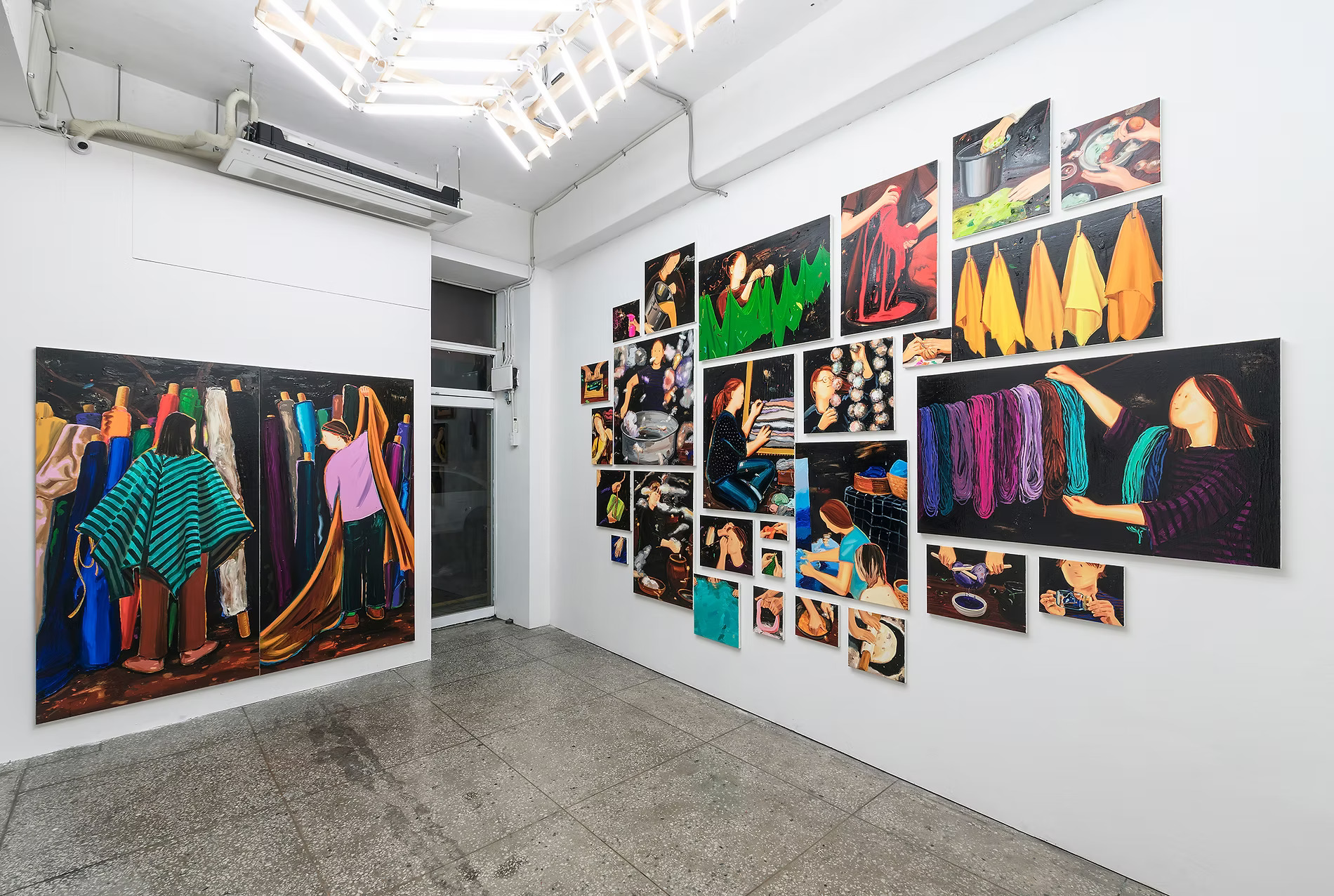
made.” The figures in the exhibition appear like producers who select, collect,
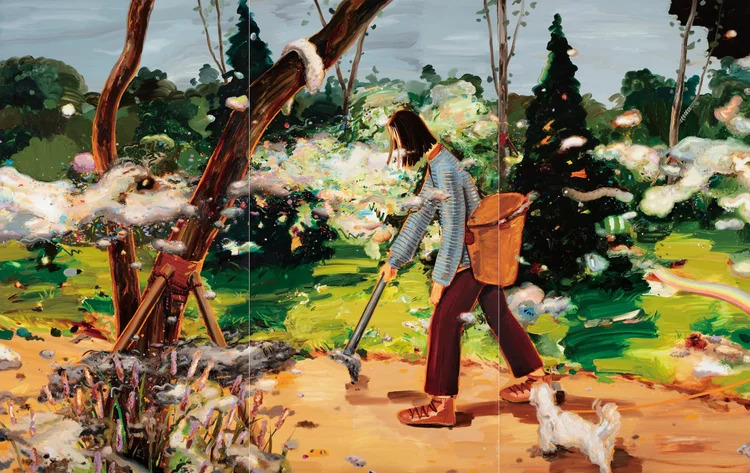
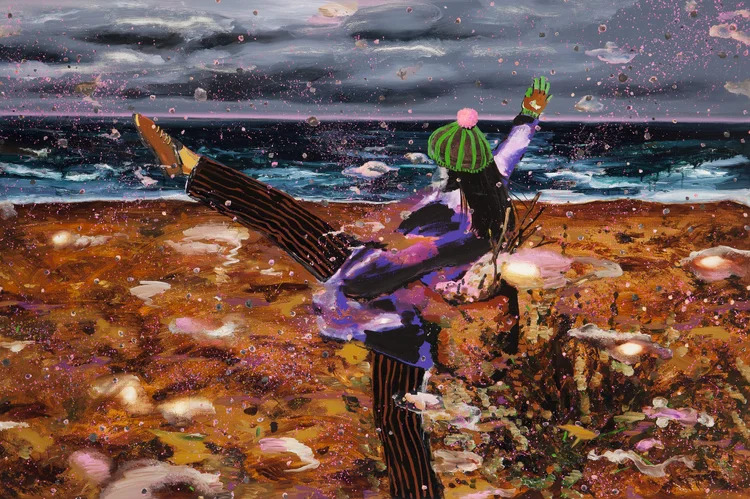
dry, weave, and transport colors. In A Walk(2017),
Gathering Blue(2017), and The Person Who Spreads
Green(2017), “breath” moves beyond a metaphor for emotion and becomes
a formal language referring to the moment when a subject is sensed as color and
form.
“Rainbow Breath” is the process by which a momentary perception is
translated into painting through various colors, while the “Studio” is both the
artist’s body and an imagined space where that process actually takes place.
Later, in 《Fruity Buttercream》(AIT,
Seoul, 2021), this world expands in a more sensuous and playful way. Works
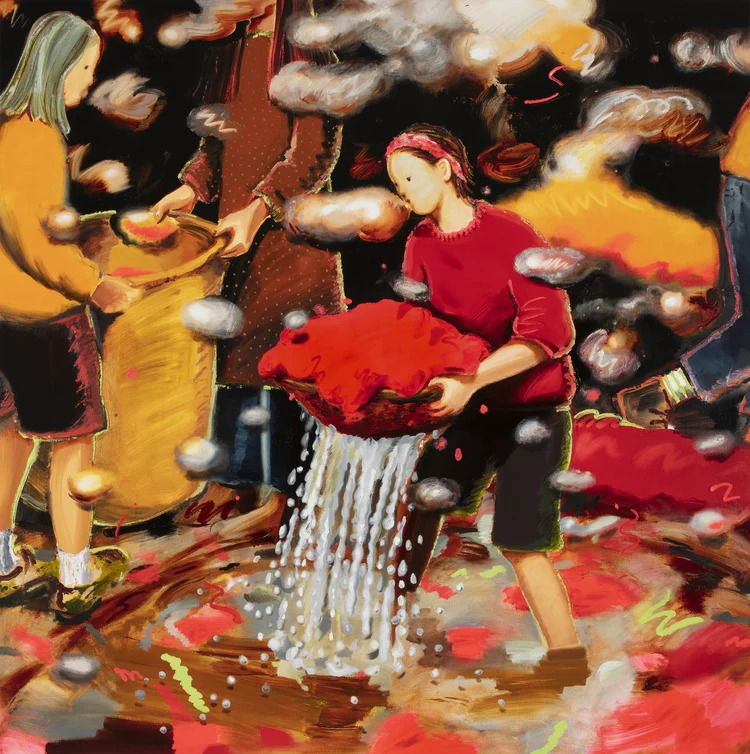
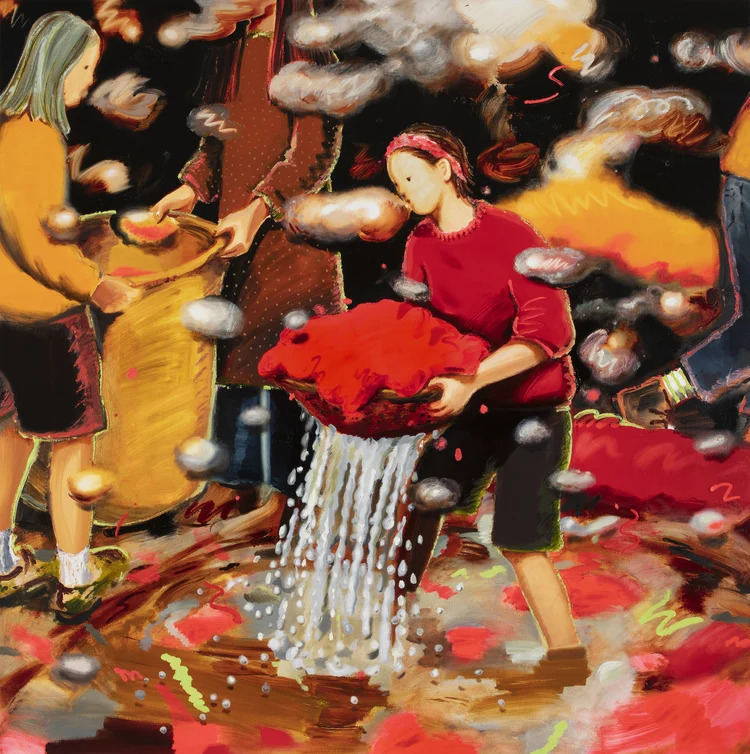
including Hauling Up the Red(2021) extend painting into a
synesthetic world through color, mass, letters, yarn drawings, and sound.
In recent
work, Choi more actively addresses the repetition of everyday life and the
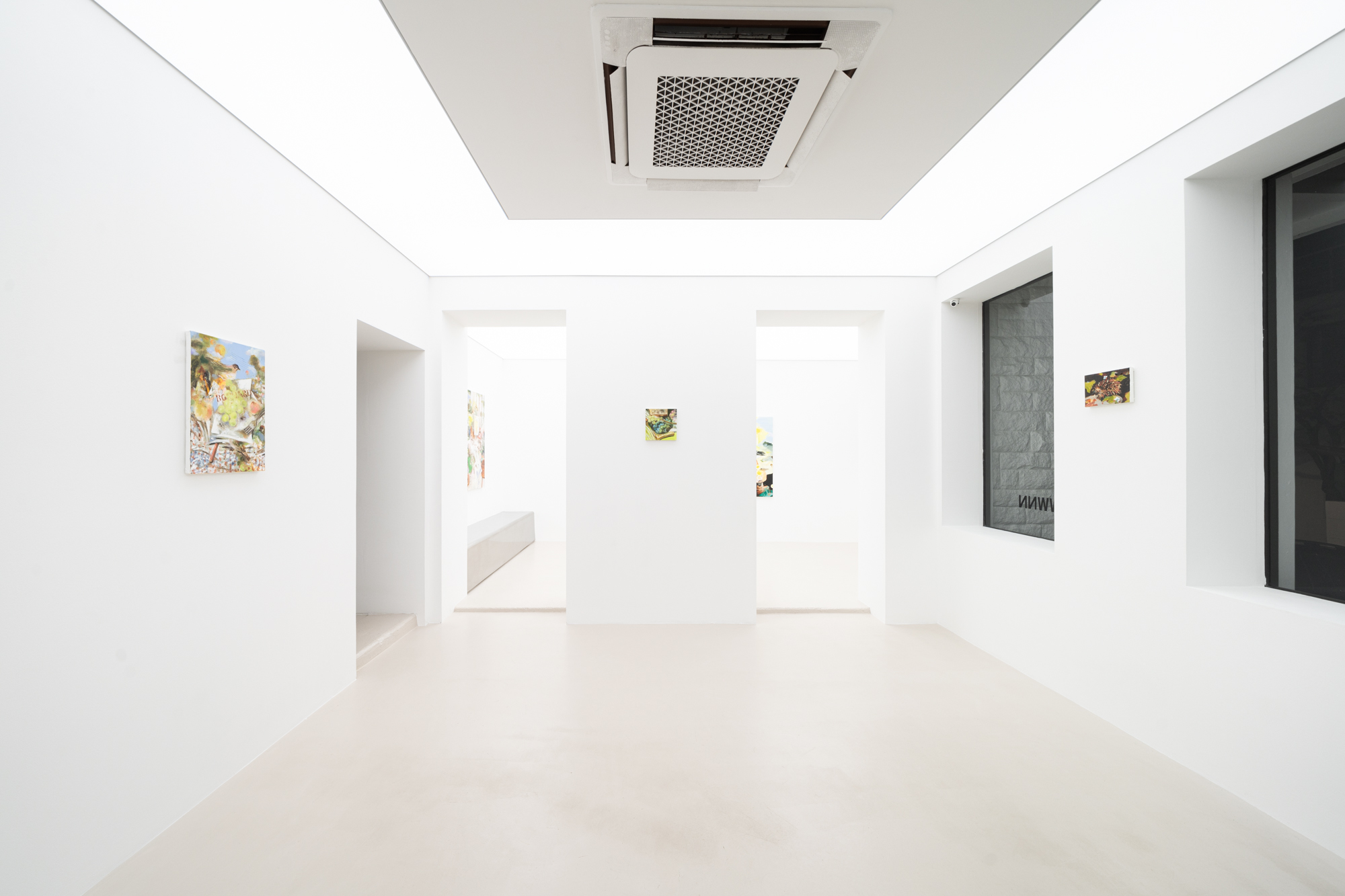
accumulation of time. In 《Pastry Pillow》(WWNN, Seoul, 2023), the pillow is presented as a portal connecting
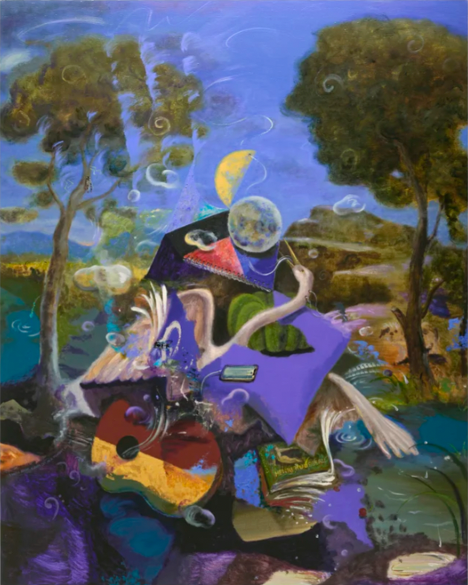
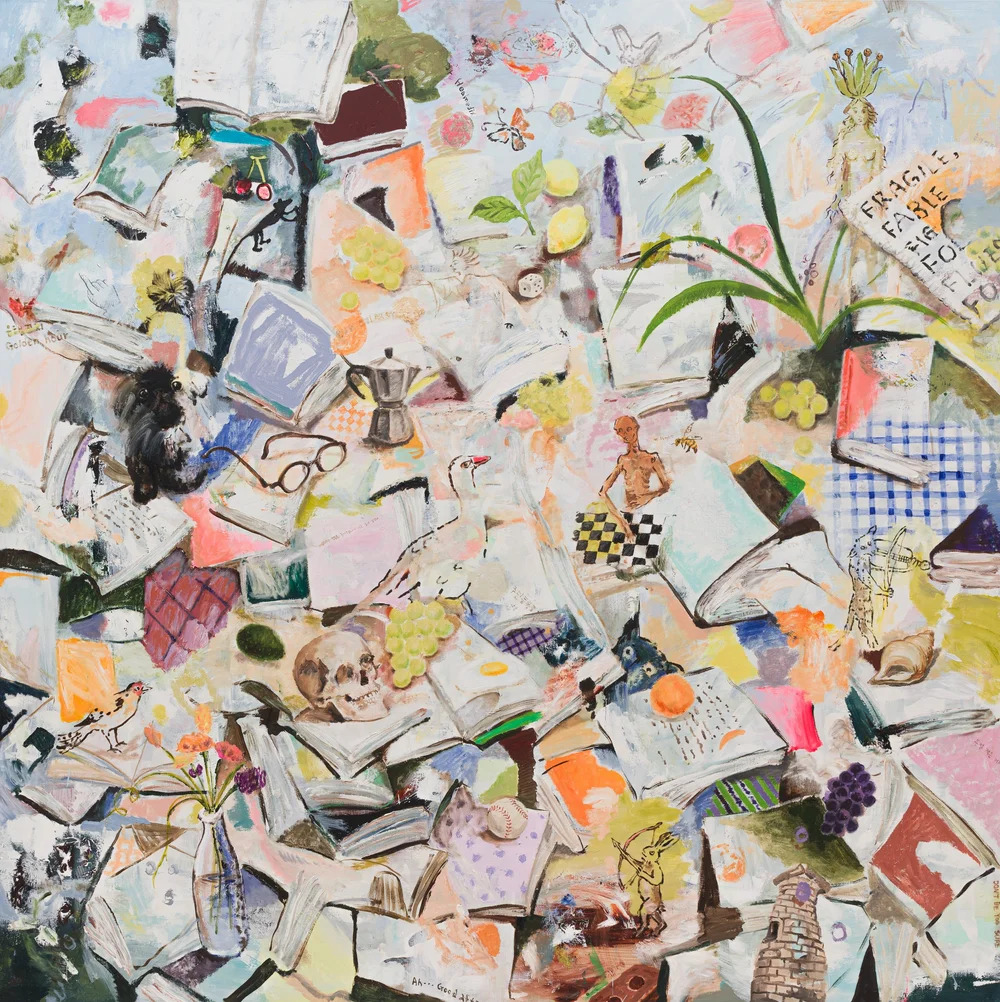
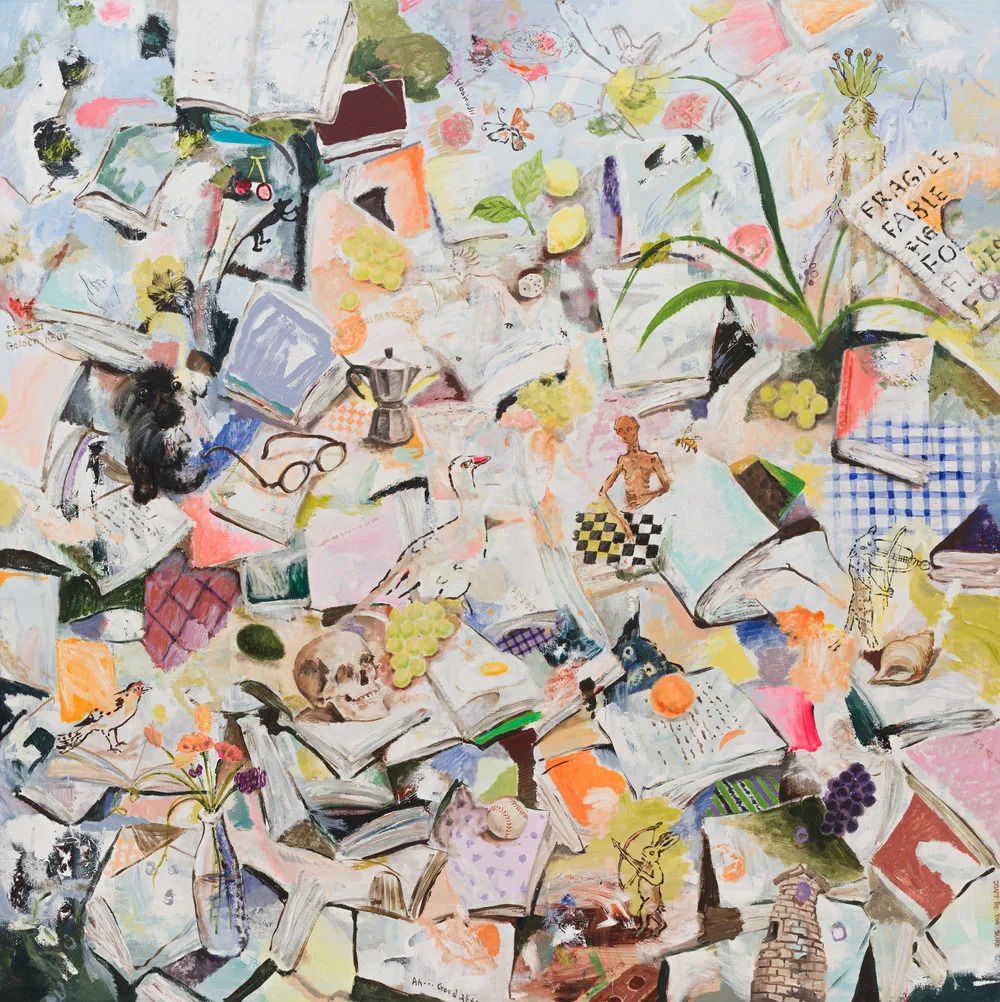
sleep and dreams, memory and the present, while in Patchwork
AM(2023), the sensations of repeated days, objects, animals, and
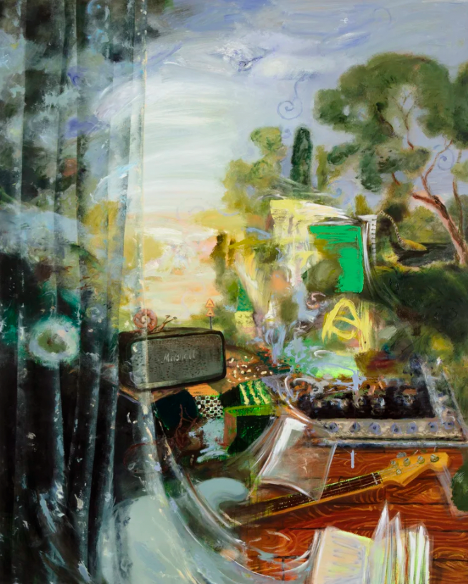
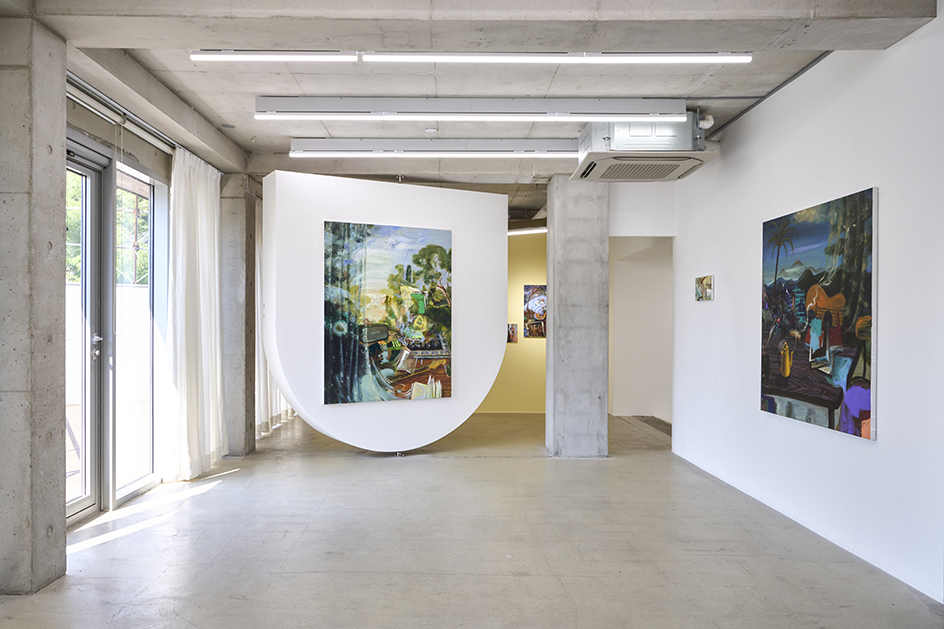
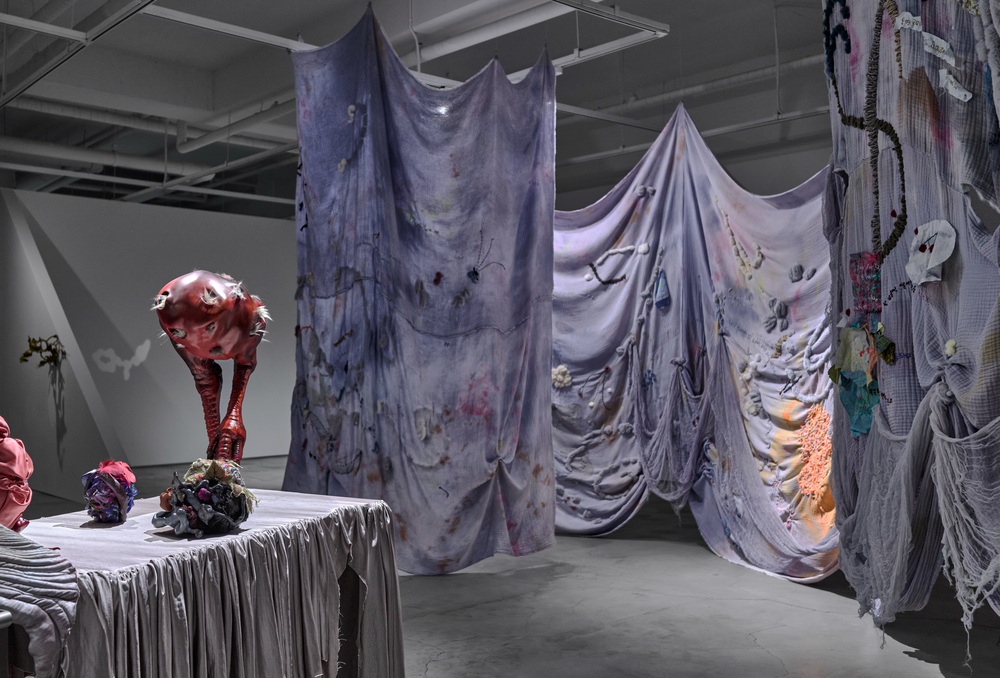
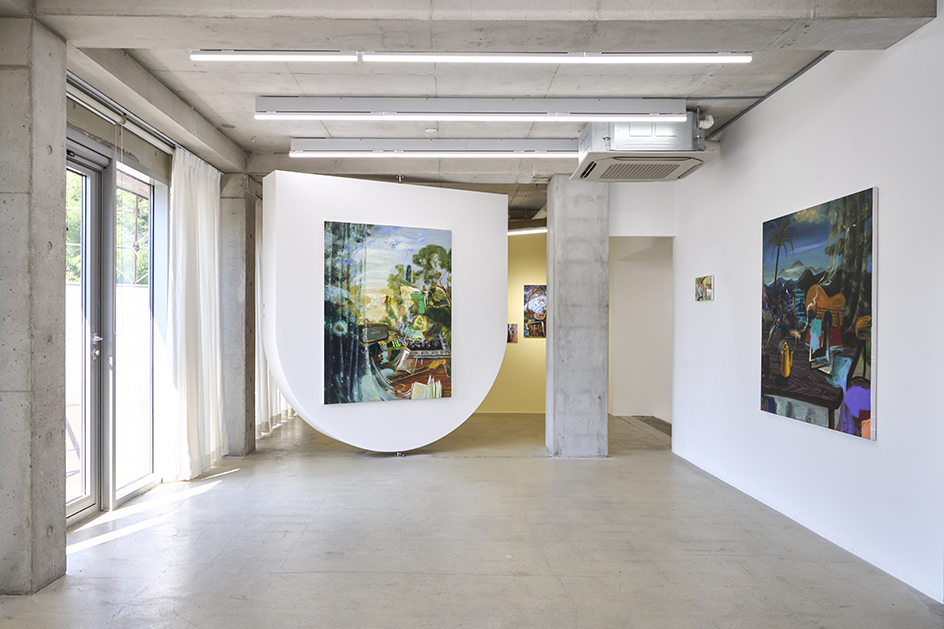
still lifes are woven together like a patchwork. 《Air
Pages》(A-Lounge Contemporary, Seoul, 2024) is an
exhibition that makes this sense of time even more explicit.
The artist places
objects used repeatedly every day, such as curtains, pillows, tables, and beds,
alongside birds, moles, cicadas, and other beings encountered during walks,
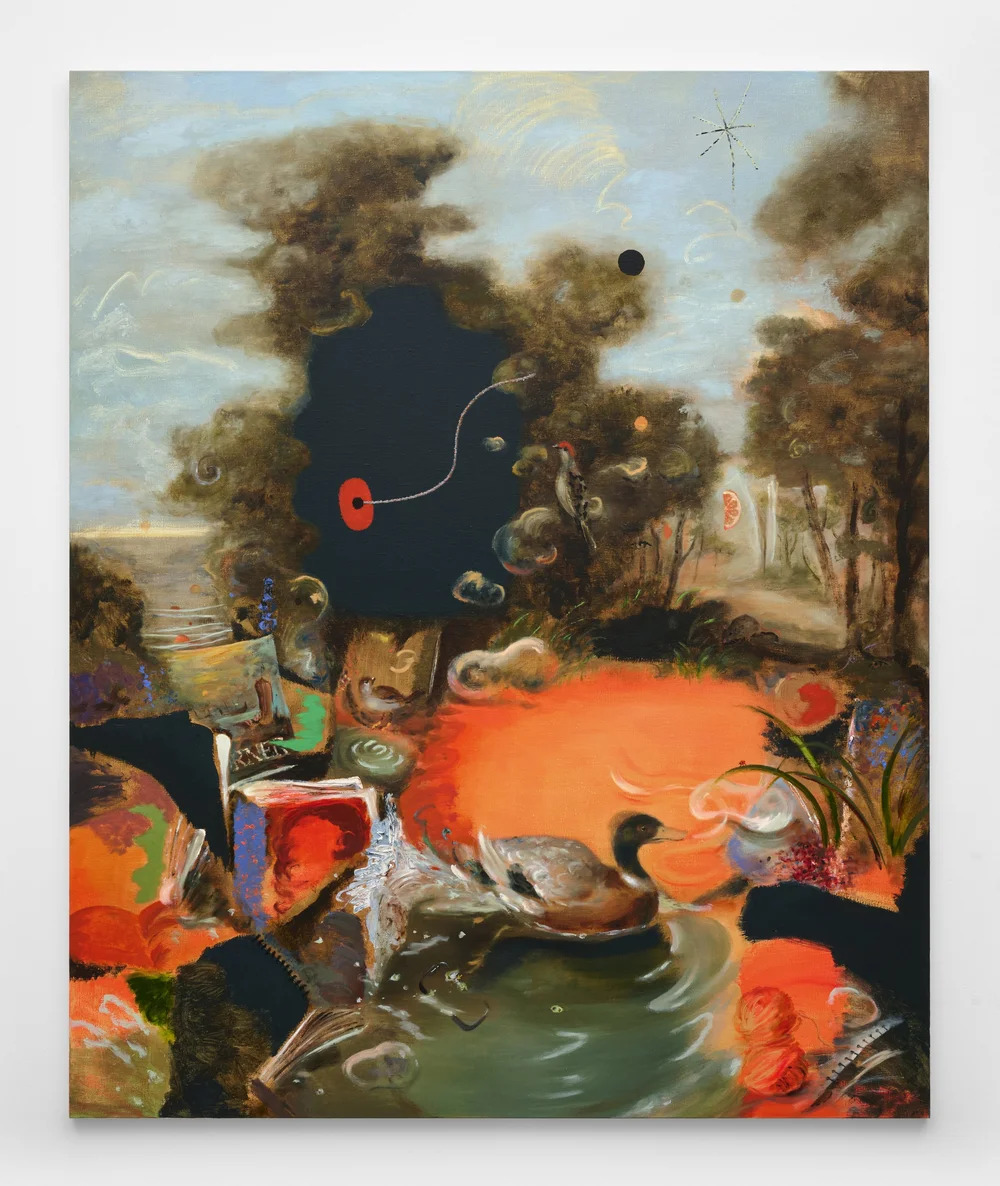
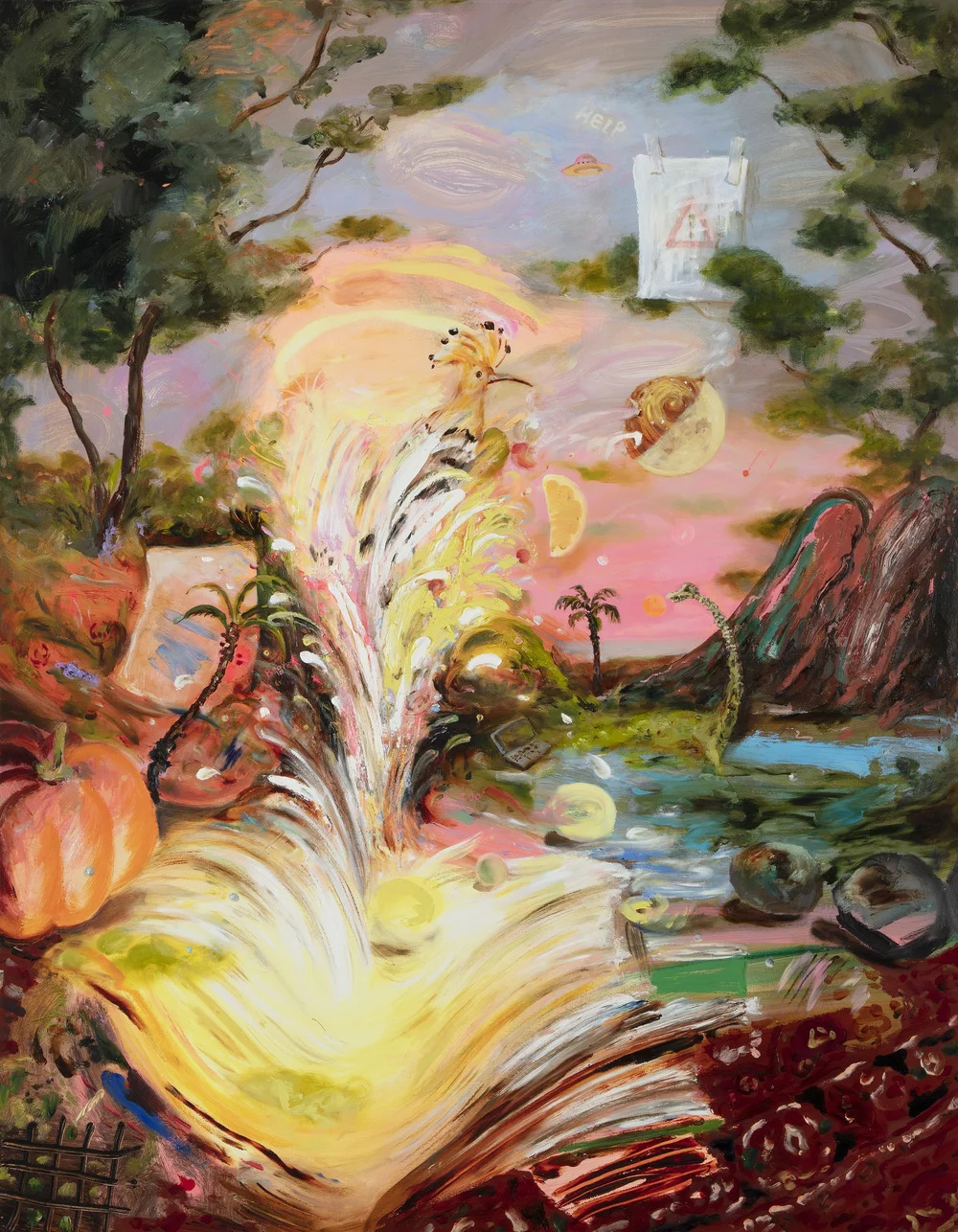
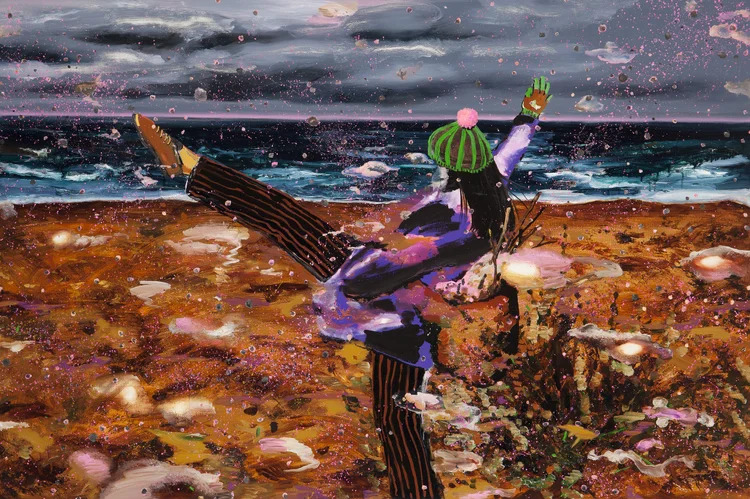
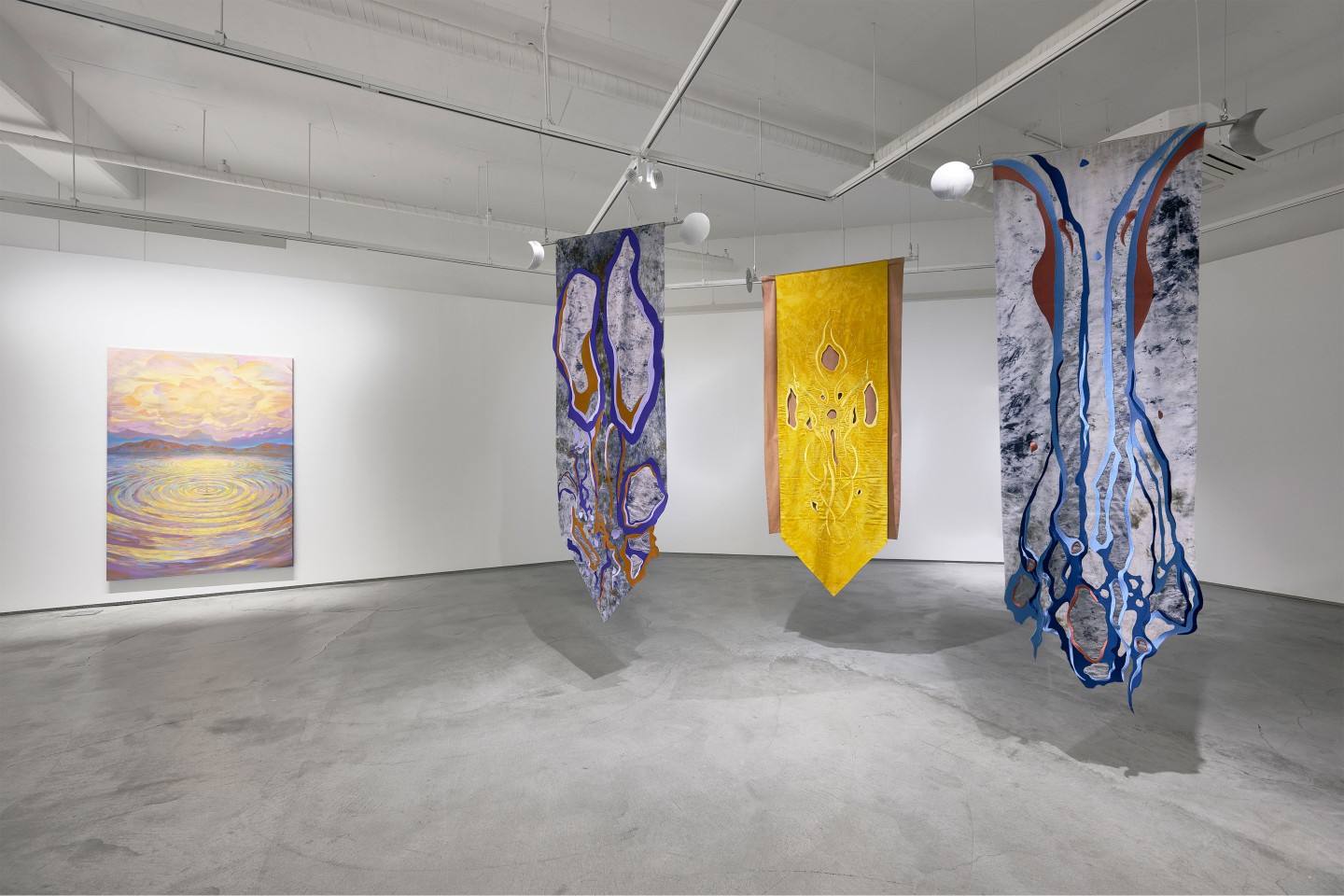
unfolding a day like invisible pages of air. In Sunset
Splash(2025) and other recent works, time is no longer treated as a
sequence of moments, but as a mass in which sensation and memory are layered.
Choi’s painting does not stop at turning fragments of everyday life into
fairy-tale-like images, but explores how memory and sensation accumulate within
the rhythm of repeated life and become stories again.