The Person Who Spreads Green
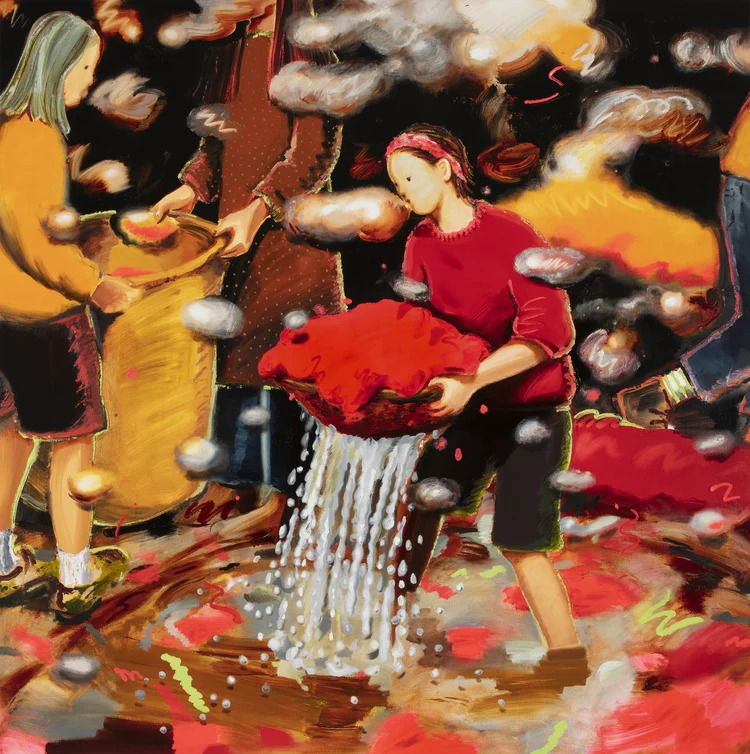
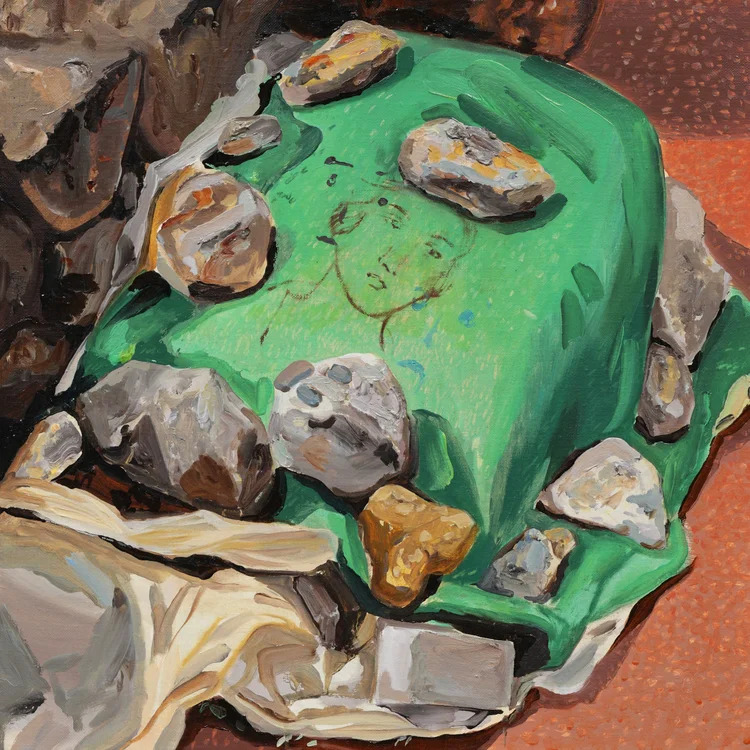
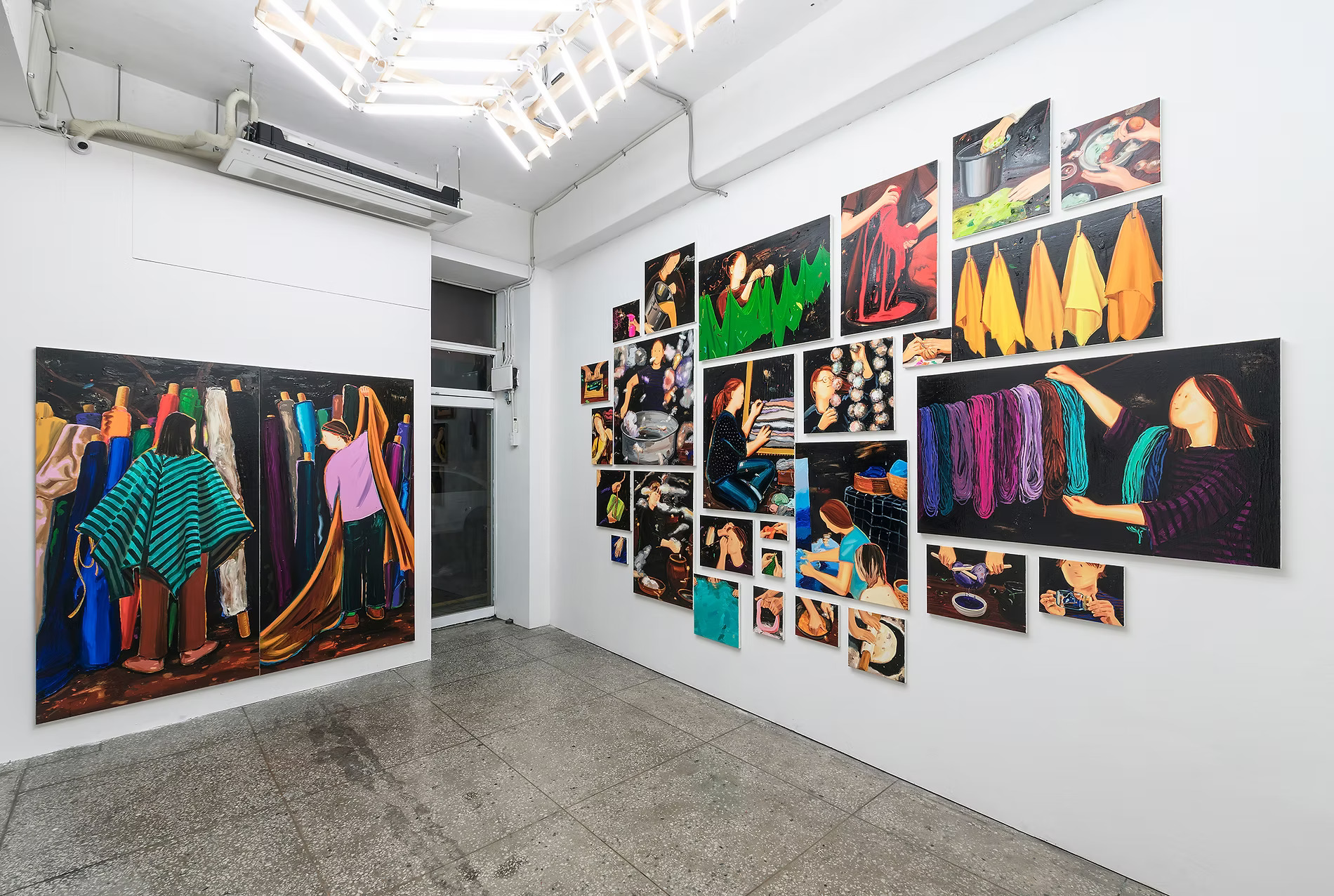
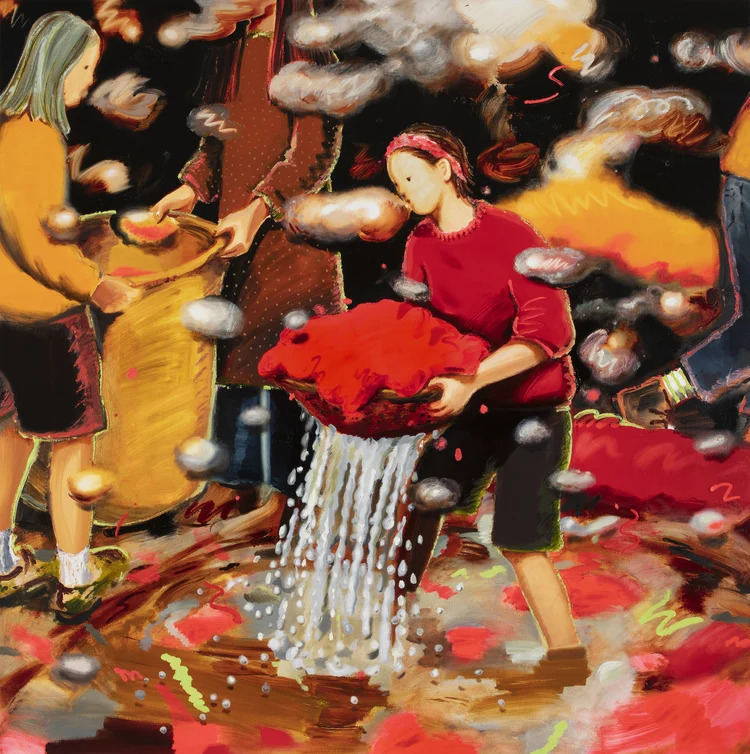
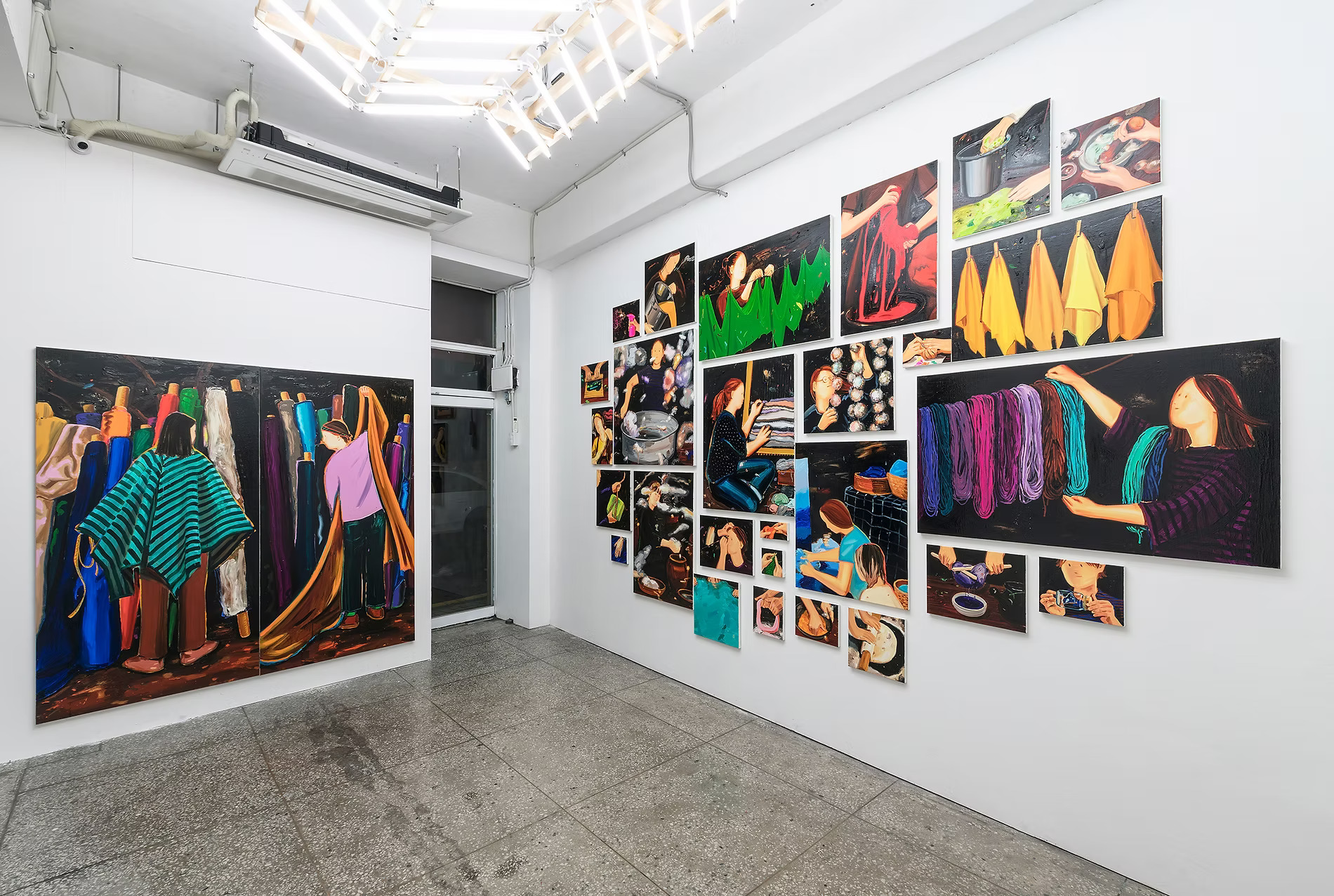
People move busily. As they always have, with practiced hand movements, they diligently carry out their assigned tasks. In their hands are not only familiar materials such as thread and fabric, but also unidentified lumps, liquids, and substances. In a black space where countless colors are stacked or suspended, they are absorbed in comparing and selecting colors, collecting and soaking them, aging them, brewing them, kneading and shaping them as if cooking, tearing and ripping them apart, mixing, separating, pouring, and drying them.
The carefully prepared lumps of color become thin threads and are wound into skeins, or are woven again into finely colored cloth, cut, dried, processed, and made to wait for the next stage.
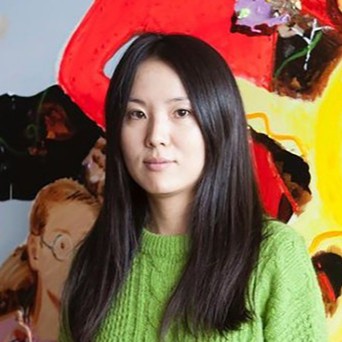
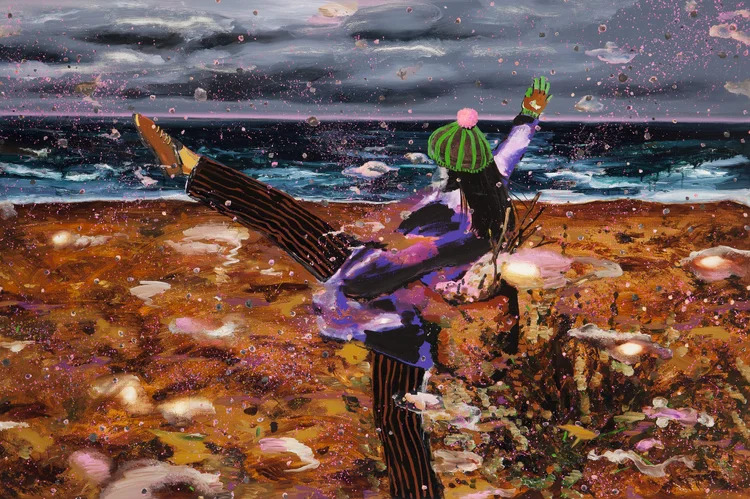
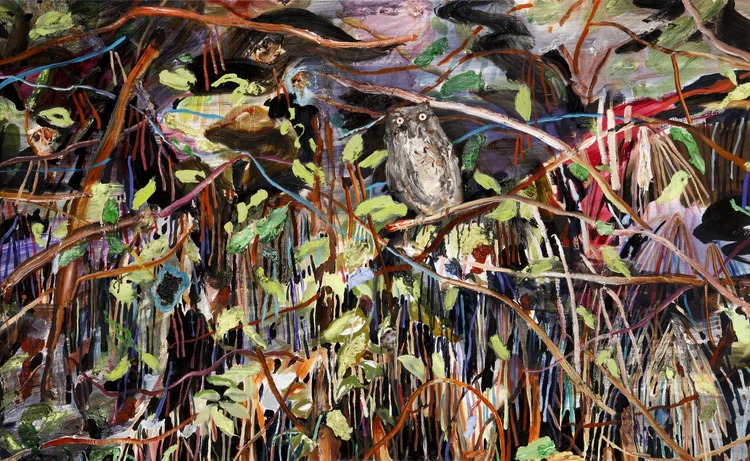
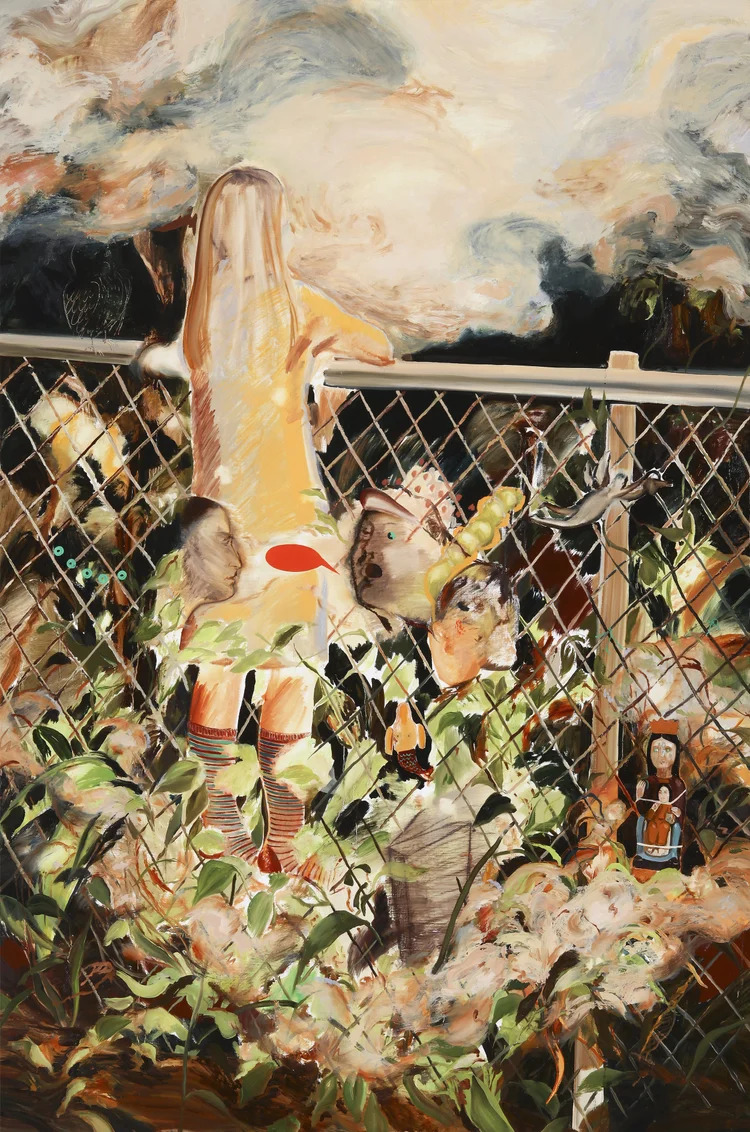
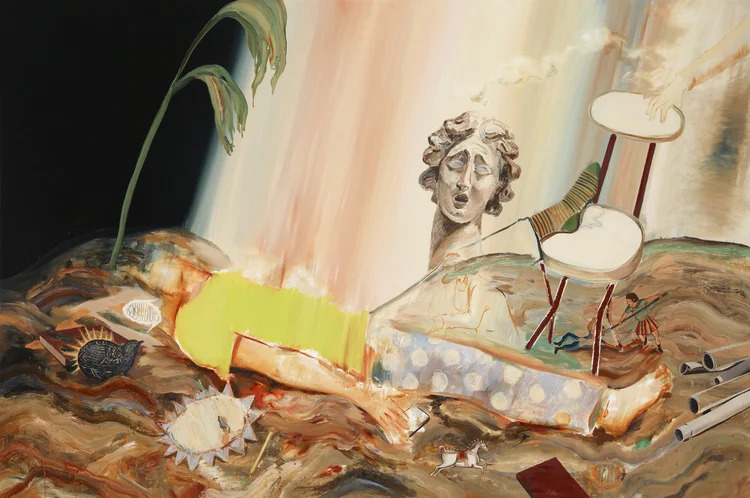
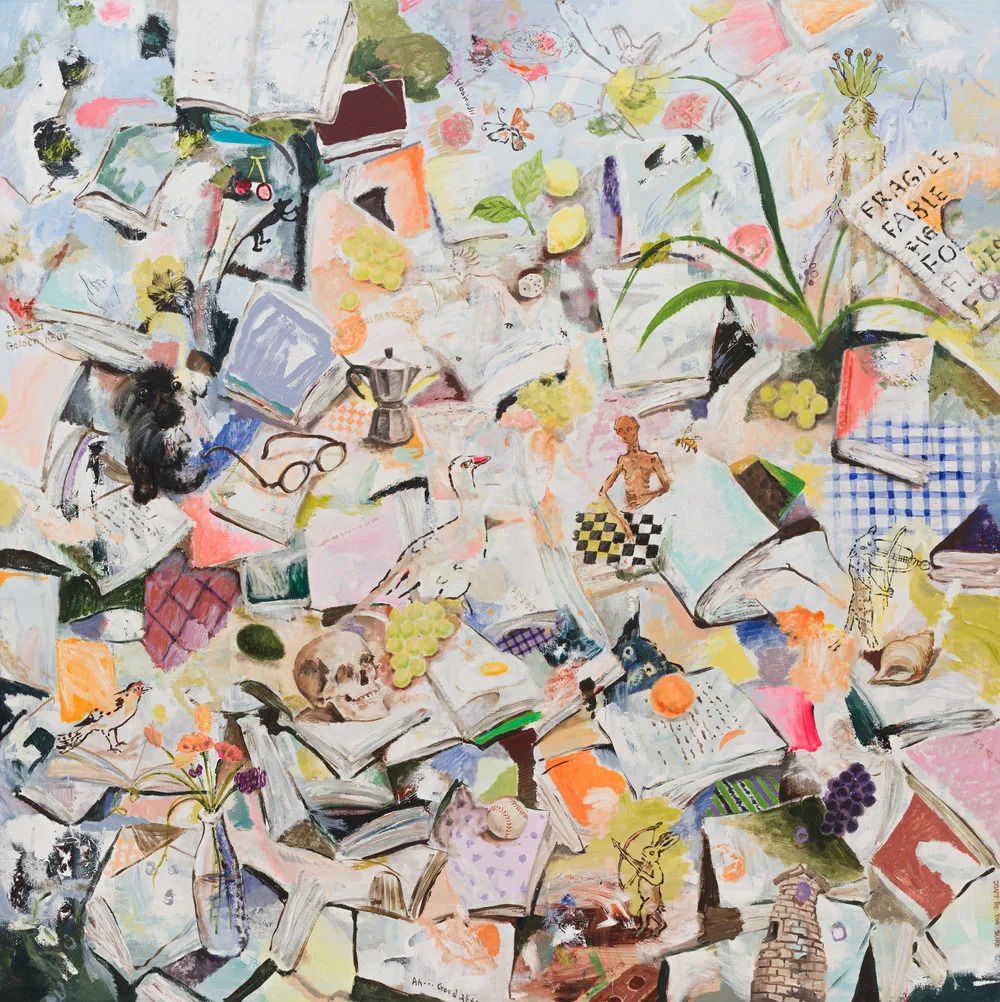
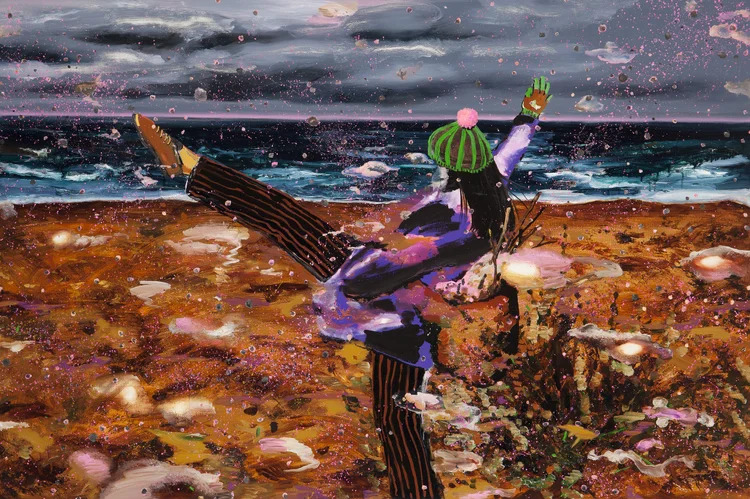
Choi Sujin has painted dreamlike landscapes and portraits of figures through intuitive uses of color, brush marks that have brushed across the surface at various speeds and movements, and the natural irregularities of surface that result from them, addressing the subjective emotions and psychological issues of individuals responding within various human relationships.
Her fifth solo exhibition, 《Studio Rainbow Breath》, begins from more fundamental questions about the point at which the artist’s gaze and perception of an object are manifested, and about the process through which this is transferred into an image within the pictorial plane.
If her previous paintings focused on figures or relationships between figures as the objects of painting, she now deeply traces, within the expressive language of painting, the instant in which she wants to express that object pictorially and the moments when she, as a painter, contemplates the act of “drawing” or “painting.”
For quite a long time, “breath” has been a subject of the artist’s paintings and part of their titles, but for even longer, within her personal experience, it has been something that made her alternately aware of pain and of being alive because of asthma.
Just as sensing and adjusting the intensity with which one breathes and the subtle weight of breath, and barely reaching a state of calm, requires properly trained patience and a sensitive process of awareness, for the artist, breath has become an important formal language through which she can delicately and metaphorically reveal a psychological state toward an object.
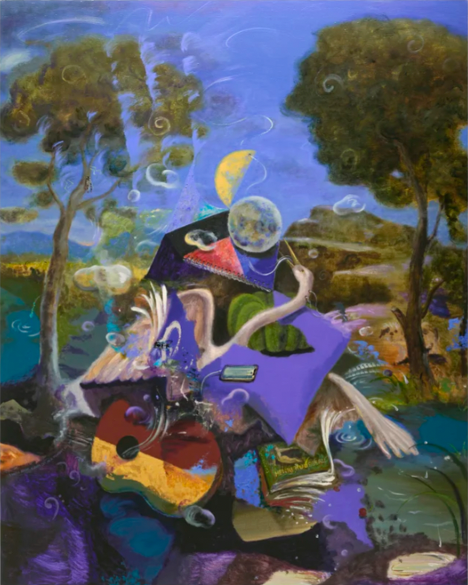
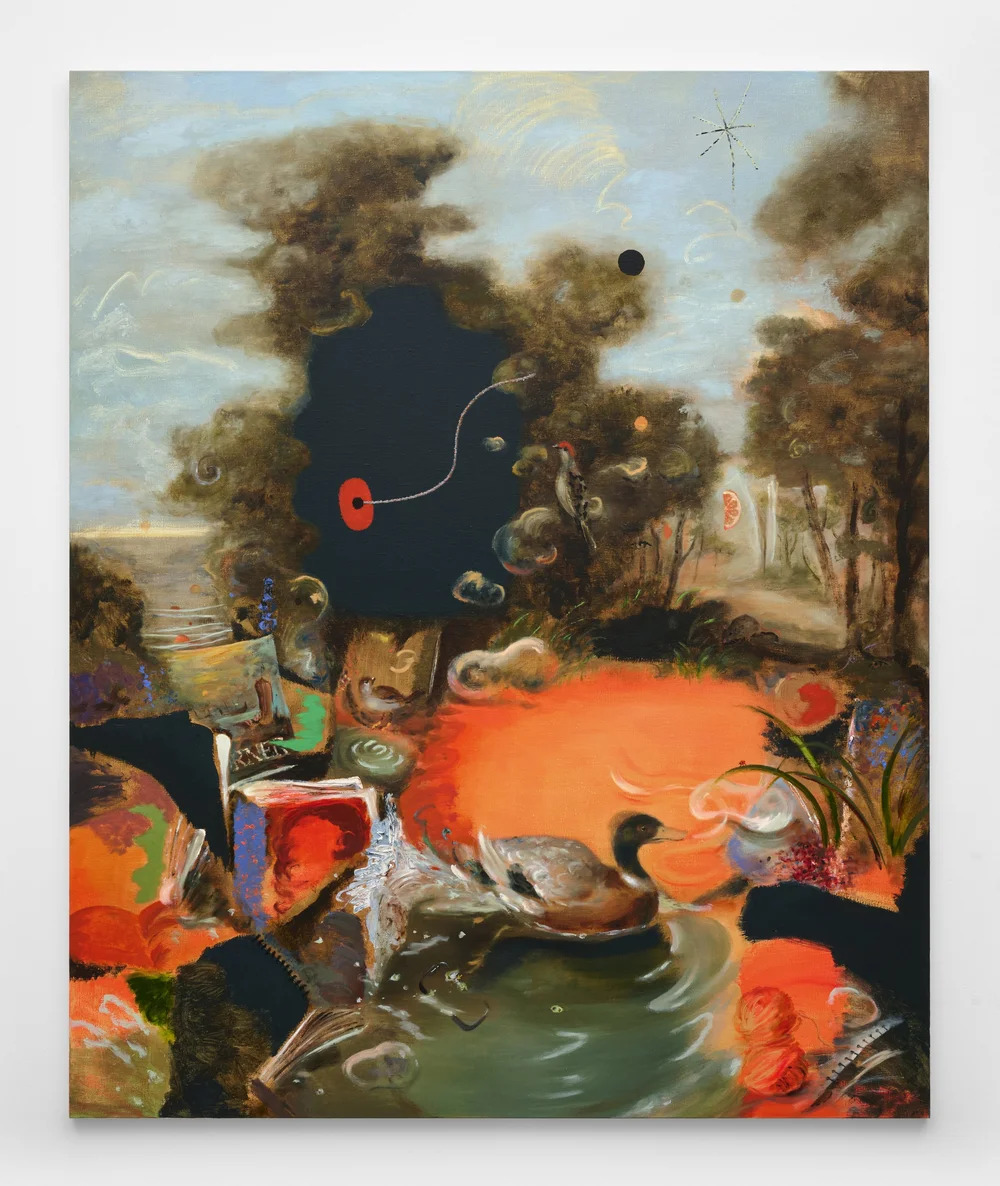
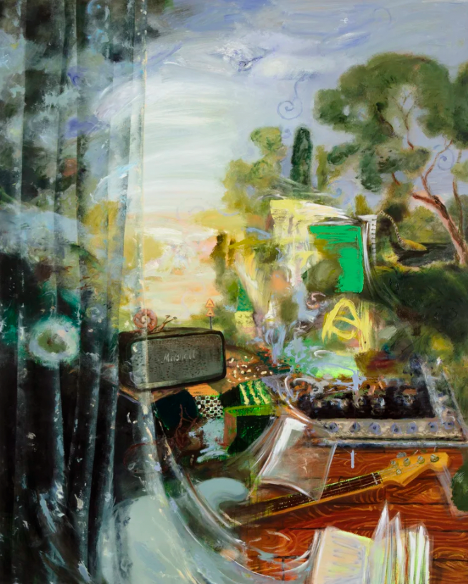
It appears in the picture plane as various forms floating in the air, such as clouds, vapor, fog, rainbows, smoke, or dust. Just as actual breathing creates the movement and flow of air, breath in her paintings—as one way of metaphorically expressing the artist’s subjective psychology toward an object—becomes an important element that creates various colors, forms, and rhythmic brush movements, while determining the expression of paint and the irregularities of the surface. Above all, breath signifies the moment when the artist instinctively or intuitively perceives an object pictorially.
The word “rainbow” in the exhibition title is another visual expression of breath in that it is a phenomenon that occurs in the air, while also carrying the meaning of communicating one’s personal thoughts and feelings about an object through color. In this context, “rainbow breath” refers to the process of pictorially expressing a momentary perception of an object through various colors, and “studio” metaphorically indicates the artist’s body as the place where such a process actually occurs, the place where perception of an object is transferred into concrete painterly practice.
It is a place where visual metaphors are generated through color and the various actions of figures. Inside it, the figures busily repeat acts of discovering, choosing, selecting, making, touching, and refining something. Here, the background, rendered especially dark like a theatrical stage, makes more prominent the perception of color, the process of making color, or more precisely, the actions of figures who find the appropriate color and form the image. At times it also subtly reveals the appearance of a painting that will be partially completed, providing links between works.
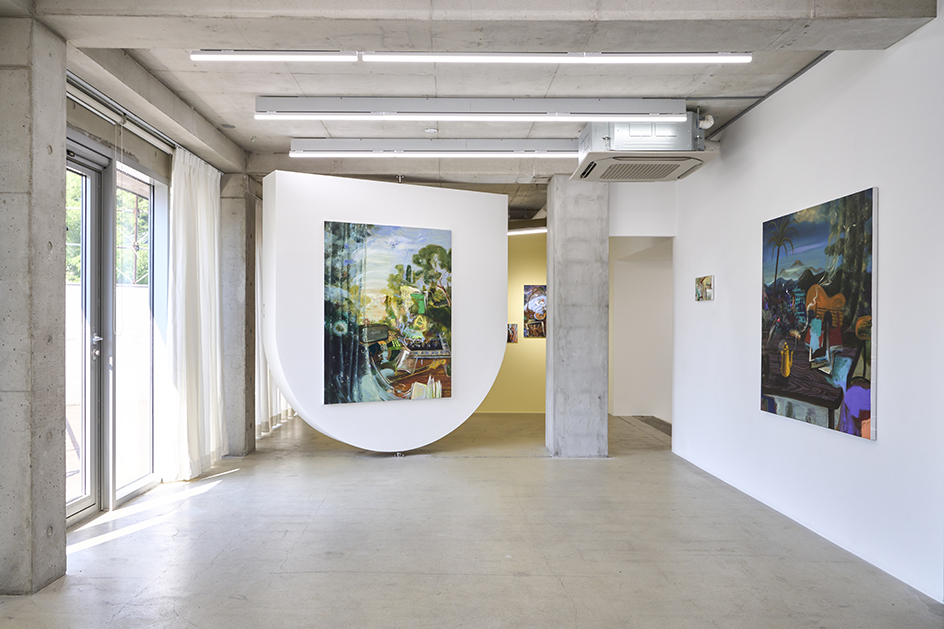
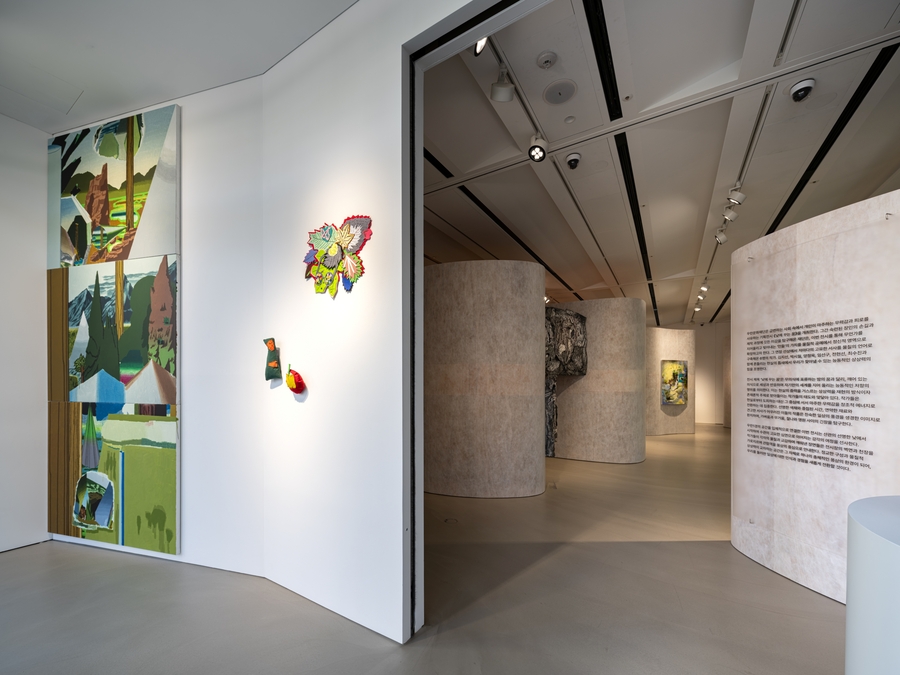
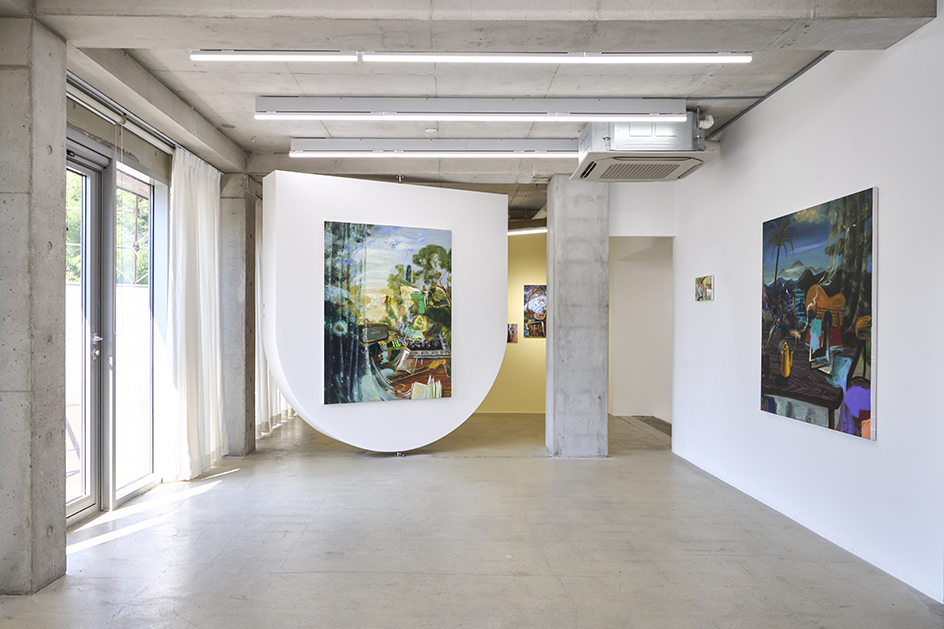
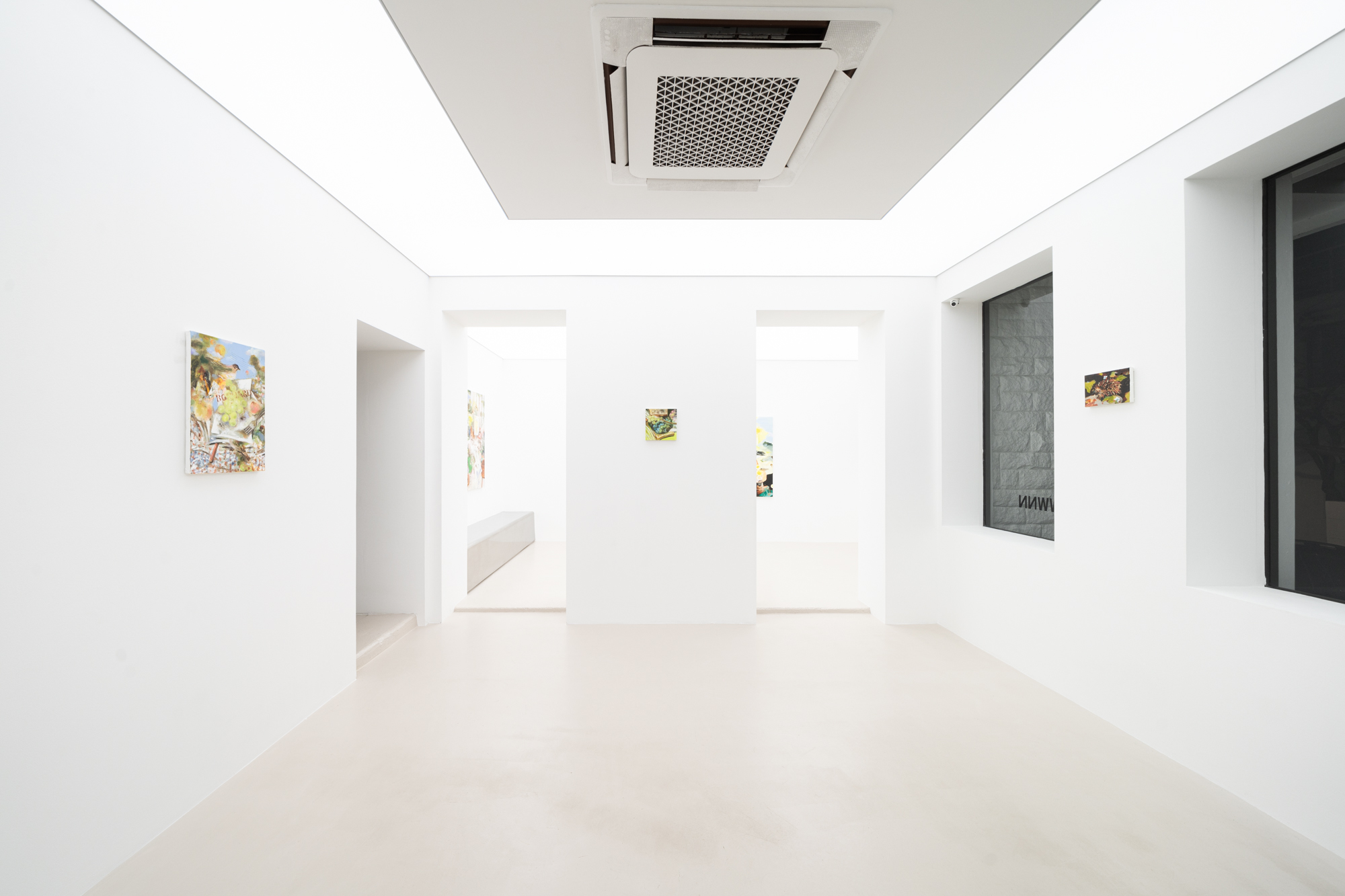
The works exhibited on the first floor contain, within the chain of actions performed by each figure and the material states of color expressed through various pigments or materials, the process by which the artist pictorially perceives an object within her inner world and transfers it through her body onto the picture plane.
In this sense, if one views painting in terms of physical action, it may seem to be merely the result of a simple process in which the artist selects pigments to express an image that has arisen in her mind, then transfers, applies, and layers them onto the material surface of a flat plane. Yet as the landscapes Choi paints suggest, before something can exist as a work, it requires a process of thought demanding intense concentration, as well as the repetition of countless processes and trials and errors, choices and discernments, plans and experiments.
What is interesting in the artist’s case is that the question of choosing colors, which occupies an important place among the formal elements of her painting, appears under the concept of “making” color as a collection of highly visual and tactile actions. This ultimately leads to the painterly matière created by the images that appear as various brushstrokes and by the quantity and texture of pigment in her paintings.
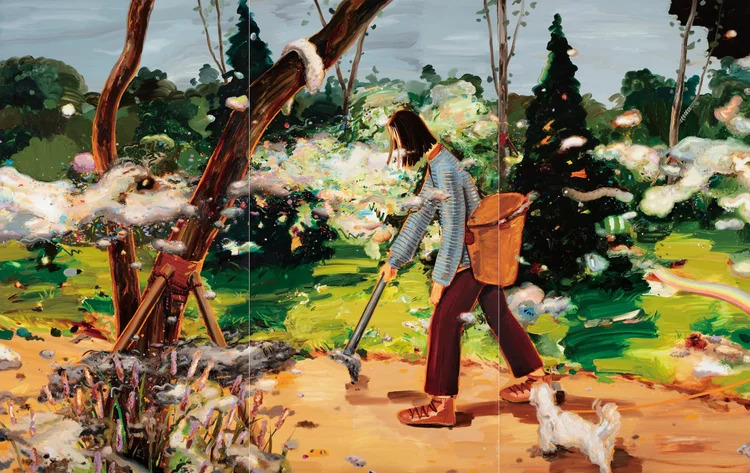
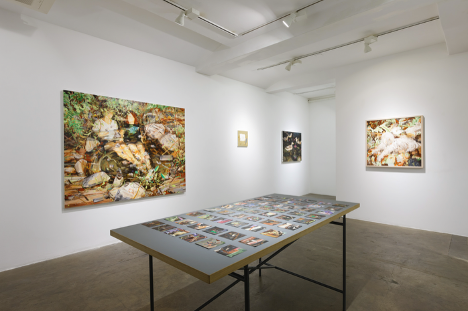
This converges in the large-scale work A Certain Walk(2017), measuring two meters high and three meters wide and exhibited on the basement floor, and then once again draws the viewer’s gaze back to works containing the processes that formed its starting points, endlessly recalling the meaning and expression of painting.
From Gathering Blue(2017) to The Person Who Spreads Green(2017), the images expressed in frames of different sizes indirectly convey different actions, instinctive senses of selecting color, and the moments when these become manifest as painterly expression. These are paintings that metaphorically contain the totality of large and small events occurring throughout the body and mind.
Perhaps they are also a kind of inner self-portrait, quietly whispering in an honest voice about the painter herself experiencing the process of sensory expression toward an object through form and color, the things that happen inside during the arduous process of painting, and the process through which images are generated through her body.
Above all, in this secret space named “Studio Rainbow Breath,” there is leisure within busyness, and there is joy even within the tension that fills every gap between the chain of tasks that seem to require faultless execution. Moving one step beyond her previous works, which contained experiences and memories of concrete events from her personal history and the emotional states closely attached to them within landscapes with figures, Choi Sujin now poses more fundamental questions about painting to herself.
She actively unfolds, through the act of painting, the basic attitude and thought by which she, as a painter, perceives the world as an object of painterly expression, as well as the concrete problem of the senses needed to express it appropriately.
At least now, like the people in the studio who, even in the darkness where it is difficult to see ahead, follow colors each emitting their own light and skillfully carry out their tasks without panic or haste, the artist seems to take as a kind of pledge these alter egos and inner self-portraits drawn almost like confessions, and to continue diligently “painting” at her own color and speed, deepening her thoughts on painting and fully enjoying the small pleasures discovered in the process.
_Hwang Jungin(Curator, Project Space Sarubia Dabang)