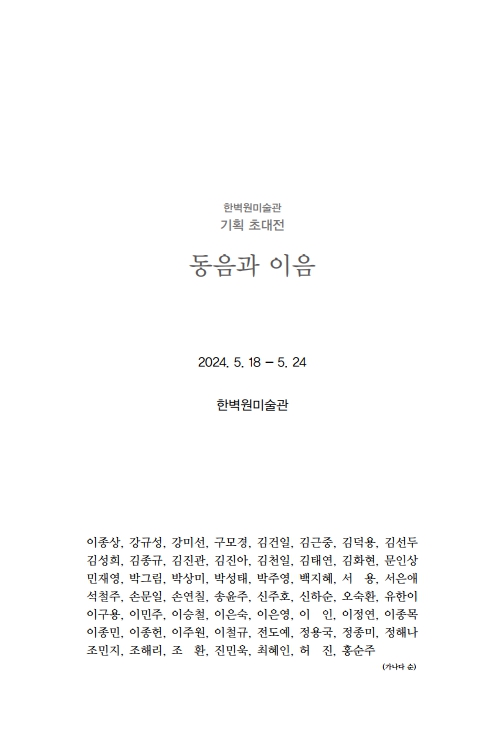
Same sounds (同音) and different sounds (異音).
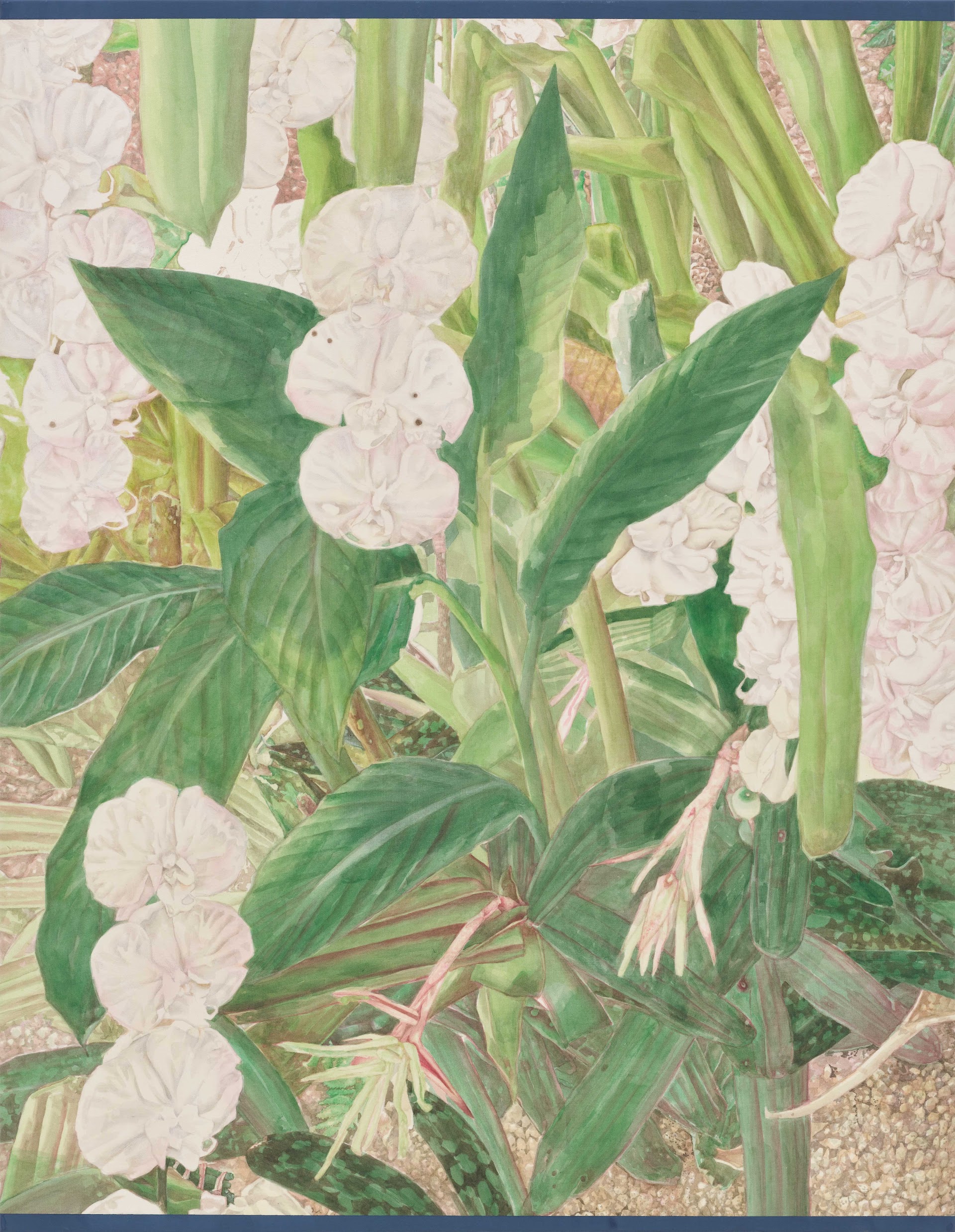
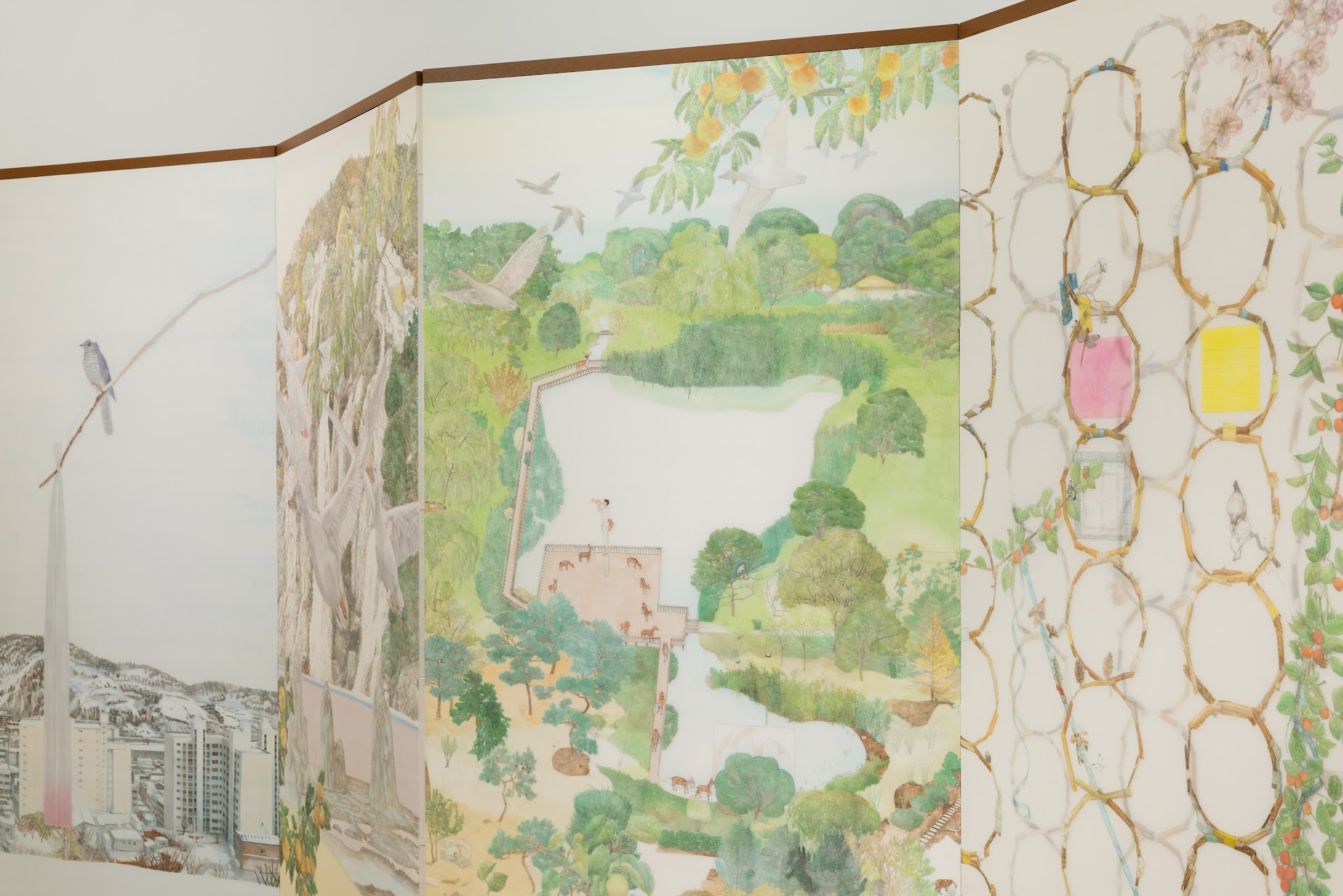
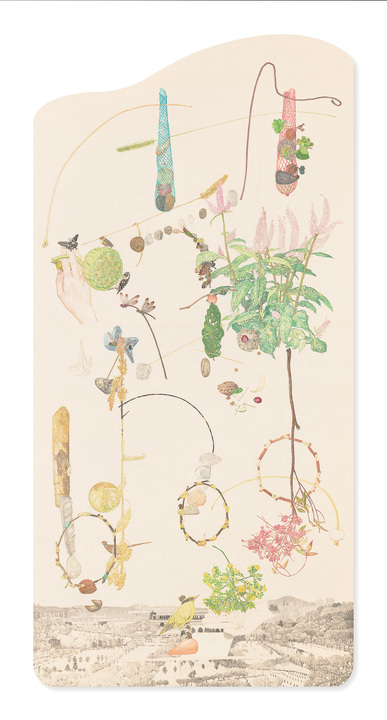
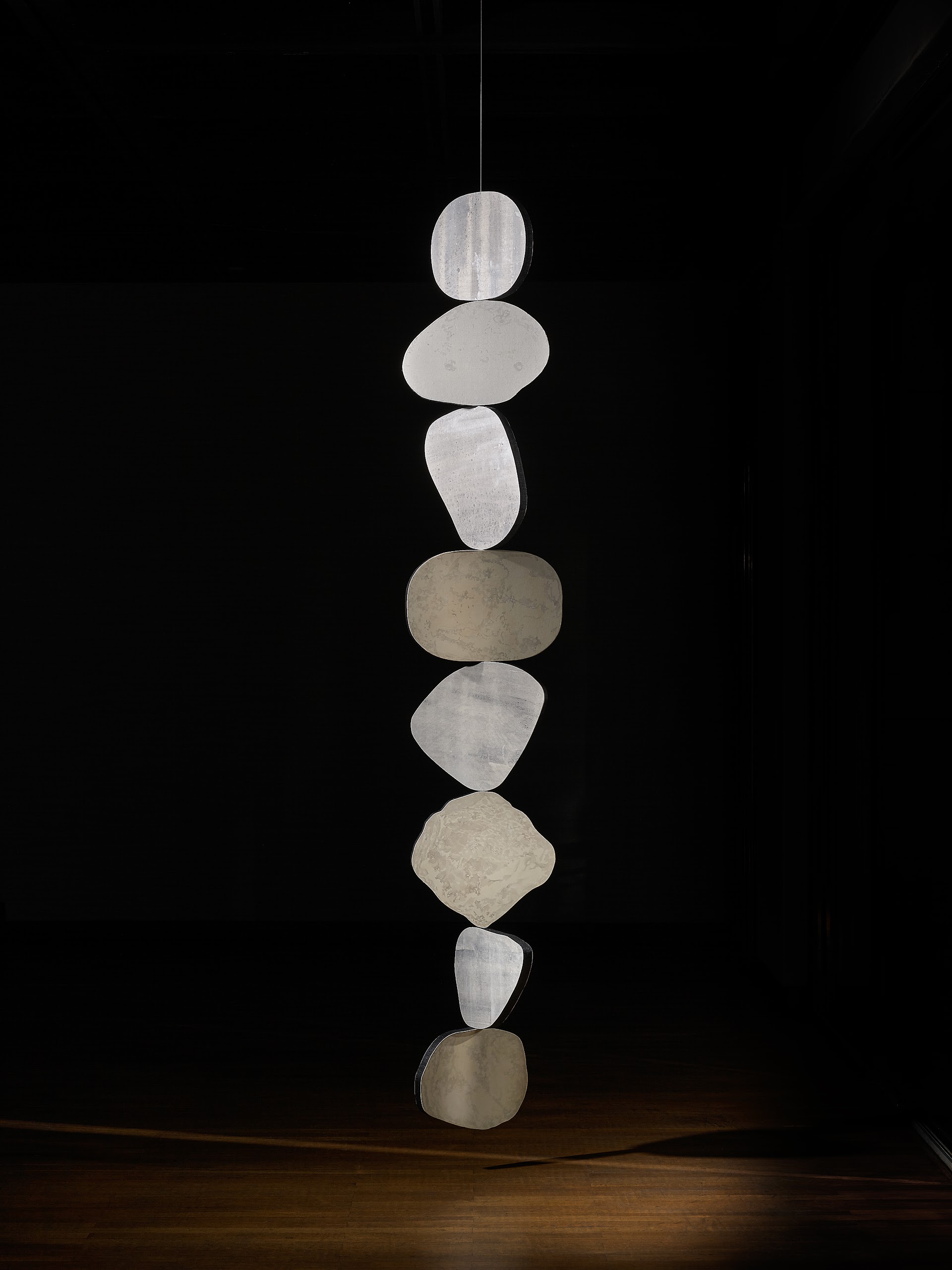
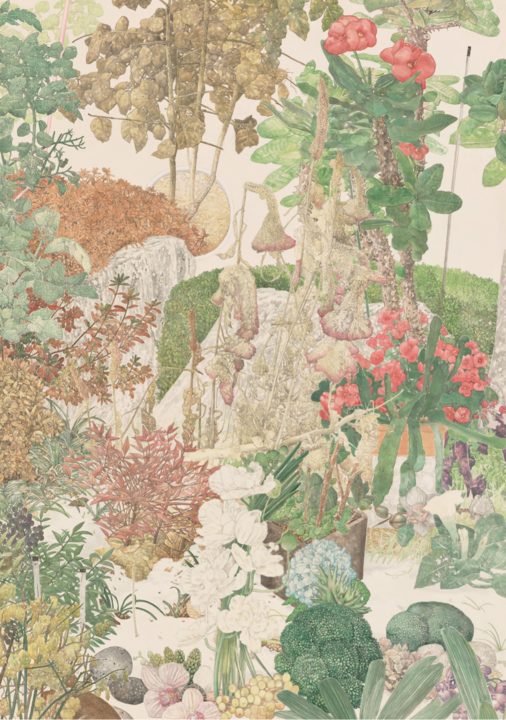
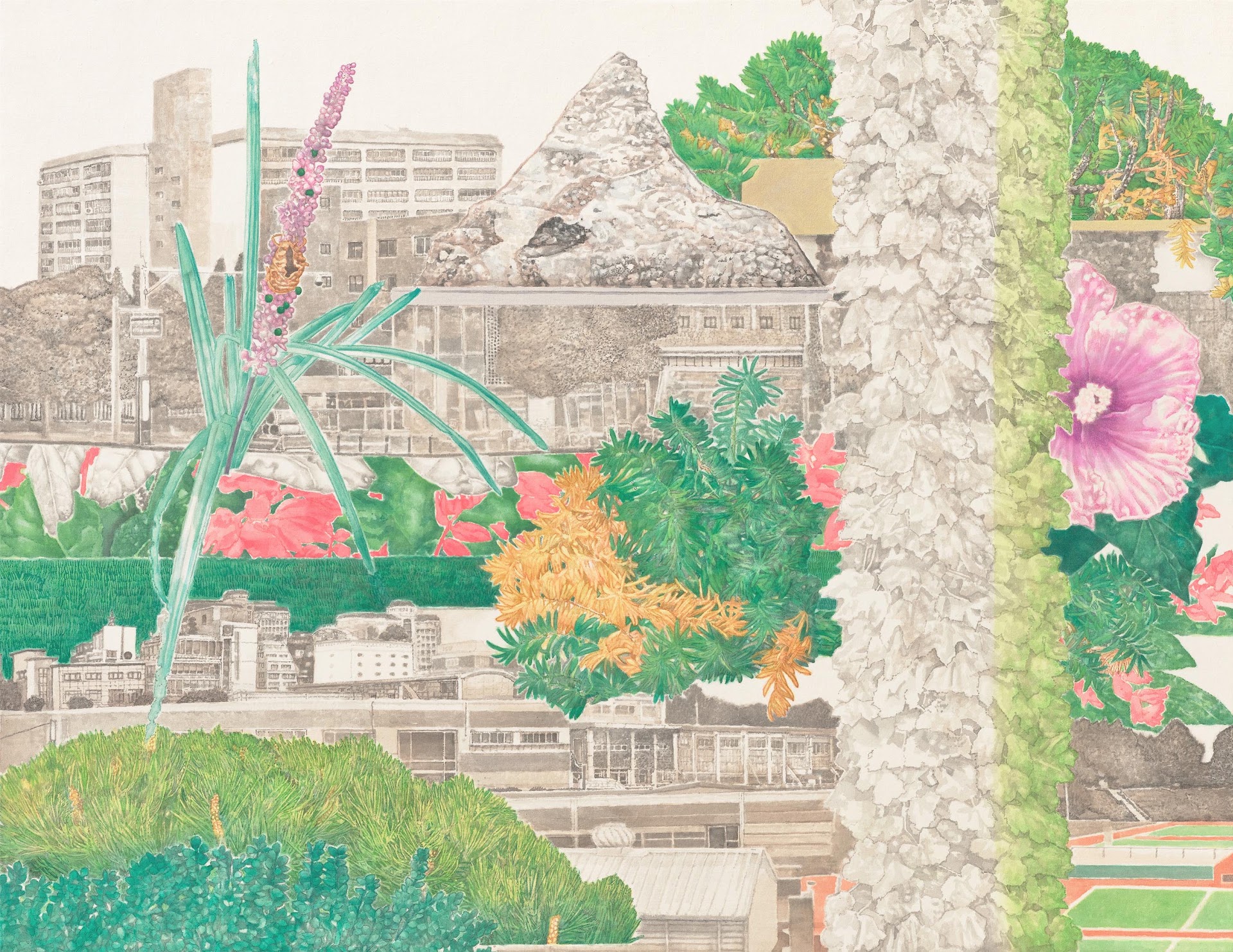
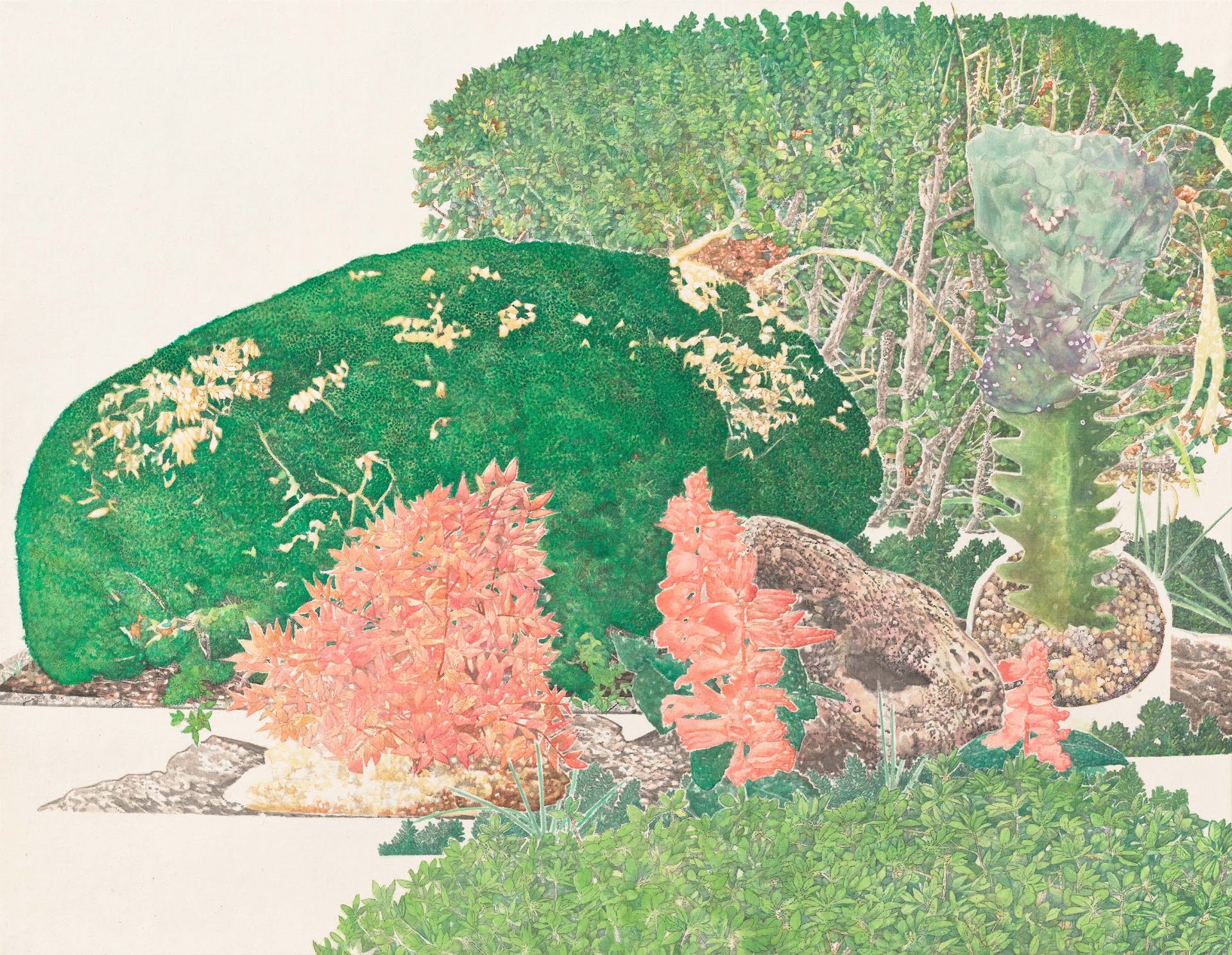
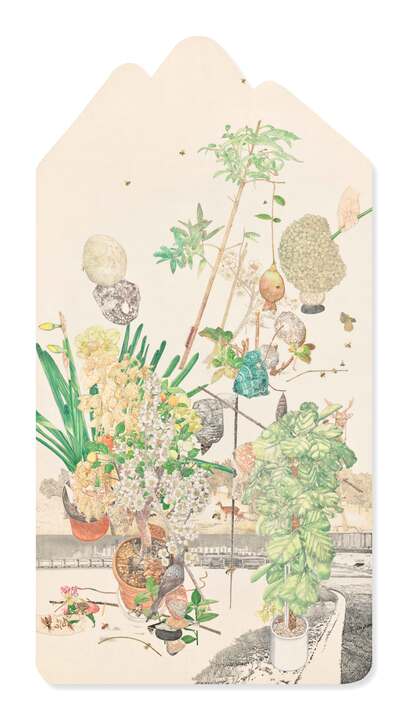
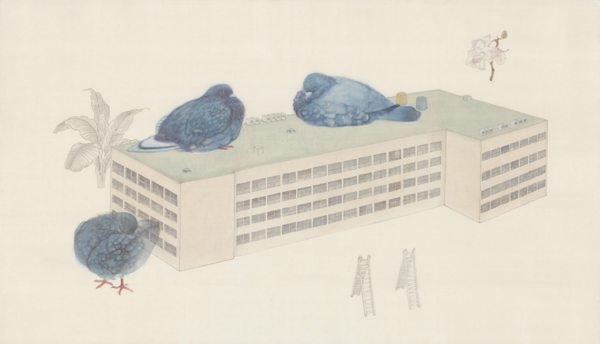
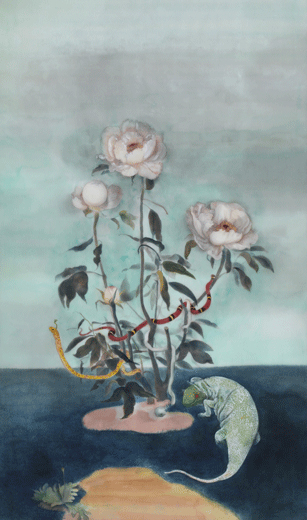
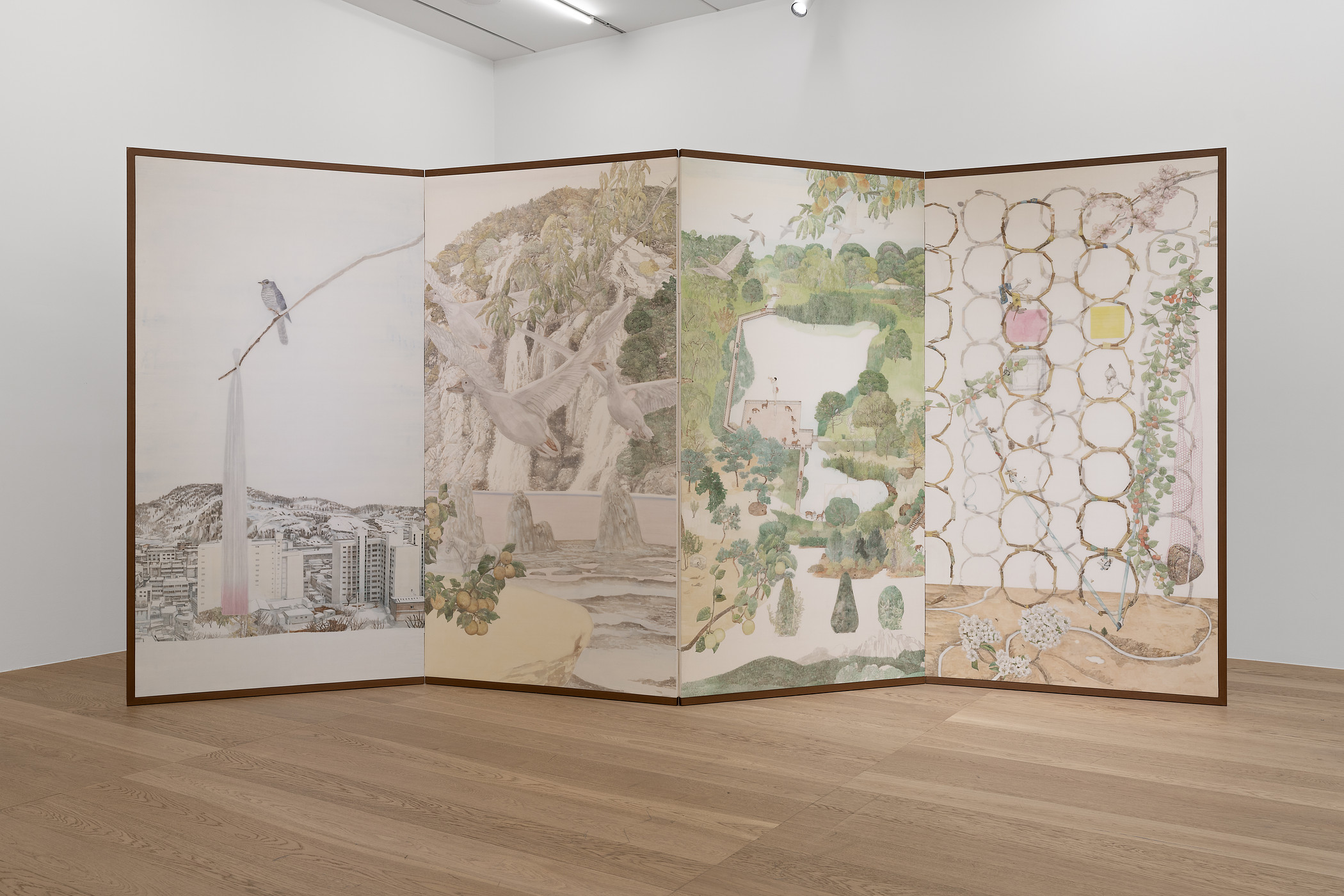
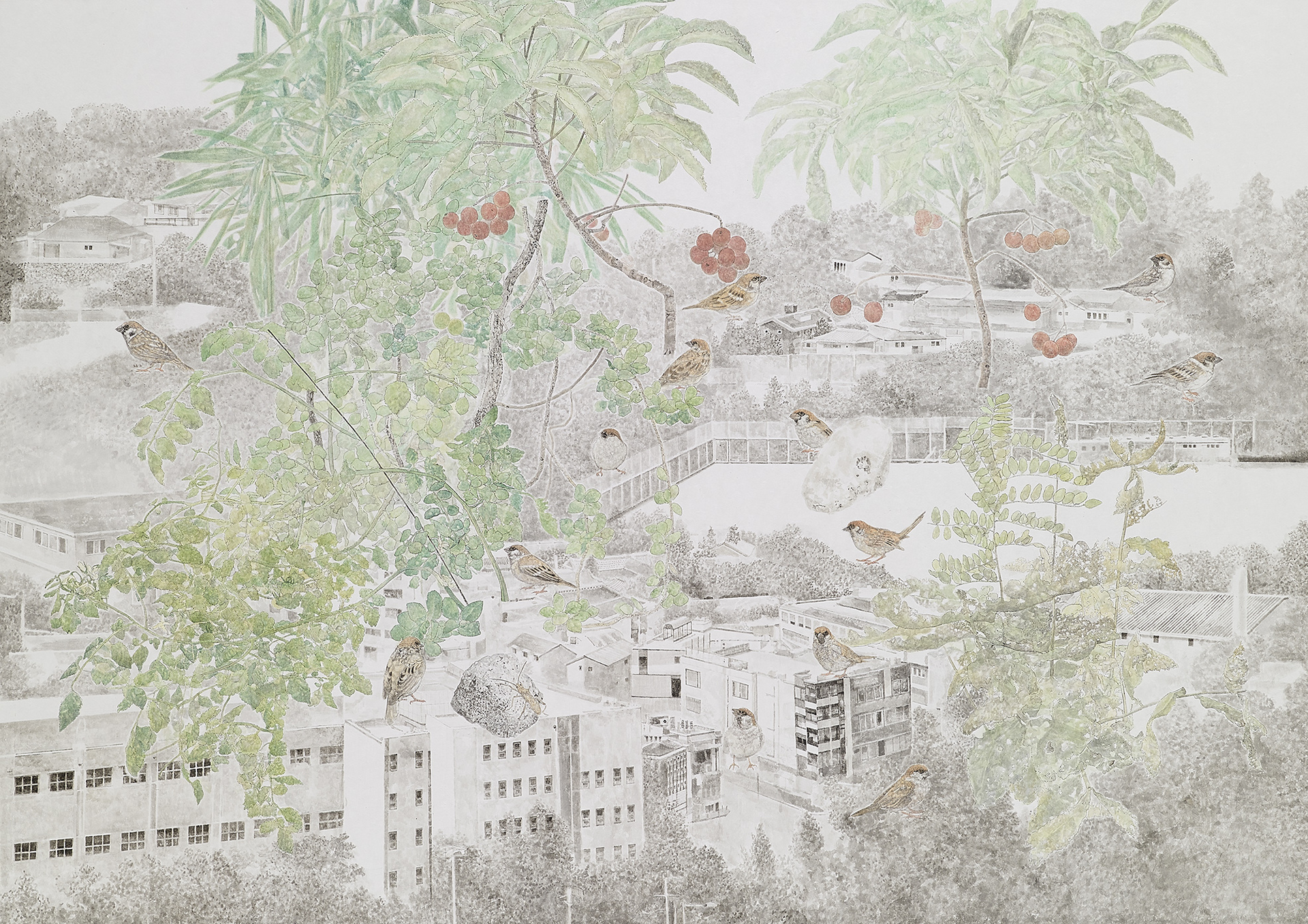
This exhibition brings together Korean painting artists who pursue a shared purpose through their work while each producing a distinct artistic voice. At the center of 《Same Sounds, Different Sounds》 is the senior Korean painter Ilrang Lee Jong-sang. As is widely known, Ilrang has been a central figure in Korean painting since the latter half of the twentieth century.
His aim has been to create compelling works by building upon the traditions of ink-and-color painting while adding the spirit of the times and his own formal language. In the cultural climate of the late twentieth century, when the stale narrow-mindedness of uncritically imitating past art coexisted with the superficial and uncritical adoption of Western art, Ilrang was one of the major artists and pioneers who proposed and pursued a sound alternative.
Ilrang first came to prominence through ink-and-color figure paintings such as Work (1962) and Equipment (1963). While grounded in the formal qualities of earlier painting, including irregular ink lines, highly modulated applications of ink, and the diffusion of ink and color, these works maintained a sense of realism in their depiction of figures and their compositions.
To this, the artist added a formal sensibility that pursued a powerful sense of dynamism. The results stood out remarkably among the many ink figure paintings of the period. Rather than elegant and harmonious, these forward-looking paintings were forceful, strong, and at the same time restrained.
From his earliest works, Ilrang thus created paintings that encompassed tradition and modernity and transformed both into a language of his own. In fact, this direction originated with his teacher, Woljeon Chang Woo-sung, and was also the outcome of a sustained artistic lineage between teacher and student.
As is well known, Woljeon developed a body of work rooted in the tradition of literati painting, whose high value had long been recognized in East Asian art, while incorporating realism, abstraction, and an urban sensibility. He regarded this approach as important not only to his own practice but also to his teaching during his tenure at Seoul National University.
It was therefore natural for his students to take tradition as their foundation and to add to it the qualities of their own time as the starting point and basis of their work. This is why the works of Woljeon and Ilrang, though different, resonate with the same sound.
Ilrang put this objective inherited from Woljeon into practice in various ways. Portraits such as Portrait of Great Master Wonhyo, based on meticulous brushwork and coloring techniques, and landscapes such as Ink Play–Swaeswae Jinhyo, which make expressive use of the uneven diffusion of ink and color, clearly demonstrate his sustained engagement with, exploration of, and reinterpretation of tradition.
While retaining the forms and modes of expression of traditional painting, he created works capable of responding to the sensibilities of an era in which Western art and visual culture had already entered deeply into everyday life and transformed perception and sensation. Through the ‘Original Forms’ series, Ilrang was able to bring this pursuit into full focus.
Themes alluding to Baekdusan Mountain, the dongyuhwa technique derived from Goguryeo tomb murals, simplified and essentialized depictions of mountains and other landscape elements reminiscent of old maps, vigorous lines evocative of calligraphic brushstrokes, and the use of the traditional five cardinal colors all contribute to an abstract formal language and sensibility.
Together, these elements reveal that Ilrang established an expansive artistic world that transcended potentially oppositional boundaries between East and West, tradition and modernity, and figuration and abstraction. His work represented an especially ideal example of the direction pursued in Korean art, and Korean painting in particular, from the latter half of the twentieth century onward.
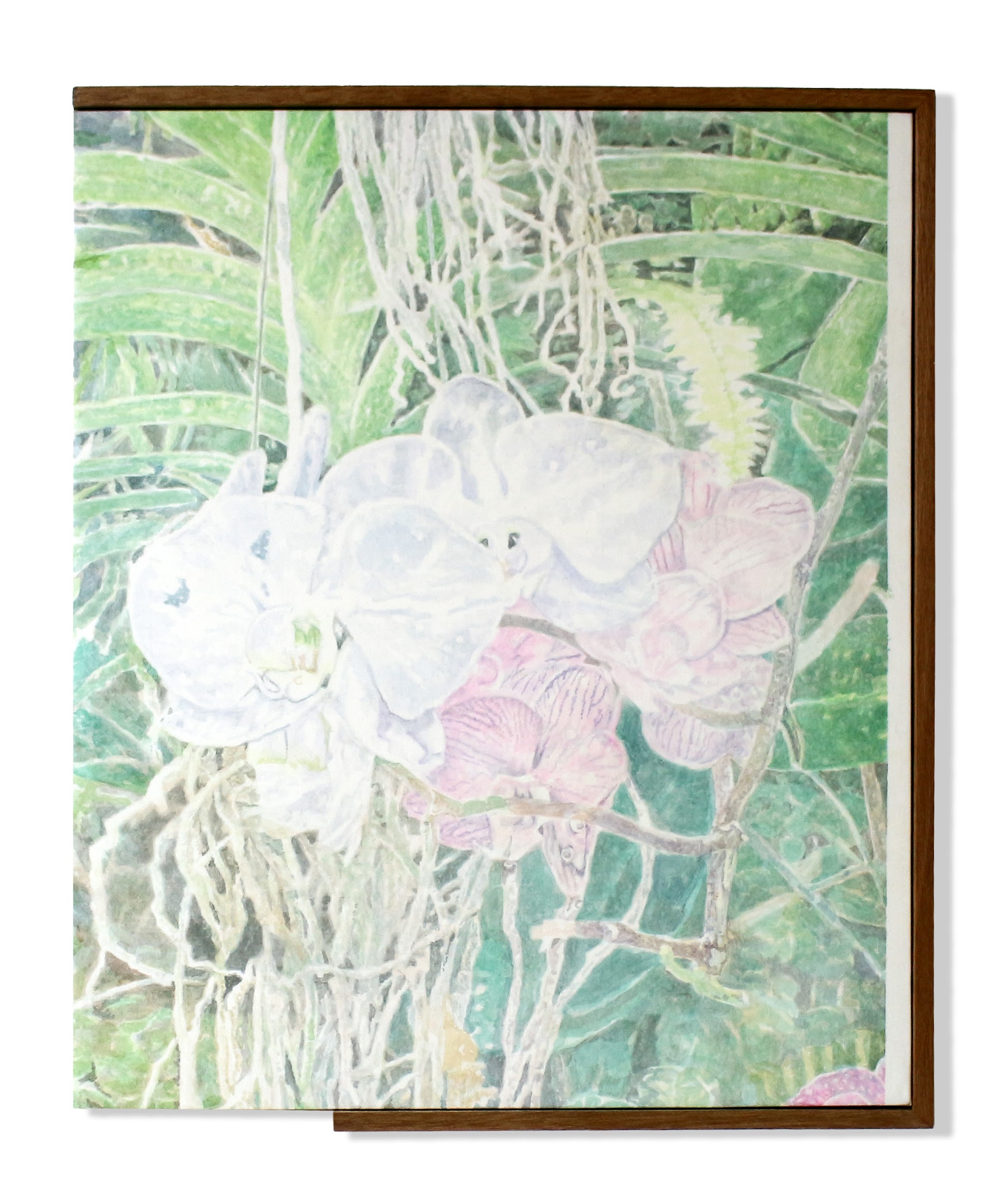
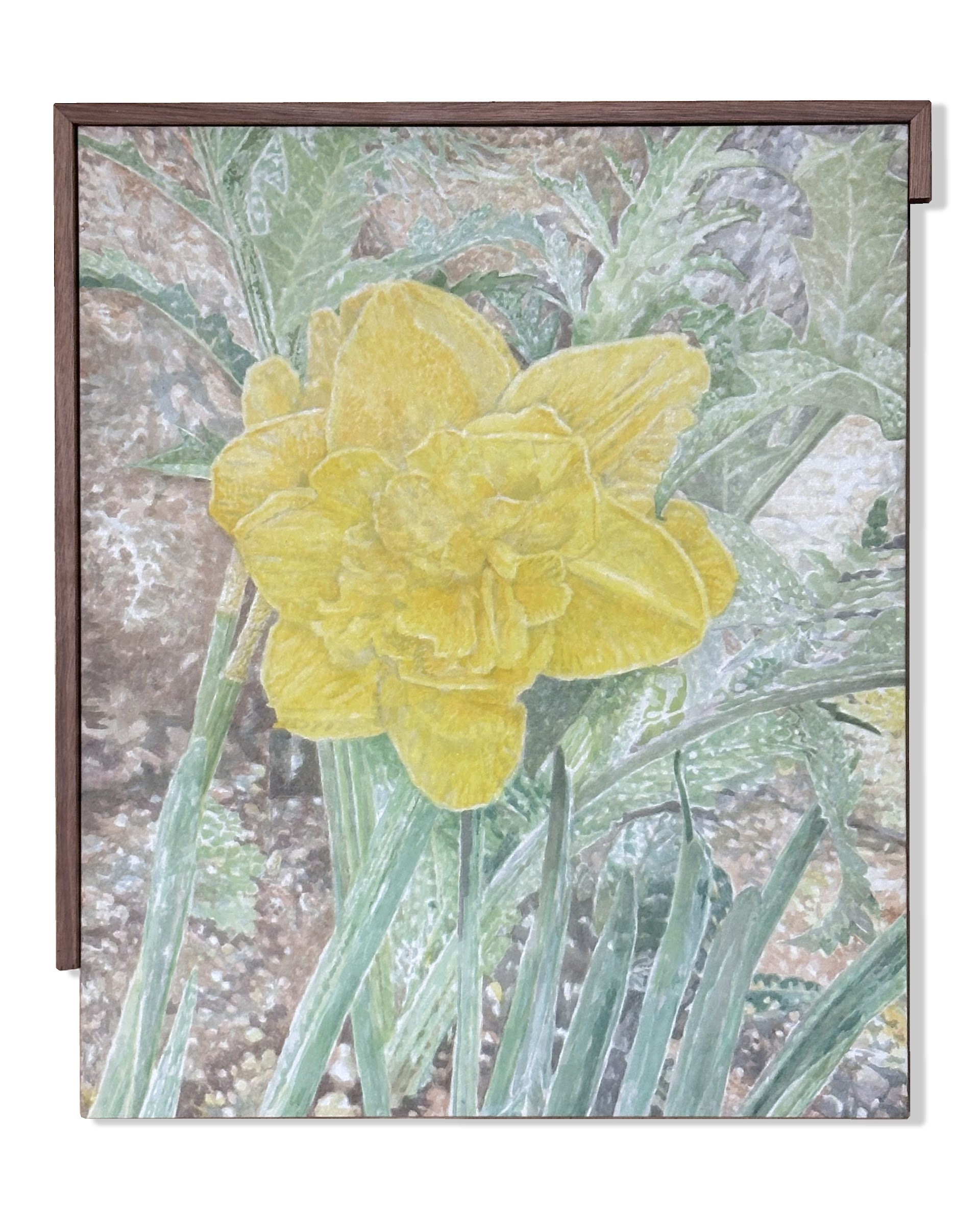
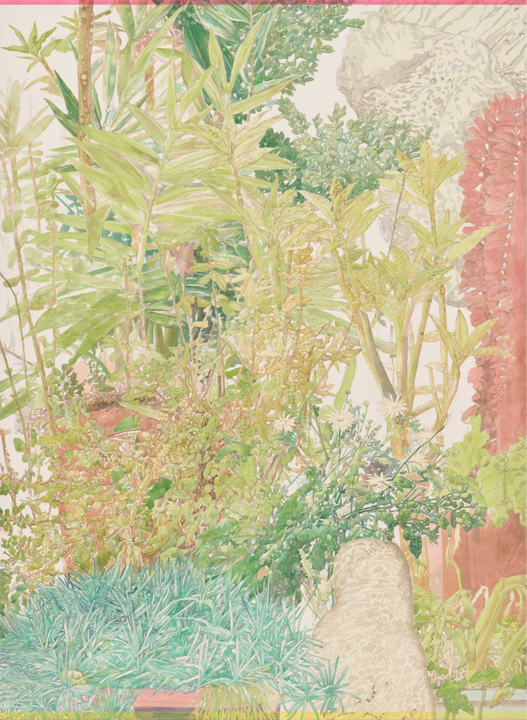
Ilrang’s artistic world and direction have continued as a sustained and meaningful current in Korean contemporary art through younger artists, students, and subsequent generations. These artists begin with the formal qualities of diverse traditional genres, including tomb murals, landscape painting, genre painting, Buddhist painting, literati painting, and portraiture, while adding their own ideas and experiences and infusing their works with the character of their times.
Although each body of work possesses a different appeal, their broader direction and objectives owe much to Ilrang. They are different sounds, yet in truth they are also the same sound. It is sincerely hoped that these same and different sounds will resonate widely throughout Korean painting and Korean art.