

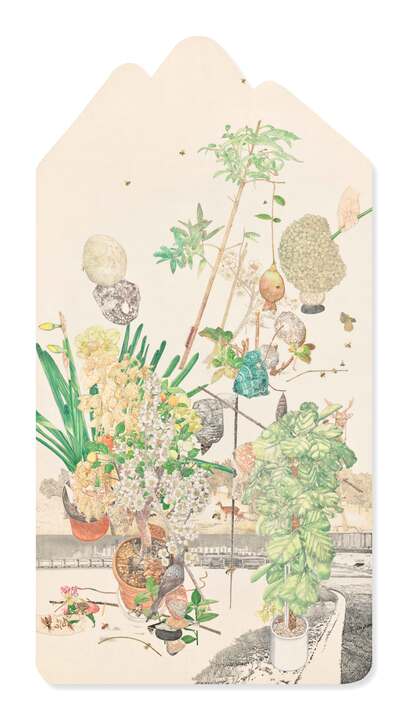
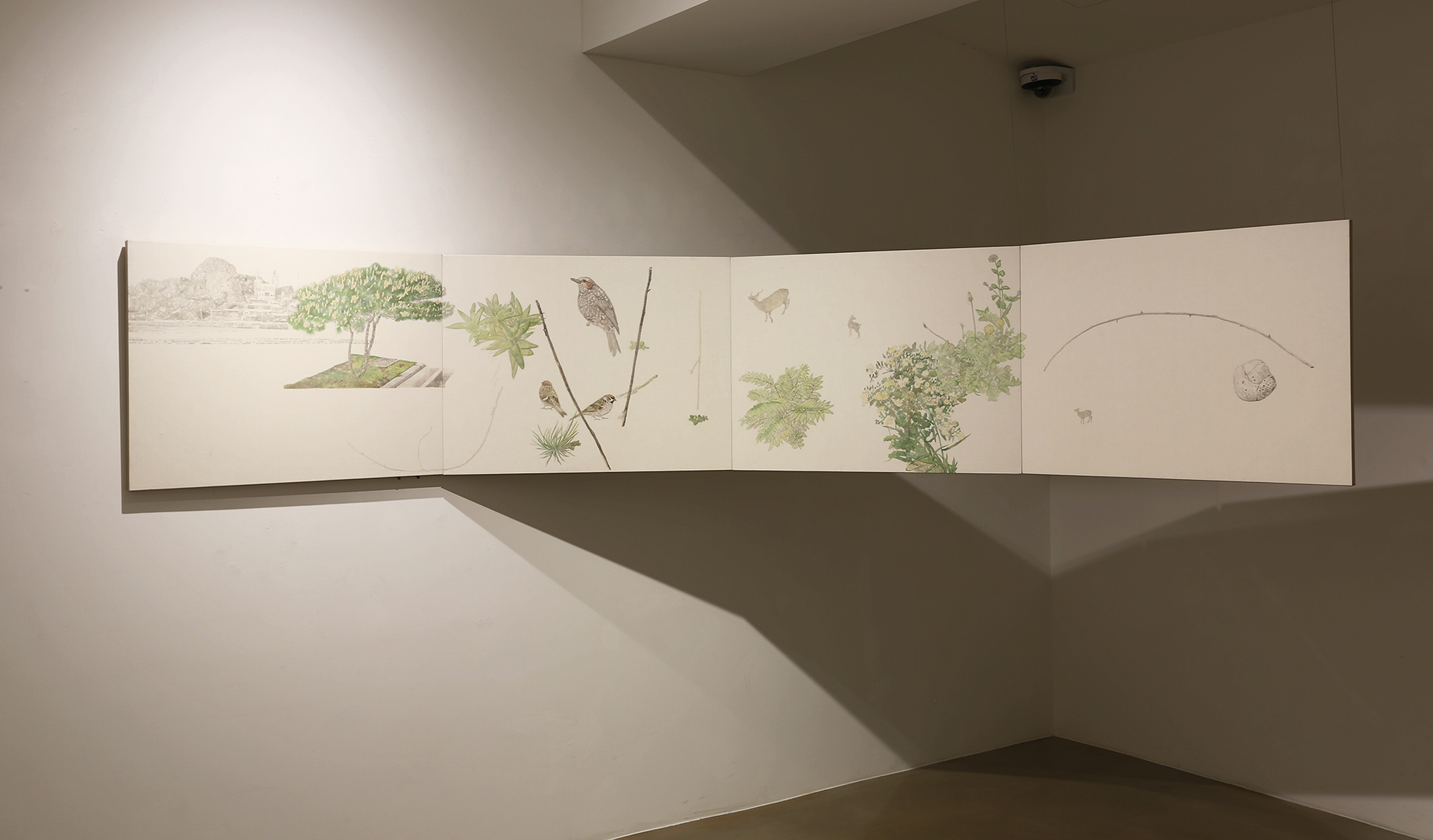
Solo Exhibitions (Brief)
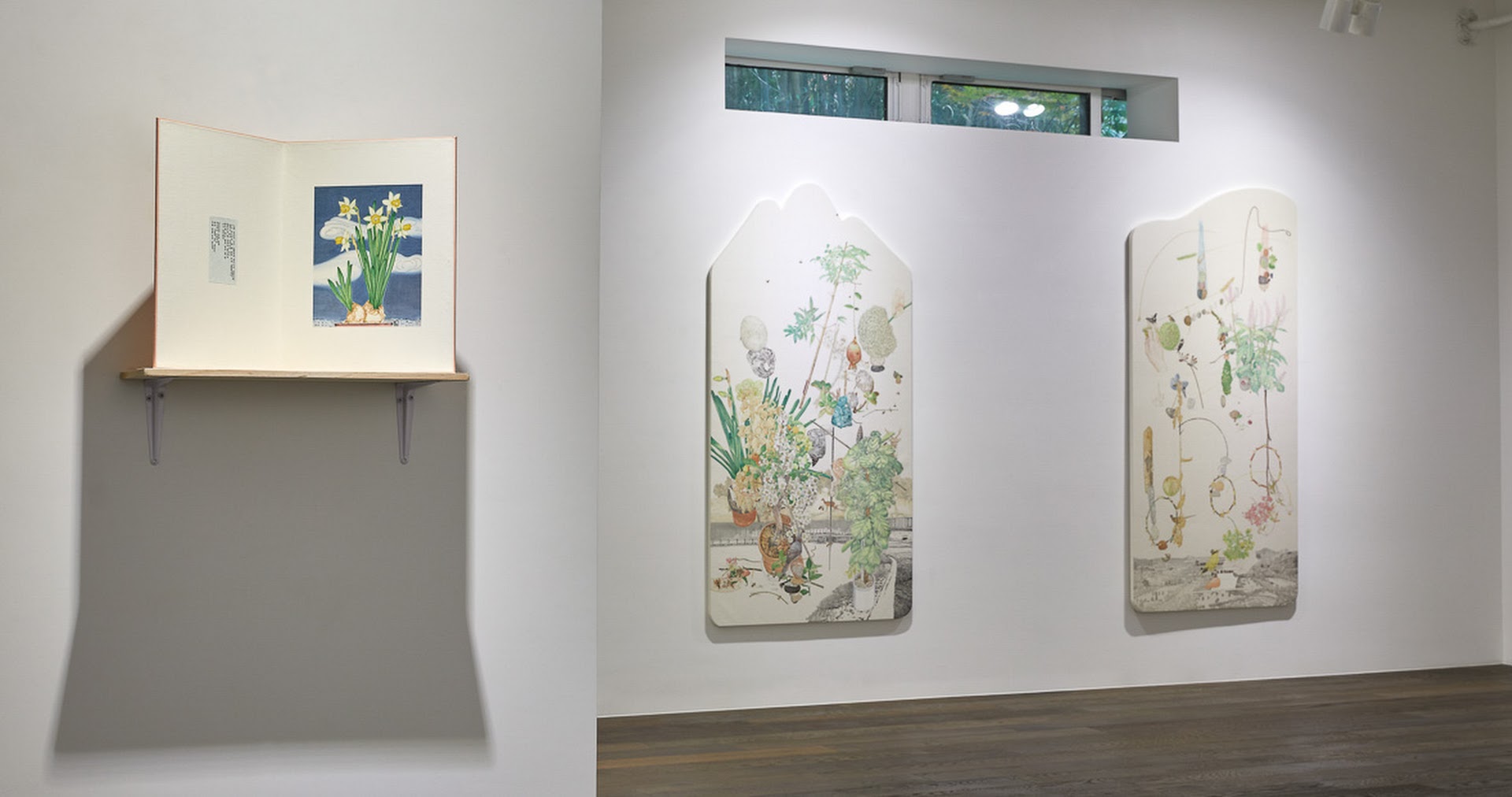
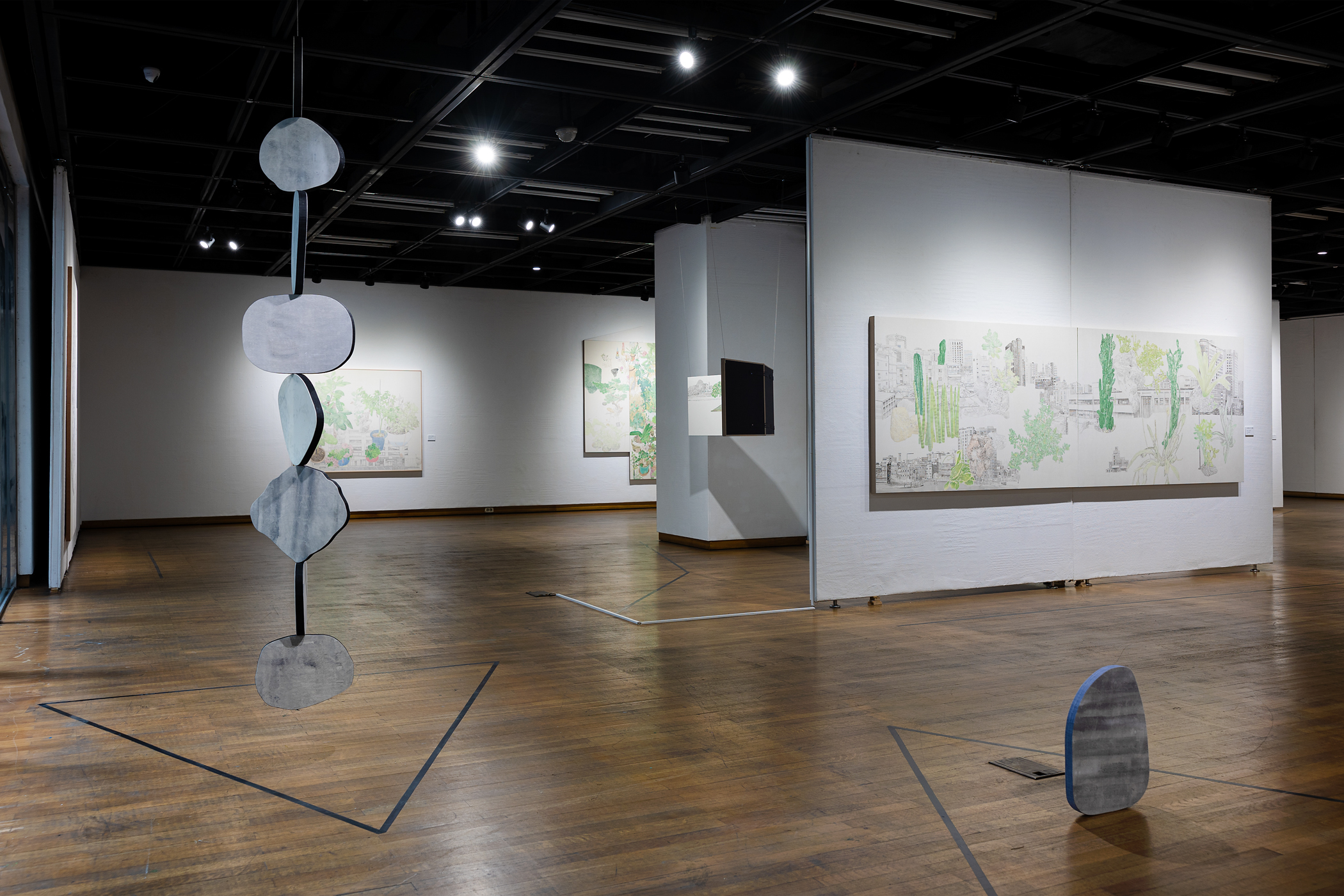
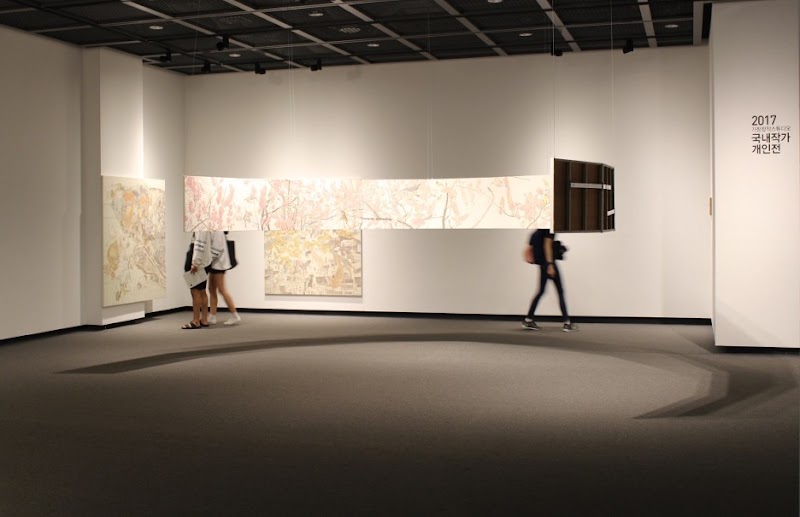
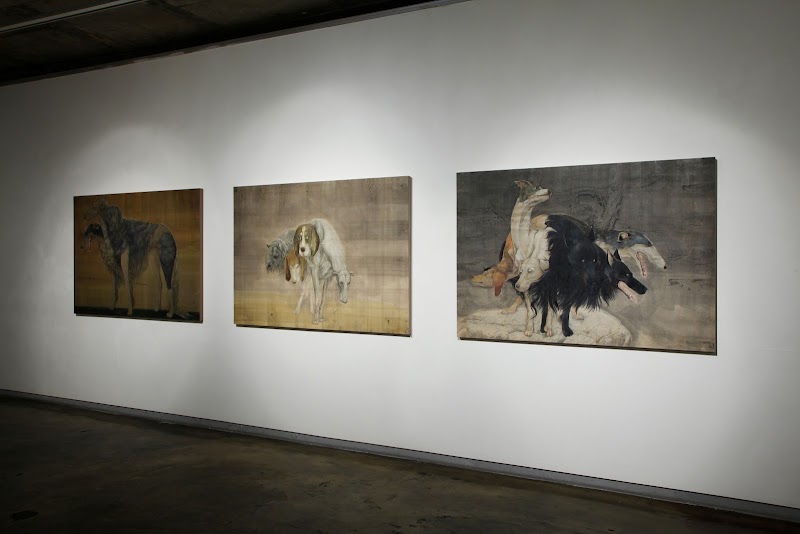
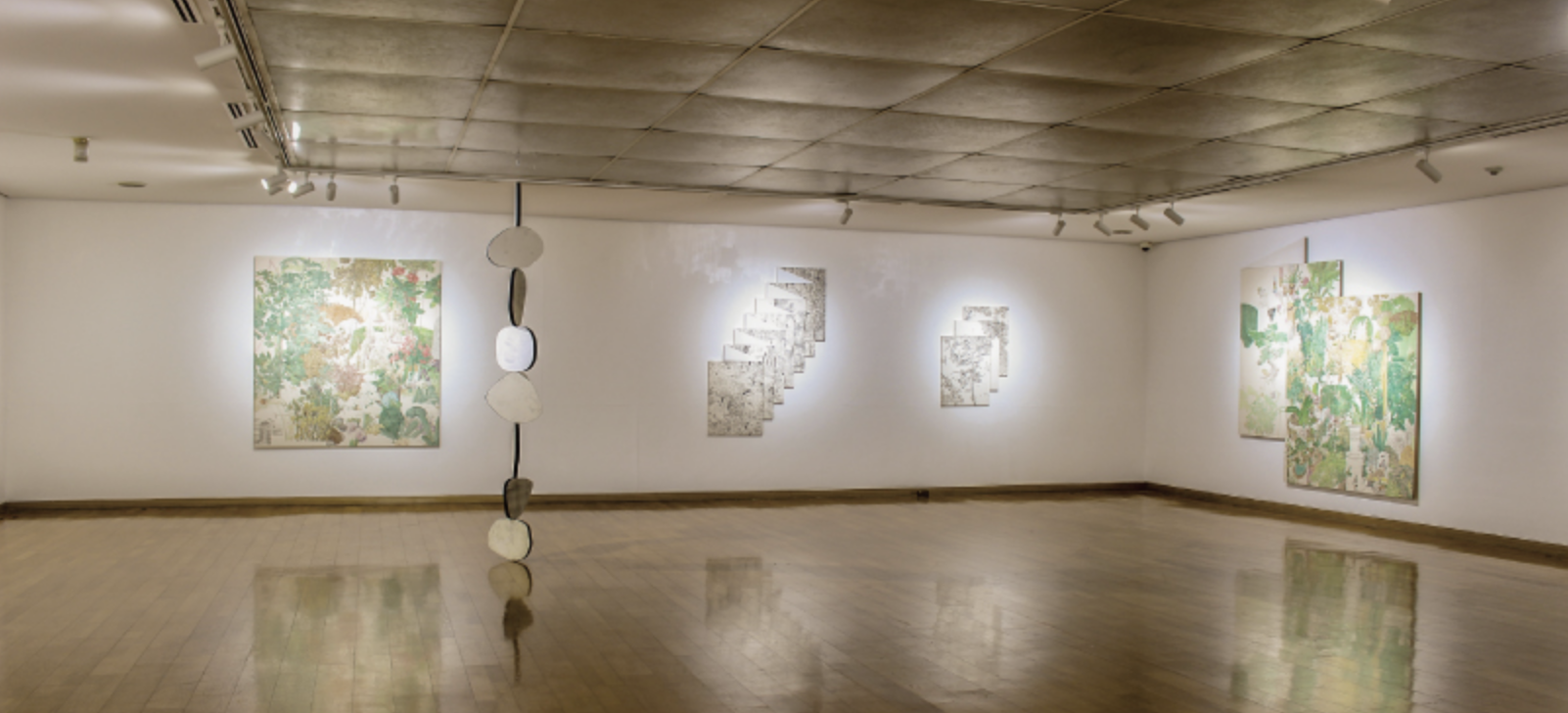
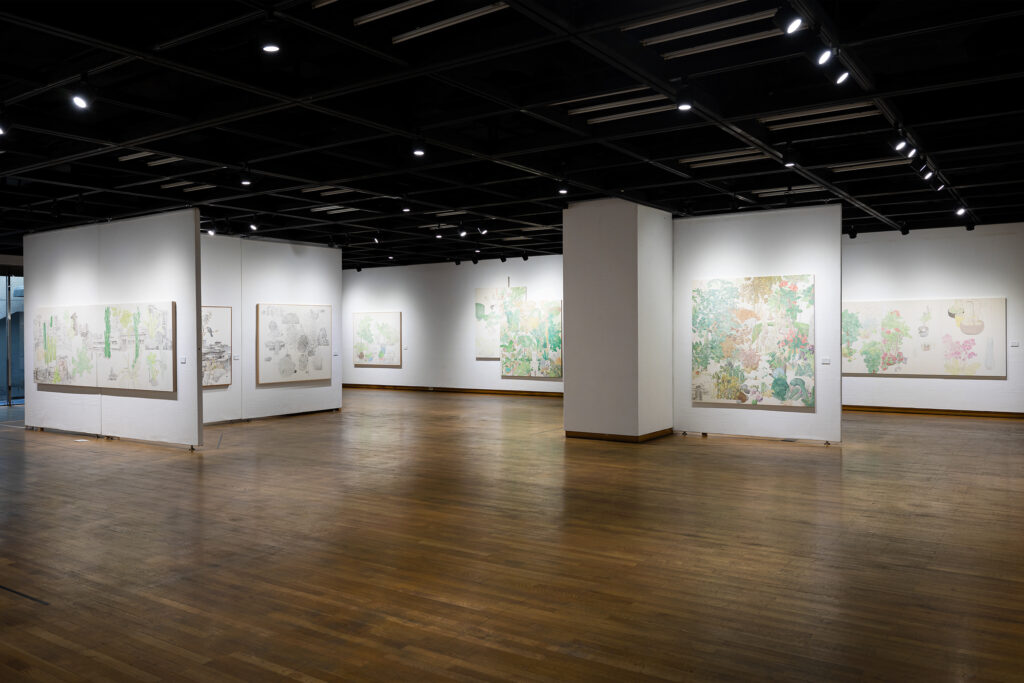
JIN Minwook has held solo exhibitions at Gallery Dam (2012), Project Space WUMIN (2018), Hanwon Museum of Art (2022), Youngeun Museum of Contemporary Art (2023), and Hwang Chang Bae Museum of OMIIIO SEOUL and Tong-in Gallery (2024).
Group Exhibitions (Brief)
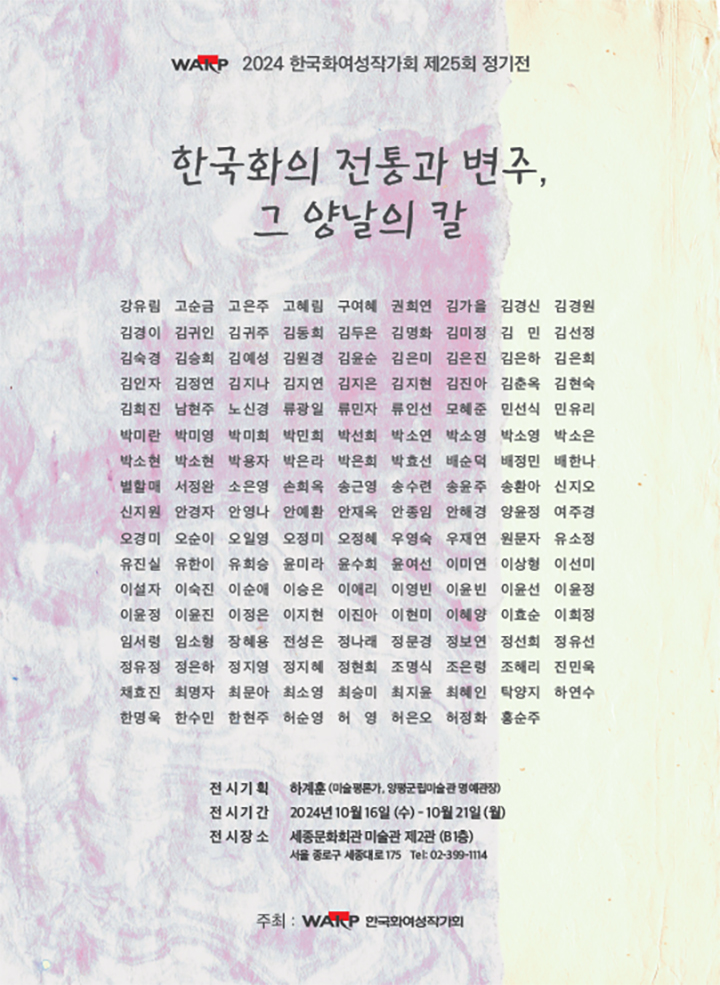
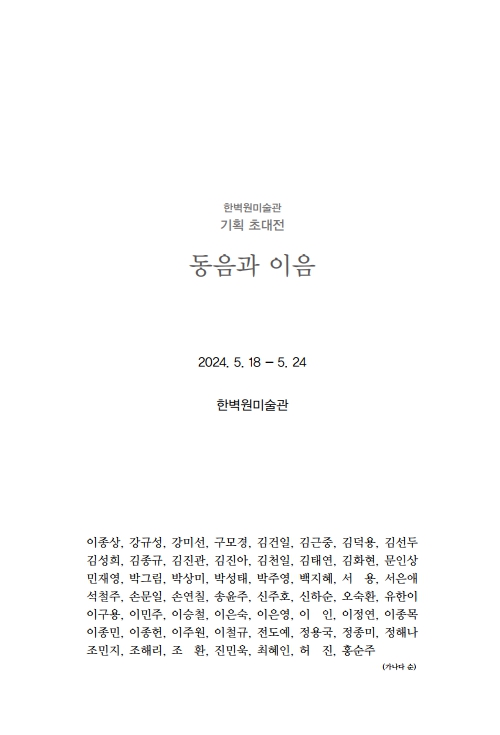
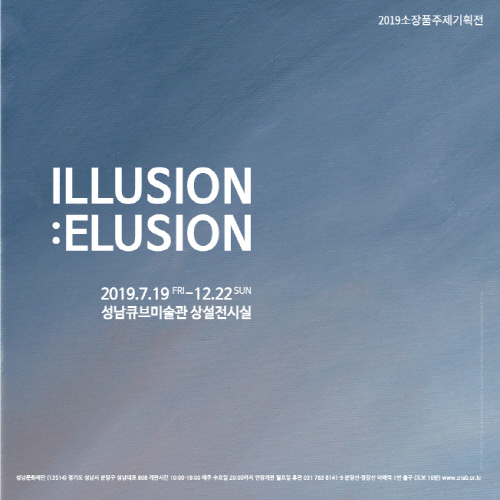
JIN Minwook has participated in group exhibitions at Today Art Museum (2008), Sungkok Art Museum (2015), Songzhuang Art Museum (2016), the Jeonnam International SUMUK Biennale (2018, 2024), Seongnam Cube Art Museum and Hanwon Museum of Art (2019), the National Museum of Kazakhstan (2021), Seoul National University Museum of Art and Woljeon Museum of Art Icheon (2022), and Hanbyeokwon Art Museum (2024).
Awards (Selected)
JIN Minwook received the Minister of Foreign Affairs Award at 《The Beauty of Korea》, a Korean painting competition for young artists organized by the Ministry of Foreign Affairs, in 2018, and the Excellence Award at the Young Artists Special Exhibition of the An Gyeon Painting Spirit Exhibition in 2012.
Residencies (Selected)
JIN Minwook was an artist-in-residence at Beijing B-Space in 2016 and Artstudio Gachang in 2017, and participated in the 12th short-term residency program at Youngeun Art Studio in 2022.
Collections
(Selected)
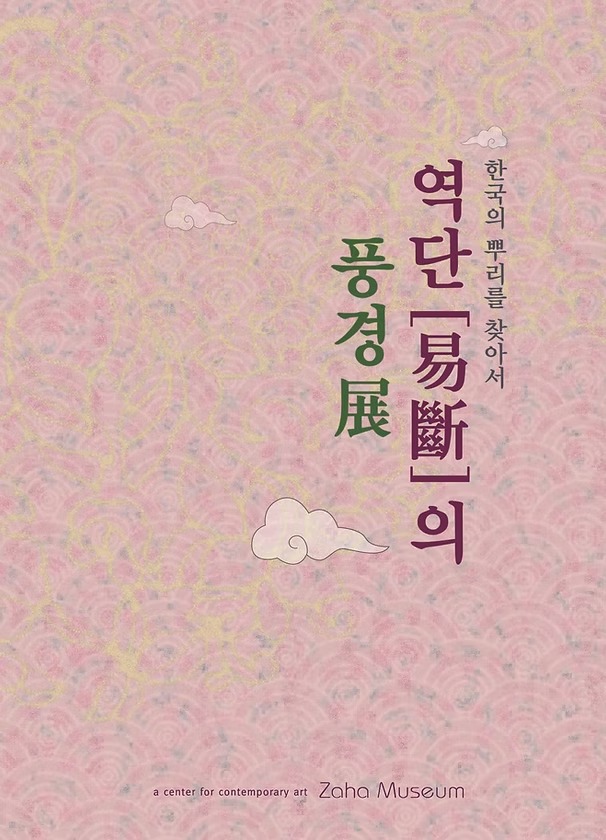
JIN Minwook’s works are held in the collections of the MMCA Art Bank, Government Art Bank, Ewha Womans University Seoul Hospital, Kangdong Sacred Heart Hospital, Zaha Museum, and private collections.