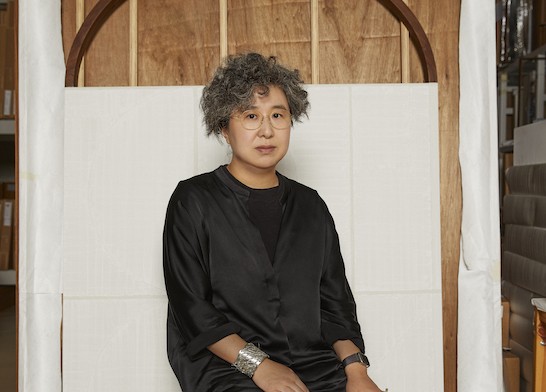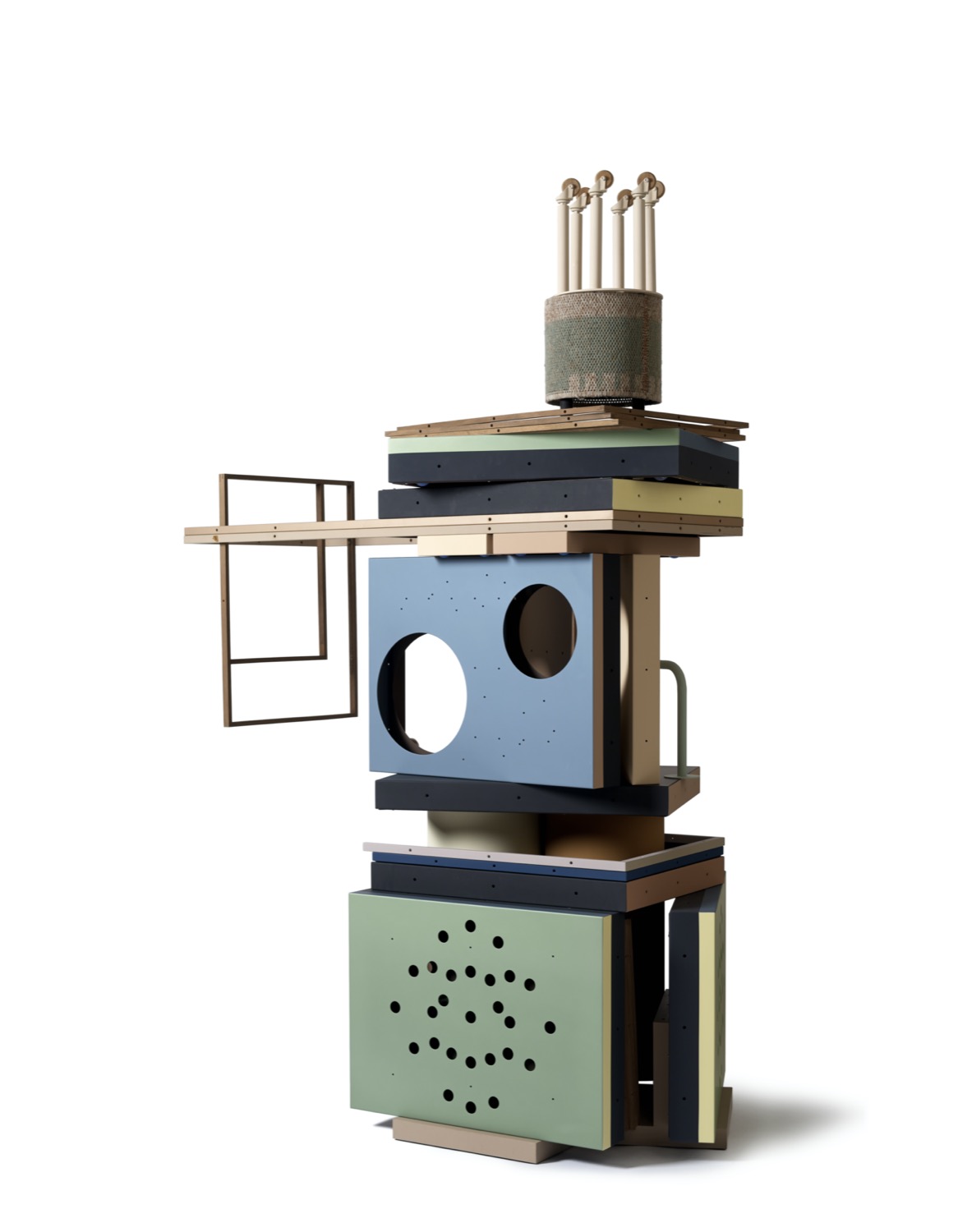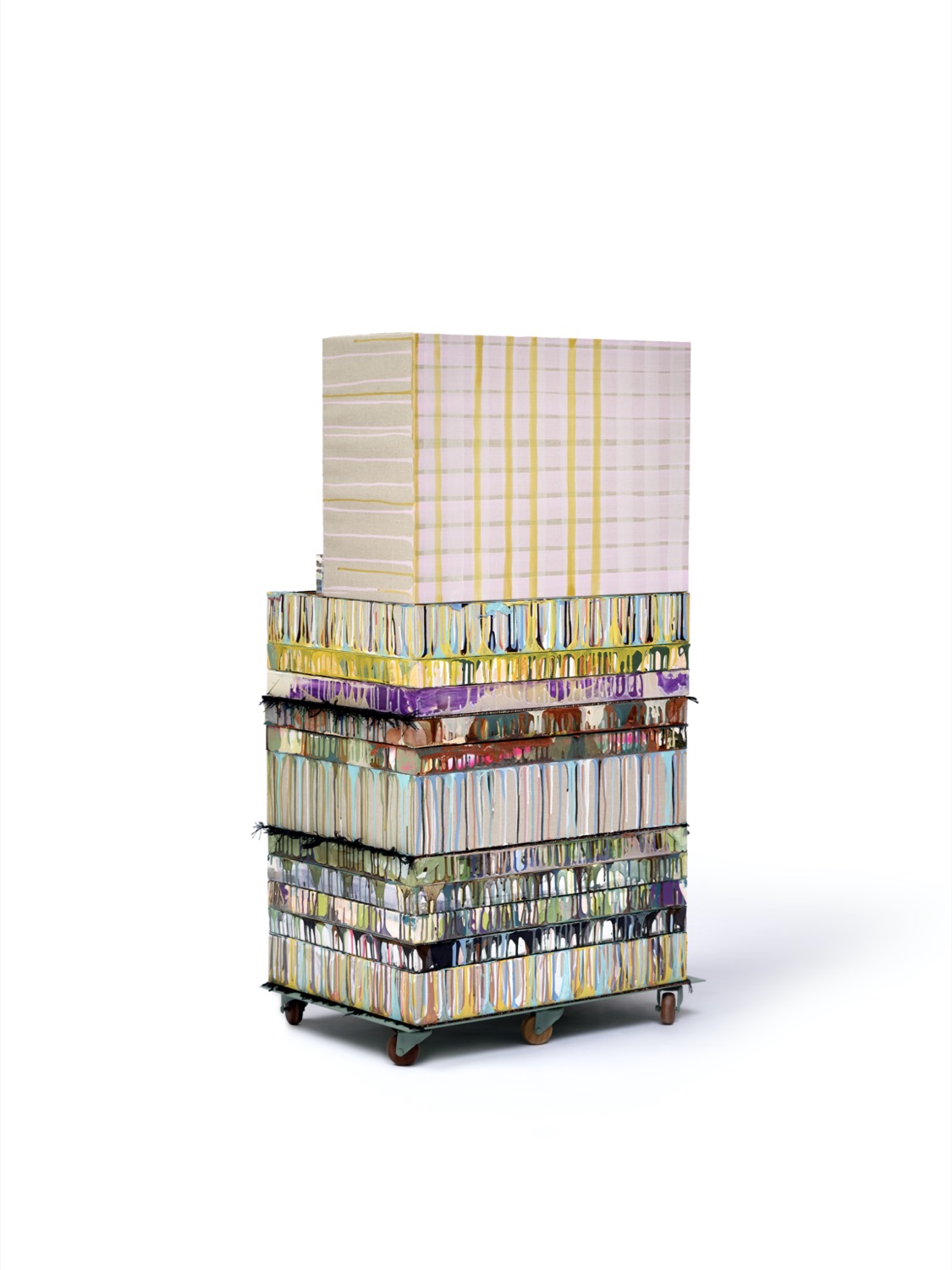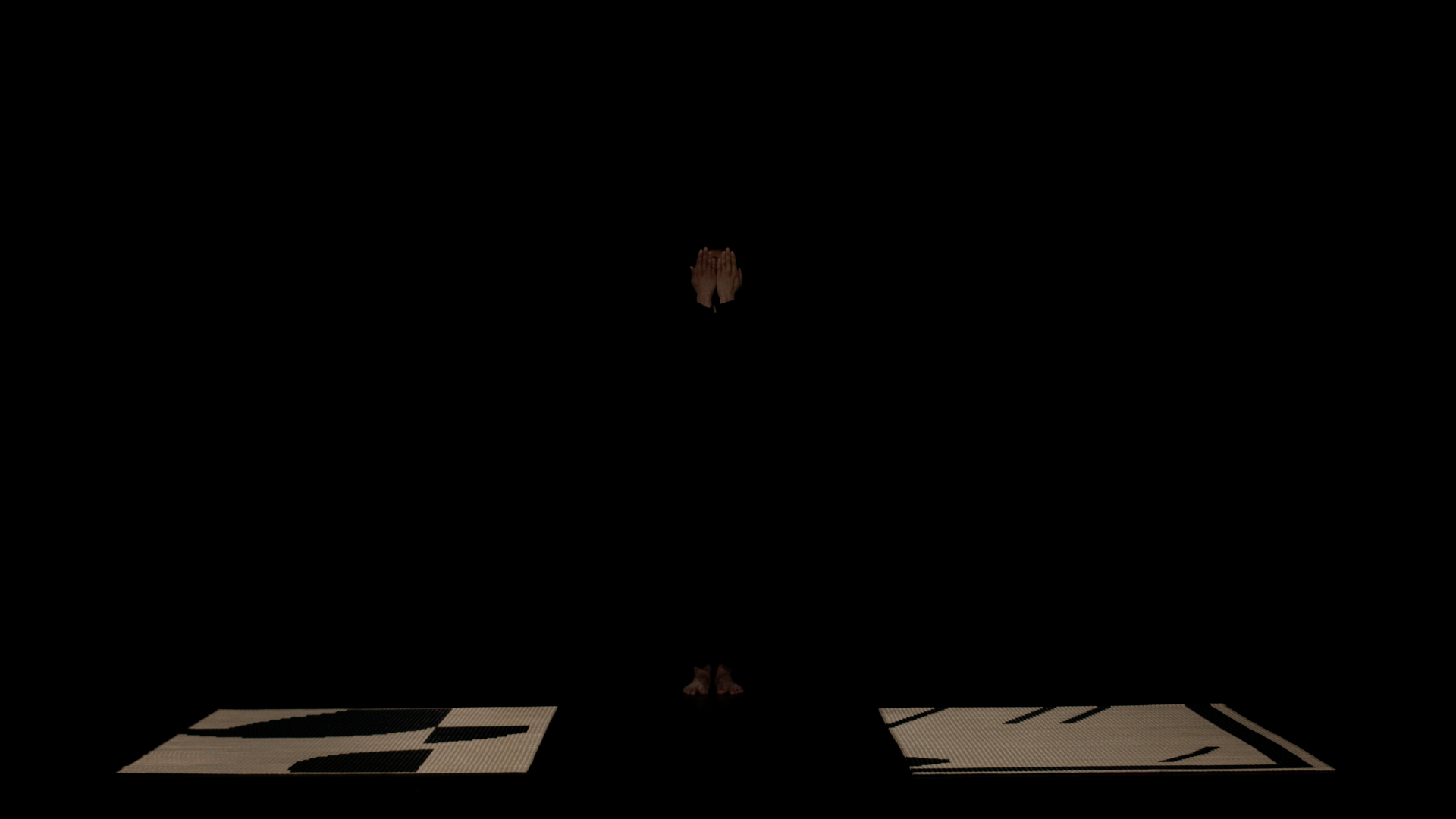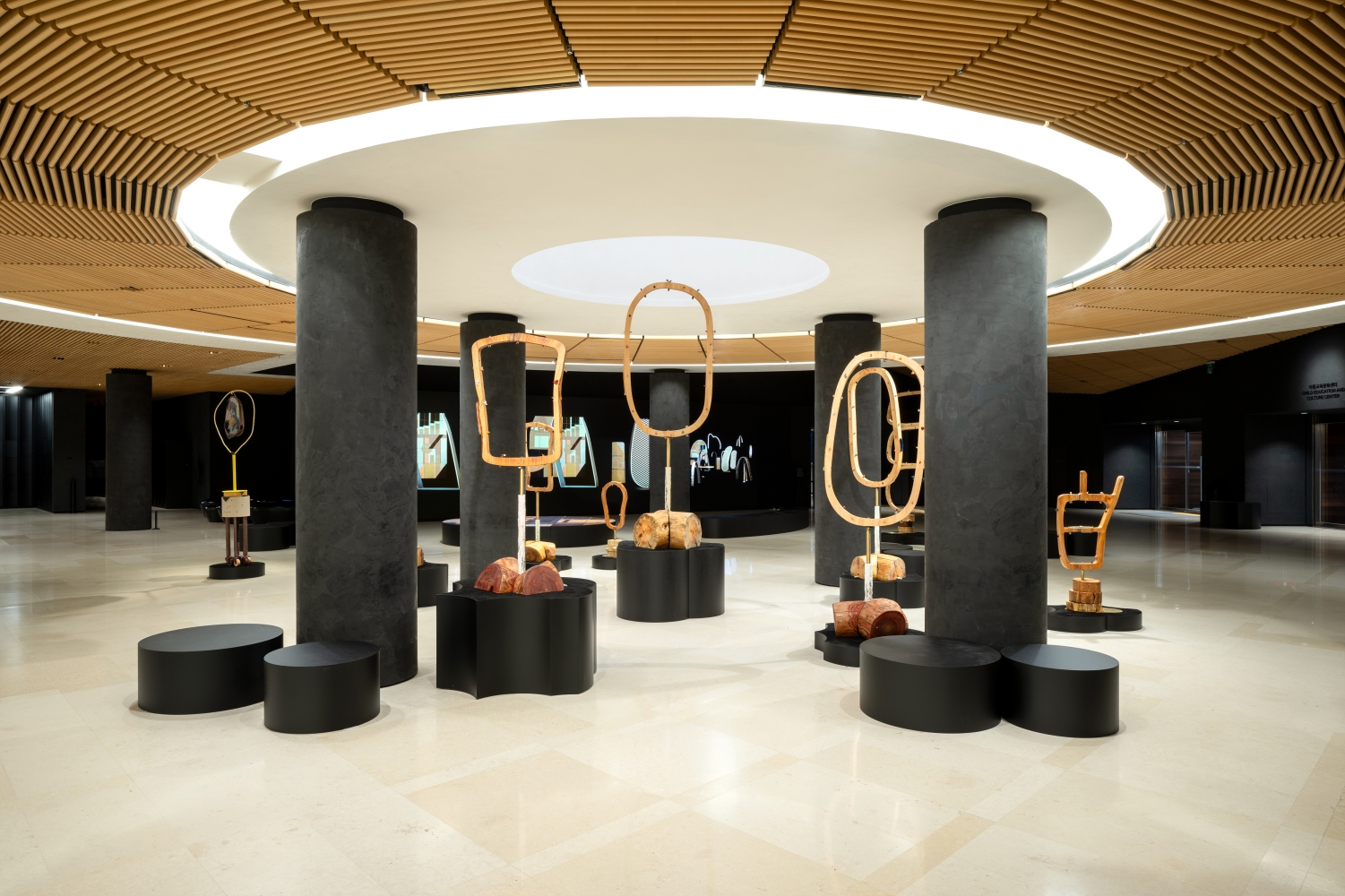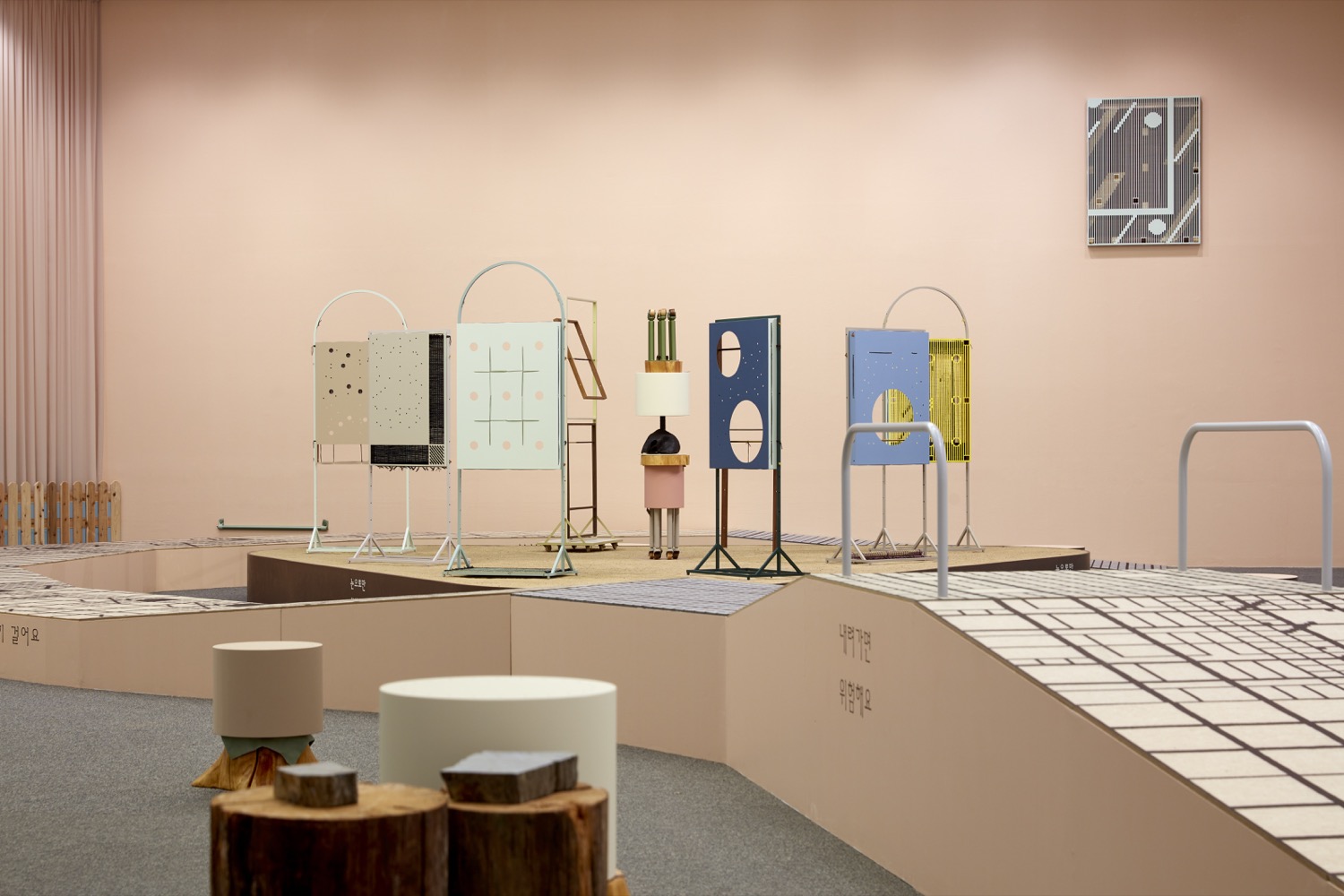


The SongEun Art Award, which aims to support promising young Korean artists, marks its 13th edition this year. Out of a total of 503 applicants, Hyesoo Park was selected as the Grand Prize winner, while Suki Seokyeong Kang, Jieun Kim, and Hyerim Cha were each awarded Excellence Prizes. An exhibition showcasing the works of these four artists is currently on view at SongEun Art Space until February 15.

The SongEun Art Award involves a multi-stage evaluation process, including an online portfolio review and an assessment of a newly produced physical work. Additionally, the four finalists are required to present an exhibition, which serves as the basis for the final jury decision. This exhibition offers an in-depth look at the artists' practice through both their new works and archive materials, allowing viewers to engage with the artistic language of contemporary emerging artists.


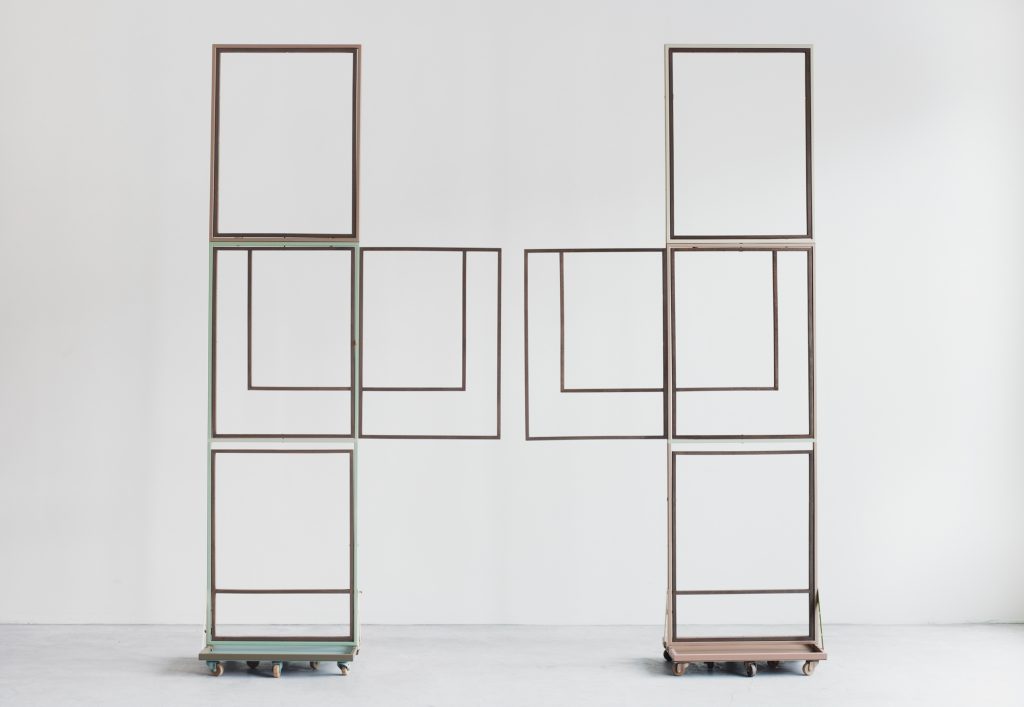
Installation view ©SongEun

Grand Prize | Hyesoo Park

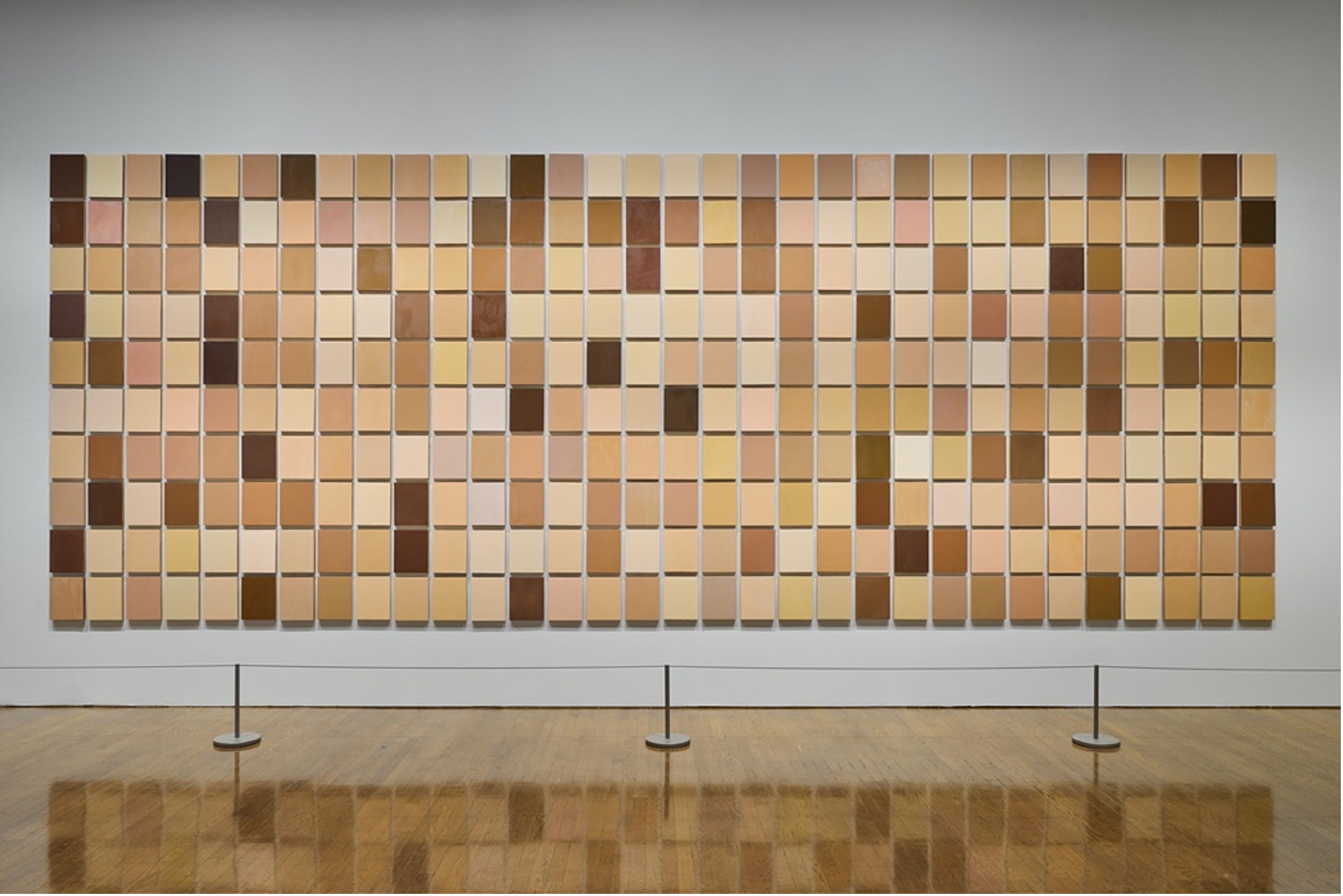
We live in a world of countless "norms." We constantly reflect on what is considered "normal" and often strive to fit within its boundaries. In this context, normalcy equates to correctness, while anything outside of it becomes abnormal or unusual. Hyesoo Park explores these ideas in her project Definition of Normal.

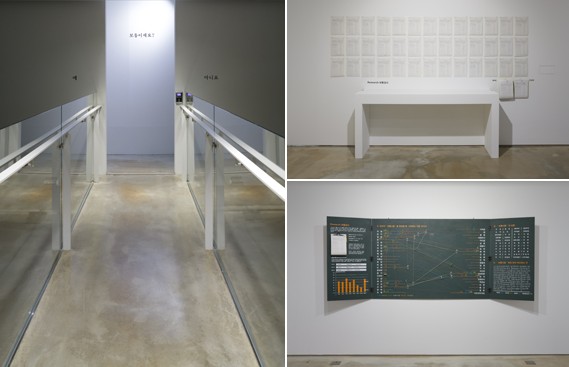
Upon entering the exhibition, visitors encounter a simple yet striking question: "Are you normal?" This inquiry leads them into a space resembling a laboratory, filled with test sheets, numerical data, and statistical graphs. Park developed a "normality test questionnaire" in collaboration with a psychiatrist to analyze and categorize responses. However, as viewers observe the process, they begin to sense a strange irony—the attempt to quantify an inherently relative and subjective concept feels paradoxical. This realization prompts them to reflect on the ways they conform to societal norms.


Installation view ©SongEun

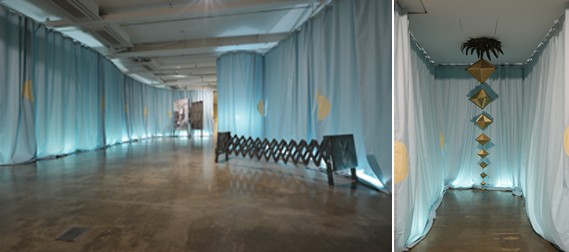
Excellence Prize | Suki Seokyeong Kang

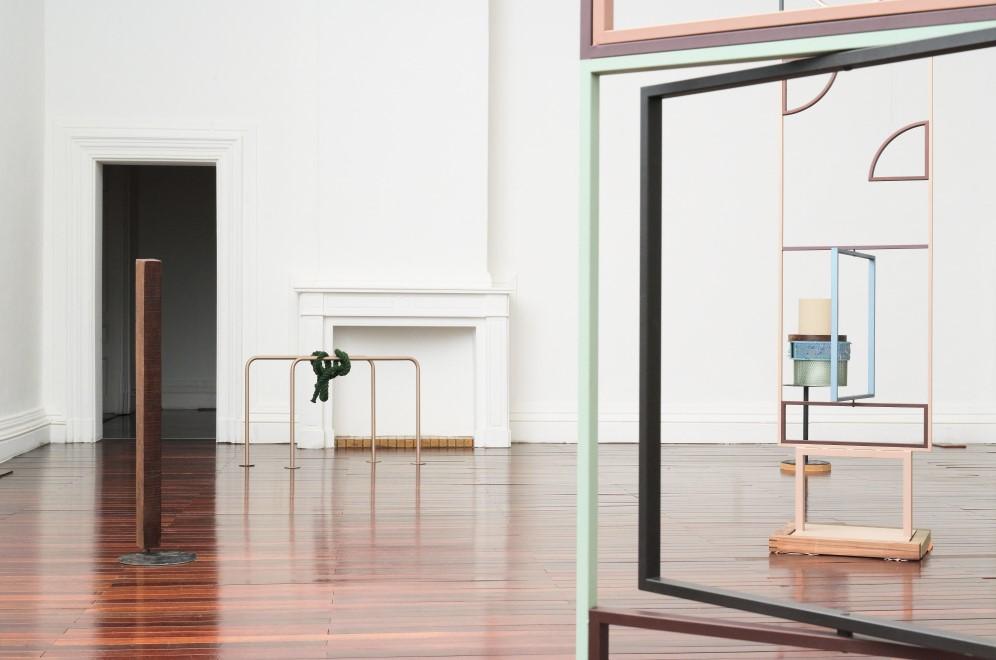
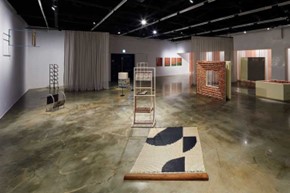
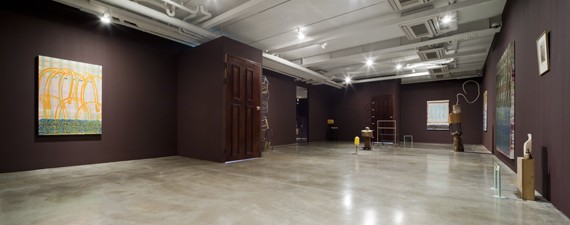
A door represents choice—to open or to keep it closed. Though seemingly a simple decision, it metaphorically reflects the uncertainties of life and the many crossroads we face. At the entrance to Suki Seokyeong Kang’s exhibition space, visitors are confronted with such a door.
The presence of this threshold initiates an unexpected moment of contemplation—whether to step inside or remain outside.

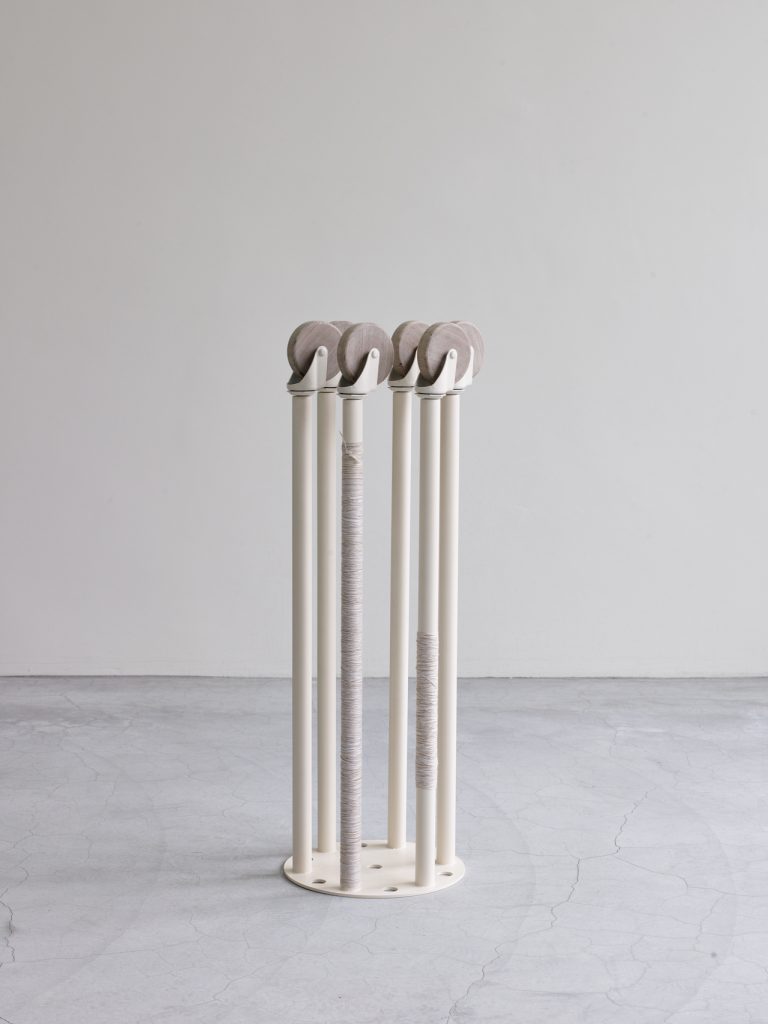
Once inside, the exhibition unfolds as a sensory experience, inviting viewers to navigate through objects, faint chimes, and small, almost unnoticeable stones scattered across the space. The collection of these subtle yet deliberate elements creates a delicate sense of order and equilibrium, prompting visitors to reconsider fleeting moments of life and the choices they make within them.


Installation view ©SongEun

Excellence Prize | Jieun Kim

Cityscapes often appear uniform at first glance, yet each urban landscape holds distinct historical and geographical characteristics that shape its identity. Jieun Kim explores these subtle differences within Seoul’s urban fabric, using her artistic practice to visualize the city's overlooked nuances.
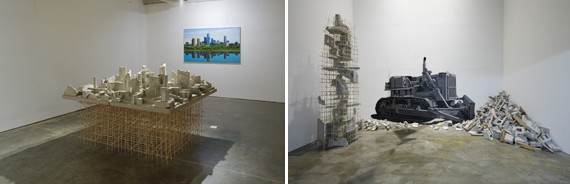
In her exhibition 《Architecture of Ruins》, Kim presents a fragile, precarious Seoul—a city shaped by war, rapid urbanization, and unregulated development.

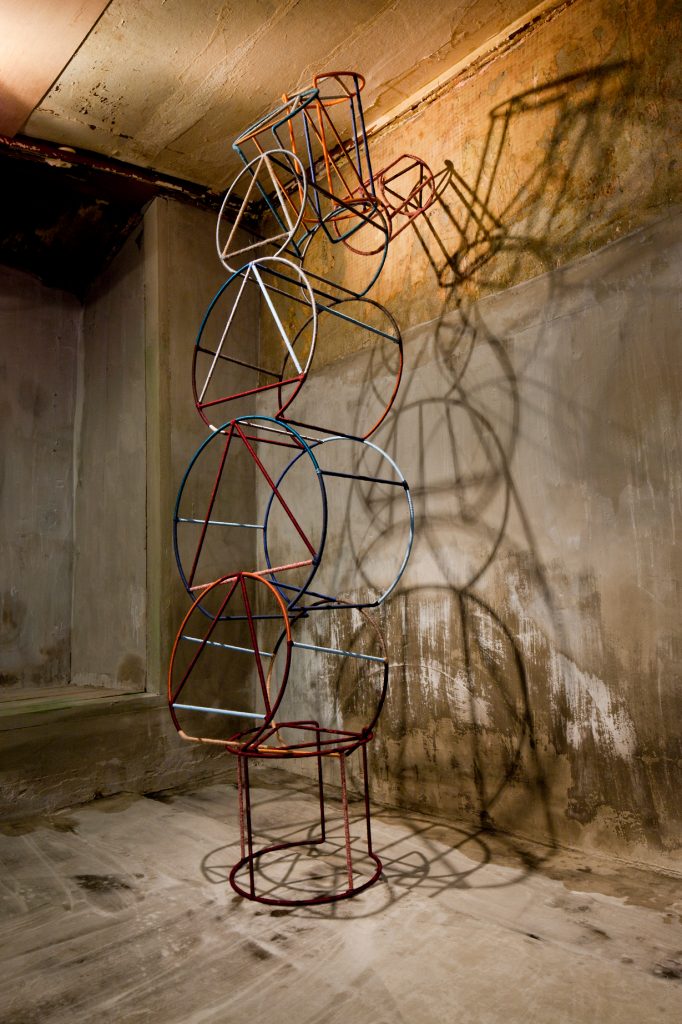
Beneath the imposing concrete buildings, she constructs delicate wooden structures using materials like bamboo skewers, evoking an unsettling sense of instability. Scattered construction debris and repetitively replicated landscapes reveal the city's underlying fragility.
Cities are constantly evolving, and Kim’s work serves as a visual record of this moment in time, encapsulating her reflections on space and memory before they are inevitably reshaped by the future.


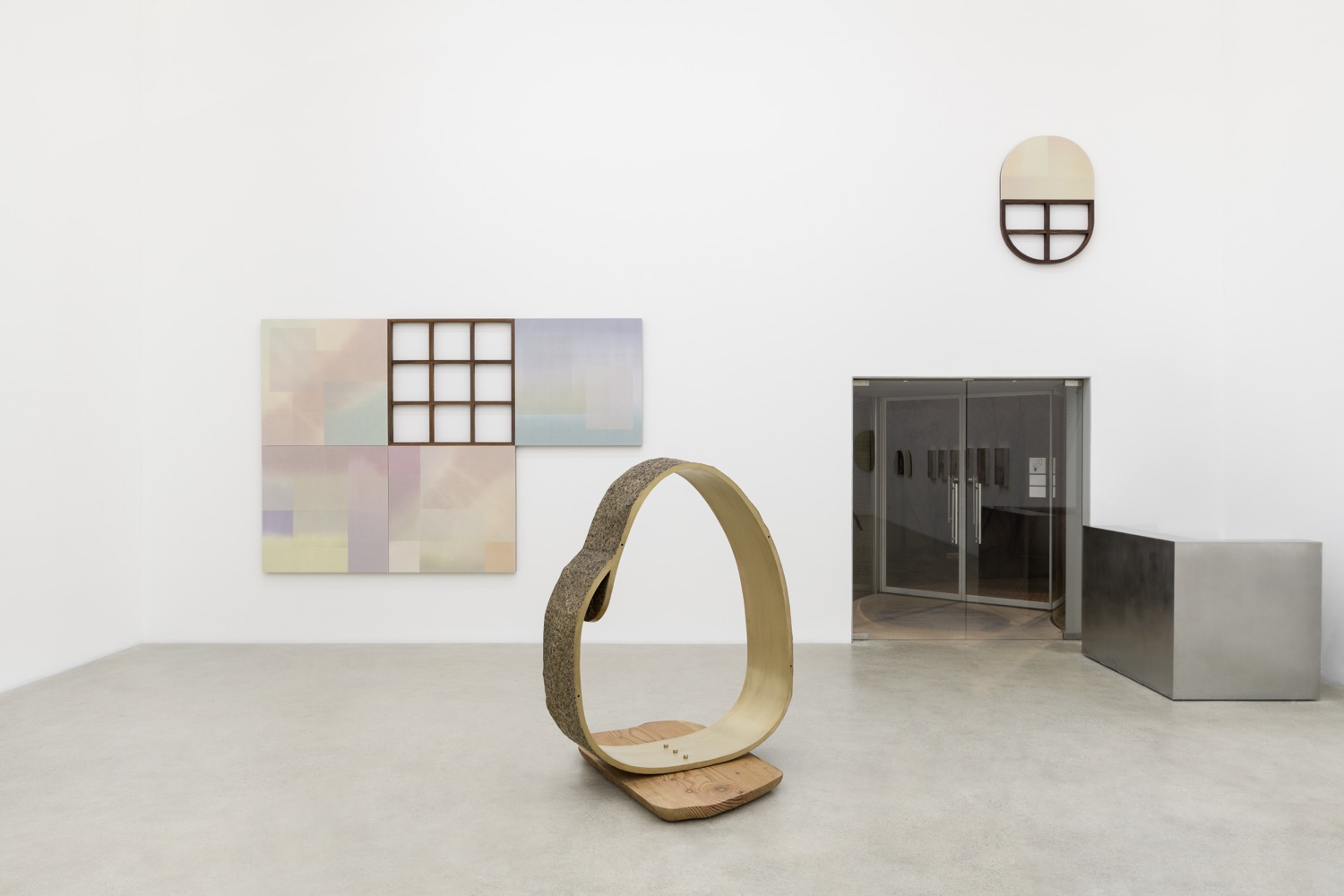
Installation view ©SongEun

Excellence Prize | Hyerim Cha

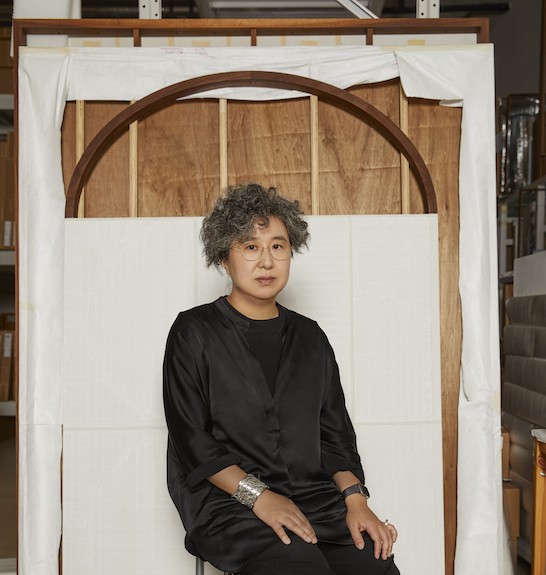
Hyerim Cha approaches her artistic process differently from many others. She begins by translating personal narratives into text, then transforms them into paintings or objects, constructing a layered, immersive spatial experience that invites multiple interpretations.
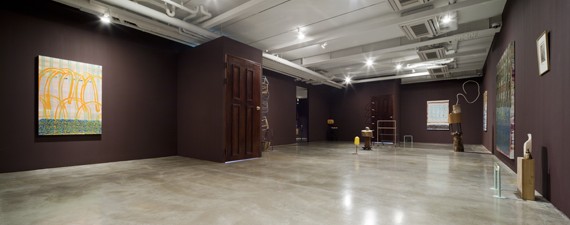
Her exhibition 《Meteorite Hunter》 follows a similar trajectory. Utilizing found images and archival materials, she reinterprets and integrates them into paintings, objects, and spatial compositions that intertwine and overlap in an unpredictable manner.

Viewers navigate the exhibition like hunters in search of meteorites, piecing together disparate elements to create their own evolving narratives. Through this dynamic engagement, Cha’s work becomes a site of discovery, where meaning is not dictated but rather emerges through personal exploration.

References