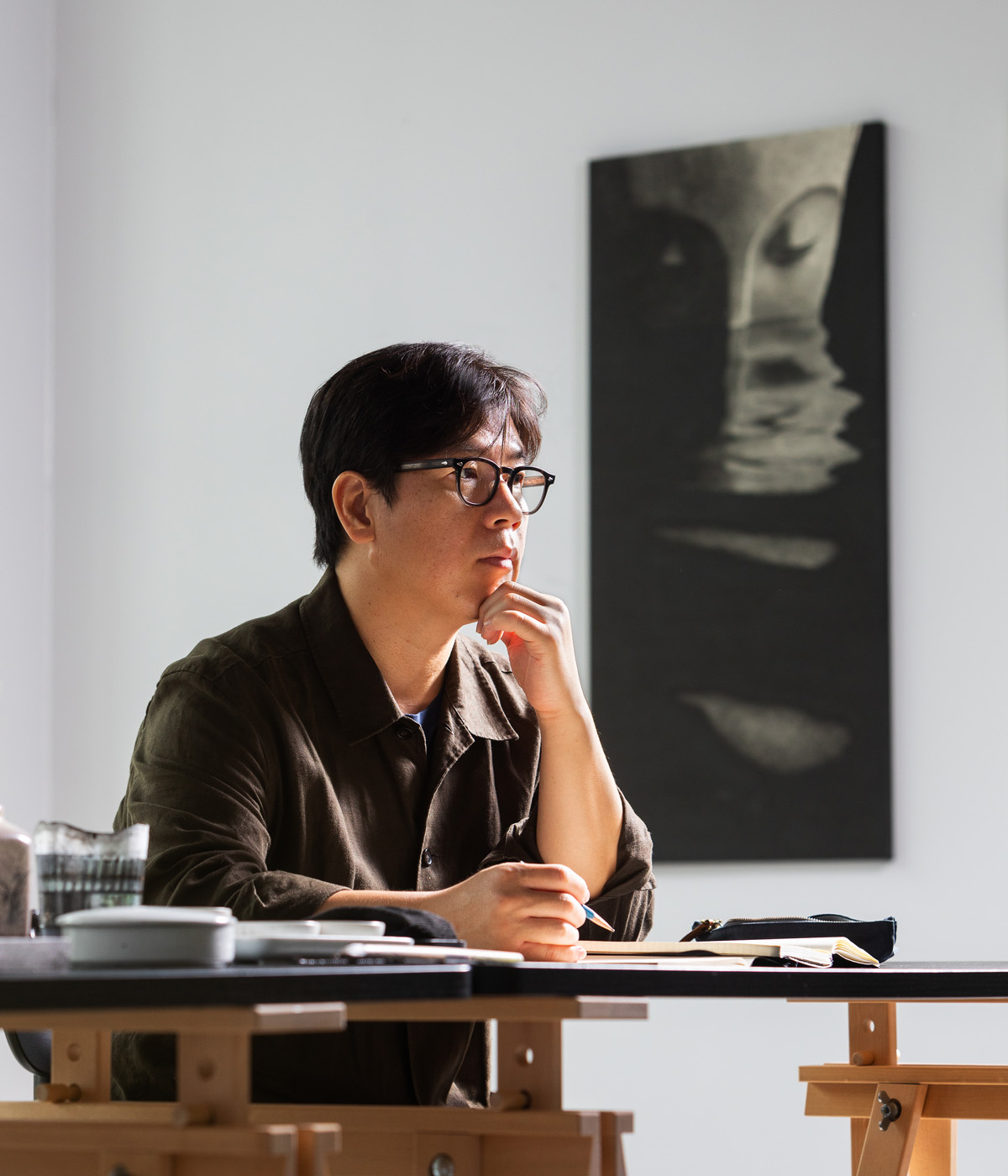
What first led you onto the path of art?
During middle and high school, I remember feeling a thrill while listening to the music of brilliant musicians who died young, and my heart racing at stories of characters in Russian novels. Watching a protagonist sprint at full speed through the streets of an unfamiliar city at night, I thought, “I want to be that free too.”
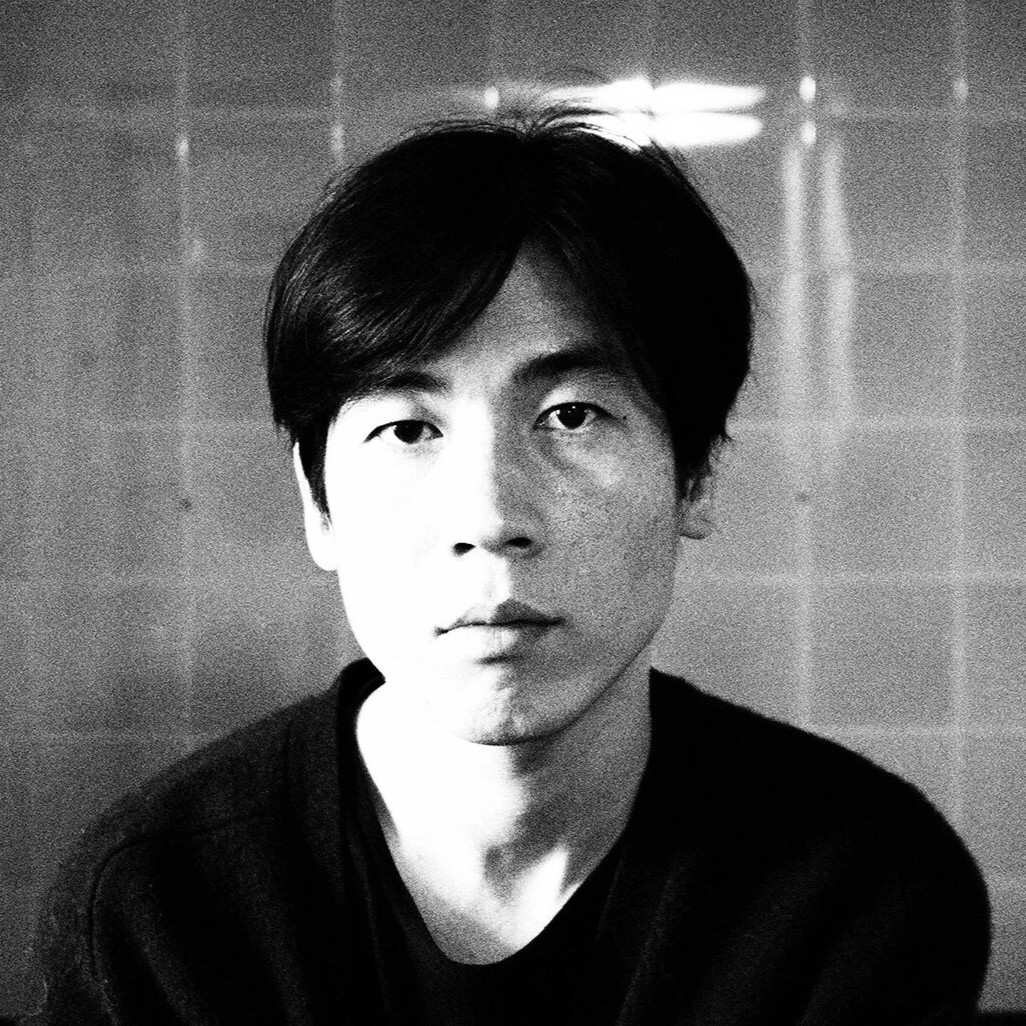
When I began wanting to belong to the same group as the people who created such works, and felt that I wanted to contribute something to the world alongside them, the image of an “artist” seems to have taken clear shape within me. That memory seems to have led you toward art. You use an artist name rather than your given name, and it was inspired by the Buddhist concept of “no-self” (無我).
Although I was influenced by Buddhism, the meaning I wanted to convey is not confined entirely to a Buddhist context. Once, while writing in my journal, I suddenly felt uncomfortable when I noticed that every sentence began with “I.” So I chose the name as a kind of resolution to empty myself a little and create something that might transcend the self.
Ironically, however, the more I used the name, the stronger the image of myself seemed to become. I eventually came to think that a story without the self is impossible. Still, I continue to wonder whether I might gradually fade within the world as the scope of my relationships expands.
You have worked with ink for many years. What drew you to this material?
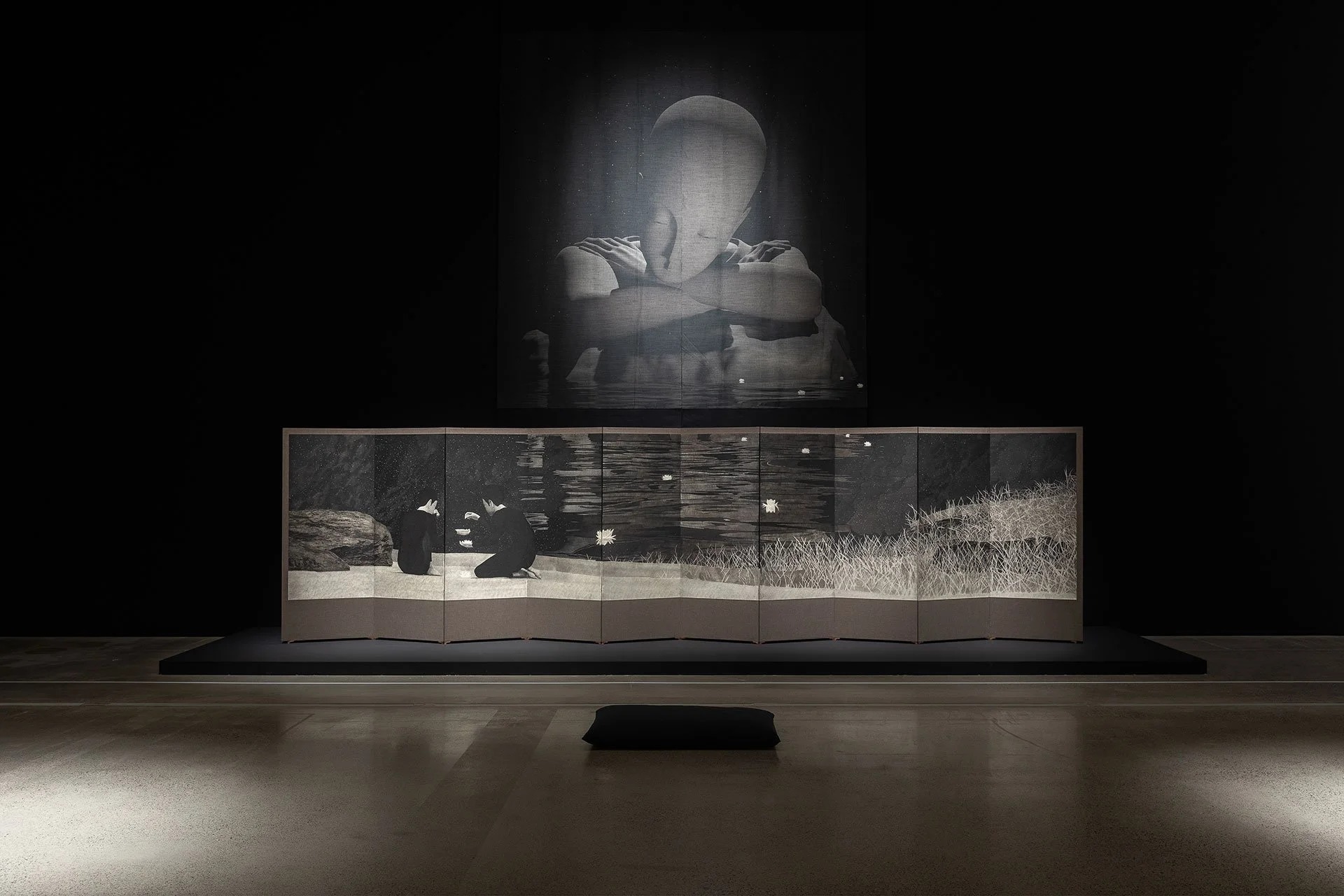
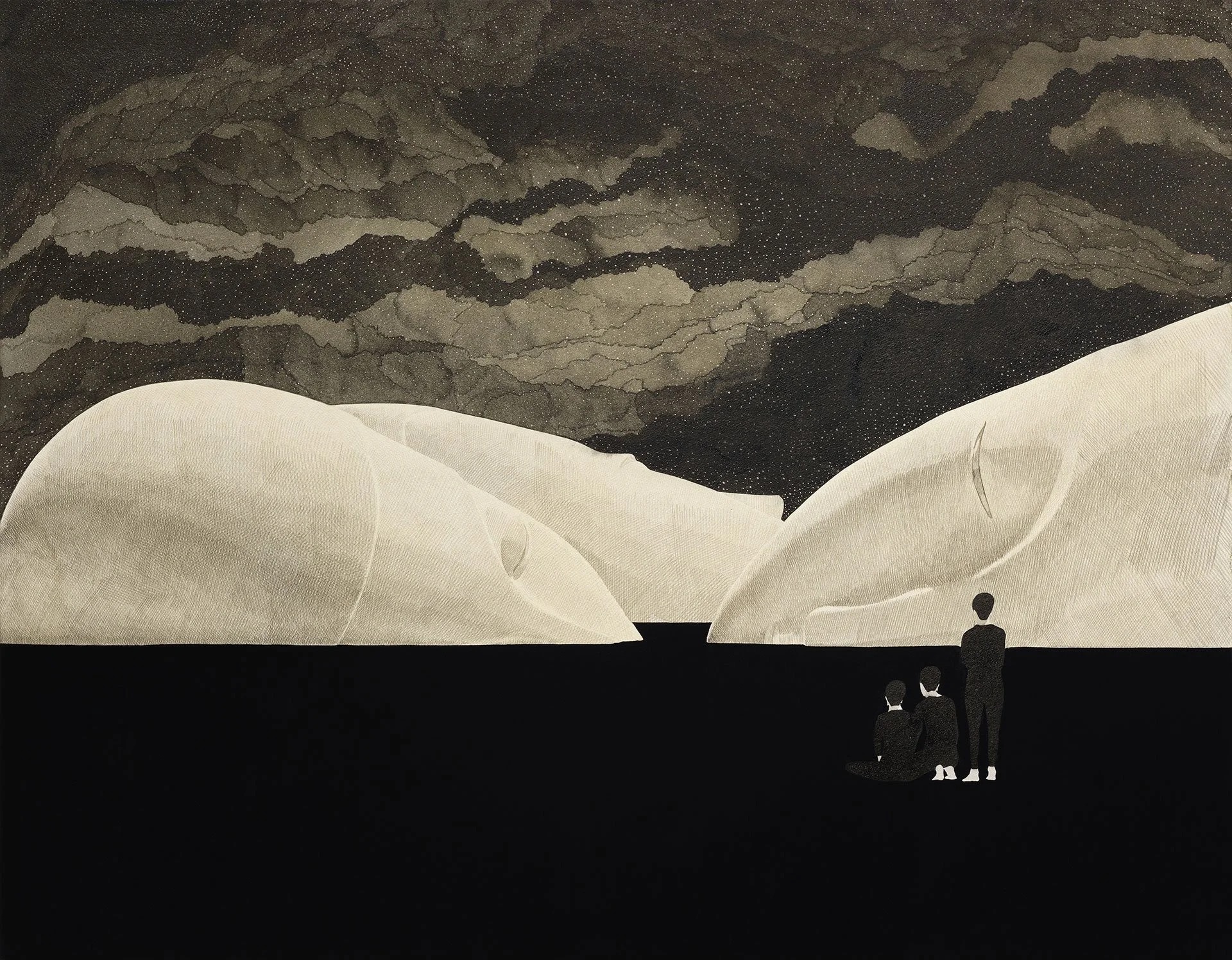
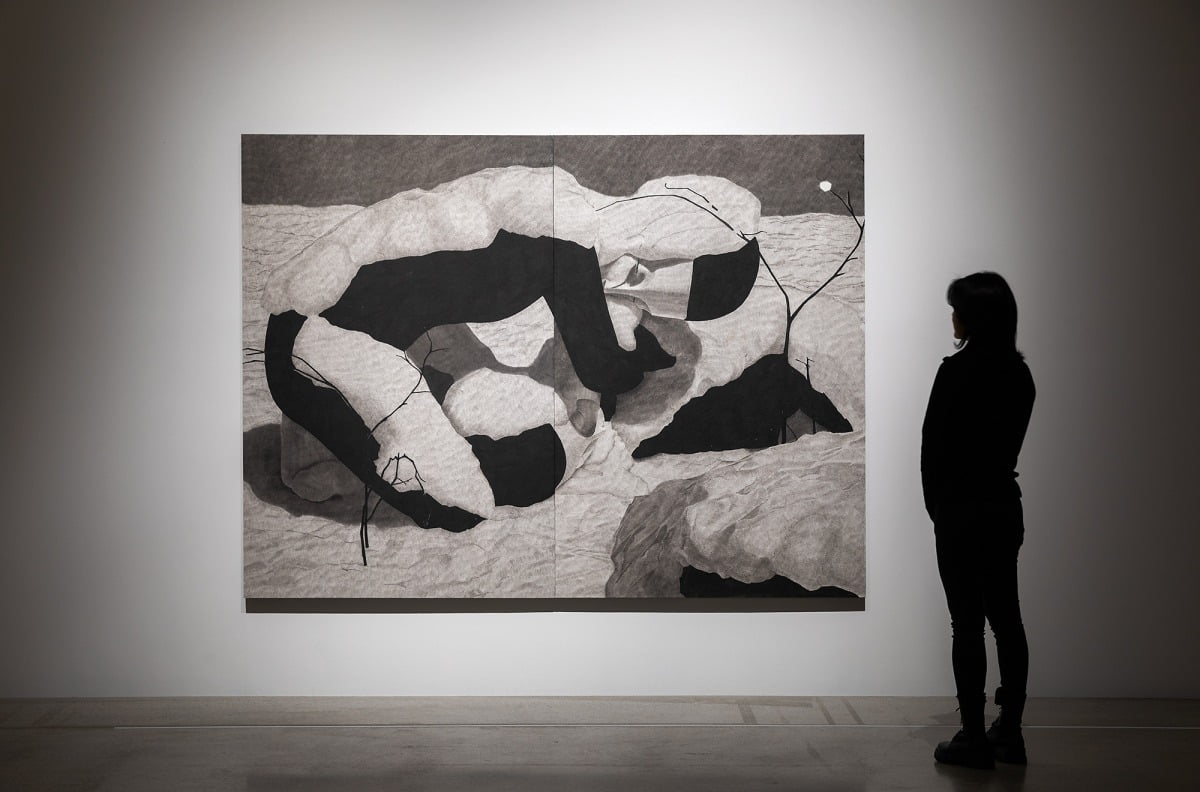
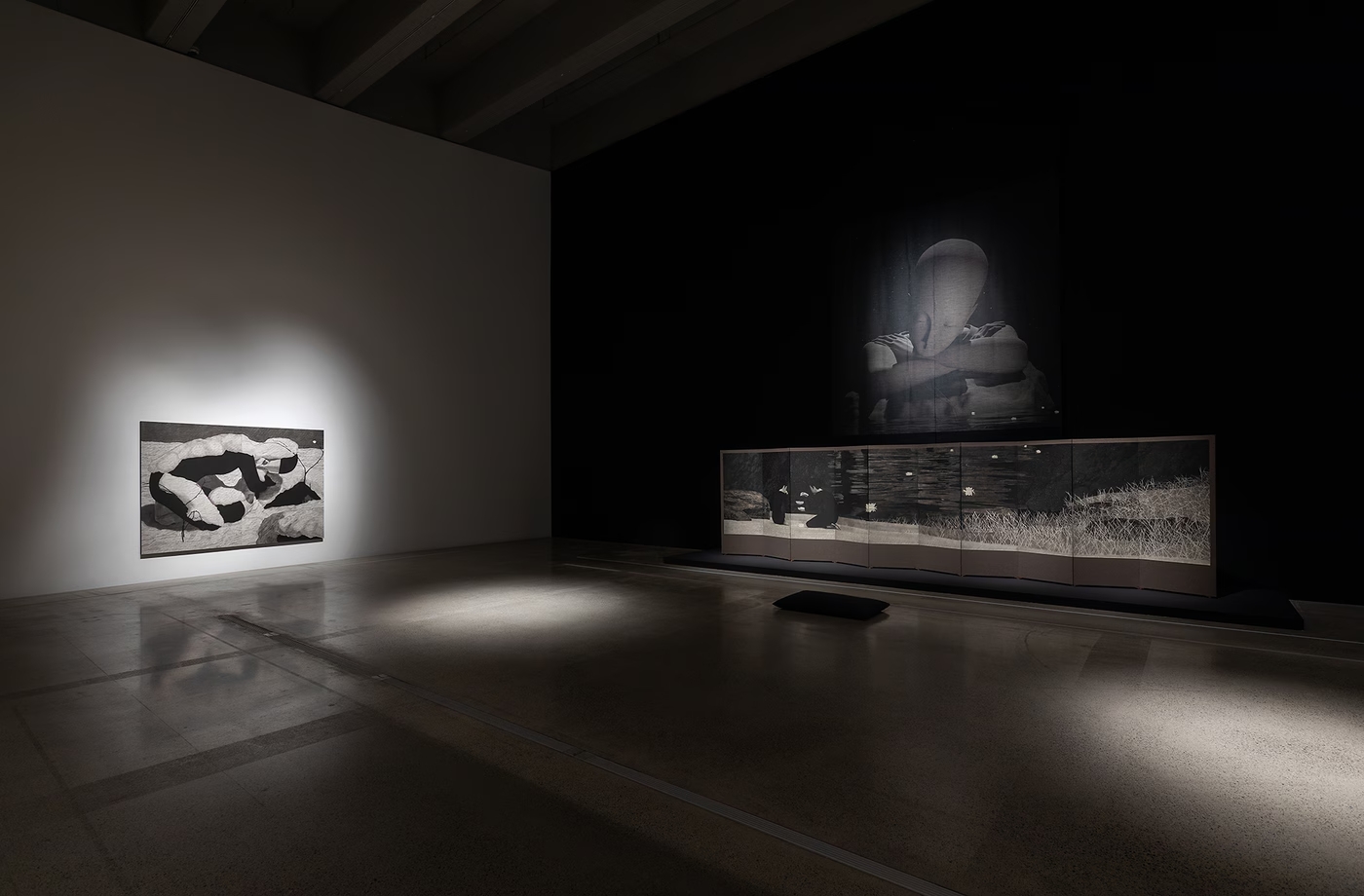
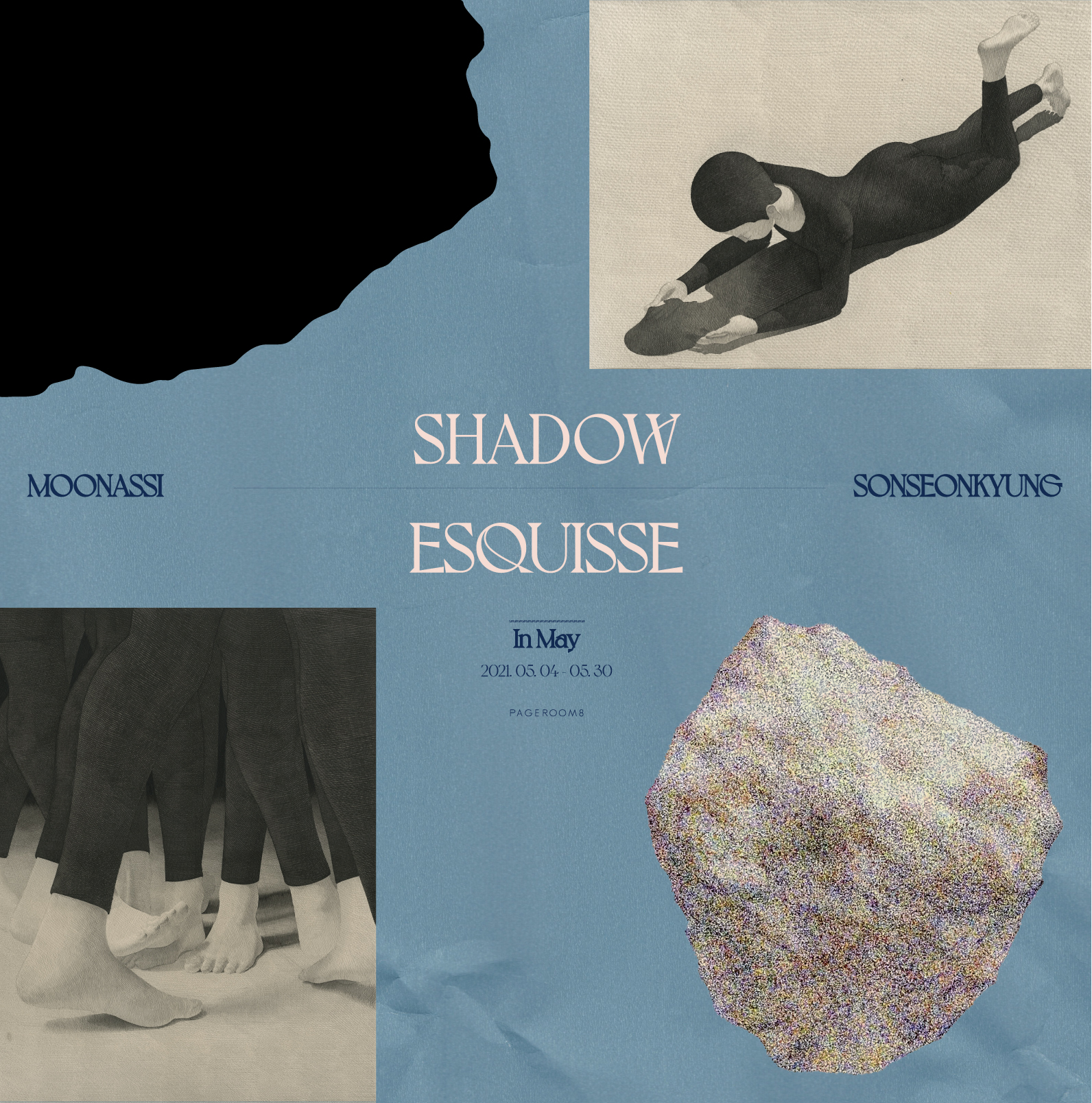
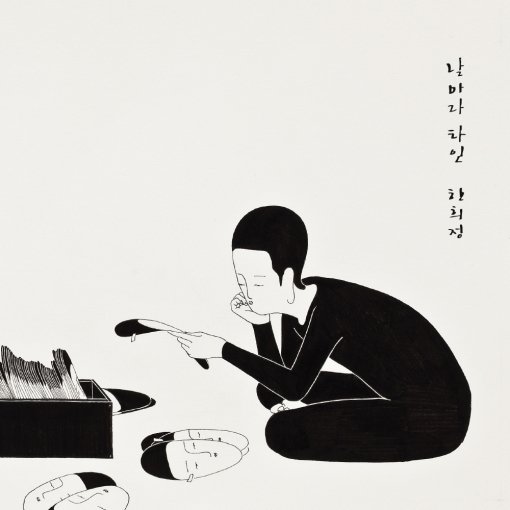
I think it may be a kind of sensory pleasure. There is a visual satisfaction in applying an intensely deep black. It is the pleasure of the moment when indistinct things become clearly divided. Conversely, the ambiguity and slight fear I feel when black ink diluted with water spreads unpredictably across paper are also compelling.
Above all, I like the simplicity of being able to create infinitely varied expressions with a single color. With only paper, brush, ink, and a vessel, I can begin anywhere and at any time.
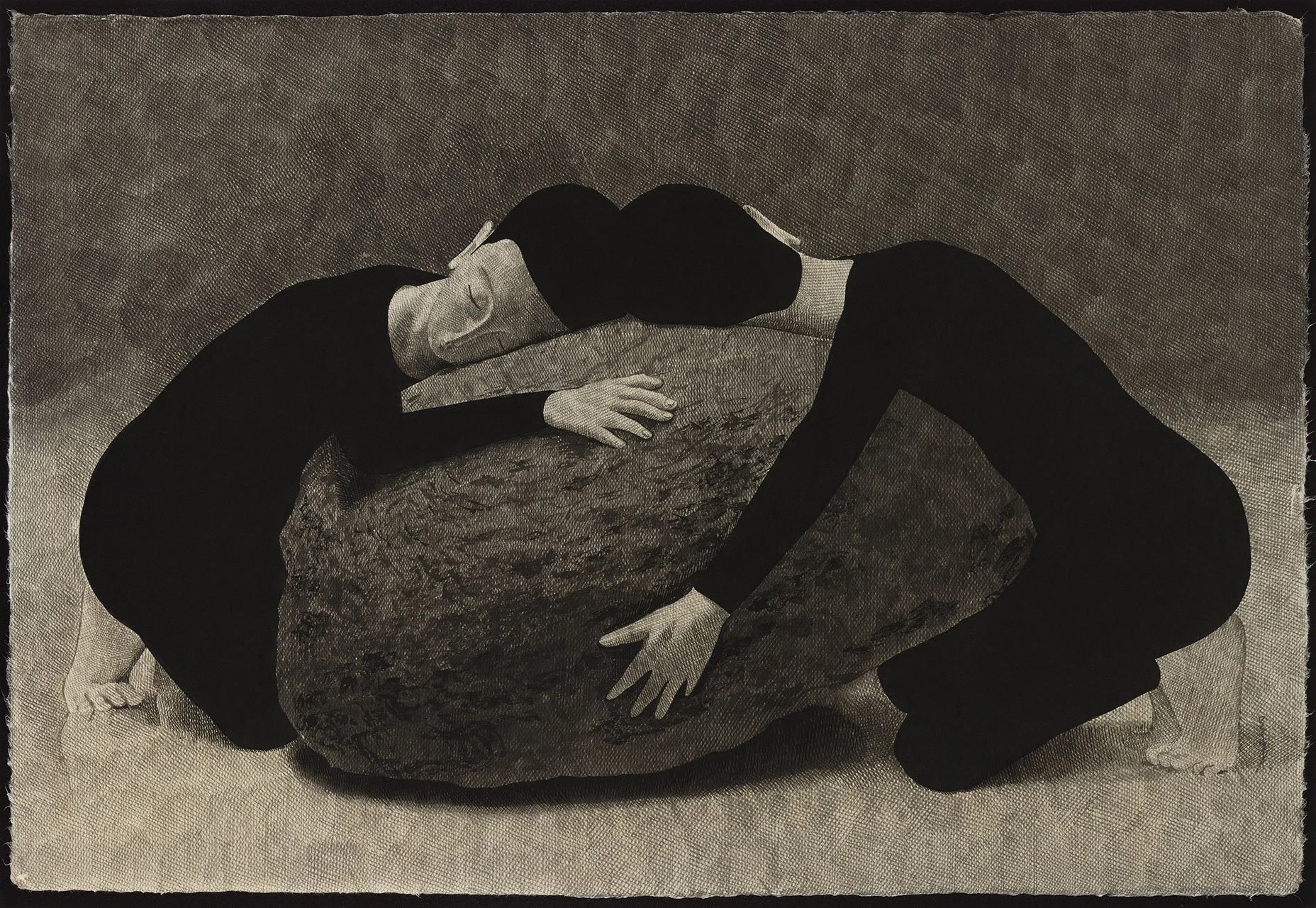
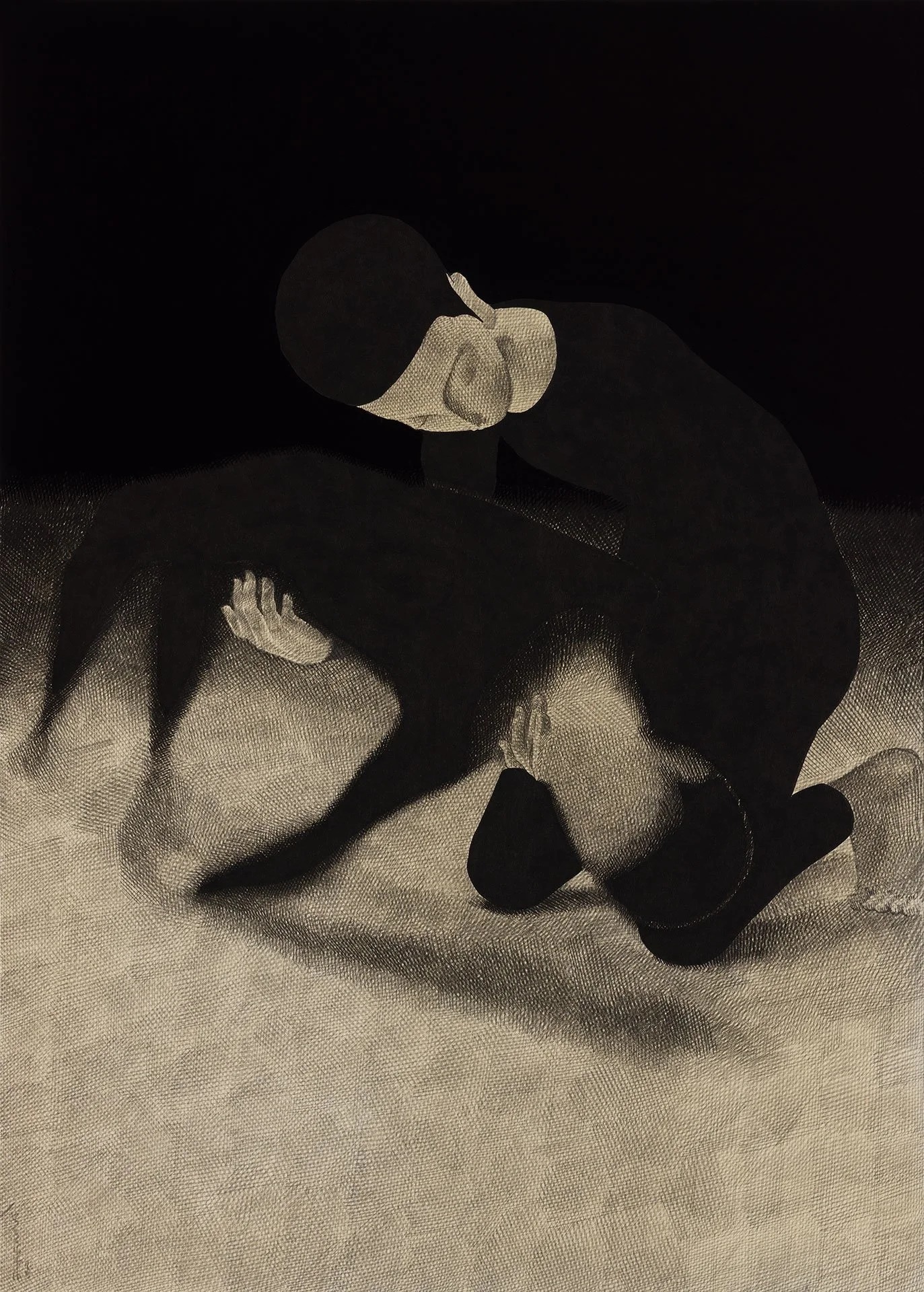
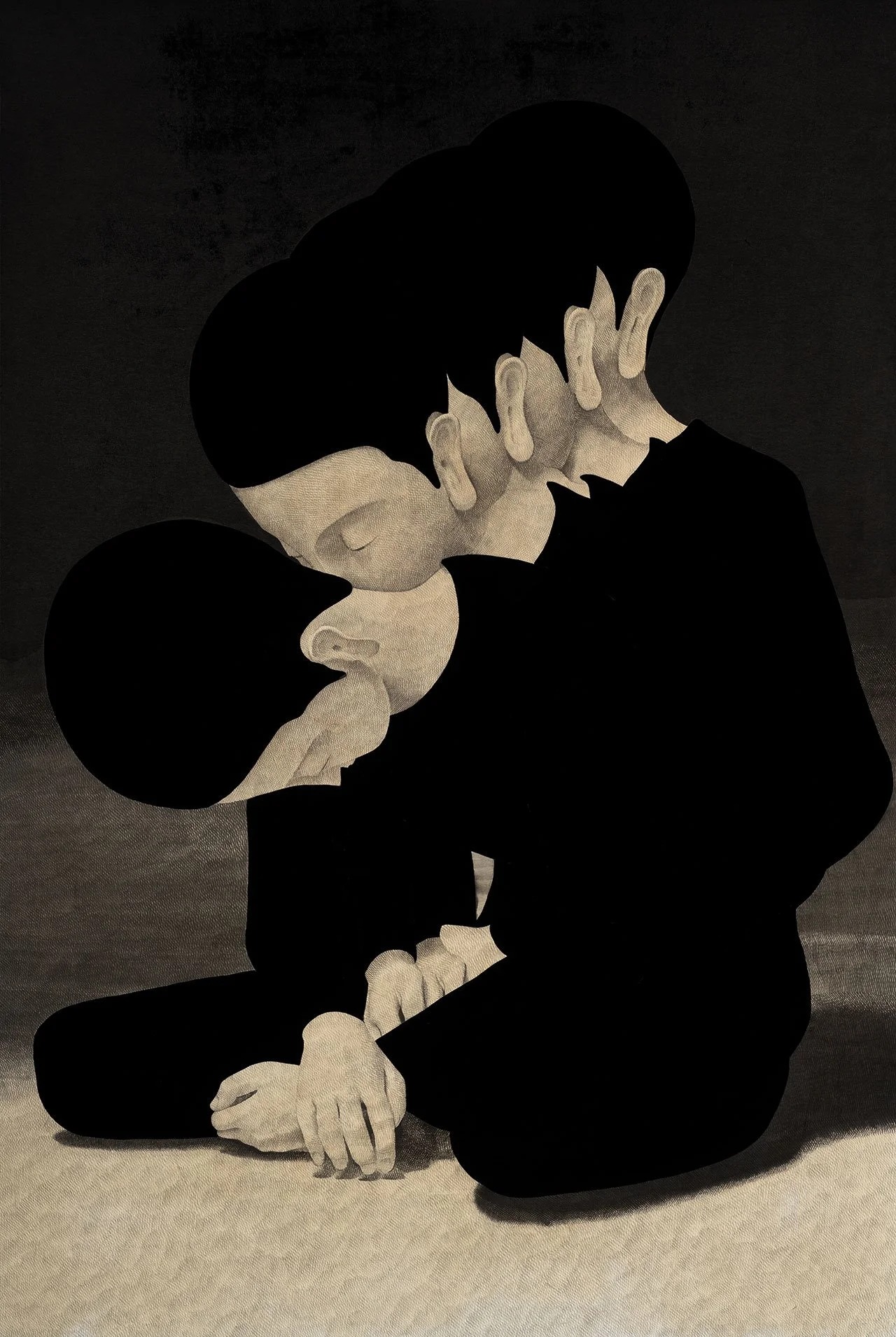
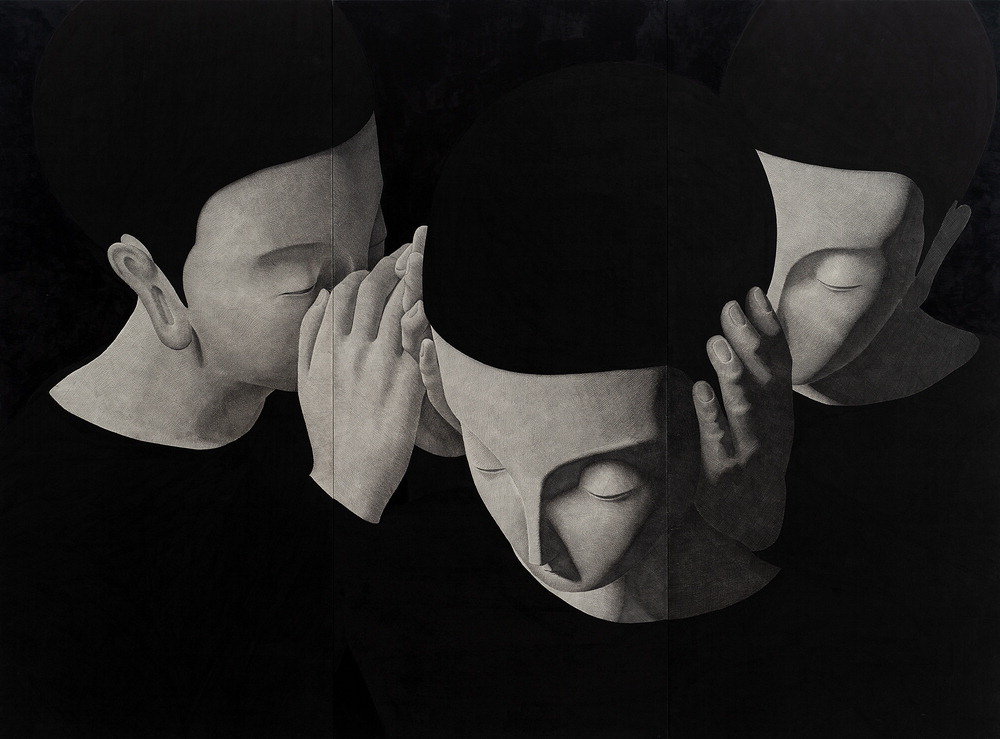
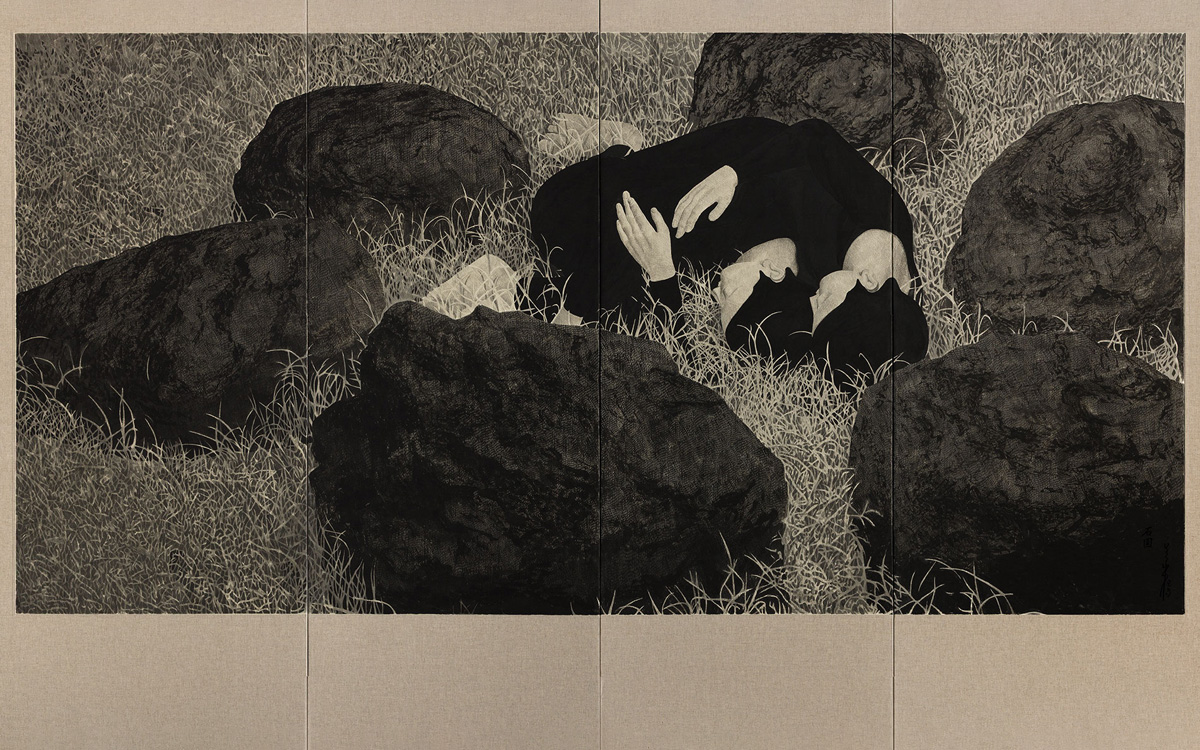
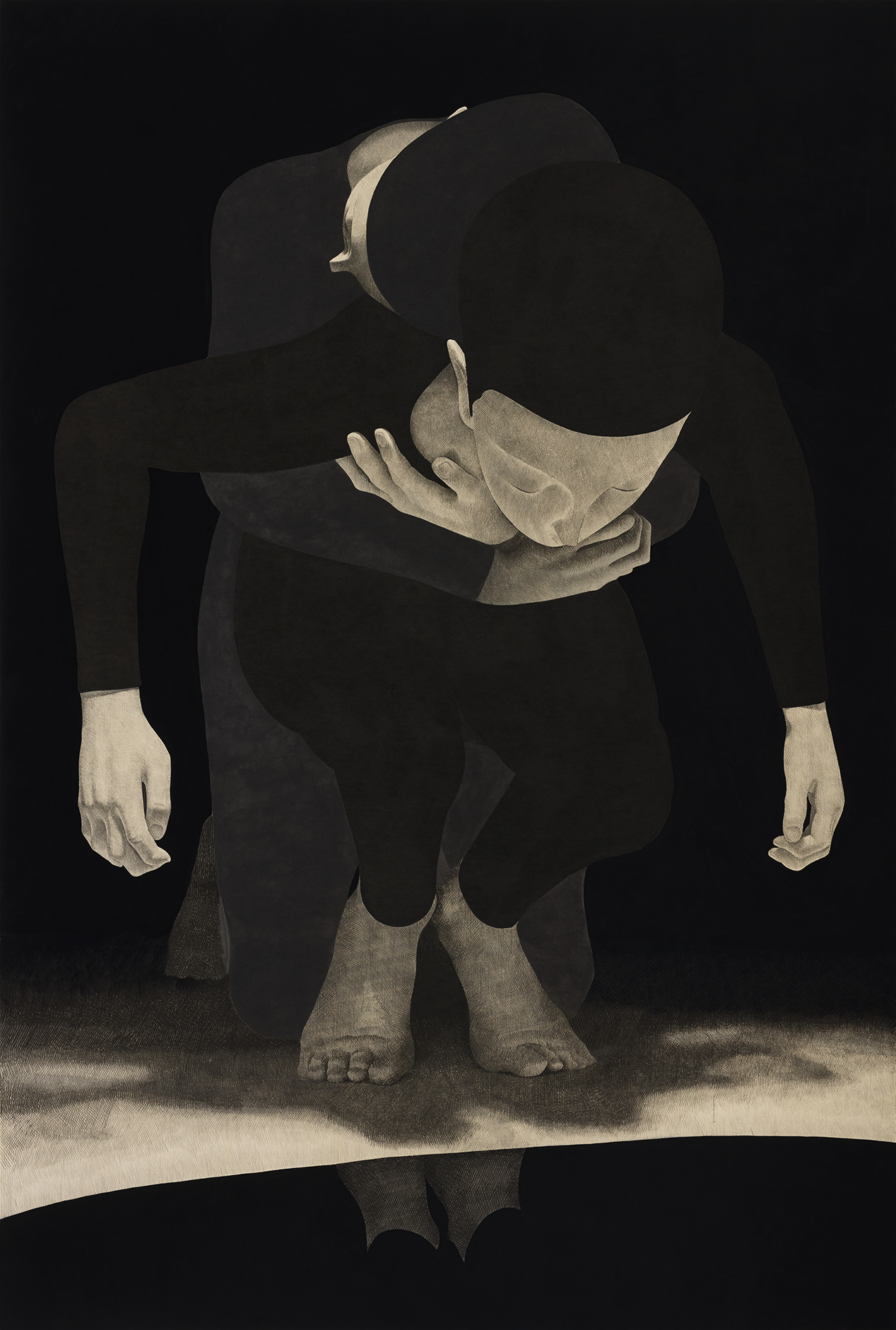
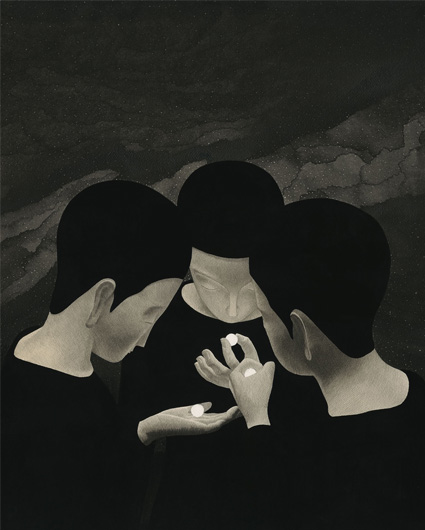
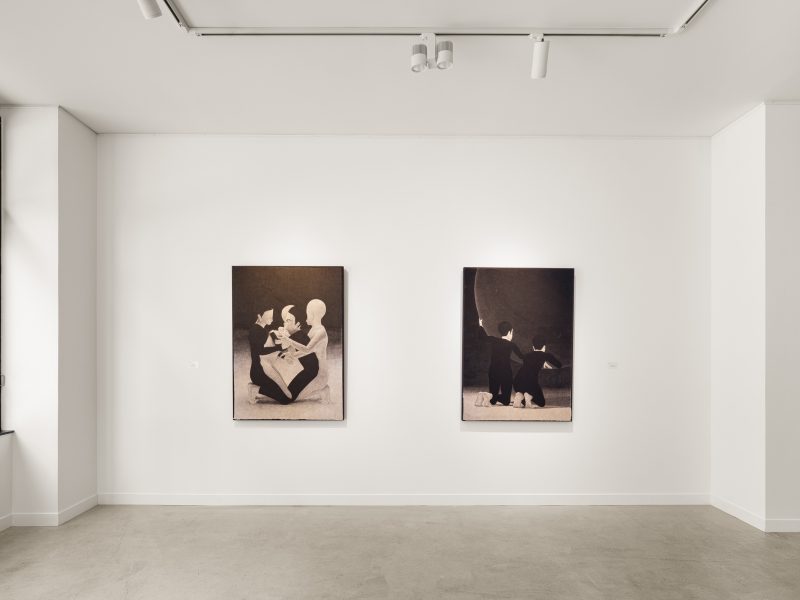
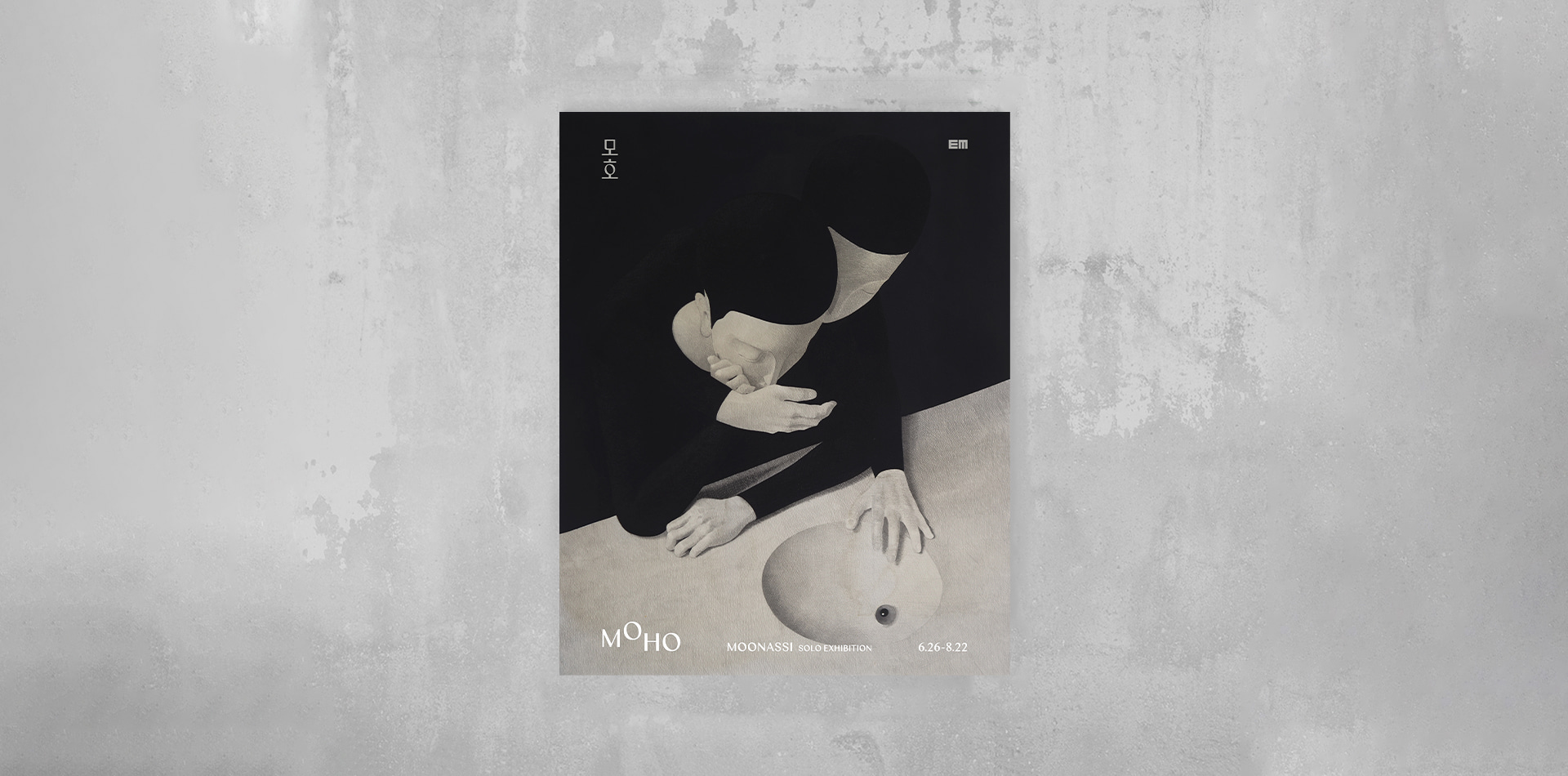
The figures in your black-and-white world face or turn away from one another, creating subtle emotional currents. Do they originate in emotions you have experienced through relationships?
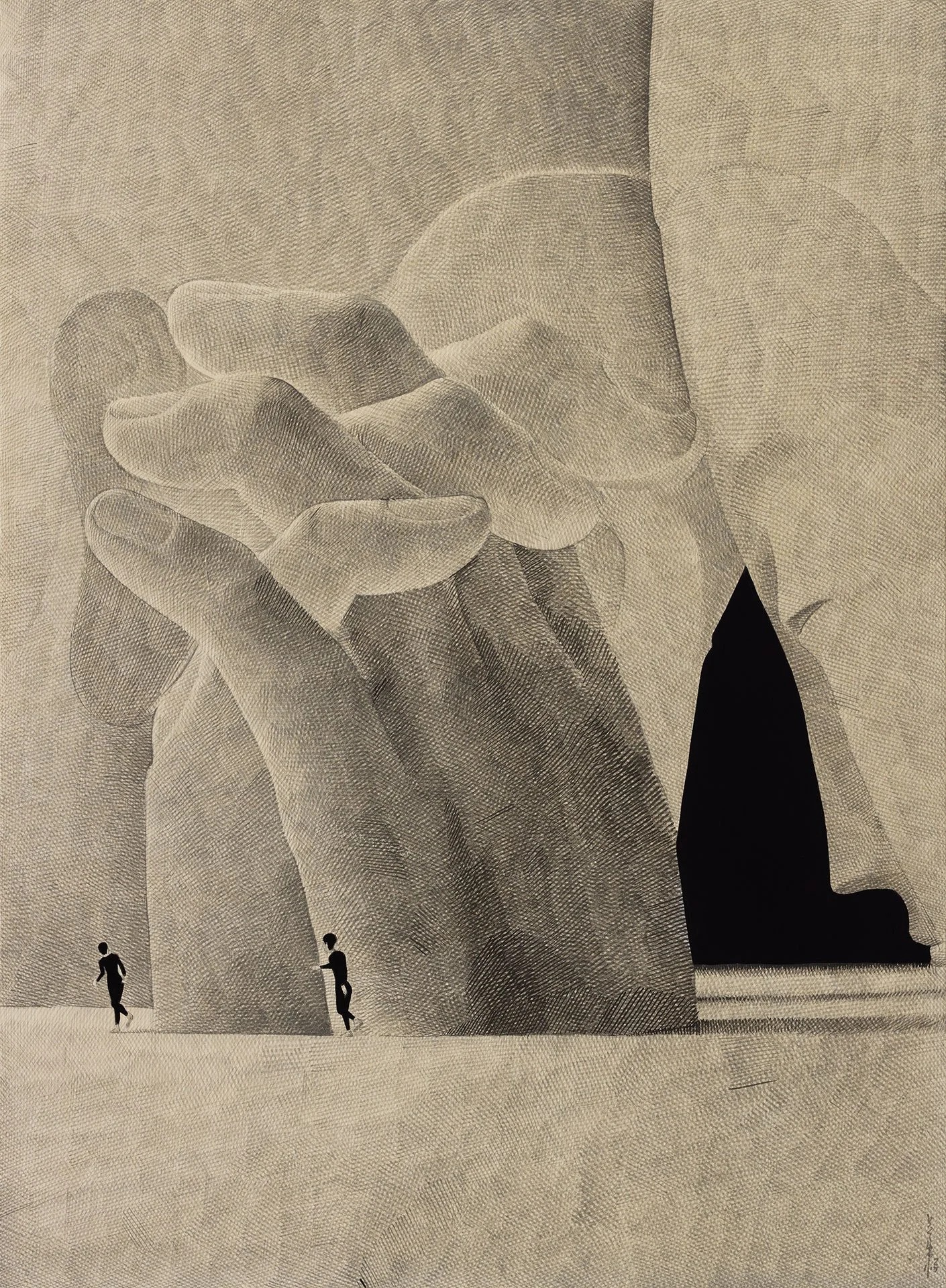
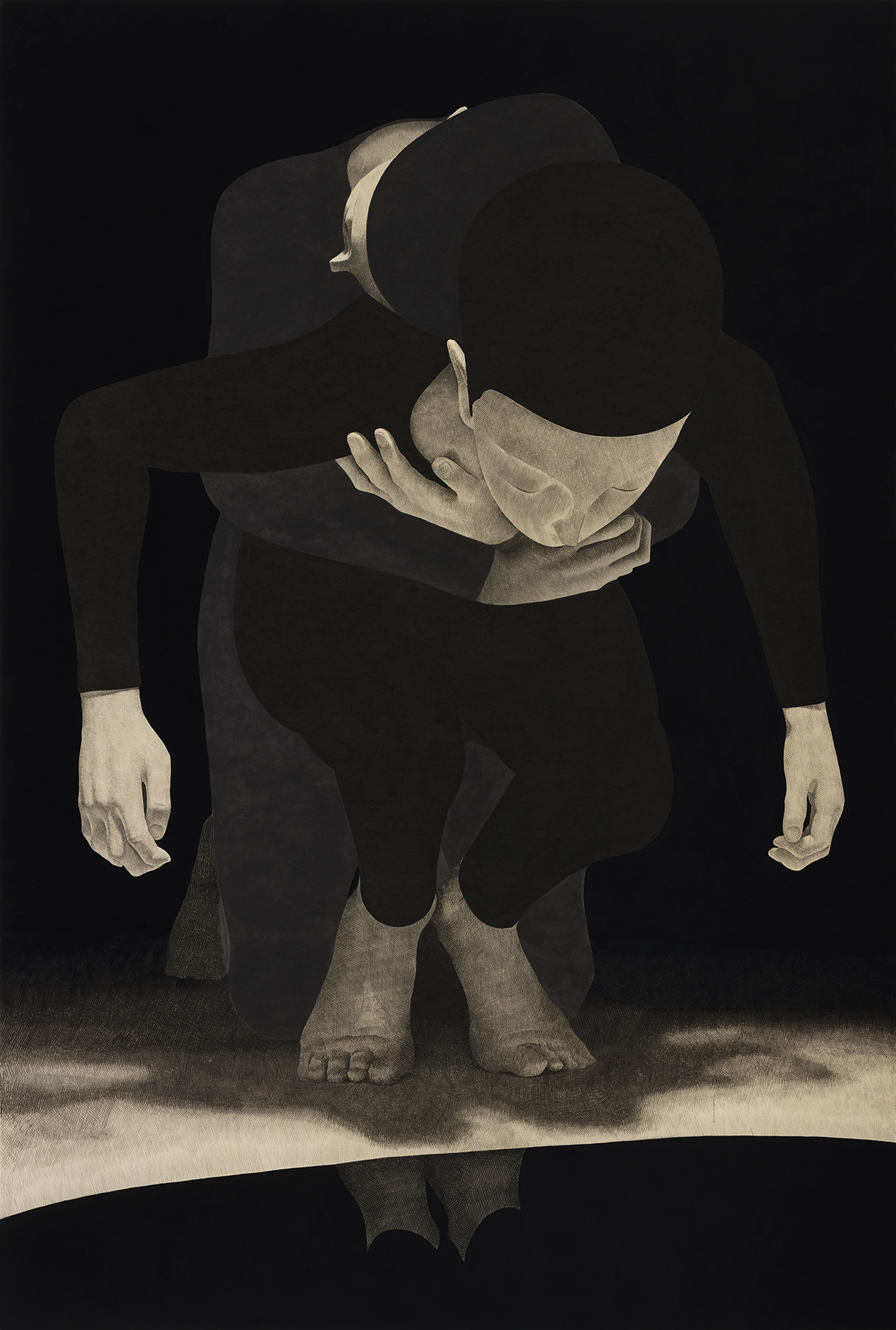
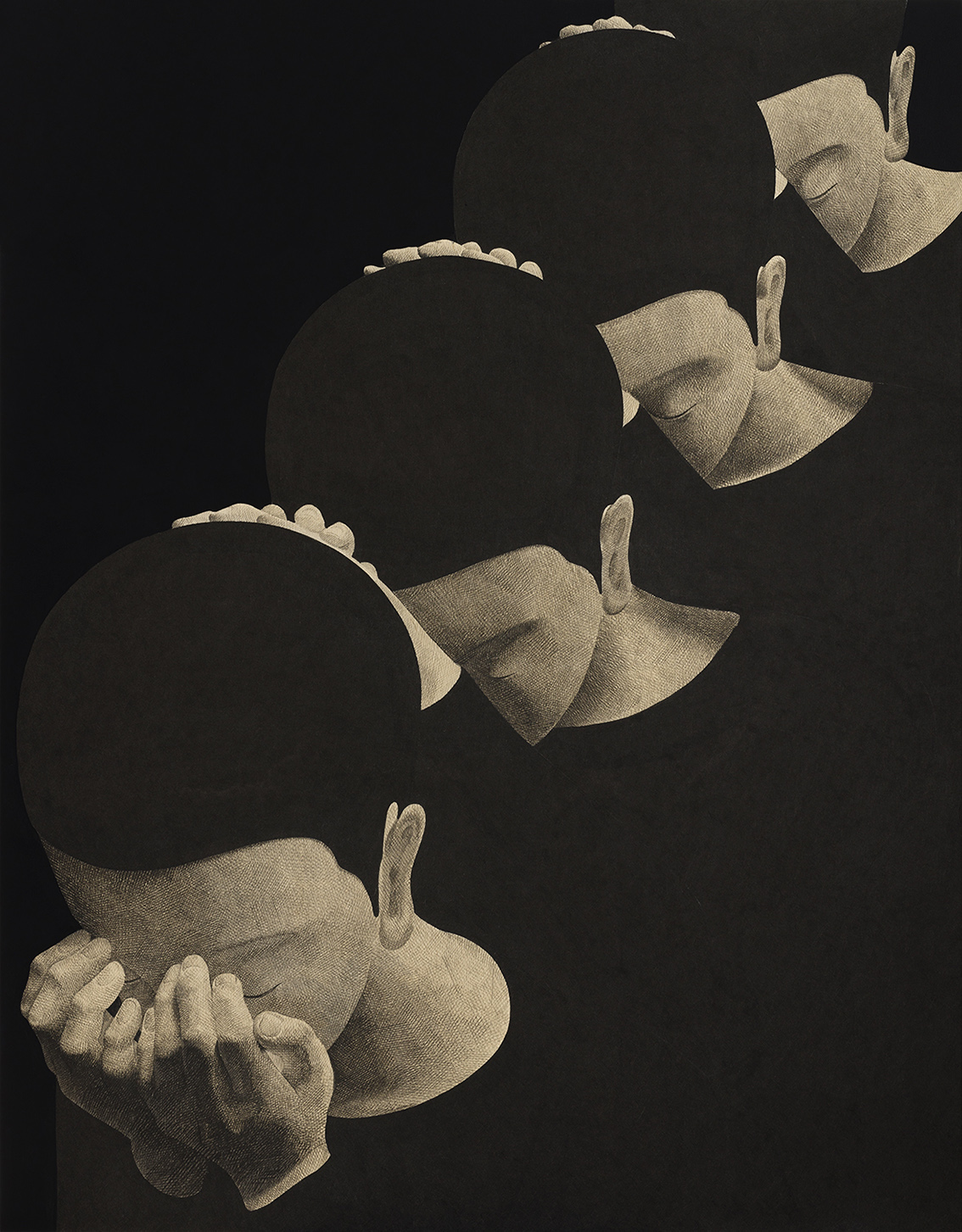
Yes, they do. Anyone capable of stirring emotion in my mind is connected to me in some way. That includes my closest family members, people in other worlds whom I can never meet directly, those who have already passed away, and even someone who has yet to arrive in the future. If I can think about and imagine that relationship, it becomes material for a painting.
The way you transform abstract experiences within relationships into a concrete scene is striking. How does a work begin?
When I have an unfamiliar experience, I first talk about it with my wife. As we speak, my thoughts naturally become more organized and clearer. Afterward, I write down whatever comes to mind about the experience. I imagine different gestures, qualities, and textures related to the emotion and try to shape them into brief sentences. When an image emerges through that process, the painting finally begins.
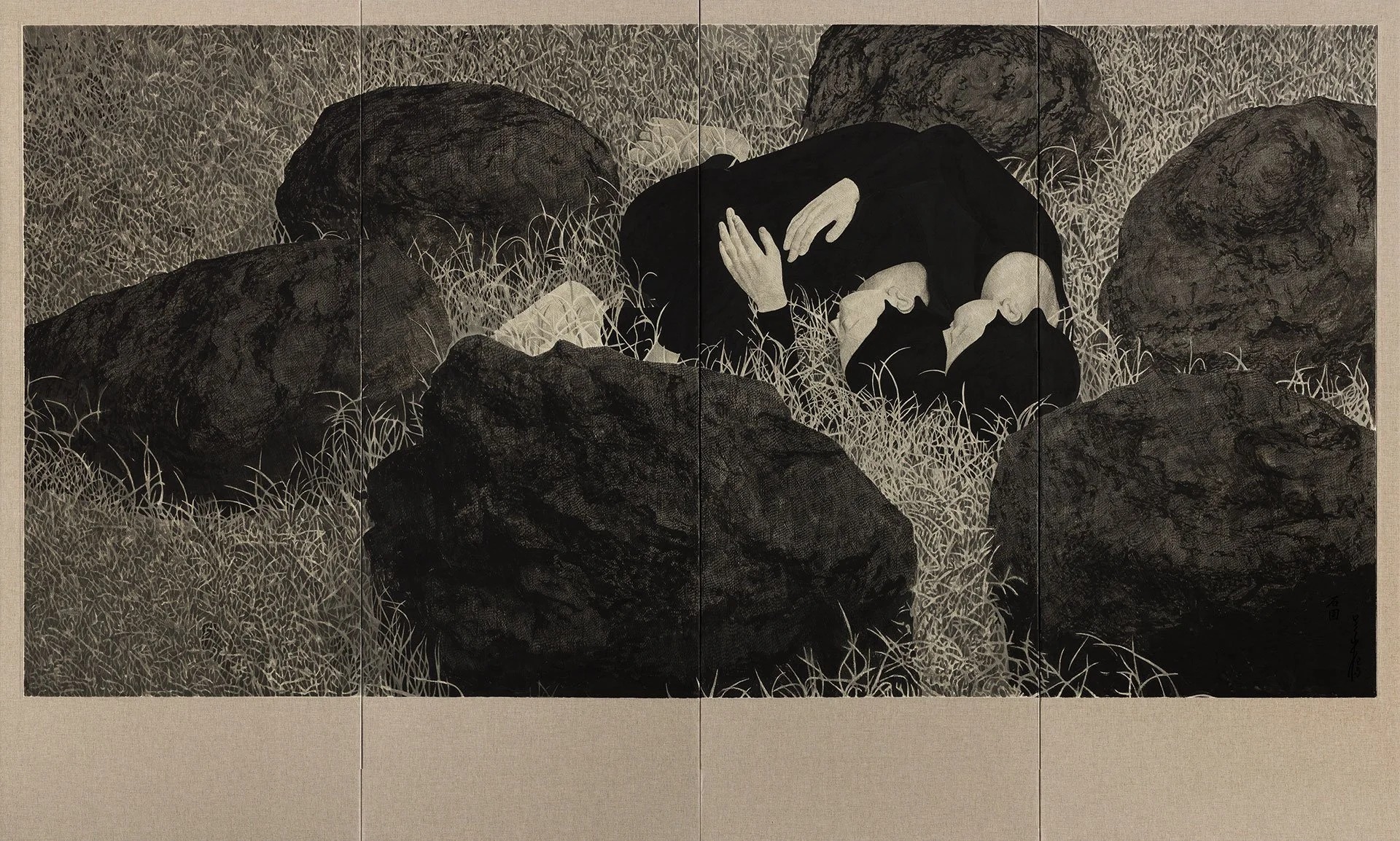
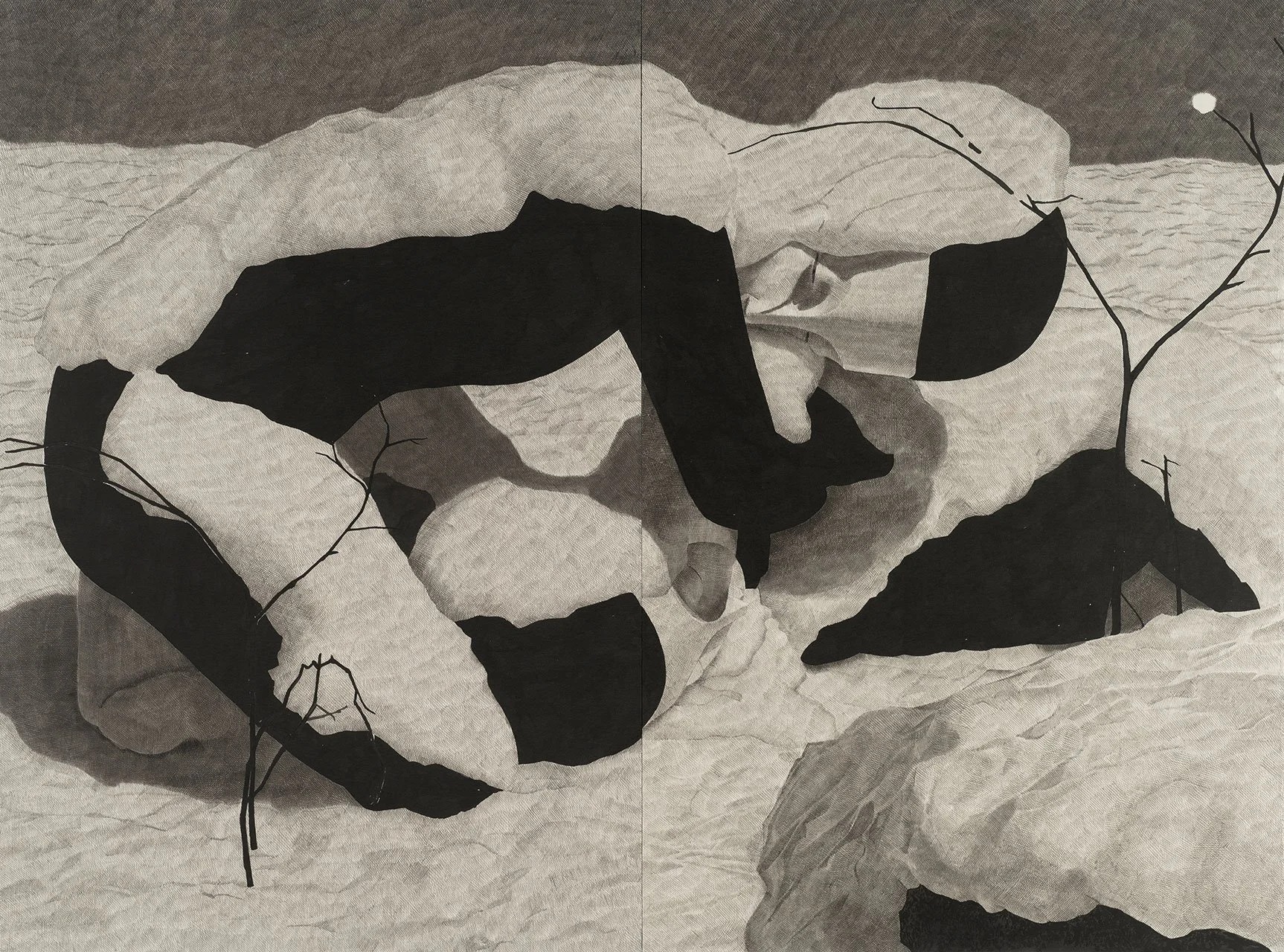
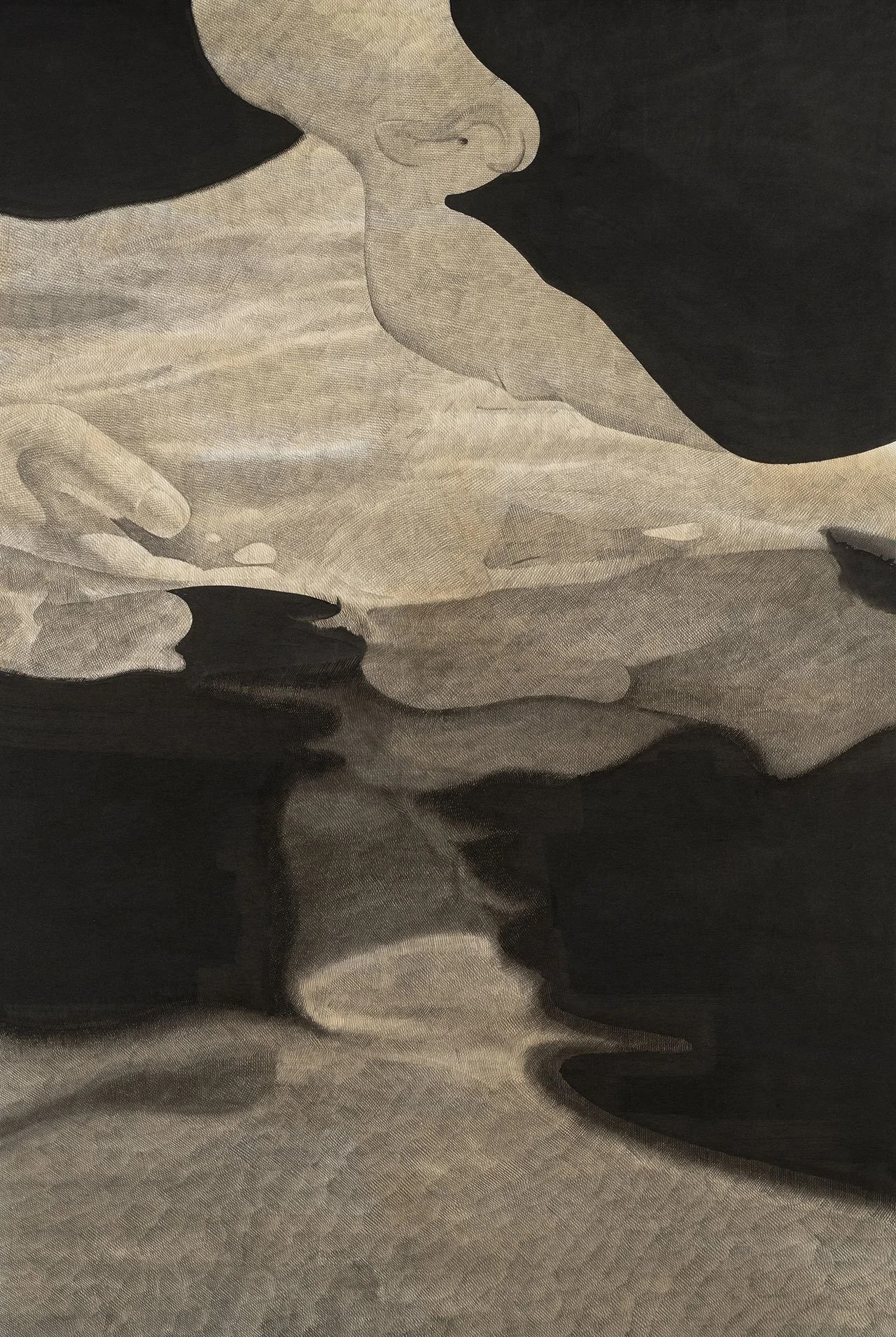
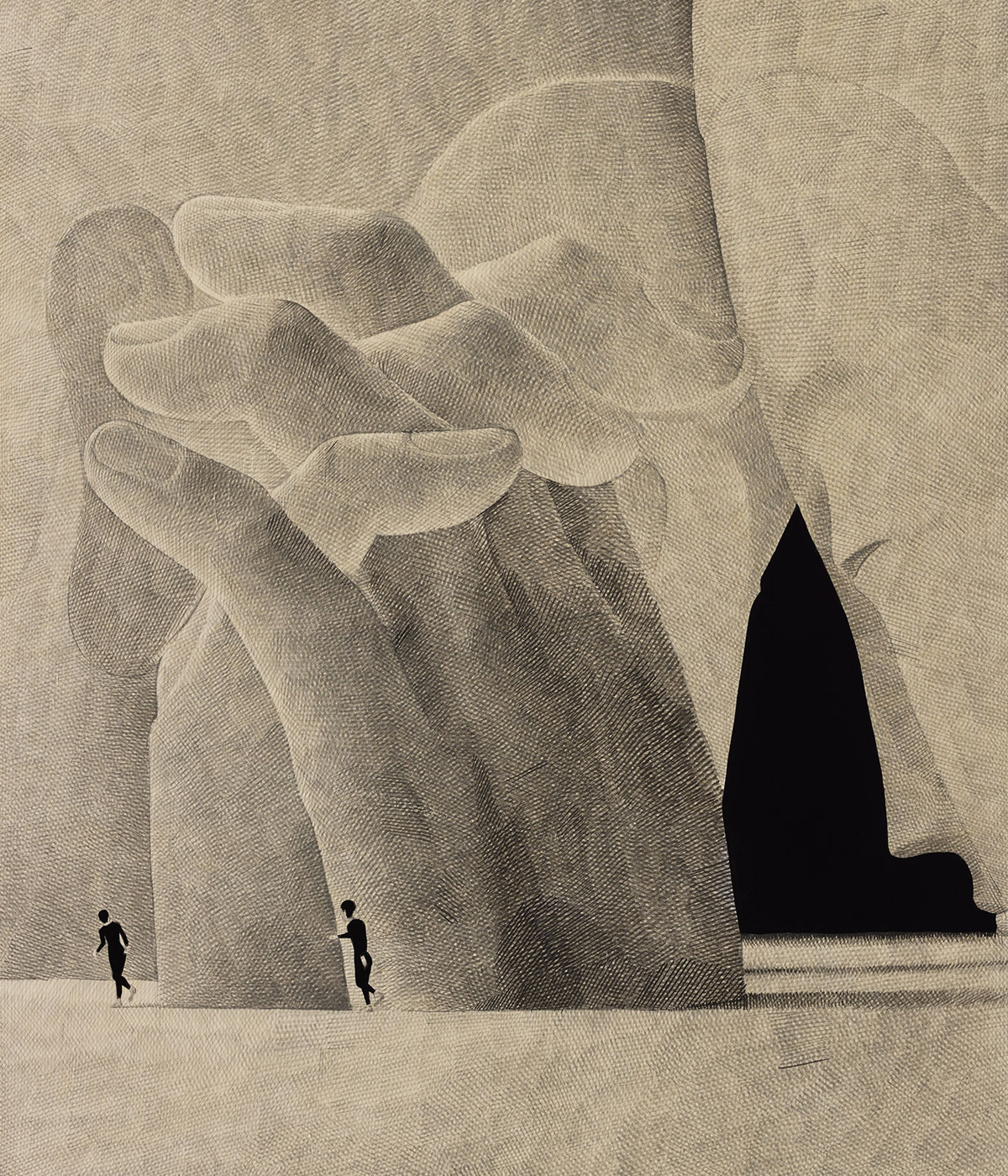
Once the painting begins, countless lines accumulate layer by layer.
When I look at a work that appears to have been made easily, I also tend to leave it quickly. But when I can sense how many long nights the artist may have spent on a work, I am moved that much more and remain with it longer.
I think I chose this method because I wanted the painting to convey that it had been made with my whole heart. The process of drawing lines that allow me to remain fully before the painting is the most comfortable and happiest time for me.