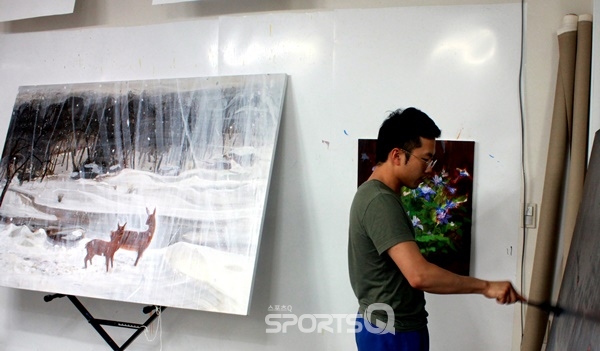
At the end of May, I met Hoin Lee (34) in his studio, located inside an old commercial building whose walls were thickly covered with lush green moss. Neatly dressed and impeccably polite, Lee never once put down his brush throughout the interview.

It is often said that poets speak through poetry and painters through painting. Watching him work, it seemed as though diligence itself had become second nature to him, all in pursuit of speaking through better paintings.


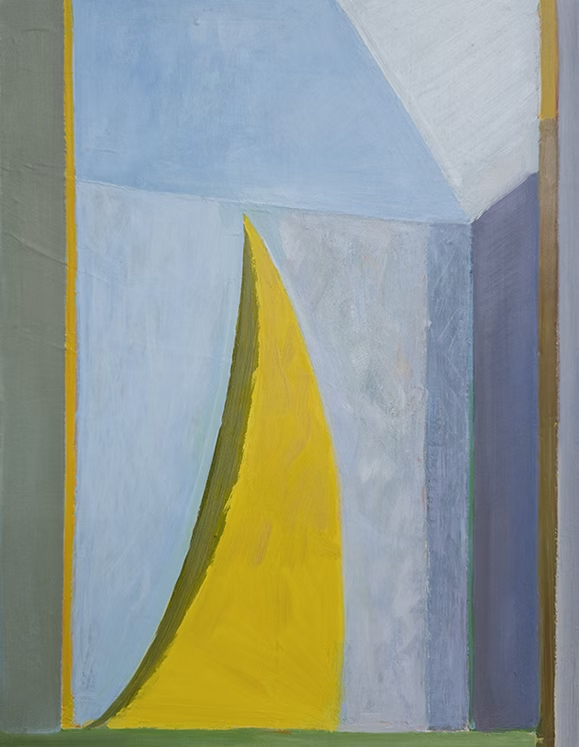
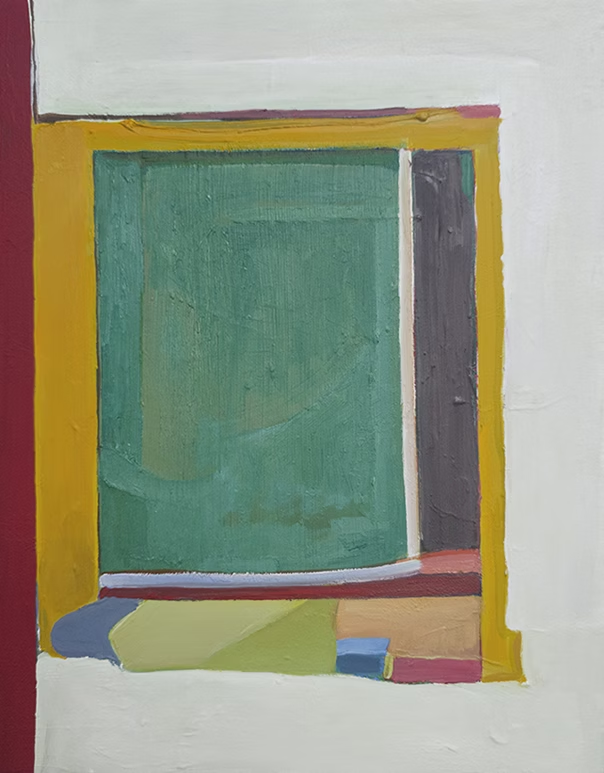
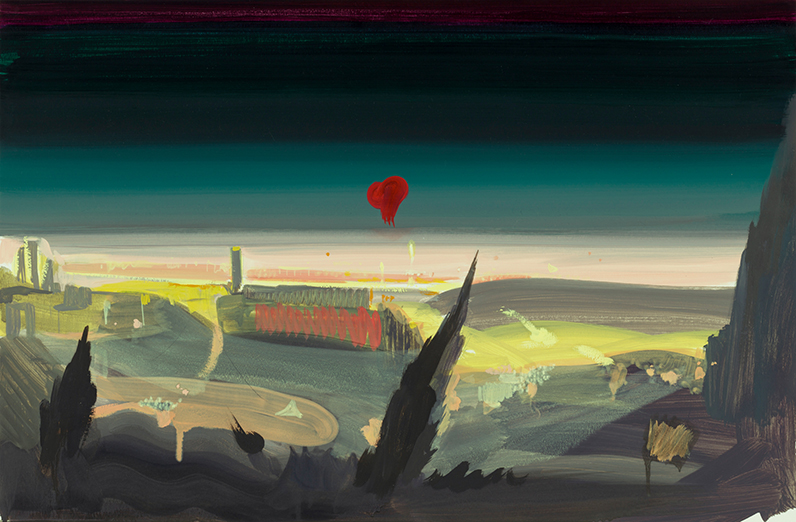
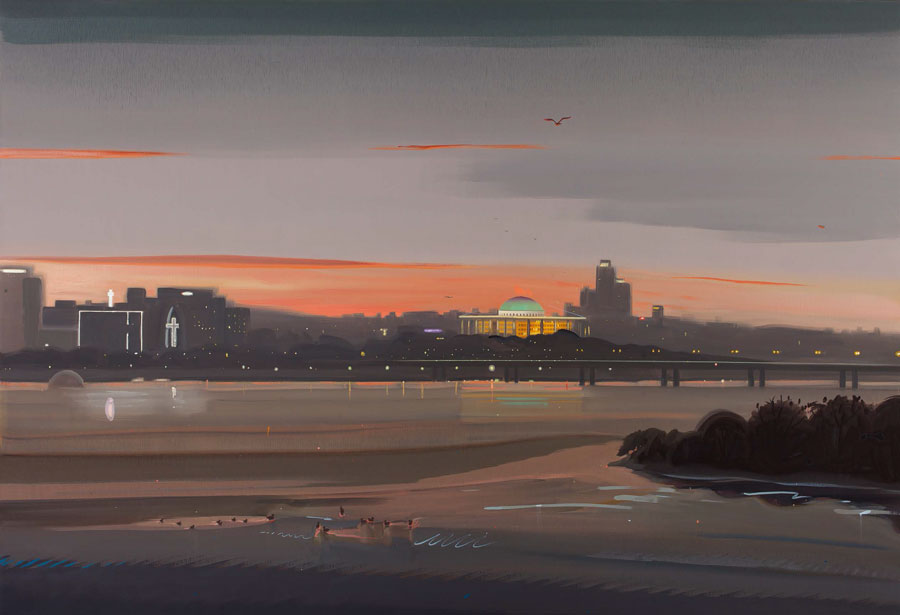
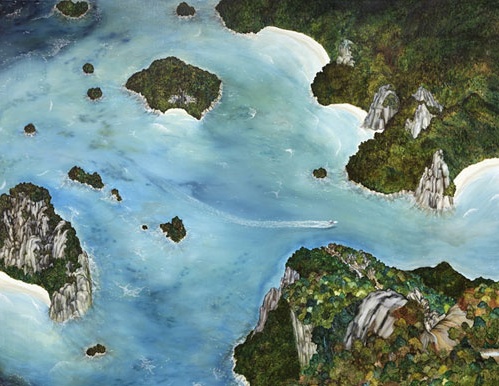
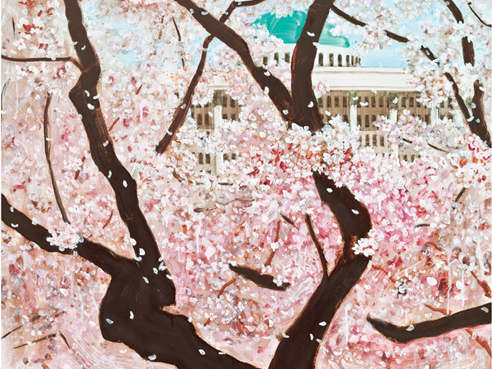
Hoin Lee, Old Man, 2012, Oil on acrylic board © Hoin Lee

"I am deeply interested in concepts such as the universe, the Earth, nature, humanity, love, vitality, justice, and freedom. They are broad and abstract ideas, but if I were to express them in a sentence, they might become questions like: Where do we come from, and where are we going? Who am I, and what is truly valuable in life? These are the kinds of inevitable questions, without definitive answers, that every human being has likely pondered at least once."

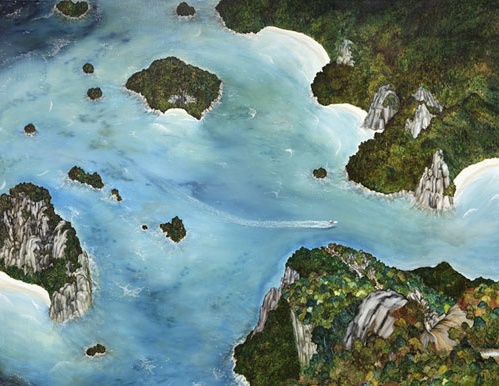
Nature and humanity form the central motif of Lee's practice. While he sees modern humans as having separated themselves from nature in ways that feel increasingly alien, he nevertheless believes that humanity remains an inseparable part of the natural world. His work reflects an ongoing inquiry into how we might live in ways that allow us to recover a sense of naturalness from this condition of estrangement.


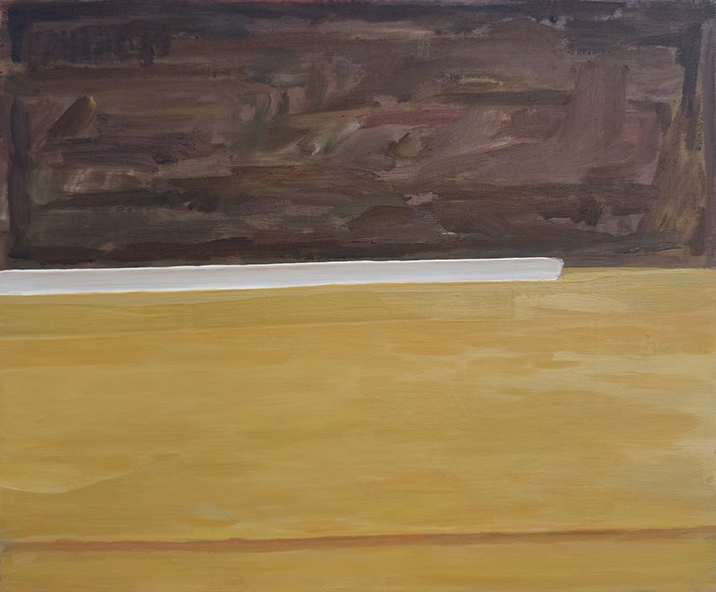
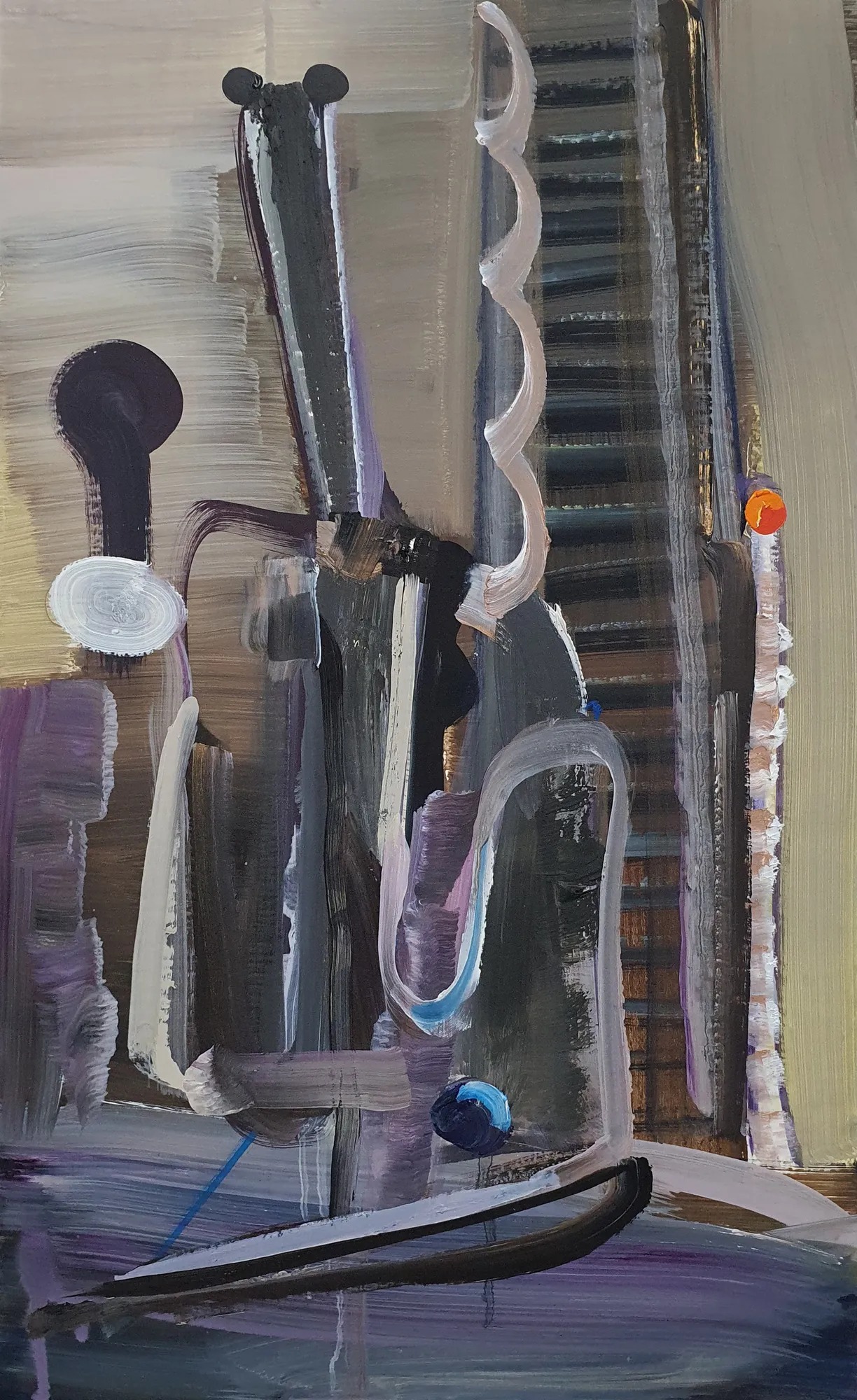
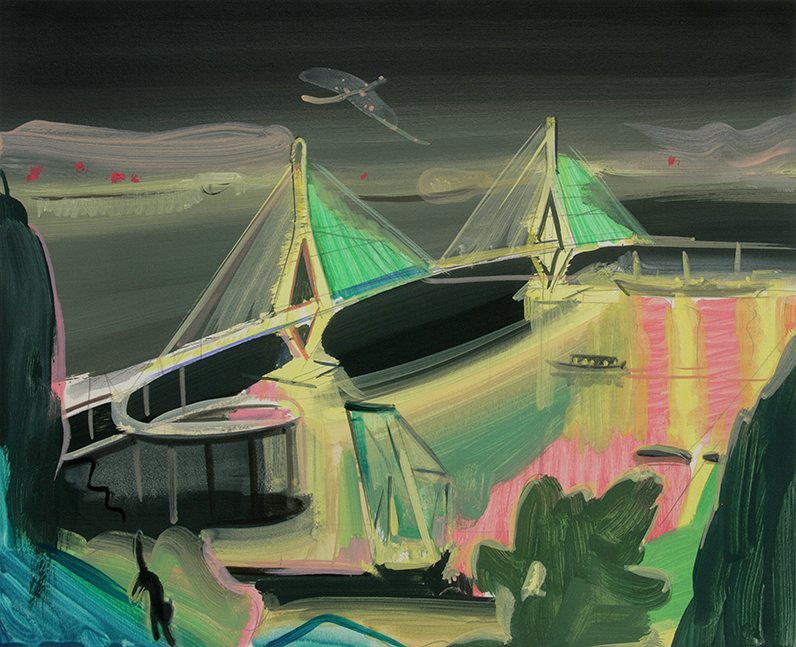
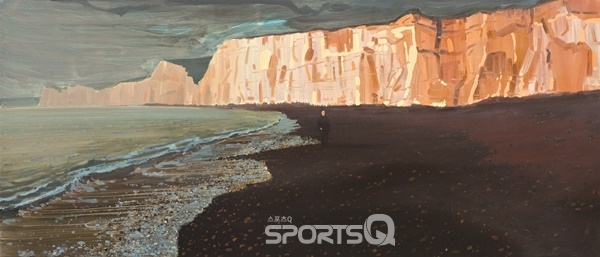
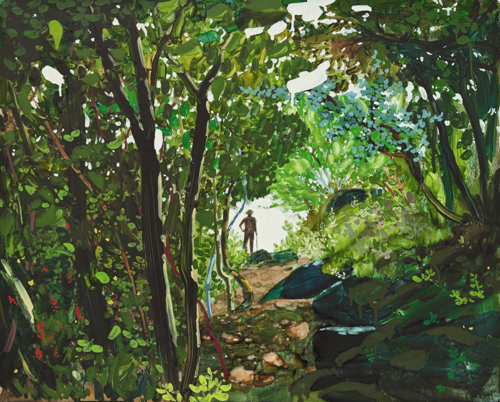
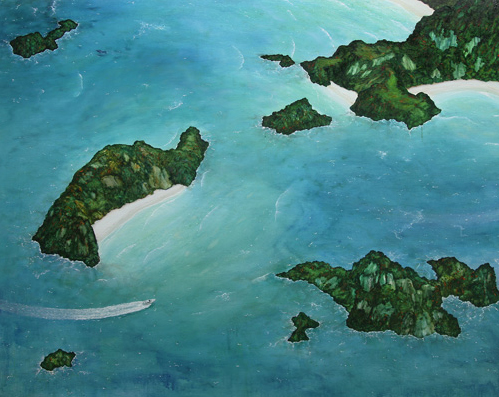
Hoin Lee, Wanderer, 2011, Oil on acrylic board, 60.5 x 75.5 cm © Hoin Lee

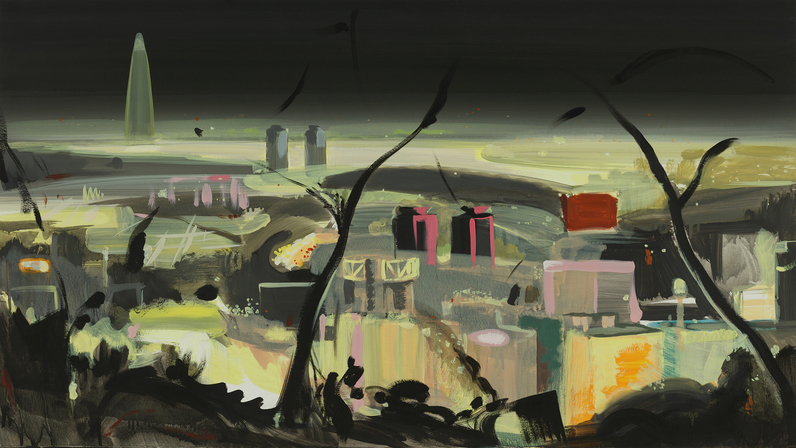
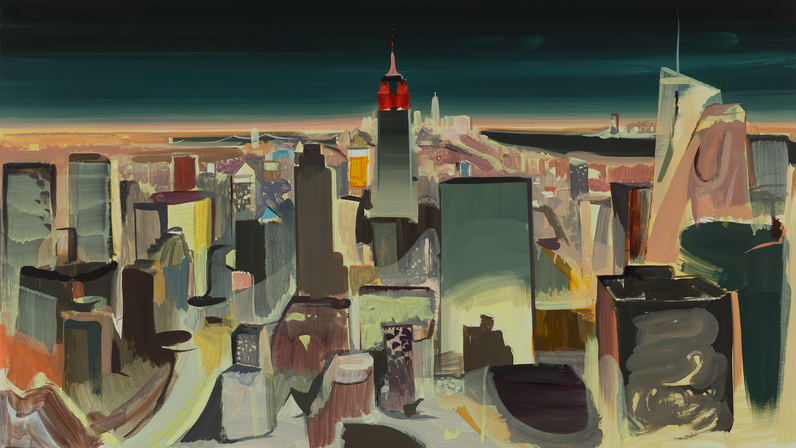
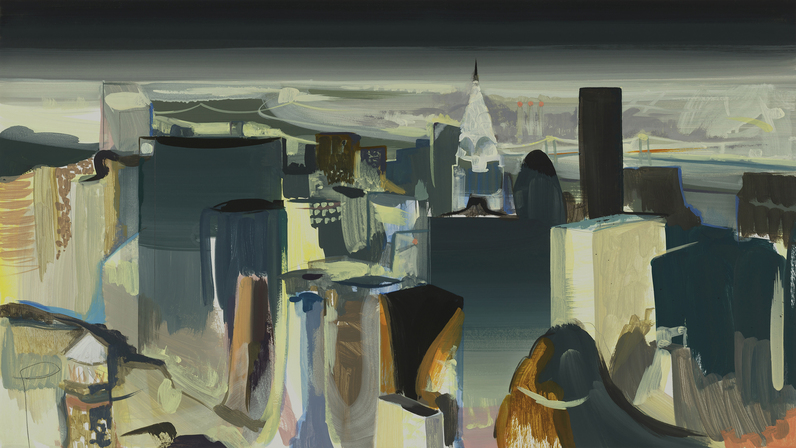
In seeking to express the point at which these two realms intersect, Lee often juxtaposes nature and the artificial, employing imagery characterized by a detached, contemplative perspective. Many of his paintings also originate from landscapes observed in situ.

Yet rather than reproducing what he sees, he transforms these scenes into emotional representations. Lee describes them, in particular, as "scenes imbued with compassion." Compassion has long been a central theme in his practice. For him, the word encompasses sorrow, frustration, sympathy, discomfort, and hope all at once.

"Because an artwork carries the artist's voice, I am always mindful of that, though expressing it within a painting is never easy. If I had to distill the emotional core of my work into a single sentence, it would perhaps be this: to convey to others the compassion and love for humanity that I feel as I engage with the world."


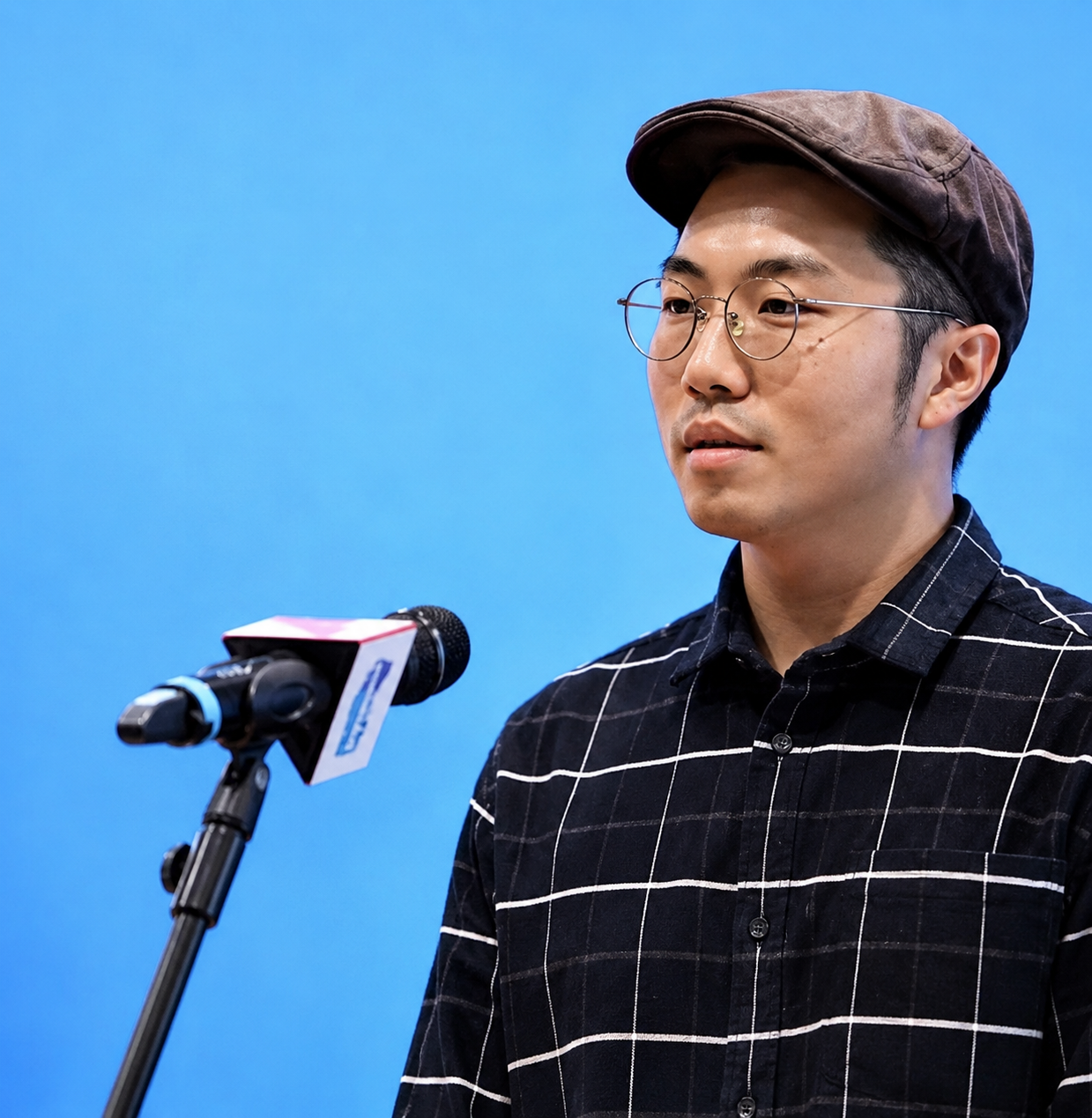
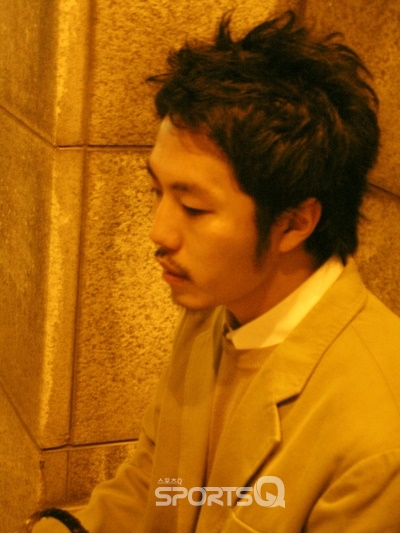
The Artist © Hoin Lee

Several half-finished paintings are spread throughout his studio. Among them, one depicting a doe and her fawn, which the artist happened upon during a winter hike on Hallasan Mountain in Jeju, lingers in the mind. The deer stare straight ahead with fearful expressions, while behind their frozen, snow-covered habitat, a line of hikers advances in an almost foolishly orderly procession.

Within this natural environment, where the roles of host and guest have been reversed, a chilling sense of unease emerges rather than coexistence. Even the white expanses of empty space appear harsh and lonely.

“I went to Jeju not so much for my work as for my life, which is more important than my work. Although I was born and raised in the city, I had always longed for nature, so I chose to spend a year living in it. It was an incredibly precious time, but lately I have been saddened by how rapidly Jeju has been transformed by development driven by foreign capital, causing much of its former character to disappear. The damage to the natural environment has also been severe. It is truly heartbreaking.”

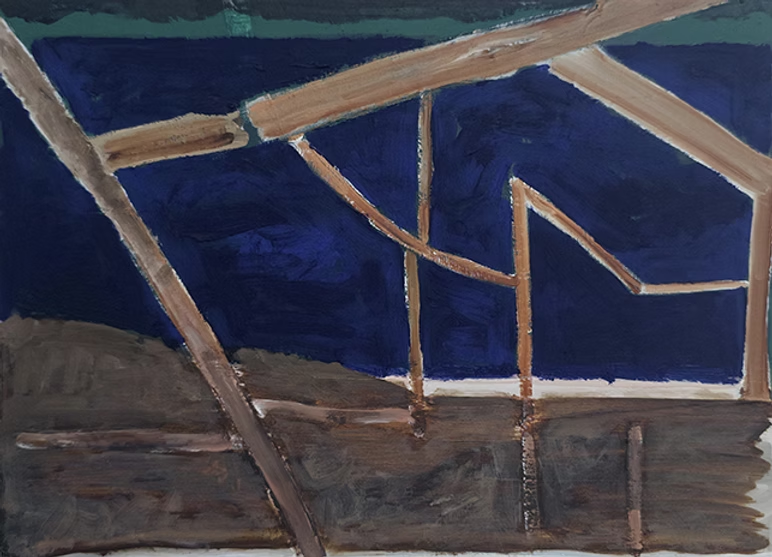
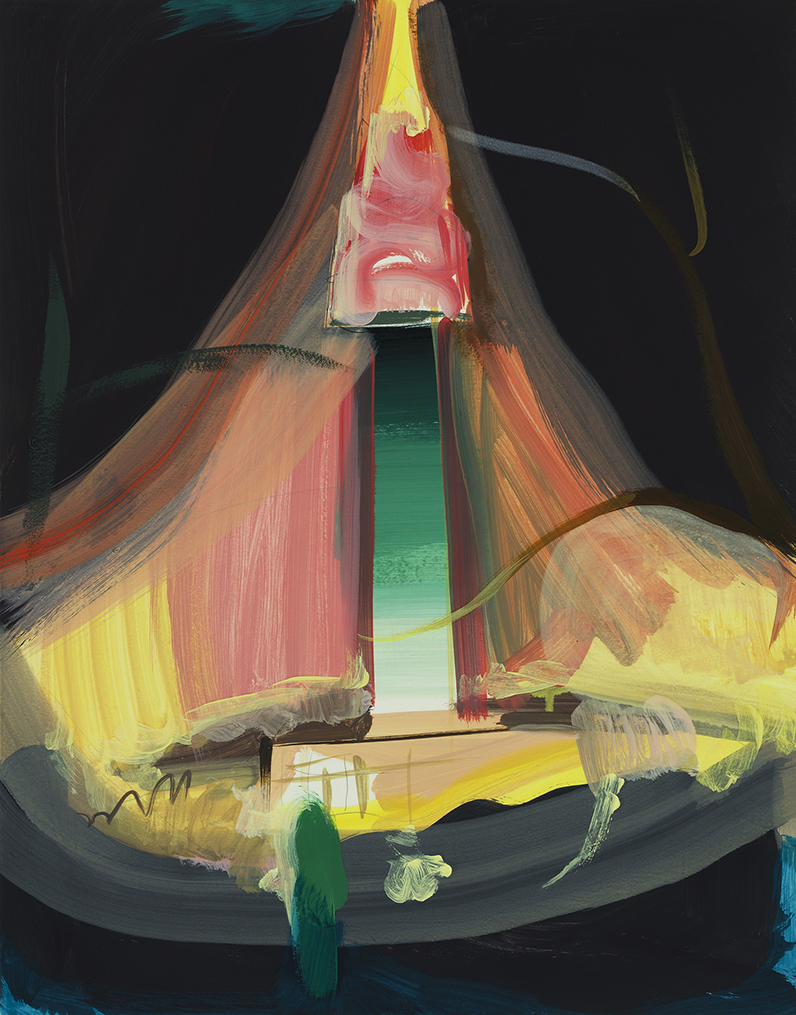
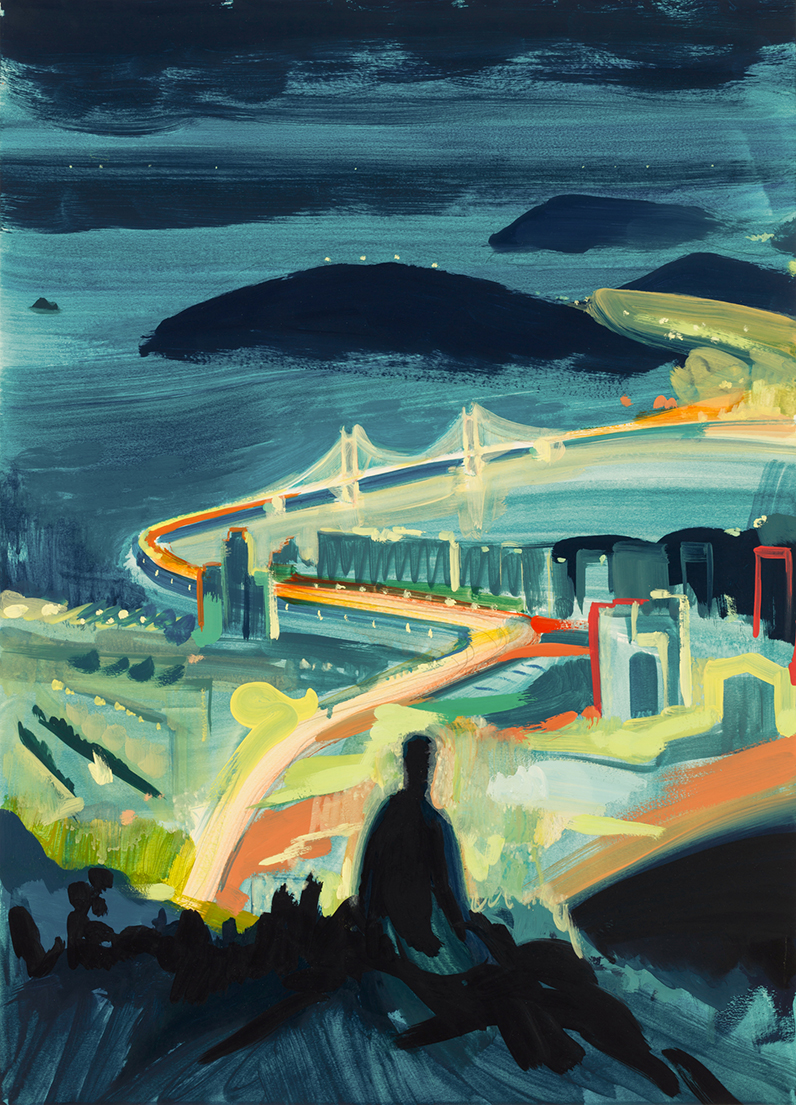
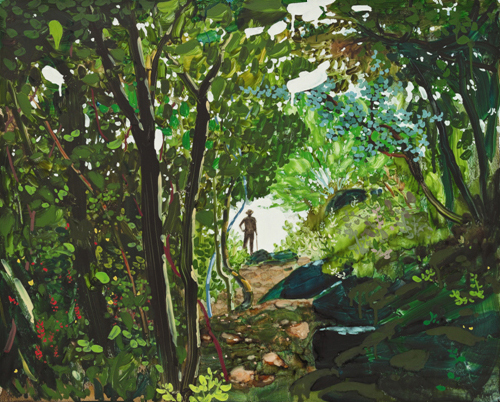
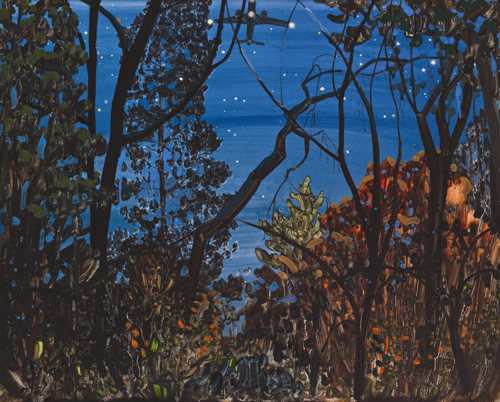
Hoin Lee, Plane Stars, 2011, Oil on acrylic board, 60.5 x 75.5 cm © Hoin Lee

A careful look at Lee's recent works reveals a striking shift from his earlier practice. Bold brushwork, chance-driven gestures, and daring color palettes stand out. Departing from the meticulous and highly controlled technique seen in his previous solo exhibitions 《Surrounded》 and 《To a Place Where There is Nobody》, Lee appears to be striving toward a more spontaneous and emotionally driven painterly language of his own.
Just as technical skill and truly great painting are not always the same, Lee—whose natural gift for painting is unmistakable—seems to be searching beyond the habitual act of painting what he sees, seeking instead a more intuitive mode of expression. Within painting, the endless cycles of repetition and revision offer no definitive answers, often bringing confusion and a sense of loss. Even so, he says that painting remains his greatest source of joy.

“The joy of painting is incredibly precious to me. Ever since I was a child, the things I loved most were drawing and singing, and I don't think anything has ever brought me greater happiness. I suppose that's why becoming an artist felt like such a natural path. Though, every now and then, I find singing even more enjoyable. (Laughs)”


The Artist © Hoin Lee

In his studio, Lee wears striped house slippers and a loose T-shirt, humming softly along to the music playing in the background. He says he still has an unwavering fondness for melancholic, old songs. According to Lee, his life has never been marked by dramatic events or grand ambitions.

Instead, he speaks simply of his wish to leave the city behind and return to nature, saying that the longer he remains in urban environments, the more desolate he feels, and that he dreams of one day settling in the countryside.

Looking once more at his paintings, one finds a solitary, vulnerable figure standing before the vastness of nature—a reflection, perhaps, of the artist himself. The scene is deeply ironic. Yet instead of being surrounded by a city filled with chaos, frustration, and selfishness, he is embraced by the quiet serenity of the natural world.

Throughout the interview, the compassion Lee repeatedly spoke of came to sound less like sympathy than like a form of love that accepts and embraces all things as they are. Smiling brightly, he remarked that nature would probably continue to govern his life forever.

References